RFID manufacturing systems use UHF RFID technology to automate production tracking, inventory visibility, and material identification in real time, helping factories reduce labor costs, improve accuracy, and accelerate operational efficiency.
I still remember the sound before I remember the numbers.
Forklifts reversing. Metal carts rattling across concrete. Operators checking clipboards while trying to match unfinished components with production orders taped onto plastic bins. One missed label created confusion that spread down the entire assembly line.
That factory was not “outdated.” It was simply operating the way many manufacturers still do today — manually.
Three months later, after deploying UHF RFID checkpoints and automated material tracking, the same workshop felt strangely quieter. Not because the machines slowed down. The opposite happened. Workers stopped searching for parts.
That is what modern rfid manufacturing changes first: uncertainty.
According to research from McKinsey & Company, smart factory technologies can improve productivity by as much as 30% while reducing quality-related costs significantly. RFID is now one of the core technologies behind those industrial visibility improvements.
Why RFID Manufacturing Has Become Essential
Factories generate massive amounts of movement every hour:
Raw materials entering production
Components transferred between workstations
Finished products leaving warehouses
Tools and containers circulating continuously
Manual recording simply cannot keep pace.
That gap creates familiar operational problems:
Manufacturing Problem
Operational Impact
Missing components
Production delays
Incorrect inventory counts
Overstock or shortages
Manual paperwork
Higher labor costs
Poor traceability
Compliance risks
Slow warehouse movement
Shipping bottlenecks
A properly designed rfid manufacturing system removes most of these blind spots automatically.
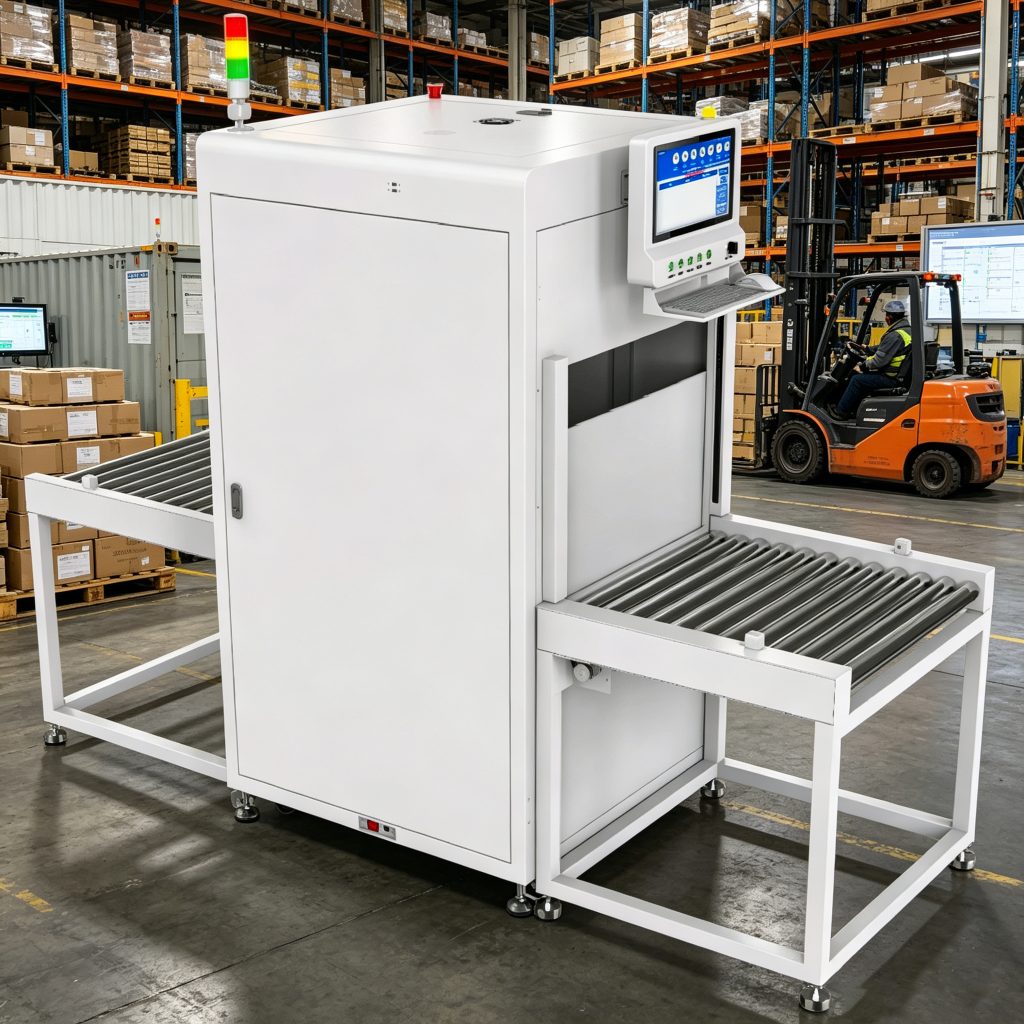
UHF RFID readers continuously identify tagged assets without requiring line-of-sight scanning. Unlike barcode workflows, multiple tagged objects can be recognized simultaneously while moving.
That distinction matters more on busy factory floors than many executives initially expect.
How UHF RFID Works in Manufacturing Environments
Real-Time Identification Without Manual Scanning
Each pallet, tool, component, or container receives a UHF RFID tag compliant with ISO18000-6C (EPC C1G2). RFID readers installed at production stations, warehouse entrances, or conveyor systems automatically detect movement.
The result is continuous visibility.
Instead of asking: “Where did this part go?”
Factories can see: “When did it move, who handled it, and which process station processed it?”
Cykeo’s UHF RFID systems are designed specifically for industrial automation environments requiring stable multi-tag recognition and fast throughput.
In high-density production areas, read stability matters more than advertised maximum distance.
That lesson usually appears after deployment.
What We Observed Inside Real RFID Manufacturing Projects
One automotive parts supplier we visited struggled with work-in-progress inventory accuracy. Operators manually updated spreadsheets at shift changes. Delays were common, especially during overnight production.
After RFID deployment:
Material search time dropped noticeably
Production supervisors accessed live inventory data
Misplaced container incidents decreased
Loading dock congestion improved
The surprising part was not the technology.
It was worker behavior.
Employees stopped building “safety stock piles” beside machines once they trusted the inventory data.
That alone freed substantial floor space.
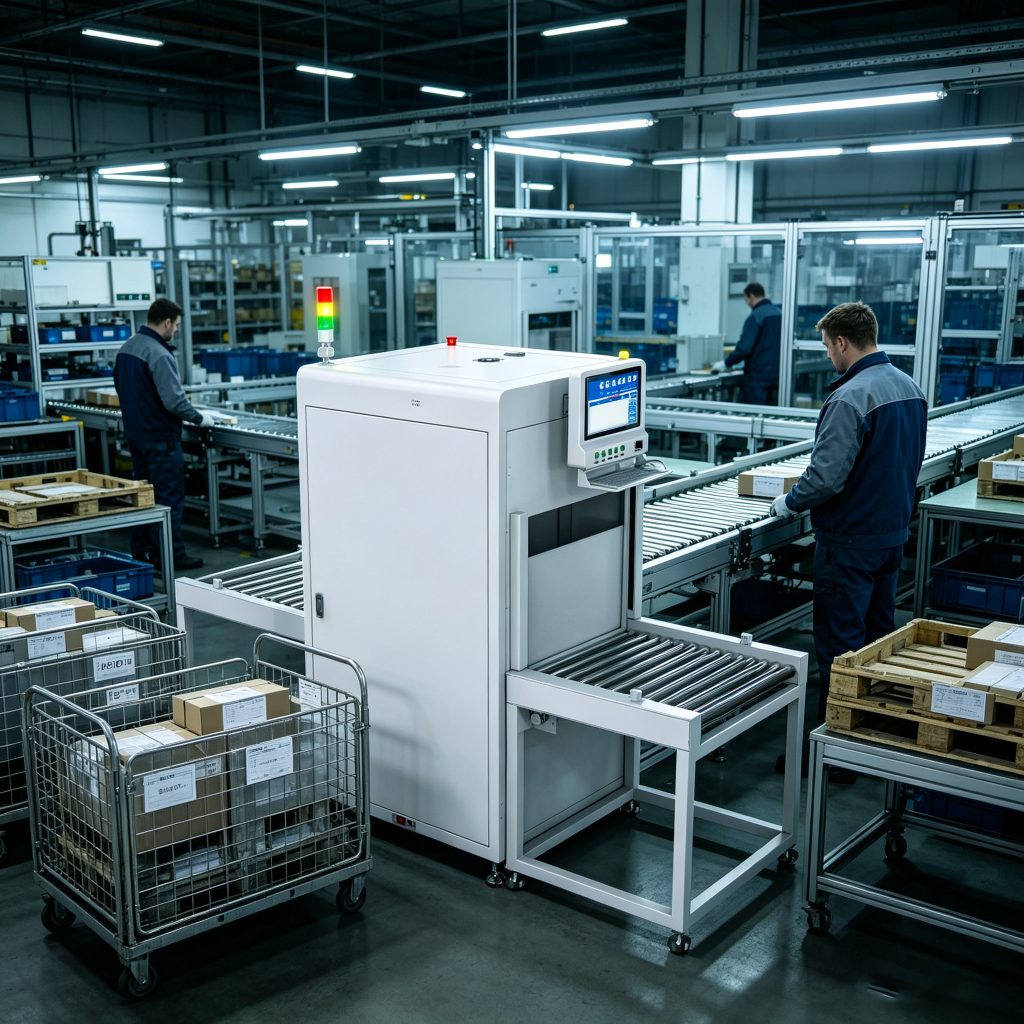
Automated UHF RFID identification improves manufacturing visibility and production efficiency.
rfid manufacturing Improves Inventory Accuracy
Inventory in manufacturing environments changes constantly.
Traditional ERP systems often contain delayed or incomplete data because information depends on manual input.
RFID changes data collection from “human-triggered” to “event-triggered.”
That difference is operationally huge.
According to Deloitte’s smart manufacturing research, manufacturers adopting connected technologies including RFID and IoT systems report measurable gains in inventory accuracy and operational responsiveness.
Operational Improvements Commonly Seen
Process
Traditional Workflow
RFID Workflow
Inventory checks
Manual counting
Automated detection
Workstation tracking
Paper records
Real-time updates
Material movement
Delayed visibility
Instant recognition
Shipment verification
Barcode scanning
Bulk RFID reading
Factories processing thousands of components daily especially benefit from bulk reading capability.
UHF RFID can identify multiple tagged assets simultaneously without slowing movement.
Industrial RFID Automation Reduces Human Error
Manufacturing mistakes rarely begin with machinery.
Most originate from:
Incorrect labeling
Wrong component selection
Missing process verification
Inventory mismatch
Manual data entry
RFID systems reduce these risks because identification becomes automatic.
One production manager described it bluntly during a deployment review:
“People are still busy. The system just stopped asking them to remember everything.”
That comment stayed with me.
Good automation does not replace workers. It removes repetitive failure points.
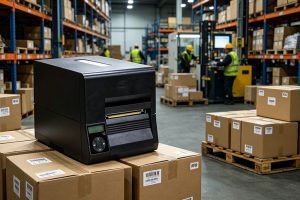
RFID-enabled manufacturing logistics improves warehouse speed and inventory visibility.
Where RFID Manufacturing Systems Deliver the Most Value
Automotive Manufacturing
Tracking tools, assemblies, and work-in-progress materials across multiple production stages.
Electronics Production
Monitoring high-value components with real-time inventory control.
Medical Device Manufacturing
Improving traceability and compliance documentation.
Warehouse and Logistics Integration
Accelerating inbound and outbound shipment verification.
FAQ – rfid manufacturing
What is RFID manufacturing?
RFID manufacturing uses radio frequency identification technology to automate tracking of materials, inventory, tools, and products throughout industrial production processes.
Why is UHF RFID used in manufacturing?
UHF RFID supports long-range, high-speed multi-tag reading, making it suitable for large-scale industrial automation and warehouse management.
Can RFID improve manufacturing efficiency?
Yes. RFID reduces manual scanning, improves inventory accuracy, shortens search time, and enables real-time operational visibility.
How accurate are RFID manufacturing systems?
Well-designed industrial RFID systems can achieve read accuracy above 99% under optimized deployment conditions.
Final Thoughts on rfid manufacturing
Manufacturing environments are becoming faster, denser, and less tolerant of delay. The companies operating efficiently today are not necessarily using more labor or more machines. They simply have better visibility.
That visibility increasingly comes from RFID.
Modern rfid manufacturing systems allow factories to track movement automatically, reduce operational friction, and make production decisions based on live data instead of delayed reports.
Inside busy industrial environments, that difference compounds quickly.
And once teams experience real-time visibility, very few want to return to clipboards.
Compare RFID windshield tags, headlight tags, license plate tags, hang tags, and active RFID tags for parking systems. Learn the differences in installation, reading distance, lifespan, cost, and tamper resistance before selecting the right RFID p...
rfid label printing improves inventory accuracy, asset visibility, and warehouse automation with high-speed UHF RFID labels for industrial tracking applications.
Wondering what is a fixed RFID reader? We explain the definition, how it differs from handhelds, common applications in warehouses and factories, and key features like multi-port antennas. Real guidance from CYKEO engineers.
Discover how does passive rfid work, including RF energy, backscatter communication, tag antennas, reader signals, read range, and real-world industrial RFID use.
 Cykeo RFID IoT Solution Products R&D Manufacturer