 Cykeo RFID IoT Solution Products R&D Manufacturer
How to Extend UHF RFID Reader Range in High-Interference Warehouses
564Tired of missed RFID scans near metal shelves or Wi-Fi routers? Learn how to extend UHF reader range in interference-heavy warehouses—no engineering degree needed.
MoreAll RFID Product
Metal surfaces and RFID don’t always get along well. If you’ve ever tried sticking a regular RFID tag directly onto a metal tool, box, or machine and watched it fail to read properly… you know the frustration.
Metal reflects and absorbs radio waves in odd ways, which can make regular tags almost useless. But with the right metal RFID tags, you can solve this problem and get consistent reads on metal objects—without expensive workarounds.
This article walks through what you should know about RFID on metal, and how to choose the right tag for your situation.
RFID tags communicate with readers using radio waves. When those waves hit a metal surface, they don’t behave nicely. They:
So if you slap a normal RFID label on a steel cabinet or metal tool case, chances are good it won’t behave the way you want. Reads might be inconsistent, too short, or not happen at all.
That’s why specialized RFID tags for metal exist—they’re designed to deal with this issue.
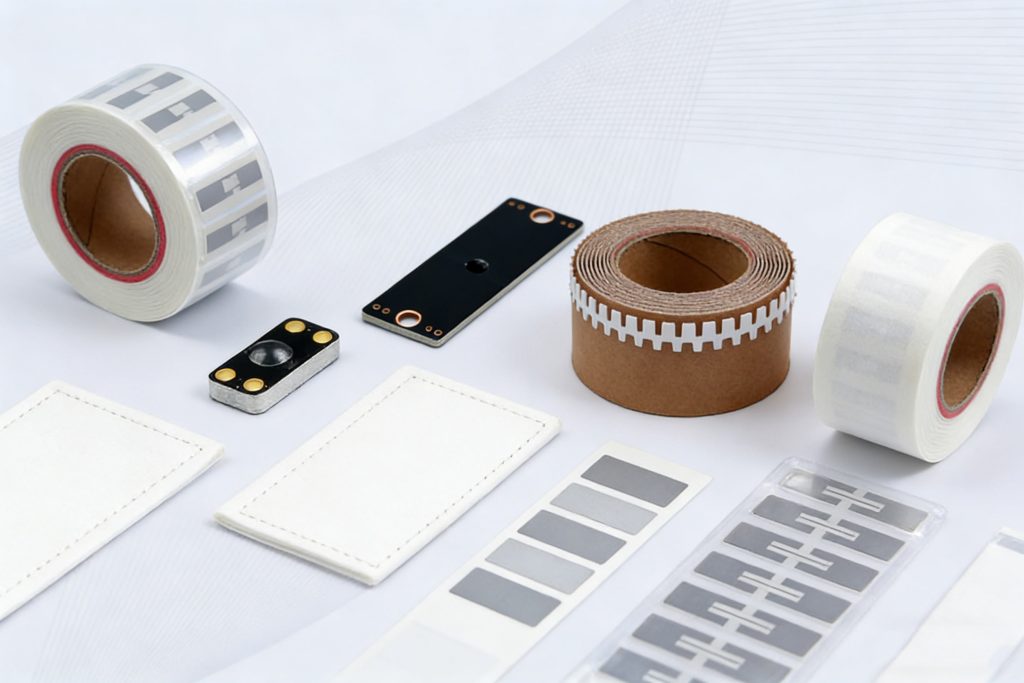
Metal RFID tags, like the ones available in the industrial metal RFID tags section on Cykeo, are built to work right on metal surfaces.
The key differences:
Metal tags often have a layer inside that keeps the antenna separated from the metal. This prevents the radio waves from being absorbed or distorted.
The antenna geometry and materials are optimized to work in proximity to metal so you still get a good read range.
Industrial metal tags usually come in tough casings that survive:
All of this makes them suitable for warehouses, factories, outdoor environments, and industrial zones.
Here are a few places you might want metal RFID tags:
In all these cases, metal RFID tags make tracking more reliable and predictable than using regular tags.
When picking a metal RFID tag from a product range like Cykeo’s, consider these factors:
Some metal tags read only a couple of feet, others can be read from several meters away with a good reader setup. Think about how far the reader needs to see the tag in your application.
If you’re in a factory with oil, moisture, or dust, you want tags that can take abuse. Many industrial metal tags are IP-rated or have rugged encapsulation.
Most metal tags are passive (no battery, cheaper, longer life). If you need long-range or sensor data, consider active tags—but those are more expensive and larger.
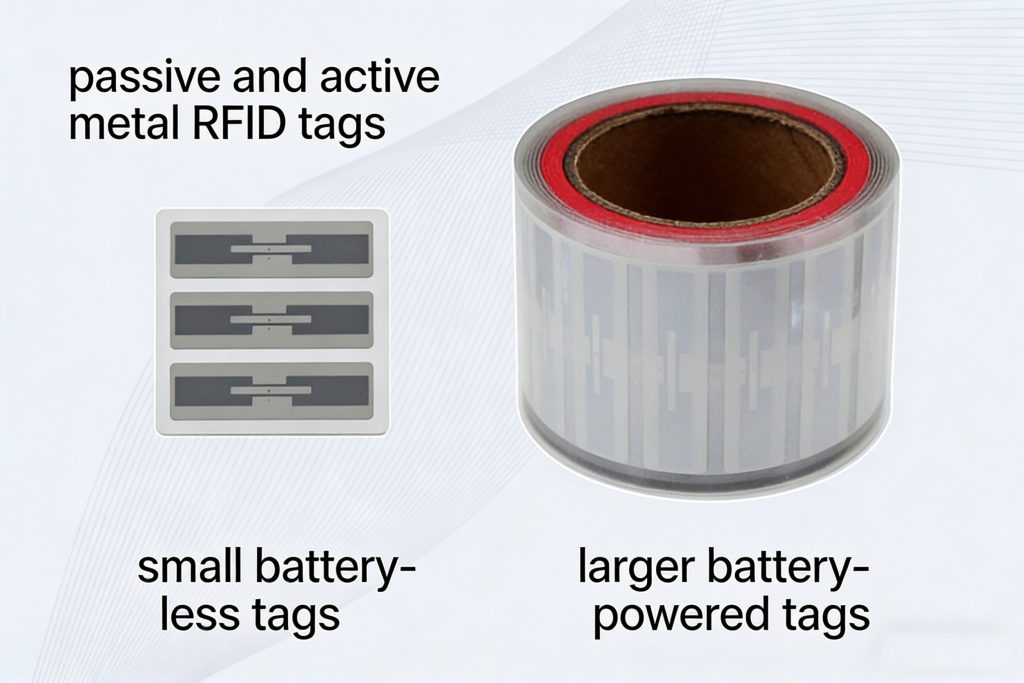
Here are practical examples of metal RFID tags used in real setups:
Designed to stick to handheld tools or equipment cases. Great for toolroom management and asset checkout systems.
Works well when you need longer read ranges or are scanning pallets on metal racks.
Perfect for irregular or round surfaces like pipes or framed equipment.
Encapsulated for harsh environments like outdoor yards, automotive plants, or metal fabrication facilities.
You can browse these types and more here
Here are some simple, practical tips that help in real projects:
Tracking metal assets doesn’t have to be frustrating if you choose the right tag. Metal RFID tags are designed to deal with the quirks of metal surfaces, giving you more reliable reads in warehouses, factories, and logistics environments.
Whether you’re tagging tools, equipment, shelves, or containers, picking the right tag size, shape, and toughness makes all the difference.
If you’re ready to explore a variety of metal RFID tags that actually work on metal surfaces, check out the lineup here
Related products
CYKEO-70-20 Anti-Liquid Passive RFID Tags
CYKEO-PCB1504 Anti-Metal RFID Tags
CYKEO-PCB7020 On-Metal RFID Tags
CYKEO-60-25 Flexible Anti-Metal RFID Tag
CYKEO-125-7 UHF RFID Book Tag
CYKEO-55-30 MEDICAL RFID LABEL WITH
CYKEO-88-28 UHF RFID Cable Tie Tag
CYKEO-73-20 UHF RFID Asset Tag
Guide Recommendations
Understanding RFID Tags: How They Work and How to Check if They’re Really Broken
How to Test RFID Tags with Phone
Using Smartphones as RFID Tags – Is It Possible?
How to Identify an RFID Tag: A Practical Guide for Everyday Use
Can You Use an NFC Phone as an RFID Tag?
Can Android NFC Read RFID Tags?
Components of RFID Tag: More Than Just a Sticker
Understanding RFID Tags the Practical Way: How They Work, How to Test Them, and Where They Actually Get Used
RFID Passive and Active Tags: What You Need to Know
How to Test RFID Tags with Your Smartphone (No Scanner Needed)
Can Your RFID Tags Reader iPhone ? Here’s How It Actually Works
Can Mobile Phones Read RFID Tags?
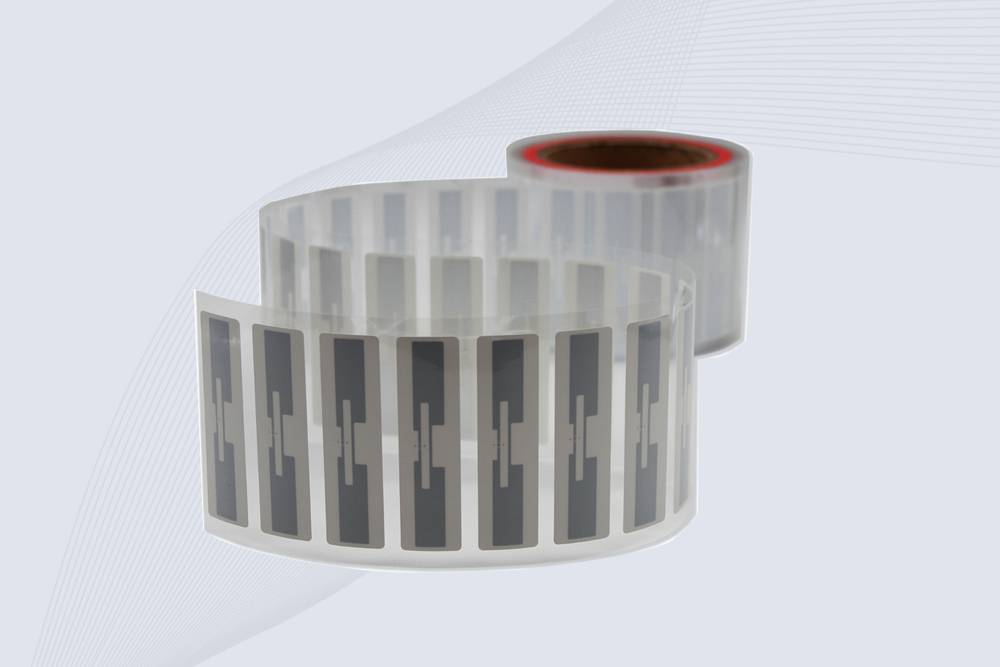
CYKEO Passive RFID Tags are made for wet and high-humidity environments where standard labels do not last. This rfid passive tag is often used around liquids, chemicals and temperature changes, providing stable reading distance and long data life for industrial tracking.
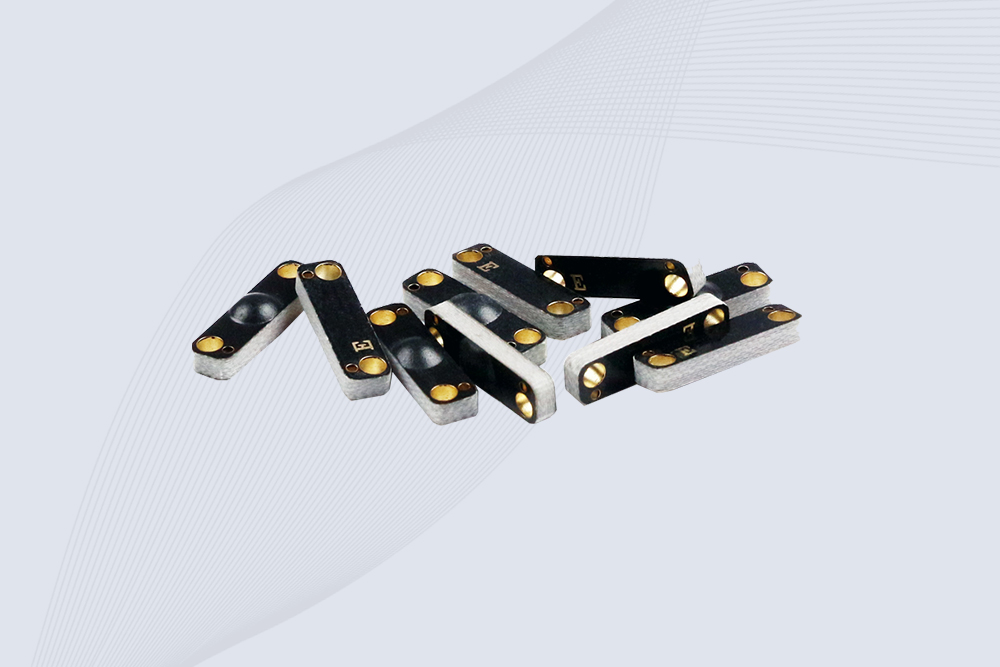
CYKEO CYKEO-PCB1504 Metal RFID Tags is a compact anti-metal UHF RFID solution built for direct mounting on metal surfaces. With stable 8-meter read range, Ucode-8 chip, and long data retention, this rfid metal tag fits tools, containers, automotive parts, and industrial asset tracking.
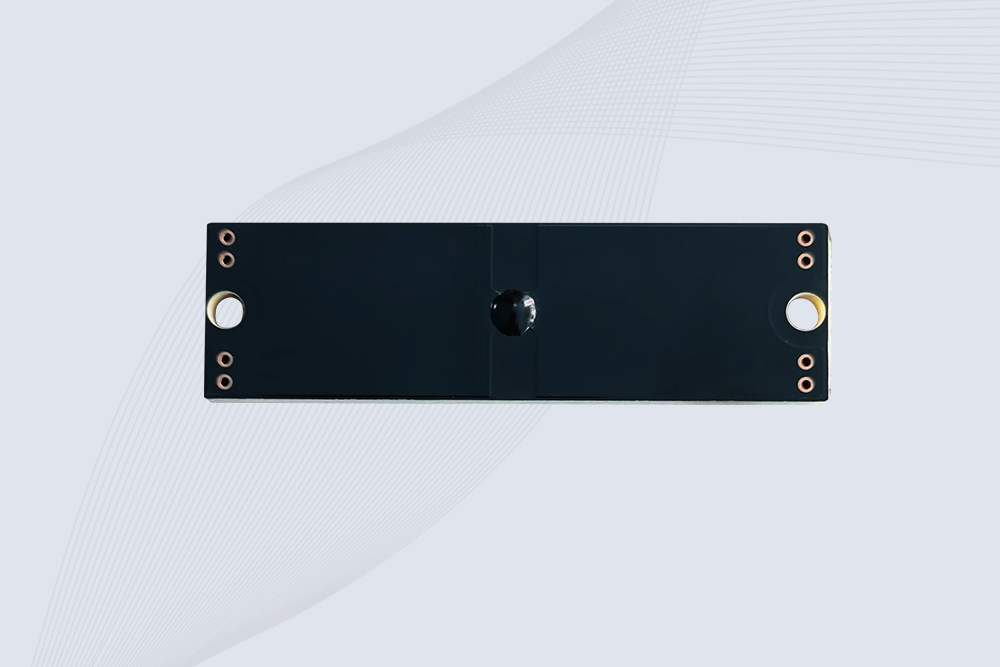
CYKEO CYKEO-PCB7020 On-Metal RFID Tags are designed for reliable tracking on steel and metal surfaces. Built with an FR4 epoxy body and industrial-grade chips, these On-Metal RFID Tags deliver stable performance, long data life, and chemical resistance, making them a dependable RFID anti-metal tag for harsh environments.
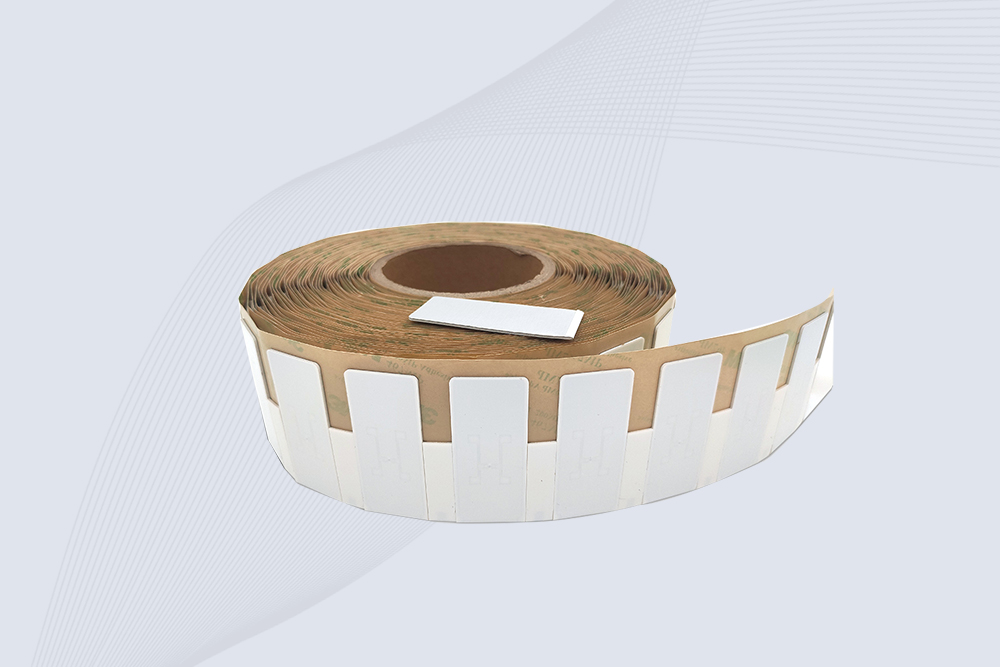
The CYKEO CYKEO-60-25 Anti-Metal RFID Tag is built for metal surfaces where standard tags fail. Designed for long-range performance, harsh environments, and stable data retention, this Anti-Metal RFID Tag is ideal for industrial assets, containers, and equipment tracking using on metal RFID tags.
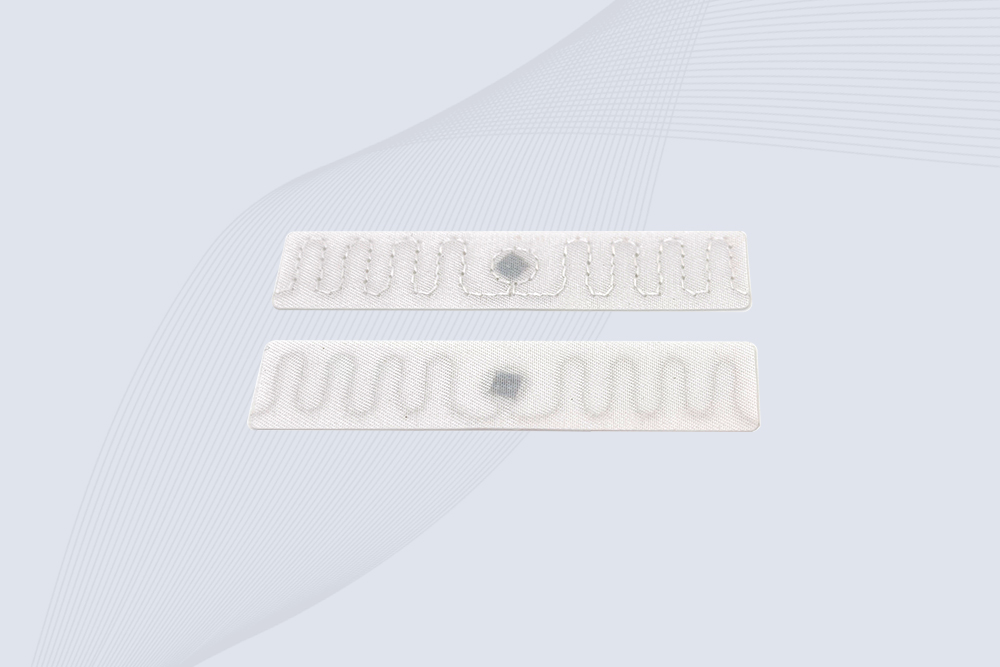
The CYKEO RFID Laundry Tag is designed for long-term textile identification in harsh laundry environments. Built to withstand high heat, chemicals, and repeated washing, this RFID Laundry Tag delivers stable performance for hotels, hospitals, and industrial laundry operations using laundry rfid tags at scale.
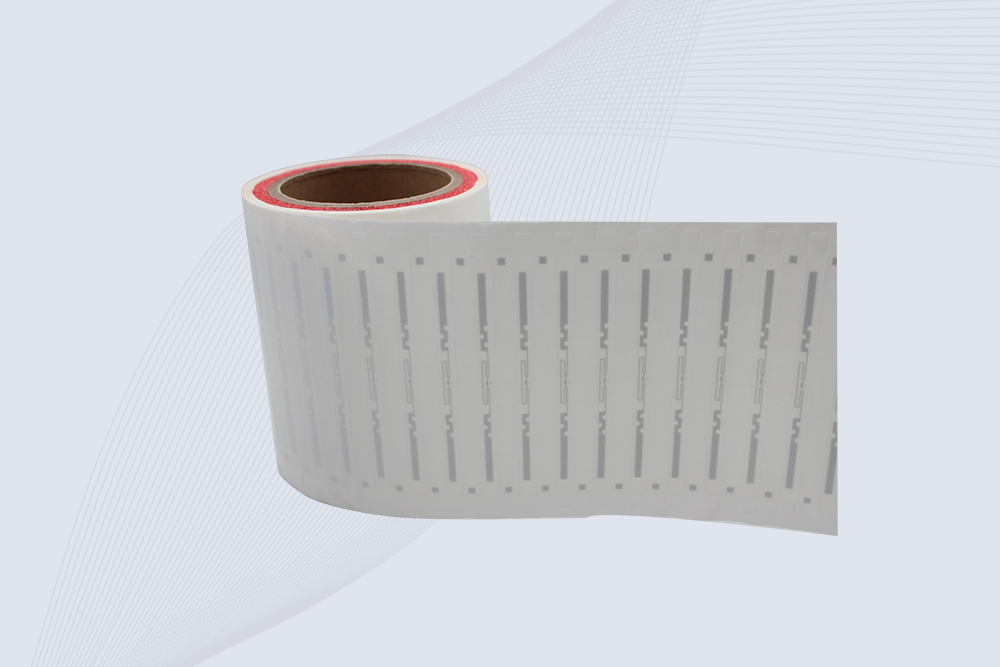
The CYKEO CYKEO-125-7 RFID Book Tag is designed for reliable book and document tracking in libraries and archives. This RFID Book Tag delivers long read range, dense placement support, and stable performance on shelves, making it a practical rfid tag on books for library automation, file management, and archival systems.
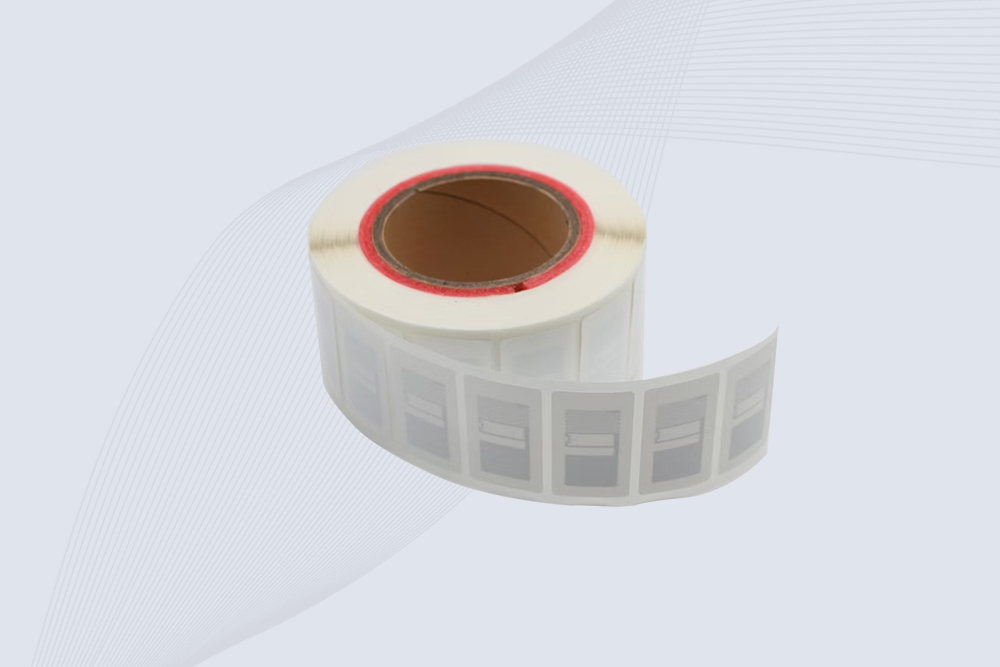
CYKEO RFID tags in hospitals are designed for sterile environments where accuracy matters. These autoclavable RFID tags support long-term tracking of surgical tools, implants, and medications, helping hospitals improve visibility, compliance, and patient safety.

CYKEO RFID Cable Tie Tag is built for reliable identification on metal surfaces. This UHF RFID Cable Tie Tag is widely used in rfid tags for inventory systems, industrial asset management and Hospital RFID Tags, offering stable read performance, long service life and global EPC Gen2 compatibility.
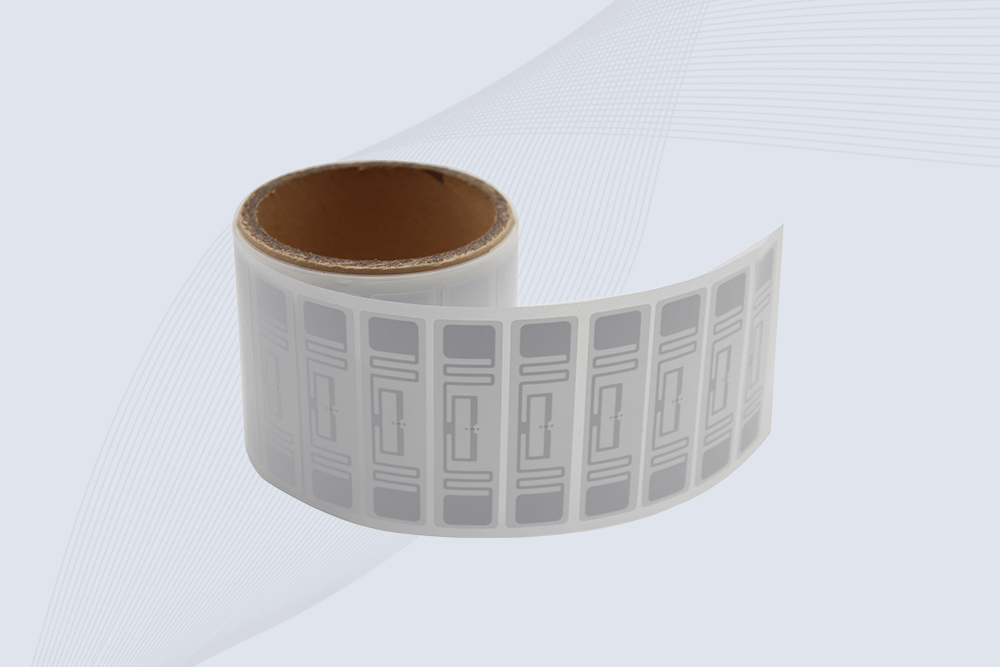
CYKEO RFID Asset Tag is designed for stable identification of metal assets in industrial environments. This UHF RFID Asset Tag is commonly used for rfid tag asset tracking on equipment, tools and containers, providing reliable reads, long service life and ISO/IEC 18000-6C support.

CYKEO UHF RFID Card is designed for fast identification and long-term use in industrial and commercial systems. Supporting ISO 18000-6C, this UHF RFID Card works at 860–960 MHz and is suitable for custom RFID cards used in asset tracking, access control and inventory management.
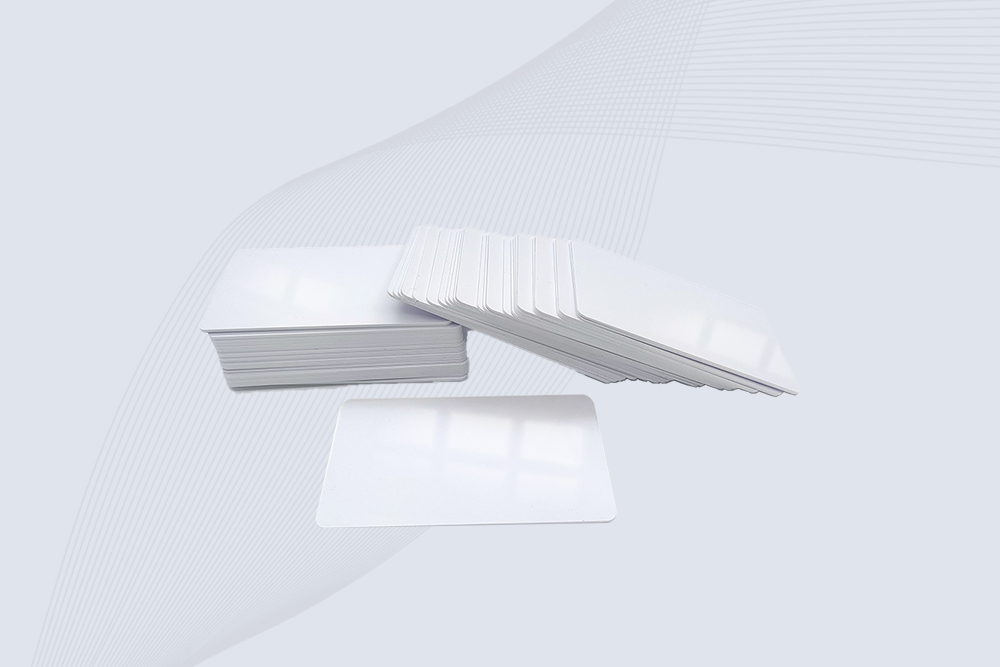
CYKEO HF RFID Cards are designed for secure and stable access control systems. These 13.56 MHz RFID key cards support ISO 14443-A, reliable rewriting and long service life, making HF RFID Cards suitable for offices, campuses, events and membership management.
CYKEO UHF RFID Tag is designed for reliable tracking of metal jewelry and high-value items. This Jewelry RFID Tag supports long-range reading up to 8 meters, anti-counterfeit protection and stable performance on metal, making it suitable for retail, inventory control and asset management.

Tired of missed RFID scans near metal shelves or Wi-Fi routers? Learn how to extend UHF reader range in interference-heavy warehouses—no engineering degree needed.
More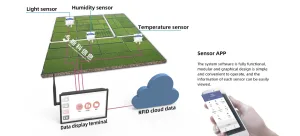
With the continuous development of technology, RFID (Radio Frequency Identification) is gradually making its way into the agricultural sector. This article explores how RFID technology is being applied in smart agriculture to achieve prec...
More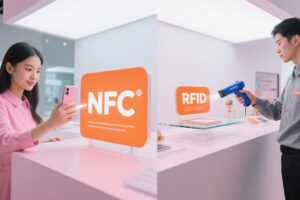
NFC tags vs RFID: Understand range, cost & use cases. Learn when NFC’s phone compatibility beats RFID’s industrial power. No jargon, just clear answers.
More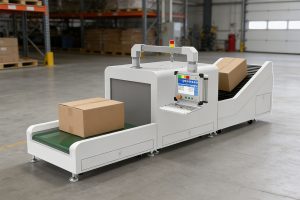
CK-TP3BC RFID inventory tunnel system enables automated, hands-free batch inventory tracking on conveyor lines. Designed for fashion, wine, and electronics warehouses, with RESTful and native APIs for ERP, WMS, and IoT integration.
More