 Cykeo RFID IoT Solution Products R&D Manufacturer
Can RFID Reader Be Directional? Let Me Show You How We Aim Them
263Someone just asked me can rfid reader be directional after their gate installation failed. Here's the real story on antennas, beam patterns, and what CYKEO gear actually does.
MoreAll RFID Product
To use an RFID tag, attach or embed the tag to an object, use a compatible RFID reader to capture its stored information, and connect the collected data with an application system for identification or tracking. The correct usage depends on selecting the right RFID frequency, reader type, and deployment environment.
In practical RFID projects, RFID tag is not an independent tracking device. It becomes useful only when combined with readers, software, and a management process. During previous RFID deployments, I found that many companies focused on purchasing tags first but underestimated the importance of tag selection, installation position, and data workflow.
A small change in tag placement can create a completely different result. A tag attached to a cardboard package may perform well, while the same tag installed on a metal container may require a different design. This is why professional RFID implementation starts with application testing instead of simply selecting the cheapest available tag.
Cykeo provides RFID solutions for industrial identification, inventory management, asset tracking, and smart business applications. Understanding how to use rfid tag correctly helps companies build more reliable RFID systems and avoid common deployment problems.
An RFID tag stores identification information inside an RFID chip and communicates with RFID reader through radio frequency signals. Unlike traditional labels, RFID tags can be identified without direct visual scanning.
A typical RFID system includes three parts:
RFID Tag: Stores identification information and communicates with readers.
RFID Reader: Sends signals and receives tag responses.
Software Platform: Processes collected data and connects it with business operations.
When the RFID reader sends a signal, the tag responds with stored information. The system then converts this information into useful records such as inventory status, equipment history, or product location.
RFID tags are widely used for tracking because each tag can provide a unique identity for physical items. The tracking process normally begins by assigning a tag to an object and registering the relationship between the tag ID and business information.
Select a suitable RFID tag according to the application environment.
Attach the RFID tag securely to the target object.
Register tag information in the RFID management system.
Use RFID readers or scanners to collect tag data.
Analyze collected information through software.
Update records according to operational requirements.
For example, in warehouse management, an RFID tag may represent a product, pallet, or container. In manufacturing, the same technology can track tools, components, or work-in-progress materials.
The correct RFID tag depends on the working environment. Different frequencies and tag structures are designed for different applications.
| RFID Tag Type | Frequency | Typical Application |
|---|---|---|
| LF RFID Tag | 125–134 kHz | Access control and animal identification |
| HF RFID Tag | 13.56 MHz | Cards, NFC applications, document management |
| UHF RFID Tag | 860–960 MHz | Warehouse, logistics, inventory tracking |
For industrial tracking scenarios, UHF RFID tags are commonly selected because they support longer reading distances and fast multi-tag identification. The EPC Gen2 standard, also known as ISO/IEC 18000-63, is widely used in UHF RFID applications.
Tag installation has a direct influence on RFID performance. A technically suitable tag may still fail if it is installed incorrectly.
Different surfaces affect RFID signals differently. Metal, liquids, and dense materials can reduce reading performance if standard tags are used without testing.
The tag should be placed where the RFID reader can communicate effectively. Avoid locations blocked by metal structures or areas exposed to extreme environmental conditions unless the tag is specifically designed for those situations.
In professional RFID projects, testing several samples before mass installation is a normal practice. Field conditions often reveal problems that cannot be discovered in a simple office test.
An RFID tag only provides identification information. The real business value comes from connecting that information with software systems.
Common RFID tag data applications include:
Inventory quantity updates.
Asset location tracking.
Product movement records.
Equipment maintenance history.
Access authorization management.
Supply chain visibility improvement.
According to GS1, RFID and Electronic Product Code (EPC) technologies help organizations create standardized identification and information-sharing processes across supply chains.
After working with RFID identification systems, I have observed several repeated mistakes during early deployment stages:
| Mistake | Impact | Better Approach |
|---|---|---|
| Choosing tags only by price | Low reading reliability | Test tags in the real environment |
| Ignoring installation material | Reduced reading performance | Select suitable tag structure |
| No software planning | Unused collected data | Design data workflow early |
| No verification testing | Incorrect tracking records | Perform read/write validation |

After an RFID tag is installed, the next step is collecting and managing the information stored inside the tag. An RFID reader sends radio frequency signals to activate the tag, receives the returned identification data, and transfers this information to software for processing.
The reading process depends on the RFID system design. A simple application may only require checking whether a tag exists, while an industrial system may need to manage thousands of tagged items, filter repeated reads, and connect information with enterprise software.
Activate the RFID reader: Start the reader and connect it with the required software platform.
Place RFID tags within the reading area: Ensure the tag is within the effective communication range.
Capture tag information: The reader collects EPC, UID, or other stored identification data.
Process information: Software converts raw RFID data into inventory, tracking, or management records.
Verify accuracy: Compare digital records with actual physical items.
For UHF RFID applications, readers can often identify multiple tags simultaneously. This capability is especially useful in warehouses, logistics centers, and retail environments where manually scanning individual products would consume significant operational time.
UHF RFID tags are commonly used for long-range identification and high-volume tracking applications. They normally operate between 860 MHz and 960 MHz depending on regional regulations and support standards such as EPC Gen2 / ISO 18000-63.
In a warehouse project, for example, each pallet or product can receive a unique RFID tag. Fixed RFID readers installed at entry points can automatically capture movement events, while handheld RFID scanners allow employees to perform inventory checks.
| Application | RFID Tag Usage | Typical Equipment |
|---|---|---|
| Warehouse inventory | Identify products and pallets | Handheld or fixed RFID reader |
| Asset tracking | Monitor equipment movement | Mobile RFID scanner |
| Retail management | Improve stock visibility | RFID reader and software platform |
| Manufacturing | Track tools and components | Industrial RFID system |
Cykeo develops RFID hardware and solutions designed for real business environments where stable identification and reliable data collection are required.
For professional RFID tag applications, Cykeo solutions support:
UHF RFID identification based on ISO 18000-6C / EPC C1G2 standards.
Multi-tag recognition for inventory operations.
Adjustable reading performance for different environments.
Integration through SDK, API, Ethernet, USB, and serial communication options.
Flexible deployment for warehouse, industrial, retail, and asset management applications.
In actual deployment, the RFID tag itself is only one part of the solution. The reader configuration, software workflow, and application environment determine whether the system can deliver stable results.
Many RFID projects encounter problems during the testing stage. These issues are usually not caused by the RFID principle itself but by incorrect matching between tags, readers, and environments.
| Problem | Possible Reason | Solution |
|---|---|---|
| RFID tag cannot be detected | Wrong frequency or damaged tag | Confirm tag compatibility and test another sample |
| Short reading distance | Incorrect tag placement or interference | Adjust installation position or select suitable tags |
| Multiple duplicate records | No filtering configuration | Enable software filtering functions |
| Unstable performance | Environmental interference | Perform real-site testing before deployment |
From years of working with RFID identification projects, one practical lesson is clear: testing conditions should match the final operating environment.
A common mistake is testing RFID tags on an empty desk and assuming the same performance will appear in a warehouse filled with metal shelves, forklifts, and moving inventory. In one industrial evaluation, changing only the tag mounting position changed the reading stability significantly.
Professional RFID deployment normally includes:
Small-scale tag testing.
Reader configuration adjustment.
Software data verification.
Operator workflow testing.
Long-term reliability observation.
This practical approach reduces unexpected problems after full deployment and helps companies build RFID systems that match their operational needs.

To use RFID tags for inventory tracking, attach tags to products or assets, register tag information in the management system, and use RFID readers to collect movement and inventory data automatically.
Yes. RFID tags can store identification data such as EPC numbers or unique IDs. Additional product information is usually managed in connected software databases.
Most commonly used passive RFID tags do not require batteries. They receive energy from the RFID reader signal and respond with stored identification information.
The reading distance depends on tag type, reader power, antenna design, environment, and frequency. UHF RFID systems generally provide longer reading ranges than LF and HF systems.
Yes. Many RFID readers support anti-collision technology, allowing multiple RFID tags to be identified during the same scanning process.
Select an RFID tag according to application requirements, including material surface, reading distance, environmental conditions, frequency, and required durability.
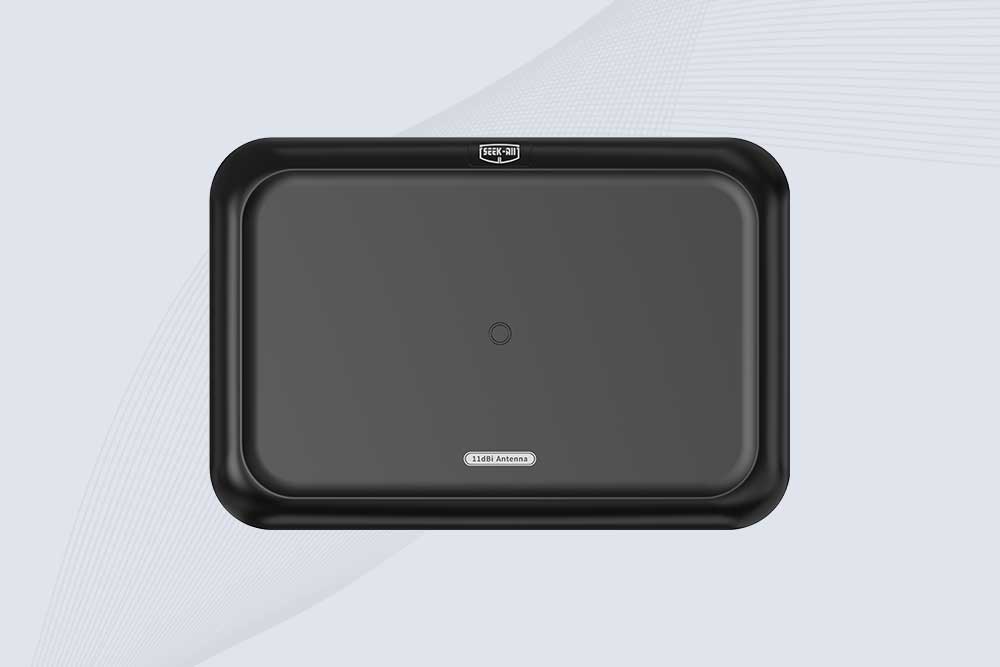
SSD-A11 UHF RFID antenna features 840–960 MHz adjustable frequency, ≥10.5 dBi gain, circular polarization and 50Ω impedance for fixed RFID systems.
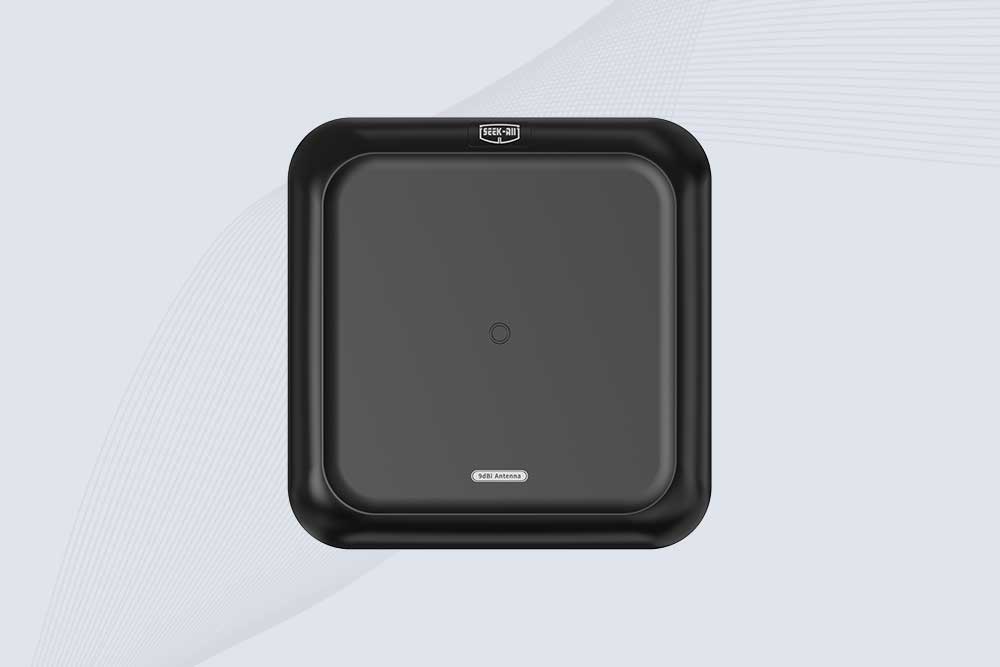
SSD-A09 is a 9 dBi UHF RFID antenna with 840–960 MHz adjustable frequency, circular polarization, 50Ω impedance and directional 60° × 60° coverage.
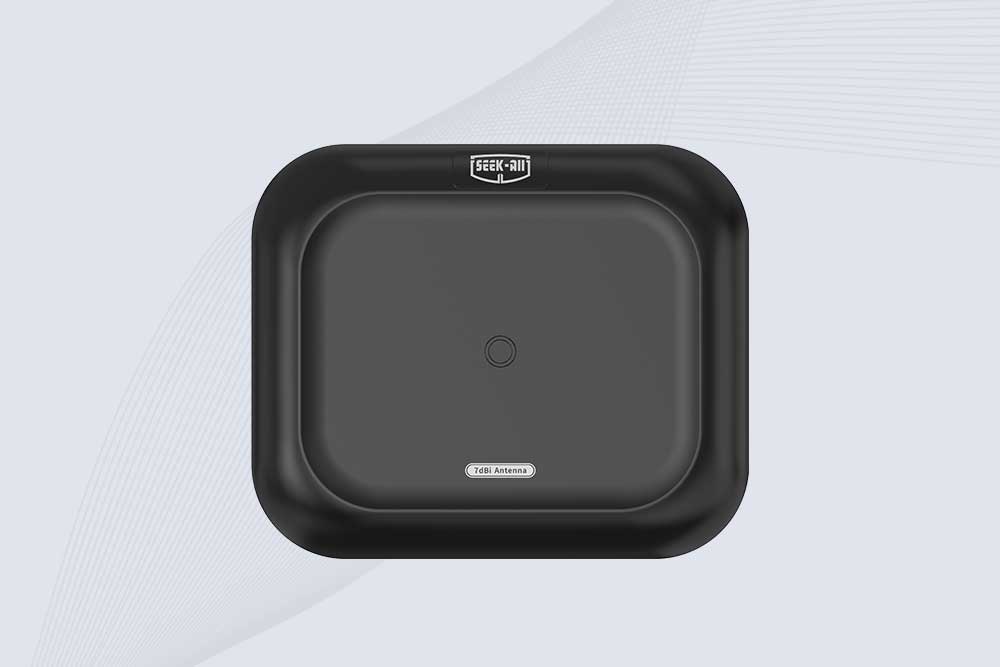
Explore the SSD-A07 UHF RFID antenna with 7 dBi gain, circular polarization, adjustable 840–960 MHz frequency, and 60°/75° beamwidth for stable RFID read/write performance.

SSD-A06 UHF RFID antenna with circular polarization, adjustable 840–960 MHz frequency, ≥4.5 dBi gain, and a compact directional design for RFID systems.
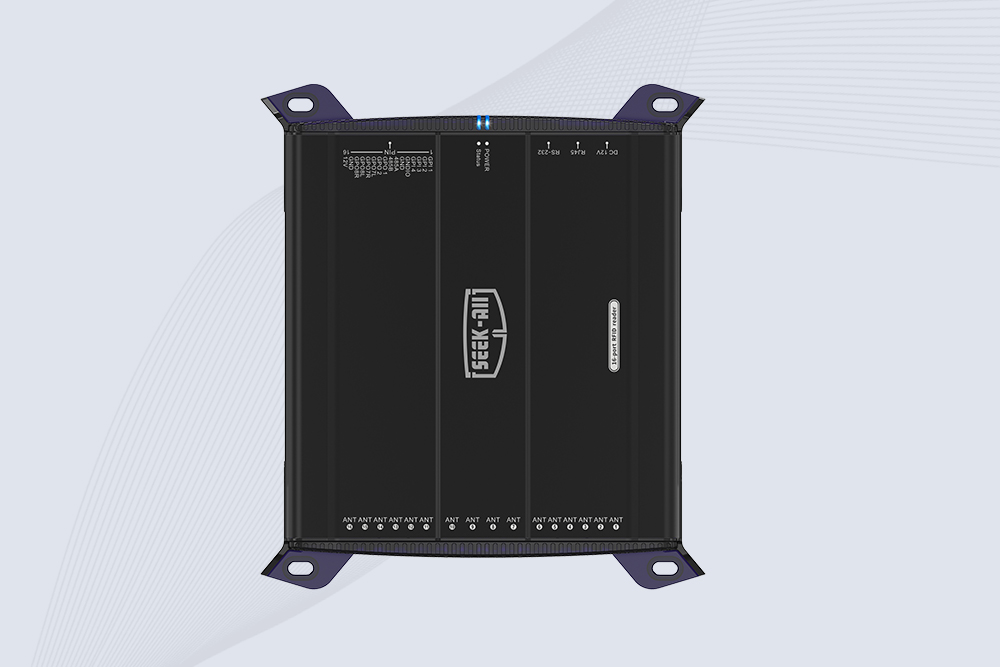
SSD-R16L Multi-Channel RFID Infrastructure for Automated Inventory Management ✔️ 16-Port High-Density RFID Reading Equipped with 16 SMA antenna ports, SSD-R16L supports multi-antenna deployment for warehouses, retail stores, logistics, production lines, and large-area RFID identification. ✔️ High-Speed & Long-Range Performance With up to 33…
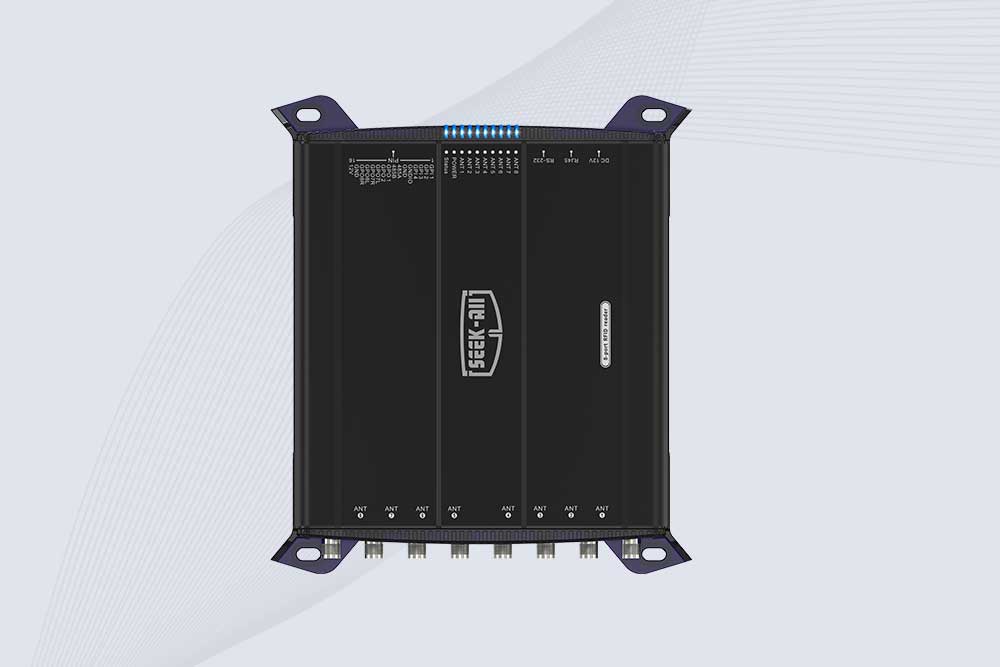
SSD-R8L 8-port UHF RFID reader with 33dBm output, up to 20m reading range and 600+ tags/s recognition. Ideal for warehouse, logistics, retail and asset tracking.
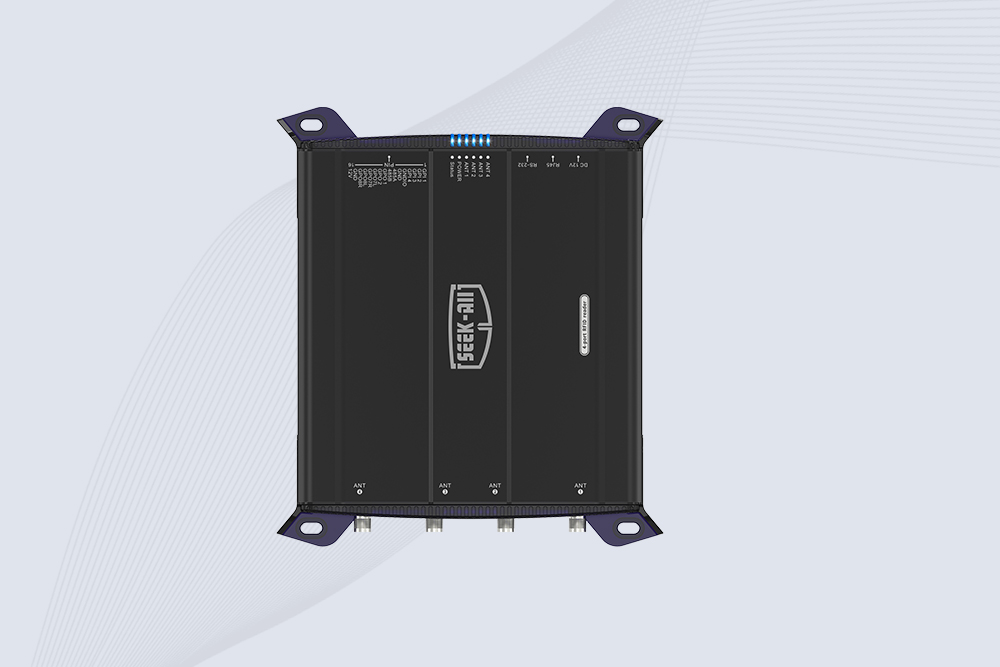
SSD-R4L is a 4-port UHF RFID fixed reader with 33dBm output power, up to 20m reading range, EPC C1G2 support and 600+ tags/s reading speed.
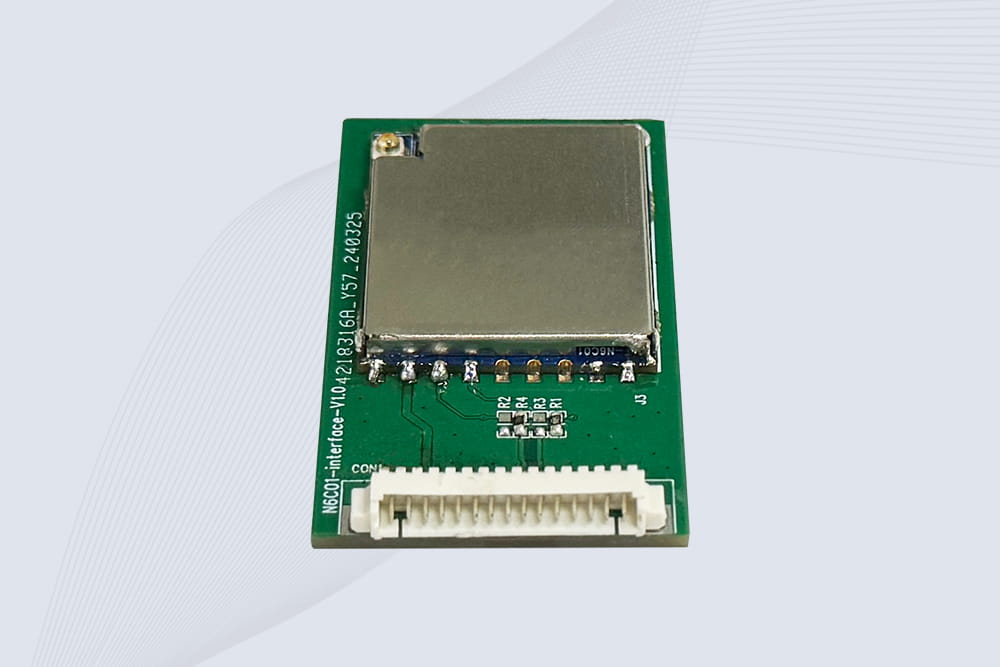
CYKEO Embedded RFID Modules are designed for compact industrial and IoT devices that require stable UHF performance. These UHF RFID Modules support global protocols, flexible power control, and reliable multi-tag reading for smart cabinets, production lines, and asset tracking systems.
CYKEO Embedded RFID Module is built for compact IoT and industrial devices that need stable UHF performance. This UHF module supports global protocols, low power operation, and reliable multi-tag reading for smart lockers, production lines, and always-on RFID systems.
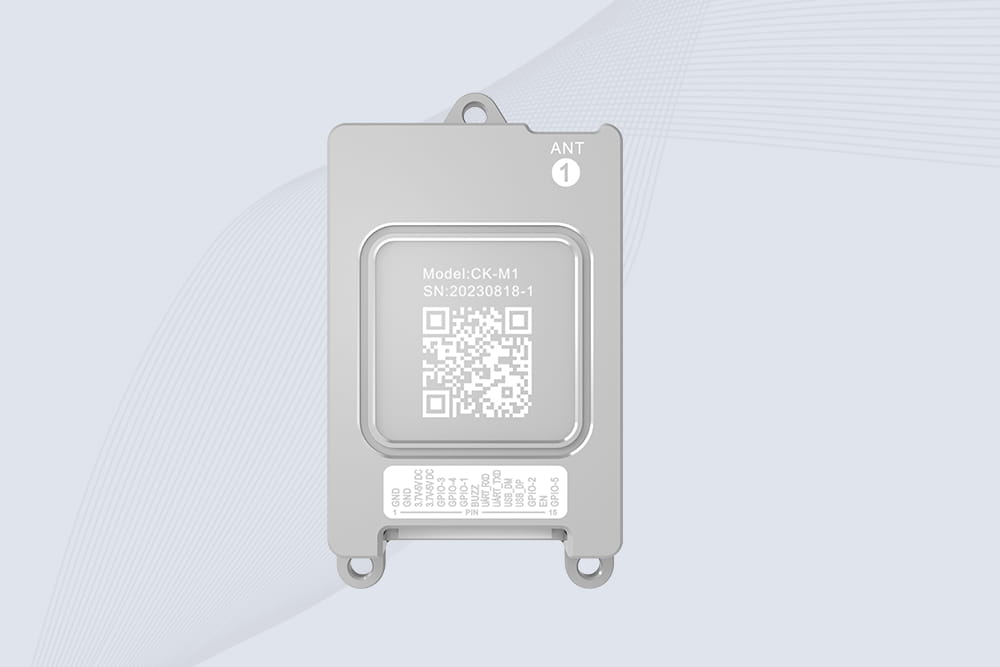
CYKEO CYKEO-M1 drone rfid module is a compact UHF RFID reader module designed for drones and UAV platforms. It supports long-range aerial scanning, fast multi-tag reading, and stable performance in wind, vibration, and outdoor environments.
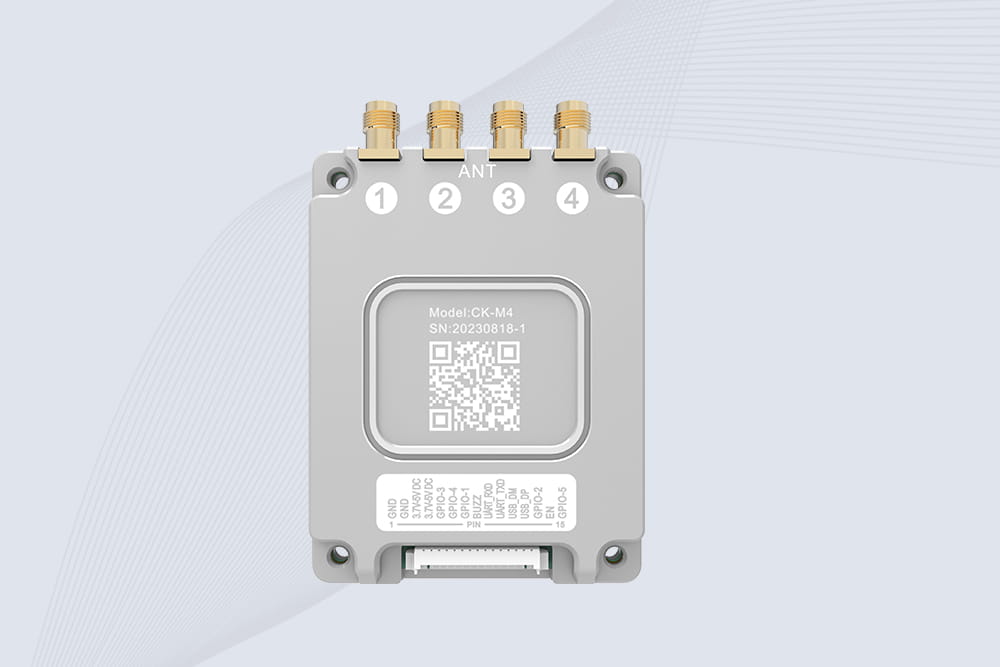
CYKEO CYKEO-M4 RC522 RFID Module is an industrial-grade UHF RFID reader with 4 ports, supporting ISO, EPC, and GB protocols. High-speed, accurate reading for IoT, automation, and warehouse applications.
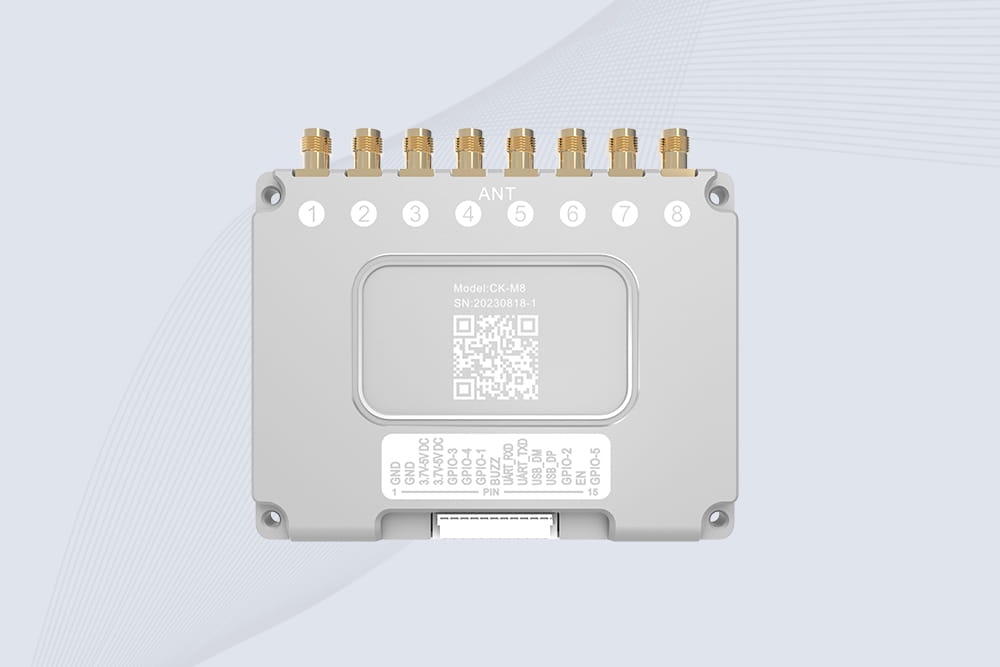
CYKEO CYKEO-M8 Module RFID is an 8-port UHF R2000 RFID Module designed for high-density, multi-tag environments. Stable 33dBm output, ISO & GB protocol support, ideal for warehouses, factories, and automated systems.
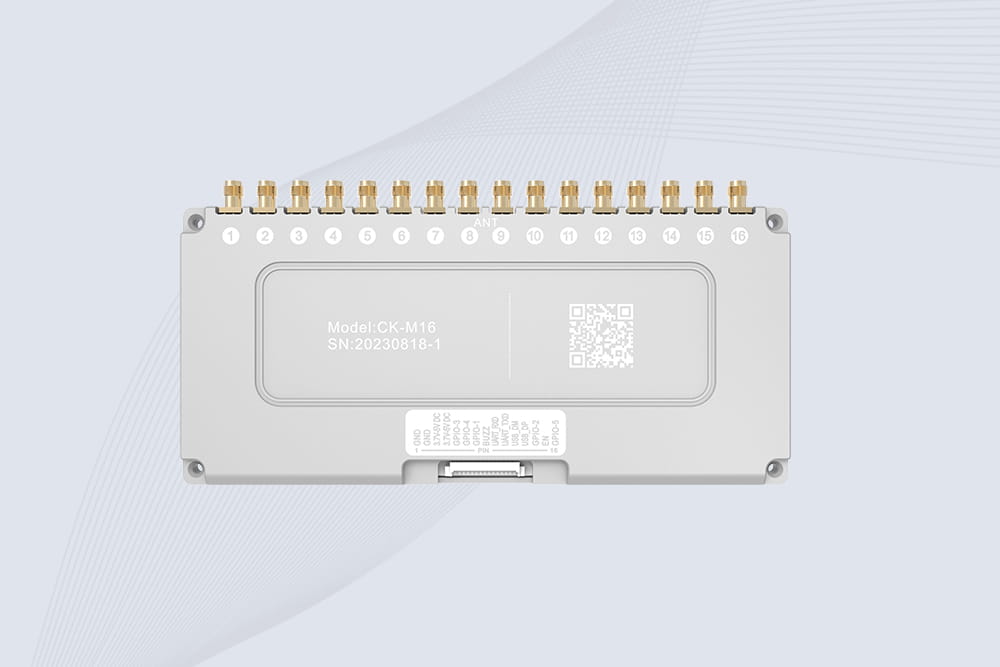
CYKEO CYKEO-M16 RFID Module is a 16-port UHF RFID reader module based on the R2000 chipset. Designed for dense tag environments, it supports ISO and GB standards and delivers stable multi-antenna control for industrial automation.
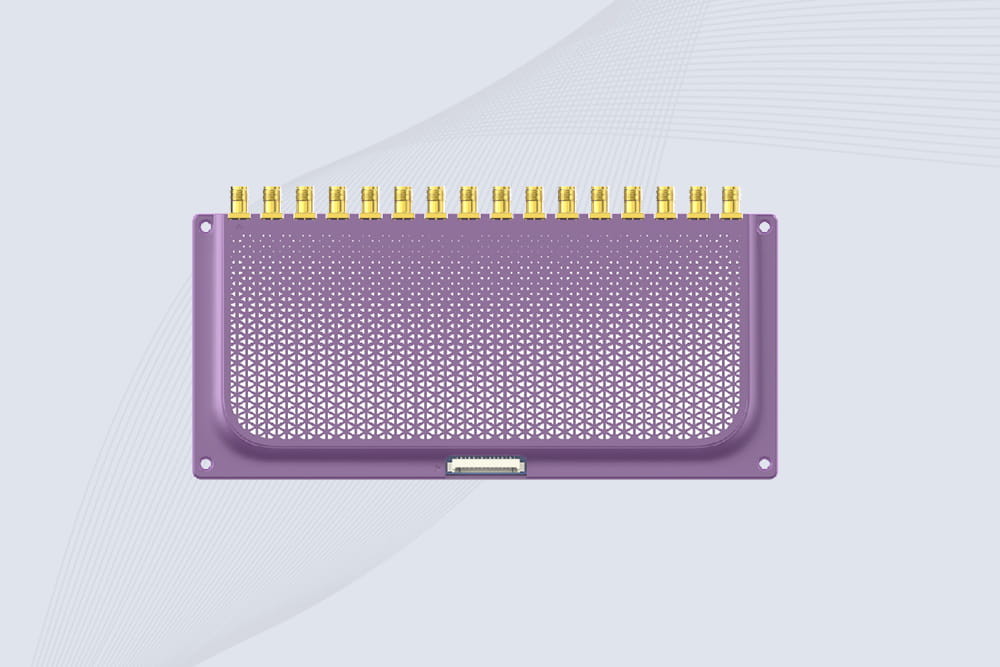
The CYKEO CYKEO-M16L RFID Reader Module is a 16-channel UHF RFID core designed for dense tag environments. With adjustable 33dBm output, multi-protocol support, and stable multi-antenna control, this RFID Tag Reader Module fits industrial automation, warehouse systems, and large-scale IoT deployments.
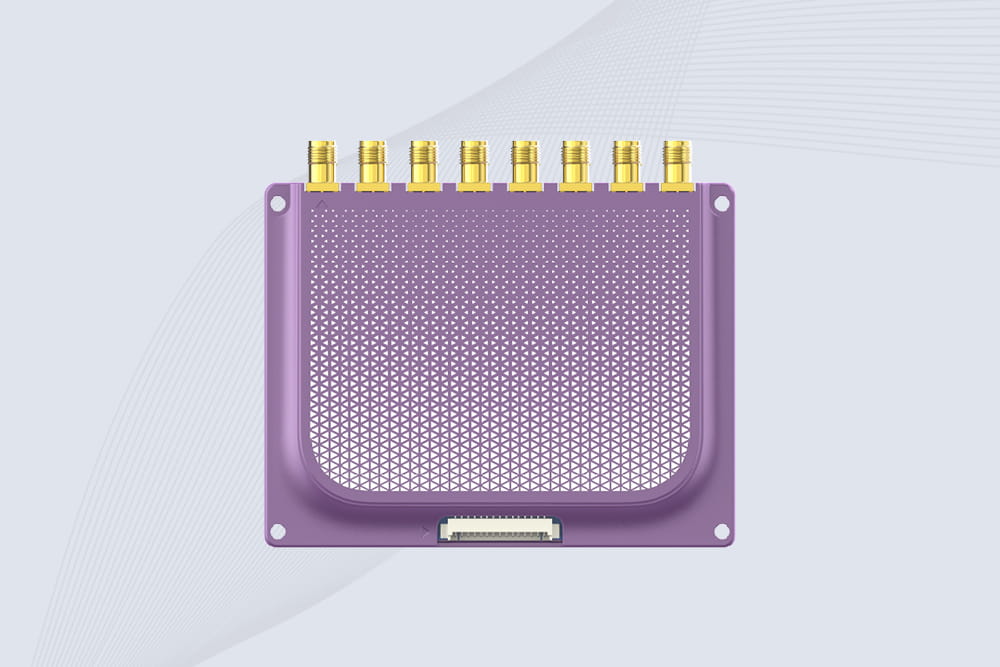
CYKEO CYKEO-M8L module RFID is a compact industrial UHF module built for dense tag and multi-antenna environments. With 8 RF ports, adjustable 33 dBm output, and ISO & GB protocol support, it is widely used in factories, warehouses, and automated tracking systems.
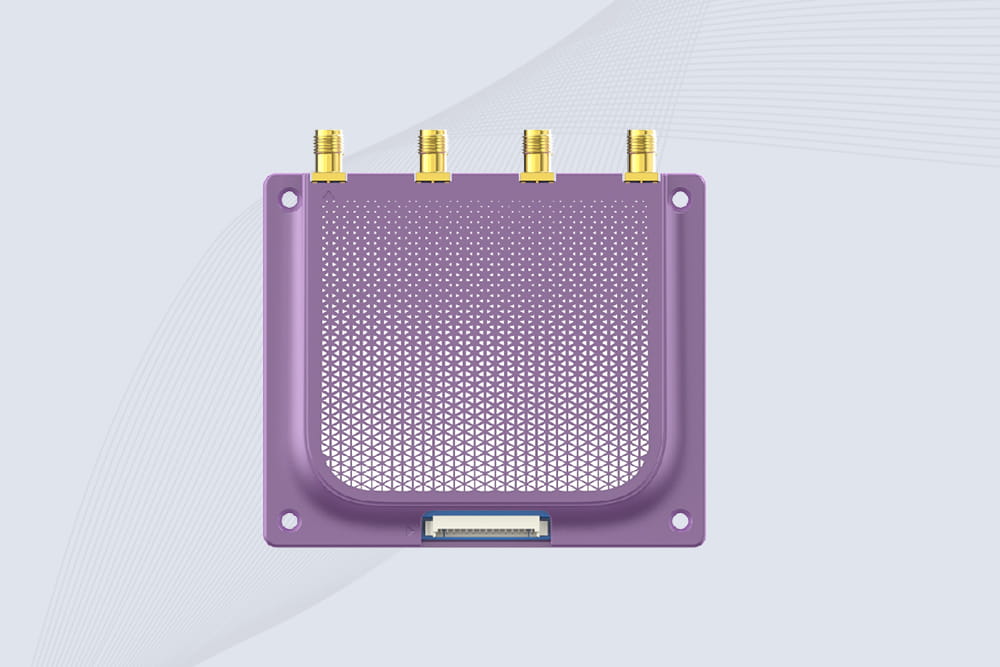
CYKEOCYKEO-M4L UHF RFID Module is a compact 4-channel RFID tag reader module designed for dense tag environments. Supporting ISO and GB protocols, it delivers stable reads up to 10 meters for industrial and IoT systems.
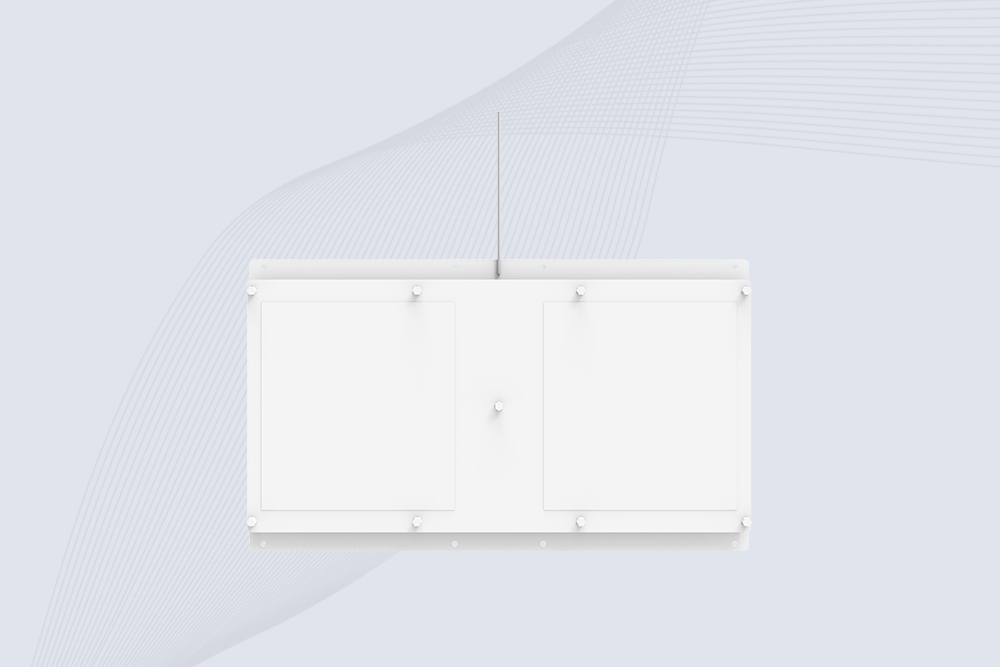
Cykeo CYKEO-A11 UHF RFID reader antenna delivers 11dBi gain, 840-960MHz frequency range, and IP65 ruggedness for retail, logistics, and industrial RFID systems. Features low VSWR and easy installation.
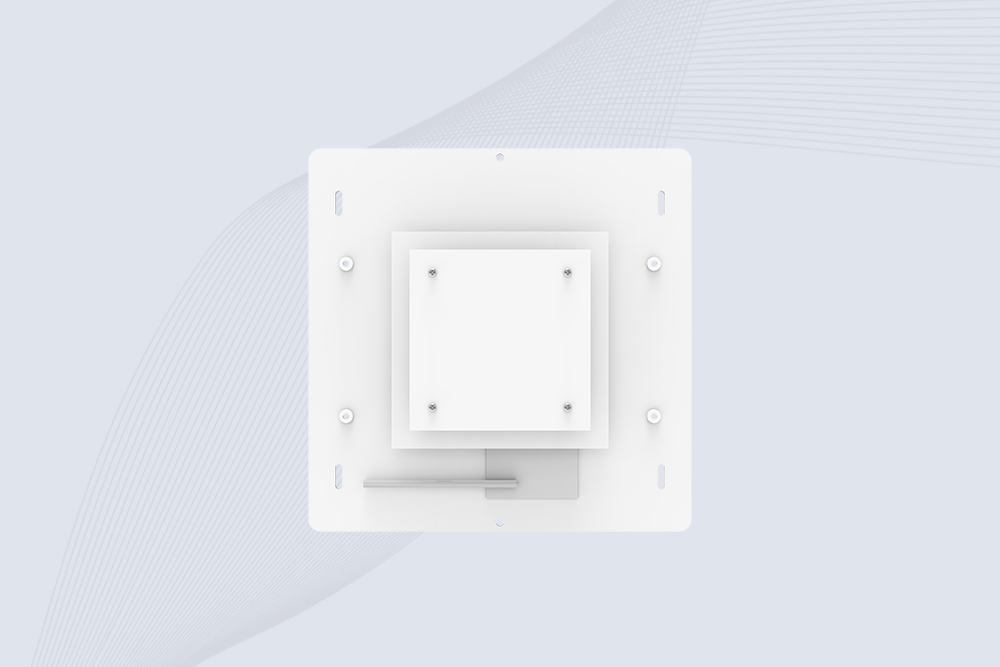
CYKEO Antenna RFID Reader delivers stable long-range UHF performance with a 10.5dBi directional design, built for warehouses, conveyor portals, and industrial RFID systems. This rfid reader antenna provides 20m+ read distance and rugged IP67 protection.

Cykeo CYKEO-PHF3 industrial HF RFID Antenna offers 24-point dynamic tracking, ISO 14443A/15693 protocols, metal-environment stability for archives/libraries/manufacturing.

Cykeo CYKEO-A5B industrial Linear RFID Antenna delivers 5dBi gain, ≤1.5:1 VSWR, and IP65 rugged design for warehouse, production line, and logistics UHF systems.

Cykeo’s CYKEO-B12 Long Range RFID Antenna delivers 15m+ read range with 12dBi gain, IP65 rugged design, and global 840-960MHz UHF support. Ideal for warehouse/logistics asset tracking.
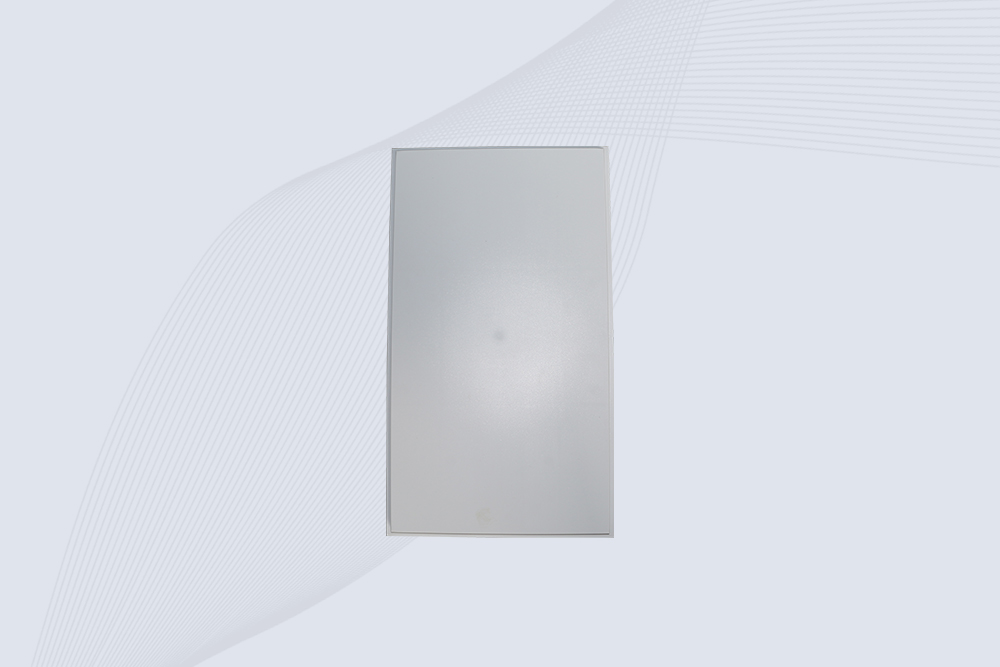
Cykeo CYKEO-B10 Long Distance RFID Antenna offers 10dBi gain, 840-960MHz frequency range, IP65 rating, and 20m+ coverage for logistics/warehousing/ETC systems. Low VSWR ensures stable signal transmission.
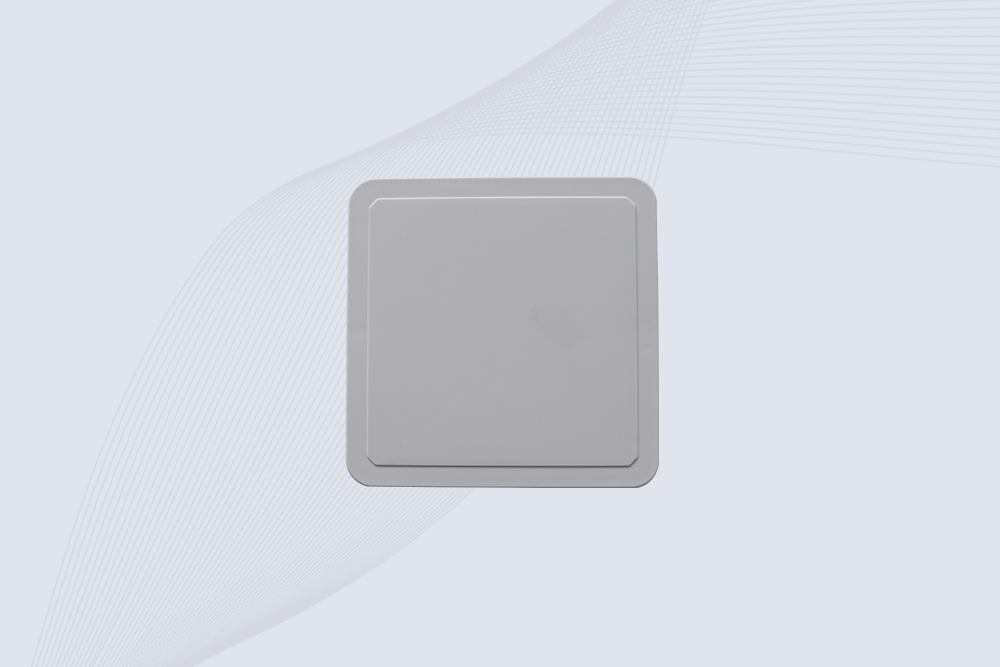
Cykeo CYKEO-A6 UHF RFID panel antenna features 6dBi gain, 840-960MHz broadband, IP65 metal-ready housing for logistics/smart retail. 18mm ultra-thin design with tool-free mounting.

Cykeo CK-A3 industrial antenna RFID UHF offers 5m+ tag detection, ≤1.3:1 VSWR, IP65 rugged design, and global UHF spectrum compatibility (840-960MHz) for warehouses, factories, and retail.
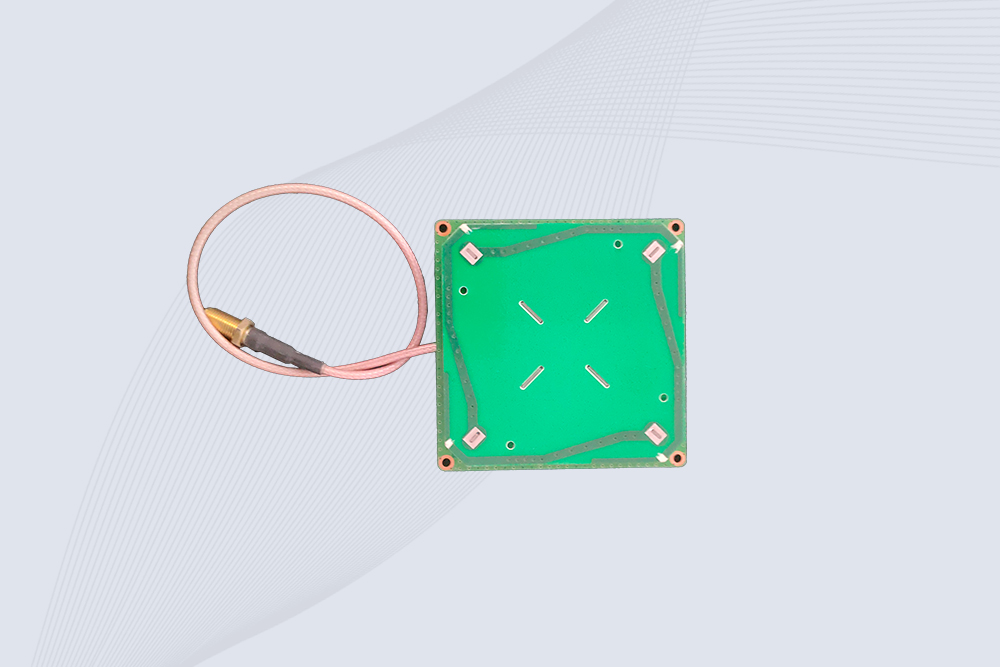
Cykeo CYKEO-B5 directional RFID antenna provides 5dBi gain with 60° narrow beamwidth for precise inventory tracking. IP65-rated, global UHF frequency support, and low VSWR.
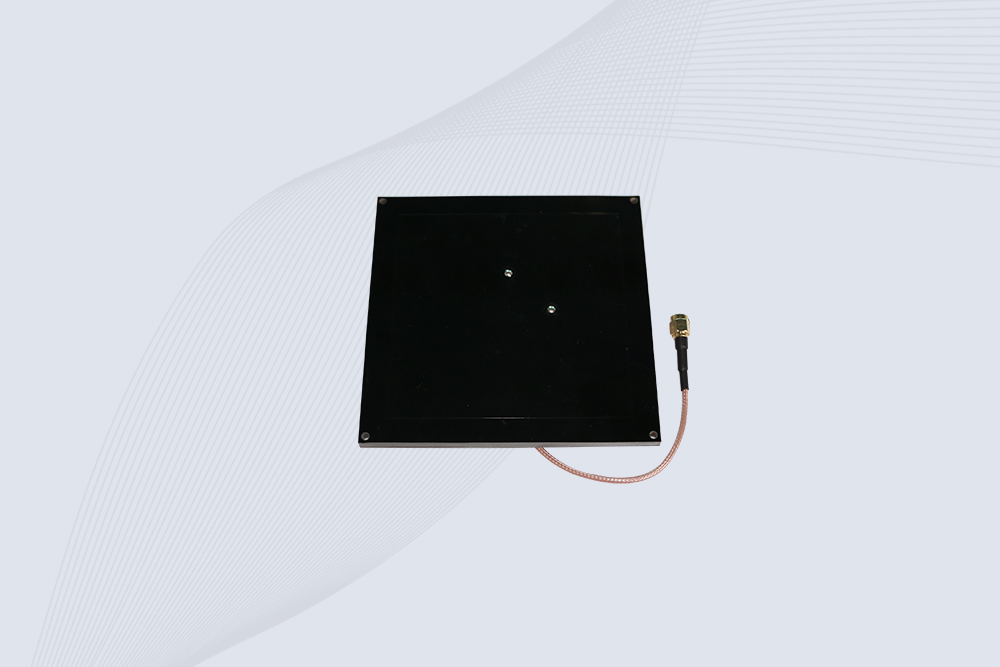
Create your own high-performance DIY RFID antenna! 5dBi gain, 840-960MHz tunable, step-by-step guides. Compatible with Arduino, Raspberry Pi, and commercial UHF readers.
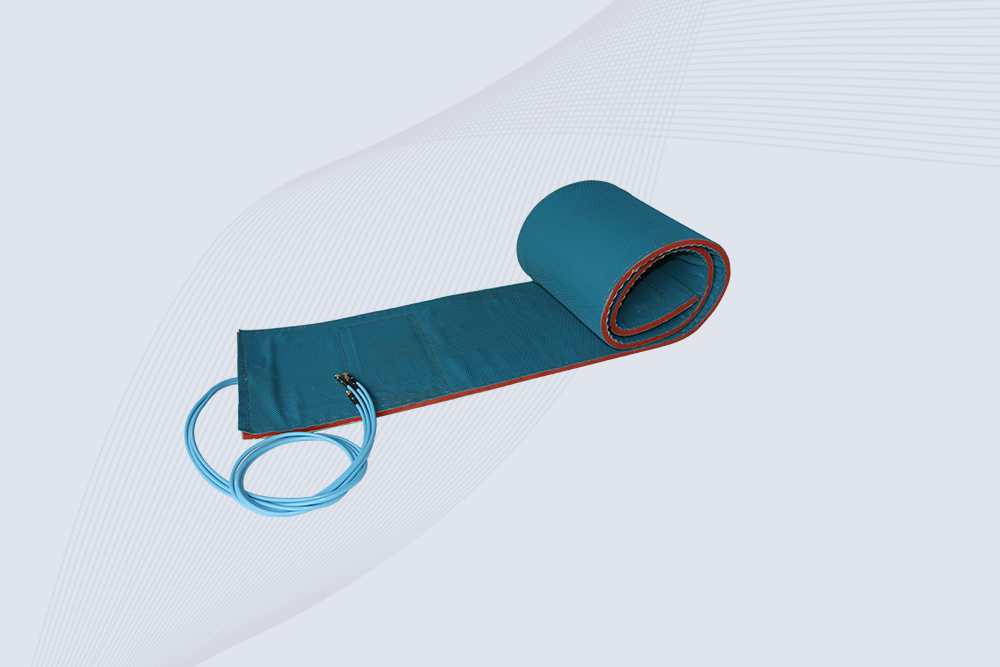
Cykeo CYKEO-A7 Flexible RFID Antenna features 840-960MHz wideband tuning, 7dBi gain, and IP68 rating for medical/retail/industrial curved surface deployments. 98% read accuracy with peel-and-stick installation.
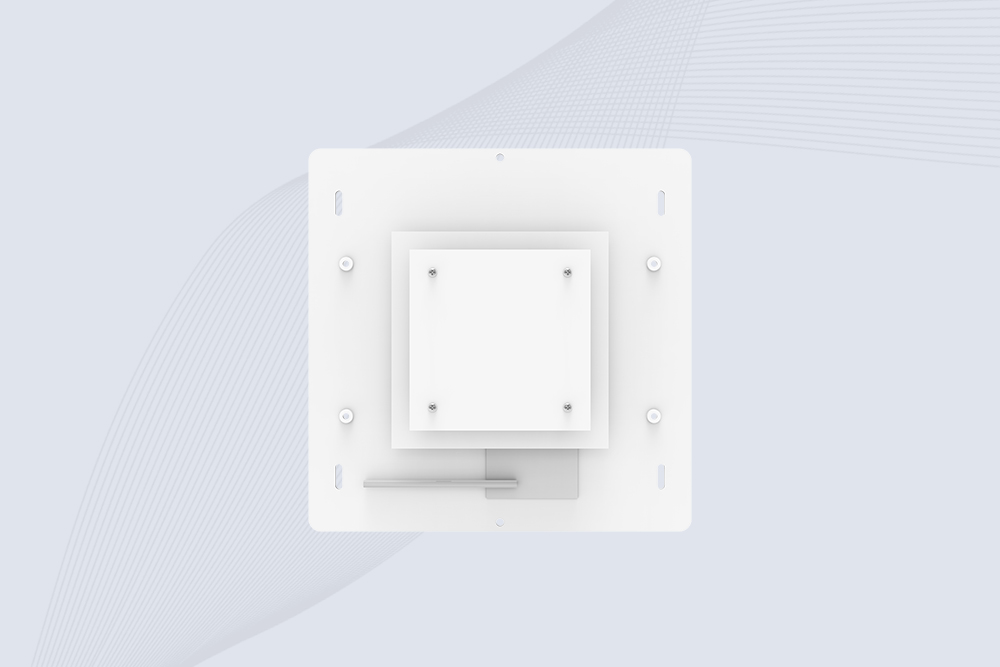
Cykeo CYKEO-B5A industrial Passive RFID Antenna delivers 5dBi gain, 70° beamwidth, and -40°C~55°C operation for warehouses/smart cabinets. Compatible with Zebra/Impinj readers.
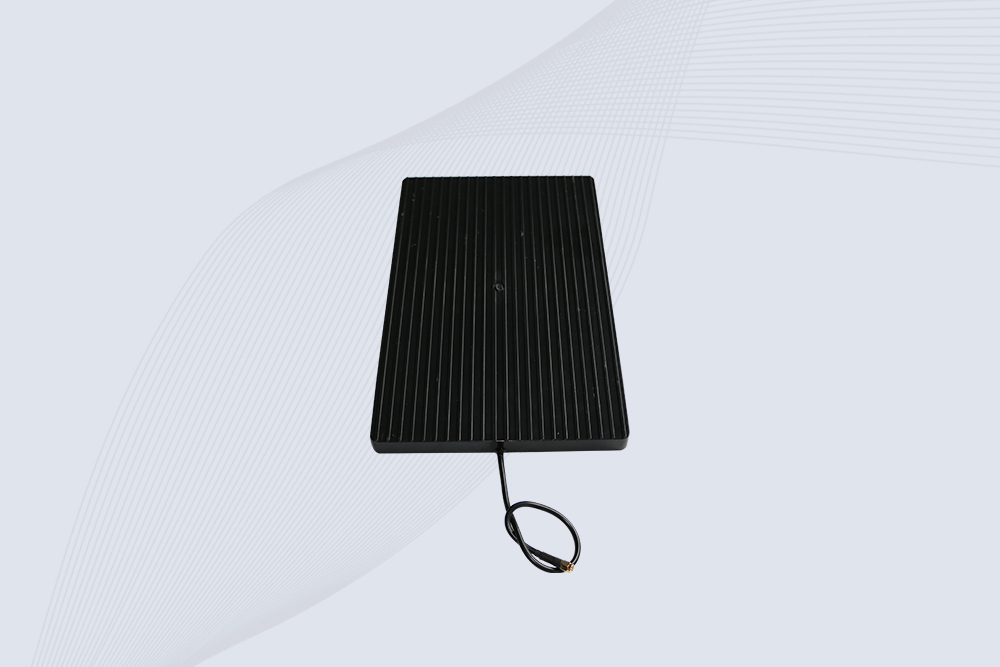
Cykeo’s CYKEO-A9B High Gain RFID Antenna delivers 15m+ read range with 9dBi amplification. Features IP54 rugged design, 840-960MHz bandwidth, and 80° beamwidth for warehouse/manufacturing RFID systems.

Cykeo’s enterprise-grade 8dbi Impinj RFID Antenna 10m+ read range with 840-960MHz tuning. Features IP65 housing, 1.4 VSWR, 35° beamwidth for retail/warehouse RFID systems.
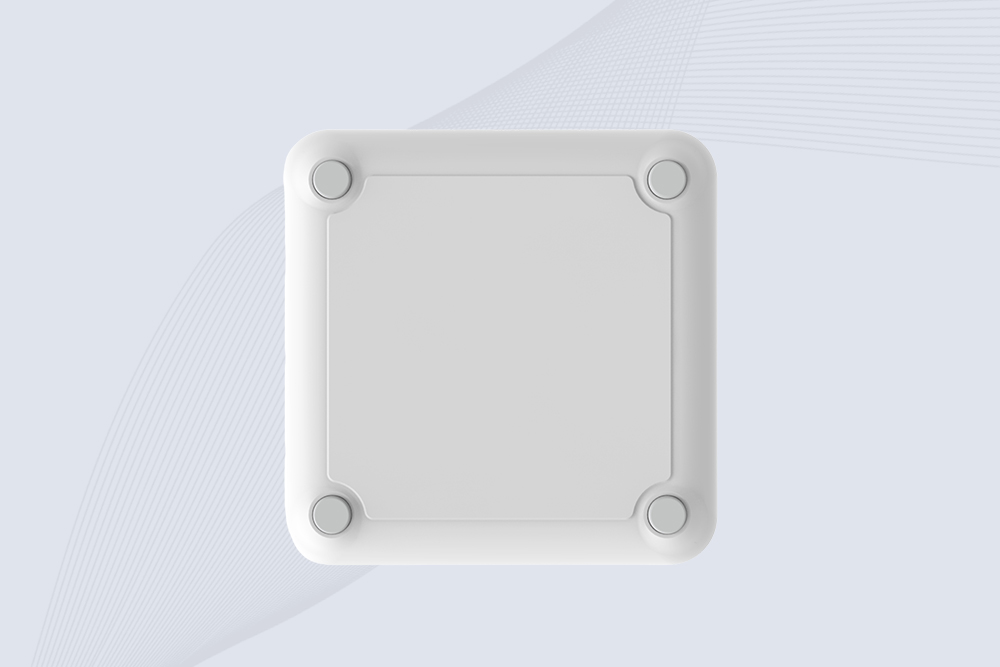
Cykeo CYKEO-A9 industrial UHF RFID antenna delivers 9dBi gain, 840-960MHz frequency range, and IP65 protection for warehouse/logistics/retail RFID systems. Features N-type connector and ≤1.3:1 VSWR.
CYKEO UHF RFID Antenna built for long-distance and industrial applications. This antenna rfid uhf delivers strong gain, outdoor durability, and reliable tag performance in warehouses, yards, and vehicle ID systems.
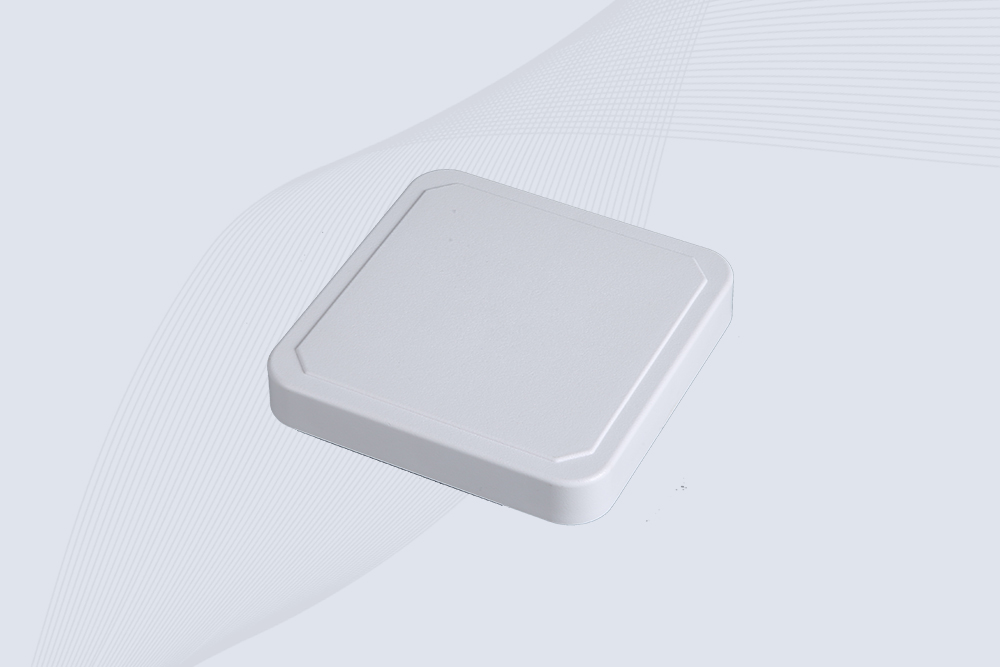
CYKEO Antenna RFID delivers reliable long-range UHF performance in warehouses, retail shelves, and cold-chain environments. This compact uhf rfid antenna provides stable reads with circular polarization and ultra-wide 840–960 MHz support, ideal for industrial tracking, smart shelves, and asset monitoring.
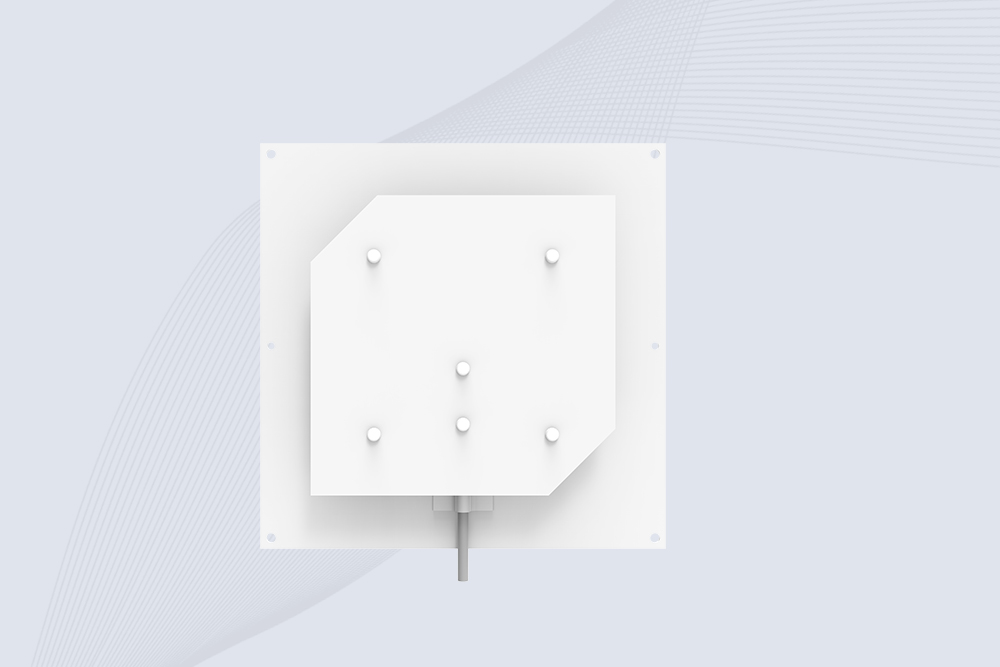
Cykeo’s CYKEO-C8 UHF RFID antennas delivers 8dBi gain, 840-960MHz full-band coverage, and IP65 ruggedness for manufacturing/warehouse RFID systems. Industrial RFID Antennas Features
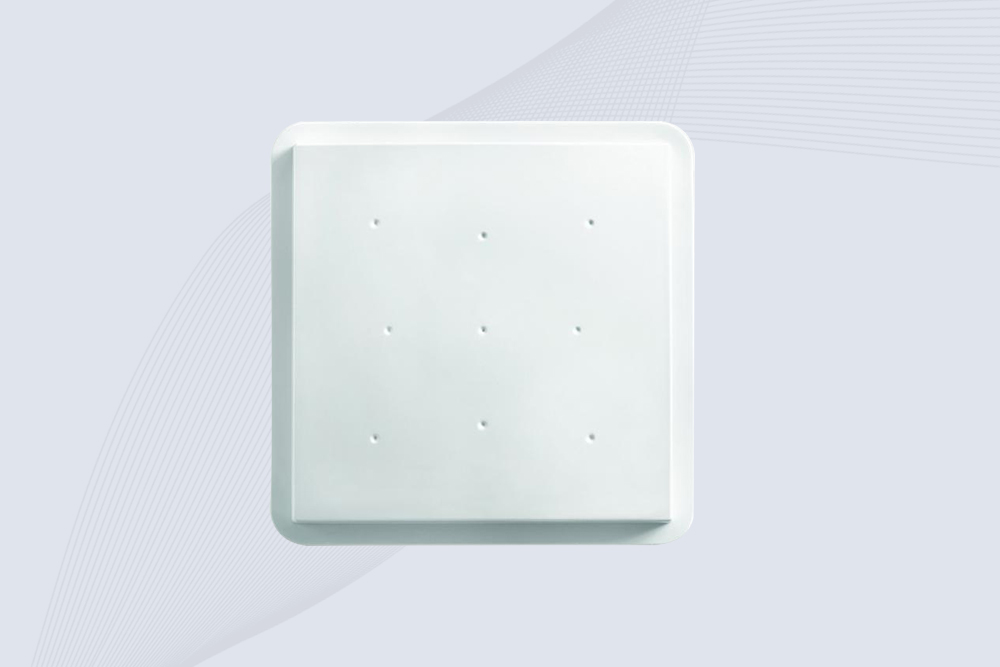
Cykeo’s 8dBi UHF RFID antenna and reader kit delivers 10m+ range, 840-960MHz broadband, and IP65 ruggedness for factories, warehouses, and logistics. ISO 18000-6C & EPC Gen2 certified.
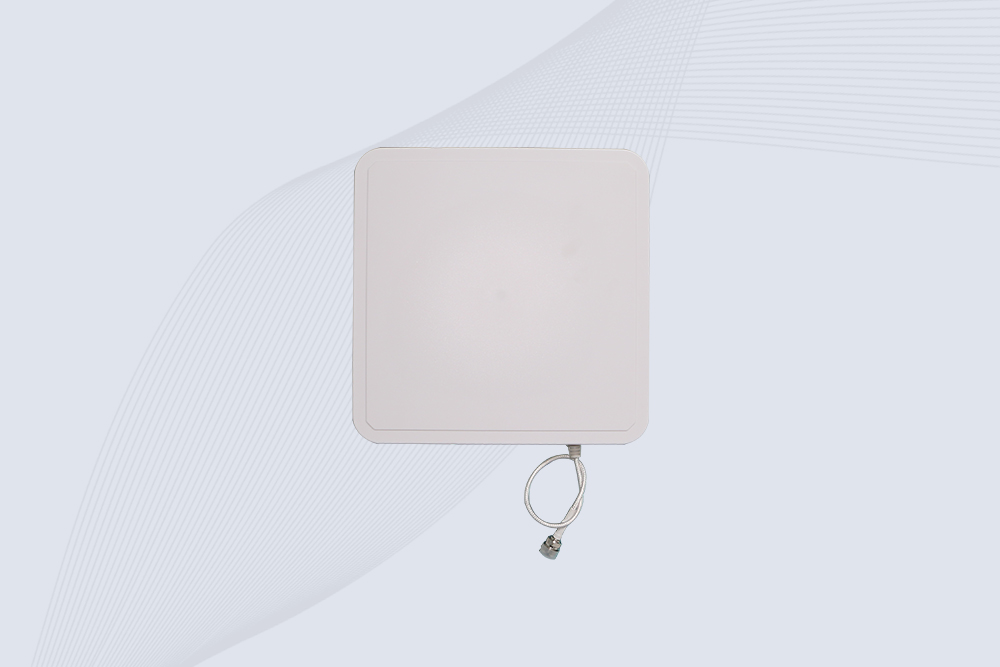
Cykeo CYKEO-A9A industrial UHF RFID reader and antenna kit delivers 10m range, 500 tags/sec, IP65 ruggedness for manufacturing/logistics. Supports EPC Gen2, ISO18000-6C.
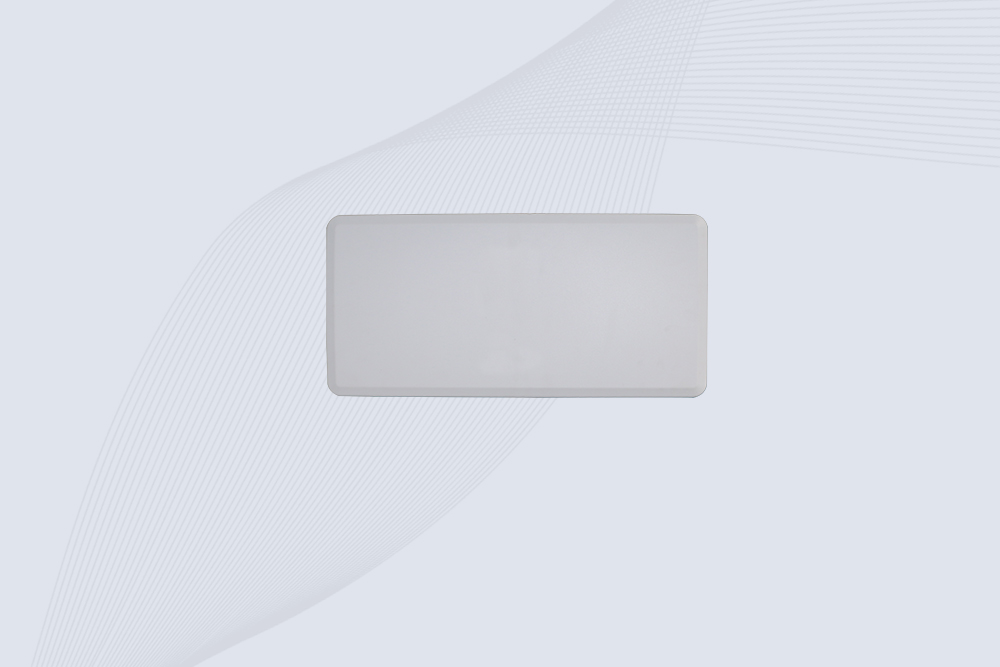
Cykeo’s CYKEO-A12C UHF Large RFID Antenna delivers 12dBi gain, 840-960MHz global frequency, IP65 ruggedness for logistics/warehousing/automotive. 40° beamwidth ensures stable 15m+ tag reads.

CYKEO Near Field RFID Antenna provides precise 5–30 cm reading for shelves, cabinets, and workstations. This compact rfid shelf antenna delivers stable short-range performance around metal and clutter, ideal for pharmacies, libraries, and electronics sorting.
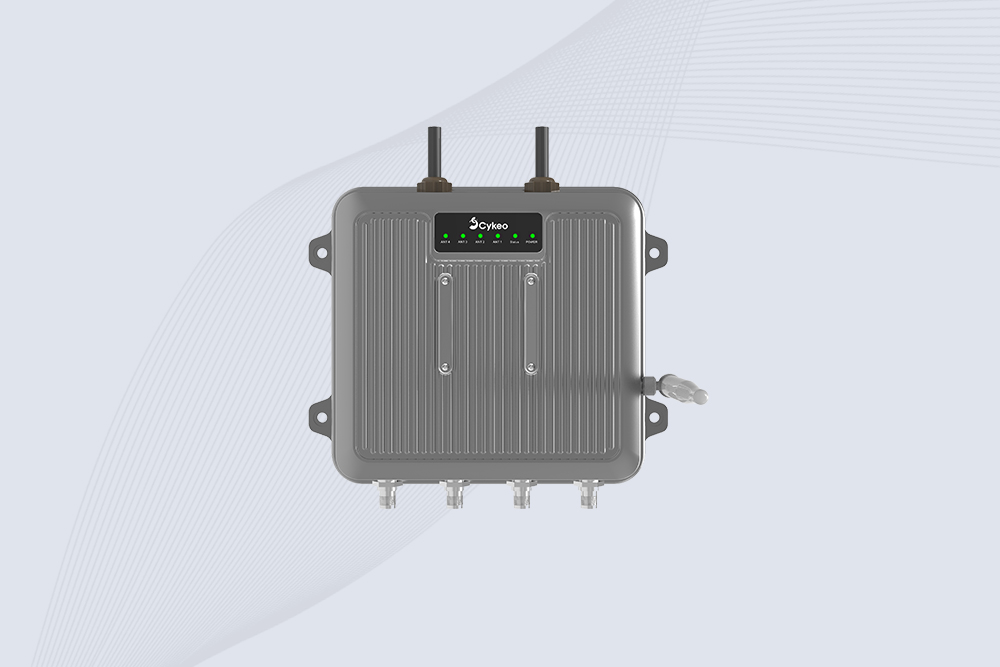
Cykeo CYKEO-C1 industrial Forklift RFID Reader features 20m read range, 600 tags/sec scanning, Impinj R2000 chipset, and IP67 rugged design. Ideal for warehouse logistics and manufacturing. Supports ISO 18000-6C/6B protocols.
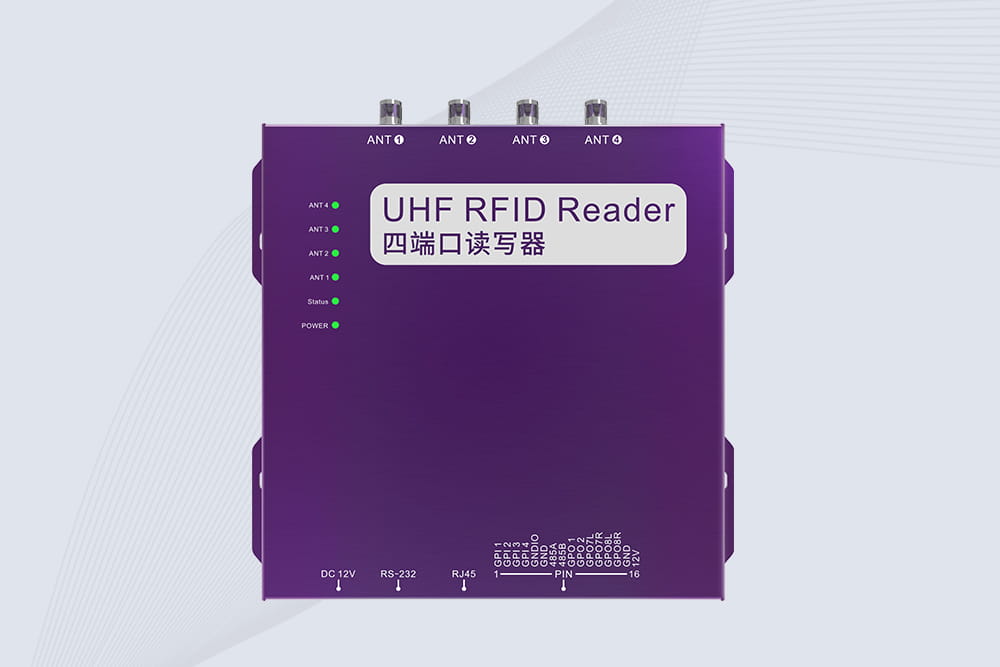
Cykeo CYKEO-R4 industrial UHF RFID Fixed Reader features 4 TNC ports, 400+ tags/sec speed, IP67 housing, and global frequency compliance for vehicle inspection, smart warehouse, and asset management systems.
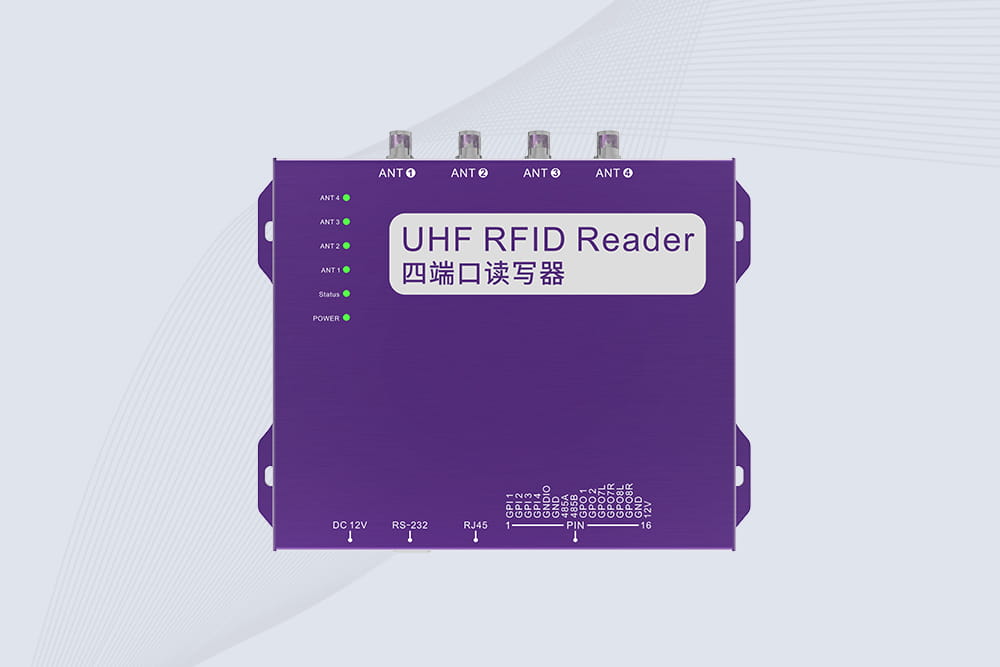
Cykeo’s CYKEO-R4L 4-port Fixed UHF RFID Reader delivers 400 tags/sec scanning, ISO 18000-6C compliance, and IP65 protection. Ideal for warehouse automation, manufacturing WIP tracking, and logistics management.
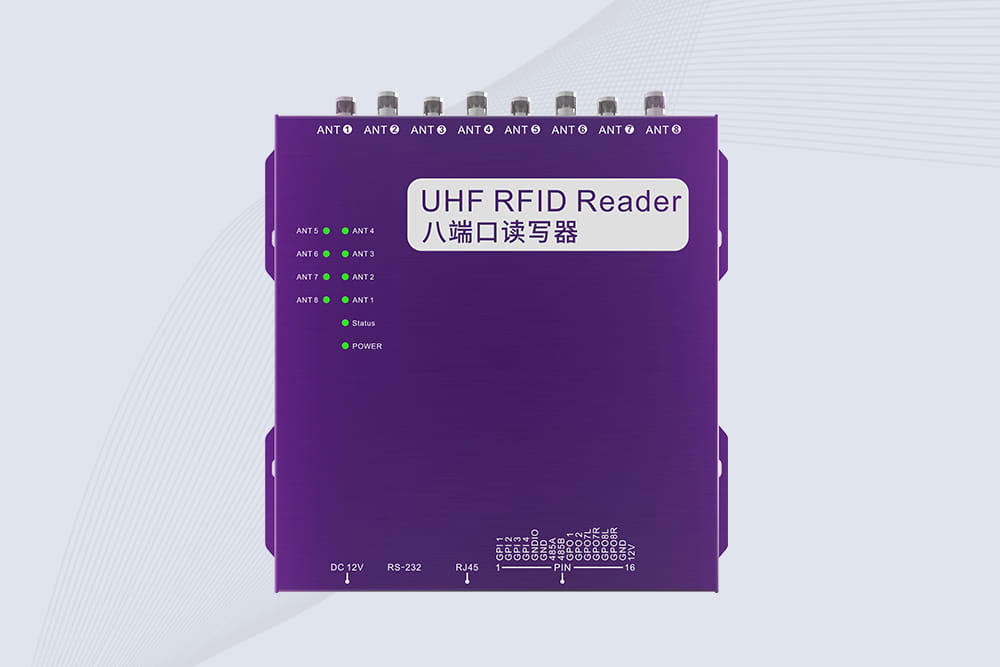
CYKEO CYKEO-R8L Fixed RFID Reader with 8-port UHF design, Impinj-based RF core and up to 20m read range. An industrial Fixed RFID Reader for vehicle inspection, warehouse portals, smart manufacturing lines and secure access checkpoints.
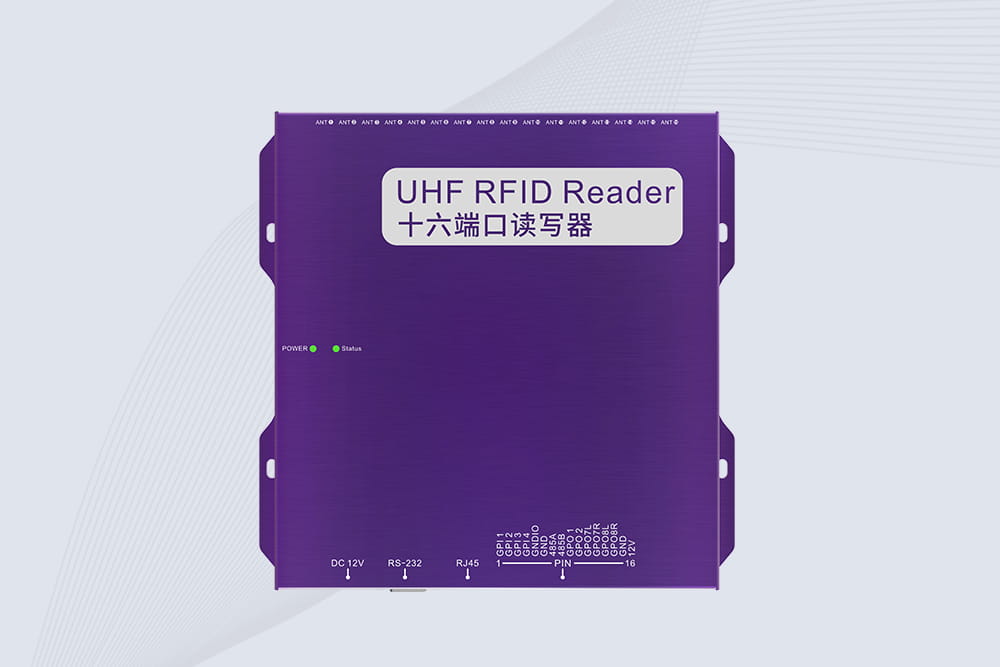
RFID Fixed Reader from CYKEO – the CYKEO-R16L 16-port UHF fixed reader for warehouses, smart cabinets, and production lines. Long-range, multi-tag reading, stable performance for 24/7 industrial use.
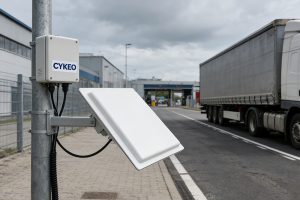
Someone just asked me can rfid reader be directional after their gate installation failed. Here's the real story on antennas, beam patterns, and what CYKEO gear actually does.
More
how far can rfid be read? Learn real RFID reading distances from centimeters to 15+ meters, factors affecting range, and expert insights for optimizing RFID performance.
More
Learn how do you program rfid tags using EPC encoding, RFID readers, memory banks, write verification, and tag security. See how professional RFID encoding works in real applications.
More
How does RFID work without power? Learn how passive RFID tags operate, where they work best, and why CYKEO uses them in real projects.
More