 Cykeo RFID IoT Solution Products R&D Manufacturer






what does a rfid reader do
58What does a rfid reader do? Discover how RFID readers identify, write, and manage tagged items with expert insights and industrial applications from Cykeo.
MoreAll RFID Product
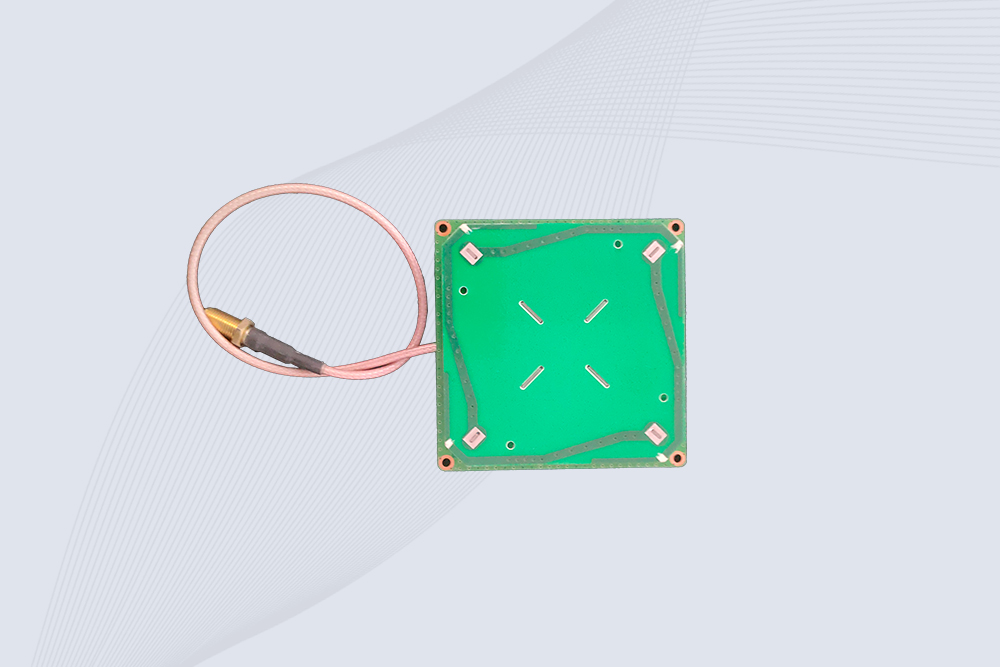
The question of how to build a RFID antenna often comes from curious engineers, students, or makers wanting to understand the technology at its most fundamental level. Building one yourself is a fantastic way to learn. It demystifies the hardware and teaches you the delicate balance between physical design and RF performance. However, it’s also a quick lesson in why commercially manufactured antennas exist. Let’s walk through what this process really entails, from the workbench to the real world.
For a beginner, a basic dipole antenna for the UHF band (around 915 MHz) is the most approachable project. The core concept is simple: create two conductive arms, each a quarter-wavelength long, and connect them to a coaxial cable.
Here’s a basic DIY UHF RFID antenna guide outline:
You might get your creation to chirp at a tag a few inches away. Success! But then you start testing, and the challenges of a homemade RFID antenna become clear:
This process brilliantly answers how to build a RFID antenna, but it also answers why you might not want to rely on one for anything critical.
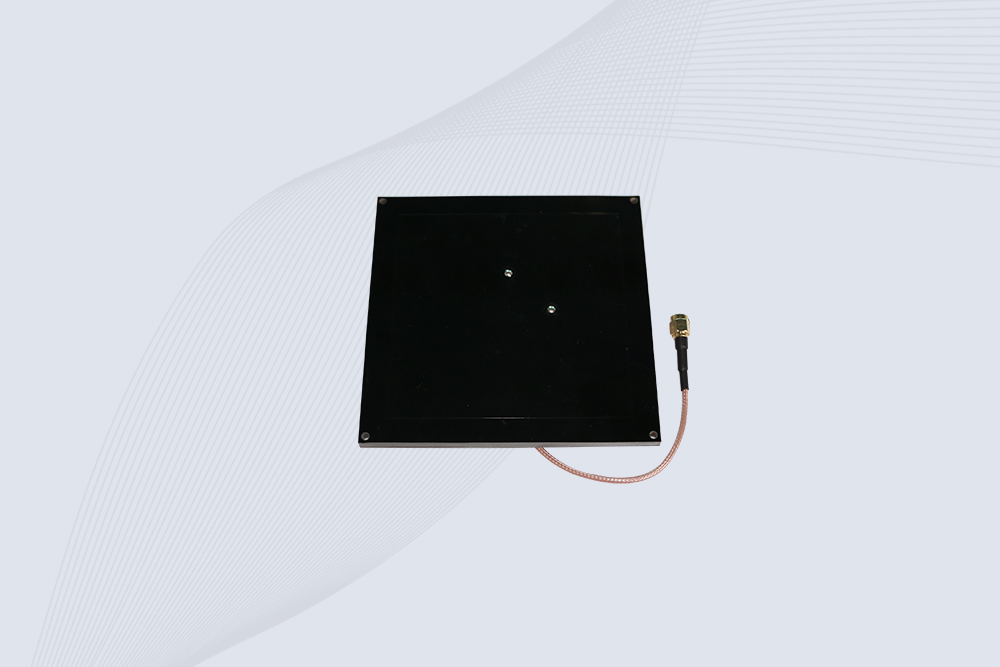
This is where the commercial vs homemade RFID antenna discussion gets real. A CYKEO antenna isn’t just a scaled-up, better-built version of your DIY project. It’s the result of advanced simulation (using software like HFSS), automated precision manufacturing, and rigorous testing.
Commercial antennas offer:
The investment isn’t in the raw materials for building a RFID antenna; it’s in the engineering, quality control, and reliability that turn a concept into a robust tool.
So, should you learn how to build a RFID antenna? Absolutely, if your goal is education, prototyping a unique form factor, or pure enjoyment. It provides invaluable insight.
However, for any application where performance, range, consistency, and durability matter—like inventory management, asset tracking, or access control—a commercial antenna is the only sensible choice. The cost of a failed read in a business process far outweighs the price of a professionally built component.
At CYKEO, we support the learning journey. We also provide the reliable, engineered solutions that businesses depend on every day. Building an antenna teaches you the rules; our job is to deliver products that master them.
What does a rfid reader do? Discover how RFID readers identify, write, and manage tagged items with expert insights and industrial applications from Cykeo.
More
Explore the key uses of RFID card readers, including access control, payments, and inventory tracking. Learn how Cykeo’s RFID solutions enhance security and efficiency.
More
RFID reader can help warehouses identify products, pallets, containers and assets without requiring workers to scan every barcode individually. The most prac...
More
What is UHF RFID reader? Learn how UHF RFID readers identify multiple tags, improve tracking accuracy, and support warehouse, logistics, and industrial automation with Cykeo.
More