 Cykeo RFID IoT Solution Products R&D Manufacturer
Top 5 Industrial RFID Readers for Automotive Manufacturing Lines
719Need RFID readers that survive factory floors? We compare heat-resistant, high-speed UHF readers for automotive lines—no marketing fluff.
MoreAll RFID Product
A RFID card works by using an embedded antenna and RFID chip to communicate with a compatible reader through radio waves. In a passive card, the reader supplies the energy needed to activate the chip. The card then exchanges identification or stored data with the reader through the card’s antenna.
A RFID card is essentially a small wireless identification device built into a card-shaped carrier.
The important components are not visible from the outside. Inside the card is an antenna, an integrated circuit, and the physical substrate that holds them together.
When the card approaches a compatible reader, the reader generates an electromagnetic field. The card’s antenna couples with that field. For a passive RFID card, the energy captured by the antenna is sufficient to activate the chip.
The chip then participates in the communication process.
GS1 describes an RFID system as consisting of a reader and transponder, with passive tags obtaining operating energy from the reader’s field rather than using a battery.
That distinction is worth remembering.
The card is not sitting there continuously transmitting its identity.
It is normally waiting for the reader.
The construction is straightforward, but small changes in the antenna or chip can produce very different card performance.
| RFID card component | Main function |
|---|---|
| RFID IC | Processes commands and stores card information |
| Antenna coil | Couples with the reader’s electromagnetic field |
| Card substrate | Protects and supports the electronics |
| Printed surface | Provides visual identification |
| Security structure | May protect credentials or stored data |
The antenna is particularly important.
For common HF RFID card designs, the antenna is typically formed as a flat coil embedded inside the card body. Its dimensions, number of turns, electrical characteristics, and relationship with the chip all influence how efficiently the card interacts with the reader.
A card can look perfect and still perform poorly if the antenna design is wrong for the reader.
That is something we pay attention to when evaluating RFID card hardware: the card should be treated as part of the RF system, not as an isolated plastic accessory.
There is no single RFID frequency.
GS1 divides RFID technologies into several frequency categories, including LF, HF, and UHF. HF RFID systems mainly operate at 13.56 MHz, while UHF RFID systems operate in roughly the 860–930 MHz range.
For RFID cards, HF technology is particularly important.
ISO/IEC 14443, for example, defines radio-frequency power and signal-interface characteristics for proximity cards and related objects. The standard specifies the interaction between a proximity coupling device and the card or object.
ISO/IEC 14443 also defines initialization and anti-collision procedures, allowing a reader to detect and select a card entering its operating field.
This gives RFID cards their familiar behavior:
Present card → reader detects it → communication begins → data is exchanged → system processes the result.
No physical insertion is necessary.
This is one of the most misunderstood parts of RFID.
A passive RFID card normally has no battery.
Instead, the reader creates an RF field. The antenna embedded in the card captures energy from that field. The RFID chip uses the available energy to power its internal circuitry.
Once the chip has enough operating energy, it can respond to the reader.
GS1 explains the same principle for passive RFID infrastructure: the reader supplies operating energy through its RF signal, while the passive tag uses its antenna and chip to return information.
The practical consequence is obvious when testing cards.
Bring the card closer to the reader and communication normally becomes easier.
Move it away, rotate it, place it near unsuitable materials, or change the reader antenna arrangement, and the available coupling can change.
RFID card performance is therefore partly an electromagnetic design problem.
Once the card is energized, the reader and card communicate according to the applicable air-interface protocol.
The reader sends commands.
The card interprets those commands.
The card then modifies the electrical characteristics of its antenna circuit so information can be returned to the reader.
This is fundamentally different from a conventional radio transmitter.
A passive card does not require its own powered RF transmitter to continuously broadcast a signal. The communication depends on the electromagnetic field created by the reader and the card’s interaction with that field.
For engineers, this distinction matters because reader-card performance cannot be judged from the chip alone.
A technically capable RFID IC paired with a poorly tuned antenna can still produce disappointing results.
RFID card range depends on the technology and physical design.
GS1 reports that HF RFID commonly operates at 13.56 MHz, with typical reading ranges between approximately 10 cm and 1 m, depending on the application and implementation.
That range should not be interpreted as a universal specification for every RFID card.
Actual performance depends on:
For an access-control card, a deliberately short operating distance can actually be desirable.
The objective is usually not to detect every card in a hallway.
It is to identify the person intentionally presenting a credential.
At an RFID test bench, card orientation is one of the first things worth checking.
Place a card directly over the center of the reader antenna.
Then move it toward an edge.
Rotate it.
Tilt it.
Repeat.
The read behavior can change.
That is because the card antenna and reader antenna need effective electromagnetic coupling. The geometry between them affects the strength and consistency of that coupling.
This becomes particularly noticeable when a reader is installed behind a wall panel, inside a desktop housing, or underneath a counter.
A specification that says “read distance: X cm” tells only part of the story.
The installation geometry tells the rest.
Not every RFID card stores the same amount or type of information.
A basic card may primarily provide an identifier.
A more capable card can include writable memory and application-specific data.
GS1’s RFID architecture distinguishes identification data from other tag information and defines standardized approaches for EPC, user memory, and other RFID data structures.
For card systems, the data structure may include:
The important point is that the card does not necessarily contain the entire user profile.
In a typical access-control system, the card may provide a credential or identifier while the backend system determines who owns it and what that person is authorized to access.
That architecture makes administration much easier.
Change the user’s permissions in the software rather than rewriting every piece of personal information onto the card.
An RFID card can identify something without providing strong authentication.
Those are different technical functions.
For a low-risk application, a simple identifier may be enough.
For a sensitive access-control environment, the design should consider:
This is where experienced RFID deployment work becomes less about the card itself.
The reader, card, controller, software, and credential-management process all form one system.
A secure chip cannot compensate for an insecure backend.
Conversely, sophisticated software cannot magically turn a weak credential into a strong one.
RFID and barcode identification solve similar business problems in very different ways.
| Feature | RFID card | Barcode card |
|---|---|---|
| Physical contact | Not required | Not required, but optical alignment is |
| Line of sight | Usually not required | Required |
| Data carrier | RFID IC + antenna | Printed optical pattern |
| Reading method | Radio communication | Optical scanning |
| Wear of printed data | Generally low concern | Can affect readability |
| Multiple-card detection | Depends on protocol/system | Normally one visual code at a time |
| Data can be electronically written | Depends on chip | Normally no |
In a busy entrance, this difference is immediately visible.
A barcode reader needs to see the printed pattern.
An RFID reader can communicate with the embedded card electronics without visually inspecting the card surface.
That makes RFID particularly useful when the card needs to remain inside a wallet, badge holder, or protective sleeve, provided the material does not interfere excessively with the intended RF system.
RFID cards are widely suited to identification tasks involving people, memberships, credentials, and controlled physical access.
Typical applications include:
GS1 specifically notes RFID use in applications ranging from consumer products to security pass cards.
The hardware may look similar in each case.
The system behind it does not have to be.
An employee badge may only need access credentials. A library card may need a different memory structure. A secure identification system may require substantially stronger authentication.

A useful way to visualize the interaction is to imagine the card entering a controlled RF zone.
At first, the reader is transmitting its field.
The card enters.
Its antenna couples with the field.
The chip receives enough energy to operate.
The reader and card establish communication.
The card returns the requested information.
The reader converts the RF response into digital data for the access-control, attendance, library, or other application system.
The process is automatic.
The user only sees the final action: a door opens, a workstation recognizes an employee, a library system records a transaction, or an event system validates a credential.
Behind that simple gesture is a tightly controlled interaction between antenna geometry, RF energy, chip architecture, protocol, and software.
For Cykeo RFID systems, card-reader design should begin with the working environment rather than a nominal maximum distance.
A desktop application may require highly controlled reading so that an operator can work with one card without unintentionally detecting cards sitting nearby.
A gate or access point has a different requirement.
The reader must establish a predictable interaction zone while maintaining stable card recognition.
Important evaluation points include:
This is especially important during card registration.
A reader that performs well at long range is not automatically the best reader for a desktop card-issuing station.
Sometimes controlled range is the better specification.
Reliability is rarely determined by one component.
During real deployment, the weak point can be surprisingly mundane:
A reader mounted too close to metal.
A card antenna with poor tuning.
A reader installed behind the wrong decorative panel.
A credential holder that adds unexpected shielding.
A card presented at an awkward angle.
A software timeout that is shorter than the RF transaction.
These details are easy to overlook in a product demonstration.
They become obvious after hundreds or thousands of daily card interactions.
For that reason, Cykeo’s engineering approach is to validate the reader + card + antenna + installation environment + software as one working system.
The RFID card is only one part of the equation.
An RFID card cannot be treated as universally compatible with every RFID reader. The reader and card must share the appropriate frequency, protocol, modulation method, and command structure.
For card applications, common standards include the ISO/IEC 14443 family and other HF RFID specifications. ISO/IEC 14443-2 defines the radio-frequency power and signal interface, while ISO/IEC 14443-3 covers initialization and anti-collision procedures.
That distinction becomes important during procurement.
A card may physically resemble another card while using a completely different chip architecture.
Before selecting a reader, verify:
A reader that supports the right frequency but not the required card protocol is still the wrong reader.
Desktop RFID applications have a different problem from doorway access.
The objective is often controlled identification, not maximum reading distance.
Imagine a workstation used for employee-card registration or credential issuance. Several cards may be stacked nearby. A reader with excessive read coverage could detect the wrong card.
This is why a near-field antenna can be useful.
Cykeo’s desktop RFID reader architecture is designed around this type of controlled working environment. Its near-field antenna is intended to keep the effective reading area within approximately 30 cm, while the writing range is controlled to approximately 10 cm.
That difference is meaningful.
A user can place the intended card on the desktop, perform the operation, and remove it without creating an unnecessarily large RF detection zone.
For registration and writing tasks, predictable behavior is often more valuable than chasing the longest possible range.
Reading a card is not the same engineering problem as writing one.
When a reader writes data to an RFID chip, the card must receive sufficient RF energy and correctly process the write command. The reader must then handle the required protocol sequence and verify the result where the application requires confirmation.
At a development bench, I pay particular attention to three things:
The second point is easy to underestimate.
Cykeo’s desktop RFID reader uses the IMPINJ R500 RFID reader chipset and supports a maximum port output of 33 dBm. The higher available RF output provides useful operating margin for stable card interaction, particularly when writing credentials under less-than-perfect positioning conditions.
It does not mean every card will automatically write successfully at every distance.
A good RFID system does not promise physics away.
It creates a controlled operating window.
When a card fails to write, replacing the software is not always the answer.
Common causes include:
| Problem | Possible effect |
|---|---|
| Card too far from antenna | Insufficient RF energy |
| Poor card positioning | Unstable coupling |
| Wrong protocol | Reader cannot execute compatible commands |
| Unsupported memory area | Write operation rejected |
| Weak RF environment | Reduced communication margin |
| Incorrect data format | Application-level failure |
| Nearby cards | Unintended tag detection |
| Software timeout | Transaction appears unsuccessful |
This is why laboratory demonstrations can be misleading.
A card may write perfectly when held at the center of an antenna for ten consecutive tests. Move the card 5–10 cm, change its orientation, or place it inside a real card sleeve, and the behavior may change.
The real test is not “Can it write?”
It is:
Can an operator write cards repeatedly without having to think about the RF system?
That is the standard worth testing.
A practical card-issuing workstation can be built around a fairly compact workflow:
For larger batches, the same process can be automated.
Cykeo’s desktop RFID platform can support automatic card writing, card reading demonstrations, batch rapid writing, and tag filtering. It also provides C# and Java development materials, allowing integrators to connect the reader with their own software rather than rebuilding the communication layer from scratch.
The practical advantage is not glamorous.
It is fewer repetitive clicks during a long issuing session.
RFID environments rarely contain only one tag.
A desk may contain:
If the reader reports everything inside its field, the application has to determine which object the operator actually intended to process.
Fast filtering can make a noticeable difference.
Cykeo RFID desktop equipment supports rapid tag filtering so that applications can narrow the returned RFID data according to their operational requirements.
This is particularly useful when the same workstation is used for registration, verification, querying, and batch processing.
The software should not have to fight the RF environment.
The reader should give it clean enough data to work with.
For applications centered around card registration, writing, and controlled desktop identification, several hardware characteristics are particularly relevant.
The near-field antenna is designed to limit the effective read area to approximately 30 cm, with writing controlled to approximately 10 cm.
That makes the device suitable for environments where the operator should intentionally present a card rather than accidentally detect credentials elsewhere on the desk.
The reader supports up to 33 dBm port output and uses the IMPINJ R500 platform.
For writing applications, RF stability and available operating margin are particularly important because writing places stricter demands on the card-reader interaction than simply detecting an identifier.
A desktop reader does not need to occupy the space of an industrial fixed reader.
A compact housing makes sense for:
Cykeo provides C# and Java development resources, allowing developers to integrate RFID card functions into existing applications.
The reader also supports Mini USB communication, simplifying connection to a conventional workstation.
An HR or security administrator can register a new employee, associate a card identifier with the employee record, write the required card information, and verify the result at the same workstation.
The short operating zone helps keep the process deliberate.
A library service desk may handle a steady stream of cards during enrollment.
The operator needs quick card detection, controlled writing, and reliable identification without a large RF zone covering the entire counter.
Temporary credentials can be issued at reception desks or membership counters. A desktop reader allows the card to be encoded and checked immediately without installing a large fixed RFID infrastructure.
The same basic reader architecture can be useful when an organization needs to write RFID tags repeatedly during asset registration or labeling.
The important factor is not merely writing speed.
It is repeatability.

The most useful specification is not always the largest number on the datasheet.
For a desktop card application, I would check the following before comparing brands:
| Requirement | What to examine |
|---|---|
| Card compatibility | Frequency and protocol |
| Read zone | Whether the detection area suits the workstation |
| Write performance | Stability during repeated encoding |
| RF output | Available operating margin |
| Antenna | Near-field or far-field design |
| Filtering | Ability to isolate intended cards |
| Communication | USB or other required interface |
| SDK | Available development languages |
| Software | Demo, registration, writing and verification tools |
| Physical design | Desk space and operator workflow |
This approach prevents a common purchasing mistake: selecting a reader because it has a longer theoretical reading distance when the actual application requires a smaller, more controlled zone.
Most passive RFID cards do not need a battery. They obtain operating energy from the electromagnetic field generated by the compatible RFID reader.
The card’s antenna captures energy from the reader’s RF field. That energy powers the RFID IC long enough for the card to communicate with the reader.
Yes. Depending on the RFID chip, a card may store an identifier, user data, application information, authentication data, or other writable information. Memory capacity and access permissions depend on the specific IC.
Some RFID cards contain writable memory, while others are primarily designed around fixed identification information. Whether a card can be rewritten depends on the chip architecture, memory configuration, security controls, and application.
There is no universal distance. HF RFID cards commonly operate at close range, while actual performance depends on the reader, antenna, card design, orientation, RF environment, and installation.
A controlled short range reduces unintended reads. This is particularly useful at a desktop issuing station where an operator needs to register or write one specific card without detecting other cards nearby.
No. RFID readers must support the card’s frequency, protocol, and relevant communication requirements. Physical similarity between two cards does not guarantee technical compatibility.
how does a RFID card work is ultimately a question about controlled electromagnetic communication.
The card provides the antenna and chip.
The reader provides the RF field and interrogation commands.
The protocol defines how they communicate.
The application decides what the returned information means.
In a real installation, antenna geometry, card orientation, reader power, protocol compatibility, software filtering, and operating environment all matter. A card that works perfectly on a laboratory bench still needs to behave predictably at the counter, entrance, library desk, or registration workstation.
That is where practical RFID engineering begins.
For Cykeo, the focus is not simply detecting an RFID card. It is creating a usable card-reading and writing environment in which the operator can place a card, complete the transaction, verify the result, and move to the next card without constantly adjusting the RF setup.
how does a RFID card work becomes much easier to answer once the entire reader-card system is considered rather than the plastic card alone.
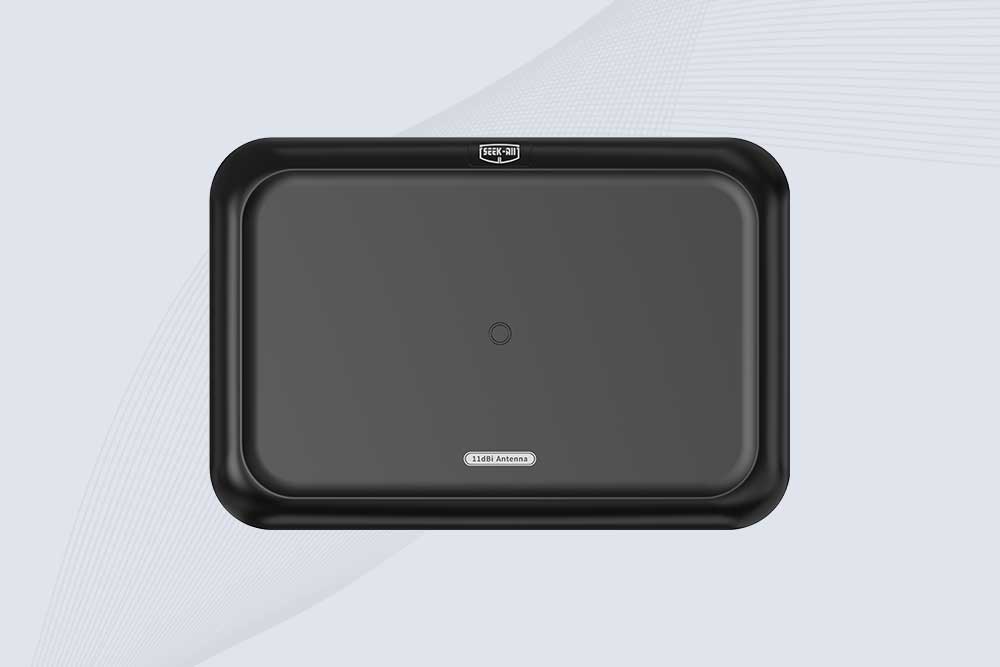
SSD-A11 UHF RFID antenna features 840–960 MHz adjustable frequency, ≥10.5 dBi gain, circular polarization and 50Ω impedance for fixed RFID systems.
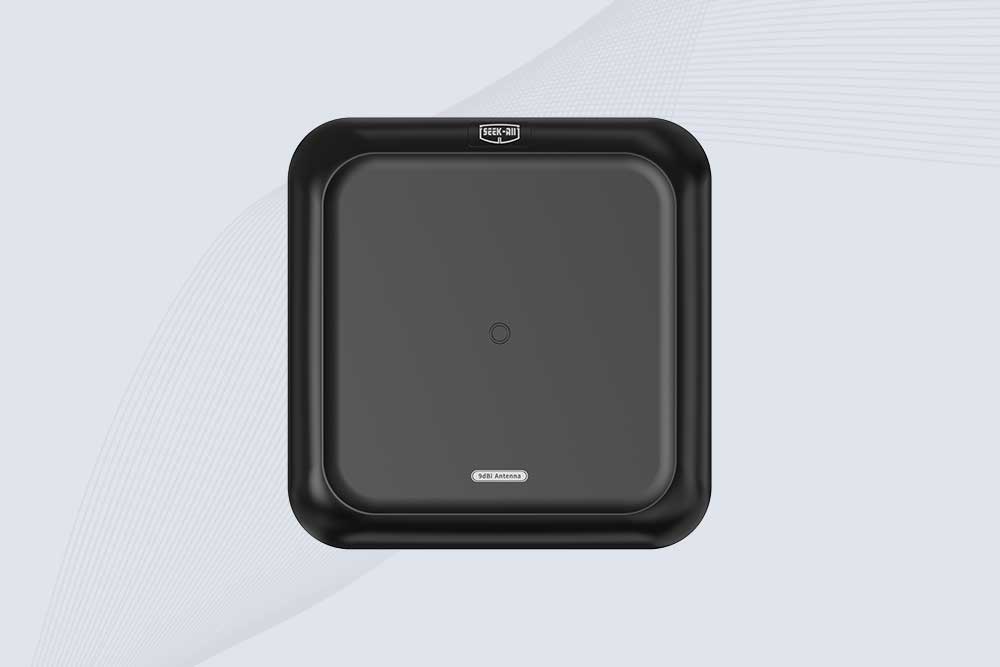
SSD-A09 is a 9 dBi UHF RFID antenna with 840–960 MHz adjustable frequency, circular polarization, 50Ω impedance and directional 60° × 60° coverage.
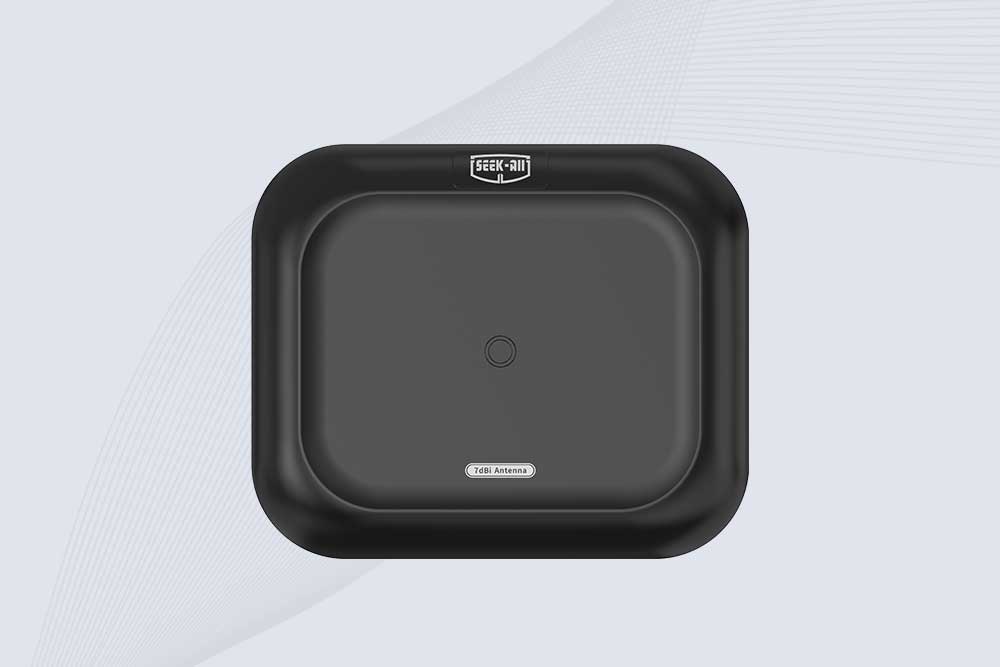
Explore the SSD-A07 UHF RFID antenna with 7 dBi gain, circular polarization, adjustable 840–960 MHz frequency, and 60°/75° beamwidth for stable RFID read/write performance.

SSD-A06 UHF RFID antenna with circular polarization, adjustable 840–960 MHz frequency, ≥4.5 dBi gain, and a compact directional design for RFID systems.

Discover SSD-D4AL, a USB-HID UHF RFID reader with 4/8/16 antenna options, Impinj E710/X3M1 chipset, plug-and-play USB power, and OEM customization.
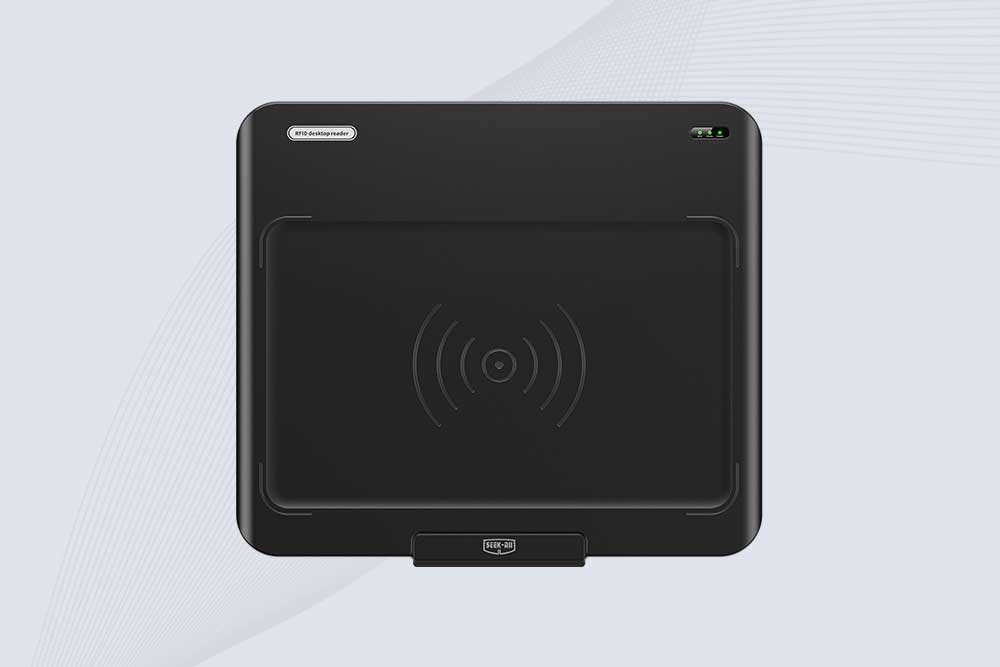
SSD-D3AL is a USB-HID UHF RFID reader with 0–30 cm reading, 0–15 cm writing, over 600 tags/s recognition, USB plug-and-play operation and OEM Logo customization.
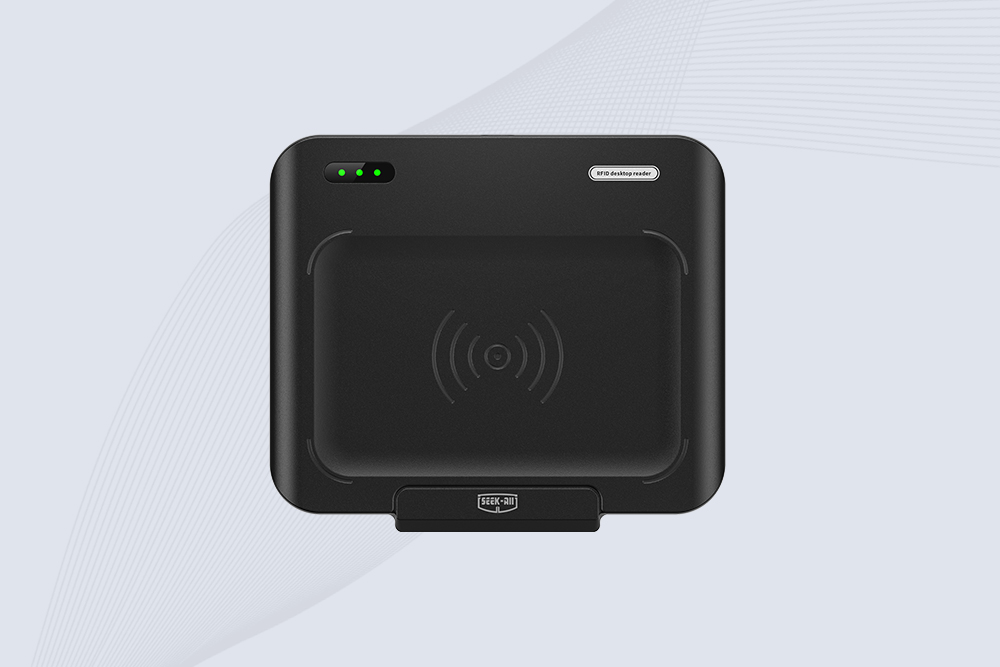
SSD-D1AL is a compact USB UHF RFID reader with Impinj E710/X3M1 chipset, USB-HID, 600+ tags/s recognition, 4/8/16 antenna support and plug-and-play USB power.
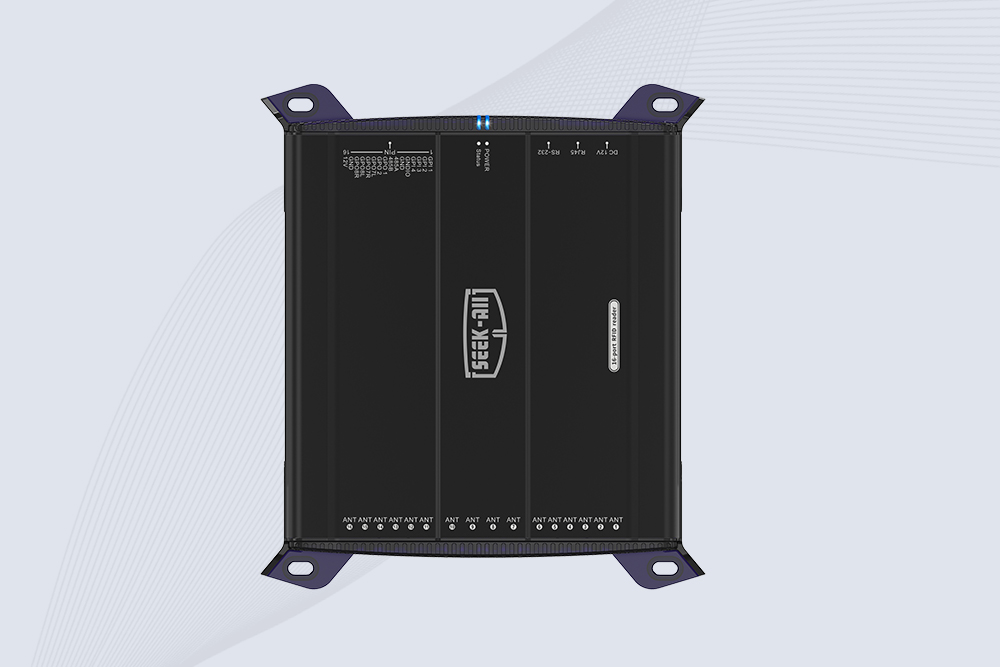
SSD-R16L Multi-Channel RFID Infrastructure for Automated Inventory Management ✔️ 16-Port High-Density RFID Reading Equipped with 16 SMA antenna ports, SSD-R16L supports multi-antenna deployment for warehouses, retail stores, logistics, production lines, and large-area RFID identification. ✔️ High-Speed & Long-Range Performance With up to 33…
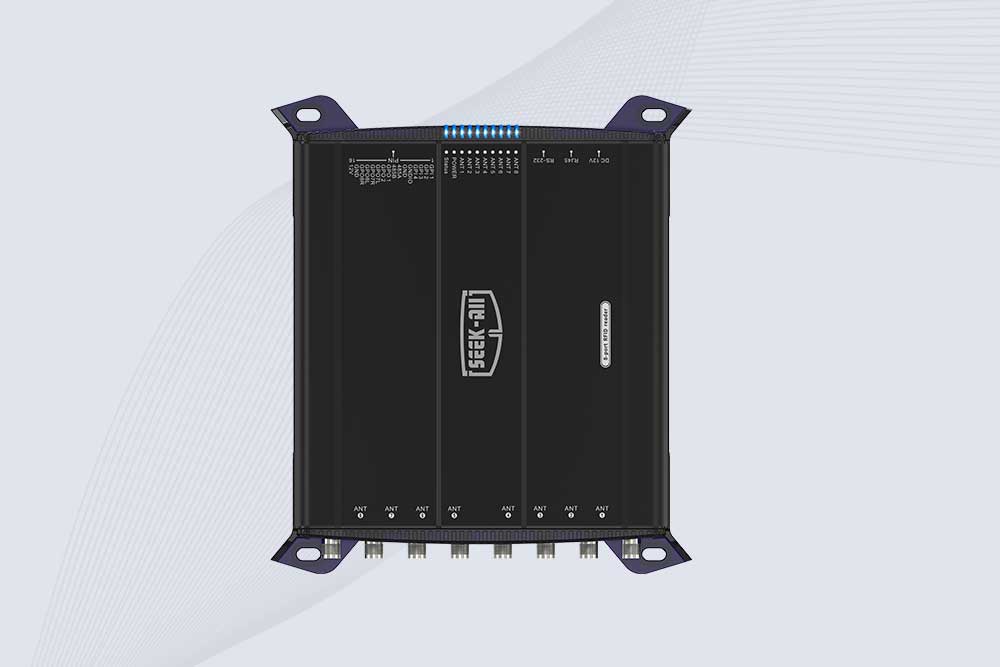
SSD-R8L 8-port UHF RFID reader with 33dBm output, up to 20m reading range and 600+ tags/s recognition. Ideal for warehouse, logistics, retail and asset tracking.
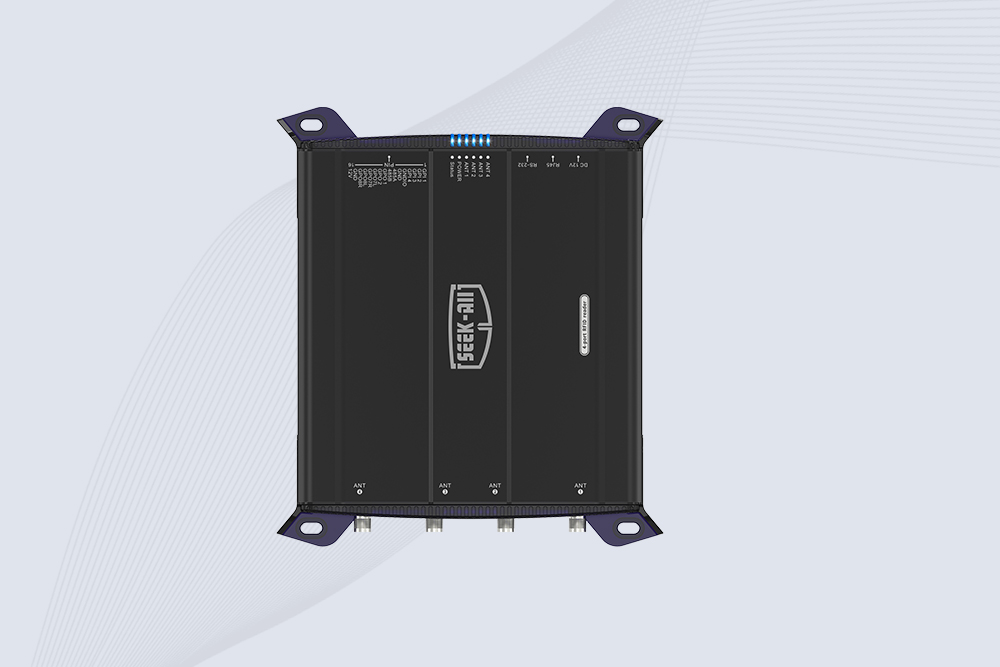
SSD-R4L is a 4-port UHF RFID fixed reader with 33dBm output power, up to 20m reading range, EPC C1G2 support and 600+ tags/s reading speed.

CYKEO CYKEO-D1LA USB RFID Reader is a compact desktop solution with near-field control for precise tag reading and encoding. Powered by USB, supporting ISO 18000-6C, and built for stable batch writing, this usb rfid tag reader fits retail, libraries, offices, and controlled RFID encoding tasks.
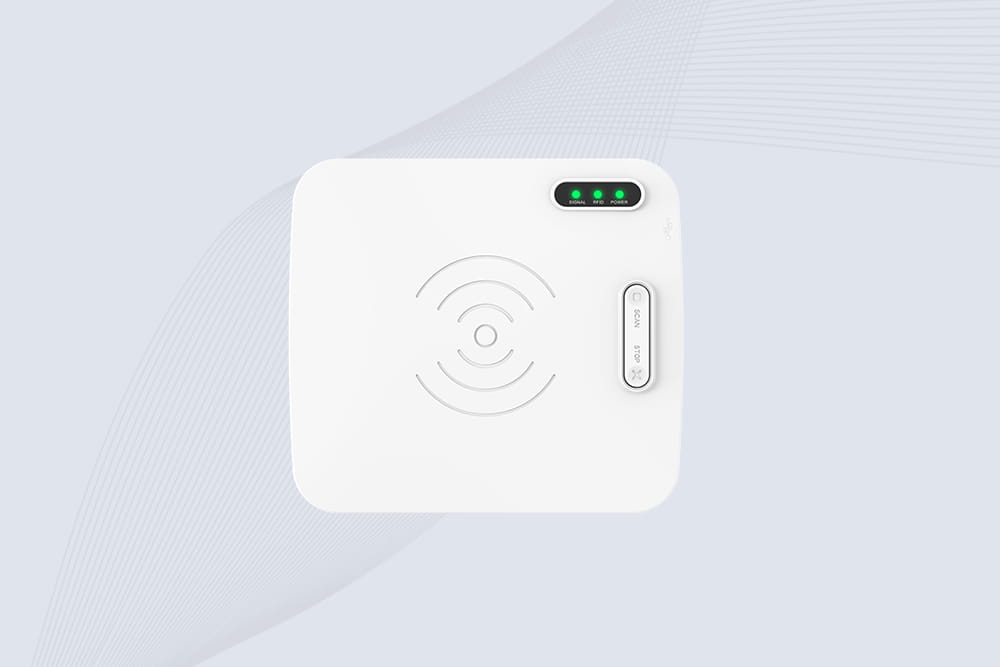
CYKEO CYKEO-D1L RFID scanner USB is a compact desktop UHF RFID scanner designed for short-range tag writing and verification. This usb rfid scanner supports batch encoding, stable 0–26 dBm output, and works across Windows, Linux, and Android systems.
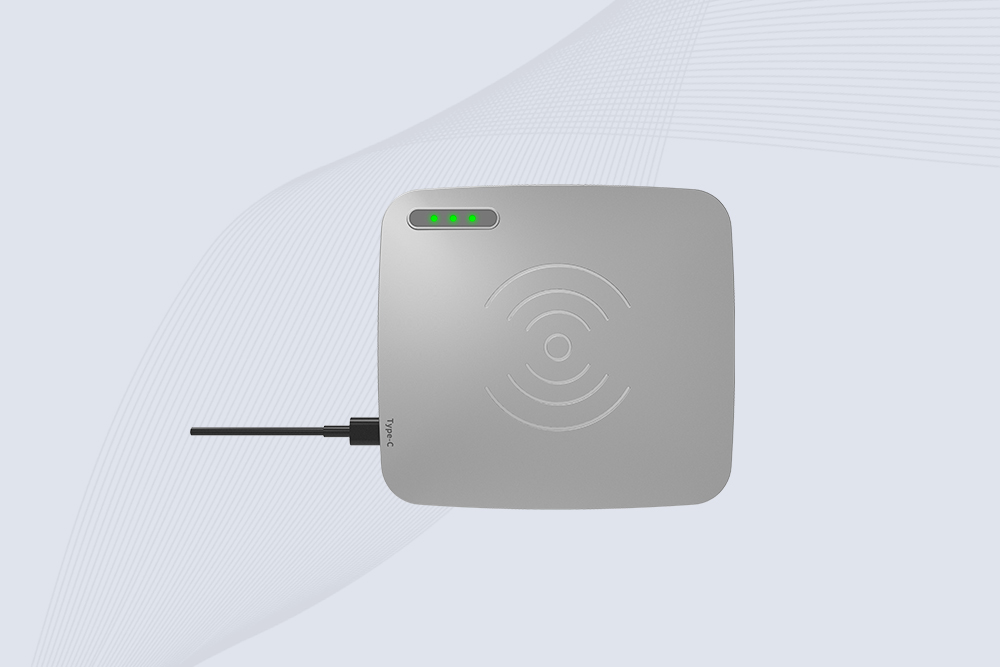
CYKEO CYKEO-D1C USB RFID Card Reader is a near-field UHF desktop writer designed for secure, short-range tag encoding. With USB-C connectivity and stable 26 dBm output, this rfid reader usb c is ideal for badge issuance, label encoding, and controlled desktop RFID workflows.
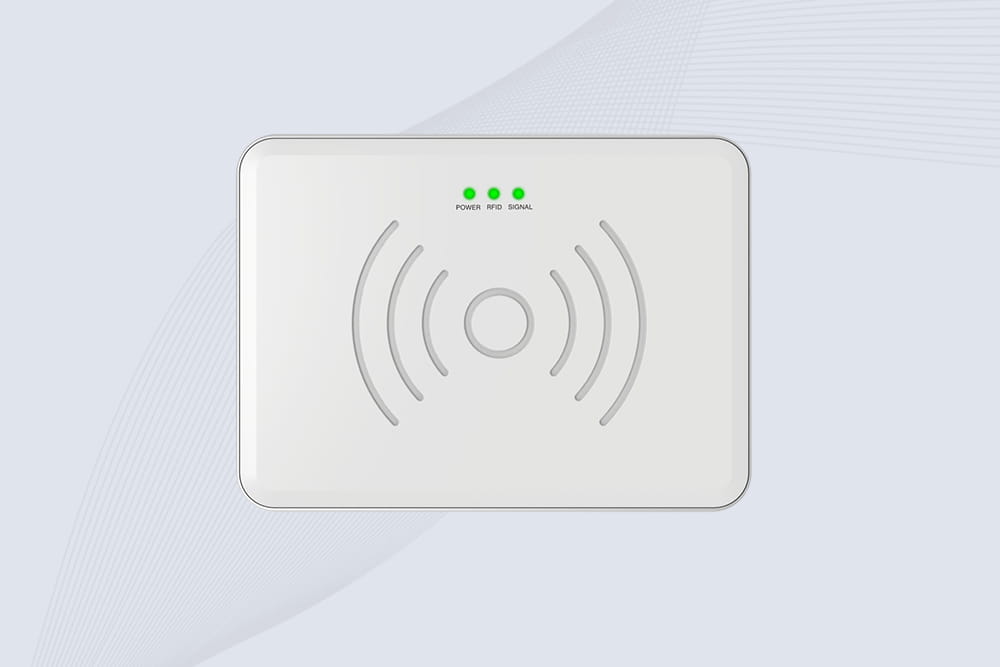
CYKEO CYKEO-D2L RFID Reader USB is a compact desktop encoder built on the Impinj R500 chip. With near-field control and stable USB power, this usb rfid card reader delivers precise tag writing for offices, retail counters, and small-scale logistics encoding tasks.
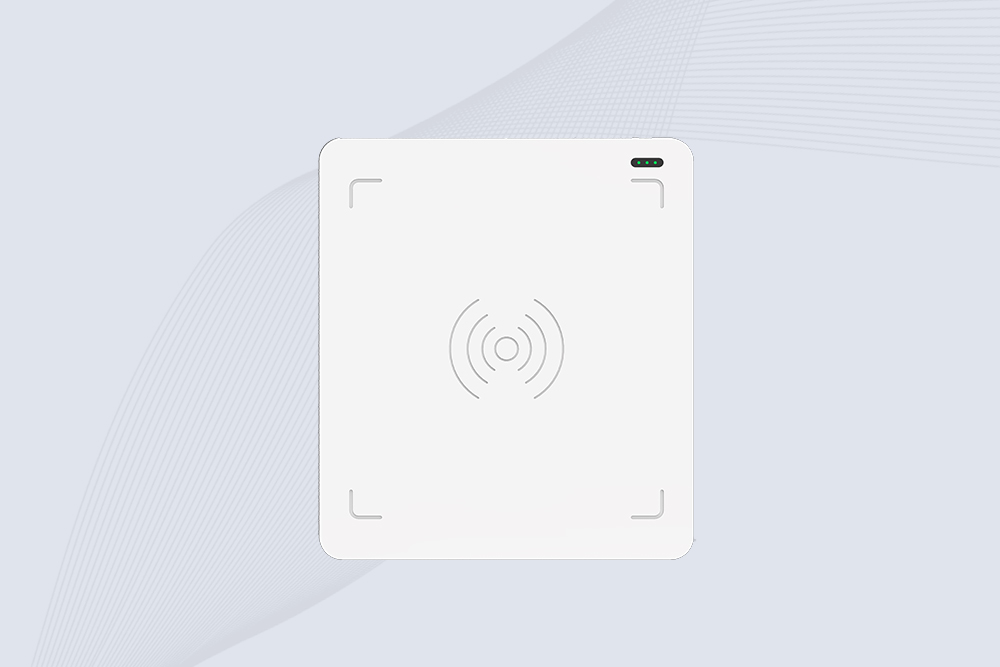
CYKEO CYKEO-D3L USB RFID Tag Reader delivers stable UHF tag reading and writing for daily desktop and light industrial tasks. Designed for controlled short-range operation, this USB RFID Tag Reader works reliably with rfid tag and reader systems in libraries, tool tracking, and inventory registration.
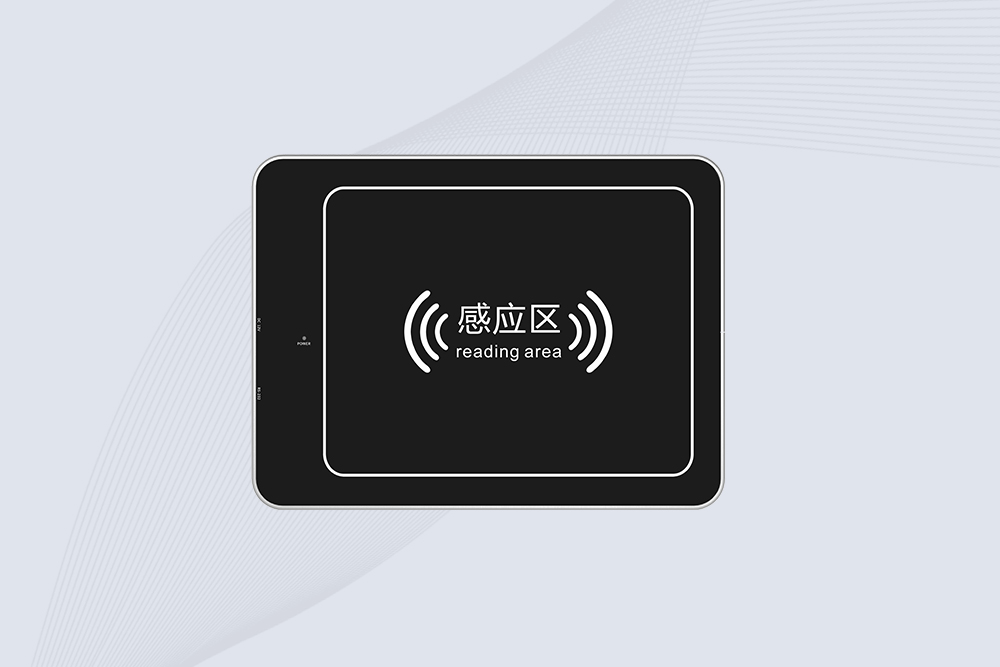
The CYKEO CYKEO-D4L UHF RFID Tag Reader is a stable Desktop RFID Reader designed for accurate tag registration, borrowing, and return workflows. Built with the Impinj R2000 chip, this UHF RFID Tag Reader delivers controlled short-range reads for libraries, asset tracking, and inventory management environments.
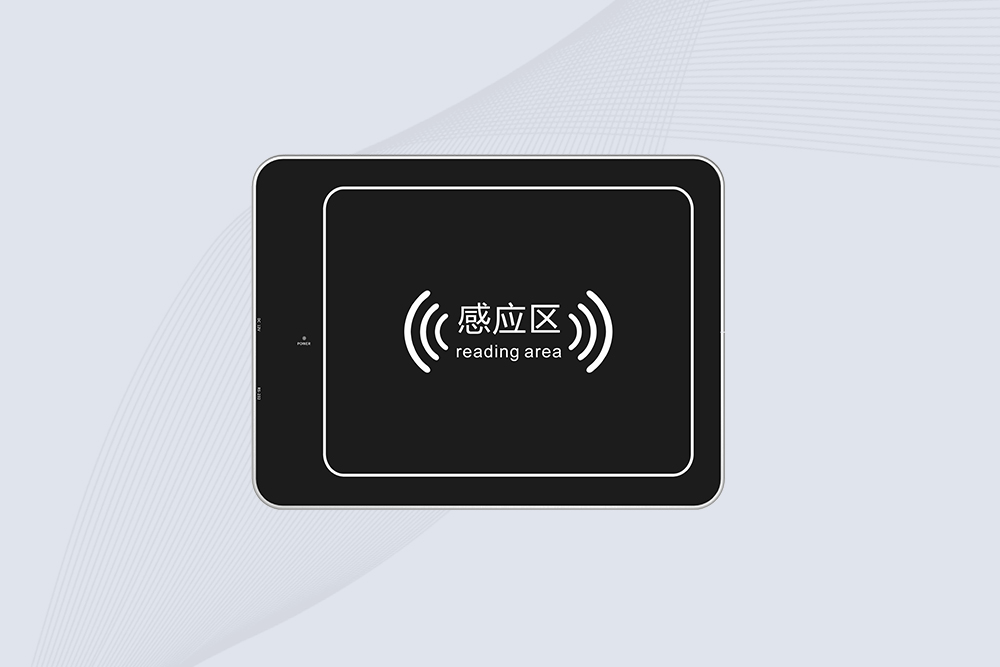
The CYKEO CYKEO-D5L Desktop RFID Card Reader is a stable UHF RFID Card Reader designed for controlled short-range reading and writing. Built for libraries, tool rooms, and asset desks, this UHF RFID Card Reader supports dense tag handling, secure data processing, and easy USB integration.
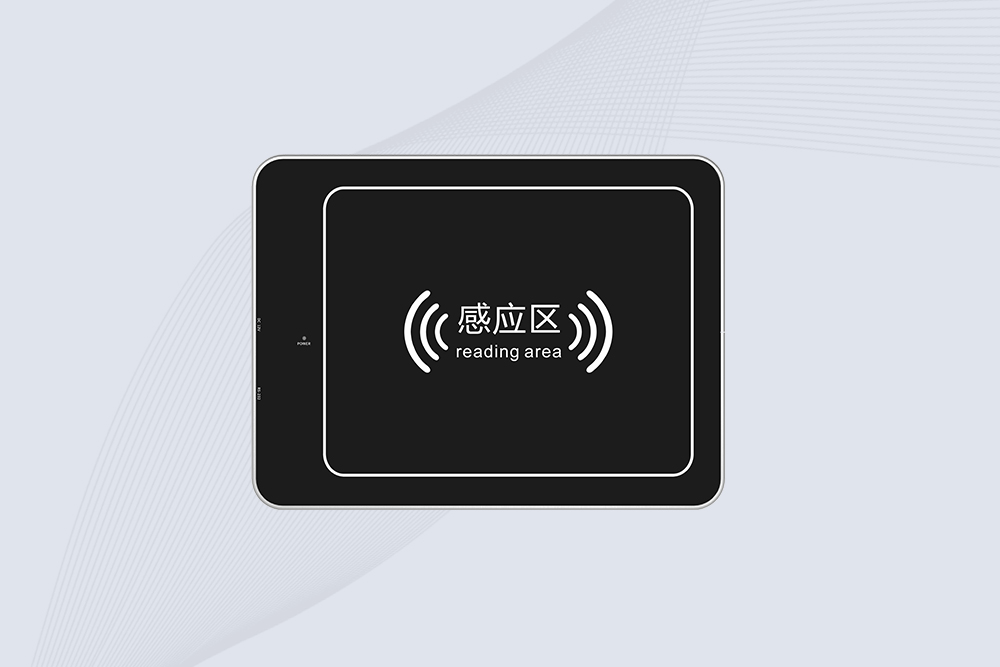
The CYKEO CYKEO-D6L RFID Reader Writer is a heavy-duty Desktop RFID Reader designed for short-range, high-accuracy tag programming. Built for libraries, labs, and asset desks, this RFID Reader Writer supports batch processing, stable 33dBm output, and seamless integration with existing management systems.
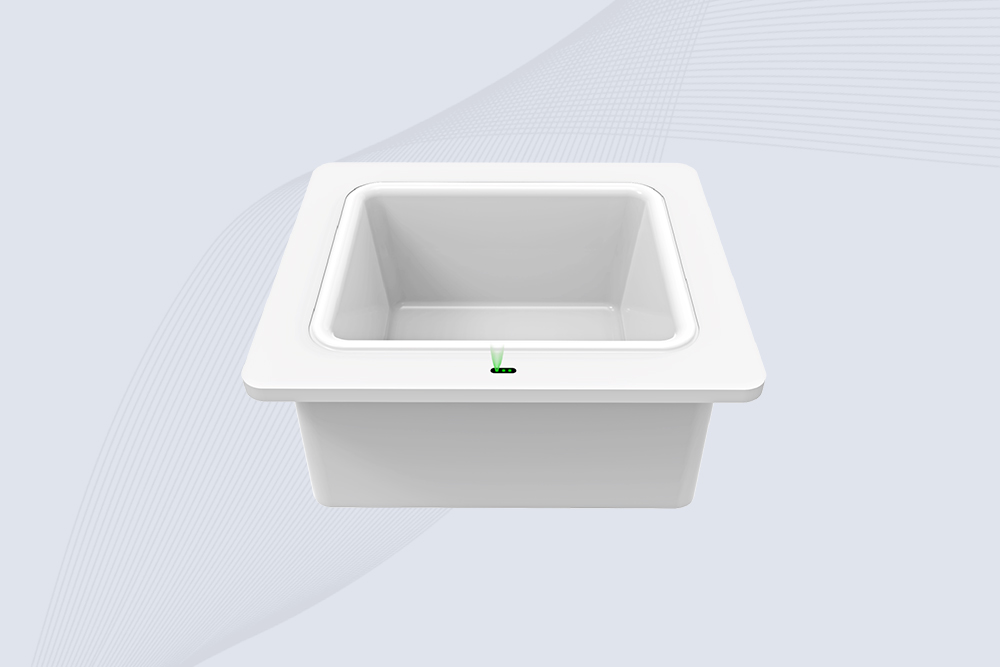
Cykeo CYKEO-D8B UHF RFID tunnel and RFID Desktop Reader features 30+ items batch reading,
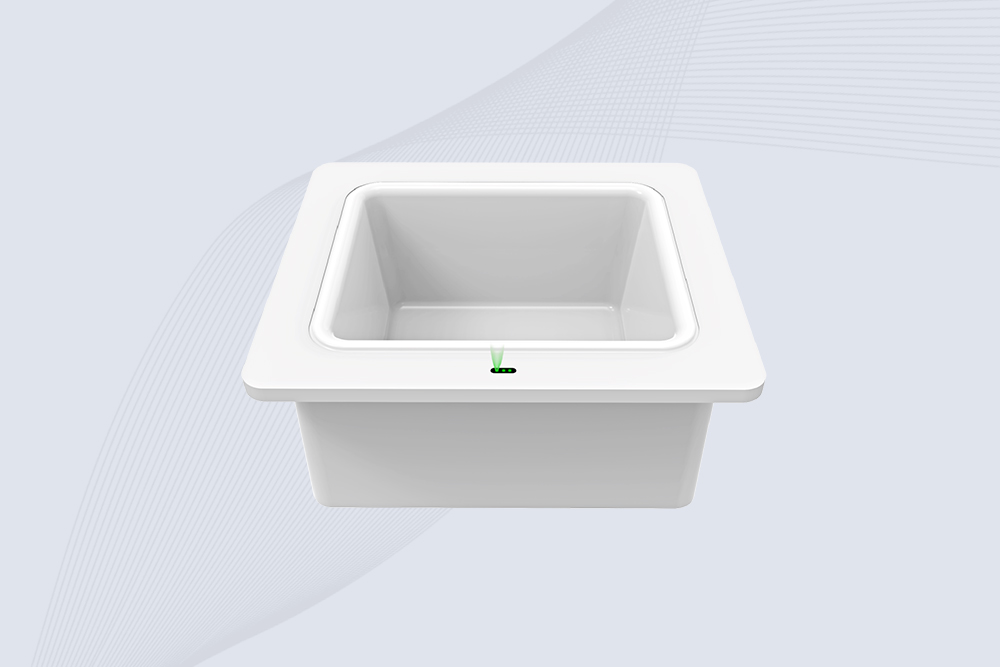
Cykeo CYKEO-D8A embedded RFID badge reader offers 30+ tags/sec scanning, 20cm anti-crosstalk precision, and DC 12V power for unmanned stores, warehouses, and smart inventory systems.
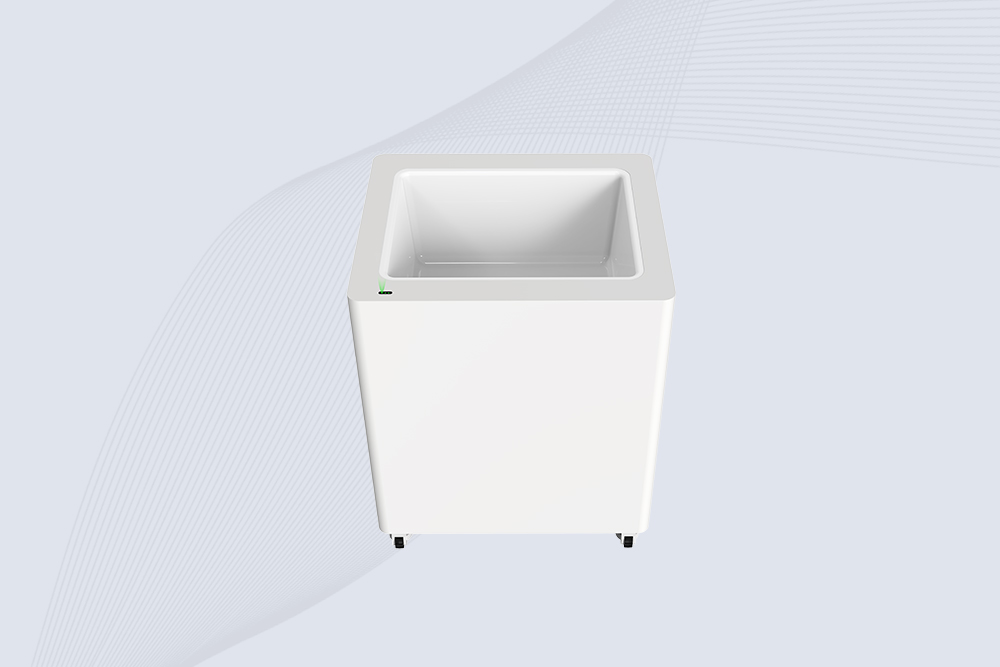
Cykeo’s CYKEO-D8C UHF RFID gate reader achieves 200-tag/batch scanning with adjustable power control, ideal for retail inventory and smart warehouse management.
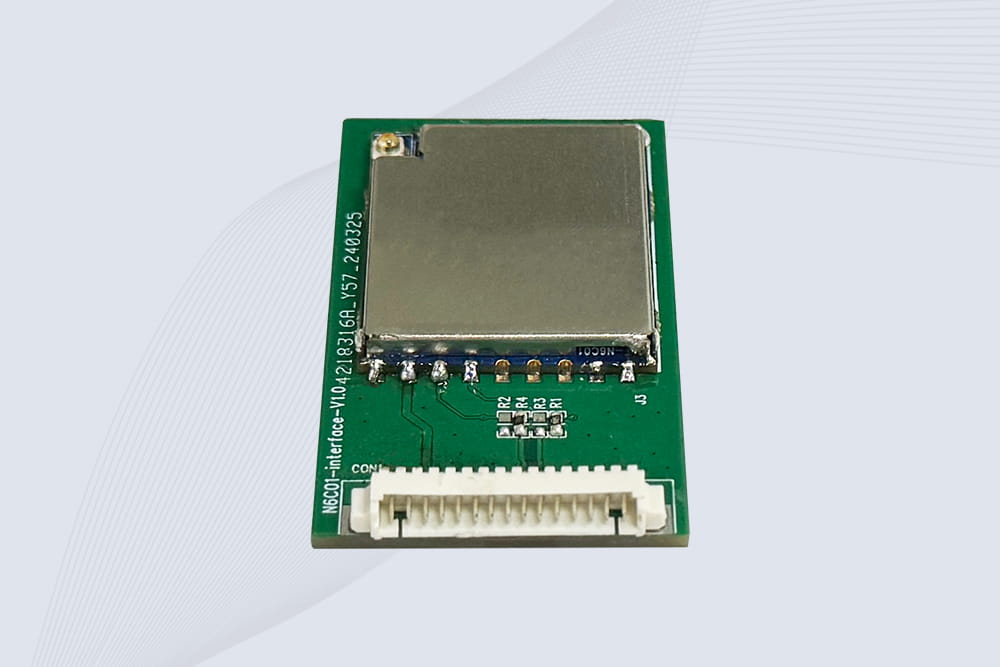
CYKEO Embedded RFID Modules are designed for compact industrial and IoT devices that require stable UHF performance. These UHF RFID Modules support global protocols, flexible power control, and reliable multi-tag reading for smart cabinets, production lines, and asset tracking systems.
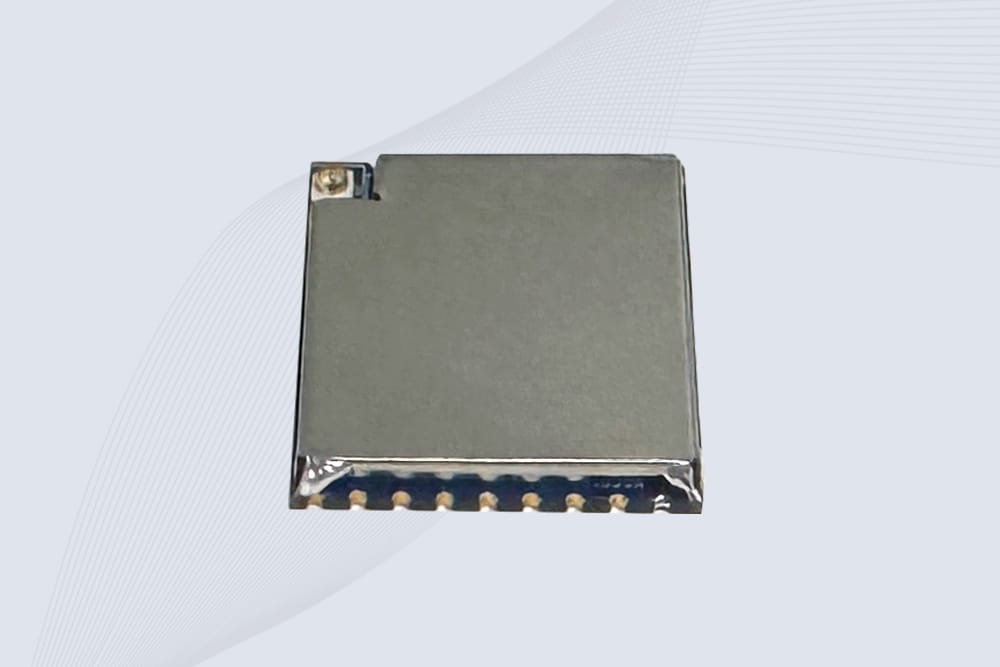
CYKEO Embedded RFID Module is built for compact IoT and industrial devices that need stable UHF performance. This UHF module supports global protocols, low power operation, and reliable multi-tag reading for smart lockers, production lines, and always-on RFID systems.
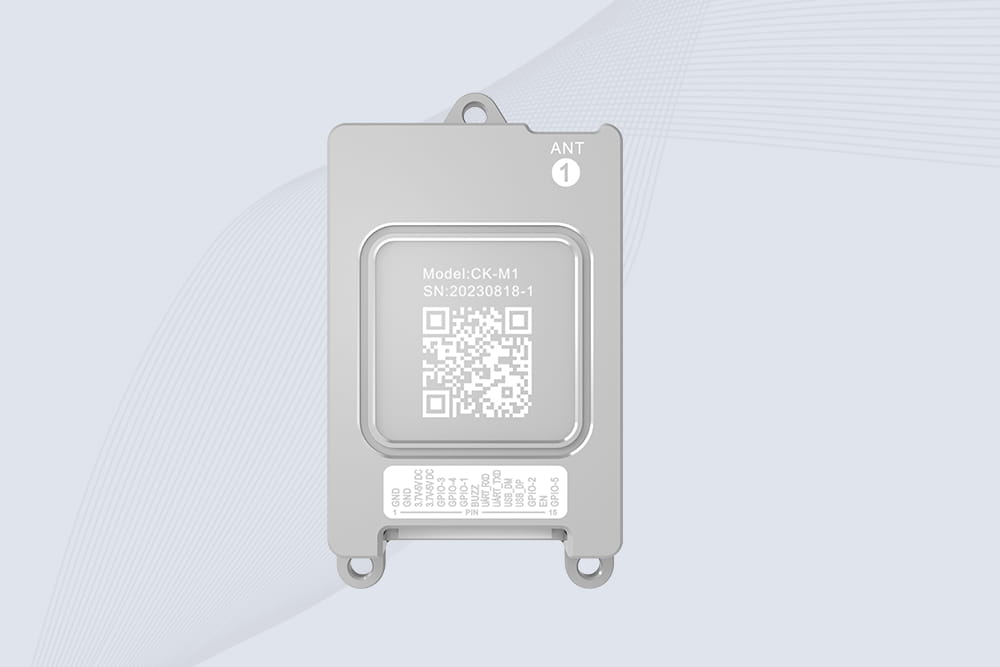
CYKEO CYKEO-M1 drone rfid module is a compact UHF RFID reader module designed for drones and UAV platforms. It supports long-range aerial scanning, fast multi-tag reading, and stable performance in wind, vibration, and outdoor environments.
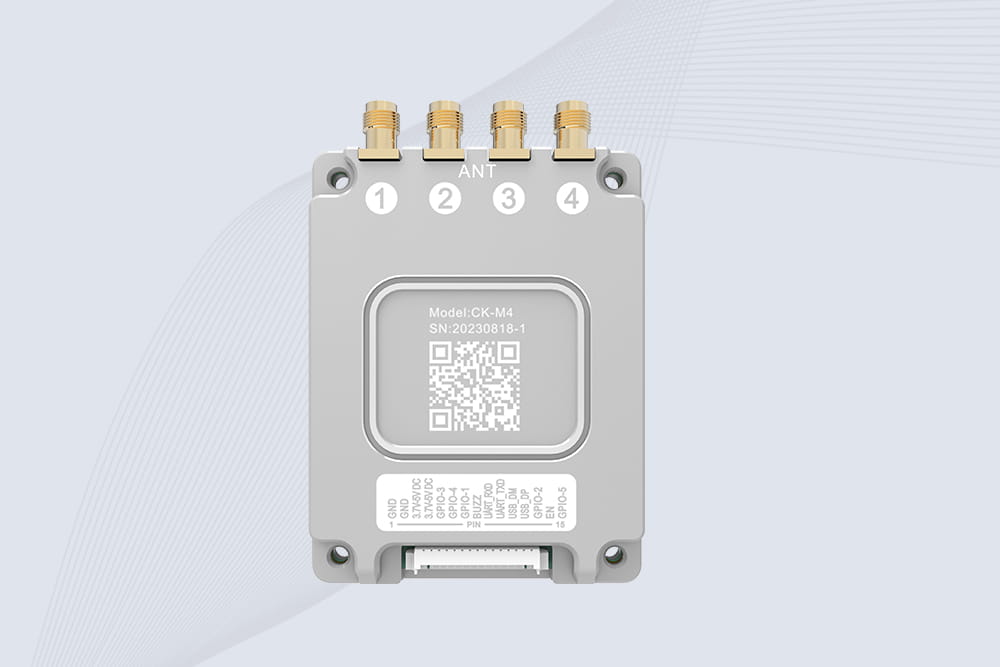
CYKEO CYKEO-M4 RC522 RFID Module is an industrial-grade UHF RFID reader with 4 ports, supporting ISO, EPC, and GB protocols. High-speed, accurate reading for IoT, automation, and warehouse applications.
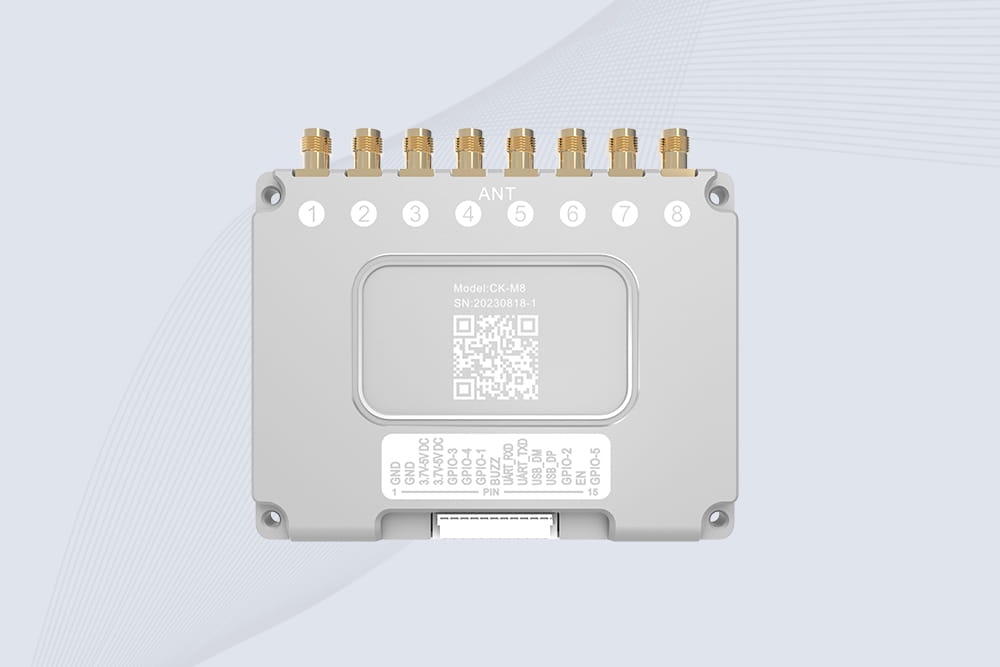
CYKEO CYKEO-M8 Module RFID is an 8-port UHF R2000 RFID Module designed for high-density, multi-tag environments. Stable 33dBm output, ISO & GB protocol support, ideal for warehouses, factories, and automated systems.
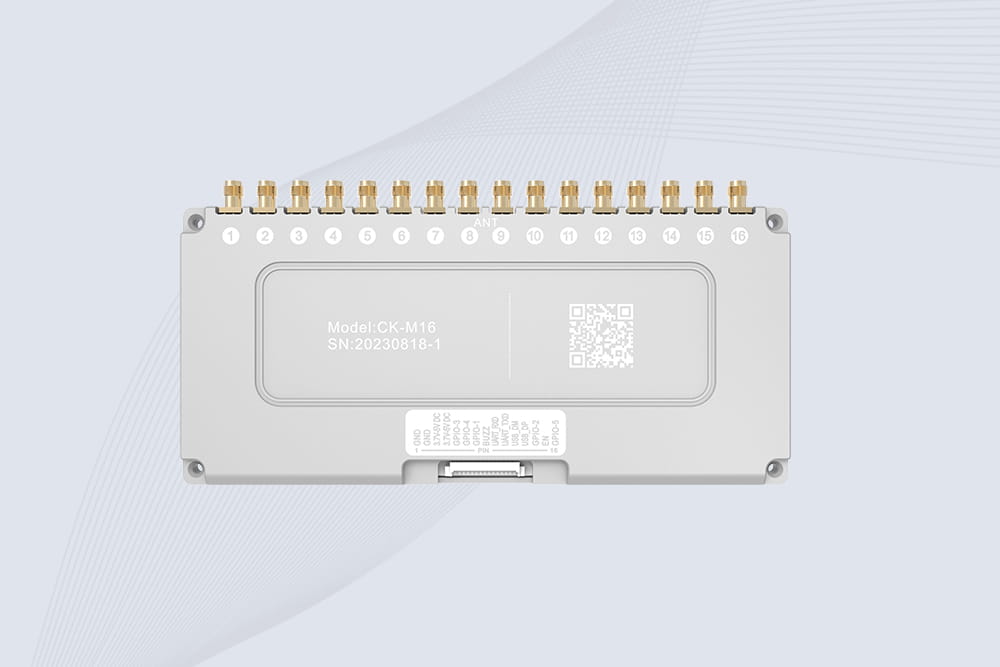
CYKEO CYKEO-M16 RFID Module is a 16-port UHF RFID reader module based on the R2000 chipset. Designed for dense tag environments, it supports ISO and GB standards and delivers stable multi-antenna control for industrial automation.
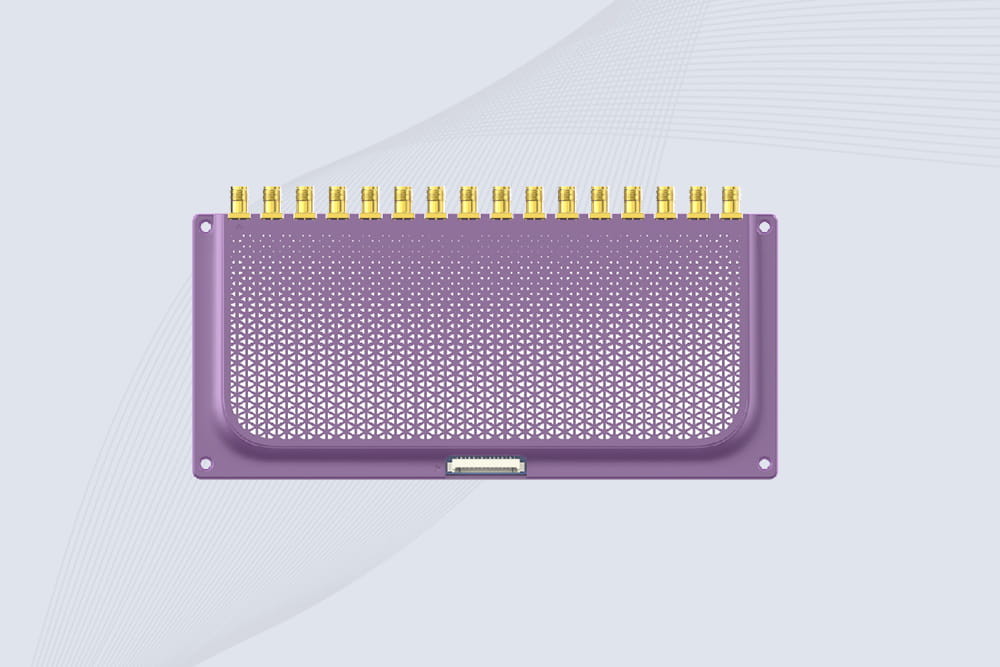
The CYKEO CYKEO-M16L RFID Reader Module is a 16-channel UHF RFID core designed for dense tag environments. With adjustable 33dBm output, multi-protocol support, and stable multi-antenna control, this RFID Tag Reader Module fits industrial automation, warehouse systems, and large-scale IoT deployments.
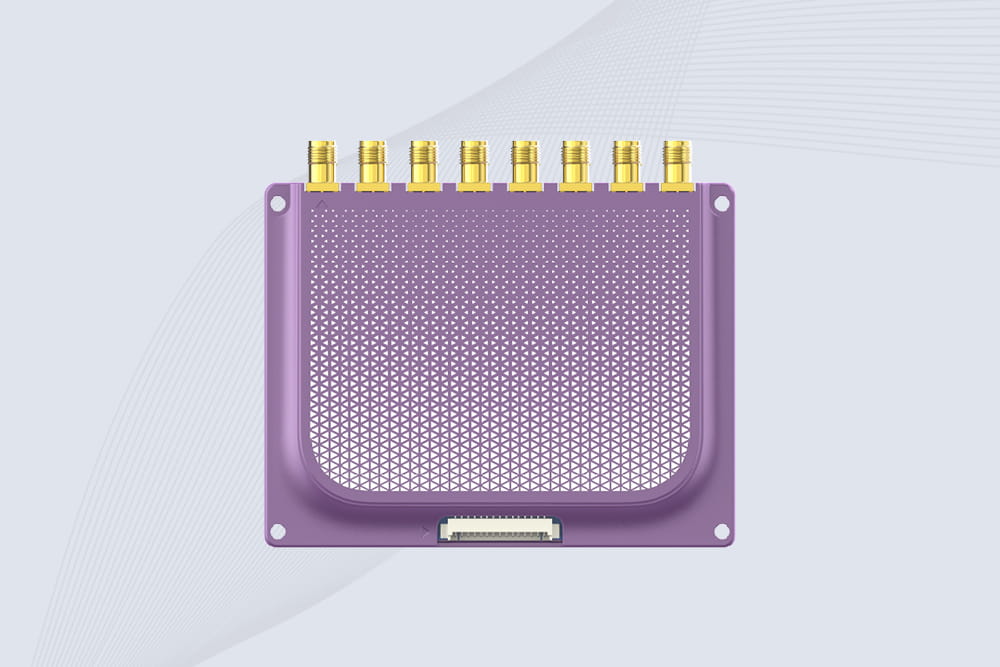
CYKEO CYKEO-M8L module RFID is a compact industrial UHF module built for dense tag and multi-antenna environments. With 8 RF ports, adjustable 33 dBm output, and ISO & GB protocol support, it is widely used in factories, warehouses, and automated tracking systems.
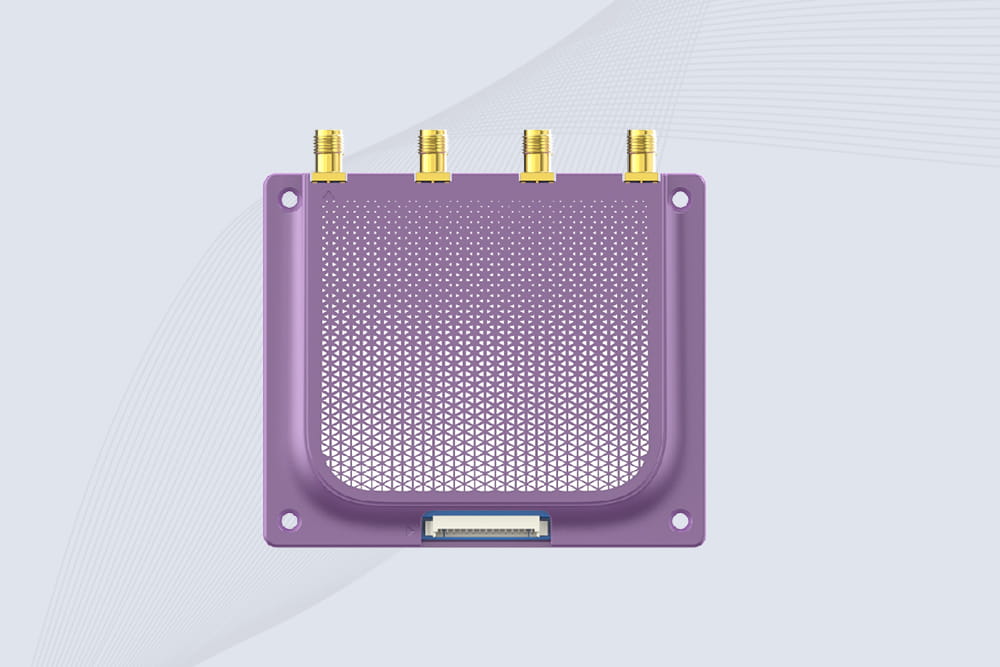
CYKEOCYKEO-M4L UHF RFID Module is a compact 4-channel RFID tag reader module designed for dense tag environments. Supporting ISO and GB protocols, it delivers stable reads up to 10 meters for industrial and IoT systems.
Cykeo CYKEO-A11 UHF RFID reader antenna delivers 11dBi gain, 840-960MHz frequency range, and IP65 ruggedness for retail, logistics, and industrial RFID systems. Features low VSWR and easy installation.
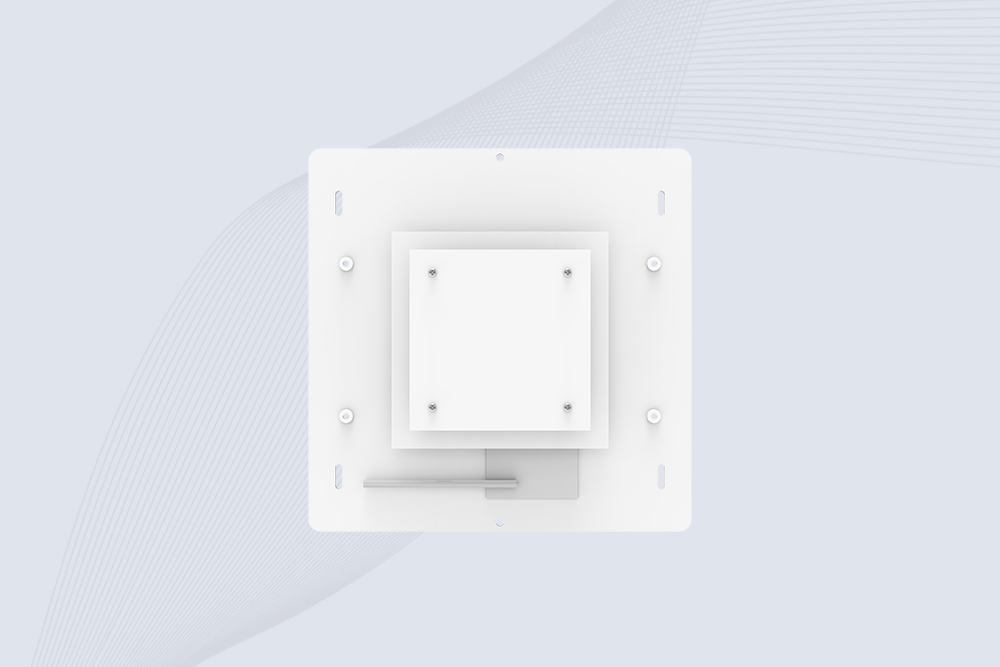
CYKEO Antenna RFID Reader delivers stable long-range UHF performance with a 10.5dBi directional design, built for warehouses, conveyor portals, and industrial RFID systems. This rfid reader antenna provides 20m+ read distance and rugged IP67 protection.

Cykeo CYKEO-PHF3 industrial HF RFID Antenna offers 24-point dynamic tracking, ISO 14443A/15693 protocols, metal-environment stability for archives/libraries/manufacturing.

Cykeo CYKEO-A5B industrial Linear RFID Antenna delivers 5dBi gain, ≤1.5:1 VSWR, and IP65 rugged design for warehouse, production line, and logistics UHF systems.

Cykeo’s CYKEO-B12 Long Range RFID Antenna delivers 15m+ read range with 12dBi gain, IP65 rugged design, and global 840-960MHz UHF support. Ideal for warehouse/logistics asset tracking.
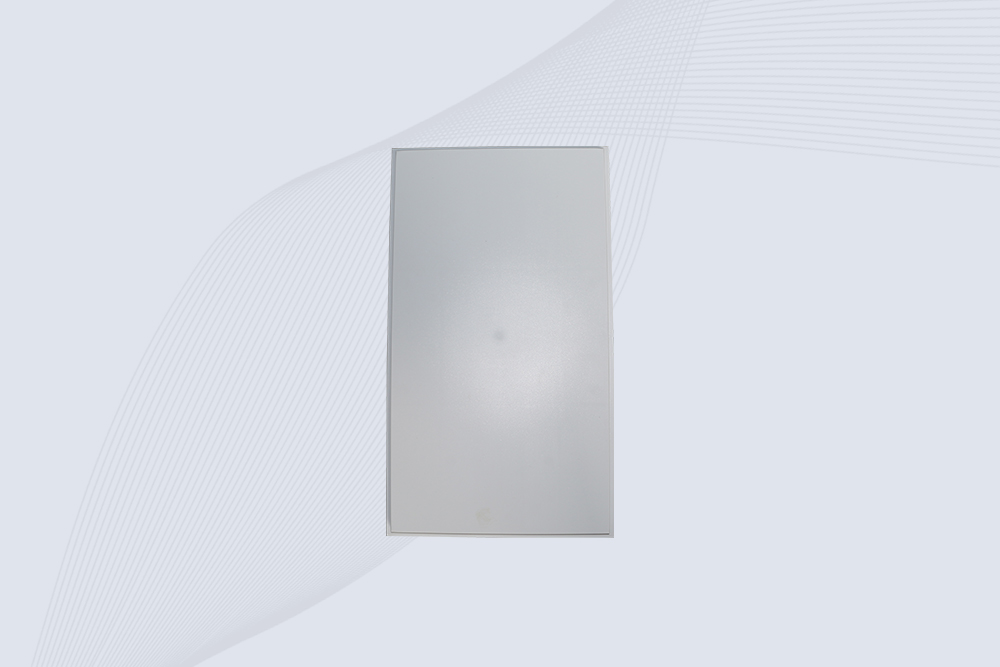
Cykeo CYKEO-B10 Long Distance RFID Antenna offers 10dBi gain, 840-960MHz frequency range, IP65 rating, and 20m+ coverage for logistics/warehousing/ETC systems. Low VSWR ensures stable signal transmission.
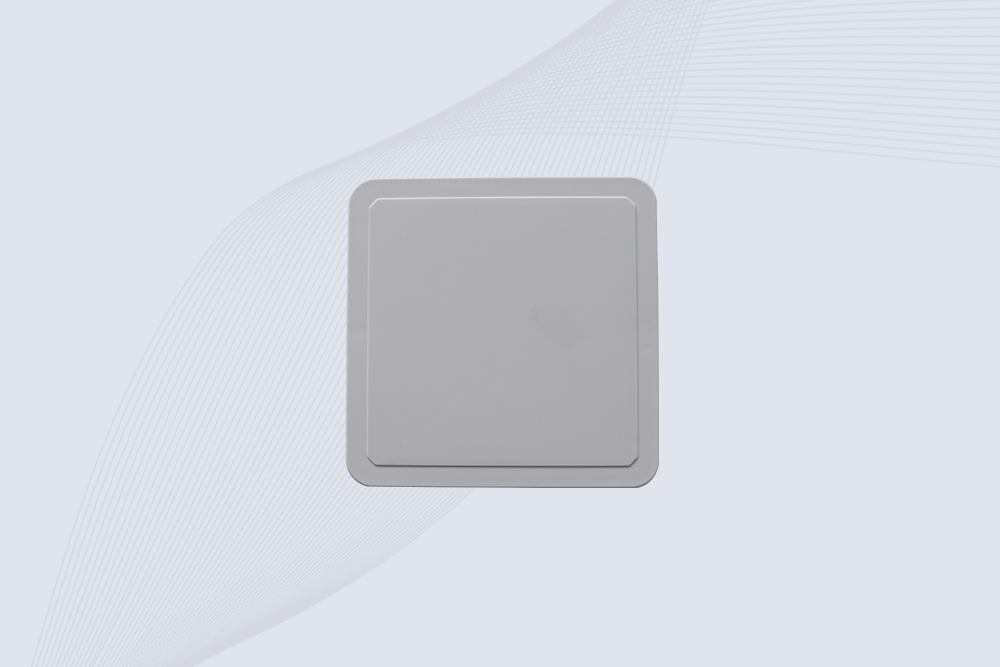
Cykeo CYKEO-A6 UHF RFID panel antenna features 6dBi gain, 840-960MHz broadband, IP65 metal-ready housing for logistics/smart retail. 18mm ultra-thin design with tool-free mounting.

Cykeo CK-A3 industrial antenna RFID UHF offers 5m+ tag detection, ≤1.3:1 VSWR, IP65 rugged design, and global UHF spectrum compatibility (840-960MHz) for warehouses, factories, and retail.
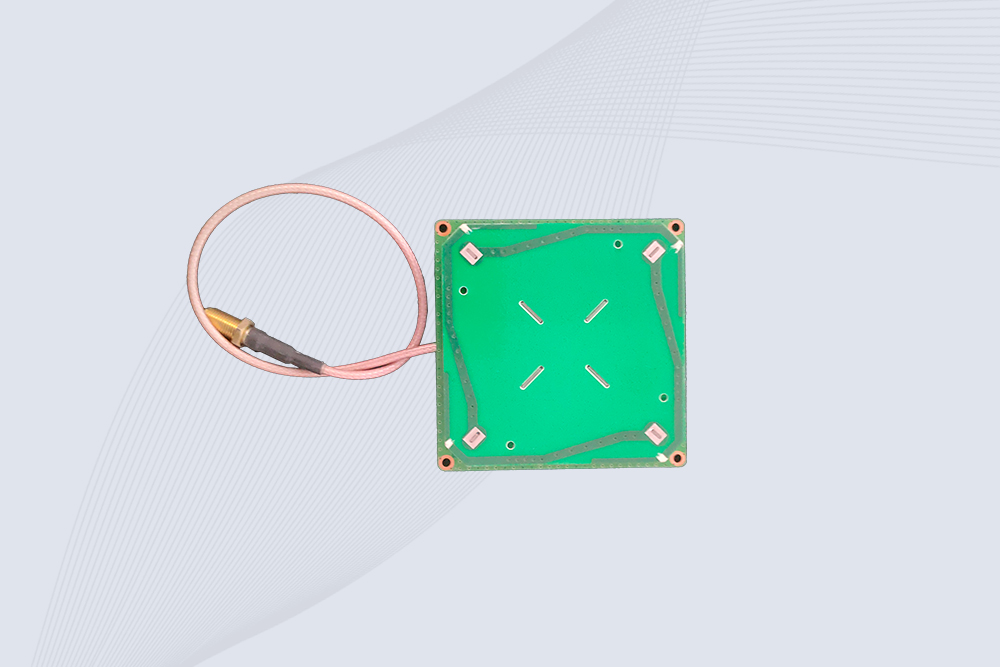
Cykeo CYKEO-B5 directional RFID antenna provides 5dBi gain with 60° narrow beamwidth for precise inventory tracking. IP65-rated, global UHF frequency support, and low VSWR.
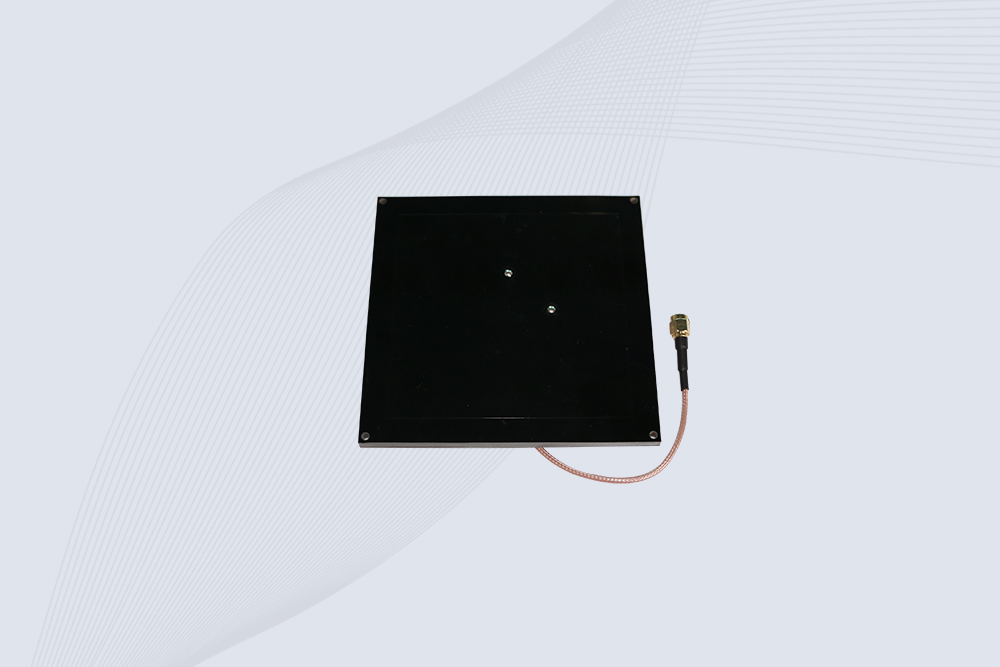
Create your own high-performance DIY RFID antenna! 5dBi gain, 840-960MHz tunable, step-by-step guides. Compatible with Arduino, Raspberry Pi, and commercial UHF readers.
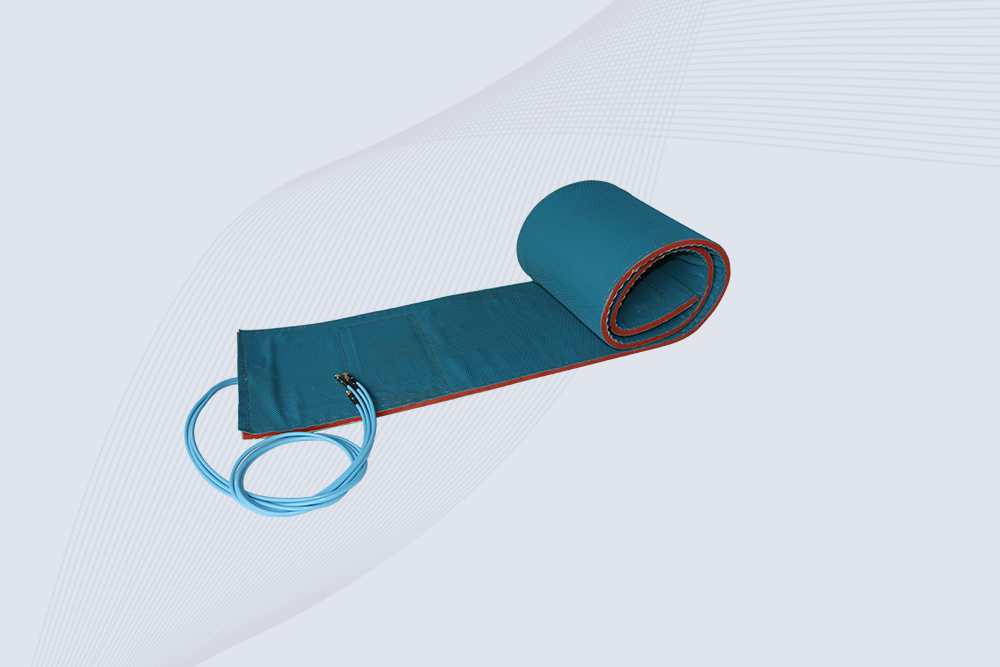
Cykeo CYKEO-A7 Flexible RFID Antenna features 840-960MHz wideband tuning, 7dBi gain, and IP68 rating for medical/retail/industrial curved surface deployments. 98% read accuracy with peel-and-stick installation.
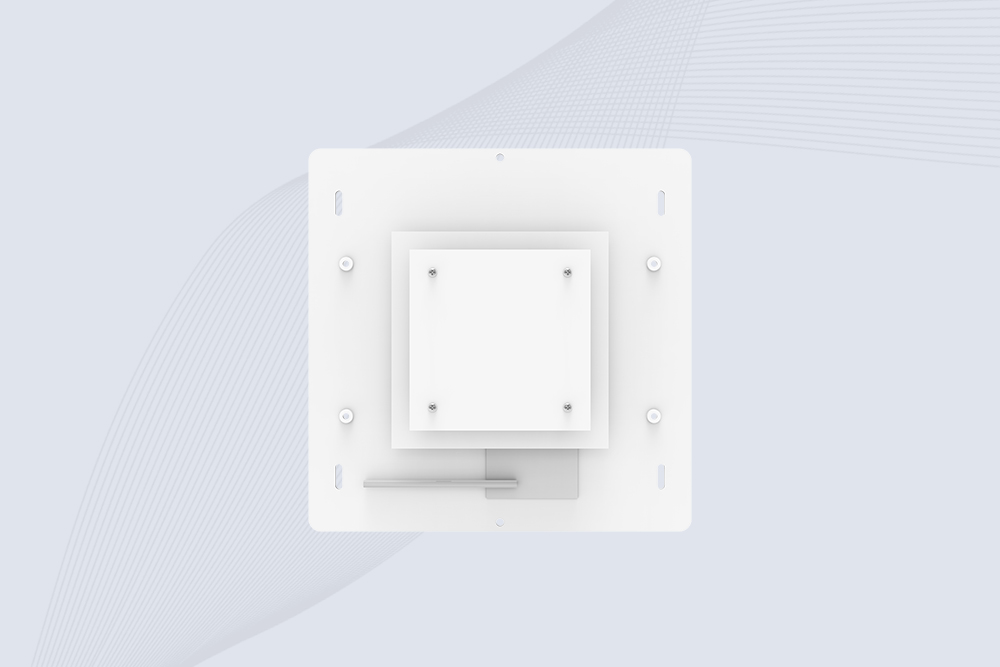
Cykeo CYKEO-B5A industrial Passive RFID Antenna delivers 5dBi gain, 70° beamwidth, and -40°C~55°C operation for warehouses/smart cabinets. Compatible with Zebra/Impinj readers.
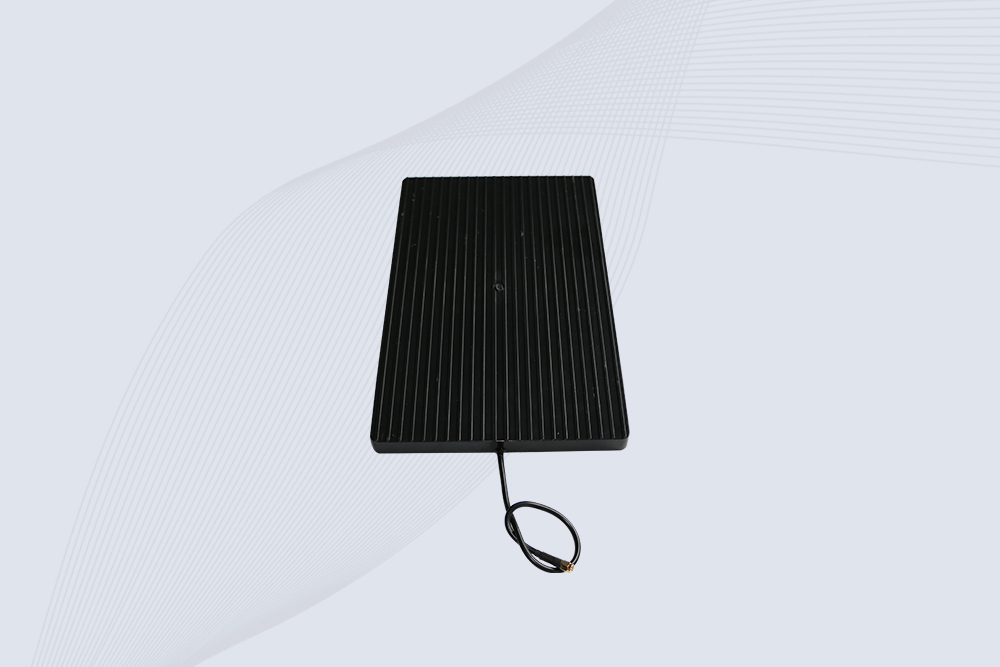
Cykeo’s CYKEO-A9B High Gain RFID Antenna delivers 15m+ read range with 9dBi amplification. Features IP54 rugged design, 840-960MHz bandwidth, and 80° beamwidth for warehouse/manufacturing RFID systems.

Cykeo’s enterprise-grade 8dbi Impinj RFID Antenna 10m+ read range with 840-960MHz tuning. Features IP65 housing, 1.4 VSWR, 35° beamwidth for retail/warehouse RFID systems.
Cykeo CYKEO-A9 industrial UHF RFID antenna delivers 9dBi gain, 840-960MHz frequency range, and IP65 protection for warehouse/logistics/retail RFID systems. Features N-type connector and ≤1.3:1 VSWR.
CYKEO UHF RFID Antenna built for long-distance and industrial applications. This antenna rfid uhf delivers strong gain, outdoor durability, and reliable tag performance in warehouses, yards, and vehicle ID systems.
CYKEO Antenna RFID delivers reliable long-range UHF performance in warehouses, retail shelves, and cold-chain environments. This compact uhf rfid antenna provides stable reads with circular polarization and ultra-wide 840–960 MHz support, ideal for industrial tracking, smart shelves, and asset monitoring.
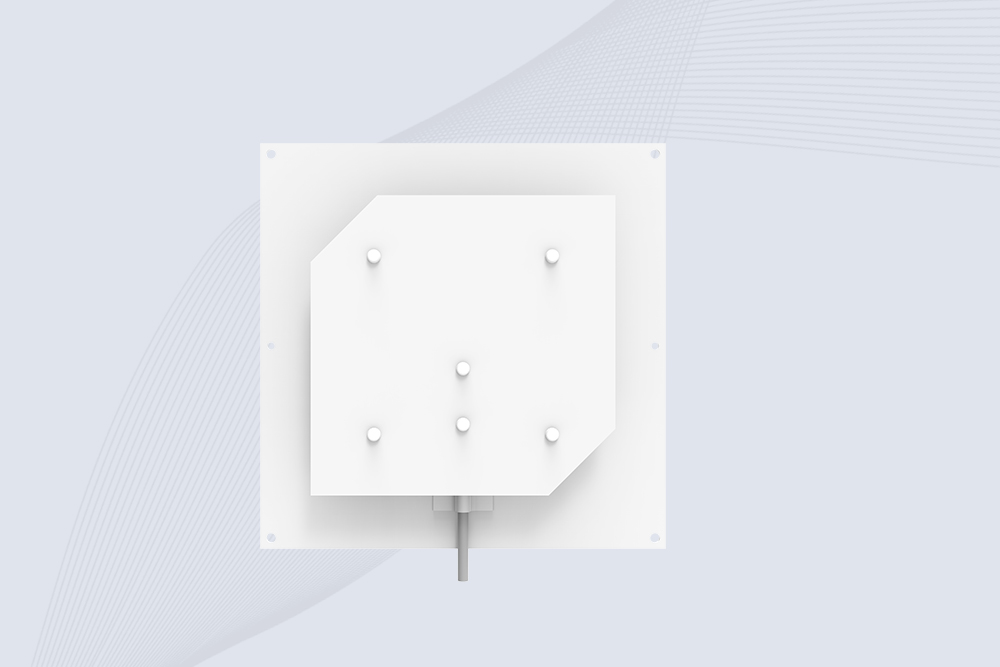
Cykeo’s CYKEO-C8 UHF RFID antennas delivers 8dBi gain, 840-960MHz full-band coverage, and IP65 ruggedness for manufacturing/warehouse RFID systems. Industrial RFID Antennas Features
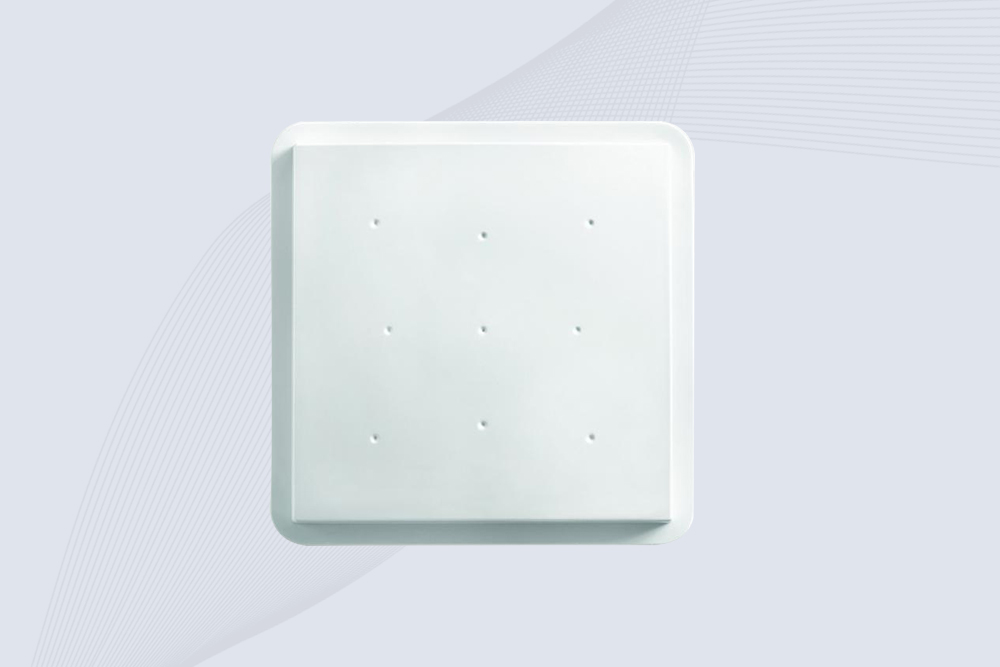
Cykeo’s 8dBi UHF RFID antenna and reader kit delivers 10m+ range, 840-960MHz broadband, and IP65 ruggedness for factories, warehouses, and logistics. ISO 18000-6C & EPC Gen2 certified.
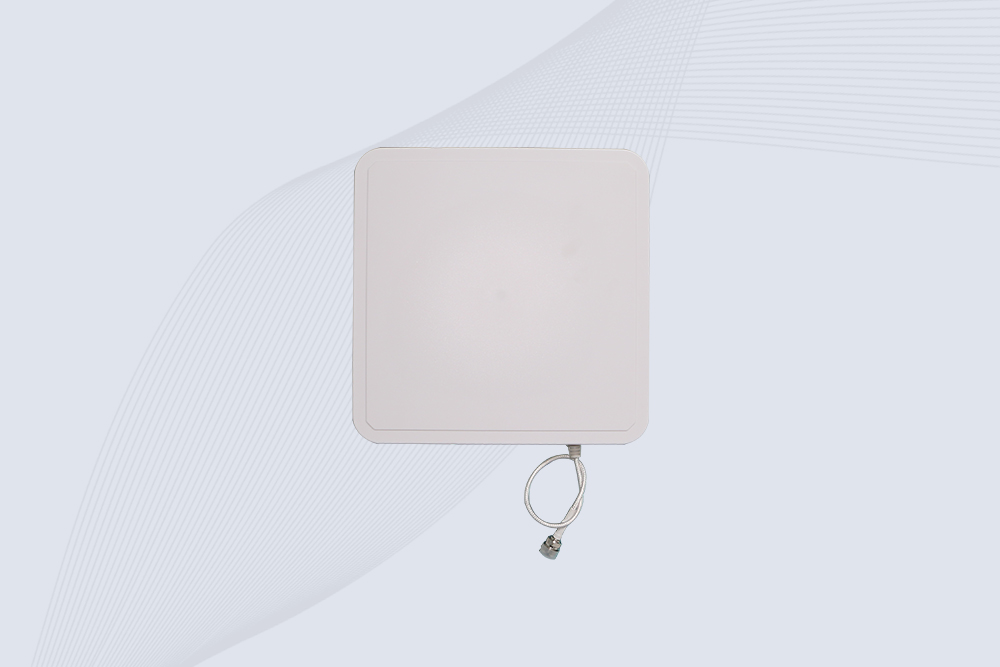
Cykeo CYKEO-A9A industrial UHF RFID reader and antenna kit delivers 10m range, 500 tags/sec, IP65 ruggedness for manufacturing/logistics. Supports EPC Gen2, ISO18000-6C.

Need RFID readers that survive factory floors? We compare heat-resistant, high-speed UHF readers for automotive lines—no marketing fluff.
More
Can a high frequency RFID scanner read UHF tags? No—and here’s why. Learn the real differences between 13.56 MHz HF and 860–960 MHz UHF RFID systems, including physics, protocols, read range, and dual-frequency reader options.
More
Discover how RFID chip animals technology improves livestock tracking, pet identification, and animal management. Learn why Cykeo RFID solutions deliver reliable, scalable animal traceability.
More
RFID tags for garments must be washable, soft, and tamper-resistant. This article outlines common RFID label types—fabric, hang tag, embedded, and sew-in—and helps businesses select the right solution for different textile applications.
More