 Cykeo RFID IoT Solution Products R&D Manufacturer
What Is an RFID Used For?
12RFID is used for automatic identification, inventory management, asset tracking, and digital data collection without requiring direct line-of-sight scanning.
MoreAll RFID Product
How do rfid work? RFID systems use radio waves to identify tagged objects without requiring direct line of sight. A reader sends a radio signal, the RFID tag responds with stored identification data, and the reader converts that response into digital information for software, inventory, tracking, or automation.
RFID stands for Radio Frequency Identification. At its simplest, an RFID system has two physical components: a reader and a tag. The tag normally contains a microchip connected to an antenna. The reader generates the RF field and communicates with tags inside its operating zone.
The part that is easy to misunderstand is what happens between the two.
A passive UHF tag does not continuously transmit like a mobile phone. The reader supplies RF energy. The tag uses that energy to operate its chip and sends information back by changing the way its antenna reflects the incoming signal—a technique known as backscatter.
So the basic exchange is:
Reader → RF energy and commands → Tag → Backscattered response → Reader → Digital data → Software
That small exchange is happening extremely quickly when dozens or hundreds of tagged objects pass through a read zone.
A typical passive RFID tag contains:
When the tag enters the reader’s RF field, the antenna receives energy. The chip wakes up and processes the reader’s command. It then changes the characteristics of the reflected RF signal so the reader can decode the response. GS1 describes this as the tag modulating the reflection coefficient of its antenna and returning information through backscatter.
This is why an RFID tag can be extremely thin.
There is no conventional battery inside a basic passive tag.
NIST defines a passive tag as one that has no independent power supply and instead uses RF energy from the reader. NIST also notes that this design generally makes passive tags smaller, lighter, and less expensive than active alternatives.
Not all RFID systems operate in exactly the same way.
| RFID type | Power source | Typical behavior | Common applications |
|---|---|---|---|
| Passive RFID | Reader field | Backscatter response | Retail, logistics, inventory |
| Active RFID | Internal battery | Transmits its own signal | Long-range tracking |
| Battery-assisted passive | Battery + reader field | Battery powers circuitry; communication uses backscatter | Sensors, specialized tracking |
NIST’s RFID guidance distinguishes passive, active, and semi-passive approaches and notes that active tags can communicate over greater distances but are generally larger, more expensive, and dependent on battery life.
For the majority of item-level retail and logistics discussions, however, passive UHF RFID is the technology people usually have in mind.
UHF RFID is particularly important because it supports fast identification of multiple objects.
GS1 identifies passive UHF RFID, also known as RAIN RFID, as operating in the 860–930 MHz range, depending on regional requirements. GS1 also notes that UHF RFID can provide read ranges of up to approximately 10 meters, depending on the environment.
That number needs context.
Ten meters is not a universal promise for every tag.
The actual result depends on:
In a warehouse, a pallet of tagged cartons may behave very differently from one RFID tag sitting alone on a test bench.
This is where field engineering starts to matter.
RFID is not one single radio technology.
GS1 identifies three major frequency categories:
GS1 reports typical LF read ranges of around 10–50 cm, HF ranges of approximately 10 cm–1 m, and UHF systems with ranges that can reach approximately 10 m depending on conditions.
That difference is significant.
An HF reader designed for a payment or access-control application should not be evaluated using the same expectations as a UHF warehouse portal.
Likewise, a near-field UHF desktop writer is deliberately designed for a different job from a long-range fixed reader.
An RFID tag does not necessarily store an entire product database.
For many RAIN RFID applications, the most important information is the Electronic Product Code (EPC).
GS1 describes EPC as the bridge between GS1 identifiers and RAIN RFID. EPC can encode GS1 identifiers in a serialized form to support item-level visibility and traceability.
A tag may contain several logical memory areas.
For RAIN RFID, GS1 identifies memory areas including:
The EPC memory contains the Electronic Product Code, while User Memory can contain additional application information when the tag supports it.
GS1 notes that typical RAIN RFID tags carry no more than approximately 8 KB of data, while simpler “license plate” tags may carry only a 96-bit or 128-bit identifier.
That leads to an important implementation principle:
The RFID tag usually identifies the object; the enterprise system stores the larger business record.
Imagine a warehouse receiving a carton.
The RFID reader captures its EPC.
The middleware or application associates that EPC with a database record:
EPC → SKU → Product → Quantity → Location → Transaction
The reader itself does not need to know the entire history of the carton.
It simply provides reliable identification data.
GS1’s RFID architecture describes this division between readers, tags, software, and higher-level applications. Its architecture also identifies LLRP (Low Level Reader Protocol) as an interface between RFID readers and client software for detailed reader control.
This is the point where RFID stops being just a radio technology.
It becomes an information system.
A barcode generally needs the scanner to see the printed symbol.
RFID operates differently.
The reader communicates through radio waves, so the tag does not need to be visually exposed to the reader in the same way a barcode does.
That makes it possible to identify items:
But “no line of sight” does not mean “works through everything.”
Metal can reflect electromagnetic energy, while liquids can absorb RF energy and detune some RFID antennas. GS1 specifically notes that modern on-metal RFID tags use dedicated antenna and packaging designs to operate on metallic objects.
A tag designed for a cardboard carton is therefore not automatically suitable for a steel tool cabinet.
One of RFID’s most useful characteristics is its ability to identify multiple tags within a reader’s interrogation zone.
The reader does not simply shout a command and receive one answer from every tag at exactly the same moment.
The protocol manages tag selection and communication so that multiple tags can be inventoried.
GS1’s EPC UHF Gen2 architecture defines logical mechanisms for tag inventory, selection, and access.
NIST’s RFID guidance also notes that EPCglobal Class-1 Generation-2 UHF technology was designed for high-speed data exchange and could support reading several hundred tags per second under appropriate conditions.
That capability is one reason UHF RFID became important in:
The exact throughput in a real installation is still dependent on the reader, tag population, antenna setup, RF environment, and application.
Consider a warehouse doorway.
A pallet approaches the portal.
The fixed RFID reader activates its antennas. Tags inside the reader’s interrogation zone respond. The reader collects EPCs. Middleware filters duplicate reads and associates the identifiers with the correct business event.
The warehouse system may then record:
Pallet 00482 → Door 3 → Receiving → 14:32:18
No employee has to stop and scan each carton individually.
That is the operational difference.
The value is not merely that RFID uses radio waves. The value is that the radio event can become a structured business event.
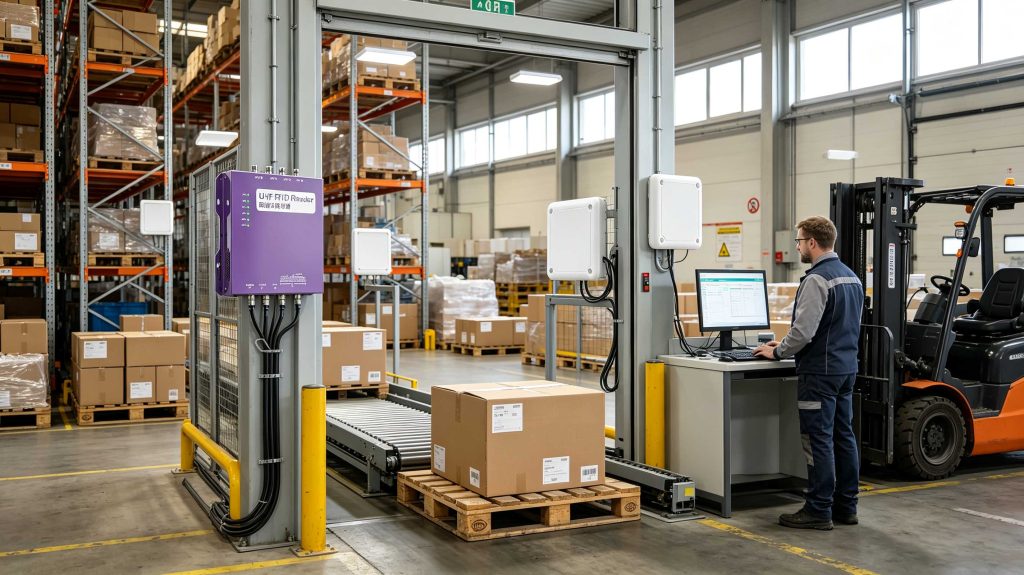
A common mistake when discussing RFID is treating the reader as the entire system.
It is not.
Stores or represents the item’s electronic identity and communicates with the reader
Transfers RF energy and receives the tag’s response. Its physical placement and radiation pattern strongly influence the reading zone.
Generates RF signals, executes the communication protocol, receives tag responses, and converts those responses into usable data.
Turns raw reads into useful events such as receiving, shipping, inventory counting, checkout, or asset movement.
A poor antenna installation can undermine an excellent reader.
A badly selected tag can undermine a carefully designed antenna system.
And excellent RF performance is still not enough if the software assigns the tag to the wrong business event.
Cykeo develops RFID hardware around this complete interaction rather than treating the tag, reader, and application as isolated pieces.
For UHF RFID applications, Cykeo products can support protocols including ISO 18000-6C / EPC C1G2, with reader configurations designed for multi-tag identification and practical integration.
For example, Cykeo’s CYKEO-M4L module integrates the RF front end and baseband digital signal processing into a compact OEM-oriented design. Its stated maximum port output is 33 dBm, with adjustable output power and support for multi-tag recognition. The module can be integrated into equipment where the OEM developer controls the surrounding mechanical and software architecture.
For fixed installations, industrial readers such as Cykeo’s integrated UHF reader platforms provide another architecture: reader electronics, communication interfaces, and antenna hardware are brought together for deployment in warehouses, production environments, and outdoor applications.
The engineering principle is straightforward:
RFID performance is a system property.
The tag, antenna, reader, installation environment, and software all contribute.
| Factor | Typical effect |
|---|---|
| Tag orientation | Changes coupling and received signal |
| Reader output power | Influences available RF energy |
| Antenna gain/pattern | Defines coverage and direction |
| Metal | Can reflect and disturb RF behavior |
| Liquid | Can absorb RF energy and detune tags |
| Tag density | Can complicate multi-tag inventory |
| Reader sensitivity | Affects weak-tag detection |
| Environment | Reflections can create RF dead zones |
| Software filtering | Determines how raw reads become events |
This is why published “maximum read distance” should never be treated as the complete system specification.
A warehouse installation should be tested with the actual product.
A retail installation should be tested with the actual merchandise.
A tool-management system should be tested with the actual tools.
That sounds obvious. It is also where many pilot projects become expensive.
RFID identification should not be confused with continuous location tracking.
A passive RFID tag normally becomes visible when it enters a reader’s interrogation zone.
If a warehouse has readers at:
the system can know that an item was detected at those points.
It does not automatically know its precise position between them.
Active RFID can behave differently. GS1 explains that active RFID tags have their own power source and can transmit their own signals, while active-RFID-based real-time location systems can use reader observations and software to calculate tag location.
So when someone asks, “Can RFID track an object?”
The correct engineering answer is:
It depends on the RFID architecture and reader infrastructure.

RFID is sometimes described as though every tag simply stores information that anyone can freely rewrite.
That is too simplistic.
RAIN RFID tags can provide memory access controls. GS1 documents password-protected lock functions for Gen2V2 tags, including reversible and permanent protection mechanisms.
GS1 also documents encryption for sensitive information stored in User Memory, where encryption can be performed by the reader, middleware, or enterprise software.
For most item-level systems, however, the most important design principle remains:
Do not put unnecessary sensitive business information directly on the tag.
A serialized identifier can point to the authoritative information in the enterprise system without turning the RFID tag into a miniature database.
The technology becomes easier to understand when viewed through actual operations.
A garment receives a serialized RFID label.
A reader captures it during inventory.
The store system knows the item is present.
The same tag can later participate in checkout and loss-prevention processes.
A carton receives an RFID label.
A portal reader captures it as it enters receiving.
The warehouse management system records the movement.
At shipping, another read creates a new event.
A component is tagged.
Readers identify it at production stations.
The manufacturing system associates the identifier with its process history.
A tool receives an RFID tag.
A reader identifies it when issued or returned.
The management system records the transaction.
Different industries.
Same fundamental radio interaction.
The laboratory version of RFID is clean: one reader, one tag, controlled distance.
Production floors are not.
A real RFID installation may have metal shelving, moving forklifts, liquid-filled products, reflective surfaces, multiple readers, hundreds of tags, and workers crossing the reading zone. NIST specifically identifies frequency, tag type, power requirements, read range, and interference as factors that change RFID behavior.
That is why experienced RFID engineers usually validate the reading zone, not simply the reader’s advertised maximum distance.
GS1 makes the same practical distinction. For passive UHF RFID, read range can reach several meters and, in special cases, approximately 15 meters, but antenna directivity, gain, polarization, and tag orientation determine the actual volume in which tags can be read.
A common mistake during installation is to imagine RFID coverage as a circle around an antenna.
It is closer to a shaped electromagnetic volume.
For a fixed UHF reader, engineers need to consider:
| Design factor | Why it matters |
|---|---|
| Antenna position | Determines where RF energy is concentrated |
| Antenna polarization | Affects coupling with differently oriented tags |
| Reader power | Changes available RF energy |
| Tag orientation | Can dramatically affect response strength |
| Product material | Metal and liquid can alter RF behavior |
| Reader sensitivity | Determines how weak responses are detected |
| Read-zone geometry | Controls where identification should occur |
| Software filtering | Prevents unwanted reads becoming business events |
This is especially important at doorways.
If a shipping portal reads tags 3 meters away when it should only register a pallet crossing the doorway, the problem is not necessarily “better sensitivity.” The system may actually be too good in the wrong direction.
RFID engineering sometimes means making the read zone smaller.
RFID is also divided by electromagnetic operating behavior.
LF and HF systems commonly operate in the near field and use magnetic coupling. UHF systems generally operate in the far field and commonly use backscatter communication.
NIST notes that passive UHF and microwave RFID systems typically rely on backscatter, while LF and HF systems generally use inductive coupling.
This distinction explains why a 13.56 MHz desktop reader and a 900 MHz warehouse portal can look completely different even though both are called RFID.
It also explains why application requirements should determine frequency selection, rather than starting with a preferred reader and trying to force the application around it.
For many item-level applications, the RFID tag is intentionally simple.
GS1 states that a typical RAIN RFID tag generally carries no more than 8 KB of data, while simple license-plate tags may use only a 96-bit or 128-bit identifier.
That is enough for many applications because the tag does not need to carry the entire product record.
The EPC can identify the item.
The database can hold:
GS1 describes EPC as the mechanism that connects GS1 identifiers with RAIN RFID and supports serialization for item-level visibility and traceability.
This architecture also makes database changes easier. The product record can evolve without rewriting every physical tag.
Reading a tag and writing a tag are not identical engineering problems.
During reading, the objective is usually to detect and decode a response.
During writing, the system must successfully transfer the intended data to the selected tag and confirm that the operation was completed correctly.
In a desktop encoding environment, this distinction becomes obvious.
A tag may sit only centimeters from the antenna, yet a poorly controlled reading zone can expose several nearby tags to the writer. The operator intends to encode Tag A. The system sees Tags A, B, and C.
That is why near-field antenna design can be valuable for desktop RFID encoding.
A tightly controlled field reduces the chance of unintentionally interacting with adjacent tags.
Cykeo’s desktop RFID platform is designed around this practical requirement.
The system uses a near-field antenna to keep the effective reading area within approximately 30 cm, while the writing range is controlled to approximately 10 cm.
That distinction is useful in real tag-encoding work.
The operator can place a label or card on the working surface, perform the write operation, remove it, and move to the next tag without creating a large uncontrolled reading field across the desk.
The platform uses an Impinj R500-based reader architecture, with maximum port output of 33 dBm, and is designed to provide stable tag writing for practical encoding tasks.
The hardware is deliberately compact.
That matters more than it sounds.
On a production desk, a large reader with excessive cabling and a wide RF field quickly becomes an obstacle. A compact platform can remain beside a workstation, printer, or packing station without changing the operator’s normal workflow.
Cykeo also provides:
The objective is not simply to make the reader function.
It is to reduce the time between connecting the hardware and actually issuing tags.

A reader producing raw tag IDs is not yet an RFID solution.
Software determines what those reads mean.
GS1 identifies LLRP, the Low Level Reader Protocol, as an interface between software and RFID readers. It provides detailed control over reader operation and exposes a standardized set of low-level functions.
In a practical application, software may handle:
For Cykeo desktop readers, the availability of C# and Java development materials gives application developers a more direct path to integrating RFID functions into existing software.
That is particularly useful when the reader is not intended to operate as a standalone appliance.
Suppose 20 tags are physically near a desktop reader.
The application may only want one.
Or a warehouse portal may detect the same tag repeatedly while a pallet remains inside the read zone.
Raw reads therefore need context.
Filtering can be based on:
This is where a technically capable RFID system separates itself from a simple “tag scanner.”
The reader reports observations.
The application decides what counts as an event.
RFID allows individual items to carry serialized identities. A worker can inventory many products without manually presenting each barcode to a scanner.
Portal readers can capture tagged cartons or pallets while they move through controlled points.
RFID can associate components with production stations, work orders, or process checkpoints.
Tagged tools can be identified during issue, return, inspection, or storage.
HF or UHF RFID can support circulation, inventory, shelf identification, and automated workflows depending on the system architecture.
Near-field RFID readers are useful when operators need to register, write, verify, or batch-process tags at a workstation.
RFID does not automatically provide centimeter-level positioning.
It does not guarantee a fixed read distance.
It does not make every tag suitable for metal.
It does not eliminate RF interference.
And it does not mean every detected tag belongs to the business event currently being processed.
GS1 explicitly notes that passive UHF read range depends on factors including reader power, interference, antenna characteristics, polarization, and tag orientation.
That is why a credible RFID specification should describe the conditions under which performance was measured, rather than presenting a single impressive distance as universal.
Modern RAIN RFID systems can implement more than basic tag identification.
GS1 documents password-based memory access controls for Gen2V2 tags, including reversible locking and permanent permalock functions.
GS1 also documents encryption of sensitive information stored in User Memory, with encryption handled by the reader, middleware, or enterprise software rather than requiring the tag itself to perform encryption.
For most deployments, the better architecture remains conservative:
Put the minimum necessary information on the tag and keep sensitive business data in controlled enterprise systems.
NIST’s RFID security guidance similarly treats RFID as a complete system involving technology, applications, communications, and security controls rather than merely a physical tag. <h2>RFID Deployment Checklist</h2>
Before approving an RFID installation, an experienced engineering team should test the actual environment.
Tag
Reader
Antenna
Software
Environment
The most useful test is rarely an empty-room test.
Run the system with the actual cartons, actual products, actual tags, actual shelves—and preferably during the busiest operating period.
Passive RFID tags receive RF energy from the reader. The tag’s chip uses that energy to operate and returns information through the RFID communication mechanism. NIST defines passive tags specifically as tags without their own power supply.
There is no single RFID distance. GS1 states that passive UHF tags typically operate over several meters, with special cases reaching approximately 15 meters. Antenna design, tag orientation, reader power, and environment all matter.
Yes. UHF RFID protocols are designed for multi-tag inventory. NIST notes that EPCglobal Class-1 Generation-2 technology can support data transfer rates up to 640 kbit/s and reading of several hundred tags per second under appropriate conditions.
No. GS1 states that typical RAIN RFID tags generally carry no more than 8 KB, while simpler tags may contain only 96-bit or 128-bit identifiers.
Many RFID tags support writing and rewriting, subject to their memory design and access controls. Gen2V2 supports password-protected lock functions, while permanent locking can prevent later changes to protected memory.
No. RFID communicates using radio technology rather than requiring optical visibility like a conventional barcode scanner. However, materials such as metal and liquids can affect performance, so tag selection and placement remain important.
Yes, but the architecture matters. Passive RFID can provide location information when tagged objects pass defined reader zones. More continuous location tracking generally requires additional reader infrastructure, specialized antennas, or active RFID/RTLS technologies.
How do rfid work? RFID works by exchanging radio-frequency signals between a reader and an electronic tag. Passive tags obtain energy from the reader, respond through RF communication, and provide an identifier that software can turn into inventory, tracking, manufacturing, checkout, or asset-management events.
For practical deployments, the important question is not simply whether RFID can read a tag.
It is whether the right tag is read, at the right place, at the right moment, and converted into the right business event.
That is where antenna design, reader performance, tag selection, filtering, software integration, and installation experience become decisive.
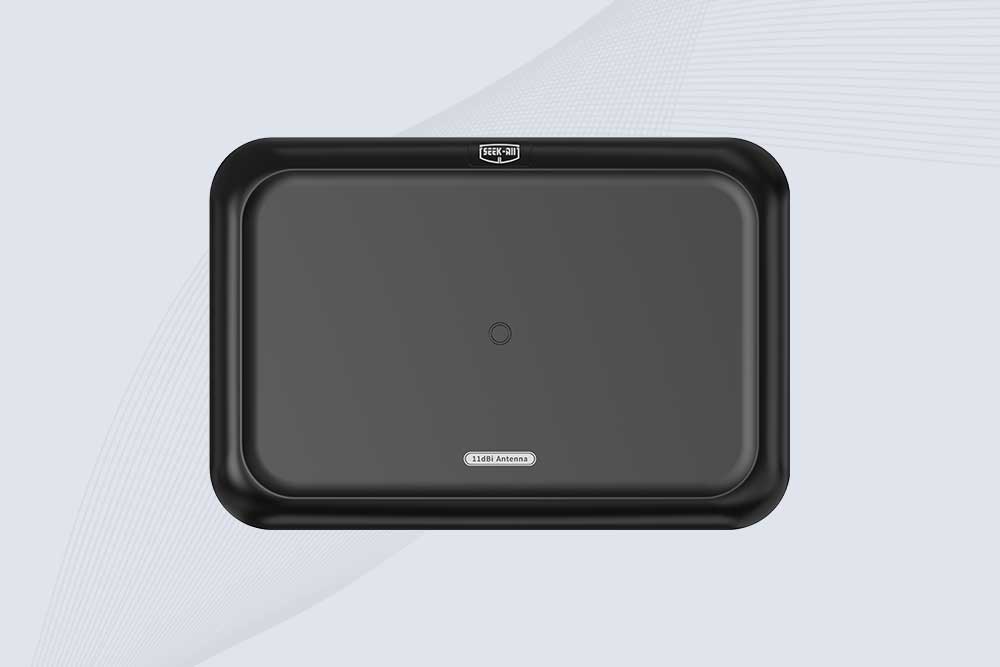
SSD-A11 UHF RFID antenna features 840–960 MHz adjustable frequency, ≥10.5 dBi gain, circular polarization and 50Ω impedance for fixed RFID systems.
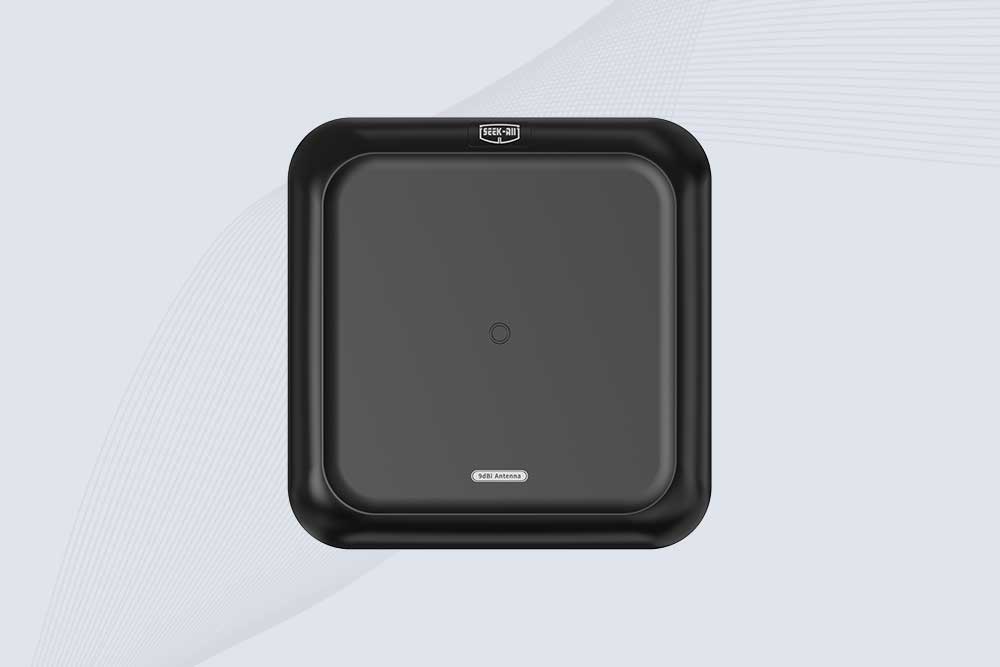
SSD-A09 is a 9 dBi UHF RFID antenna with 840–960 MHz adjustable frequency, circular polarization, 50Ω impedance and directional 60° × 60° coverage.
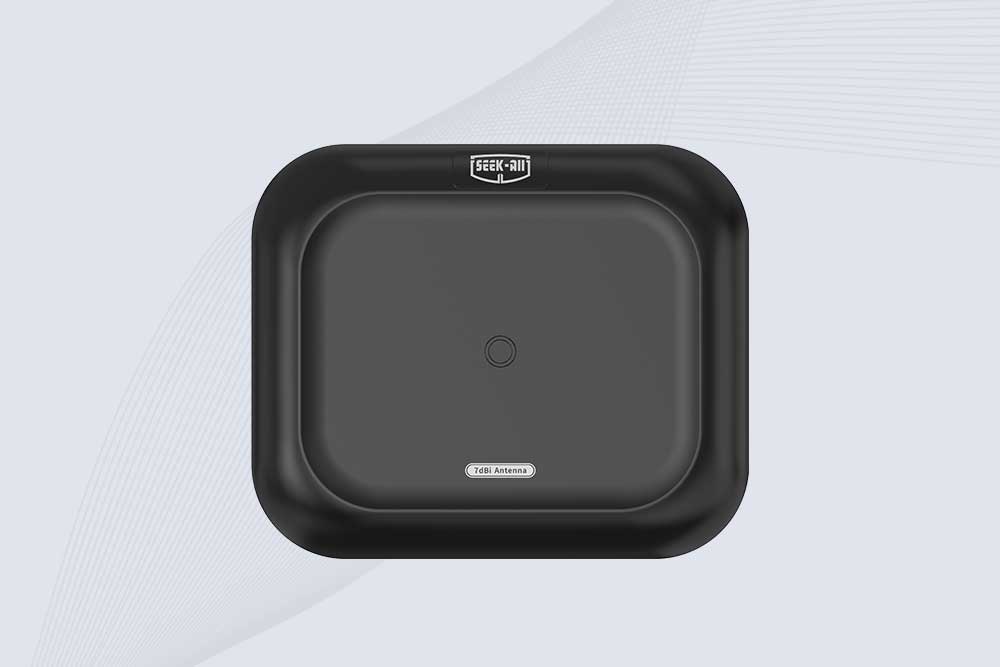
Explore the SSD-A07 UHF RFID antenna with 7 dBi gain, circular polarization, adjustable 840–960 MHz frequency, and 60°/75° beamwidth for stable RFID read/write performance.

SSD-A06 UHF RFID antenna with circular polarization, adjustable 840–960 MHz frequency, ≥4.5 dBi gain, and a compact directional design for RFID systems.
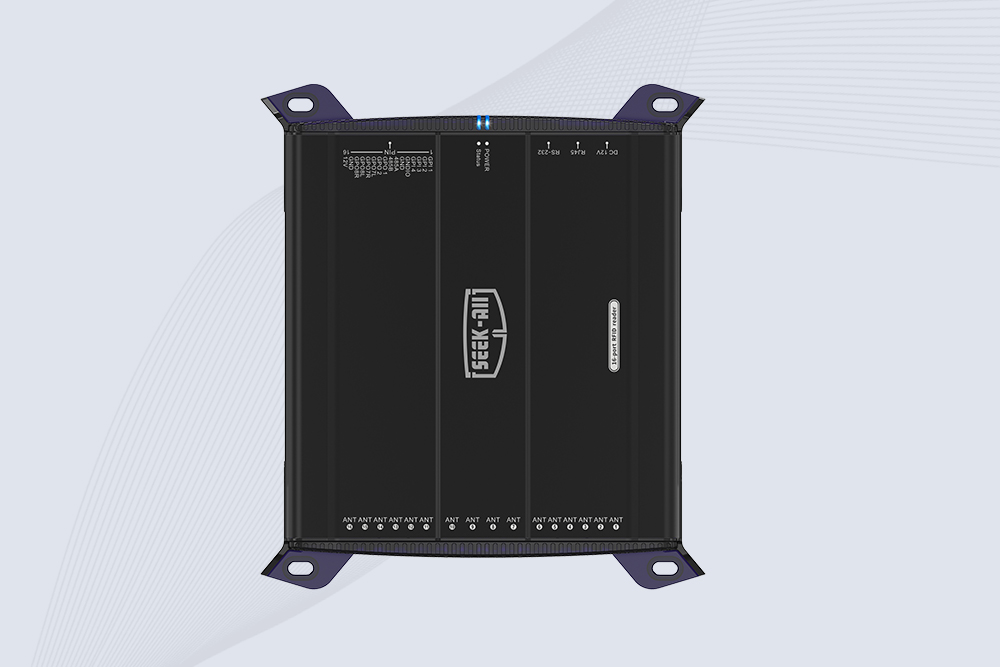
SSD-R16L Multi-Channel RFID Infrastructure for Automated Inventory Management ✔️ 16-Port High-Density RFID Reading Equipped with 16 SMA antenna ports, SSD-R16L supports multi-antenna deployment for warehouses, retail stores, logistics, production lines, and large-area RFID identification. ✔️ High-Speed & Long-Range Performance With up to 33…
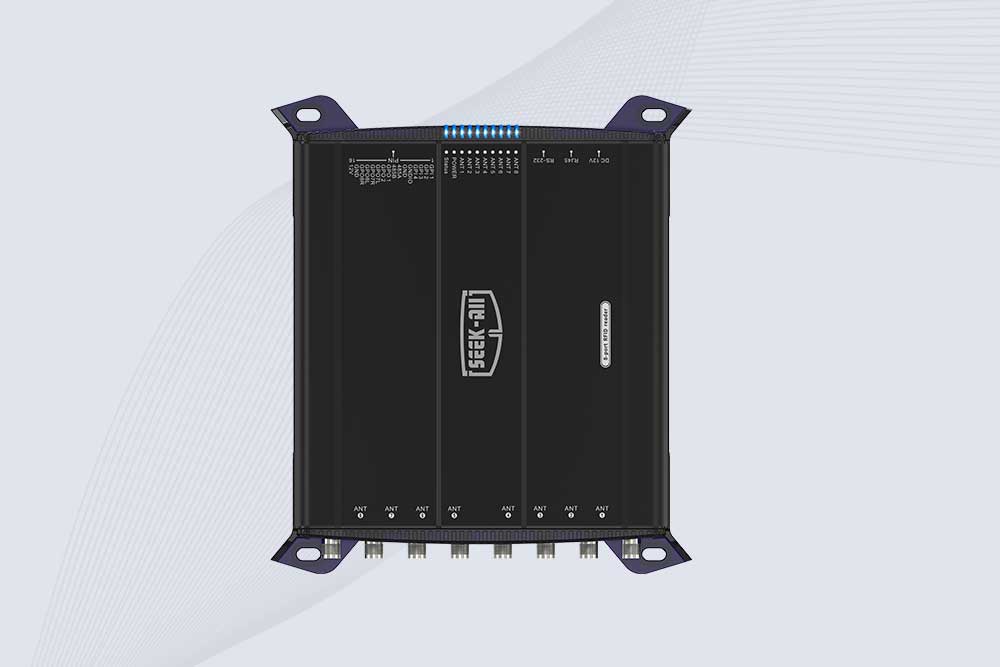
SSD-R8L 8-port UHF RFID reader with 33dBm output, up to 20m reading range and 600+ tags/s recognition. Ideal for warehouse, logistics, retail and asset tracking.
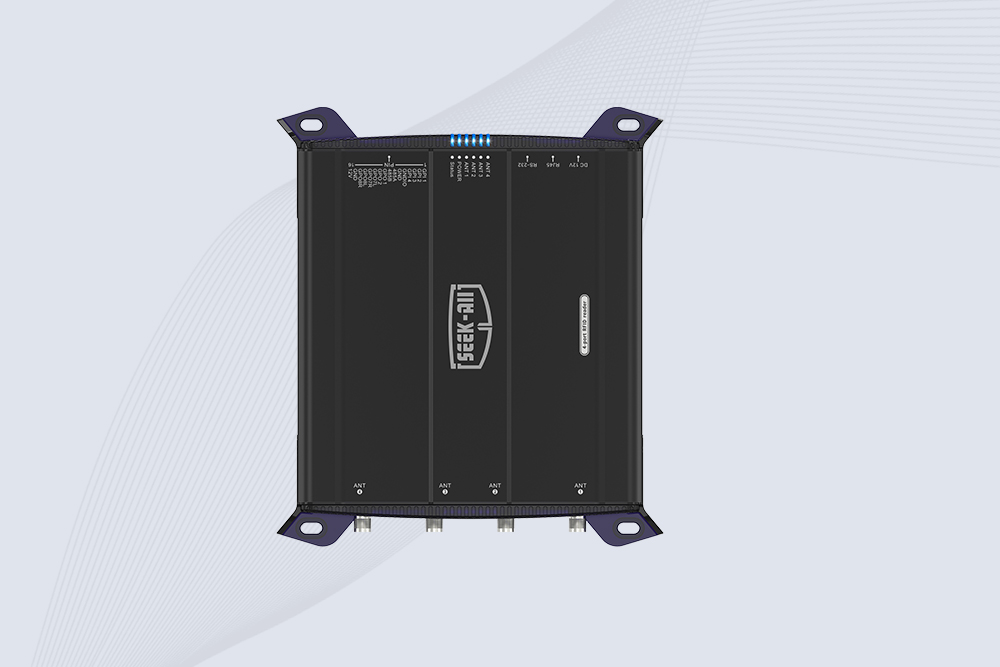
SSD-R4L is a 4-port UHF RFID fixed reader with 33dBm output power, up to 20m reading range, EPC C1G2 support and 600+ tags/s reading speed.
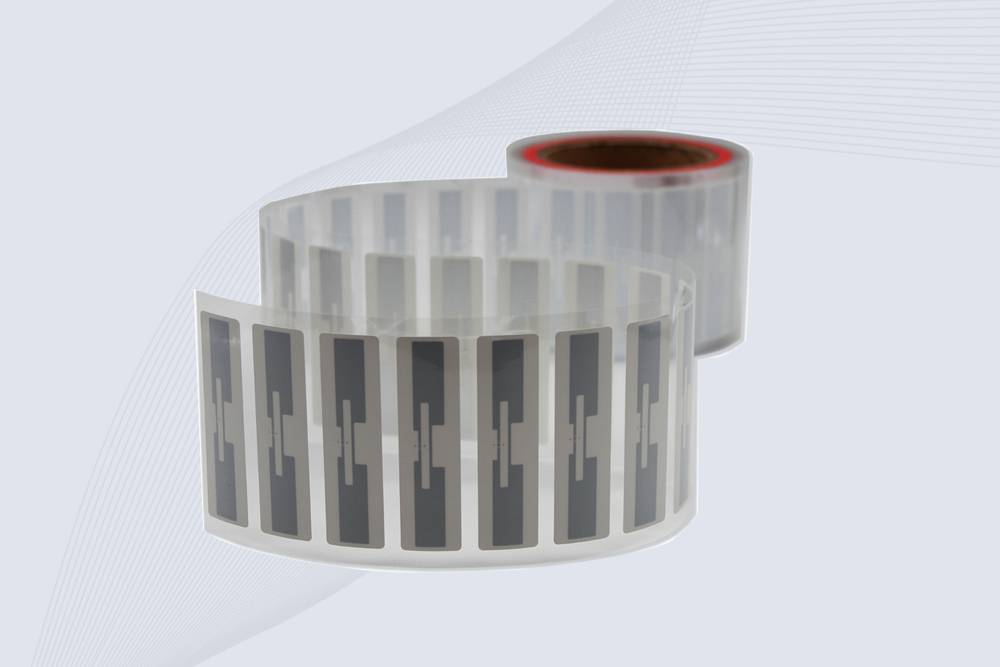
CYKEO Passive RFID Tags are made for wet and high-humidity environments where standard labels do not last. This rfid passive tag is often used around liquids, chemicals and temperature changes, providing stable reading distance and long data life for industrial tracking.
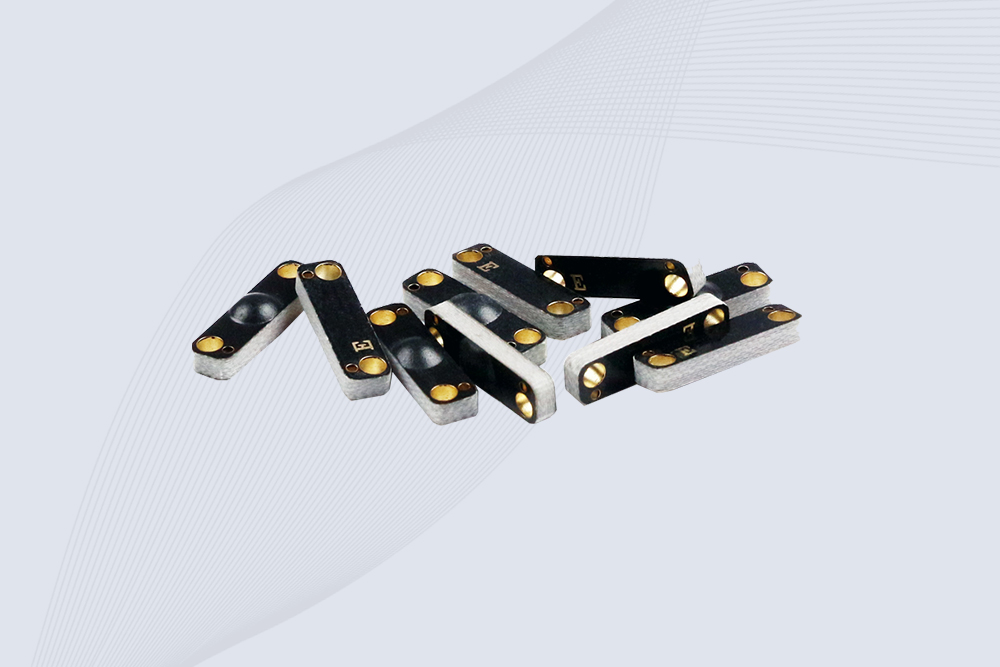
CYKEO CYKEO-PCB1504 Metal RFID Tags is a compact anti-metal UHF RFID solution built for direct mounting on metal surfaces. With stable 8-meter read range, Ucode-8 chip, and long data retention, this rfid metal tag fits tools, containers, automotive parts, and industrial asset tracking.
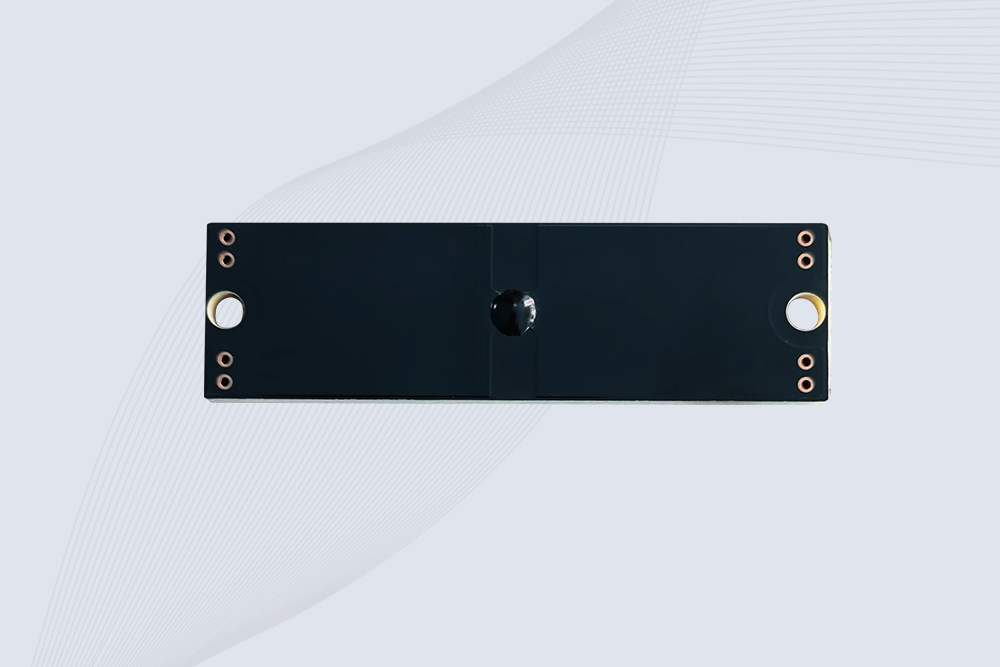
CYKEO CYKEO-PCB7020 On-Metal RFID Tags are designed for reliable tracking on steel and metal surfaces. Built with an FR4 epoxy body and industrial-grade chips, these On-Metal RFID Tags deliver stable performance, long data life, and chemical resistance, making them a dependable RFID anti-metal tag for harsh environments.
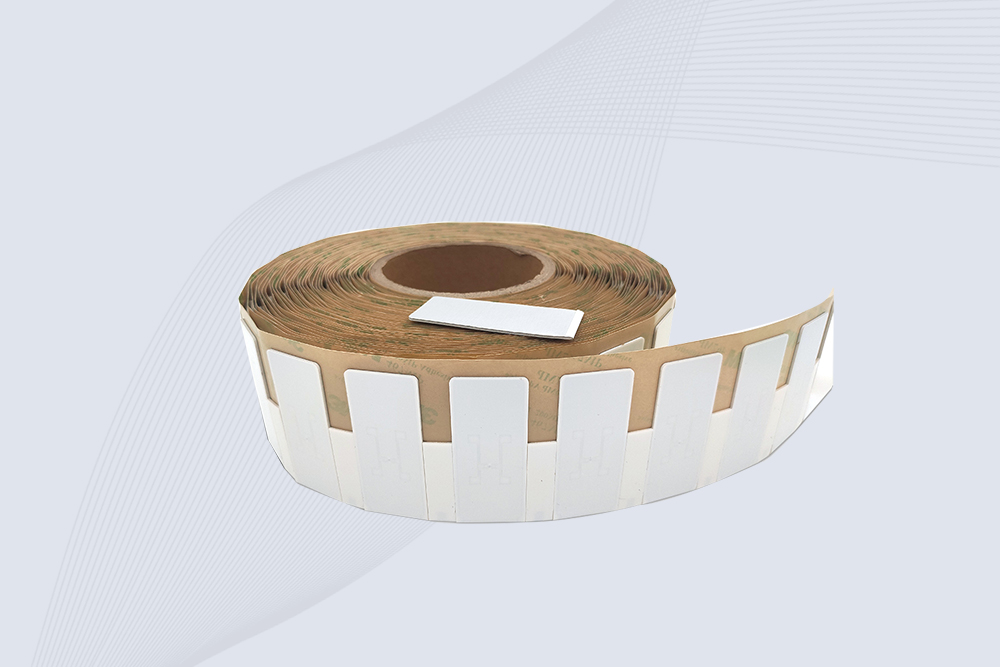
The CYKEO CYKEO-60-25 Anti-Metal RFID Tag is built for metal surfaces where standard tags fail. Designed for long-range performance, harsh environments, and stable data retention, this Anti-Metal RFID Tag is ideal for industrial assets, containers, and equipment tracking using on metal RFID tags.
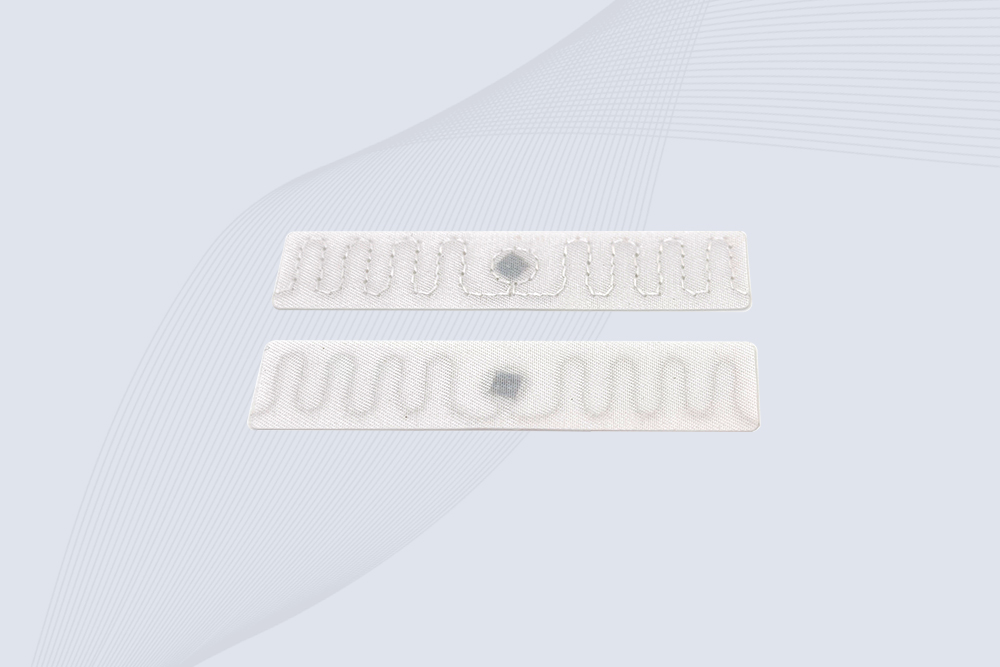
The CYKEO RFID Laundry Tag is designed for long-term textile identification in harsh laundry environments. Built to withstand high heat, chemicals, and repeated washing, this RFID Laundry Tag delivers stable performance for hotels, hospitals, and industrial laundry operations using laundry rfid tags at scale.
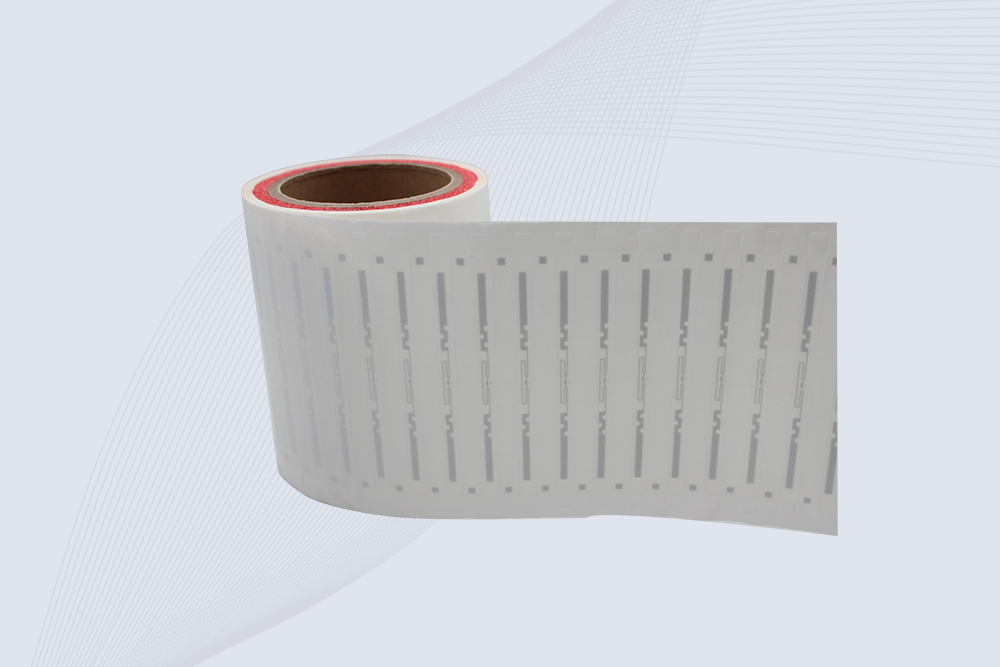
The CYKEO CYKEO-125-7 RFID Book Tag is designed for reliable book and document tracking in libraries and archives. This RFID Book Tag delivers long read range, dense placement support, and stable performance on shelves, making it a practical rfid tag on books for library automation, file management, and archival systems.
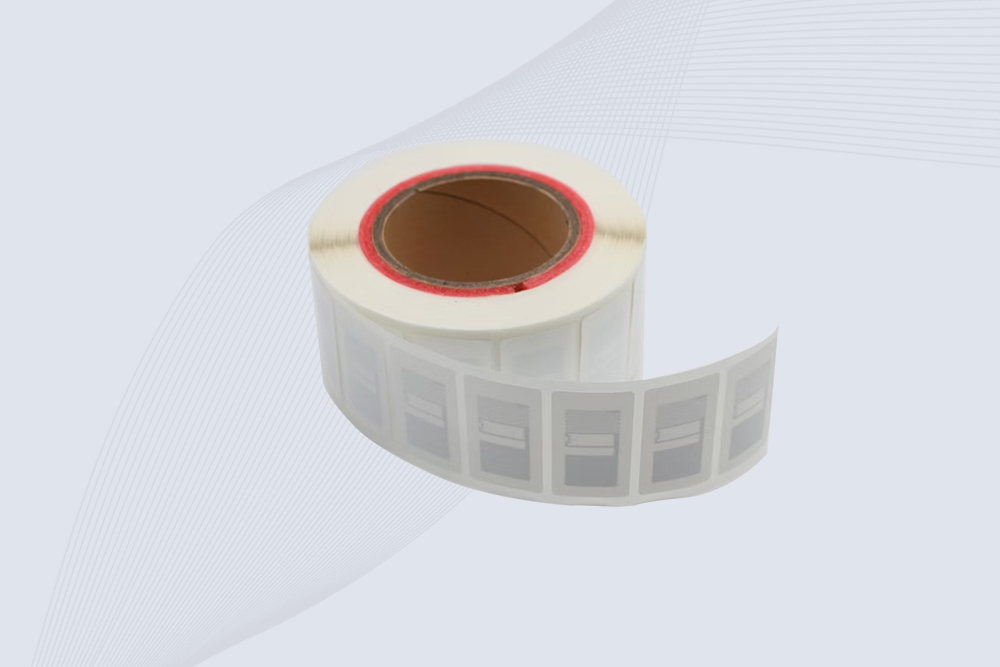
CYKEO RFID tags in hospitals are designed for sterile environments where accuracy matters. These autoclavable RFID tags support long-term tracking of surgical tools, implants, and medications, helping hospitals improve visibility, compliance, and patient safety.

CYKEO RFID Cable Tie Tag is built for reliable identification on metal surfaces. This UHF RFID Cable Tie Tag is widely used in rfid tags for inventory systems, industrial asset management and Hospital RFID Tags, offering stable read performance, long service life and global EPC Gen2 compatibility.
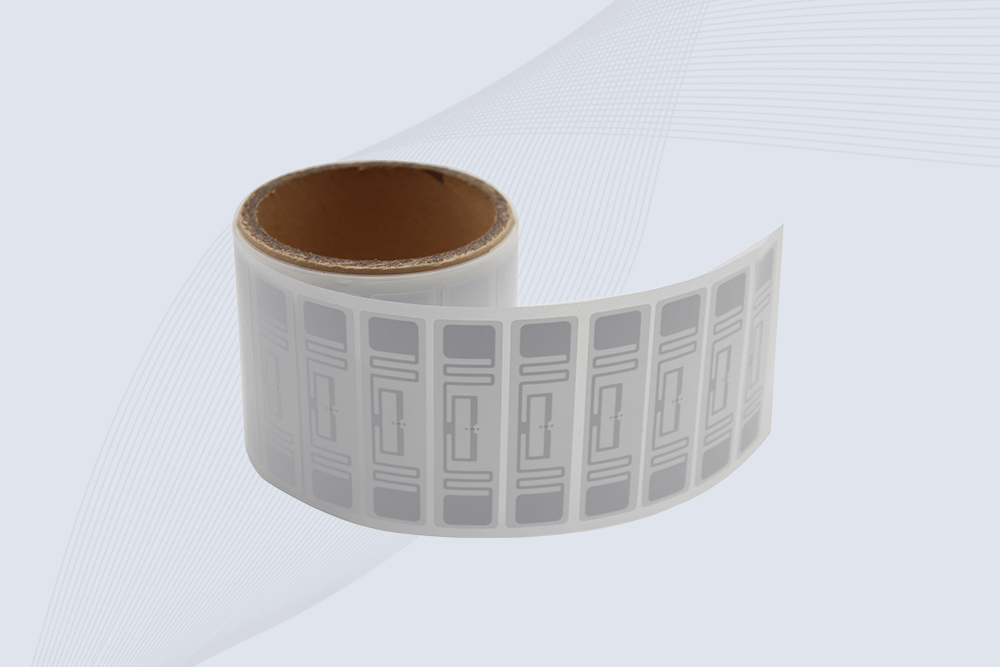
CYKEO RFID Asset Tag is designed for stable identification of metal assets in industrial environments. This UHF RFID Asset Tag is commonly used for rfid tag asset tracking on equipment, tools and containers, providing reliable reads, long service life and ISO/IEC 18000-6C support.

CYKEO UHF RFID Card is designed for fast identification and long-term use in industrial and commercial systems. Supporting ISO 18000-6C, this UHF RFID Card works at 860–960 MHz and is suitable for custom RFID cards used in asset tracking, access control and inventory management.
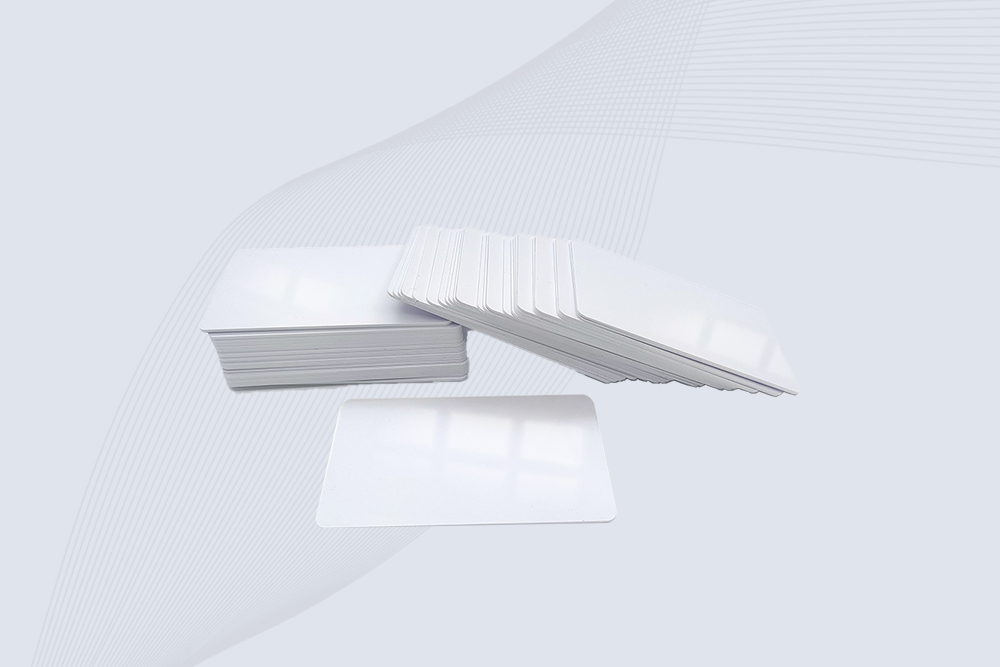
CYKEO HF RFID Cards are designed for secure and stable access control systems. These 13.56 MHz RFID key cards support ISO 14443-A, reliable rewriting and long service life, making HF RFID Cards suitable for offices, campuses, events and membership management.
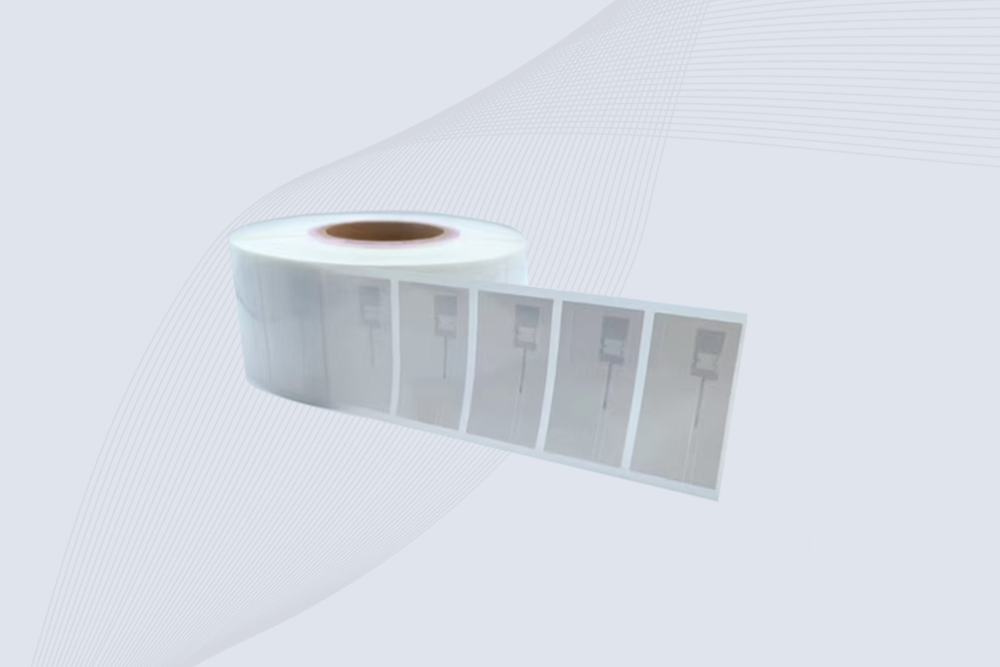
CYKEO UHF RFID Tag is designed for reliable tracking of metal jewelry and high-value items. This Jewelry RFID Tag supports long-range reading up to 8 meters, anti-counterfeit protection and stable performance on metal, making it suitable for retail, inventory control and asset management.
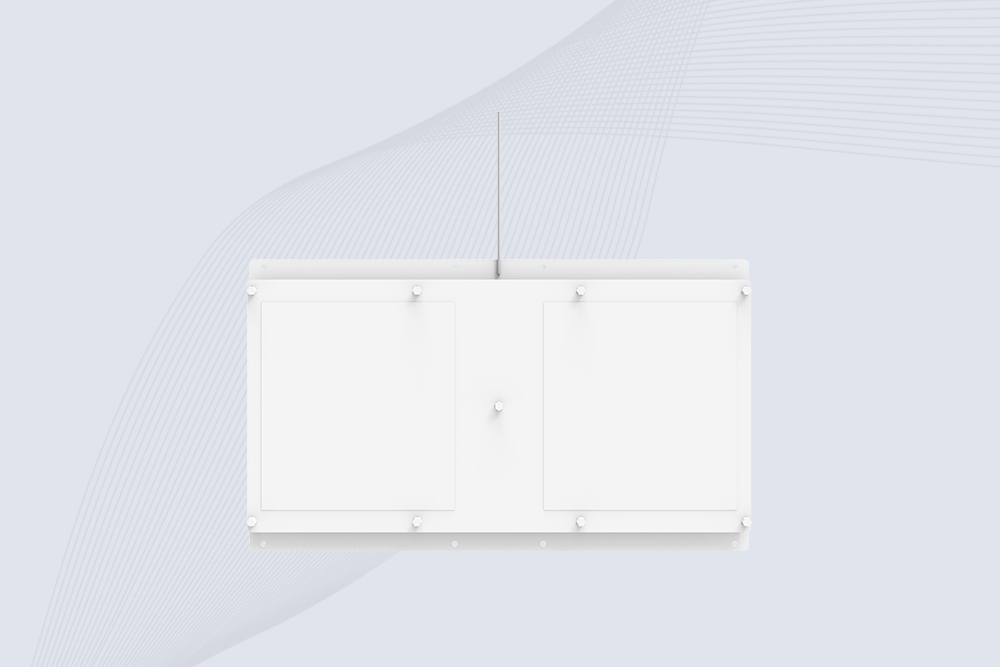
Cykeo CYKEO-A11 UHF RFID reader antenna delivers 11dBi gain, 840-960MHz frequency range, and IP65 ruggedness for retail, logistics, and industrial RFID systems. Features low VSWR and easy installation.

CYKEO Antenna RFID Reader delivers stable long-range UHF performance with a 10.5dBi directional design, built for warehouses, conveyor portals, and industrial RFID systems. This rfid reader antenna provides 20m+ read distance and rugged IP67 protection.

Cykeo CYKEO-PHF3 industrial HF RFID Antenna offers 24-point dynamic tracking, ISO 14443A/15693 protocols, metal-environment stability for archives/libraries/manufacturing.

Cykeo CYKEO-A5B industrial Linear RFID Antenna delivers 5dBi gain, ≤1.5:1 VSWR, and IP65 rugged design for warehouse, production line, and logistics UHF systems.

Cykeo’s CYKEO-B12 Long Range RFID Antenna delivers 15m+ read range with 12dBi gain, IP65 rugged design, and global 840-960MHz UHF support. Ideal for warehouse/logistics asset tracking.
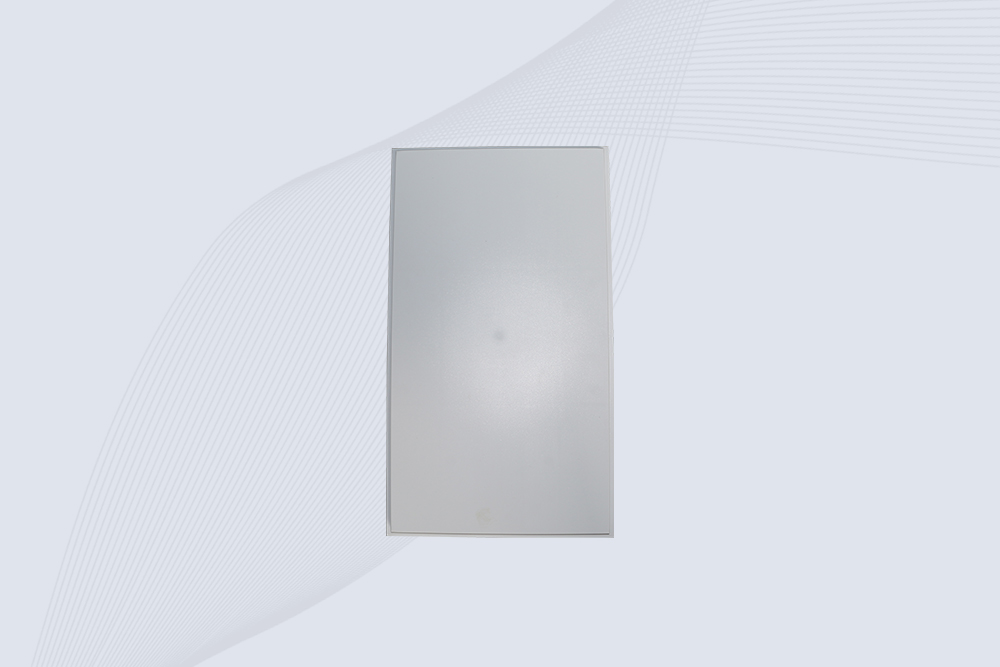
Cykeo CYKEO-B10 Long Distance RFID Antenna offers 10dBi gain, 840-960MHz frequency range, IP65 rating, and 20m+ coverage for logistics/warehousing/ETC systems. Low VSWR ensures stable signal transmission.
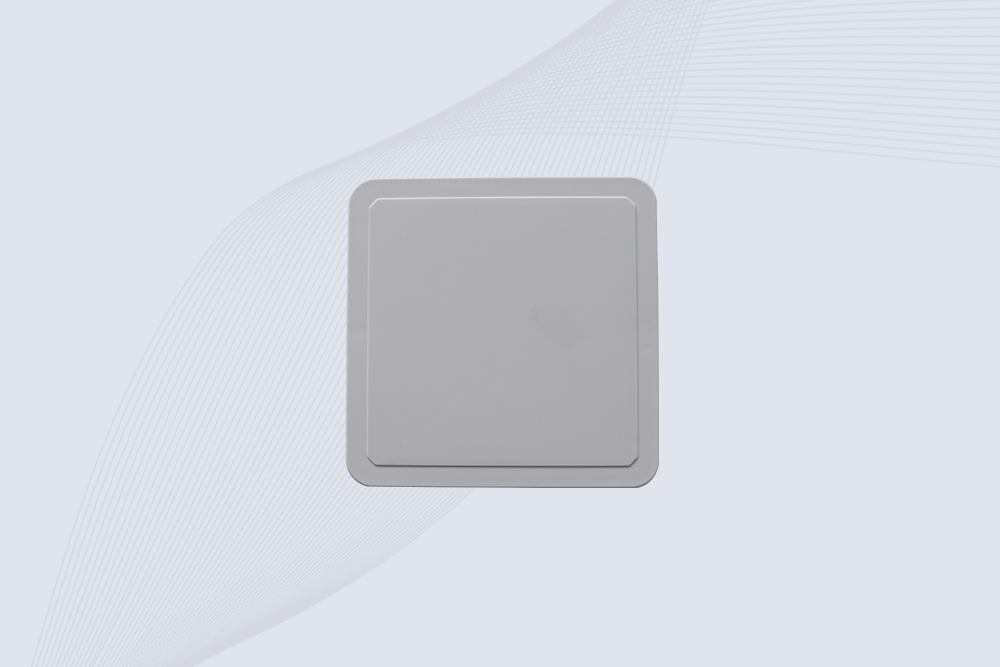
Cykeo CYKEO-A6 UHF RFID panel antenna features 6dBi gain, 840-960MHz broadband, IP65 metal-ready housing for logistics/smart retail. 18mm ultra-thin design with tool-free mounting.

Cykeo CK-A3 industrial antenna RFID UHF offers 5m+ tag detection, ≤1.3:1 VSWR, IP65 rugged design, and global UHF spectrum compatibility (840-960MHz) for warehouses, factories, and retail.
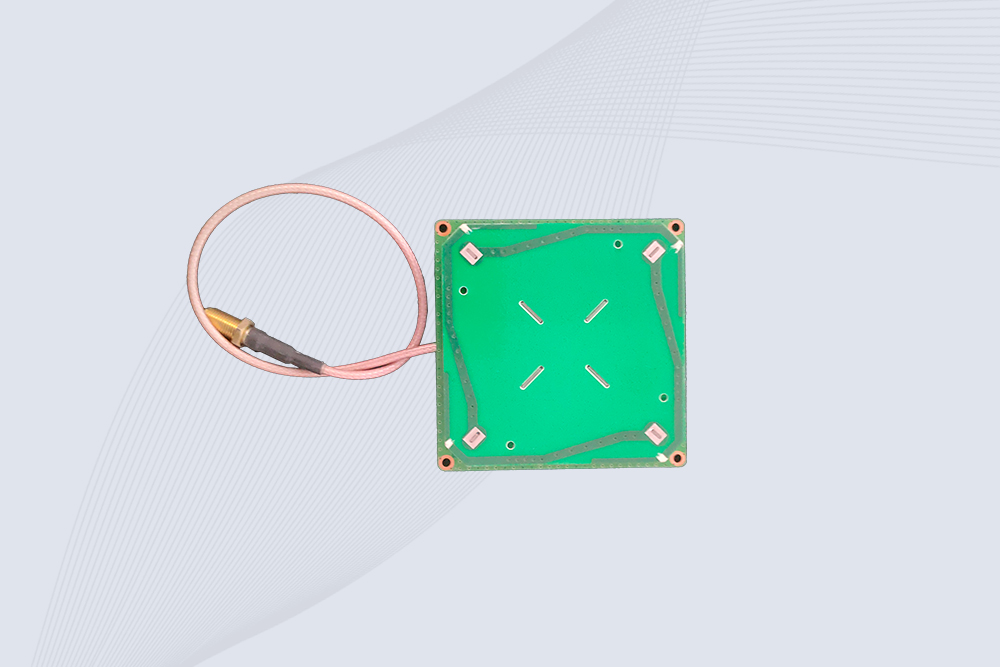
Cykeo CYKEO-B5 directional RFID antenna provides 5dBi gain with 60° narrow beamwidth for precise inventory tracking. IP65-rated, global UHF frequency support, and low VSWR.
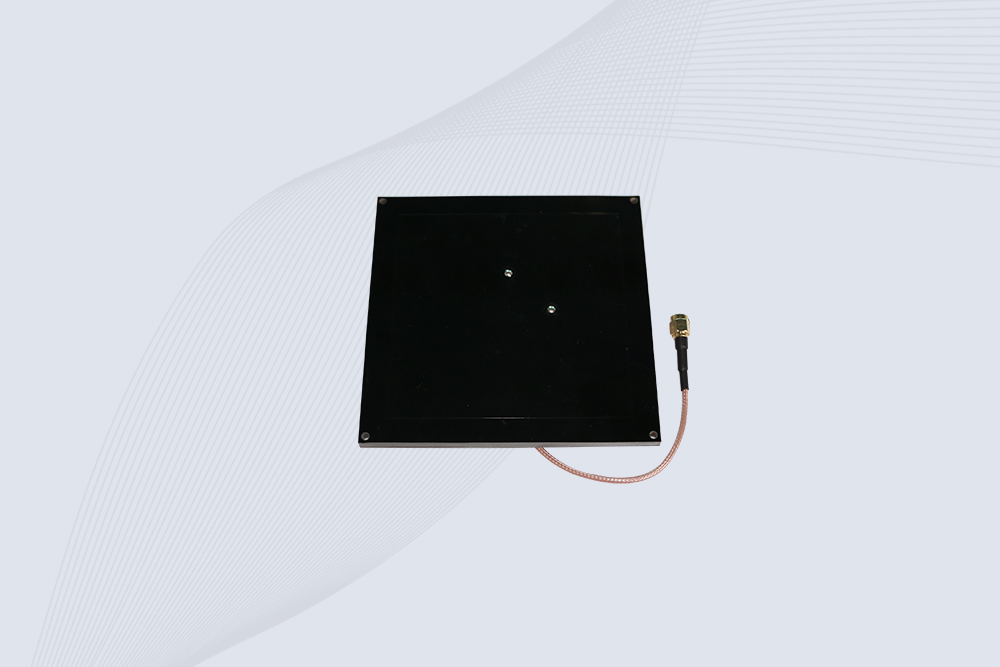
Create your own high-performance DIY RFID antenna! 5dBi gain, 840-960MHz tunable, step-by-step guides. Compatible with Arduino, Raspberry Pi, and commercial UHF readers.
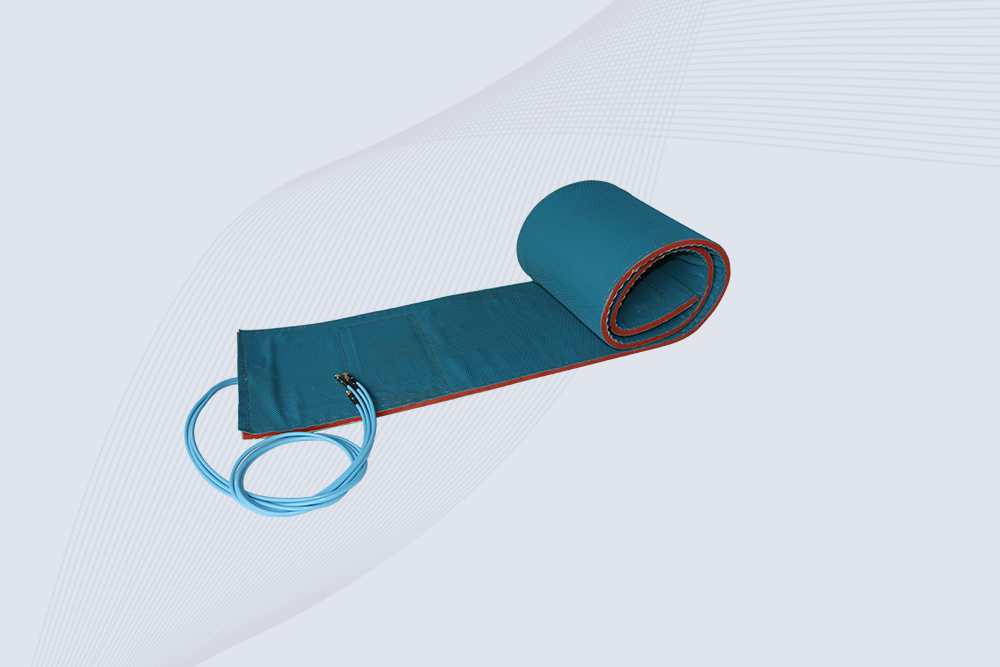
Cykeo CYKEO-A7 Flexible RFID Antenna features 840-960MHz wideband tuning, 7dBi gain, and IP68 rating for medical/retail/industrial curved surface deployments. 98% read accuracy with peel-and-stick installation.

Cykeo CYKEO-B5A industrial Passive RFID Antenna delivers 5dBi gain, 70° beamwidth, and -40°C~55°C operation for warehouses/smart cabinets. Compatible with Zebra/Impinj readers.
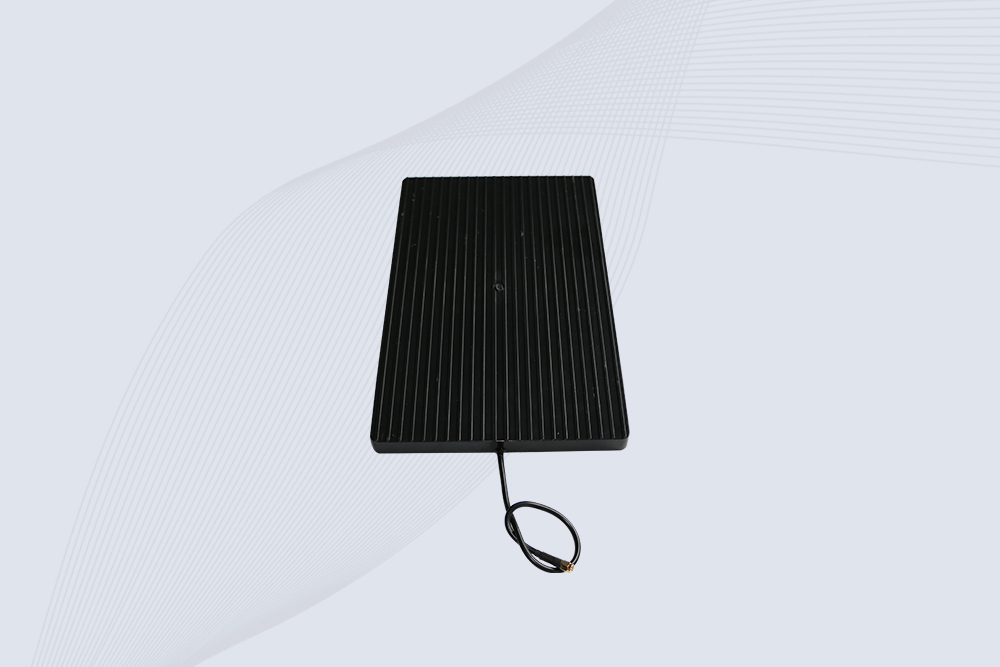
Cykeo’s CYKEO-A9B High Gain RFID Antenna delivers 15m+ read range with 9dBi amplification. Features IP54 rugged design, 840-960MHz bandwidth, and 80° beamwidth for warehouse/manufacturing RFID systems.

Cykeo’s enterprise-grade 8dbi Impinj RFID Antenna 10m+ read range with 840-960MHz tuning. Features IP65 housing, 1.4 VSWR, 35° beamwidth for retail/warehouse RFID systems.
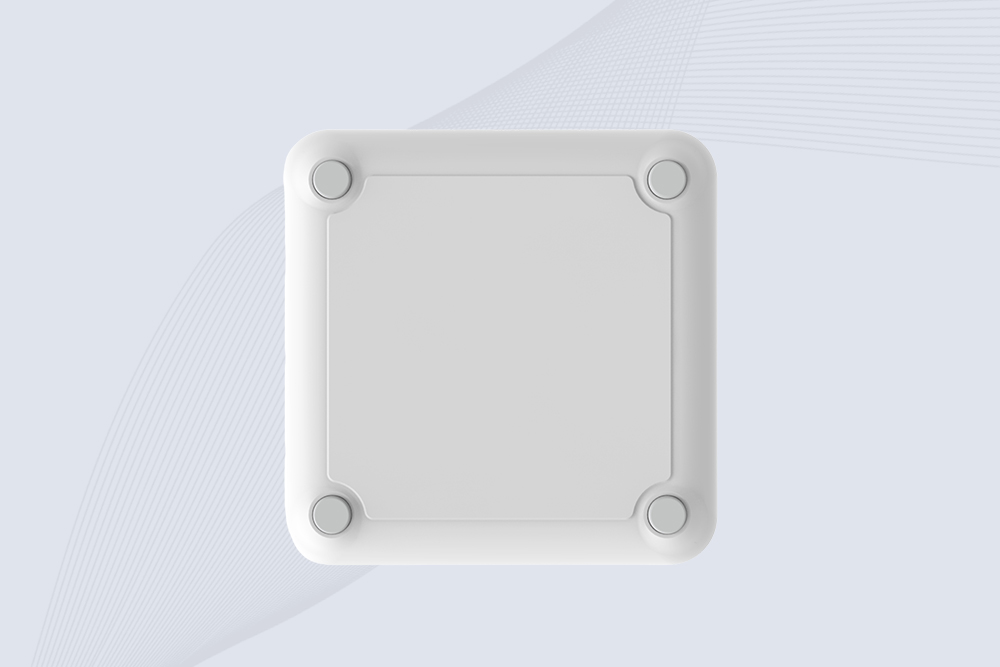
Cykeo CYKEO-A9 industrial UHF RFID antenna delivers 9dBi gain, 840-960MHz frequency range, and IP65 protection for warehouse/logistics/retail RFID systems. Features N-type connector and ≤1.3:1 VSWR.
CYKEO UHF RFID Antenna built for long-distance and industrial applications. This antenna rfid uhf delivers strong gain, outdoor durability, and reliable tag performance in warehouses, yards, and vehicle ID systems.
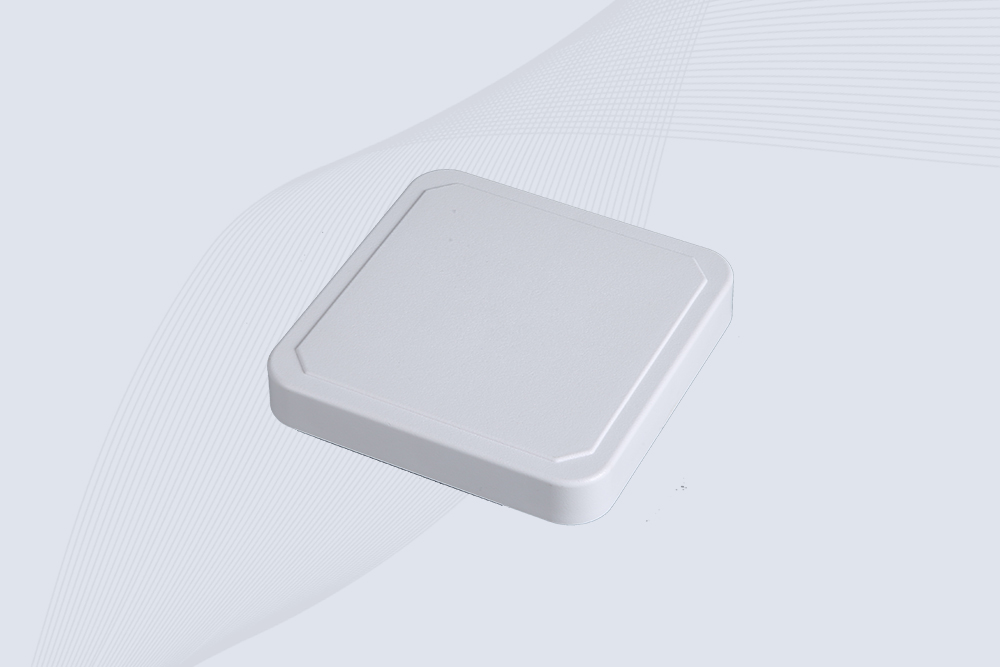
CYKEO Antenna RFID delivers reliable long-range UHF performance in warehouses, retail shelves, and cold-chain environments. This compact uhf rfid antenna provides stable reads with circular polarization and ultra-wide 840–960 MHz support, ideal for industrial tracking, smart shelves, and asset monitoring.
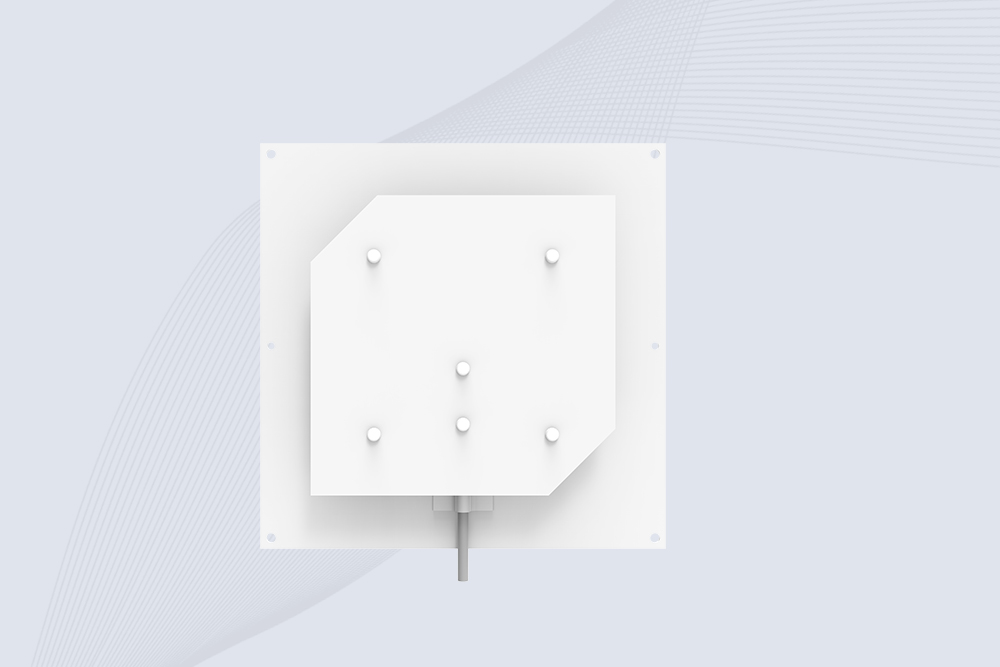
Cykeo’s CYKEO-C8 UHF RFID antennas delivers 8dBi gain, 840-960MHz full-band coverage, and IP65 ruggedness for manufacturing/warehouse RFID systems. Industrial RFID Antennas Features
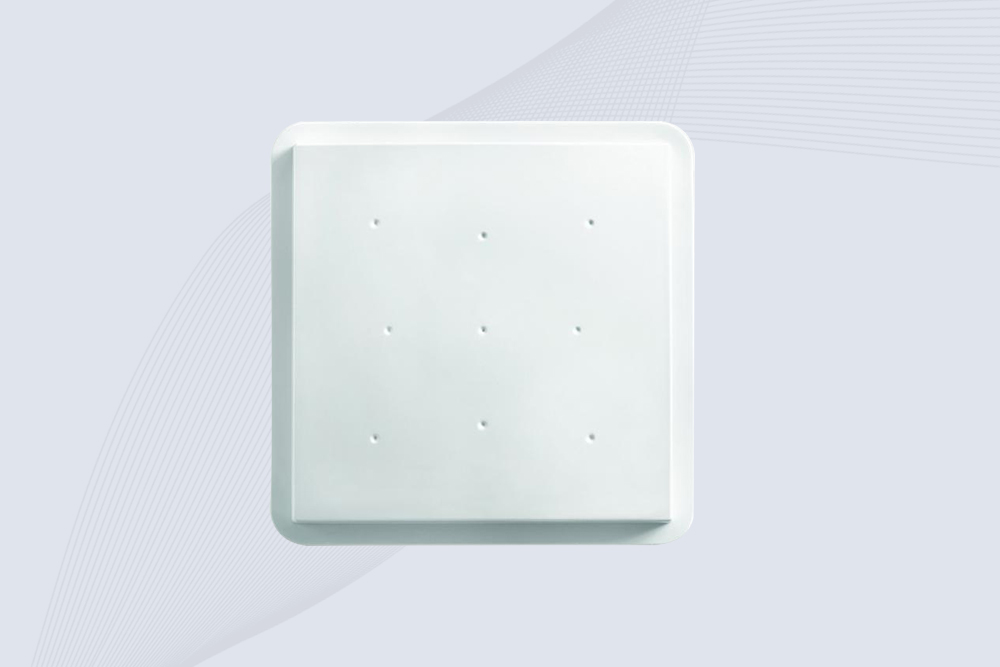
Cykeo’s 8dBi UHF RFID antenna and reader kit delivers 10m+ range, 840-960MHz broadband, and IP65 ruggedness for factories, warehouses, and logistics. ISO 18000-6C & EPC Gen2 certified.
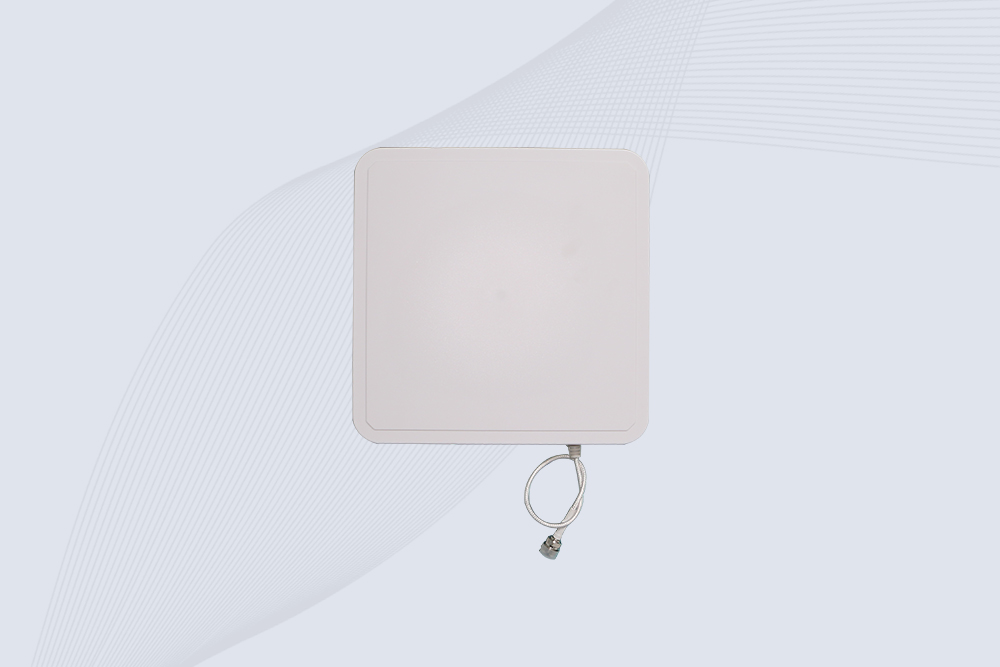
Cykeo CYKEO-A9A industrial UHF RFID reader and antenna kit delivers 10m range, 500 tags/sec, IP65 ruggedness for manufacturing/logistics. Supports EPC Gen2, ISO18000-6C.
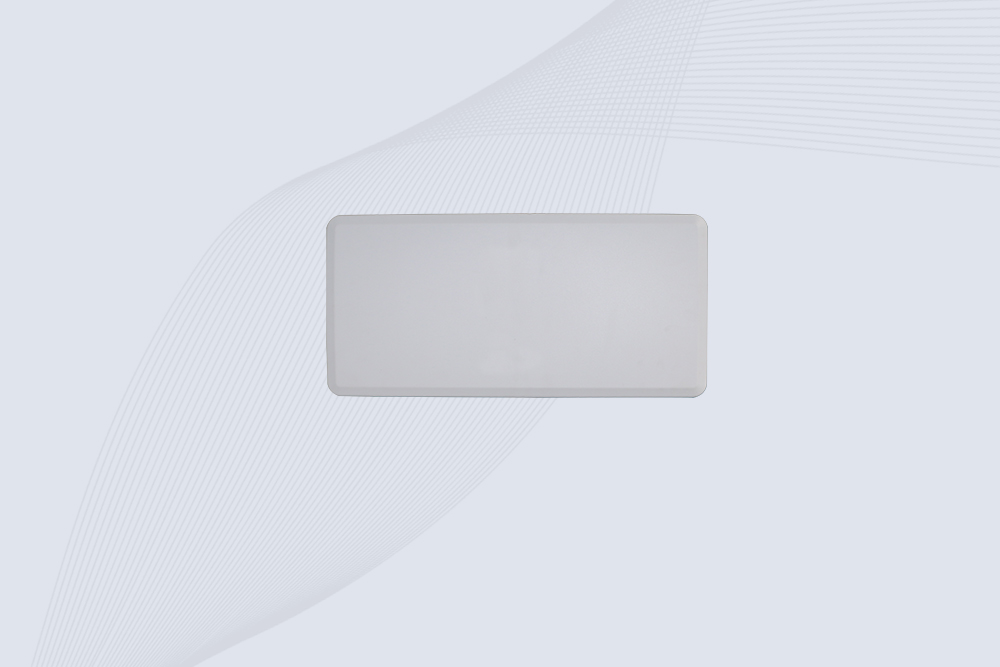
Cykeo’s CYKEO-A12C UHF Large RFID Antenna delivers 12dBi gain, 840-960MHz global frequency, IP65 ruggedness for logistics/warehousing/automotive. 40° beamwidth ensures stable 15m+ tag reads.

CYKEO Near Field RFID Antenna provides precise 5–30 cm reading for shelves, cabinets, and workstations. This compact rfid shelf antenna delivers stable short-range performance around metal and clutter, ideal for pharmacies, libraries, and electronics sorting.
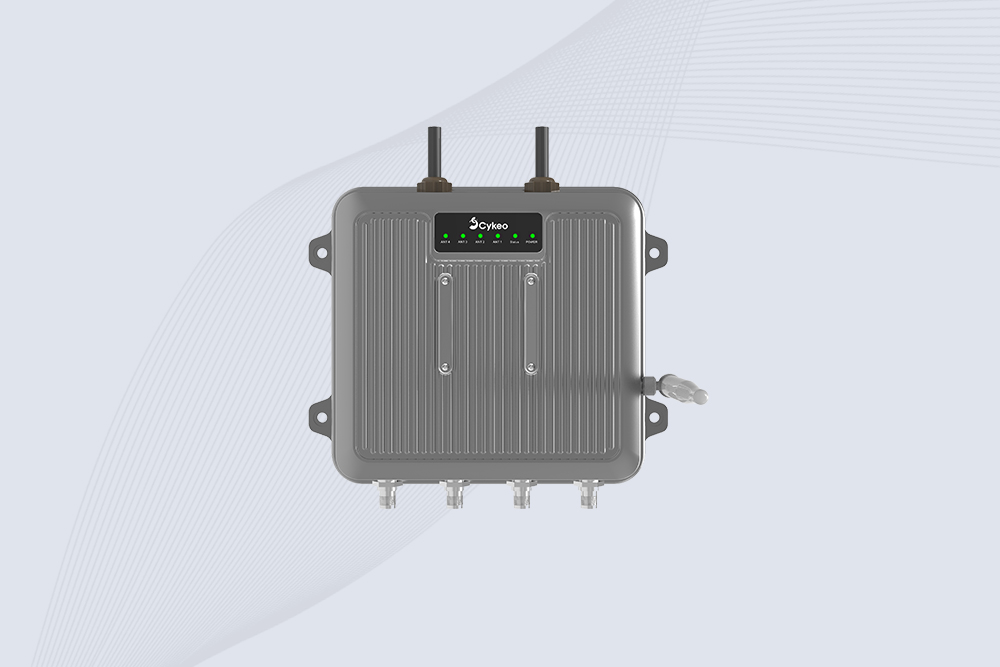
Cykeo CYKEO-C1 industrial Forklift RFID Reader features 20m read range, 600 tags/sec scanning, Impinj R2000 chipset, and IP67 rugged design. Ideal for warehouse logistics and manufacturing. Supports ISO 18000-6C/6B protocols.
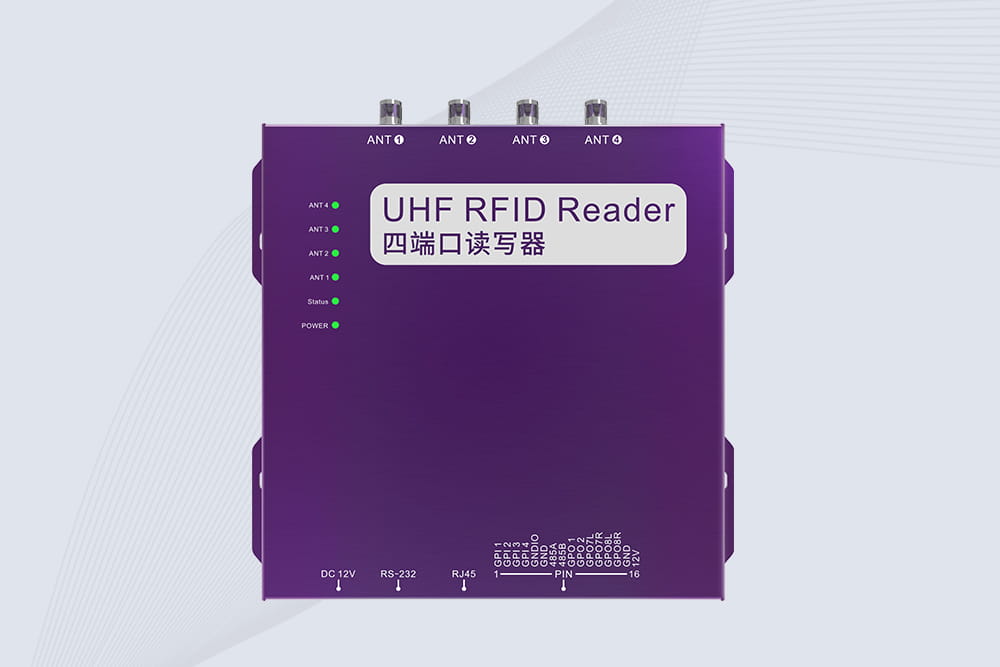
Cykeo CYKEO-R4 industrial UHF RFID Fixed Reader features 4 TNC ports, 400+ tags/sec speed, IP67 housing, and global frequency compliance for vehicle inspection, smart warehouse, and asset management systems.
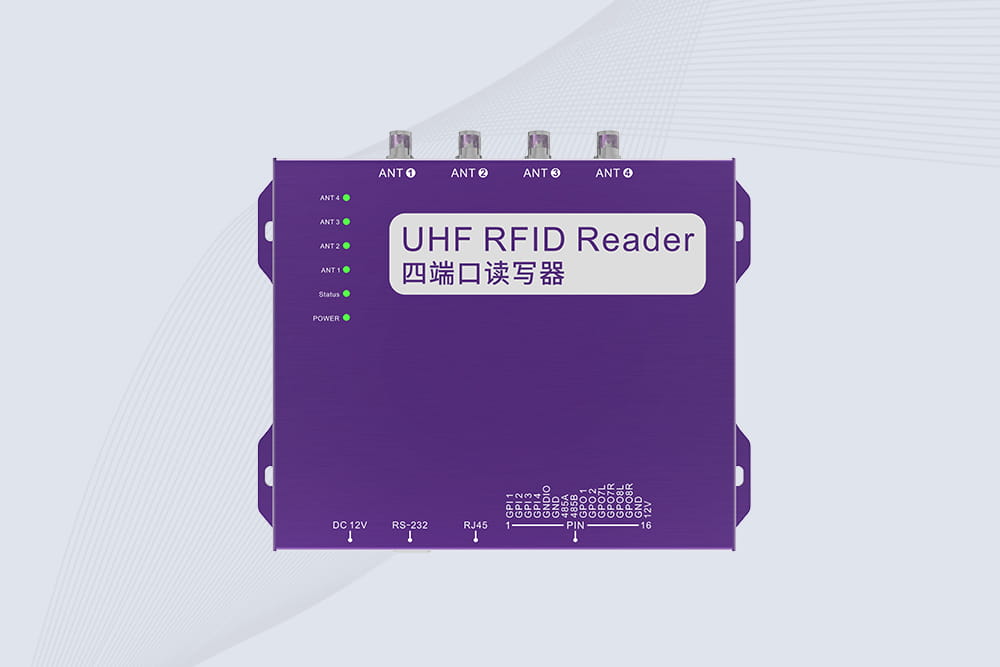
Cykeo’s CYKEO-R4L 4-port Fixed UHF RFID Reader delivers 400 tags/sec scanning, ISO 18000-6C compliance, and IP65 protection. Ideal for warehouse automation, manufacturing WIP tracking, and logistics management.
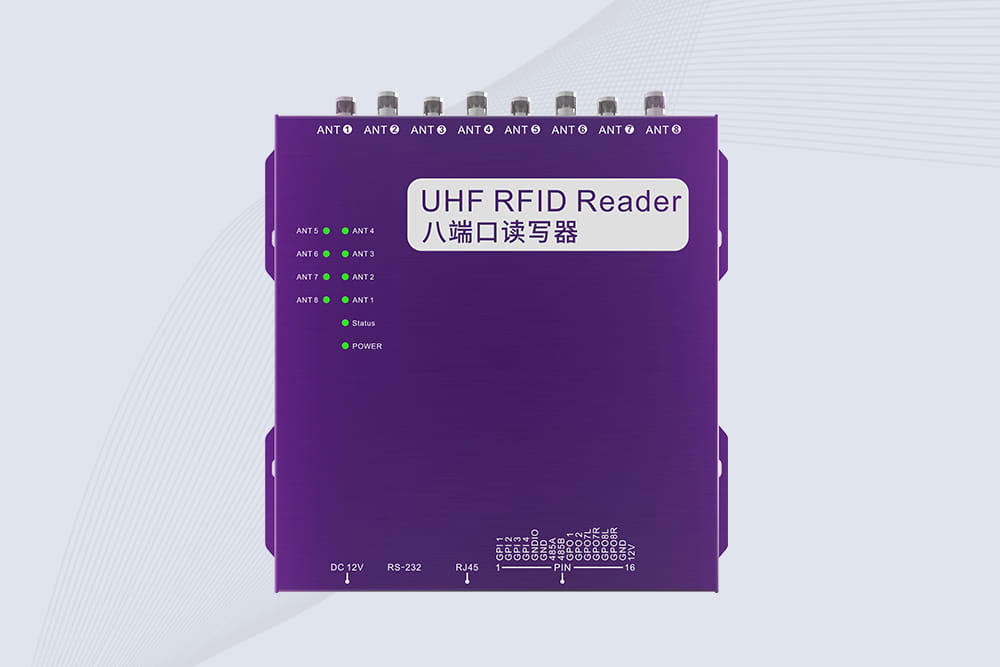
CYKEO CYKEO-R8L Fixed RFID Reader with 8-port UHF design, Impinj-based RF core and up to 20m read range. An industrial Fixed RFID Reader for vehicle inspection, warehouse portals, smart manufacturing lines and secure access checkpoints.
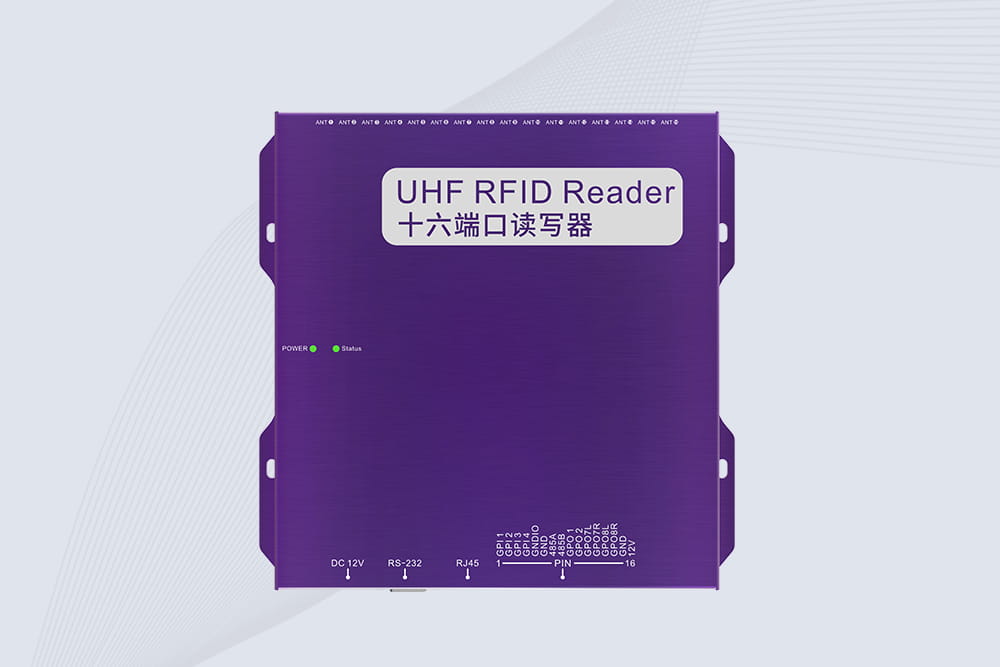
RFID Fixed Reader from CYKEO – the CYKEO-R16L 16-port UHF fixed reader for warehouses, smart cabinets, and production lines. Long-range, multi-tag reading, stable performance for 24/7 industrial use.

RFID is used for automatic identification, inventory management, asset tracking, and digital data collection without requiring direct line-of-sight scanning.
More
Need high temperature passive RFID tags? Learn what temperatures they really survive, where passive tags fail, and how CYKEO applies them in heat-heavy sites.
More
Discover how an rfid chip tracking system improves inventory accuracy, warehouse speed, and asset security with real-time RFID visibility from Cykeo.
More
Learn what an RFID printer is, how it encodes and prints smart labels in one pass, the different types available, and how to choose the right one for your application. Expert guidance from CYKEO engineers.
More