 Cykeo RFID IoT Solution Products R&D Manufacturer
How to Track Tools and Equipment
139Learn how to track tools and equipment using RFID technology. Improve visibility, automate tool management, reduce losses, and achieve real-time inventory control with Cykeo RFID solutions.
MoreAll RFID Product
Yes, RFID tags work on metal, but standard RFID labels should not be placed directly on metal and expected to perform normally. Metal can detune the tag antenna, reflect RF energy, and reduce read reliability. For steel tools, equipment, racks, machinery, and metal containers, use an RFID tag specifically engineered for on-metal mounting.
The distinction matters more than the word “RFID.” A conventional UHF label and an on-metal UHF tag may contain the same basic chip-and-antenna architecture, yet behave very differently once bonded to a steel surface.
At Cykeo, this is one of the first conditions we examine during RFID deployment planning: what material will actually sit behind the antenna? A tag that performs well on cardboard can become unreliable when moved onto a painted steel cabinet or aluminum fixture.
Metal is electrically conductive. When a conventional RFID tag is mounted directly against it, the metal changes the antenna’s electrical characteristics. The antenna can become detuned, reducing the tag’s ability to collect energy from the reader and backscatter its identifier.
RFID Journal describes the effect directly: placing an ordinary passive RFID transponder on metal can detune the antenna and produce an extremely short or unusable read range.
A useful engineering detail is often overlooked: metal is not automatically the enemy of RFID. Properly designed on-metal tags use spacers, dielectric layers, ferrite materials, or antenna structures engineered around the metallic surface. In some designs, the metal itself becomes part of the antenna system.
| Tag configuration | Directly on metal | Typical result |
|---|---|---|
| Standard paper UHF label | Not recommended | Severe detuning or unreliable reads |
| Foam/spacer on-metal tag | Yes | Stable performance when correctly tuned |
| Hard industrial on-metal tag | Yes | Suitable for equipment and harsh environments |
| Specialized flexible on-metal tag | Yes | Useful for curved metal surfaces |
| Embedded/in-metal design | Application dependent | Can integrate metal into antenna design |
A 2024 peer-reviewed survey of on-metal RFID research confirms that metallic surfaces can significantly impair conventional RFID performance and identifies dielectric separation and antenna redesign as practical approaches.
The laboratory answer is simple. The warehouse answer is less forgiving.
A tag may read correctly when a steel part is sitting alone on a workbench, then behave differently after the same part is placed inside a metal rack with several other tagged components. Reader antenna orientation, tag orientation, metal geometry, spacing, surrounding objects, and reader power all become part of the RF environment.
This is why Cykeo deployment testing does not stop at “the tag was detected.” We look at repeatability, missed reads, orientation sensitivity, and the actual installation geometry.
Published testing illustrates why tag selection matters. One RFID benchmark evaluated 17 different UHF tags specifically designed for metal objects and found substantial performance differences between tag designs. The conclusion was not that every metal-mount tag performs equally—it was almost the opposite.
There is no universal read-distance number for RFID on metal because the result depends on the tag, reader, antenna, object geometry, frequency region, mounting position, and RF environment.
For perspective, a peer-reviewed study of a metal-surface RFID design reported communication at 2 meters in an electric-transformer supply-chain experiment.
Commercial technology can reach considerably farther under suitable conditions. Avery Dennison reports up to 4–5 meters for its AD 2Metal Rock M781 on-metal UHF tag and more than 10 meters for its Midas Flagtag under specified geometries. These are manufacturer figures, not universal performance guarantees.

The key difference is the antenna system.
An on-metal tag is engineered so the antenna remains usable when positioned close to a conductive surface. Depending on the design, manufacturers may introduce a controlled separation layer, ferrite material, modified antenna geometry, or a structure that intentionally incorporates the metal object into the RF design.
For HF/NFC applications, ferrite-based structures are commonly used to isolate the magnetic field from the metal surface. For UHF applications, antenna geometry and spacing become particularly important because the tag must operate within the relevant electromagnetic environment rather than simply being separated from the metal by an arbitrary thickness.
That is the practical answer to do rfid tags work on metal: yes—but the tag must be engineered for the surface, not merely placed on it.
Choosing an RFID tag for metal is not simply a matter of selecting the strongest chip. The tag antenna, physical construction, mounting position, reader antenna, frequency region, and object geometry all affect the final result.
GS1 specifically notes that RFID readability is influenced by the chip, antenna, complete tag construction, and reading environment. Its implementation guidance also warns that environments containing substantial metal can create reflections that make reading more difficult, which is why RFID solutions should be tested in their actual operating environment.
For an industrial deployment, I normally evaluate these points before approving a tag:
Yes. Steel is one of the most common surfaces for on-metal RFID applications, including tools, machinery, storage racks, containers, vehicles, and returnable transport equipment.
The important point is that the RFID tag must be designed for steel mounting. GS1’s customer guidance explains that modern RFID manufacturers provide dedicated tags whose packaging and antenna designs allow them to operate on metallic objects.
Avery Dennison’s AD 2Metal Rock M781, for example, is specifically designed for metal, liquid, and difficult-to-tag objects. The manufacturer reports a read range of up to 4–5 meters and lists applications including automotive, logistics, metal crates, and ESD boxes.
That number should not be copied into an installation specification without testing. A tag’s published maximum range is a reference condition, not a guarantee for a particular steel cabinet or production line.
They can, provided the tag is engineered for metal surfaces. Aluminum is conductive and can alter the antenna’s operating characteristics just as steel can.
This is one reason comparative field testing matters. Published manufacturer testing for one on-metal UHF label reported different maximum reading distances on steel, aluminum, and iron, demonstrating that “metal” is not one uniform RF condition.
For production deployment, I would therefore avoid selecting a tag from the material name alone. Test the exact tag on the exact asset.
Cykeo’s RFID solutions are intended for environments where the reader, antenna, tag, and physical asset need to operate as one identification system.
For metal equipment tracking, the practical architecture can include:
| Component | Role in the system |
|---|---|
| On-metal UHF RFID tag | Maintains RF performance when attached to metal |
| Fixed UHF RFID reader | Captures tags automatically at defined locations |
| RFID antenna | Creates the interrogation zone |
| Handheld RFID reader | Supports inspection and exception handling |
| RFID middleware/software | Filters and transfers tag events |
| Asset database | Associates EPC/ID with equipment information |
Cykeo’s industrial RFID reader designs can support commonly deployed UHF RFID standards such as ISO 18000-6C/EPC C1G2, making them suitable for applications where large numbers of tagged assets need to be identified without direct line-of-sight scanning.
The important engineering decision is not “maximum reader power.” A high-power reader paired with a poorly selected metal tag can still produce inconsistent results. In practice, tag-to-reader geometry and RF environment often deserve more attention than simply increasing transmit power.
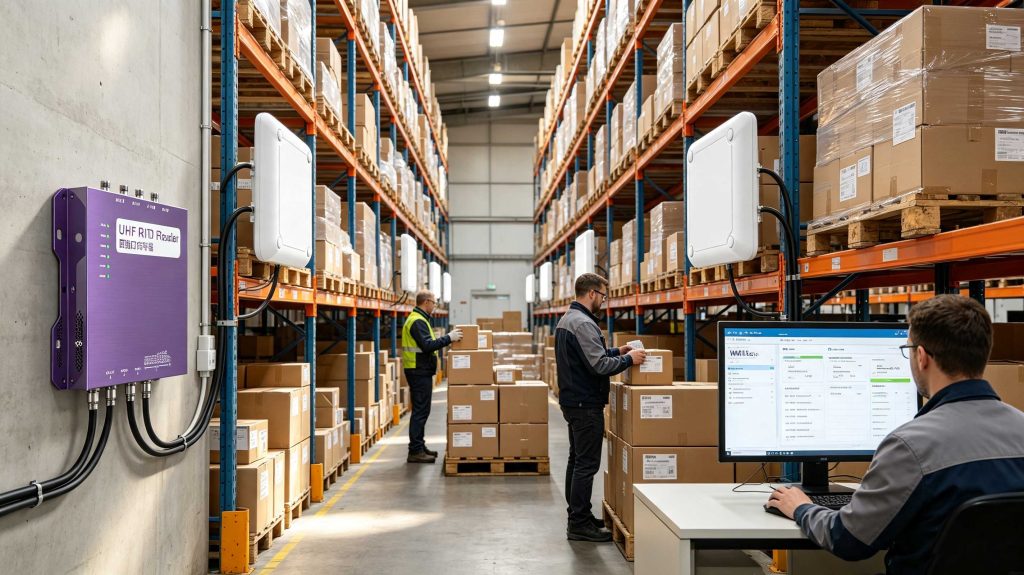
Metal hand tools, maintenance equipment, molds, fixtures, and production assets are natural candidates for on-metal RFID tags. Instead of scanning individual barcodes, workers can identify multiple tagged items during inventory or return processes.
Steel crates and reusable transport containers often circulate between production and logistics locations. Avery Dennison specifically identifies metal crates and ESD boxes as applications for its on-metal RFID solution.
RFID can associate a unique EPC with equipment records such as asset number, maintenance history, location, inspection status, or service date. GS1 describes EPCs as identifiers that can be assigned to physical objects and other identifiable entities.
Metal components, racks, fixtures, bins, and returnable packaging create exactly the type of environment in which conventional labels can become problematic. Dedicated on-metal designs are therefore widely used in automotive and industrial logistics applications.
Usually, no. A conventional UHF RFID label can become severely detuned when directly attached to metal. Use an RFID tag specifically designed for on-metal mounting.
Yes. Stainless-steel equipment can be RFID-tagged with a properly designed on-metal tag. The exact tag should still be tested on the intended surface and installation position.
Yes, but aluminum can affect RF performance. Use a dedicated on-metal RFID design and validate the tag on the actual aluminum asset rather than relying solely on a generic read-range specification.
There is no universal distance. Published products range from compact tags with around one meter of reference performance to flexible on-metal labels advertising several meters. For example, Avery Dennison reports up to 4–5 meters for its AD 2Metal Rock M781 under specified conditions.
Yes. UHF on-metal tags are well suited to tools, industrial equipment, metal bins, fixtures, and maintenance assets when the tag is mechanically protected and correctly positioned.
Not reliably. Increasing power cannot compensate for a fundamentally unsuitable tag antenna. Tag construction, orientation, reader antenna placement, and the surrounding RF environment must be addressed together.
Absolutely. GS1 guidance recommends testing RFID solutions because object materials and the surrounding environment can affect reading quality. The best validation uses the actual tag, asset, reader, antenna, mounting position, and operating environment.
Metal does not make RFID impossible. It changes the antenna environment.
That distinction is important when specifying RFID for factories, warehouses, vehicle fleets, tools, machinery, metal containers, or industrial components. The reliable approach is to select an on-metal RFID tag, verify its mechanical construction, install it in the intended orientation, and then test the complete reader-tag-asset combination under operating conditions.
GS1’s current RFID standards continue to define UHF RAIN RFID around the EPC Gen2 family, while its implementation guidance emphasizes the importance of tagged-item and environmental testing.
For engineers, the useful question is therefore not simply “Can RFID work on metal?” It is: Which tag, on which metal asset, at what orientation, with what reader and antenna, at the required read distance?
Yes, do rfid tags work on metal — with the correct on-metal RFID design, they can provide reliable identification for demanding industrial assets.
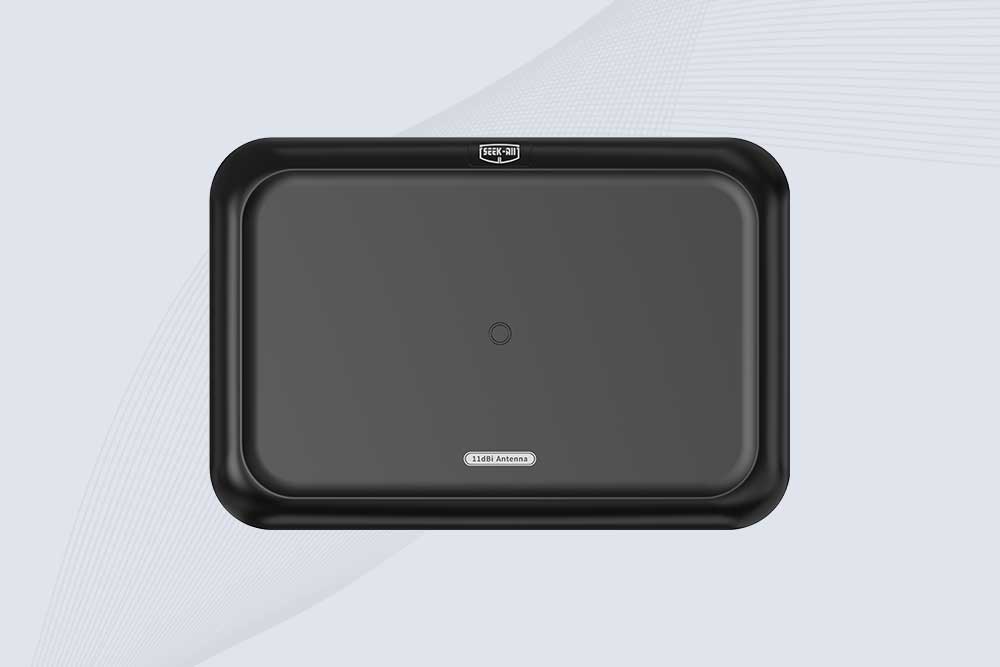
SSD-A11 UHF RFID antenna features 840–960 MHz adjustable frequency, ≥10.5 dBi gain, circular polarization and 50Ω impedance for fixed RFID systems.
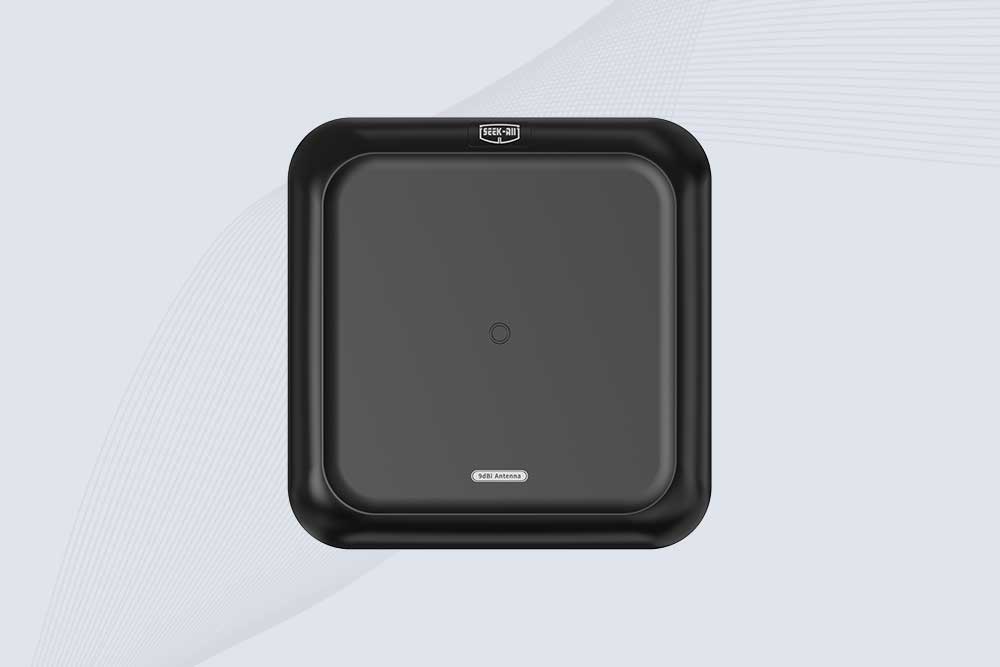
SSD-A09 is a 9 dBi UHF RFID antenna with 840–960 MHz adjustable frequency, circular polarization, 50Ω impedance and directional 60° × 60° coverage.
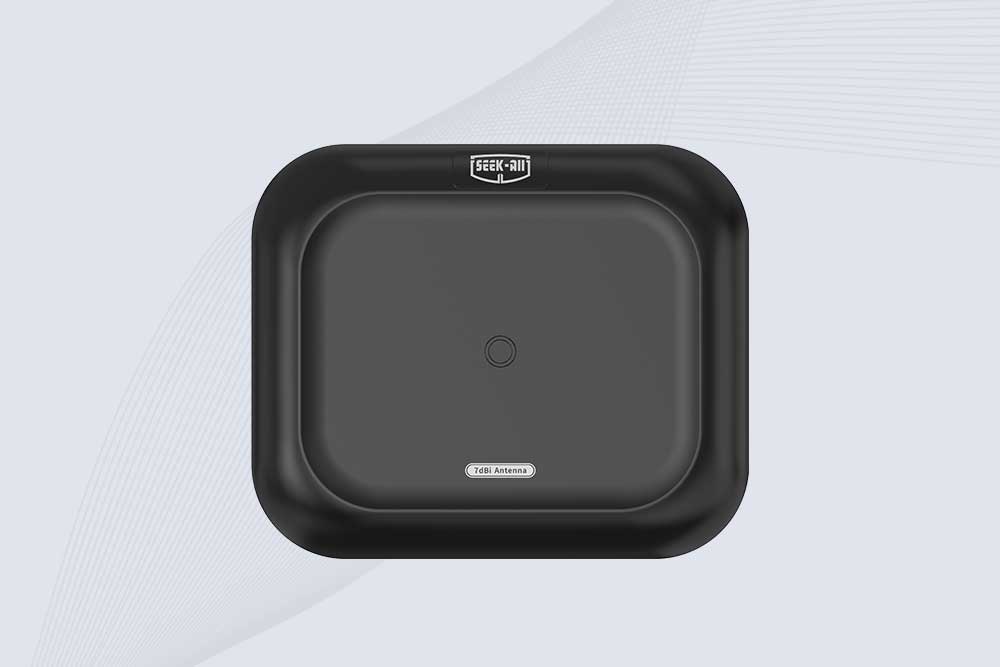
Explore the SSD-A07 UHF RFID antenna with 7 dBi gain, circular polarization, adjustable 840–960 MHz frequency, and 60°/75° beamwidth for stable RFID read/write performance.

SSD-A06 UHF RFID antenna with circular polarization, adjustable 840–960 MHz frequency, ≥4.5 dBi gain, and a compact directional design for RFID systems.
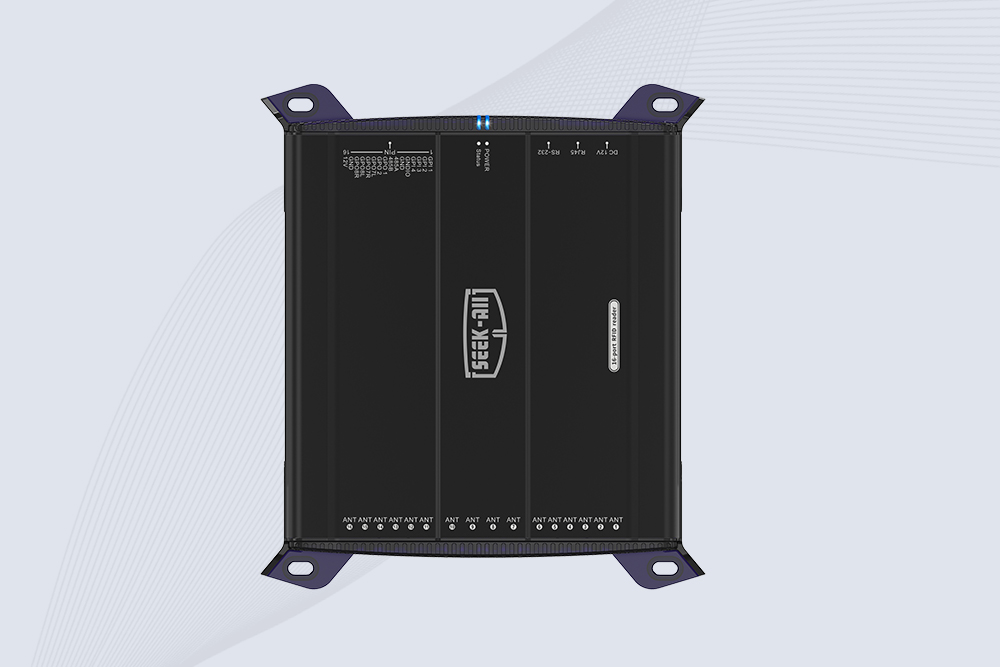
SSD-R16L Multi-Channel RFID Infrastructure for Automated Inventory Management ✔️ 16-Port High-Density RFID Reading Equipped with 16 SMA antenna ports, SSD-R16L supports multi-antenna deployment for warehouses, retail stores, logistics, production lines, and large-area RFID identification. ✔️ High-Speed & Long-Range Performance With up to 33…
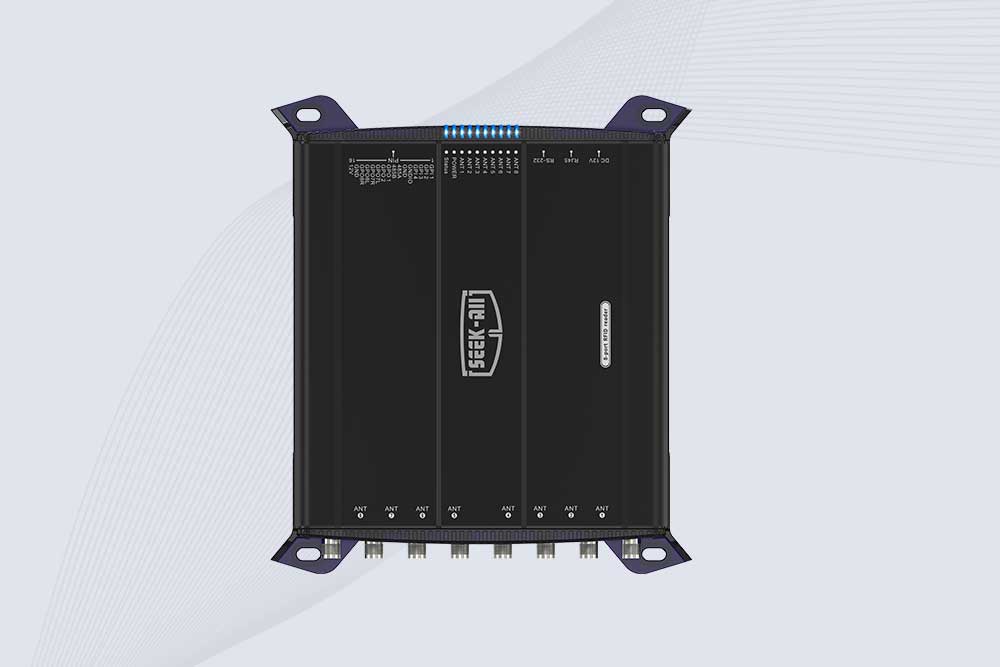
SSD-R8L 8-port UHF RFID reader with 33dBm output, up to 20m reading range and 600+ tags/s recognition. Ideal for warehouse, logistics, retail and asset tracking.
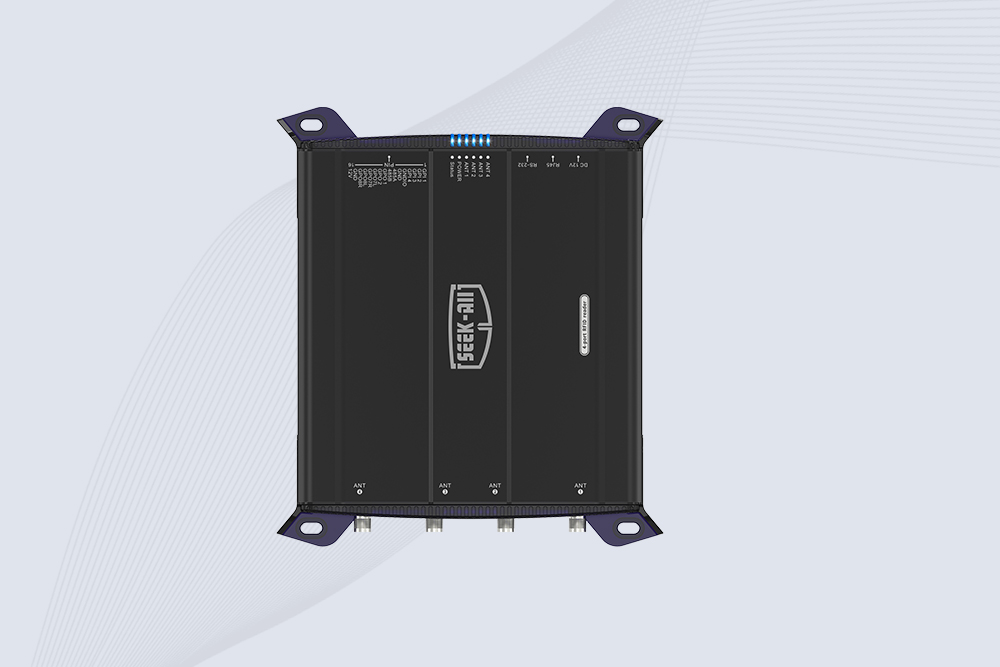
SSD-R4L is a 4-port UHF RFID fixed reader with 33dBm output power, up to 20m reading range, EPC C1G2 support and 600+ tags/s reading speed.
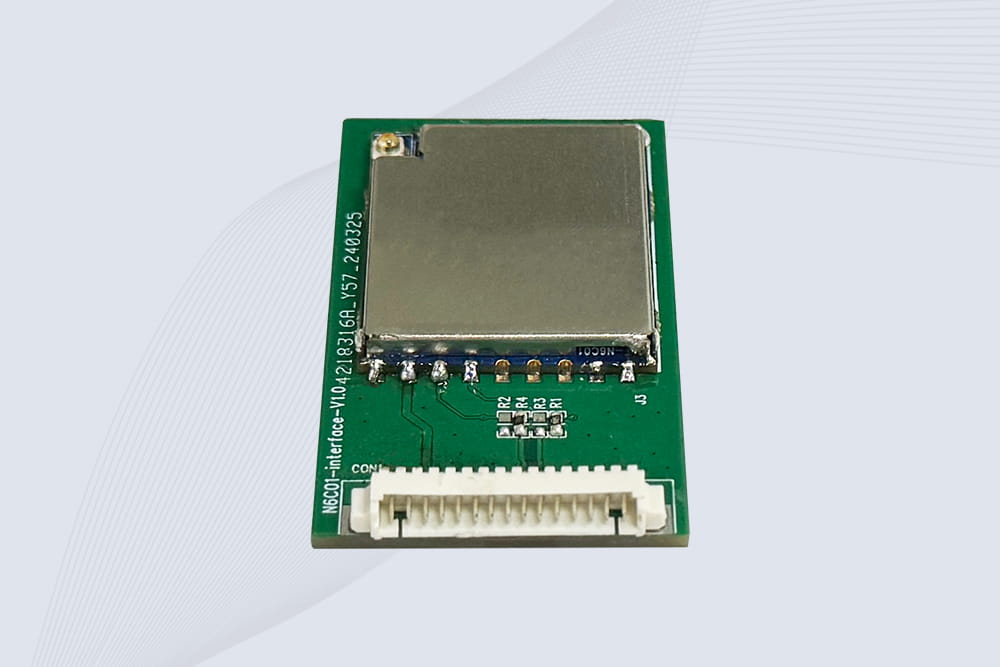
CYKEO Embedded RFID Modules are designed for compact industrial and IoT devices that require stable UHF performance. These UHF RFID Modules support global protocols, flexible power control, and reliable multi-tag reading for smart cabinets, production lines, and asset tracking systems.
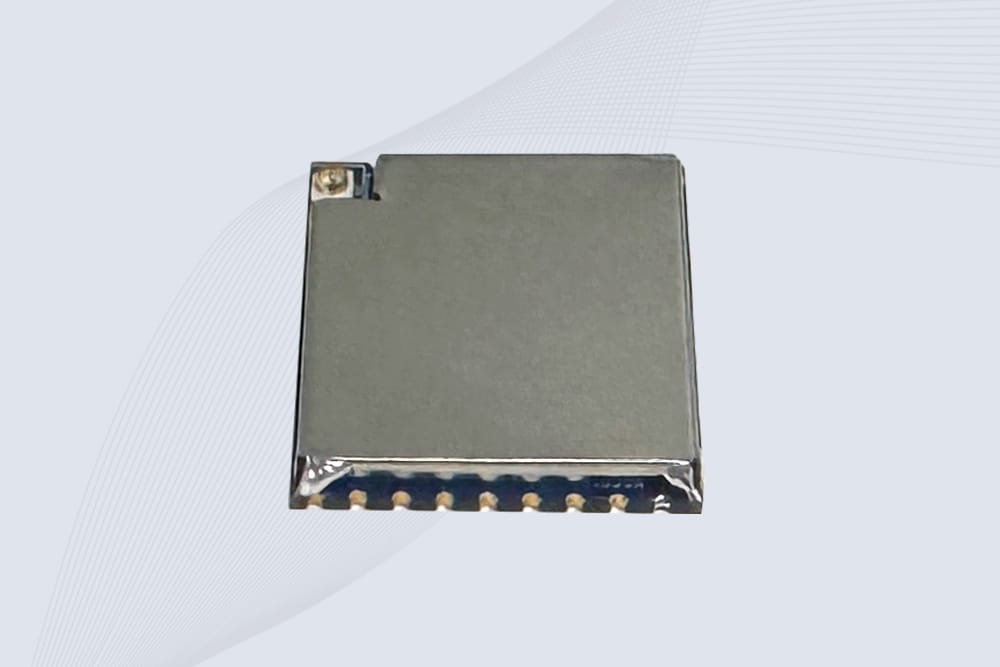
CYKEO Embedded RFID Module is built for compact IoT and industrial devices that need stable UHF performance. This UHF module supports global protocols, low power operation, and reliable multi-tag reading for smart lockers, production lines, and always-on RFID systems.
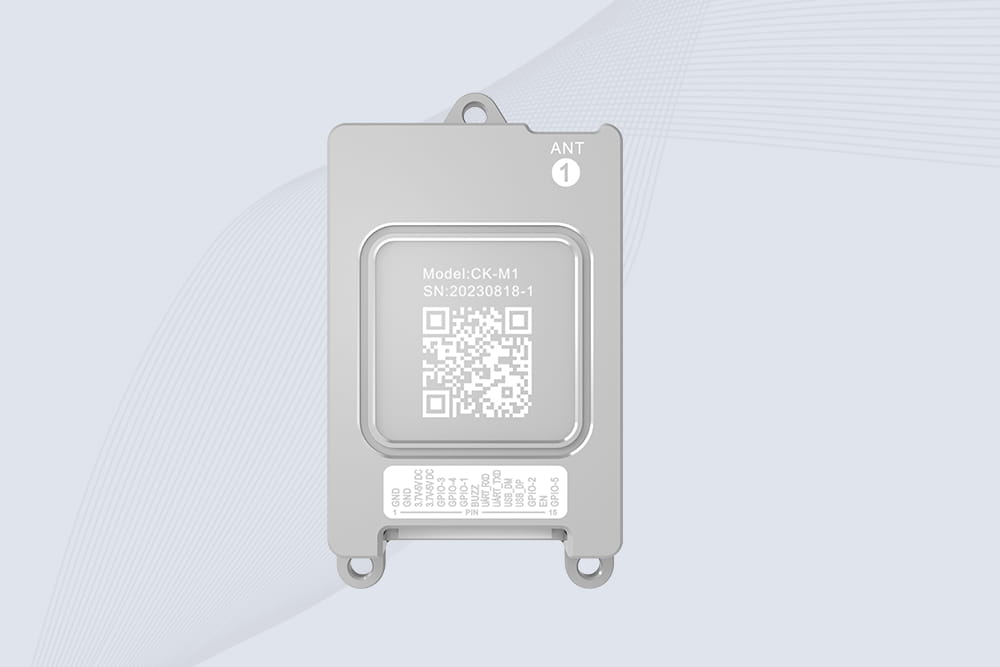
CYKEO CYKEO-M1 drone rfid module is a compact UHF RFID reader module designed for drones and UAV platforms. It supports long-range aerial scanning, fast multi-tag reading, and stable performance in wind, vibration, and outdoor environments.
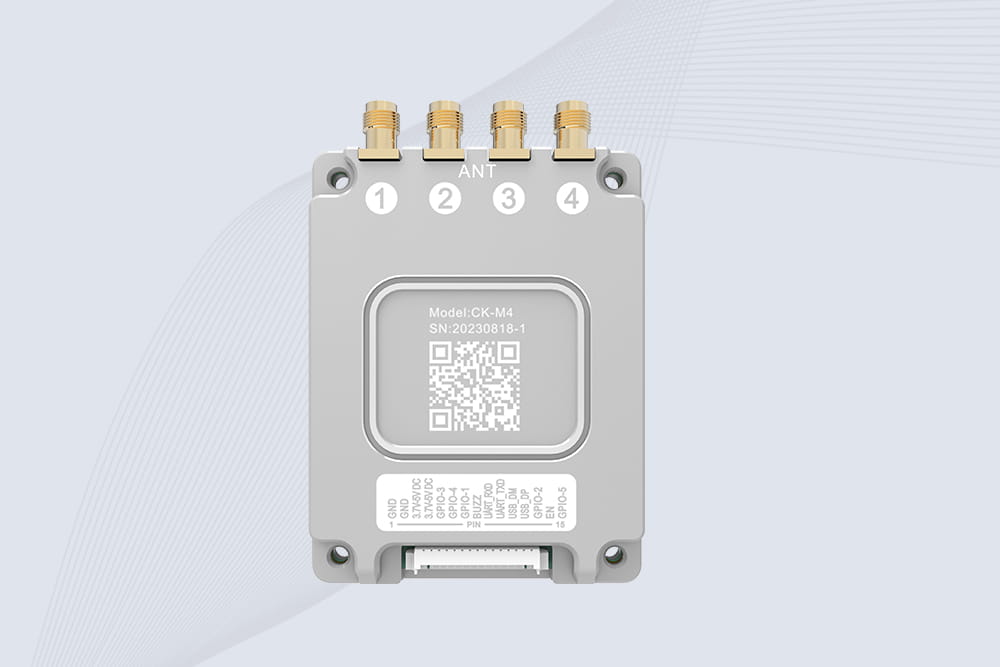
CYKEO CYKEO-M4 RC522 RFID Module is an industrial-grade UHF RFID reader with 4 ports, supporting ISO, EPC, and GB protocols. High-speed, accurate reading for IoT, automation, and warehouse applications.
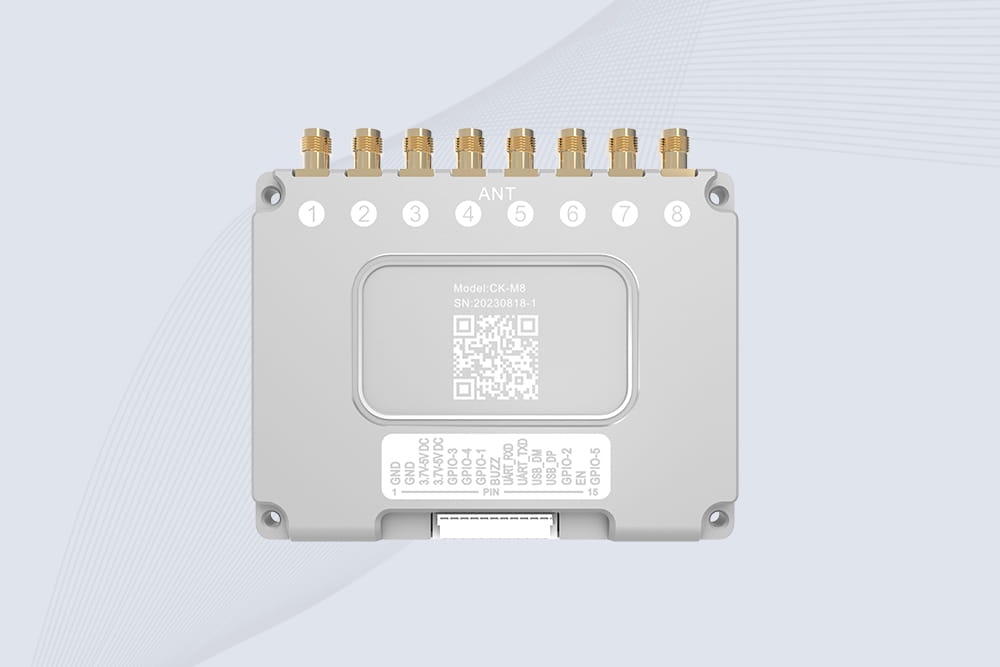
CYKEO CYKEO-M8 Module RFID is an 8-port UHF R2000 RFID Module designed for high-density, multi-tag environments. Stable 33dBm output, ISO & GB protocol support, ideal for warehouses, factories, and automated systems.
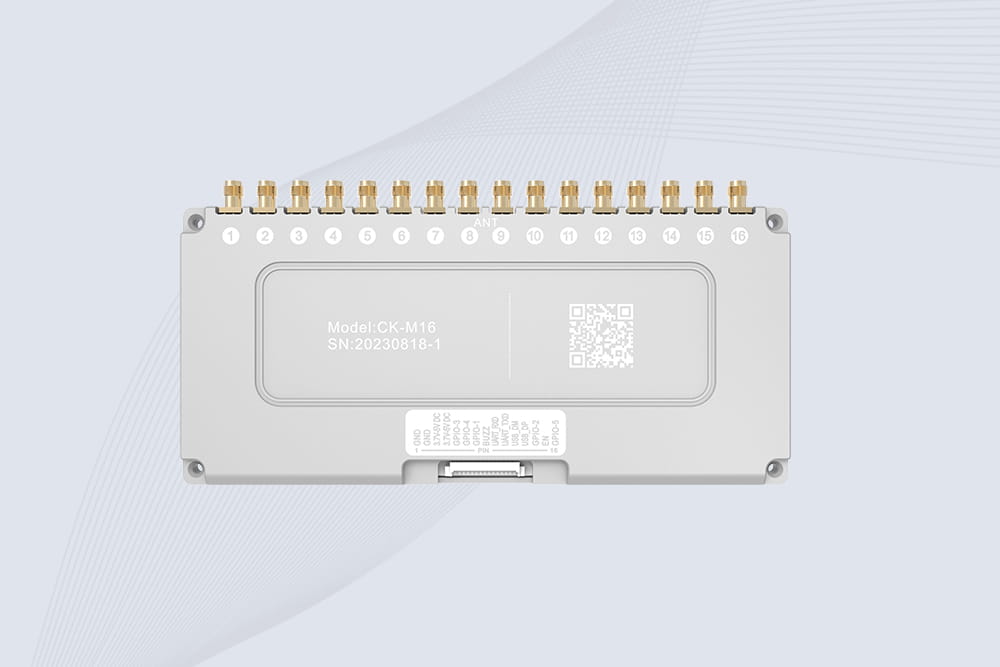
CYKEO CYKEO-M16 RFID Module is a 16-port UHF RFID reader module based on the R2000 chipset. Designed for dense tag environments, it supports ISO and GB standards and delivers stable multi-antenna control for industrial automation.
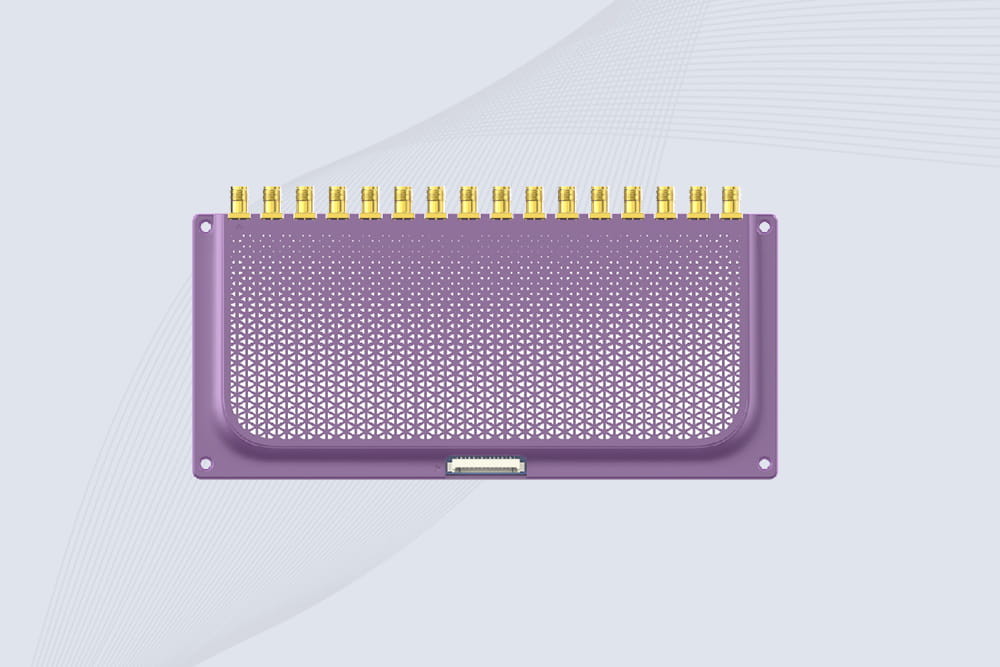
The CYKEO CYKEO-M16L RFID Reader Module is a 16-channel UHF RFID core designed for dense tag environments. With adjustable 33dBm output, multi-protocol support, and stable multi-antenna control, this RFID Tag Reader Module fits industrial automation, warehouse systems, and large-scale IoT deployments.
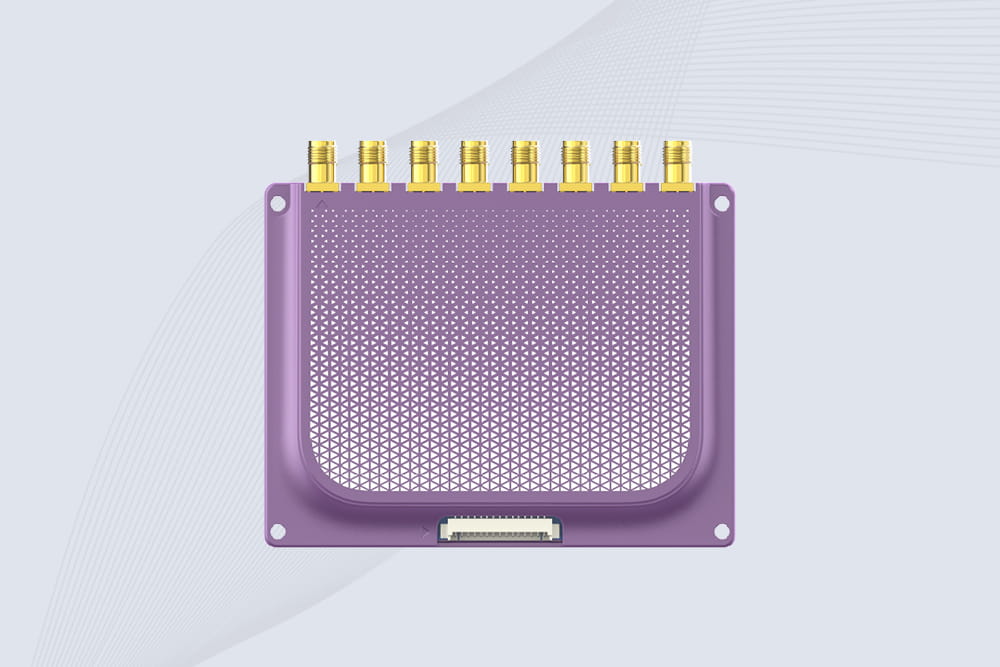
CYKEO CYKEO-M8L module RFID is a compact industrial UHF module built for dense tag and multi-antenna environments. With 8 RF ports, adjustable 33 dBm output, and ISO & GB protocol support, it is widely used in factories, warehouses, and automated tracking systems.
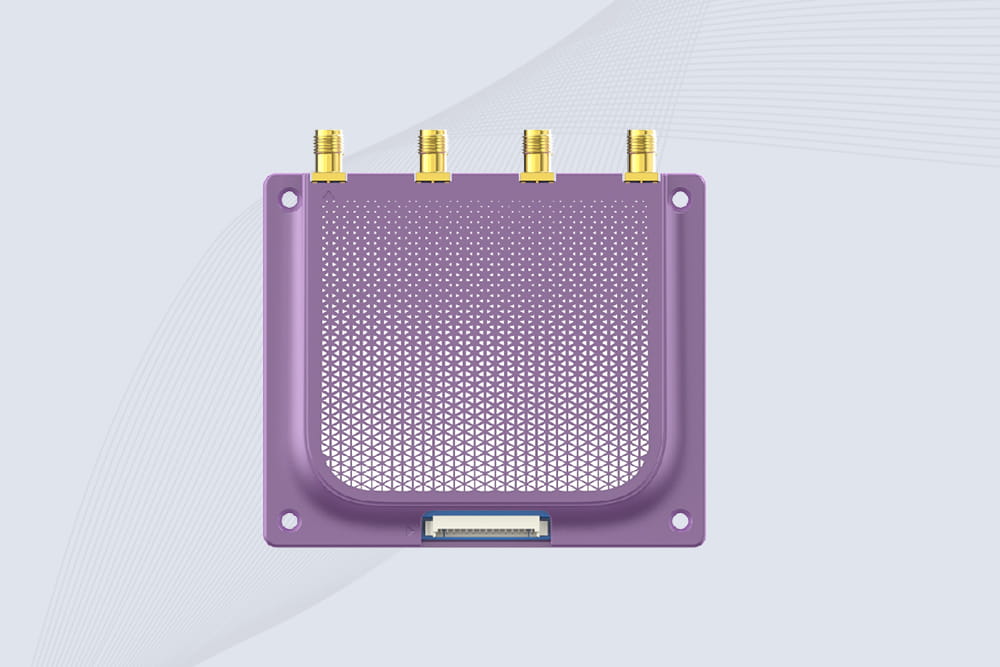
CYKEOCYKEO-M4L UHF RFID Module is a compact 4-channel RFID tag reader module designed for dense tag environments. Supporting ISO and GB protocols, it delivers stable reads up to 10 meters for industrial and IoT systems.
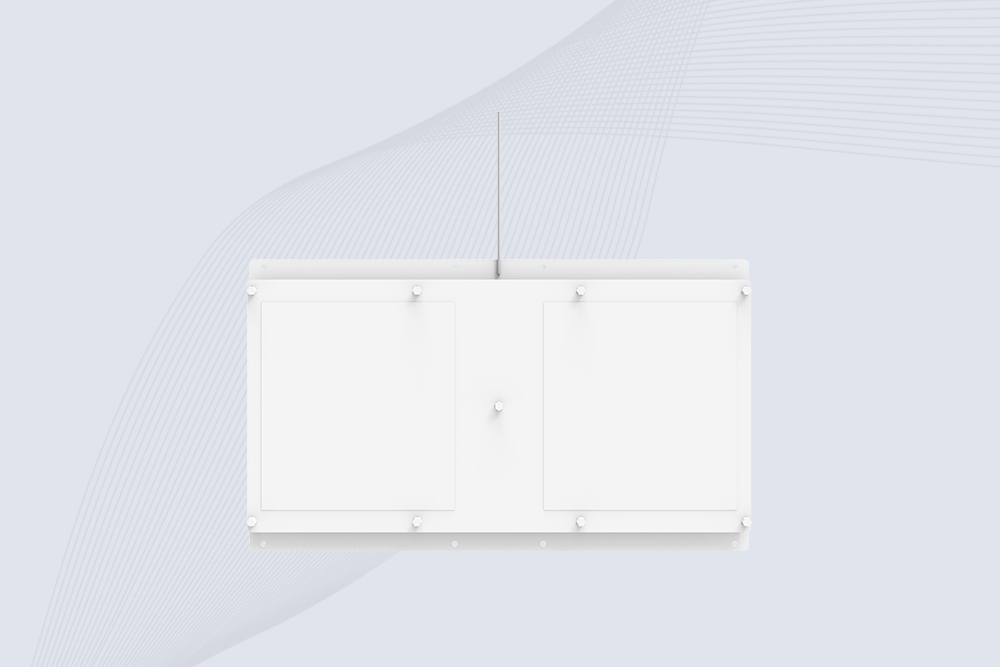
Cykeo CYKEO-A11 UHF RFID reader antenna delivers 11dBi gain, 840-960MHz frequency range, and IP65 ruggedness for retail, logistics, and industrial RFID systems. Features low VSWR and easy installation.

CYKEO Antenna RFID Reader delivers stable long-range UHF performance with a 10.5dBi directional design, built for warehouses, conveyor portals, and industrial RFID systems. This rfid reader antenna provides 20m+ read distance and rugged IP67 protection.

Cykeo CYKEO-PHF3 industrial HF RFID Antenna offers 24-point dynamic tracking, ISO 14443A/15693 protocols, metal-environment stability for archives/libraries/manufacturing.

Cykeo CYKEO-A5B industrial Linear RFID Antenna delivers 5dBi gain, ≤1.5:1 VSWR, and IP65 rugged design for warehouse, production line, and logistics UHF systems.

Cykeo’s CYKEO-B12 Long Range RFID Antenna delivers 15m+ read range with 12dBi gain, IP65 rugged design, and global 840-960MHz UHF support. Ideal for warehouse/logistics asset tracking.
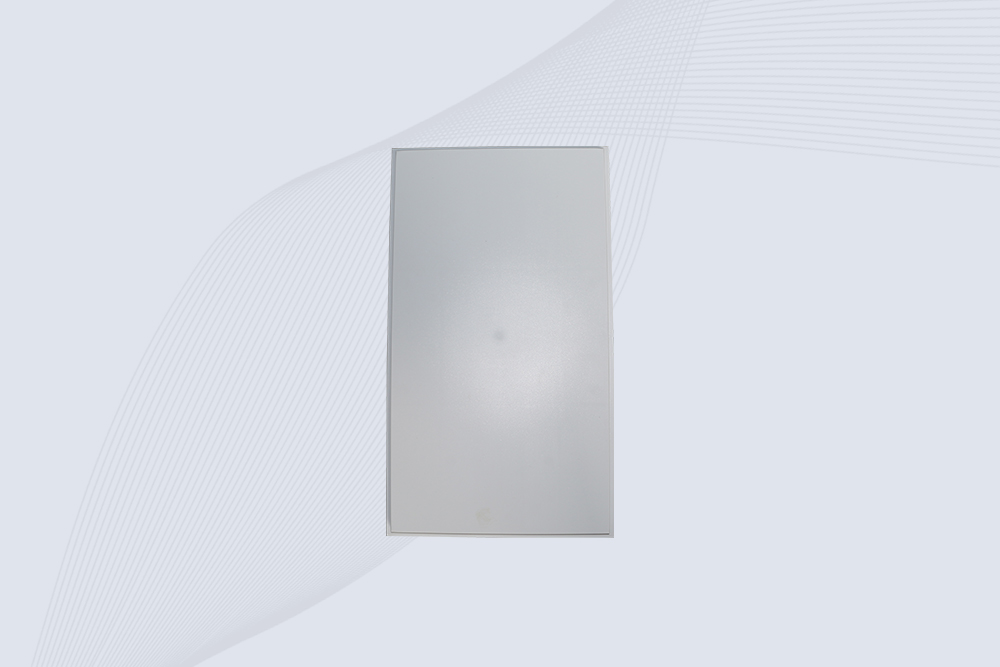
Cykeo CYKEO-B10 Long Distance RFID Antenna offers 10dBi gain, 840-960MHz frequency range, IP65 rating, and 20m+ coverage for logistics/warehousing/ETC systems. Low VSWR ensures stable signal transmission.
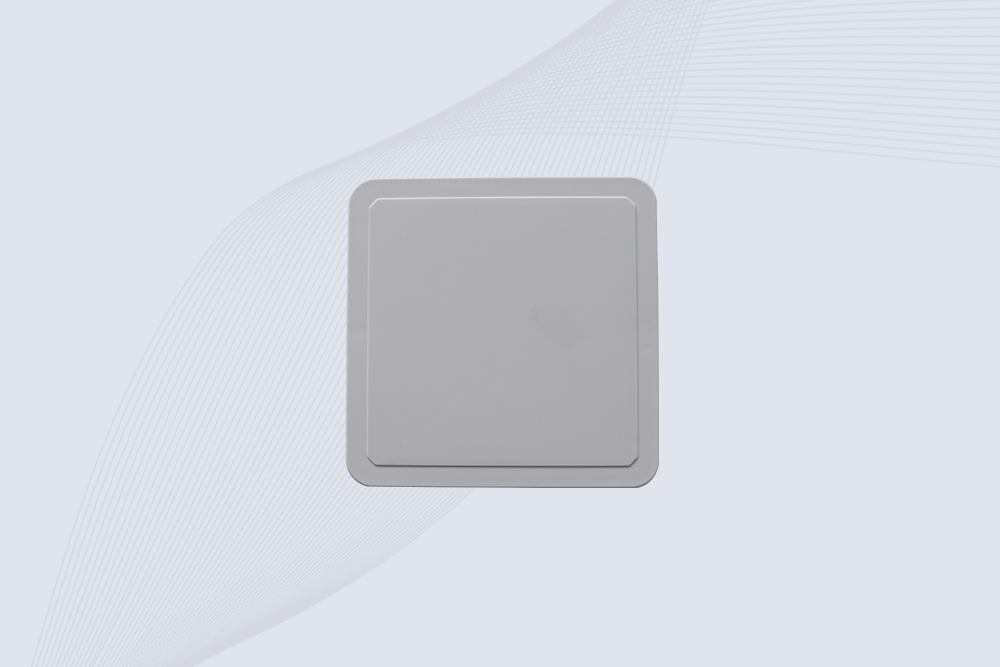
Cykeo CYKEO-A6 UHF RFID panel antenna features 6dBi gain, 840-960MHz broadband, IP65 metal-ready housing for logistics/smart retail. 18mm ultra-thin design with tool-free mounting.

Cykeo CK-A3 industrial antenna RFID UHF offers 5m+ tag detection, ≤1.3:1 VSWR, IP65 rugged design, and global UHF spectrum compatibility (840-960MHz) for warehouses, factories, and retail.
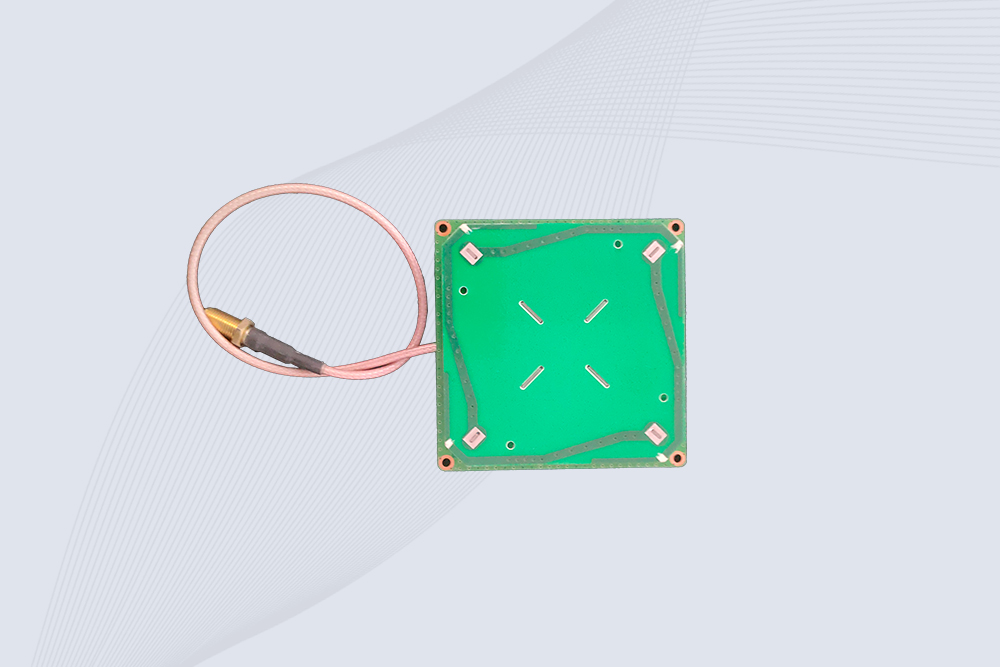
Cykeo CYKEO-B5 directional RFID antenna provides 5dBi gain with 60° narrow beamwidth for precise inventory tracking. IP65-rated, global UHF frequency support, and low VSWR.
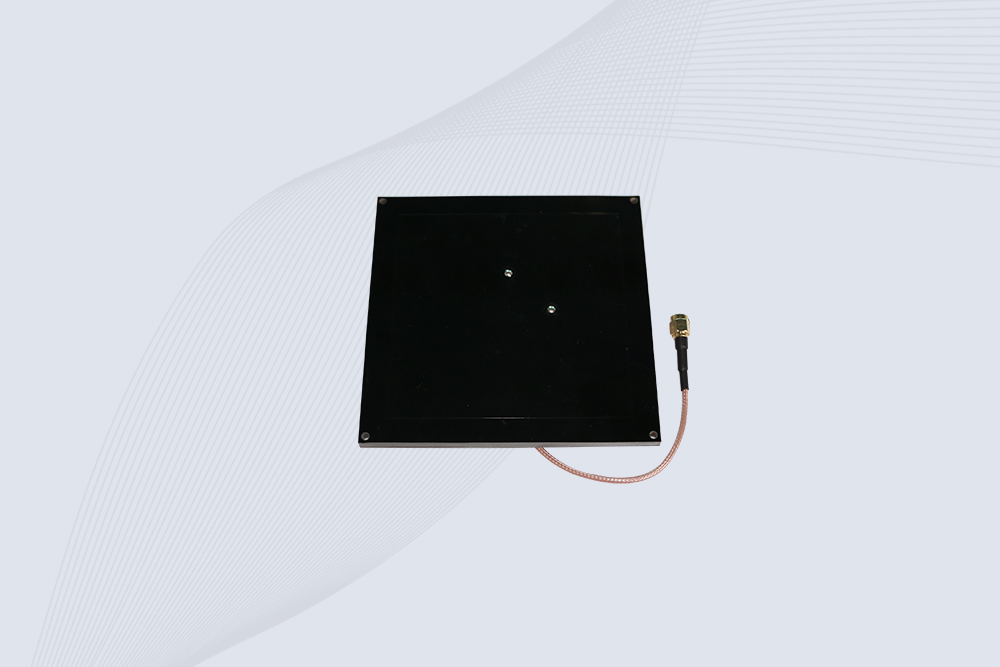
Create your own high-performance DIY RFID antenna! 5dBi gain, 840-960MHz tunable, step-by-step guides. Compatible with Arduino, Raspberry Pi, and commercial UHF readers.
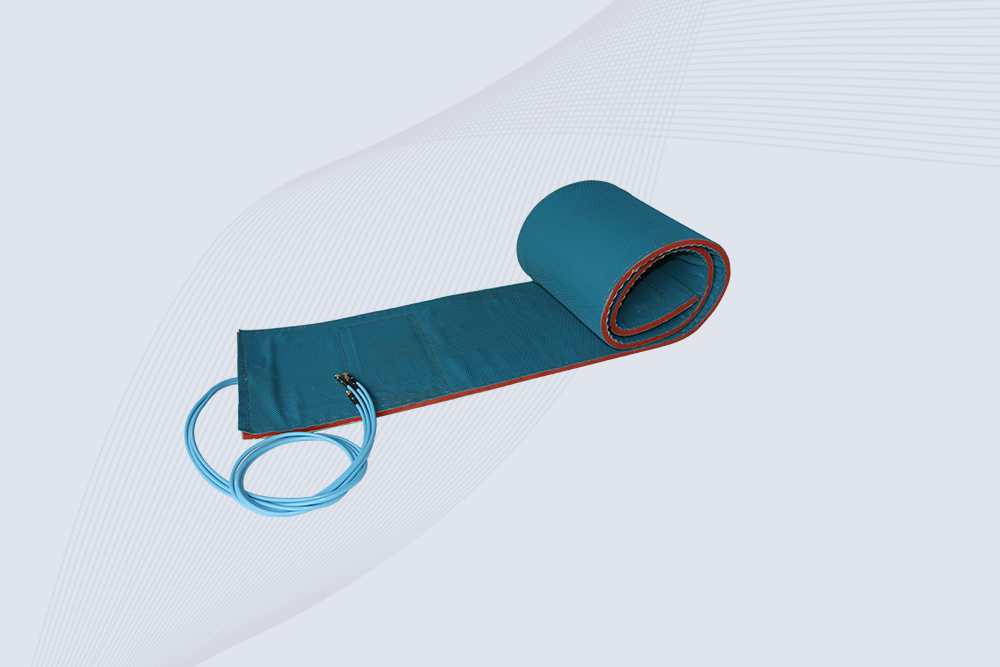
Cykeo CYKEO-A7 Flexible RFID Antenna features 840-960MHz wideband tuning, 7dBi gain, and IP68 rating for medical/retail/industrial curved surface deployments. 98% read accuracy with peel-and-stick installation.

Cykeo CYKEO-B5A industrial Passive RFID Antenna delivers 5dBi gain, 70° beamwidth, and -40°C~55°C operation for warehouses/smart cabinets. Compatible with Zebra/Impinj readers.
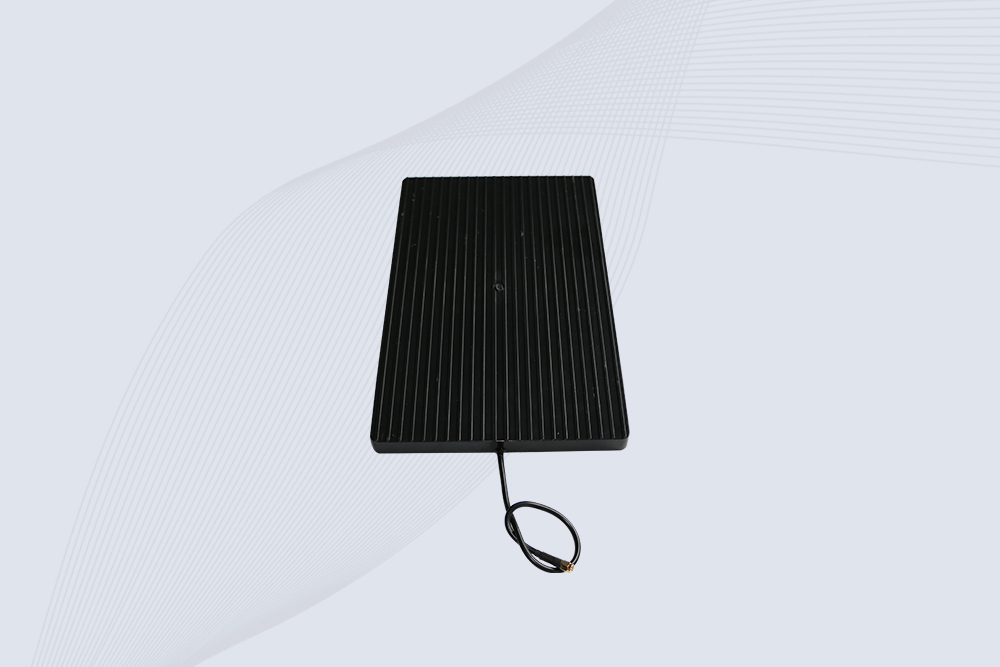
Cykeo’s CYKEO-A9B High Gain RFID Antenna delivers 15m+ read range with 9dBi amplification. Features IP54 rugged design, 840-960MHz bandwidth, and 80° beamwidth for warehouse/manufacturing RFID systems.

Cykeo’s enterprise-grade 8dbi Impinj RFID Antenna 10m+ read range with 840-960MHz tuning. Features IP65 housing, 1.4 VSWR, 35° beamwidth for retail/warehouse RFID systems.
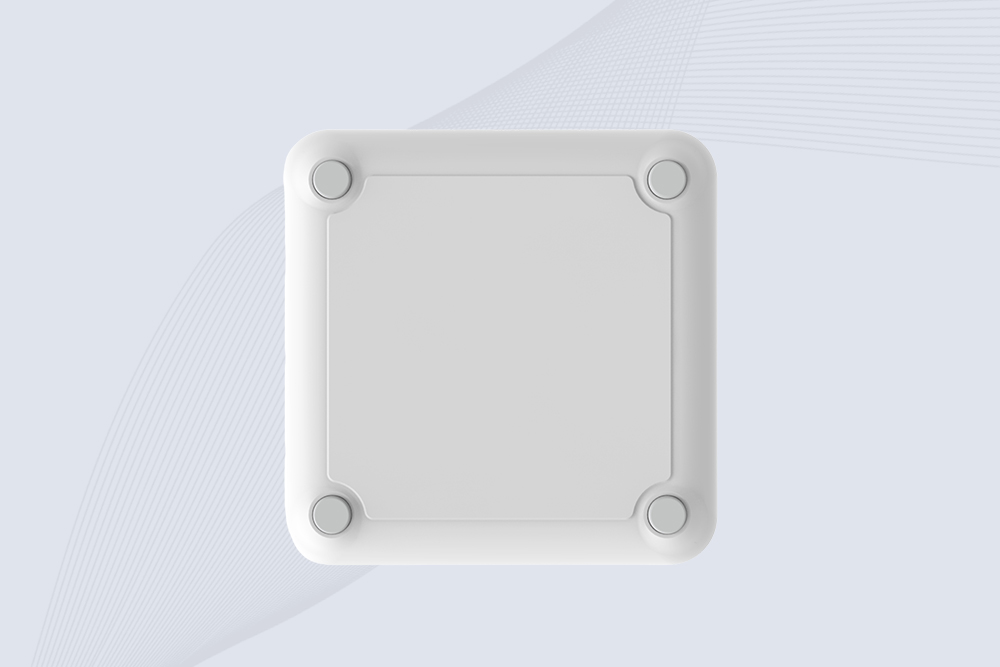
Cykeo CYKEO-A9 industrial UHF RFID antenna delivers 9dBi gain, 840-960MHz frequency range, and IP65 protection for warehouse/logistics/retail RFID systems. Features N-type connector and ≤1.3:1 VSWR.
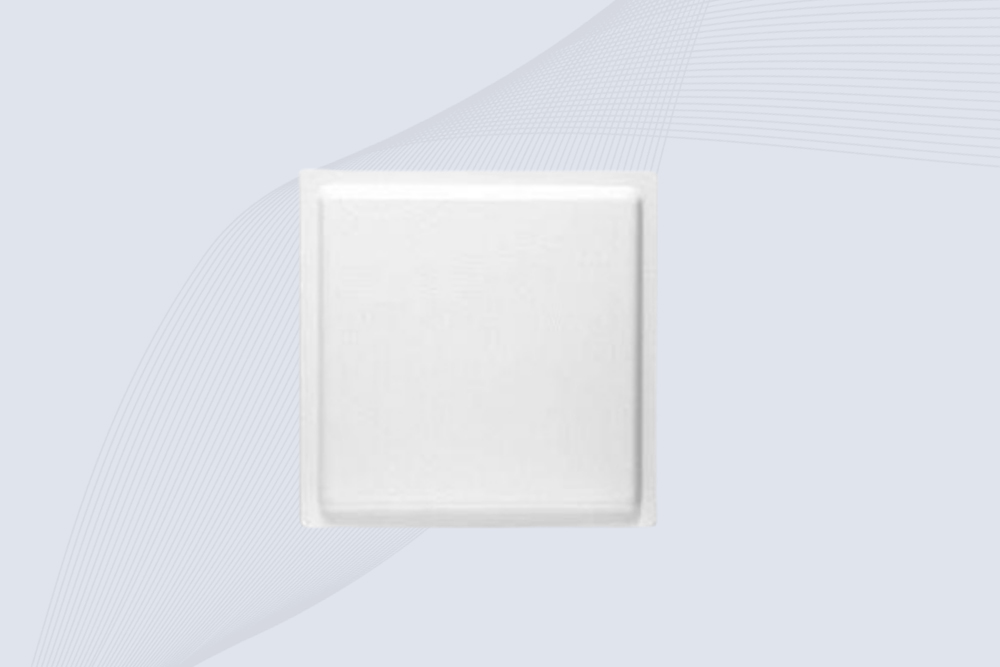
CYKEO UHF RFID Antenna built for long-distance and industrial applications. This antenna rfid uhf delivers strong gain, outdoor durability, and reliable tag performance in warehouses, yards, and vehicle ID systems.
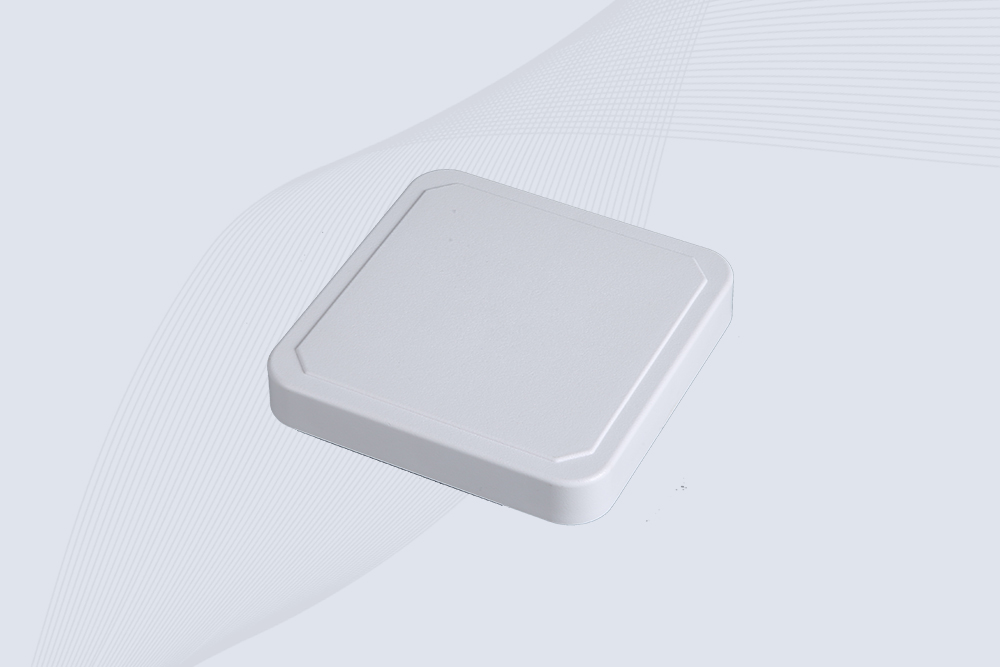
CYKEO Antenna RFID delivers reliable long-range UHF performance in warehouses, retail shelves, and cold-chain environments. This compact uhf rfid antenna provides stable reads with circular polarization and ultra-wide 840–960 MHz support, ideal for industrial tracking, smart shelves, and asset monitoring.
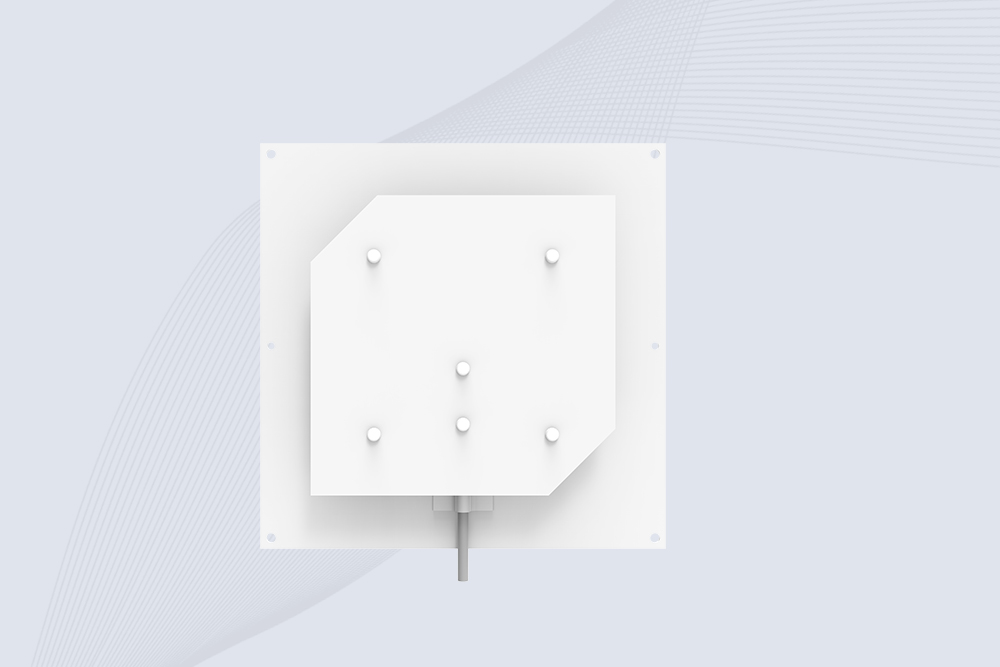
Cykeo’s CYKEO-C8 UHF RFID antennas delivers 8dBi gain, 840-960MHz full-band coverage, and IP65 ruggedness for manufacturing/warehouse RFID systems. Industrial RFID Antennas Features
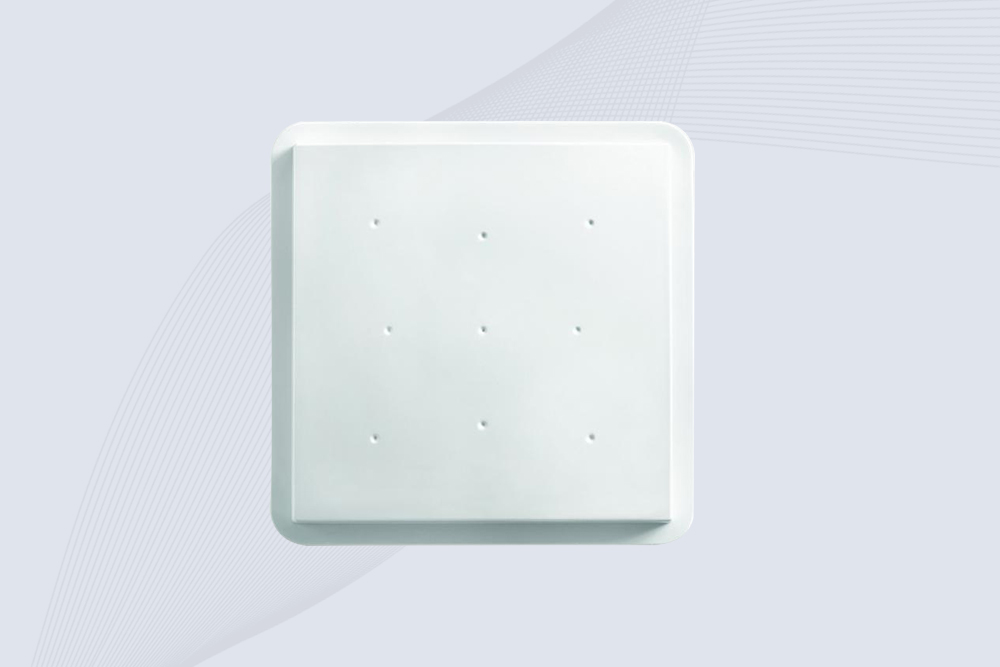
Cykeo’s 8dBi UHF RFID antenna and reader kit delivers 10m+ range, 840-960MHz broadband, and IP65 ruggedness for factories, warehouses, and logistics. ISO 18000-6C & EPC Gen2 certified.
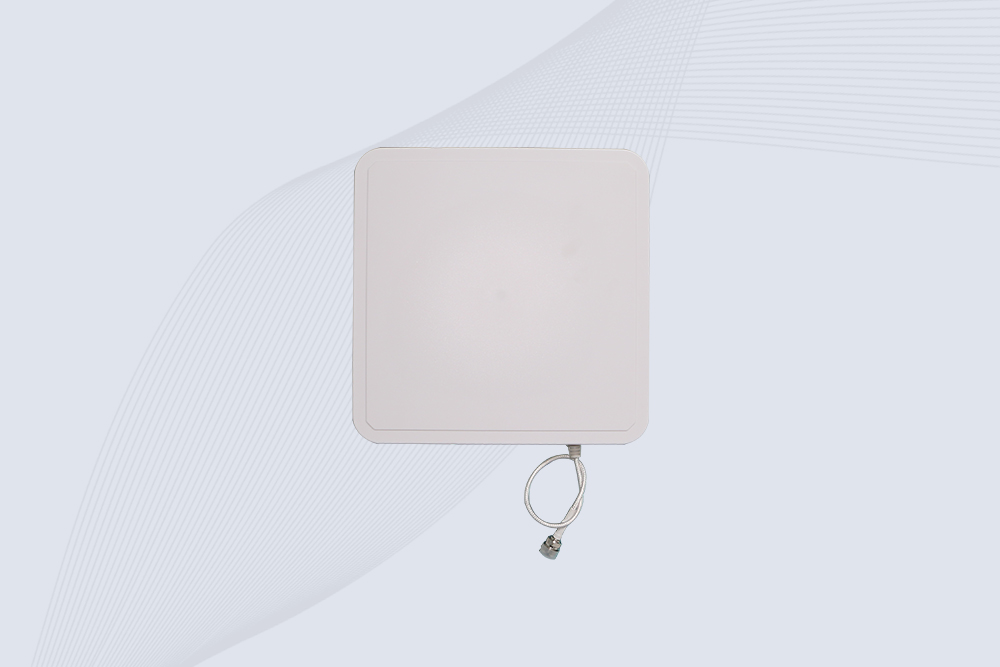
Cykeo CYKEO-A9A industrial UHF RFID reader and antenna kit delivers 10m range, 500 tags/sec, IP65 ruggedness for manufacturing/logistics. Supports EPC Gen2, ISO18000-6C.
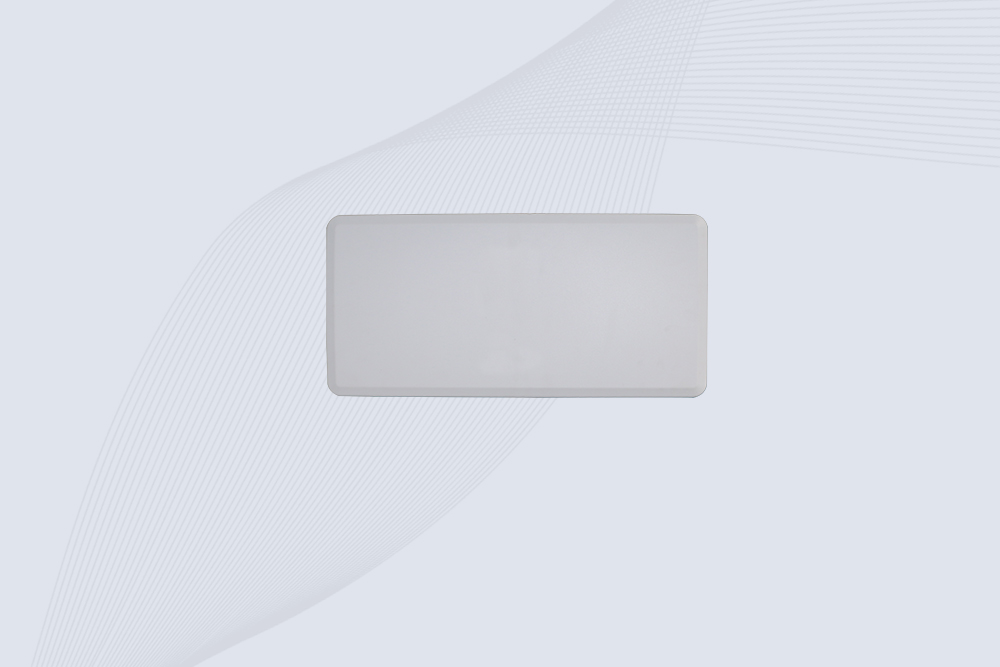
Cykeo’s CYKEO-A12C UHF Large RFID Antenna delivers 12dBi gain, 840-960MHz global frequency, IP65 ruggedness for logistics/warehousing/automotive. 40° beamwidth ensures stable 15m+ tag reads.

CYKEO Near Field RFID Antenna provides precise 5–30 cm reading for shelves, cabinets, and workstations. This compact rfid shelf antenna delivers stable short-range performance around metal and clutter, ideal for pharmacies, libraries, and electronics sorting.
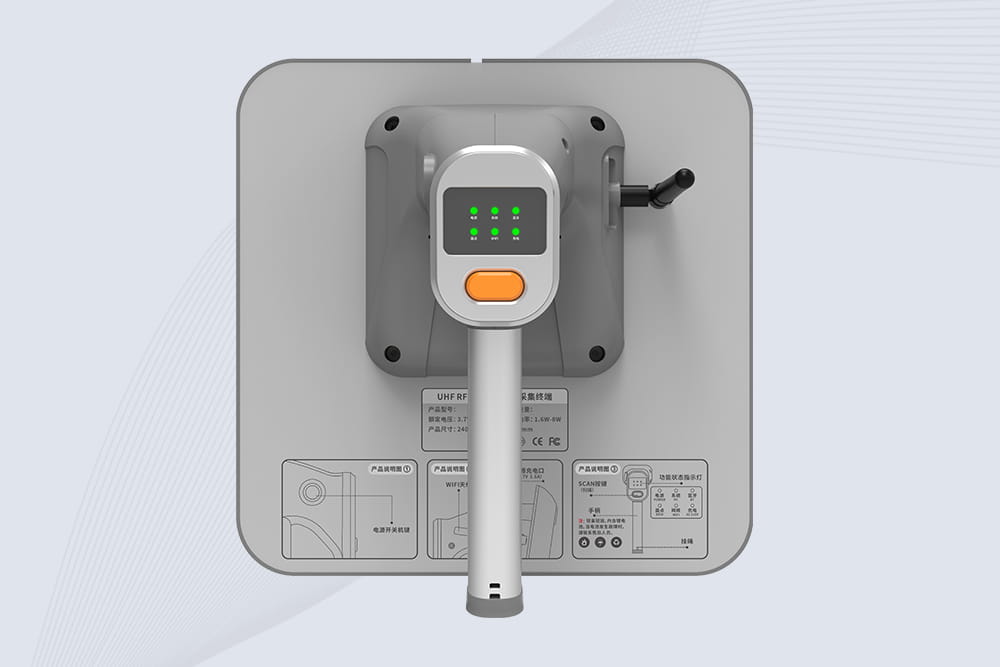
Cykeo CYKEO-B9 UHF Bluetooth handheld RFID scanner features 12m UHF range, 200+ tags/sec scanning, IP67 rugged design for retail/warehouse/pharma. Supports Android SDK & real-time Bluetooth 5.0 transmission.
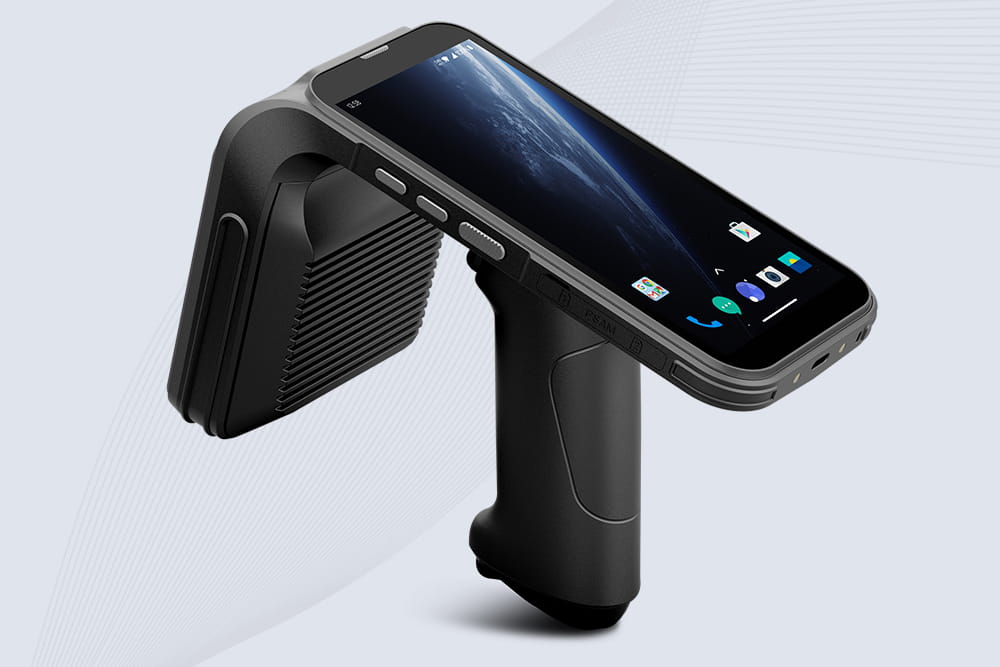
Cykeo CYKEO-B4 UHF Handheld RFID Reader scanner delivers 1300 tags/sec reading, 30m UHF range, and 12-hour battery life. IP65 rugged design with barcode/NFC/ID scanning for retail/manufacturing/logistics.
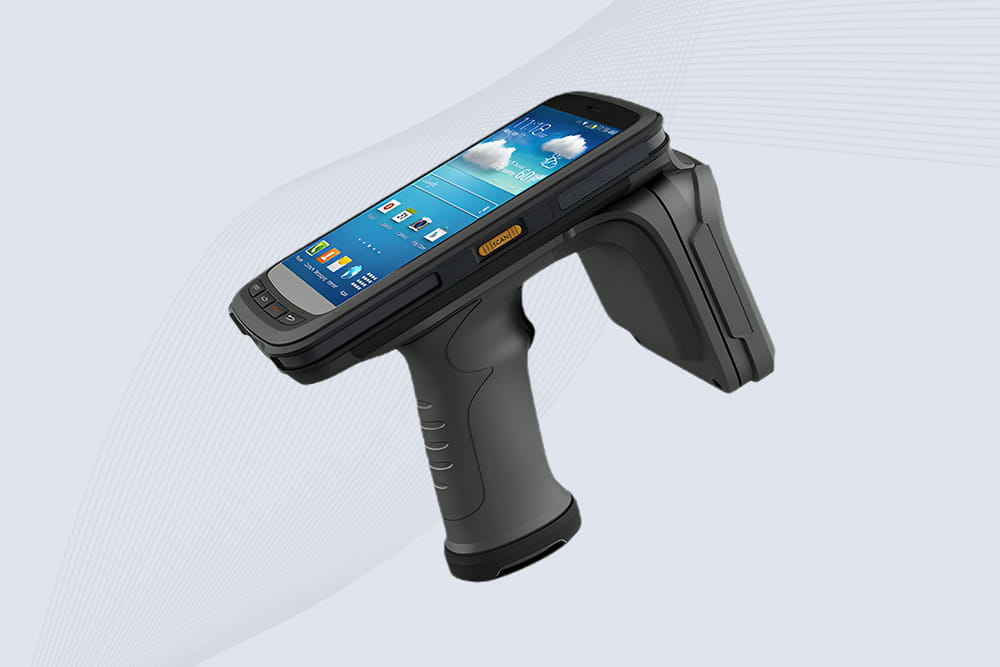
Cykeo CYKEO-B2 industrial UHF RFID handheld Scanner offers 10m range, 500 tags/sec scanning, Android 11 OS, and IP65 rugged design for retail/warehouse/manufacturing.
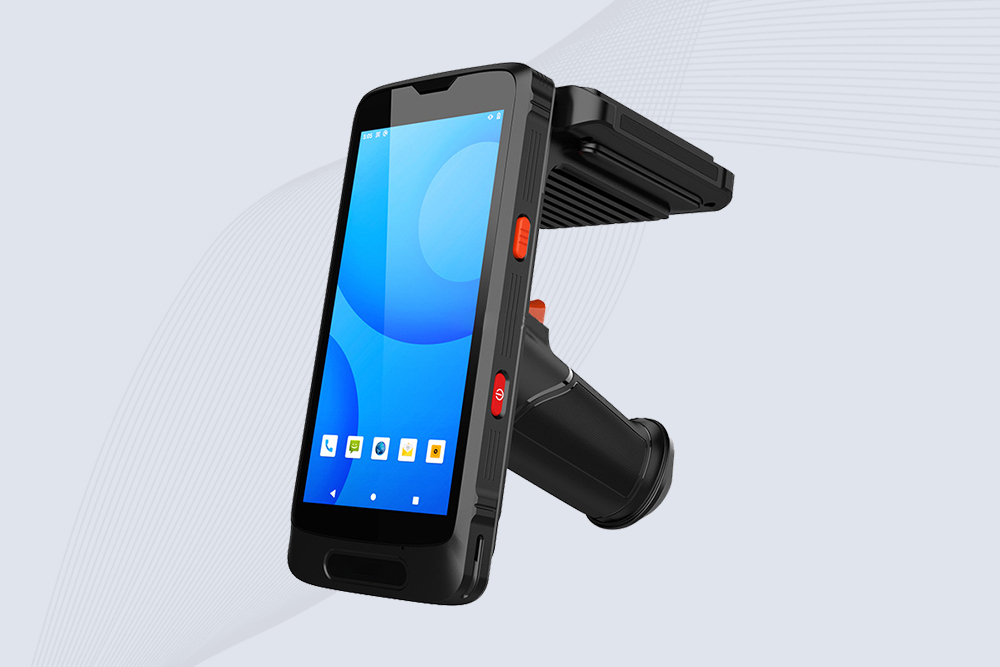
Cykeo CYKEO-B3 industrial RFID Reader Handheld, terminal offers 2m read range, multi-protocol scanning (NFC/barcode/ID), Android 10 OS, and IP65 ruggedness for logistics/retail/manufacturing.
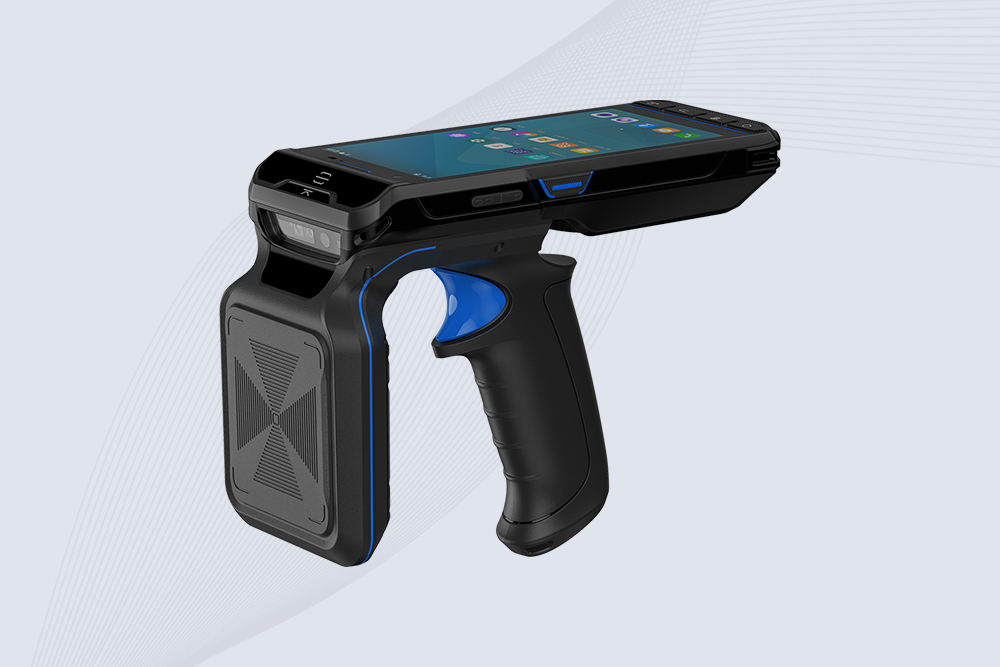
Cykeo CYKEO-B3L industrial handheld UHF RFID Reader terminal features 20m read range, 500 tags/sec scanning, Android 13 OS, 12-hour battery for logistics/retail/manufacturing. Supports barcode/NFC/ID reading.
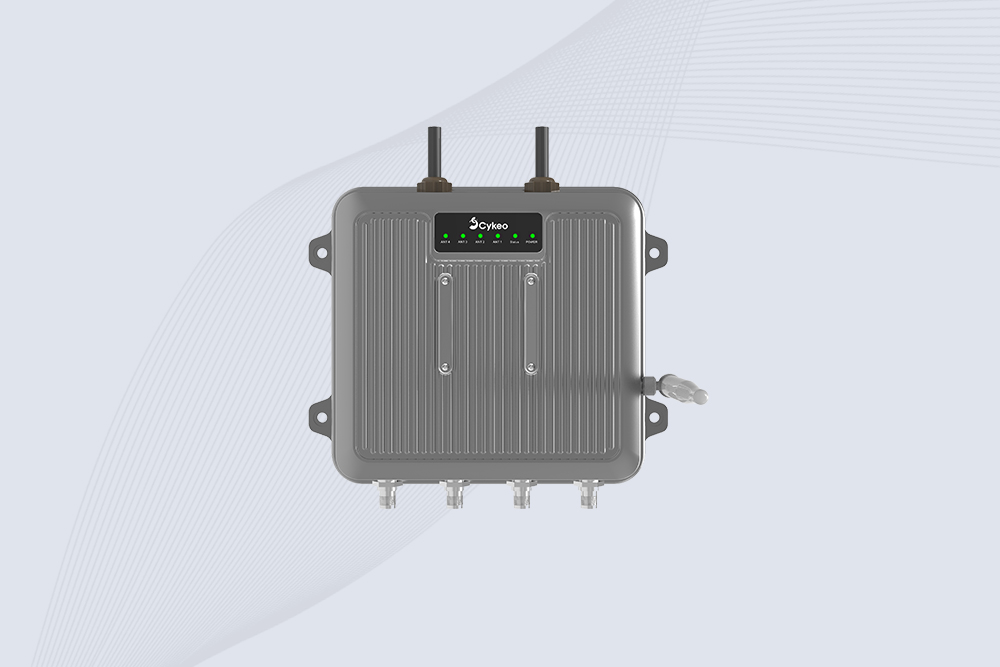
Cykeo CYKEO-C1 industrial Forklift RFID Reader features 20m read range, 600 tags/sec scanning, Impinj R2000 chipset, and IP67 rugged design. Ideal for warehouse logistics and manufacturing. Supports ISO 18000-6C/6B protocols.
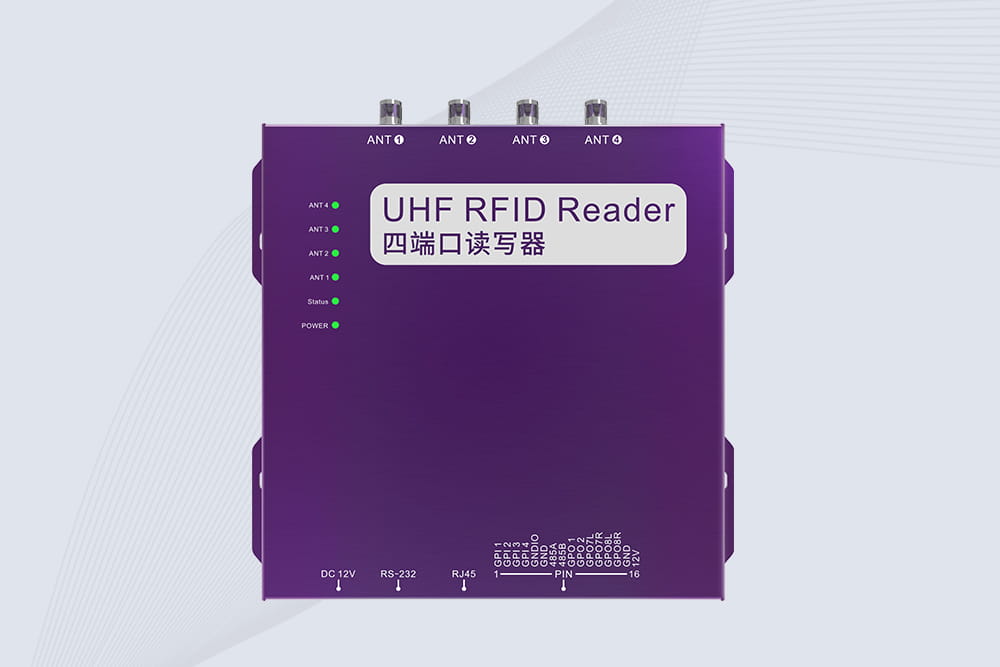
Cykeo CYKEO-R4 industrial UHF RFID Fixed Reader features 4 TNC ports, 400+ tags/sec speed, IP67 housing, and global frequency compliance for vehicle inspection, smart warehouse, and asset management systems.
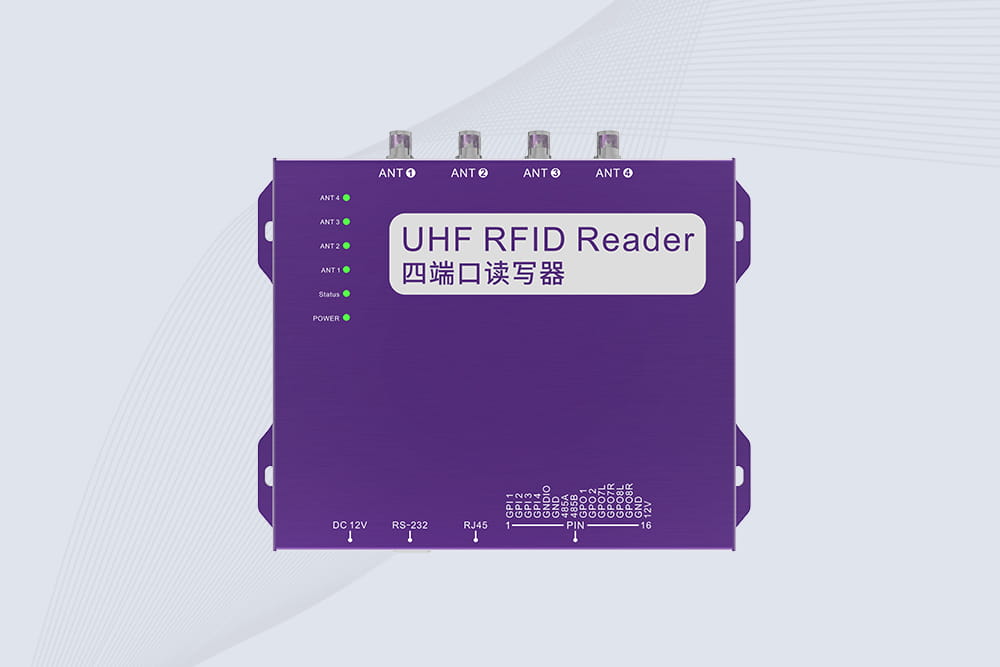
Cykeo’s CYKEO-R4L 4-port Fixed UHF RFID Reader delivers 400 tags/sec scanning, ISO 18000-6C compliance, and IP65 protection. Ideal for warehouse automation, manufacturing WIP tracking, and logistics management.
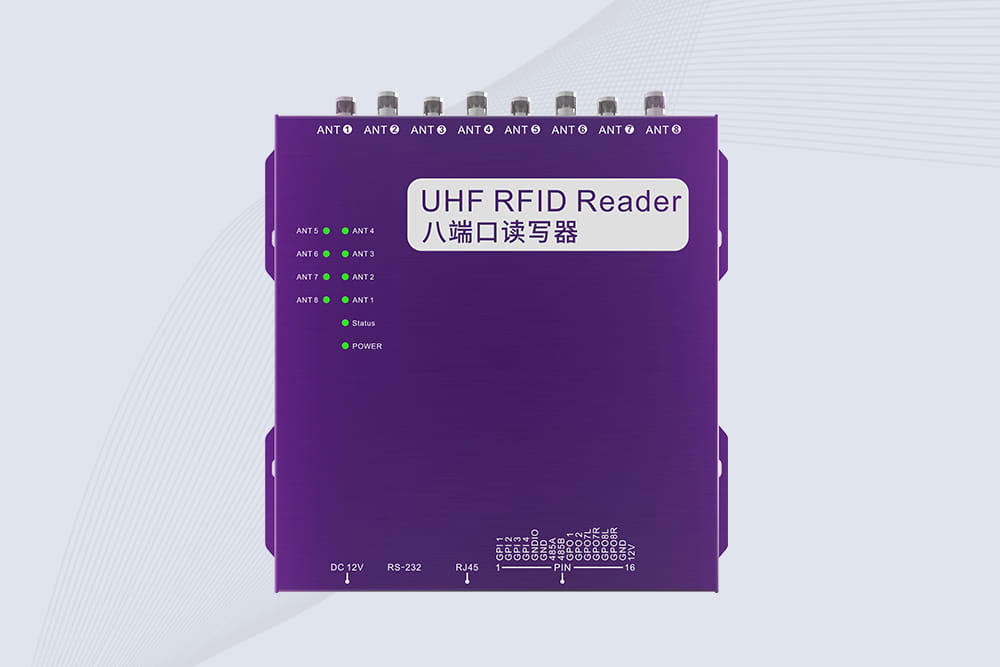
CYKEO CYKEO-R8L Fixed RFID Reader with 8-port UHF design, Impinj-based RF core and up to 20m read range. An industrial Fixed RFID Reader for vehicle inspection, warehouse portals, smart manufacturing lines and secure access checkpoints.
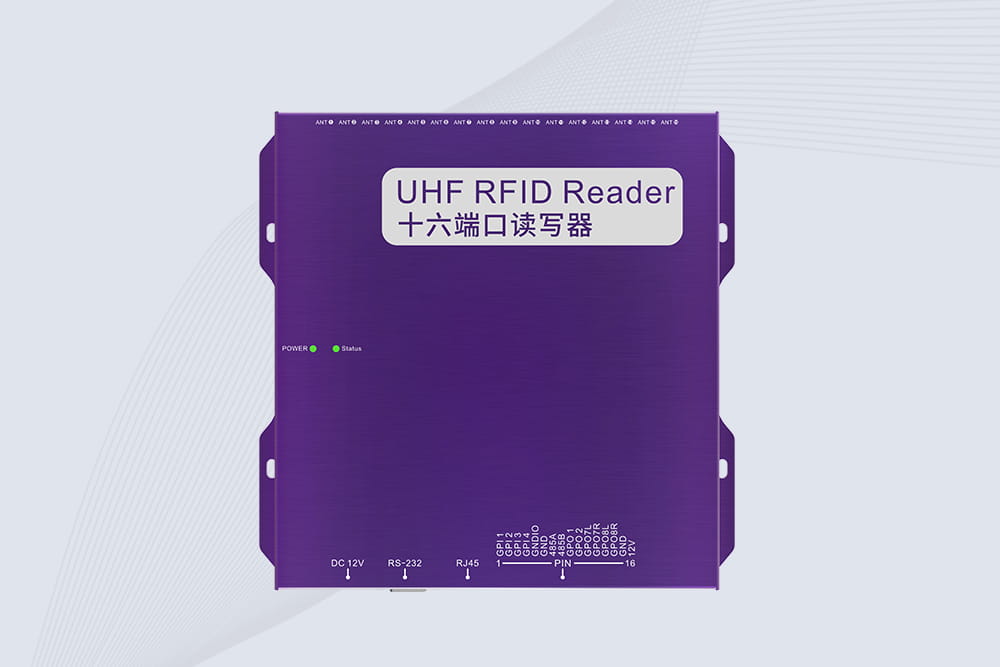
RFID Fixed Reader from CYKEO – the CYKEO-R16L 16-port UHF fixed reader for warehouses, smart cabinets, and production lines. Long-range, multi-tag reading, stable performance for 24/7 industrial use.

Learn how to track tools and equipment using RFID technology. Improve visibility, automate tool management, reduce losses, and achieve real-time inventory control with Cykeo RFID solutions.
More
Improve supply asset tracking system efficiency with Cykeo RFID solutions. Track supplies in real time, reduce manual inventory work, and optimize asset control.
More
Looking for RFID for phones? Learn what smartphones can really do, where they fail, and how CYKEO readers turn phones into RFID tools.
More
Considering an RFID solution medical? Learn how healthcare systems use RFID to track equipment, ensure compliance, and reduce operational costs.
More