Custom Fixed-Mount Readers for OEM and Industrial Projects
Most RFID projects don’t fail because the tags don’t work. They fail because the reader was never designed for the place it had to live — a vibrating forklift, a dusty conveyor tunnel, a smart cabinet with 40 mm of spare room. That gap is exactly where custom fixed-mount readers earn their keep.
This guide is written for two groups: OEM engineers who need to embed UHF RFID into their own equipment, and integrators who have to make a reader survive an industrial site. Both care about the same three things — read performance, integration effort, and what happens when something breaks.
What Counts as a Custom Fixed-Mount Reader
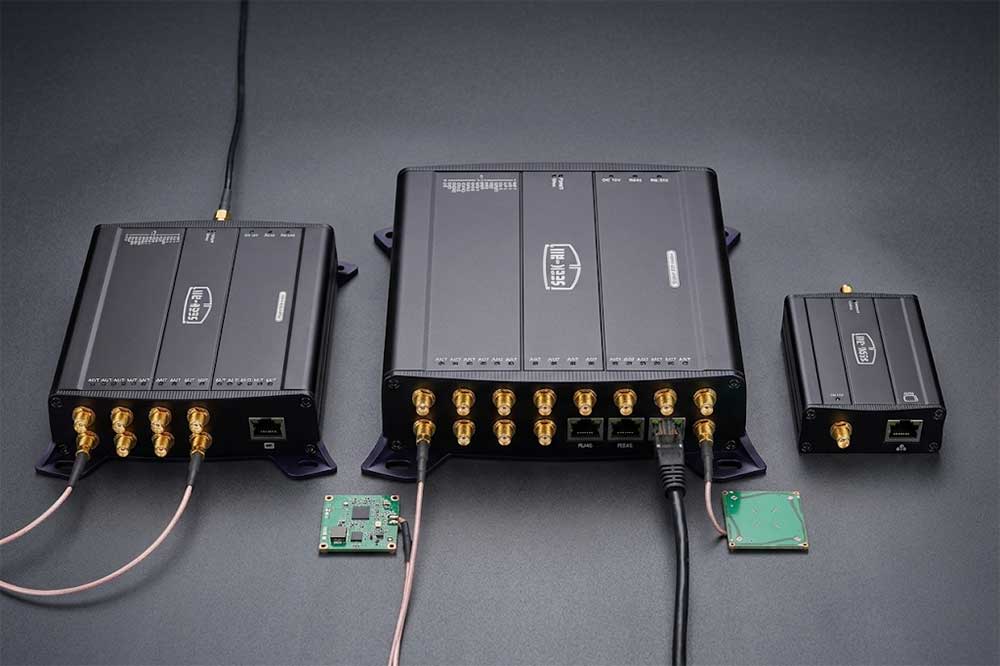
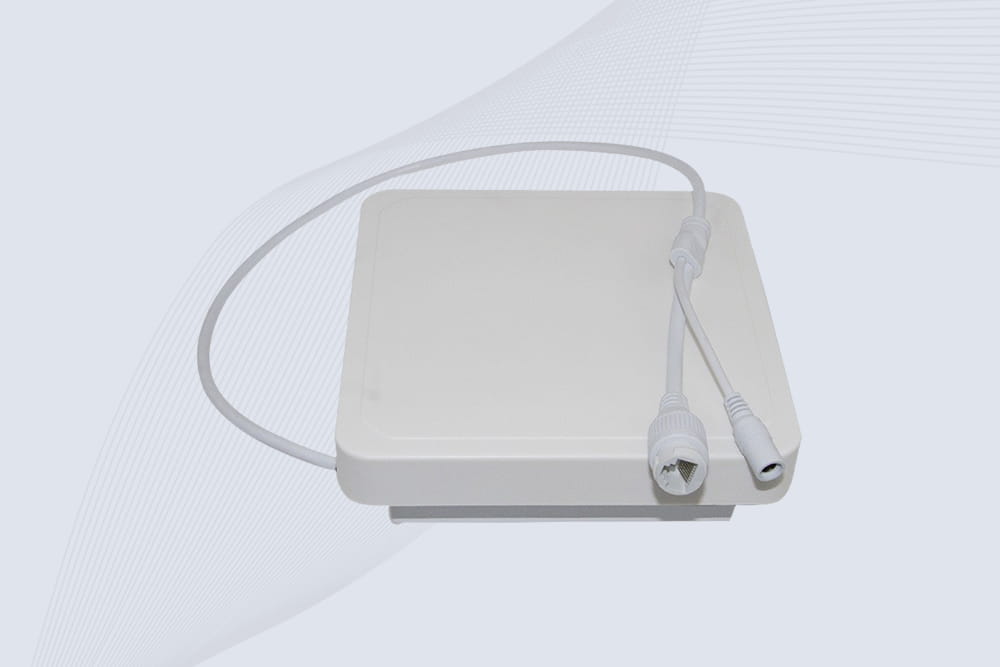
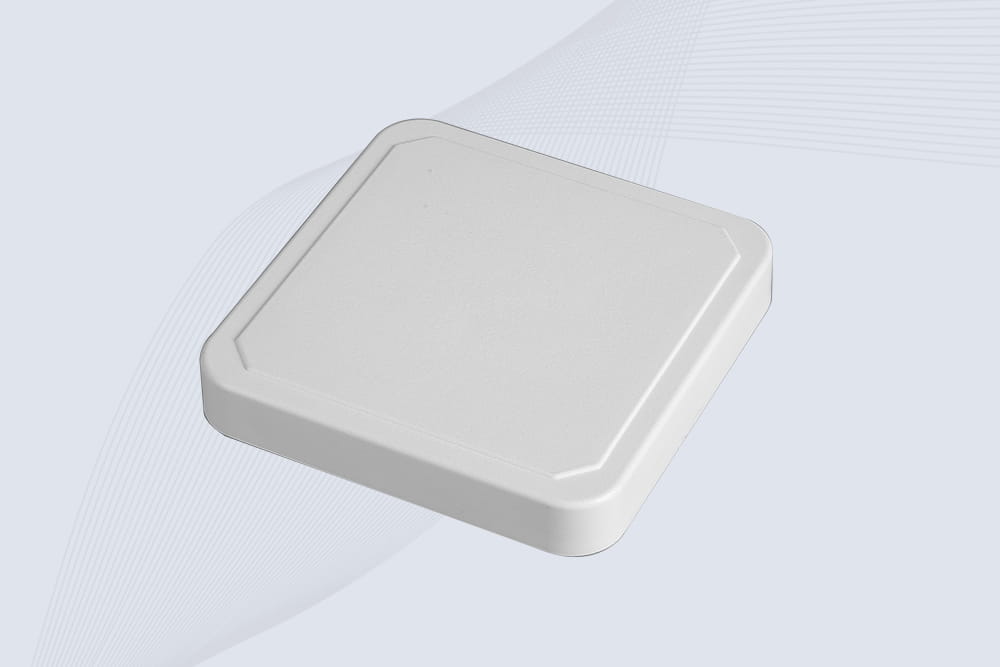
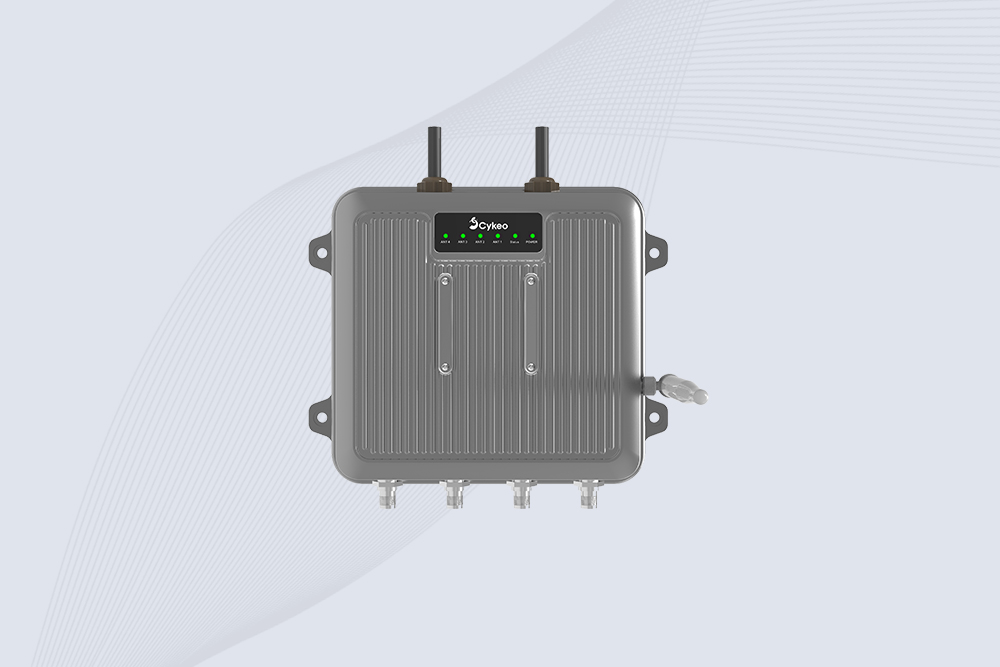
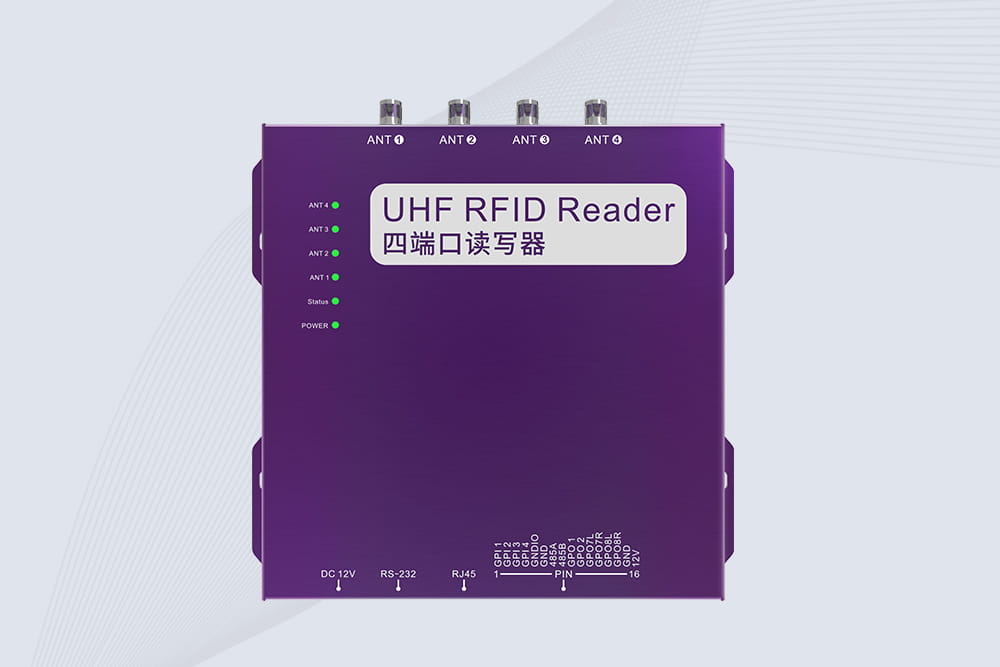
A fixed-mount reader is a self-contained UHF RFID unit with its own processor, firmware and housing. You mount it, wire it, and it reads EPC Gen2 (ISO 18000-6C) tags all day. An off-the-shelf model works fine for a standard doorway. It stops working fine the moment your project deviates from the catalogue.
Customization covers four practical layers:
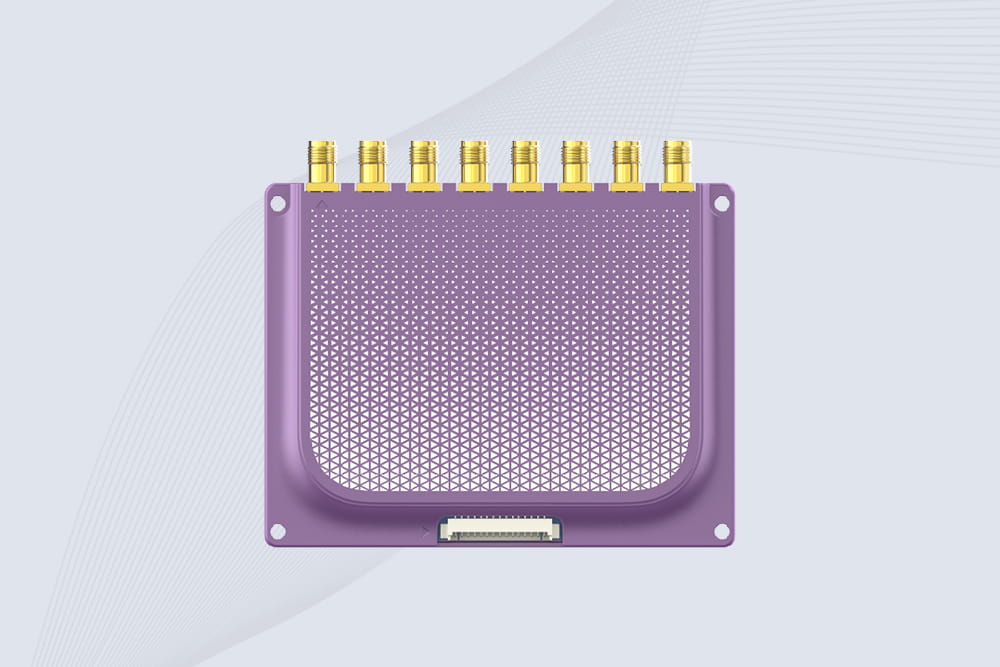
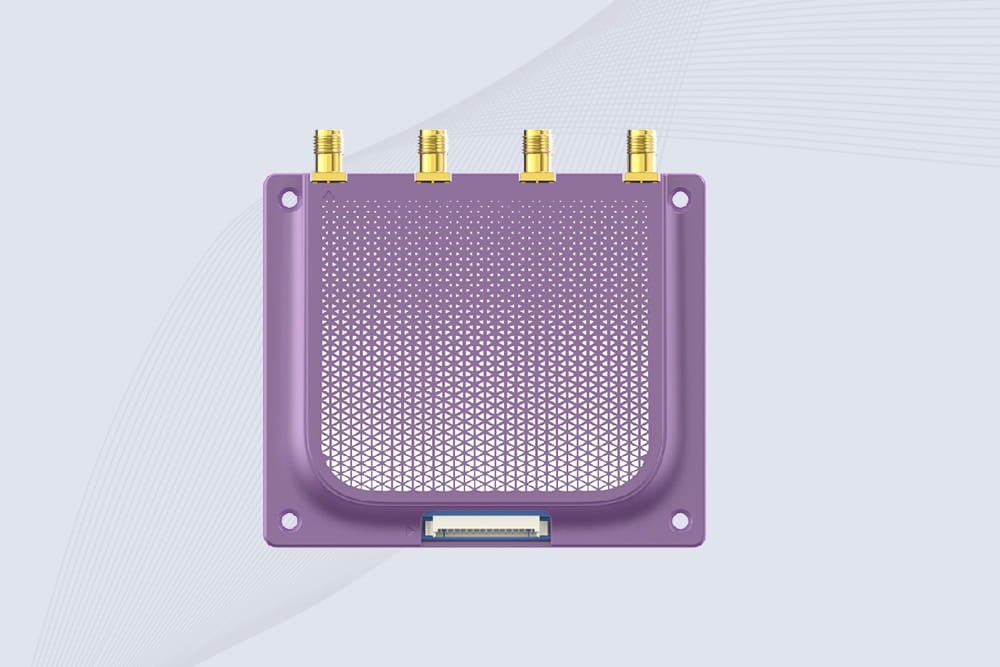
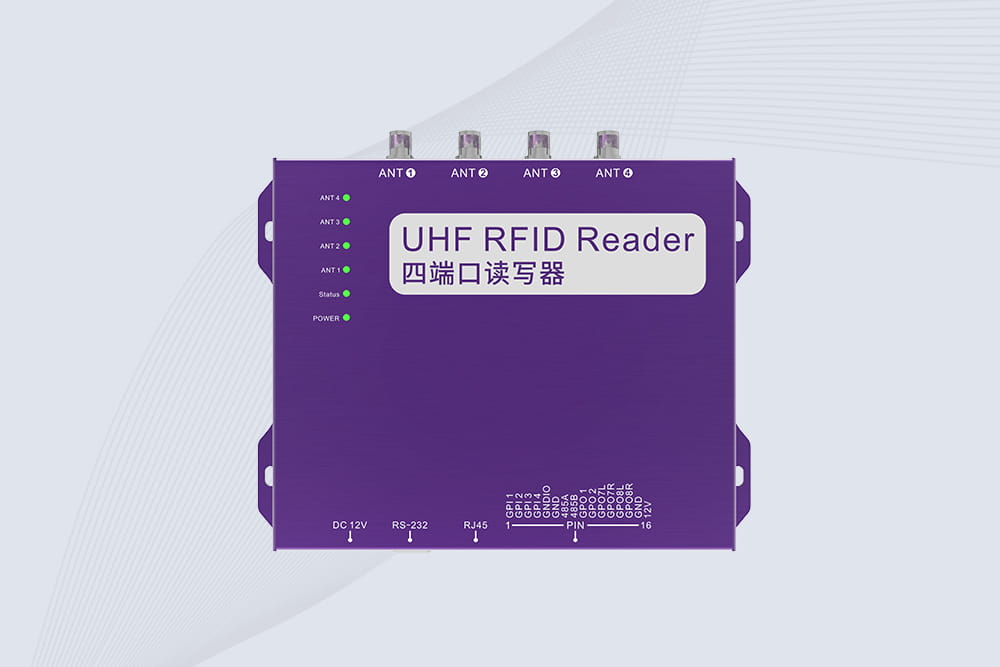
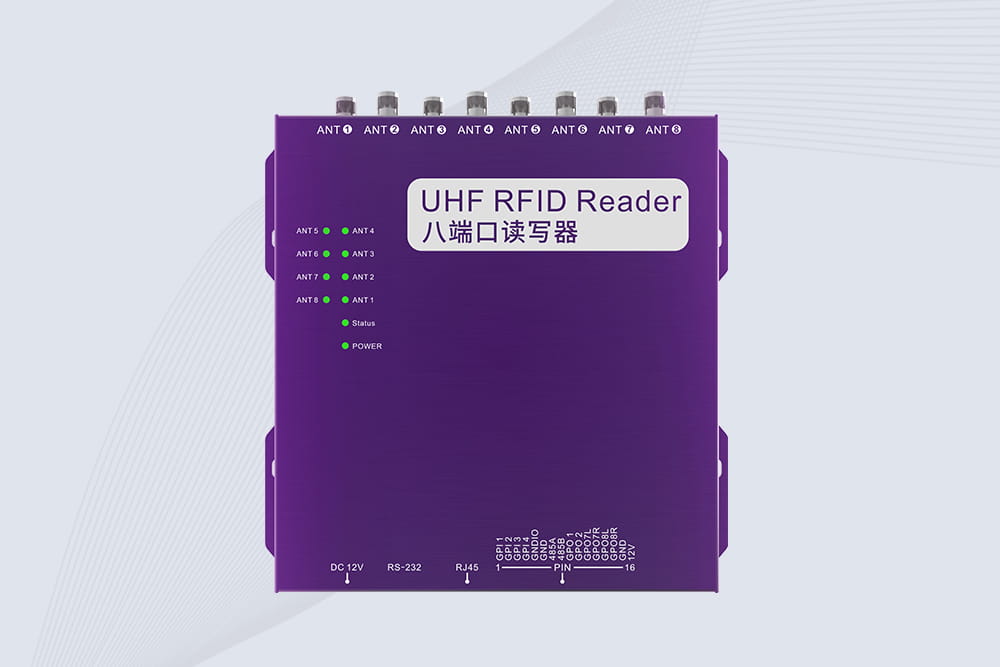
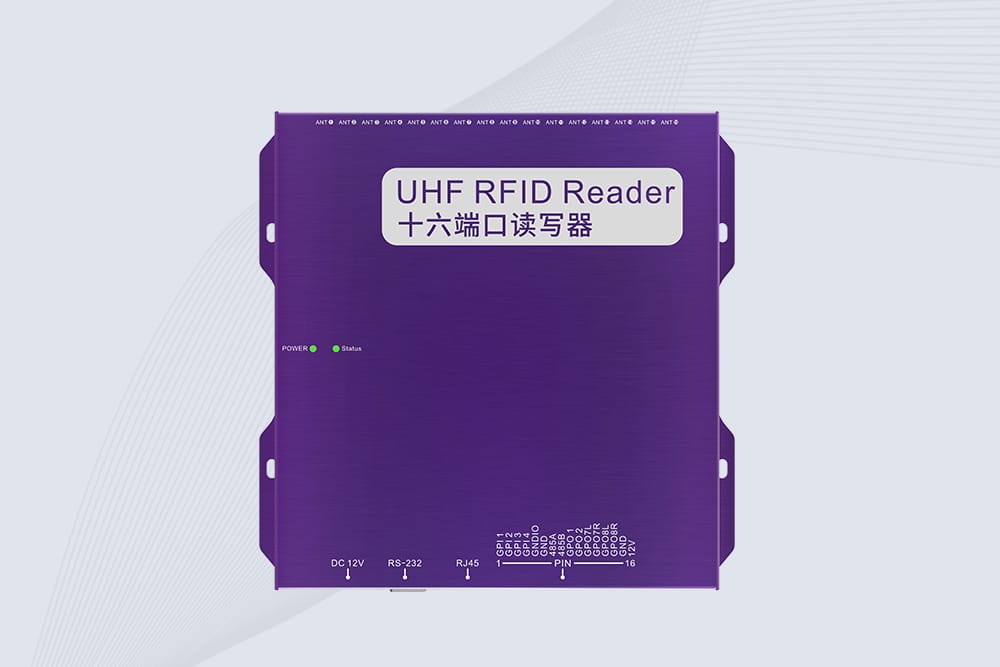
RF hardware: antenna port count (4, 8 or 16 SMA/TNC ports), output power up to 33 dBm, and regional frequency certification for 865–928 MHz deployments.
Mechanical design: housing material, IP rating (IP65 to IP67), mounting points, and dimensions that fit your enclosure instead of fighting it.
Interfaces: Ethernet, RS232, RS485, GPIO, Wiegand or PoE — matched to how the rest of your system actually talks.
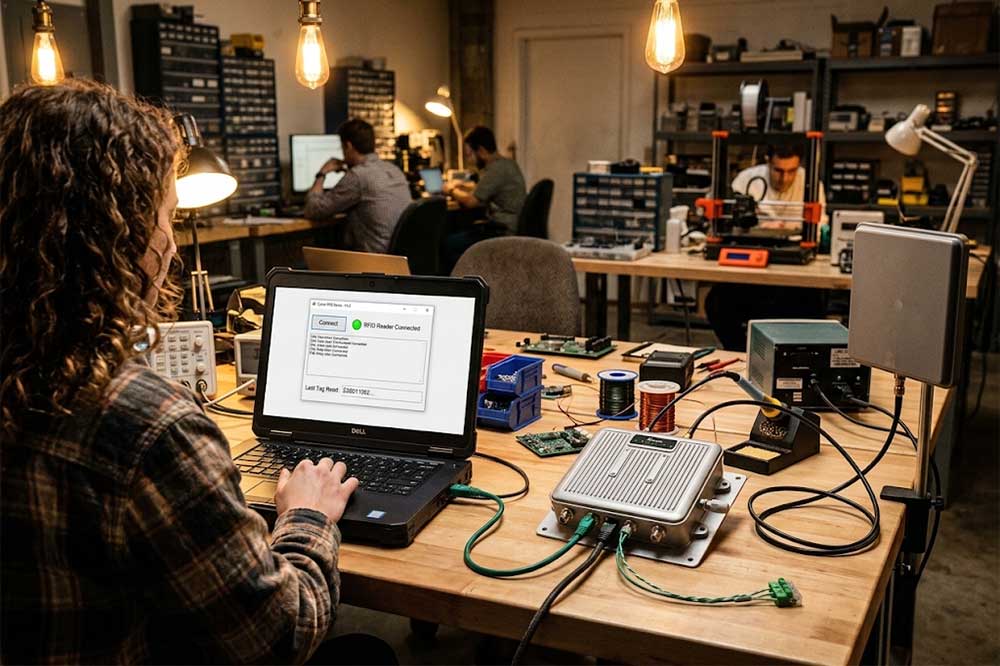
Firmware and SDK: buffering logic, tag filtering, trigger modes, and a Java/C# SDK you can call from your own WMS, MES or ERP.
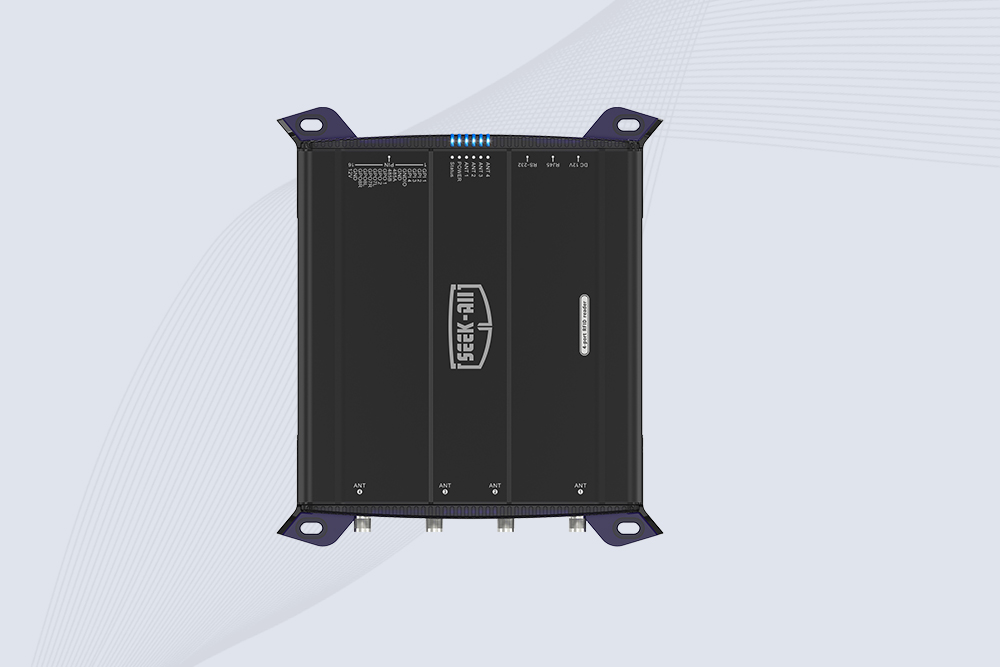
A true custom fixed-mount reader changes at least two of those layers. If a supplier only changes the sticker, it’s a reseller, not a manufacturer. One quick check before you commit: ask whether their readers run on the Impinj R2000 chipset and whether they’ll show you the SDK documentation before you sign anything. Our fixed-mount reader category lists the current baseline models that customization starts from — the 4-port, 8-port and 16-port families each serve a different antenna budget.
Where Customization Actually Matters
OEM Equipment Integration
If you build smart cabinets, AGVs, sorting machines or medical storage units, the reader disappears inside your product. Here size, mounting holes and interface matter more than raw range. An 8-port board with an Impinj R2000 core at 600+ tags/second gives you headroom for multi-antenna cabinets without redesigning anything when the customer asks for one more compartment.
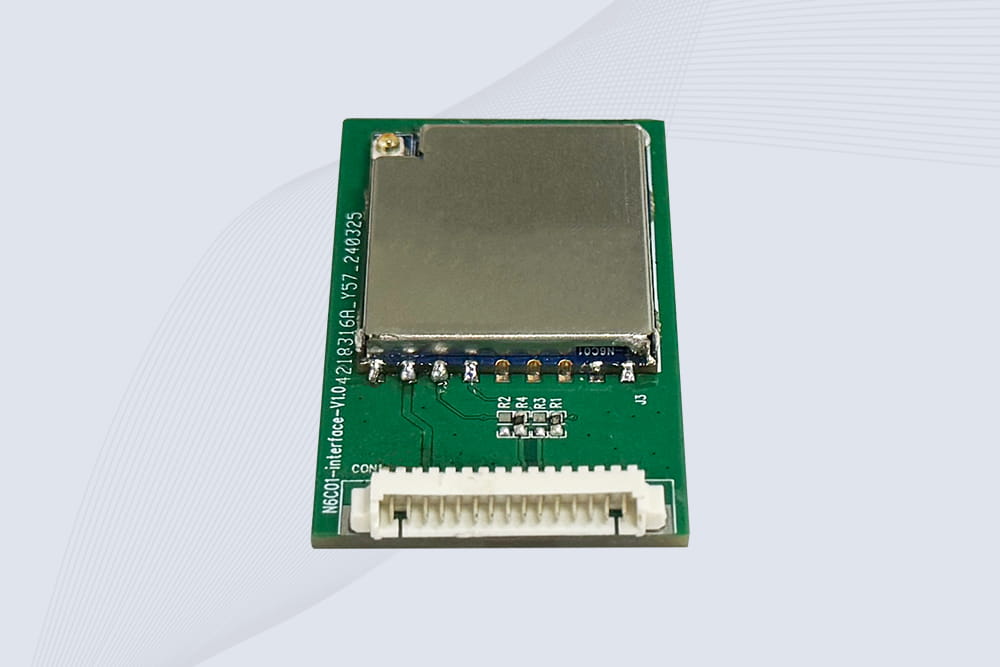
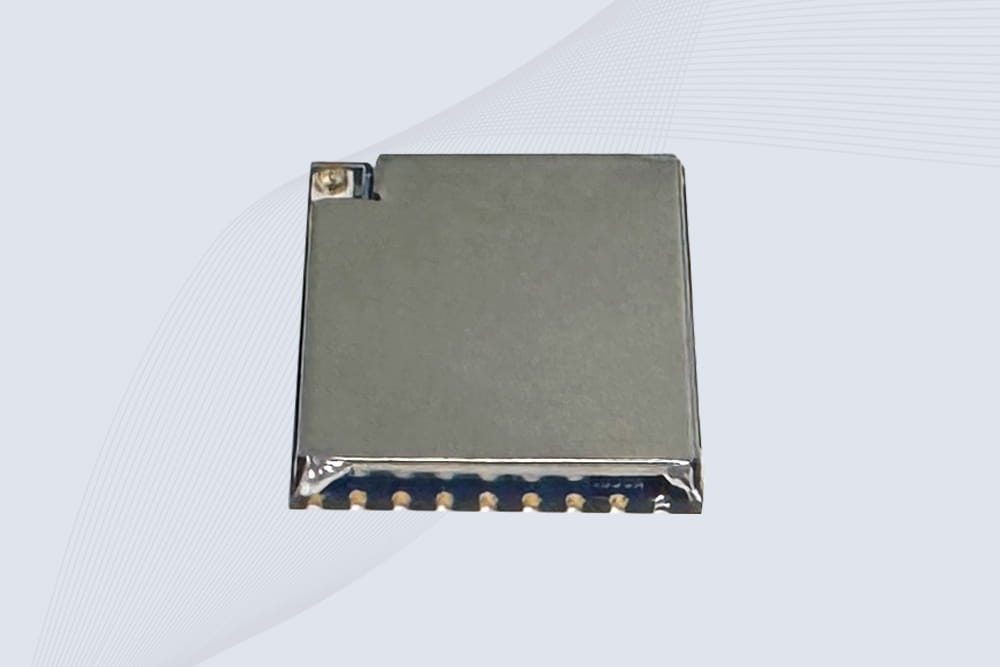
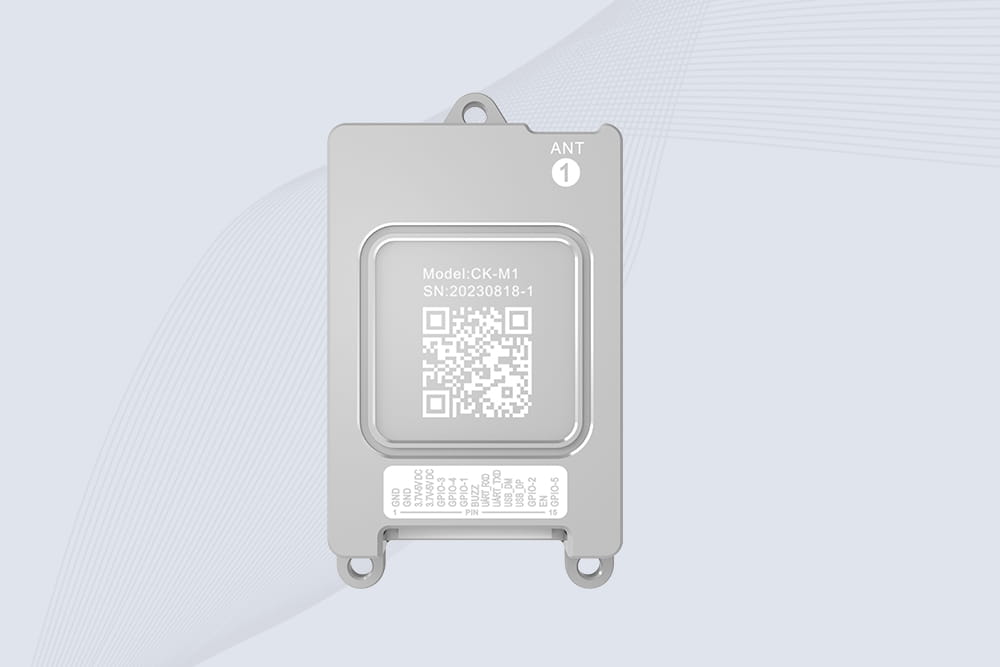
For projects where the reader must be even smaller, the sensible path is stepping down to a module instead of forcing a housed unit into your enclosure. We cover that trade-off separately in our RFID modules category, which is worth reading before you freeze your mechanical design.
Forklift and AGV Identification
Forklifts destroy electronics. Constant shock, 12/24 V dirty power, washdown cycles. A reader built for a rack-mounted cabinet won’t last a quarter there. The CYKEO-C1 industrial forklift reader was built around this reality: IP67 housing, vibration tolerance, 20 m read range and roughly 600 tags/second, so a pallet is identified the moment the forks enter the rack — not after the driver stops and waits.
Conveyor, Tunnel and Portal Checkpoints
High-throughput lines need multiple antennas phased around the read zone. This is where port count pays for itself: a 16-port unit like the SSD-R16L 16-port fixed UHF RFID reader lets you cover a 2.4 m portal from a single reader instead of synchronizing four separate boxes over the network. Fewer boxes, fewer failure points, one firmware to manage. Pairing the reader with the right gain antenna is half the design work — start from our RFID antennas category and match 6 dBi panels for close-range tunnels against 9–12 dBi units for portal faces.
Specifying the Reader: A Short Checklist
Write these six answers down before you request a quote. Vendors who ask you for them are the ones who’ve shipped real projects.
Read zone geometry: portal width, conveyor height, antenna mounting distance.
Tag population: how many tags per second, dense or sparse, any metallic packaging nearby.
Environment: temperature range, dust, moisture, washdown — this sets the IP rating for you.
Host side: is the reader talking to a PLC (GPIO/Wiegand), a local edge box (RS485/RS232) or a server (Ethernet/HTTP)?
Power: can you run PoE, or is 12–24 V DC the only thing at the mount point?
Certification: destination market (EU, US, GCC) determines the frequency band you must ship with.
One trap worth naming: teams often overspec output power to “solve” a weak read zone. Above a certain point more power just creates multipath reflections and tag collisions. A better antenna placement or a different polarization usually fixes what brute-force dBm cannot.
Integration Cost: The Part Nobody Quotes
The reader’s price is maybe a third of the project cost. The rest hides in engineering hours, and that’s where the SDK decision bites hardest.
A reader with a documented Java and C# SDK, sample code and stable firmware commands can be integrated in days. A reader that only speaks a proprietary serial protocol will cost you a week of reverse engineering — and then again on every firmware update. When you evaluate custom fixed-mount readers, ask the supplier for:
SDK packages for your actual stack (Java, C#, and ideally an HTTP/MQTT path for modern edge setups)
Demo firmware that shows GPIO trigger behaviour, not just a GUI
Firmware customization in writing: who builds it, how it ships, how versioning works
A clear ODM process for enclosure and interface changes, with lead times
This is also why buying from the manufacturer matters. When the firmware team and the hardware team sit in the same building, a custom trigger mode is a two-week conversation. Through a trading company, it’s a two-month email thread. The full fixed-mount reader lineup is worth a scan for exactly this reason — the spec sheets are complete enough to pre-filter before the first call.
From Prototype to Production
A workable OEM rollout looks like this:
Sample stage: test the standard model (for example the 4-port R4) in your worst-case environment, not the best one.
Definition stage: lock antenna count, interfaces, IP rating and firmware behaviours into a spec sheet both sides sign.
Validation stage: small batch, your own production line, measure tag read rates against the target — 400–600+ tags/second is the range these units are built for.
Scale stage: standardize the SKB (stock keeping build), agree on firmware change control, and set up a spare-unit policy before volume shipments.
Skipping stage 1 to save a month is the most expensive shortcut in this industry. The tag you didn’t test near the liquid-filled bottle will find you during customer acceptance.
Common Questions, Answered Honestly
Can I get a custom frequency band for my market? Yes, if the manufacturer holds the certifications. UHF bands run 865–868 MHz in Europe, 902–928 MHz in the US and 920–925 MHz in much of Asia. Confirm in writing which band the firmware ships with and whether one SKU can be region-switched.
How long does an OEM customization cycle take? Firmware and interface tweaks: 2–4 weeks. Housing modifications: 4–8 weeks including tooling. Anything touching RF design needs a new validation pass, so budget realistically and get the milestone list in the contract.
Fixed-mount reader or reader module — which one for my device? If your product has room, needs certification already done and wants a maintenance-friendly unit, go fixed-mount. If you’re designing a compact handheld or an embedded terminal and your team can handle RF layout, a module cuts unit cost and size. Compare the two directly in our RFID modules category before committing.
What support should I expect after delivery? At minimum: SDK updates, firmware fixes, a named technical contact, and spare parts availability for the product’s lifecycle. If a supplier can’t tell you how long the current model will stay in production, assume two years and plan your redesign accordingly.
Custom fixed-mount readers are not a luxury item — they’re what happens when the project site refuses to match the catalogue. Start from a complete baseline model, define your deviations precisely, and work with a manufacturer who lets you read the SDK before you pay. The rest is fieldwork.
FAQ
Q1: Can I get a custom frequency band for my market? Yes, if the manufacturer holds the certifications. UHF bands run 865–868 MHz in Europe, 902–928 MHz in the US and 920–925 MHz in much of Asia. Confirm in writing which band the firmware ships with and whether one SKU can be region-switched.
Q2: How long does an OEM customization cycle take? Firmware and interface tweaks take 2–4 weeks; housing modifications take 4–8 weeks including tooling. Any change to the RF design requires a new validation pass, so get a written milestone list into the contract.
Q3: Fixed-mount reader or reader module — which one for my device? Choose a fixed-mount reader when you need a certified, maintenance-friendly unit and your enclosure has room. Choose a module when designing compact embedded devices and your team can handle RF layout — unit cost and size drop, engineering effort rises.
Q4: What after-sales support should I expect from a fixed-mount reader supplier? SDK updates, firmware fixes, a named technical contact, and spare-part availability across the product lifecycle. If a supplier cannot state the production lifespan of the current model, plan around a two-year horizon.
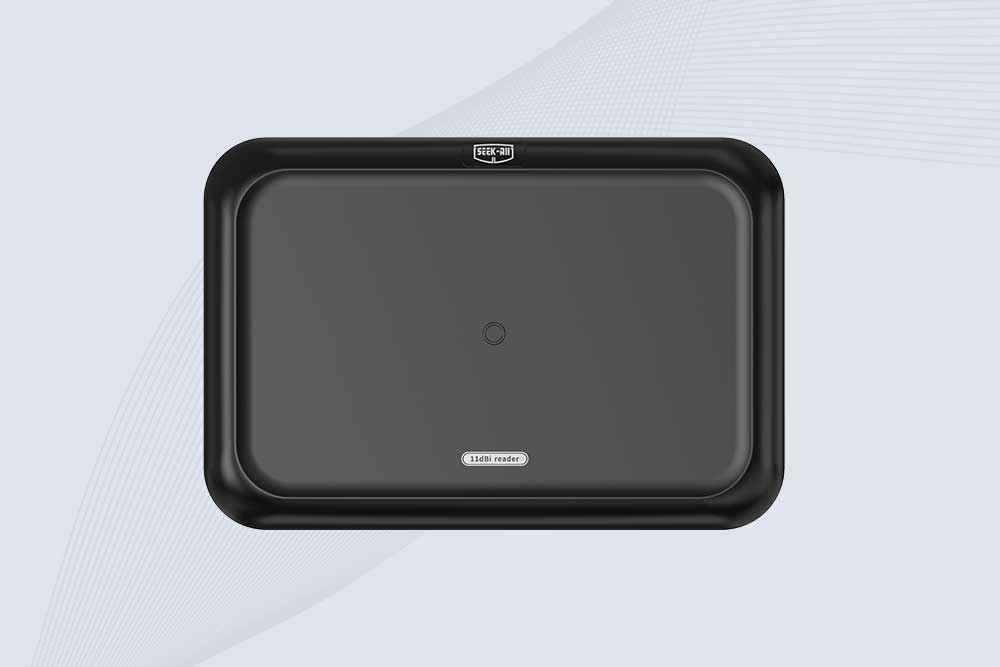
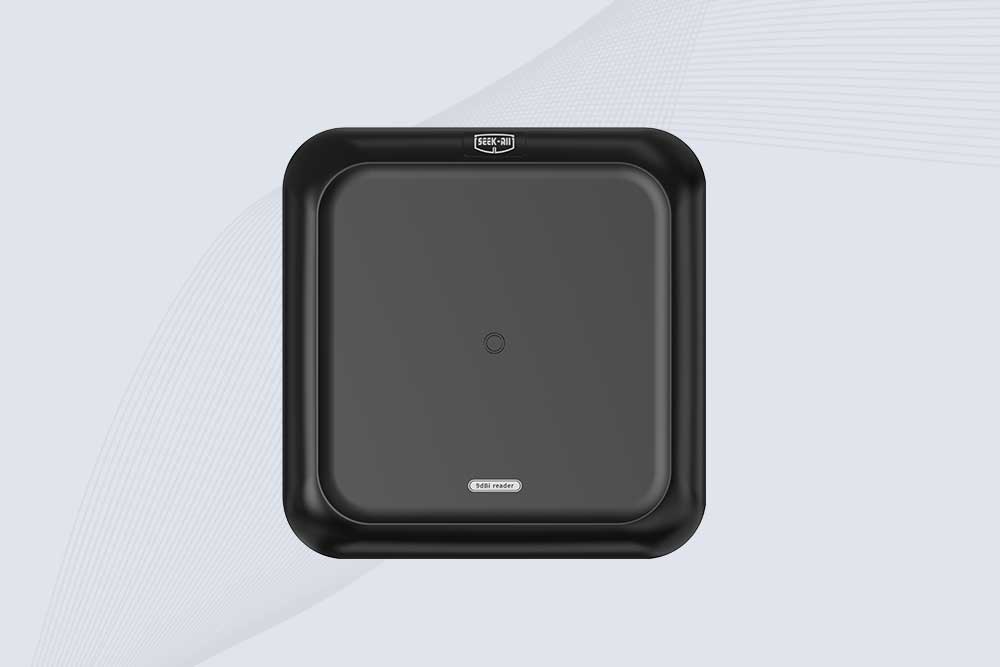
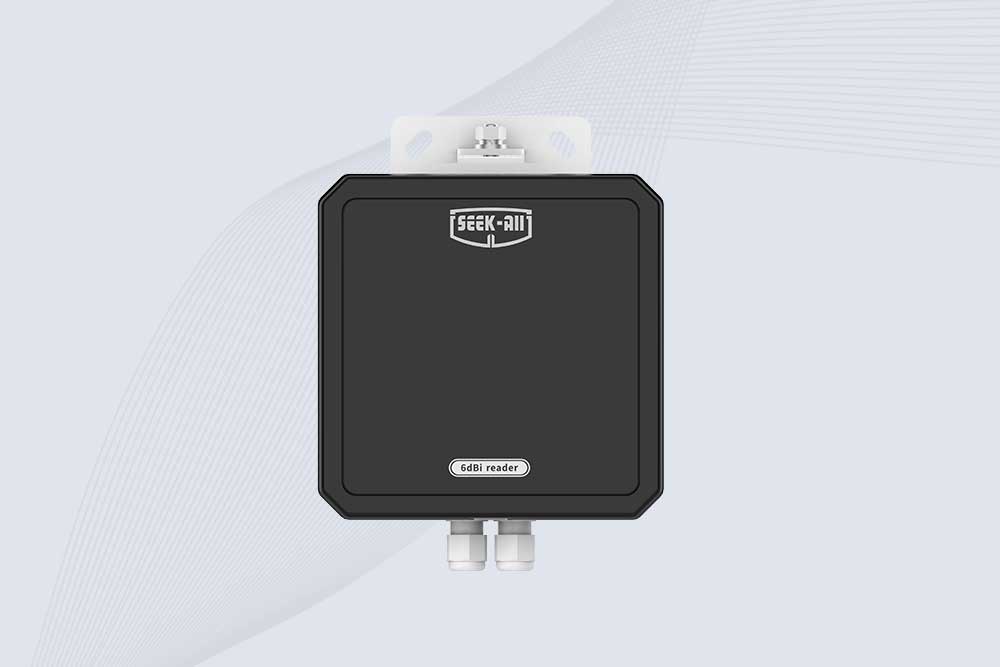
SSD-RA06L is an industrial UHF RFID reader with a built-in 6 dBi antenna, 3 m read range, 600+ tags/s, Ethernet, RS232, and optional Wi-Fi, 4G, and PoE.
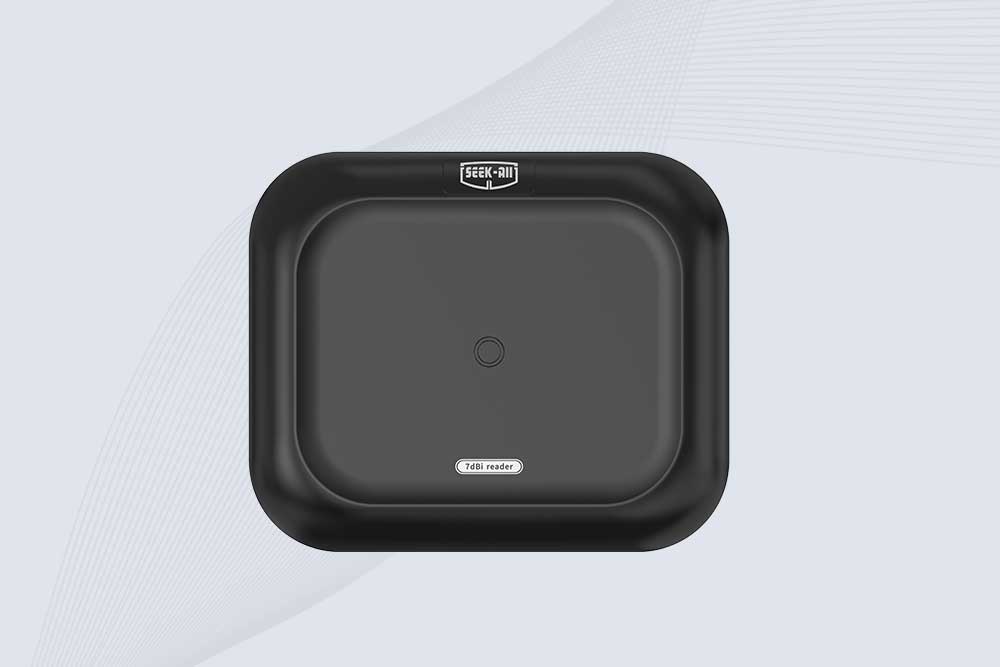
SSD-RA07L industrial UHF RFID reader with integrated 7 dBi antenna, up to 6 m reading distance, over 600 tags/s, Ethernet, RS232, and optional Wi-Fi, 4G, and PoE.
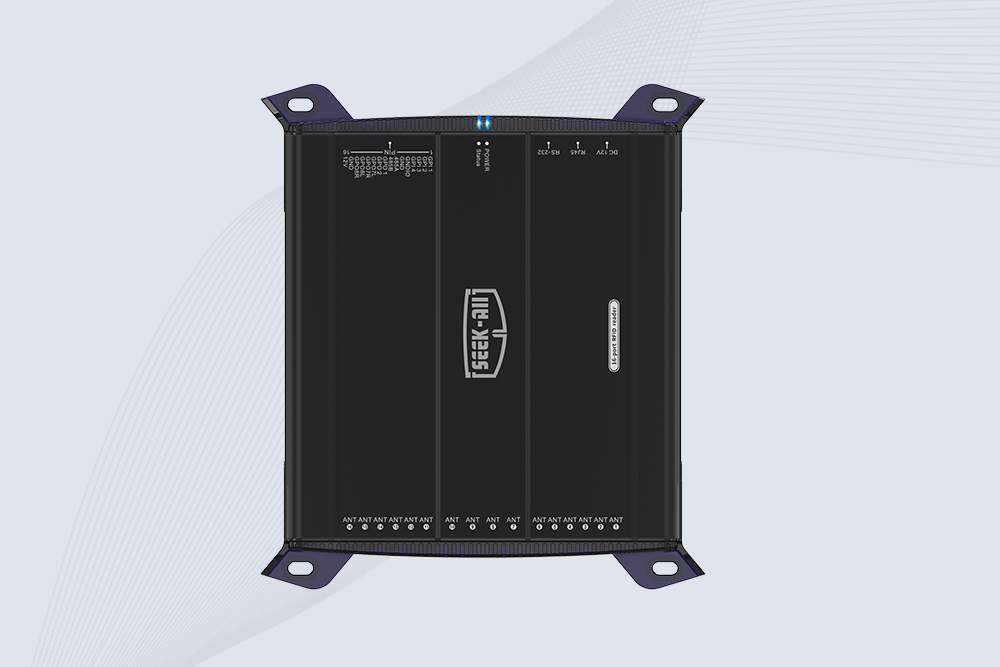
SSD-R16L Multi-Channel RFID Infrastructure for Automated Inventory Management ✔️ 16-Port High-Density RFID Reading Equipped with 16 SMA antenna ports, SSD-R16L supports multi-antenna deployment for warehouses, retail stores, logistics, production lines, and large-area RFID identification. ✔️ High-Speed & Long-Range Performance With up to 33…
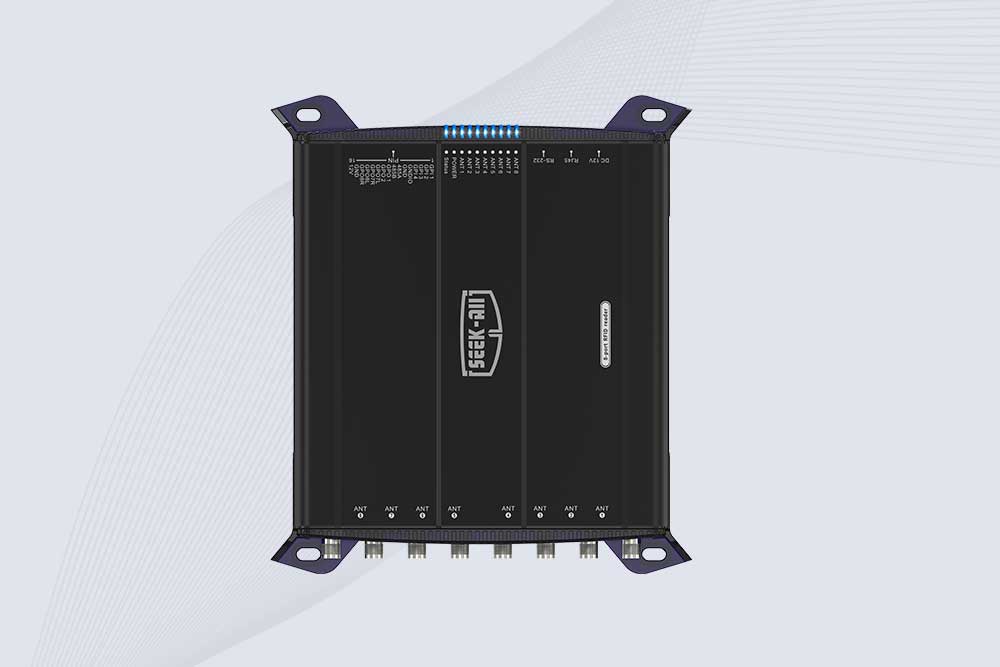
SSD-R8L 8-port UHF RFID reader with 33dBm output, up to 20m reading range and 600+ tags/s recognition. Ideal for warehouse, logistics, retail and asset tracking.
CYKEO Embedded RFID Modules are designed for compact industrial and IoT devices that require stable UHF performance. These UHF RFID Modules support global protocols, flexible power control, and reliable multi-tag reading for smart cabinets, production lines, and asset tracking systems.
CYKEO Embedded RFID Module is built for compact IoT and industrial devices that need stable UHF performance. This UHF module supports global protocols, low power operation, and reliable multi-tag reading for smart lockers, production lines, and always-on RFID systems.
CYKEO CYKEO-M1 drone rfid module is a compact UHF RFID reader module designed for drones and UAV platforms. It supports long-range aerial scanning, fast multi-tag reading, and stable performance in wind, vibration, and outdoor environments.
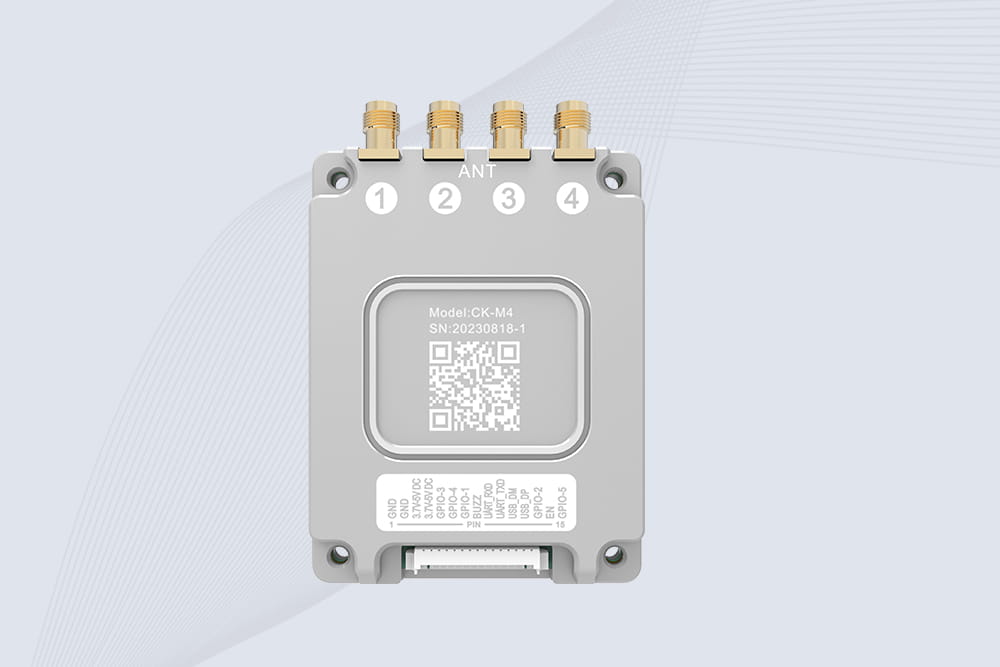
CYKEO CYKEO-M4 RC522 RFID Module is an industrial-grade UHF RFID reader with 4 ports, supporting ISO, EPC, and GB protocols. High-speed, accurate reading for IoT, automation, and warehouse applications.
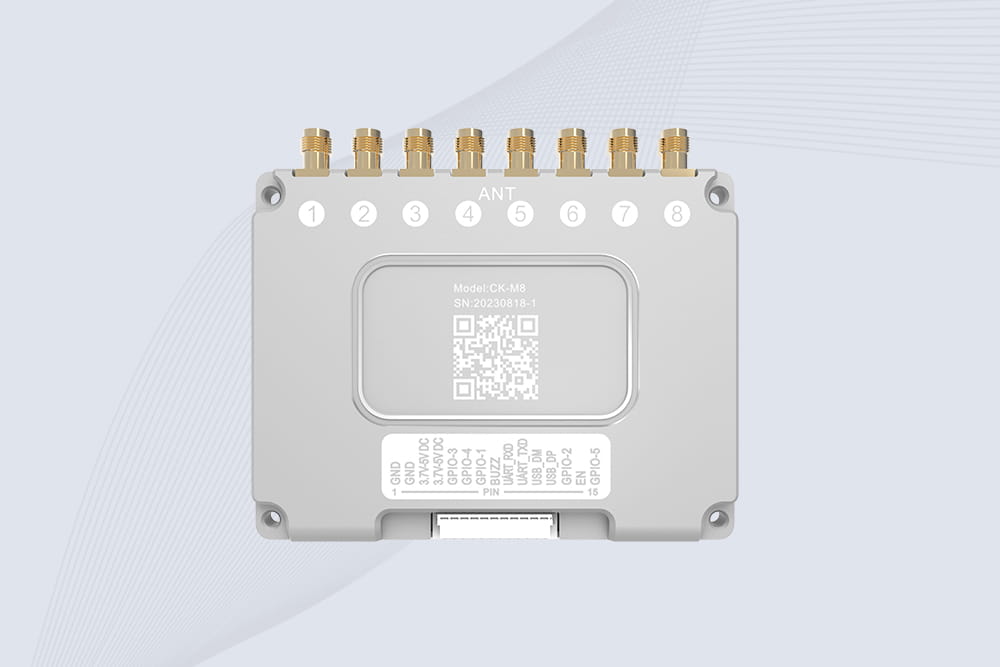
CYKEO CYKEO-M8 Module RFID is an 8-port UHF R2000 RFID Module designed for high-density, multi-tag environments. Stable 33dBm output, ISO & GB protocol support, ideal for warehouses, factories, and automated systems.
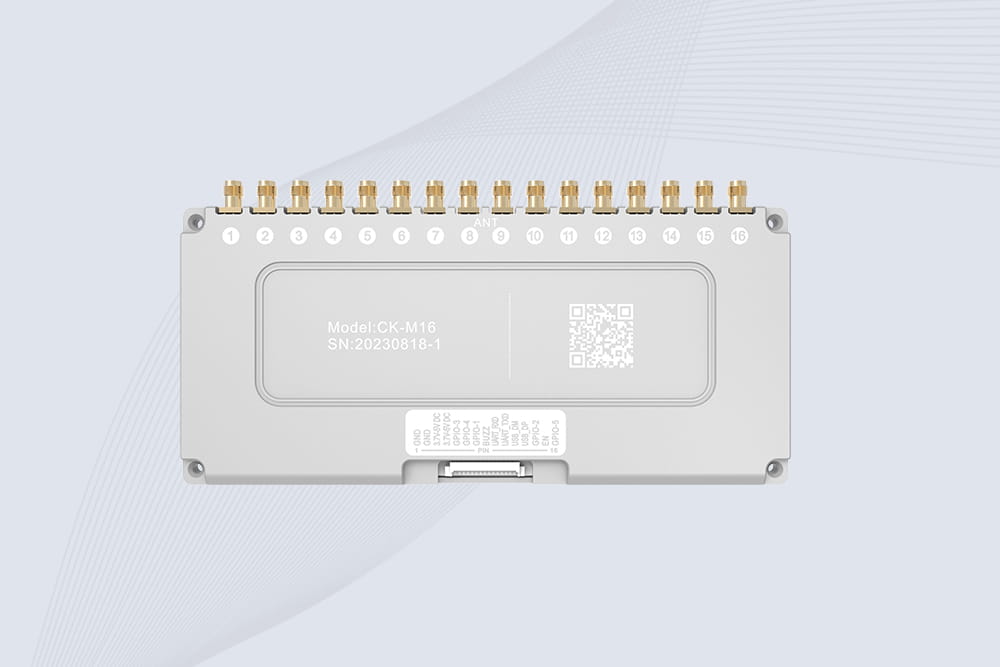
CYKEO CYKEO-M16 RFID Module is a 16-port UHF RFID reader module based on the R2000 chipset. Designed for dense tag environments, it supports ISO and GB standards and delivers stable multi-antenna control for industrial automation.
The CYKEO CYKEO-M16L RFID Reader Module is a 16-channel UHF RFID core designed for dense tag environments. With adjustable 33dBm output, multi-protocol support, and stable multi-antenna control, this RFID Tag Reader Module fits industrial automation, warehouse systems, and large-scale IoT deployments.
CYKEO CYKEO-M8L module RFID is a compact industrial UHF module built for dense tag and multi-antenna environments. With 8 RF ports, adjustable 33 dBm output, and ISO & GB protocol support, it is widely used in factories, warehouses, and automated tracking systems.
CYKEOCYKEO-M4L UHF RFID Module is a compact 4-channel RFID tag reader module designed for dense tag environments. Supporting ISO and GB protocols, it delivers stable reads up to 10 meters for industrial and IoT systems.
Cykeo’s industrial long range RFID reader delivers 20-meter scanning, 500+ tags/sec speed, and IP67 waterproof design for automated warehouses, logistics, and harsh environment applications.
Cykeo’s CYKEO-RA6L industrial RFID long range reader features 20m read distance, 500 tags/sec speed, and IP67 protection. Ideal for warehouse automation, manufacturing WIP tracking, and smart logistics. Supports ISO 18000-6C/6B protocols.
CYKEO Long Range RFID Tag Reader built for outdoor and industrial operations. This Outdoor RFID Reader delivers 20m read distance, fast tag processing, and IP67 durability for wide-area tracking.
Cykeo CYKEO-RA12L industrial Long Range RFID Reader delivers 20m read range, 200+ tags/sec scanning, and IP67 protection for manufacturing/logistics applications. Supports ISO 18000-6C/GB protocols.
Cykeo CYKEO-C1 industrial Forklift RFID Reader features 20m read range, 600 tags/sec scanning, Impinj R2000 chipset, and IP67 rugged design. Ideal for warehouse logistics and manufacturing. Supports ISO 18000-6C/6B protocols.
Cykeo CYKEO-R4 industrial UHF RFID Fixed Reader features 4 TNC ports, 400+ tags/sec speed, IP67 housing, and global frequency compliance for vehicle inspection, smart warehouse, and asset management systems.
CYKEO CYKEO-R8L Fixed RFID Reader with 8-port UHF design, Impinj-based RF core and up to 20m read range. An industrial Fixed RFID Reader for vehicle inspection, warehouse portals, smart manufacturing lines and secure access checkpoints.
RFID Fixed Reader from CYKEO – the CYKEO-R16L 16-port UHF fixed reader for warehouses, smart cabinets, and production lines. Long-range, multi-tag reading, stable performance for 24/7 industrial use.
RFID Industry Writer | IoT & Asset Tracking Analyst
James writes about RFID technology, asset tracking, and the practical challenges of digital transformation across warehousing, retail, manufacturing, and logistics.
His work focuses on how RFID is applied in real-world operations—improving inventory visibility, automating workflows, and helping businesses manage assets with greater accuracy and efficiency.
He regularly covers topics including UHF RFID, smart cabinets, RFID portals, tool tracking, warehouse automation, and industrial IoT trends..
Learn how RFID medical inventory management systems work in real hospitals. See how they reduce errors, improve visibility, and automate supply tracking.
CYKEO is a leading RFID solutions provider offering proprietary multi-function circuit boards, 99.99% scanning accuracy, 100+ design patents, and expert engineering support. Experience seamless integration, quality manufacturing, and tailored solu...
Wondering what block RFID reader means? It could be about tag memory blocks or RFID blocking technology. We explain both meanings and how they apply to your RFID system. Real guidance from CYKEO engineers.
Wondering, "Can I read RFID chips with an RF gun?" CYKEO explains how UHF RFID pistol-grip scanners work for inventory, their read range, and what tags they work with.
 Cykeo RFID IoT Solution Products R&D Manufacturer