 Cykeo RFID IoT Solution Products R&D Manufacturer
How Far Do RFID Tags Read? Real Numbers by Tag Type
292Wondering "how far do RFID tags read"? Get straight answers for LF, HF, UHF passive, and active tags. Real ranges for access control, inventory, and yard management with CYKEO.
MoreAll RFID Product
Textile rental businesses operate very differently from traditional clothing or linen sales.
Instead of shipping products once, rental companies manage textiles that continuously circulate between customers, laundry facilities, warehouses, and delivery teams. Every towel, uniform, or garment may go through hundreds of usage and washing cycles during its lifetime.
As operations grow, keeping track of everything manually becomes increasingly difficult.
That’s why more textile rental companies are adopting RFID laundry tracking systems to improve visibility and reduce operational pressure.
For many businesses, RFID is no longer viewed as optional technology. It’s becoming part of the basic infrastructure needed to manage large-scale textile circulation efficiently.
Rental textiles rarely stay in one place for long.
A typical workflow may involve:
In busy operations, thousands of items move through this cycle every day.
Without reliable tracking, inventory problems appear quickly.
Garments get mixed between customer accounts. Missing linens become difficult to trace. Staff spend hours manually counting textiles during sorting and delivery preparation.
As textile volume increases, manual systems often struggle to keep up.
RFID laundry tags allow every textile item to carry a unique digital identity throughout its lifecycle.
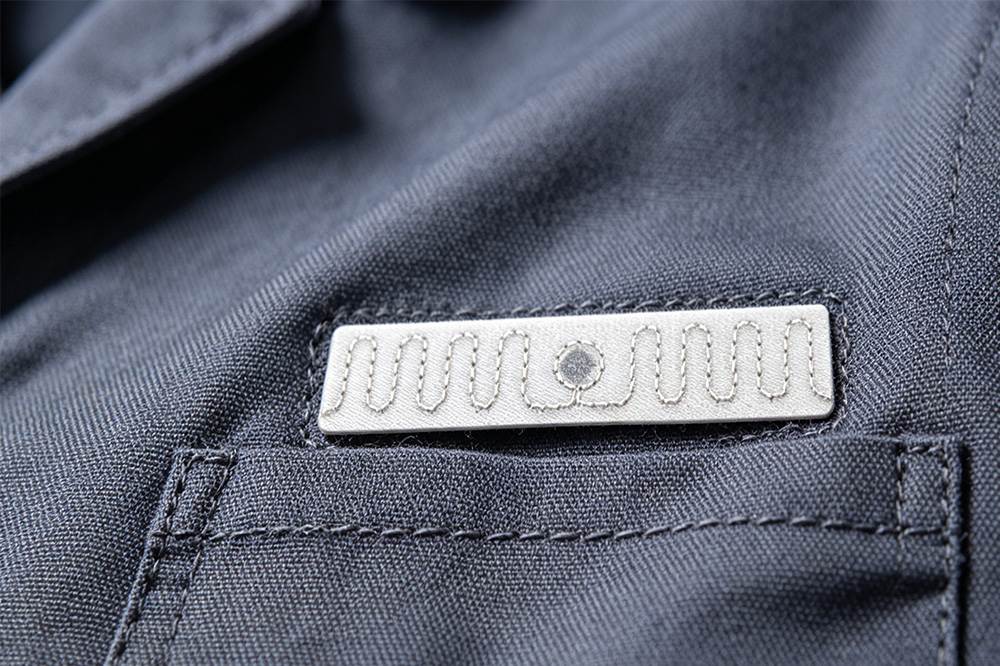
The tag is sewn directly into the textile and remains attached during washing, drying, transportation, and repeated handling.
As items move through RFID reading points, inventory activity is recorded automatically.
A durable industrial RFID laundry tag is designed specifically for repeated industrial washing environments, including exposure to heat, detergents, moisture, and mechanical stress.
This helps rental companies monitor textile movement much more accurately than manual inventory methods.
Sorting is one of the most labor-intensive parts of textile rental operations.
Facilities handling garments or linens for multiple customers often rely heavily on staff manually checking labels and separating inventory.
That process becomes slower and more error-prone during busy periods.
RFID systems automate much of this work.
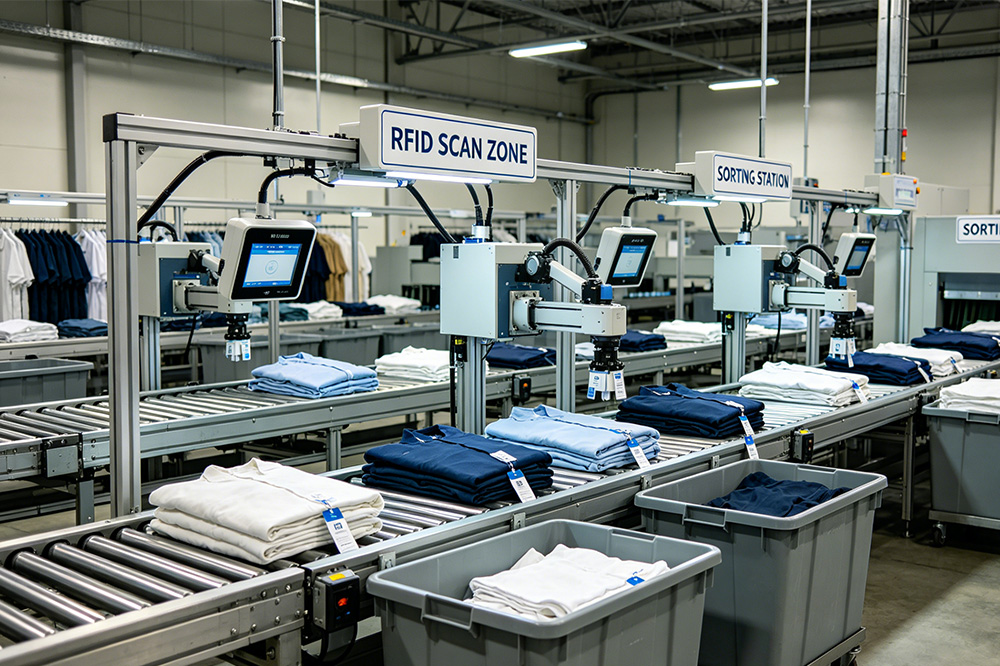
As textiles move through conveyor systems or RFID tunnel readers, the system identifies customer ownership automatically and directs items toward the correct sorting area.
This improves:
The larger the operation becomes, the more noticeable the efficiency improvement usually is.
Textile loss is one of the biggest ongoing costs in rental businesses.
Without tracking data, operators often struggle to determine where items disappeared.
Losses may happen during:
RFID systems provide movement history for each tagged item.
Operators can review when a textile entered the laundry facility, passed sorting checkpoints, or left for customer delivery.
That visibility helps businesses identify operational problems much faster instead of relying on assumptions.
Rental textiles experience constant wear.
Repeated industrial washing gradually affects fabric quality, stitching durability, and overall garment appearance.
Without tracking, many businesses replace textiles based on rough estimates rather than actual usage history.
RFID systems allow operators to monitor wash cycle counts for individual items.
This helps companies:
For large rental operations, extending textile lifespan even slightly can reduce annual replacement costs significantly.
Many rental facilities still depend heavily on manual counting.
Employees scan barcodes individually or count linens by hand during receiving and shipping.
That takes time, especially when processing thousands of textile items daily.
RFID systems allow large textile batches to be identified automatically without opening bags or scanning one piece at a time.
This reduces repetitive labor while improving inventory accuracy.
As labor shortages continue affecting industrial laundry industries, automation becomes increasingly valuable for maintaining operational efficiency.
Large textile rental companies often manage inventory across multiple warehouses, laundry facilities, and customer regions.
Manual inventory tracking becomes extremely difficult once textiles move between multiple locations every day.
RFID systems help centralize tracking data and improve visibility across the entire network.
Management teams can monitor:
This makes large-scale textile management much easier to control operationally.
A few years ago, RFID textile tracking was mostly used by large industrial operators.
Today, adoption is spreading quickly across mid-sized rental companies as well.
The reason is practical: textile rental businesses need faster processing, better inventory accuracy, and lower operational pressure without continuously adding manual labor.
RFID helps achieve those goals.
For many modern textile rental operations, RFID laundry tags are no longer considered advanced technology projects. They are gradually becoming standard infrastructure for large-scale textile management.
User Guide
How to Remove RFID Tags from Clothing Safely (Without Ripping Your Shirt)
The Truth About RFID Signals: Aluminum Foil, Smartphones, and Reading Range Explained
How Security Tag Readers Work: RFID vs. Magnetic Systems – Which Is More Efficient?
How to Deactivate RFID Tags Without Guesswork or Myths?
How to Test RFID Tags with Phone
How to Test RFID Tags with Your Smartphone (No Scanner Needed)
How to Use Android Phone to Emulate RFID Tag: Full Tutorial and Application Guide
Can Your RFID Tags Reader iPhone ? Here’s How It Actually Works
Can You Use an NFC Phone as an RFID Tag?
How to Choose the Right RFID Tag for Clothing? Materials, Packaging & Attachment Explained
Industrial Essentials: 2025 Guide to the Most Durable Rugged RFID Tags
Active RFID Tag Range: The Real Difference Between Active and Passive Tags
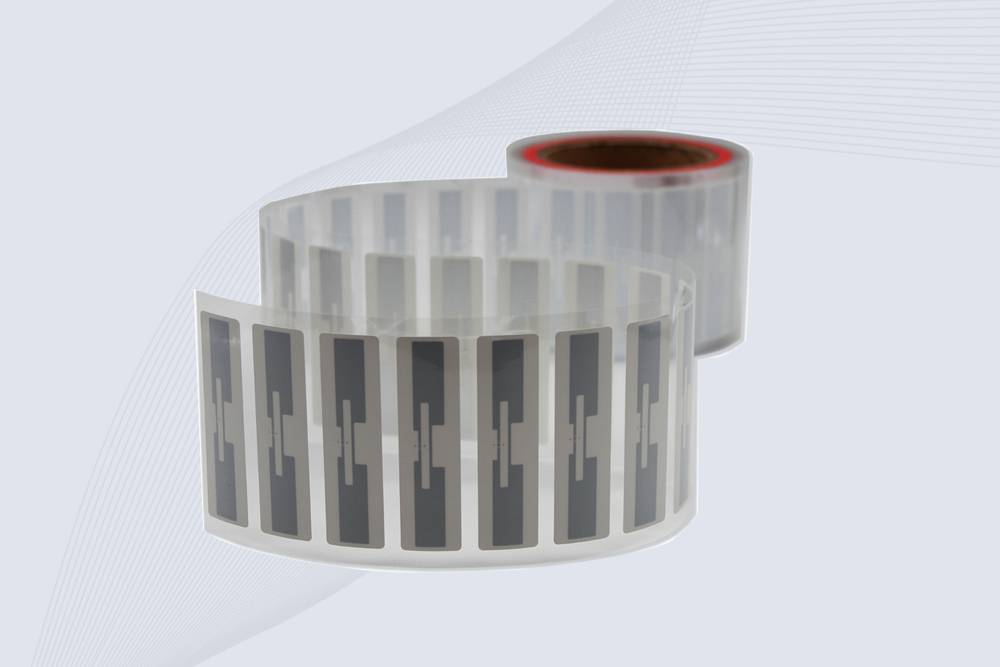
CYKEO Passive RFID Tags are made for wet and high-humidity environments where standard labels do not last. This rfid passive tag is often used around liquids, chemicals and temperature changes, providing stable reading distance and long data life for industrial tracking.
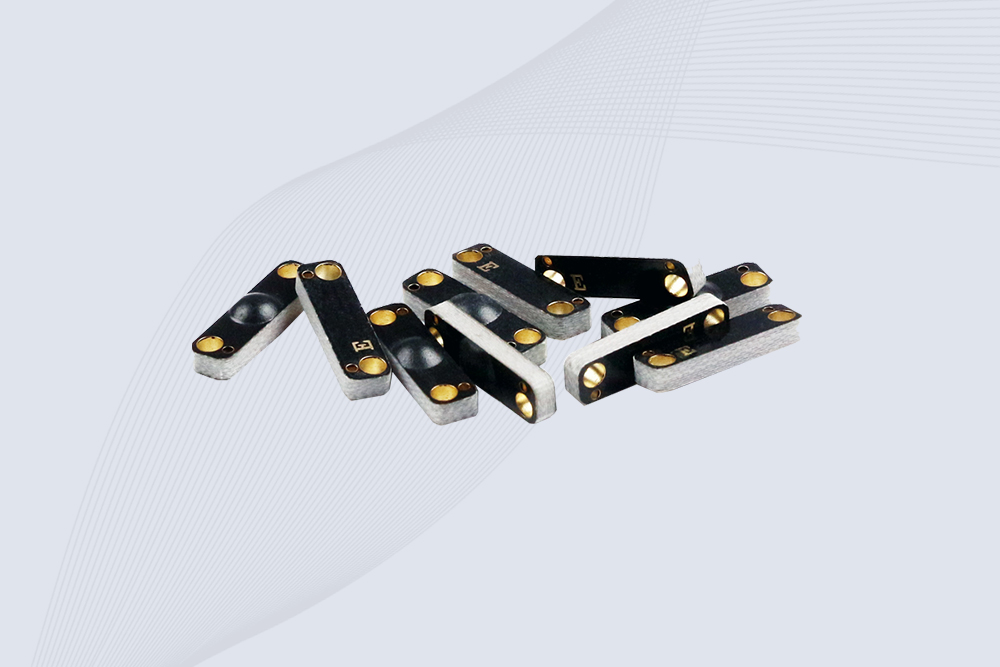
CYKEO CYKEO-PCB1504 Metal RFID Tags is a compact anti-metal UHF RFID solution built for direct mounting on metal surfaces. With stable 8-meter read range, Ucode-8 chip, and long data retention, this rfid metal tag fits tools, containers, automotive parts, and industrial asset tracking.
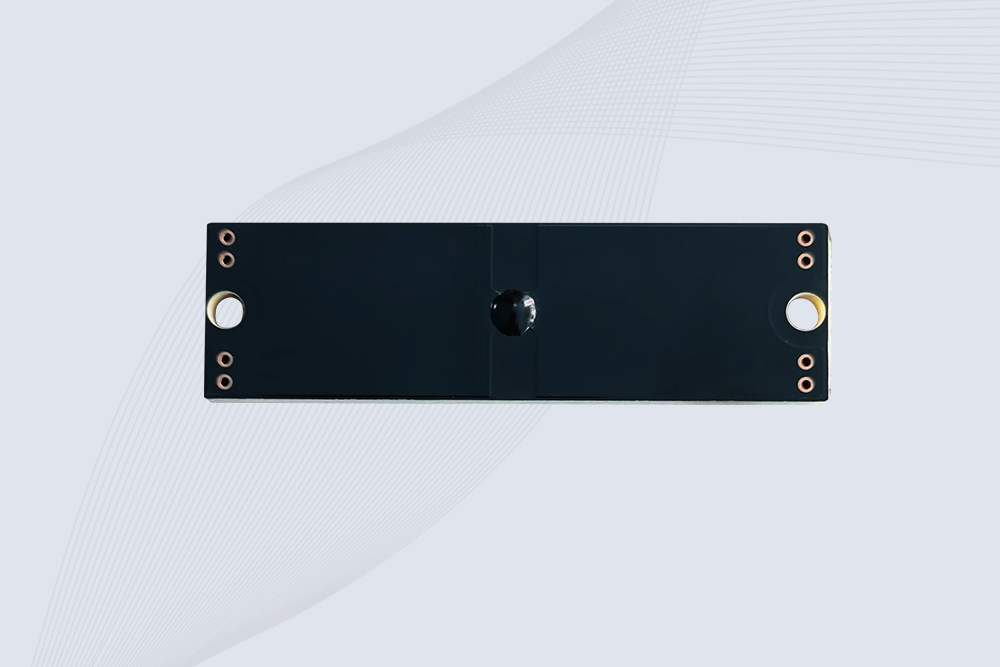
CYKEO CYKEO-PCB7020 On-Metal RFID Tags are designed for reliable tracking on steel and metal surfaces. Built with an FR4 epoxy body and industrial-grade chips, these On-Metal RFID Tags deliver stable performance, long data life, and chemical resistance, making them a dependable RFID anti-metal tag for harsh environments.
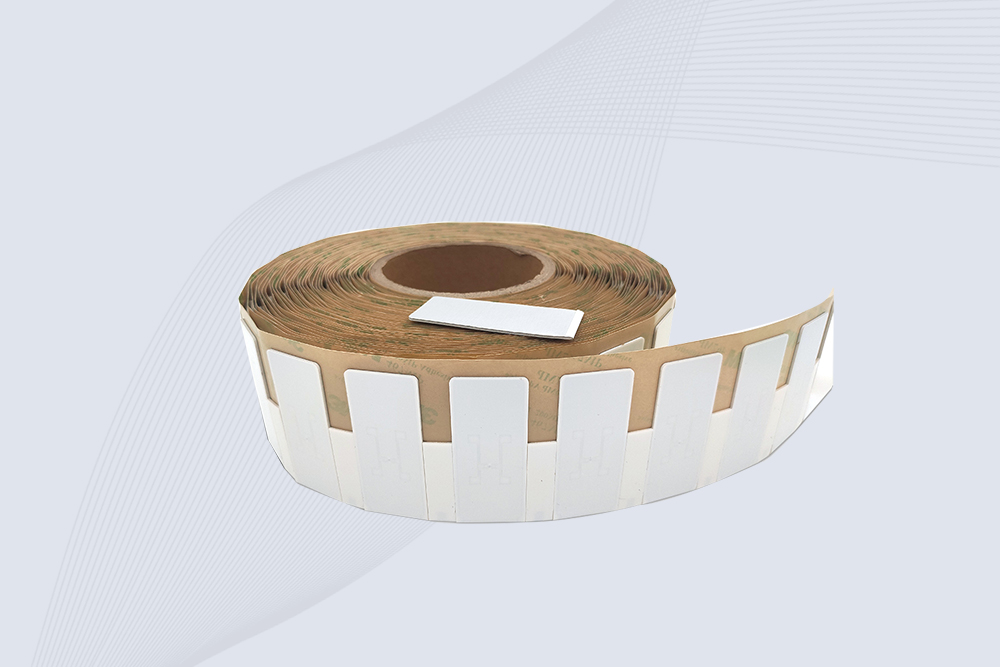
The CYKEO CYKEO-60-25 Anti-Metal RFID Tag is built for metal surfaces where standard tags fail. Designed for long-range performance, harsh environments, and stable data retention, this Anti-Metal RFID Tag is ideal for industrial assets, containers, and equipment tracking using on metal RFID tags.
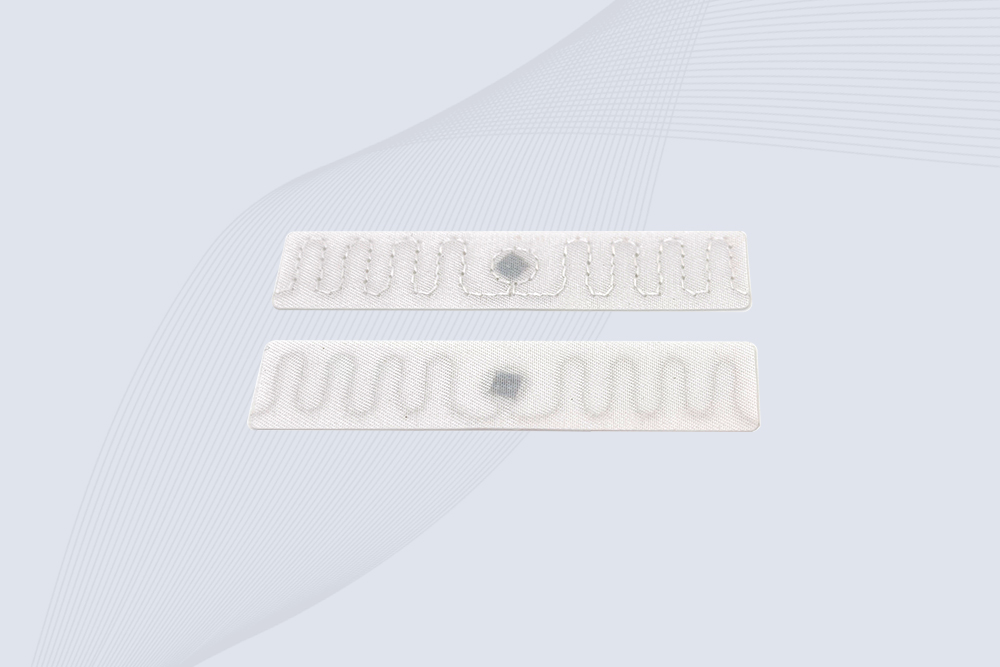
The CYKEO RFID Laundry Tag is designed for long-term textile identification in harsh laundry environments. Built to withstand high heat, chemicals, and repeated washing, this RFID Laundry Tag delivers stable performance for hotels, hospitals, and industrial laundry operations using laundry rfid tags at scale.
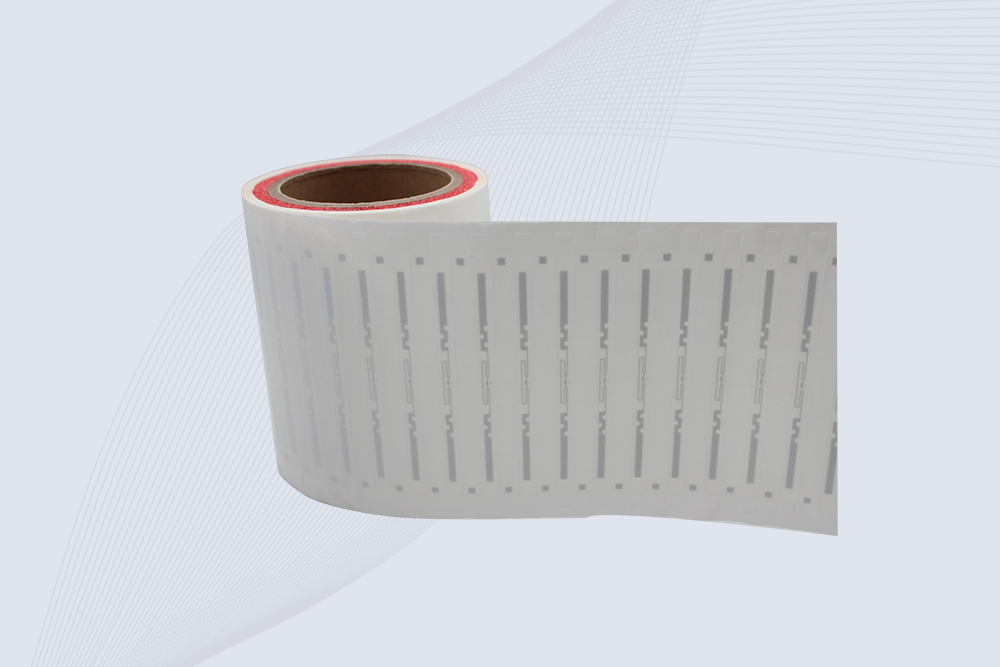
The CYKEO CYKEO-125-7 RFID Book Tag is designed for reliable book and document tracking in libraries and archives. This RFID Book Tag delivers long read range, dense placement support, and stable performance on shelves, making it a practical rfid tag on books for library automation, file management, and archival systems.
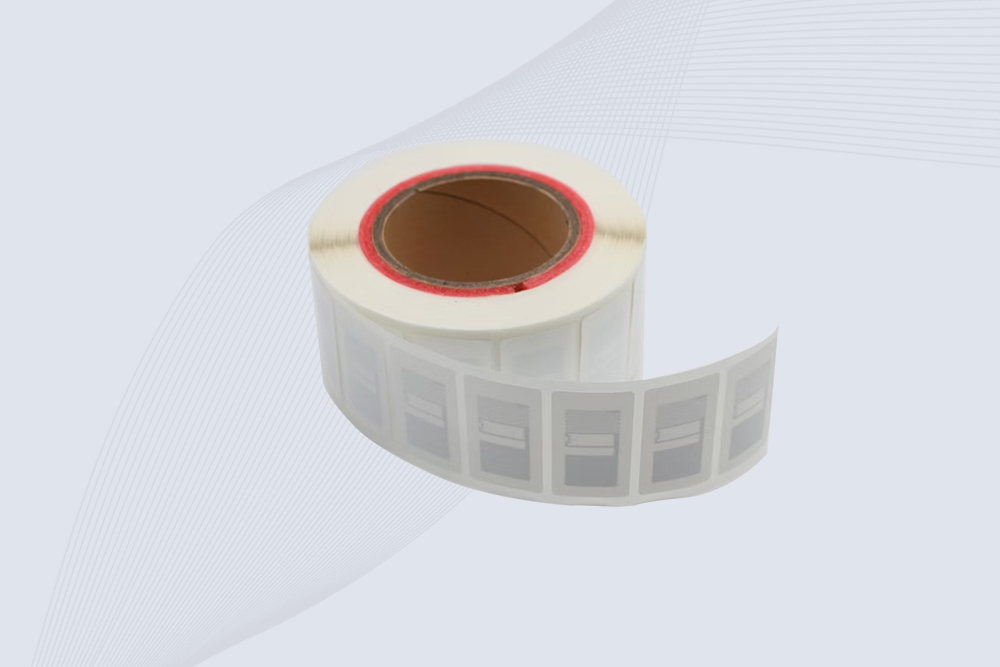
CYKEO RFID tags in hospitals are designed for sterile environments where accuracy matters. These autoclavable RFID tags support long-term tracking of surgical tools, implants, and medications, helping hospitals improve visibility, compliance, and patient safety.

CYKEO RFID Cable Tie Tag is built for reliable identification on metal surfaces. This UHF RFID Cable Tie Tag is widely used in rfid tags for inventory systems, industrial asset management and Hospital RFID Tags, offering stable read performance, long service life and global EPC Gen2 compatibility.
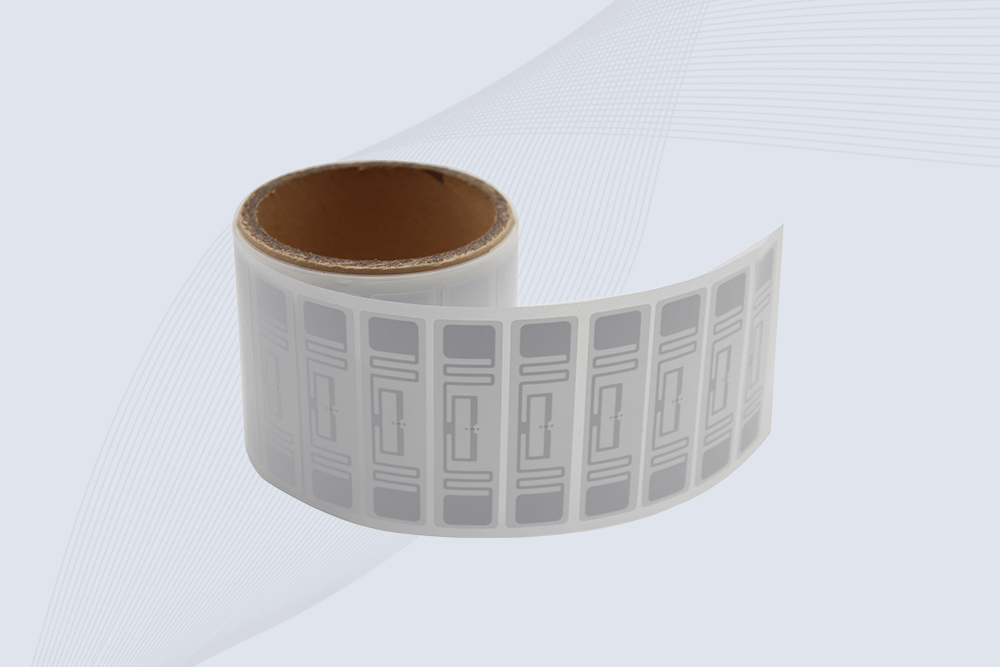
CYKEO RFID Asset Tag is designed for stable identification of metal assets in industrial environments. This UHF RFID Asset Tag is commonly used for rfid tag asset tracking on equipment, tools and containers, providing reliable reads, long service life and ISO/IEC 18000-6C support.

CYKEO UHF RFID Card is designed for fast identification and long-term use in industrial and commercial systems. Supporting ISO 18000-6C, this UHF RFID Card works at 860–960 MHz and is suitable for custom RFID cards used in asset tracking, access control and inventory management.
CYKEO HF RFID Cards are designed for secure and stable access control systems. These 13.56 MHz RFID key cards support ISO 14443-A, reliable rewriting and long service life, making HF RFID Cards suitable for offices, campuses, events and membership management.
CYKEO UHF RFID Tag is designed for reliable tracking of metal jewelry and high-value items. This Jewelry RFID Tag supports long-range reading up to 8 meters, anti-counterfeit protection and stable performance on metal, making it suitable for retail, inventory control and asset management.
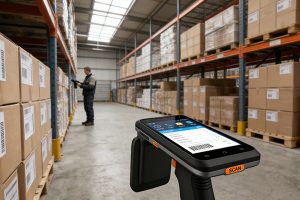
Wondering "how far do RFID tags read"? Get straight answers for LF, HF, UHF passive, and active tags. Real ranges for access control, inventory, and yard management with CYKEO.
More
tools tracking system enables smart RFID tool carts for aviation and industry, improving tool control, FOD safety, and real-time accountability across operations.
More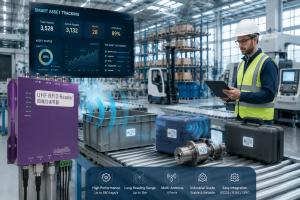
Discover what does an rfid tag do and how RFID technology improves asset tracking, inventory accuracy, and automation with Cykeo professional RFID solutions.
More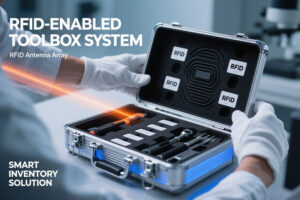
Discover how an RFID tool tracking system reduces tool loss, boosts compliance, and cuts downtime in high-risk industries. Explore Cykeo’s proven solutions.
More