RFID in shipping is a technology that uses radio frequency identification tags and readers to identify, track, and monitor goods as they move through transportation and logistics operations. It helps businesses capture shipment information, verify cargo movement, improve inventory visibility, and reduce manual scanning during shipping and receiving.
RFID stands for Radio Frequency Identification. In shipping, it connects physical goods, cartons, pallets, reusable containers, and other logistics assets with digital identification systems.
An RFID tag is attached to a shipment or its packaging. When the tagged item passes through an RFID reader’s detection zone, the reader captures its electronic identification data and sends it to a connected logistics application.
This allows businesses to record important shipment events, such as:
Goods leaving a manufacturing facility.
Pallets entering a distribution center.
Cartons being loaded onto a transport vehicle.
Cargo arriving at a receiving warehouse.
Returnable containers moving between logistics partners.
Unlike traditional barcode scanning, which generally requires a visible label and individual scanning, RFID can identify multiple compatible tags without direct line of sight. This is particularly useful when goods are packed into cartons, stacked on pallets, or moved through warehouse loading areas.
However, RFID does not automatically provide continuous GPS positioning. It identifies tagged objects when they communicate with a reader. To understand where a shipment has been, businesses combine RFID identification events with timestamps, reader locations, transportation records, and supply chain information systems.
That distinction is central to understanding what RFID actually does in shipping.
How Does RFID Work in Shipping and Logistics?
RFID shipping systems use electronic tags, RFID readers, antennas, and logistics software to capture and exchange information about physical shipments.
The process generally follows a sequence of identification and data recording.
1. RFID Tags Are Attached to Goods or Shipping Units
Each item, carton, pallet, or container receives an appropriate RFID tag.
The tag contains an electronic identifier that allows the logistics system to distinguish one physical object from another.
For example, a manufacturer shipping 40 pallets of packaged products may assign a unique identifier to each pallet. These identifiers allow warehouse personnel and logistics partners to distinguish individual shipping units throughout the distribution process.
The information stored on a tag depends on the application. Some systems store only an identifier, while others use additional memory for selected product or shipment information.
For large-scale shipping operations, storing a unique identifier and retrieving detailed shipment information from a database is often more practical than attempting to store the entire shipping record on the tag.
2. RFID Readers Capture Shipment Information
When tagged goods pass through an RFID reading area, the reader transmits radio-frequency signals through its antenna.
Compatible tags respond, allowing the reader to capture their identification data.
RFID readers can be installed at different logistics checkpoints:
Warehouse receiving entrances.
Dispatch and shipping doors.
Conveyor systems.
Pallet inspection stations.
Loading and unloading areas.
Distribution center transfer points.
Fixed rfid readers are particularly useful where goods follow predictable movement paths.
For example, a truck carrying tagged pallets may pass through a loading-area reading portal. The system captures the identifiers detected during the movement and compares them with the expected shipping list.
This can help identify missing, unexpected, or incorrectly assigned pallets before the shipment leaves the facility.
3. Shipment Data Is Sent to the Logistics Management System
After collecting tag identifiers, the RFID reader transfers the data to connected software.
Depending on the installation, this may involve middleware, an API, warehouse management software (WMS), transportation management software (TMS), or an enterprise resource planning (ERP) system.
The application can then compare the captured identifiers with:
Purchase orders.
Shipping instructions.
Advance shipping notices (ASNs).
Packing lists.
Warehouse inventory records.
Delivery and receiving records.
A reader successfully detecting a pallet does not automatically confirm that the shipment is correct. The software must compare the actual identification data with the expected shipment information.
This is where RFID becomes valuable to logistics management: it links physical movement with business records.
4. Shipment Events Are Recorded
RFID can support the recording of logistics events at different points along the supply chain.
A typical shipment record may include:
Information
Example
Object identifier
Unique pallet or carton ID
Event
Shipping, receiving, loading, or unloading
Location
Warehouse A, loading dock 3
Timestamp
Date and time of detection
Reader information
Fixed reader or handheld device ID
Shipment reference
Associated order or delivery number
Business status
Dispatched, received, or pending verification
These records help logistics teams reconstruct the movement of goods between facilities.
The value lies in the continuity of information. A single RFID read provides an identification event. Multiple correctly recorded events create a more useful shipment history.
What Types of RFID Are Used in Shipping?
Different RFID frequencies are suitable for different shipping environments. The selection depends on reading distance, package materials, tag dimensions, reader placement, and the type of logistics operation.
Low-Frequency RFID (LF)
LF RFID typically operates at 125–134 kHz.
It is generally used for short-range identification applications and is less common for large-scale pallet and carton tracking.
Its shorter reading range makes it unsuitable for many automated shipping portals where goods need to be identified as they move through a loading area.
High-Frequency RFID (HF)
HF RFID operates at 13.56 MHz.
It is widely used in contactless identification applications, including access cards and selected asset-management systems.
HF can be appropriate for controlled identification points, but its relatively short operating distance makes it less suitable for some high-volume shipping applications.
Main Applications of RFID in Shipping
RFID has several applications throughout the shipping process. Its usefulness becomes more apparent when it is integrated into the actual movement of goods rather than used only for occasional inventory checks.
1. RFID Shipment Tracking From Warehouse to Destination
RFID supports shipment tracking by recording identification events when goods pass through equipped locations.
Consider a manufacturer sending products to a regional distribution center.
At the dispatch warehouse, RFID readers identify the pallets being loaded. The logistics application compares the detected identifiers with the shipping order. When the goods arrive at the receiving facility, another RFID reading point captures the pallet identifiers.
The two records provide evidence that the identified shipping units passed through the respective checkpoints.
This is particularly useful when a shipment contains numerous cartons or pallets.
Without automated identification, workers may need to scan individual labels, compare packing lists, and manually reconcile discrepancies. RFID can reduce some of this repetitive work.
However, an RFID checkpoint does not continuously report a vehicle’s position while it is traveling between facilities. If a business requires live vehicle location, it needs GPS or another suitable tracking technology alongside RFID.
RFID readers capture pallet identification data at warehouse dispatch and receiving checkpoints to support shipment visibility.
2. Automated Shipping and Receiving Verification
Shipping errors often occur when the physical goods do not match the shipping documents.
A warehouse may prepare an order containing 25 cartons, but only 24 may be loaded. In another situation, a carton belonging to a different customer may be placed on the wrong pallet.
These discrepancies can create delays, additional transportation costs, and disputes between suppliers and customers.
RFID can help reduce these problems by comparing detected shipment identifiers against the expected order information.
A typical process works as follows:
The warehouse system generates a shipment order.
RFID identifiers are associated with the relevant cartons or pallets.
Goods pass through a fixed RFID reading area.
The reader captures the available tag identifiers.
Software compares the captured data with the shipment manifest.
Missing or unexpected identifiers are flagged for inspection.
The system can support faster verification without requiring workers to manually scan every individual package.
It is important to distinguish between identification accuracy and order accuracy. A reader may correctly identify every tag it detects, but the shipment can still be incorrect if an item was never tagged or associated with the wrong order.
The software must therefore validate both the physical identifiers and their business relationships.
3. RFID Pallet Tracking and Container Management
Pallets and reusable transport containers move between manufacturers, warehouses, distribution centers, and customers.
Without consistent identification, businesses can struggle to determine which assets are available, which have been dispatched, and which have not been returned.
RFID provides a practical way to identify these logistics units.
For example, a reusable pallet can carry a durable RFID tag with a unique asset identifier. Fixed readers at warehouse entrances record pallet movements as the asset enters or leaves a facility.
The logistics system can then maintain an asset history based on recorded events.
This is useful for:
Reusable pallets.
Plastic shipping crates.
Roll cages.
Returnable transport containers.
Industrial packaging.
Logistics equipment shared between business partners.
For containerized freight, specialized RFID applications can also support the identification of freight containers and associated shipment information.
The international standard ISO 17363:2013 specifically addresses RFID applications for freight containers, including shipment-related tags, data structures, and communication requirements.
This demonstrates that RFID in shipping is not limited to product labels. It can also be used to identify the transport assets carrying those products.
4. RFID for Warehouse Inventory and Cargo Identification
RFID can connect warehouse inventory records with the physical movement of shipping goods.
During receiving, readers identify incoming pallets and cartons. During storage, handheld readers can help locate tagged goods. Before dispatch, fixed readers can verify which shipping units pass through the outbound area.
A useful warehouse workflow may involve three checkpoints:
Checkpoint
RFID function
Operational purpose
Inbound receiving
Identify incoming cartons and pallets
Verify received quantities
Storage and inventory
Identify stored goods
Support inventory reconciliation
Outbound dispatch
Capture goods leaving the warehouse
Compare physical shipments with orders
The advantage is not limited to faster scanning.
When identification events are recorded consistently, warehouse managers can compare receiving, storage, and dispatch information to identify discrepancies that would otherwise require manual investigation.
5. RFID for Cargo Sorting and Distribution
In large distribution centers, shipments may need to be separated according to destination, customer, delivery route, or product category.
RFID can support automated sorting by identifying tagged cartons as they move along conveyor systems.
For example, a distribution center handling shipments for several retail locations can use RFID readers to identify individual cartons. The sorting application retrieves each carton’s destination information and sends instructions to the corresponding sorting equipment.
This reduces dependence on manually reading shipping labels at every processing point.
RFID sorting systems can be integrated with:
Conveyor belts.
Automatic sorting machines.
Warehouse management systems.
Fixed RFID reader networks.
Barcode identification equipment.
Weighing and dimension measurement systems.
One important engineering consideration is tag collision and overlapping reads. When multiple tagged cartons move close together, the reader and application must handle simultaneous tag responses and associate the resulting identifiers with the correct shipment.
6. RFID for Supply Chain Traceability
Shipping rarely involves one company. A typical international shipment may pass through a manufacturer, freight forwarder, port operator, customs facility, distribution center, and final delivery provider.
Each organization may use a different information system.
RFID can improve the identification of goods at participating supply chain checkpoints. When those identification events are shared through standardized information systems, different organizations can build a more consistent record of shipment movement.
The GS1 EPCIS standard is particularly relevant here.
EPCIS (Electronic Product Code Information Services) provides a standardized way to capture and share information about the movement and status of physical objects.
It supports information such as:
What object was identified.
Where an event occurred.
When it occurred.
Why the event took place.
How the object was involved in the business process.
This means RFID identification data can become part of a wider supply chain visibility system rather than remaining isolated inside one warehouse.
RFID identification events can be shared across supply chain systems to improve shipment traceability between logistics partners.
Real-World RFID Shipping Research: What Do the Numbers Show?
RFID benefits in shipping should be supported by actual logistics research. Reading performance, shipment accuracy, and operational efficiency are different measurements, and they should not be treated as interchangeable.
One particularly relevant example comes from the GS1 US and Auburn University RFID Lab collaboration.
Project Zipper: RFID and Shipping Order Accuracy
In 2018, GS1 US and Auburn University’s RFID Lab reported findings from Project Zipper, a 10-month supply chain study involving eight brands and five retailers.
The project examined how RFID information could improve the verification of shipments against advance shipping notices.
According to the published findings:
Traditional UPC-based audits recorded order inaccuracies in 69% of the audited cases.
RFID-based auditing identified order inaccuracies in less than 0.01% of orders.
These figures illustrate the potential of RFID to improve shipment verification when tagging, data association, and receiving processes are properly implemented.
However, they should not be interpreted as a universal guarantee that every RFID shipping installation will achieve the same accuracy. The findings relate to the particular participants, processes, and study conditions.
Research on RFID Tag Reading Reliability
A separate study published in the Journal of Business Logistics in 2019 examined how laboratory RFID tag performance relates to actual field performance across distribution centers and retail facilities.
The researchers analyzed 45,416 observations combining laboratory testing and field data.
Their findings showed that data-driven models could identify laboratory testing criteria associated with RFID tags achieving field read rates of 99% or greater.
The important implication for shipping operations is that tag selection should be based on the intended environment, not solely on laboratory specifications.
RFID vs. Barcode in Shipping: Which Technology Is Better?
RFID and barcode technologies are both widely used to identify goods during shipping, receiving, and warehouse operations. However, they differ considerably in how they capture information.
A barcode scanner uses optical technology and generally needs a clear view of the printed label. RFID uses radio waves, allowing compatible tags to be identified without direct visual contact.
For logistics companies handling large quantities of cartons and pallets, this difference can affect the speed and organization of shipping operations.
Comparison factor
RFID shipping system
Barcode shipping system
Identification method
Radio-frequency communication
Optical scanning
Line of sight
Generally not required
Required
Multiple-item identification
Supported by compatible readers
Usually individual scanning
Reading speed
Can capture multiple tags in one operation
Depends on individual scanning workflow
Reading distance
Depends on frequency, tag, reader, and environment
Depends on scanner and label visibility
Label condition
Does not require a visually readable barcode
Printed code must remain readable
Metal and liquid interference
Can affect radio performance
Does not directly affect optical scanning
Initial investment
Generally higher
Generally lower
Automation
Suitable for automated reading portals and conveyors
Can also be automated with fixed barcode scanners
Data storage
Electronic tag memory
Data generally represented by printed code
Shipment verification
Supports multi-tag identification and automated reconciliation
Supports individual package verification
When Should Shipping Companies Choose RFID?
RFID is particularly useful when logistics operations involve:
High-volume pallet and carton movements.
Frequent warehouse receiving and dispatch.
Automated loading and unloading verification.
Multiple distribution centers.
Reusable transport containers.
Large-scale inventory reconciliation.
Automated conveyor sorting.
Supply chain traceability across business partners.
For smaller businesses shipping relatively few packages each day, barcode scanning may remain more economical.
There is no universal requirement to replace barcodes with RFID. In many logistics environments, both technologies provide complementary functions.
Can RFID and Barcodes Work Together?
Yes. RFID and barcodes can be used together on the same shipping unit.
For example, a pallet may carry a GS1 logistics label with a human-readable Serial Shipping Container Code (SSCC) and a barcode, alongside an RFID tag containing the corresponding electronic identifier.
This provides several advantages:
RFID readers can capture identifiers automatically.
Barcode scanners provide an alternative identification method.
Warehouse staff can visually inspect shipping information.
Logistics partners can use different identification equipment.
Businesses can transition gradually from barcode-based workflows.
GS1 specifically provides guidance on RFID and barcode interoperability, including the relationship between EPC identifiers, logistics labels, and business applications.
International RFID Standards for Shipping and Logistics
Standardization is essential when goods move between companies, countries, and transportation providers.
A manufacturer may use one RFID reader brand, a distribution center another, and a freight forwarder a different logistics platform. If each company uses incompatible identification formats, sharing shipment information becomes difficult.
Several international standards help address this problem.
1. ISO/IEC 17360:2023 – RFID in Supply Chain Applications
ISO/IEC 17360:2023 covers RFID applications involving:
Individual products.
Product packaging.
Transport units.
Returnable transport units.
Returnable packaging items.
It defines identification features, data structures, communication interfaces, and minimum performance requirements for RFID applications throughout the supply chain.
This standard is especially relevant to companies designing RFID systems that must operate across different logistics processes.
2. ISO 17363:2013 – RFID for Freight Containers
ISO 17363:2013 addresses RFID applications for containerized freight.
It specifies the use of shipment-specific RFID tags, commonly described as manifest tags, and covers:
Container-related shipment identification.
RFID communication requirements.
Required and optional data structures.
Sensor-related implementation recommendations.
Interfaces with GPS or other location services.
Barcode and two-dimensional code backup information.
This standard is particularly relevant to international freight operations where cargo identification must be coordinated across container transportation networks.
An important distinction is that ISO 17363 does not mean an ordinary UHF pallet tag automatically becomes a compliant freight-container tracking system. The tag, data structure, communication configuration, and application must satisfy the relevant requirements.
3. GS1 EPCIS – Supply Chain Event Information Sharing
GS1 EPCIS is important because identifying a shipment and sharing its movement history are two different tasks.
EPCIS provides a standardized way to record and exchange supply chain event information.
It can describe:
What object was identified.
Where the event occurred.
When the event happened.
Why the event took place.
How the object participated in the business process.
For example, when a pallet passes through an outbound warehouse reader, the system can record a shipping event. When the same pallet is detected at the receiving facility, another event is recorded.
When these events are shared through compatible systems, supply chain partners can develop a more consistent view of cargo movement.
EPCIS 2.0 also supports aggregation relationships, such as individual products packed into cartons, cartons loaded onto pallets, and pallets placed inside containers.
RFID vs. GPS in Shipping: What Is the Difference?
RFID and GPS are sometimes discussed together in shipment tracking, but they solve different problems.
RFID identifies tagged objects when they communicate with a reader. GPS determines geographical position using satellite-based positioning.
Factor
RFID
GPS
Main function
Identify tagged objects
Determine geographical position
Typical equipment
RFID tag and reader
GPS receiver or tracking device
Tracking method
Reading events at equipped locations
Position calculations from satellite signals
Battery requirement
Passive tags do not require batteries
GPS tracking devices generally require power
Continuous vehicle location
Not provided by ordinary passive RFID alone
Supported when device and communication service are active
Multiple-item identification
Supported by compatible RFID readers
Usually tracks individual devices
Typical application
Pallet, carton, and asset identification
Truck and vehicle location
Can RFID and GPS Be Used Together?
Yes. In fact, combining these technologies can provide more complete logistics visibility.
Consider an international shipment moving from a factory to a port, then to a distribution center.
RFID identifies the pallets when they leave the factory.
GPS tracks the transportation vehicle during the journey.
RFID records the cargo when it enters the port facility.
Another RFID checkpoint records arrival at the destination warehouse.
The combined system can associate vehicle-location information with the identification of the actual cargo.
This is more informative than relying on GPS alone, which may show where a truck is without confirming that the expected pallets are still on board.
Likewise, RFID alone cannot continuously show the geographical location of a truck traveling between reader-equipped facilities.
For companies requiring detailed shipment visibility, the technologies should be selected according to the specific tracking requirements.
How to Implement an RFID Shipping System
An RFID shipping project should begin with the movement of goods, not with a list of reader specifications.
The best equipment configuration for a carton conveyor may be unsuitable for a container loading area. Similarly, a reader that performs well on a single pallet may produce inconsistent results when several loaded pallets pass through a narrow portal.
The following implementation approach helps businesses avoid common problems.
Step 1: Identify the Shipping Units That Need Tracking
First, determine which physical objects require electronic identification.
Common options include:
Individual products.
Shipping cartons.
Cases and boxes.
Pallets.
Returnable containers.
Freight containers.
Reusable transport equipment.
Not every shipment requires an RFID tag on every individual product.
A manufacturer may choose carton-level or pallet-level identification because those are the units actually verified during shipping and receiving.
The correct tagging level depends on the required visibility.
Step 2: Select the Appropriate RFID Frequency and Tags
For many logistics applications, passive UHF RFID is a practical starting point.
However, tag selection must consider the goods being transported.
Shipment environment
Important tag considerations
Standard cardboard cartons
General-purpose passive UHF tags
Palletized goods
Tag placement and orientation across pallet positions
Metal products
On-metal RFID tags or suitable mounting designs
Liquid products
Antenna and tag performance around liquid
Cold-chain shipments
Environmental resistance and application requirements
Reusable plastic containers
Durable tags suitable for repeated handling
Freight containers
Applicable freight-container standards and specialized data requirements
A tag’s advertised reading distance should never be treated as a guaranteed operating distance in a loaded shipping environment.
Step 3: Install RFID Readers at Important Checkpoints
Reader installation should follow the physical route taken by the goods.
Typical installation locations include:
Goods receiving entrances.
Outbound dispatch doors.
Conveyor inspection stations.
Pallet transfer areas.
Vehicle loading points.
Container handling areas.
Fixed readers are appropriate for predictable movement paths. Handheld readers are more flexible for stock checks, exception handling, and searching for individual items.
A combination is often more useful than attempting to make one reader serve every operation.
Step 4: Configure Antennas and Reading Zones
Antenna placement is one of the most important engineering decisions.
If the reading zone is too narrow, some tags may be missed. If it is too broad, the reader may capture goods in neighboring areas.
During installation, technicians should evaluate:
Antenna direction.
Antenna polarization.
Reader output power.
Tag orientation.
Pallet dimensions.
Conveyor speed.
Distance between reading areas.
Nearby metal structures.
Potential cross-reads from adjacent shipments.
The objective is to create a predictable identification zone.
A warehouse does not benefit from reading every RFID tag within 10 metres if the operational requirement is to identify only the pallet passing through one specific loading lane.
Step 5: Integrate RFID With WMS, TMS, or ERP Software
The reader must deliver usable information to the business application.
Common integration requirements include:
Tag identifier decoding.
Shipment record matching.
Order verification.
Receiving confirmation.
Dispatch status updates.
Exception reporting.
Event timestamp recording.
Data exchange between logistics partners.
For larger supply chains, GS1 EPCIS may provide a standardized framework for recording and sharing the resulting event information.
Step 6: Test the System Under Actual Shipping Conditions
Before full deployment, conduct a pilot using real products, real pallets, and the intended movement process.
A controlled pilot is much more useful than accepting a reader’s maximum-distance specification as evidence of installation performance.
Common RFID Challenges in Shipping and How to Solve Them
RFID offers important advantages, but shipping environments are not always ideal for radio-frequency communication.
Large warehouses contain metal racks, forklifts, moving machinery, different packaging materials, and multiple tagged shipments operating close together.
These conditions can affect system performance.
1. Metal Interference
Metal surfaces can reflect or interfere with UHF radio-frequency signals.
This can reduce reading performance or create unpredictable reading patterns.
Recommended approach:
Select tags designed for metal mounting when required.
Test tag positions on actual products.
Adjust antenna orientation.
Use appropriate reader power settings.
Avoid assuming that a standard adhesive label will perform equally well on metal and cardboard.
2. Liquid Interference
Liquids can absorb or alter UHF radio-frequency energy, affecting communication between tags and readers.
This is particularly relevant for shipments containing bottled beverages, chemicals, or liquid-filled containers.
Recommended approach:
Evaluate tags specifically for the packaging material.
Test different tag positions.
Keep sufficient separation between tags and challenging surfaces where possible.
Verify reading performance with fully loaded cartons.
3. Missed Reads and Duplicate Reads
Missed reads occur when the reader fails to capture an expected tag. Duplicate reads occur when the same tag is captured repeatedly during one movement event.
Both can create inaccurate shipping records if the software does not process the information correctly.
Recommended approach:
Adjust antenna positioning and reader power.
Use suitable anti-collision settings.
Apply event filtering and duplicate suppression.
Compare captured identifiers with expected shipment records.
Conduct repeated tests with actual pallet arrangements.
4. Incorrect Shipment Association
A reader may identify a tag correctly but associate it with the wrong shipping order.
This is a data-management problem rather than necessarily a radio-frequency problem.
Recommended approach:
Use unique shipment identifiers, correct tag-to-order mapping, timestamped events, and software validation before confirming dispatch or receipt.
5. Lack of Compatibility Between Business Partners
Different companies may use different RFID equipment and data formats.
Without agreed identification and data-exchange rules, shipment records can become difficult to share.
Recommended approach:
Adopt suitable GS1 identification standards, compatible reader interfaces, and a common event-sharing approach such as EPCIS.
How to Choose RFID Readers for Shipping Applications
Choosing an RFID reader requires understanding the actual shipping process.
A fixed reader installed at a warehouse entrance has different requirements from a desktop reader used to encode tags or a handheld device used for inventory searches.
The following table provides a practical equipment selection reference.
Shipping application
Suitable reader type
Key requirements
Carton and pallet dispatch
Fixed UHF RFID reader
Multi-tag identification and stable reading zones
Conveyor sorting
Fixed UHF reader with antennas
Fast tag capture and integration
Pallet inventory
Handheld UHF reader
Portability and inventory software
Shipping label encoding
RFID desktop reader-writer
Tag writing and verification
Automated loading
Industrial fixed RFID reader
Environmental protection and reliable communication
Customized logistics equipment
RFID OEM module
SDK, API, and embedded integration
Cykeo RFID Equipment for Shipping and Logistics
Cykeo develops RFID equipment for identification and industrial automation applications. Several product configurations may be relevant to shipping workflows, depending on the tag specifications and system architecture.
CYKEO-RA9L / CK-D9L – Industrial Fixed RFID Reader
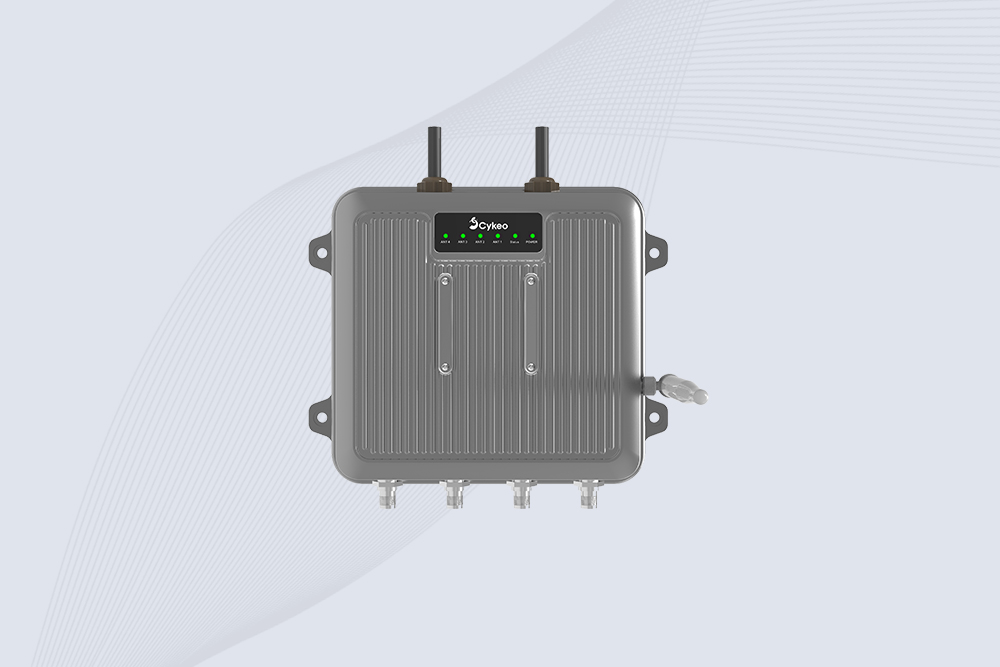
An integrated industrial UHF RFID reader with a 9 dBi antenna configuration. Its application potential includes fixed reading points for warehouse dispatch, receiving, and automated cargo identification. Available communication options include RS-232 and Ethernet, depending on the configuration.
CYKEO-M4L – UHF RFID OEM Module
An embedded RFID module supporting ISO 18000-6C / EPC C1G2 and other supported protocols. Its API resources and multi-tag identification capabilities make it suitable for customized logistics identification equipment.
CYKEO-SSD-D1AL – Desktop RFID Reader-Writer
A desktop UHF RFID device for controlled tag reading, writing, and encoding operations. It can support shipment tag registration and preparation workflows where compatible UHF tags are used.
For shipping applications, product selection should consider:
Supported frequency and regional operating regulations.
EPC Gen2 compatibility.
Antenna gain and configuration.
Reader output power.
Multi-tag identification performance.
Ethernet or serial communication.
SDK and API availability.
Environmental protection requirements.
Integration with existing WMS or ERP software.
The CYKEO-RA9L and CYKEO-M4L can be considered for fixed and embedded identification systems, respectively. Actual suitability should be established through application testing, especially for metal-heavy cargo, liquid products, and high-speed conveyor operations.
Frequently Asked Questions About RFID in Shipping
1. What does RFID mean in shipping?
RFID means Radio Frequency Identification. In shipping, it refers to using electronic tags and readers to identify goods, cartons, pallets, and containers during transportation and warehouse operations. It helps businesses automate shipment verification, inventory identification, and supply chain tracking.
2. How does RFID track shipments?
RFID tracks shipments by recording tag identification events when goods pass through equipped reading locations. The system captures the tag identifier, location, and timestamp, then sends the information to logistics software. Multiple events can create a shipment movement history.
3. Can RFID track a package in real time?
Ordinary passive RFID does not continuously track a package’s geographical position. It identifies the package when it enters an RFID reader’s detection zone. For continuous vehicle or shipment location information, RFID can be combined with GPS and suitable communication technology.
4. What is the difference between RFID and barcode tracking in shipping?
RFID uses radio waves and can identify multiple compatible tags without direct line of sight. Barcodes use optical scanning and generally require individual label scanning. RFID is useful for automated high-volume shipping operations, while barcodes remain a cost-effective identification option for many businesses.
5. What type of RFID is used in shipping?
Passive UHF RFID is widely used in shipping and logistics because it supports multi-tag identification and relatively long reading distances. The appropriate frequency and tag design depend on regional regulations, packaging materials, product characteristics, and the intended reading environment.
6. Can RFID read multiple shipping cartons at once?
Yes. Compatible UHF RFID readers can identify multiple tagged cartons during one reading operation. Performance depends on reader configuration, antenna placement, tag orientation, packaging materials, and the density of tagged goods.
7. What are the main benefits of RFID in shipping?
The main benefits include:
Faster shipment identification.
Automated receiving and dispatch verification.
Better pallet and carton visibility.
More efficient inventory reconciliation.
Reduced repetitive manual scanning.
Improved supply chain traceability.
Support for automated sorting and warehouse operations.
The measurable benefits depend on the scale and design of the implementation.
Conclusion: Why RFID Matters in Modern Shipping
RFID in shipping connects physical cargo with digital logistics information. It allows businesses to identify goods at important transportation checkpoints, verify shipments against business records, and improve visibility across warehouses and distribution networks.
Its real value comes from combining reliable identification with standardized data exchange and well-designed logistics workflows.
For companies handling large quantities of cartons, pallets, and reusable transport assets, RFID can reduce manual identification work and provide more consistent information about the movement of goods.
It is not a replacement for every barcode, GPS device, or logistics management platform. Rather, it is an identification technology that works most effectively when integrated with those systems.
What is RFID in shipping? It is a practical identification technology that helps logistics businesses connect tagged shipments with transportation events, warehouse records, and supply chain information, supporting more accurate and efficient cargo management.
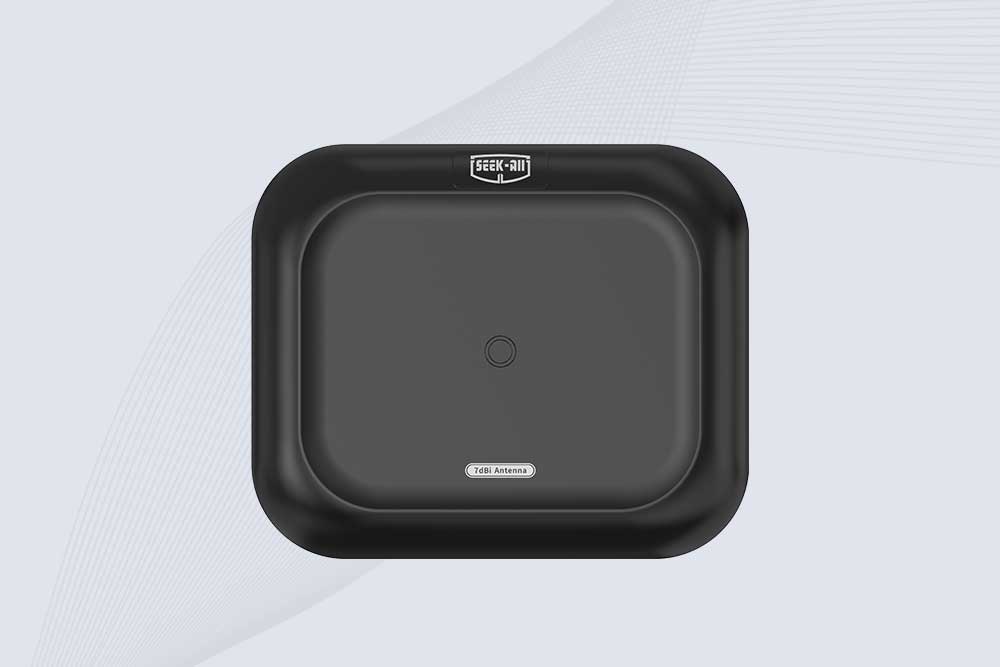
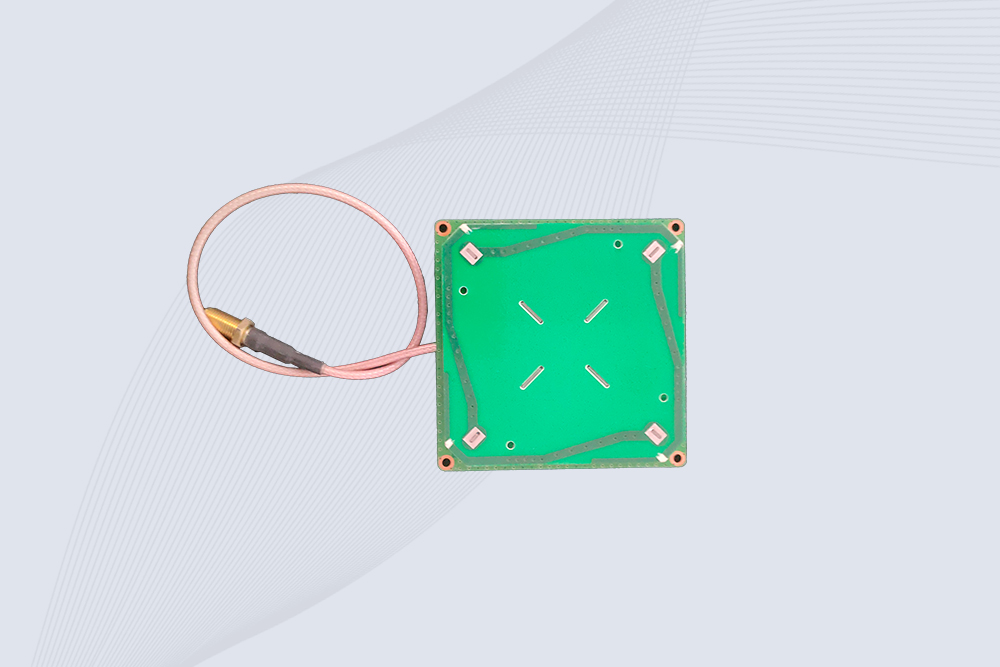
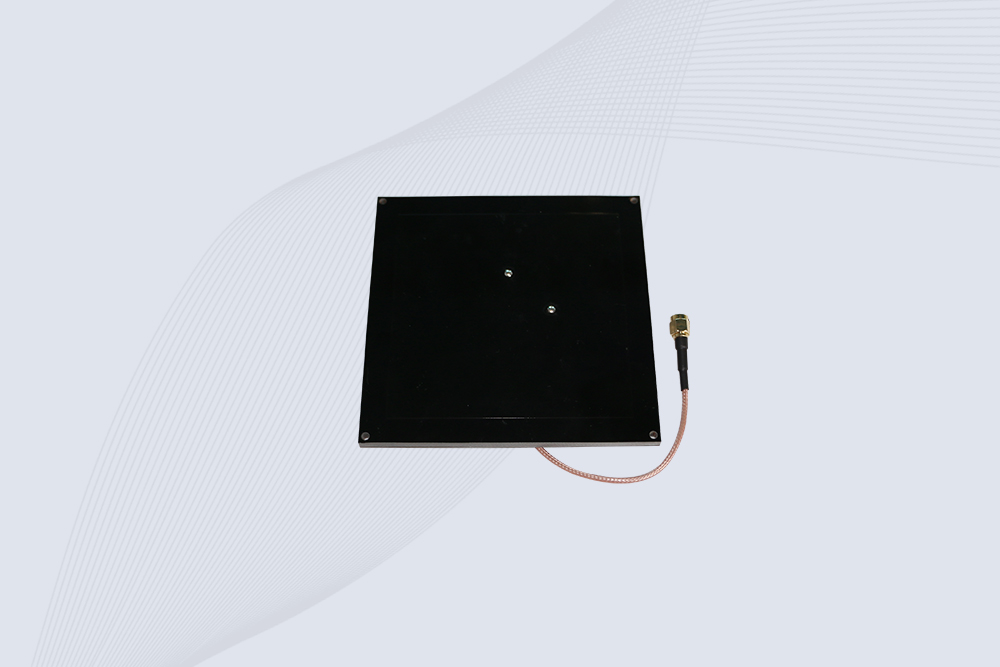
Explore the SSD-A07 UHF RFID antenna with 7 dBi gain, circular polarization, adjustable 840–960 MHz frequency, and 60°/75° beamwidth for stable RFID read/write performance.
SSD-A06 UHF RFID antenna with circular polarization, adjustable 840–960 MHz frequency, ≥4.5 dBi gain, and a compact directional design for RFID systems.
SSD-R16L Multi-Channel RFID Infrastructure for Automated Inventory Management ✔️ 16-Port High-Density RFID Reading Equipped with 16 SMA antenna ports, SSD-R16L supports multi-antenna deployment for warehouses, retail stores, logistics, production lines, and large-area RFID identification. ✔️ High-Speed & Long-Range Performance With up to 33…
SSD-R8L 8-port UHF RFID reader with 33dBm output, up to 20m reading range and 600+ tags/s recognition. Ideal for warehouse, logistics, retail and asset tracking.
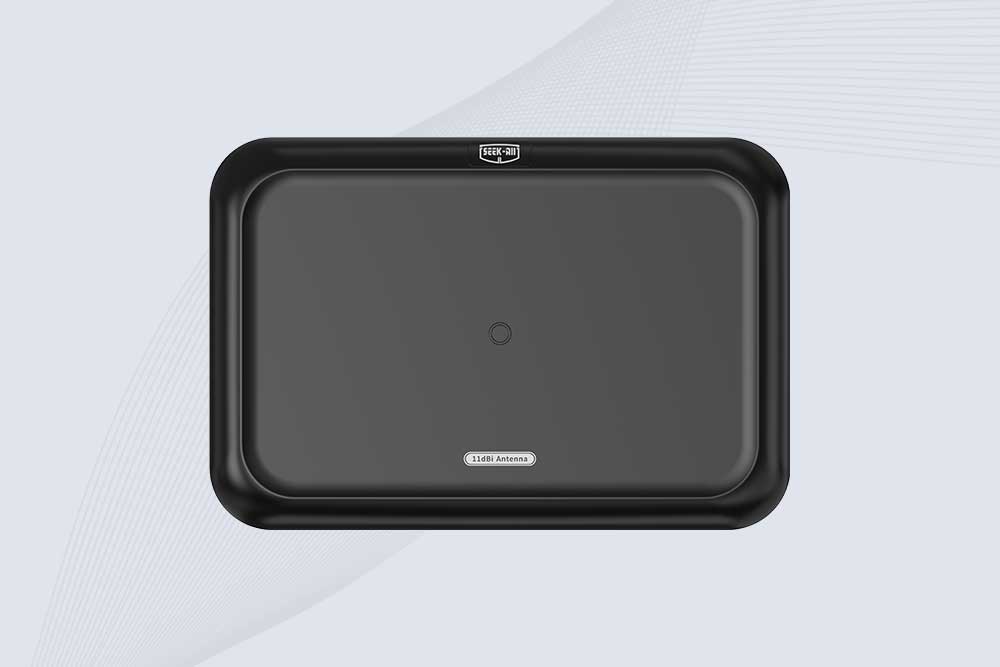
Cykeo CYKEO-A11 UHF RFID reader antenna delivers 11dBi gain, 840-960MHz frequency range, and IP65 ruggedness for retail, logistics, and industrial RFID systems. Features low VSWR and easy installation.
CYKEO Antenna RFID Reader delivers stable long-range UHF performance with a 10.5dBi directional design, built for warehouses, conveyor portals, and industrial RFID systems. This rfid reader antenna provides 20m+ read distance and rugged IP67 protection.
Cykeo CYKEO-A5B industrial Linear RFID Antenna delivers 5dBi gain, ≤1.5:1 VSWR, and IP65 rugged design for warehouse, production line, and logistics UHF systems.
Cykeo’s CYKEO-B12 Long Range RFID Antenna delivers 15m+ read range with 12dBi gain, IP65 rugged design, and global 840-960MHz UHF support. Ideal for warehouse/logistics asset tracking.
Cykeo CYKEO-B10 Long Distance RFID Antenna offers 10dBi gain, 840-960MHz frequency range, IP65 rating, and 20m+ coverage for logistics/warehousing/ETC systems. Low VSWR ensures stable signal transmission.
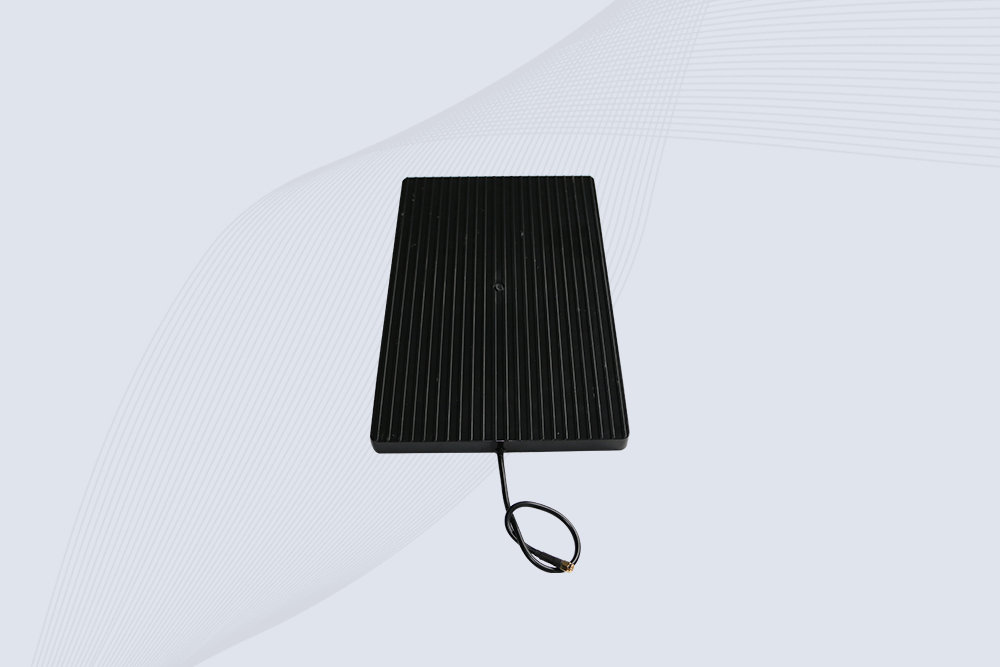
Cykeo CYKEO-A6 UHF RFID panel antenna features 6dBi gain, 840-960MHz broadband, IP65 metal-ready housing for logistics/smart retail. 18mm ultra-thin design with tool-free mounting.
Cykeo CK-A3 industrial antenna RFID UHF offers 5m+ tag detection, ≤1.3:1 VSWR, IP65 rugged design, and global UHF spectrum compatibility (840-960MHz) for warehouses, factories, and retail.
Cykeo CYKEO-B5 directional RFID antenna provides 5dBi gain with 60° narrow beamwidth for precise inventory tracking. IP65-rated, global UHF frequency support, and low VSWR.
Create your own high-performance DIY RFID antenna! 5dBi gain, 840-960MHz tunable, step-by-step guides. Compatible with Arduino, Raspberry Pi, and commercial UHF readers.
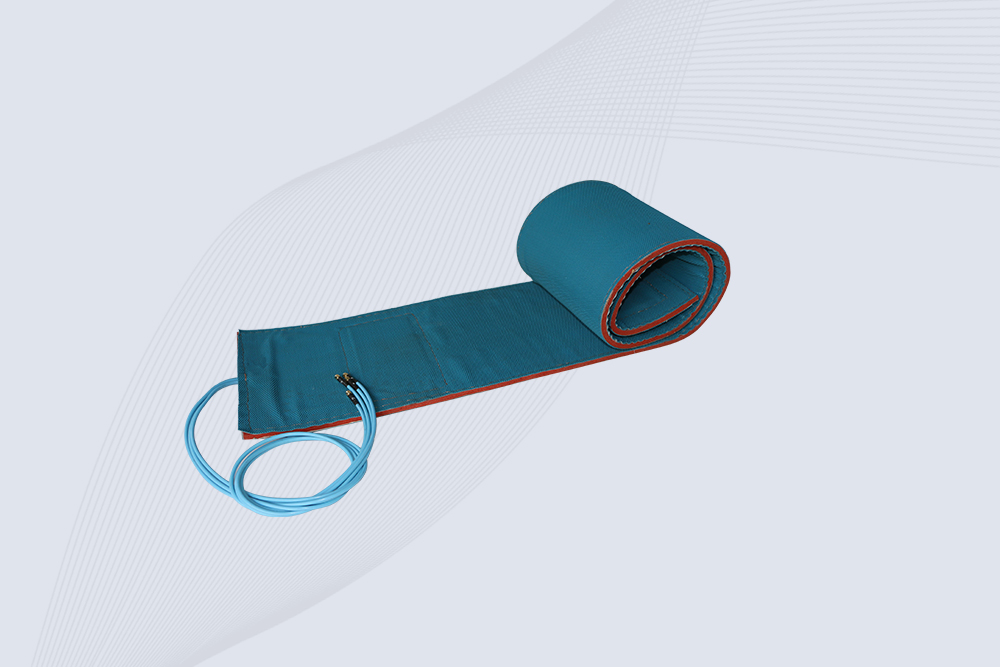
Cykeo CYKEO-A7 Flexible RFID Antenna features 840-960MHz wideband tuning, 7dBi gain, and IP68 rating for medical/retail/industrial curved surface deployments. 98% read accuracy with peel-and-stick installation.
Cykeo CYKEO-B5A industrial Passive RFID Antenna delivers 5dBi gain, 70° beamwidth, and -40°C~55°C operation for warehouses/smart cabinets. Compatible with Zebra/Impinj readers.
Cykeo’s CYKEO-A9B High Gain RFID Antenna delivers 15m+ read range with 9dBi amplification. Features IP54 rugged design, 840-960MHz bandwidth, and 80° beamwidth for warehouse/manufacturing RFID systems.
Cykeo’s enterprise-grade 8dbi Impinj RFID Antenna 10m+ read range with 840-960MHz tuning. Features IP65 housing, 1.4 VSWR, 35° beamwidth for retail/warehouse RFID systems.
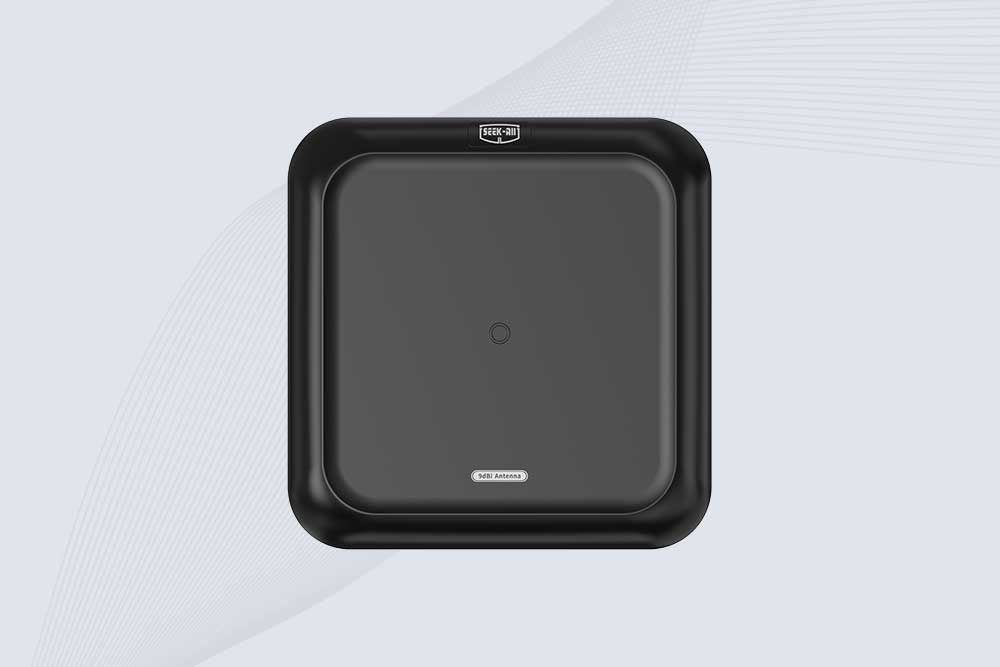
Cykeo CYKEO-A9 industrial UHF RFID antenna delivers 9dBi gain, 840-960MHz frequency range, and IP65 protection for warehouse/logistics/retail RFID systems. Features N-type connector and ≤1.3:1 VSWR.
CYKEO UHF RFID Antenna built for long-distance and industrial applications. This antenna rfid uhf delivers strong gain, outdoor durability, and reliable tag performance in warehouses, yards, and vehicle ID systems.
CYKEO Antenna RFID delivers reliable long-range UHF performance in warehouses, retail shelves, and cold-chain environments. This compact uhf rfid antenna provides stable reads with circular polarization and ultra-wide 840–960 MHz support, ideal for industrial tracking, smart shelves, and asset monitoring.
Cykeo’s CYKEO-C8 UHF RFID antennas delivers 8dBi gain, 840-960MHz full-band coverage, and IP65 ruggedness for manufacturing/warehouse RFID systems. Industrial RFID Antennas Features
Cykeo’s 8dBi UHF RFID antenna and reader kit delivers 10m+ range, 840-960MHz broadband, and IP65 ruggedness for factories, warehouses, and logistics. ISO 18000-6C & EPC Gen2 certified.
Cykeo’s CYKEO-A12C UHF Large RFID Antenna delivers 12dBi gain, 840-960MHz global frequency, IP65 ruggedness for logistics/warehousing/automotive. 40° beamwidth ensures stable 15m+ tag reads.
CYKEO Near Field RFID Antenna provides precise 5–30 cm reading for shelves, cabinets, and workstations. This compact rfid shelf antenna delivers stable short-range performance around metal and clutter, ideal for pharmacies, libraries, and electronics sorting.
Cykeo CYKEO-C1 industrial Forklift RFID Reader features 20m read range, 600 tags/sec scanning, Impinj R2000 chipset, and IP67 rugged design. Ideal for warehouse logistics and manufacturing. Supports ISO 18000-6C/6B protocols.
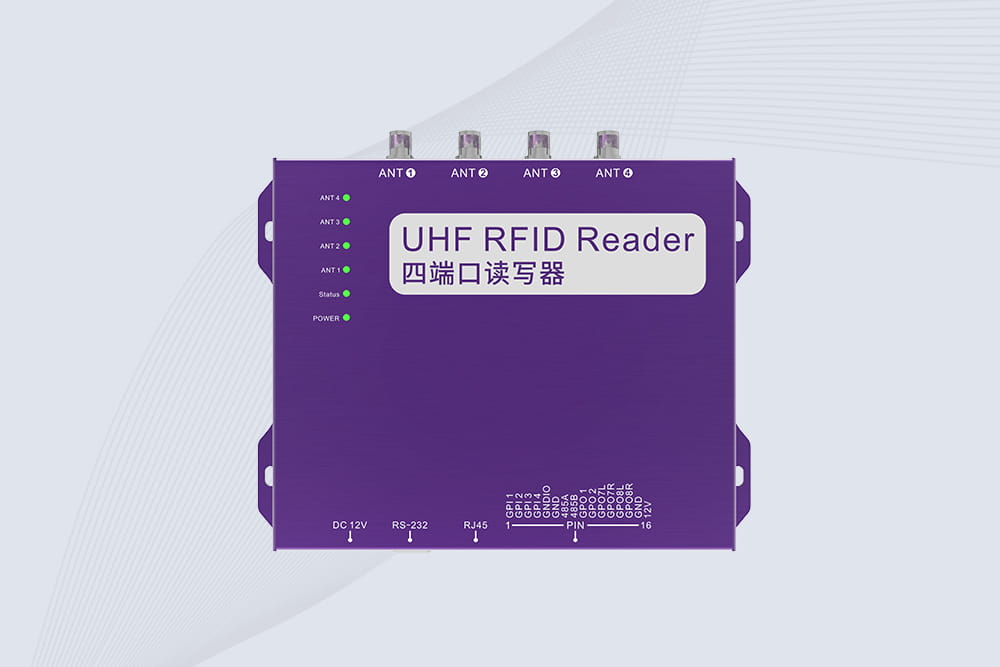
Cykeo CYKEO-R4 industrial UHF RFID Fixed Reader features 4 TNC ports, 400+ tags/sec speed, IP67 housing, and global frequency compliance for vehicle inspection, smart warehouse, and asset management systems.
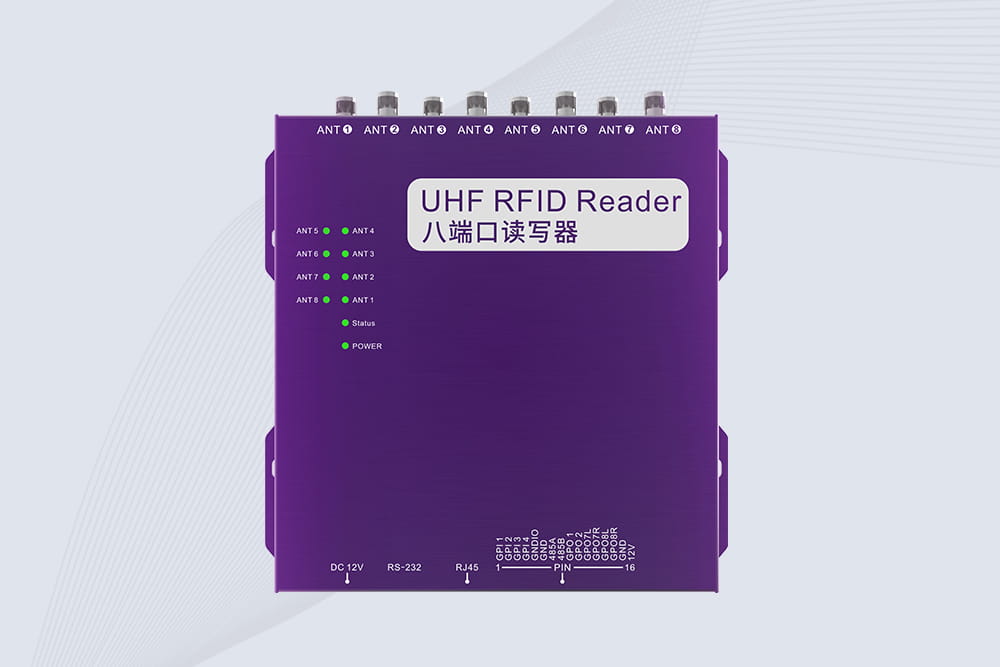
CYKEO CYKEO-R8L Fixed RFID Reader with 8-port UHF design, Impinj-based RF core and up to 20m read range. An industrial Fixed RFID Reader for vehicle inspection, warehouse portals, smart manufacturing lines and secure access checkpoints.
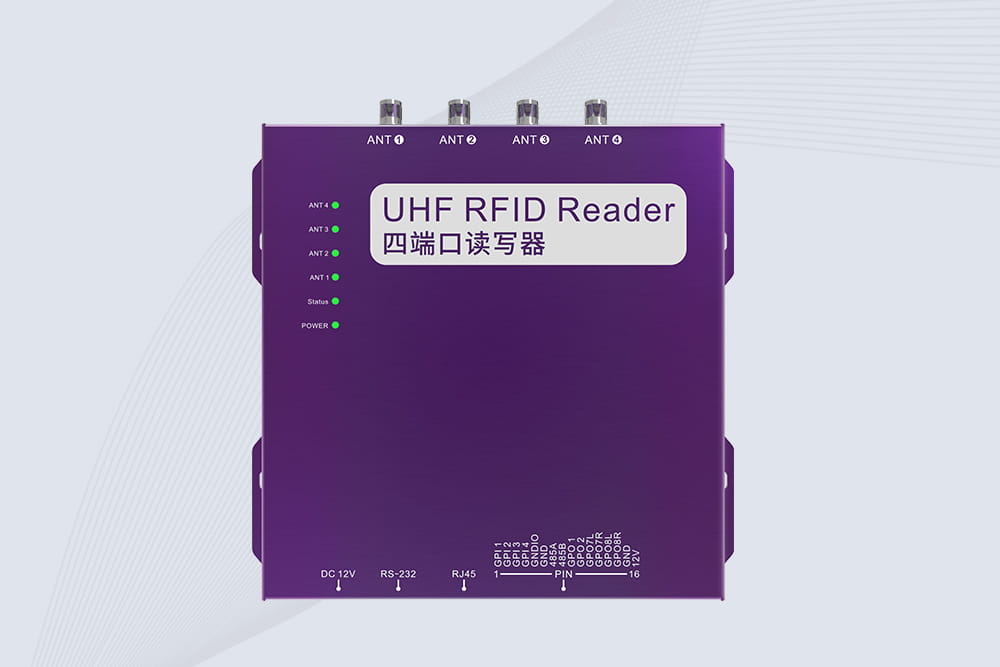
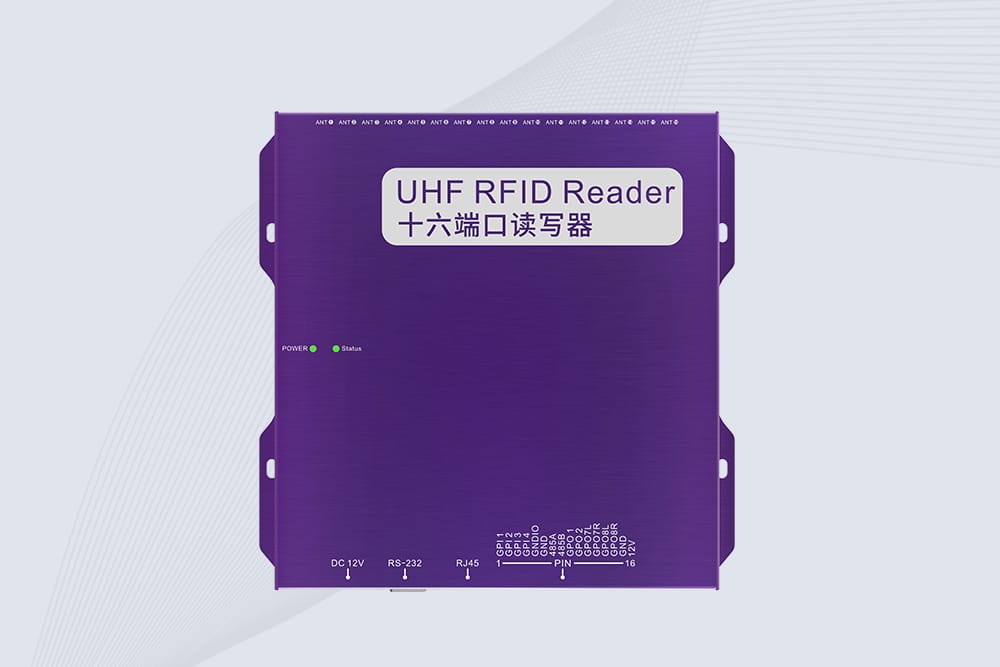
RFID Fixed Reader from CYKEO – the CYKEO-R16L 16-port UHF fixed reader for warehouses, smart cabinets, and production lines. Long-range, multi-tag reading, stable performance for 24/7 industrial use.
This article compares fixed-mount readers and handheld RFID readers in terms of installation, mobility, reading performance, automation, and application scen...
Compare handheld and fixed RFID readers for retail stores. Learn the pros, cons, and best use cases for each to optimize inventory accuracy and customer experience.
Learning how to read RFID cards? Stop guessing. We cover reading card UID, accessing user data, HF vs UHF differences, and code examples for desktop and mobile. Real advice from CYKEO engineers.
 Cykeo RFID IoT Solution Products R&D Manufacturer