 Cykeo RFID IoT Solution Products R&D Manufacturer


How to Use an RFID Card
91An RFID card communicates with a compatible reader to identify a user or item, support access control, and record transactions. Successful operation depends ...
MoreAll RFID Product
Two desktop readers sit side by side in a product photo. Same black ABS shell, same USB cable, same “860–960 MHz” line. One quotes at $95; the other at $390. Buyers who assume the second is overpriced usually come back six weeks later with a failed write batch and a different opinion.
Figures below are indicative street ranges, not a Cykeo price list. A USB RFID reader price is always quoted per project.
| Reader type | Frequency | Typical street range | What it is bought for |
| LF module, read-only | 125 kHz | $10–30 | Hobby access control, a few centimetres |
| HF / NFC desktop | 13.56 MHz | $20–70 | MIFARE and DESFire card ID, limited write |
| UHF desktop, single antenna, USB-HID | 860–960 MHz | $90–180 | EPC Gen2 reading, light tag encoding |
| UHF desktop, multi-port, SDK, 30–33 dBm | 860–960 MHz | $200–450 | Software integration, batch encoding, OEM builds |
| UHF tunnel / batch reader | 860–960 MHz | $600–1,500+ | 30+ items scanned in one pass |
The jump that catches people sits between rows three and four. A single-port HID unit and a multi-port reader with a documented SDK look identical from outside and differ by $150 — one is a development platform, the other a keyboard with an antenna.
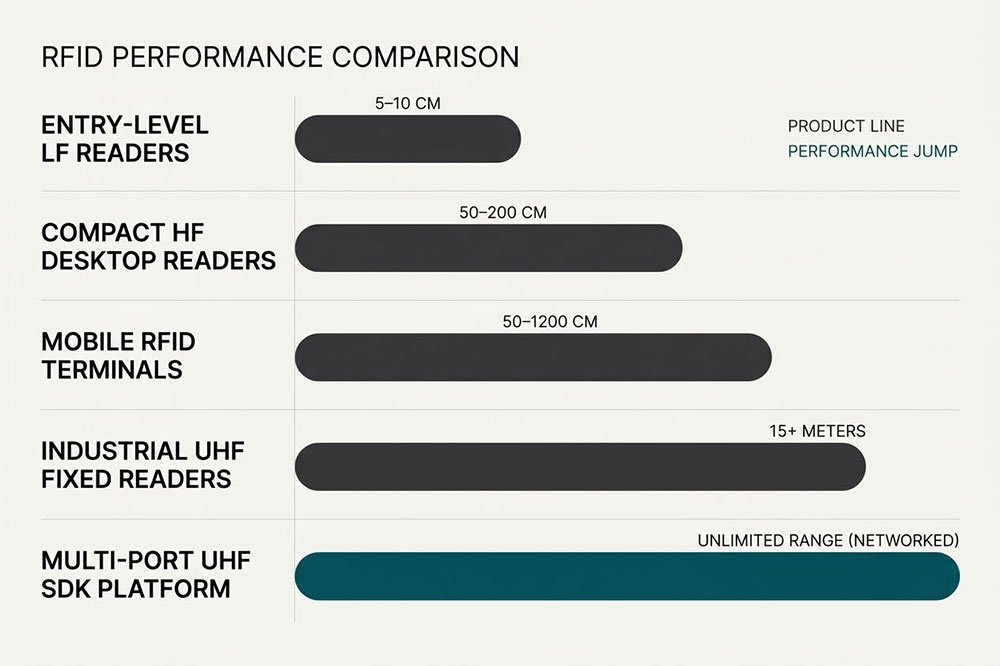
UHF costs more to build than HF or LF. It needs a power amplifier, a directional coupler, tighter filtering, and a protocol engine that survives dense-reader mode with forty tags in the field. An HF board is a simpler circuit reading one card at four centimetres.
Which is why a $25 “USB RFID reader” is a real product and the wrong one for stock counting. Fix the tag type before the budget. Teams building their own hardware start from UHF RFID modules, where the same RF engineering ships without an enclosure.
After the RF section, the chip is the biggest line in the bill of materials. Impinj E710 and E710/X3M1 silicon sits at the top of this category, the R2000 and R500 below it, generic domestic chips below those.
The spread is often $40–70 per unit. What it buys is unglamorous: anti-collision behaviour in a crowded read zone, and a sensitivity figure near -85 dBm that decides whether the tag at the edge of the field is counted at all.
Ask which chip is inside. A supplier who cannot name it is buying whatever lot was cheapest that quarter.
Every extra antenna port adds an RF switch, a connector, calibration time, and board space. A 4-port reader costs meaningfully more than a single-port; 8 and 16 step up again.
Pay for ports only when the layout demands them — a four-station encoding bench sharing one reader, or a kiosk with the antenna behind glass. A desk encoding one tag at a time needs none. The SSD-D4AL multi-antenna USB reader covers the first case; a single-port unit answers the second for less.
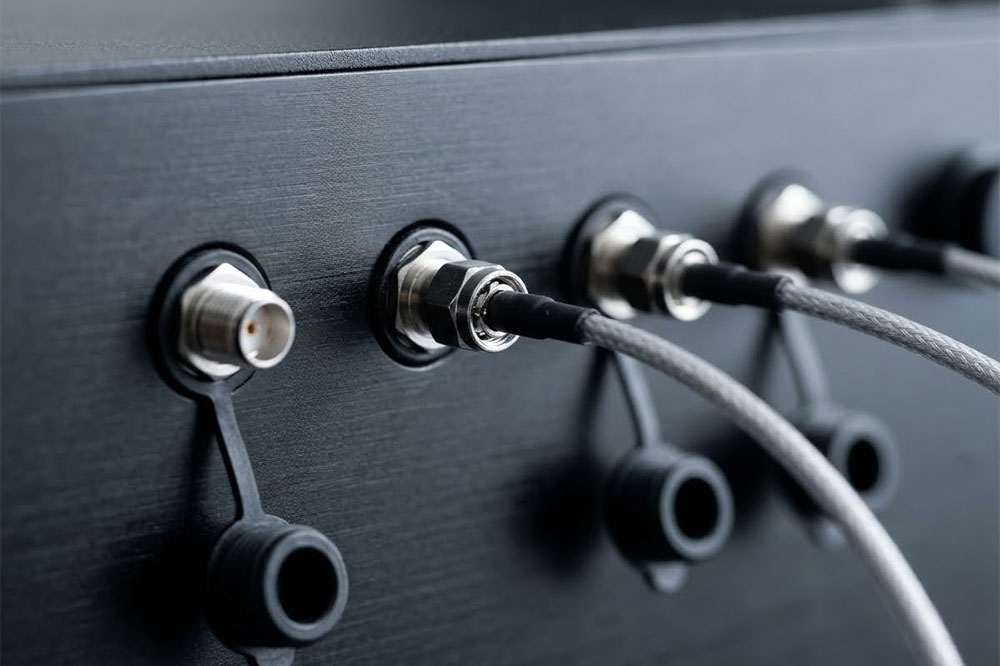
26 dBm is a modest amplifier and a passive heatsink. 33 dBm is a different power supply, a bigger amplifier, and roughly 20 W of draw that has to go somewhere.
That costs money, and it brings a risk: bus-powered readers on unpowered hubs drop out mid-batch, and the failure looks like a software bug for a week. Near-field encoding needs control, not reach — which is why a compact near-field USB encoder at 26 dBm class often writes more reliably than a 33 dBm unit turned down.
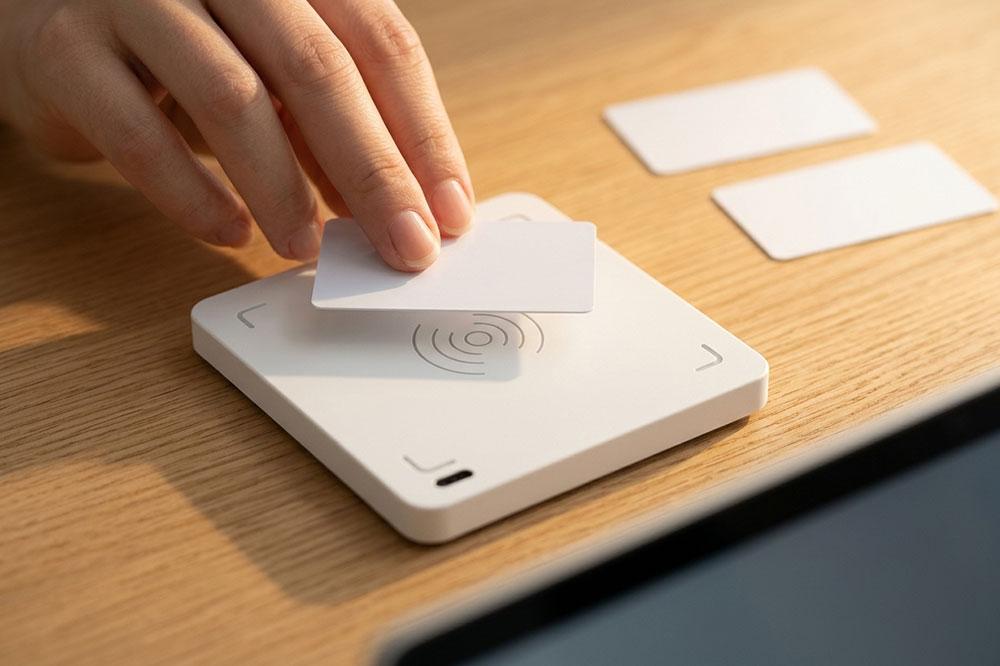
USB-HID firmware is cheap to write and cheap to support. It enumerates as a keyboard, types the tag ID into whatever field has focus, and needs no driver.
A virtual-COM driver, a documented RESTful and native API, Java and C# libraries, and a demo that runs in ten minutes are engineering hours, priced into the unit whether the buyer uses them or not. That is where the quietest difference hides: two readers can share a board and differ mainly in whether one ships with an SDK someone still maintains.
Reading an EPC field is straightforward. Writing it well is not. It needs 1 dB power steps, a near-field antenna that does not spill onto the label beside it, and firmware honest enough to report a failed write instead of claiming success.
If your process issues badges, prints shelf labels, or commissions tags on site, that is worth paying for. If you only verify what someone else encoded, it is dead weight.
A CE or FCC test report runs a few thousand dollars per model and is amortised across the run. Metal housings, IP ratings, and panel-mount designs add tooling. Regional band variants add inventory and logistics.
None of it shows in a product photo, and all of it shows in the quote. Ask for the certificate file, not a reassurance.
Custom logo, enclosure colour, packaging, firmware localisation, and SDK adjustments are quoted separately because they are one-time costs, not unit costs. Tooling runs from the low hundreds to low thousands depending on whether the shell is printed or newly moulded, and is usually waived above a volume threshold rather than dropped.
If a project needs a firmware change for a language format or a protocol quirk, willingness to run that change is part of what the higher quote buys. Vetting a supplier properly matters more than the last 8% of unit price.
Samples are quoted at list. At a hundred units, expect a single-digit percentage reduction. At five hundred and above, the conversation shifts to forecasts and staged deliveries.
MOQ on stock models is low. MOQ on a custom enclosure or a firmware branch is where projects stall, because someone pays for tooling before the first unit exists. Ask for the quote split into unit price, tooling, packaging, and freight.
The USB RFID reader price on the invoice is one line. The rest arrives later: developer days coding around a thin SDK, tags encoded with the wrong EPC and reissued, connectors that fail at the cable gland after a year of daily plugging, staff re-scanning a stack because a label was missed.
A $260 unit with a maintained API and a named support contact regularly beats a $120 unit that costs two weeks of integration. The exception is the simple job — a card ID typed into a form — where a $30 HID reader is correct and anything above it is waste.
If the read zone is a doorway rather than a desktop, the category is wrong. That belongs to fixed RFID readers or a gate reader, and a $400 desktop unit asked to do it badly is the most expensive option on the table.
Before requesting a quote, write five lines: tag type, read or write, software stack, annual volume, destination country. A supplier who quotes without those is guessing, and a guess is the most expensive line in the file.
Four things, usually: the chipset, the port count, the RF power stage, and whether a maintained SDK ships with it. A $95 unit is single-port and HID-only. A $400 unit is a multi-port development platform with an API.
Not here. Desktop USB readers are near-field devices with a 0–30 cm window, and paying more does not extend it. Long range starts with long-range RFID readers and external antennas.
Component cost is lower; engineering is not free. With an existing enclosure, power design, and firmware team, a module wins. Without them, the saving disappears in the first month, which is why most buyers compare the USB RFID reader range as finished units.
They add a one-time tooling charge rather than a per-unit markup. Printing an existing shell is cheap; a new mould is not. Ask for the tooling figure separately.
It can exceed the hardware price. A documented API with C# and Java libraries removes twenty to forty developer hours from a typical integration. A thin SDK adds them.

Discover SSD-D4AL, a USB-HID UHF RFID reader with 4/8/16 antenna options, Impinj E710/X3M1 chipset, plug-and-play USB power, and OEM customization.
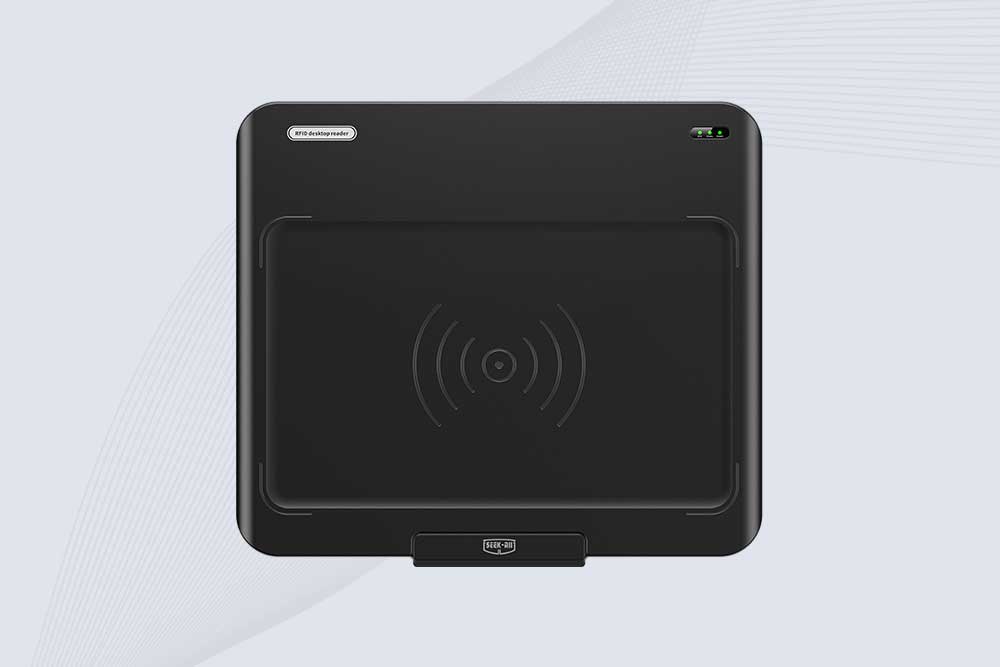
SSD-D3AL is a USB-HID UHF RFID reader with 0–30 cm reading, 0–15 cm writing, over 600 tags/s recognition, USB plug-and-play operation and OEM Logo customization.
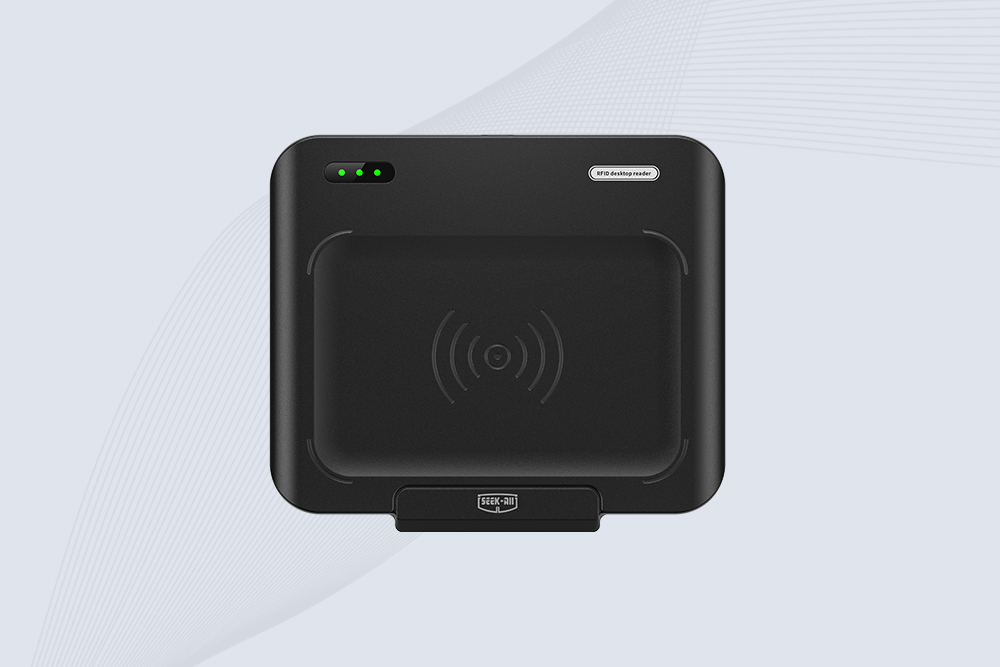
SSD-D1AL is a compact USB UHF RFID reader with Impinj E710/X3M1 chipset, USB-HID, 600+ tags/s recognition, 4/8/16 antenna support and plug-and-play USB power.

CYKEO CYKEO-D1LA USB RFID Reader is a compact desktop solution with near-field control for precise tag reading and encoding. Powered by USB, supporting ISO 18000-6C, and built for stable batch writing, this usb rfid tag reader fits retail, libraries, offices, and controlled RFID encoding tasks.
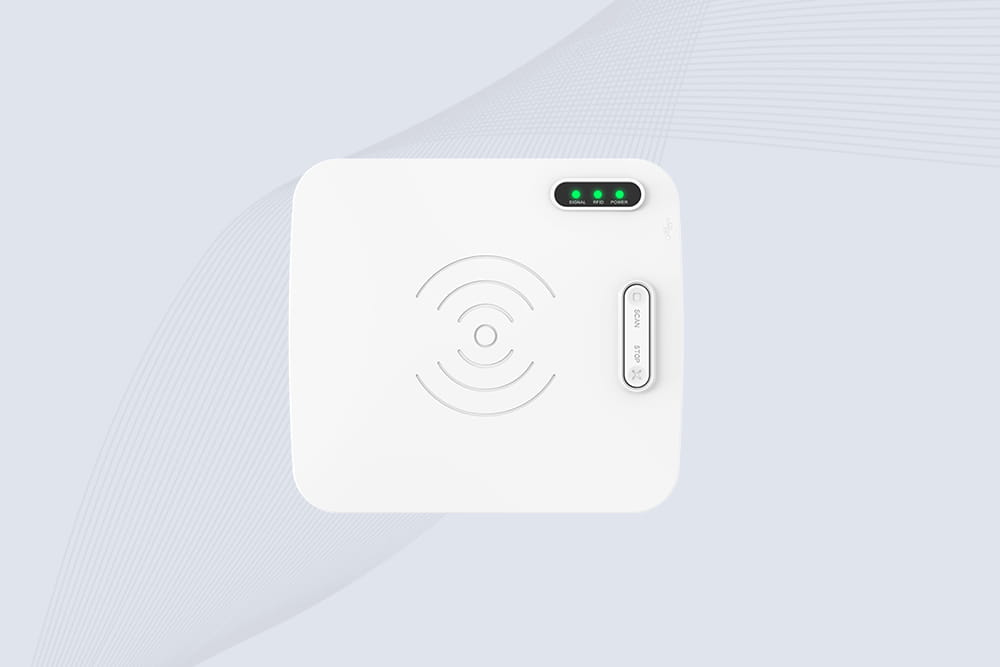
CYKEO CYKEO-D1L RFID scanner USB is a compact desktop UHF RFID scanner designed for short-range tag writing and verification. This usb rfid scanner supports batch encoding, stable 0–26 dBm output, and works across Windows, Linux, and Android systems.
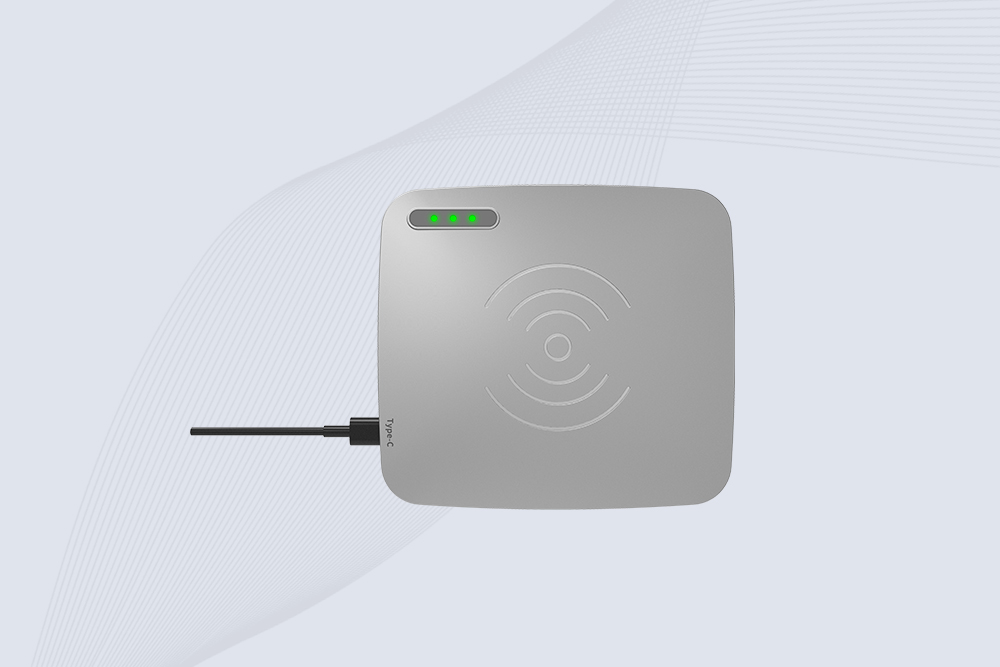
CYKEO CYKEO-D1C USB RFID Card Reader is a near-field UHF desktop writer designed for secure, short-range tag encoding. With USB-C connectivity and stable 26 dBm output, this rfid reader usb c is ideal for badge issuance, label encoding, and controlled desktop RFID workflows.
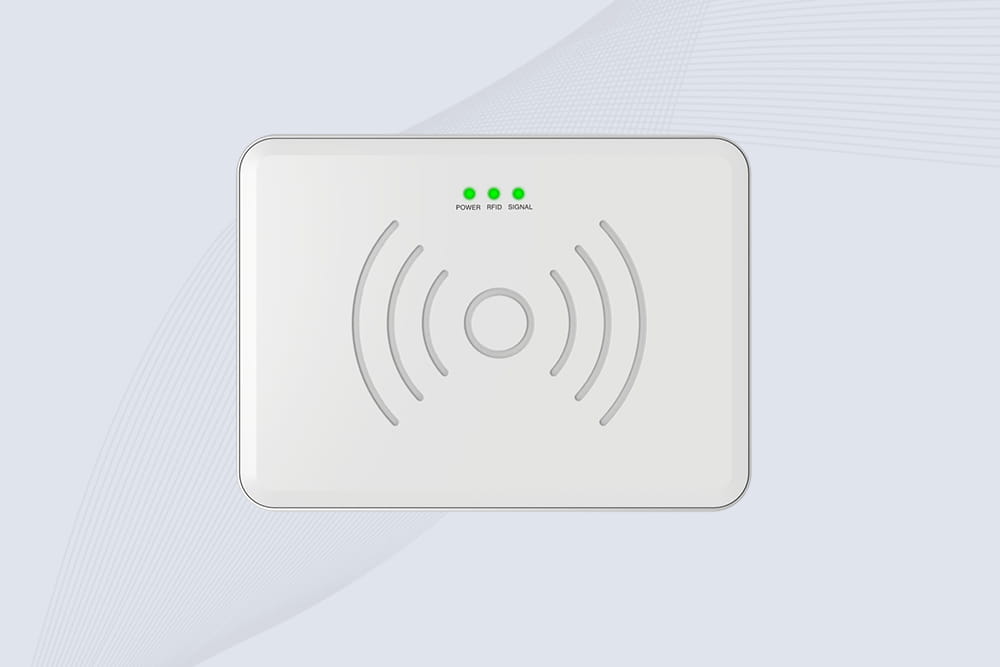
CYKEO CYKEO-D2L RFID Reader USB is a compact desktop encoder built on the Impinj R500 chip. With near-field control and stable USB power, this usb rfid card reader delivers precise tag writing for offices, retail counters, and small-scale logistics encoding tasks.
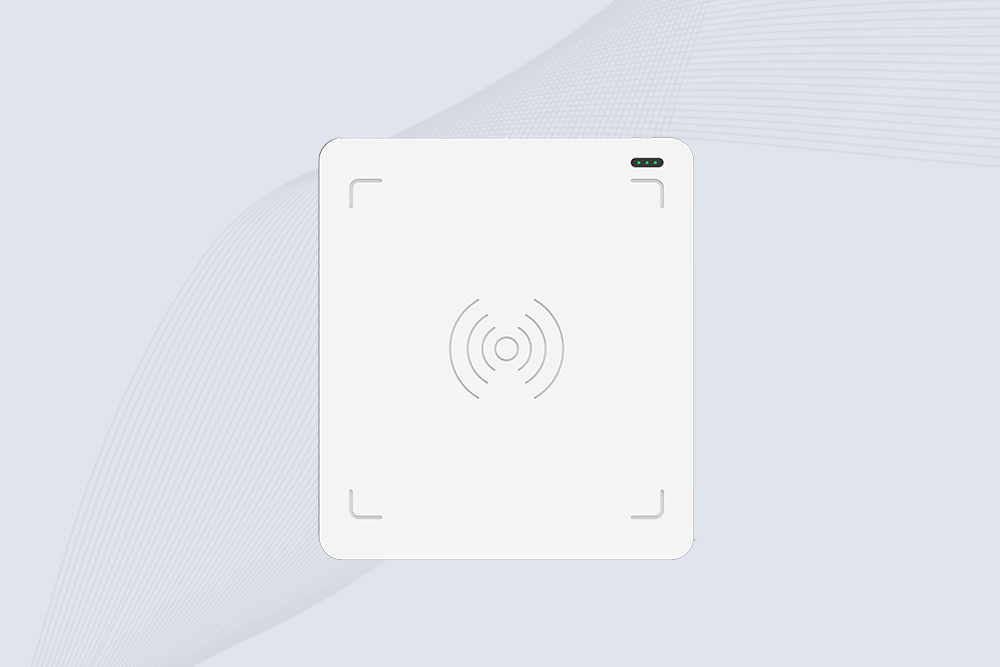
CYKEO CYKEO-D3L USB RFID Tag Reader delivers stable UHF tag reading and writing for daily desktop and light industrial tasks. Designed for controlled short-range operation, this USB RFID Tag Reader works reliably with rfid tag and reader systems in libraries, tool tracking, and inventory registration.
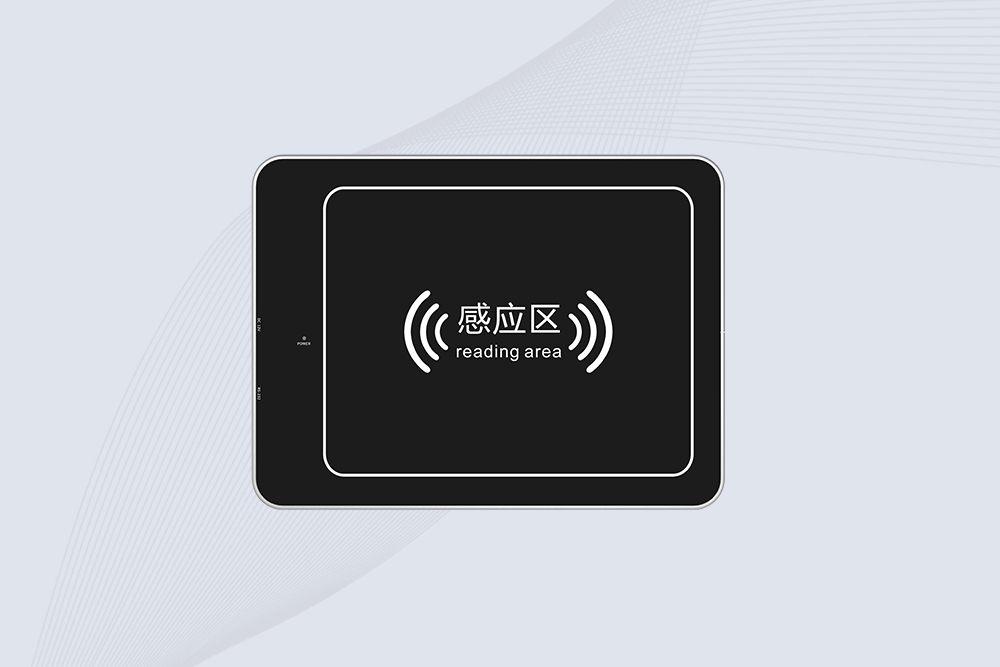
The CYKEO CYKEO-D4L UHF RFID Tag Reader is a stable Desktop RFID Reader designed for accurate tag registration, borrowing, and return workflows. Built with the Impinj R2000 chip, this UHF RFID Tag Reader delivers controlled short-range reads for libraries, asset tracking, and inventory management environments.
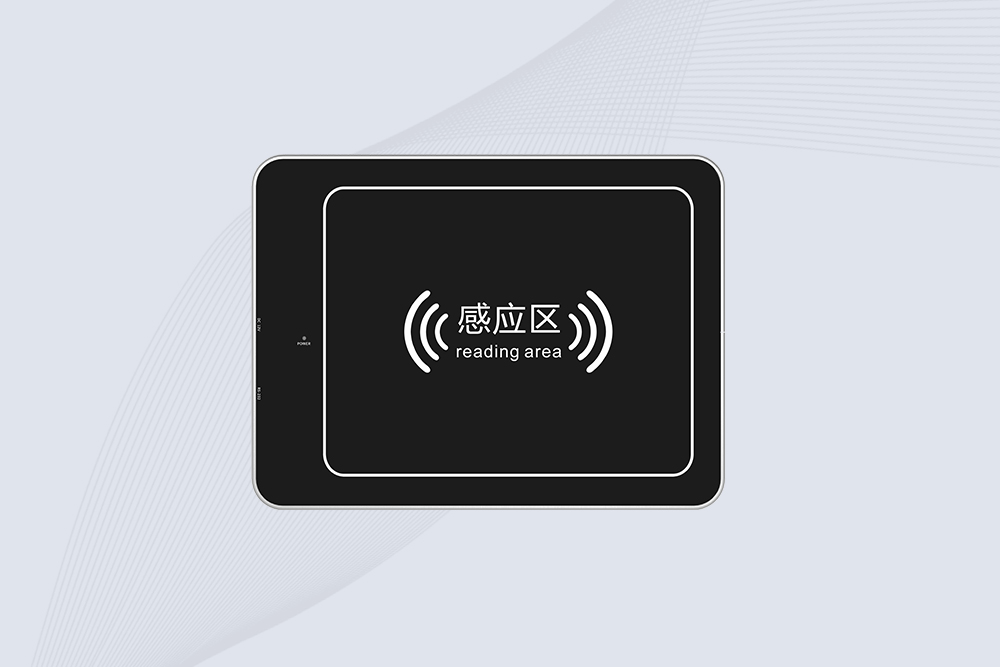
The CYKEO CYKEO-D5L Desktop RFID Card Reader is a stable UHF RFID Card Reader designed for controlled short-range reading and writing. Built for libraries, tool rooms, and asset desks, this UHF RFID Card Reader supports dense tag handling, secure data processing, and easy USB integration.
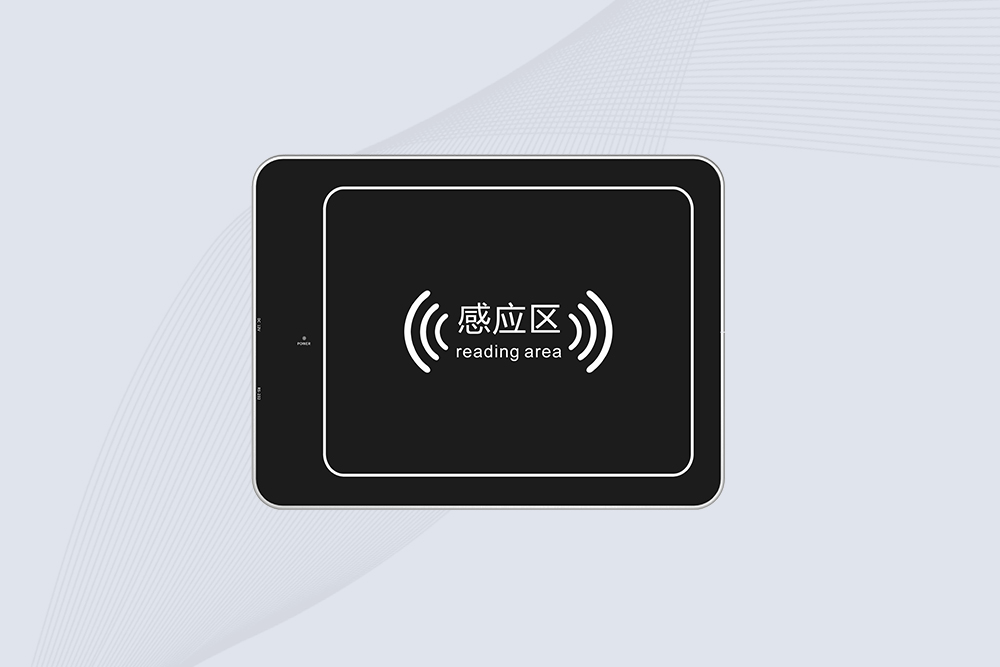
The CYKEO CYKEO-D6L RFID Reader Writer is a heavy-duty Desktop RFID Reader designed for short-range, high-accuracy tag programming. Built for libraries, labs, and asset desks, this RFID Reader Writer supports batch processing, stable 33dBm output, and seamless integration with existing management systems.
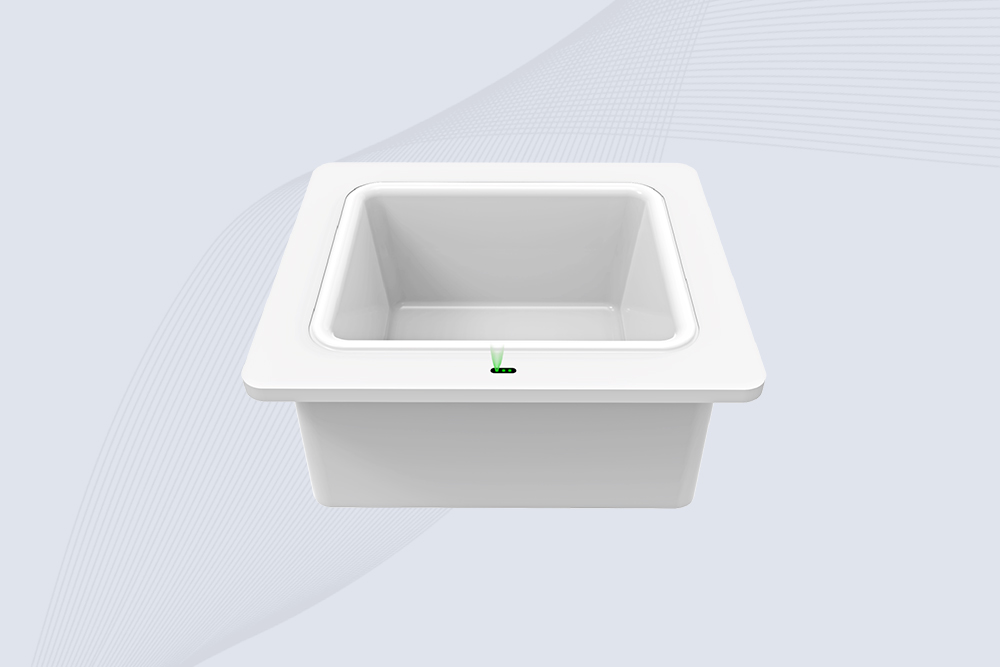
Cykeo CYKEO-D8B UHF RFID tunnel and RFID Desktop Reader features 30+ items batch reading,
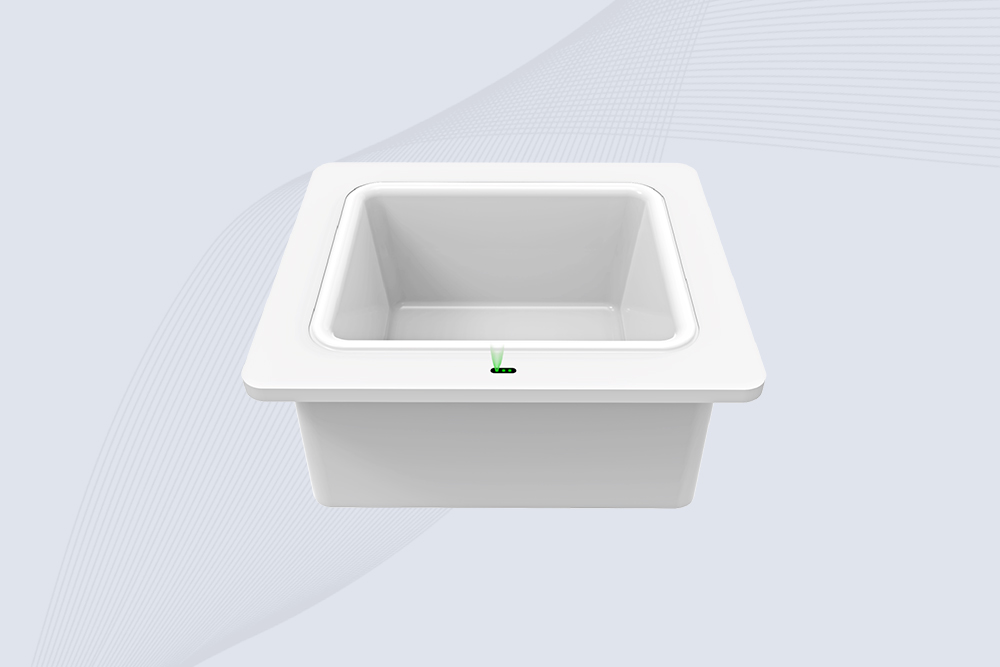
Cykeo CYKEO-D8A embedded RFID badge reader offers 30+ tags/sec scanning, 20cm anti-crosstalk precision, and DC 12V power for unmanned stores, warehouses, and smart inventory systems.
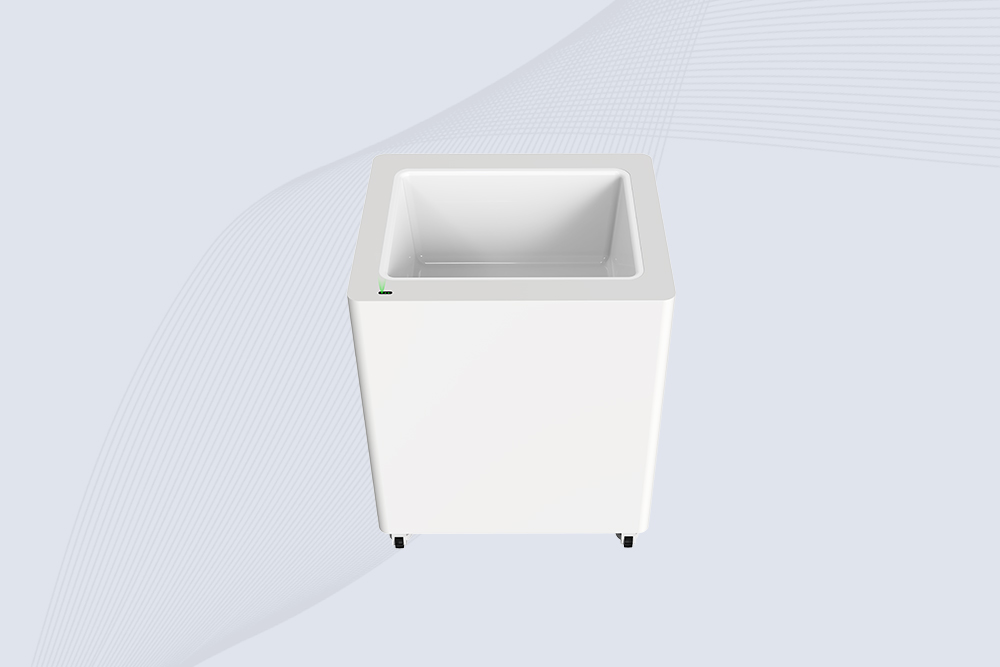
Cykeo’s CYKEO-D8C UHF RFID gate reader achieves 200-tag/batch scanning with adjustable power control, ideal for retail inventory and smart warehouse management.
RFID Industry Writer | IoT & Asset Tracking Analyst
James writes about RFID technology, asset tracking, and the practical challenges of digital transformation across warehousing, retail, manufacturing, and logistics.
His work focuses on how RFID is applied in real-world operations—improving inventory visibility, automating workflows, and helping businesses manage assets with greater accuracy and efficiency.
He regularly covers topics including UHF RFID, smart cabinets, RFID portals, tool tracking, warehouse automation, and industrial IoT trends..
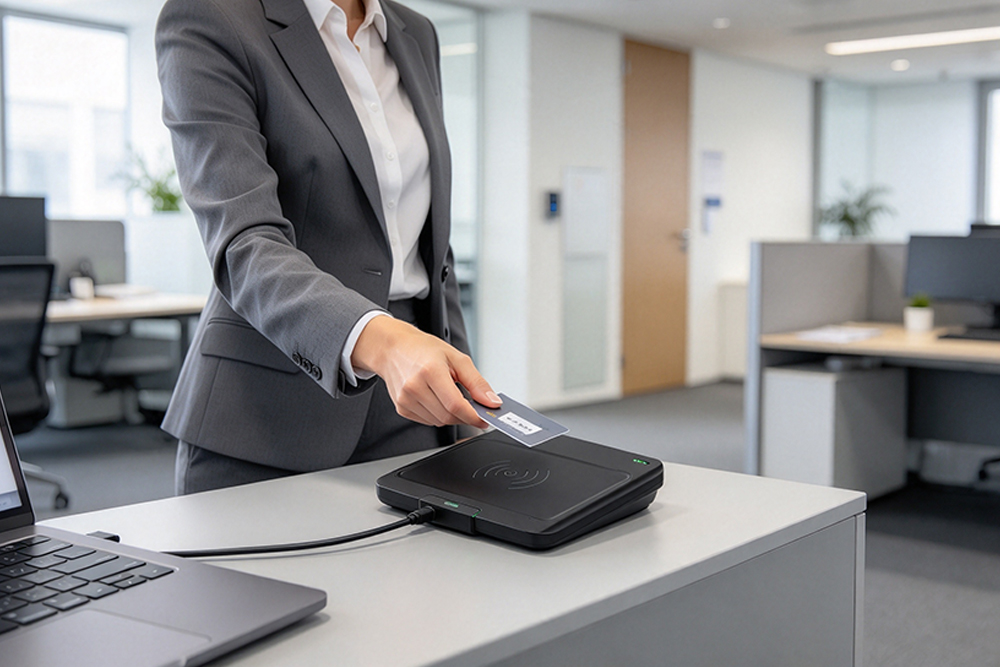
An RFID card communicates with a compatible reader to identify a user or item, support access control, and record transactions. Successful operation depends ...
More
A long range RFID scanner can support healthcare asset tracking by automatically identifying medical equipment, carts, reusable containers, and supplies as t...
More
Learn how to build a cost-effective, secure smart attendance system using RFID card reader modules. Perfect for schools, offices, and events.
More
Wondering how to choose a RAIN RFID reader that actually works for your use case? Compare fixed vs handheld, read range, region settings, and antenna options. Real advice from CYKEO engineers.
More