 Cykeo RFID IoT Solution Products R&D Manufacturer
What Are RFID Used For? A Practical Guide to UHF RFID Applications
31RFID is used for automatic identification, tracking, and data collection of physical objects across industries. UHF RFID helps businesses manage inventory, a...
MoreAll RFID Product
An RFID reader communicates with RFID tags using radio frequency signals to identify, read, and manage stored information. It enables automatic data collection, tag writing, inventory tracking, and asset management without direct contact, helping businesses improve operational accuracy and efficiency.
When users search what does an rfid reader do, the common answer is “it reads RFID tags.” While technically correct, this explanation does not show how RFID readers operate in real business environments.
An RFID reader is the communication center of an RFID system. It sends radio frequency signals through an antenna, activates compatible tags, receives returned information, processes the data, and transfers the results to software platforms.
Unlike barcode scanners, RFID readers do not require direct visual contact with every item. They can identify multiple tagged objects within a reading area, making them suitable for warehouses, factories, libraries, healthcare facilities, retail stores, and asset management systems.
From my experience participating in RFID hardware testing and deployment projects, the most important part of an RFID reader is not simply the maximum reading distance. A reader installed at a warehouse gate, for example, must identify the correct pallets passing through the area while avoiding tags stored nearby. A powerful reader with poor configuration can create more problems than a properly adjusted system.
In one industrial asset management project, the initial requirement was to increase reading range. After field testing, the actual improvement came from adjusting antenna positioning, output power, and filtering parameters rather than simply selecting a higher-power device.
This practical experience shows why understanding what does an rfid reader do requires looking at the complete workflow, not only the hardware itself.
An RFID reader works by creating wireless communication between the reader and RFID tags.
The process normally includes:
Passive RFID tags do not require internal batteries. They receive energy from the reader signal and send information back through backscatter communication.
According to GS1, EPC-based RFID technology provides standardized identification methods for supply chain applications, allowing products and assets to be identified consistently across different systems.
This standardization is one reason RFID readers are widely used in global logistics and inventory operations.
The primary function of an RFID reader is collecting information stored inside RFID tags.
Typical data may include:
In a warehouse environment, fixed RFID readers can automatically identify tagged cartons as they move through receiving or shipping areas.
In a library, a desktop RFID reader can identify books placed on the reading surface and connect them with borrowing or inventory systems.
Some RFID readers support writing functions, allowing users to add or update information stored on compatible RFID tags.
Writing applications include:
| Application | RFID Reader Function |
|---|---|
| Product registration | Assign unique identification data |
| Asset management | Create equipment records |
| Library systems | Register books and labels |
| Textile management | Update item circulation information |
A professional RFID reader with writing capability requires stable communication because incorrect data storage can affect the entire tracking system.
For example, when registering thousands of tools in a factory, the writing process must be accurate and repeatable. A failed or incorrect write operation may cause confusion during later inventory checks.
Fixed RFID readers are installed in permanent locations.
Common applications include:
They are designed for continuous operation and automatic identification.
A fixed UHF RFID reader may connect with multiple antennas to create wider coverage areas. The system can automatically collect information when tagged items enter the reading zone.
Handheld RFID readers provide mobility for operators.
They are commonly used for:
A handheld reader allows workers to move through different areas while collecting RFID tag information.
Desktop RFID readers are designed for controlled operations.
Typical uses include:
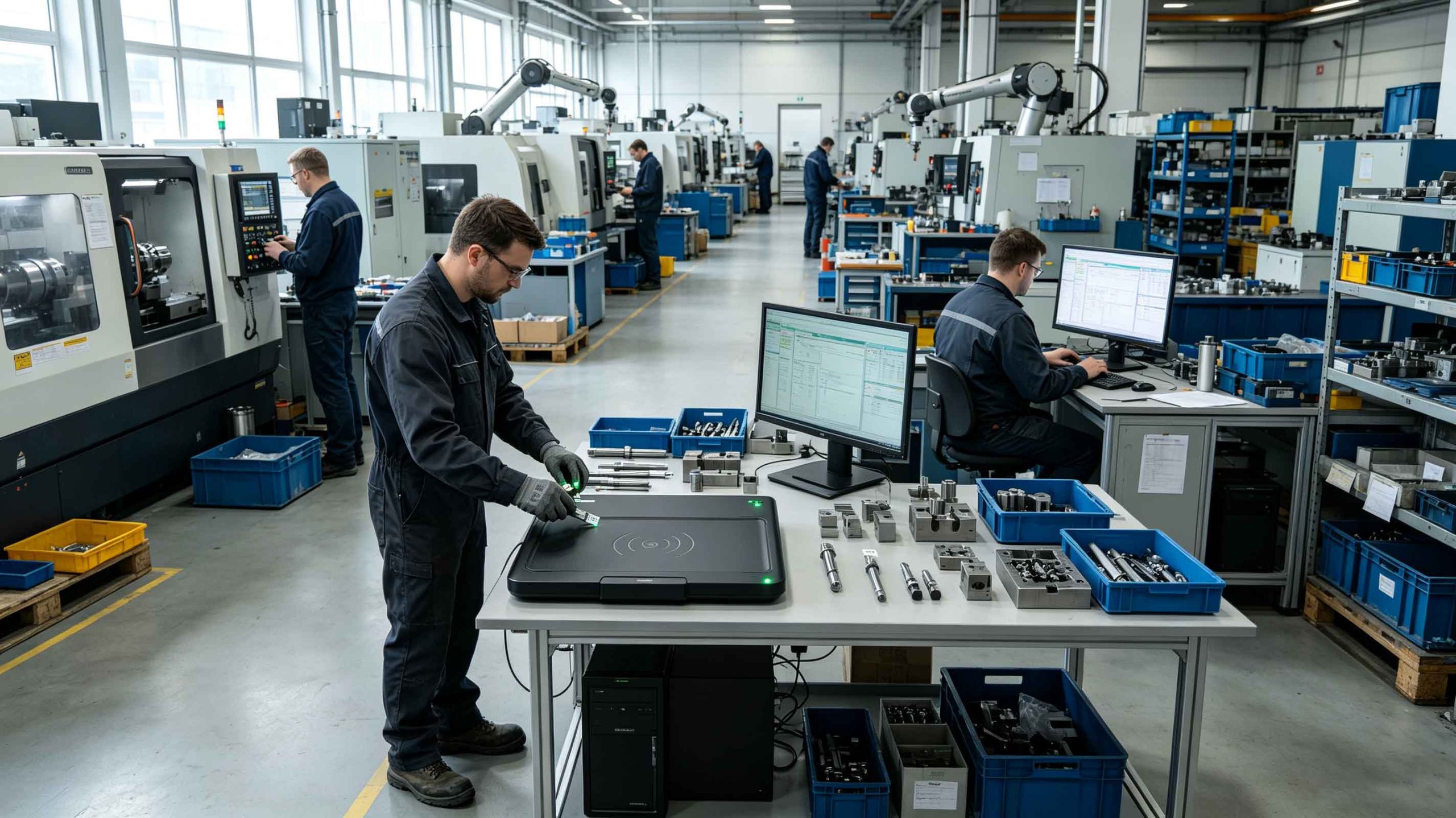
Cykeo desktop RFID reading platforms are designed for administrators who require stable reading and writing performance in fixed workstations.
A common mistake in RFID projects is choosing equipment only according to advertised reading distance.
Real RFID performance depends on multiple factors:
| Factor | Impact |
|---|---|
| Antenna design | Controls signal direction and coverage |
| Tag material | Influences communication quality |
| Installation environment | Affects interference and reflection |
| Reader configuration | Determines identification stability |
| Software integration | Controls data usage |
During deployment testing, metal surfaces, liquids, and dense groups of tags often create unexpected challenges.
For example, a warehouse shelf filled with metal containers may require different antenna placement compared with an open storage area. The same RFID reader model can perform differently depending on installation conditions.
Warehouses use RFID readers to improve inventory visibility.
Applications include:
The reader becomes a connection point between physical goods and warehouse software.
Manufacturing companies use RFID readers to manage tools, components, and equipment.
A complete RFID workflow may include:
The value is not only identifying an object but understanding its operational history.

A professional RFID reader is not only a device for collecting tag information. In practical deployments, it becomes a key connection point between physical objects, management software, and business operations.
At Cykeo, RFID reader solutions are designed around real application requirements, including stable identification, fast data processing, flexible communication, and reliable operation in different environments.
A complete RFID reader system can support workflows such as:
For example, a company managing thousands of tools does not only need to know whether a tool exists. It needs to know when the tool was registered, who used it, whether it was returned, and whether maintenance records are complete.
The RFID reader provides the data connection that makes these processes possible.
One important capability of modern RFID readers is processing multiple tags at the same time.
In real environments, products rarely appear individually. A warehouse pallet may contain many tagged items, and a library shelf may contain hundreds of RFID-labeled books.
Advanced RFID readers use anti-collision algorithms to separate multiple tag responses and maintain stable recognition performance.
This technology is important for:
Without effective collision processing, the reader may miss tags or create unstable identification results.
Reading tags is only one part of RFID applications. Many businesses also require writing information into tags.
Cykeo RFID readers support stable read/write operations through optimized signal processing technology.
Important performance factors include:
| Feature | Business Value |
|---|---|
| High output power | Supports reliable tag communication |
| Signal processing algorithm | Improves identification stability |
| Data filtering | Helps remove unnecessary tag information |
| RSSI support | Provides signal strength information |
For example, during RFID tag registration, operators need confidence that the written information is correct before the item enters circulation.
A stable writing process reduces repeated operations and improves daily efficiency.
Libraries use RFID readers to manage large numbers of books and documents.
Typical operations include:
A desktop RFID reader provides a controlled reading environment where administrators can place books directly on the device and complete registration tasks.
This reduces manual barcode scanning and improves information accuracy.
Manufacturing companies often manage thousands of tools and production assets.
RFID readers help create digital records for:
The combination of RFID tags, readers, and management software creates a complete asset lifecycle record.
Textile companies use RFID readers to track reusable items such as:
The reader helps record movement through different stages:
This type of workflow requires reliable RFID identification because thousands of items may be processed every day.
Choosing an RFID reader requires matching the device with the actual application.
Before selecting equipment, companies should evaluate:
A desktop RFID reader and a warehouse fixed reader solve different problems.
A desktop model focuses on controlled operations, while fixed industrial readers focus on automated identification over larger areas.
An RFID reader should work with existing business systems.
Important integration factors include:
Cykeo provides development resources including C# and Java materials, helping companies connect RFID readers with customized applications.
Modern RFID projects often require customized software connections.
A professional RFID reader should provide flexible development options.
Common integration scenarios include:
| Industry | RFID Integration Purpose |
|---|---|
| Manufacturing | Equipment and tool tracking |
| Logistics | Warehouse inventory automation |
| Libraries | Book circulation management |
| Healthcare | Medical asset monitoring |
| Retail | Product visibility management |
The hardware collects identification information, while software transforms that information into useful business data.
This relationship is the foundation of successful RFID deployment.
An RFID reader communicates with RFID tags through radio frequency signals to collect stored information. Depending on the model, it can also write data, update tags, and support automated identification systems for inventory, assets, and products.
No. RFID readers communicate wirelessly with tags and usually do not require physical contact or direct visual alignment. The effective distance depends on the RFID frequency, antenna design, reader power, and surrounding environment.
Some RFID readers support both reading and writing functions. These devices can program compatible RFID tags, update stored information, and verify written data for applications such as asset registration and inventory management.
Common RFID reader types include handheld RFID readers, desktop RFID readers, and fixed RFID readers. Handheld models support mobile operations, desktop models support controlled registration tasks, and fixed models support automated industrial applications.
The number of tags detected depends on the reader model, antenna configuration, tag environment, and software settings. Advanced RFID readers use anti-collision algorithms to improve multi-tag identification performance.
RFID readers are widely used in logistics, manufacturing, retail, healthcare, libraries, textile management, and asset tracking. They help organizations automatically identify and manage physical items.
RFID reader performance is affected by antenna design, tag type, operating frequency, environment, installation position, and software configuration. Proper system testing is important before large-scale deployment.
When asking what does an rfid reader do, the answer goes beyond reading electronic tags. An RFID reader creates a wireless connection between physical objects and digital management systems.
From warehouse inventory and industrial asset tracking to library registration and textile management, RFID readers help organizations collect accurate information and improve operational visibility.
Cykeo develops RFID reader solutions based on real deployment requirements, combining stable signal processing, reliable tag communication, flexible integration, and practical application experience.
The most effective RFID systems are not defined only by hardware specifications. They are built around how people, processes, and data work together.
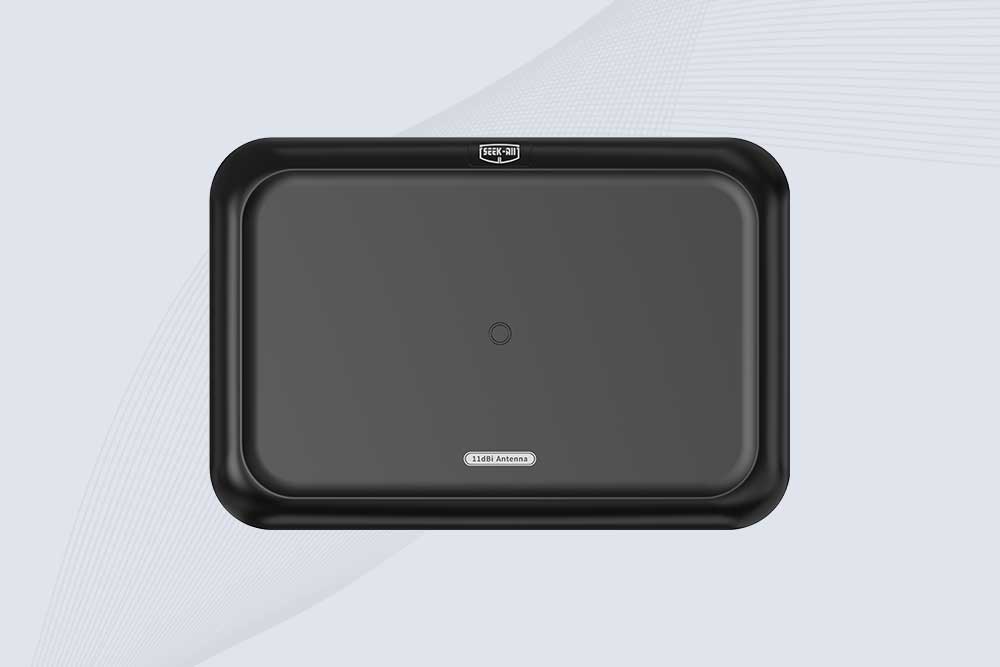
SSD-A11 UHF RFID antenna features 840–960 MHz adjustable frequency, ≥10.5 dBi gain, circular polarization and 50Ω impedance for fixed RFID systems.
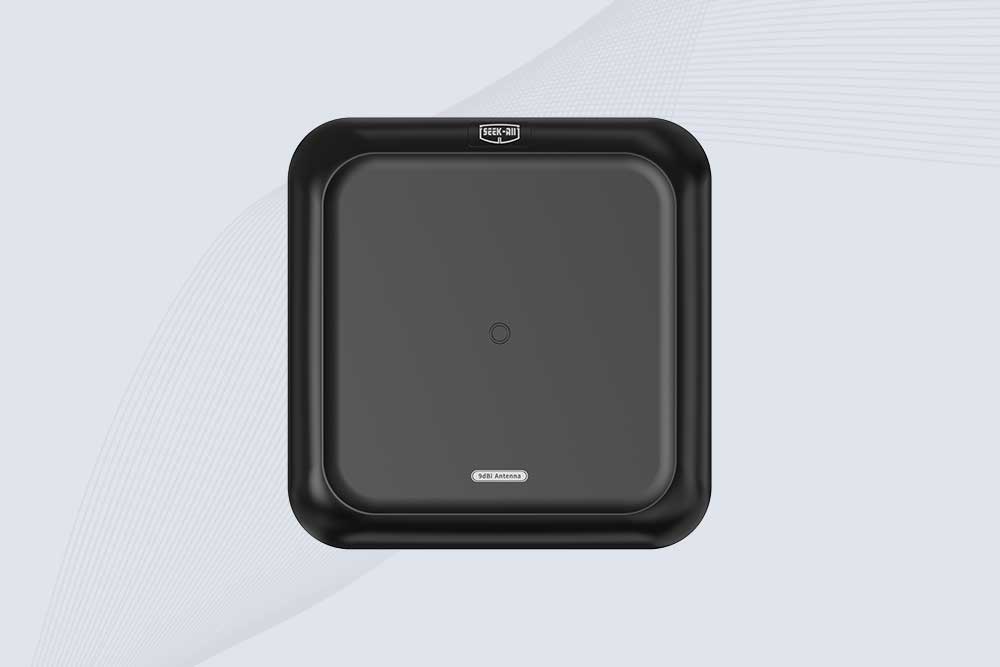
SSD-A09 is a 9 dBi UHF RFID antenna with 840–960 MHz adjustable frequency, circular polarization, 50Ω impedance and directional 60° × 60° coverage.
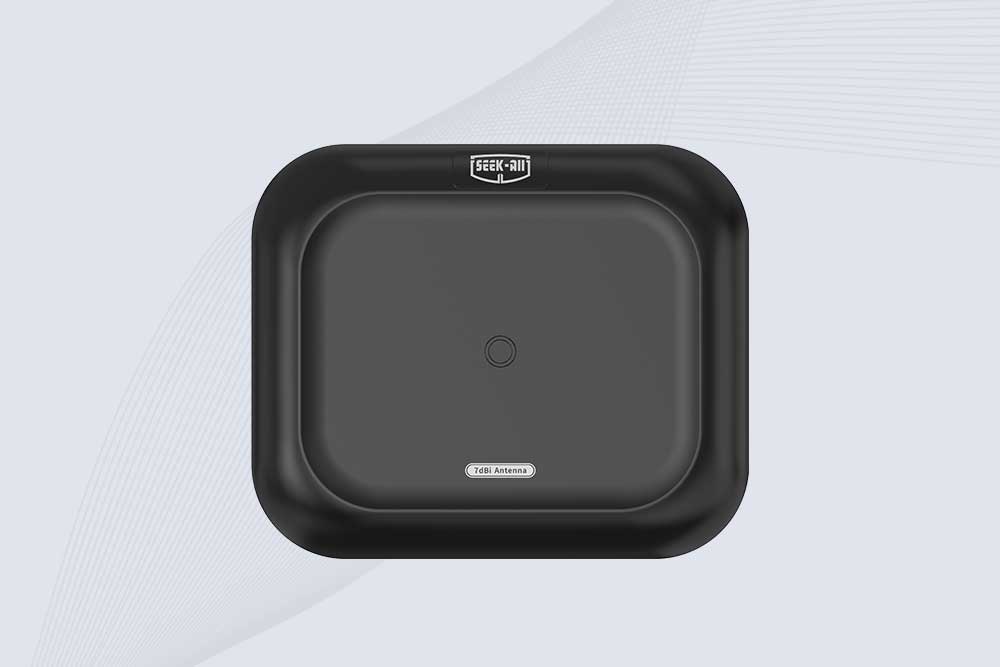
Explore the SSD-A07 UHF RFID antenna with 7 dBi gain, circular polarization, adjustable 840–960 MHz frequency, and 60°/75° beamwidth for stable RFID read/write performance.

SSD-A06 UHF RFID antenna with circular polarization, adjustable 840–960 MHz frequency, ≥4.5 dBi gain, and a compact directional design for RFID systems.
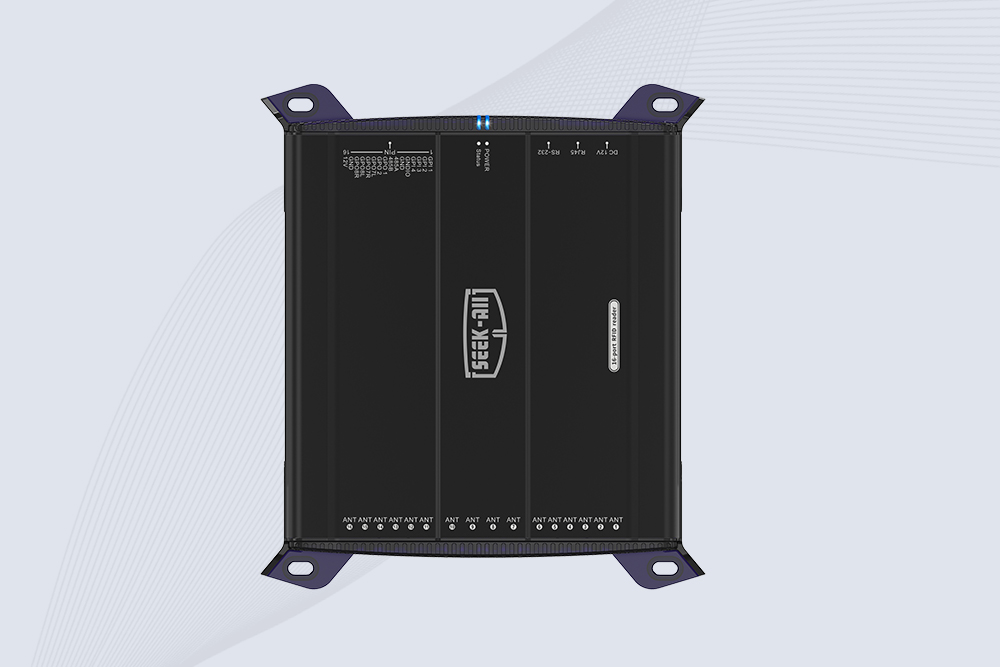
SSD-R16L Multi-Channel RFID Infrastructure for Automated Inventory Management ✔️ 16-Port High-Density RFID Reading Equipped with 16 SMA antenna ports, SSD-R16L supports multi-antenna deployment for warehouses, retail stores, logistics, production lines, and large-area RFID identification. ✔️ High-Speed & Long-Range Performance With up to 33…
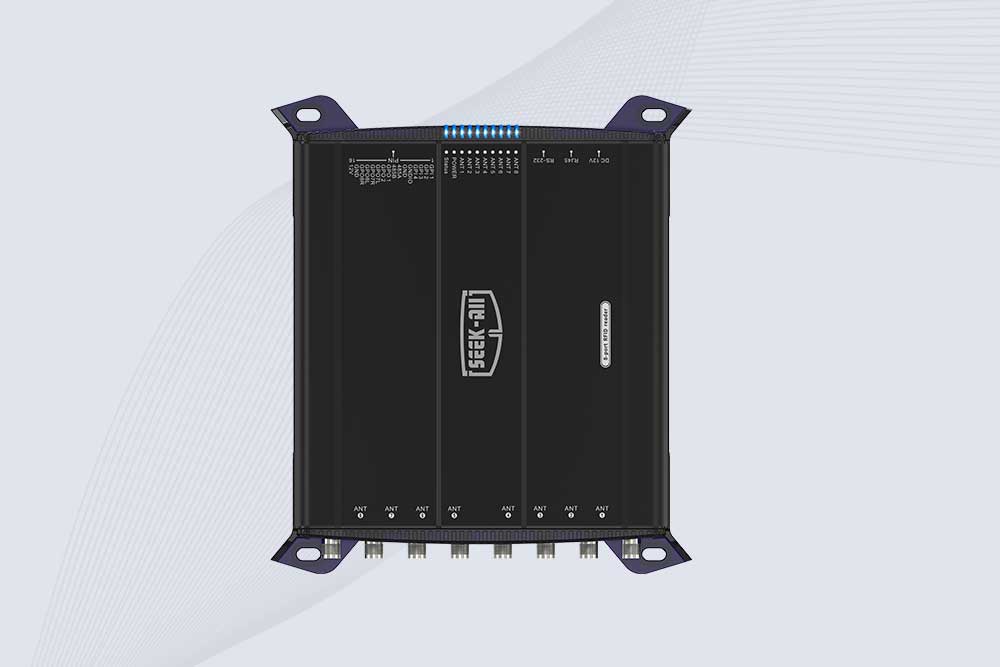
SSD-R8L 8-port UHF RFID reader with 33dBm output, up to 20m reading range and 600+ tags/s recognition. Ideal for warehouse, logistics, retail and asset tracking.
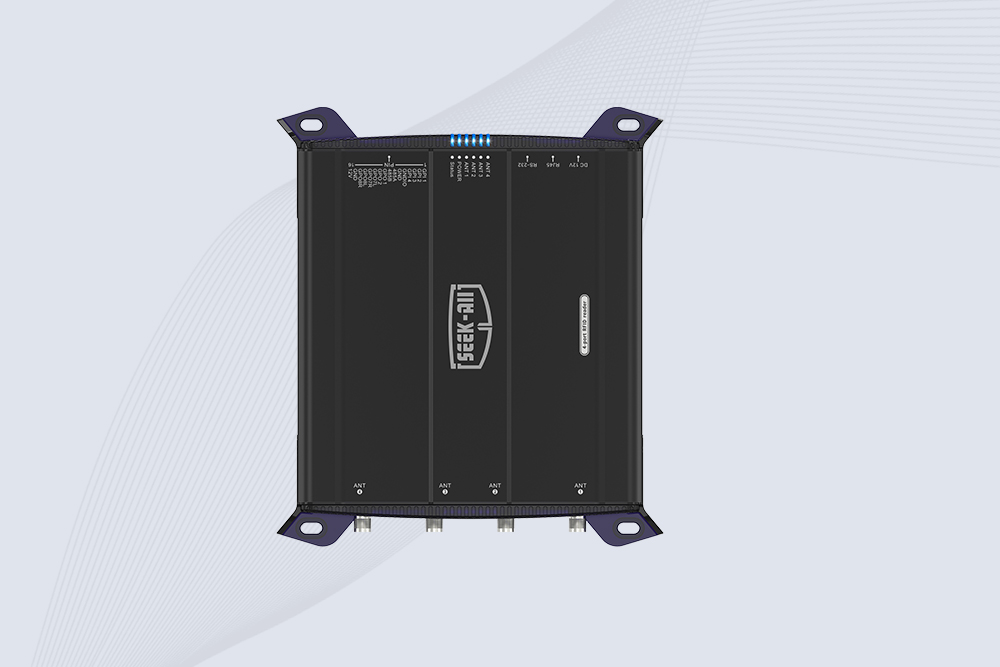
SSD-R4L is a 4-port UHF RFID fixed reader with 33dBm output power, up to 20m reading range, EPC C1G2 support and 600+ tags/s reading speed.
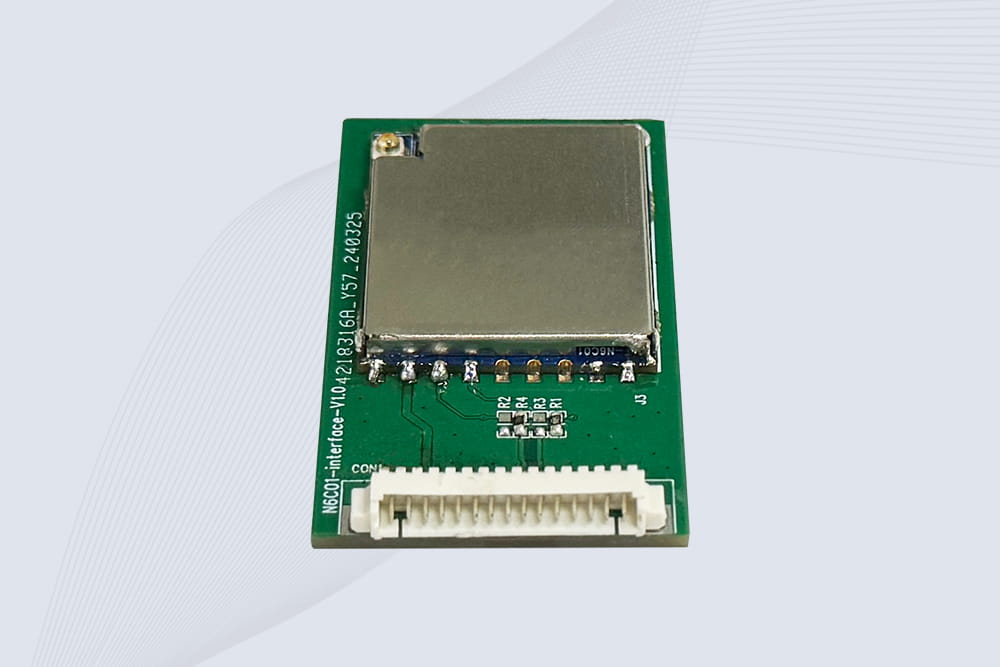
CYKEO Embedded RFID Modules are designed for compact industrial and IoT devices that require stable UHF performance. These UHF RFID Modules support global protocols, flexible power control, and reliable multi-tag reading for smart cabinets, production lines, and asset tracking systems.
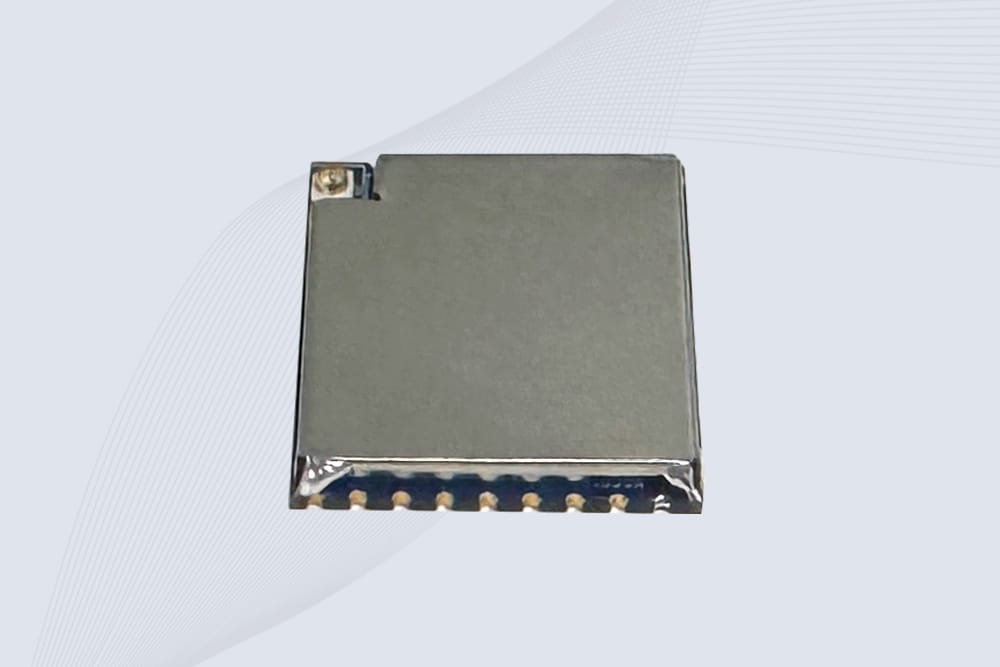
CYKEO Embedded RFID Module is built for compact IoT and industrial devices that need stable UHF performance. This UHF module supports global protocols, low power operation, and reliable multi-tag reading for smart lockers, production lines, and always-on RFID systems.
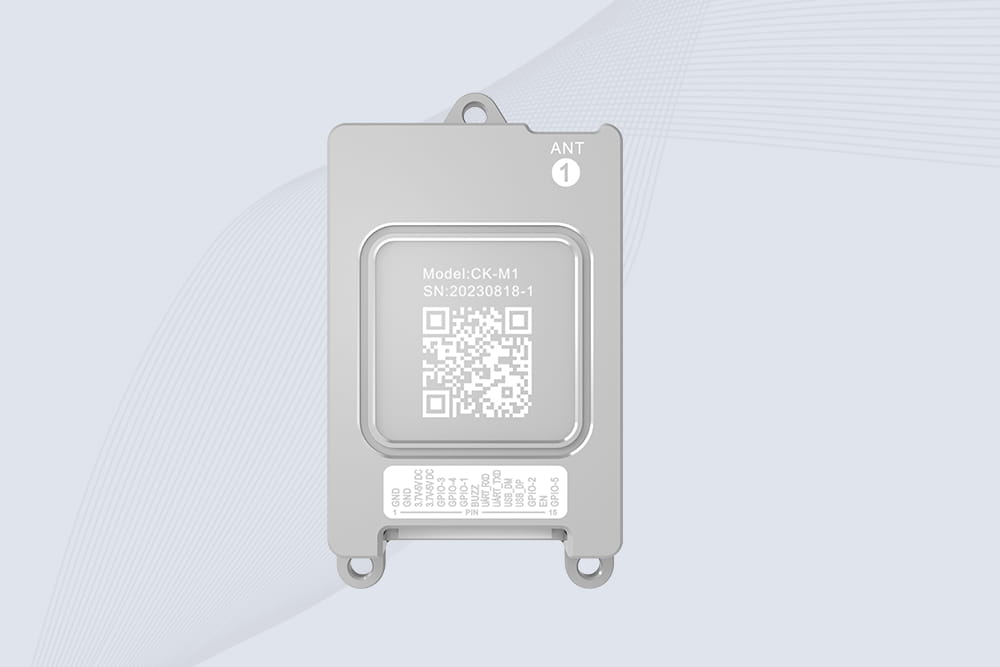
CYKEO CYKEO-M1 drone rfid module is a compact UHF RFID reader module designed for drones and UAV platforms. It supports long-range aerial scanning, fast multi-tag reading, and stable performance in wind, vibration, and outdoor environments.
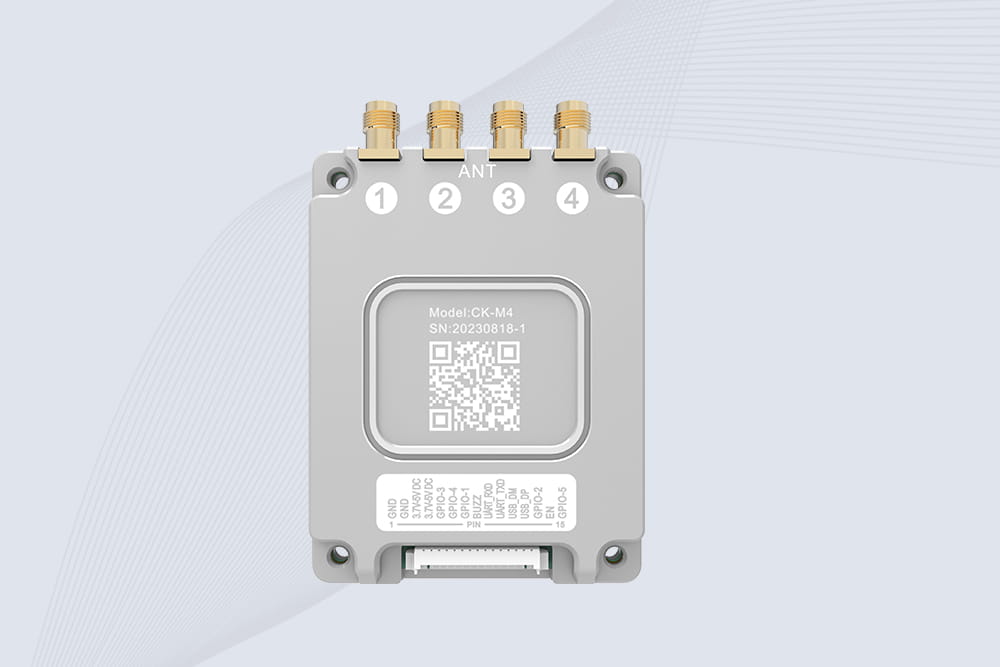
CYKEO CYKEO-M4 RC522 RFID Module is an industrial-grade UHF RFID reader with 4 ports, supporting ISO, EPC, and GB protocols. High-speed, accurate reading for IoT, automation, and warehouse applications.
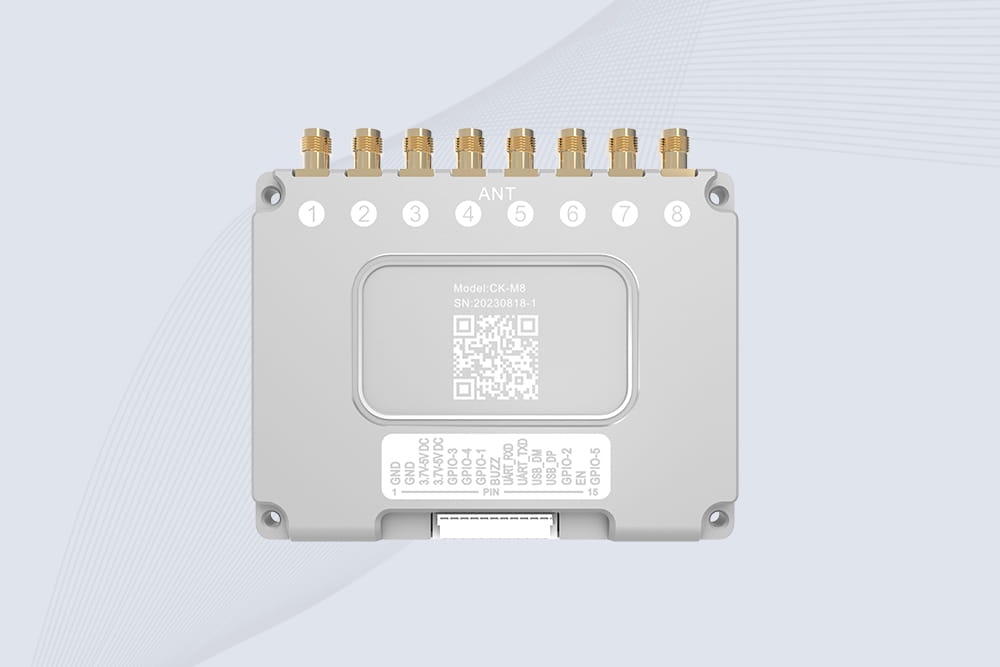
CYKEO CYKEO-M8 Module RFID is an 8-port UHF R2000 RFID Module designed for high-density, multi-tag environments. Stable 33dBm output, ISO & GB protocol support, ideal for warehouses, factories, and automated systems.
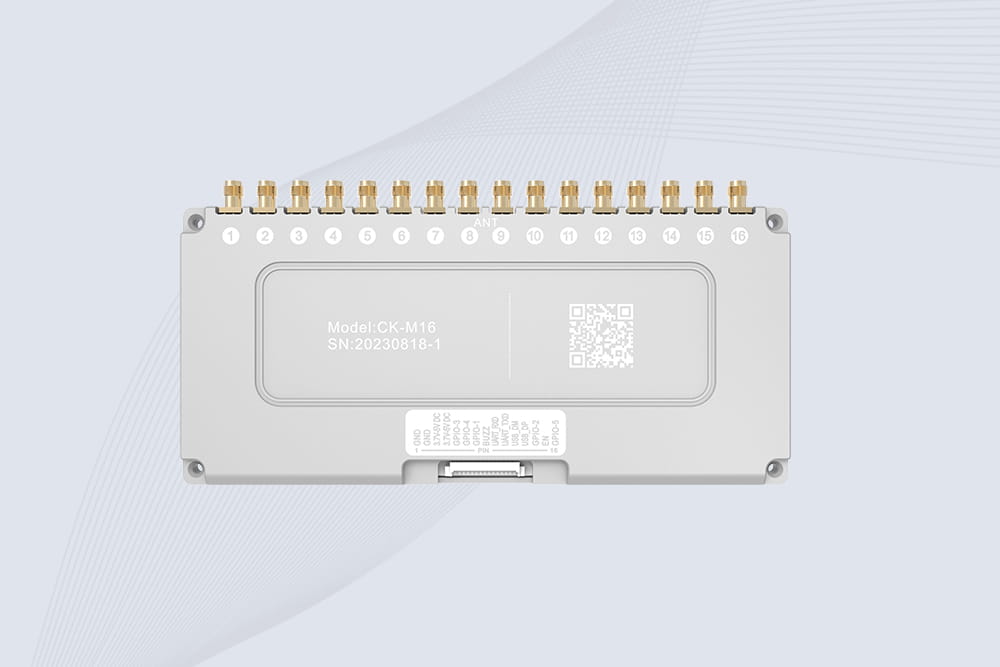
CYKEO CYKEO-M16 RFID Module is a 16-port UHF RFID reader module based on the R2000 chipset. Designed for dense tag environments, it supports ISO and GB standards and delivers stable multi-antenna control for industrial automation.
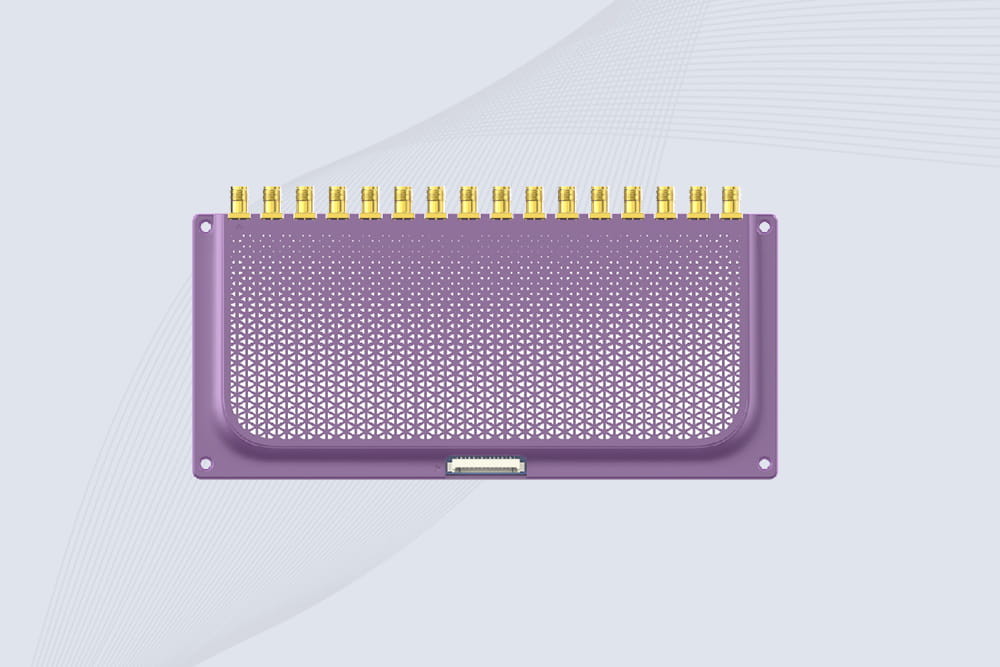
The CYKEO CYKEO-M16L RFID Reader Module is a 16-channel UHF RFID core designed for dense tag environments. With adjustable 33dBm output, multi-protocol support, and stable multi-antenna control, this RFID Tag Reader Module fits industrial automation, warehouse systems, and large-scale IoT deployments.
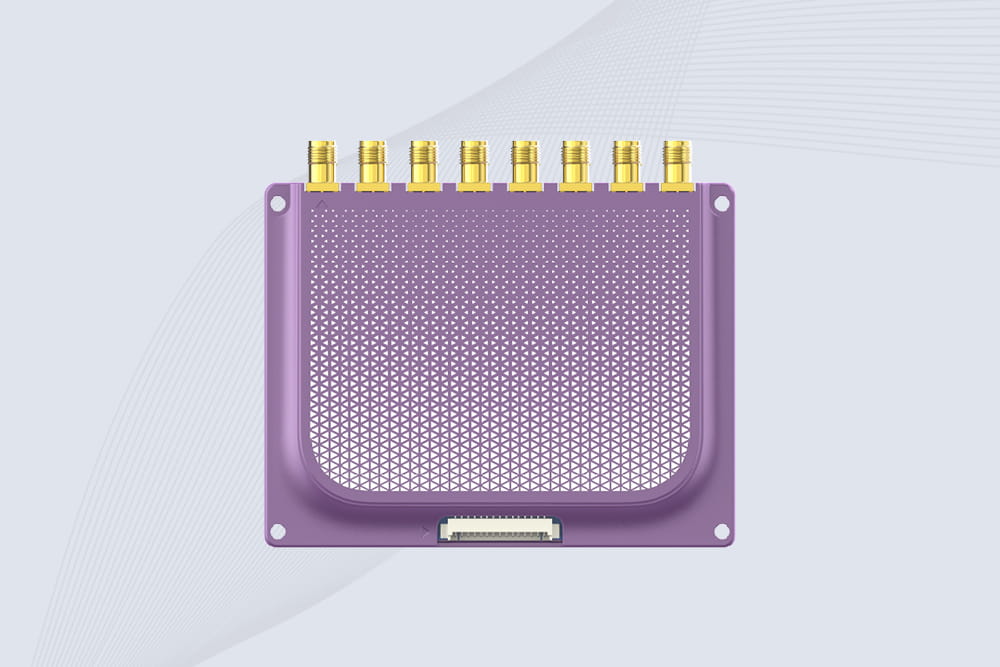
CYKEO CYKEO-M8L module RFID is a compact industrial UHF module built for dense tag and multi-antenna environments. With 8 RF ports, adjustable 33 dBm output, and ISO & GB protocol support, it is widely used in factories, warehouses, and automated tracking systems.
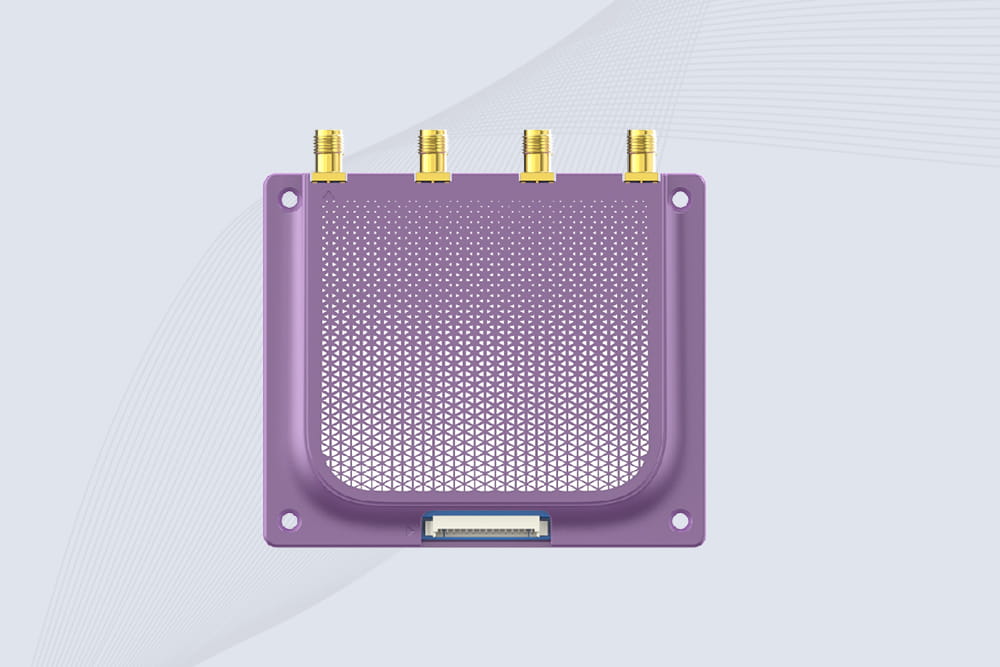
CYKEOCYKEO-M4L UHF RFID Module is a compact 4-channel RFID tag reader module designed for dense tag environments. Supporting ISO and GB protocols, it delivers stable reads up to 10 meters for industrial and IoT systems.
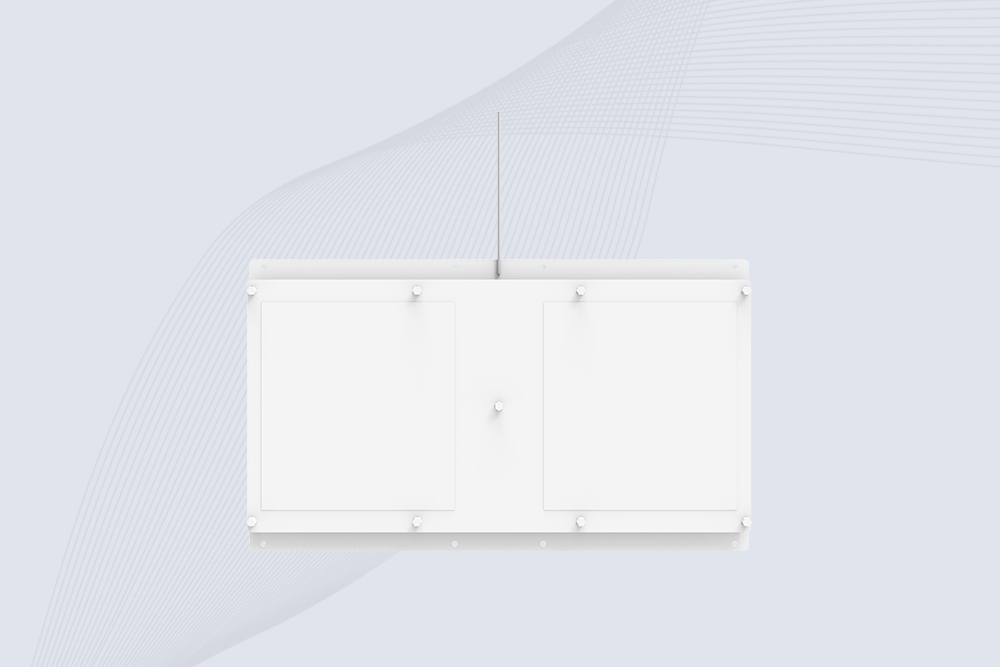
Cykeo CYKEO-A11 UHF RFID reader antenna delivers 11dBi gain, 840-960MHz frequency range, and IP65 ruggedness for retail, logistics, and industrial RFID systems. Features low VSWR and easy installation.

CYKEO Antenna RFID Reader delivers stable long-range UHF performance with a 10.5dBi directional design, built for warehouses, conveyor portals, and industrial RFID systems. This rfid reader antenna provides 20m+ read distance and rugged IP67 protection.

Cykeo CYKEO-PHF3 industrial HF RFID Antenna offers 24-point dynamic tracking, ISO 14443A/15693 protocols, metal-environment stability for archives/libraries/manufacturing.

Cykeo CYKEO-A5B industrial Linear RFID Antenna delivers 5dBi gain, ≤1.5:1 VSWR, and IP65 rugged design for warehouse, production line, and logistics UHF systems.

Cykeo’s CYKEO-B12 Long Range RFID Antenna delivers 15m+ read range with 12dBi gain, IP65 rugged design, and global 840-960MHz UHF support. Ideal for warehouse/logistics asset tracking.
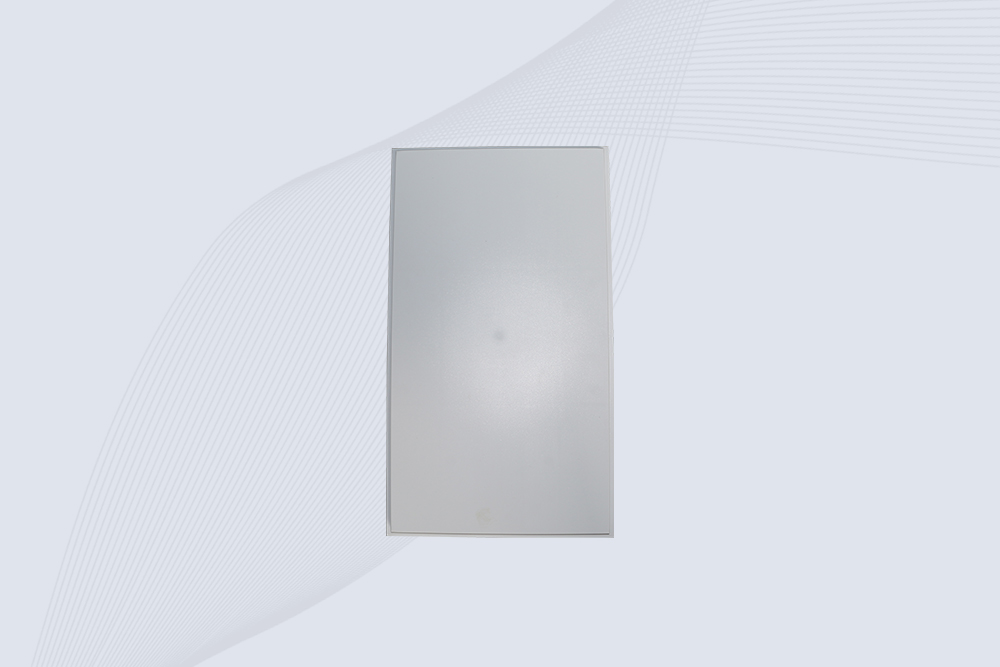
Cykeo CYKEO-B10 Long Distance RFID Antenna offers 10dBi gain, 840-960MHz frequency range, IP65 rating, and 20m+ coverage for logistics/warehousing/ETC systems. Low VSWR ensures stable signal transmission.
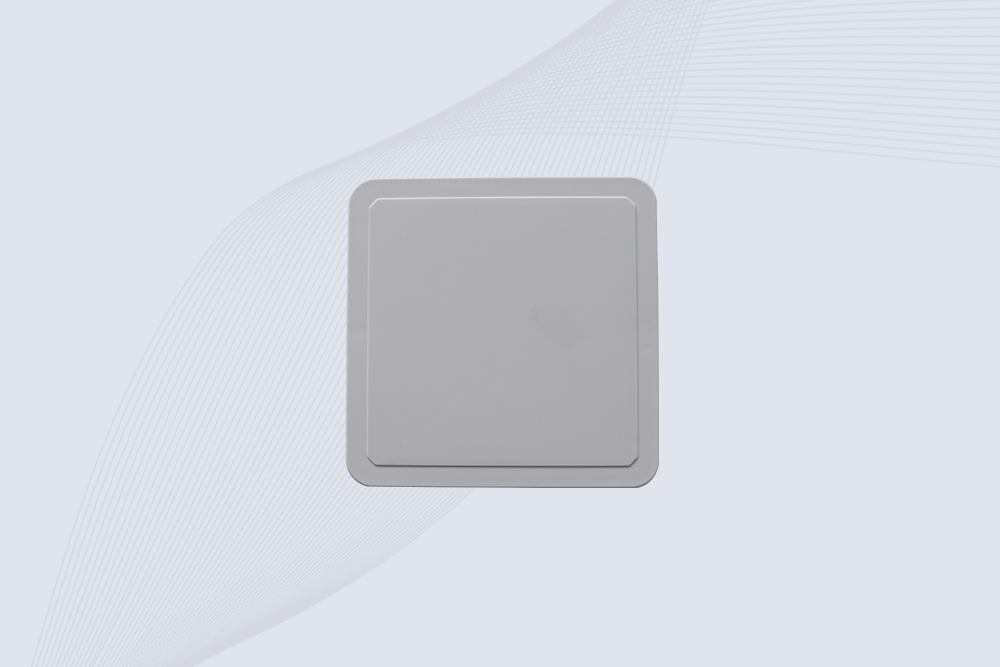
Cykeo CYKEO-A6 UHF RFID panel antenna features 6dBi gain, 840-960MHz broadband, IP65 metal-ready housing for logistics/smart retail. 18mm ultra-thin design with tool-free mounting.

Cykeo CK-A3 industrial antenna RFID UHF offers 5m+ tag detection, ≤1.3:1 VSWR, IP65 rugged design, and global UHF spectrum compatibility (840-960MHz) for warehouses, factories, and retail.
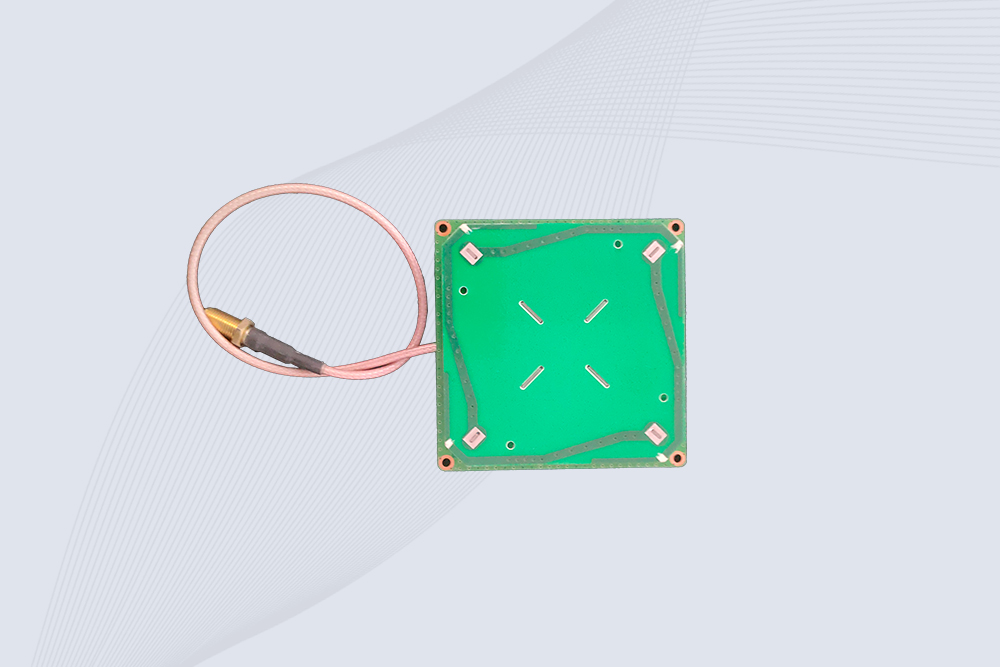
Cykeo CYKEO-B5 directional RFID antenna provides 5dBi gain with 60° narrow beamwidth for precise inventory tracking. IP65-rated, global UHF frequency support, and low VSWR.
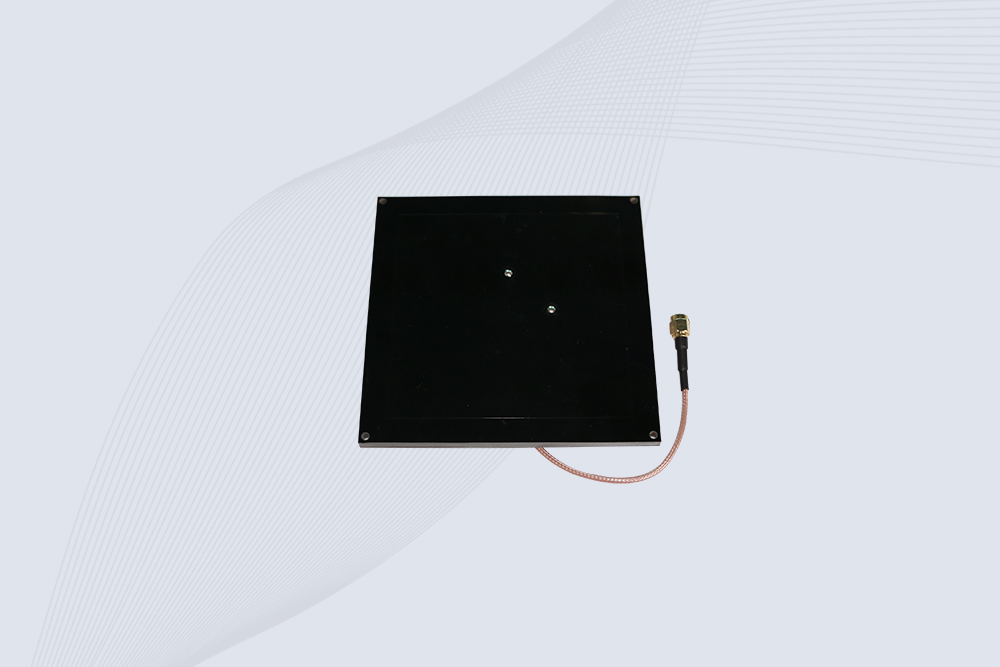
Create your own high-performance DIY RFID antenna! 5dBi gain, 840-960MHz tunable, step-by-step guides. Compatible with Arduino, Raspberry Pi, and commercial UHF readers.
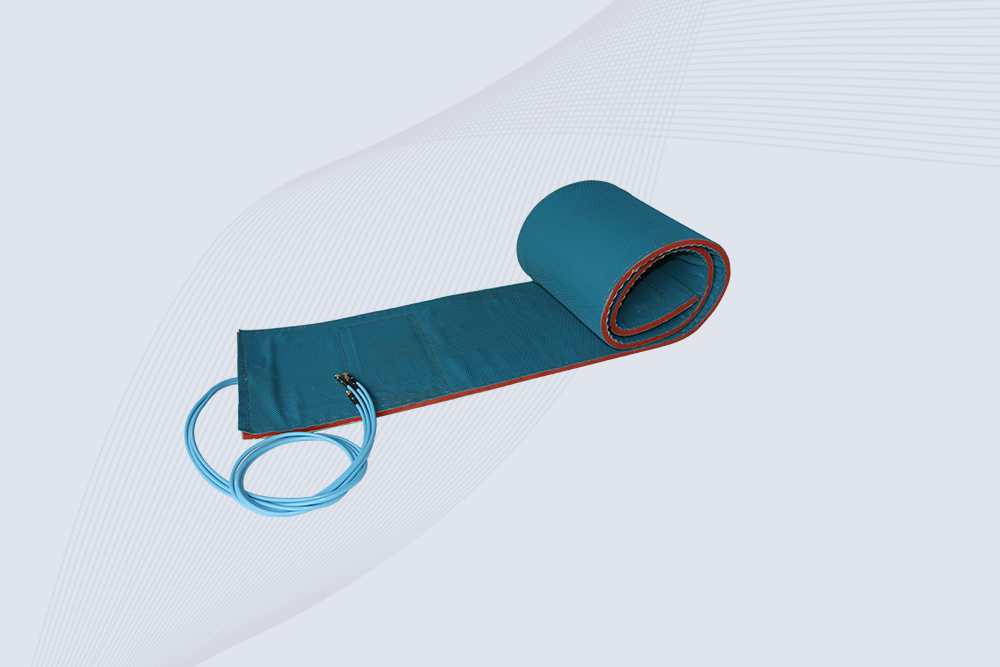
Cykeo CYKEO-A7 Flexible RFID Antenna features 840-960MHz wideband tuning, 7dBi gain, and IP68 rating for medical/retail/industrial curved surface deployments. 98% read accuracy with peel-and-stick installation.

Cykeo CYKEO-B5A industrial Passive RFID Antenna delivers 5dBi gain, 70° beamwidth, and -40°C~55°C operation for warehouses/smart cabinets. Compatible with Zebra/Impinj readers.
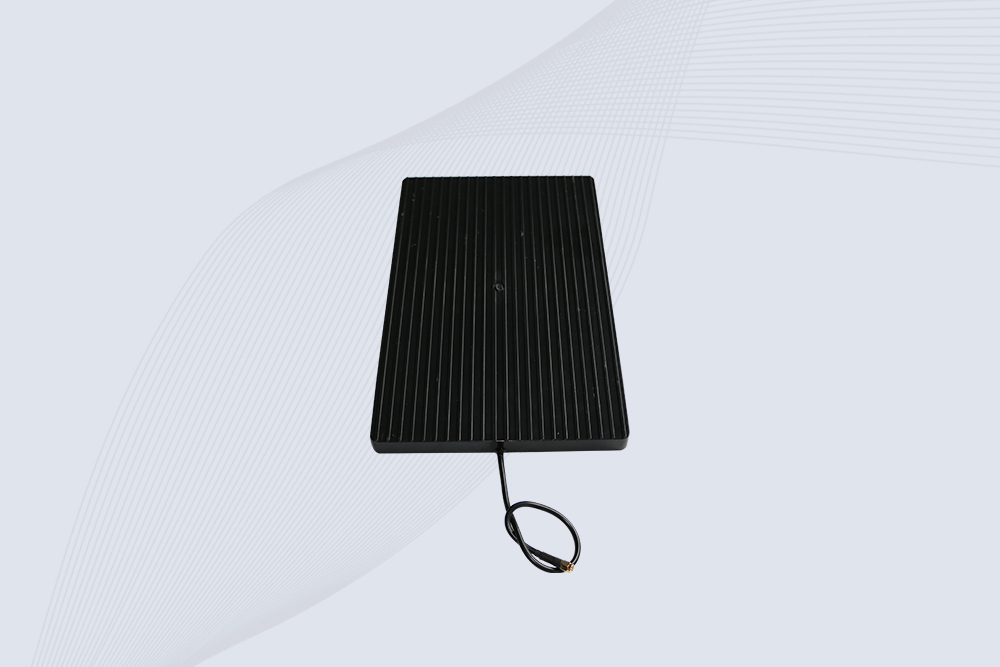
Cykeo’s CYKEO-A9B High Gain RFID Antenna delivers 15m+ read range with 9dBi amplification. Features IP54 rugged design, 840-960MHz bandwidth, and 80° beamwidth for warehouse/manufacturing RFID systems.

Cykeo’s enterprise-grade 8dbi Impinj RFID Antenna 10m+ read range with 840-960MHz tuning. Features IP65 housing, 1.4 VSWR, 35° beamwidth for retail/warehouse RFID systems.
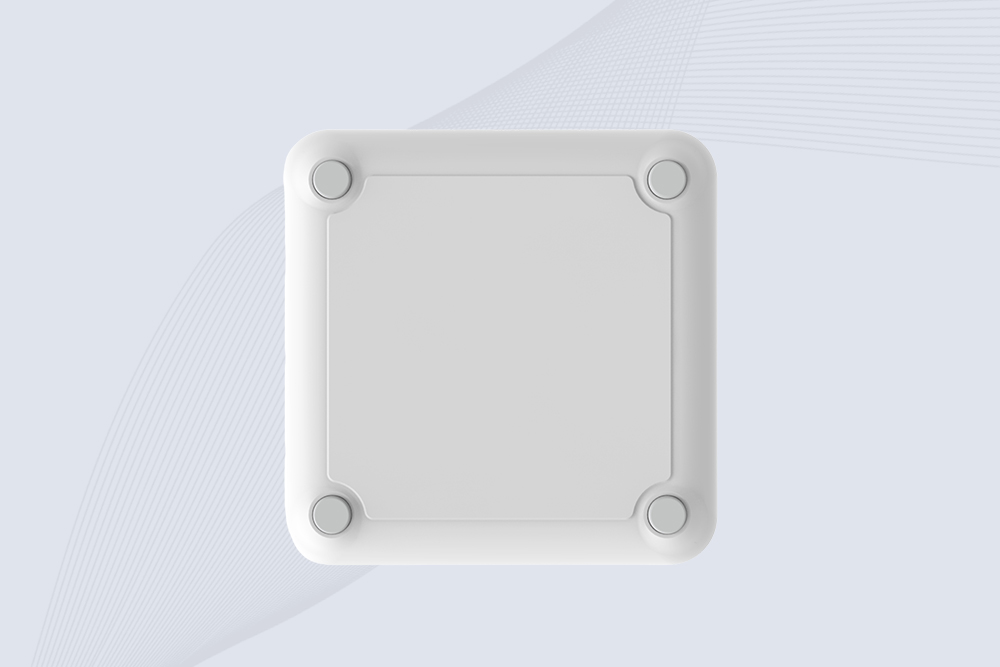
Cykeo CYKEO-A9 industrial UHF RFID antenna delivers 9dBi gain, 840-960MHz frequency range, and IP65 protection for warehouse/logistics/retail RFID systems. Features N-type connector and ≤1.3:1 VSWR.
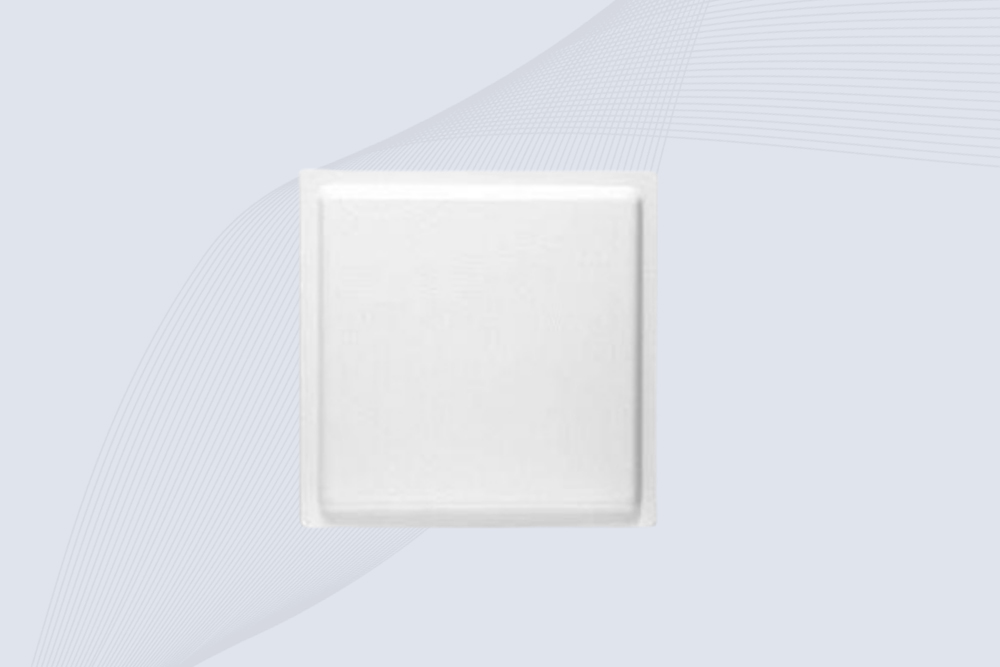
CYKEO UHF RFID Antenna built for long-distance and industrial applications. This antenna rfid uhf delivers strong gain, outdoor durability, and reliable tag performance in warehouses, yards, and vehicle ID systems.
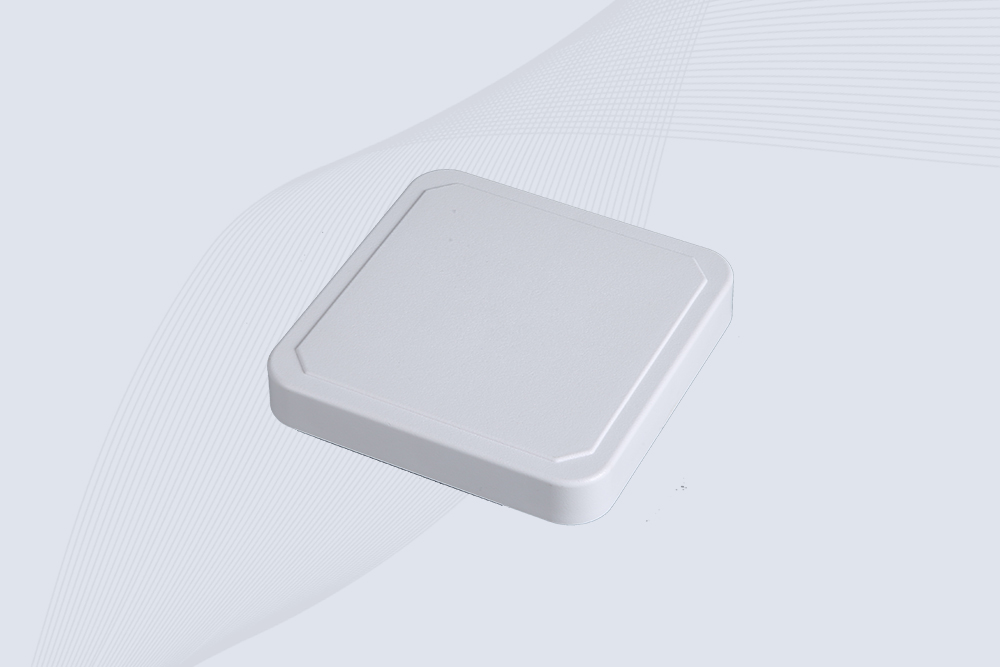
CYKEO Antenna RFID delivers reliable long-range UHF performance in warehouses, retail shelves, and cold-chain environments. This compact uhf rfid antenna provides stable reads with circular polarization and ultra-wide 840–960 MHz support, ideal for industrial tracking, smart shelves, and asset monitoring.
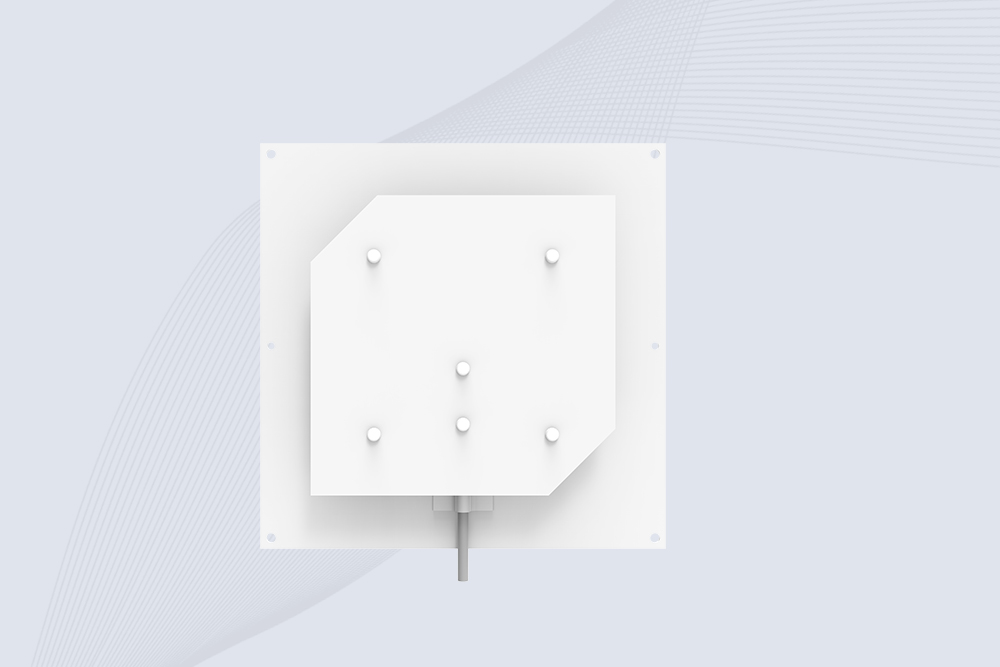
Cykeo’s CYKEO-C8 UHF RFID antennas delivers 8dBi gain, 840-960MHz full-band coverage, and IP65 ruggedness for manufacturing/warehouse RFID systems. Industrial RFID Antennas Features
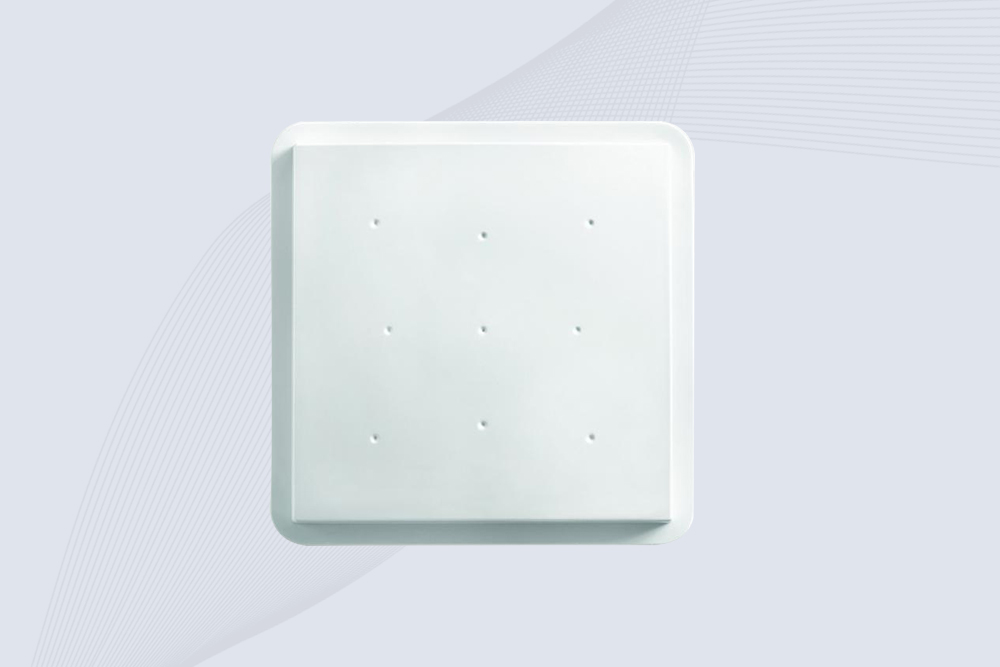
Cykeo’s 8dBi UHF RFID antenna and reader kit delivers 10m+ range, 840-960MHz broadband, and IP65 ruggedness for factories, warehouses, and logistics. ISO 18000-6C & EPC Gen2 certified.
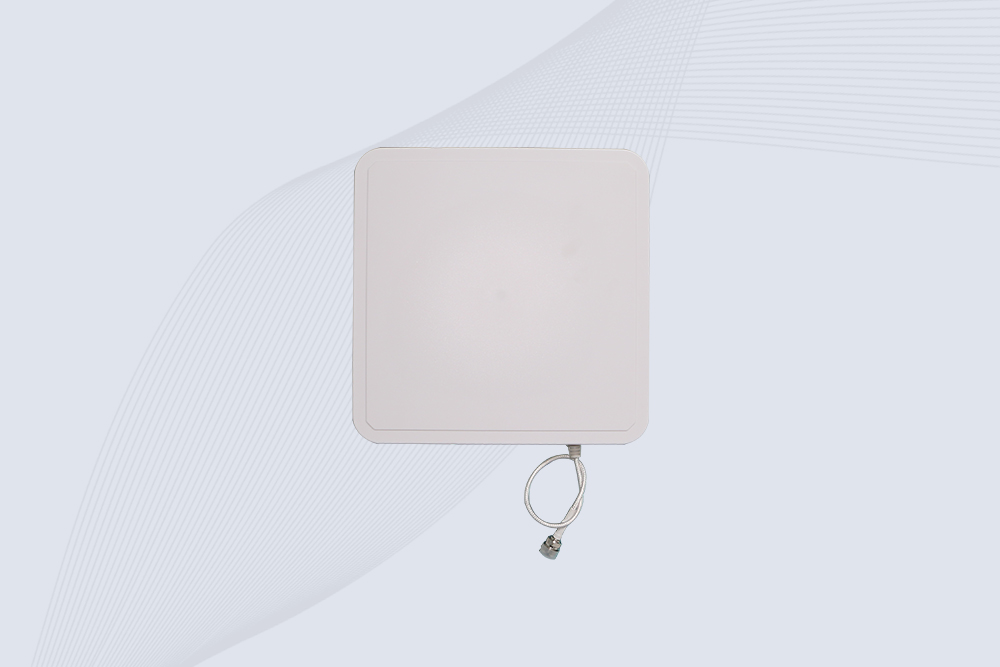
Cykeo CYKEO-A9A industrial UHF RFID reader and antenna kit delivers 10m range, 500 tags/sec, IP65 ruggedness for manufacturing/logistics. Supports EPC Gen2, ISO18000-6C.
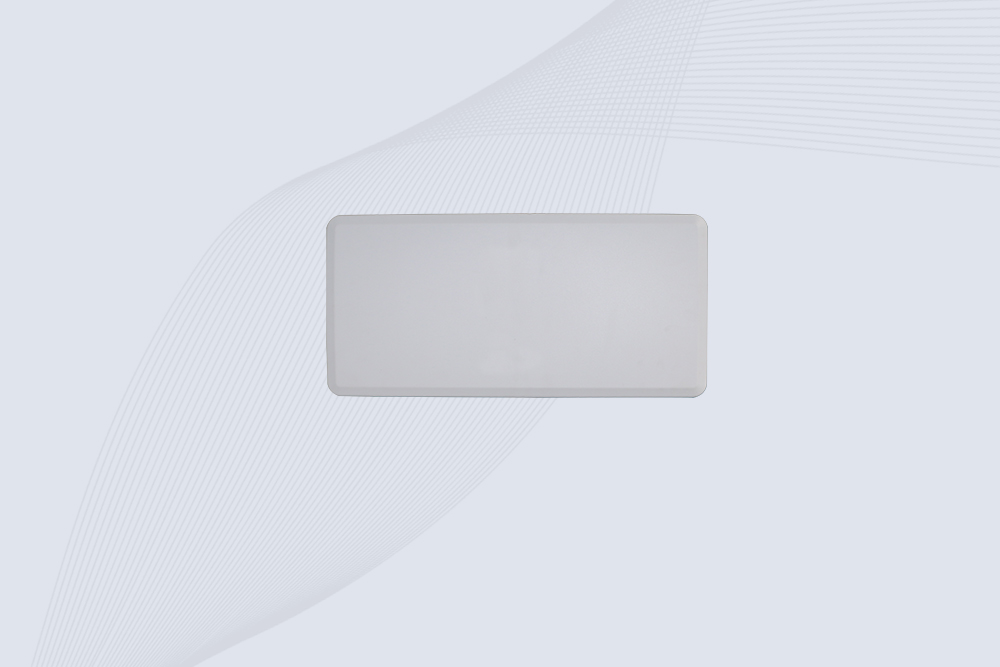
Cykeo’s CYKEO-A12C UHF Large RFID Antenna delivers 12dBi gain, 840-960MHz global frequency, IP65 ruggedness for logistics/warehousing/automotive. 40° beamwidth ensures stable 15m+ tag reads.

CYKEO Near Field RFID Antenna provides precise 5–30 cm reading for shelves, cabinets, and workstations. This compact rfid shelf antenna delivers stable short-range performance around metal and clutter, ideal for pharmacies, libraries, and electronics sorting.
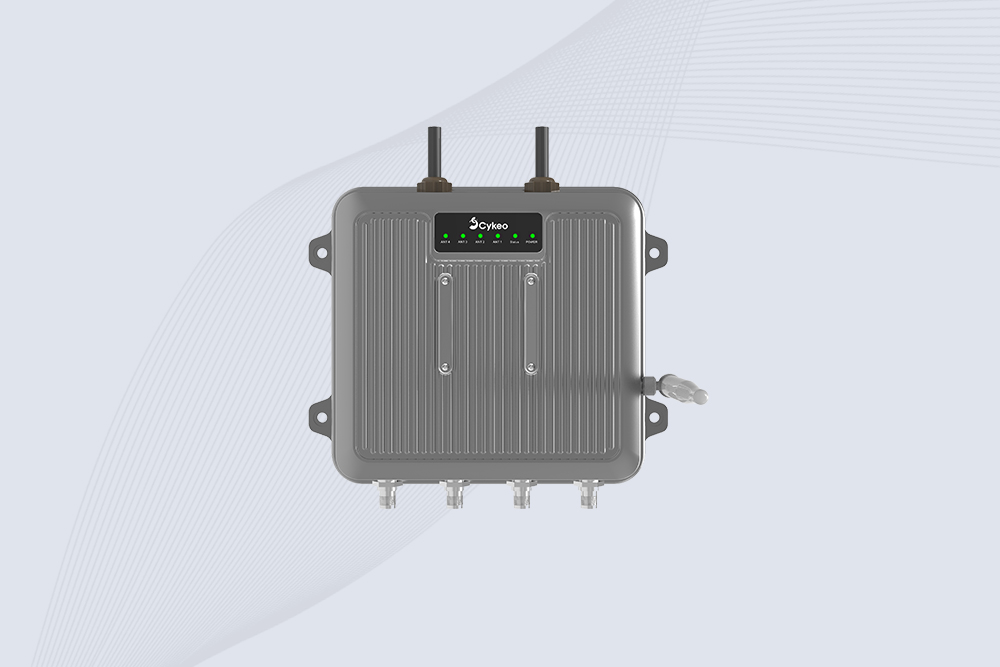
Cykeo CYKEO-C1 industrial Forklift RFID Reader features 20m read range, 600 tags/sec scanning, Impinj R2000 chipset, and IP67 rugged design. Ideal for warehouse logistics and manufacturing. Supports ISO 18000-6C/6B protocols.
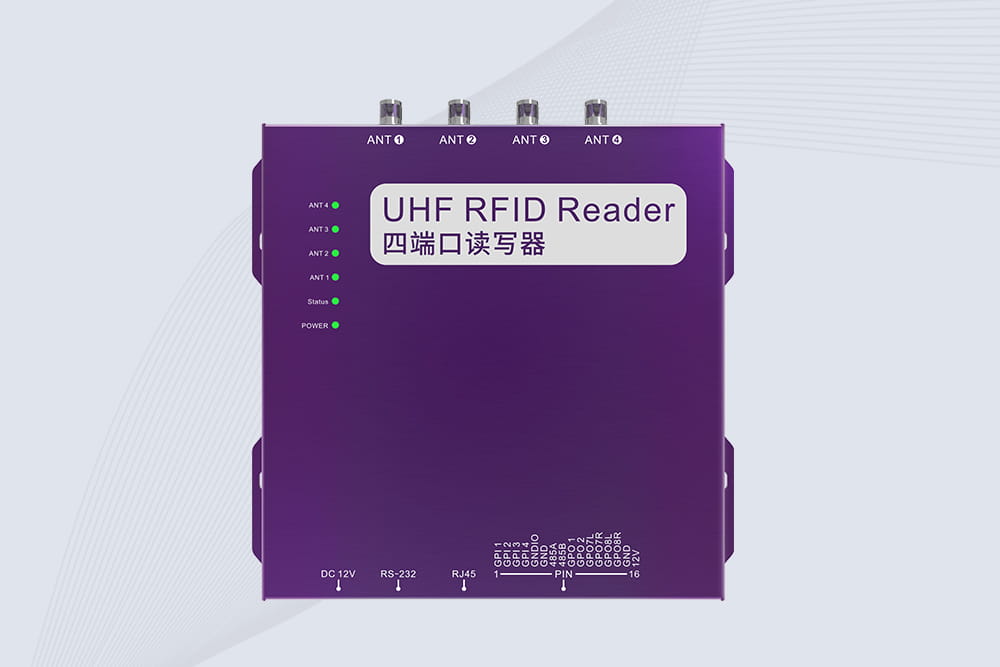
Cykeo CYKEO-R4 industrial UHF RFID Fixed Reader features 4 TNC ports, 400+ tags/sec speed, IP67 housing, and global frequency compliance for vehicle inspection, smart warehouse, and asset management systems.
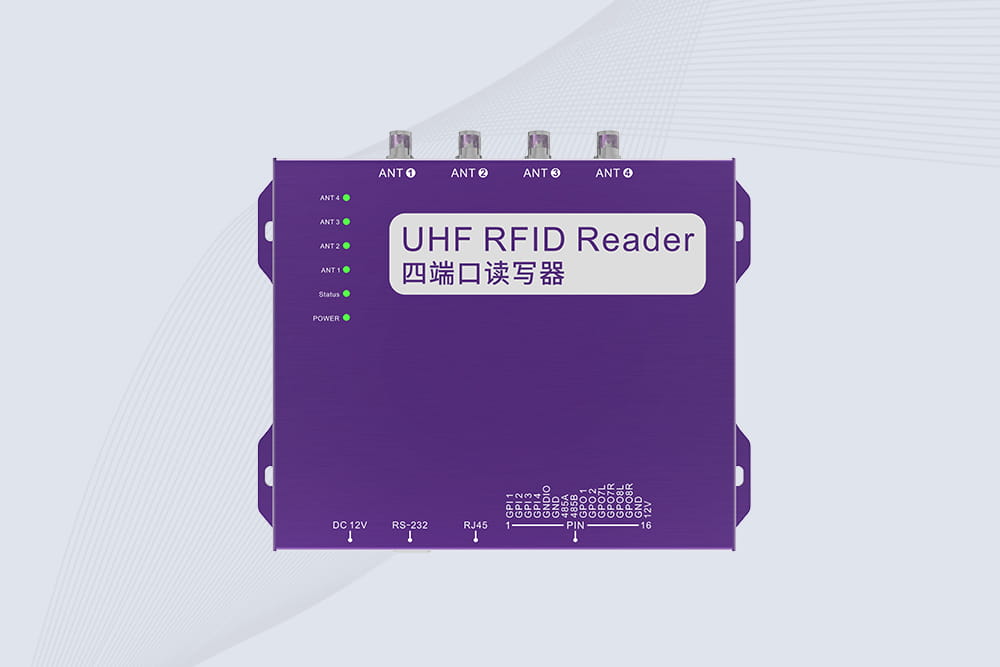
Cykeo’s CYKEO-R4L 4-port Fixed UHF RFID Reader delivers 400 tags/sec scanning, ISO 18000-6C compliance, and IP65 protection. Ideal for warehouse automation, manufacturing WIP tracking, and logistics management.
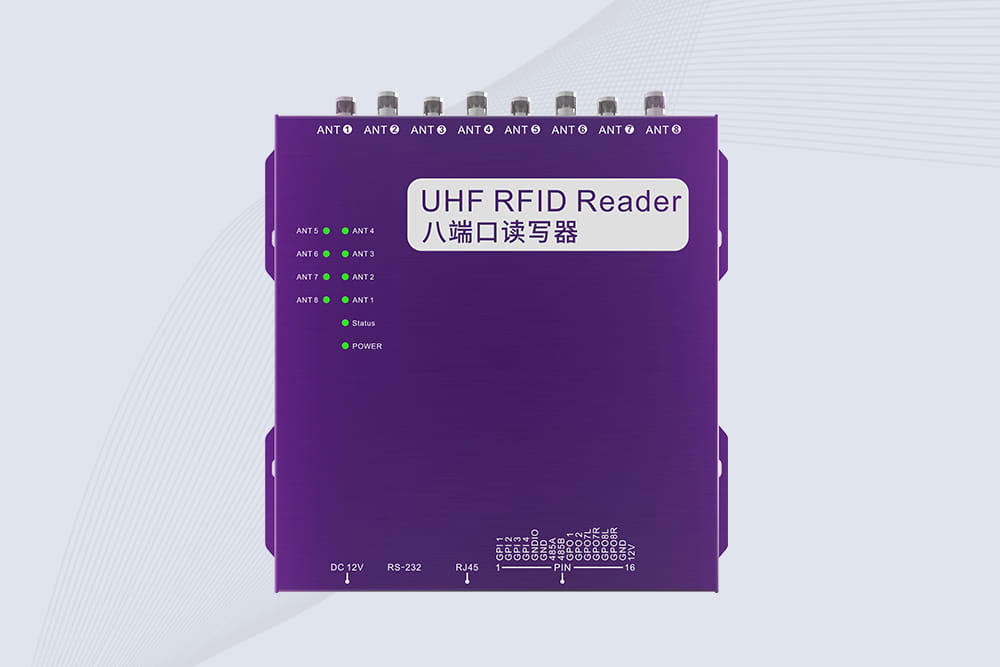
CYKEO CYKEO-R8L Fixed RFID Reader with 8-port UHF design, Impinj-based RF core and up to 20m read range. An industrial Fixed RFID Reader for vehicle inspection, warehouse portals, smart manufacturing lines and secure access checkpoints.
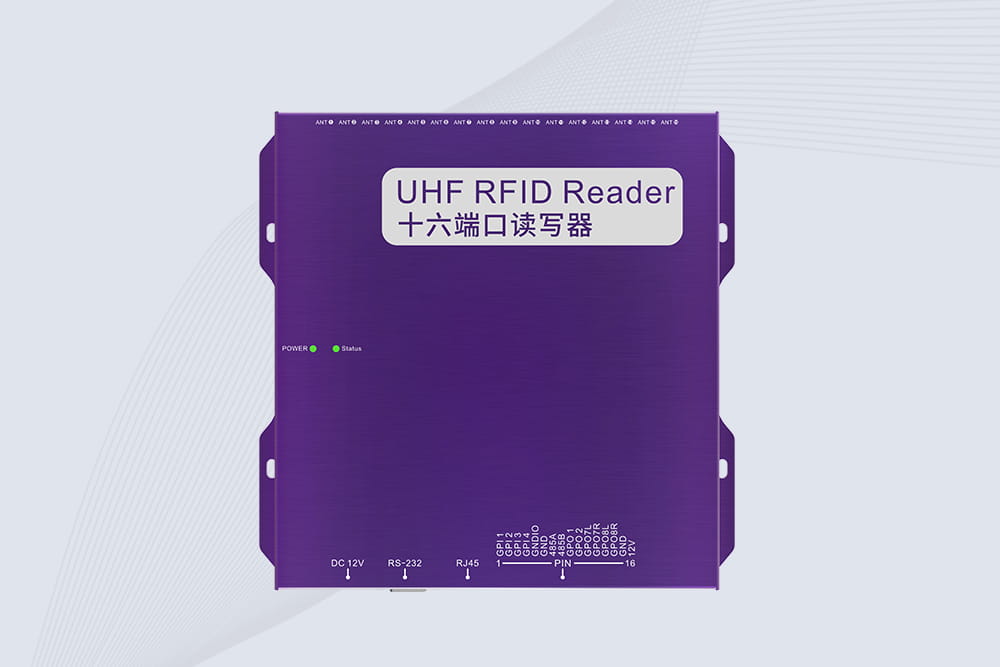
RFID Fixed Reader from CYKEO – the CYKEO-R16L 16-port UHF fixed reader for warehouses, smart cabinets, and production lines. Long-range, multi-tag reading, stable performance for 24/7 industrial use.

RFID is used for automatic identification, tracking, and data collection of physical objects across industries. UHF RFID helps businesses manage inventory, a...
More
How does RFID work without power? Learn how passive RFID tags operate, where they work best, and why CYKEO uses them in real projects.
More
Learn how to read RFID tags in Android. We cover using your phone's NFC for simple tags and connecting external UHF readers for real inventory apps. Practical steps included.
More
how does rfid work without power? Discover how passive RFID tags harvest energy from readers for wireless identification, enabling efficient tracking without batteries. Learn practical insights now.
More