 Cykeo RFID IoT Solution Products R&D Manufacturer
How to Choose the Best Handheld RFID Reader for Warehouse Inventory Management?
1051Discover how to select the best handheld RFID reader for warehouse inventory. Compare durability, read range, software compatibility, and cost-effectiveness.
MoreAll RFID Product
If you’ve never worked on an RFID project before, it’s easy to think it’s just “wireless barcode scanning.”
Install a rfid reader, attach rfid tags, and everything works automatically.
In reality, RFID projects don’t usually fail because the technology is bad.
They fail because of small decisions that seem harmless at the beginning.
The tricky part is that most of these mistakes don’t show up during testing —
they show up after the system goes live.
Below are some of the most common issues seen in real deployments, and how to avoid them.
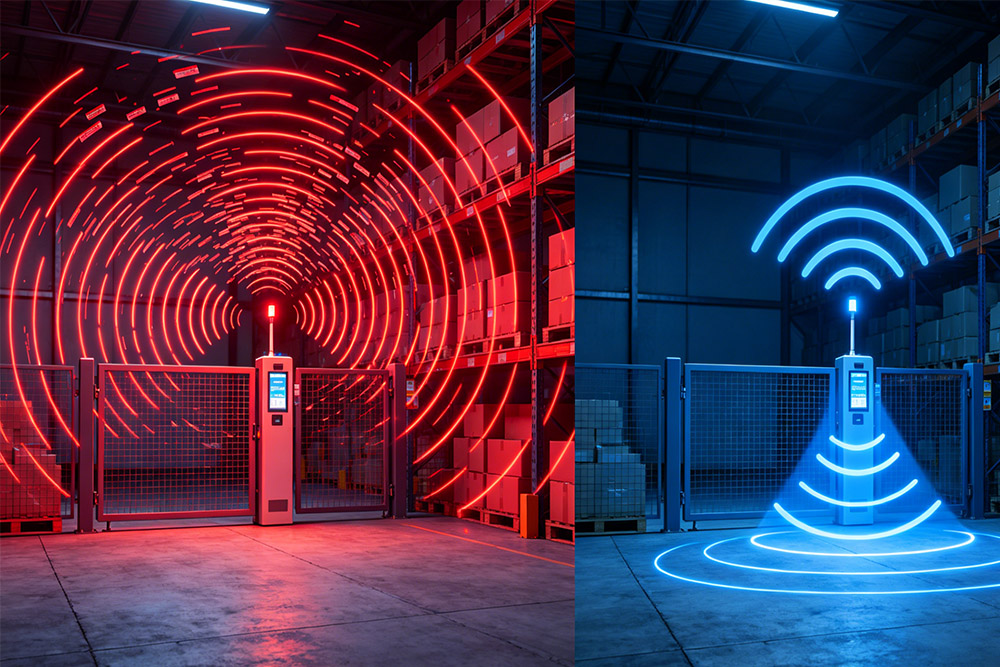
This is probably the most common mistake.
The first question people ask is:
“How far can it read?”
So they choose a reader, set it to maximum power, and expect better performance.
What actually happens:
In warehouse or gate systems, too much range is a problem, not a benefit.
What works better:
Define a clear read zone and limit the reader to that area.
A lot of projects focus heavily on the reader itself and treat antennas as accessories.
They’re not.
In most cases, the rfid antenna layout has a bigger impact on performance than the reader model.
Common issues:
This leads to:
What works better:
Design the coverage area first, then choose the hardware to support it.
This mistake usually happens at the software level.
Barcode logic is simple:
→ One scan = one result
RFID doesn’t work like that.
RFID is continuous. The same tag can be read multiple times in seconds.
If you treat RFID data like barcode input, you’ll end up with:
What works better:
Introduce filtering and event logic between raw data and your system.
Lab testing often looks perfect.
Then the system is installed in a warehouse, and suddenly:
Why?
Because real environments include:
What works better:
Always test in the actual environment before full deployment.
People often focus on the reader and ignore the tag.
But the tag is just as important.
Using the wrong tag can cause:
For example:
What works better:
Test multiple tag types and choose based on the real surface and environment.
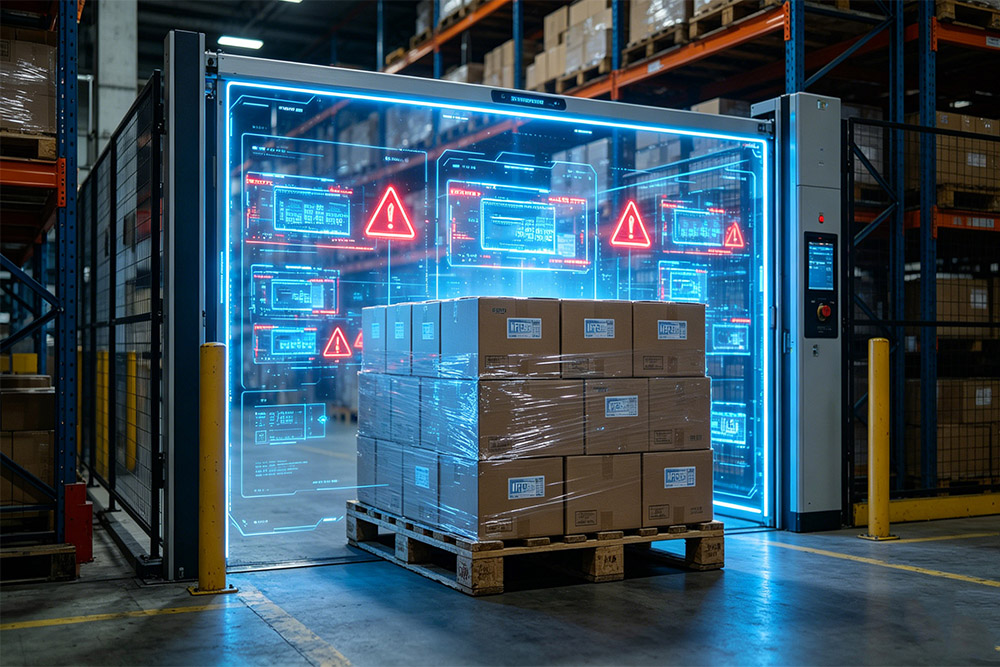
This is one of the fastest ways to break a system.
Without filtering, the reader might output:
→ Same tag, 10–50 times
If every read is treated as a new event:
→ Your system becomes unusable
What works better:
Some projects treat RFID as a standalone tool.
But in reality, RFID only creates value when integrated with:
Without proper integration:
What works better:
Design integration early, not after deployment.
Sometimes the opposite problem happens.
People try to design the “perfect system” from day one:
This slows down development and makes debugging difficult.
What works better:
Start simple, then improve based on real usage.
RFID systems are not “install once and forget.”
Over time:
Without monitoring, small issues become big problems.
What works better:
Include basic monitoring and logging from the beginning.
This is probably the root cause of most problems.
Many projects start like this:
→ Choose reader → install → try to fit into process
But the correct approach is the opposite:
→ Define workflow → define events → design system → choose hardware
Before you buy anything, answer these questions:
If these are clear, the rest becomes much easier.
RFID projects don’t fail because the technology doesn’t work.
They fail because of small design decisions that add up over time.
If you can avoid the common mistakes:
you’ll already be ahead of most deployments.
Guide Recommendations
Fixed RFID Reader: Why It’s Becoming Must-Have
Fixed RFID Readers: What I Didn’t Expect and What I Learned
RFID Handheld Reader vs. Fixed Reader: Which Is Better for Retail?
Different Types of RFID Readers: A Simple Introduction
Best Budget USB RFID Readers Under $100 for Small Business Inventory Systems
RFID Module vs. RFID Reader: What’s the Difference?
Fixed RFID Reader Buying Guide: 5 Core Parameters You Must Know
What is an RFID Reader Used For?
How RFID Reader Works: The Simple Explanation
How to Choose the Best Long-Range RFID Reader for Warehouse Management
RFID Readers for Boom Barriers ,Where Efficiency Meets Access Control
Why Your Warehouse Needs Smarter RFID Readers in 2025
Understanding RFID Readers,Essential Devices for Efficient Tracking
Discover how to select the best handheld RFID reader for warehouse inventory. Compare durability, read range, software compatibility, and cost-effectiveness.
More
Learn how RFID scanning range works, factors affecting read distance, and tips to optimize performance for retail, logistics, and industrial applications.
More
RFID Smart Recycling Cabinet designed for hotels, hospitals, and factories. Automate item tracking, reduce losses, and integrate with your existing systems. Perfect for wholesalers and software developers seeking bulk solutions.
More
Explore how RFID vehicle tracking systems revolutionize logistics, fleet visibility, and operational control — beyond GPS tracking and manual management.
More