 Cykeo RFID IoT Solution Products R&D Manufacturer
How to Get Data from RFID Reader in Python
75Need to know how to get data from RFID reader in Python? We cover socket scripts, SDK usage, and real-world tips for handling live tag streams in your application.
MoreAll RFID Product
Picking the right RFID tag isn’t just slapping a sticker on something. The wrong tag can cause missed reads, slow your system down, or cost extra money. Whether you’re tracking inventory, tools, pallets, or equipment, there are some basic things to keep in mind.
Here are 7 key things to think about before choosing RFID tags.
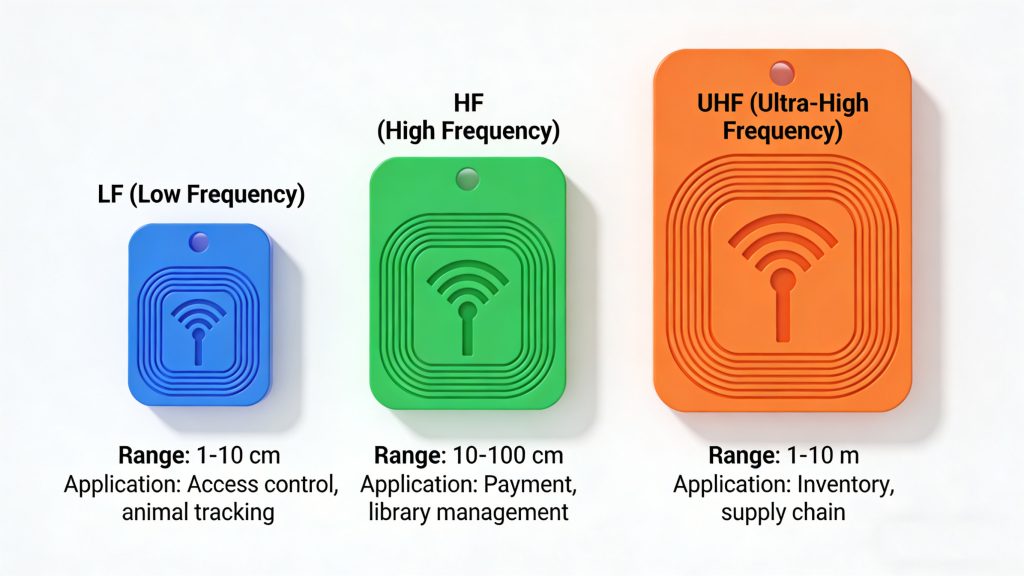
RFID tags work on different frequencies. The main ones are:
Pick the frequency that matches how far you want to read and what your environment is like. UHF is great if you want to scan many pallets at once. HF or LF is better for things that sit near metal or liquid.
Think about the distance between the tag and the reader.
If your items are hidden in boxes or on shelves, you’ll need tags and readers that can still pick them up. Placement matters—sometimes just moving the tag a little improves reads a lot.
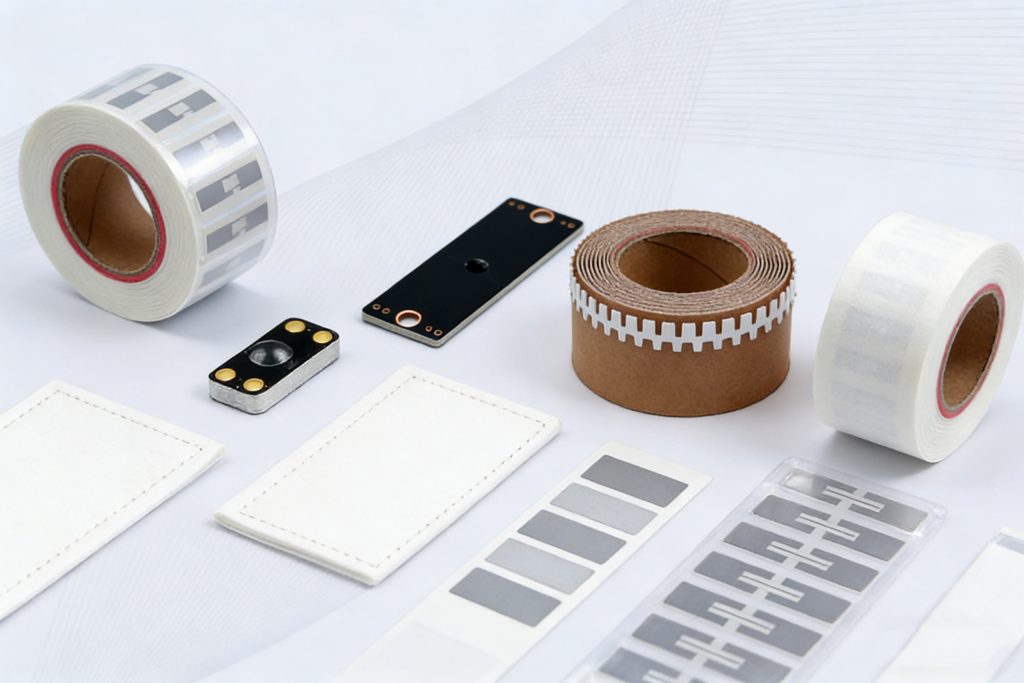
Tags come in many shapes:
Pick the type that fits where you want to put it. A simple sticker won’t survive high heat, rain, or rough handling.
Where the tags live makes a big difference:
Durable tags last longer and save you from having to replace them often.
Most RFID tags just store a unique ID number, which links to your database. That’s enough for tracking.
Some tags can store extra info, like:
Think about whether you need this extra info on the tag itself or if your system will keep it in the database.
How much tags cost matters if you’re tagging thousands or millions of items.
Balance your budget with what you actually need. Sometimes spending a little more prevents big problems later.
Check the rules where you’re using the tags:
Picking compliant tags saves headaches during deployment.
The best RFID tag depends on where it will go, how far you need to read it, what shape fits, how tough it needs to be, how much data it stores, cost, and regulations.
A tag that works perfectly on a cardboard box may fail on metal tools or outdoor equipment. Testing a few options first is always a smart move.
Pick the right tag, and your system runs smoothly. Pick the wrong one, and even the best reader can’t fix it.
For a wide range of options, check out Cykeo RFID Tags.
Related products
CYKEO-70-20 Anti-Liquid Passive RFID Tags
CYKEO-PCB1504 Anti-Metal RFID Tags
CYKEO-PCB7020 On-Metal RFID Tags
CYKEO-60-25 Flexible Anti-Metal RFID Tag
CYKEO-125-7 UHF RFID Book Tag
CYKEO-55-30 MEDICAL RFID LABEL WITH
CYKEO-88-28 UHF RFID Cable Tie Tag
CYKEO-73-20 UHF RFID Asset Tag
Guide Recommendations
Understanding RFID Tags: How They Work and How to Check if They’re Really Broken
How to Test RFID Tags with Phone
Using Smartphones as RFID Tags – Is It Possible?
How to Identify an RFID Tag: A Practical Guide for Everyday Use
Can You Use an NFC Phone as an RFID Tag?
Can Android NFC Read RFID Tags?
Components of RFID Tag: More Than Just a Sticker
Understanding RFID Tags the Practical Way: How They Work, How to Test Them, and Where They Actually Get Used
RFID Passive and Active Tags: What You Need to Know
How to Test RFID Tags with Your Smartphone (No Scanner Needed)
Can Your RFID Tags Reader iPhone ? Here’s How It Actually Works
Can Mobile Phones Read RFID Tags?
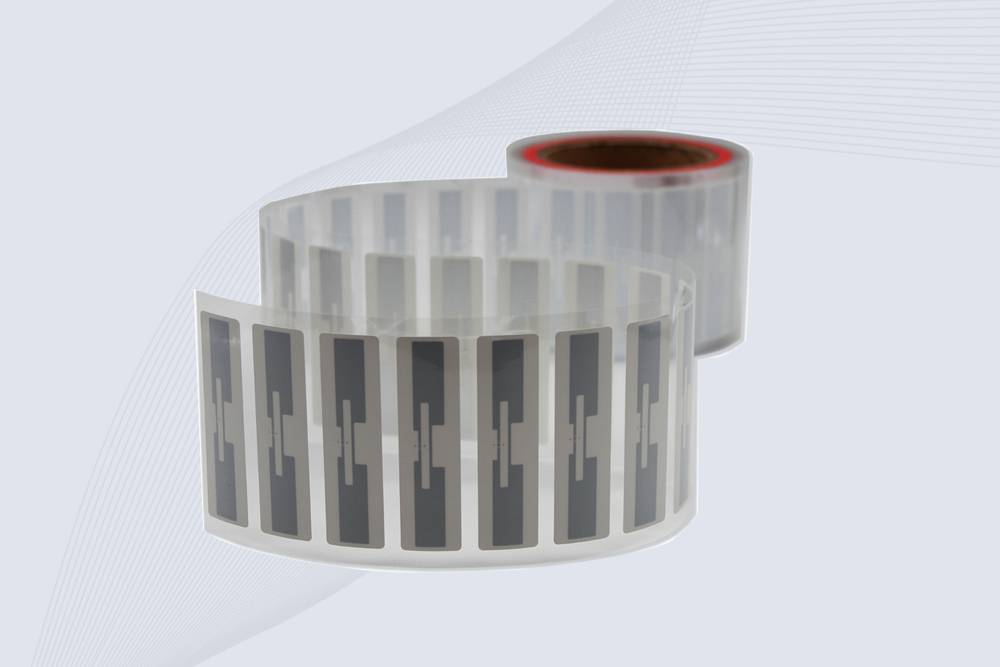
CYKEO Passive RFID Tags are made for wet and high-humidity environments where standard labels do not last. This rfid passive tag is often used around liquids, chemicals and temperature changes, providing stable reading distance and long data life for industrial tracking.
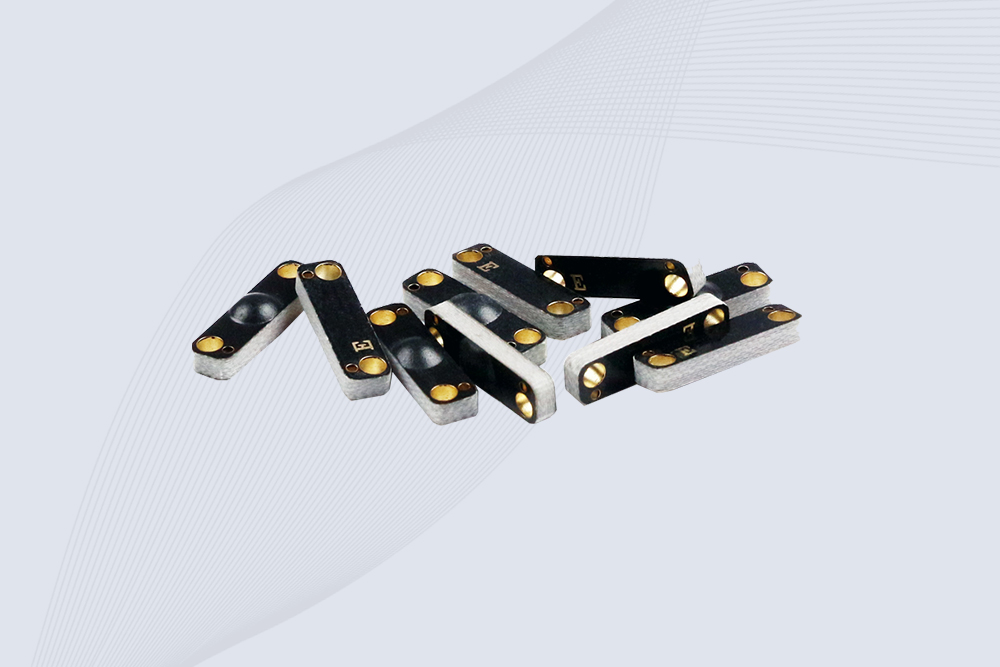
CYKEO CYKEO-PCB1504 Metal RFID Tags is a compact anti-metal UHF RFID solution built for direct mounting on metal surfaces. With stable 8-meter read range, Ucode-8 chip, and long data retention, this rfid metal tag fits tools, containers, automotive parts, and industrial asset tracking.
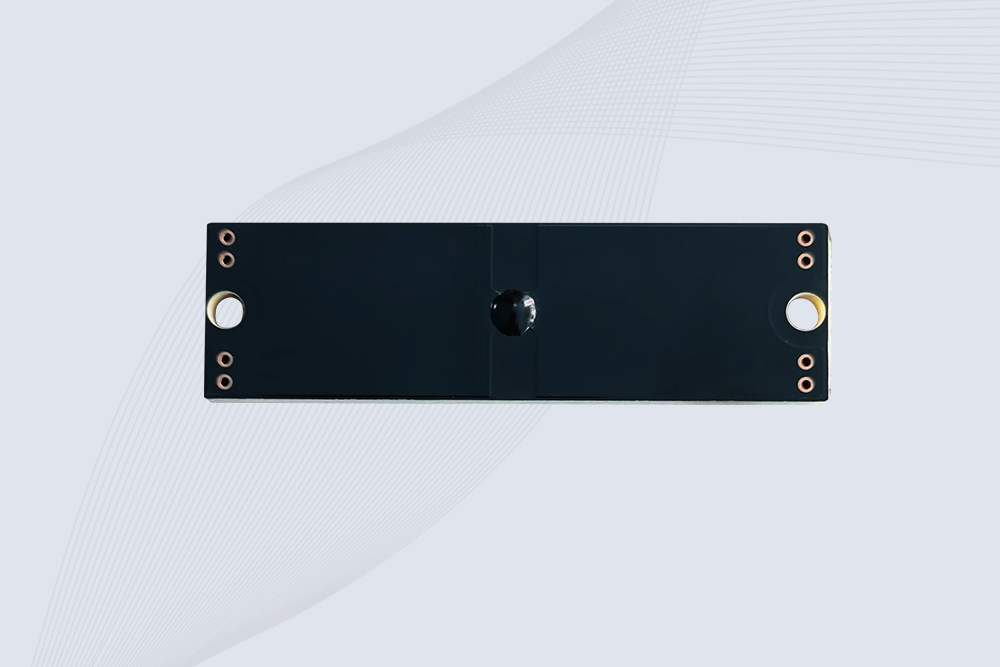
CYKEO CYKEO-PCB7020 On-Metal RFID Tags are designed for reliable tracking on steel and metal surfaces. Built with an FR4 epoxy body and industrial-grade chips, these On-Metal RFID Tags deliver stable performance, long data life, and chemical resistance, making them a dependable RFID anti-metal tag for harsh environments.
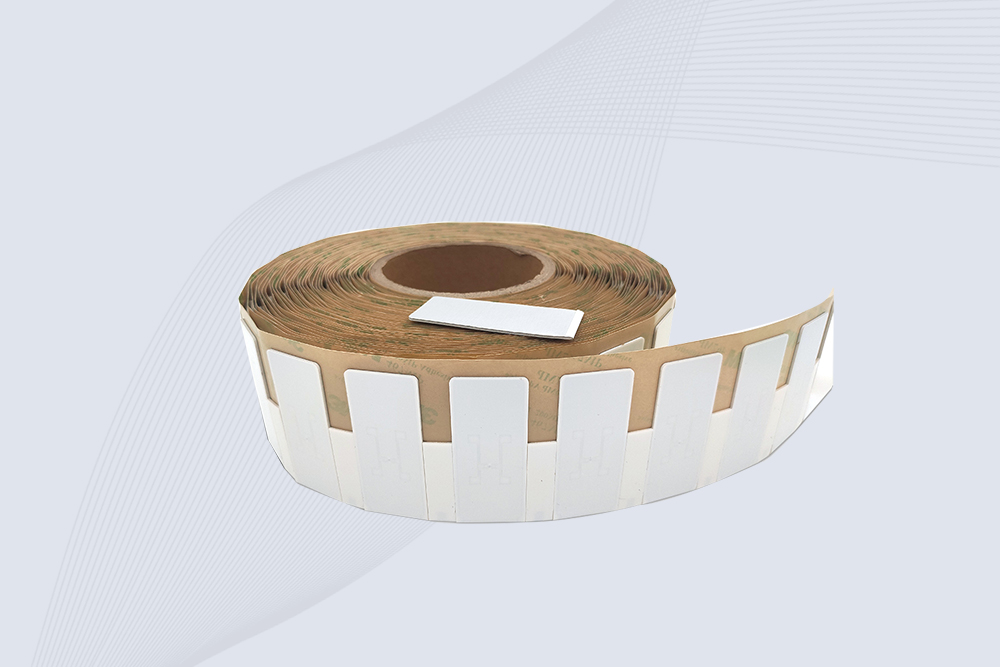
The CYKEO CYKEO-60-25 Anti-Metal RFID Tag is built for metal surfaces where standard tags fail. Designed for long-range performance, harsh environments, and stable data retention, this Anti-Metal RFID Tag is ideal for industrial assets, containers, and equipment tracking using on metal RFID tags.
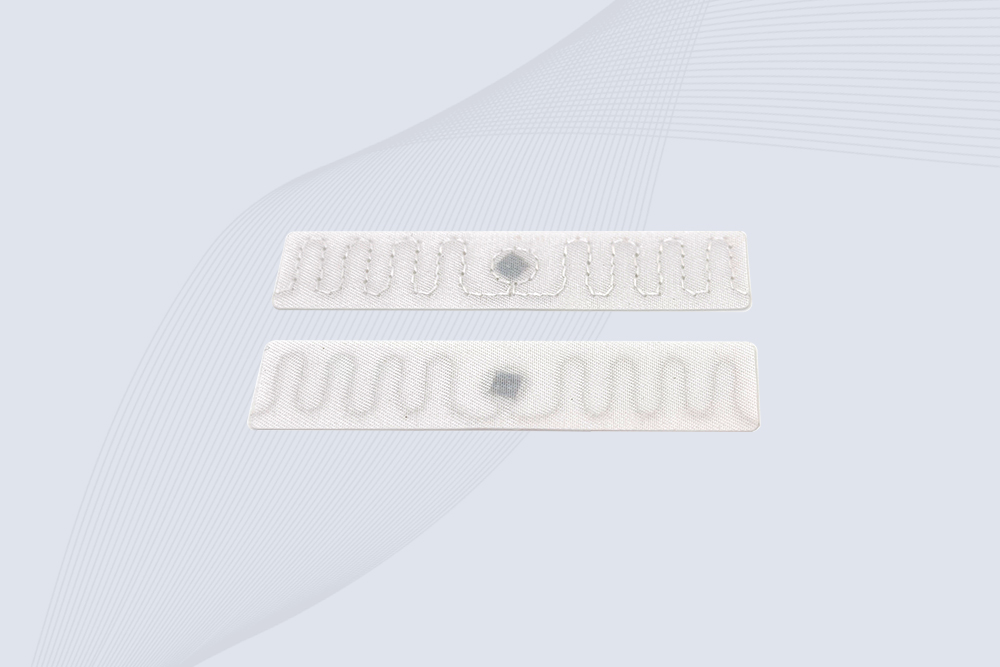
The CYKEO RFID Laundry Tag is designed for long-term textile identification in harsh laundry environments. Built to withstand high heat, chemicals, and repeated washing, this RFID Laundry Tag delivers stable performance for hotels, hospitals, and industrial laundry operations using laundry rfid tags at scale.
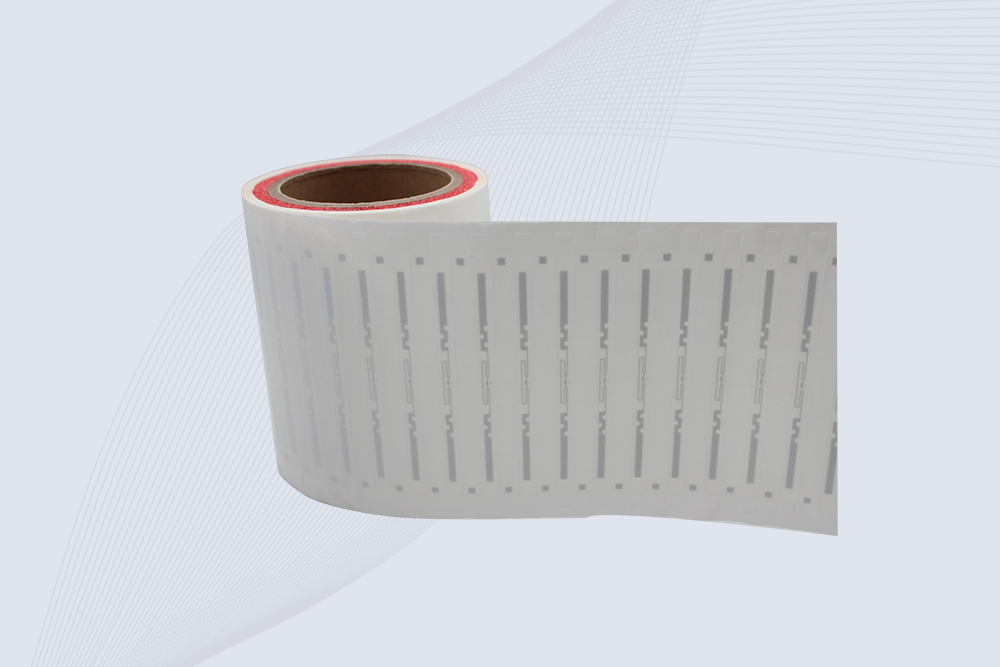
The CYKEO CYKEO-125-7 RFID Book Tag is designed for reliable book and document tracking in libraries and archives. This RFID Book Tag delivers long read range, dense placement support, and stable performance on shelves, making it a practical rfid tag on books for library automation, file management, and archival systems.
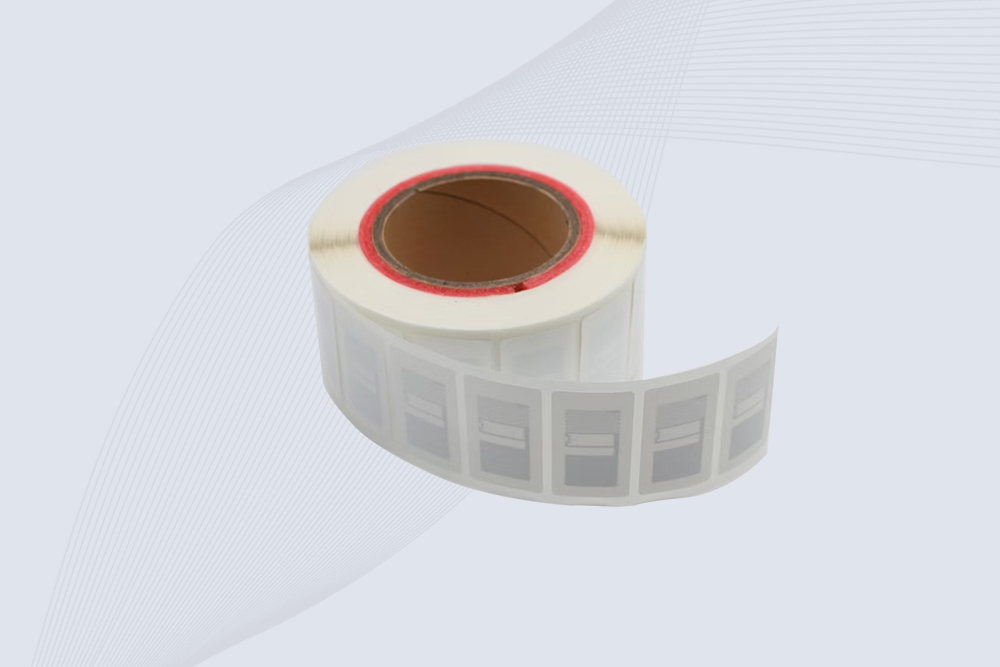
CYKEO RFID tags in hospitals are designed for sterile environments where accuracy matters. These autoclavable RFID tags support long-term tracking of surgical tools, implants, and medications, helping hospitals improve visibility, compliance, and patient safety.

CYKEO RFID Cable Tie Tag is built for reliable identification on metal surfaces. This UHF RFID Cable Tie Tag is widely used in rfid tags for inventory systems, industrial asset management and Hospital RFID Tags, offering stable read performance, long service life and global EPC Gen2 compatibility.
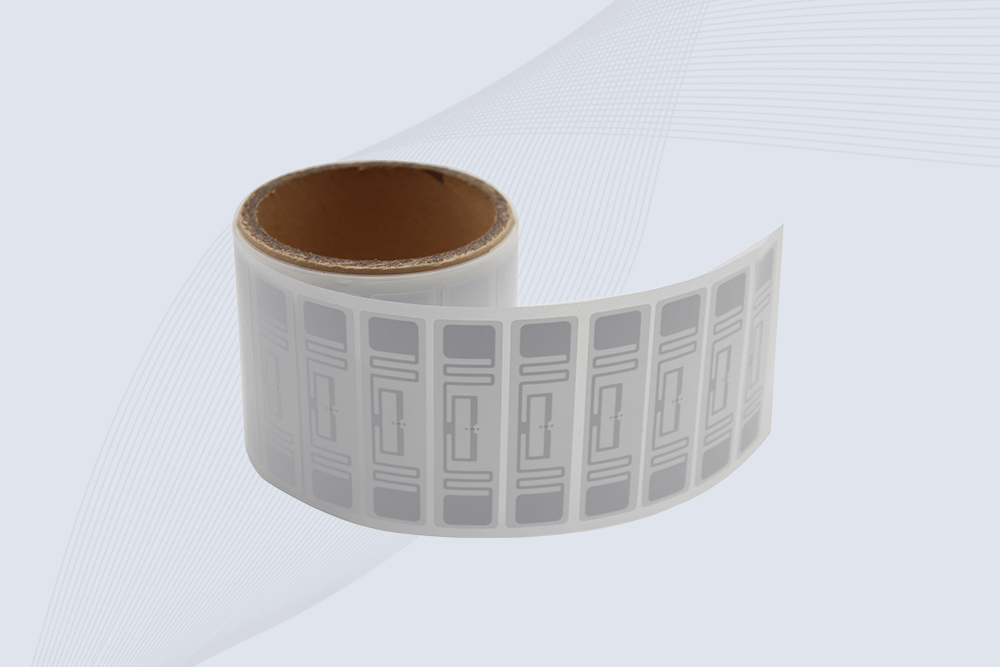
CYKEO RFID Asset Tag is designed for stable identification of metal assets in industrial environments. This UHF RFID Asset Tag is commonly used for rfid tag asset tracking on equipment, tools and containers, providing reliable reads, long service life and ISO/IEC 18000-6C support.
CYKEO UHF RFID Card is designed for fast identification and long-term use in industrial and commercial systems. Supporting ISO 18000-6C, this UHF RFID Card works at 860–960 MHz and is suitable for custom RFID cards used in asset tracking, access control and inventory management.
CYKEO HF RFID Cards are designed for secure and stable access control systems. These 13.56 MHz RFID key cards support ISO 14443-A, reliable rewriting and long service life, making HF RFID Cards suitable for offices, campuses, events and membership management.
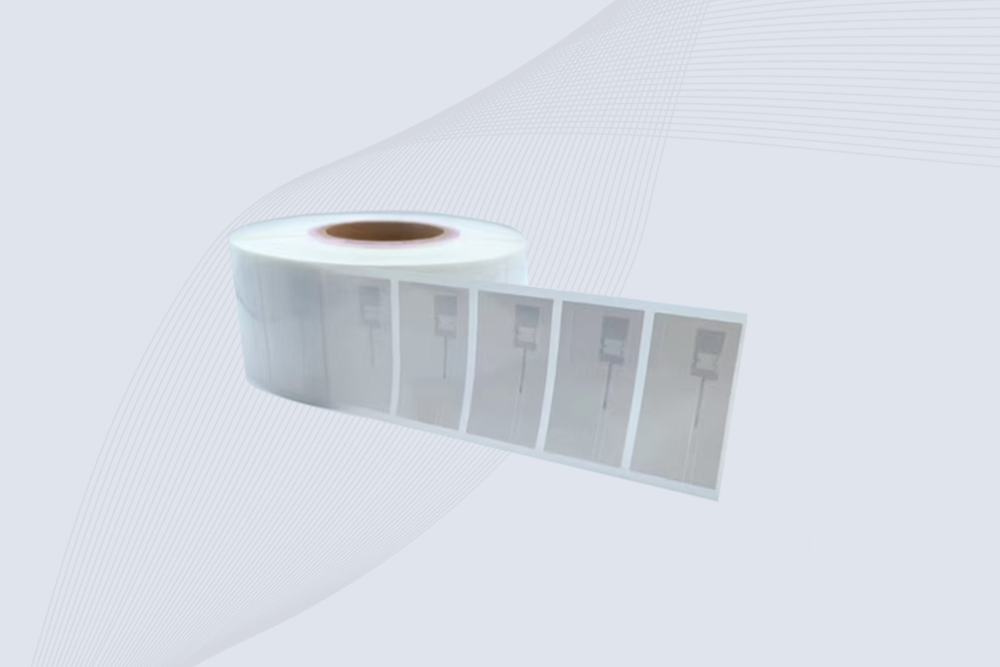
CYKEO UHF RFID Tag is designed for reliable tracking of metal jewelry and high-value items. This Jewelry RFID Tag supports long-range reading up to 8 meters, anti-counterfeit protection and stable performance on metal, making it suitable for retail, inventory control and asset management.
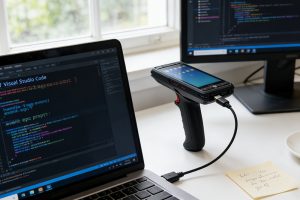
Need to know how to get data from RFID reader in Python? We cover socket scripts, SDK usage, and real-world tips for handling live tag streams in your application.
More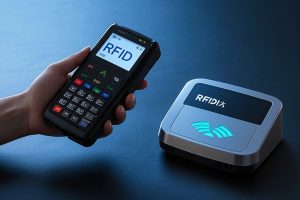
Compare USB RFID readers and handheld scanners for inventory, retail, and logistics. Learn which suits your workflow: portability vs fixed setup.
More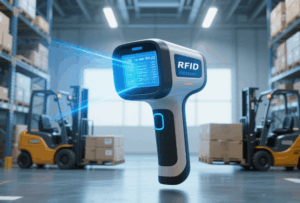
explore in depth the working principles, application scenarios, and advantages of RFID scanners.
More
Need to scan many items fast? Learn how and why an RFID reader can read multiple tags simultaneously, and the factors that affect bulk reading performance.
More