When companies start looking at RFID tool cabinets, one of the first questions is usually about cost.
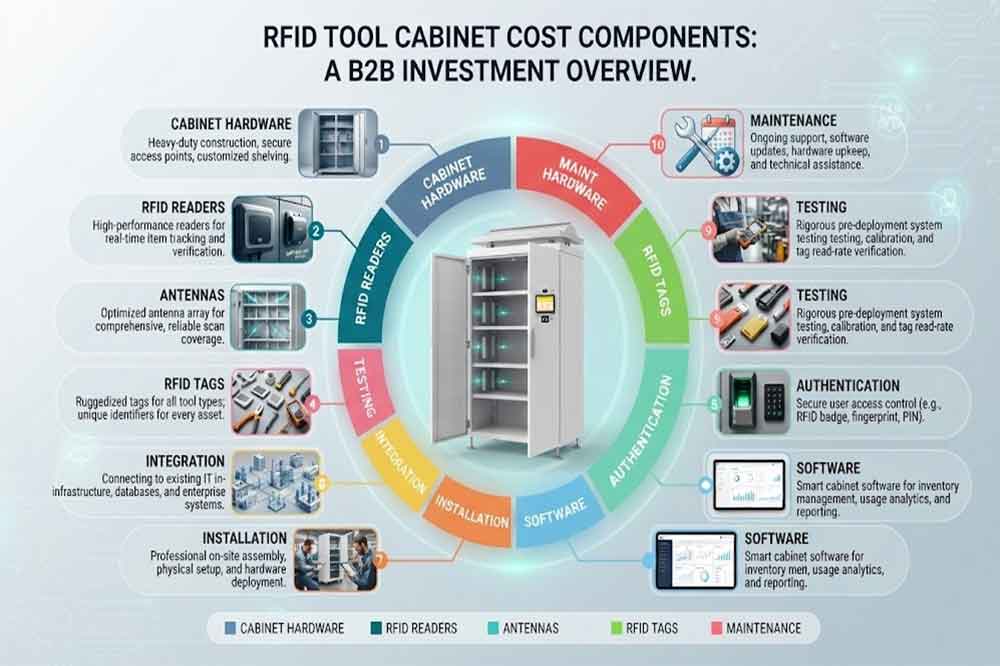
The difficulty is that RFID tool cabinet is not always a simple piece of storage equipment. Depending on the project, the final system may include RFID tags, readers, antennas, authentication devices, cabinet hardware, software, network connections, enterprise integration, installation, and ongoing maintenance.
As a result, there is no single price that applies to every RFID tool cabinet project.
A small cabinet managing a limited number of tools may have very different requirements from a factory-wide system connecting dozens of cabinets across several departments.
Understanding what affects the cost can help buyers prepare a more realistic project budget.
What Determines RFID Tool Cabinet Cost?
The total project cost usually depends on several factors rather than the cabinet itself.
For example, a cabinet may have a relatively simple physical structure but require complex software integration. Another project may need a larger cabinet with more RFID reading zones but only basic software functions.
The right comparison therefore starts with the complete project requirement rather than only the hardware price.
Cabinet Size and Storage Structure
The physical cabinet is one of the most visible parts of the system.
A small cabinet for hand tools may have different requirements from a larger cabinet designed for many tools.
Cost can be influenced by:
Cabinet dimensions
Number of compartments
Shelves
Drawers
Doors
Tool capacity
Internal RFID reading zones
Display or control panel
Locking mechanism
Material and construction
The storage layout should be based on the actual tools.
For example, small hand tools may require a different arrangement from torque tools, measuring instruments, power tools, or larger maintenance equipment.
Buying a larger cabinet simply because it has more storage space may not always be the most practical approach.
RFID Reader and Antenna Configuration
RFID hardware is another important part of the system.
Depending on the cabinet design, the system may use RFID readers and antennas positioned to identify tools inside different storage areas.
The required configuration can depend on:
Number of tools
Tool arrangement
Cabinet structure
Tag type
Tool material
Required reading performance
Multiple-tool identification
Reading zones
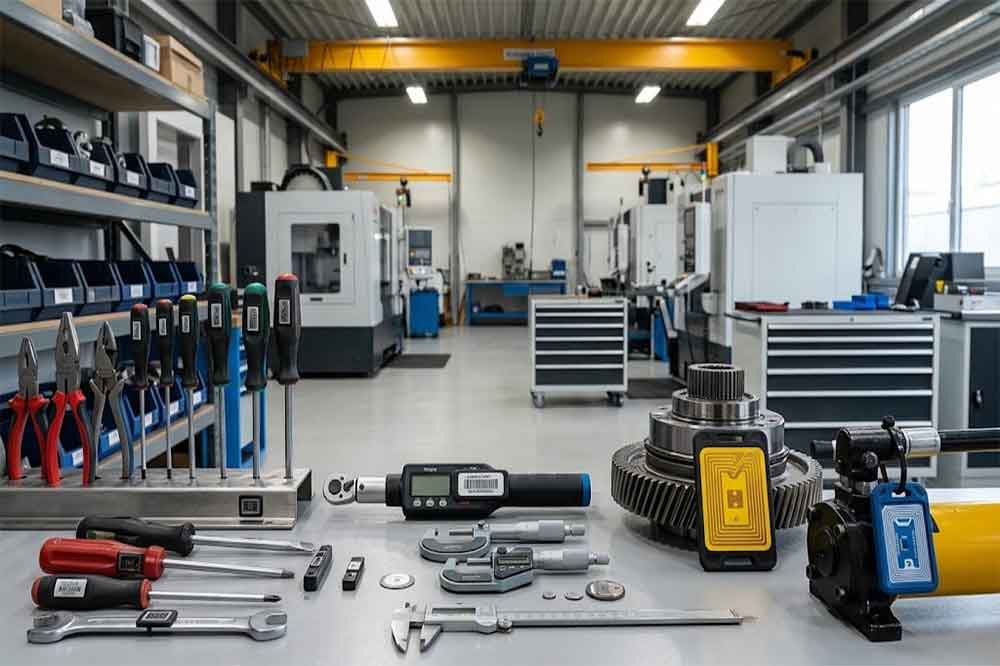
Metal tools can require particular attention during RFID tag selection and testing.
The goal is not simply to install a powerful reader.
The reader, antenna, tag, cabinet structure, and tool arrangement need to work together.
This is why real-tool testing is useful before finalizing the hardware configuration.
RFID Tag Cost
RFID tags are often a relatively small part of the total project cost, but they can have a significant effect on system performance.
Different tools may require different tag formats.
For example, tags may need to be selected according to:
Metal compatibility
Available mounting area
Temperature
Chemical exposure
Mechanical wear
Required durability
Tool shape
Attachment method
A low-cost tag that performs poorly on a particular tool can create additional problems later.
For a project managing hundreds or thousands of tools, tag selection should therefore consider both unit cost and long-term reliability.
User Authentication and Access Control
Some RFID tool cabinet projects only need basic tool identification.
Others require controlled access.
For example, a factory may want users to authenticate before opening the cabinet.
Possible authentication methods can include:
RFID employee cards
PIN codes
Biometric identification
Other configured identification methods
Additional access-control requirements can increase project complexity.
For example, the system may need to support:
User → Department → Cabinet → Tool Permission
A technician may access general maintenance tools but not specialized calibration equipment.
These requirements should be defined before the system is quoted or configured.
Software can represent an important part of the total project.
Basic systems may only need:
Tool identification
User records
Checkout
Return
Inventory
More advanced projects may require:
Multi-cabinet management
User permissions
Location tracking
Reports
Alerts
Tool history
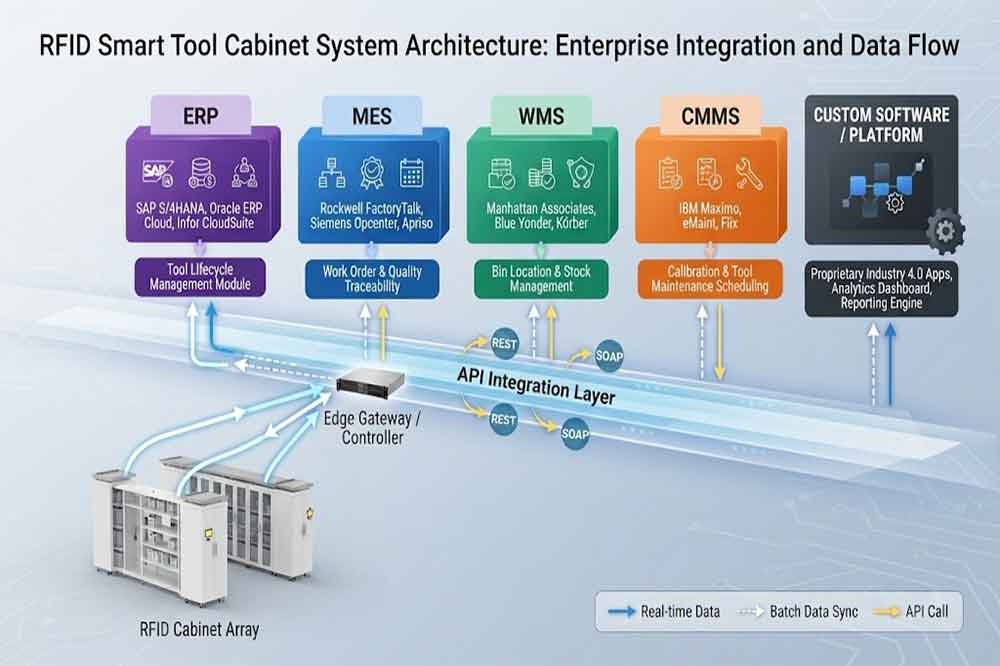
Work-order connections
API integration
ERP integration
MES integration
CMMS integration
The more complex the workflow, the more important software architecture becomes.
A company should first define what information it needs from the system.
For example:
“We need to know which technician has Tool 018.”
is a simpler requirement than:
“We need to associate Tool 018 with a maintenance work order, technician, cabinet, location, checkout time, return time, and CMMS record.”
The second requirement needs a more comprehensive software workflow.
Number of RFID Tool Cabinets
Project scale has a direct effect on implementation requirements.
A single cabinet may operate as an independent tool management point.
A larger factory may need cabinets in:
Maintenance rooms
Production lines
Engineering departments
Tool rooms
Warehouses
Quality departments
Different factory buildings
When multiple cabinets are connected, the project may require centralized management, network configuration, data synchronization, user management, and reporting.
The physical installation itself is another cost consideration.
Installation may include:
Cabinet positioning
Power connection
Network connection
RFID configuration
User setup
Tool registration
Tag installation
Software configuration
Reading tests
Checkout tests
Inventory tests
A simple cabinet installation may require limited commissioning.
A multi-location factory deployment can require considerably more coordination.
The installation environment should therefore be evaluated before calculating the complete project budget.
Tool Registration and RFID Tagging
Before an RFID tool cabinet can manage tools, the tools need to be registered.
A typical tool record may include:
Tool ID
Tool name
Tool category
RFID tag ID
Department
Cabinet
Status
User or owner
Maintenance information
If a company has only 50 tools, this process may be relatively manageable.
If there are several thousand tools, data preparation can become a significant implementation task.
The project should therefore consider who will:
Identify the tools
Assign tool IDs
Install RFID tags
Register tools
Verify tag reading
Check the database
This work may be performed internally, by the supplier, or through a combination of both.
Testing Before Full Deployment
Testing is an important part of the project budget because it can prevent larger problems later.
A practical pilot can test:
RFID tag performance
Tool identification
Multiple-tool reading
User authentication
Checkout
Return
Inventory
Missing-tool detection
Network communication
Software integration
The test should use real tools.
A tag that performs well on a plastic sample may behave differently when attached to a metal tool.
Similarly, a workflow that looks simple during a demonstration may become inconvenient when used repeatedly during a busy maintenance shift.
Maintenance and Support
The purchase price is not the entire cost of ownership.
Over time, the system may require:
RFID tag replacement
Hardware maintenance
Software updates
User management
Network support
Reader troubleshooting
Cabinet repairs
Database maintenance
Integration support
The expected support model should be discussed before purchase.
For example, customers may want to know:
What happens if an RFID reader fails?
How are damaged tags replaced?
Who handles software problems?
How are new cabinets added?
How are new users registered?
What happens when the customer changes its ERP or CMMS?
These questions become increasingly important as the system grows.
RFID Tool Cabinet Cost vs. Project Requirements
It is useful to separate the project into several cost categories.
Cost Category
Typical Considerations
Cabinet
Size, structure, capacity
RFID Hardware
Readers, antennas, controllers
RFID Tags
Quantity, material compatibility
Authentication
Cards, PIN, biometric options
Software
Management, inventory, reporting
Integration
ERP, MES, WMS, CMMS, API
Installation
Setup, wiring, configuration
Testing
Pilot and acceptance testing
Training
Users and administrators
Support
Maintenance and software service
Not every project requires every item.
For example, a small standalone cabinet may not require enterprise integration.
A large factory deployment may need nearly all of these components.
How Many Tools Should Be Managed?
Tool quantity is an important starting point.
Consider a simple example.
A workshop has 80 tools.
Another facility has 2,000 tools across six departments.
The two projects should not use the same configuration simply because both are described as “RFID tool cabinet systems.”
The larger project may require:
Multiple cabinets
Centralized software
Multiple user groups
More RFID tags
More complex inventory
Location management
Enterprise integration
More extensive testing
The number of tools should therefore be determined before choosing the system architecture.
Does Every Tool Need an RFID Tag?
In many projects, tagging every tool may not be necessary.
Some organizations may want to track only:
High-value tools
Frequently used tools
Specialized tools
Restricted tools
Calibration equipment
Tools with high replacement costs
Other organizations may prefer complete tool inventory coverage.
The decision depends on the management objective.
For example, if the main goal is controlling expensive equipment, tagging only selected tools may be sufficient.
If the goal is automated cabinet inventory, a broader tagging strategy may be more appropriate.
Estimating the Return From the System
Instead of looking only at the purchase price, companies can consider what operational problems the system is expected to address.
Possible areas include:
Manual inventory work
Tool search time
Missing tool investigations
Checkout administration
Tool availability
Accountability
Inventory accuracy
Reporting effort
For example, if employees currently spend significant time searching for tools, better visibility may reduce some of that effort.
However, the actual benefit depends on the organization’s workflow, tool volume, user behavior, and implementation quality.
An RFID system should therefore be evaluated using the customer’s own operational data rather than a generic promised return.
Questions to Ask an RFID Tool Cabinet Supplier
Before requesting a quotation, buyers should prepare specific technical questions.
Hardware
What RFID reader is used?
How are antennas arranged?
Can multiple tools be identified?
What tags are recommended for metal tools?
Software
What tool management functions are included?
Can users have different permissions?
Can reports be customized?
Can multiple cabinets be managed centrally?
Integration
Is an API available?
Can the system connect with ERP or CMMS?
What data can be exchanged?
How are offline events handled?
Deployment
What information is required before installation?
Is pilot testing available?
Who performs commissioning?
What support is provided after installation?
These questions help buyers compare complete system requirements instead of comparing cabinet prices alone.
Start With the Actual Workflow
One of the most practical ways to control project cost is to start with the actual workflow.
Ask:
Where are the tools now?
Who uses them?
How often do they move?
Which tools are difficult to control?
What information does the manager need?
Which existing software should receive the data?
These answers can prevent unnecessary features from being included in the initial project.
A smaller system that solves the main operational problem may be easier to deploy and expand later.
Start Small and Scale Later
Companies do not always need to deploy an RFID tool cabinet system across the entire factory immediately.
A pilot can begin with:
One department
One or two cabinets
A representative selection of tools
Several user groups
Normal checkout and return workflows
The pilot can establish whether the selected RFID tags, cabinet structure, software, and user process work as expected.
After the workflow has been validated, the system can be expanded.
This approach can also help create a more realistic budget for later phases.
Common RFID Tool Cabinet Cost Mistakes
Comparing Cabinet Prices Only
A cheaper cabinet may not include the software, tags, integration, or services required for the project.
Ignoring RFID Tags
Poor tag selection can create reading problems and additional replacement work.
Underestimating Integration
Connecting with an existing ERP, MES, or CMMS can require technical development and testing.
Forgetting Installation
Large deployments may require network, power, configuration, and commissioning work.
Buying Too Much Too Early
A company may purchase advanced features that are not required for the first deployment stage.
Not Planning Expansion
A system should ideally have a practical path for adding users, tools, and cabinets later.
A Practical RFID Tool Cabinet Budget Checklist
Before requesting a final quotation, prepare the following information:
Tool Information
Number of tools
Tool types
Metal/non-metal materials
Tool dimensions
High-value tools
Specialized tools
Cabinet Information
Number of locations
Required cabinet quantity
Storage structure
Approximate capacity
User Information
Number of users
User groups
Authentication requirements
Restricted access requirements
Software Information
Inventory
Checkout
Reporting
Alerts
Location tracking
User management
Integration Information
ERP
MES
WMS
CMMS
API
Custom software
Deployment Information
Installation location
Network conditions
Power requirements
Pilot requirements
Training
Support
The more complete this information is, the easier it becomes to prepare a project-specific quotation.
Conclusion
The cost of an RFID tool cabinet system depends on much more than the cabinet itself.
Cabinet size, RFID hardware, tags, authentication, software, the number of locations, integration requirements, installation, testing, and long-term support can all affect the final project budget.
For this reason, buyers should avoid comparing RFID cabinet only by hardware price.
A better approach is to define the actual tool management problem first, identify the required workflow, and then determine which hardware and software components are necessary.
For a small workshop, a simple RFID cabinet may be enough. For a large factory, the project may require multiple cabinets, centralized software, enterprise integration, detailed reporting, and stronger access control.
A pilot deployment can provide practical information before the system is expanded.
The most useful budget is therefore not simply the lowest hardware quotation. It is a project estimate that clearly explains what is included, what additional services are required, and how the system can grow with the organization’s tool management needs.
Frequently Asked Questions
How much does an RFID tool cabinet cost?
There is no universal price. Cost depends on cabinet size, RFID hardware, tags, software, authentication, integration, installation, and the number of cabinets required.
Are RFID tags included in the cabinet price?
Not necessarily. RFID tags may be quoted separately because the required tag type and quantity depend on the tools being managed.
Does software increase RFID tool cabinet cost?
It can. Basic tool identification requires less software than systems with inventory, reporting, access control, multi-cabinet management, or ERP and CMMS integration.
Is a pilot necessary before buying?
A pilot is useful when tool materials, RFID tags, reading performance, user workflows, or software integration have not been fully validated.
What information should I provide for a quotation?
Provide tool quantity and types, cabinet locations, user requirements, RFID tag needs, software functions, integration requirements, and expected deployment scale.
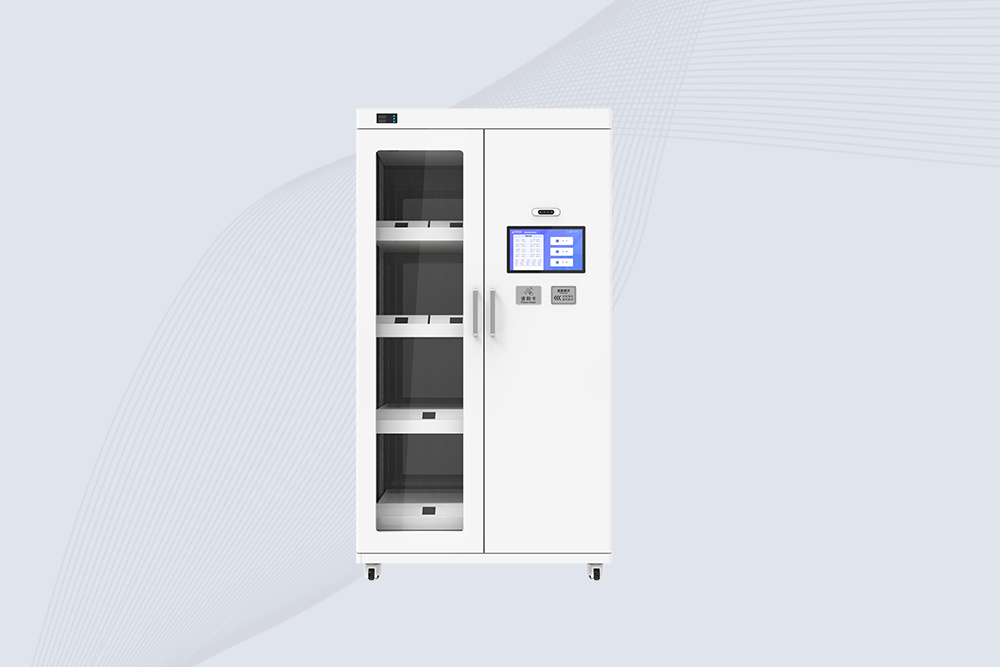
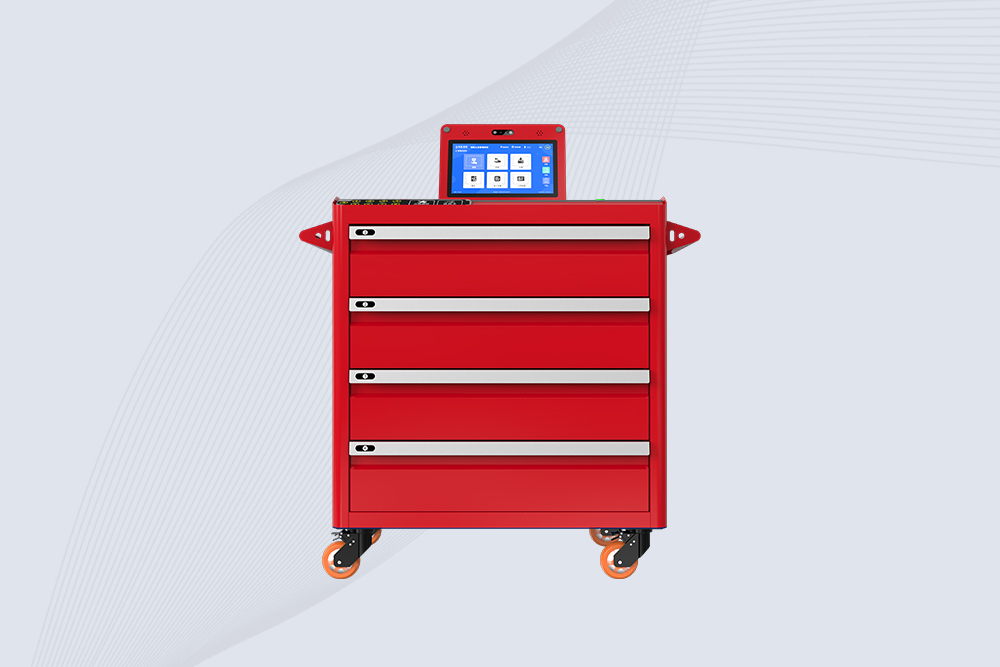
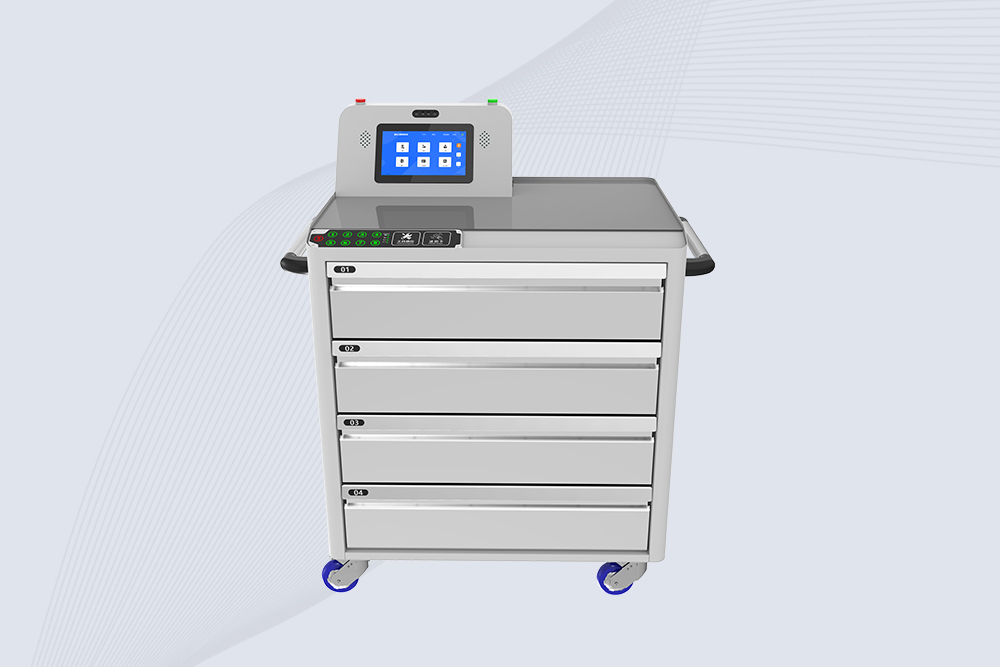
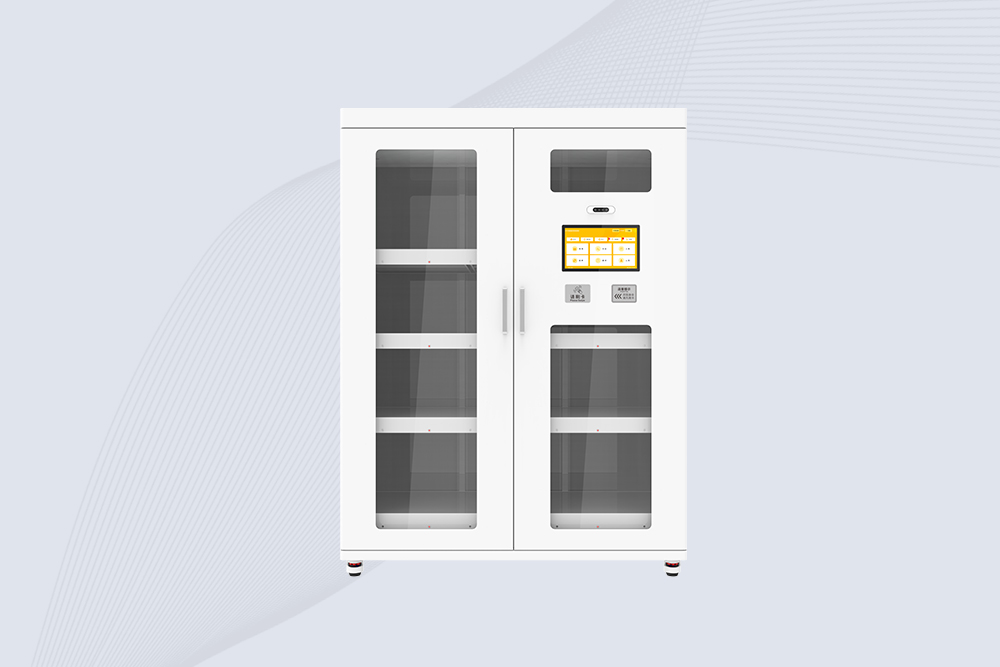
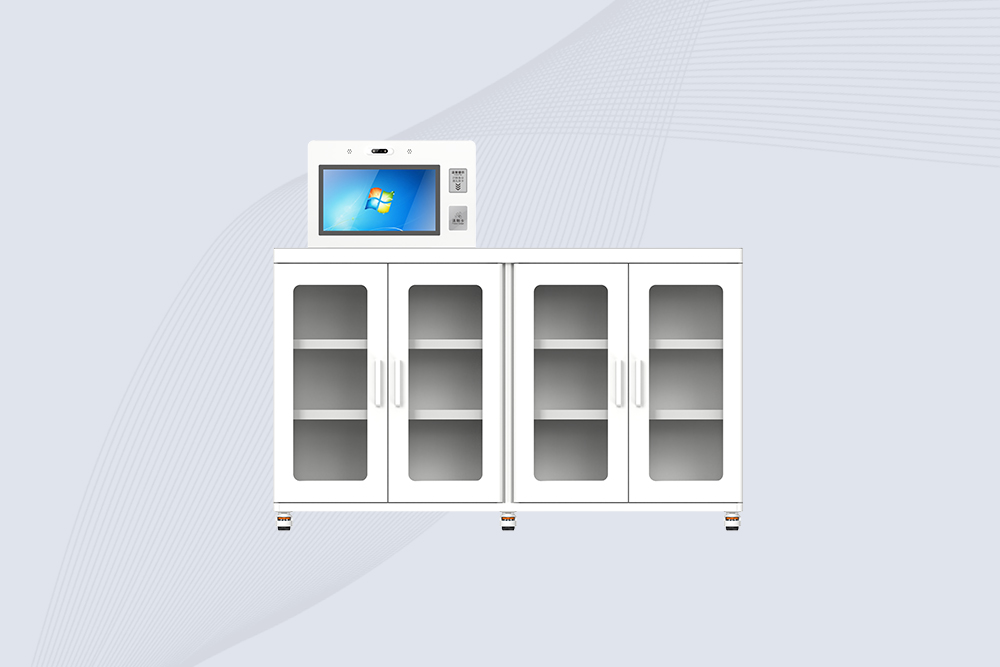
Cykeo’s RFID Smart Tool Cabinet enables 10-second tool audits, user access control & real-time alerts for construction/oil/gas. Features 21.5″ touchscreen, IP54 steel body & -30°C~60°C operation. Supports SAP/Oracle integration.
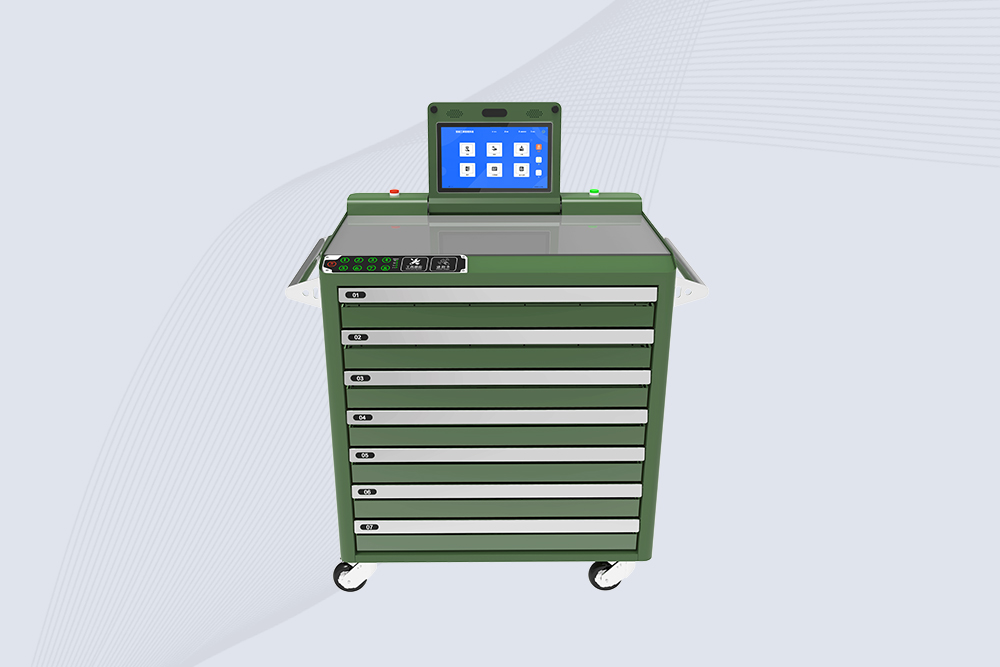
Cykeo’s industrial RFID Tool Cart features 14″ touchscreen, 400+ tool scanning, and carbon steel construction for aviation MRO, power plants and construction sites. 5-second inventory scans.
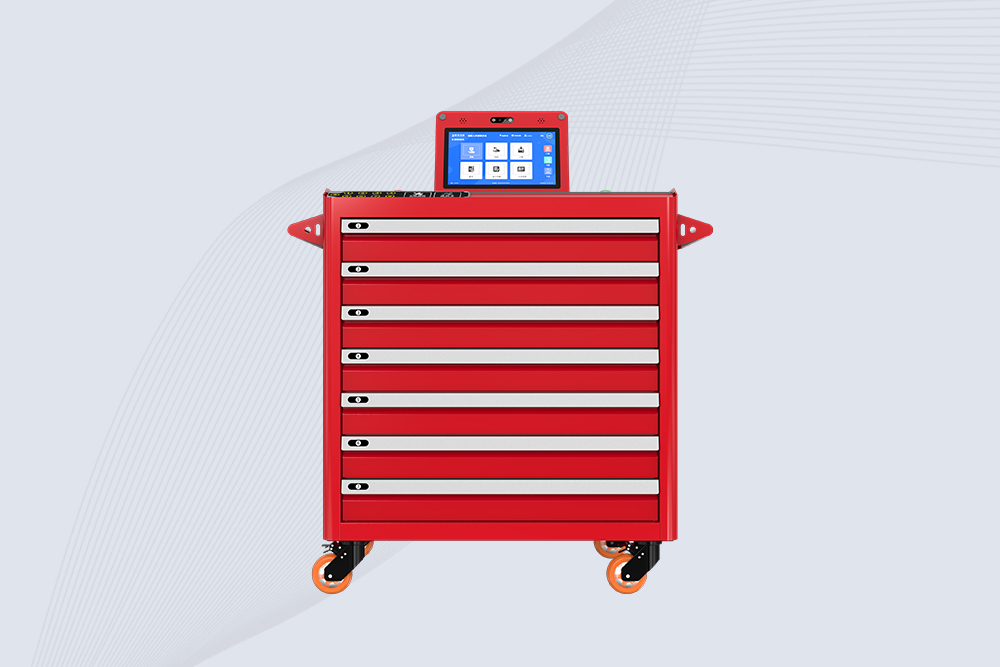
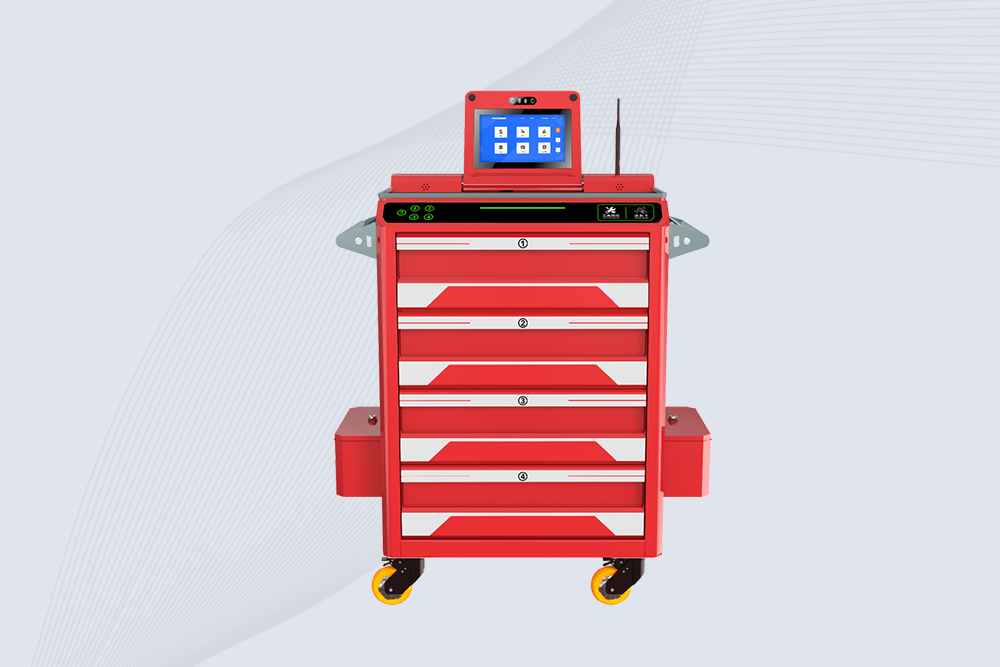
Cykeo CYKEO-TC RFID multi-drawer tool cart manages 300+ tools via UHF RFID, features fingerprint/face recognition, Android/Windows OS, and SAP integration for nuclear/railway/fire safety sectors. IP54 rated for harsh environments.
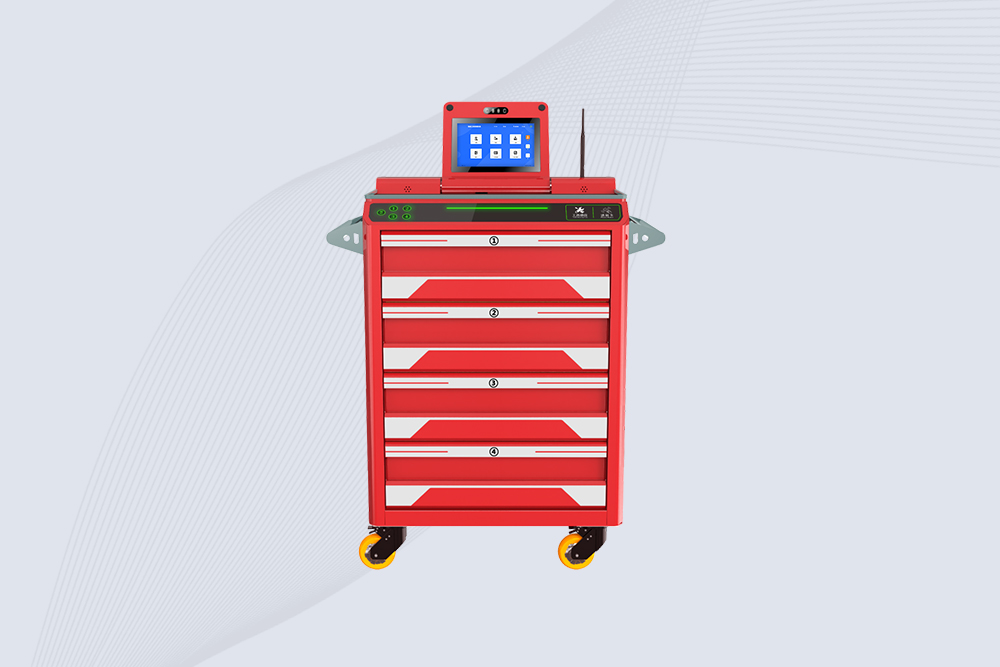
Cykeo CYKEO-GTC4 RFID tool inventory cart manages 300+ tools via UHF RFID, features instant scanning, fingerprint/face recognition, and SAP integration for nuclear/railway/fire safety sectors. IP54 rated for harsh environments.
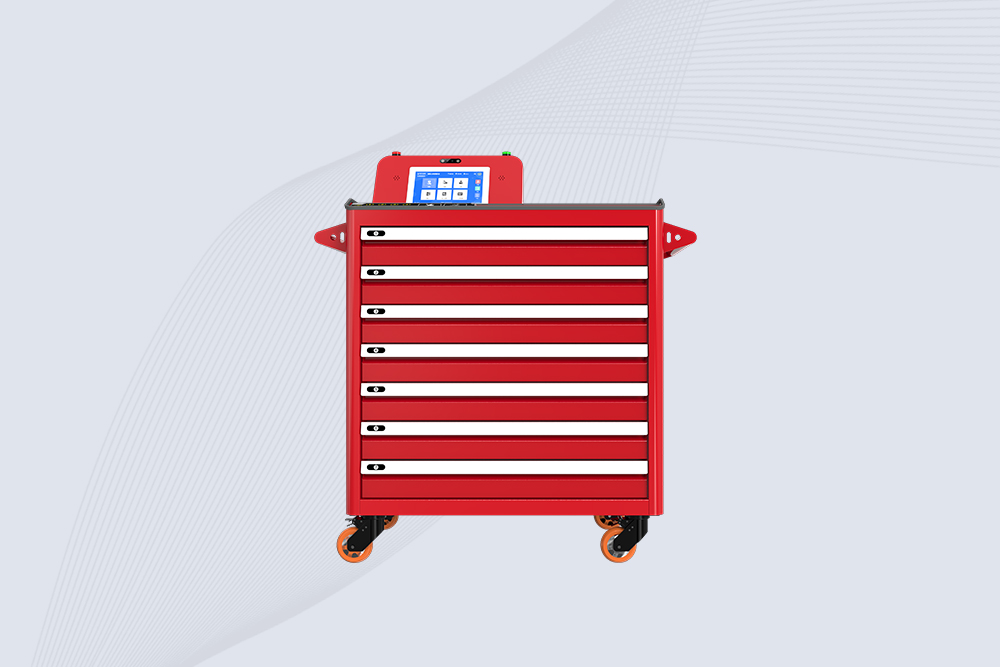
Cykeo CYKEO-GTC7A RFID real-time tool tracking cart features 99.9% accuracy, FOD prevention, and SAP integration for aviation/plant maintenance. Military-grade construction.
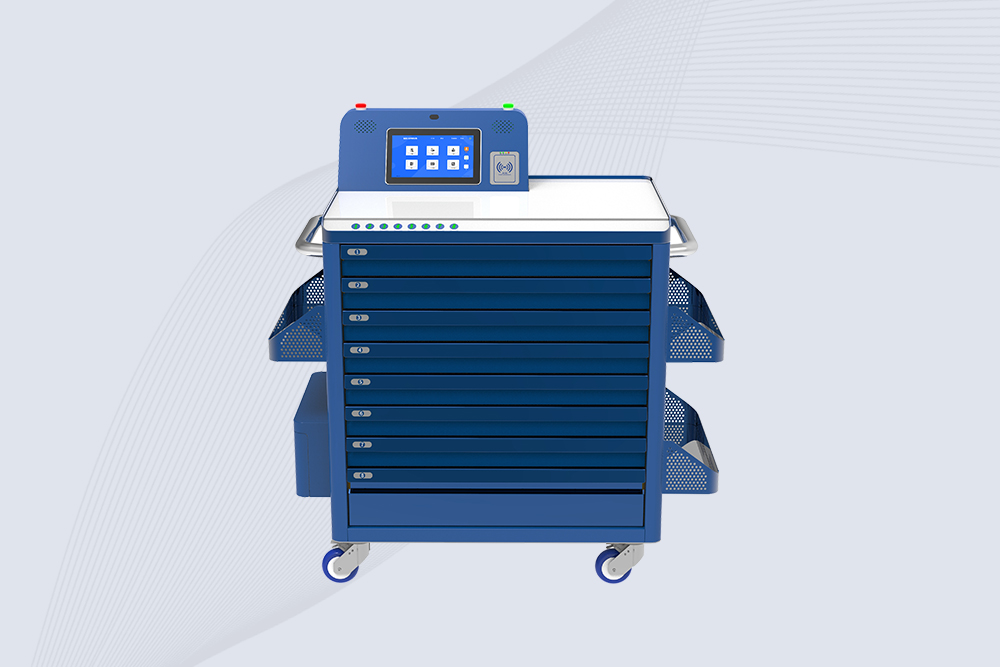
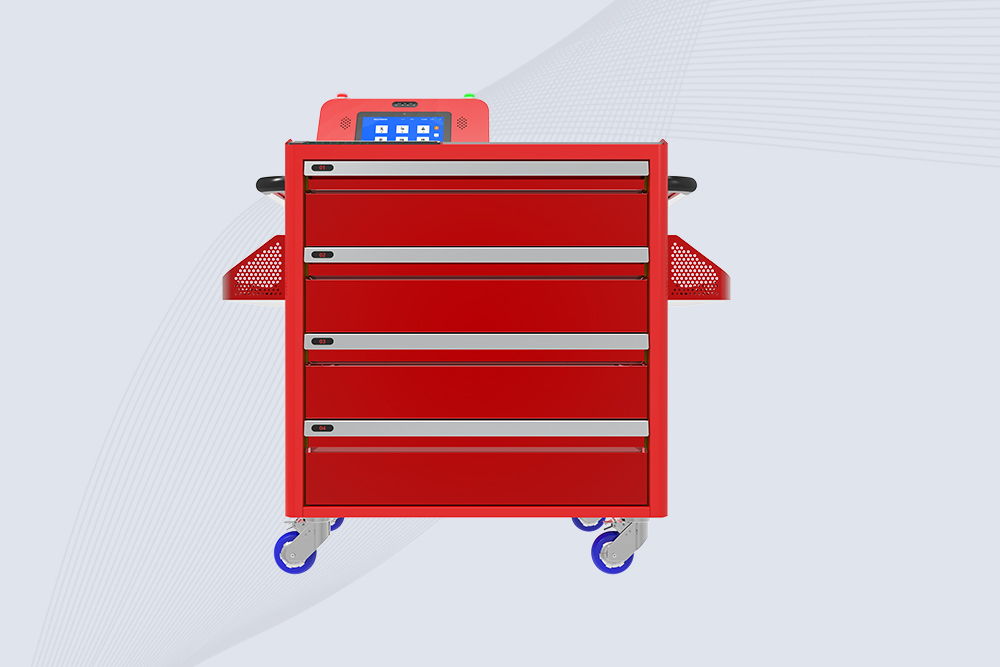
Cykeo CYKEO-GTC4B RFID mobile tool cart delivers 300-tool verification in 7 seconds with modular drawers, ≤150W power, and SAP integration for industrial/aviation use.
Cykeo CYKEO-GTC4C RFID workshop tool control cart delivers 300-tool inventory in 3 seconds with 10hr battery, SAP integration, and FOD prevention for industrial workshops.
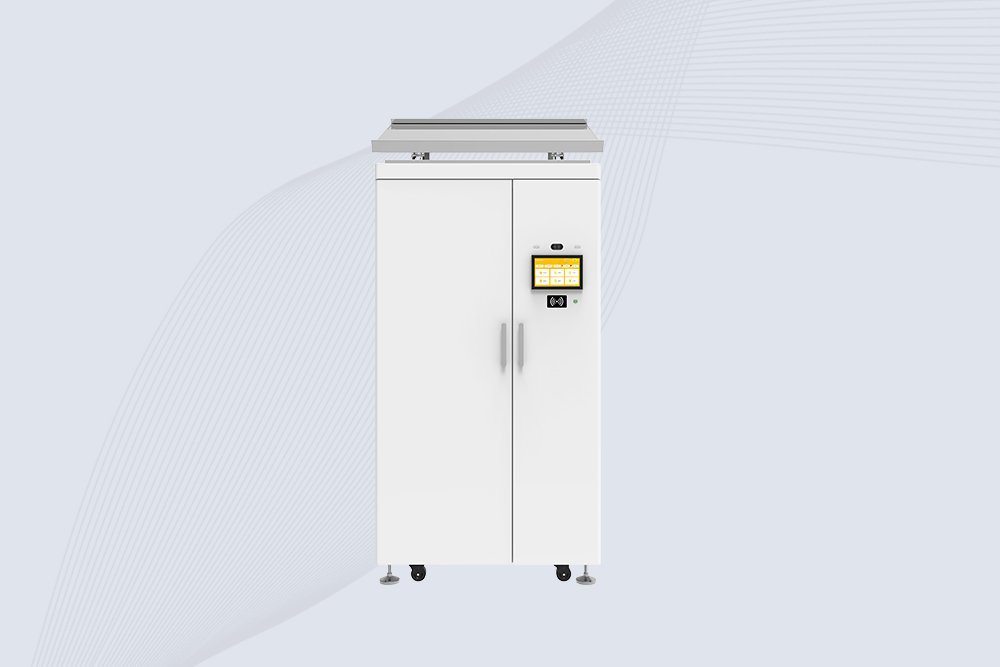
Cykeo’s off-grid RFID tool inventory system features solar/wind power, -30°C~60°C operation, and military-grade durability for mining/energy/military sectors.
Cykeo’s RFID multi-drawer tool cabinet features 5 adjustable drawers, biometric access, and 99.9% scan accuracy for automotive/aerospace manufacturing.
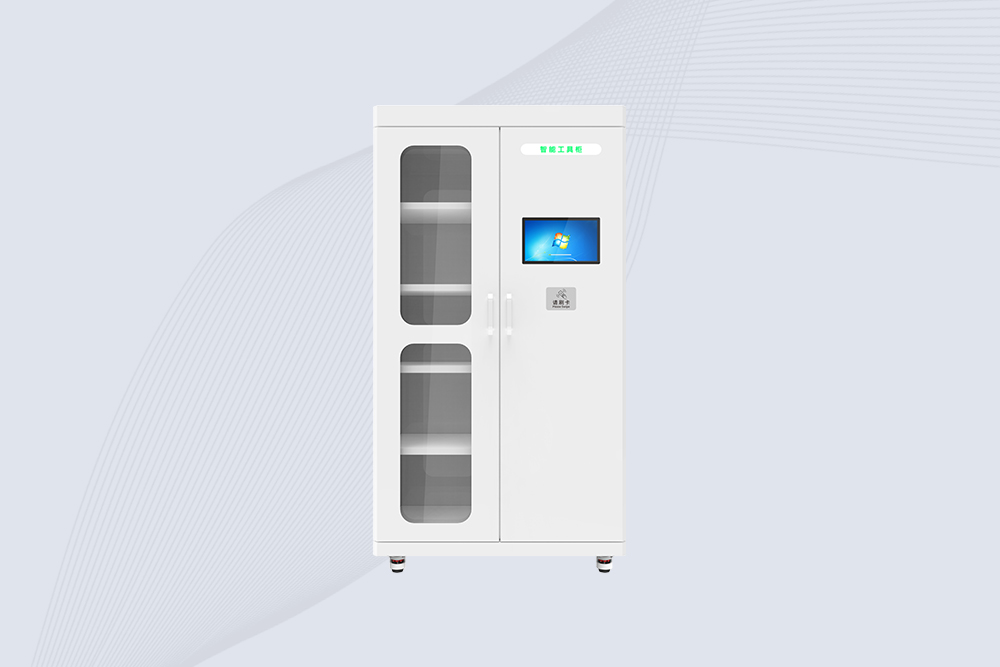
Cykeo CYKEO-GT1B industrial RFID tool storage cabinet features Impinj R2000 UHF technology, 1,000+ tool capacity, IP54 protection, and Windows/Android OS for manufacturing/aviation MRO. Includes auto check-in/out and SAP/Oracle sync.
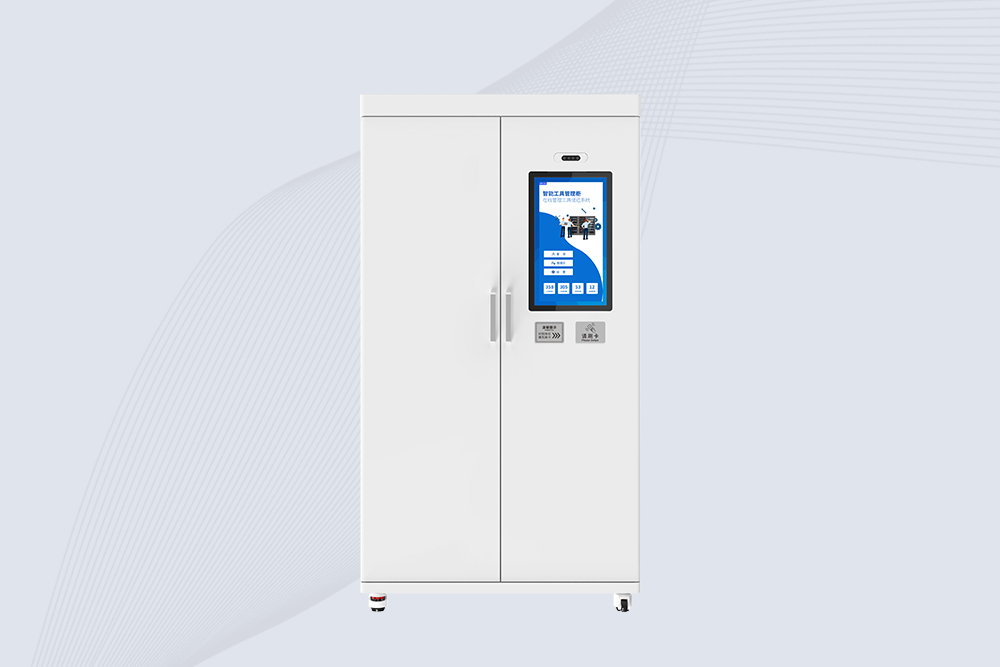
Cykeo CYKEO-GT3C industrial RFID tool checkout system Cabinet features millimeter-wave scanning, 280-layer storage, dual OS, and 99.9% accuracy for aviation/semiconductor sectors. Supports auto check-in/out and real-time SAP sync.
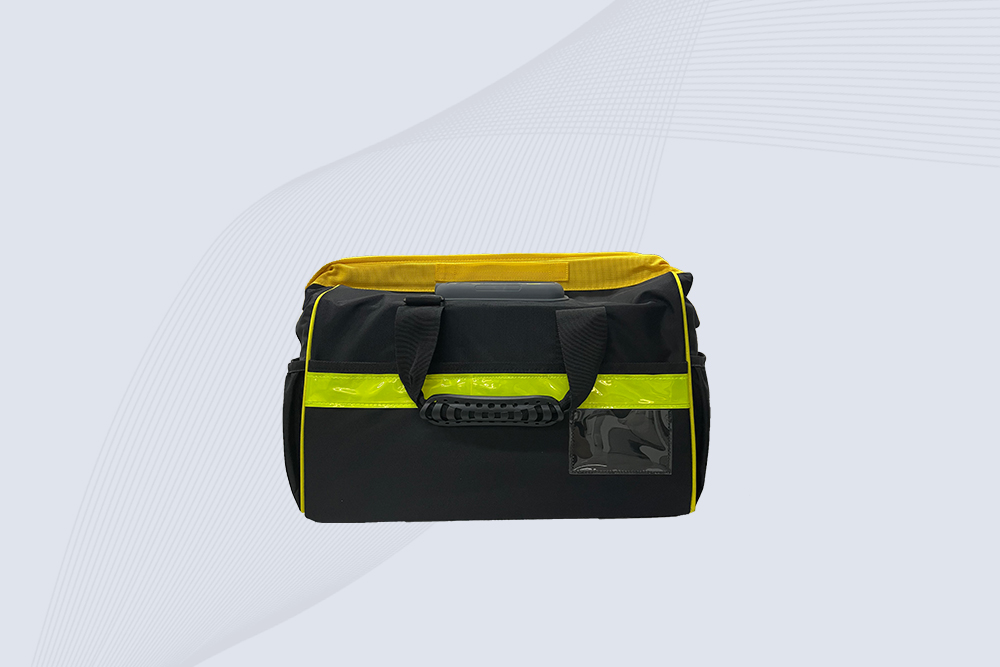
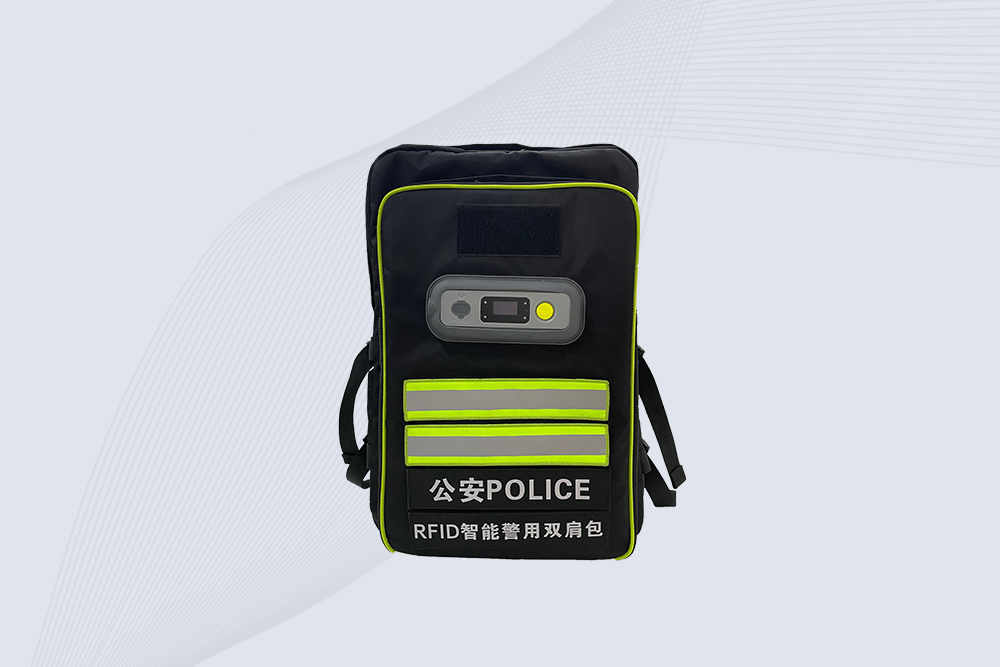
Discover the CYKEO-B1A Industrial RFID Backpack featuring advanced tool tracking technology with 25cm RF shielding, 7-day battery life, and wearable design for field maintenance professionals.
RFID Industry Writer | IoT & Asset Tracking Analyst
James writes about RFID technology, asset tracking, and the practical challenges of digital transformation across warehousing, retail, manufacturing, and logistics.
His work focuses on how RFID is applied in real-world operations—improving inventory visibility, automating workflows, and helping businesses manage assets with greater accuracy and efficiency.
He regularly covers topics including UHF RFID, smart cabinets, RFID portals, tool tracking, warehouse automation, and industrial IoT trends..
With the continuous development of technology, RFID (Radio Frequency Identification) is gradually making its way into the agricultural sector. This article explores how RFID technology is being applied in smart agriculture to achieve precise crop ...
Discover what RFID readers are, how they function, different types available, and where they're used. Learn key selection tips for your business needs.
handheld uhf rfid reader devices improve inventory accuracy, warehouse tracking, and industrial asset visibility with Cykeo ultra high frequency RFID technology.
Discover how RFID systems work, from tags and readers to data processing. Learn about RFID components, communication, and Cykeo’s role in scalable solutions.
 Cykeo RFID IoT Solution Products R&D Manufacturer