 Cykeo RFID IoT Solution Products R&D Manufacturer

How Small Can an RFID Reader Be: From Modules to Handhelds
243Wondering how small can an RFID reader be? CYKEO explores compact UHF modules as tiny as 18x21mm, embedded options, and size-versus-performance tradeoffs.
MoreAll RFID Product
RFID tool cabinet is not only a storage cabinet with an RFID reader. In a real factory, its value comes from the daily work it changes: checking tools in and out, finding missing tools, counting inventory, controlling access, and recording tool movements.
For this reason, RFID tool cabinet ROI should be measured against the actual workflow rather than only the hardware purchase price.
A simple ROI review can start with labor hours, tool losses, search time, inventory work, and the cost of delayed maintenance or production tasks.
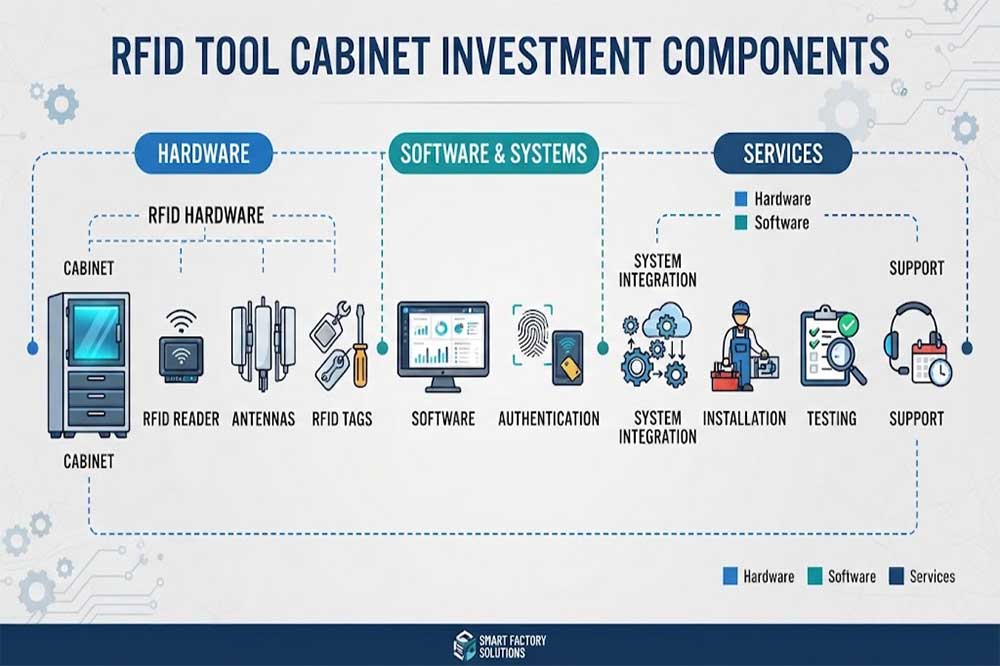
Before calculating numbers, it helps to understand what the system is replacing.
A traditional tool room may rely on spreadsheets, paper records, manual signatures, visual checks, or a technician who knows where everything is stored. These methods can work for a small operation. Problems often appear when the number of tools, users, shifts, or locations increases.
An RFID tool cabinet changes several parts of this process.
Each tool can have RFID tag linked to its digital record. The cabinet can identify tagged tools during checkout, return, or inventory operations. User authentication can connect a transaction with the person accessing the cabinet.
The result is not simply faster storage. It creates more structured tool data.
Tool transactions are one of the easiest areas to measure.
Consider a maintenance department where technicians frequently collect several tools before starting a job. With manual records, each transaction may require searching for the tool, writing down information, signing a form, or updating a spreadsheet.
An RFID system can reduce several of these manual steps.
Track the average time required for:
The important number is not the theoretical reading speed of the RFID hardware. It is the total workflow time saved by employees.
Tool searching is often harder to see in a purchasing spreadsheet.
A technician may spend several minutes looking for a torque wrench, inspection instrument, power tool, or special maintenance tool. When several people repeat the same search throughout the day, the lost time becomes significant.
RFID tool tracking can provide a clearer location record.
A management system may show that a tool is:
This information does not eliminate every search. However, it can reduce unnecessary searching when the system data is maintained correctly.
Tool loss should be measured carefully.
Not every missing tool is permanently lost. Some tools are simply left at another workstation, placed in another cabinet, or still held by a technician.
RFID reporting can help distinguish these situations.
For example, a tool may be shown as checked out to a specific user. Another tool may be detected in a different cabinet. A third tool may not appear where the system expects it.
This creates a more useful starting point for investigation.
When calculating ROI, record the historical cost of:
The RFID system should be evaluated against the portion of these costs it can realistically help control.
Manual tool inventory can consume considerable time, especially when tool rooms contain hundreds or thousands of items.
Staff may need to open drawers, check labels, count tools, compare records, and investigate differences.
An RFID tool cabinet can support faster identification of tagged tools during inventory operations.
The ROI calculation should compare:
Manual inventory hours − RFID-assisted inventory hours = potential labor savings
The calculation should use real measurements from the target environment rather than a generic productivity claim.
A tool can technically exist in the company but still be unavailable when a technician needs it.
This situation can create delays.
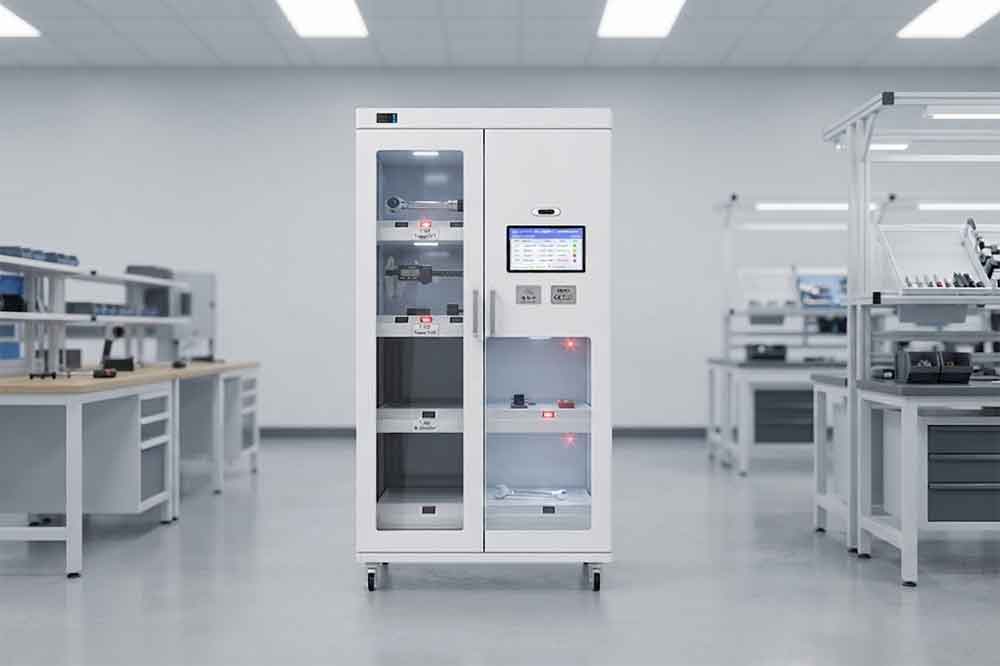
RFID tool management can provide better visibility into whether a tool is stored, checked out, overdue, or located elsewhere.
For maintenance teams, the important question is often not simply:
“How many tools do we own?”
It is:
“Can the right technician find the required tool when the job starts?”
Improved availability can reduce waiting and unnecessary duplicate purchases.
Accountability is another part of RFID tool cabinet ROI.
When every user accesses the cabinet through an authentication process, tool transactions can be associated with user records.
This creates an audit trail covering events such as:
The value is especially relevant for high-value, calibrated, specialized, or safety-critical tools.
The RFID cabinet may become more valuable when connected with existing software.
Depending on the project, tool information can be linked with ERP, MES, WMS, CMMS, or custom software.
For example, a maintenance department may connect tool transactions with work orders. A manufacturing environment may connect tool availability with production workflows.
This can reduce duplicate data entry and make tool information available within existing management processes.
However, integration also adds project cost. The ROI calculation should therefore include both the expected operational value and the integration effort.
ROI should not be calculated using only the cabinet price.
A complete project may include:
| Cost Item | What to Consider |
|---|---|
| RFID Cabinet | Size, structure, storage capacity |
| RFID Hardware | Readers, antennas, controllers |
| RFID Tags | Quantity, tag type, tool material |
| Authentication | RFID cards, passwords, biometrics, or other methods |
| Software | Tool management and reporting functions |
| Integration | ERP, MES, WMS, CMMS, or API |
| Installation | Hardware setup and configuration |
| Tool Registration | Tagging and creating tool records |
| Testing | RFID reading and workflow testing |
| Training | User and administrator training |
| Support | Maintenance and software support |
This provides a more realistic total cost of ownership.
A practical starting point is:
Annual Benefit = Labor Savings + Reduced Tool Replacement + Reduced Search Time + Other Measurable Savings
Then:
ROI = (Annual Benefit − Annual Operating Cost) ÷ Initial Investment × 100%
The calculation should use actual project data where possible.
For example, instead of assuming that RFID will save a fixed percentage of labor, measure the existing workflow first. Then test the RFID workflow with a pilot cabinet.
This approach produces a more credible business case.
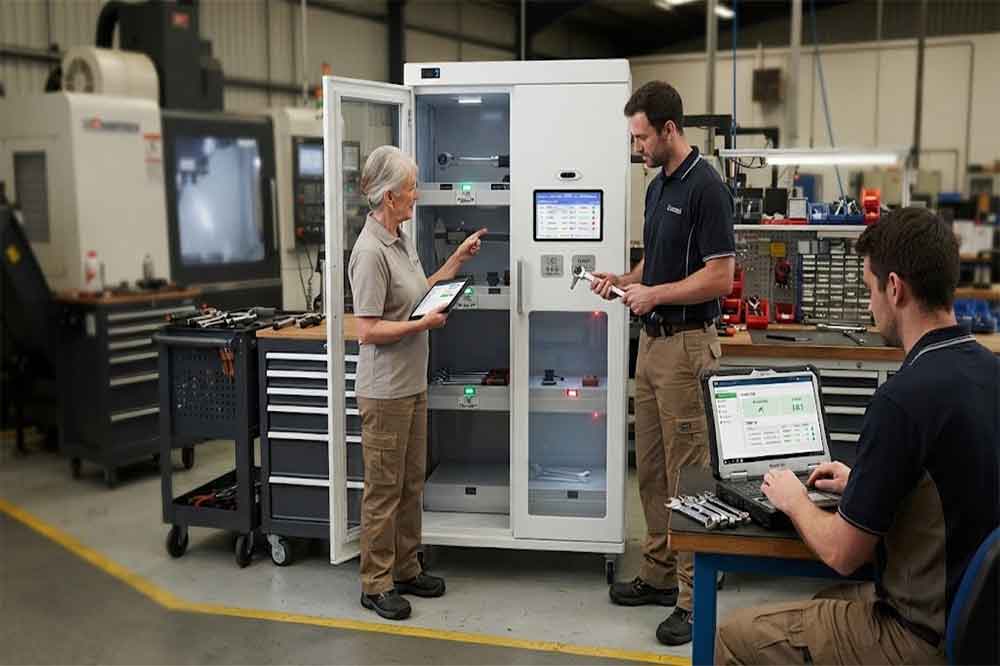
A pilot project is useful when the final ROI is difficult to estimate.
Start with one department, one tool room, or a limited group of tools.
Measure the same workflow before and after installation:
The pilot can also reveal unexpected costs.
For example, some tools may require different RFID tags because of their material or shape. Some workflows may require software changes. Users may also need a different cabinet layout.
These findings can improve the budget before a larger deployment.
A useful management report does not need to be complicated.
It can include:
The report should separate measured results from assumptions.
This makes the business case easier to review with procurement, finance, IT, and operations teams.
Several mistakes can make an ROI calculation unreliable.
The cabinet is only one part of the project. Tags, software, integration, installation, and support may also affect the budget.
A frequently used production tool and a rarely used specialty tool may have very different operational importance.
ROI should compare the RFID workflow with the actual current workflow, not an idealized manual process.
A technically capable system can still produce limited value if users do not follow the intended checkout and return process.
Metal tools, dense storage, tool orientation, and cabinet structure can affect RFID reading performance. Testing should be part of the business case.
Start with the department that has a clear tool-management problem.
Collect baseline data for several weeks if possible. Measure transaction time, inventory workload, missing tools, search time, and replacement costs.
Then define the proposed RFID workflow and identify the required cabinet, RFID tags, software, authentication, and integrations.
After that, run a pilot.
The final ROI model should combine measured results with clearly identified assumptions.
This is more useful than presenting a single estimated percentage without operational evidence.
RFID tool cabinet ROI depends on more than the purchase price of an RFID cabinet. The real value can come from faster tool transactions, reduced search time, improved inventory visibility, better accountability, fewer unnecessary replacements, and stronger connections with maintenance or manufacturing workflows.
The most reliable approach is to measure the existing process, define the complete project cost, and test the RFID workflow with a pilot.
For organizations with many tools, multiple users, frequent transactions, or several storage locations, this method provides a practical basis for deciding whether RFID tool management is suitable for the operation.
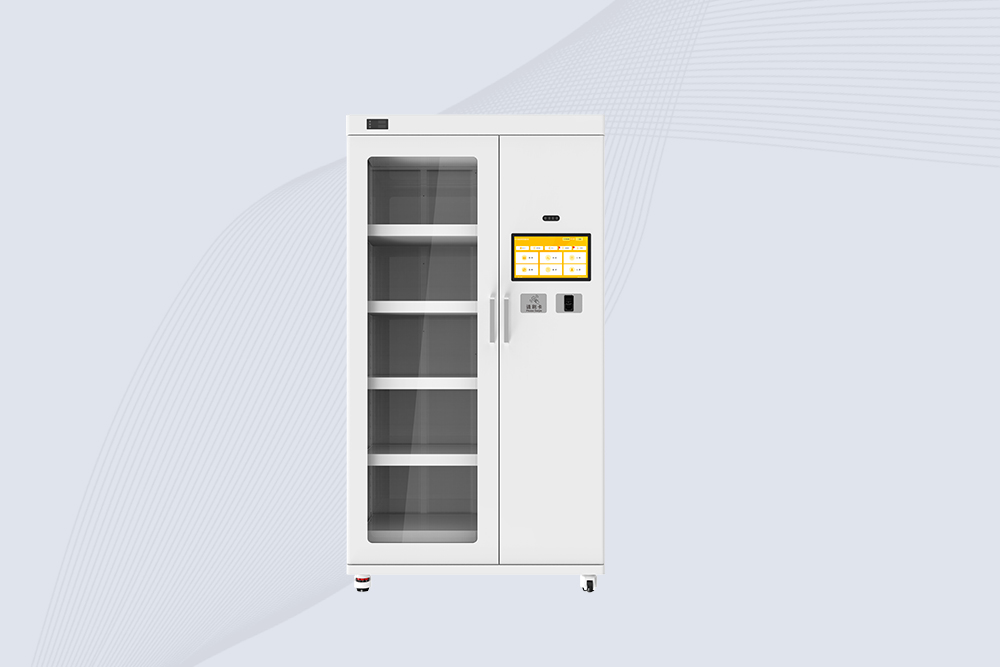
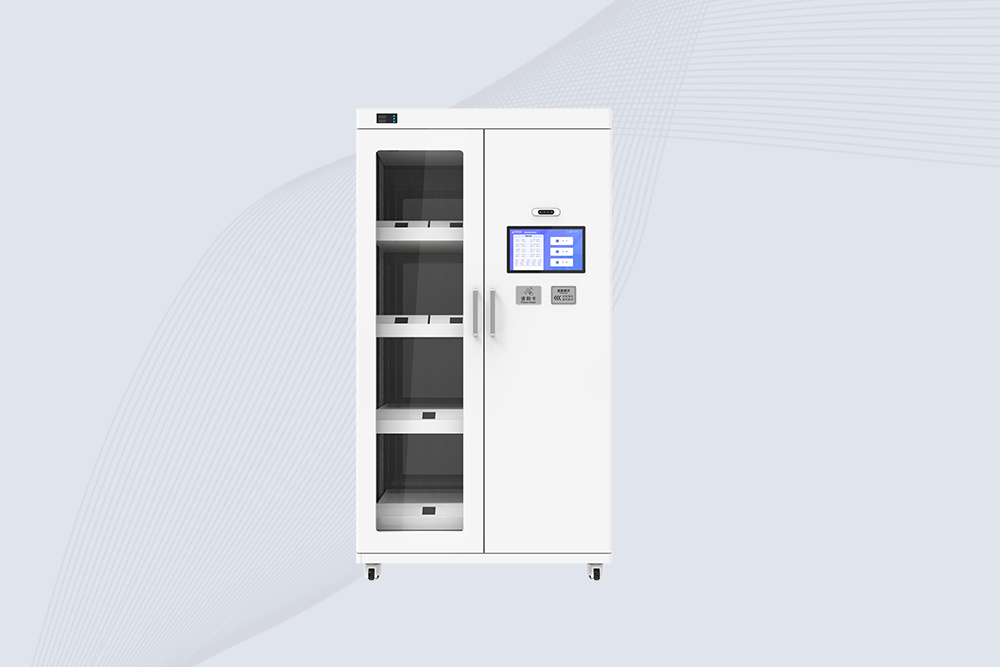
Cykeo’s RFID Smart Tool Cabinet enables 10-second tool audits, user access control & real-time alerts for construction/oil/gas. Features 21.5″ touchscreen, IP54 steel body & -30°C~60°C operation. Supports SAP/Oracle integration.
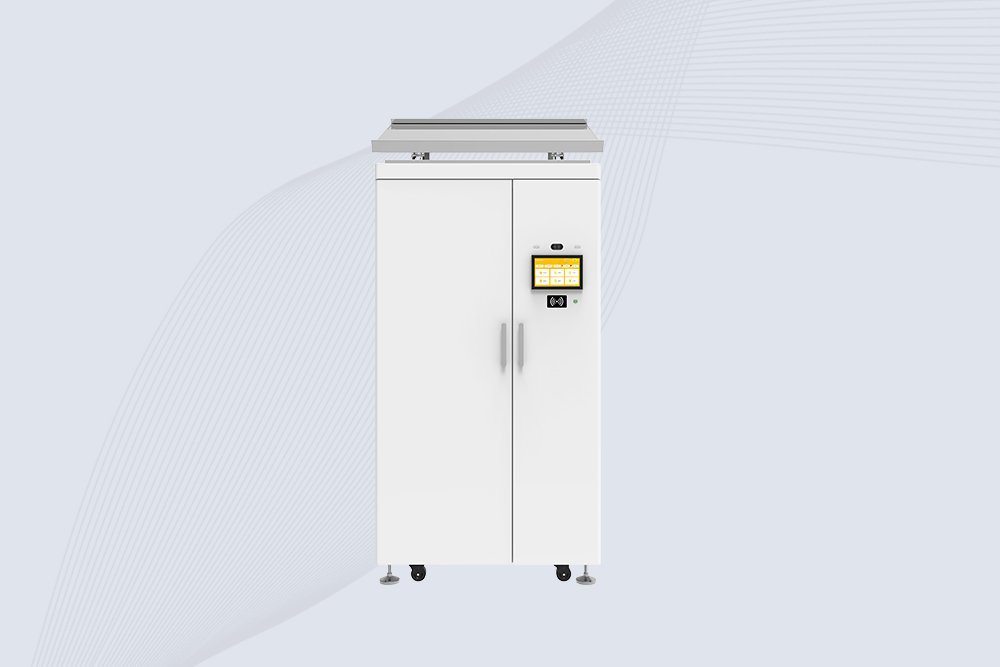
Cykeo’s Intelligent Weighing Tool Cabinet combines weight sensors & RFID for 100% tool accountability. Features solar/4G options, IP54 steel-glass body & nuclear/rail compliance. Supports SAP/Oracle integration.
Cykeo’s solar-powered RFID Inventory Tool Cabinet enables 5-second audits for remote sites. Features 160W solar, Android 7.1, 4G & extreme temp operation for oil/energy/mining sectors.
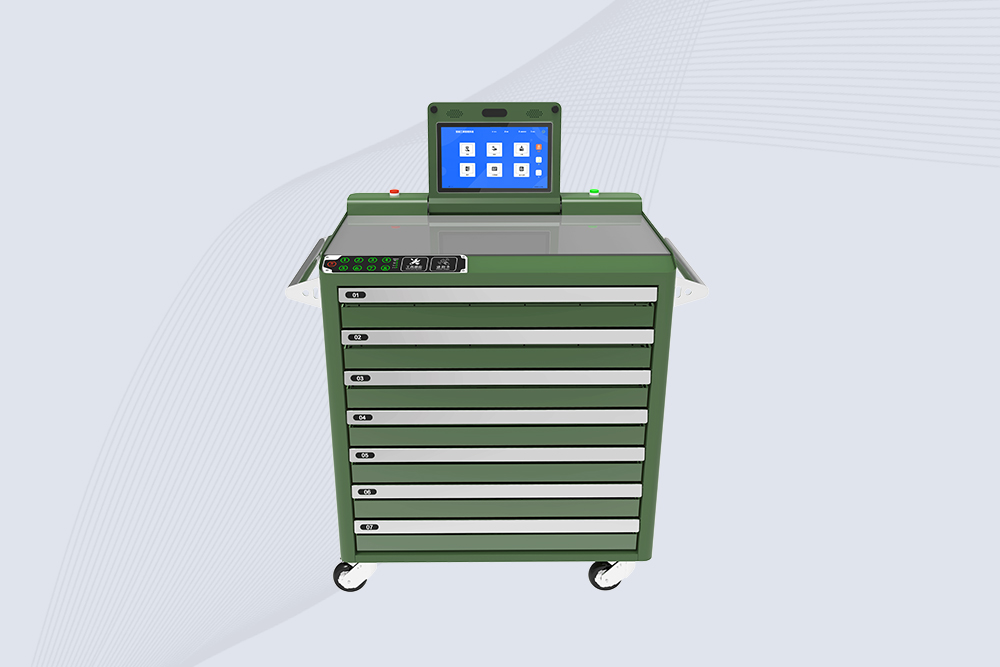
Cykeo’s industrial RFID Tool Cart features 14″ touchscreen, 400+ tool scanning, and carbon steel construction for aviation MRO, power plants and construction sites. 5-second inventory scans.
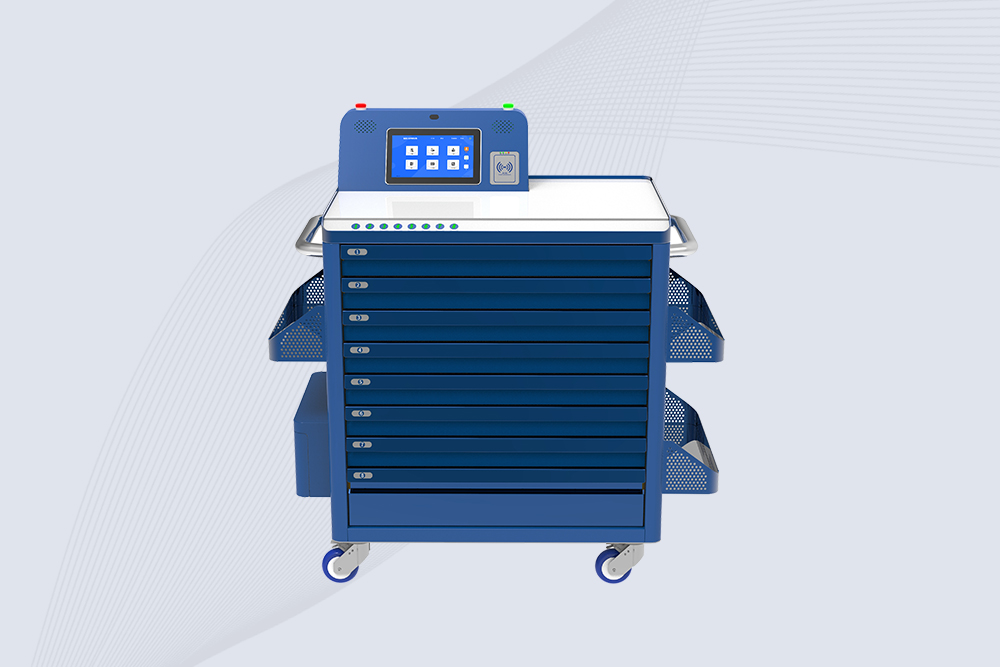
Cykeo CYKEO-TC RFID multi-drawer tool cart manages 300+ tools via UHF RFID, features fingerprint/face recognition, Android/Windows OS, and SAP integration for nuclear/railway/fire safety sectors. IP54 rated for harsh environments.
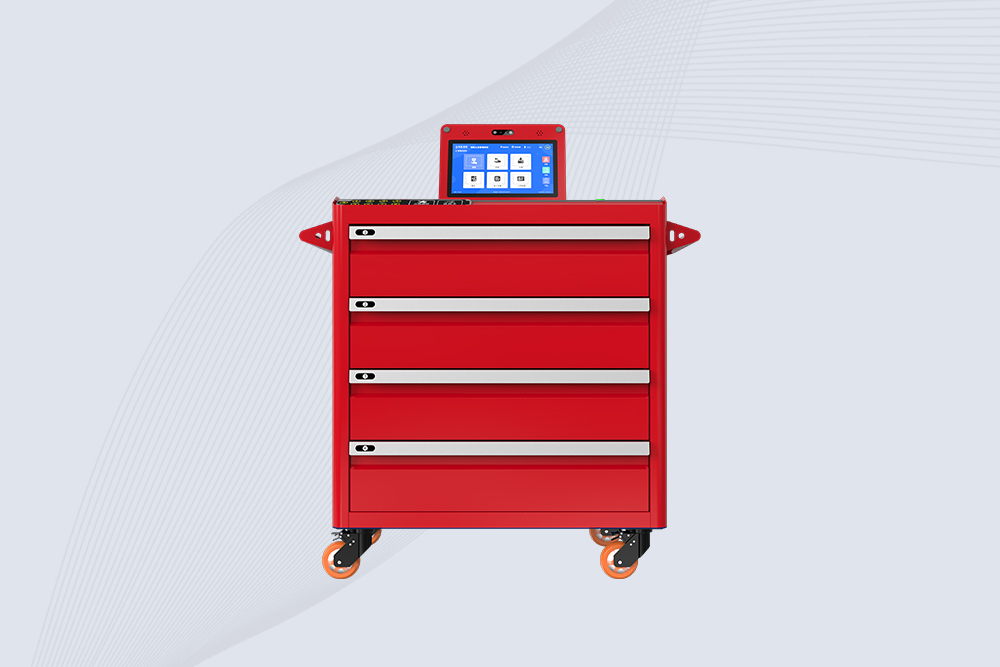
Cykeo CYKEO-GTC4 RFID tool inventory cart manages 300+ tools via UHF RFID, features instant scanning, fingerprint/face recognition, and SAP integration for nuclear/railway/fire safety sectors. IP54 rated for harsh environments.
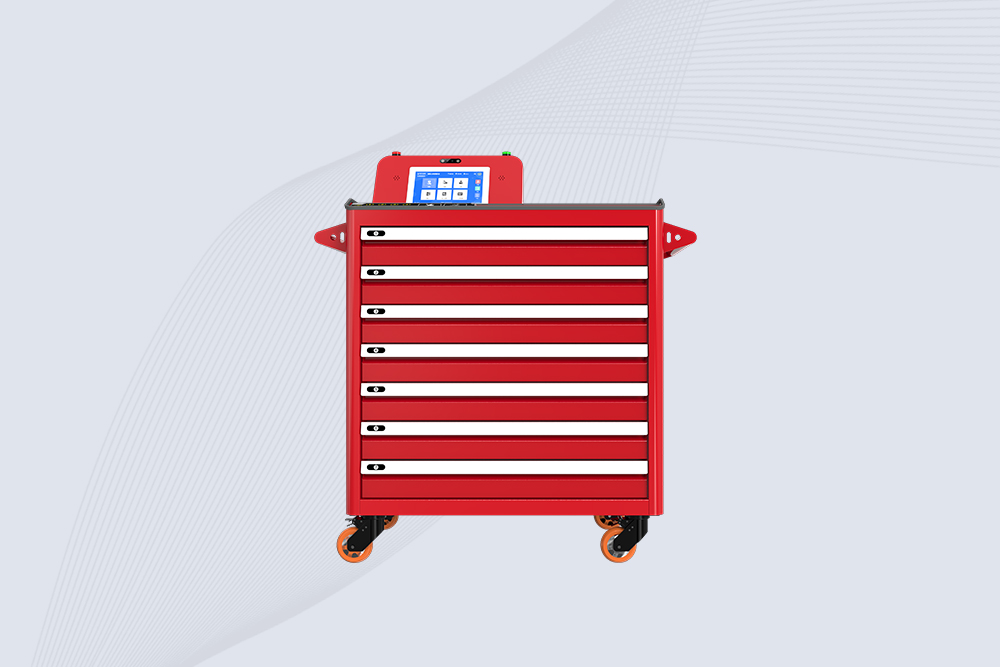
Cykeo CYKEO-GTC7 RFID aviation maintenance cart features military-grade build, blockchain audits, and predictive tool alerts for aircraft MRO. Achieves EASA/FAA compliance.
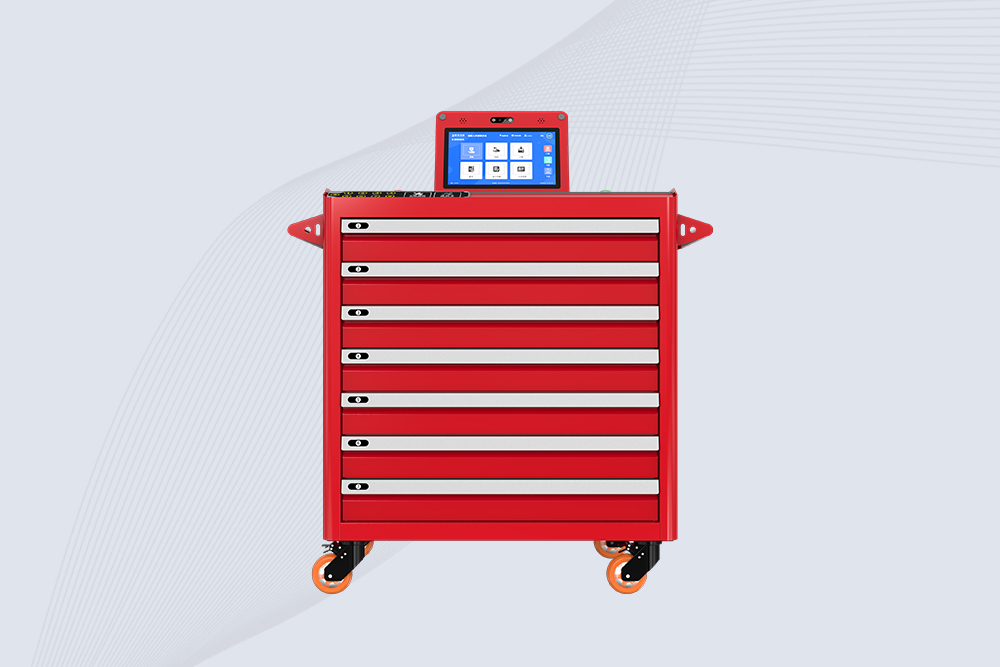
Cykeo CYKEO-GTC7A RFID real-time tool tracking cart features 99.9% accuracy, FOD prevention, and SAP integration for aviation/plant maintenance. Military-grade construction.
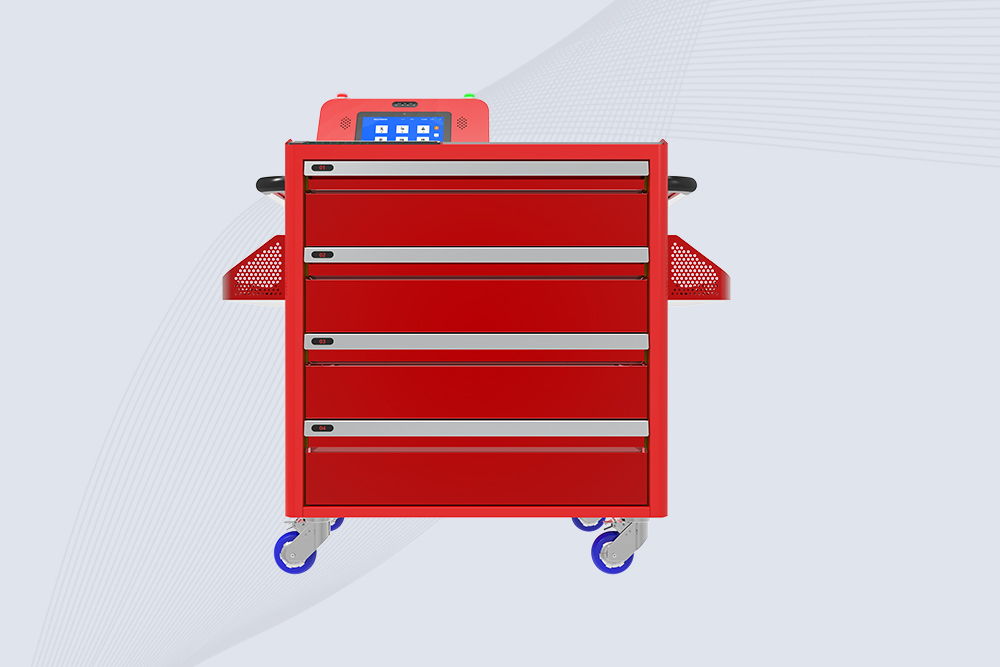
Cykeo CYKEO-GTC4B RFID mobile tool cart delivers 300-tool verification in 7 seconds with modular drawers, ≤150W power, and SAP integration for industrial/aviation use.
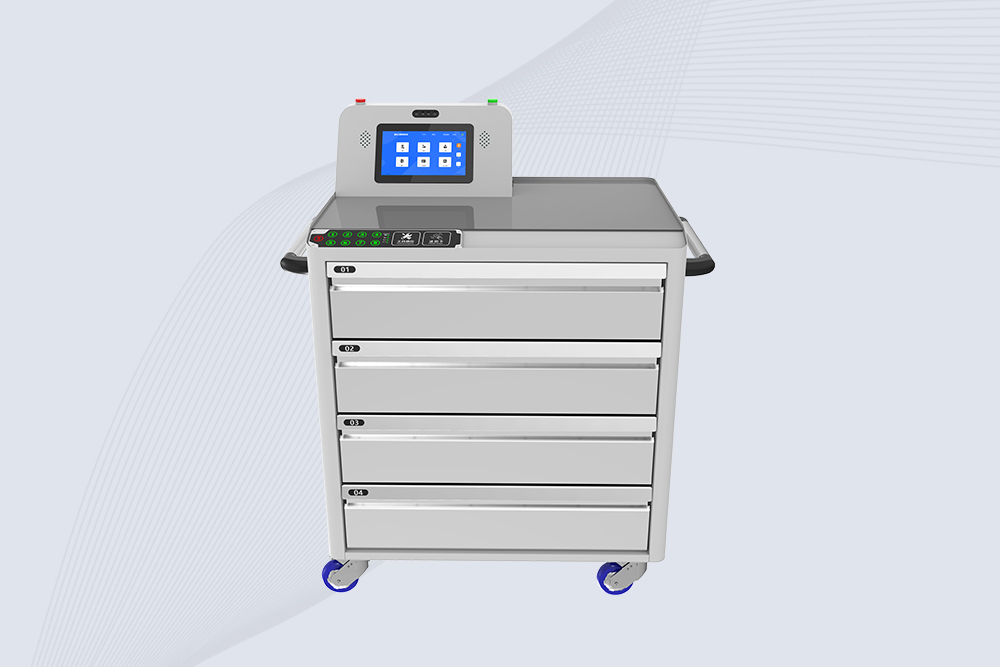
Cykeo CYKEO-GTC4C RFID workshop tool control cart delivers 300-tool inventory in 3 seconds with 10hr battery, SAP integration, and FOD prevention for industrial workshops.
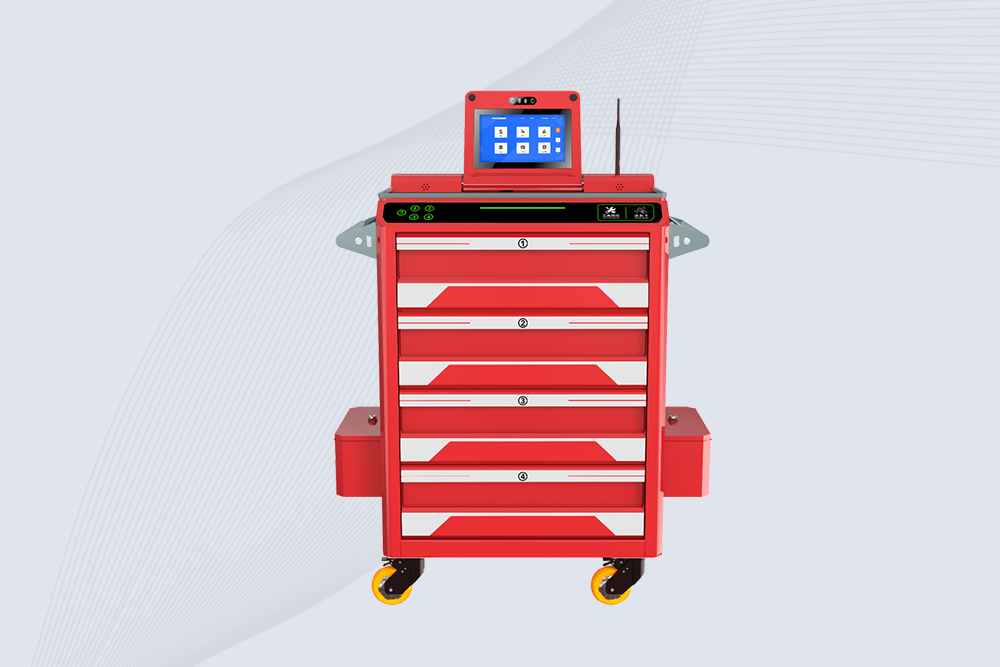
Cykeo’s CYKEO-GTC4A multi-drawer RFID tool cart delivers 7-second aviation tool inventories, 10-hour battery, and dual authentication. ISO 18000-6C compliant for MRO/manufacturing.
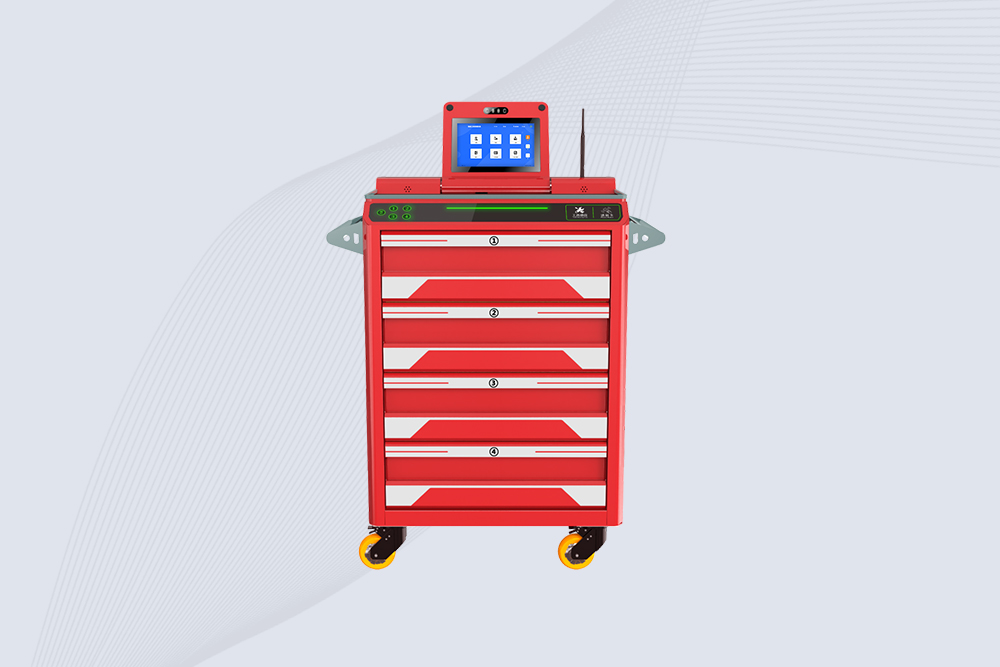
Cykeo’s MIL-STD RFID tool tracking cart scans 300 tools in 7 seconds, with -20°C~60°C operation and FOD prevention for aviation/energy industries.
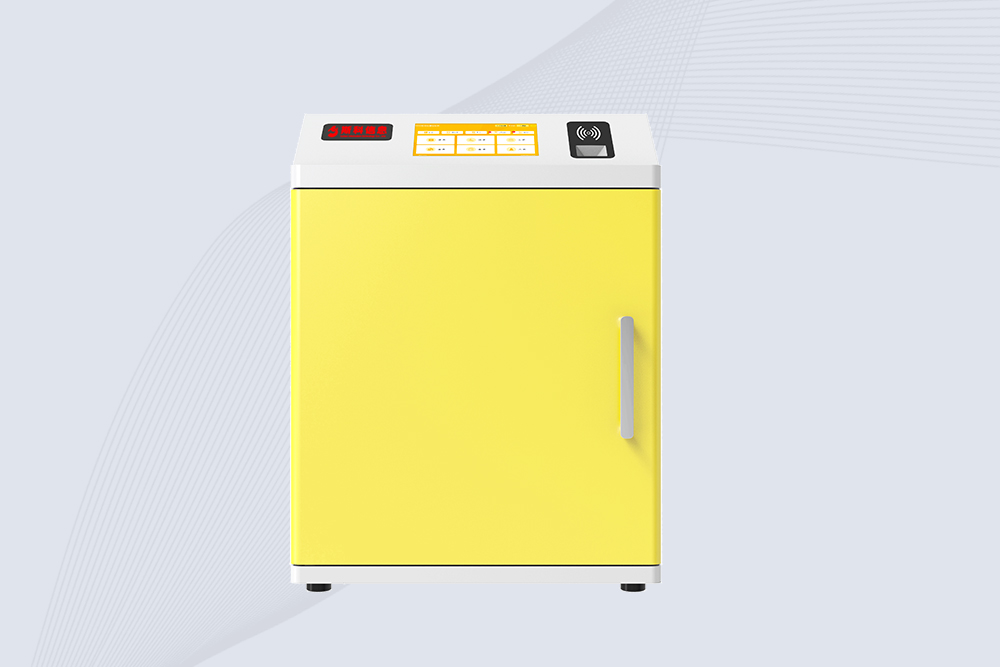
Cykeo’s space-saving RFID tool management cabinet offers 1000-tool capacity, ≤5s scans, and 24/7 unmanned operation for manufacturing/assembly plants.
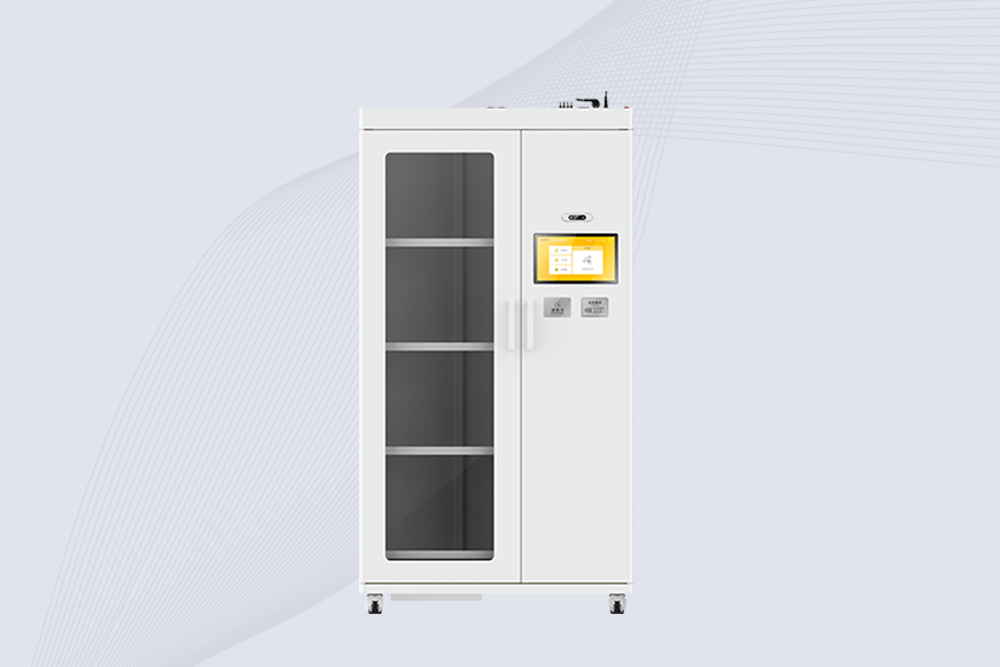
Cykeo’s RFID industrial tool cabinet offers modular shelves, 21.5″ touchscreen, and voice guidance for manufacturing/energy sectors. 24/7 operation with ≤80W power.
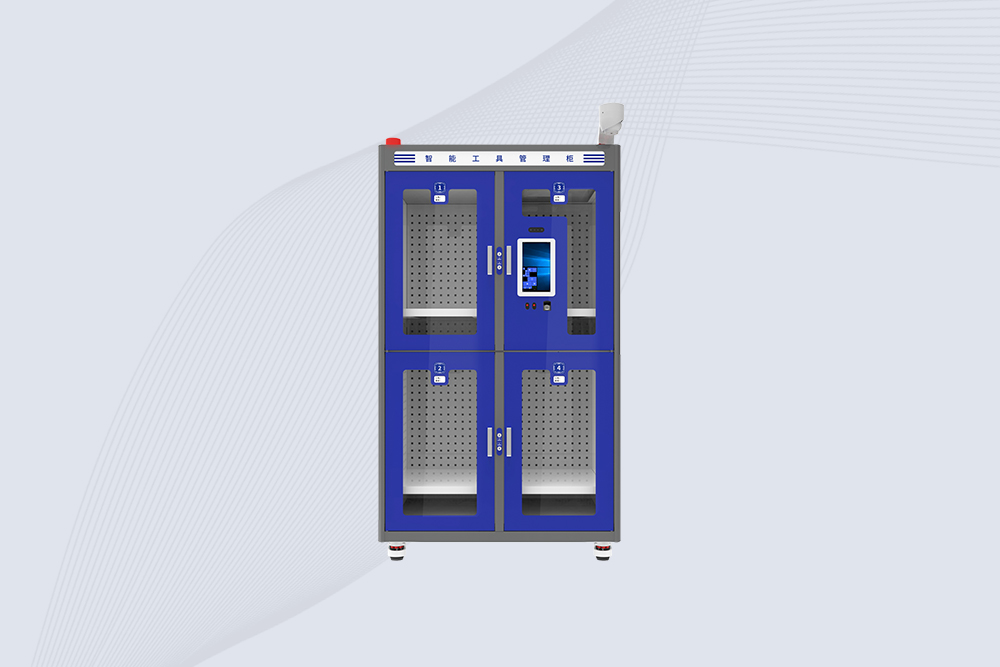
Cykeo’s RFID secure tool cabinet features 4 lockable compartments, ≤150W power, and 24/7 monitoring for pharma/aerospace/electronics industries.
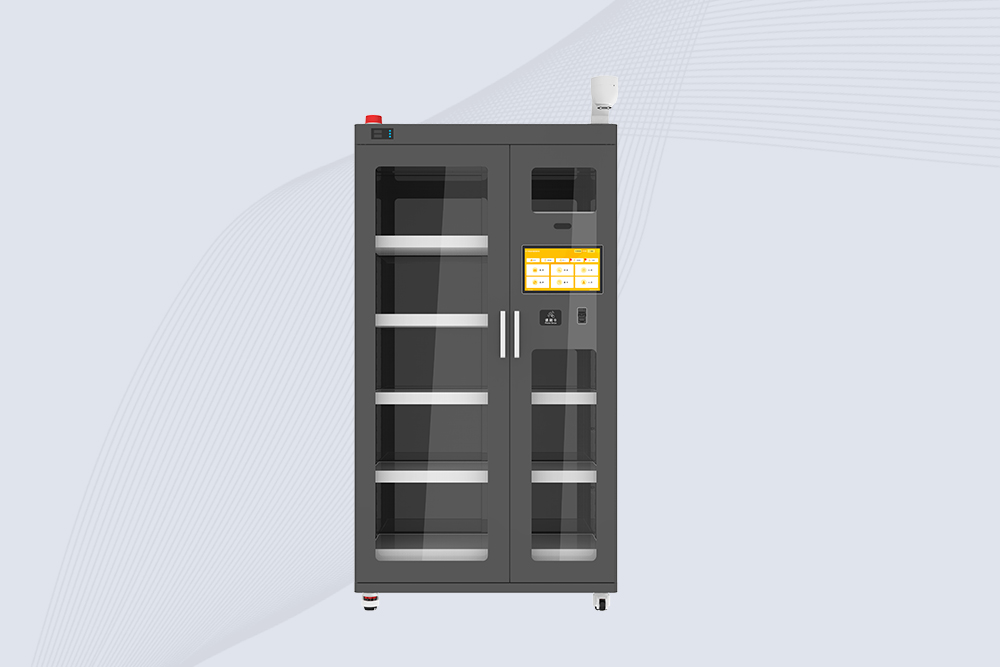
Cykeo’s RFID aviation tool cabinet features triple authentication, 14″ HD touchscreen, and thermostatic control for aircraft MRO/FAA compliance.
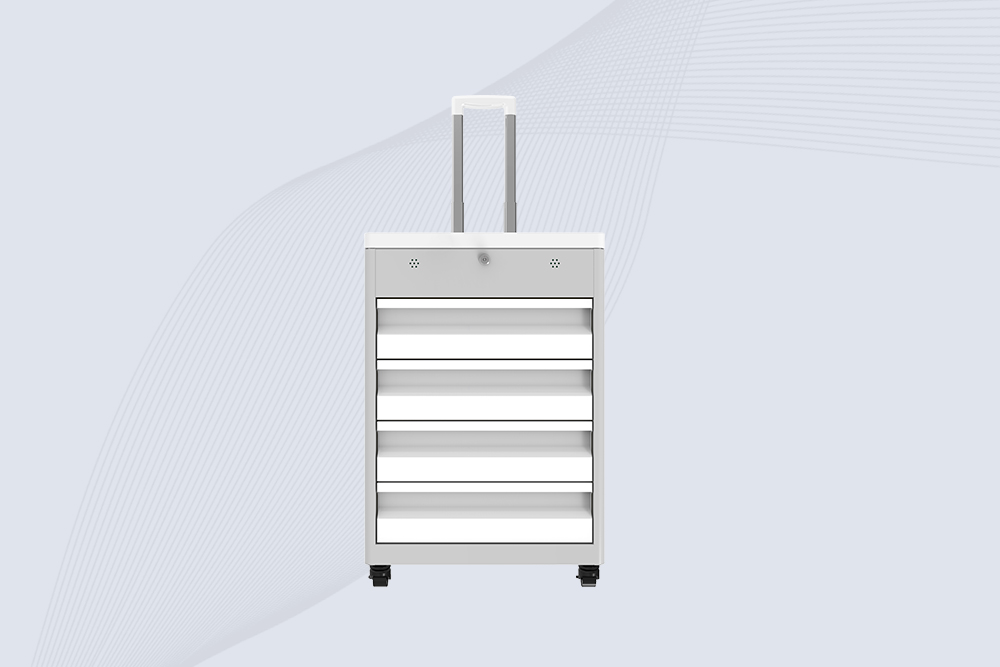
Cykeo’s RFID tool tracking system delivers self-service check-in/out, real-time alerts, and multilingual interface for correctional/military security.
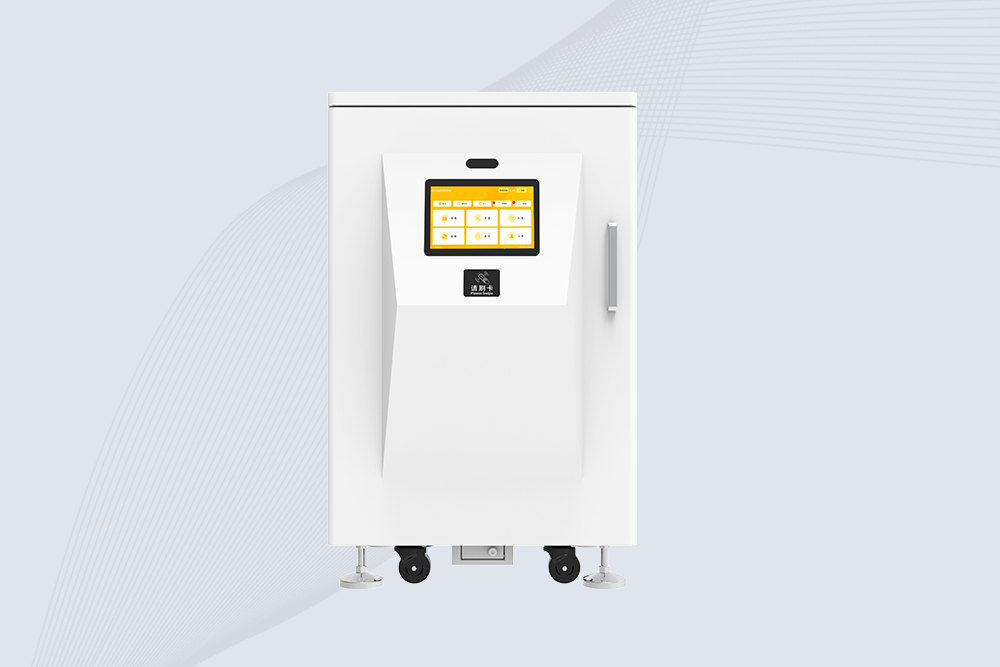
Cykeo’s off-grid RFID tool inventory system features solar/wind power, -30°C~60°C operation, and military-grade durability for mining/energy/military sectors.
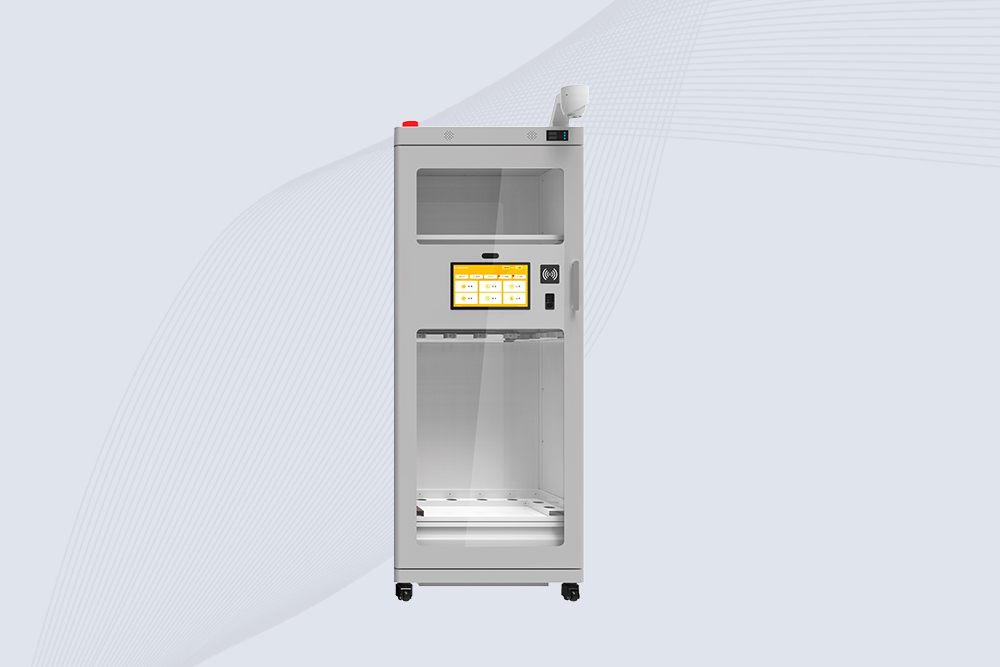
Cykeo’s industrial RFID tool accountability cabinet delivers 99.9% scan accuracy, adjustable shelves, and 24/7 operation for automotive/aerospace manufacturing.
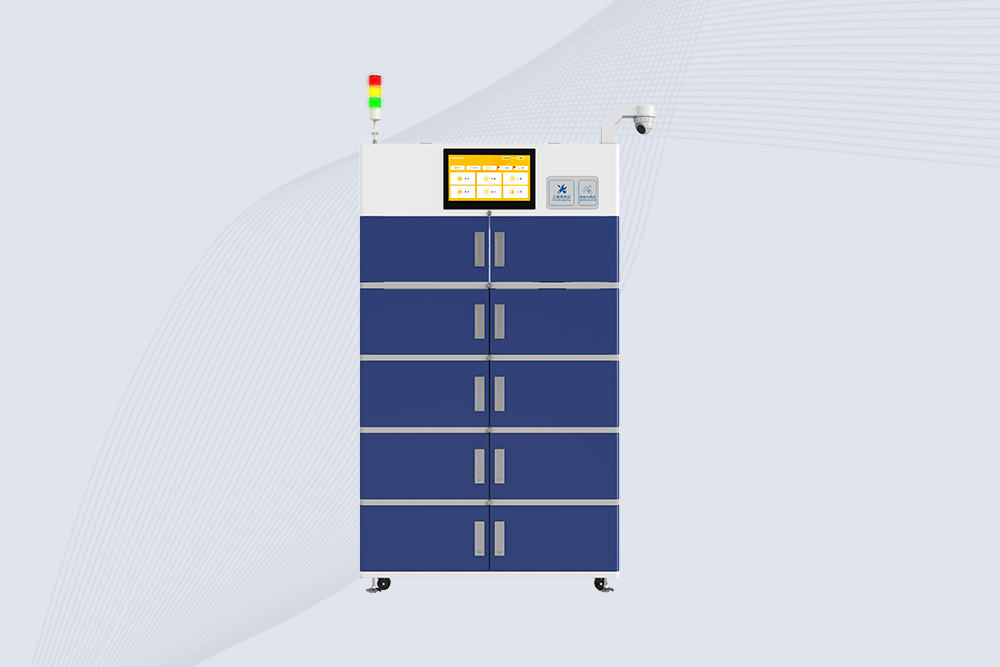
Cykeo’s RFID multi-drawer tool cabinet features 5 adjustable drawers, biometric access, and 99.9% scan accuracy for automotive/aerospace manufacturing.
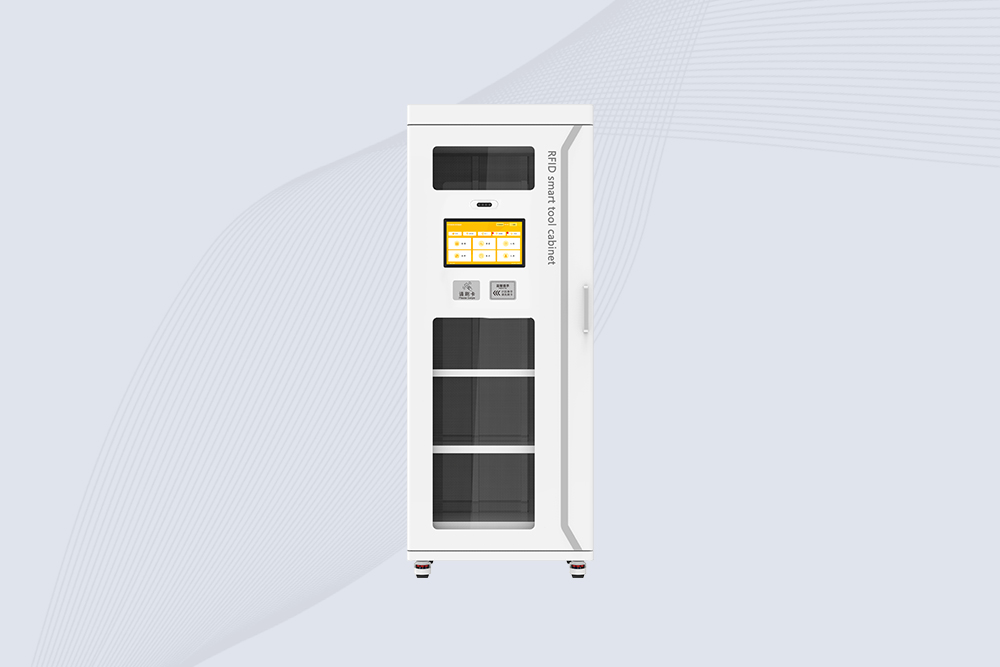
Cykeo’s RFID Automated Tool Cabinet delivers military security, adjustable shelving, and Java/C# SDK integration for defense/aerospace manufacturing.
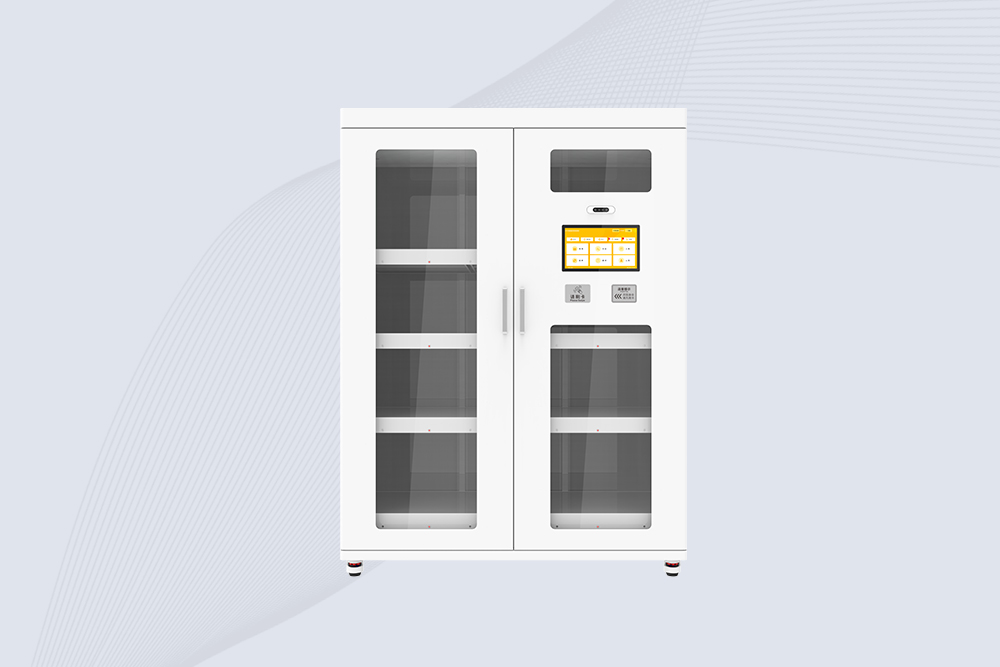
Cykeo’s RFID scalable tool cabinet features multi-unit management, voice guidance, and semi-outdoor durability for automotive/construction/logistics.
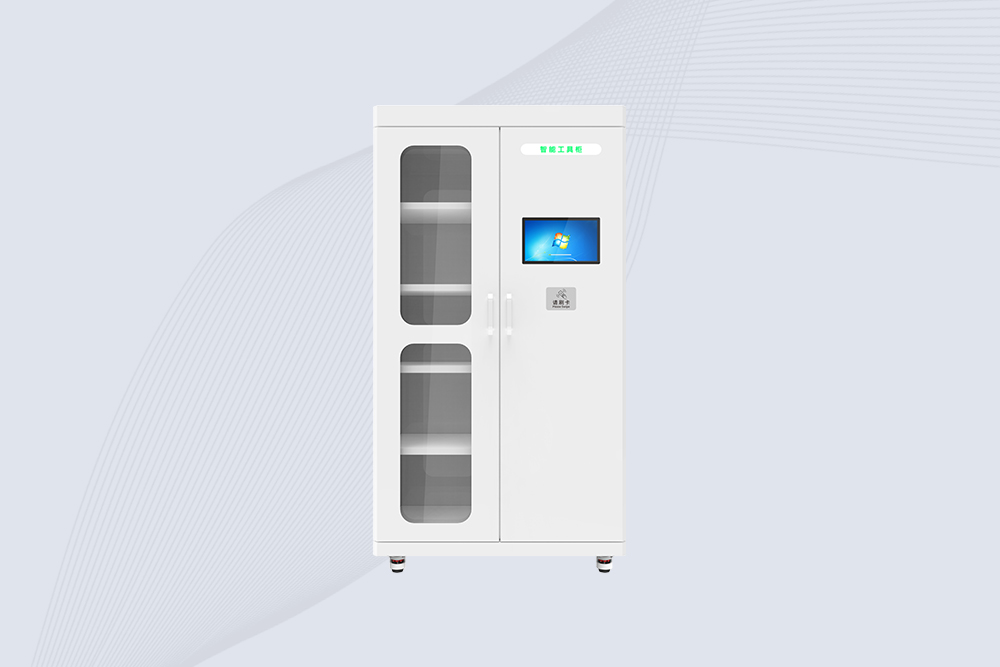
Cykeo CYKEO-GT1B industrial RFID tool storage cabinet features Impinj R2000 UHF technology, 1,000+ tool capacity, IP54 protection, and Windows/Android OS for manufacturing/aviation MRO. Includes auto check-in/out and SAP/Oracle sync.
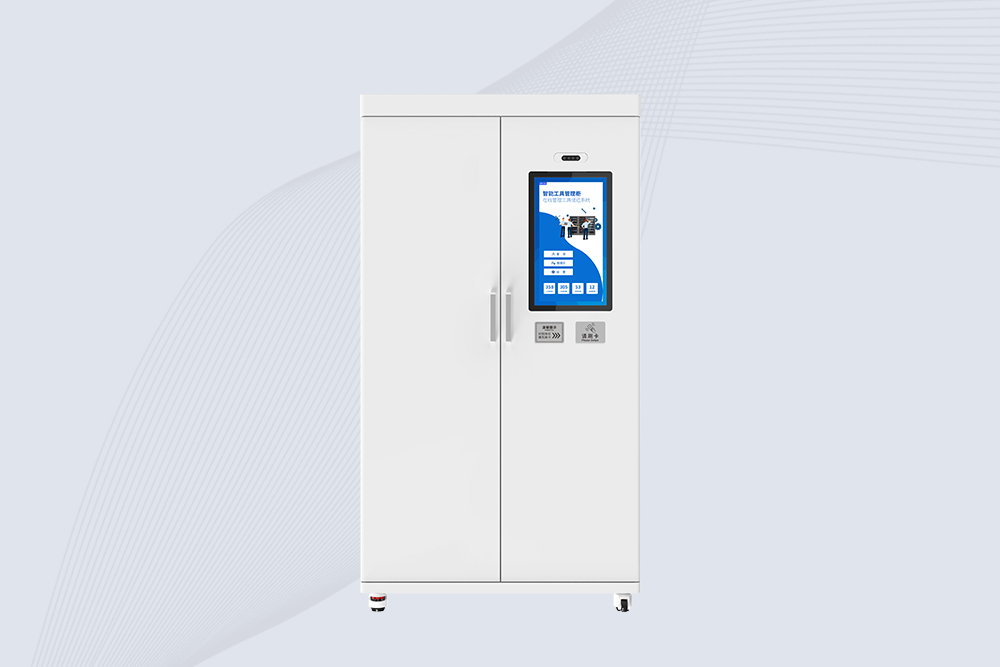
Cykeo CYKEO-GT3C industrial RFID tool checkout system Cabinet features millimeter-wave scanning, 280-layer storage, dual OS, and 99.9% accuracy for aviation/semiconductor sectors. Supports auto check-in/out and real-time SAP sync.
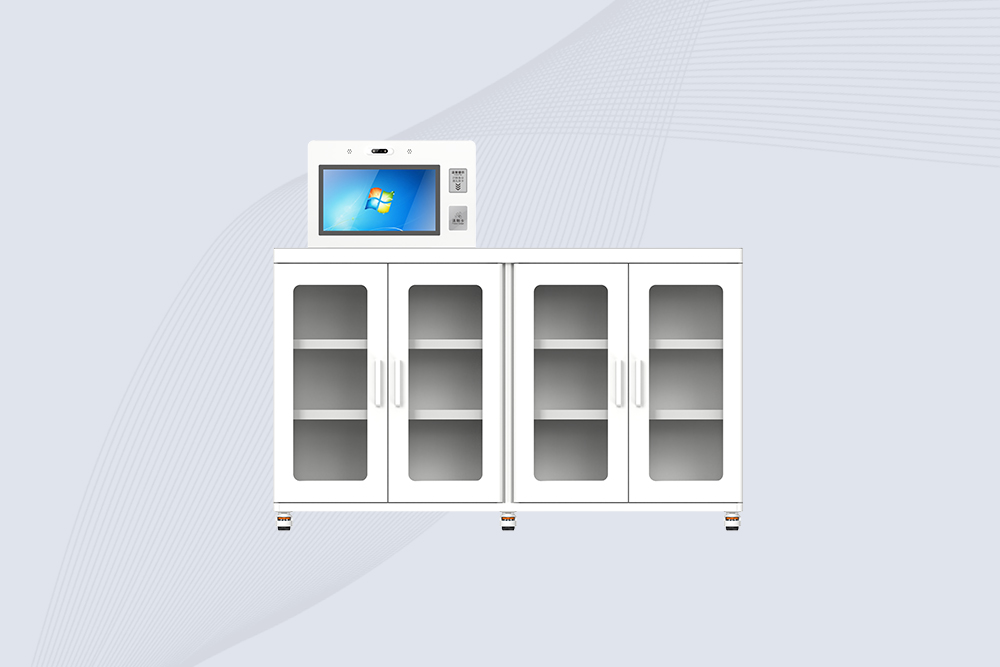
Cykeo CYKEO-GT3D RFID smart tool cabinet offers 5-second inventory scanning for 300+ tools, dual authentication, and 24/7 automated management for industrial facilities.
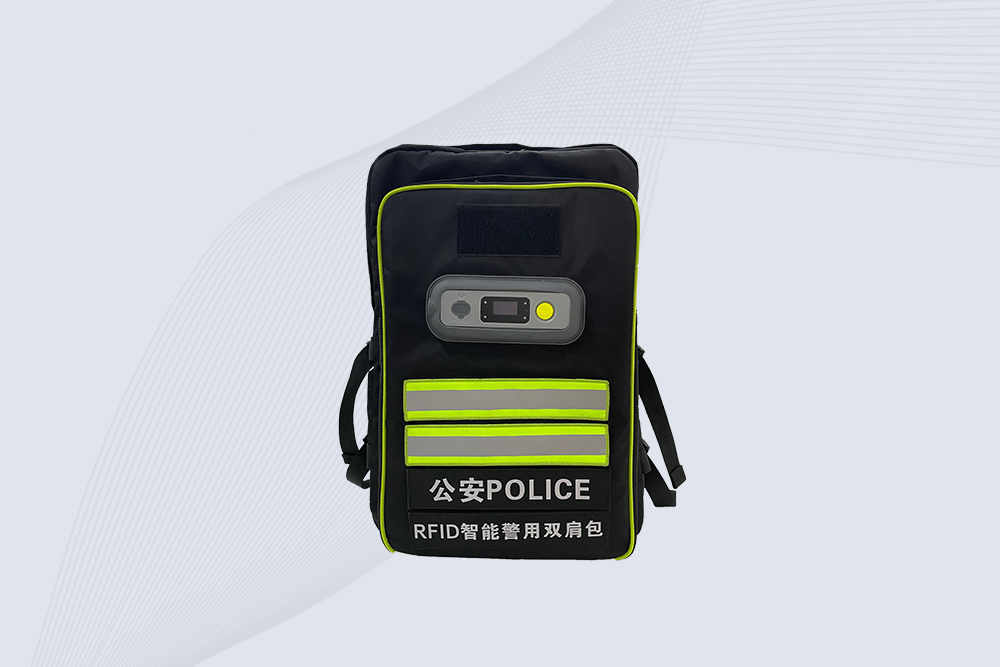
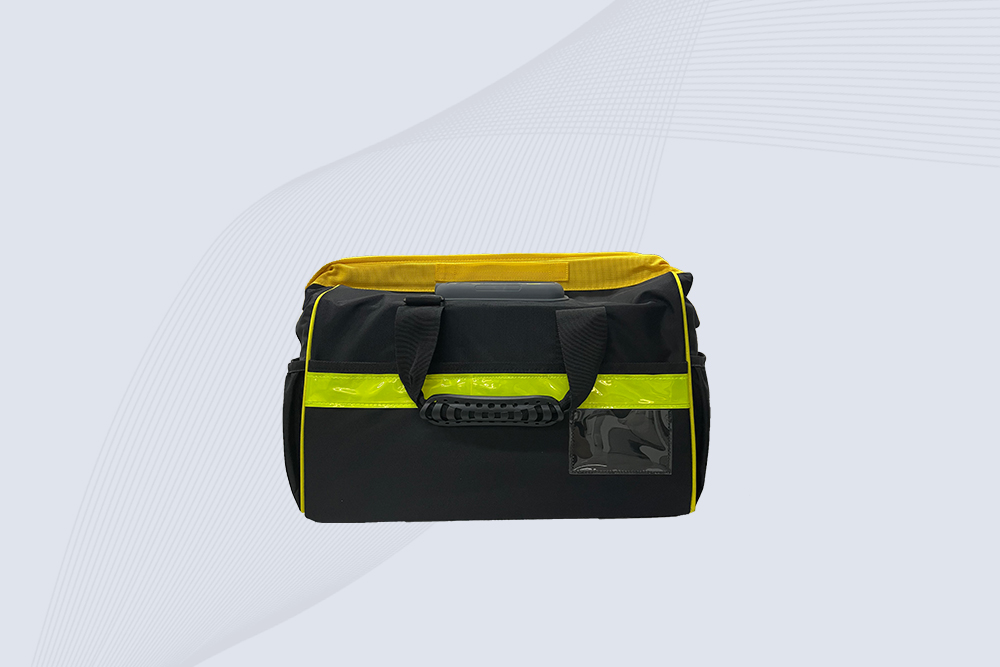
Discover the CYKEO-B1A Industrial RFID Backpack featuring advanced tool tracking technology with 25cm RF shielding, 7-day battery life, and wearable design for field maintenance professionals.
RFID Industry Writer | IoT & Asset Tracking Analyst
James writes about RFID technology, asset tracking, and the practical challenges of digital transformation across warehousing, retail, manufacturing, and logistics.
His work focuses on how RFID is applied in real-world operations—improving inventory visibility, automating workflows, and helping businesses manage assets with greater accuracy and efficiency.
He regularly covers topics including UHF RFID, smart cabinets, RFID portals, tool tracking, warehouse automation, and industrial IoT trends..

Wondering how small can an RFID reader be? CYKEO explores compact UHF modules as tiny as 18x21mm, embedded options, and size-versus-performance tradeoffs.
More
how far can rfid chips be read? Learn realistic RFID read ranges, UHF performance factors, tag orientation, reader power, materials, and field-tested deployment insights.
More
Discover how to select the best UHF RFID module for industrial asset tracking. Learn about frequency, durability, compatibility, and real-world performance.
More
Need a tiny, tough tag? We explain the practical pros and cons of choosing a 2.45-GHz RFID tag with on-chip antenna for small asset and industrial tracking.
More