 Cykeo RFID IoT Solution Products R&D Manufacturer

Which is More Expensive: RFID or Barcode? The Real Cost Breakdown
1411Discover which is more expensive, RFID or barcode. We break down costs, use cases, and long-term savings for inventory management. Make informed decisions for your business.
MoreAll RFID Product
RFID works by using radio waves to exchange identification data between a compatible tag and a reader. The reader sends a signal, the tag responds according to its design, and software processes the received data. The exact operation depends on the RFID frequency, tag type, antenna setup, and application.
Radio Frequency Identification (RFID) is used to identify products, cartons, tools, library books, access cards, and other objects. Unlike a barcode system, which usually needs an optical scanner to see a printed code, RFID can identify a compatible tag without direct visual contact. Some RFID systems can also detect multiple tags within the same reading zone.
That does not mean every RFID tag can be read from far away or that every detection automatically updates an inventory record. A tag attached to metal may behave differently from one on cardboard, and a reader can detect an item that is merely nearby rather than genuinely entering a warehouse. Understanding how the technology works helps businesses avoid these common implementation mistakes.
RFID stands for Radio Frequency Identification. It is a method of identifying objects through radio-frequency communication between an RFID tag and a compatible reader.
A practical RFID system typically includes three core components:
Antennas are also central to system performance. The tag antenna receives energy and supports communication, while the reader antenna shapes the reading zone and receives responses. In a fixed installation, antenna position can determine whether a system reads only cartons moving through a portal or also detects items sitting on a nearby shelf.
According to GS1, RFID is a technology that uses radio waves to identify and capture information from tags. In supply-chain applications, RFID identifiers can be connected to product and logistics information maintained by business systems.
An RFID tag does not necessarily store a complete product description. Many passive UHF tags store an identifier that software uses to retrieve the relevant record from a database.
For example, a tagged carton may carry an electronic identifier, while the warehouse management system stores its product type, purchase order, quantity, and receiving status. When the reader captures the identifier, the application looks up the corresponding record.
This separation is useful because the business record can change without rewriting the tag every time. However, the tag must be encoded correctly, and the software must map its identifier to the correct item.
The communication process varies by RFID technology, but a typical passive UHF system follows several stages.
The reader activates its radio-frequency circuitry and sends a signal through an antenna. This creates the RF field used to communicate with compatible tags in the reading zone.
The antenna may be installed above a conveyor, beside a workstation, at a warehouse doorway, or near a storage area. Its position should reflect the intended business process. A receiving portal, for instance, needs to capture incoming goods without unnecessarily reading every tagged item in the surrounding warehouse.
A passive RFID tag has no onboard battery. It harvests energy from the reader’s field and uses that energy to respond. An active RFID tag has its own power source, while battery-assisted passive designs use a battery to support some tag functions but still communicate in a different way from fully active tags.
Passive tags are widely used for item-level identification because they can be small and do not require a battery inside each label. Active systems may be appropriate where longer communication ranges or powered tag functions are required.
In many passive UHF systems, the tag responds through backscatter. Rather than transmitting a strong independent signal, the tag changes how it reflects the reader’s radio signal, modulating the response so the reader can decode the information.
The chip controls the response using data stored in its memory. The exact information available depends on the tag design and protocol. Some tags are intended primarily to provide an identifier; others support additional memory or writing operations.
The reader receives the tag’s response and processes it into data that the connected system can use. Depending on the equipment, the reader may connect to a host through USB, serial communication, Ethernet, or a supported network interface.
When multiple tags are in range, the reader uses its supported anti-collision protocol to manage tag responses. This allows a compatible system to identify multiple items without requiring a person to scan each one individually.
The application receives the tag identifier and matches it to an item record. It may then update a stock count, display asset information, validate an order, or record a workflow event.
The important distinction is that a tag read is not automatically proof of a business transaction. A reader near a dispatch door might detect a carton waiting beside the door as well as one actually leaving the building. The software needs appropriate rules to determine which reads qualify as a dispatch event.
RFID tags differ in how they obtain power and communicate with readers. Passive RFID is widely used for high-volume item identification, while active RFID is used in applications where a powered tag and longer communication range may be appropriate. The best choice depends on the application, not simply on which technology offers the greatest distance.
| Feature | Passive RFID | Active RFID |
|---|---|---|
| Power source | Harvests energy from the reader’s signal | Has its own power source |
| Communication | Commonly responds through backscatter | Uses powered electronics to transmit a signal |
| Typical range | Short range to several meters for passive UHF; highly dependent on conditions | Can reach 100 meters or more in some systems |
| Tag design | Often compact; available as labels, cards, and rugged tags | Generally larger because of its power source and electronics |
| Maintenance | No battery replacement for standard passive tags | Battery maintenance may be required |
| Common applications | Retail products, cartons, library items, and inventory | Selected equipment, vehicle, and longer-range tracking applications |
A passive UHF label is often practical when a business needs to identify many relatively low-cost items. An active tag may make more sense when the application calls for longer-range communication or powered functionality. Battery-assisted passive tags are another option: they use a battery to power some internal functions but still communicate by backscatter rather than transmitting like a conventional active tag.
There is no universal RFID read distance. GS1 states that passive UHF / RAIN RFID tags typically read over several meters, with distances up to 15 meters possible in very special circumstances. LF and HF tags are generally used at shorter ranges, while active tags can reach 100 meters or more.
Several variables determine the usable range:
For a warehouse, the practical target is not always maximum distance. A reader that detects items on the next aisle may create more work than one with a shorter, well-controlled reading zone. Successful deployments balance coverage with selectivity.
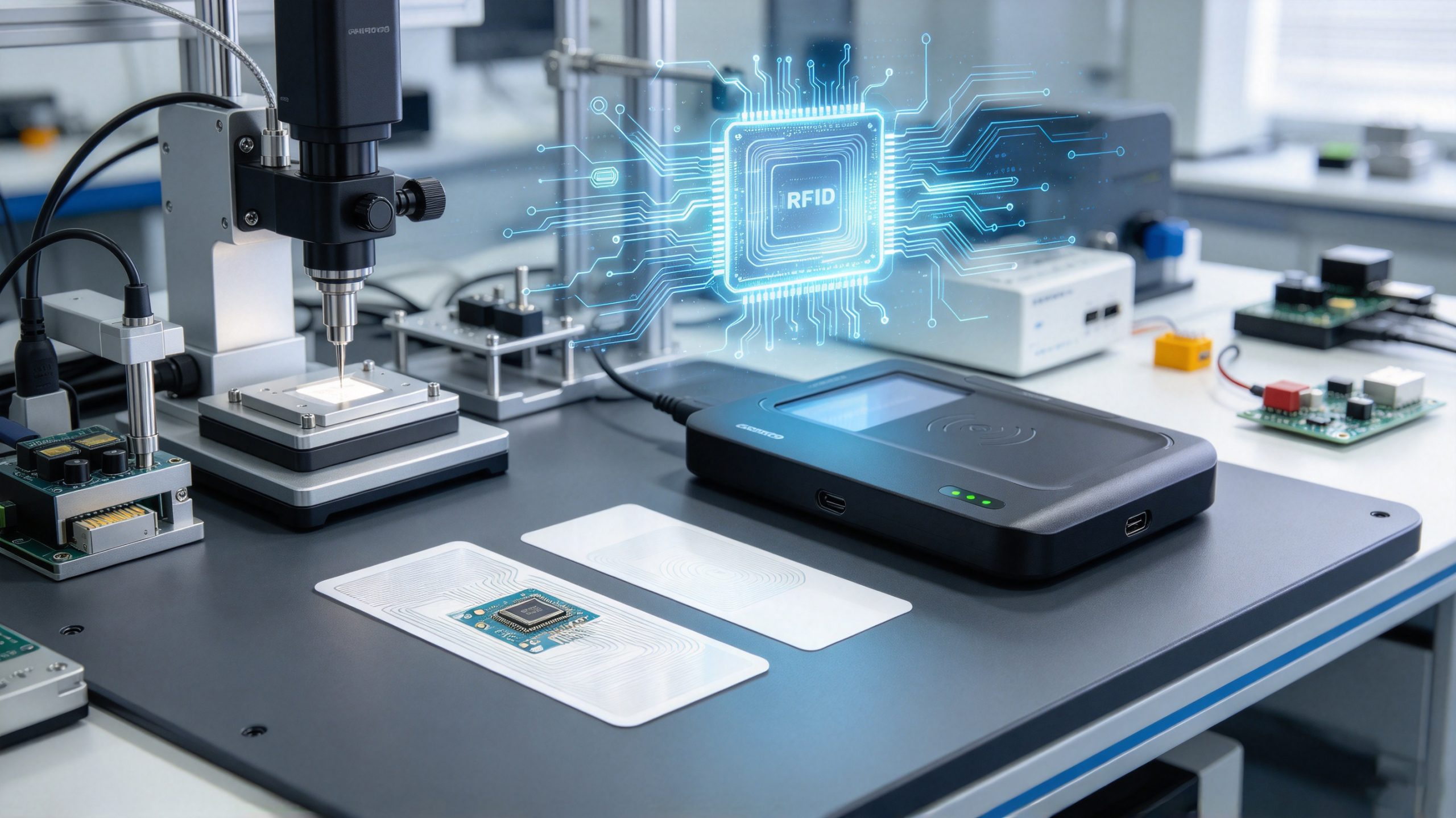
Before choosing a tag or reader, define what the system must identify and what the software is expected to do with the result.
These checks are particularly important in fixed-reader applications. A successful bench test proves that a reader can detect a tag under those test conditions; it does not prove that a portal, production line, or warehouse will achieve the same results.
RFID systems operate at different frequencies because radio waves behave differently across the spectrum. The frequency affects communication range, tag design, and the types of applications a system can support. Selecting the right technology means matching those characteristics to the real operating environment rather than choosing a reader based only on its advertised maximum range.
GS1 identifies three major RFID frequency categories: low frequency (LF), high frequency (HF), and ultra-high frequency (UHF). LF systems commonly operate at 125 or 134 kHz, HF commonly operates at 13.56 MHz, and passive UHF / RAIN RFID operates in regional bands across approximately 860–930 MHz
| RFID technology | Common frequency | Typical range and behavior | Common applications |
|---|---|---|---|
| LF RFID | 125–134 kHz | Short range; GS1 describes approximately 10–50 cm for typical systems | Animal identification, selected access-control applications |
| HF RFID | 13.56 MHz | Often close range; some systems operate from around 10 cm to 1 m | Contactless cards, ticketing, document identification |
| UHF / RAIN RFID | Approximately 860–960 MHz, depending on regional allocation | Passive systems commonly read over several meters in suitable conditions | Retail inventory, warehouse logistics, asset tracking |
These are general reference values, not guarantees for every installation. For passive UHF, GS1 notes that several meters is typical and that up to 15 meters is possible in very special circumstances. Tag design, reader power, antenna characteristics, orientation, and surrounding materials can all change the result.
UHF RFID is useful when staff need to identify many tagged items without scanning each item individually. In a retail backroom, for example, an employee can use a compatible reader to capture identifiers from a group of garments. In a warehouse, fixed antennas can detect tagged cartons moving through a designated reading zone.
The RAIN Alliance reports that RAIN RFID systems can identify up to 1,000 items per second under suitable conditions. This is an industry capability figure—not a guaranteed rate for every reader, tag population, or software workflow. Actual performance depends on the system design and operating environment.
A high read rate also does not guarantee accurate inventory records. If a reader detects tags from an adjacent aisle, or the application counts the same item repeatedly, the final result can still be wrong. The useful metric is not simply how many responses the reader receives; it is how reliably the complete system identifies the intended items and updates the correct records.
RFID is used wherever an organization needs to identify physical items and connect those identifications to business records. The technology is shared across industries, but the best system design can look very different from one site to another.
Retailers can attach RFID labels to individual garments, footwear, and other products. Compatible readers can support stock counts, replenishment checks, and inventory reconciliation across sales floors and backrooms.
The operational benefit comes from reducing the need to scan every item individually. Yet a successful read still needs to be connected to the right product record. If two products have incorrectly duplicated identifiers, or if tag data is mapped to the wrong SKU, the reader may work correctly while the inventory application remains inaccurate.
Fixed UHF readers and antennas can be installed at receiving areas, conveyor lines, or dispatch doors. As tagged cartons pass through the intended zone, the system collects their identifiers and compares them with expected shipment information.
The antenna layout deserves particular attention. If its reading zone extends into nearby storage, the reader may detect cartons that are not part of the current shipment. Adjusting antenna placement, orientation, and power—and testing the setup with representative loads—can help reduce these unintended reads.
RFID-enabled books and media can support inventory checks, self-service borrowing, and returns. A library application can use a tag identifier to retrieve an item’s record and then apply the relevant borrowing or return rules.
The tag itself does not establish that a book has been borrowed successfully. The software must validate the transaction, update the item status, and maintain the relevant user and item records.
Manufacturers can use RFID to identify components, work-in-process containers, tools, and reusable transport items at designated checkpoints. Rugged or on-metal tags may be appropriate where standard labels would perform poorly.
A tag detected at a workstation can help associate an item with a process step. It does not necessarily provide continuous location tracking: the application generally knows where the item was read, and when, unless the installation uses additional technology to establish location between read points.
GS1 describes RFID and Electronic Product Code standards as tools for identifying physical objects and enabling information exchange across business operations. The practical value comes from consistent identification and well-defined data workflows, not from radio communication alone.
The most useful RFID projects begin with a clear operational question. What must the system identify? At what point should it identify the item? What should happen in the software after a successful read?
Answering those questions before selecting equipment makes it easier to choose appropriate tags, readers, antennas, and integration methods.
Write down the event in plain language. For example:
Each requirement leads to a different reading-zone design. A portal may need to detect moving cartons, while a desktop reader may need to read one item presented close to the antenna without detecting tagged stock sitting nearby.
A standard adhesive label may suit a cardboard carton. A tool, metal container, or item exposed to repeated handling may require a purpose-designed tag.
Before ordering tags in volume, check the intended mounting surface, available space, operating temperature, environmental exposure, and expected lifetime. Test the tag on the actual object rather than relying only on a sample attached to a different material.
The reader and tag must support compatible frequency bands and communication protocols. Passive UHF / RAIN RFID systems commonly use the GS1 UHF Gen2 air-interface protocol, standardized as ISO/IEC 18000-63. Data encoding also needs to match what the application expects.
Regional radio regulations matter as well. A reader intended for one market may require a different configuration or variant for another. Confirm the permitted frequency band and power limits before installation.
A higher reader power setting is not always the answer to missed reads. If the system is already detecting unwanted tags, increasing power can make the reading area less selective.
Instead, evaluate antenna position, polarization, tag orientation, tag placement, and the physical path through the zone. Test with representative products moving at normal operating speed. Record both missed reads and unintended reads.
The reader supplies tag observations; the application must decide what those observations mean.
A practical integration should define how identifiers map to item records, how duplicate reads are handled, and what conditions are required before a transaction is recorded. It should also account for network interruptions, invalid identifiers, and items that appear unexpectedly.
For inventory applications, test the full workflow—from physical tag detection through to the final database update. A tag visible in a reader diagnostic screen but missing from the inventory application is a different problem from a tag that the reader cannot detect at all.
An RFID installation can return inconsistent results even when the reader and tags are technically compatible. The following checks help distinguish radio-frequency issues from encoding, network, and application problems.
| Problem | Possible cause | Practical check |
|---|---|---|
| Tag cannot be detected | Incompatible frequency, poor orientation, insufficient RF energy, or unsuitable tag | Test a known-good tag close to the reader, then test the tag on the actual object |
| Read distance is shorter than expected | Mounting material, antenna placement, tag design, or surrounding objects | Compare performance on different surfaces and orientations |
| Nearby items appear in the results | Reading zone is too broad or application filtering is insufficient | Reposition antennas, adjust power where appropriate, and test zone boundaries |
| Repeated reads inflate counts | The application treats every observation as a new inventory event | Apply deduplication and transaction rules appropriate to the workflow |
| Reader sees an identifier but software does not | Encoding mismatch, database mapping error, or communication failure | Check the raw identifier, application logs, network connection, and item record |
| Reads become unreliable when items move | The reading zone or configuration is unsuitable for the movement speed | Test at normal throughput with realistic spacing and tag orientation |
A sensible troubleshooting sequence starts with one known-good tag and reader. Confirm basic communication first. Then attach the tag to the real product, introduce surrounding items, test normal movement, and finally connect the application. Changing one variable at a time helps identify the source of a problem without unnecessarily altering the whole installation.
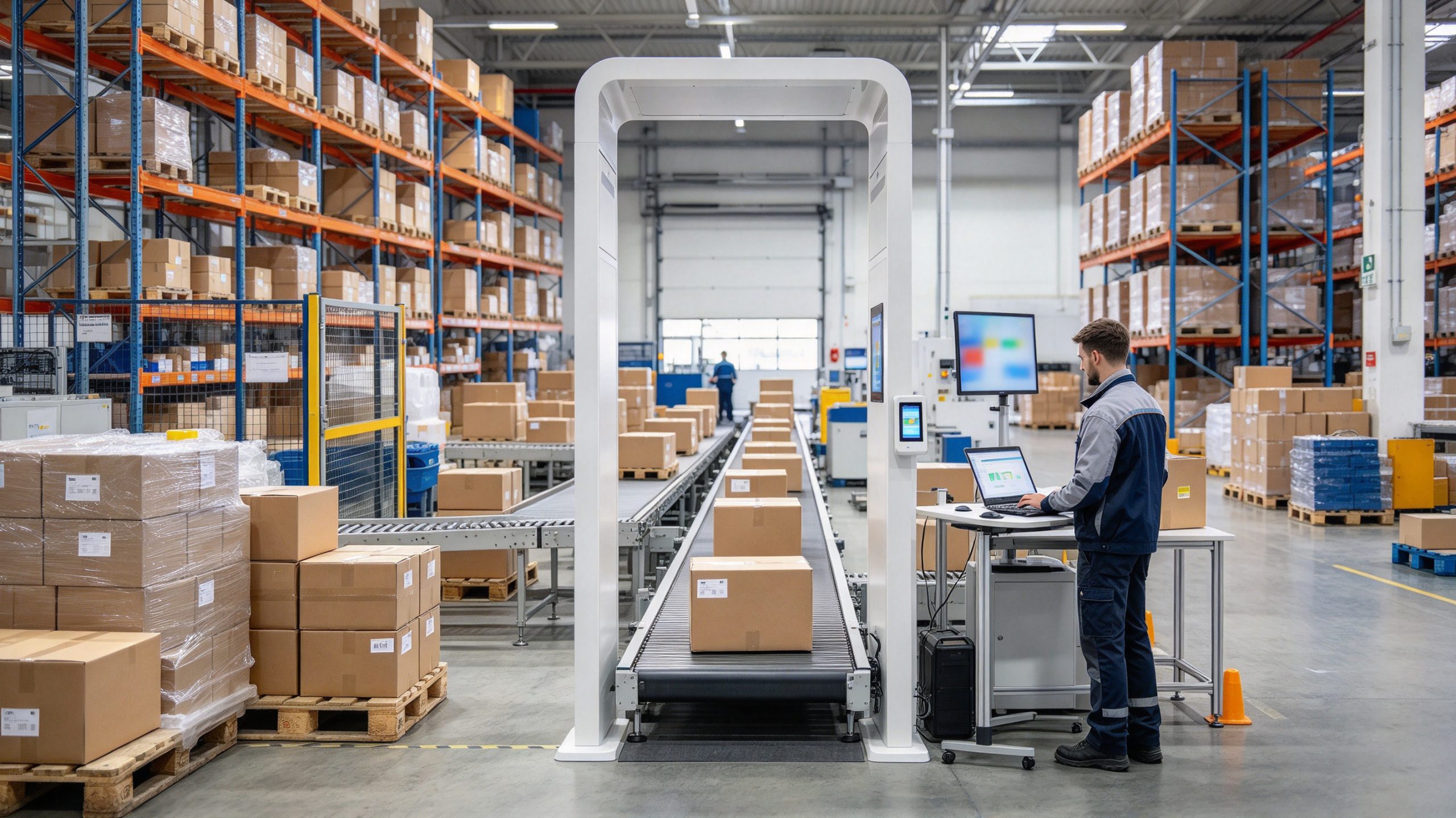
A passive RFID tag harvests energy from the radio-frequency field emitted by a compatible reader. It uses that energy to power its chip and respond with stored identification data, commonly through backscatter. Active RFID tags differ because they have their own power source.
Yes. RFID uses radio-frequency communication, so a reader generally does not need a direct optical view of the tag. Passive UHF RFID can often read tags through materials such as cardboard and wood, although metal, liquids, tag orientation, and the surrounding environment can affect reliability.
The range depends on the frequency and system design. LF and HF tags are generally used over shorter distances, while passive UHF / RAIN RFID typically reads over several meters in suitable conditions. GS1 notes that passive UHF range can reach 15 meters in very special circumstances; some active systems can reach 100 meters or more.
Yes. Compatible RFID systems can identify multiple tags during the same reading operation. The RAIN Alliance describes rates of up to 1,000 items per second under suitable conditions, but actual performance depends on the reader, tag population, RF environment, configuration, and software processing.
Not necessarily. Many passive UHF tags store a unique identifier, often 96 or 128 bits, which software uses to look up the corresponding item record. Other tags may support additional memory. The available fields and writing capabilities depend on the tag’s chip and configuration.
Possible causes include incompatible equipment, unsuitable tag placement, poor orientation, interference from nearby materials, or an incorrectly configured reading zone. The problem can also occur after a successful read if the identifier is not mapped correctly in the application. Test the tag on the actual item and diagnose the reader and software separately.
RFID can be advantageous when a business needs to identify multiple items without scanning each one individually or requiring direct optical visibility. Barcodes can be simpler and less expensive for workflows that involve scanning one visible label at a time. The right choice depends on item volume, required speed, environment, infrastructure cost, and the level of automation needed.
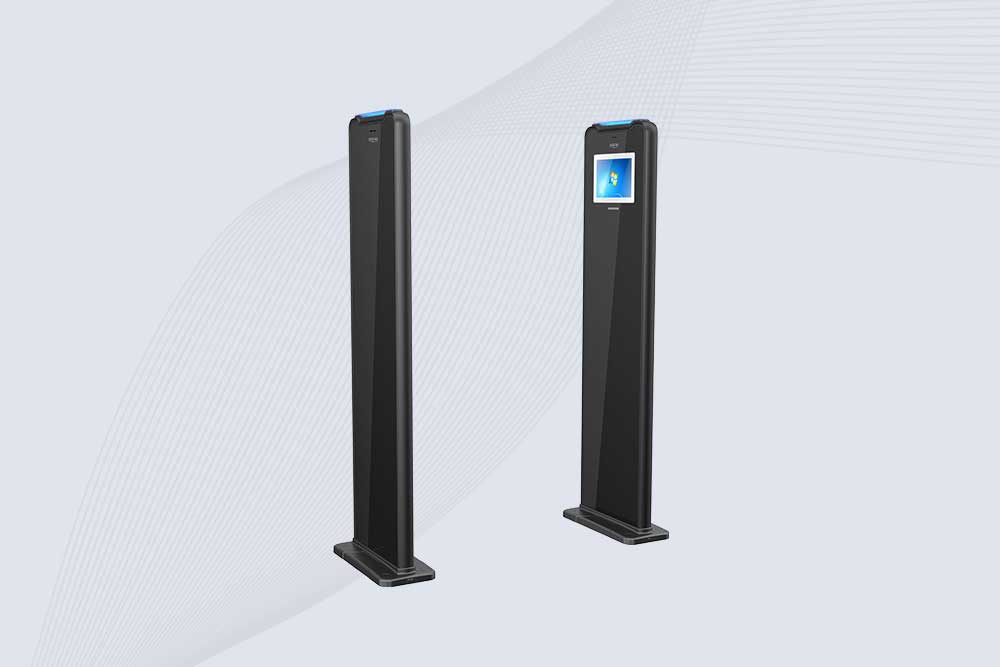
SSD-T4A-P Smart access control with real-time crowd tracking ✔️ AI Tag Filtering for Reduced Misreads SSD-T4A-P supports AI-based tag filtering and up to 6 EPC filtering sets, helping reduce unwanted reads and improve identification accuracy in busy entrances, exits, and retail environments. ✔️ Fast In & Out Detection with Visual & Audio…
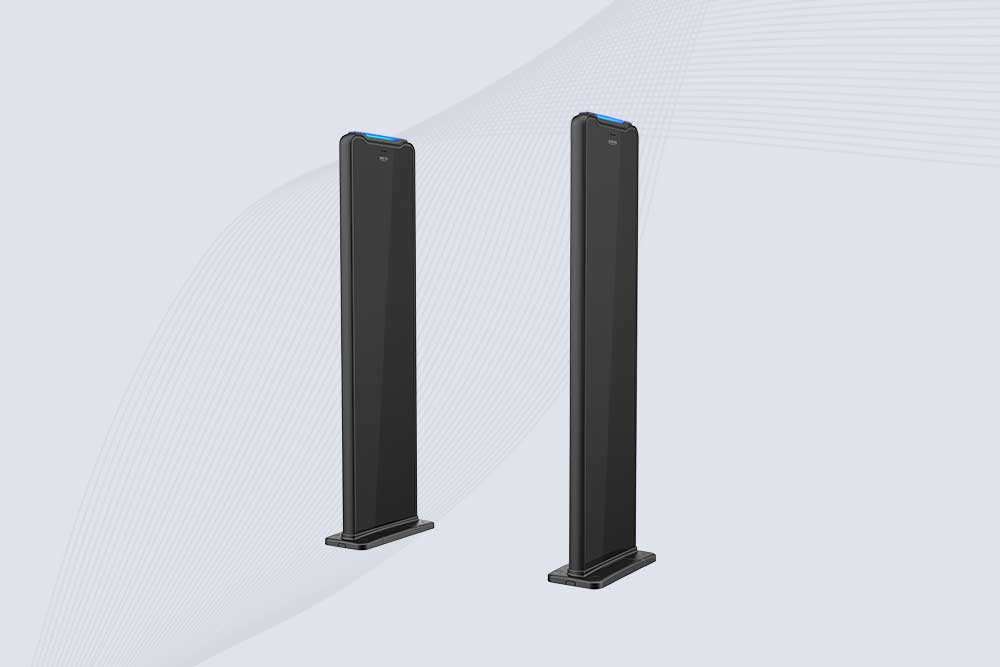
SSD-T4A UHF RFID Gate Reader with 11 dBi antenna, up to 10 m reading distance, AI tag filtering, in/out detection, 300,000 data storage, and TCP/HTTP/MQTT support.
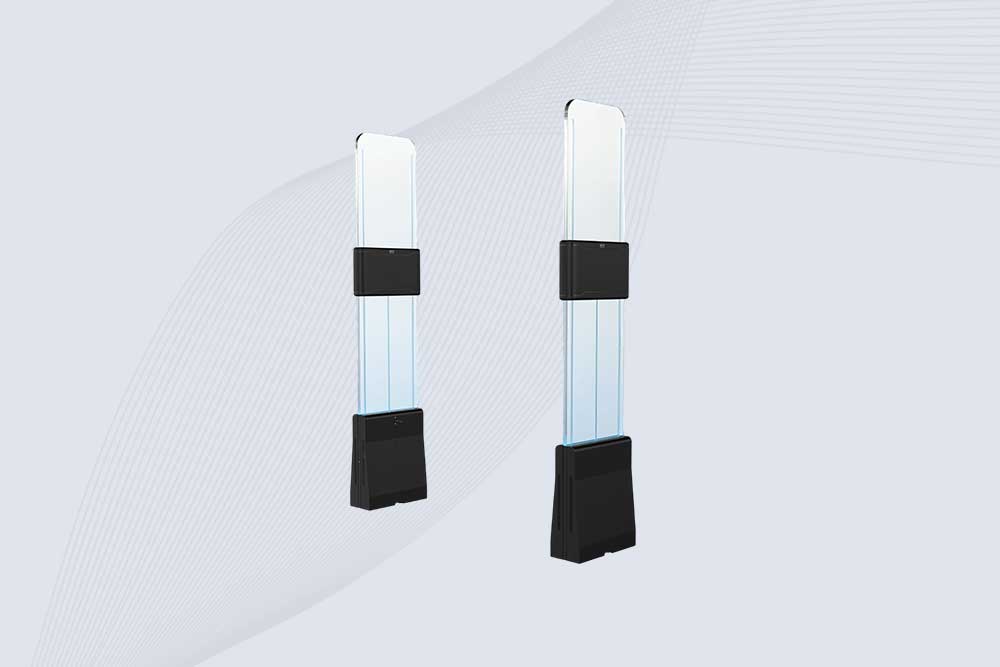
SSD-T2D UHF RFID Gate Reader with 11dBi circular antenna, Impinj E710/X3M1 chipset, up to 10m reading distance, AI tag filtering, in/out detection, and audio-visual alarms.
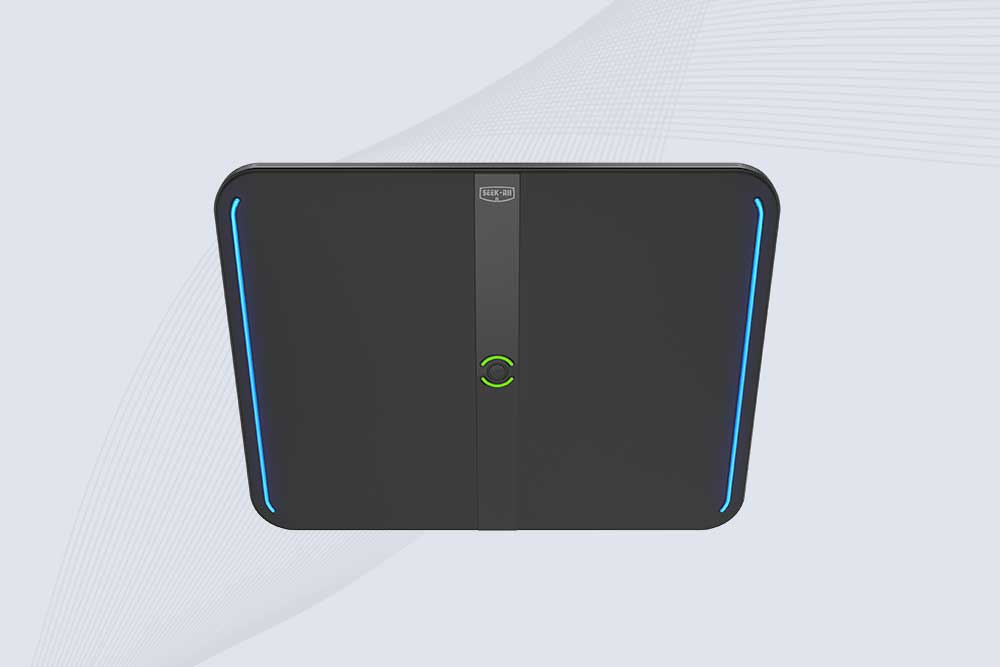
SSD-T1 ✔️ AI-Powered Tag Filtering SSD-T1 supports AI-based tag filtering with up to 6 EPC filtering sets, helping reduce unwanted tag reads and improve identification accuracy in busy retail and access-control environments. ✔️ Reliable In & Out Detection With a 7dBi antenna and a reading range of up to 2.5 meters, SSD-T1 can detect tagged i…
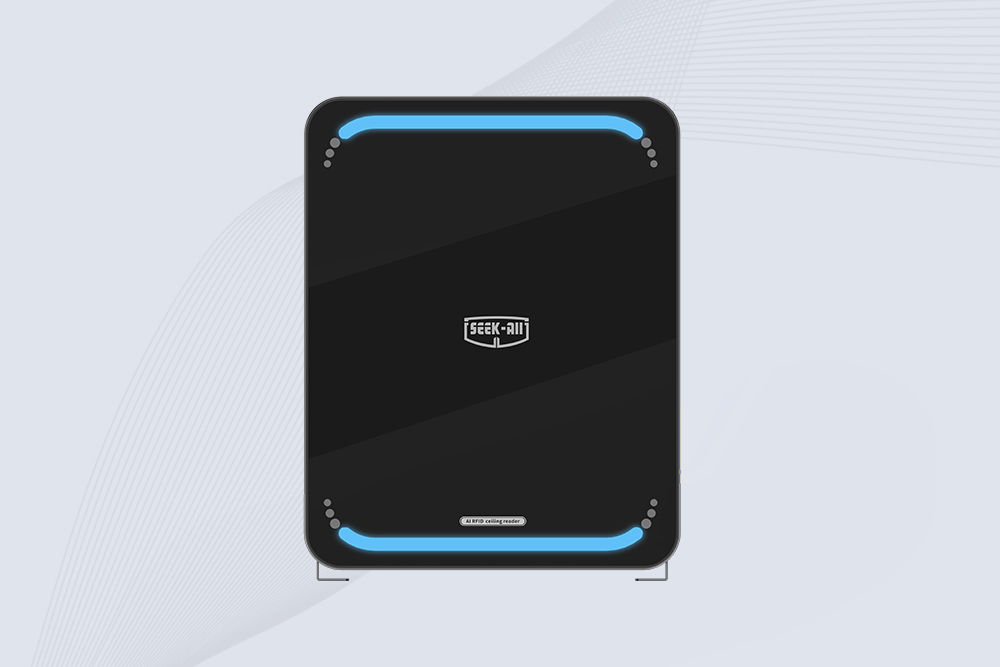
SSD-T1G is a 12 dBi AI RFID ceiling-mounted reader with 10m reading range, In/Out detection, AI tag filtering, 300,000-record storage, and TCP/HTTP/MQTT support.
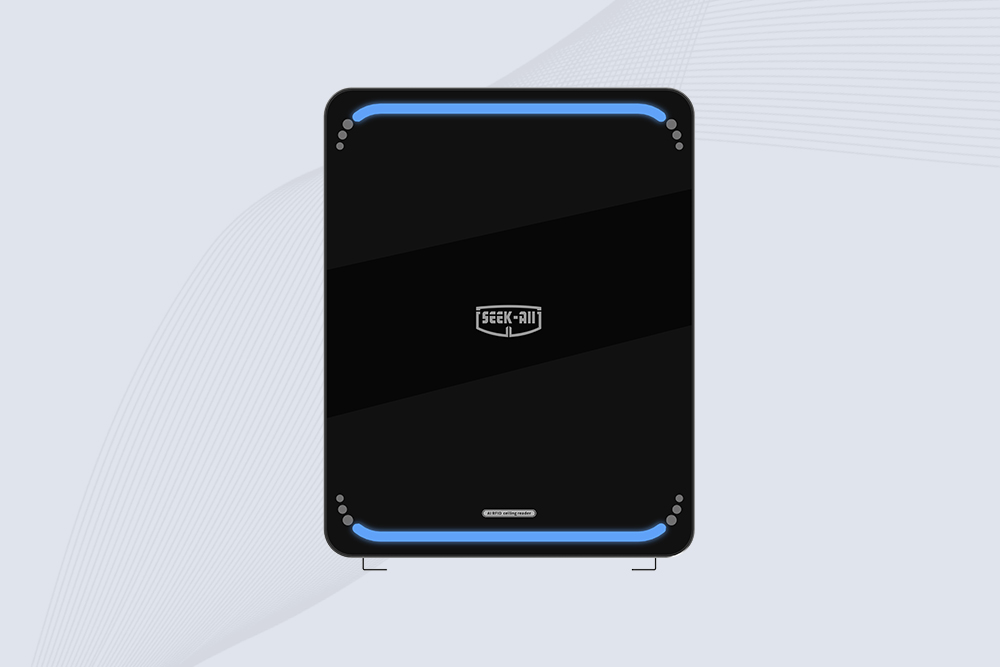
SSD-T1H 9dBi AI ceiling-mounted UHF RFID reader with up to 10m reading range, AI tag filtering, 300,000 data storage, and TCP/HTTP/MQTT support.

SSD-R16L Multi-Channel RFID Infrastructure for Automated Inventory Management ✔️ 16-Port High-Density RFID Reading Equipped with 16 SMA antenna ports, SSD-R16L supports multi-antenna deployment for warehouses, retail stores, logistics, production lines, and large-area RFID identification. ✔️ High-Speed & Long-Range Performance With up to 33…

SSD-R8L 8-port UHF RFID reader with 33dBm output, up to 20m reading range and 600+ tags/s recognition. Ideal for warehouse, logistics, retail and asset tracking.

SSD-R4L is a 4-port UHF RFID fixed reader with 33dBm output power, up to 20m reading range, EPC C1G2 support and 600+ tags/s reading speed.

Cykeo’s CYKEO-T1D industrial RFID ceiling reader features 500 tags/sec scanning, IP54 protection, and -20℃~60℃ operation for retail/warehouse security. Supports ISO18000-6C and GB/T29768 protocols.
Cykeo’s ceiling-mounted RFID reader enables hands-free 5m inventory tracking with 500 tags/min speed. Features dual alerts, ERP integration, and IP54 rating for warehouse security.
Cykeo CK-T1E RFID gate system features 120° coverage, AI motion filtering, and 5m detection for retail/warehouse security. IP67 rugged design with ERP integration.
Cykeo CYKEO-T1A industrial ceiling RFID system offers 10-20m read range, 500+ tags/sec speed, and IP65 protection for smart warehousing. Supports multi-protocol integration and real-time inventory alerts.
Cykeo’s CYKEO-T1 ceiling-mounted UHF RFID reader offers 500tags/sec scanning, ISO18000-6C compliance, and -20℃~60℃ operation for smart retail/warehouse management. Supports TCP/IP & Android integration.
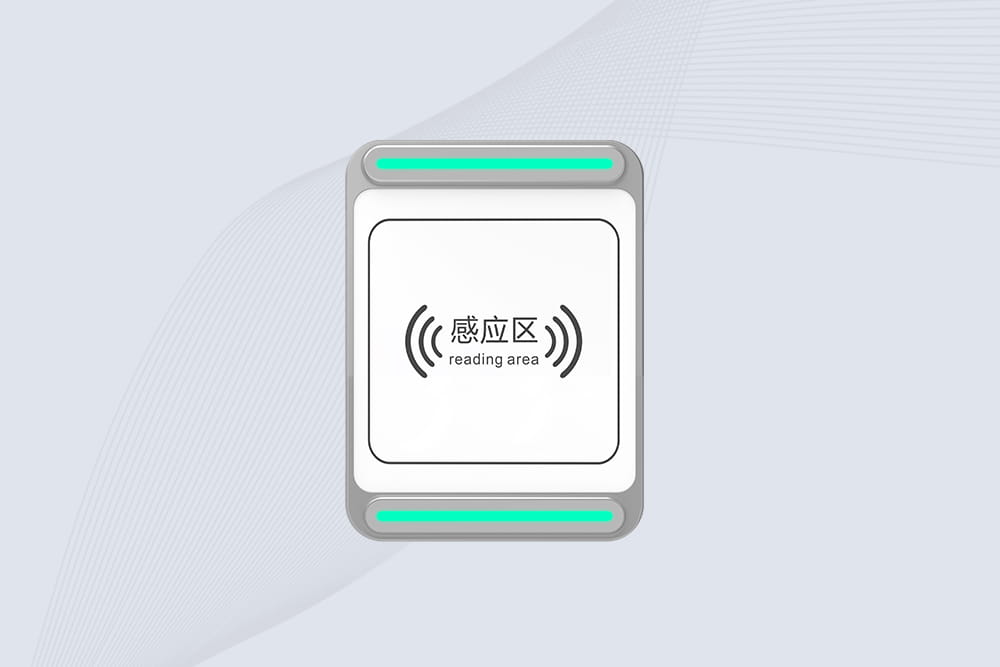
Cykeo CYKEO-T1B ceiling-mounted RFID system delivers 10-20m reading range, 500+ tags/sec processing, and integrated security alarms. Ideal for warehouse/logistics automation with Android-compatible SDK.
Cykeo’s industrial ceiling-mounted RFID reader offers 10m+ automated inventory tracking, ISO-18000 compliance, and anti-theft alarms. Designed for retail/warehouse/logistics facilities.
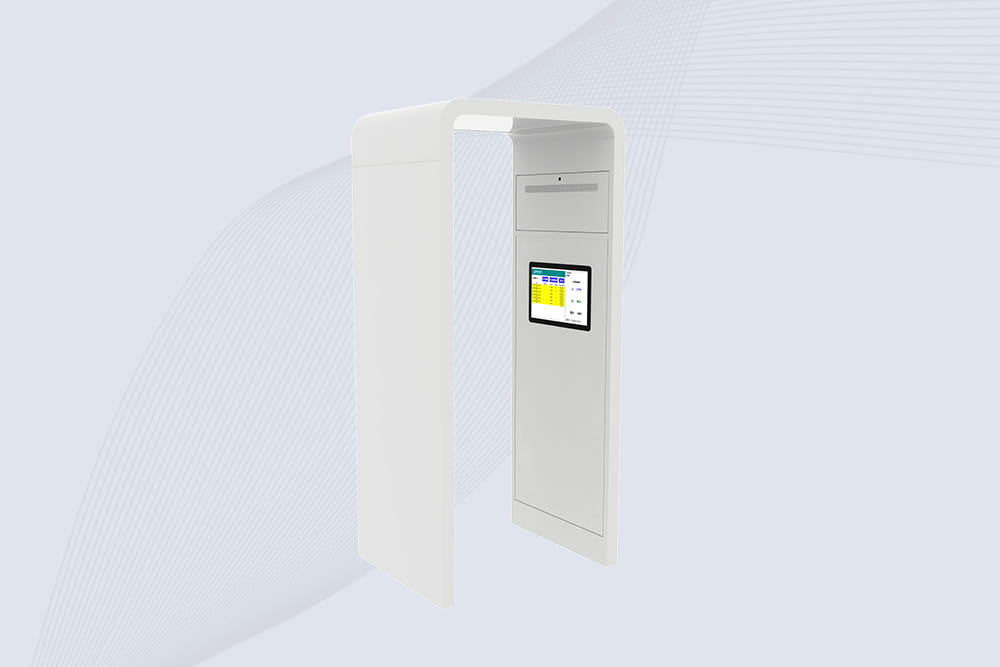
Cykeo CYKEO-T8 industrial arch gate RFID reader delivers 800+ tags/min scanning, 4m detection range, and Android touchscreen for libraries/retail stores. Supports SAP integration & dual EAS alarms.
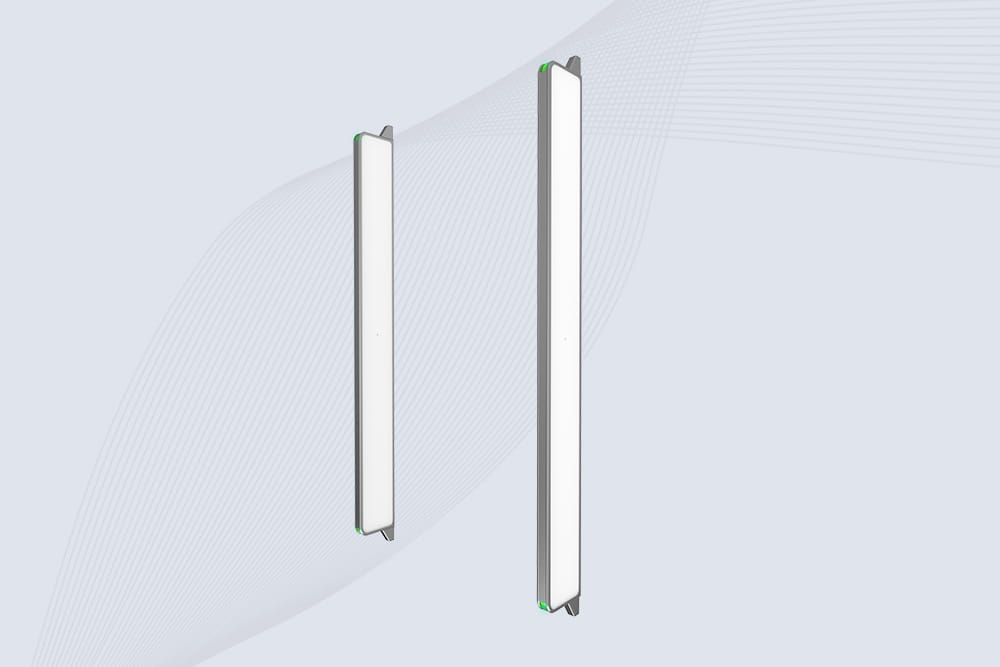
Cykeo CYKEO-T3 industrial RFID gate reader features 200cm detection, infrared triggering, and dual alarm modes for warehouses/libraries. Supports WiFi/4G and Java/C# SDK integration.
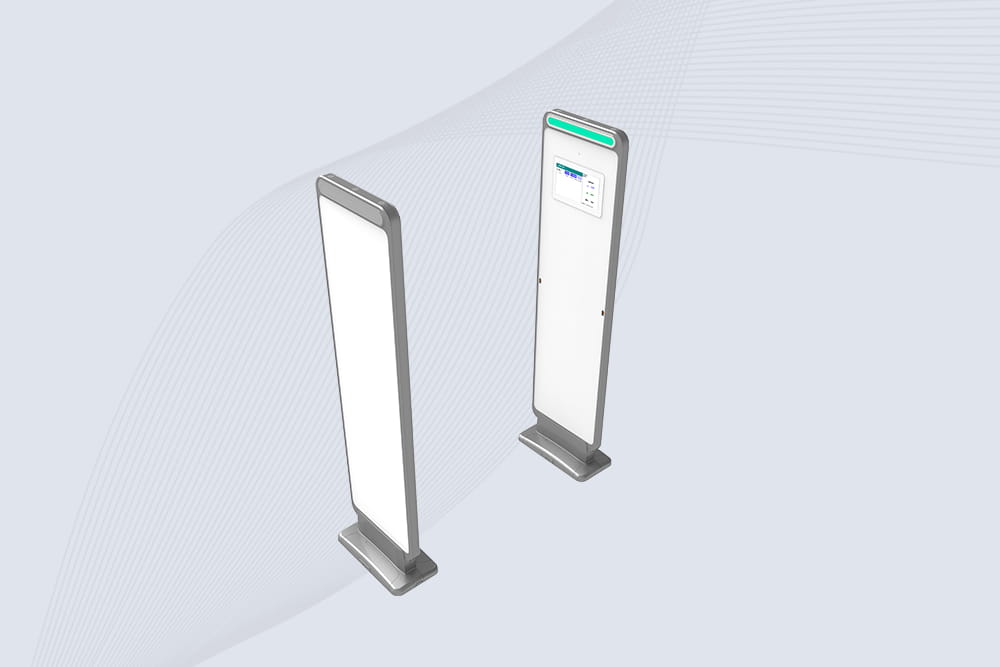
Cykeo CYKEO-T4 industrial RFID gate system features 4-antenna array, 99.9% detection accuracy, dual EAS alarms, and WiFi/4G connectivity for library/warehouse/retail security. ISO 18000-6C compliant.

Cykeo’s CYKEO-T5 UHF RFID gate reader features 600cm detection, infrared tracking, and dual-mode alarms for retail/library security. Supports crowd counting and multi-protocol integration.
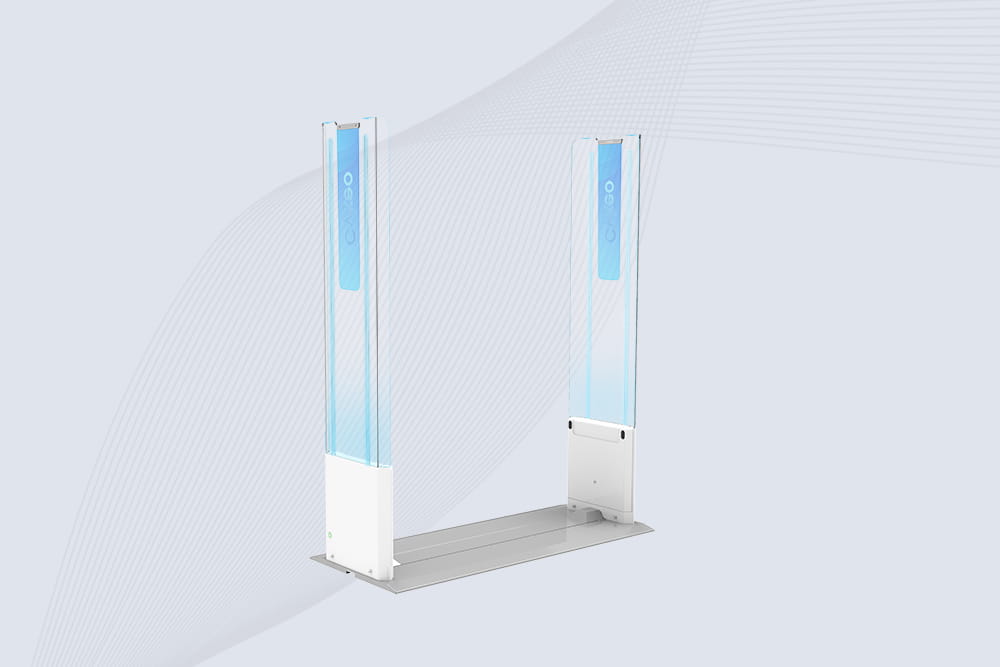
Cykeo CYKEO-T2A industrial Gate Barrier RFID Reader system features 6m detection, 200 tags/sec scanning, IP54 durability. Perfect for retail security, warehouse access control. Supports EPC C1G2, WiFi/4G, ERP integration.
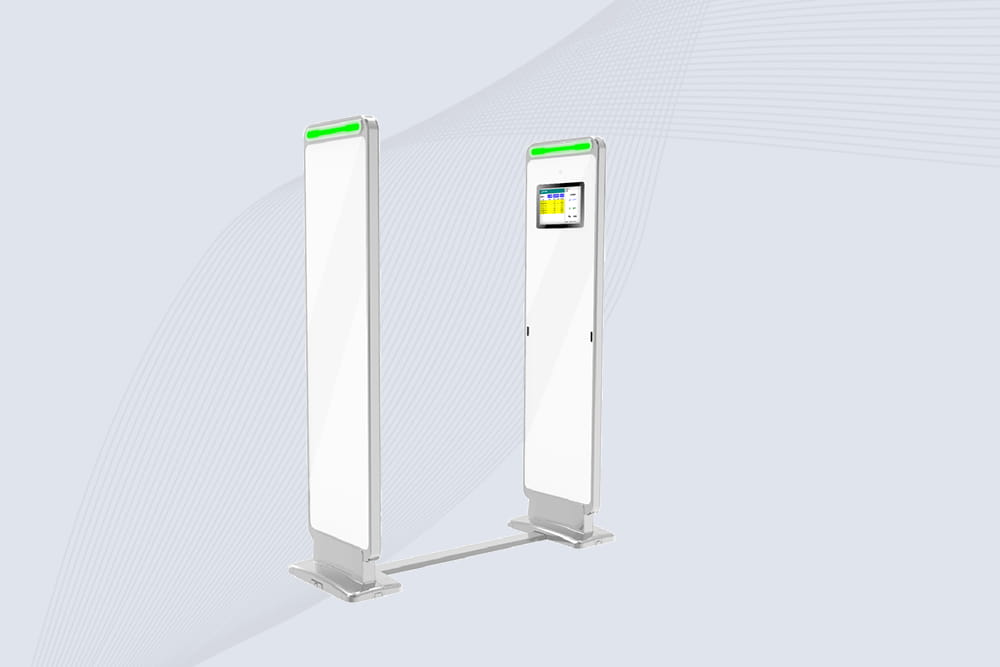
Cykeo’s CYKEO-T4 RFID Gate Reader system offers 200+ tags/sec scanning, EAS alarms, and rugged design for libraries/warehouses. Supports WiFi/4G and Windows/Android OS.

Cykeo HF RFID gate reader offers 90cm detection range, ISO15693/18000-6C compliance, and industrial-grade durability for libraries/retail. Features EAS alarms, infrared traffic analysis, and 3D omni-directional scanning.
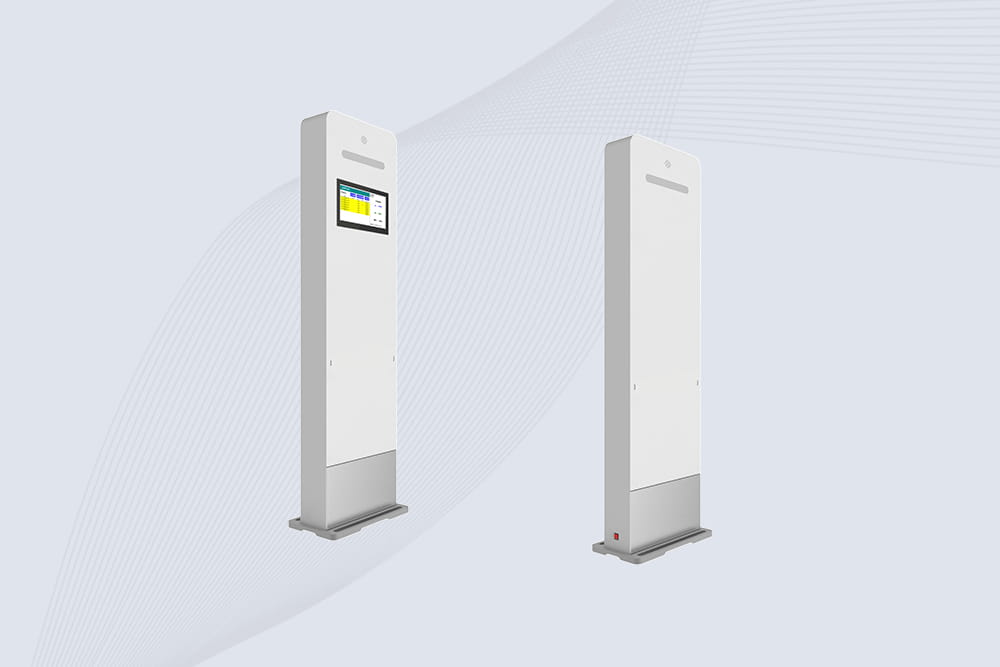
Cykeo CYKEO-T7 UHF RFID Gate Reader system delivers 600cm read range, 99.9% tag accuracy, real-time personnel counting, and SAP integration for logistics/warehouse/manufacturing. Supports dual OS & offline alarms.
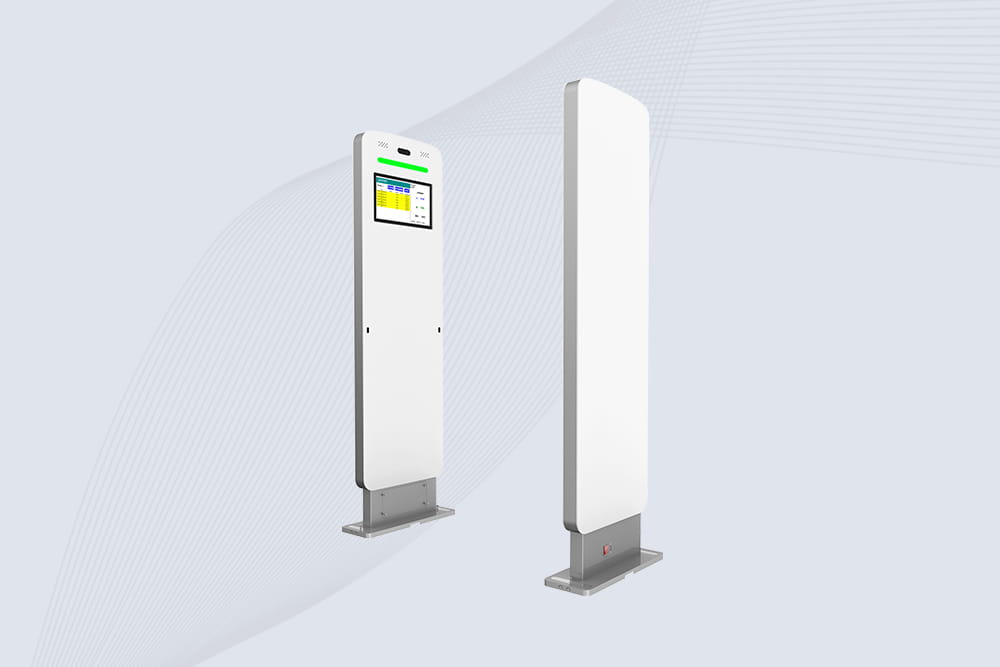
Cykeo CYKEO-T6 gate RFID reader features 1,200+ tags/min scanning, 6m detection range, and industrial-grade durability for libraries/stores/warehouses. Supports ISO 18000-6C and waterproof installations.

Cykeo CYKEO-T9HA industrial HF RFID gate reader offers 100cm range, 100+ tags/sec scanning, ISO 15693/14443A protocols, and IP66 durability for libraries, archives, and retail. Supports offline alarms and SAP integration.
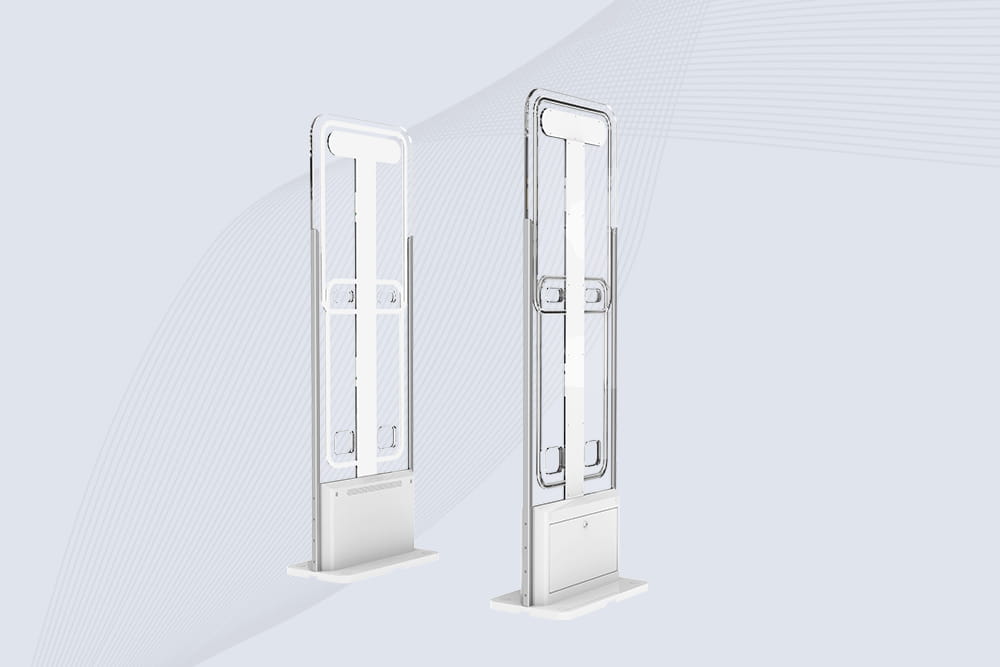
Cykeo CYKEO-T9UH UHF RFID gate reader offers 90cm detection width, EAS/AFI anti-theft alerts, IP54 rugged design, and multi-protocol support for libraries, retail, and logistics.
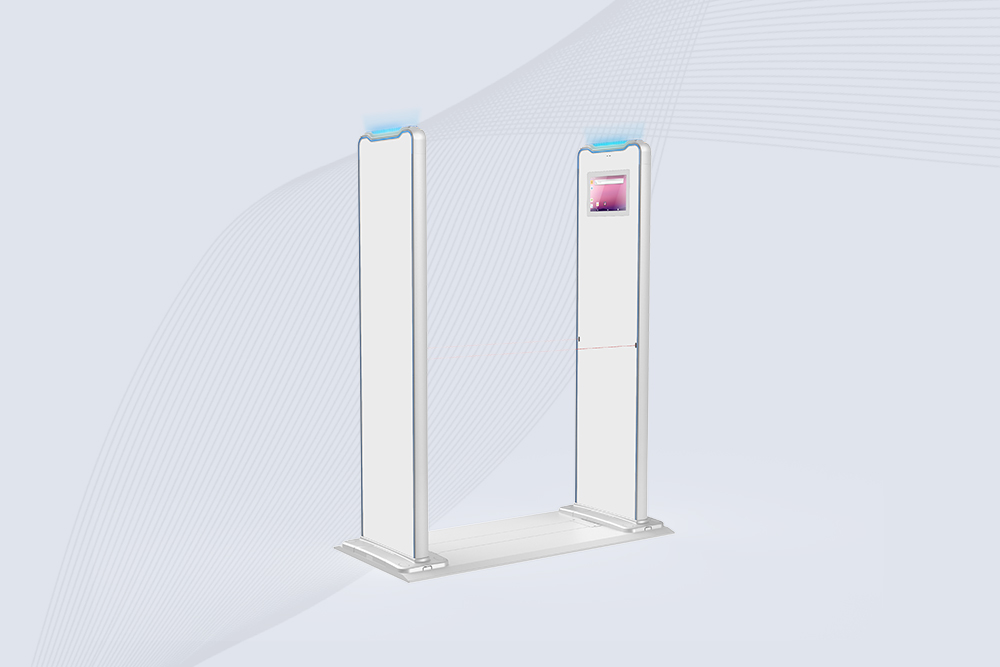
Cykeo’s Fixed RFID Gate Reader features 60 tags/sec scanning, IP54 rugged design, and dual-mode EAS alarm. Ideal for library/warehouse/event access control with real-time crowd analytics.
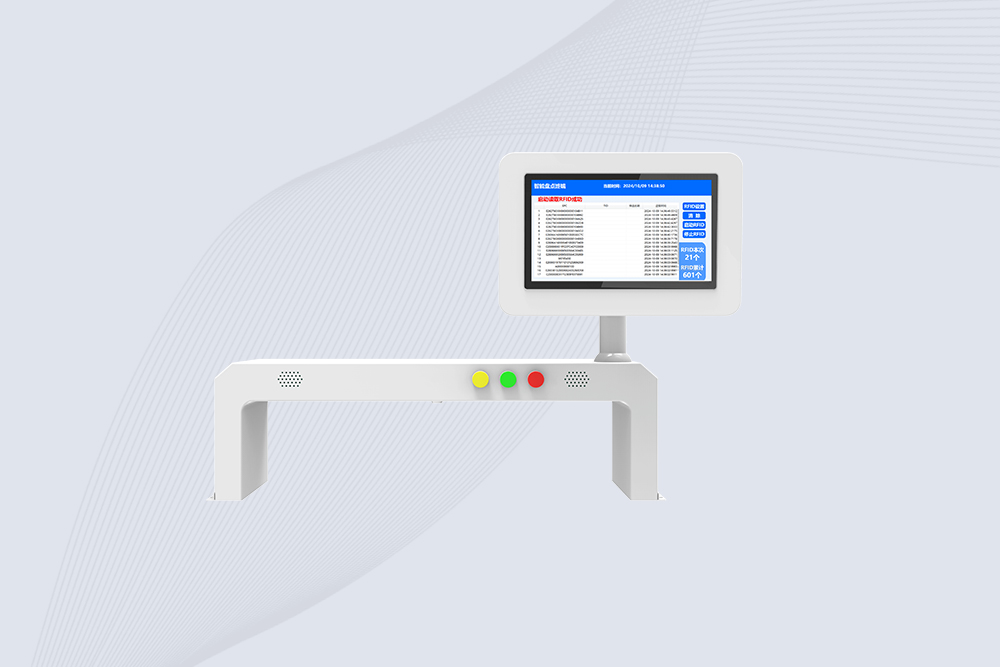
Cykeo CYKEO-T8A rfid gate access control system features IP68 enclosure, 400 tags/sec scanning, and 6-antenna array for warehouse/manufacturing security.
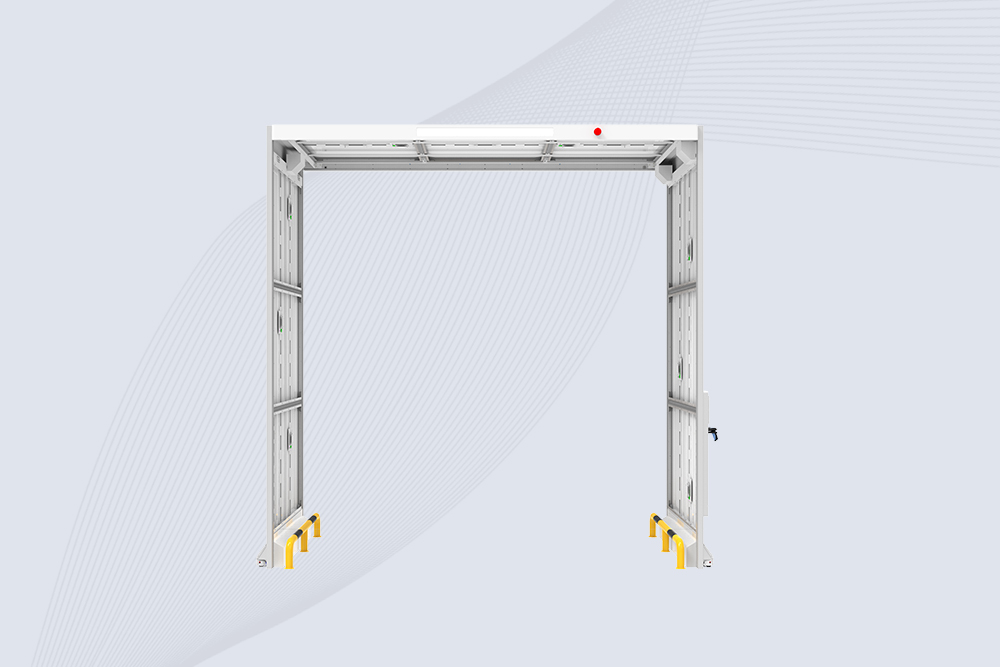
Cykeo CYKEO-T8F RFID gate entry systems deliver 200+ tags/sec scanning, EPC C1G2 compliance, and EAS alarms for warehouse/production gates. Supports Windows/Android OS.
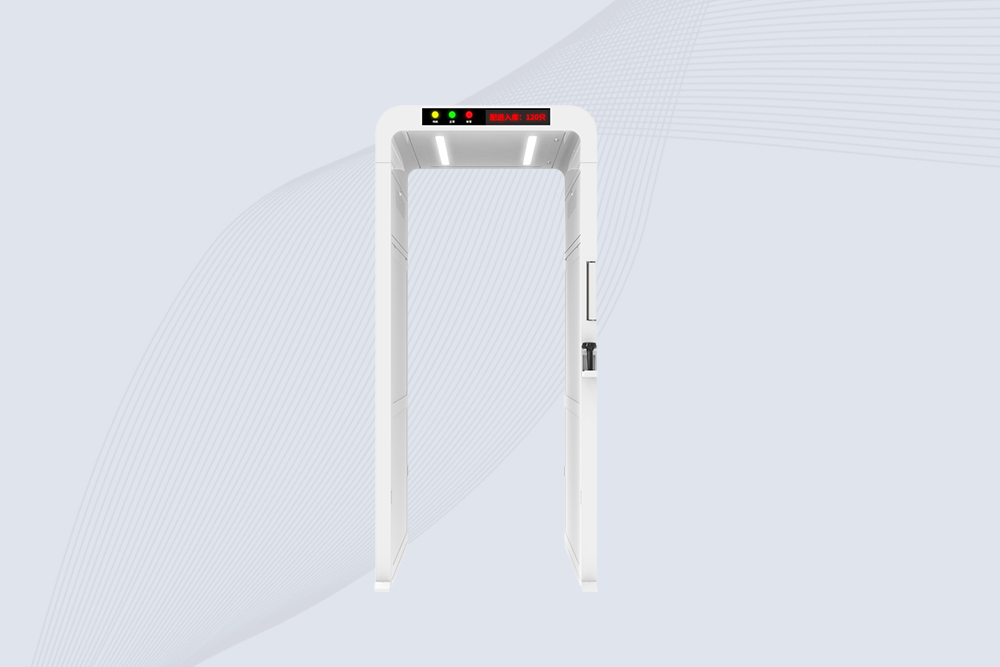
Cykeo CYKEO-T8C RFID gate opener delivers 200+ tags/sec scanning, ISO 18000-6C compliance, and facial recognition for logistics/secure facilities. Supports Windows/Android OS.
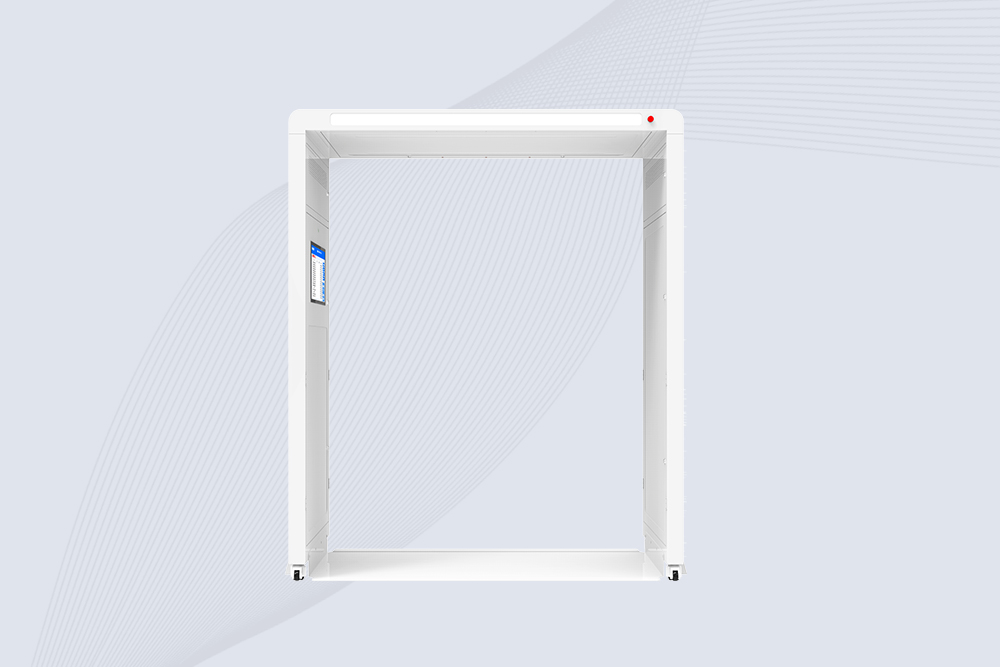
Cykeo CYKEO-T8D RFID gate access control system features 4-antenna 99.98% accuracy, ISO 18000-6C compliance, and real-time theft prevention for libraries/warehouses. Supports Windows/Android OS.
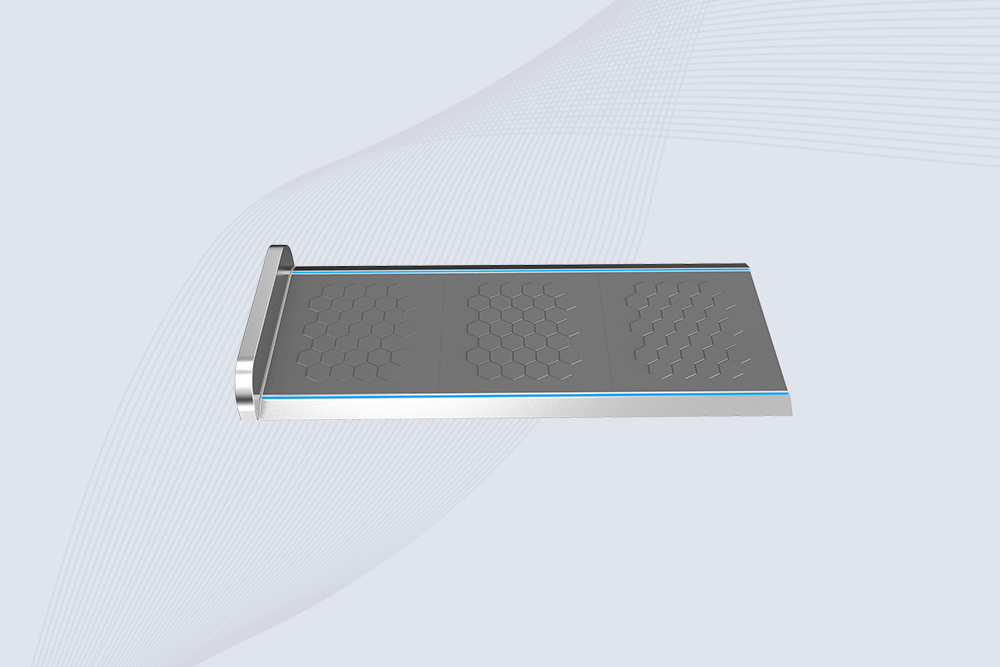
Cykeo CYKEO-T2 industrial RFID gate features 500+ tags/sec scanning, 0-3m vertical detection, and cloud management for warehouse automation and inventory control.
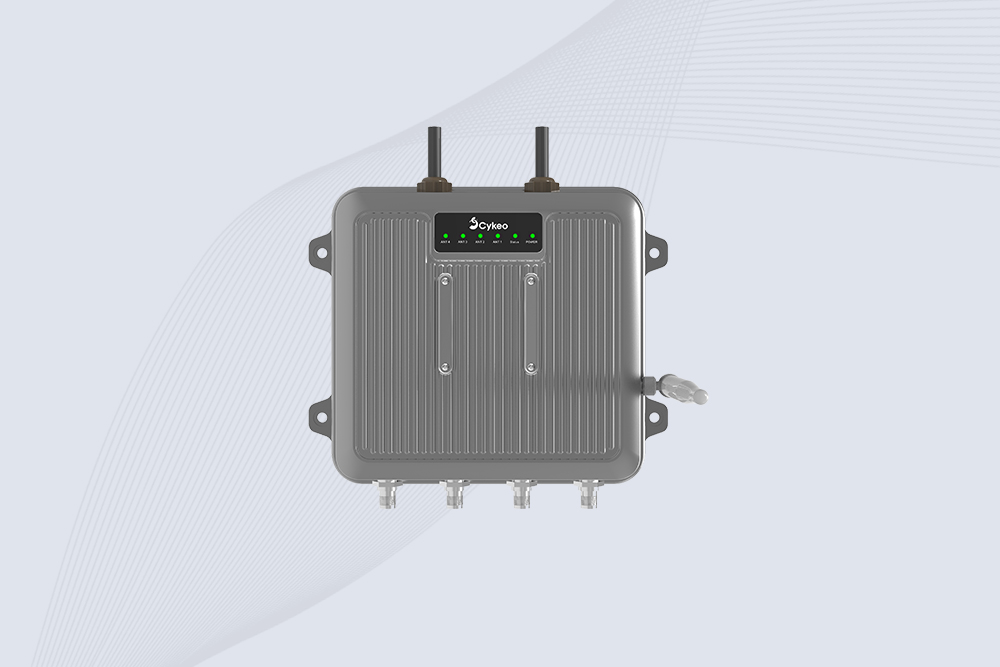
Cykeo CYKEO-C1 industrial Forklift RFID Reader features 20m read range, 600 tags/sec scanning, Impinj R2000 chipset, and IP67 rugged design. Ideal for warehouse logistics and manufacturing. Supports ISO 18000-6C/6B protocols.
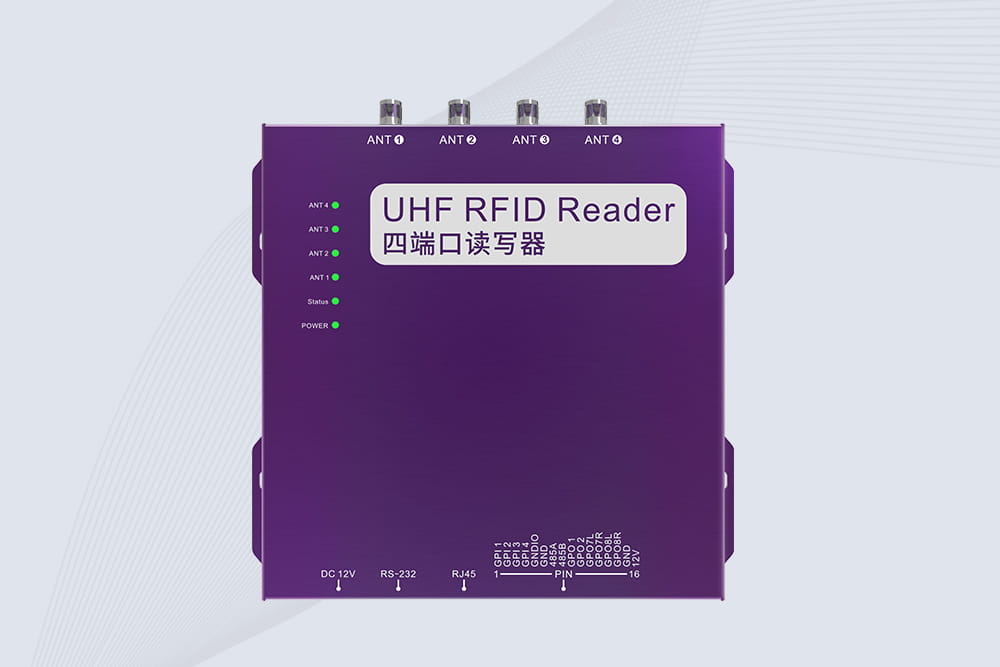
Cykeo CYKEO-R4 industrial UHF RFID Fixed Reader features 4 TNC ports, 400+ tags/sec speed, IP67 housing, and global frequency compliance for vehicle inspection, smart warehouse, and asset management systems.
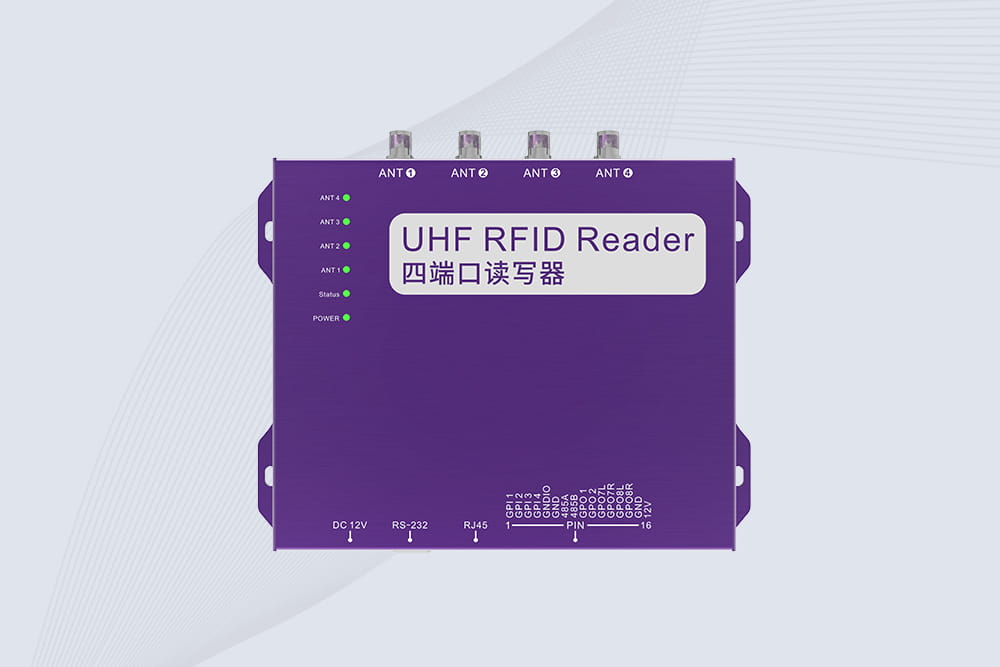
Cykeo’s CYKEO-R4L 4-port Fixed UHF RFID Reader delivers 400 tags/sec scanning, ISO 18000-6C compliance, and IP65 protection. Ideal for warehouse automation, manufacturing WIP tracking, and logistics management.
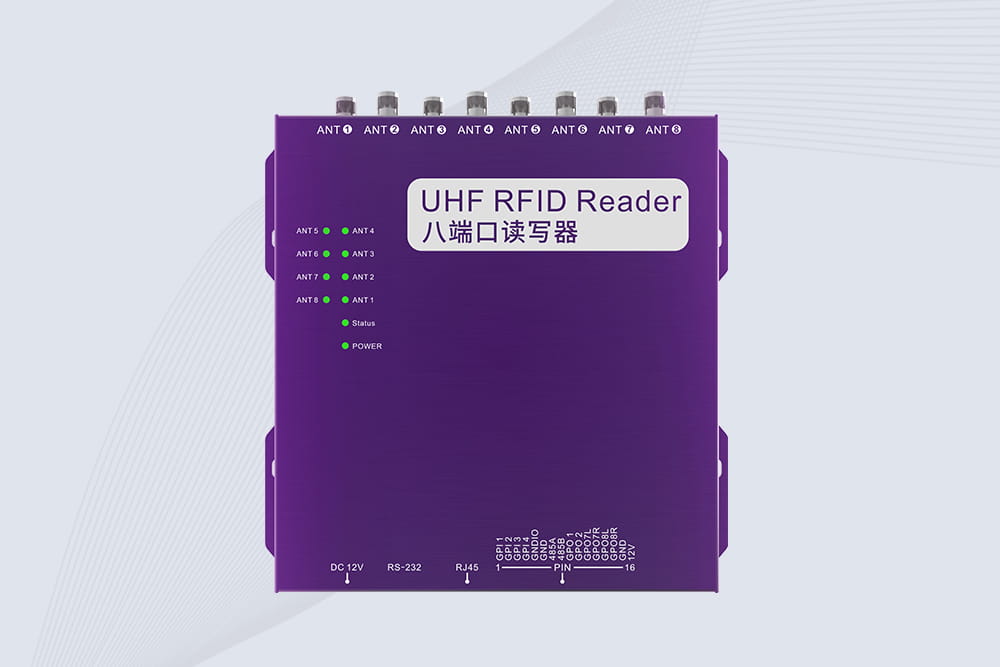
CYKEO CYKEO-R8L Fixed RFID Reader with 8-port UHF design, Impinj-based RF core and up to 20m read range. An industrial Fixed RFID Reader for vehicle inspection, warehouse portals, smart manufacturing lines and secure access checkpoints.
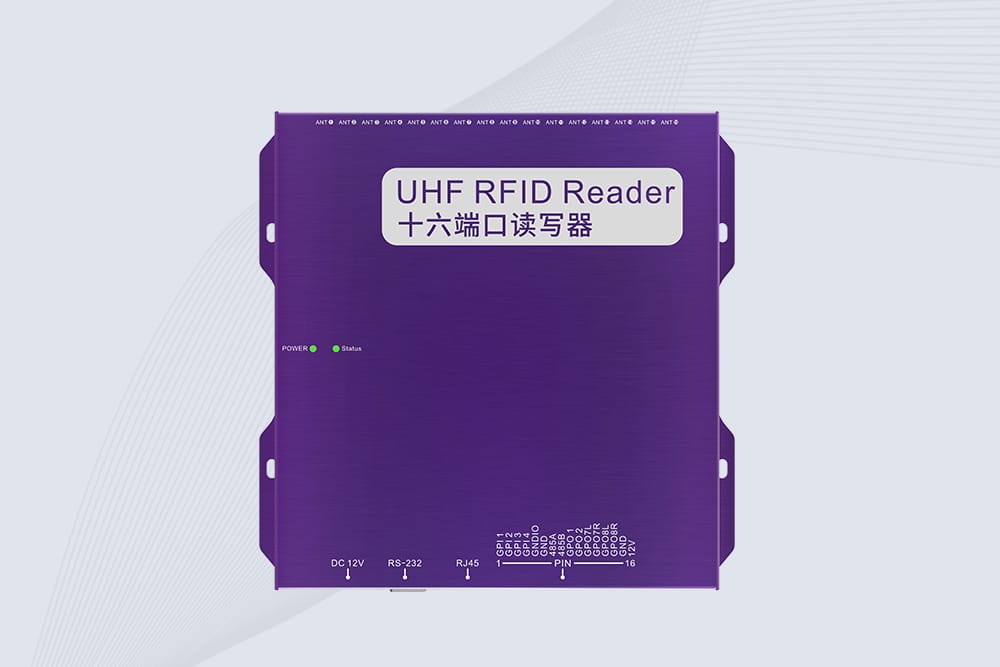
RFID Fixed Reader from CYKEO – the CYKEO-R16L 16-port UHF fixed reader for warehouses, smart cabinets, and production lines. Long-range, multi-tag reading, stable performance for 24/7 industrial use.
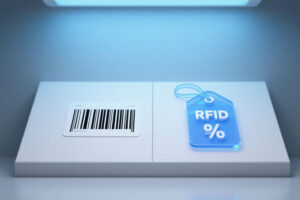
Discover which is more expensive, RFID or barcode. We break down costs, use cases, and long-term savings for inventory management. Make informed decisions for your business.
More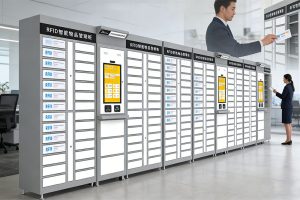
Upgrade to the CK-G0628 UHF RFID Locker System for smarter, faster, and more secure item management. Automate tracking, enhance security, and provide real-time monitoring—all with the power of RFID technology.
More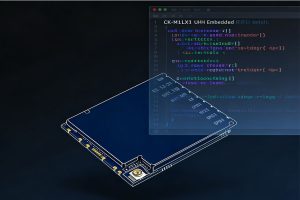
Cykeo CK-M1LX1 UHF embedded RFID module is built for real-world integration. Clean APIs, Java & C# SDK support, adjustable RF power, and global protocol compatibility — ideal for software developers and RFID hardware buyers.
More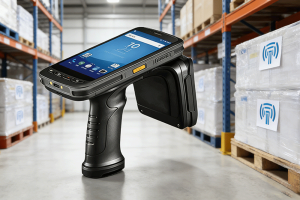
Learn how long do led tennis court lights last and what is a RFID tag, including how it works, types, and real-world applications in tracking systems.
More