 Cykeo RFID IoT Solution Products R&D Manufacturer
What Is a Rugged RFID Handheld Reader — And Do You Really Need One?
118Not sure if you need a rugged RFID handheld reader? Here’s a practical breakdown based on real industrial use cases.
MoreAll RFID Product
RFID systems are everywhere now, even if most people don’t notice them.
Warehouses use them to track inventory. Retail stores use them for stock management. Offices use them for access control. Hospitals use them to monitor equipment. In all of those systems, one device does most of the actual work behind the scenes: the RFID tags reader.
Without a reader, RFID tags are basically silent.
The reader is what detects the tag, captures the information, and sends the data into the tracking system. That’s why choosing the right RFID reader matters just as much as choosing the tags themselves.
Businesses searching for reliable RFID handheld readers are usually trying to solve one problem—how to track items faster and with less manual work.
And depending on the environment, the right RFID reader can save a huge amount of time.
An RFID tags reader is a device that communicates with RFID tags using radio frequency signals.
When a tagged item comes within reading range, the reader captures the tag’s information automatically.
Unlike barcode scanners, RFID readers usually do not need direct line-of-sight scanning. That means tags can still be detected:
That’s one reason RFID systems are widely used in warehouses and logistics operations.
The basic process is fairly straightforward.
The RFID reader sends out a radio signal. Nearby RFID tags respond with stored information, such as:
The reader then transfers that information into inventory software or a tracking system.
Some systems can read multiple tags at the same time, which is what makes RFID much faster than traditional barcode scanning in large operations.
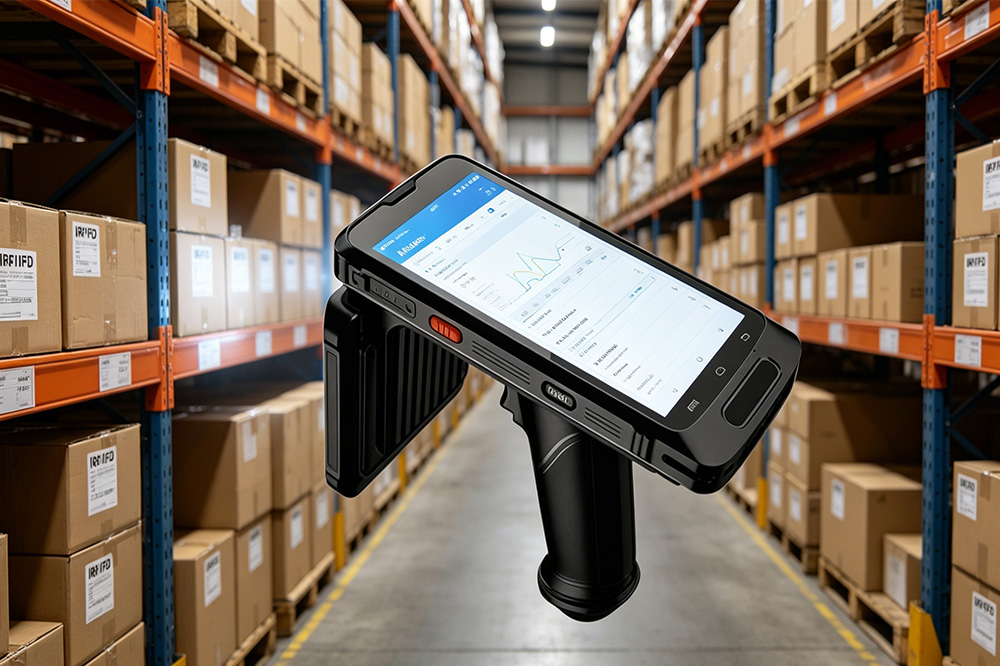
Not every RFID reader is built for the same job.
These are portable devices carried by warehouse workers or inventory teams. They’re commonly used for:
Handheld readers are popular because employees can move around freely while scanning large amounts of inventory quickly.
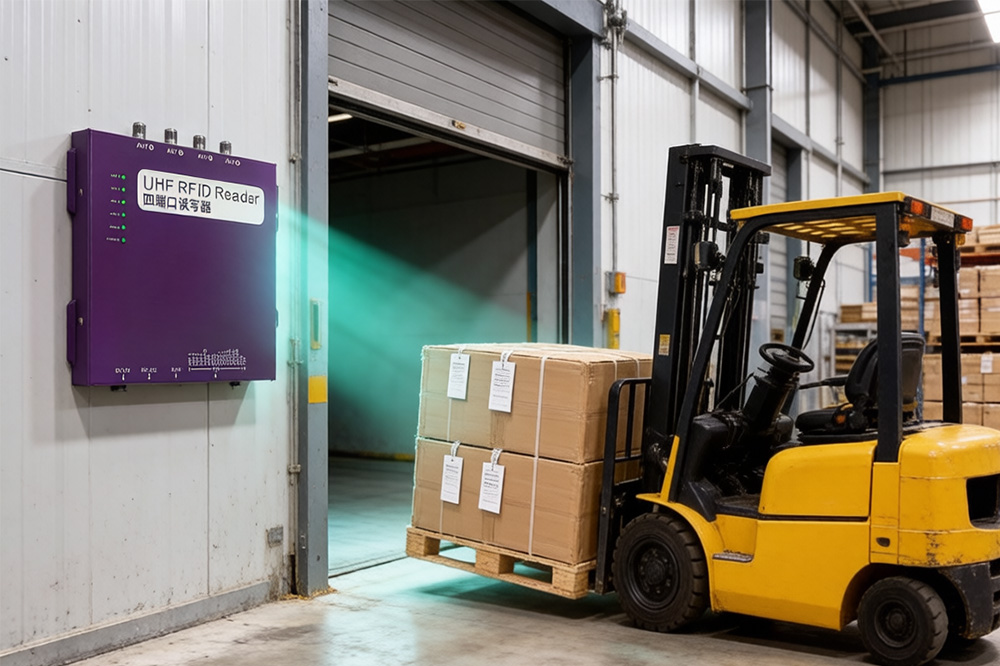
Fixed readers are installed in specific locations like:
They automatically detect tagged items as inventory moves through the area.
These smaller readers are often used in offices, registration stations, testing environments, or encoding workstations.
Some RFID readers are built directly into equipment or access systems for automated operations.
RFID readers operate at different frequencies depending on the application.
Usually used for:
Commonly used for:
Widely used in:
UHF readers are especially popular because they support longer reading distances and faster scanning.
In busy warehouses, manual scanning slows everything down.
Workers using barcode scanners often need to handle products one by one. RFID readers can detect multiple tags at the same time, even when items are boxed or stacked together.
That helps businesses:
For large warehouses, that difference becomes very noticeable.
A lot of people associate RFID only with inventory tracking, but readers are used in many other industries too.
RFID readers are commonly installed at office entrances, parking gates, and secured facilities.
Hospitals use RFID readers to monitor medical equipment and track inventory movement.
Stores use RFID systems to improve stock visibility and reduce missing inventory.
RFID readers are used for livestock identification and animal tracking.
Factories use RFID readers to monitor tools, components, and production materials throughout operations.
One common misunderstanding is assuming all RFID readers work at long distances.
In reality, read range depends on several factors:
Metal and liquids can sometimes interfere with signal performance, especially in industrial environments.
That’s why RFID systems usually need proper testing before full deployment.
Businesses are handling more inventory and faster-moving operations than ever before.
Manual tracking methods eventually become difficult to manage at scale. RFID readers help reduce that pressure by automating large parts of the tracking process.
Instead of depending entirely on employees to scan products individually, RFID systems allow inventory data to update automatically in real time.
For many companies, that means:
And that’s why RFID reader adoption keeps growing across logistics, retail, manufacturing, and healthcare industries.
An RFID tags reader is more than just a scanning device. It’s the part of the RFID system that turns tagged products into usable tracking data.
Whether it’s a handheld scanner in a warehouse or a fixed reader at a loading dock, RFID readers help businesses monitor inventory, assets, and movement far more efficiently than manual systems.
As inventory operations continue becoming faster and more automated, RFID readers are becoming a normal part of everyday business infrastructure rather than specialized technology.
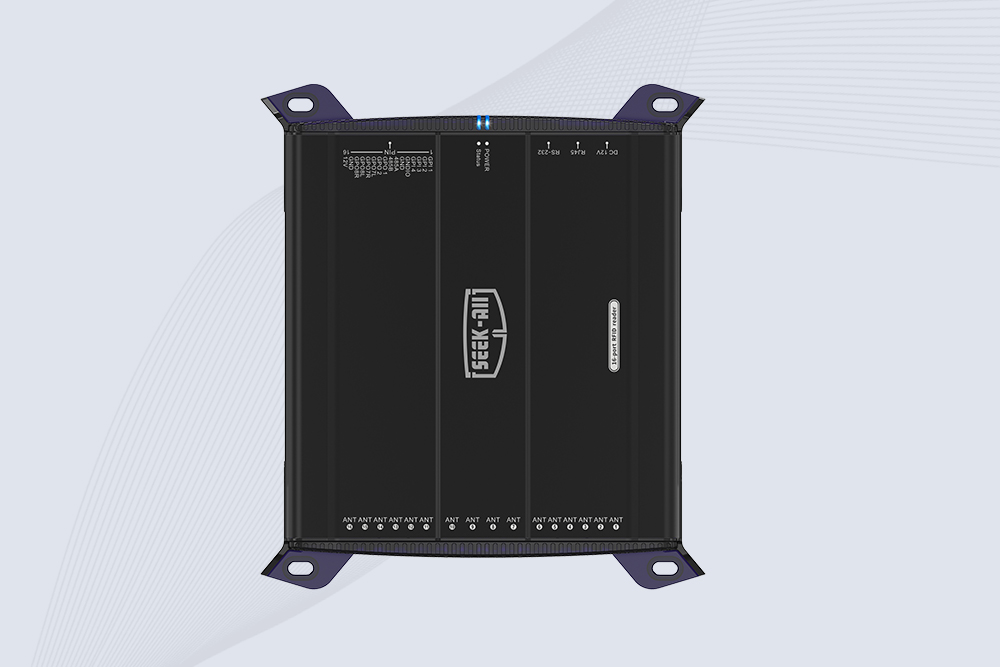
SSD-R16L Multi-Channel RFID Infrastructure for Automated Inventory Management ✔️ 16-Port High-Density RFID Reading Equipped with 16 SMA antenna ports, SSD-R16L supports multi-antenna deployment for warehouses, retail stores, logistics, production lines, and large-area RFID identification. ✔️ High-Speed & Long-Range Performance With up to 33…
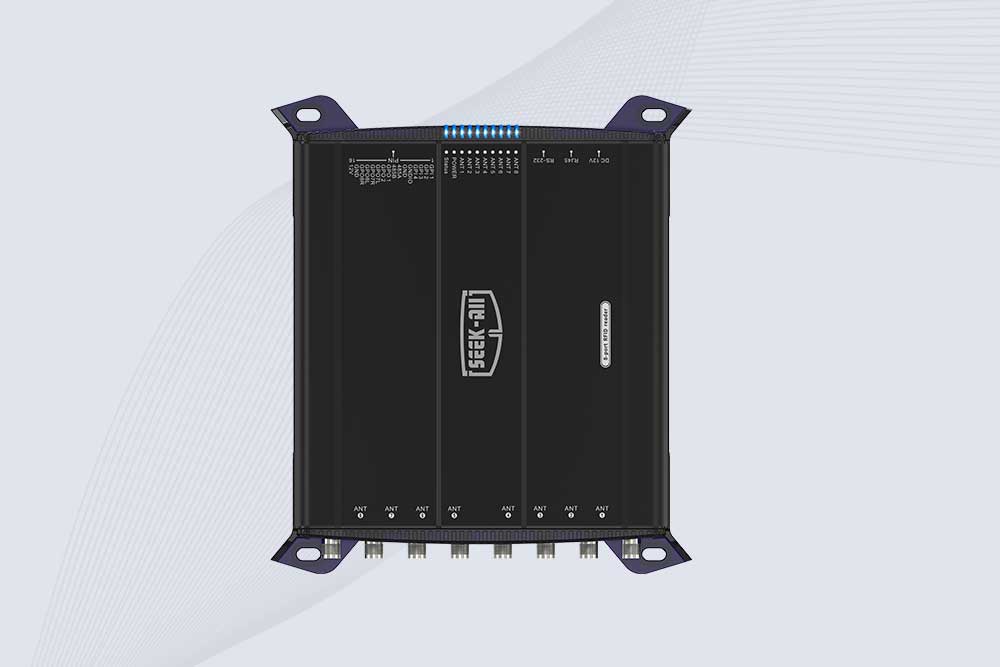
SSD-R8L 8-port UHF RFID reader with 33dBm output, up to 20m reading range and 600+ tags/s recognition. Ideal for warehouse, logistics, retail and asset tracking.
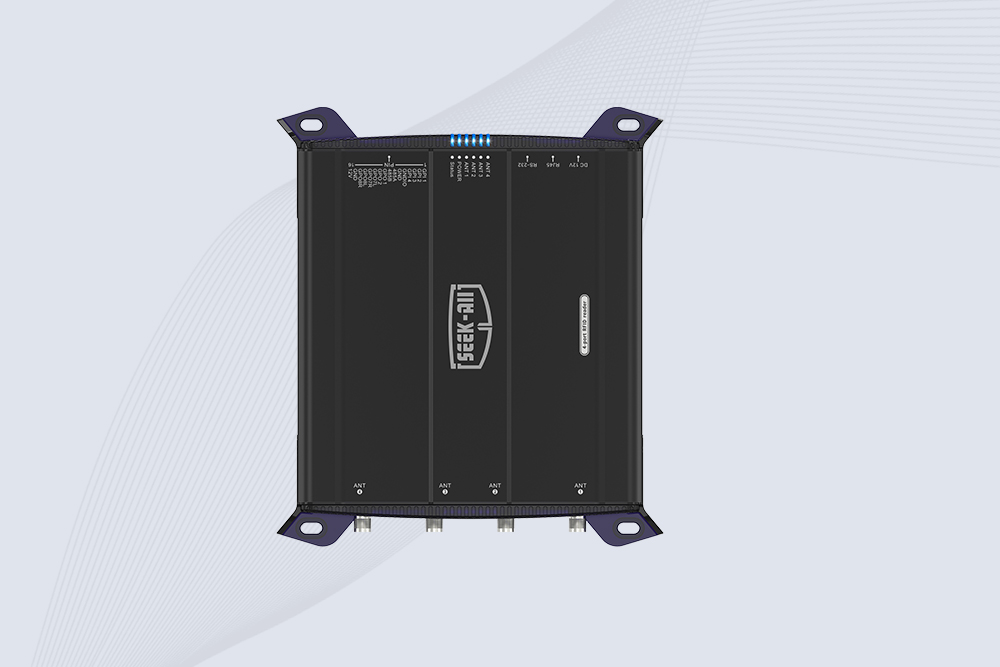
SSD-R4L is a 4-port UHF RFID fixed reader with 33dBm output power, up to 20m reading range, EPC C1G2 support and 600+ tags/s reading speed.
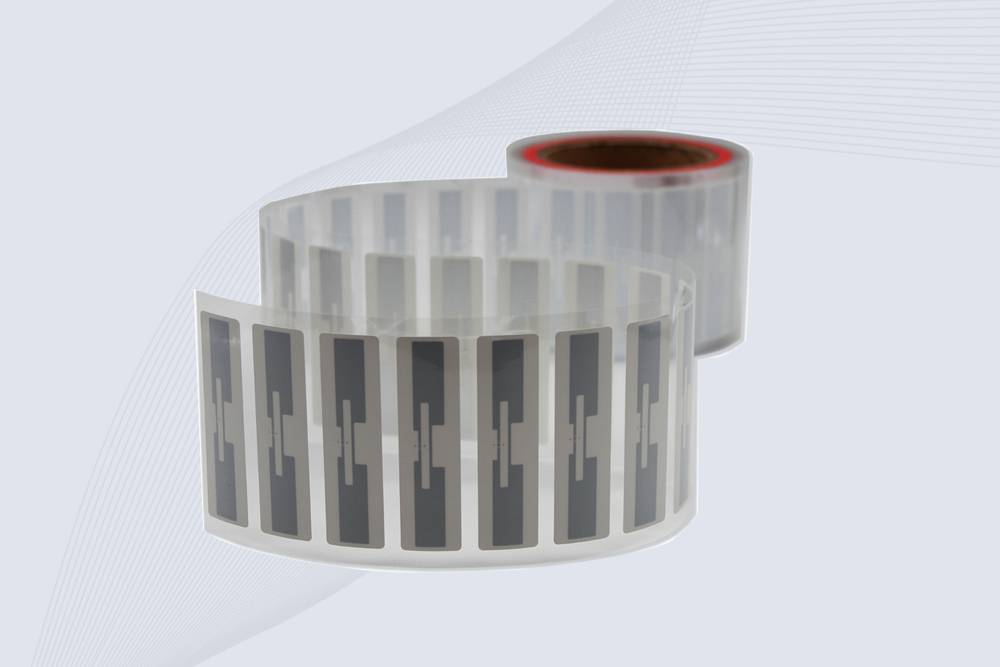
CYKEO Passive RFID Tags are made for wet and high-humidity environments where standard labels do not last. This rfid passive tag is often used around liquids, chemicals and temperature changes, providing stable reading distance and long data life for industrial tracking.
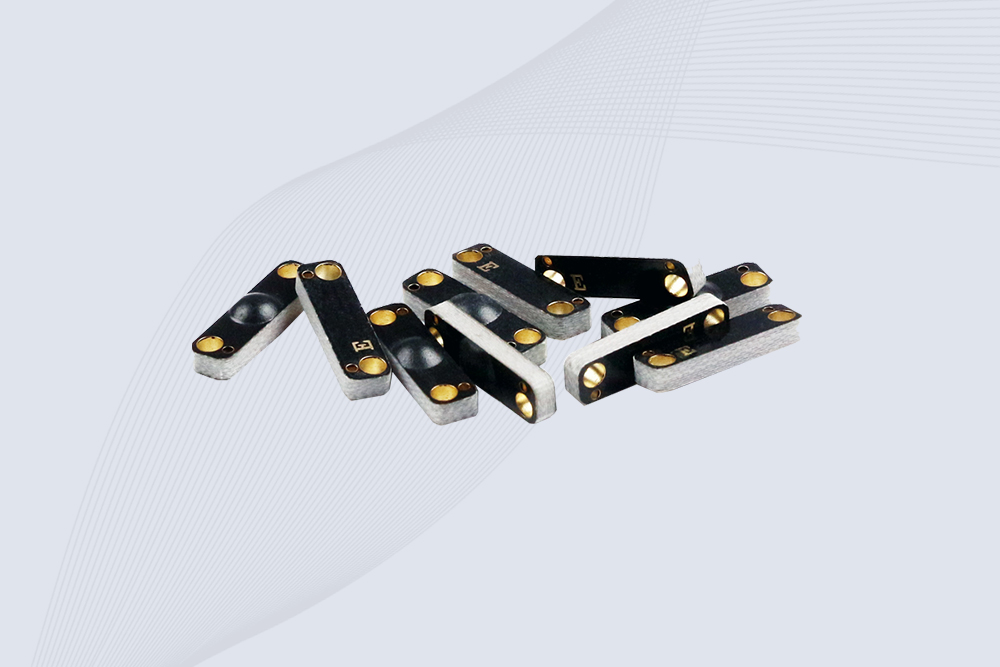
CYKEO CYKEO-PCB1504 Metal RFID Tags is a compact anti-metal UHF RFID solution built for direct mounting on metal surfaces. With stable 8-meter read range, Ucode-8 chip, and long data retention, this rfid metal tag fits tools, containers, automotive parts, and industrial asset tracking.
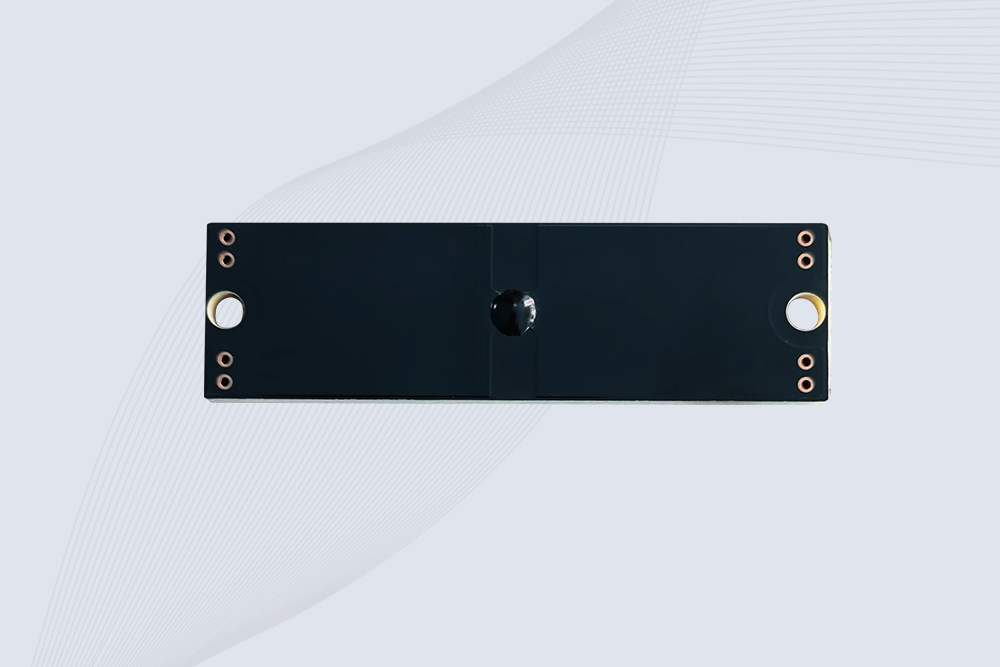
CYKEO CYKEO-PCB7020 On-Metal RFID Tags are designed for reliable tracking on steel and metal surfaces. Built with an FR4 epoxy body and industrial-grade chips, these On-Metal RFID Tags deliver stable performance, long data life, and chemical resistance, making them a dependable RFID anti-metal tag for harsh environments.
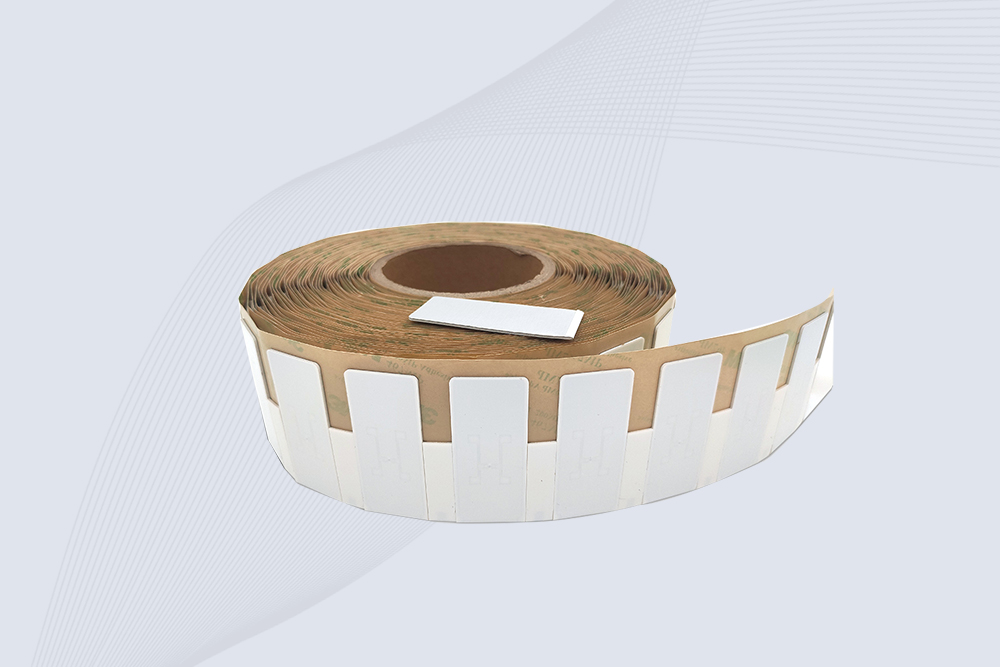
The CYKEO CYKEO-60-25 Anti-Metal RFID Tag is built for metal surfaces where standard tags fail. Designed for long-range performance, harsh environments, and stable data retention, this Anti-Metal RFID Tag is ideal for industrial assets, containers, and equipment tracking using on metal RFID tags.
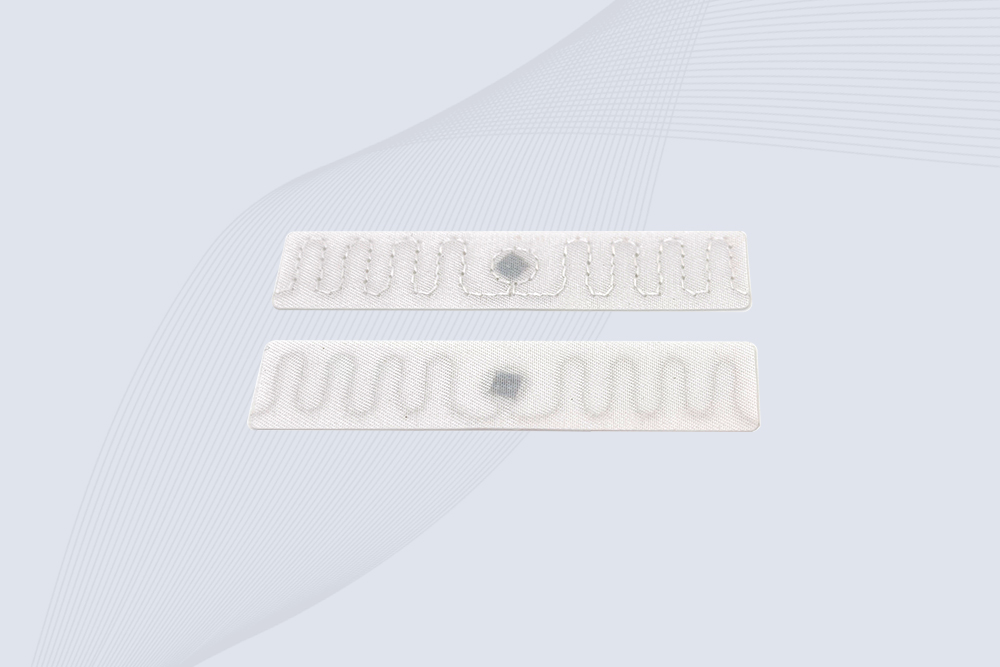
The CYKEO RFID Laundry Tag is designed for long-term textile identification in harsh laundry environments. Built to withstand high heat, chemicals, and repeated washing, this RFID Laundry Tag delivers stable performance for hotels, hospitals, and industrial laundry operations using laundry rfid tags at scale.
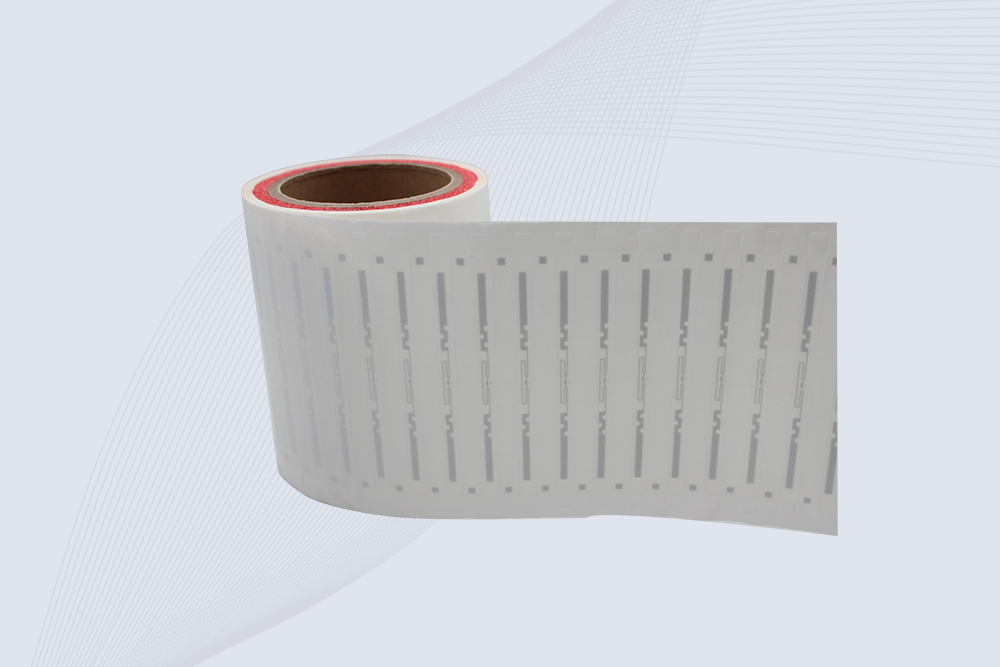
The CYKEO CYKEO-125-7 RFID Book Tag is designed for reliable book and document tracking in libraries and archives. This RFID Book Tag delivers long read range, dense placement support, and stable performance on shelves, making it a practical rfid tag on books for library automation, file management, and archival systems.
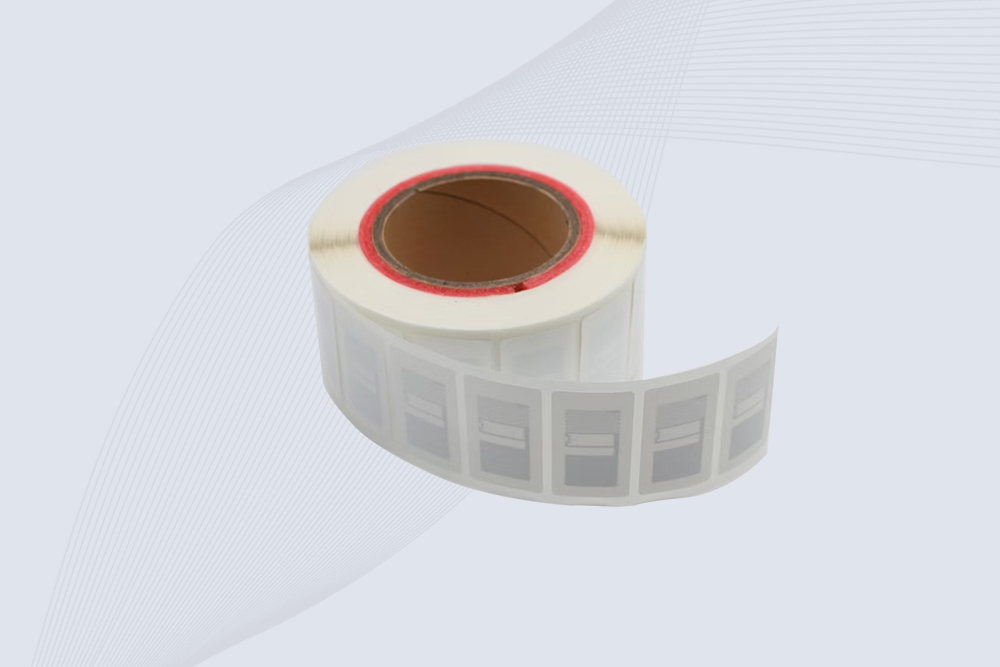
CYKEO RFID tags in hospitals are designed for sterile environments where accuracy matters. These autoclavable RFID tags support long-term tracking of surgical tools, implants, and medications, helping hospitals improve visibility, compliance, and patient safety.

CYKEO RFID Cable Tie Tag is built for reliable identification on metal surfaces. This UHF RFID Cable Tie Tag is widely used in rfid tags for inventory systems, industrial asset management and Hospital RFID Tags, offering stable read performance, long service life and global EPC Gen2 compatibility.
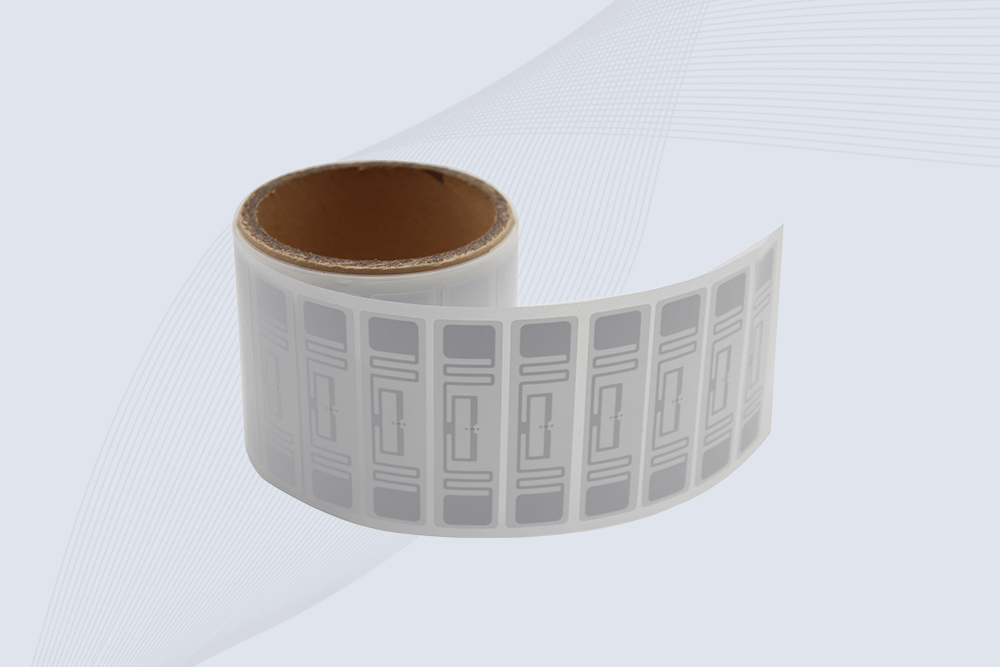
CYKEO RFID Asset Tag is designed for stable identification of metal assets in industrial environments. This UHF RFID Asset Tag is commonly used for rfid tag asset tracking on equipment, tools and containers, providing reliable reads, long service life and ISO/IEC 18000-6C support.
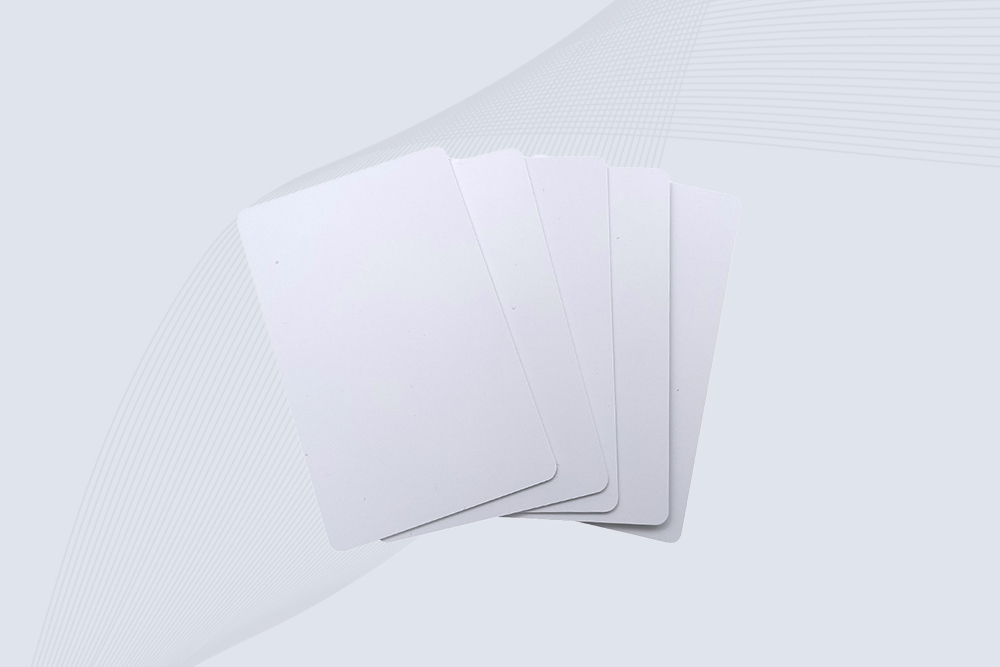
CYKEO UHF RFID Card is designed for fast identification and long-term use in industrial and commercial systems. Supporting ISO 18000-6C, this UHF RFID Card works at 860–960 MHz and is suitable for custom RFID cards used in asset tracking, access control and inventory management.
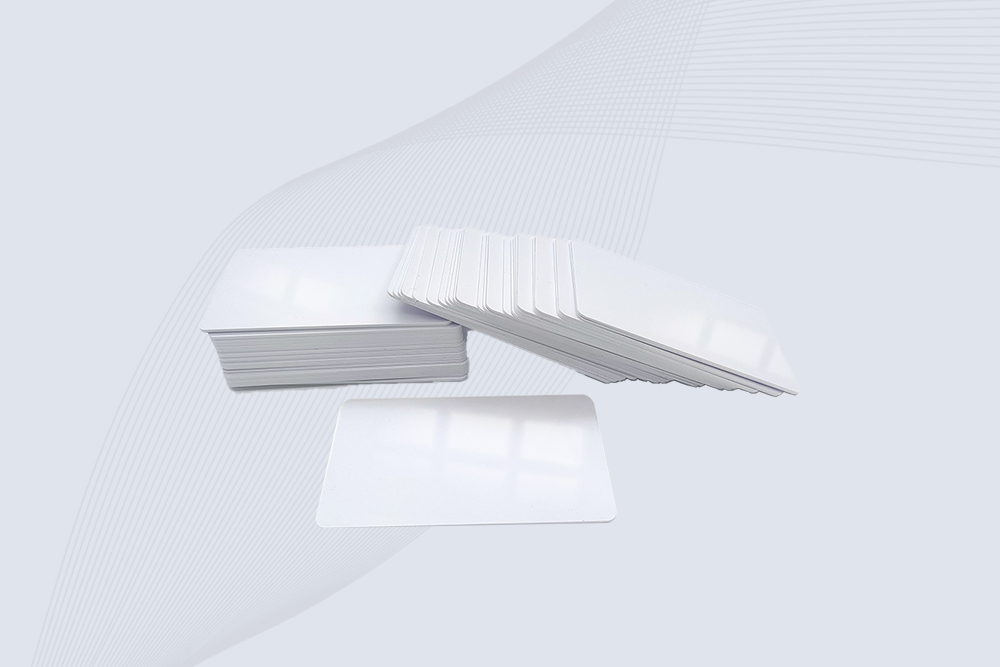
CYKEO HF RFID Cards are designed for secure and stable access control systems. These 13.56 MHz RFID key cards support ISO 14443-A, reliable rewriting and long service life, making HF RFID Cards suitable for offices, campuses, events and membership management.
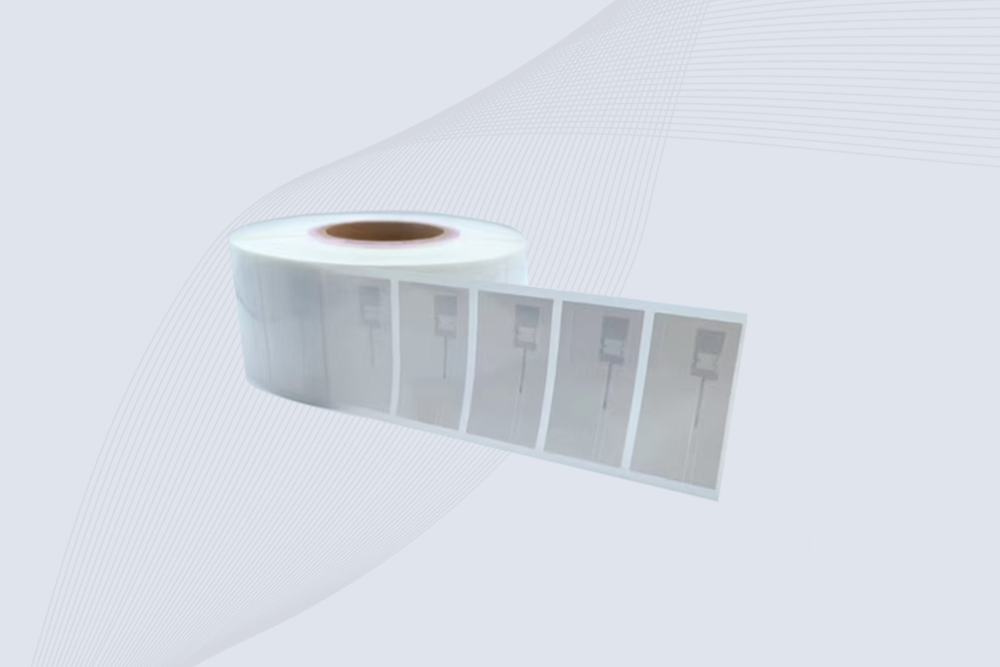
CYKEO UHF RFID Tag is designed for reliable tracking of metal jewelry and high-value items. This Jewelry RFID Tag supports long-range reading up to 8 meters, anti-counterfeit protection and stable performance on metal, making it suitable for retail, inventory control and asset management.
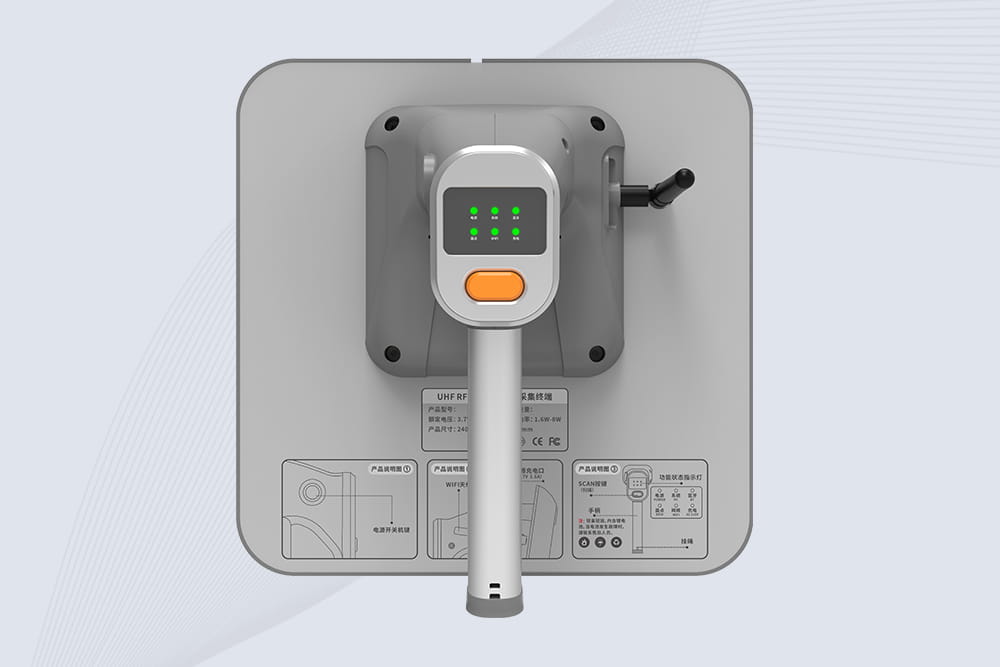
Cykeo CYKEO-B9 UHF Bluetooth handheld RFID scanner features 12m UHF range, 200+ tags/sec scanning, IP67 rugged design for retail/warehouse/pharma. Supports Android SDK & real-time Bluetooth 5.0 transmission.
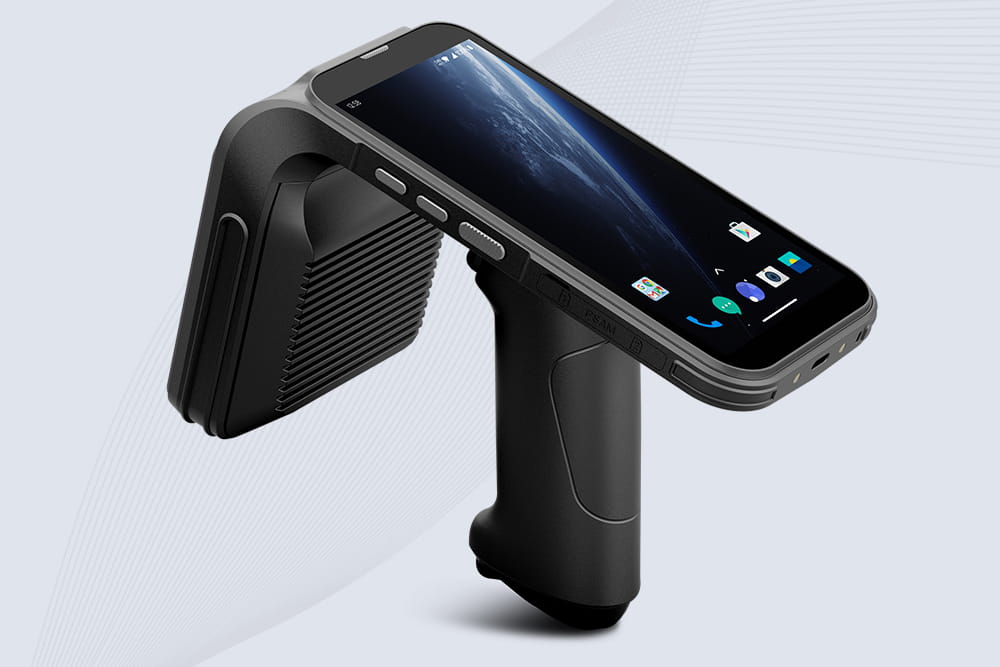
Cykeo CYKEO-B4 UHF Handheld RFID Reader scanner delivers 1300 tags/sec reading, 30m UHF range, and 12-hour battery life. IP65 rugged design with barcode/NFC/ID scanning for retail/manufacturing/logistics.
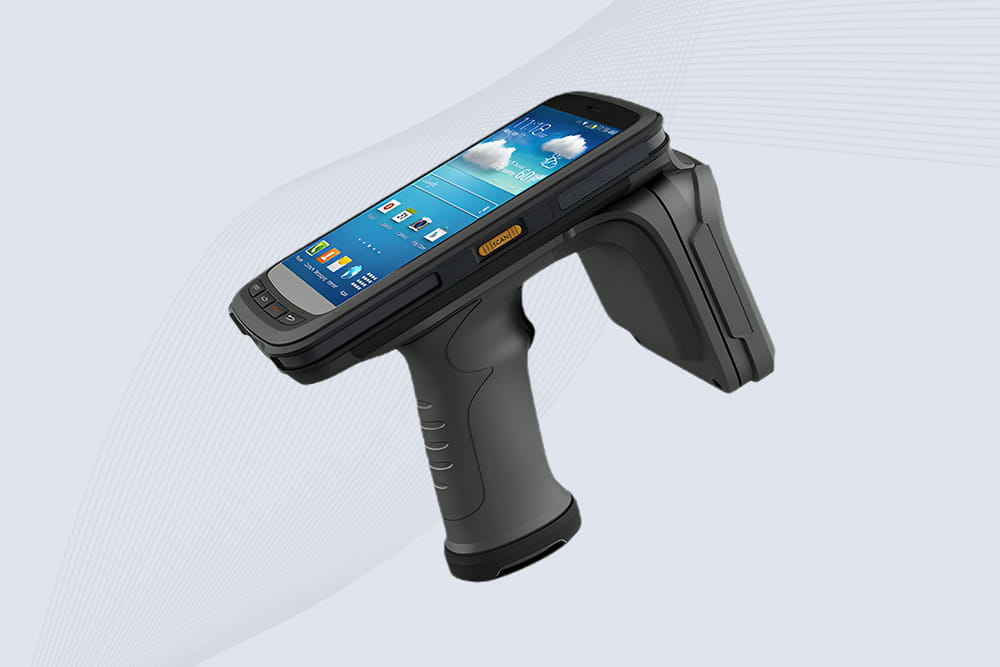
Cykeo CYKEO-B2 industrial UHF RFID handheld Scanner offers 10m range, 500 tags/sec scanning, Android 11 OS, and IP65 rugged design for retail/warehouse/manufacturing.
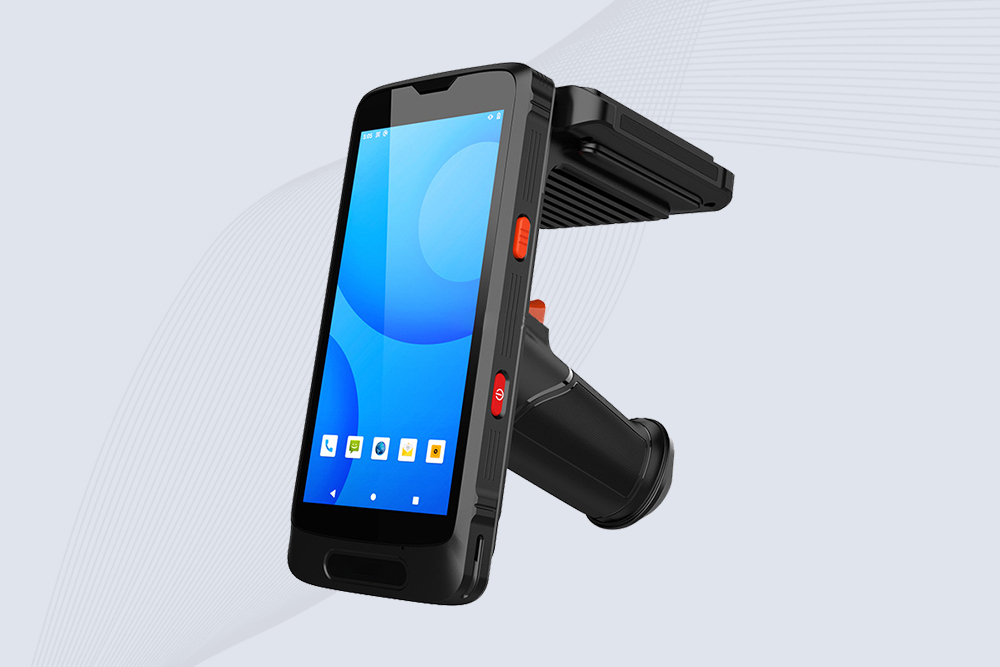
Cykeo CYKEO-B3 industrial RFID Reader Handheld, terminal offers 2m read range, multi-protocol scanning (NFC/barcode/ID), Android 10 OS, and IP65 ruggedness for logistics/retail/manufacturing.
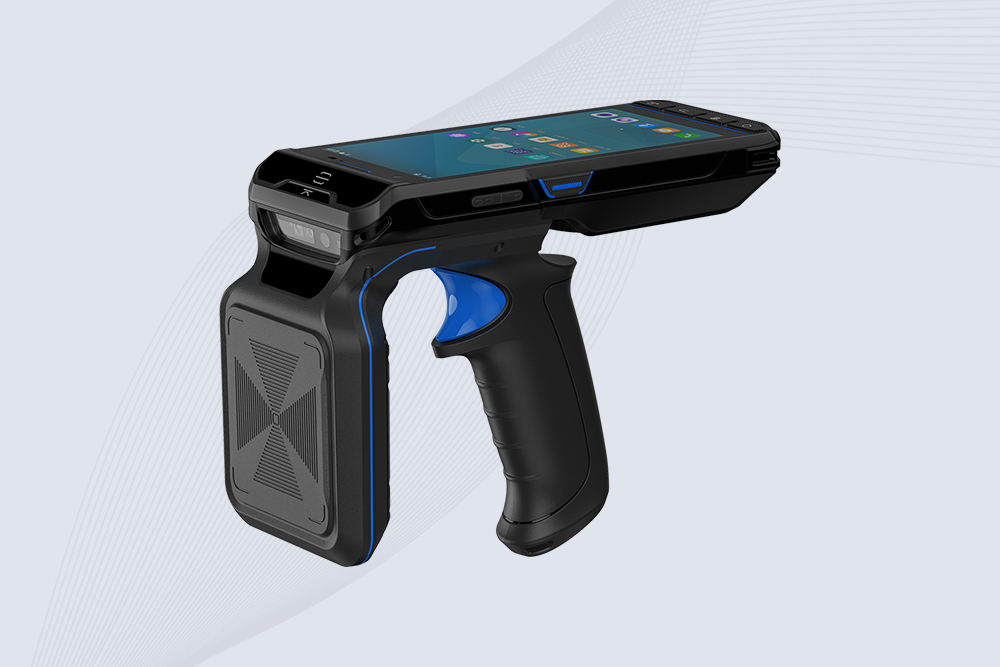
Cykeo CYKEO-B3L industrial handheld UHF RFID Reader terminal features 20m read range, 500 tags/sec scanning, Android 13 OS, 12-hour battery for logistics/retail/manufacturing. Supports barcode/NFC/ID reading.
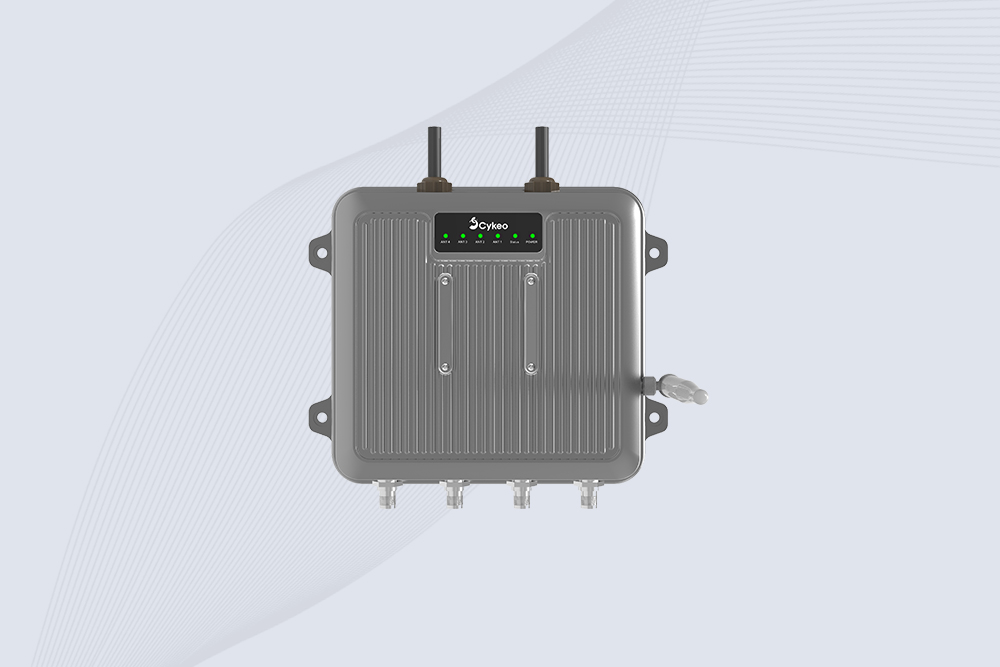
Cykeo CYKEO-C1 industrial Forklift RFID Reader features 20m read range, 600 tags/sec scanning, Impinj R2000 chipset, and IP67 rugged design. Ideal for warehouse logistics and manufacturing. Supports ISO 18000-6C/6B protocols.
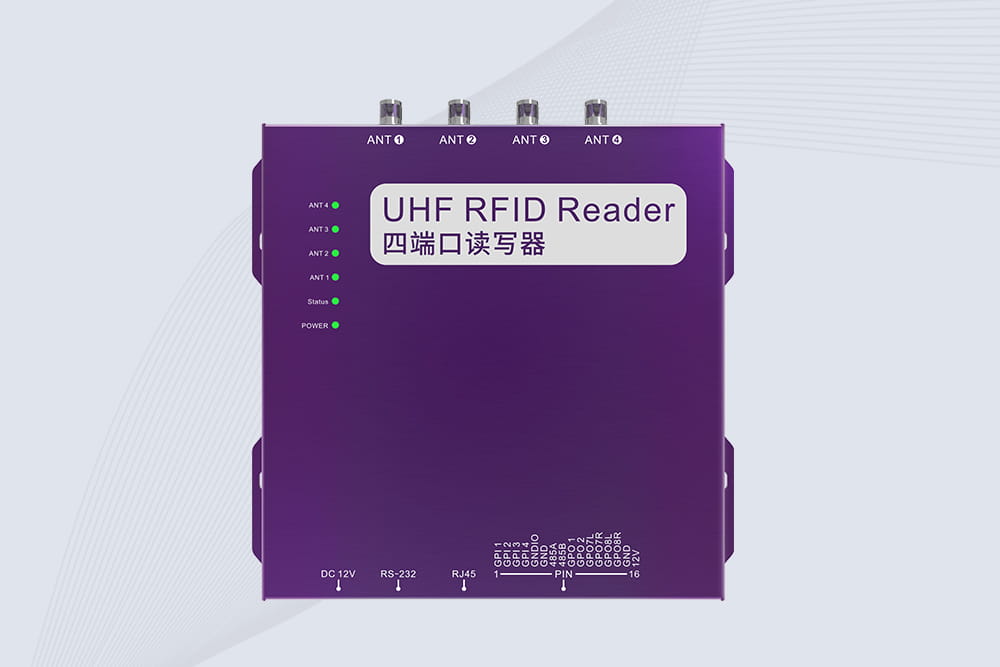
Cykeo CYKEO-R4 industrial UHF RFID Fixed Reader features 4 TNC ports, 400+ tags/sec speed, IP67 housing, and global frequency compliance for vehicle inspection, smart warehouse, and asset management systems.
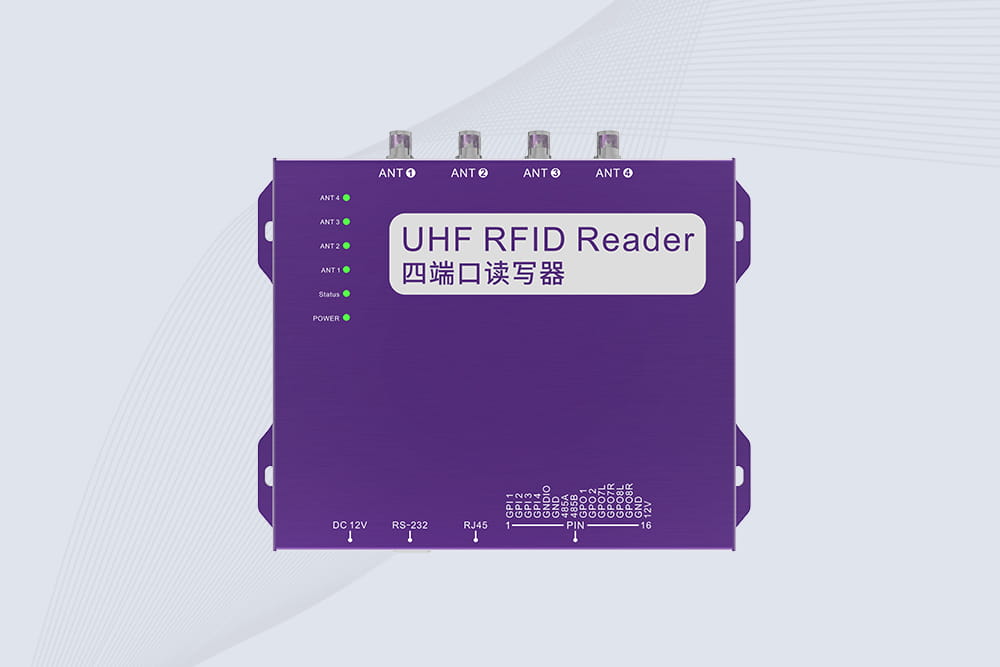
Cykeo’s CYKEO-R4L 4-port Fixed UHF RFID Reader delivers 400 tags/sec scanning, ISO 18000-6C compliance, and IP65 protection. Ideal for warehouse automation, manufacturing WIP tracking, and logistics management.
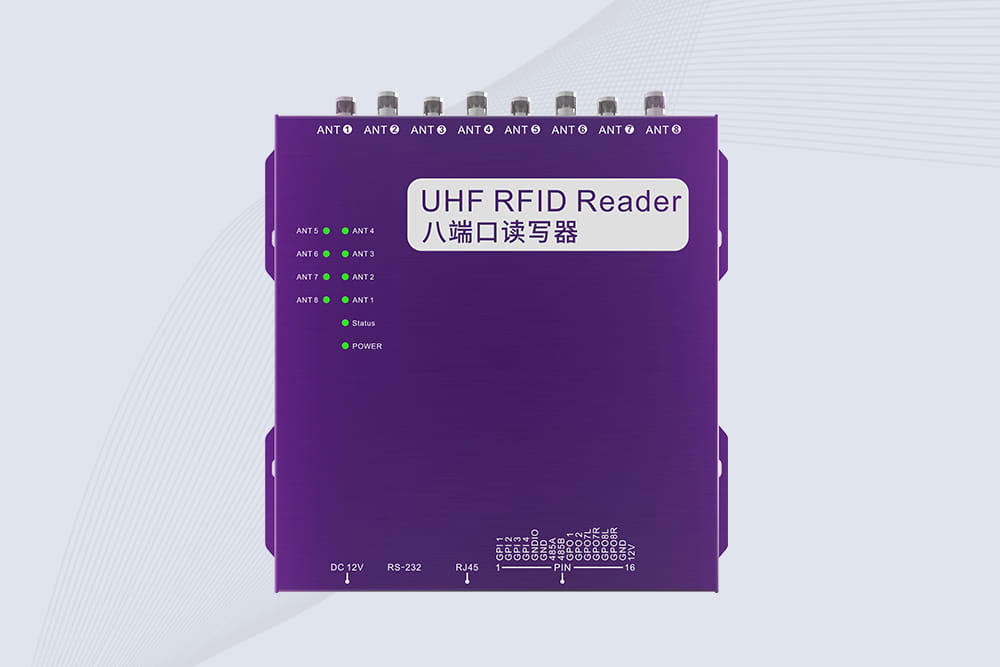
CYKEO CYKEO-R8L Fixed RFID Reader with 8-port UHF design, Impinj-based RF core and up to 20m read range. An industrial Fixed RFID Reader for vehicle inspection, warehouse portals, smart manufacturing lines and secure access checkpoints.
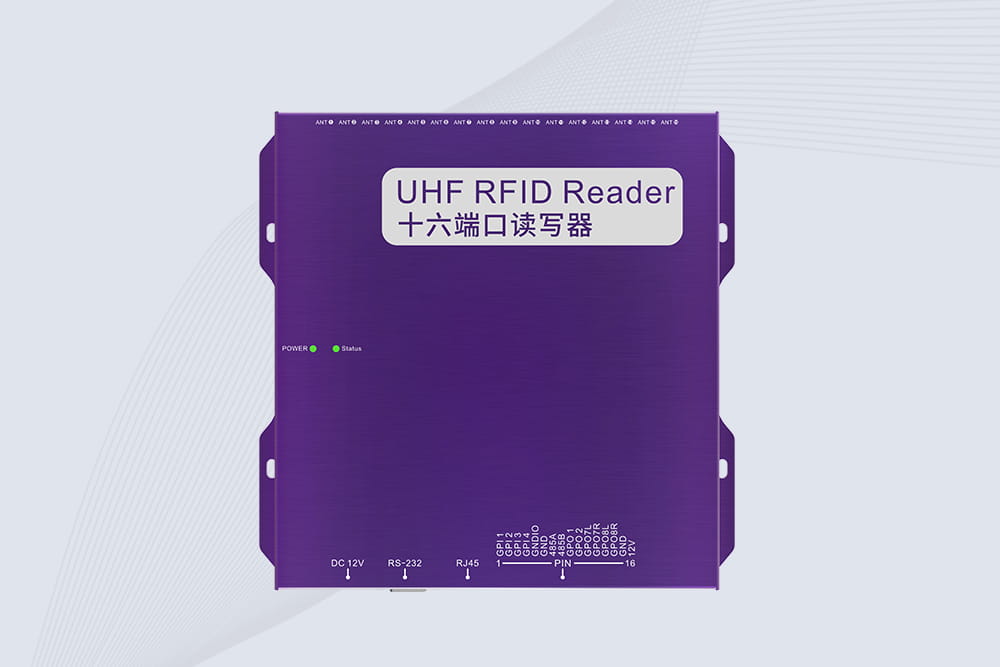
RFID Fixed Reader from CYKEO – the CYKEO-R16L 16-port UHF fixed reader for warehouses, smart cabinets, and production lines. Long-range, multi-tag reading, stable performance for 24/7 industrial use.
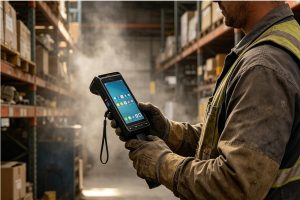
Not sure if you need a rugged RFID handheld reader? Here’s a practical breakdown based on real industrial use cases.
More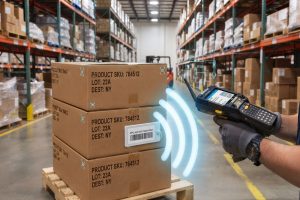
Learn how RFID tags work, how RFID systems read and identify objects, and what businesses should consider when sourcing RFID tags for inventory, retail, warehouse, and industrial applications.
More
Discover how RFID manufacturing solutions improve production visibility, WIP tracking, inventory accuracy, and asset management. Learn how Cykeo helps manufacturers automate operations.
More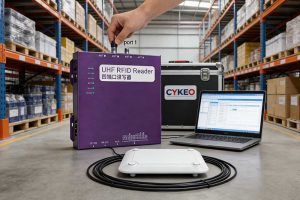
Setting up your hardware? Learn how to connect Cykeo RFID antennas correctly to your reader, including compatibility checks, cable types, and essential safety tips.
More