 Cykeo RFID IoT Solution Products R&D Manufacturer
RFID Reader for Industrial Automation: Practical Applications and Buying Guide
167Discover how RFID readers support industrial automation, production lines, material tracking and machine identification. Learn what to consider before buying...
MoreAll RFID Product
Walk into a modern warehouse today and there’s a good chance RFID is already working in the background.
Products move through dock doors automatically. Pallets are tracked without manual scanning. Inventory updates in real time. In many operations, ultra high frequency RFID tags are what make all of that possible.
Compared to older tracking methods, UHF RFID makes inventory handling much faster and far less dependent on manual work. That’s one reason warehouses, logistics companies, manufacturers, and retailers continue adopting the technology.
Businesses looking for reliable RFID tags usually focus on one thing first: how well the tags perform in real operating conditions.
And with UHF RFID, long reading distance and fast data collection are usually the biggest advantages.
Ultra high frequency RFID tags, often called UHF RFID tags, are tags that operate within the ultra high frequency radio spectrum.
They’re commonly used for:
Unlike barcode labels, RFID tags do not require direct line-of-sight scanning. Readers can detect multiple tags at the same time, even when products are packed inside cartons or stacked on pallets.
That changes how inventory gets managed in large facilities.
The biggest reason is simple: speed.
Traditional barcode scanning requires workers to scan items one at a time. UHF RFID systems can read large batches of tagged inventory automatically as products move through a warehouse.
That saves a huge amount of labor in environments handling thousands of products every day.
UHF RFID is also known for:
For large operations, those advantages add up quickly.
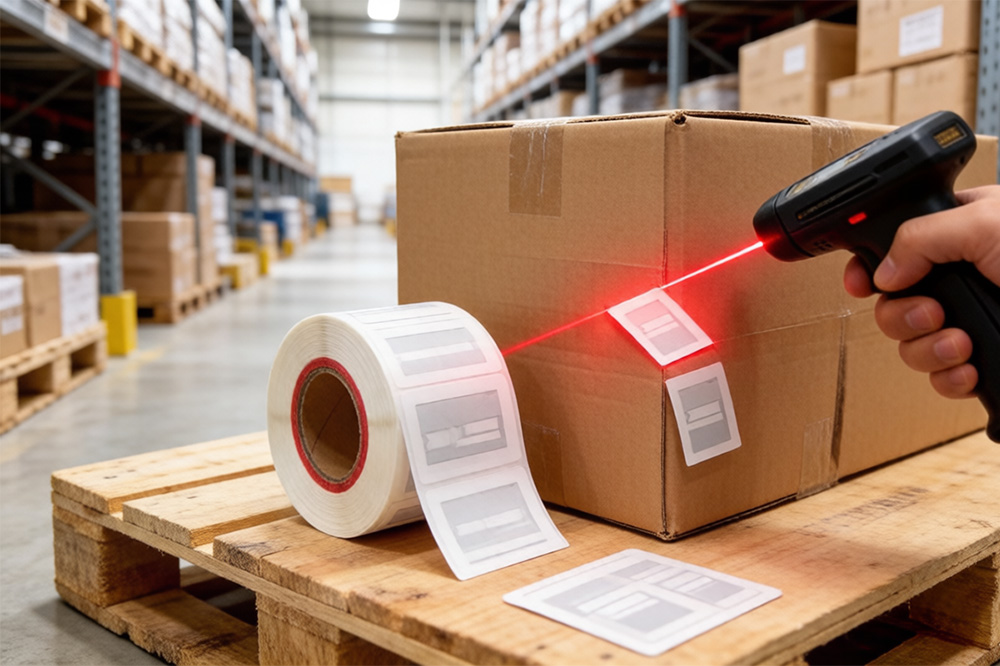
UHF RFID technology is used in far more places than most people realize.
Distribution centers use UHF RFID tags to track pallets, cartons, and outgoing shipments automatically.
Retailers use RFID tags to improve stock accuracy and reduce missing inventory, especially for apparel and high-value products.
Factories track raw materials, tools, and production inventory throughout different stages of manufacturing.
Hospitals use RFID systems for medical equipment tracking and inventory management.
Companies use RFID tags to monitor reusable containers, equipment, and mobile assets across large facilities.
Most UHF RFID tags used in warehouses are passive tags.
Passive tags:
Active RFID tags include internal batteries and are usually used for long-range or real-time tracking applications involving larger assets.
For standard inventory control, passive UHF tags are far more common.
One reason businesses choose UHF RFID over other RFID frequencies is the longer reading distance.
Depending on the environment and tag type, UHF readers can often detect tags several meters away.
That allows:
In busy warehouses, reducing manual scanning saves both time and labor costs.
Some tags are built for:
Metal, liquids, and environmental interference can affect RFID performance, which is why tag selection matters more than many first-time buyers expect.
A tag that performs well in retail packaging may not work properly on industrial equipment or metal shelving.
Inventory mistakes create expensive problems very quickly.
Missing pallets, incorrect stock counts, shipping errors, and misplaced products all slow operations down.
UHF RFID helps businesses improve visibility by updating inventory movement automatically as tagged items move through checkpoints.
That makes it easier to:
For many warehouses, the biggest improvement is simply knowing where inventory actually is without constant manual checks.
RFID technology used to feel expensive and difficult to implement. That’s changed quite a bit over the years.
Today, many businesses view UHF RFID as a practical tool for improving efficiency instead of an experimental system.
As operations grow larger and inventory moves faster, companies need tracking systems that keep up without adding more manual labor.
That’s exactly where UHF RFID performs well.
Ultra high frequency RFID tags have become one of the most widely used tracking tools across warehousing, logistics, manufacturing, and retail operations.
Their ability to scan inventory quickly, track products automatically, and improve visibility across large facilities makes them especially useful in fast-moving environments.
For businesses trying to improve inventory accuracy and reduce manual handling, UHF RFID continues to be one of the most practical tracking technologies available today.
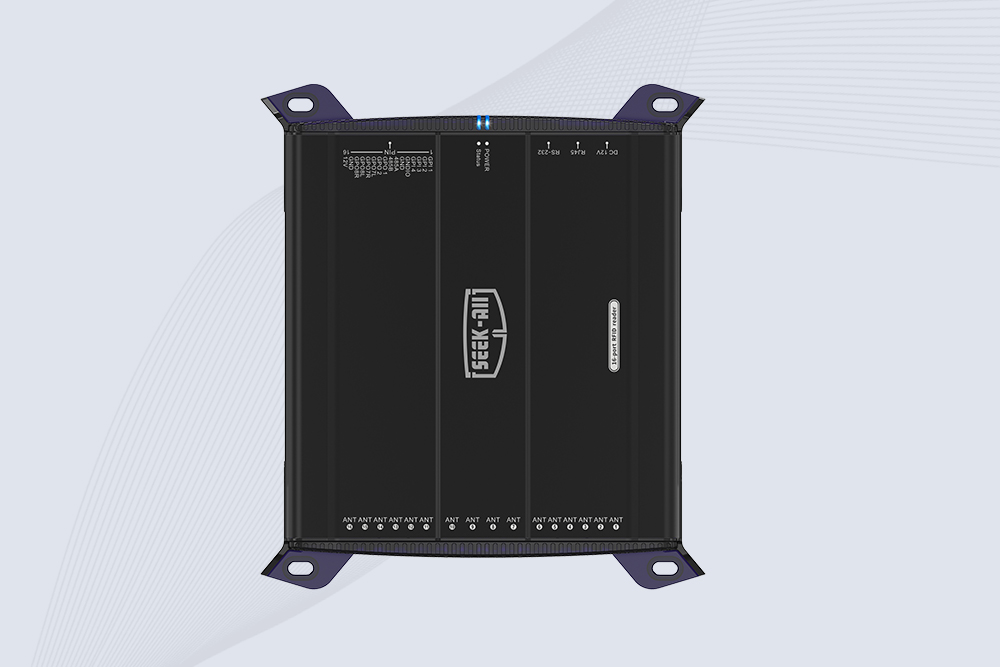
SSD-R16L Multi-Channel RFID Infrastructure for Automated Inventory Management ✔️ 16-Port High-Density RFID Reading Equipped with 16 SMA antenna ports, SSD-R16L supports multi-antenna deployment for warehouses, retail stores, logistics, production lines, and large-area RFID identification. ✔️ High-Speed & Long-Range Performance With up to 33…
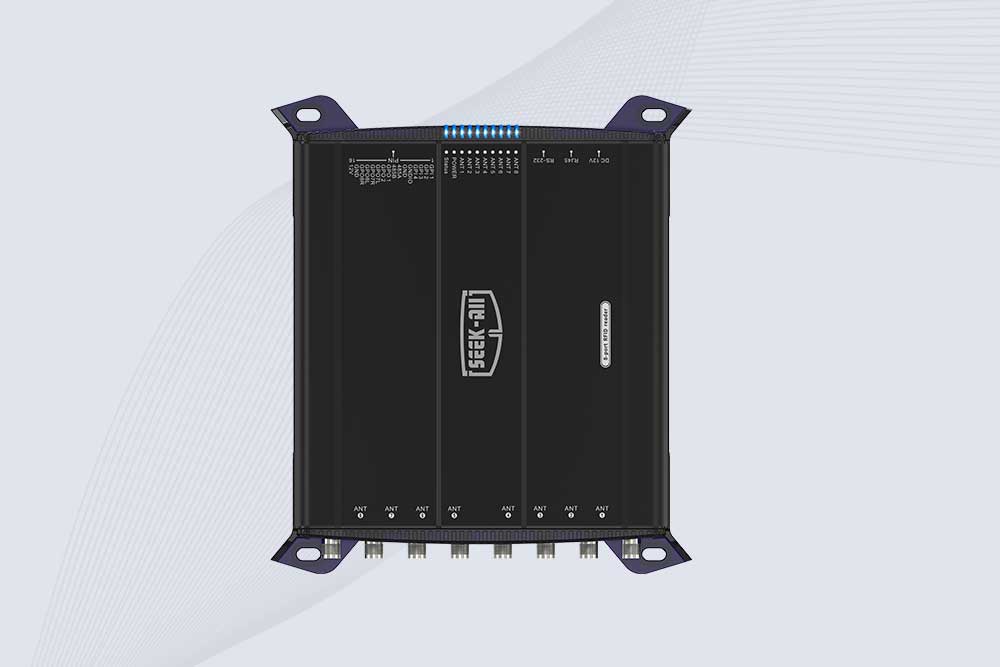
SSD-R8L 8-port UHF RFID reader with 33dBm output, up to 20m reading range and 600+ tags/s recognition. Ideal for warehouse, logistics, retail and asset tracking.
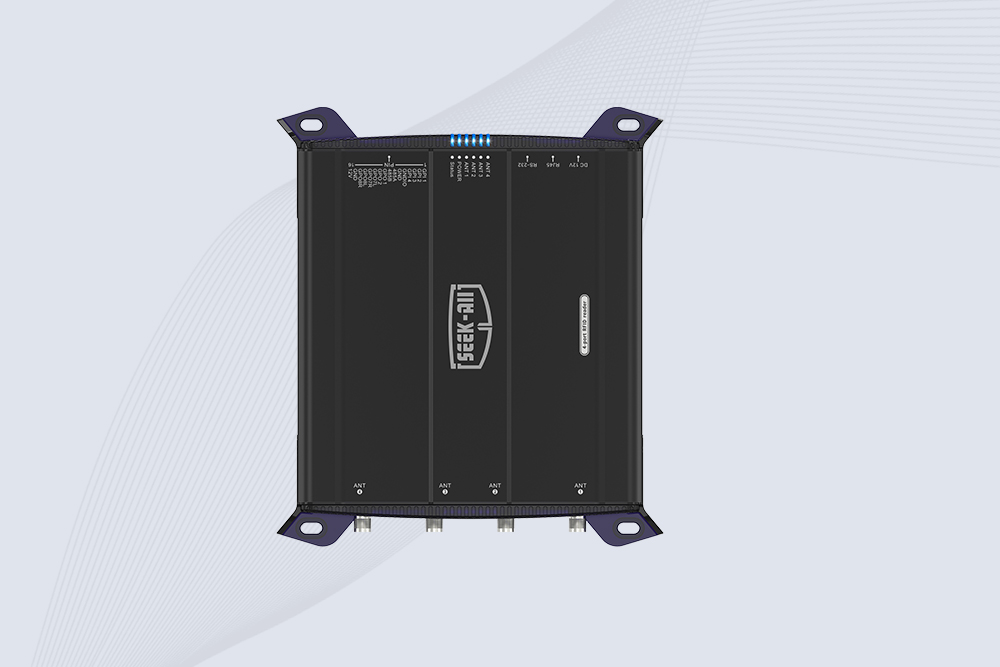
SSD-R4L is a 4-port UHF RFID fixed reader with 33dBm output power, up to 20m reading range, EPC C1G2 support and 600+ tags/s reading speed.
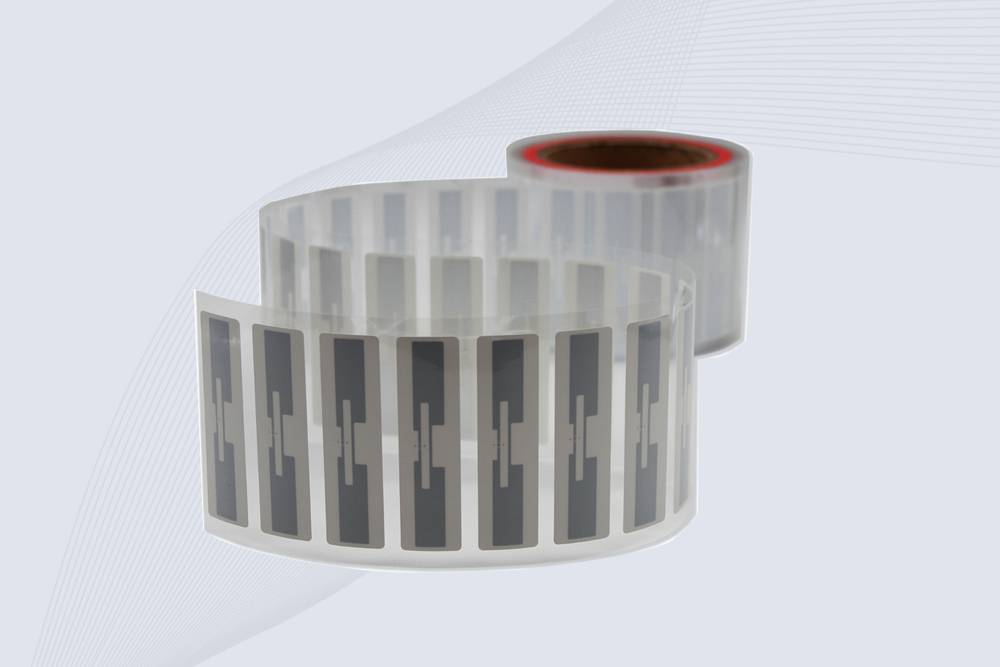
CYKEO Passive RFID Tags are made for wet and high-humidity environments where standard labels do not last. This rfid passive tag is often used around liquids, chemicals and temperature changes, providing stable reading distance and long data life for industrial tracking.
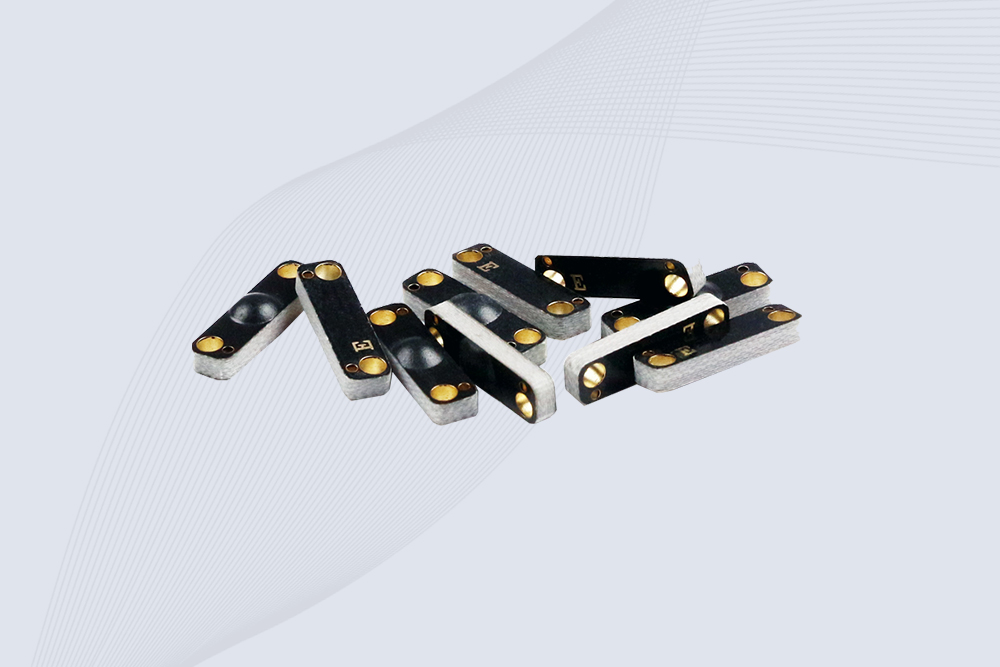
CYKEO CYKEO-PCB1504 Metal RFID Tags is a compact anti-metal UHF RFID solution built for direct mounting on metal surfaces. With stable 8-meter read range, Ucode-8 chip, and long data retention, this rfid metal tag fits tools, containers, automotive parts, and industrial asset tracking.
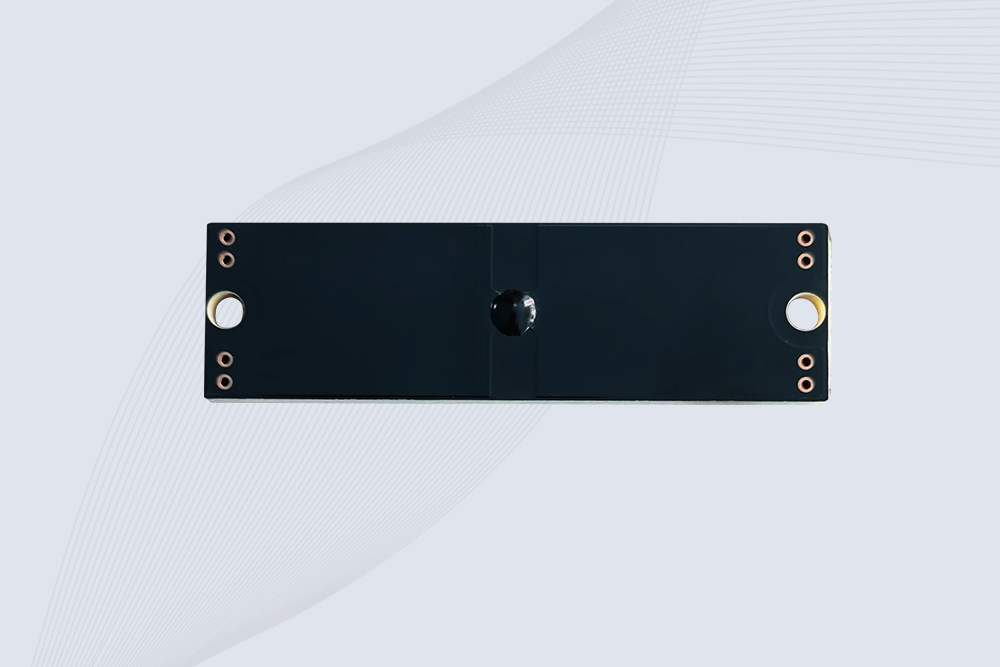
CYKEO CYKEO-PCB7020 On-Metal RFID Tags are designed for reliable tracking on steel and metal surfaces. Built with an FR4 epoxy body and industrial-grade chips, these On-Metal RFID Tags deliver stable performance, long data life, and chemical resistance, making them a dependable RFID anti-metal tag for harsh environments.
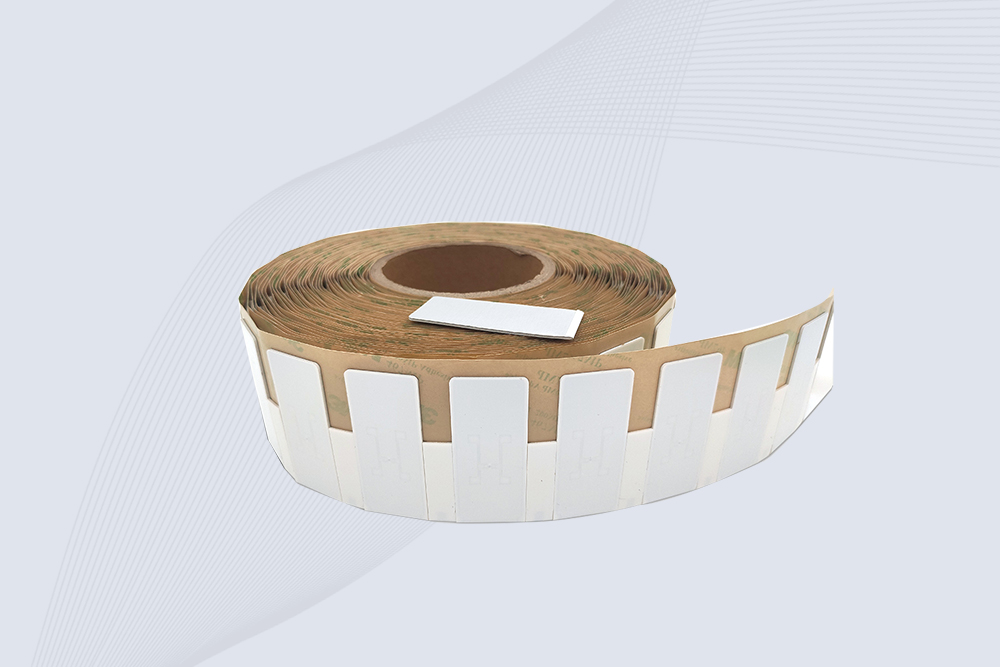
The CYKEO CYKEO-60-25 Anti-Metal RFID Tag is built for metal surfaces where standard tags fail. Designed for long-range performance, harsh environments, and stable data retention, this Anti-Metal RFID Tag is ideal for industrial assets, containers, and equipment tracking using on metal RFID tags.
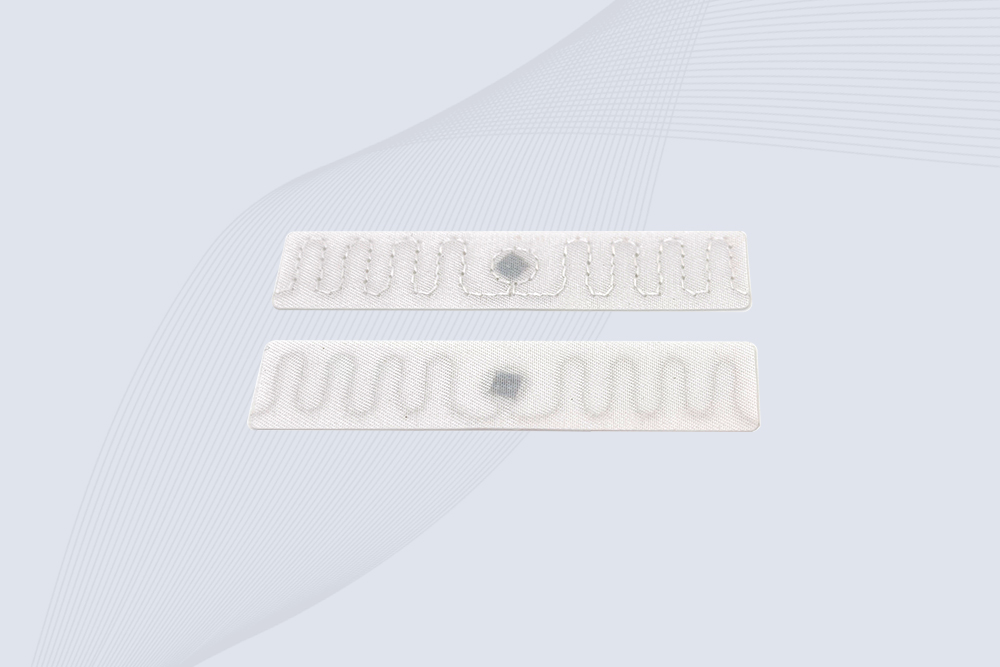
The CYKEO RFID Laundry Tag is designed for long-term textile identification in harsh laundry environments. Built to withstand high heat, chemicals, and repeated washing, this RFID Laundry Tag delivers stable performance for hotels, hospitals, and industrial laundry operations using laundry rfid tags at scale.
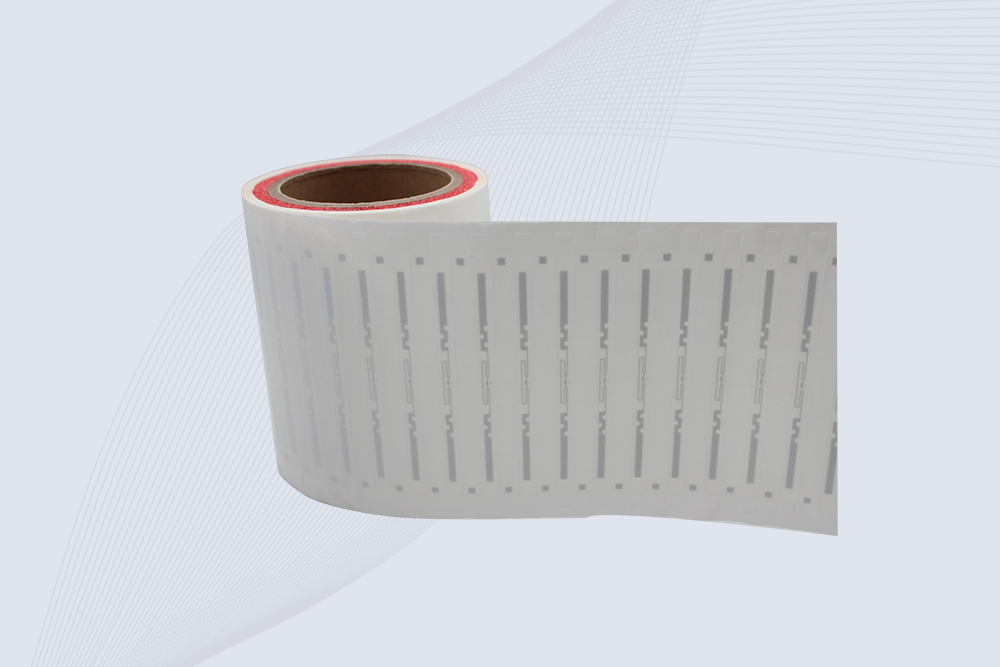
The CYKEO CYKEO-125-7 RFID Book Tag is designed for reliable book and document tracking in libraries and archives. This RFID Book Tag delivers long read range, dense placement support, and stable performance on shelves, making it a practical rfid tag on books for library automation, file management, and archival systems.
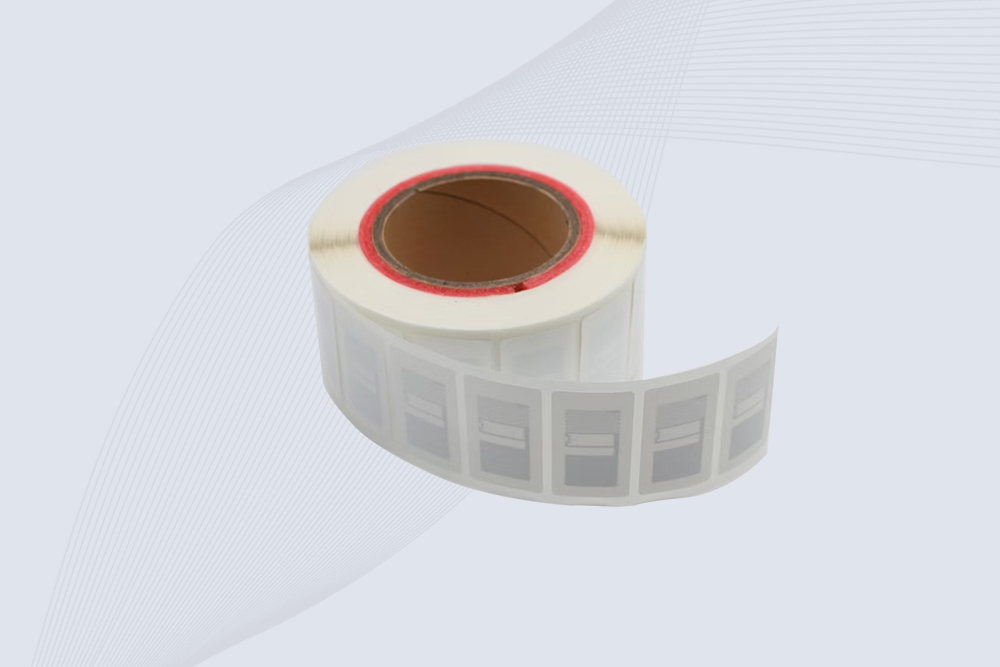
CYKEO RFID tags in hospitals are designed for sterile environments where accuracy matters. These autoclavable RFID tags support long-term tracking of surgical tools, implants, and medications, helping hospitals improve visibility, compliance, and patient safety.

CYKEO RFID Cable Tie Tag is built for reliable identification on metal surfaces. This UHF RFID Cable Tie Tag is widely used in rfid tags for inventory systems, industrial asset management and Hospital RFID Tags, offering stable read performance, long service life and global EPC Gen2 compatibility.
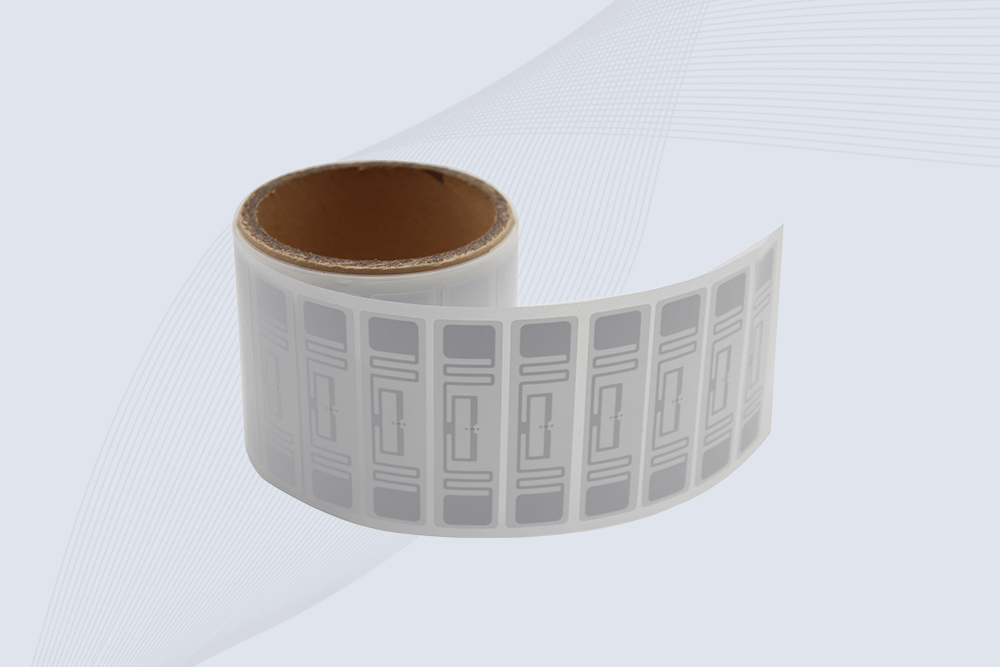
CYKEO RFID Asset Tag is designed for stable identification of metal assets in industrial environments. This UHF RFID Asset Tag is commonly used for rfid tag asset tracking on equipment, tools and containers, providing reliable reads, long service life and ISO/IEC 18000-6C support.

CYKEO UHF RFID Card is designed for fast identification and long-term use in industrial and commercial systems. Supporting ISO 18000-6C, this UHF RFID Card works at 860–960 MHz and is suitable for custom RFID cards used in asset tracking, access control and inventory management.
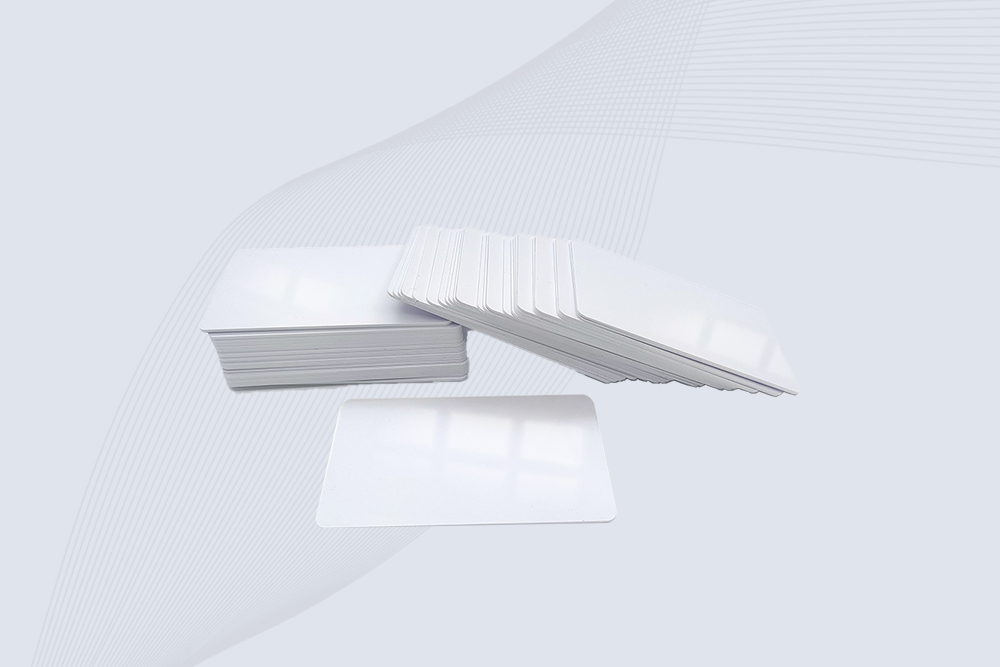
CYKEO HF RFID Cards are designed for secure and stable access control systems. These 13.56 MHz RFID key cards support ISO 14443-A, reliable rewriting and long service life, making HF RFID Cards suitable for offices, campuses, events and membership management.
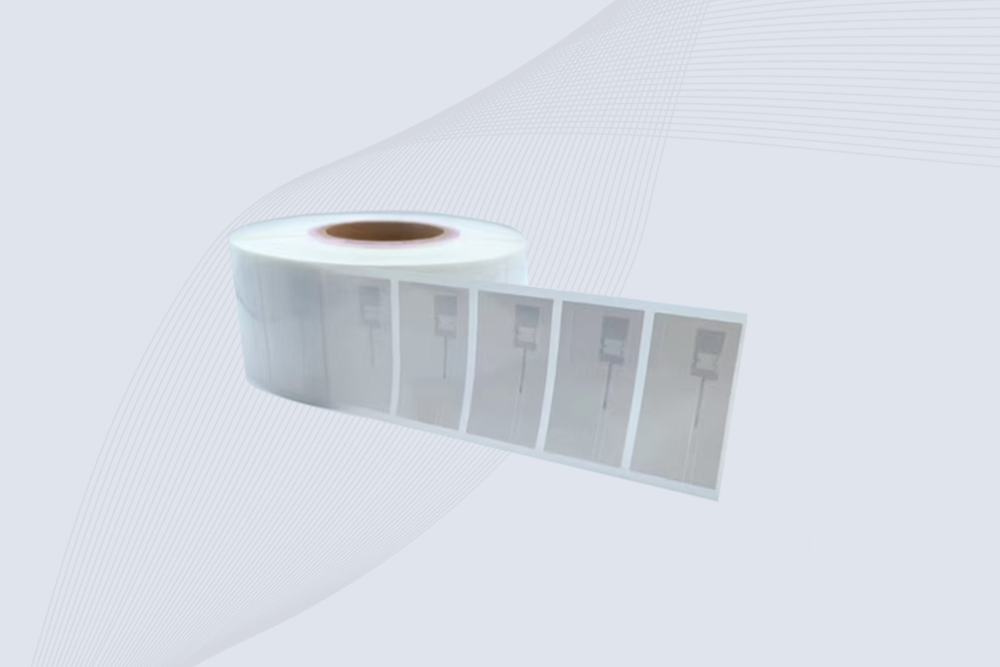
CYKEO UHF RFID Tag is designed for reliable tracking of metal jewelry and high-value items. This Jewelry RFID Tag supports long-range reading up to 8 meters, anti-counterfeit protection and stable performance on metal, making it suitable for retail, inventory control and asset management.
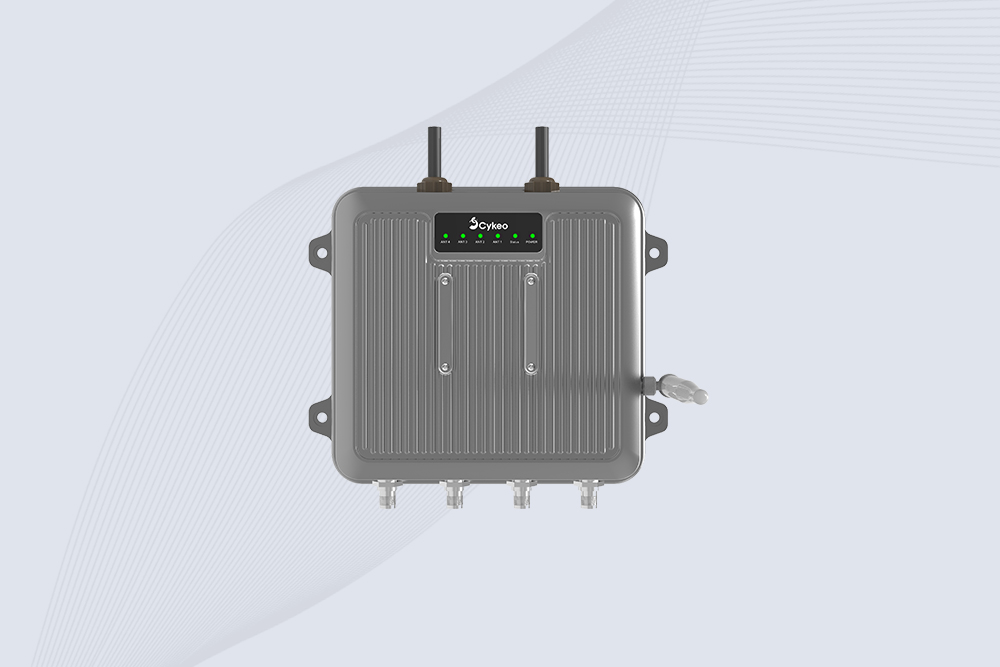
Cykeo CYKEO-C1 industrial Forklift RFID Reader features 20m read range, 600 tags/sec scanning, Impinj R2000 chipset, and IP67 rugged design. Ideal for warehouse logistics and manufacturing. Supports ISO 18000-6C/6B protocols.
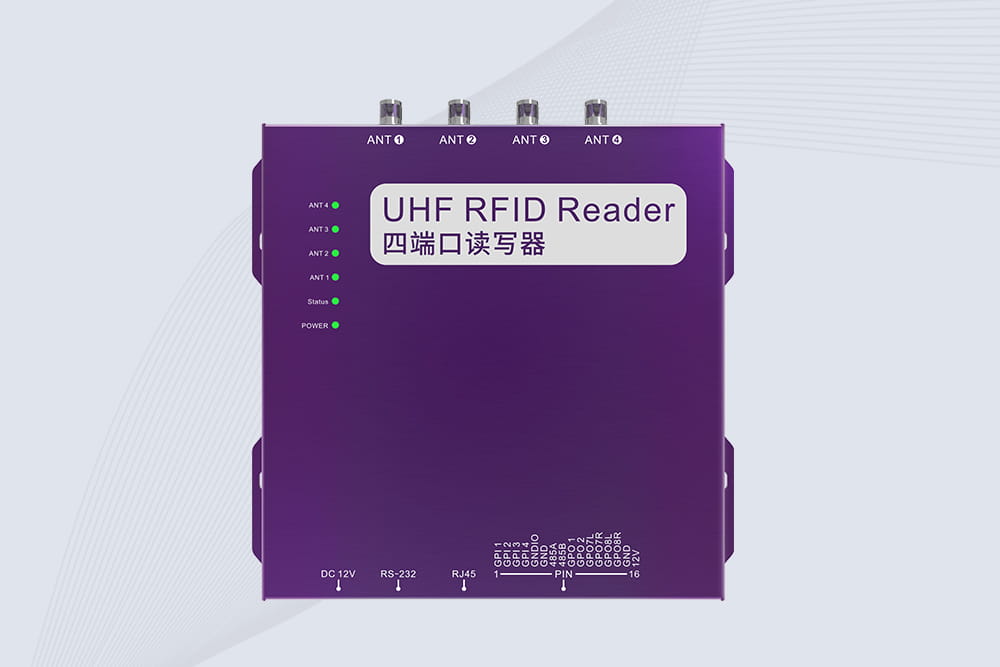
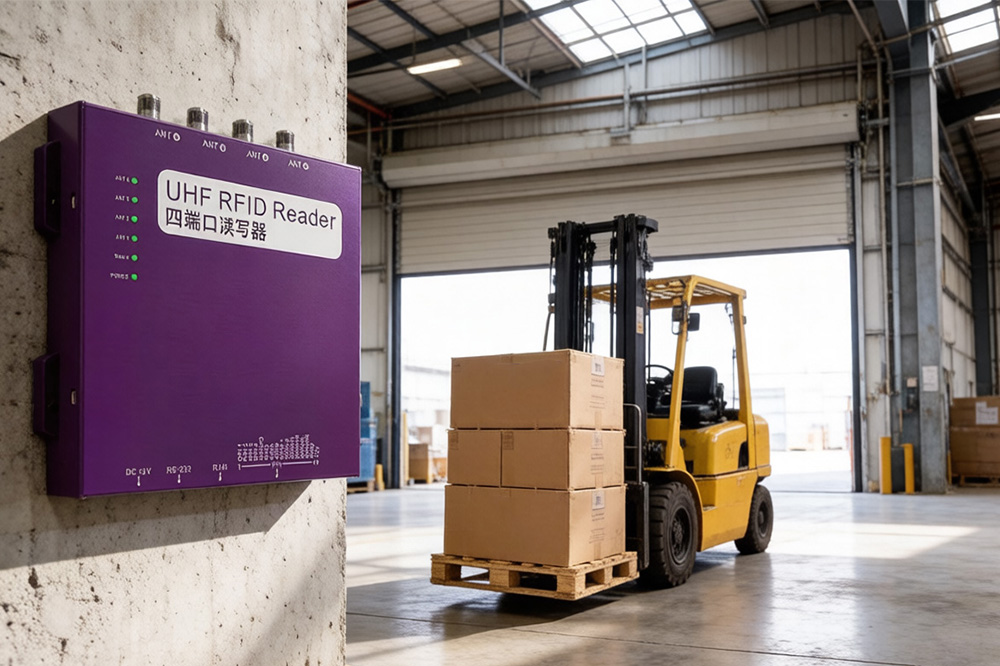
Cykeo CYKEO-R4 industrial UHF RFID Fixed Reader features 4 TNC ports, 400+ tags/sec speed, IP67 housing, and global frequency compliance for vehicle inspection, smart warehouse, and asset management systems.
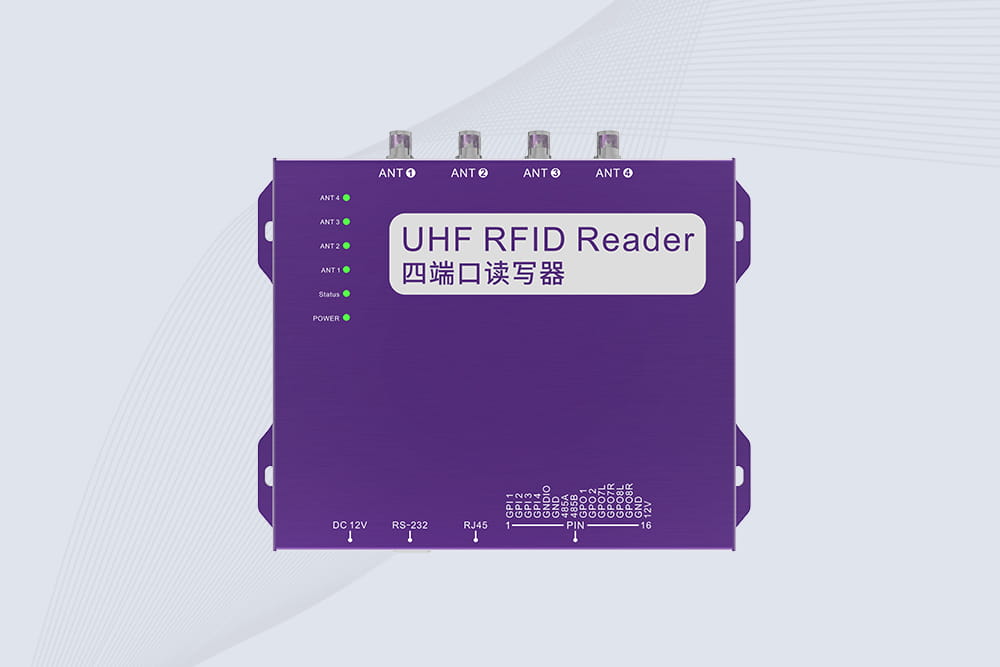
Cykeo’s CYKEO-R4L 4-port Fixed UHF RFID Reader delivers 400 tags/sec scanning, ISO 18000-6C compliance, and IP65 protection. Ideal for warehouse automation, manufacturing WIP tracking, and logistics management.
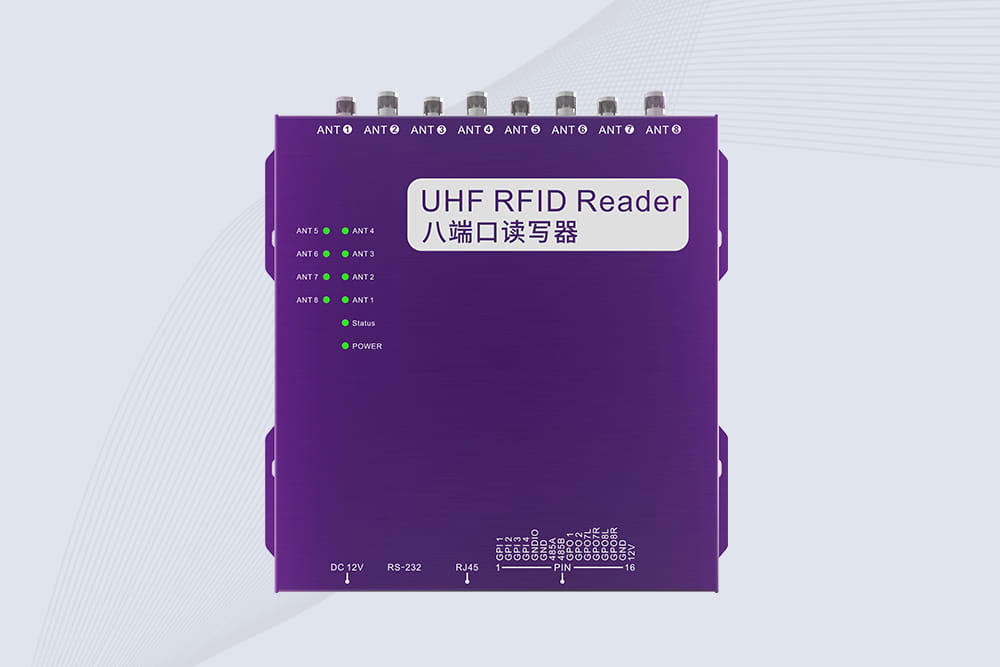
CYKEO CYKEO-R8L Fixed RFID Reader with 8-port UHF design, Impinj-based RF core and up to 20m read range. An industrial Fixed RFID Reader for vehicle inspection, warehouse portals, smart manufacturing lines and secure access checkpoints.
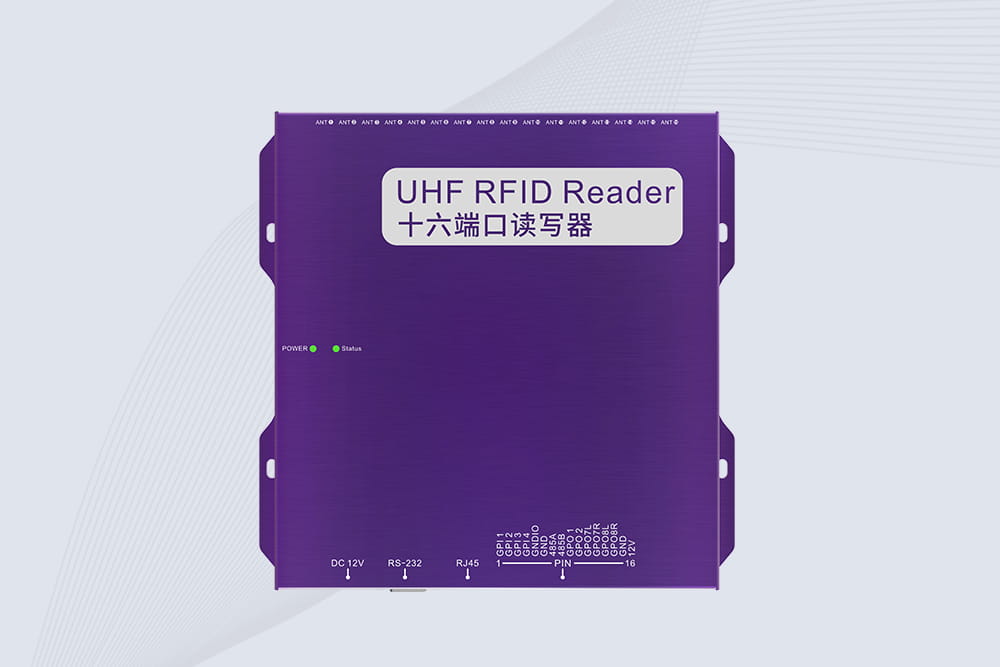
RFID Fixed Reader from CYKEO – the CYKEO-R16L 16-port UHF fixed reader for warehouses, smart cabinets, and production lines. Long-range, multi-tag reading, stable performance for 24/7 industrial use.
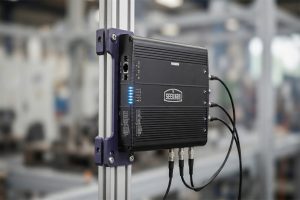
Discover how RFID readers support industrial automation, production lines, material tracking and machine identification. Learn what to consider before buying...
More
How does a RFID tag work? Learn how RFID tags communicate with readers, transfer identification data, and support smart tracking systems in logistics, retail, and industry.
More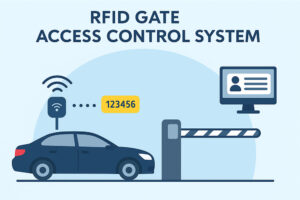
Discover how RFID gate access control systems enhance security and streamline vehicle or personnel entry. Learn practical setup tips, real-world cases, and integration ideas.
More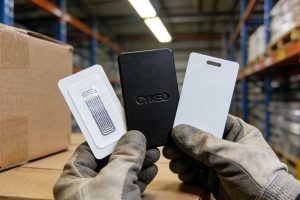
Need to know what type of antenna is used for an RFID tag? We explain the common dipole and loop antennas, how they work on metal or items, and key selection tips.
More