 Cykeo RFID IoT Solution Products R&D Manufacturer

What Is RFID Wristband Technology?
189RFID wristband technology enables fast identification, secure access control, cashless payments, and real-time attendee tracking. Discover how Cykeo RFID solutions improve operational efficiency.
MoreAll RFID Product
How the RFID works is straightforward: an RFID reader sends radio signals to a compatible tag, which responds with stored identification data. The reader converts that response into digital information, allowing connected software to identify products, record inventory movements, and support automated tracking without requiring direct visual contact with every tag.
RFID stands for Radio Frequency Identification. It is a wireless identification technology used to recognize tagged objects in applications ranging from retail stocktaking to warehouse receiving, equipment management, access control, and manufacturing.
The important distinction is that RFID does not work in exactly the same way in every application. A contactless access card, an RFID label on a shipping carton, and a battery-powered asset tag may all use radio-frequency identification, but their frequencies, communication methods, and reading distances can differ significantly.
For businesses evaluating RFID, the most relevant question is not simply whether a reader can detect a tag. It is whether the complete system can identify the correct item reliably and deliver that information to the application that needs it.
A typical RFID system consists of four main components: a tag, an antenna, a reader, and a host application. In some equipment, the antenna is integrated into the reader; in other installations, separate antennas are positioned around a reading zone.
The tag contains a microchip and an antenna. The chip stores an identifier and may provide additional memory, depending on its design. Tags can be attached to cartons, garments, tools, reusable containers, or individual products.
The antenna transmits and receives radio-frequency energy. Its position, polarization, and coverage help determine which tags can be read and how consistently they respond.
The reader sends commands, receives tag responses, decodes the information, and communicates with the host system. Fixed readers suit automated checkpoints; handheld readers support mobile inspections and stocktaking.
The software associates tag identifiers with business records. It can update inventory, compare received goods with purchase orders, record asset movements, and flag discrepancies.
GS1 describes RFID as a system in which readers communicate with tags and convert their responses into digital data that computer systems can use. The host application is what turns identification events into useful business information.
An RFID tag typically contains an integrated circuit connected to an antenna. The antenna receives radio-frequency energy, while the chip processes the reader’s commands and provides the information supported by its memory and protocol.
For passive UHF tags, the stored information commonly includes an Electronic Product Code (EPC) or another identifier. That identifier can be linked to a product record in an inventory database.
The tag does not necessarily contain the full product description, price, warehouse location, and transaction history. Those details may reside in the host system. Keeping the tag identifier separate from the business database can make it easier to maintain and update records without rewriting every tag.
The RAIN Alliance notes that many RAIN tags carry a compact identifier used to look up an item in a database; some tags support additional user memory or other features. The amount of information available depends on the specific chip and encoding scheme.
An RFID reader is more than a receiver waiting for a tag to appear. It generates the appropriate radio signal, communicates with compatible tags, manages the identification process, and passes the decoded information to another system.
For a passive UHF installation, the process generally follows these stages:
GS1’s EPC/RFID system architecture describes this passive-tag process, including reader-provided energy, standardized commands, and backscatter communication.
Passive RFID tags do not need their own battery to communicate in a conventional passive system. Active RFID tags use a power source to operate their transmitter and broadcast a signal. Battery-assisted passive tags are another category: they use a battery for certain functions but still communicate through backscatter.
This difference affects tag size, cost, maintenance, and application suitability. Passive tags are widely used for product and inventory identification, while active systems can be useful for applications that require longer-range communication or regular beacon transmissions. The appropriate choice depends on the tracking objective rather than the word “RFID” alone.

RFID systems operate at different frequencies, and each frequency band has different characteristics. Selecting the correct band affects the tag design, reading distance, communication behavior, and suitability for the intended application.
| RFID frequency | Typical operating frequency | Common applications | General reading characteristics |
|---|---|---|---|
| LF (low frequency) | 125 or 134.2 kHz | Animal identification, selected access systems | Generally short-range communication |
| HF (high frequency) | 13.56 MHz | Contactless cards, ticketing, NFC-related applications | Commonly used for close-range interaction |
| UHF / RAIN RFID | Regional bands within approximately 860–960 MHz | Retail inventory, warehouse logistics, asset identification | Supports multi-tag identification over several metres in suitable conditions |
GS1 identifies LF RFID at 125 and 134 kHz, HF RFID primarily at 13.56 MHz, and passive UHF RFID across the 860–930 MHz range used by relevant GS1/EPC Gen2 implementations. Actual permitted frequencies and power limits vary by region
Imagine a receiving dock where a pallet contains 40 tagged cartons. With a properly configured UHF RFID portal, the reader can identify multiple cartons as the pallet moves through the reading zone. Staff do not necessarily need to expose and scan each label individually.
That does not mean every tag will always be detected. Carton arrangement, tag orientation, antenna placement, and the radio environment all influence the outcome. A reader configured for maximum range may even detect goods belonging to a neighbouring shipment.
For that reason, the shape and control of the reading zone often matter more than the longest advertised read distance.
RFID performance depends on the entire installation, not just the reader’s specifications. Common sources of difficulty include:
The RAIN Alliance explains that RFID tags are designed for different products and mounting conditions. A tag intended for a cardboard box may not perform equally well when attached directly to a metal tool or a liquid container.
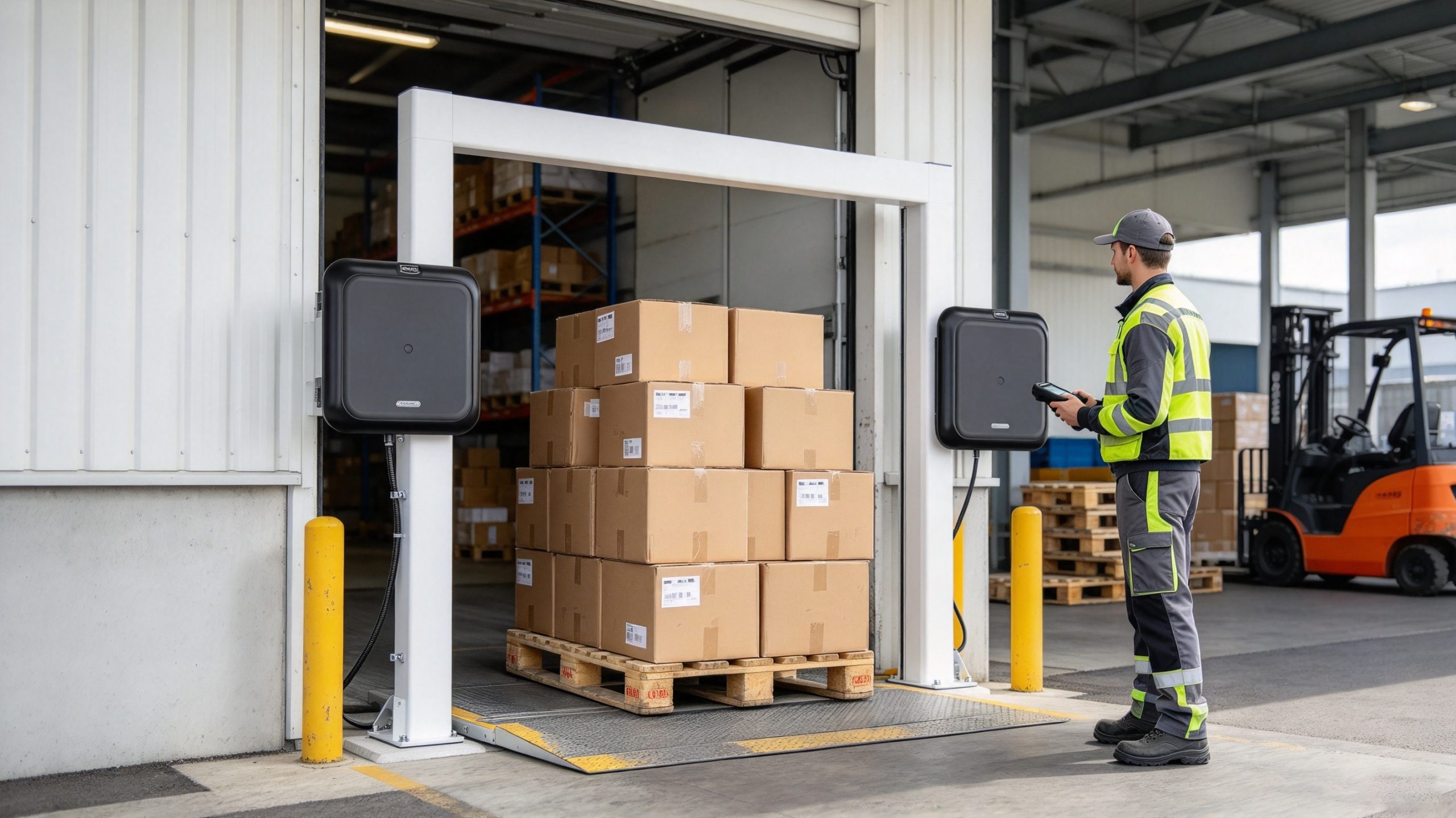
RFID becomes valuable when a business needs to identify physical items repeatedly, across a process where manual scanning creates delays or missed records. The right configuration depends on what is being tagged, where the reader is installed, and what action the software should take after a tag is detected.
In a warehouse, RFID tags can be attached to cartons, pallets, reusable containers, or individual products. Fixed readers at receiving and dispatch points identify tags as goods pass through a designated reading zone.
The warehouse management system can compare the detected identifiers with an expected shipment, flag missing items, and record inventory events. Handheld RFID readers offer another option for cycle counting shelves without scanning every label individually.
A reader does not independently know that a shipment has been received. The application must associate the reading location and event with the correct transaction. If a tag is detected near a receiving door but belongs to a neighbouring shipment, poorly designed software could record the wrong event.
Retailers use RFID to identify garments, footwear, accessories, and other merchandise during stocktaking and replenishment. Each tag identifier can be linked to a product record containing attributes such as style, size, colour, and stock status.
Compared with scanning individual barcodes, a properly configured RFID system can identify multiple tagged products within its reading zone. However, RFID does not continuously report the exact location of every passive tag. The system records detections when tags respond to compatible readers.
Libraries can use RFID tags to identify books and other materials during circulation, returns, and inventory checks. A compatible reader communicates with each tag, while library software connects the identifier to the corresponding item record.
Self-service borrowing and return stations can use this data to support transactions, but the software must still validate the item, the borrower’s permissions, and the transaction status. Reading a tag alone does not establish that a loan has been completed correctly.
Manufacturers can use RFID to identify tools, work-in-progress containers, components, and reusable transport assets. Readers installed at workstations or process checkpoints can record tag detections as items move through production.
For equipment mounted on metal, ordinary labels may not provide reliable results. Tag selection and mounting position need to be tested on the actual object. A tag that works well on a plastic container may perform differently on a steel tool case.
RFID and barcodes both identify items, but they use different communication methods. RFID uses radio-frequency signals and compatible electronic tags. Barcodes use optical patterns that a scanner or camera must read.
| Comparison | RFID | Barcode |
|---|---|---|
| Identification method | Radio-frequency communication | Optical scanning |
| Direct line of sight | Generally not required | Usually required |
| Multiple-item identification | Supported by compatible systems | Typically individual scans, unless specialized imaging workflows are used |
| Label cost | Generally higher because tags contain electronic components | Generally low |
| Common challenges | Radio interference, tag orientation, metal and liquids | Damaged print, poor contrast, obstruction |
| Common applications | Automated inventory, logistics portals, reusable assets | Point-of-sale, shipping labels, document identification |
| System requirements | Compatible tags, readers, antennas, and software | Printed codes, scanners or cameras, and software |
Choose RFID when bulk identification, automated checkpoints, or reduced manual scanning are important. Choose barcodes when low-cost labels and individual scanning already meet the operational need.
Some businesses use both. A carton can carry a barcode for manual handling and an RFID tag for automated receiving. The technologies are not mutually exclusive.
GS1 explicitly advises that RAIN RFID is an alternative to optical data carriers, not a universal replacement for barcodes. Its guidance recommends evaluating whether an application needs non-line-of-sight reading, simultaneous inventory identification, or other RFID-specific capabilities before investing in a system.
A reliable RFID installation starts with the operational problem, not the reader model. Before selecting hardware, establish what needs to be identified, where identification must occur, and what the software should do with each reading.
1. Define the use case
Specify whether the objective is receiving verification, cycle counting, asset tracking, or automated item identification.
2. Choose compatible tags
Match the frequency, chip, antenna design, mounting method, and memory requirements to the tagged object.
3. Select the reader and antenna
Choose fixed, handheld, or desktop equipment based on the workflow and required reading zone.
4. Check the environment
Test metal surfaces, liquids, carton arrangements, tag orientations, and neighbouring reading zones.
5. Connect the software
Map tag identifiers to inventory records and define rules for duplicate reads and transaction exceptions.
6. Run a real-world pilot
Measure successful reads, missed tags, unwanted reads, processing time, and staff workload before scaling.
Consider a receiving test with 200 expected tagged cartons. If the reader identifies 194 of the expected tags, the observed identification rate is 97% for that particular test. The six missing tags need investigation before the system can be considered suitable for the intended workflow.
Record at least these measurements:
| Metric | Why it matters |
|---|---|
| Successful identification rate | Shows how often expected tags are detected |
| Missed reads | Reveals gaps in coverage or tag performance |
| Unwanted reads | Identifies tags captured outside the intended zone |
| Transaction processing time | Measures the operational effect of RFID |
| Exception rate | Shows how often staff must intervene |
| Total implementation cost | Includes hardware, tags, integration, maintenance, and labour |
The example above is illustrative, not a claim about universal RFID performance. Test with the actual products, tag positions, packaging, and movement speeds that the application will encounter.
For standards-based implementations, GS1 provides guidance on EPC identifiers, tag encoding, and interoperability across supply-chain systems. Using a recognized standard can improve compatibility, but it does not remove the need for application testing.
A passive RFID tag receives energy from a compatible reader’s radio-frequency field. Its chip uses that energy to process commands and respond with information, typically through backscatter communication in passive UHF systems. Active RFID tags have their own power source and operate differently.
Yes. Compatible RFID systems use anti-collision protocols to identify multiple tags within a reading zone. This capability is useful for warehouse stocktaking and carton verification. Actual performance depends on the reader, tag design, antenna configuration, surrounding materials, and number of tags present.
Reading distance depends on the RFID frequency, tag antenna, reader power, antenna gain, mounting conditions, and environment. Passive UHF systems can often read tags over several metres in suitable installations, but the achievable distance varies. A manufacturer’s maximum range should not be treated as a guaranteed operating distance.
Generally, RFID does not require a tag to be visually exposed to the reader. Radio signals can reach tags that are hidden behind some packaging or inside cartons. However, metal, liquids, tag orientation, and other materials can affect signal propagation, so hidden tags are not guaranteed to be readable.
Sometimes, but not in every application. RFID is useful for automated multi-item identification and non-line-of-sight reading. Barcodes remain economical and effective for many individual scanning workflows. Businesses should compare both technologies against their operational needs, costs, and existing infrastructure.
An RFID tag usually stores an identifier, such as an EPC, that can be linked to a product record in a database. Some tags support additional memory for application-specific data. The information available depends on the chip, tag design, encoding scheme, and system configuration.
The right RFID solution depends on the application. A warehouse receiving portal may require an industrial fixed UHF reader and carefully positioned antennas. A desktop tag administration station may need a reader/writer designed for close-range encoding. A cycle-counting workflow may benefit more from a handheld reader.
Cykeo provides RFID hardware and solutions for industrial identification and inventory applications. When assessing a system, confirm:
The practical objective is not simply to read tags from the greatest possible distance. It is to identify the correct items in the intended area and deliver accurate, usable information to the business application.
Understanding how the RFID works means understanding the entire chain: radio communication, tag identification, reader configuration, and software processing.
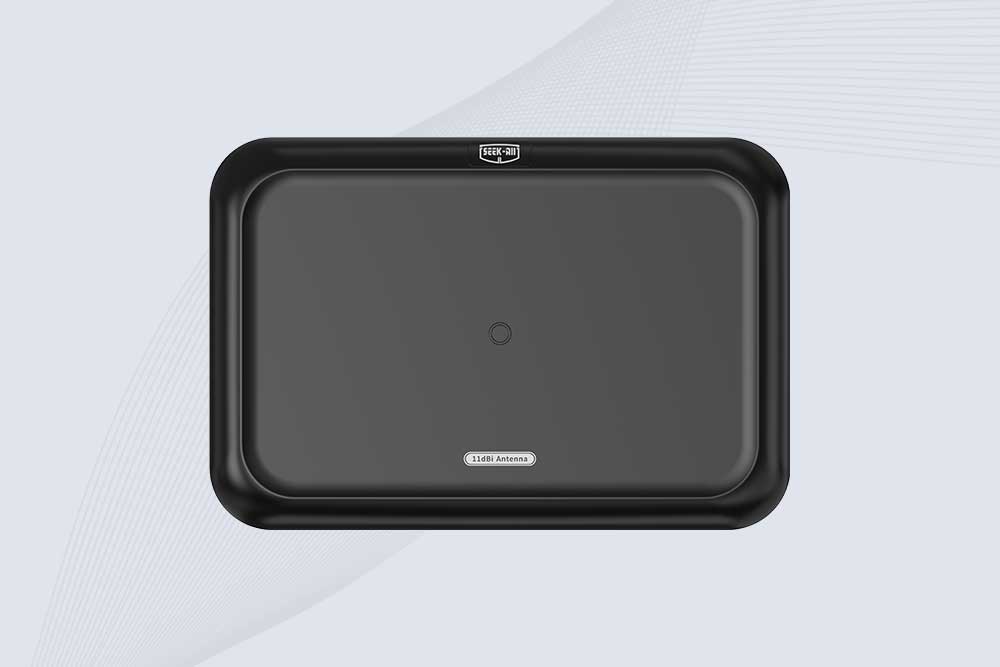
SSD-A11 UHF RFID antenna features 840–960 MHz adjustable frequency, ≥10.5 dBi gain, circular polarization and 50Ω impedance for fixed RFID systems.
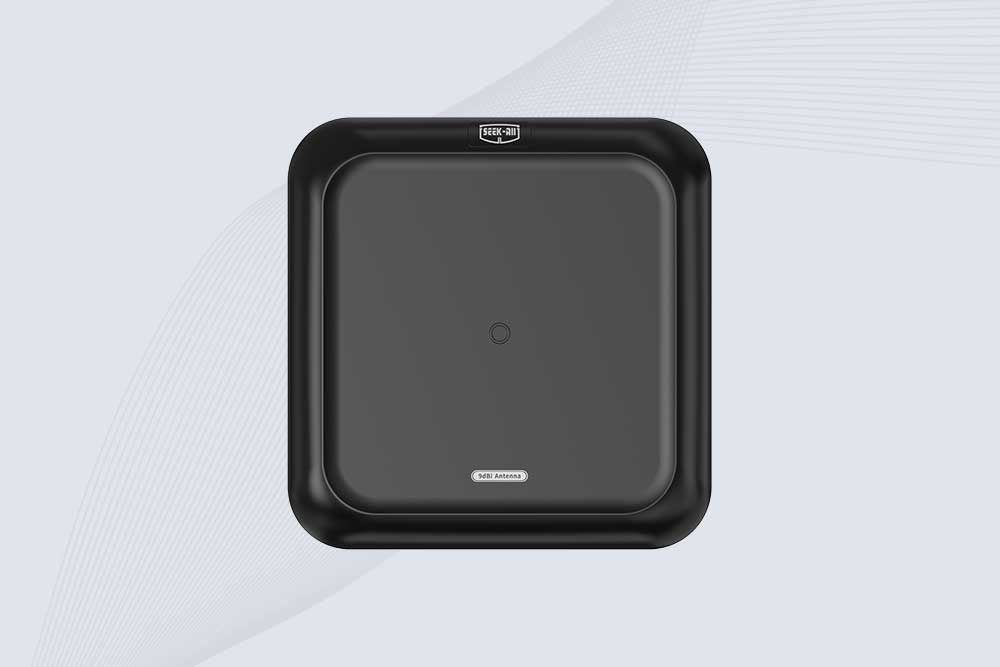
SSD-A09 is a 9 dBi UHF RFID antenna with 840–960 MHz adjustable frequency, circular polarization, 50Ω impedance and directional 60° × 60° coverage.
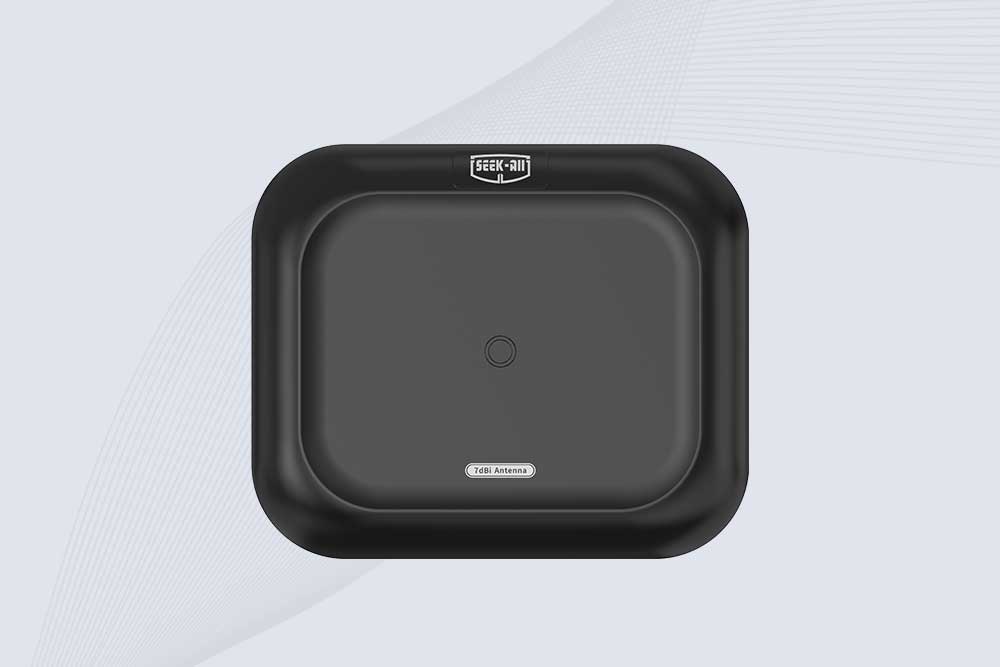
Explore the SSD-A07 UHF RFID antenna with 7 dBi gain, circular polarization, adjustable 840–960 MHz frequency, and 60°/75° beamwidth for stable RFID read/write performance.

SSD-A06 UHF RFID antenna with circular polarization, adjustable 840–960 MHz frequency, ≥4.5 dBi gain, and a compact directional design for RFID systems.

SSD-R16L Multi-Channel RFID Infrastructure for Automated Inventory Management ✔️ 16-Port High-Density RFID Reading Equipped with 16 SMA antenna ports, SSD-R16L supports multi-antenna deployment for warehouses, retail stores, logistics, production lines, and large-area RFID identification. ✔️ High-Speed & Long-Range Performance With up to 33…

SSD-R8L 8-port UHF RFID reader with 33dBm output, up to 20m reading range and 600+ tags/s recognition. Ideal for warehouse, logistics, retail and asset tracking.

SSD-R4L is a 4-port UHF RFID fixed reader with 33dBm output power, up to 20m reading range, EPC C1G2 support and 600+ tags/s reading speed.
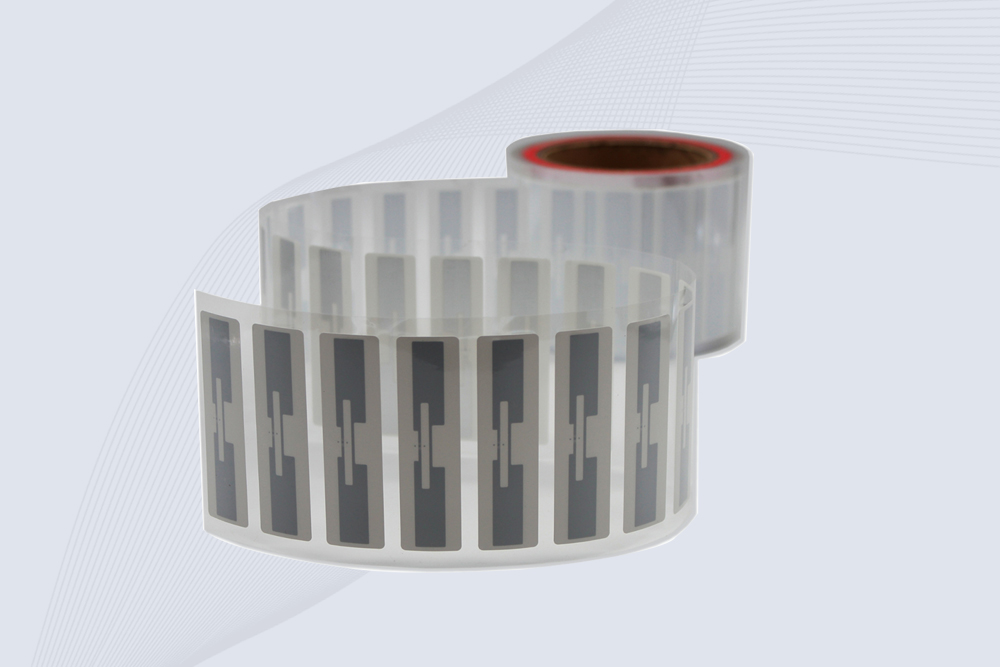
CYKEO Passive RFID Tags are made for wet and high-humidity environments where standard labels do not last. This rfid passive tag is often used around liquids, chemicals and temperature changes, providing stable reading distance and long data life for industrial tracking.
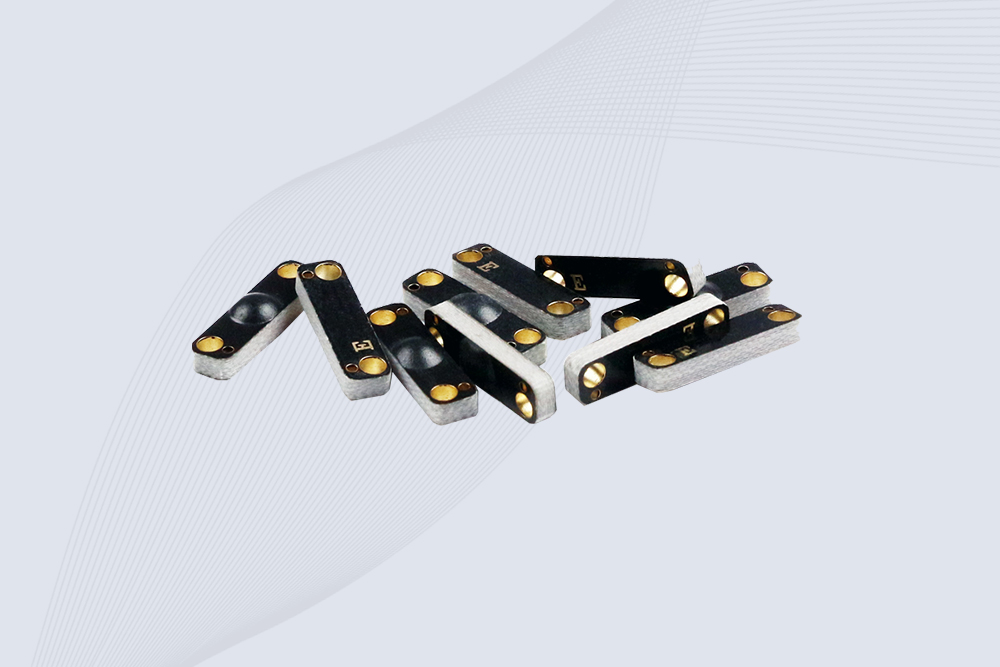
CYKEO CYKEO-PCB1504 Metal RFID Tags is a compact anti-metal UHF RFID solution built for direct mounting on metal surfaces. With stable 8-meter read range, Ucode-8 chip, and long data retention, this rfid metal tag fits tools, containers, automotive parts, and industrial asset tracking.
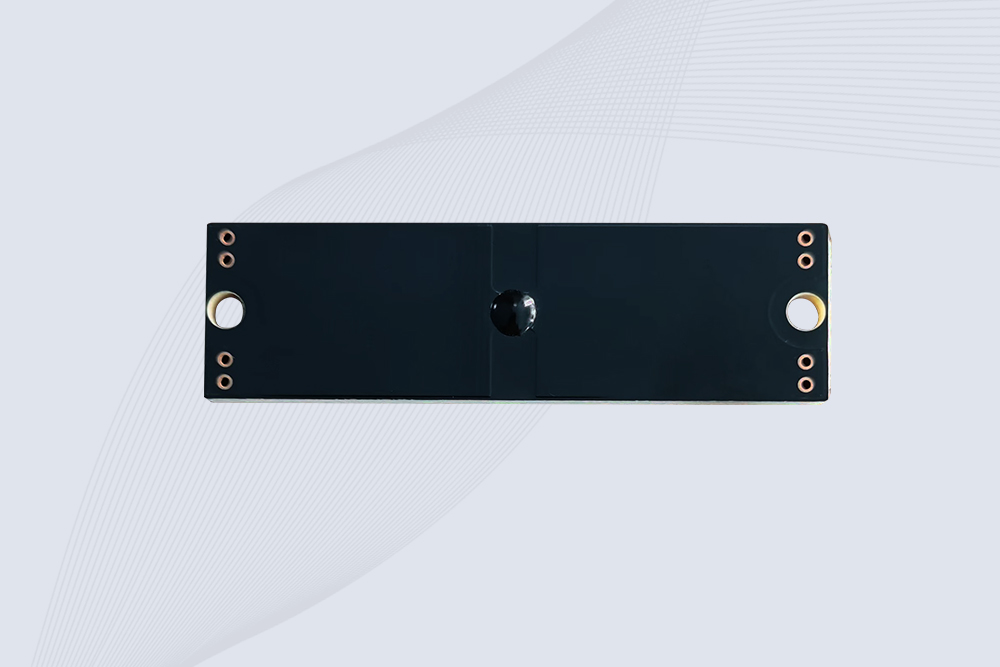
CYKEO CYKEO-PCB7020 On-Metal RFID Tags are designed for reliable tracking on steel and metal surfaces. Built with an FR4 epoxy body and industrial-grade chips, these On-Metal RFID Tags deliver stable performance, long data life, and chemical resistance, making them a dependable RFID anti-metal tag for harsh environments.
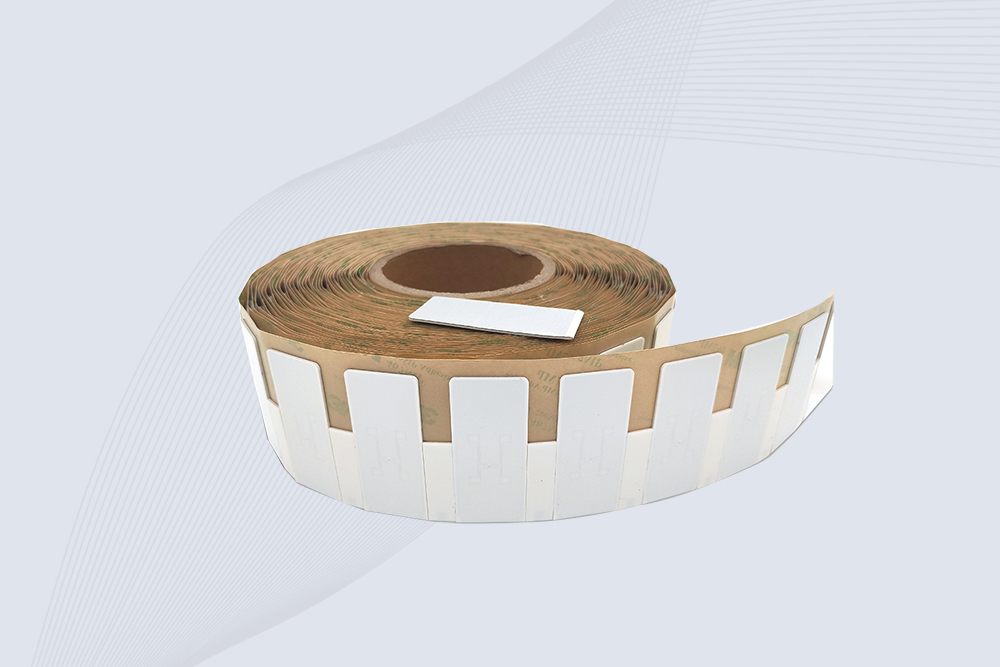
The CYKEO CYKEO-60-25 Anti-Metal RFID Tag is built for metal surfaces where standard tags fail. Designed for long-range performance, harsh environments, and stable data retention, this Anti-Metal RFID Tag is ideal for industrial assets, containers, and equipment tracking using on metal RFID tags.
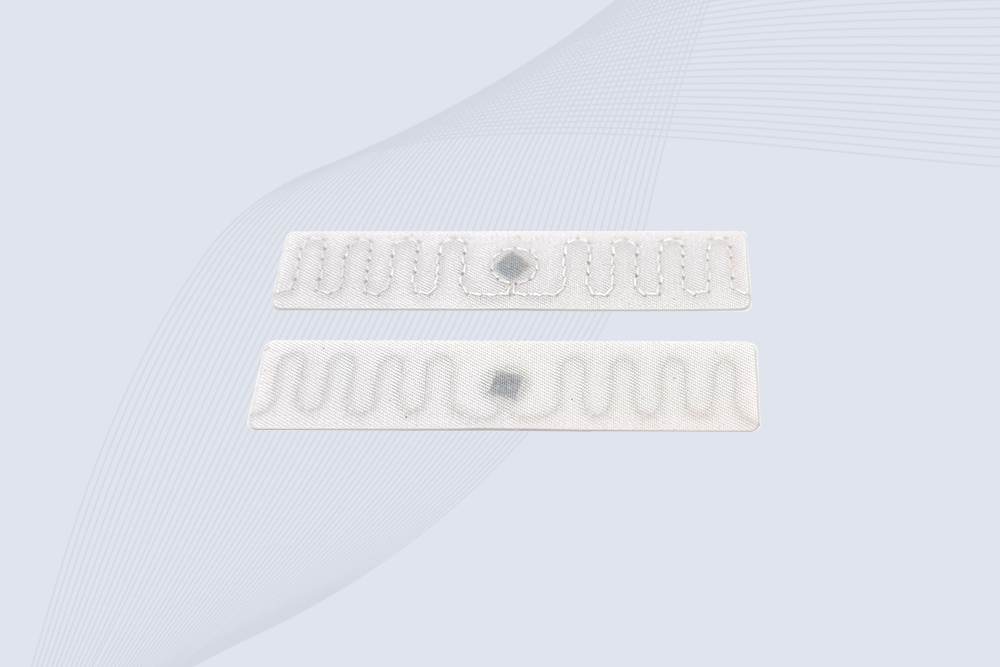
The CYKEO RFID Laundry Tag is designed for long-term textile identification in harsh laundry environments. Built to withstand high heat, chemicals, and repeated washing, this RFID Laundry Tag delivers stable performance for hotels, hospitals, and industrial laundry operations using laundry rfid tags at scale.
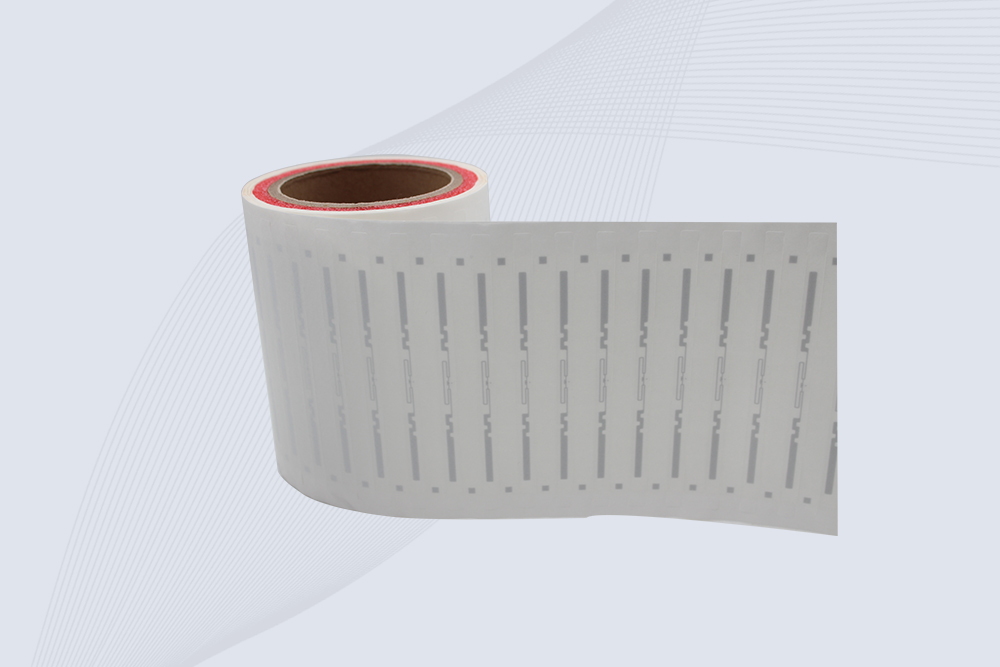
The CYKEO CYKEO-125-7 RFID Book Tag is designed for reliable book and document tracking in libraries and archives. This RFID Book Tag delivers long read range, dense placement support, and stable performance on shelves, making it a practical rfid tag on books for library automation, file management, and archival systems.
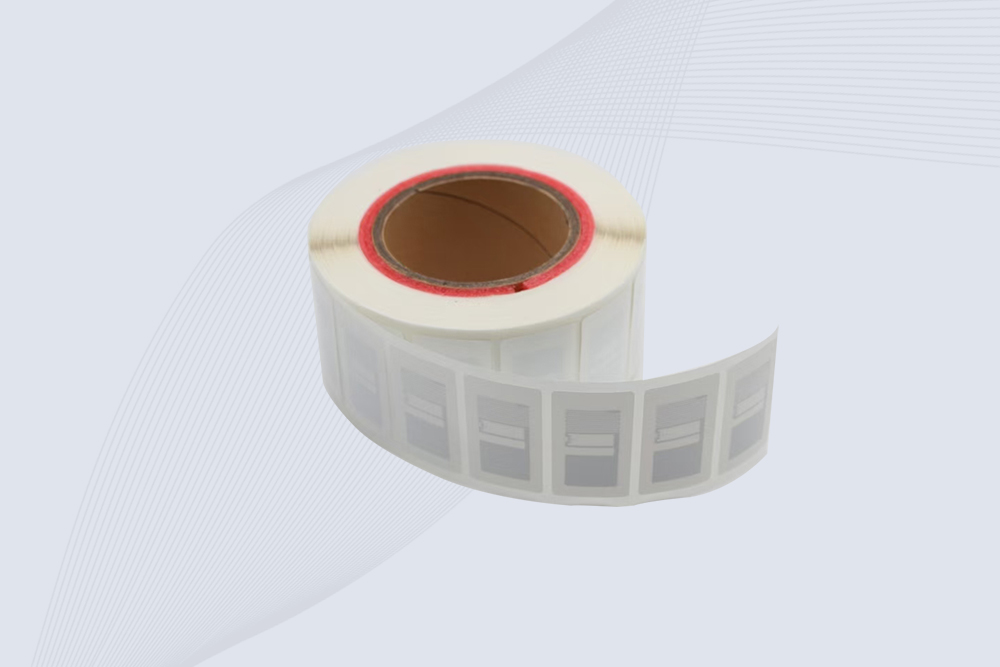
CYKEO RFID tags in hospitals are designed for sterile environments where accuracy matters. These autoclavable RFID tags support long-term tracking of surgical tools, implants, and medications, helping hospitals improve visibility, compliance, and patient safety.

CYKEO RFID Cable Tie Tag is built for reliable identification on metal surfaces. This UHF RFID Cable Tie Tag is widely used in rfid tags for inventory systems, industrial asset management and Hospital RFID Tags, offering stable read performance, long service life and global EPC Gen2 compatibility.
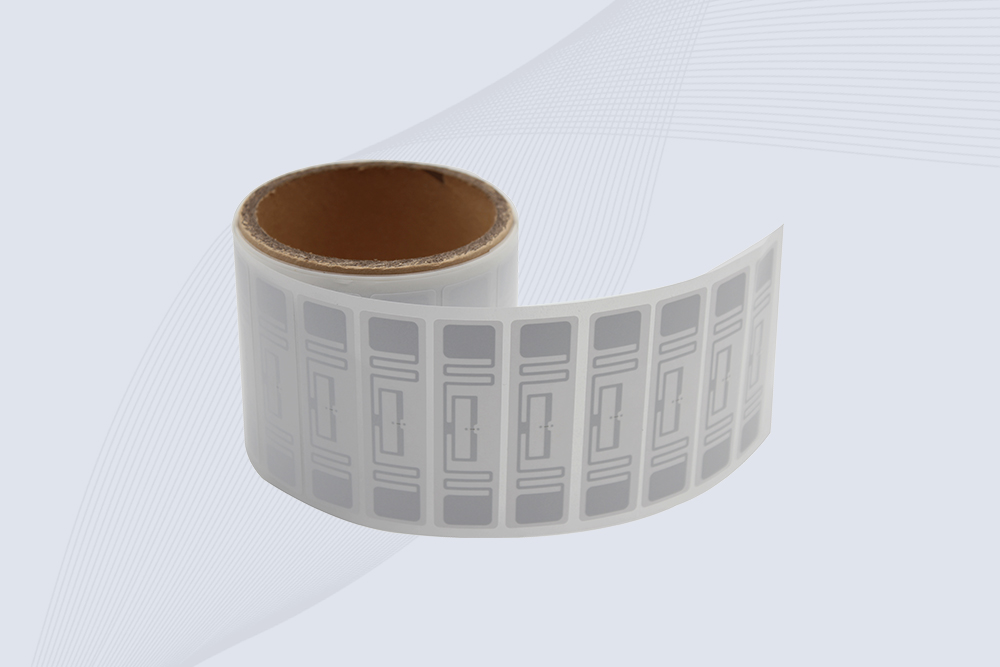
CYKEO RFID Asset Tag is designed for stable identification of metal assets in industrial environments. This UHF RFID Asset Tag is commonly used for rfid tag asset tracking on equipment, tools and containers, providing reliable reads, long service life and ISO/IEC 18000-6C support.

CYKEO UHF RFID Card is designed for fast identification and long-term use in industrial and commercial systems. Supporting ISO 18000-6C, this UHF RFID Card works at 860–960 MHz and is suitable for custom RFID cards used in asset tracking, access control and inventory management.
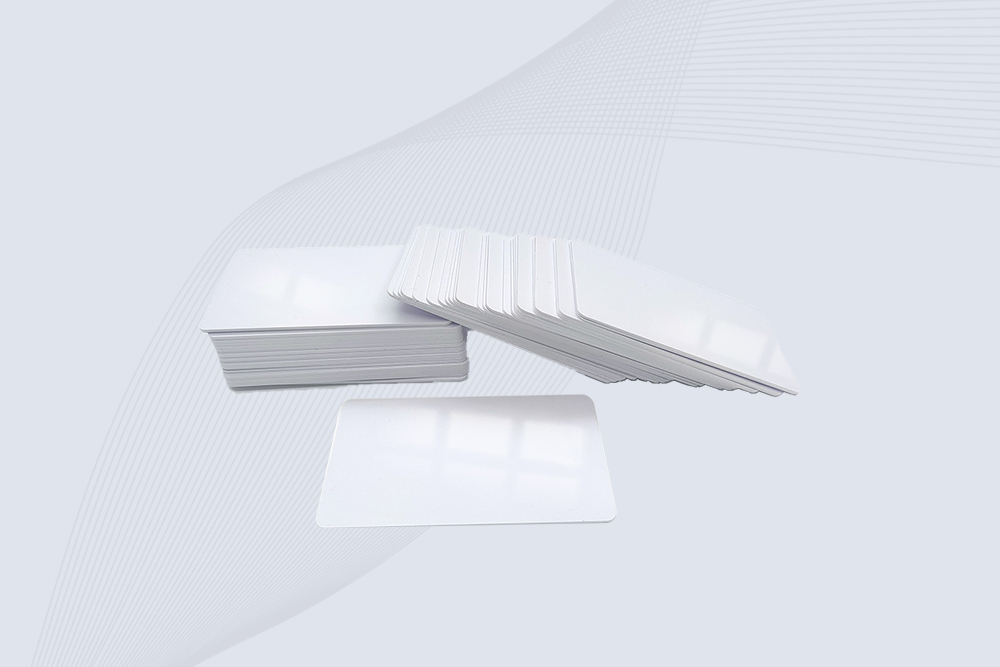
CYKEO HF RFID Cards are designed for secure and stable access control systems. These 13.56 MHz RFID key cards support ISO 14443-A, reliable rewriting and long service life, making HF RFID Cards suitable for offices, campuses, events and membership management.
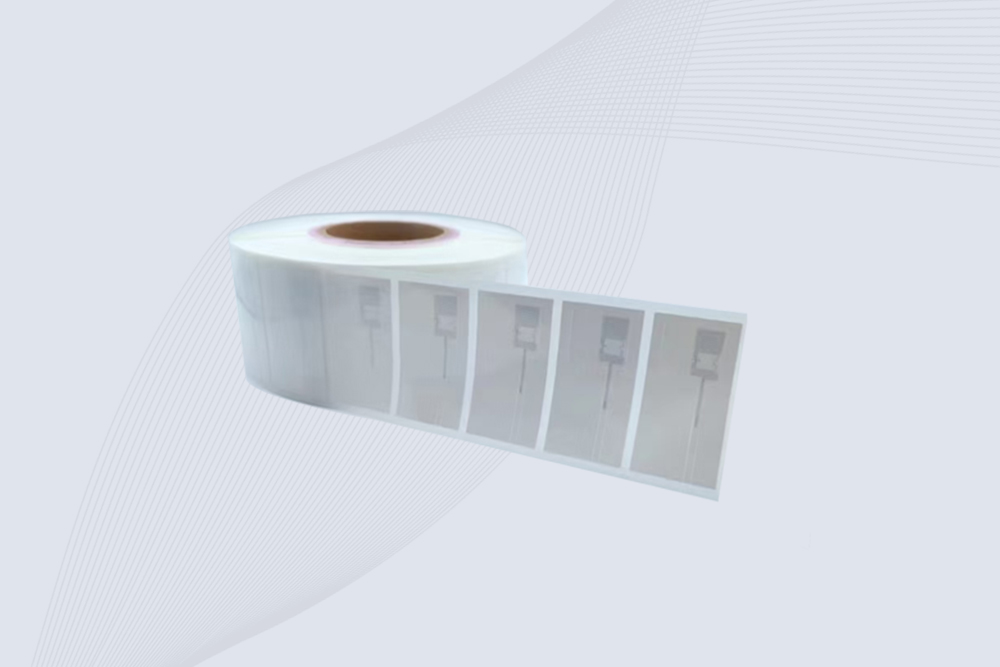
CYKEO UHF RFID Tag is designed for reliable tracking of metal jewelry and high-value items. This Jewelry RFID Tag supports long-range reading up to 8 meters, anti-counterfeit protection and stable performance on metal, making it suitable for retail, inventory control and asset management.
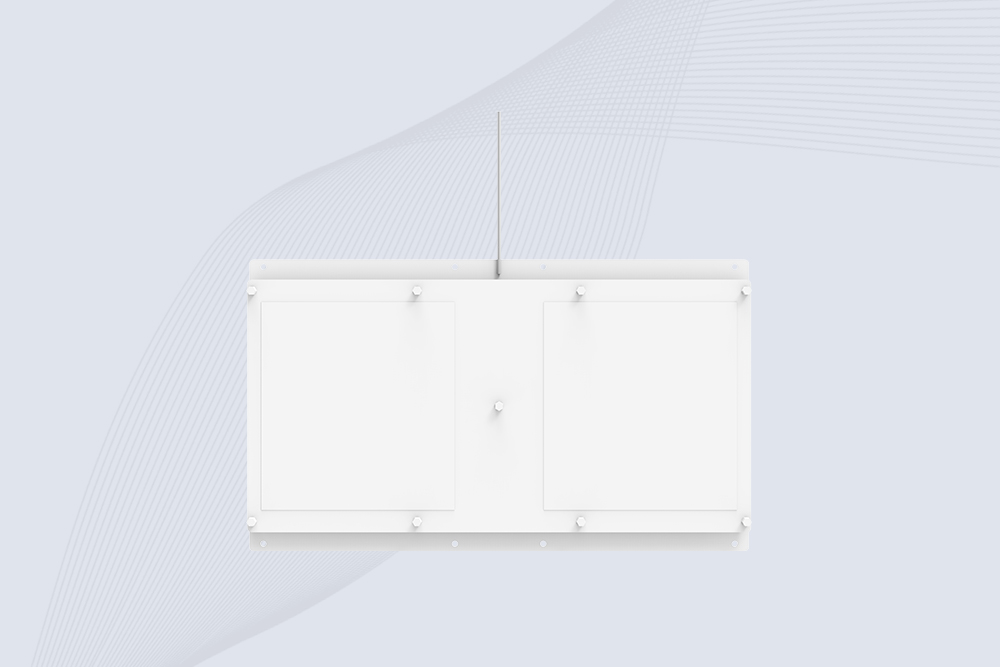
Cykeo CYKEO-A11 UHF RFID reader antenna delivers 11dBi gain, 840-960MHz frequency range, and IP65 ruggedness for retail, logistics, and industrial RFID systems. Features low VSWR and easy installation.

CYKEO Antenna RFID Reader delivers stable long-range UHF performance with a 10.5dBi directional design, built for warehouses, conveyor portals, and industrial RFID systems. This rfid reader antenna provides 20m+ read distance and rugged IP67 protection.

Cykeo CYKEO-PHF3 industrial HF RFID Antenna offers 24-point dynamic tracking, ISO 14443A/15693 protocols, metal-environment stability for archives/libraries/manufacturing.

Cykeo CYKEO-A5B industrial Linear RFID Antenna delivers 5dBi gain, ≤1.5:1 VSWR, and IP65 rugged design for warehouse, production line, and logistics UHF systems.

Cykeo’s CYKEO-B12 Long Range RFID Antenna delivers 15m+ read range with 12dBi gain, IP65 rugged design, and global 840-960MHz UHF support. Ideal for warehouse/logistics asset tracking.
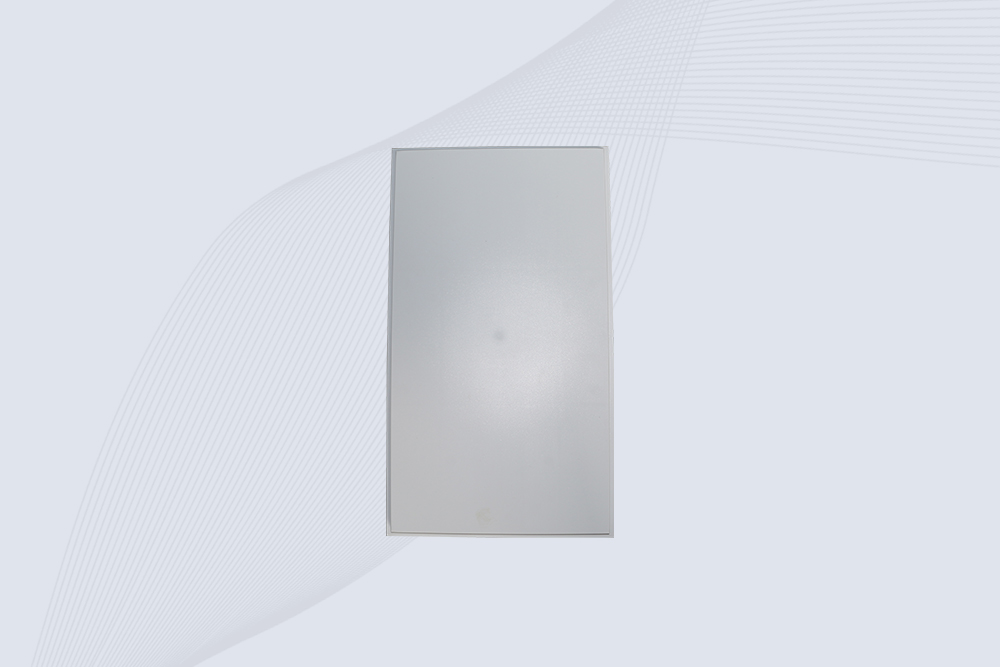
Cykeo CYKEO-B10 Long Distance RFID Antenna offers 10dBi gain, 840-960MHz frequency range, IP65 rating, and 20m+ coverage for logistics/warehousing/ETC systems. Low VSWR ensures stable signal transmission.
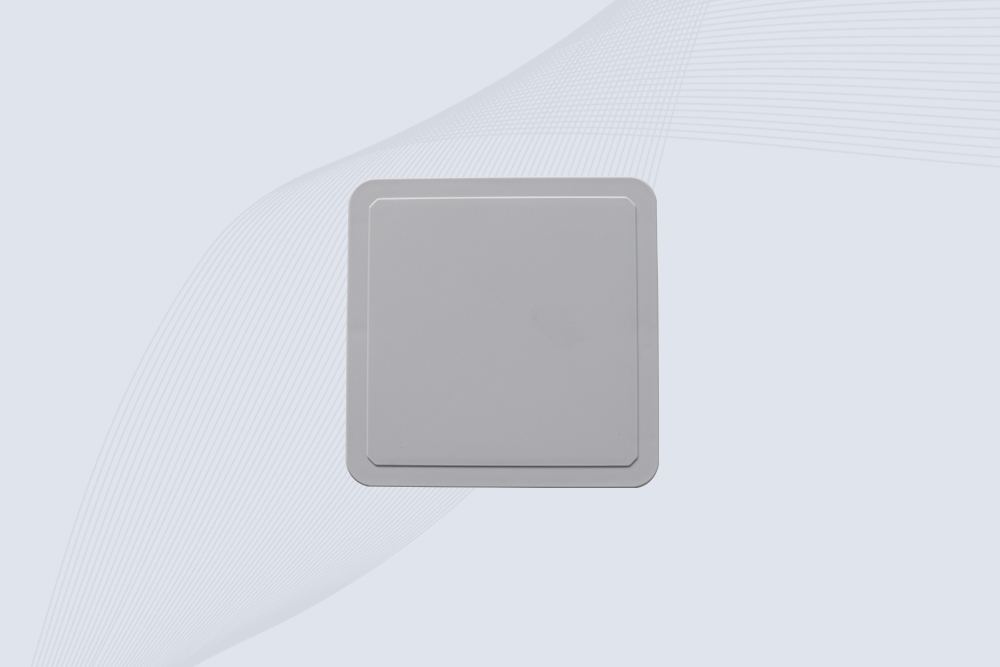
Cykeo CYKEO-A6 UHF RFID panel antenna features 6dBi gain, 840-960MHz broadband, IP65 metal-ready housing for logistics/smart retail. 18mm ultra-thin design with tool-free mounting.

Cykeo CK-A3 industrial antenna RFID UHF offers 5m+ tag detection, ≤1.3:1 VSWR, IP65 rugged design, and global UHF spectrum compatibility (840-960MHz) for warehouses, factories, and retail.
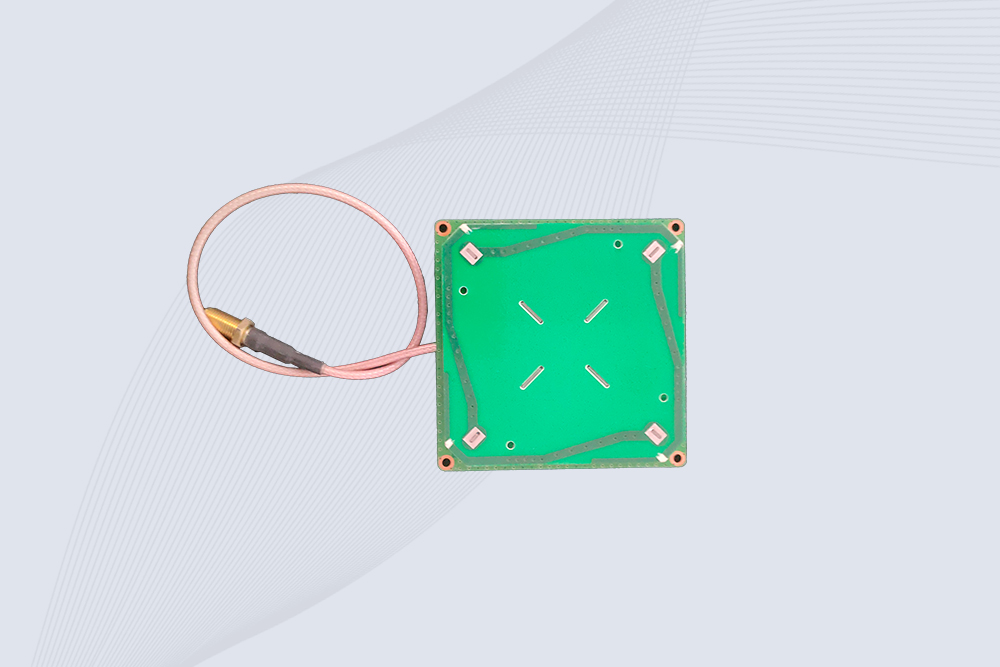
Cykeo CYKEO-B5 directional RFID antenna provides 5dBi gain with 60° narrow beamwidth for precise inventory tracking. IP65-rated, global UHF frequency support, and low VSWR.
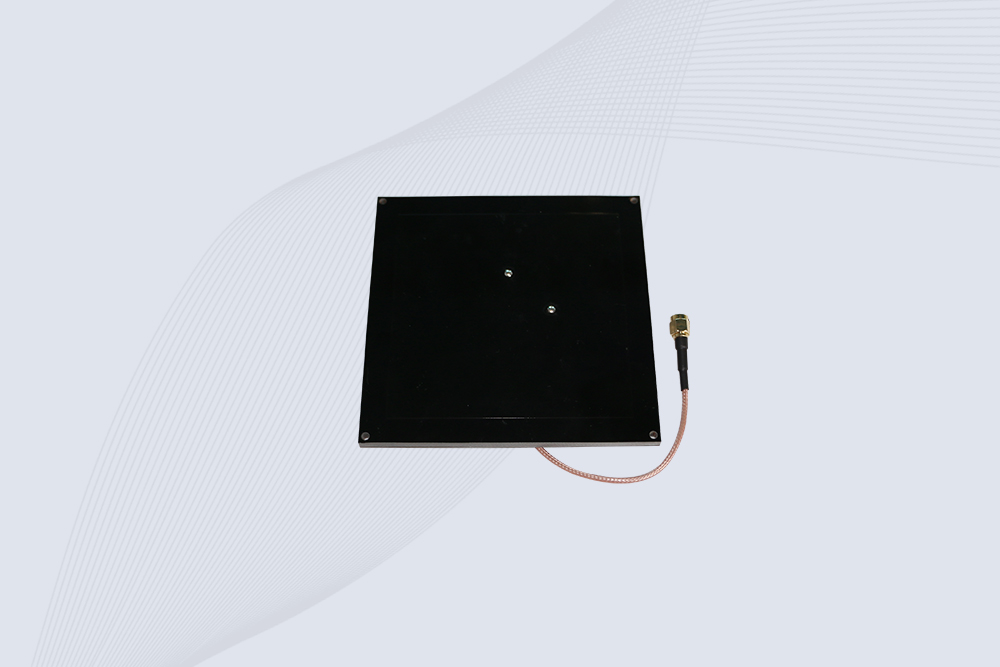
Create your own high-performance DIY RFID antenna! 5dBi gain, 840-960MHz tunable, step-by-step guides. Compatible with Arduino, Raspberry Pi, and commercial UHF readers.
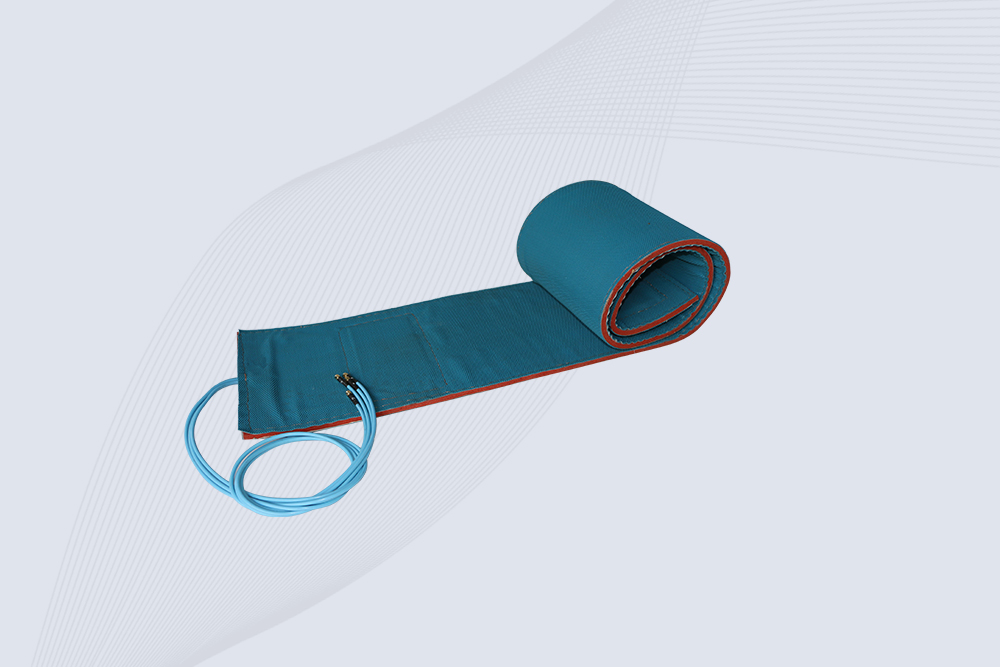
Cykeo CYKEO-A7 Flexible RFID Antenna features 840-960MHz wideband tuning, 7dBi gain, and IP68 rating for medical/retail/industrial curved surface deployments. 98% read accuracy with peel-and-stick installation.

Cykeo CYKEO-B5A industrial Passive RFID Antenna delivers 5dBi gain, 70° beamwidth, and -40°C~55°C operation for warehouses/smart cabinets. Compatible with Zebra/Impinj readers.
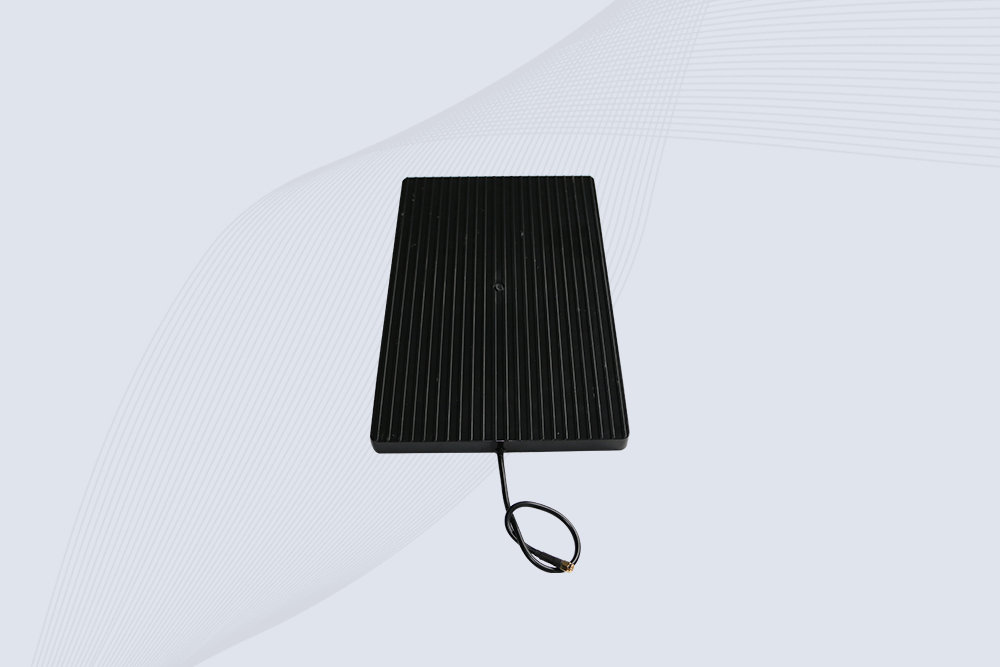
Cykeo’s CYKEO-A9B High Gain RFID Antenna delivers 15m+ read range with 9dBi amplification. Features IP54 rugged design, 840-960MHz bandwidth, and 80° beamwidth for warehouse/manufacturing RFID systems.

Cykeo’s enterprise-grade 8dbi Impinj RFID Antenna 10m+ read range with 840-960MHz tuning. Features IP65 housing, 1.4 VSWR, 35° beamwidth for retail/warehouse RFID systems.
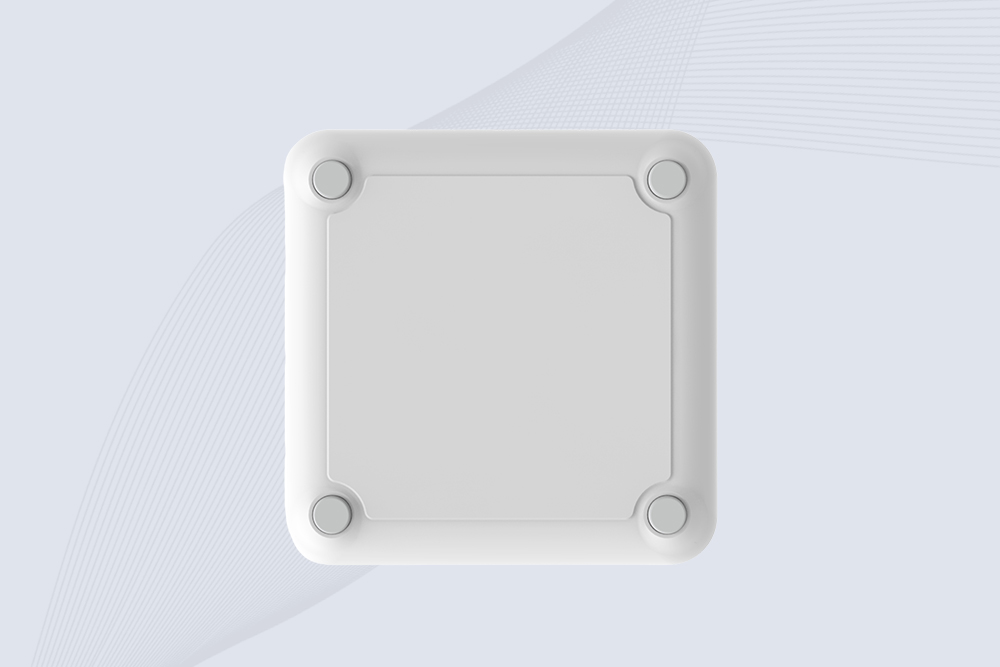
Cykeo CYKEO-A9 industrial UHF RFID antenna delivers 9dBi gain, 840-960MHz frequency range, and IP65 protection for warehouse/logistics/retail RFID systems. Features N-type connector and ≤1.3:1 VSWR.
CYKEO UHF RFID Antenna built for long-distance and industrial applications. This antenna rfid uhf delivers strong gain, outdoor durability, and reliable tag performance in warehouses, yards, and vehicle ID systems.
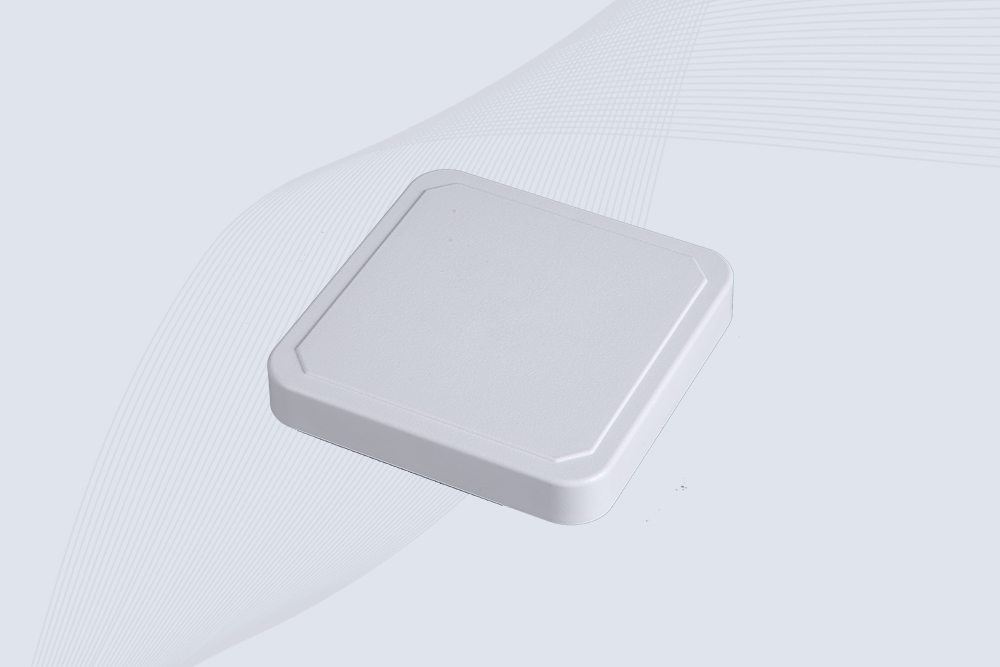
CYKEO Antenna RFID delivers reliable long-range UHF performance in warehouses, retail shelves, and cold-chain environments. This compact uhf rfid antenna provides stable reads with circular polarization and ultra-wide 840–960 MHz support, ideal for industrial tracking, smart shelves, and asset monitoring.
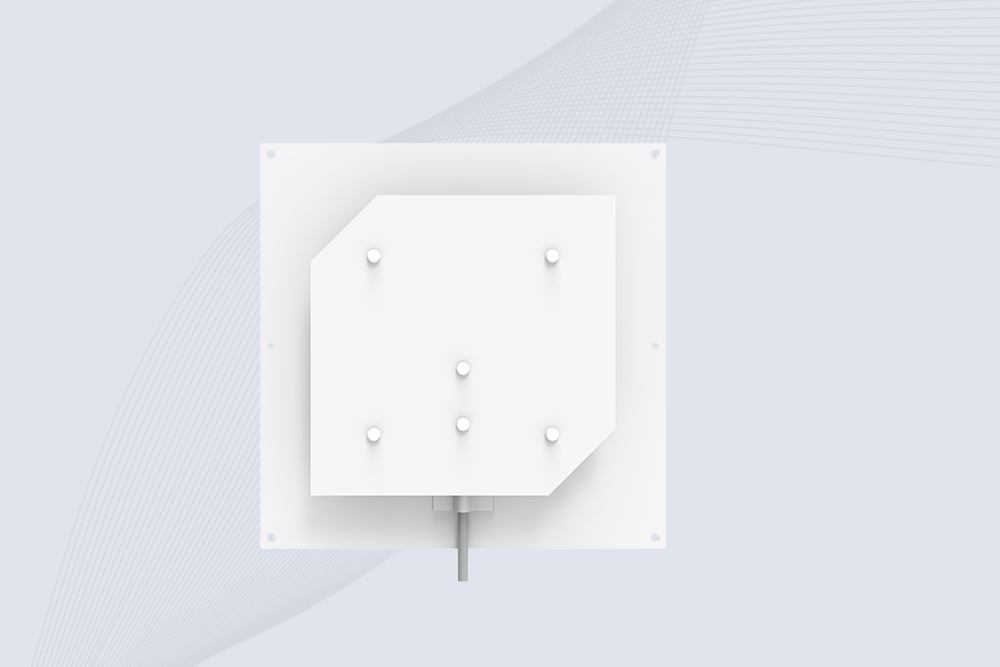
Cykeo’s CYKEO-C8 UHF RFID antennas delivers 8dBi gain, 840-960MHz full-band coverage, and IP65 ruggedness for manufacturing/warehouse RFID systems. Industrial RFID Antennas Features
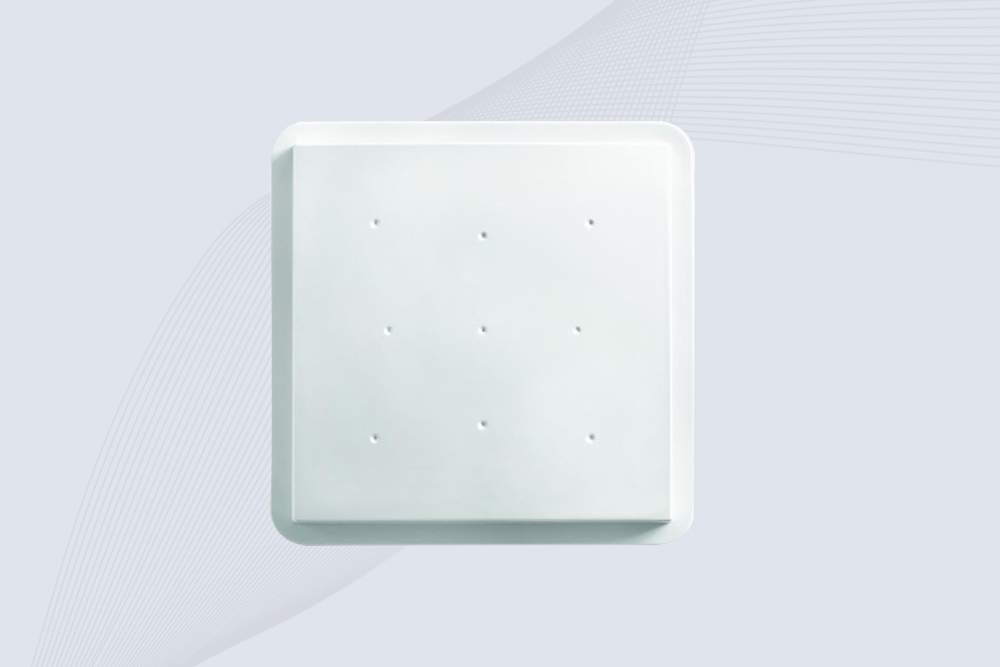
Cykeo’s 8dBi UHF RFID antenna and reader kit delivers 10m+ range, 840-960MHz broadband, and IP65 ruggedness for factories, warehouses, and logistics. ISO 18000-6C & EPC Gen2 certified.
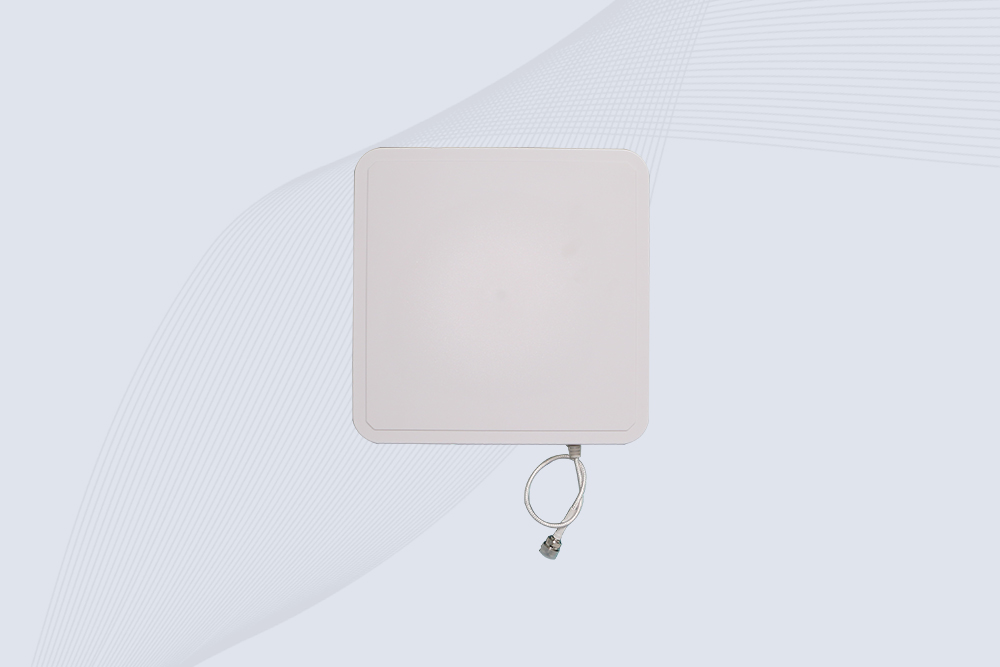
Cykeo CYKEO-A9A industrial UHF RFID reader and antenna kit delivers 10m range, 500 tags/sec, IP65 ruggedness for manufacturing/logistics. Supports EPC Gen2, ISO18000-6C.
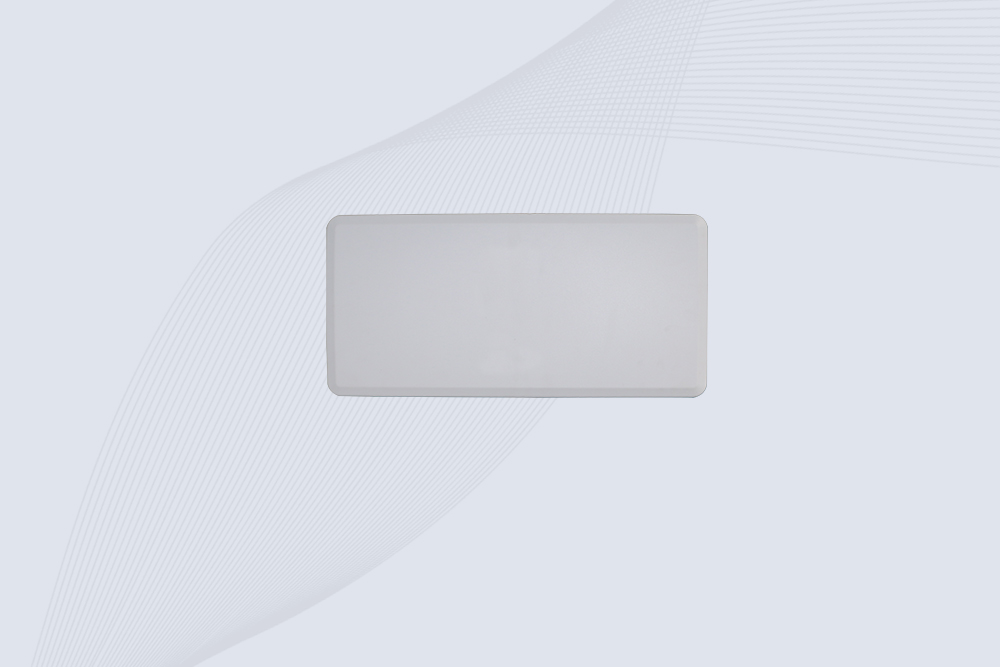
Cykeo’s CYKEO-A12C UHF Large RFID Antenna delivers 12dBi gain, 840-960MHz global frequency, IP65 ruggedness for logistics/warehousing/automotive. 40° beamwidth ensures stable 15m+ tag reads.

CYKEO Near Field RFID Antenna provides precise 5–30 cm reading for shelves, cabinets, and workstations. This compact rfid shelf antenna delivers stable short-range performance around metal and clutter, ideal for pharmacies, libraries, and electronics sorting.
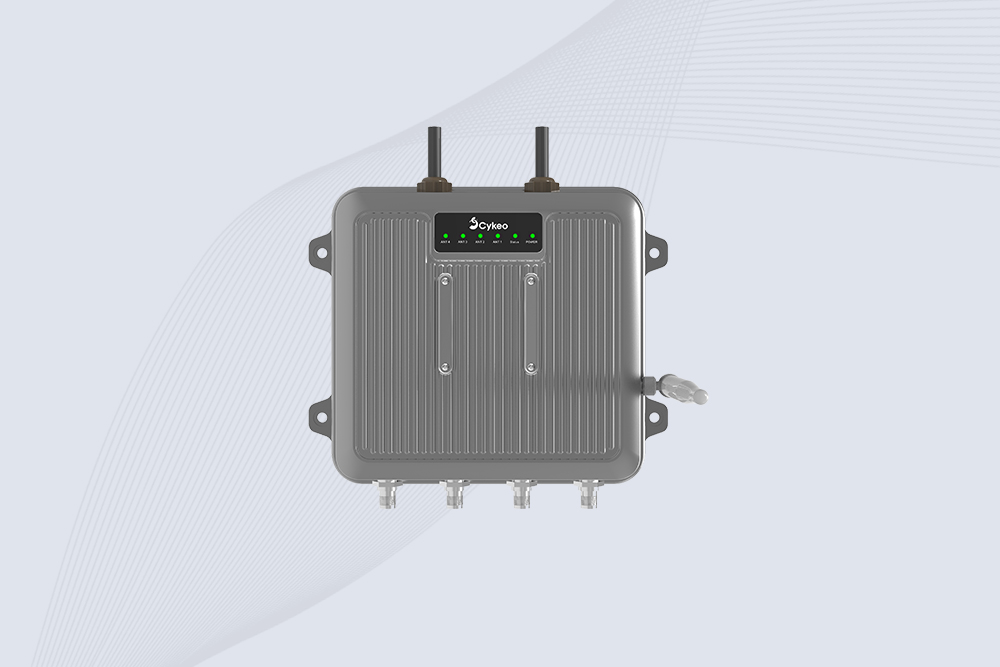
Cykeo CYKEO-C1 industrial Forklift RFID Reader features 20m read range, 600 tags/sec scanning, Impinj R2000 chipset, and IP67 rugged design. Ideal for warehouse logistics and manufacturing. Supports ISO 18000-6C/6B protocols.
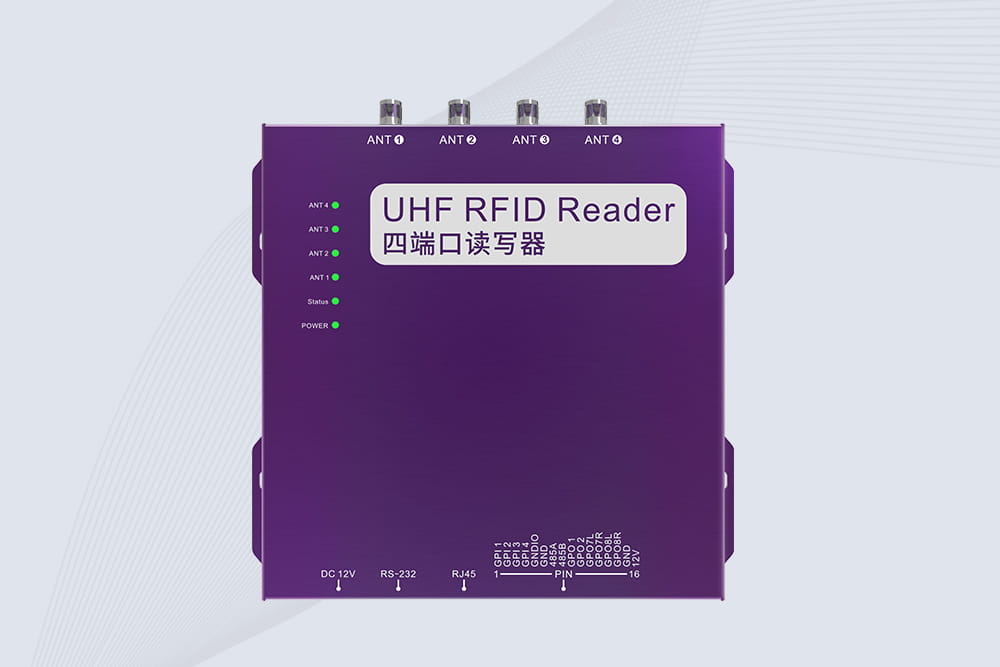
Cykeo CYKEO-R4 industrial UHF RFID Fixed Reader features 4 TNC ports, 400+ tags/sec speed, IP67 housing, and global frequency compliance for vehicle inspection, smart warehouse, and asset management systems.
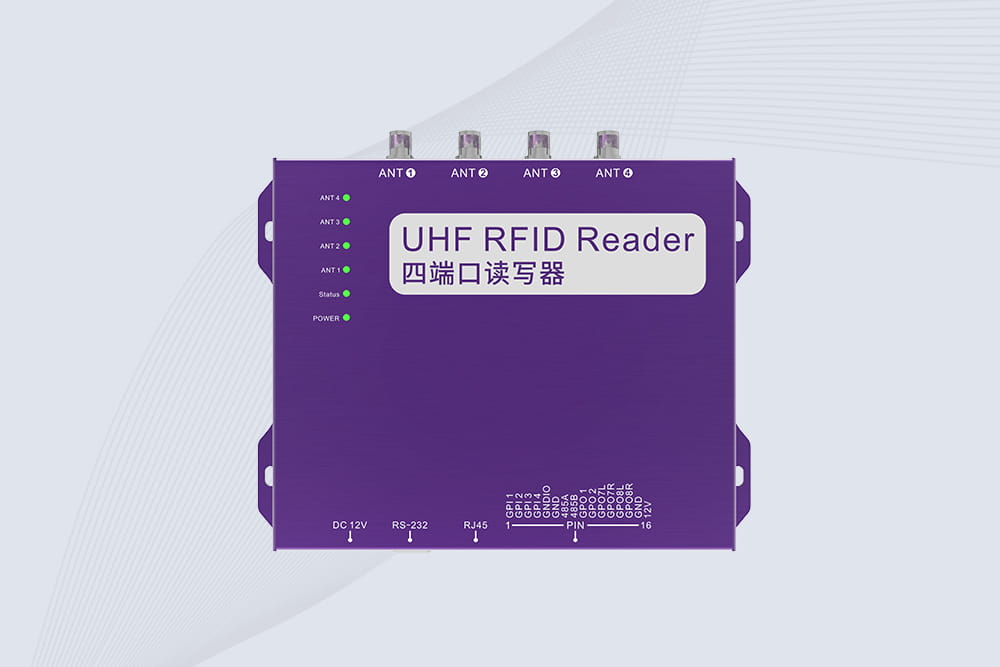
Cykeo’s CYKEO-R4L 4-port Fixed UHF RFID Reader delivers 400 tags/sec scanning, ISO 18000-6C compliance, and IP65 protection. Ideal for warehouse automation, manufacturing WIP tracking, and logistics management.
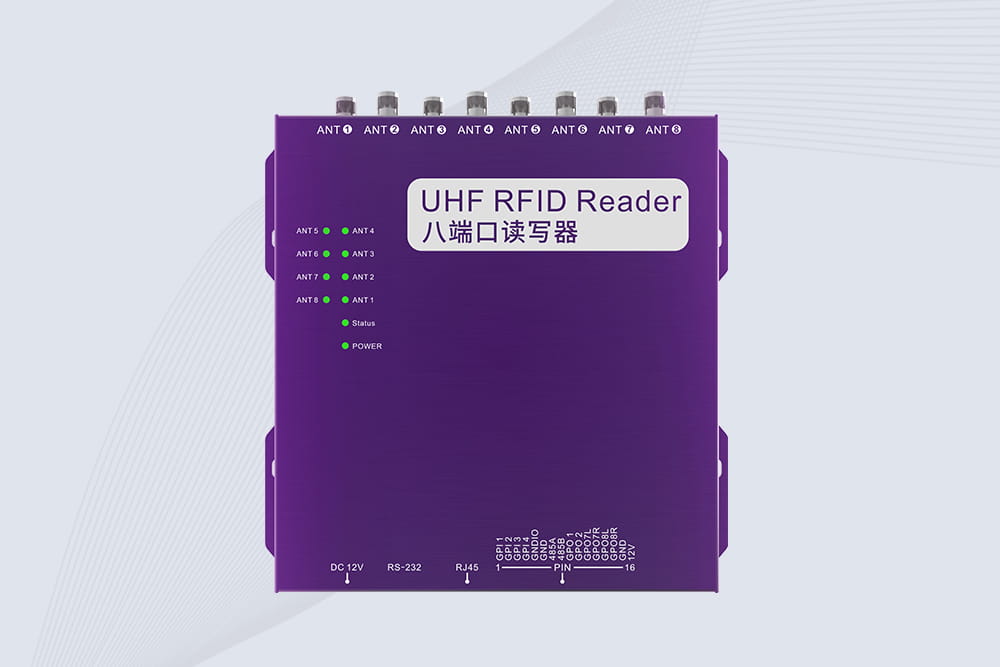
CYKEO CYKEO-R8L Fixed RFID Reader with 8-port UHF design, Impinj-based RF core and up to 20m read range. An industrial Fixed RFID Reader for vehicle inspection, warehouse portals, smart manufacturing lines and secure access checkpoints.
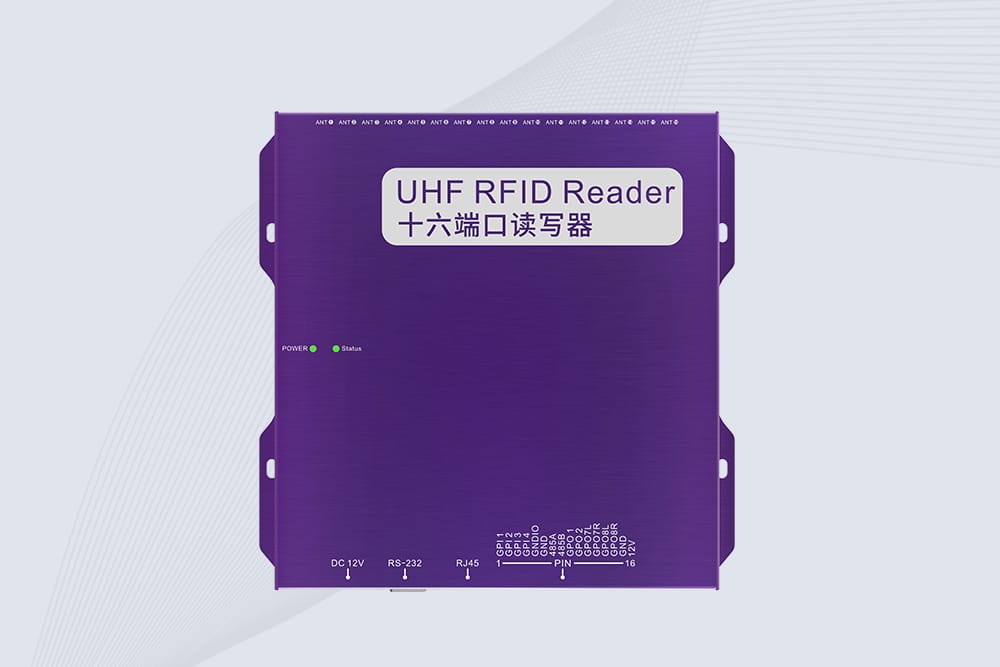
RFID Fixed Reader from CYKEO – the CYKEO-R16L 16-port UHF fixed reader for warehouses, smart cabinets, and production lines. Long-range, multi-tag reading, stable performance for 24/7 industrial use.

RFID wristband technology enables fast identification, secure access control, cashless payments, and real-time attendee tracking. Discover how Cykeo RFID solutions improve operational efficiency.
More
Learn how RFID reader modules are used in warehouse inventory management, pallet tracking, conveyor automation, and real-time logistics visibility systems.
More
Discover top long-range RFID readers compliant with EPCglobal Gen2 standards. Ensure seamless global interoperability and accuracy with Cykeo’s certified solutions.
More
Discover what an RFID scanner is, how it works, and its role in industries like retail, logistics, and healthcare. Learn about UHF, HF, and LF systems for efficient tracking.
More