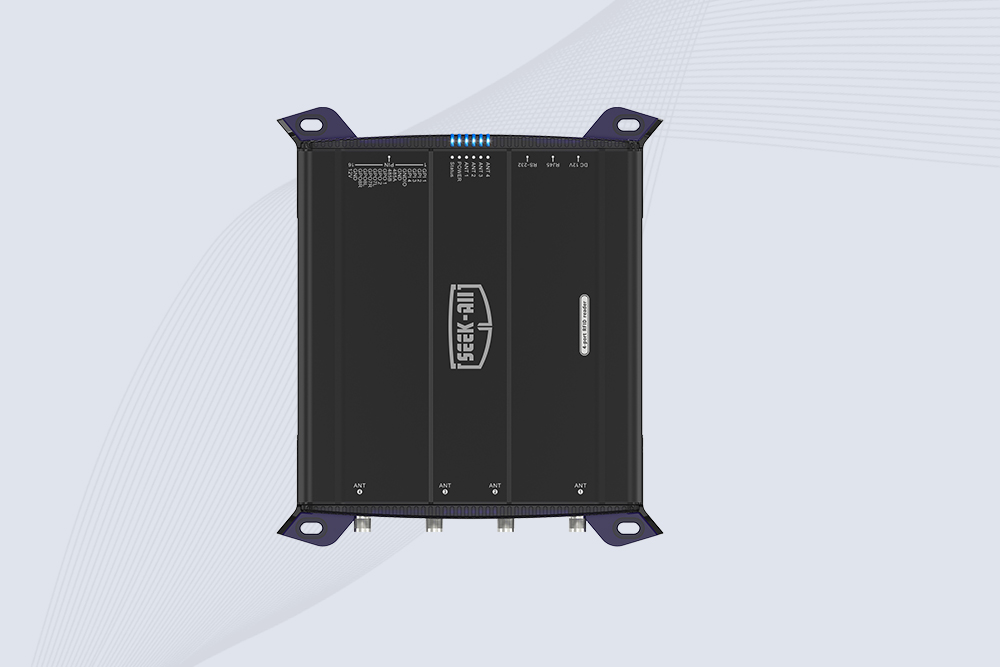
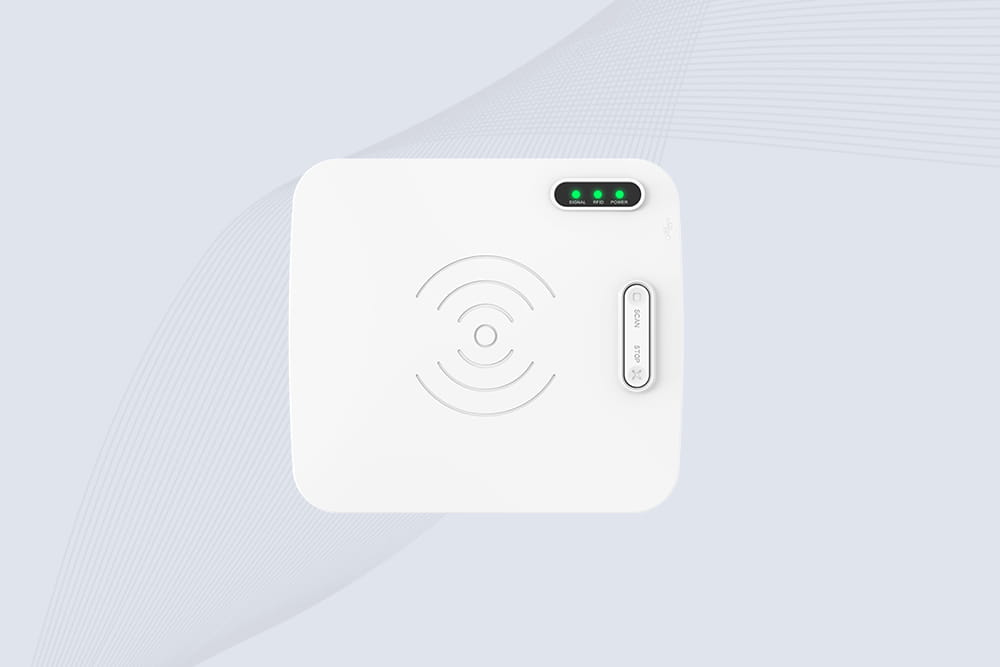
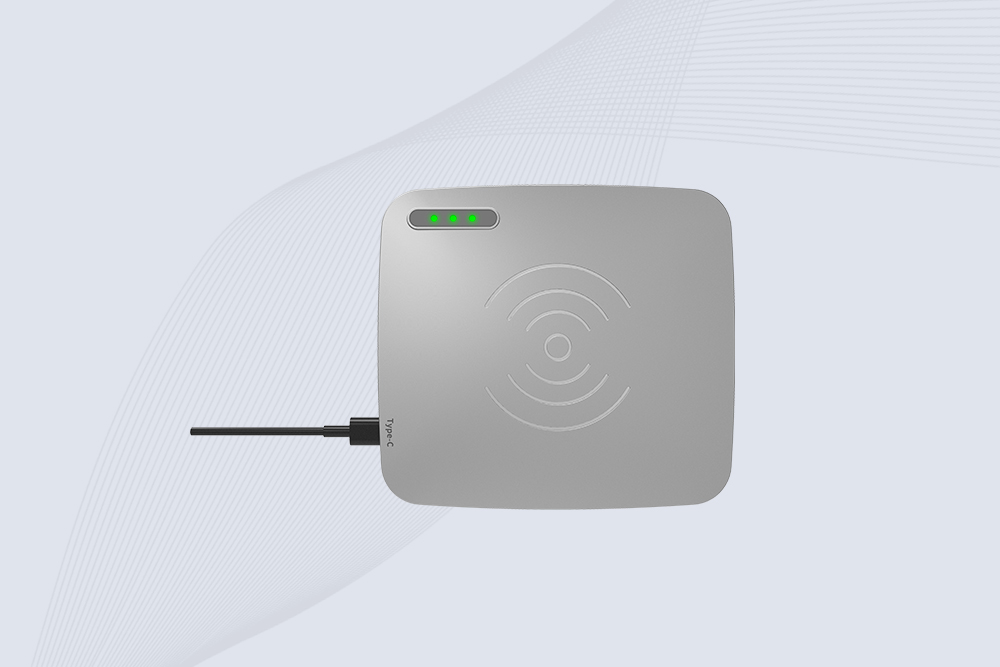
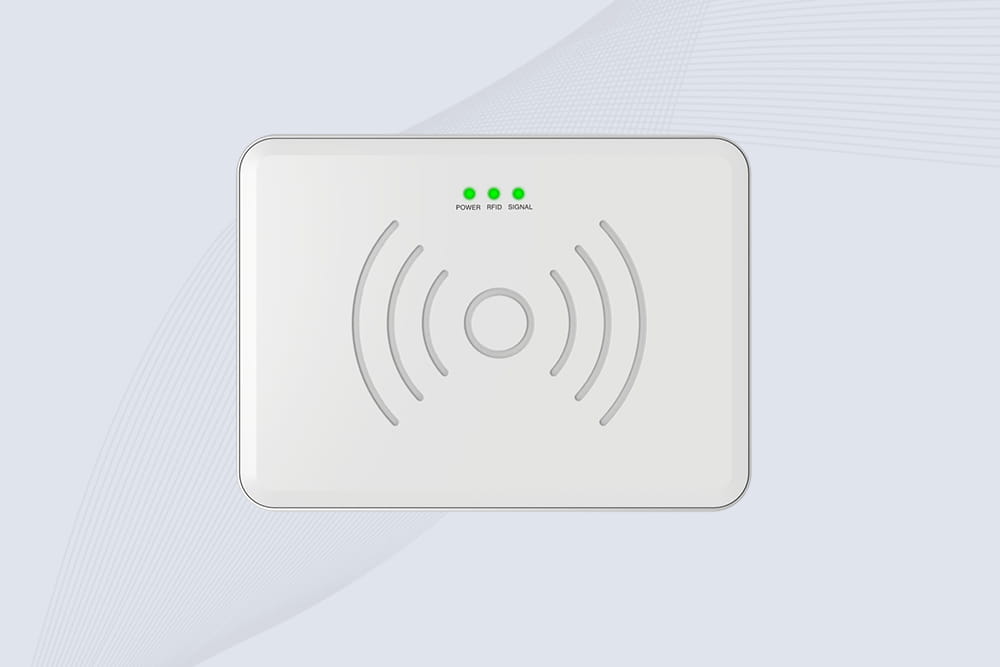
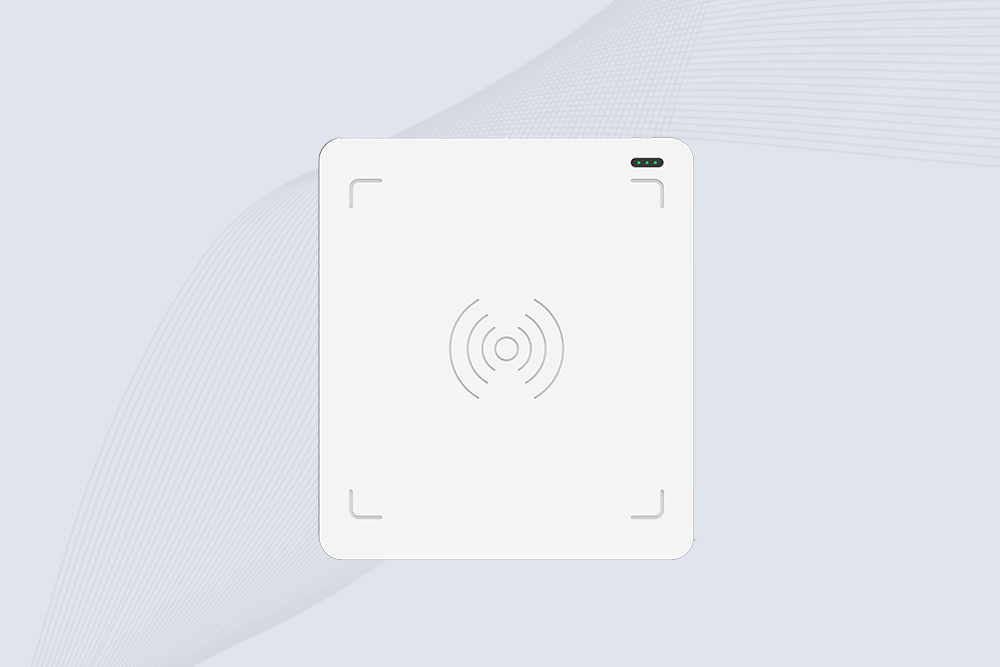
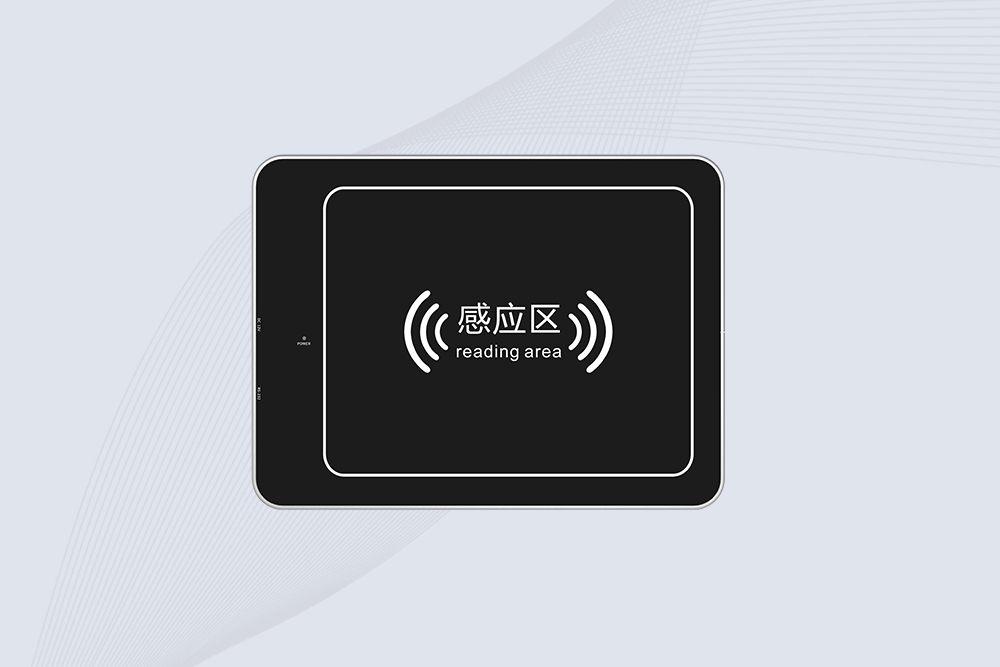
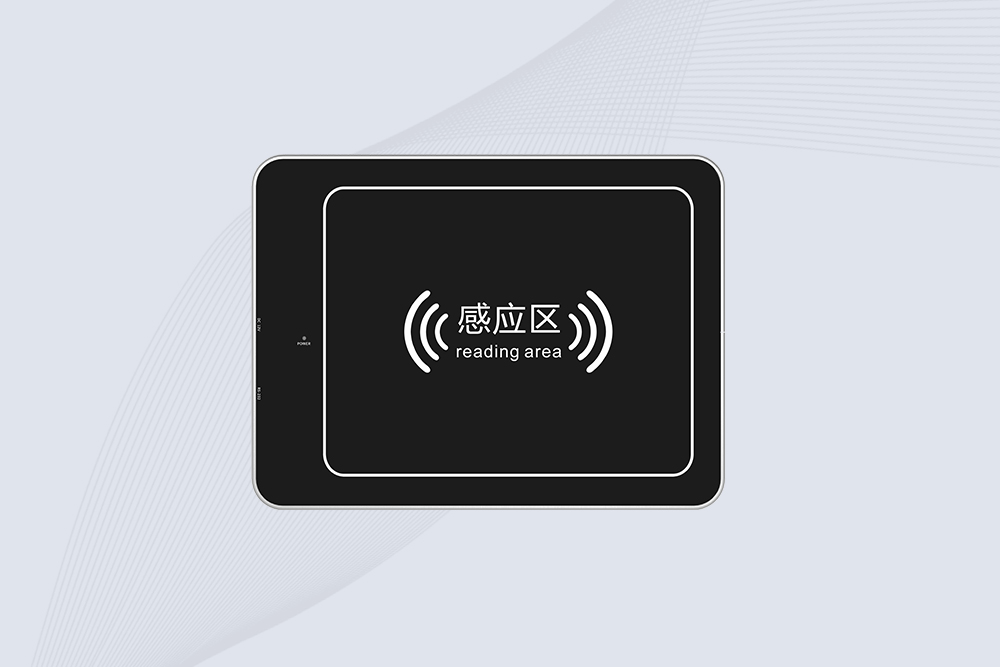
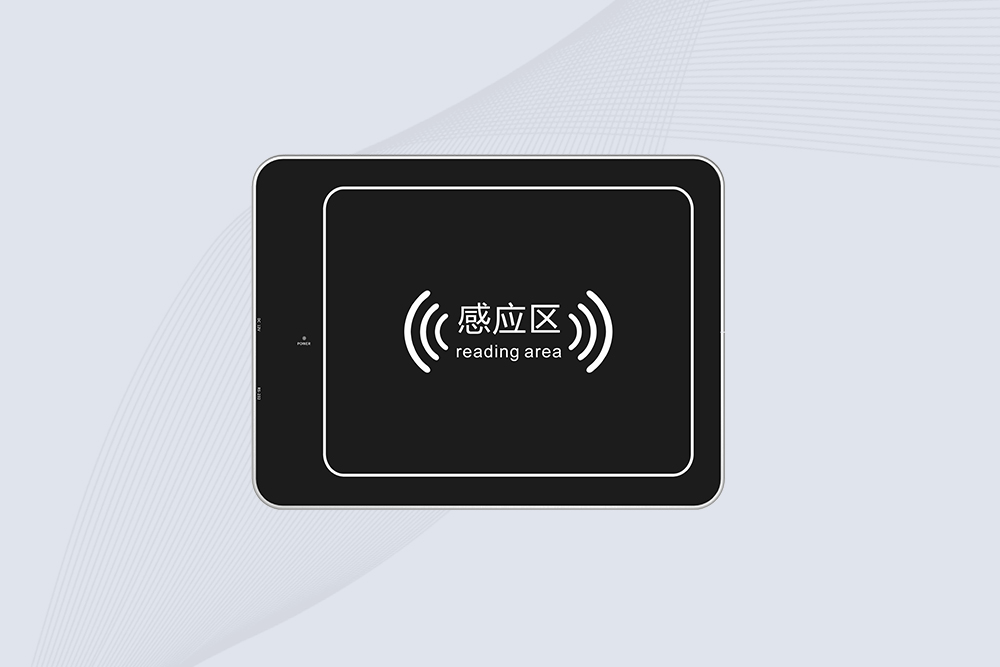
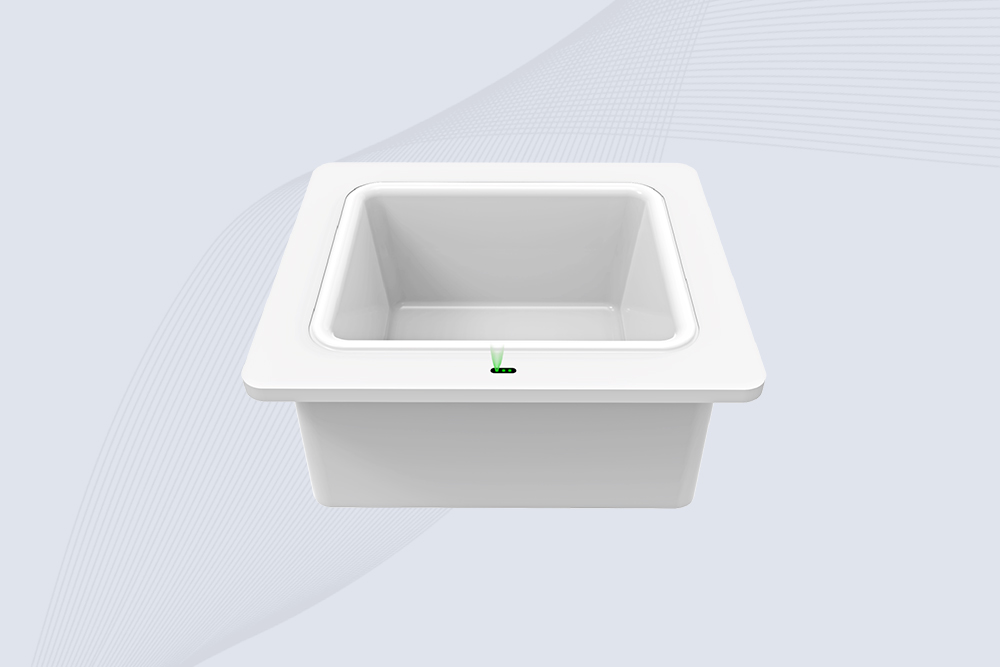
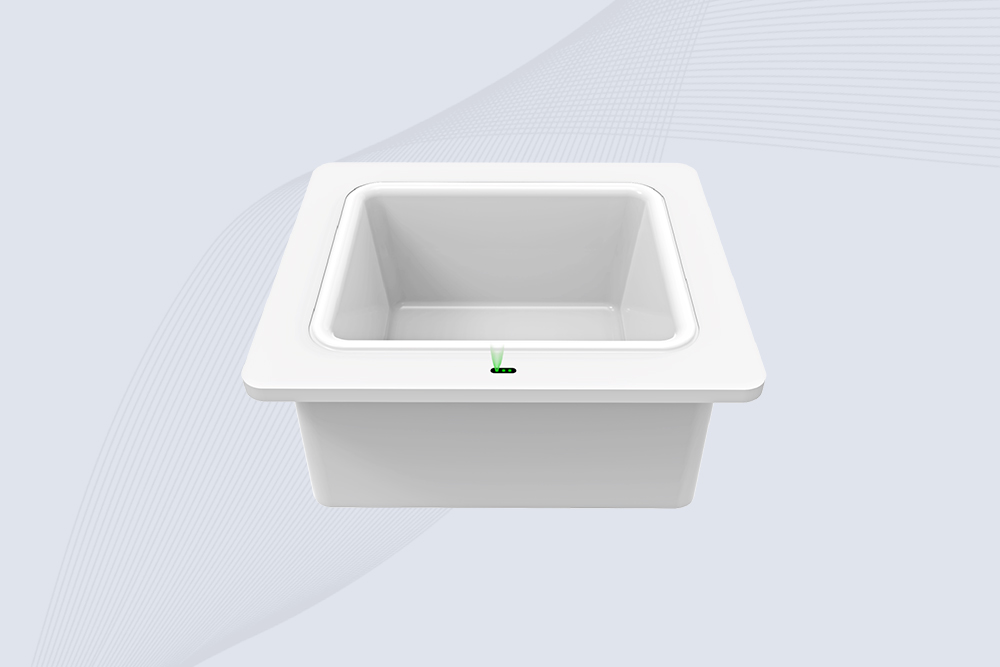
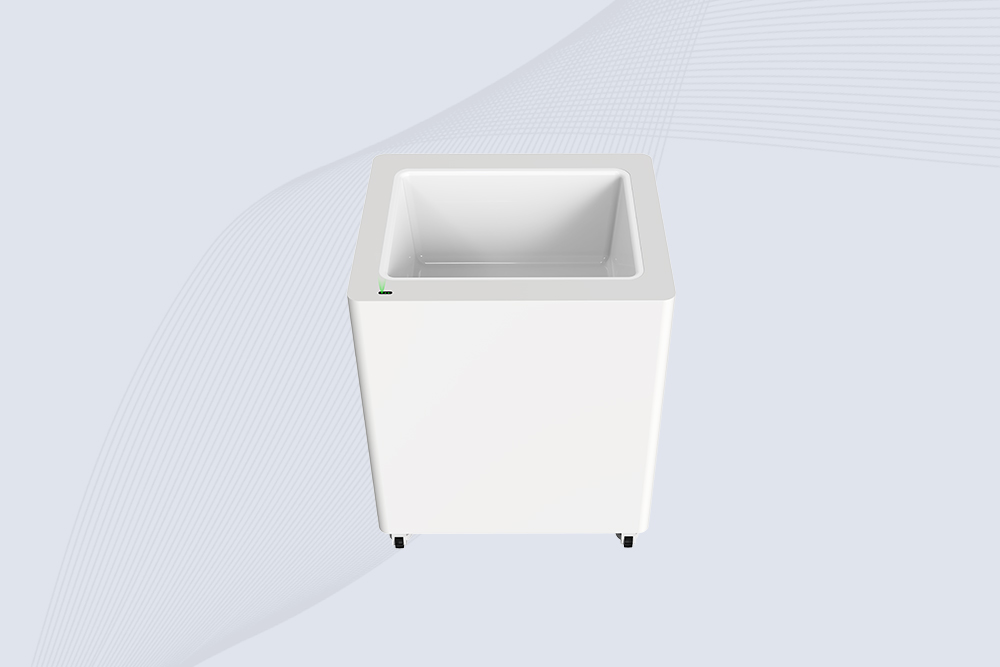
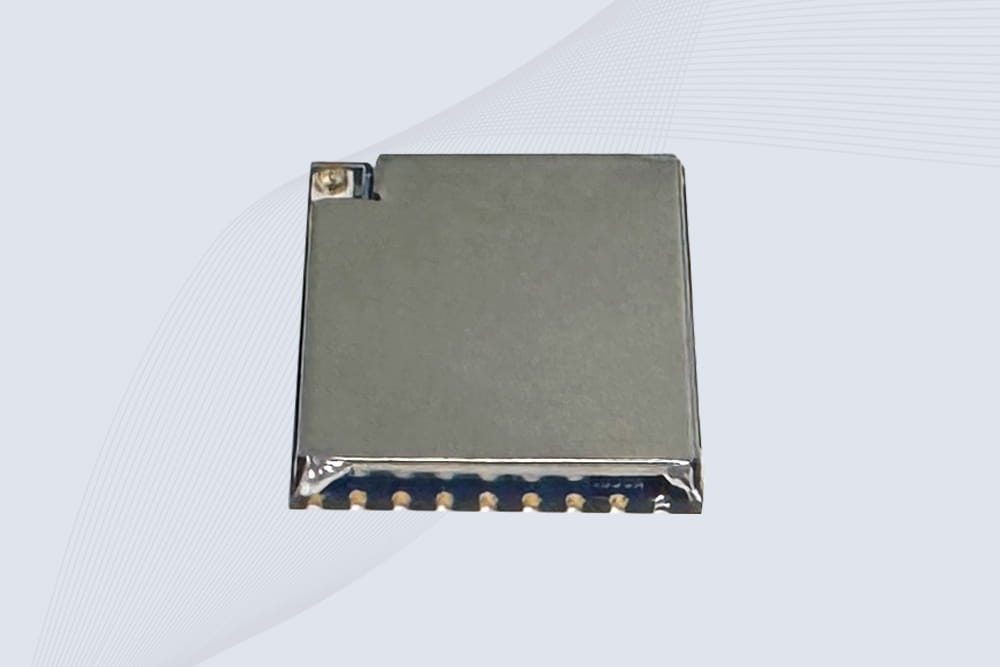
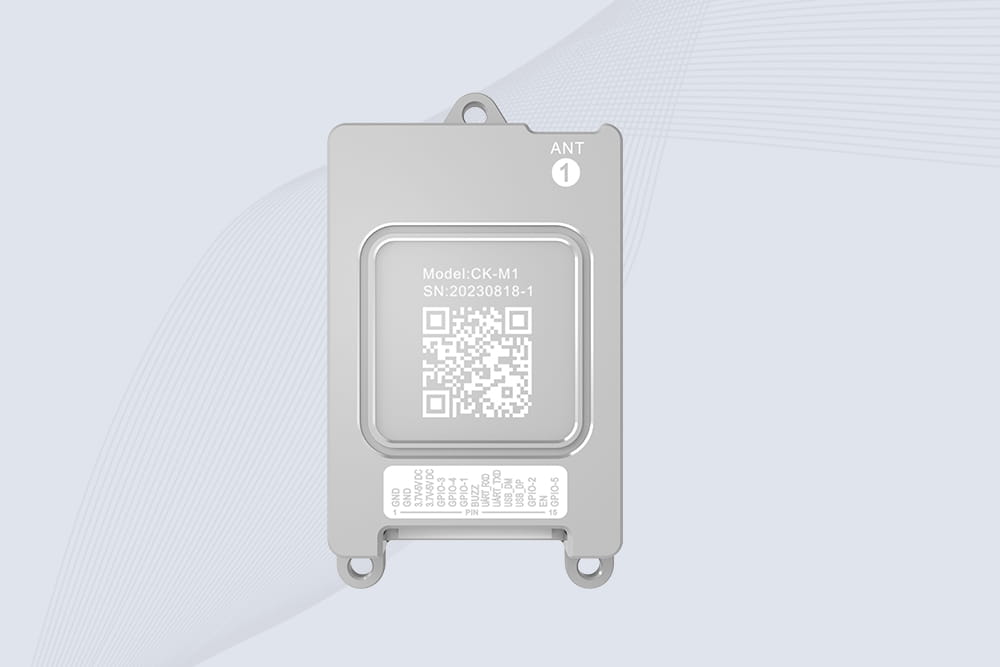
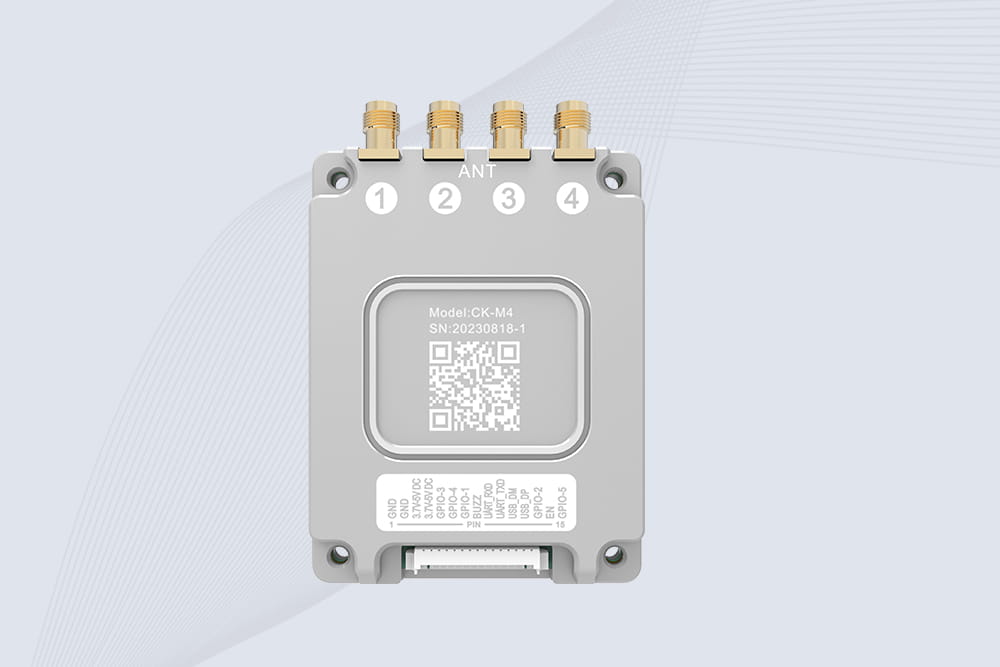
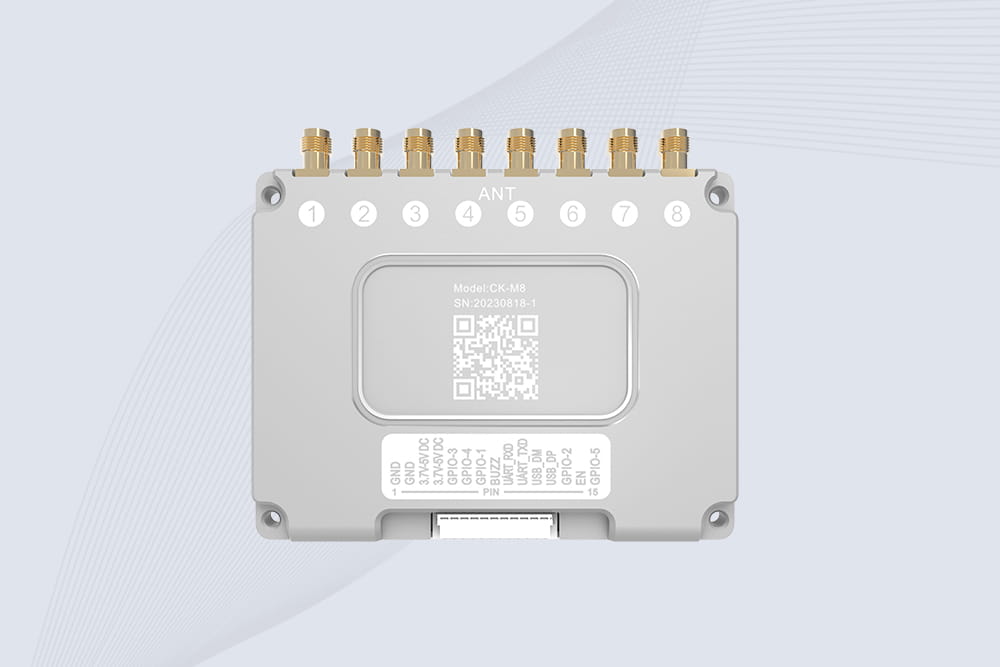
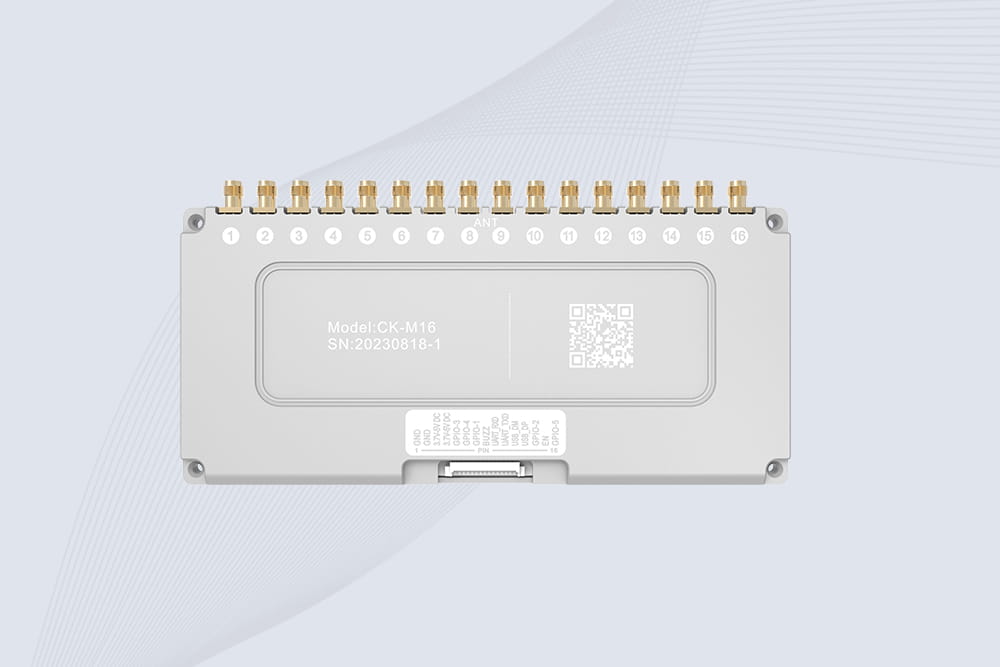
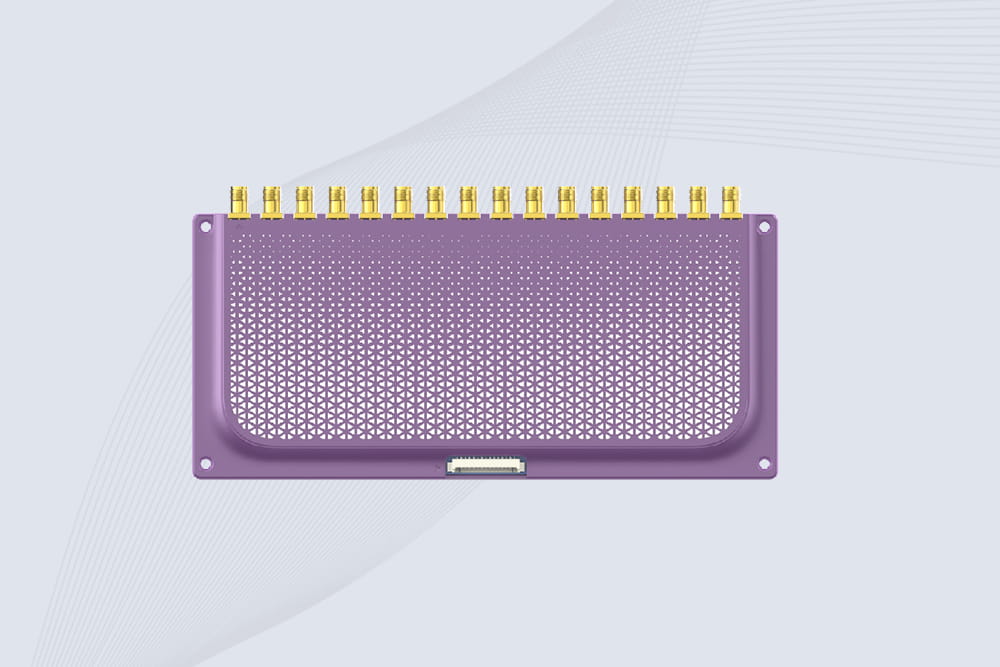
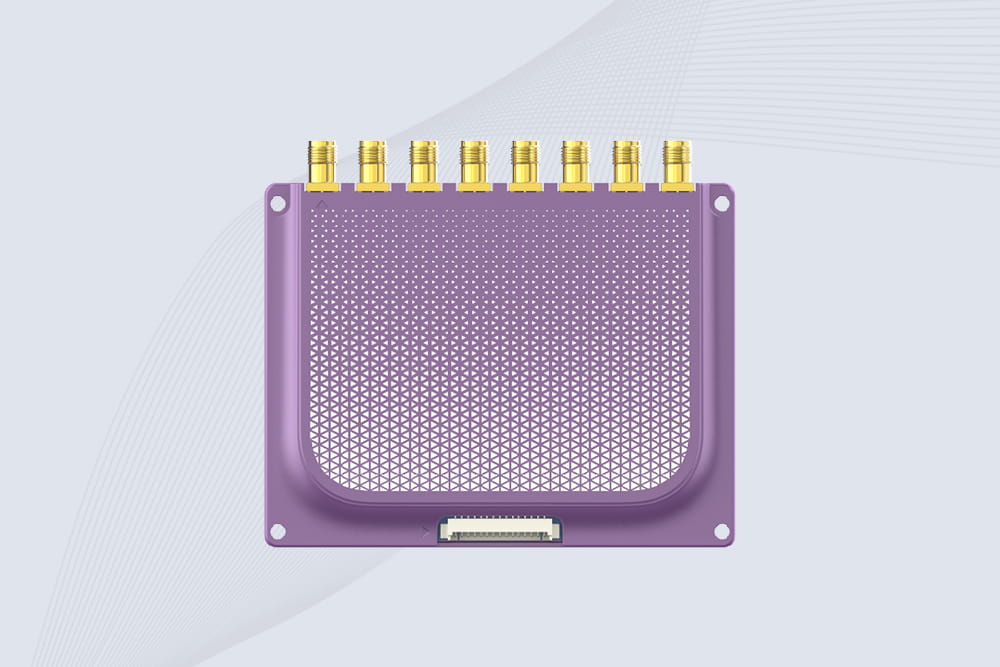
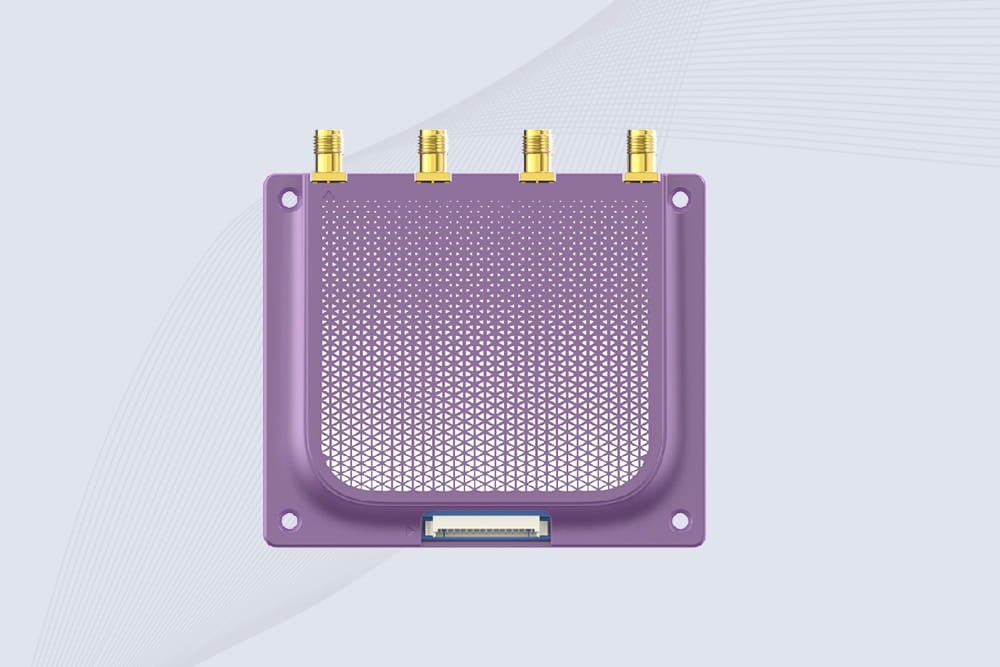
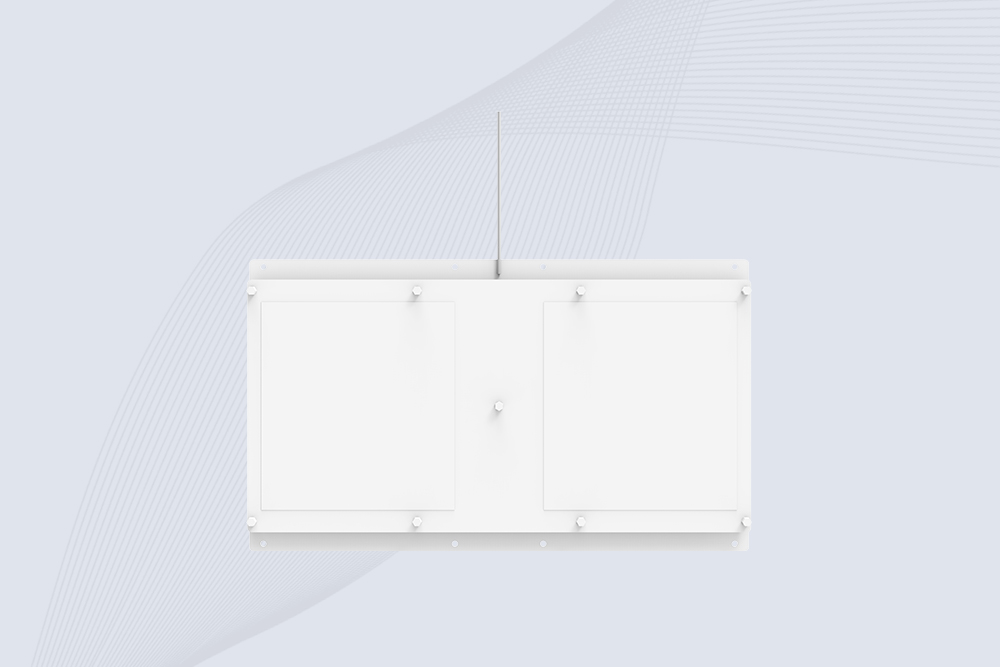
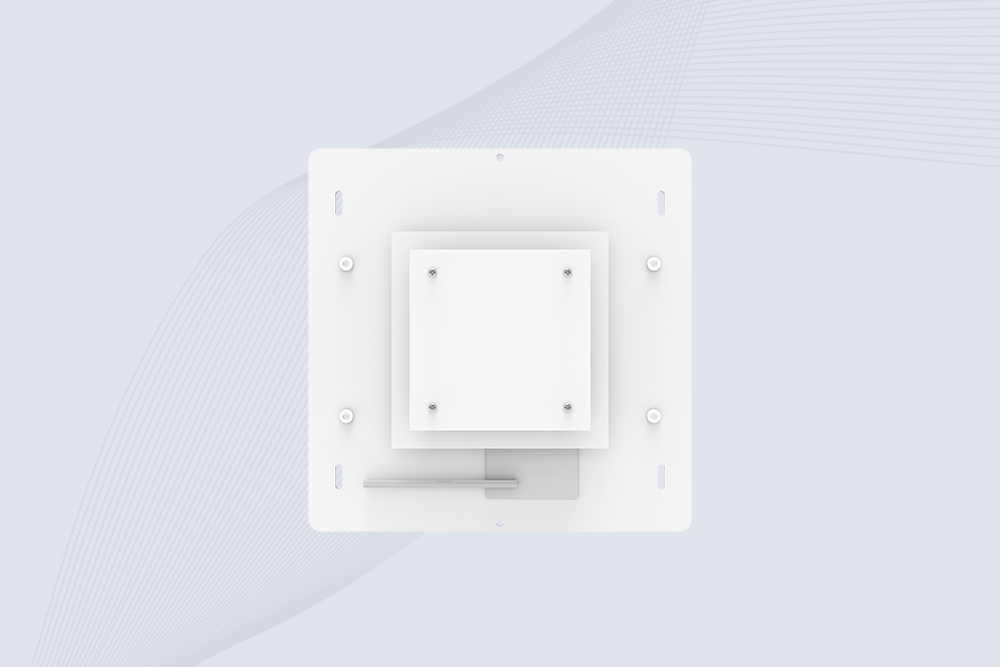
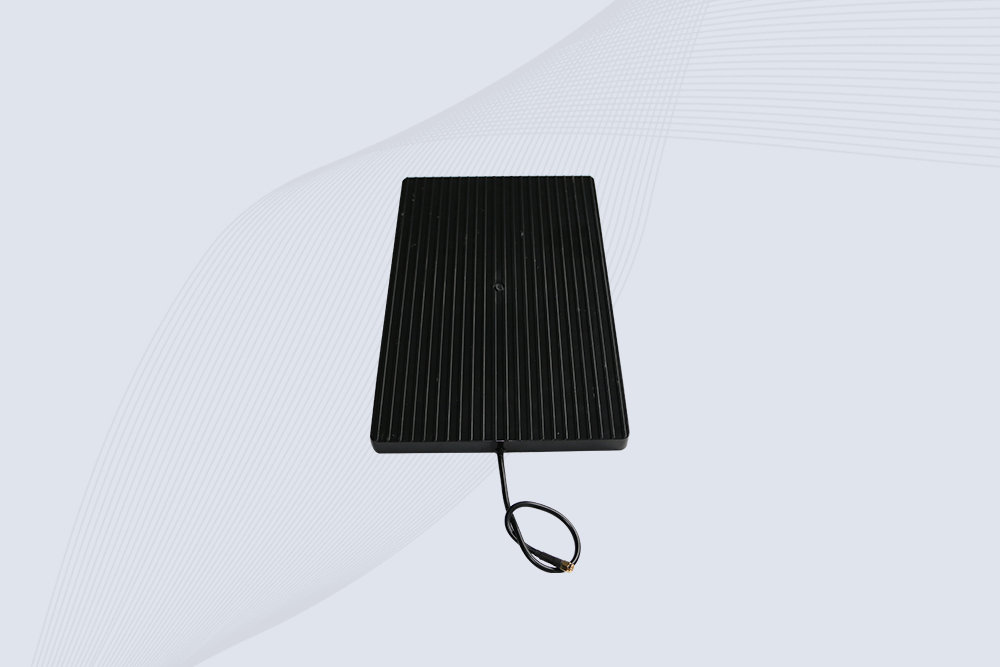
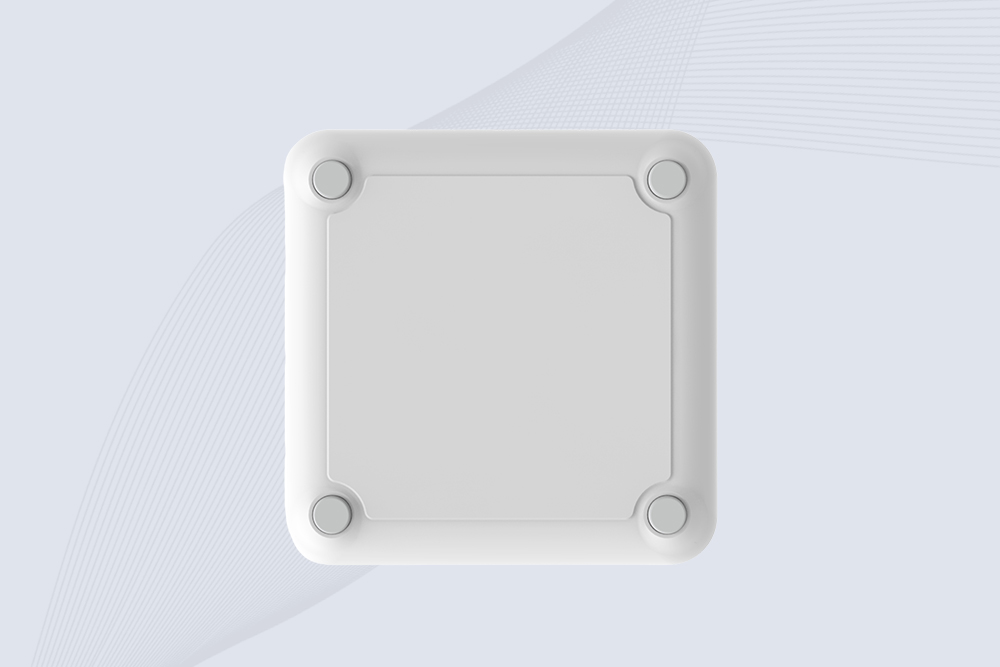
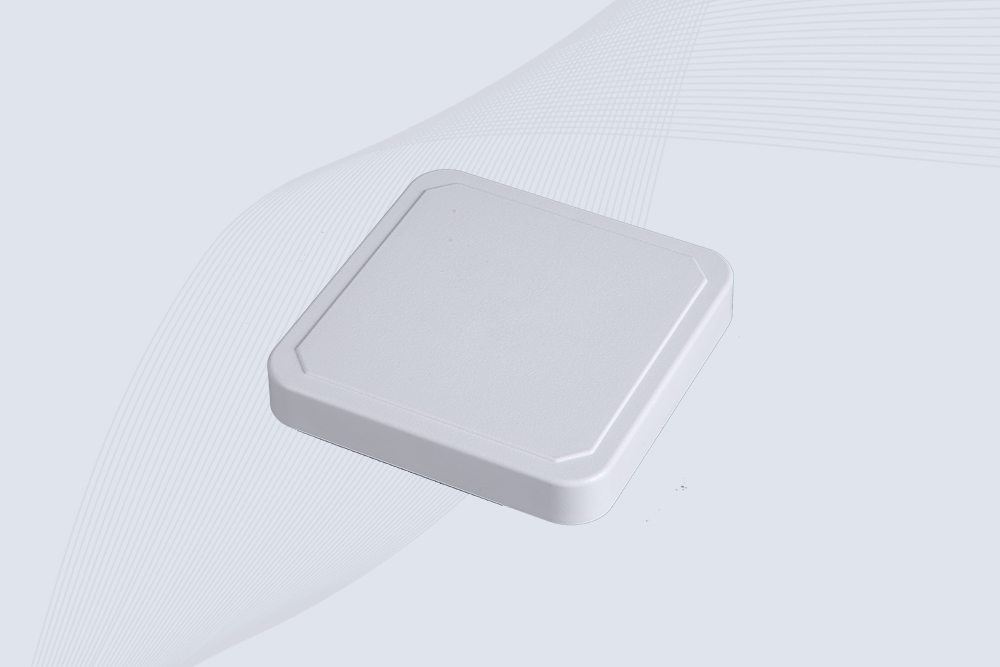
An RFID reader works by communicating with a compatible RFID tag through radio-frequency signals and converting the tag’s response into usable data. Depending on the system, it can identify one or multiple tags, send their identifiers to software, and support inventory tracking, access control, item verification, and automated data collection.
What Is an RFID Reader?
An RFID reader is an electronic device that communicates with radio-frequency identification tags. It sends signals through an antenna, receives responses from compatible tags, and passes the captured information to a connected application or controller.
The reader is only one part of an RFID system. A working installation normally includes:
RFID tags: Store an identifier or other supported data and respond to a compatible reader.
RFID reader: Generates the required RF signals, receives tag responses, and processes them.
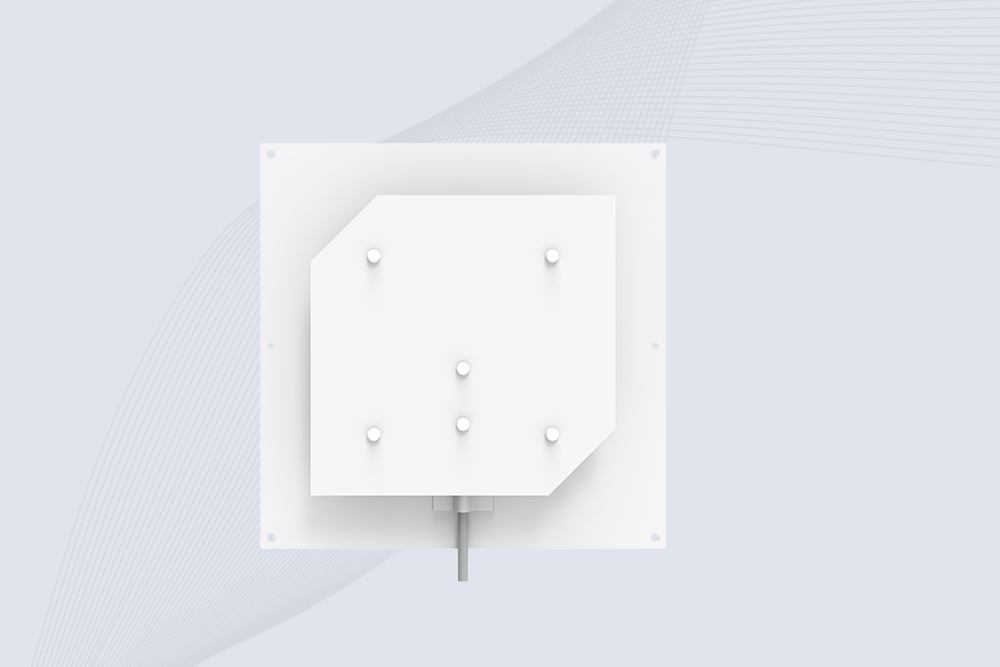
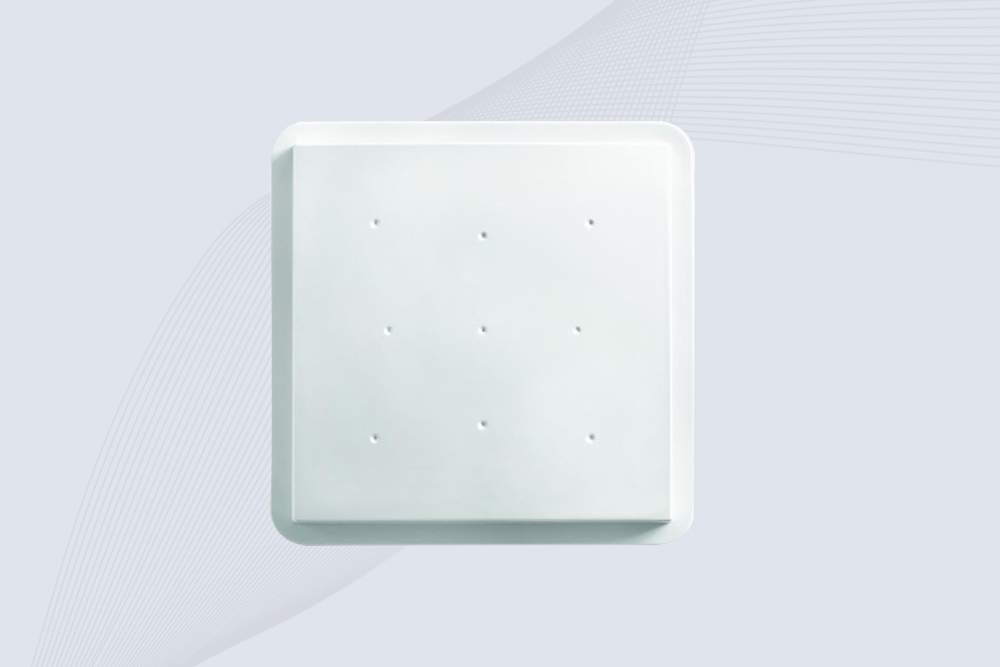
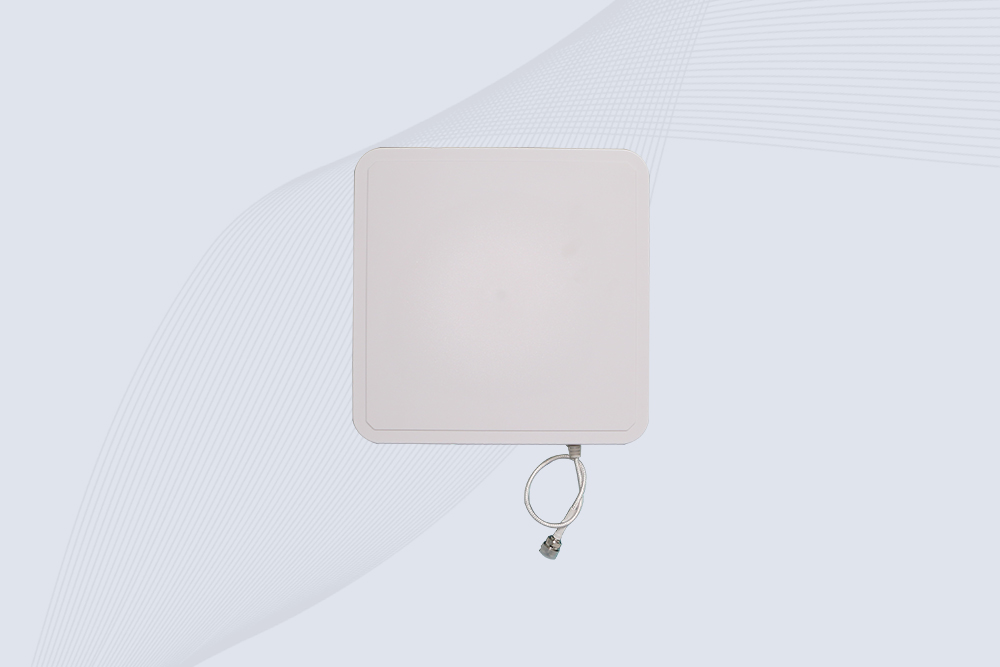
Antenna: Transmits and receives radio-frequency energy. Some readers have integrated antennas; others use external antennas.
Host system: A computer, industrial controller, or application that receives tag data and applies business rules.
Network or interface: Connects the reader to the host through options such as USB, serial communication, or Ethernet, depending on the device.
The details differ by frequency and tag type. A passive UHF reader used for warehouse inventory does not operate in exactly the same way as a 13.56 MHz HF reader used for cards or a low-frequency reader used for certain identification applications.
For this article, the main focus is passive UHF RFID, which is widely used for item-level identification, logistics, asset tracking, and automated inventory workflows.
How Does RFID Reader Work Step by Step?
1. The reader transmits a radio-frequency signal
When an application starts an inventory operation, the reader uses its RF circuitry and antenna to transmit a signal according to the supported RFID protocol and regional frequency settings.
For passive UHF RFID, the reader’s transmitted field provides energy that compatible passive tags can use to operate. The reader may also send commands that request identification or other supported tag operations.
The transmit power, antenna gain, antenna direction, frequency, and surrounding environment all influence how much RF energy reaches a tag. More power does not always produce a better installation. If the read zone is too broad, the system may identify tags outside the intended area.
2. The tag receives energy and responds
A passive UHF RFID tag typically contains a small integrated circuit connected to an antenna. When the tag receives sufficient energy from the reader’s field, its chip can respond according to the RFID protocol.
The tag communicates by modulating the radio signal it reflects back toward the reader, a technique commonly called backscatter. The response may contain an electronic identifier, such as an EPC, and can include other supported information depending on the tag and command being used.
A passive tag does not require its own battery to respond under normal operating conditions. Active RFID tags are different: they use an onboard power source for their radio communication, so their operating characteristics and typical use cases differ.
3. The reader decodes the response
The reader’s receiving circuitry detects the tag response and processes it into digital data. In multi-tag environments, anti-collision procedures help the reader inventory multiple tags without treating their responses as one undifferentiated signal.
A warehouse reader might detect identifiers from several tagged cartons during a single inventory round. The number successfully captured depends on factors such as tag sensitivity, tag orientation, RF interference, reader configuration, and how tightly the goods are packed.
Repeated detection is normal in many RFID applications. A stationary reader may see the same tag several times while the tag remains within its field. The application usually needs filtering or event logic so repeated reads do not become duplicate receipts, shipments, or inventory transactions.
4. The reader sends data to software
After reading a tag, the reader can forward the data to a connected host or application. The communication method depends on the model and installation: a desktop reader might use USB, while an industrial fixed reader may use Ethernet or serial communication.
Software then maps the identifier to a product, asset, document, vehicle, or other record. It can use that association to update an inventory count, validate a shipment, record a check-in, or generate an exception for an operator.
This is where RFID moves beyond radio communication. A tag read is evidence that a reader detected a tag; it is not automatically proof that an item was sold, delivered, or moved into a particular location. The software must interpret the read in the context of the configured workflow.
RFID Reader Performance: Range, Speed, and Frequency
An RFID reader’s performance cannot be reduced to a single read-distance figure. Range, tag response, read rate, antenna coverage, and the ability to reject unwanted reads all affect whether a system works reliably in a real facility.
RFID reader read range
GS1 explains that passive UHF (RAIN) RFID tags can typically be read over several meters, with ranges up to 15 meters possible in very special cases. The actual read range depends on reader power, frequency, RF interference, antenna characteristics, and tag orientation. GS1 also emphasizes that the shape of the readable zone can be more important than the maximum distance.
That distinction matters when designing a warehouse portal. A reader that reaches farther is not necessarily better if it also captures tags on a neighboring shelf or in an adjacent lane. For asset check-in, controlled reading boundaries may be more valuable than the longest possible range.
Read speed and multiple-tag identification
UHF RFID systems can identify multiple tags through standardized inventory procedures. The RAIN Alliance describes RAIN RFID as a technology designed for high-volume item identification, and reports that systems can read more than 1,000 tags per second under suitable conditions. This is an industry capability reference, not a guaranteed rate for every reader, tag population, or installation.
A reader’s actual throughput depends on tag sensitivity, the number of tags in the field, protocol settings, interference, and how the host application processes incoming data. A system that reads tags quickly but repeatedly reports the same items may still require careful software filtering before it can support accurate stock counts.
Frequency and protocol compatibility
Different RFID frequencies suit different jobs. GS1 describes HF systems operating at 13.56 MHz and passive UHF/RAIN systems operating across the 860–930 MHz range, with UHF commonly used for fast inventory and item tracking. The permitted operating band depends on the country or region.
Before deployment, verify that the reader, tags, and application use compatible air-interface standards and regional settings. For passive UHF, GS1 EPC Gen2 and ISO/IEC 18000-63 are central standards for communication between readers and tags. A device supporting a protocol does not mean every tag memory operation or optional feature is supported; confirm the required commands against the reader and tag specifications.
An RFID reader communicates with compatible tags and sends captured identifiers to inventory software for processing.
What Affects RFID Reader Performance in Real Applications?
A reader can pass a bench test and still need substantial adjustment after installation. In practice, the antenna, tag, surrounding materials, and intended read zone must work together.
Tag placement and material
The tag antenna must couple effectively with the reader’s RF field. A tag placed directly against metal or near liquid-filled products may perform differently from the same tag attached to a cardboard box. Specialized tags and different mounting positions can help, but they should be tested on the actual item.
Antenna positioning and unwanted reads
Antenna direction and polarization affect which tags are detected. In a warehouse aisle, the objective may be to read products on one shelf without detecting stock behind an adjacent rack. At a doorway, the goal may be to identify items passing through a specific lane.
Adjusting reader power, selecting a suitable antenna, and configuring the read zone can improve selectivity. Software can also filter repeated tag reports and apply rules to distinguish relevant events from background reads.
Software integration
The reader may output a tag identifier, timestamp, antenna information, or other data supported by the device. The application must determine what those fields mean for the business process.
For example, a reader installed at a receiving point should not necessarily mark every detected tag as received. The application may need to verify that the tag belongs to an expected shipment, confirm the checkpoint, and prevent repeated reports from creating duplicate transactions.
How Cykeo UHF RFID Readers Fit Into These Applications
For industrial applications, a UHF RFID reader may need more than basic tag identification. Interface options, antenna integration, regional frequency support, protocol compatibility, and input/output control can determine how easily the equipment fits into a larger system.
Based on the product specifications supplied for this project, Cykeo’s UHF RFID reader offering includes features intended for flexible deployment:
Feature
Why it matters
Integrated or compatible antenna options
Helps adapt the reader to a specific installation and reading zone
Multiple interface options, depending on model
Supports connection to a host computer, controller, or industrial network
GPI and GPO connections on supported models
Can support external triggers, sensors, indicators, or other control logic
Multi-tag identification
Supports inventory and item-identification workflows involving multiple tags
Regional frequency configurations
Helps match operation to the permitted RFID band in the installation country
Support for applicable RFID protocols
Allows compatible readers and tags to communicate using the required air interface
One supplied reader specification lists up to 15 m read range, up to 8 m write range, and a stated identification rate above 400 tags per second. These should be presented as model-specific manufacturer specifications, not universal RFID performance guarantees. Actual results depend on the reader configuration, antenna, tag, environment, and test conditions. Confirm the precise model datasheet before publishing those figures as a product claim.
The same supplied specifications list three GPO outputs and two GPI inputs for a supported configuration. These connections may be useful where an RFID reader must coordinate with external equipment. For example, an input could be used as a trigger in a configured workflow, while an output could signal a controller or indicator. The exact behavior depends on the device’s interface definitions and software configuration.
Typical application areas include:
Asset check-in and check-out
Warehouse receiving and dispatch
Document and archive management
Jewelry and high-value item management
Electronic ticketing, where the selected RFID technology is compatible
Vehicle inspection and identification
Personnel access workflows using compatible credentials and readers
The reader should be selected according to the job it must perform. A long-range fixed reader for a warehouse checkpoint has different requirements from a desktop device used to register or encode tags. A successful deployment starts with the process, not just the hardware specification.
Types of RFID Readers and Where They Are Used
Not every RFID reader is designed for the same job. The right choice depends on how tags are presented, how many items must be identified, how the reader connects to other equipment, and whether the system operates at a desk, on a handheld device, or at a fixed checkpoint.
Handheld RFID readers
Handheld readers allow employees to move through a storage area and identify tagged items without bringing each item to a fixed scanner. They are useful for cycle counting, shelf verification, asset searches, and checking items in storage rooms.
Their flexibility is valuable when inventory is spread across multiple shelves or rooms. However, the operator’s movement and reading technique can affect coverage. A handheld workflow should define where staff scan, how they handle missed reads, and how the application distinguishes a completed count from an unfinished pass.
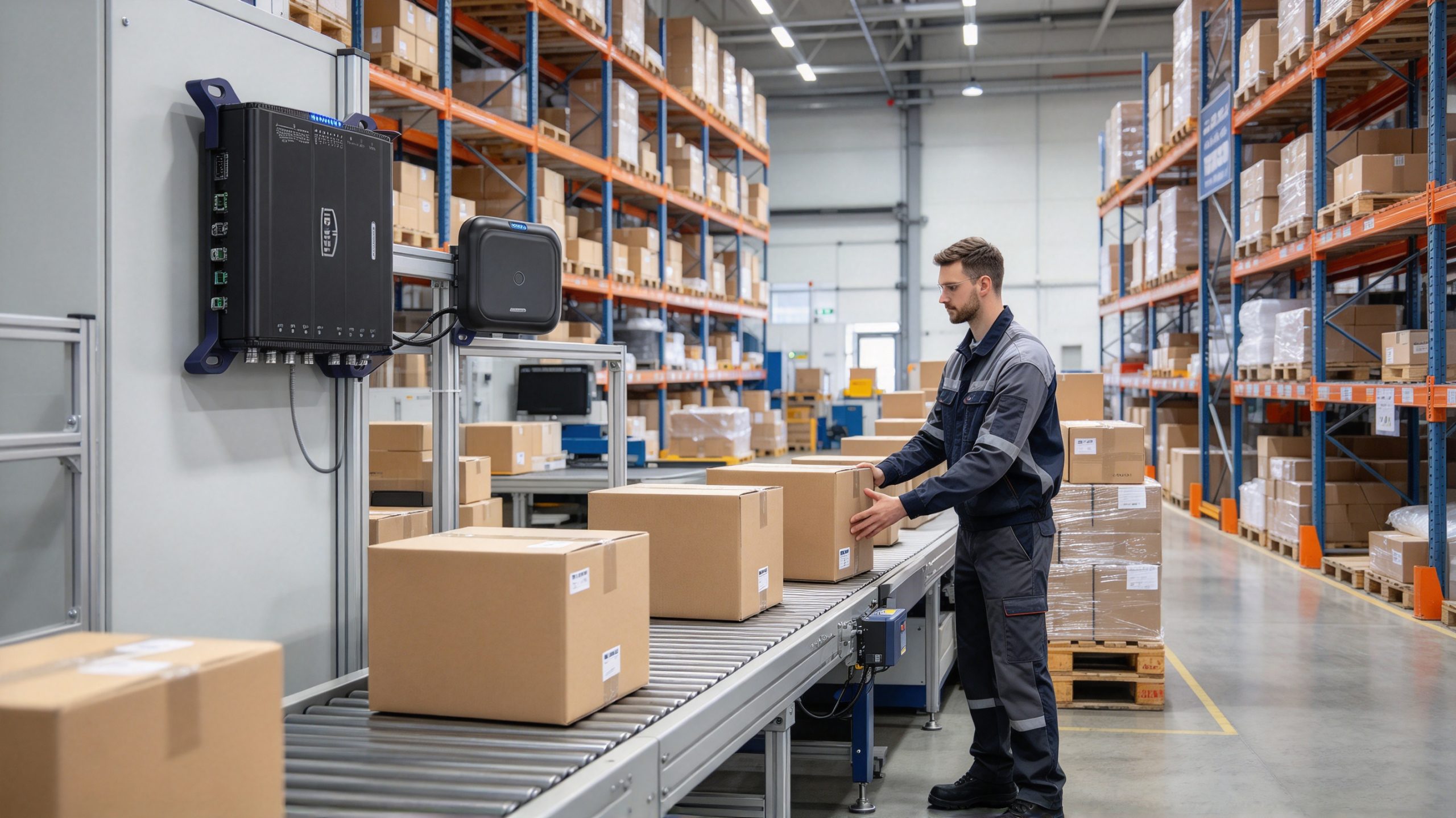
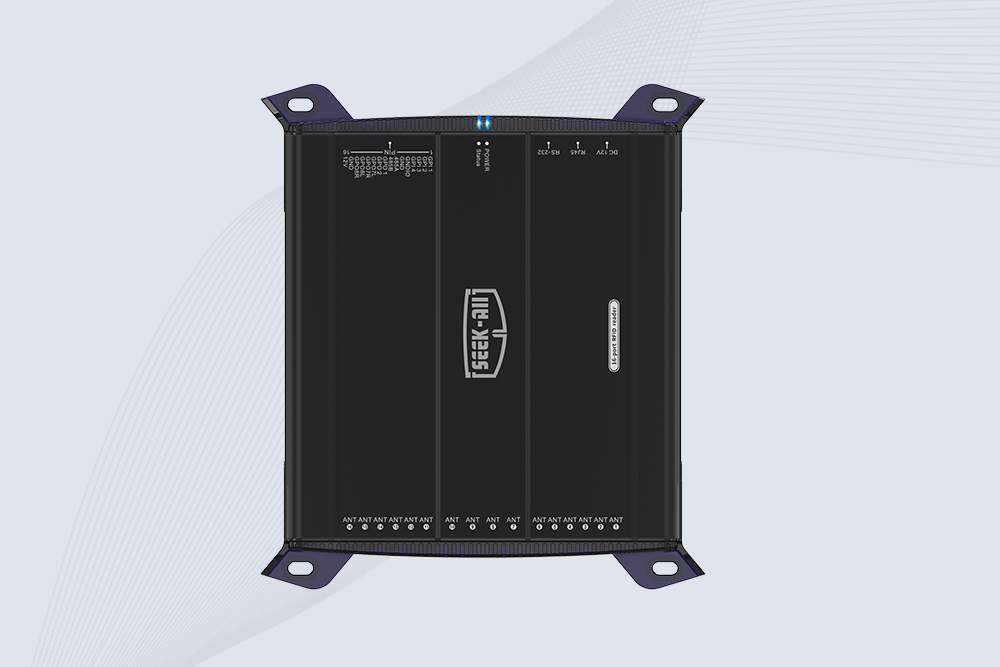
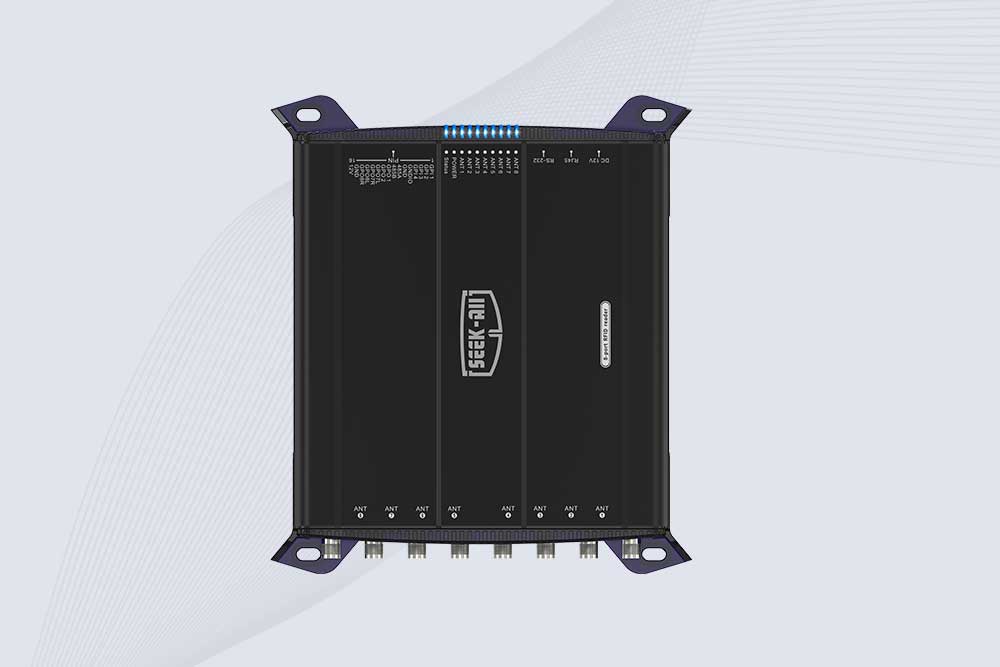
Fixed readers are installed at defined points, such as warehouse entrances, dispatch areas, conveyor lines, or workstations. Depending on the reader and antenna configuration, they can collect tag data as goods pass through a designated zone.
Fixed systems suit repeatable processes, but installation needs careful planning. Antenna placement, tag orientation, lane width, and nearby tagged goods all affect performance. The software also needs event rules to distinguish a real movement from repeated detections of the same item.
Integrated-antenna RFID readers
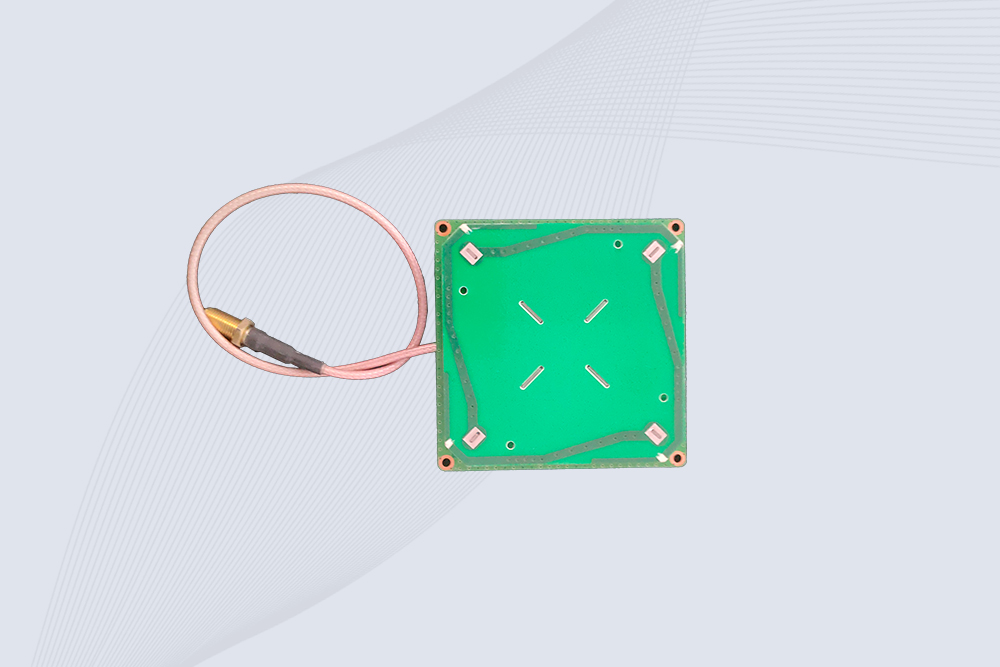
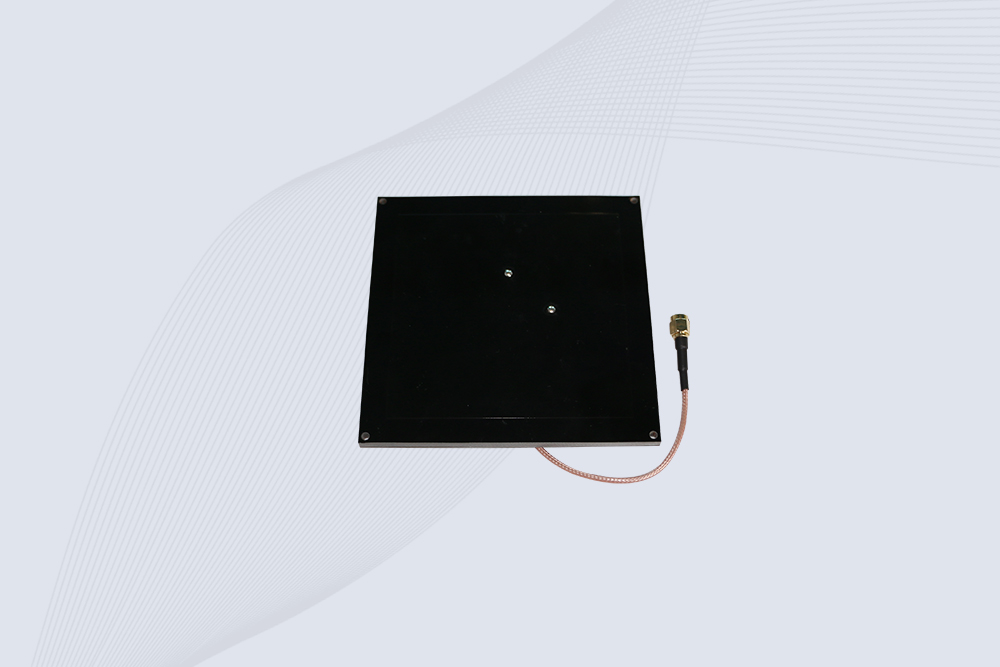
An integrated-antenna reader combines the reader electronics and antenna in one unit. This can simplify installation where the required reading area and mounting position are well defined.
For example, a reader mounted above a workstation may identify tagged items presented for registration or verification. Integrated designs can reduce the need to install separate antennas, although the coverage pattern may be less flexible than a system designed around external antennas.
Desktop RFID readers and writers
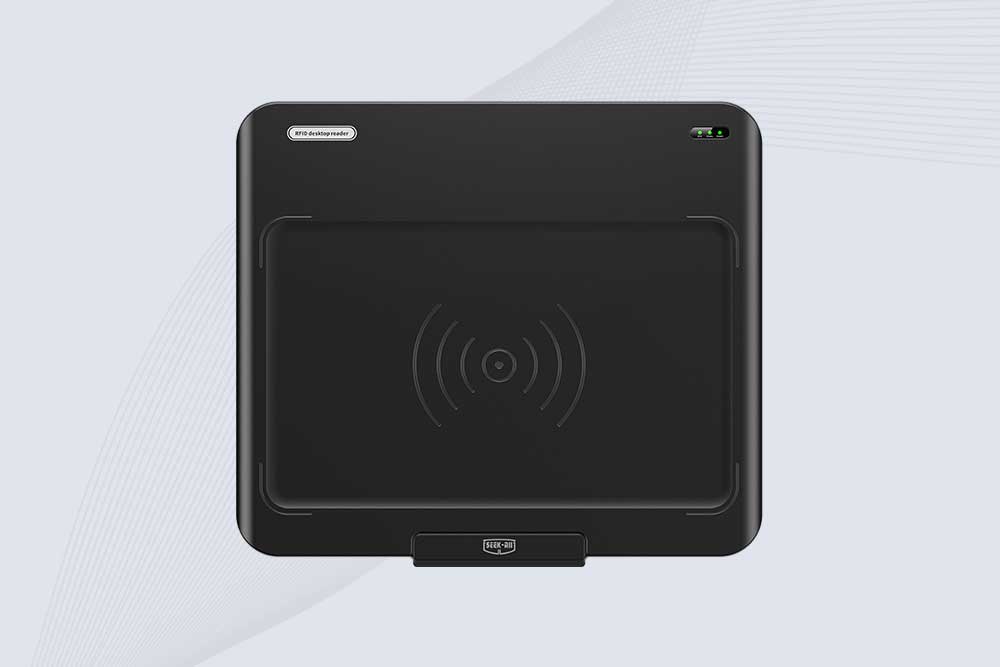
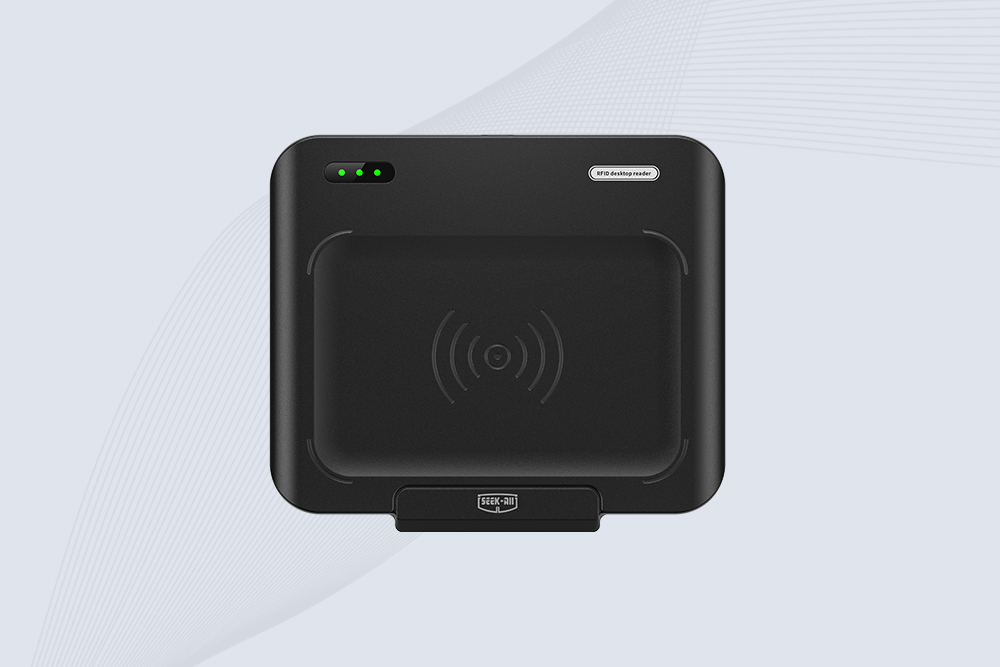
Desktop devices are generally used for controlled, close-range tasks such as tag registration, data verification, and supported tag encoding. They can be suitable for service counters, laboratory benches, asset preparation stations, and other work areas where items are presented individually or in small batches.
A desktop reader should not be selected solely because it supports the same broad frequency as a fixed reader. Check its supported protocols, writing functions, software development tools, and intended operating distance.
How to Set Up an RFID Reader
A reliable RFID setup requires compatible hardware, appropriate configuration, and a defined data workflow. The following sequence is a practical starting point for a passive UHF system.
Confirm tag compatibility. Check the tag frequency, protocol, and required memory operations against the reader specifications.
Select the correct regional frequency setting. The permitted UHF band differs between countries and regions. Configure the reader for the intended operating location.
Install the antenna or integrated reader. Follow the manufacturer’s mounting guidance and keep the intended read zone in mind.
Connect the host interface. Use the supported connection, such as Ethernet, serial communication, or USB, depending on the model.
Configure reader parameters. Set the required RF power, inventory protocol, antenna selection, and tag filtering options where available.
Test with real tagged items. Use representative products, packaging, orientations, and distances rather than relying only on an empty bench test.
Connect the application. Map captured identifiers to the correct records and define when a read should create a business event.
Validate exceptions. Check missed tags, repeated reads, unwanted reads, and communication failures before operational rollout.
The most important test is not whether a tag can be read once. It is whether the complete system can identify the expected items reliably under normal operating conditions.
Common RFID Reader Problems and How to Diagnose Them
Problem
Possible causes
Practical checks
Tags are not detected
Incompatible tag, incorrect frequency, insufficient RF energy, damaged tag
Confirm protocol and region; test a known-compatible tag
Reading distance is shorter than expected
Tag orientation, antenna placement, nearby metal or liquid, unsuitable tag
Test the actual product and adjust positioning
Too many tags are detected
Read zone is too broad, excessive power, nearby inventory
Reduce the coverage area, reposition antennas, or adjust power
The same tag appears repeatedly
Normal repeated inventory reports, insufficient filtering, application logic
Apply deduplication and event rules appropriate to the workflow
Reader data does not reach the application
Interface settings, network configuration, driver or protocol mismatch
Check the connection, configuration, and data format
Tag writing fails
Unsupported memory operation, tag access restrictions, weak RF coupling
Verify tag permissions and the supported write command; retest at a suitable distance
A recurring problem in fixed-reader installations is treating radio coverage and application logic as separate concerns. They are closely linked. If the reader detects tags from a neighboring zone, software may need to reject those detections—but better antenna placement or a narrower read zone may be the more robust first fix.
Likewise, if an item is detected multiple times during a single pass, the application should not blindly count every report as a separate item. A system can retain the raw reader events for diagnostics while using filtered events to update inventory records.
Fixed RFID readers can capture tag data at defined checkpoints and pass it to software for shipment verification or inventory processing.
How to Choose the Right RFID Reader for Your Application
Before selecting a reader, define the task in operational terms. Does the system need to count items on shelves, register tags at a desk, detect tagged goods at a doorway, or communicate with external machinery? Each requirement leads to different hardware and configuration choices.
Use this checklist when comparing equipment:
Frequency and protocol: Confirm that the reader and tags are compatible and that the configuration is permitted in the target region.
Reading and writing requirements: Some projects only need to identify tags; others require supported memory-writing operations.
Read range and coverage: Define the actual work area instead of selecting equipment based on maximum range alone.
Tag volume and throughput: Estimate the number of tags present, the required processing time, and the acceptable missed-read rate.
Interfaces and I/O: Check whether the installation needs Ethernet, serial communication, USB, external triggers, or programmable outputs.
Software support: Confirm that the reader can exchange data with the intended inventory, access-control, or warehouse application.
Environmental suitability: Consider dust, moisture, vibration, temperature, mounting constraints, and nearby metal structures.
Testing and support: Verify that the supplier can provide configuration information, integration documentation, and a method for validating performance.
For an industrial deployment, request a demonstration using representative tags and the actual types of goods to be identified. A reader that performs well with a single tag on a clean workbench may behave differently when dozens of tags are packed together on a metal trolley or inside cartons.
The final acceptance test should record the expected items, detected items, missed reads, unwanted reads, and any data-processing errors. These measurements create a useful baseline for commissioning and future troubleshooting.
Frequently Asked Questions About RFID Readers
1. How does RFID reader work with a passive tag?
A passive RFID reader transmits a radio-frequency signal. A compatible tag harvests energy from the reader’s field and responds by modulating the signal it reflects back. The reader decodes the response and sends the captured identifier to software for processing.
2. Can an RFID reader read multiple tags at the same time?
Yes. Compatible RFID readers use anti-collision procedures to identify multiple tags within a suitable reading zone. The number of tags successfully captured depends on the reader, tag design, RF environment, configuration, and software processing. A quoted maximum read rate should not be treated as a guaranteed result in every installation.
3. How far can an RFID reader read a tag?
The range varies with frequency, tag type, antenna, reader power, orientation, and surrounding materials. Passive UHF RFID can typically operate over several meters, and longer distances are possible in favorable conditions. GS1 notes that passive UHF read distances can reach 15 meters in very special cases, but actual range must be tested for the intended application.
4. Can an RFID reader write data to a tag?
Some RFID readers support writing to compatible tag memory, provided the tag and reader support the required operation and access conditions are satisfied. Writing generally requires more controlled testing than simple identification. Confirm the supported protocol, memory bank, access permissions, and practical write distance for the selected equipment.
5. What is the difference between an RFID reader and an RFID antenna?
The reader generates and processes the RF communication, while the antenna transmits and receives radio-frequency energy. Some products combine both components in one enclosure; other systems use external antennas connected to a fixed reader. Antenna selection and positioning influence the reading zone and system performance.
6. Why does an RFID reader miss tags?
Possible causes include incompatible tags, incorrect regional frequency settings, poor tag orientation, insufficient RF energy at the tag, interference, unsuitable antenna placement, or limitations in the application’s filtering logic. Test with a known-compatible tag, then repeat the test with actual products in their normal positions.
7. Which RFID reader is best for warehouse inventory?
A handheld reader may suit mobile cycle counts and shelf checks, while a fixed reader may be more appropriate for repeatable checkpoints such as receiving or dispatch. The best choice depends on item volume, reading distance, environment, connectivity, and how the software uses the data. Validate the intended workflow before selecting equipment.
Explore the SSD-A07 UHF RFID antenna with 7 dBi gain, circular polarization, adjustable 840–960 MHz frequency, and 60°/75° beamwidth for stable RFID read/write performance.
SSD-A06 UHF RFID antenna with circular polarization, adjustable 840–960 MHz frequency, ≥4.5 dBi gain, and a compact directional design for RFID systems.
SSD-D3AL is a USB-HID UHF RFID reader with 0–30 cm reading, 0–15 cm writing, over 600 tags/s recognition, USB plug-and-play operation and OEM Logo customization.
SSD-D1AL is a compact USB UHF RFID reader with Impinj E710/X3M1 chipset, USB-HID, 600+ tags/s recognition, 4/8/16 antenna support and plug-and-play USB power.
SSD-R16L Multi-Channel RFID Infrastructure for Automated Inventory Management ✔️ 16-Port High-Density RFID Reading Equipped with 16 SMA antenna ports, SSD-R16L supports multi-antenna deployment for warehouses, retail stores, logistics, production lines, and large-area RFID identification. ✔️ High-Speed & Long-Range Performance With up to 33…
SSD-R8L 8-port UHF RFID reader with 33dBm output, up to 20m reading range and 600+ tags/s recognition. Ideal for warehouse, logistics, retail and asset tracking.
CYKEO CYKEO-D1LA USB RFID Reader is a compact desktop solution with near-field control for precise tag reading and encoding. Powered by USB, supporting ISO 18000-6C, and built for stable batch writing, this usb rfid tag reader fits retail, libraries, offices, and controlled RFID encoding tasks.
CYKEO CYKEO-D1L RFID scanner USB is a compact desktop UHF RFID scanner designed for short-range tag writing and verification. This usb rfid scanner supports batch encoding, stable 0–26 dBm output, and works across Windows, Linux, and Android systems.
CYKEO CYKEO-D1C USB RFID Card Reader is a near-field UHF desktop writer designed for secure, short-range tag encoding. With USB-C connectivity and stable 26 dBm output, this rfid reader usb c is ideal for badge issuance, label encoding, and controlled desktop RFID workflows.
CYKEO CYKEO-D2L RFID Reader USB is a compact desktop encoder built on the Impinj R500 chip. With near-field control and stable USB power, this usb rfid card reader delivers precise tag writing for offices, retail counters, and small-scale logistics encoding tasks.
CYKEO CYKEO-D3L USB RFID Tag Reader delivers stable UHF tag reading and writing for daily desktop and light industrial tasks. Designed for controlled short-range operation, this USB RFID Tag Reader works reliably with rfid tag and reader systems in libraries, tool tracking, and inventory registration.
The CYKEO CYKEO-D4L UHF RFID Tag Reader is a stable Desktop RFID Reader designed for accurate tag registration, borrowing, and return workflows. Built with the Impinj R2000 chip, this UHF RFID Tag Reader delivers controlled short-range reads for libraries, asset tracking, and inventory management environments.
The CYKEO CYKEO-D5L Desktop RFID Card Reader is a stable UHF RFID Card Reader designed for controlled short-range reading and writing. Built for libraries, tool rooms, and asset desks, this UHF RFID Card Reader supports dense tag handling, secure data processing, and easy USB integration.
The CYKEO CYKEO-D6L RFID Reader Writer is a heavy-duty Desktop RFID Reader designed for short-range, high-accuracy tag programming. Built for libraries, labs, and asset desks, this RFID Reader Writer supports batch processing, stable 33dBm output, and seamless integration with existing management systems.
Cykeo CYKEO-D8A embedded RFID badge reader offers 30+ tags/sec scanning, 20cm anti-crosstalk precision, and DC 12V power for unmanned stores, warehouses, and smart inventory systems.
Cykeo’s CYKEO-D8C UHF RFID gate reader achieves 200-tag/batch scanning with adjustable power control, ideal for retail inventory and smart warehouse management.
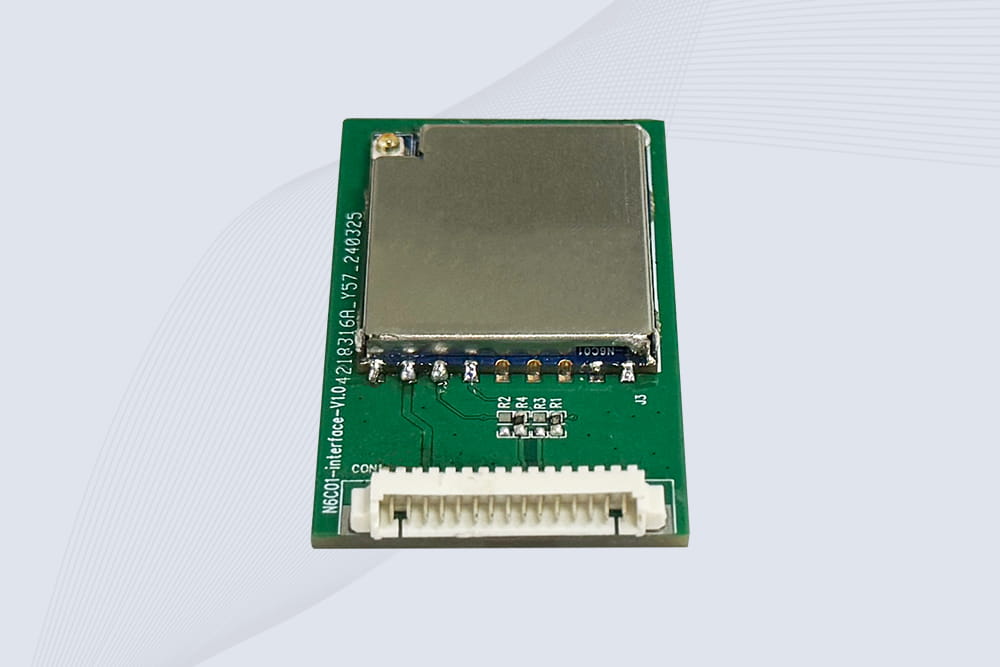
CYKEO Embedded RFID Modules are designed for compact industrial and IoT devices that require stable UHF performance. These UHF RFID Modules support global protocols, flexible power control, and reliable multi-tag reading for smart cabinets, production lines, and asset tracking systems.
CYKEO Embedded RFID Module is built for compact IoT and industrial devices that need stable UHF performance. This UHF module supports global protocols, low power operation, and reliable multi-tag reading for smart lockers, production lines, and always-on RFID systems.
CYKEO CYKEO-M1 drone rfid module is a compact UHF RFID reader module designed for drones and UAV platforms. It supports long-range aerial scanning, fast multi-tag reading, and stable performance in wind, vibration, and outdoor environments.
CYKEO CYKEO-M4 RC522 RFID Module is an industrial-grade UHF RFID reader with 4 ports, supporting ISO, EPC, and GB protocols. High-speed, accurate reading for IoT, automation, and warehouse applications.
CYKEO CYKEO-M8 Module RFID is an 8-port UHF R2000 RFID Module designed for high-density, multi-tag environments. Stable 33dBm output, ISO & GB protocol support, ideal for warehouses, factories, and automated systems.
CYKEO CYKEO-M16 RFID Module is a 16-port UHF RFID reader module based on the R2000 chipset. Designed for dense tag environments, it supports ISO and GB standards and delivers stable multi-antenna control for industrial automation.
The CYKEO CYKEO-M16L RFID Reader Module is a 16-channel UHF RFID core designed for dense tag environments. With adjustable 33dBm output, multi-protocol support, and stable multi-antenna control, this RFID Tag Reader Module fits industrial automation, warehouse systems, and large-scale IoT deployments.
CYKEO CYKEO-M8L module RFID is a compact industrial UHF module built for dense tag and multi-antenna environments. With 8 RF ports, adjustable 33 dBm output, and ISO & GB protocol support, it is widely used in factories, warehouses, and automated tracking systems.
CYKEOCYKEO-M4L UHF RFID Module is a compact 4-channel RFID tag reader module designed for dense tag environments. Supporting ISO and GB protocols, it delivers stable reads up to 10 meters for industrial and IoT systems.
Cykeo CYKEO-A11 UHF RFID reader antenna delivers 11dBi gain, 840-960MHz frequency range, and IP65 ruggedness for retail, logistics, and industrial RFID systems. Features low VSWR and easy installation.
CYKEO Antenna RFID Reader delivers stable long-range UHF performance with a 10.5dBi directional design, built for warehouses, conveyor portals, and industrial RFID systems. This rfid reader antenna provides 20m+ read distance and rugged IP67 protection.
Cykeo CYKEO-A5B industrial Linear RFID Antenna delivers 5dBi gain, ≤1.5:1 VSWR, and IP65 rugged design for warehouse, production line, and logistics UHF systems.
Cykeo’s CYKEO-B12 Long Range RFID Antenna delivers 15m+ read range with 12dBi gain, IP65 rugged design, and global 840-960MHz UHF support. Ideal for warehouse/logistics asset tracking.
Cykeo CYKEO-B10 Long Distance RFID Antenna offers 10dBi gain, 840-960MHz frequency range, IP65 rating, and 20m+ coverage for logistics/warehousing/ETC systems. Low VSWR ensures stable signal transmission.
Cykeo CYKEO-A6 UHF RFID panel antenna features 6dBi gain, 840-960MHz broadband, IP65 metal-ready housing for logistics/smart retail. 18mm ultra-thin design with tool-free mounting.
Cykeo CK-A3 industrial antenna RFID UHF offers 5m+ tag detection, ≤1.3:1 VSWR, IP65 rugged design, and global UHF spectrum compatibility (840-960MHz) for warehouses, factories, and retail.
Cykeo CYKEO-B5 directional RFID antenna provides 5dBi gain with 60° narrow beamwidth for precise inventory tracking. IP65-rated, global UHF frequency support, and low VSWR.
Create your own high-performance DIY RFID antenna! 5dBi gain, 840-960MHz tunable, step-by-step guides. Compatible with Arduino, Raspberry Pi, and commercial UHF readers.
Cykeo CYKEO-A7 Flexible RFID Antenna features 840-960MHz wideband tuning, 7dBi gain, and IP68 rating for medical/retail/industrial curved surface deployments. 98% read accuracy with peel-and-stick installation.
Cykeo CYKEO-B5A industrial Passive RFID Antenna delivers 5dBi gain, 70° beamwidth, and -40°C~55°C operation for warehouses/smart cabinets. Compatible with Zebra/Impinj readers.
Cykeo’s CYKEO-A9B High Gain RFID Antenna delivers 15m+ read range with 9dBi amplification. Features IP54 rugged design, 840-960MHz bandwidth, and 80° beamwidth for warehouse/manufacturing RFID systems.
Cykeo’s enterprise-grade 8dbi Impinj RFID Antenna 10m+ read range with 840-960MHz tuning. Features IP65 housing, 1.4 VSWR, 35° beamwidth for retail/warehouse RFID systems.
Cykeo CYKEO-A9 industrial UHF RFID antenna delivers 9dBi gain, 840-960MHz frequency range, and IP65 protection for warehouse/logistics/retail RFID systems. Features N-type connector and ≤1.3:1 VSWR.
CYKEO UHF RFID Antenna built for long-distance and industrial applications. This antenna rfid uhf delivers strong gain, outdoor durability, and reliable tag performance in warehouses, yards, and vehicle ID systems.
CYKEO Antenna RFID delivers reliable long-range UHF performance in warehouses, retail shelves, and cold-chain environments. This compact uhf rfid antenna provides stable reads with circular polarization and ultra-wide 840–960 MHz support, ideal for industrial tracking, smart shelves, and asset monitoring.
Cykeo’s CYKEO-C8 UHF RFID antennas delivers 8dBi gain, 840-960MHz full-band coverage, and IP65 ruggedness for manufacturing/warehouse RFID systems. Industrial RFID Antennas Features
Cykeo’s 8dBi UHF RFID antenna and reader kit delivers 10m+ range, 840-960MHz broadband, and IP65 ruggedness for factories, warehouses, and logistics. ISO 18000-6C & EPC Gen2 certified.
long range RFID scanner can help ports identify trucks, trailers, containers, and reusable equipment at gates, transfer points, loading areas, and other chec...
Wondering "how do you prevent a RFID card reader theft"? Discover physical security measures, tamper alarms, anti-cloning protection, and configuration safeguards with CYKEO.
Cykeo long-range fixed RFID reader provides an enterprise-grade asset tracking solution for manufacturing, logistics, and energy sectors. Supports Java/C# cross-platform development, RESTful and native APIs, and comes with a secondary development ...
Discover rfid handheld reader writer solutions from Cykeo for mobile inventory, asset tracking, and tag programming. Improve field operations with fast RFID reading, writing, and data management.
 Cykeo RFID IoT Solution Products R&D Manufacturer