 Cykeo RFID IoT Solution Products R&D Manufacturer

Can Smartphones Read RFID? Let’s Get Real.
408Wondering if you can use smartphones to read RFID? We explain the NFC capability, its severe limitations, and when you need professional RFID hardware.
MoreAll RFID Product
RFID and bar coding both identify products, but they capture data differently. Barcodes generally require a scanner to see and read a printed code, while RFID readers communicate wirelessly with compatible tags and can identify multiple items within a suitable reading zone. The better choice depends on workflow, environment, cost, and required visibility.
The main difference is how each technology captures an item’s identity. A barcode stores information in a printed, optically readable pattern. RFID uses a radio-frequency tag and reader to exchange information without requiring the reader to see a printed symbol directly.
That difference changes the work involved in a stock count. With a barcode process, an employee normally points a scanner at each label. With a suitable UHF RFID setup, the employee may be able to read many tagged items in one pass, even when the labels are not all facing the reader. However, RFID is not automatically faster in every situation: tag placement, reader configuration, product materials, and the quality of the application all matter.
| Comparison point | RFID | Bar coding |
|---|---|---|
| Data capture | Radio-frequency communication between a reader and tag | Optical scanning of a printed symbol |
| Line of sight | Usually not required for radio reads | The barcode must be visible to the scanner |
| Multiple-item reading | Possible within a suitable read zone | Usually one barcode at a time |
| Data carrier | Electronic RFID tag | Printed barcode |
| Initial equipment | May require tags, readers, antennas, and software integration | Often uses printed labels and barcode scanners |
| Typical use | Item-level inventory, receiving, stock checks, and automated checkpoints | POS transactions, shipping labels, picking, and individual item scans |
| Common limitations | RF interference, tag cost, read-zone control, and integration complexity | Damaged or obscured labels, scanning angle, and individual scan effort |
Neither technology is universally superior. A small shop that scans a few products per transaction may find barcodes simpler and more economical. A distribution operation that needs to count hundreds of tagged items quickly may gain more from RFID, provided the reading zone and software are designed for that task.
A barcode scanner illuminates a printed symbol and interprets the reflected light. The decoded value is passed to a connected application, which uses it to look up a product, shipment, or other record. In many retail systems, the barcode does not contain the complete product description or current price; those details come from the linked database.
The workflow is familiar because it is deliberately direct: find the label, scan it, and let the software respond. That makes barcode systems useful at checkout counters, packing stations, and picking locations where an operator can easily reach each label.
But the physical label can become the bottleneck. A barcode facing the back of a carton may need to be turned around. A creased, dirty, or covered symbol may need another scan or a manual lookup. In a fast-moving warehouse, each individual action is small, yet repeated actions across thousands of items add up.
An RFID system uses a reader to send radio-frequency energy or interrogation signals to a tag, depending on the tag type. A passive UHF RFID tag harvests energy from the reader’s field and responds with stored data, commonly including an identifier used by software to retrieve the associated item record.
Unlike a barcode, a passive RFID tag does not need a battery to operate. Its response can be captured without an optical scan of the printed label. Compatible readers can also inventory multiple tags in a read zone using anti-collision protocols, which help distinguish responses from several tags.
The practical result is different from simply “scanning faster.” An RFID reader can collect identifiers while a worker moves a handheld device past a rack, or while tagged goods pass through a configured portal. The application then needs to filter repeated reads, map identifiers to the correct products, and decide which business event—such as receiving, counting, or dispatch—has actually occurred.
That last step is important. A reader detecting a tag does not, by itself, prove that a product has been sold, received, or removed from stock. The business software must interpret the read in context.
RFID’s value is not limited to how quickly a reader identifies tags. In inventory operations, the more consequential question is whether better data capture helps keep the inventory record aligned with the physical stock.
A 2013 field study by Bill C. Hardgrave, John A. Aloysius, and Sandeep Goyal, published in Production and Operations Management, examined RFID-enabled inventory visibility in retail stores. In its first experiment, conducted across 13 stores over 23 weeks, the researchers reported an approximately 26% reduction in inventory record inaccuracy. In a second experiment involving 62 stores and five product categories, the effect varied by category—from no statistically significant improvement to an 81% reduction.
Those figures need context. They are results from particular field experiments, not a promise that any RFID installation will produce the same improvement. Tagging coverage, store processes, product categories, and the way RFID data was used to update inventory records all matter.
The useful insight for a business evaluating RFID is that faster data capture only creates operational value when the resulting data changes a decision or improves a process. If a reader captures tags successfully but the software does not reconcile duplicate reads or update stock records correctly, the technical success may not translate into better inventory accuracy.

The cost comparison between RFID and bar coding is more complicated than comparing the price of a tag with the price of a label. A barcode label is generally cheaper to produce, while an RFID deployment may require electronic tags, readers, RFID antennas, software integration, and testing. The relevant question is whether the operational benefits justify the additional investment.
GS1 explicitly notes that RAIN RFID will not replace barcodes in every application. It recommends assessing whether the business needs non-line-of-sight reading, simultaneous item identification, or the ability to change information stored on a data carrier. Barcodes remain attractive where low-cost labels and straightforward scanning meet the requirement.
Bar coding is often the more economical starting point for low-volume operations or processes where staff already scan items individually. Printed labels and conventional scanners are widely used, and many businesses already have the software and workflows in place.
RFID adds costs that vary with the design. A project may need item-level tags, handheld or fixed readers, antennas, network connectivity, middleware, integration work, and staff training. Tags also differ by application: a basic paper inlay and a tag engineered for a challenging surface do not have the same cost or performance profile.
However, purchase price alone can be misleading. If workers spend substantial time turning cartons, locating labels, or scanning every item during cycle counts, the labor involved may be a significant part of the barcode process cost. RFID may reduce some of that effort—but only if read coverage and software processing are reliable.
Neither technology guarantees perfect results.
Barcode scanning depends on the condition and visibility of the label, the scanner, and the operator’s actions. RFID depends on the tag, reader, antenna placement, RF environment, and the software rules used to interpret reads. Metal surfaces, liquid contents, tag orientation, dense packaging, and nearby tagged items can affect performance in a UHF RFID application.
A common mistake is to compare a barcode scan that visibly succeeds with an RFID system’s theoretical maximum read rate. A fair test measures the complete workflow: how many expected items were identified, how many were missed, how many unrelated items were captured, and whether the resulting inventory records were correct.
GS1’s RFID guidance emphasizes evaluating the use case rather than assuming RFID is the better solution in every situation. It also identifies inventory scale, required accuracy, time spent counting, and the need for timely stock visibility as important decision factors.
Barcode systems usually record a scan when an operator or automated optical scanner reads a label. RFID can also support automated capture at defined checkpoints, such as receiving areas or dispatch doors, when compatible readers and application logic are installed.
This can provide a more frequent view of stock movements. But RFID does not automatically create precise location tracking throughout a building. A reader generally reports that a tag was detected within its effective field; the software must use reader location, event rules, and other information to interpret that detection.
For example, if a tagged carton is detected at a receiving portal, the system may register a receiving event after validating the shipment. The same tag being detected repeatedly near a reader should not create multiple receipts. Event filtering and integration are part of the solution—not optional extras.
The best choice follows the work that needs to be done, rather than the novelty of the technology.
| Business requirement | Usually worth evaluating first | Why |
|---|---|---|
| Low-cost identification at a checkout counter | Barcode | Simple, established item-by-item scanning |
| Scanning a few items during picking | Barcode | Direct scanning may be sufficient |
| Frequent counts of large volumes of tagged items | RFID | Multiple tags can be identified within a suitable read zone |
| Reading items when labels are not visible | RFID | Radio reads do not require optical line of sight |
| Identifying goods at a fixed doorway or checkpoint | RFID, where suitable | Readers can capture tag events without manual scanning |
| Very low-cost packaging identification | Barcode | Printed labels are generally cheaper |
| Mixed workflows with both manual and automated steps | Combined system | Each technology can cover a different task |
These are starting points, not universal rules. A warehouse with difficult RF conditions may still depend on barcodes in some zones. A business using RFID for inventory can retain barcode labels for manual exceptions, supplier processes, and fallback identification.
GS1 notes that RFID and barcode technologies can complement each other, including by using compatible identification keys across both systems. A hybrid setup can preserve familiar scanning workflows while introducing RFID where it solves a measurable operational problem.
A short pilot using real inventory is more useful than choosing a system based on advertised scan speed. Start with one process that causes measurable work—such as a weekly cycle count, inbound carton verification, or locating items that the inventory system says are available but staff cannot find.
Record the current baseline before testing. Useful measurements include:
Run both methods under comparable conditions. If a barcode count takes 45 minutes and an RFID-assisted count takes 12 minutes, the observed time reduction is approximately 73%. That is a hypothetical example of how to calculate a result, not a guaranteed RFID performance figure. The business should also check whether the RFID count missed items or required extra reconciliation.
The most useful outcome is a documented decision: deploy RFID in the tested workflow, retain barcodes, or combine both. A pilot that shows RFID is unnecessary for a particular process can still be a successful evaluation.
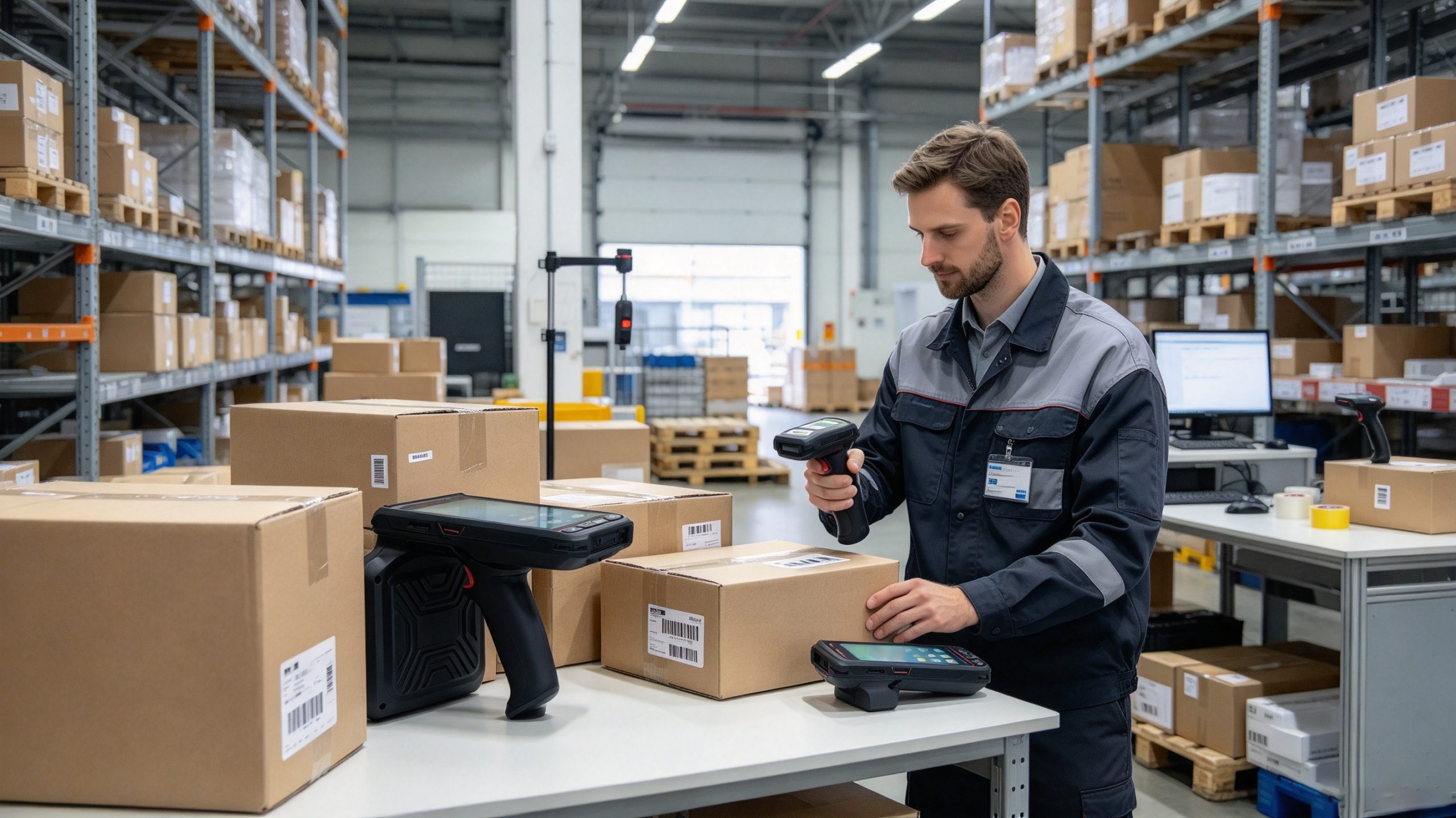
RFID can identify multiple compatible tags within a suitable reading zone without requiring individual optical scans. Bar coding generally requires each label to be presented to a scanner. RFID can reduce manual counting effort in high-volume workflows, while barcodes often remain a practical, lower-cost option for simpler processes.
Not automatically. Both technologies can produce incorrect or incomplete results. Barcode performance depends on label quality, visibility, and scanning procedure. RFID performance depends on tag placement, reader configuration, RF conditions, and software filtering. Compare both systems using measured item-capture rates and the accuracy of the final inventory records.
Yes. A product can carry a printed barcode and an RFID tag. The systems can use compatible product identifiers and connect to the same inventory records, provided the implementation is designed accordingly. This arrangement can preserve barcode-based workflows while supporting RFID inventory counts or automated checkpoints.
Barcodes are inexpensive to print, supported by established standards, and compatible with widely deployed scanners and business systems. For operations with low scan volumes or straightforward item-by-item transactions, they may deliver the required performance without the additional infrastructure of RFID.
In many applications, yes. RFID readers communicate with compatible tags through radio waves, so the tag does not need to be visually presented to the reader as a barcode does. However, radio performance can be affected by materials, orientation, distance, and the surrounding environment. No-line-of-sight capability does not mean every hidden tag will always be detected.
Measure the existing workflow first, then conduct a controlled pilot with representative products. Compare labor time, missed and unwanted reads, inventory record accuracy, integration effort, and total operating costs. RFID is worth further consideration when its measured operational benefits justify the additional investment for the specific application.
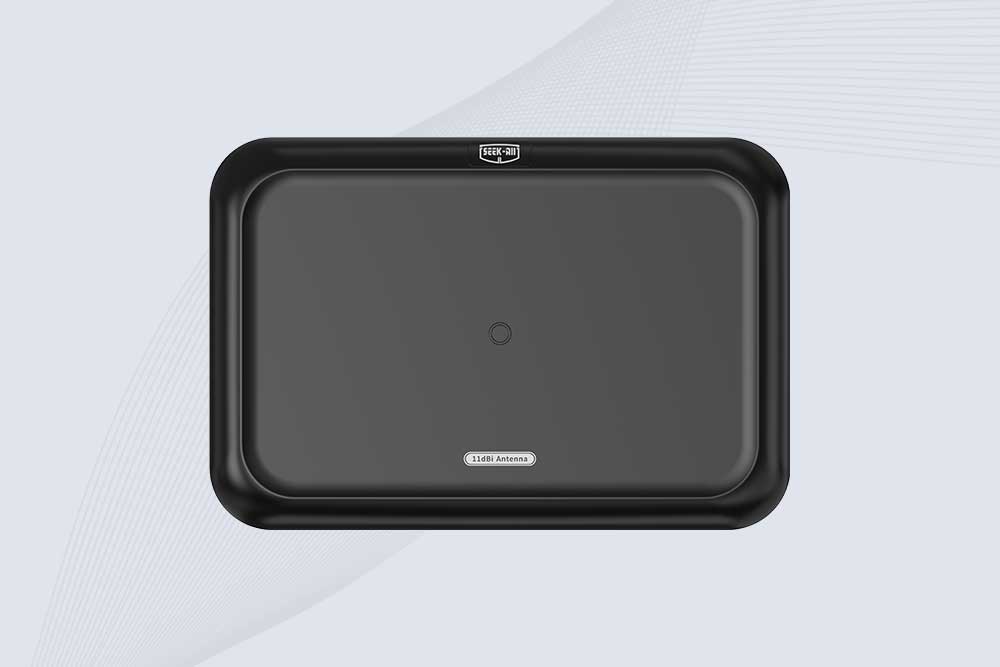
SSD-A11 UHF RFID antenna features 840–960 MHz adjustable frequency, ≥10.5 dBi gain, circular polarization and 50Ω impedance for fixed RFID systems.
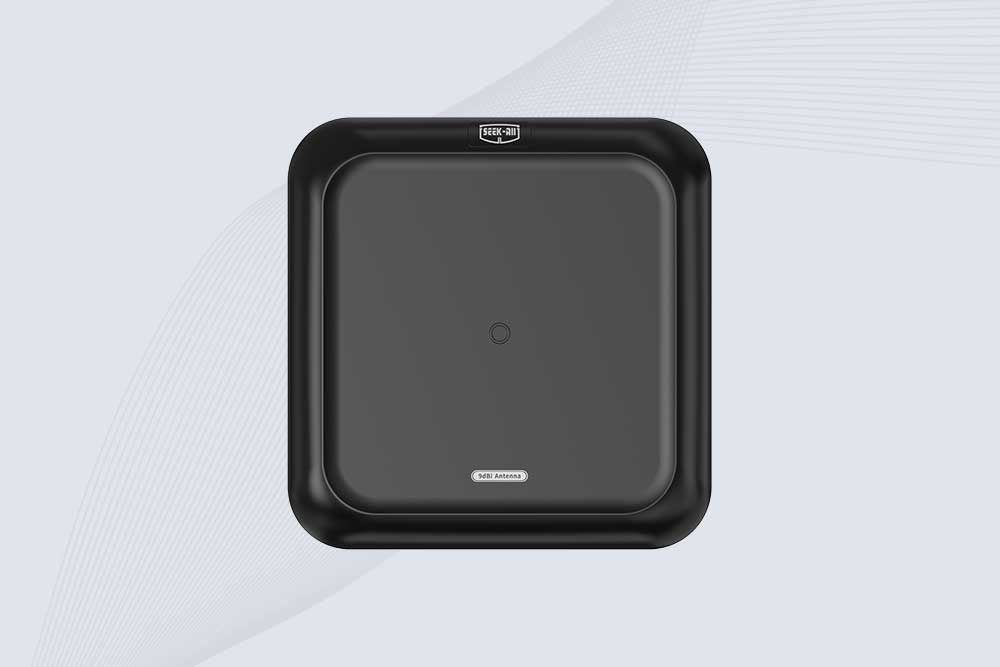
SSD-A09 is a 9 dBi UHF RFID antenna with 840–960 MHz adjustable frequency, circular polarization, 50Ω impedance and directional 60° × 60° coverage.
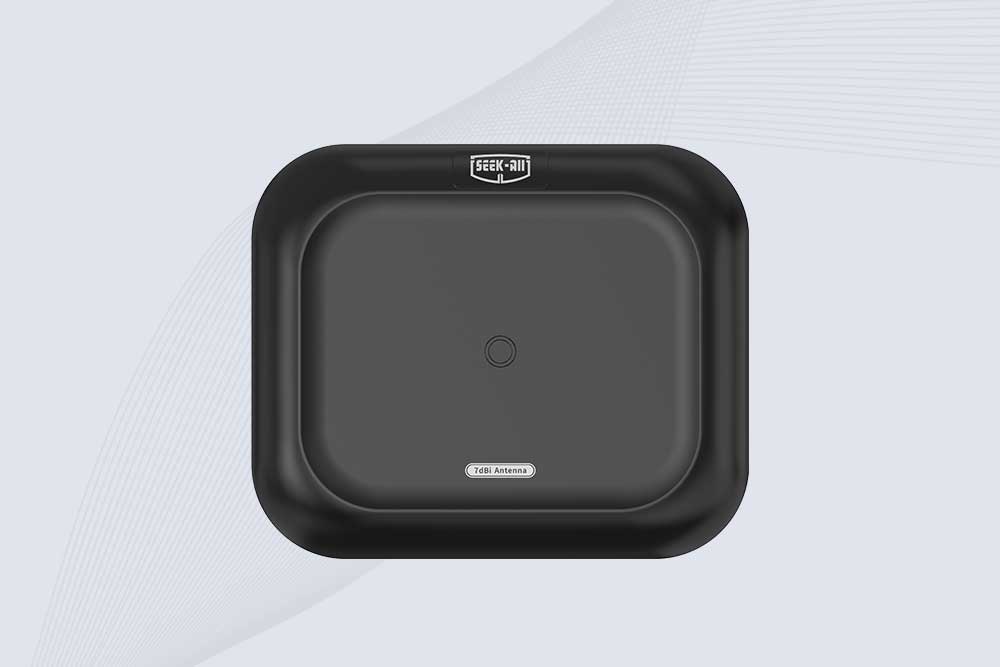
Explore the SSD-A07 UHF RFID antenna with 7 dBi gain, circular polarization, adjustable 840–960 MHz frequency, and 60°/75° beamwidth for stable RFID read/write performance.

SSD-A06 UHF RFID antenna with circular polarization, adjustable 840–960 MHz frequency, ≥4.5 dBi gain, and a compact directional design for RFID systems.

Discover SSD-D4AL, a USB-HID UHF RFID reader with 4/8/16 antenna options, Impinj E710/X3M1 chipset, plug-and-play USB power, and OEM customization.
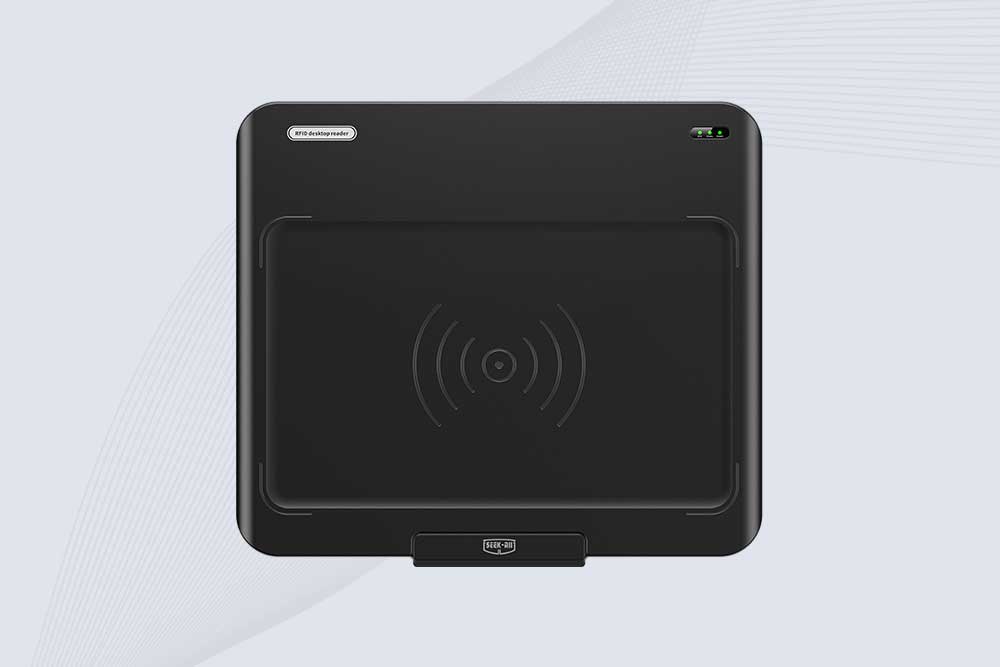
SSD-D3AL is a USB-HID UHF RFID reader with 0–30 cm reading, 0–15 cm writing, over 600 tags/s recognition, USB plug-and-play operation and OEM Logo customization.
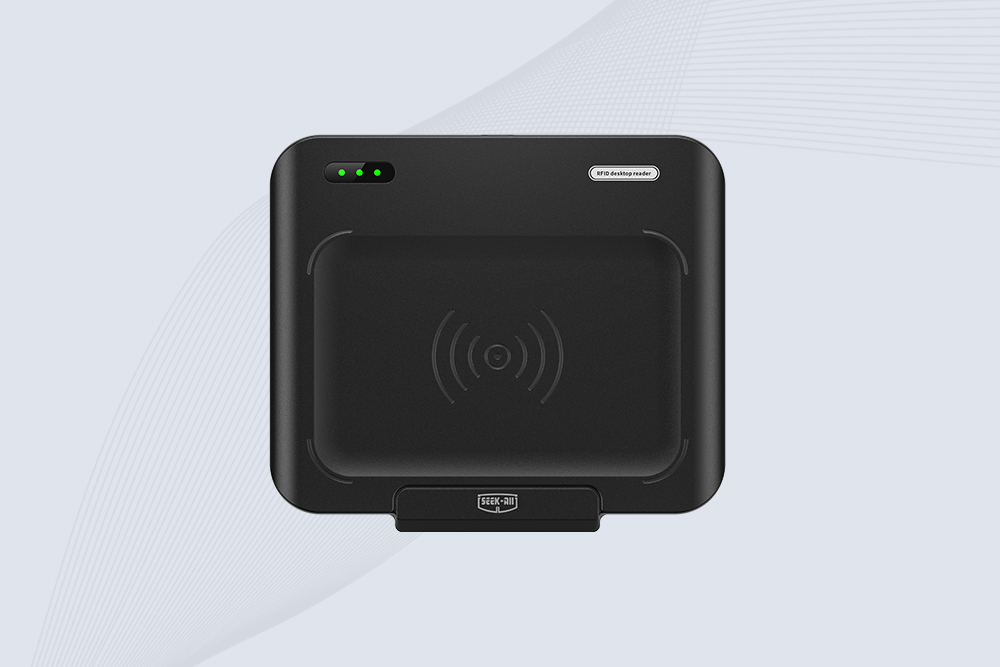
SSD-D1AL is a compact USB UHF RFID reader with Impinj E710/X3M1 chipset, USB-HID, 600+ tags/s recognition, 4/8/16 antenna support and plug-and-play USB power.
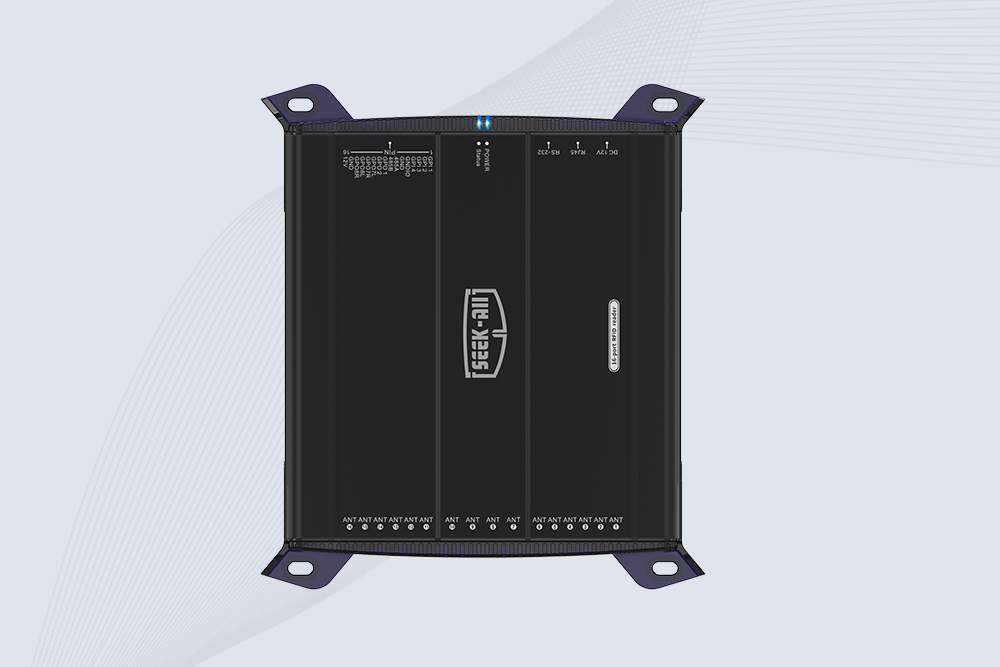
SSD-R16L Multi-Channel RFID Infrastructure for Automated Inventory Management ✔️ 16-Port High-Density RFID Reading Equipped with 16 SMA antenna ports, SSD-R16L supports multi-antenna deployment for warehouses, retail stores, logistics, production lines, and large-area RFID identification. ✔️ High-Speed & Long-Range Performance With up to 33…
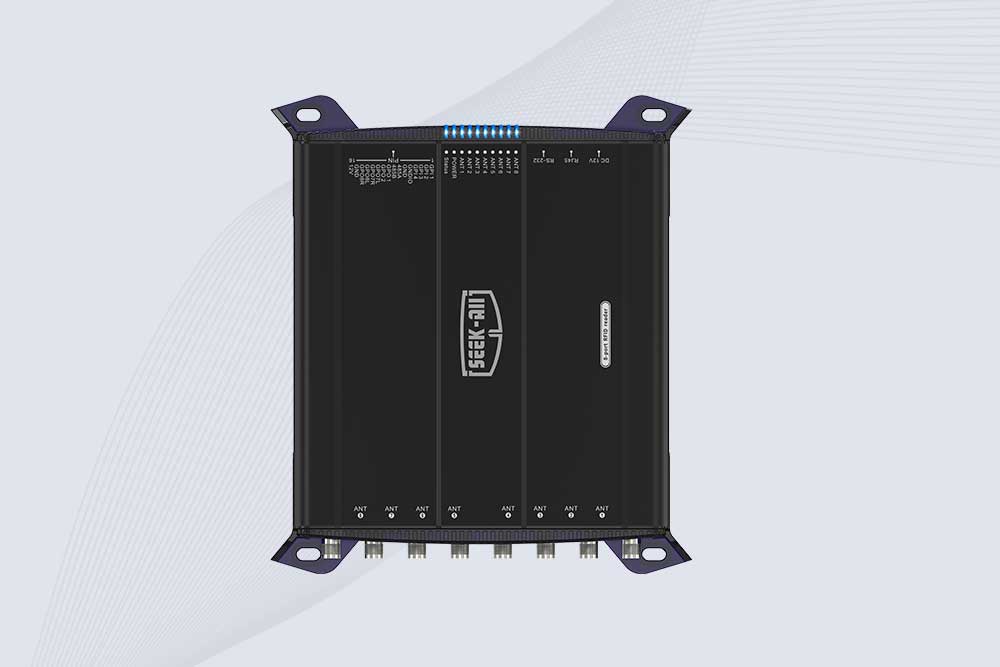
SSD-R8L 8-port UHF RFID reader with 33dBm output, up to 20m reading range and 600+ tags/s recognition. Ideal for warehouse, logistics, retail and asset tracking.
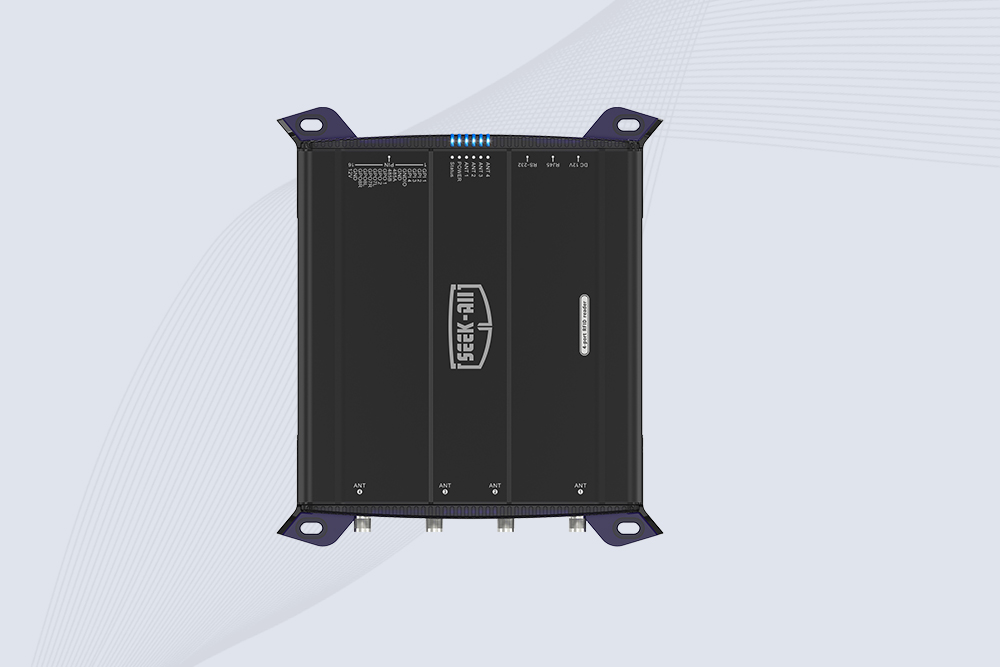
SSD-R4L is a 4-port UHF RFID fixed reader with 33dBm output power, up to 20m reading range, EPC C1G2 support and 600+ tags/s reading speed.

CYKEO CYKEO-D1LA USB RFID Reader is a compact desktop solution with near-field control for precise tag reading and encoding. Powered by USB, supporting ISO 18000-6C, and built for stable batch writing, this usb rfid tag reader fits retail, libraries, offices, and controlled RFID encoding tasks.
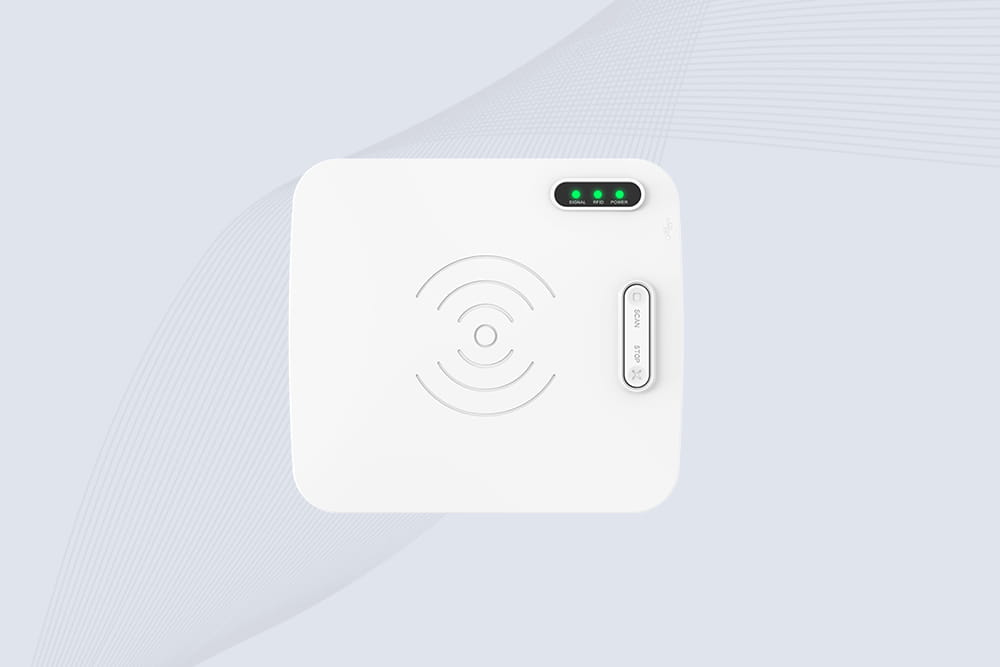
CYKEO CYKEO-D1L RFID scanner USB is a compact desktop UHF RFID scanner designed for short-range tag writing and verification. This usb rfid scanner supports batch encoding, stable 0–26 dBm output, and works across Windows, Linux, and Android systems.
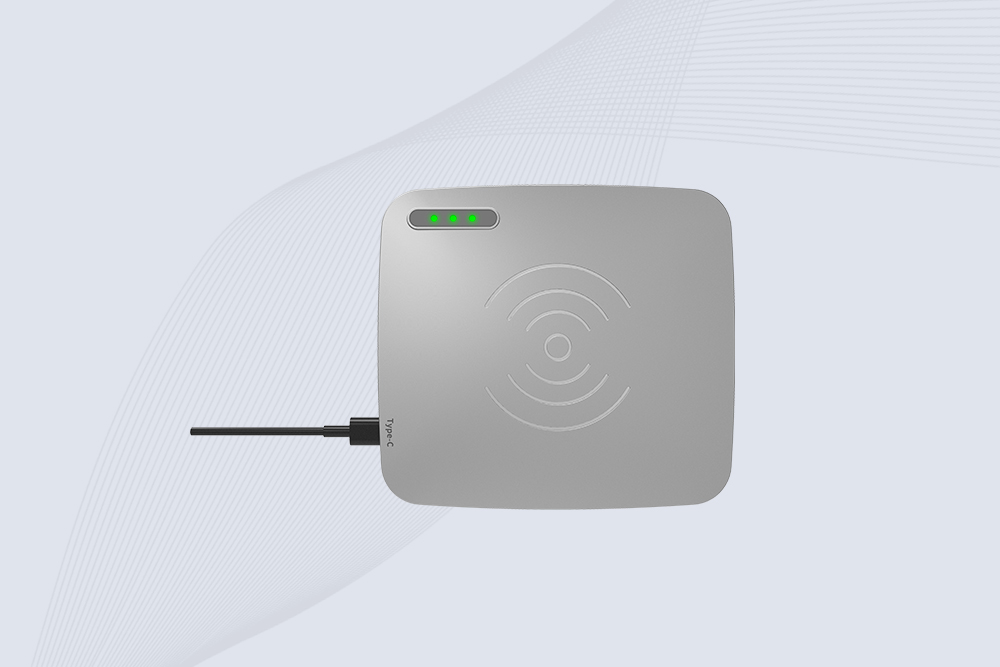
CYKEO CYKEO-D1C USB RFID Card Reader is a near-field UHF desktop writer designed for secure, short-range tag encoding. With USB-C connectivity and stable 26 dBm output, this rfid reader usb c is ideal for badge issuance, label encoding, and controlled desktop RFID workflows.
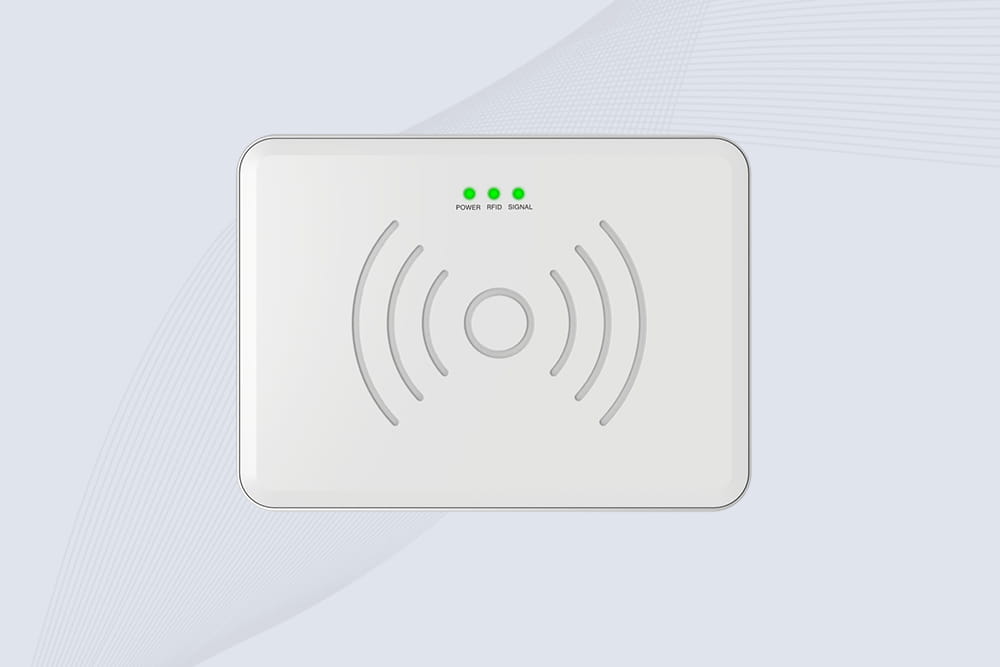
CYKEO CYKEO-D2L RFID Reader USB is a compact desktop encoder built on the Impinj R500 chip. With near-field control and stable USB power, this usb rfid card reader delivers precise tag writing for offices, retail counters, and small-scale logistics encoding tasks.
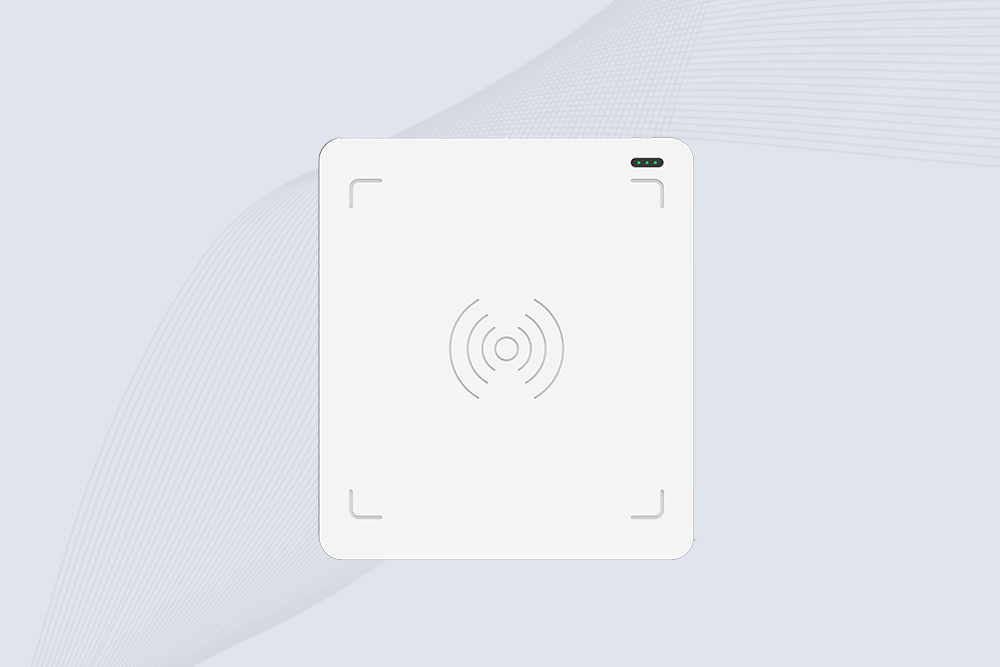
CYKEO CYKEO-D3L USB RFID Tag Reader delivers stable UHF tag reading and writing for daily desktop and light industrial tasks. Designed for controlled short-range operation, this USB RFID Tag Reader works reliably with rfid tag and reader systems in libraries, tool tracking, and inventory registration.
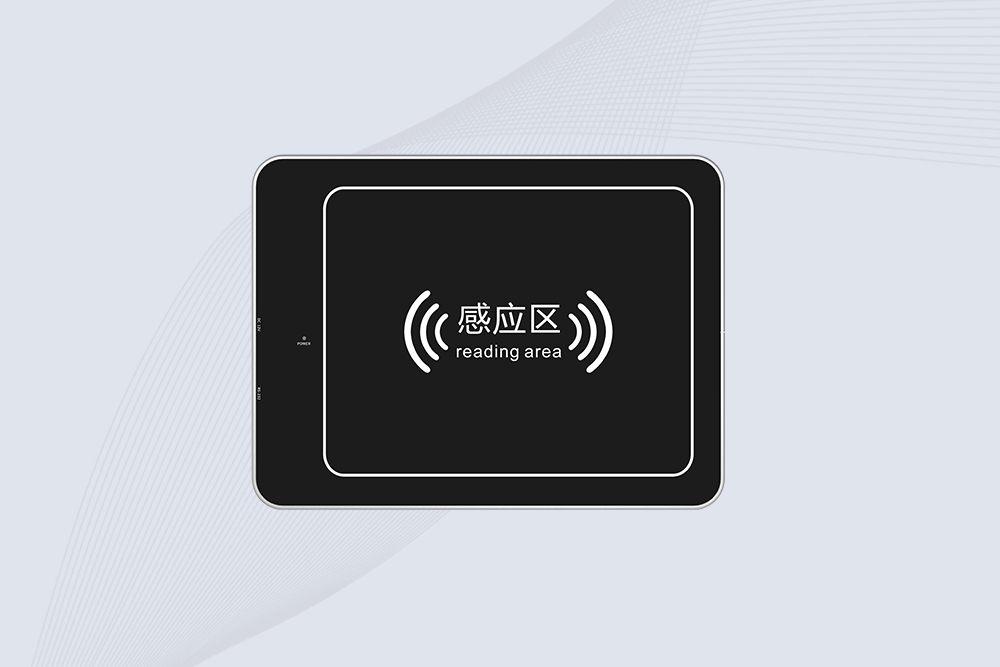
The CYKEO CYKEO-D4L UHF RFID Tag Reader is a stable Desktop RFID Reader designed for accurate tag registration, borrowing, and return workflows. Built with the Impinj R2000 chip, this UHF RFID Tag Reader delivers controlled short-range reads for libraries, asset tracking, and inventory management environments.
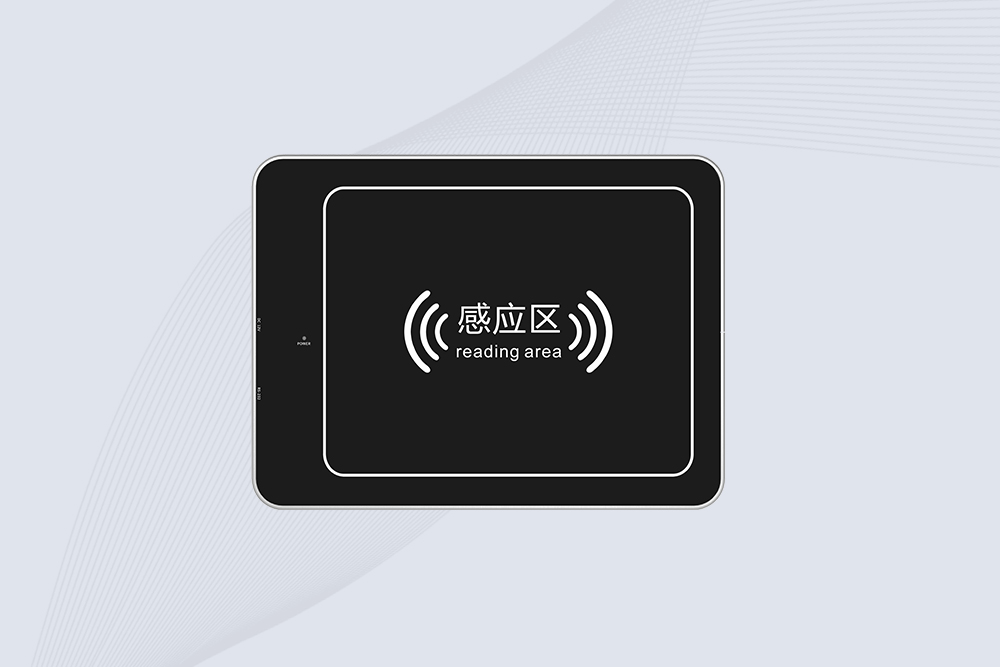
The CYKEO CYKEO-D5L Desktop RFID Card Reader is a stable UHF RFID Card Reader designed for controlled short-range reading and writing. Built for libraries, tool rooms, and asset desks, this UHF RFID Card Reader supports dense tag handling, secure data processing, and easy USB integration.
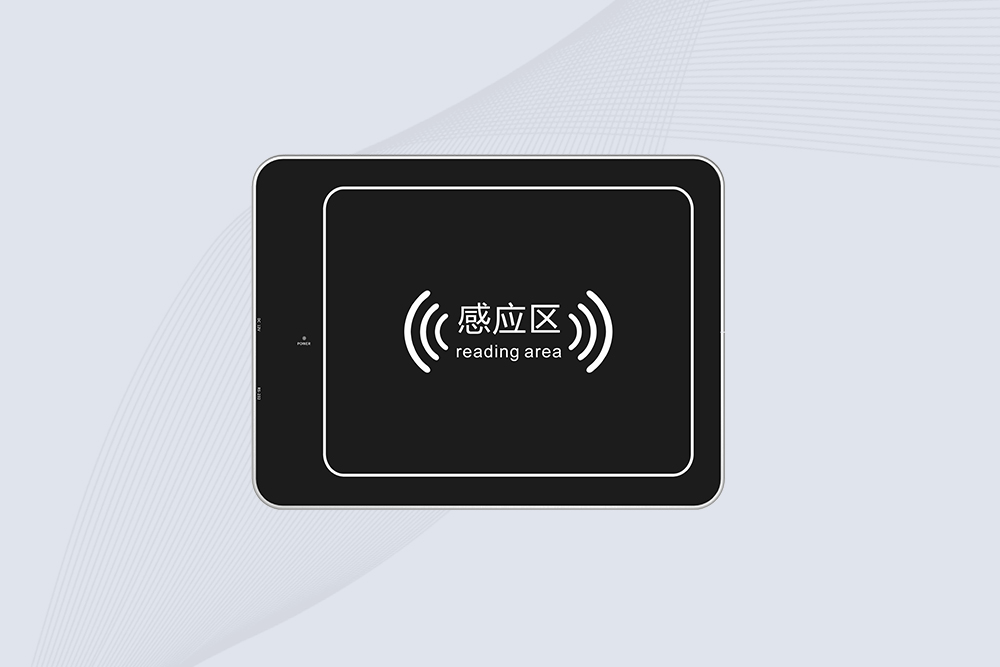
The CYKEO CYKEO-D6L RFID Reader Writer is a heavy-duty Desktop RFID Reader designed for short-range, high-accuracy tag programming. Built for libraries, labs, and asset desks, this RFID Reader Writer supports batch processing, stable 33dBm output, and seamless integration with existing management systems.
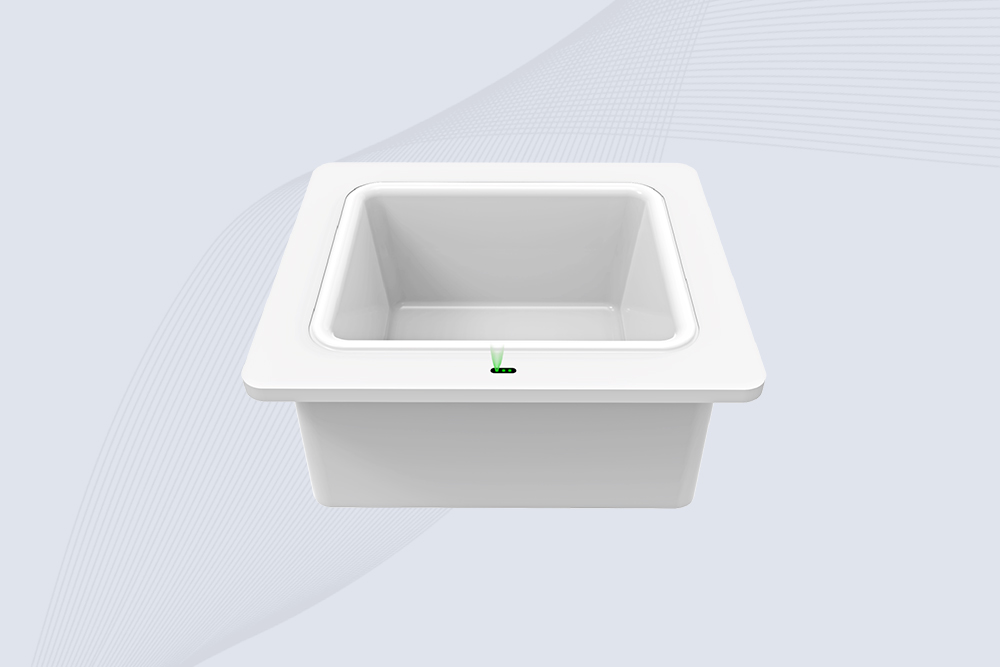
Cykeo CYKEO-D8B UHF RFID tunnel and RFID Desktop Reader features 30+ items batch reading,
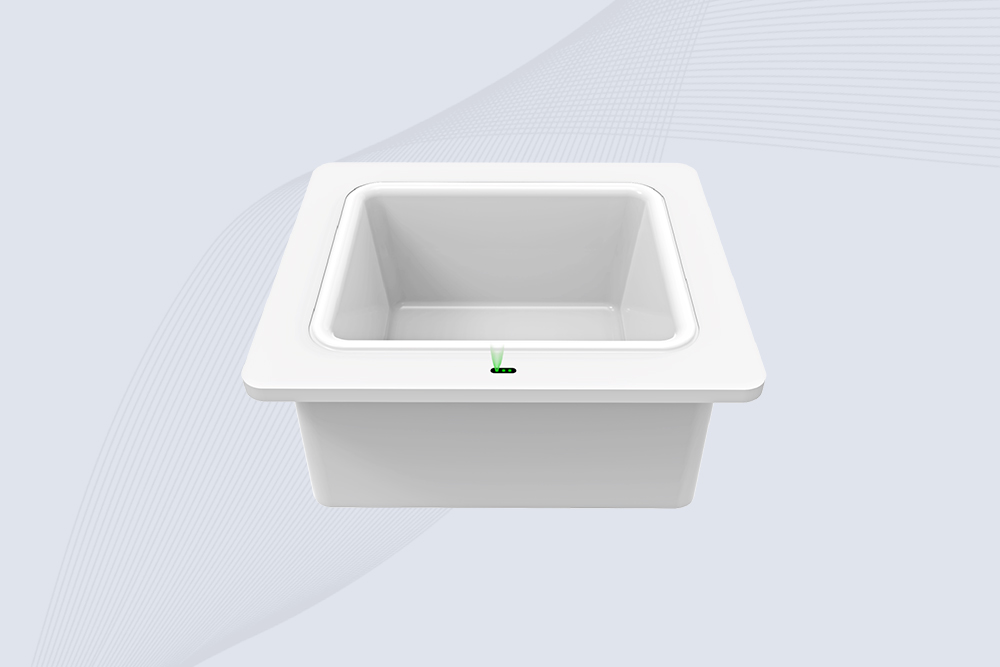
Cykeo CYKEO-D8A embedded RFID badge reader offers 30+ tags/sec scanning, 20cm anti-crosstalk precision, and DC 12V power for unmanned stores, warehouses, and smart inventory systems.
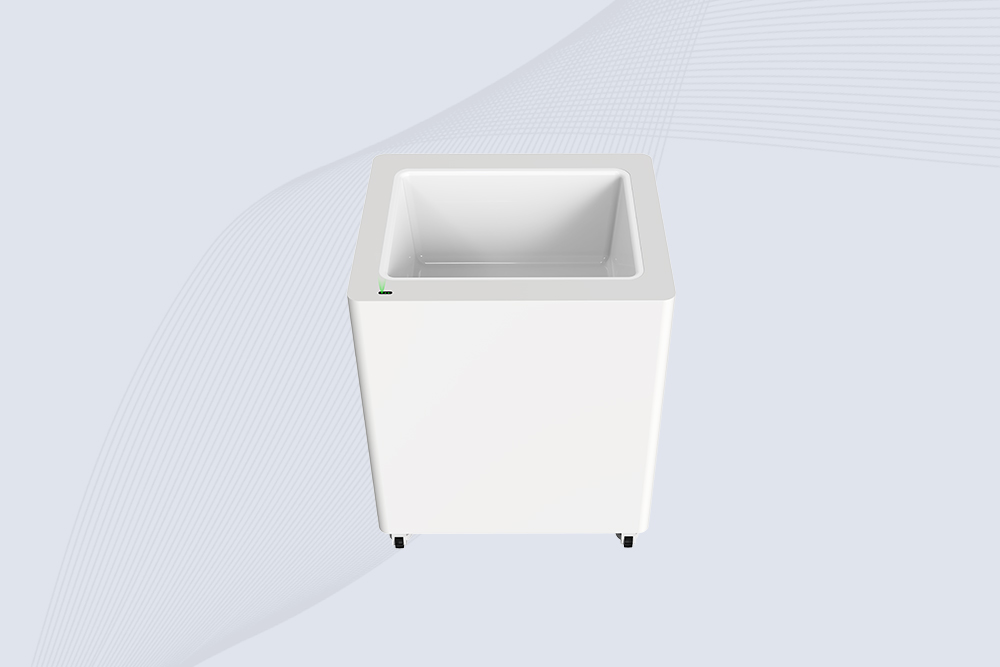
Cykeo’s CYKEO-D8C UHF RFID gate reader achieves 200-tag/batch scanning with adjustable power control, ideal for retail inventory and smart warehouse management.
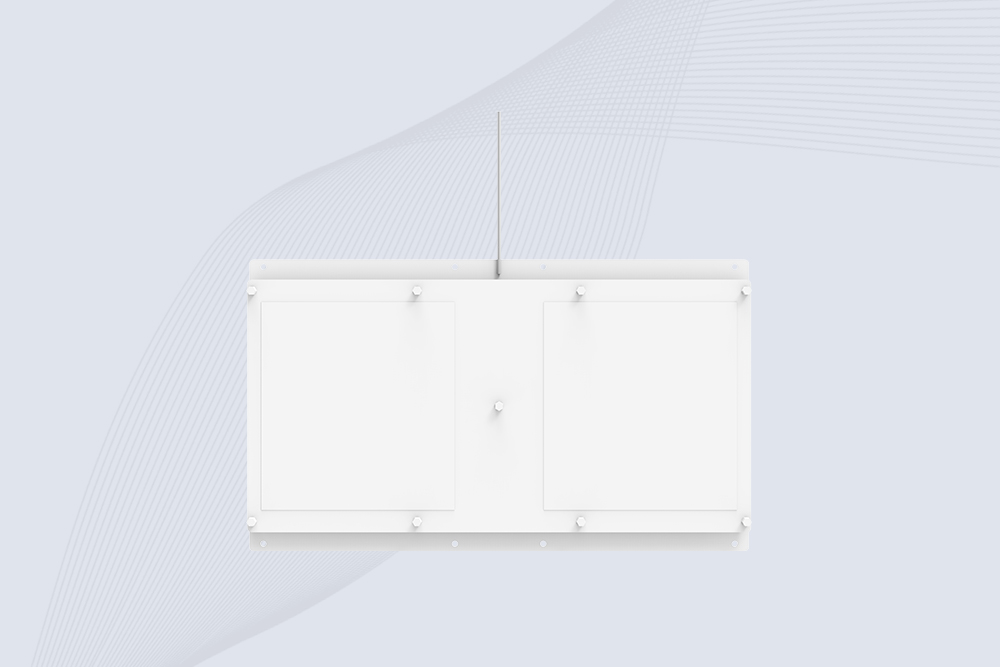
Cykeo CYKEO-A11 UHF RFID reader antenna delivers 11dBi gain, 840-960MHz frequency range, and IP65 ruggedness for retail, logistics, and industrial RFID systems. Features low VSWR and easy installation.
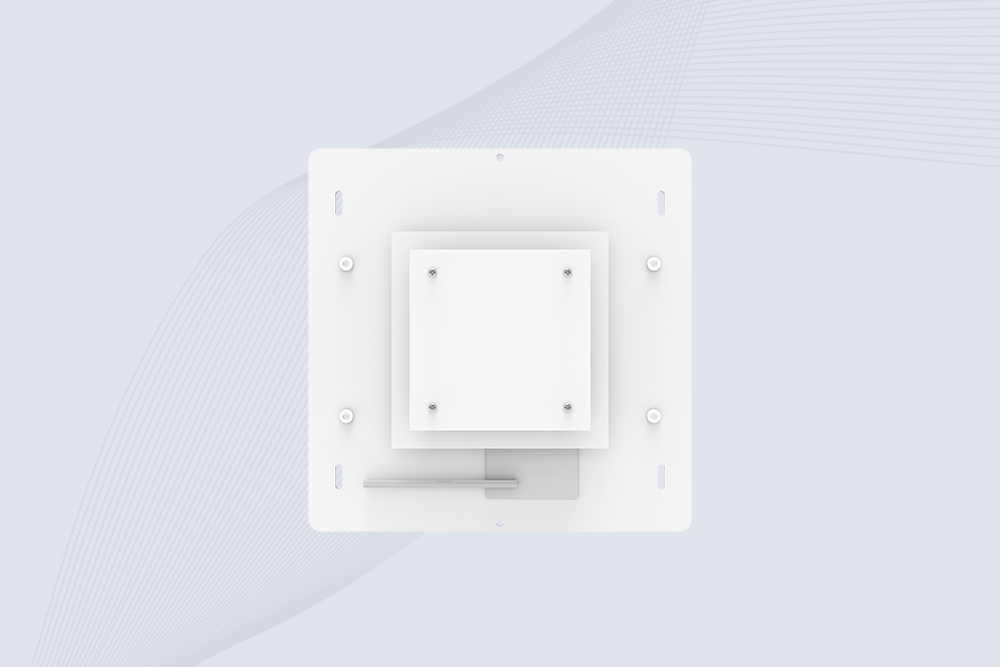
CYKEO Antenna RFID Reader delivers stable long-range UHF performance with a 10.5dBi directional design, built for warehouses, conveyor portals, and industrial RFID systems. This rfid reader antenna provides 20m+ read distance and rugged IP67 protection.

Cykeo CYKEO-PHF3 industrial HF RFID Antenna offers 24-point dynamic tracking, ISO 14443A/15693 protocols, metal-environment stability for archives/libraries/manufacturing.

Cykeo CYKEO-A5B industrial Linear RFID Antenna delivers 5dBi gain, ≤1.5:1 VSWR, and IP65 rugged design for warehouse, production line, and logistics UHF systems.

Cykeo’s CYKEO-B12 Long Range RFID Antenna delivers 15m+ read range with 12dBi gain, IP65 rugged design, and global 840-960MHz UHF support. Ideal for warehouse/logistics asset tracking.
Cykeo CYKEO-B10 Long Distance RFID Antenna offers 10dBi gain, 840-960MHz frequency range, IP65 rating, and 20m+ coverage for logistics/warehousing/ETC systems. Low VSWR ensures stable signal transmission.
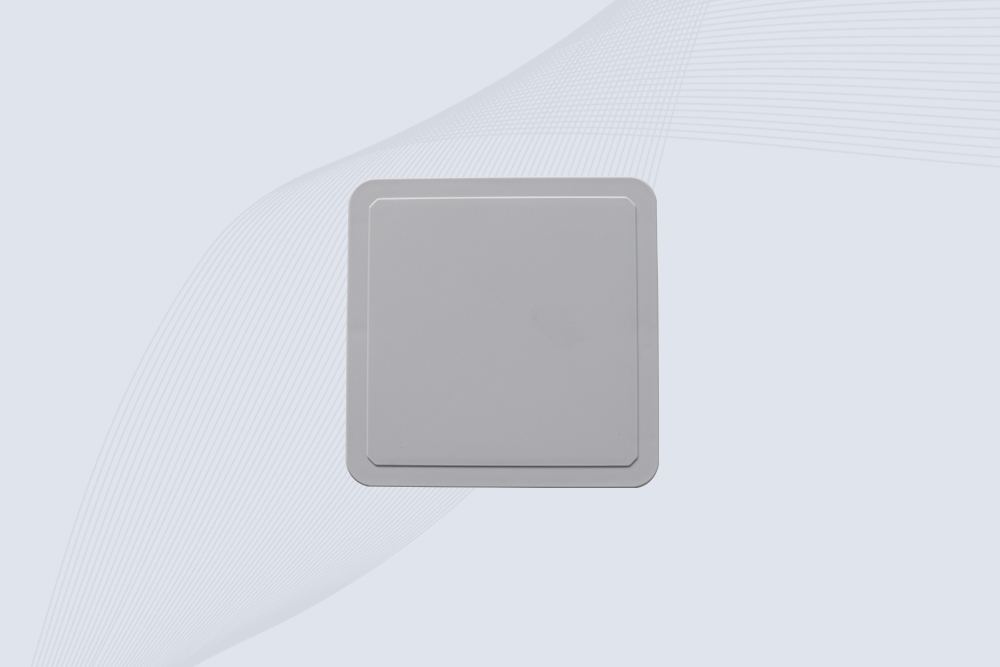
Cykeo CYKEO-A6 UHF RFID panel antenna features 6dBi gain, 840-960MHz broadband, IP65 metal-ready housing for logistics/smart retail. 18mm ultra-thin design with tool-free mounting.

Cykeo CK-A3 industrial antenna RFID UHF offers 5m+ tag detection, ≤1.3:1 VSWR, IP65 rugged design, and global UHF spectrum compatibility (840-960MHz) for warehouses, factories, and retail.
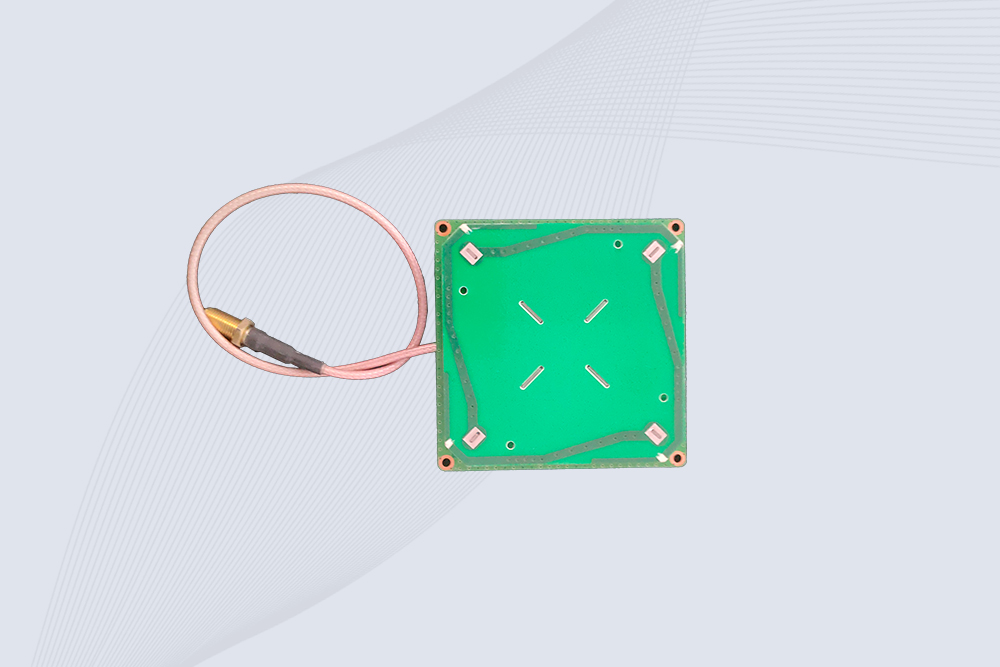
Cykeo CYKEO-B5 directional RFID antenna provides 5dBi gain with 60° narrow beamwidth for precise inventory tracking. IP65-rated, global UHF frequency support, and low VSWR.
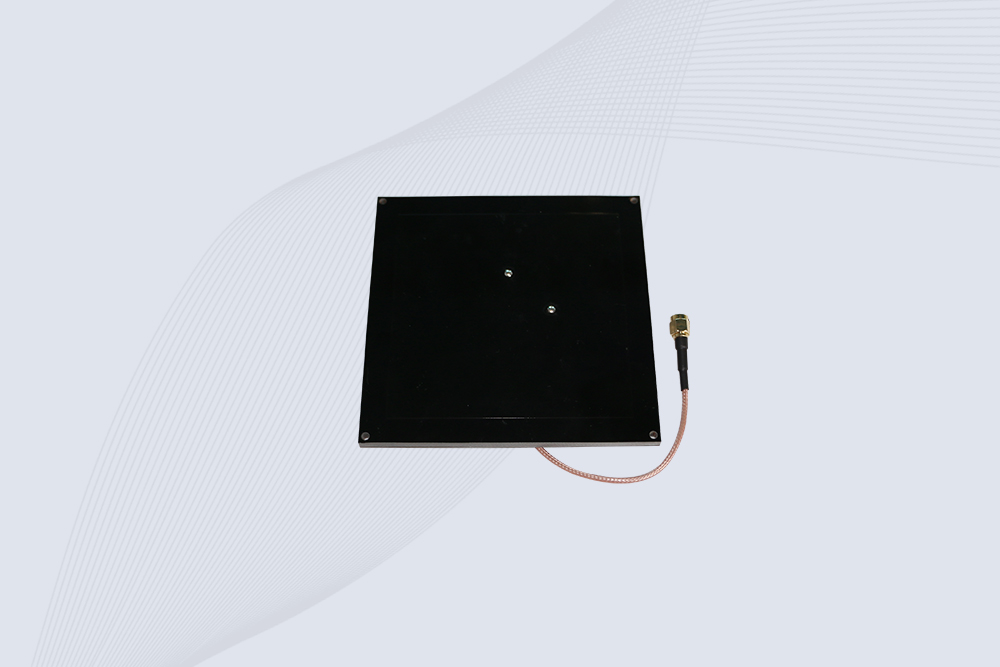
Create your own high-performance DIY RFID antenna! 5dBi gain, 840-960MHz tunable, step-by-step guides. Compatible with Arduino, Raspberry Pi, and commercial UHF readers.
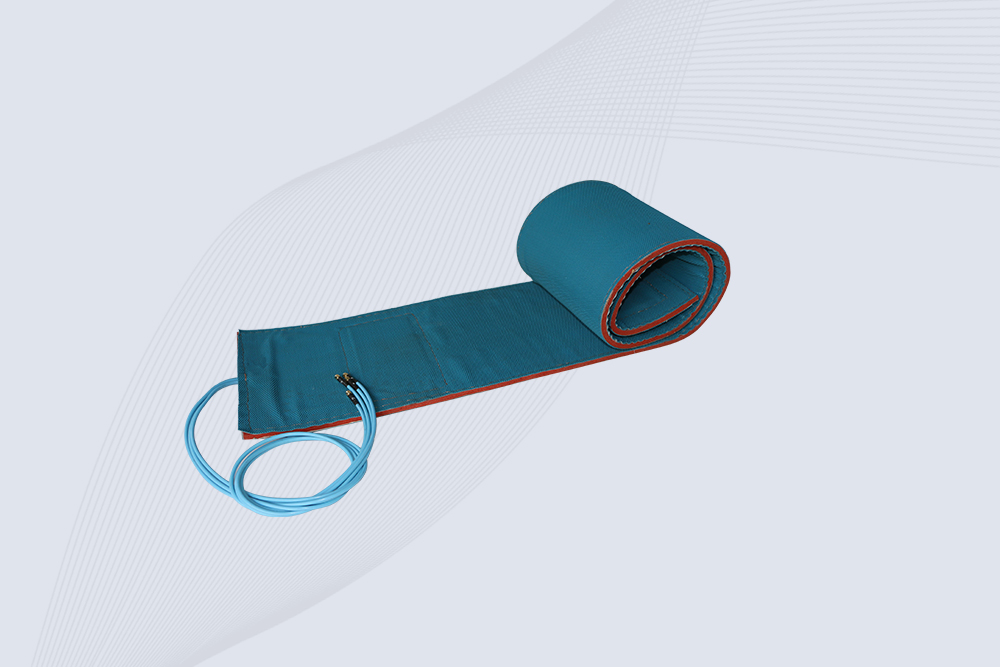
Cykeo CYKEO-A7 Flexible RFID Antenna features 840-960MHz wideband tuning, 7dBi gain, and IP68 rating for medical/retail/industrial curved surface deployments. 98% read accuracy with peel-and-stick installation.
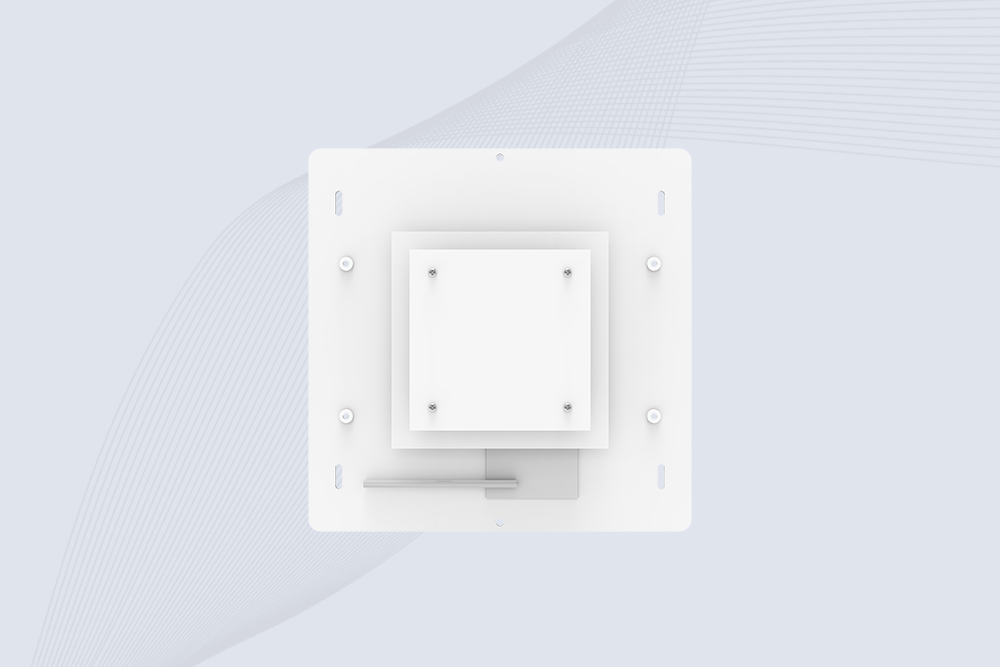
Cykeo CYKEO-B5A industrial Passive RFID Antenna delivers 5dBi gain, 70° beamwidth, and -40°C~55°C operation for warehouses/smart cabinets. Compatible with Zebra/Impinj readers.
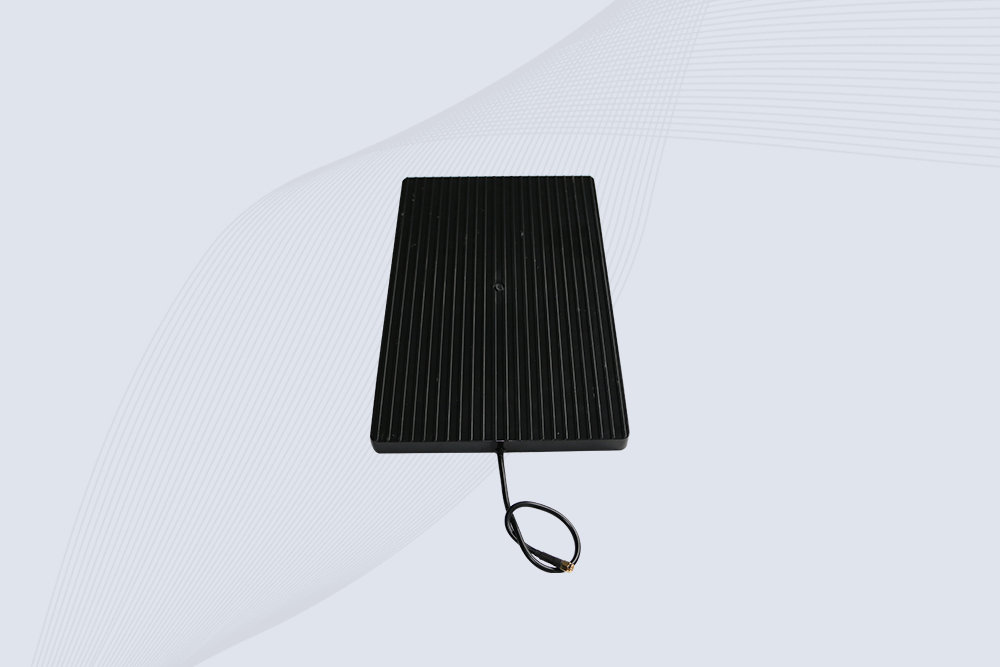
Cykeo’s CYKEO-A9B High Gain RFID Antenna delivers 15m+ read range with 9dBi amplification. Features IP54 rugged design, 840-960MHz bandwidth, and 80° beamwidth for warehouse/manufacturing RFID systems.

Cykeo’s enterprise-grade 8dbi Impinj RFID Antenna 10m+ read range with 840-960MHz tuning. Features IP65 housing, 1.4 VSWR, 35° beamwidth for retail/warehouse RFID systems.
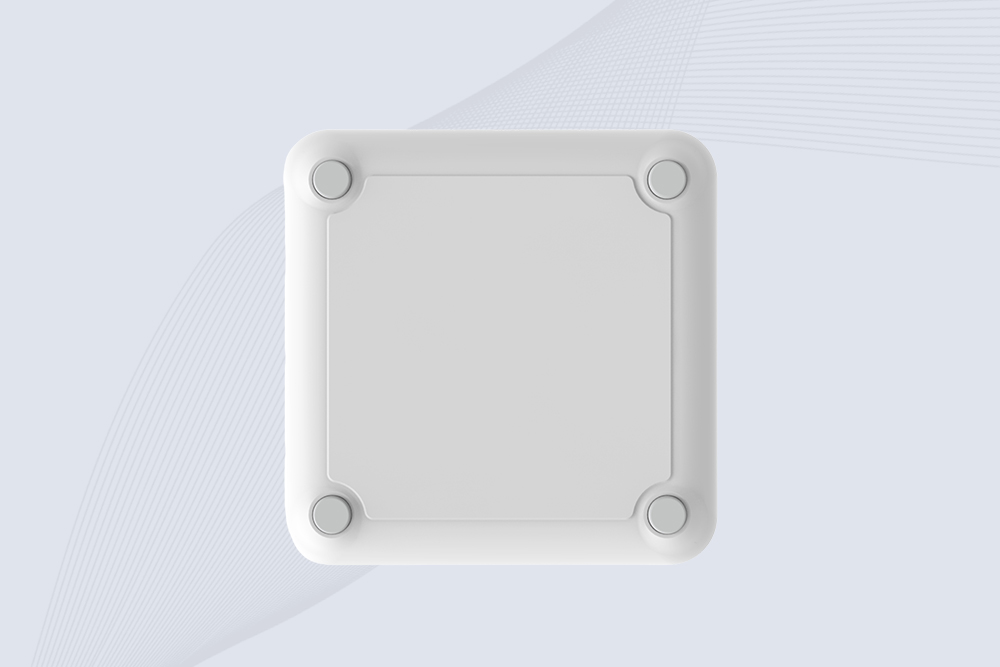
Cykeo CYKEO-A9 industrial UHF RFID antenna delivers 9dBi gain, 840-960MHz frequency range, and IP65 protection for warehouse/logistics/retail RFID systems. Features N-type connector and ≤1.3:1 VSWR.
CYKEO UHF RFID Antenna built for long-distance and industrial applications. This antenna rfid uhf delivers strong gain, outdoor durability, and reliable tag performance in warehouses, yards, and vehicle ID systems.
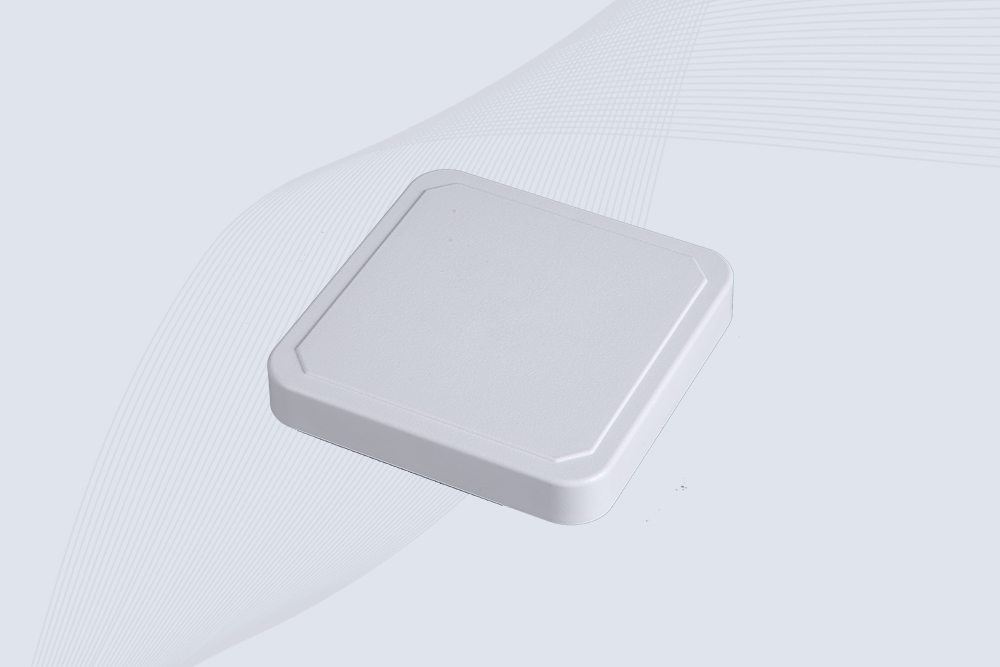
CYKEO Antenna RFID delivers reliable long-range UHF performance in warehouses, retail shelves, and cold-chain environments. This compact uhf rfid antenna provides stable reads with circular polarization and ultra-wide 840–960 MHz support, ideal for industrial tracking, smart shelves, and asset monitoring.
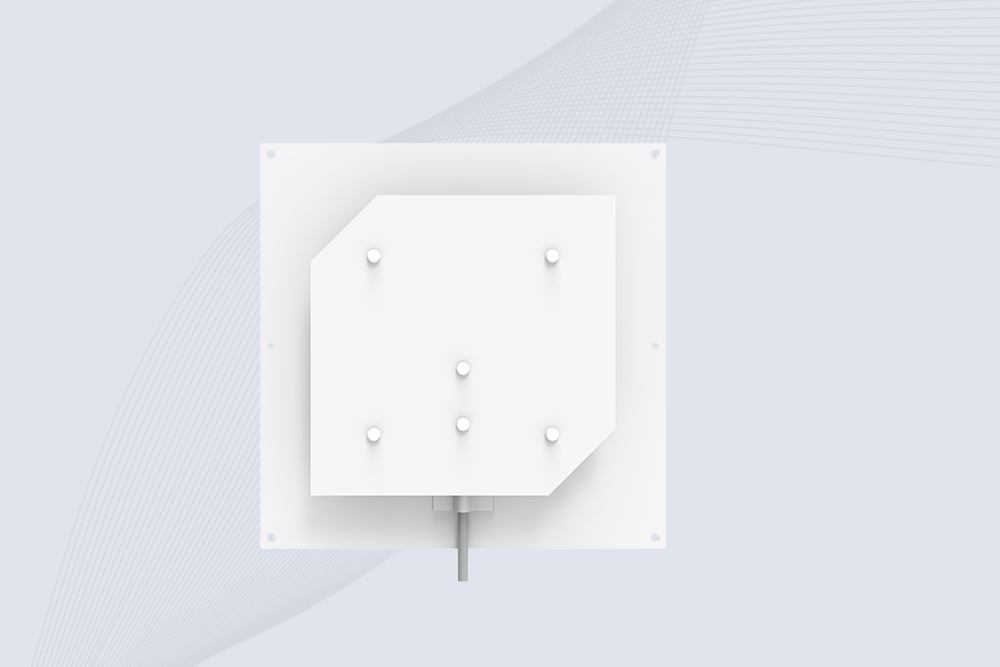
Cykeo’s CYKEO-C8 UHF RFID antennas delivers 8dBi gain, 840-960MHz full-band coverage, and IP65 ruggedness for manufacturing/warehouse RFID systems. Industrial RFID Antennas Features
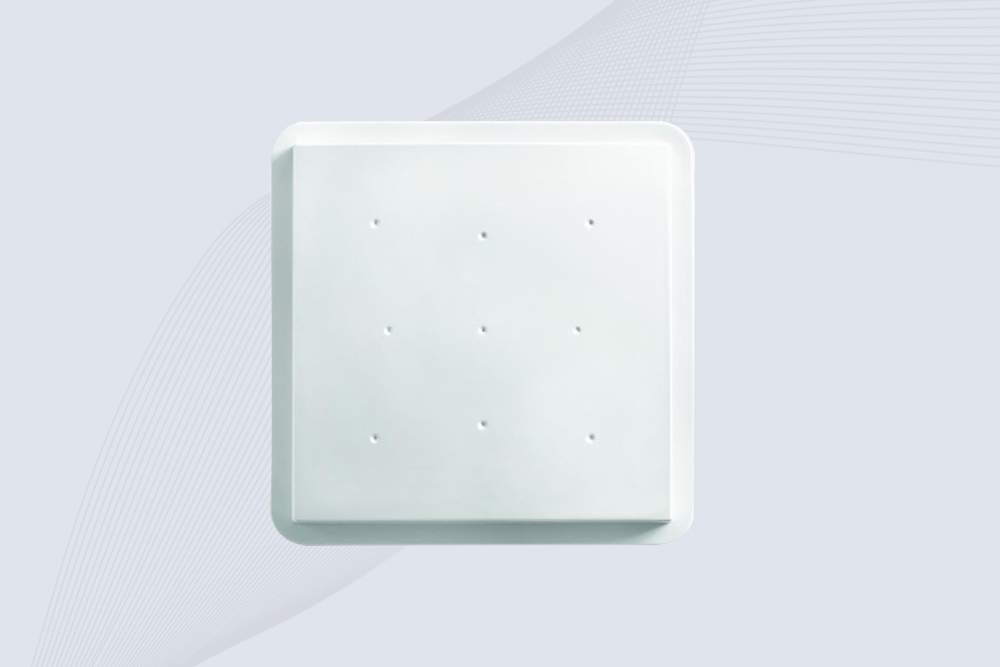
Cykeo’s 8dBi UHF RFID antenna and reader kit delivers 10m+ range, 840-960MHz broadband, and IP65 ruggedness for factories, warehouses, and logistics. ISO 18000-6C & EPC Gen2 certified.
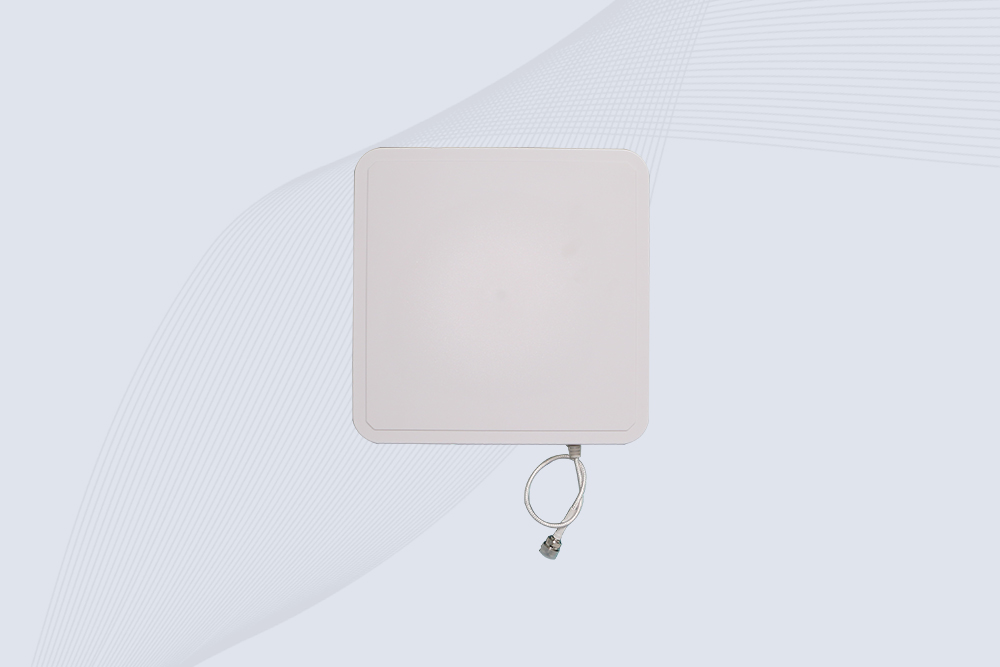
Cykeo CYKEO-A9A industrial UHF RFID reader and antenna kit delivers 10m range, 500 tags/sec, IP65 ruggedness for manufacturing/logistics. Supports EPC Gen2, ISO18000-6C.
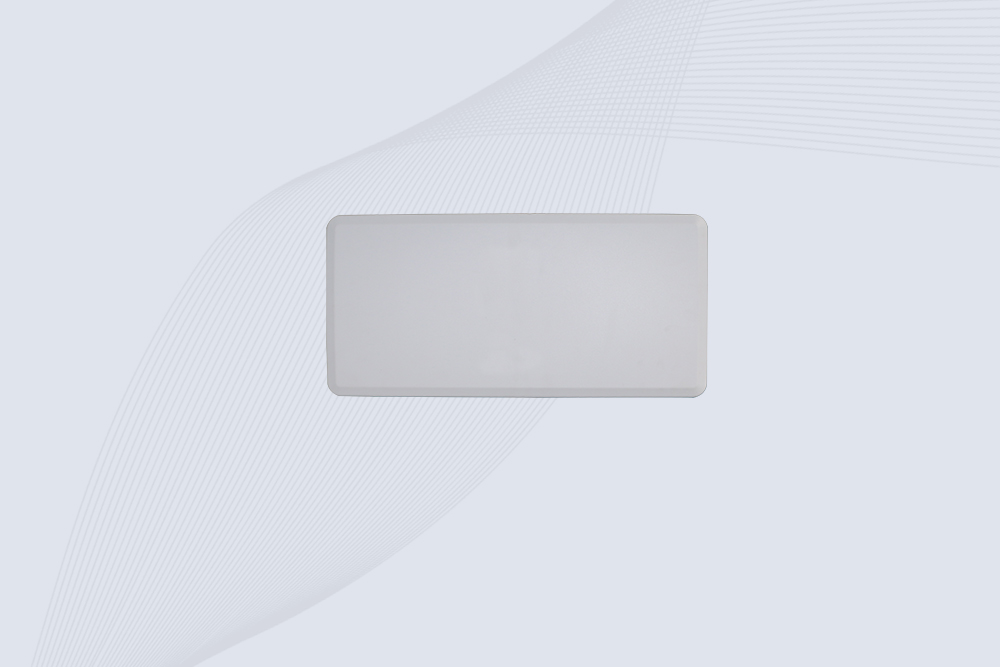
Cykeo’s CYKEO-A12C UHF Large RFID Antenna delivers 12dBi gain, 840-960MHz global frequency, IP65 ruggedness for logistics/warehousing/automotive. 40° beamwidth ensures stable 15m+ tag reads.

CYKEO Near Field RFID Antenna provides precise 5–30 cm reading for shelves, cabinets, and workstations. This compact rfid shelf antenna delivers stable short-range performance around metal and clutter, ideal for pharmacies, libraries, and electronics sorting.
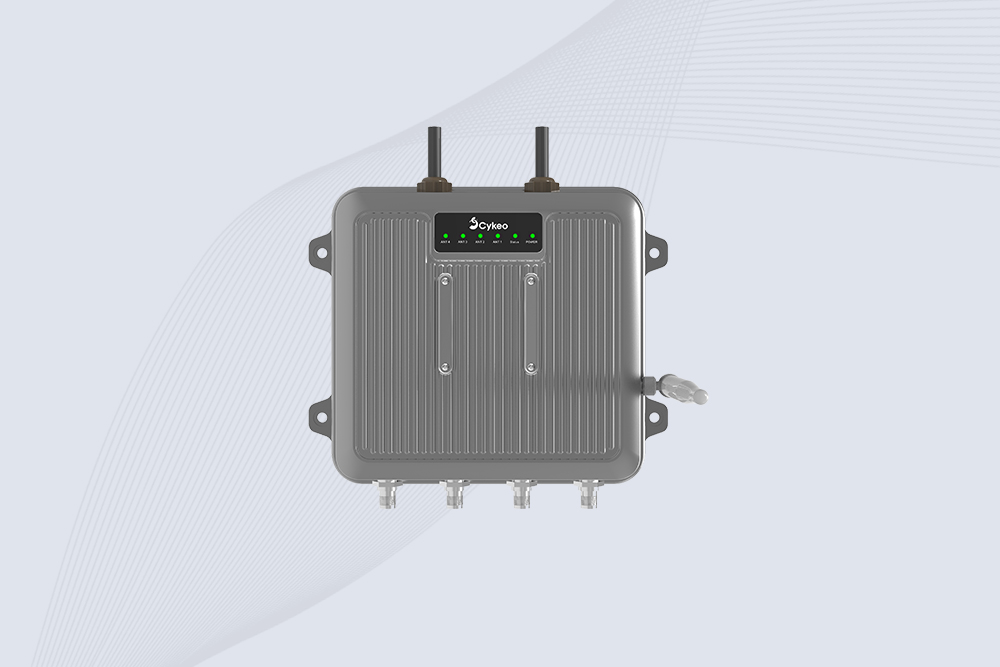
Cykeo CYKEO-C1 industrial Forklift RFID Reader features 20m read range, 600 tags/sec scanning, Impinj R2000 chipset, and IP67 rugged design. Ideal for warehouse logistics and manufacturing. Supports ISO 18000-6C/6B protocols.
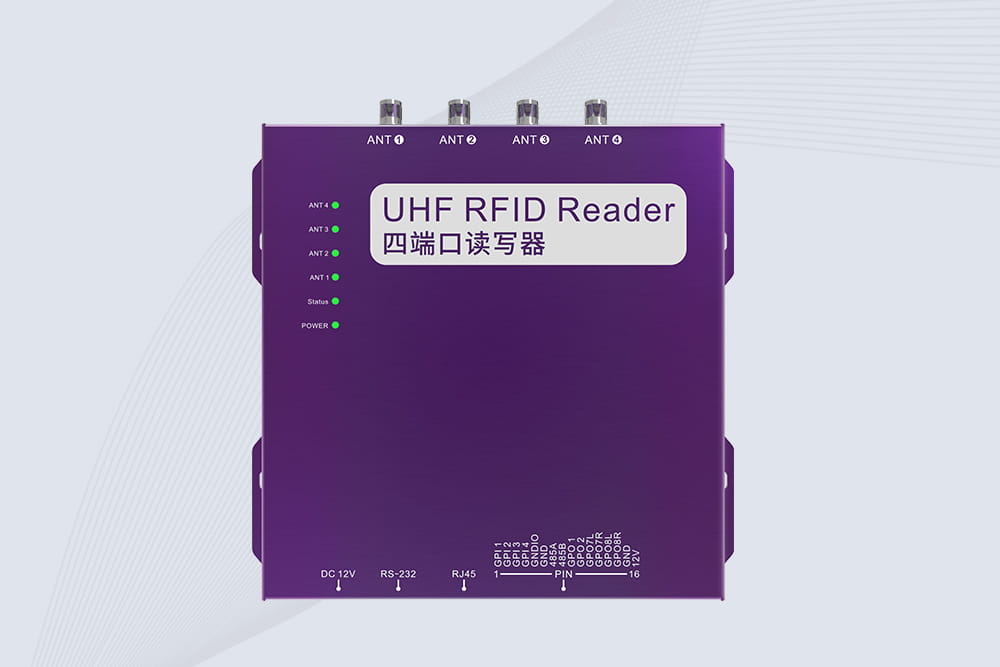
Cykeo CYKEO-R4 industrial UHF RFID Fixed Reader features 4 TNC ports, 400+ tags/sec speed, IP67 housing, and global frequency compliance for vehicle inspection, smart warehouse, and asset management systems.
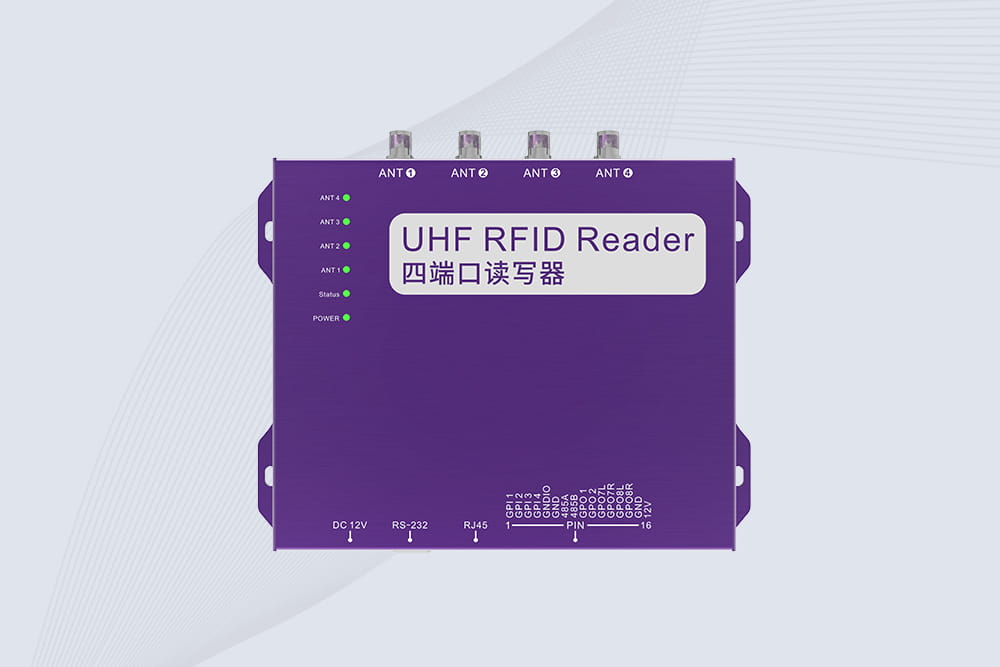
Cykeo’s CYKEO-R4L 4-port Fixed UHF RFID Reader delivers 400 tags/sec scanning, ISO 18000-6C compliance, and IP65 protection. Ideal for warehouse automation, manufacturing WIP tracking, and logistics management.
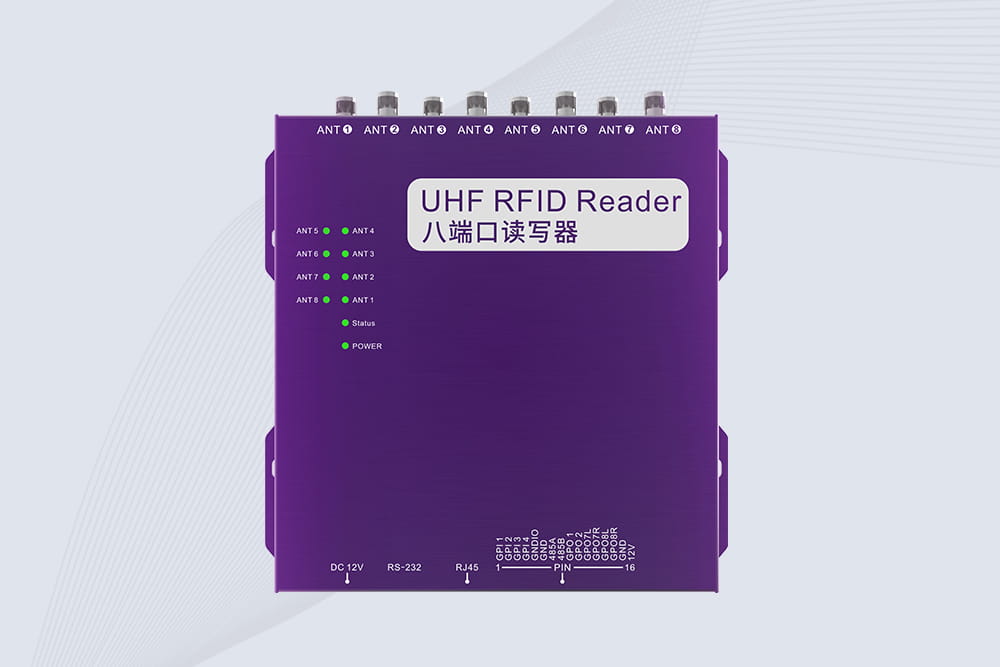
CYKEO CYKEO-R8L Fixed RFID Reader with 8-port UHF design, Impinj-based RF core and up to 20m read range. An industrial Fixed RFID Reader for vehicle inspection, warehouse portals, smart manufacturing lines and secure access checkpoints.
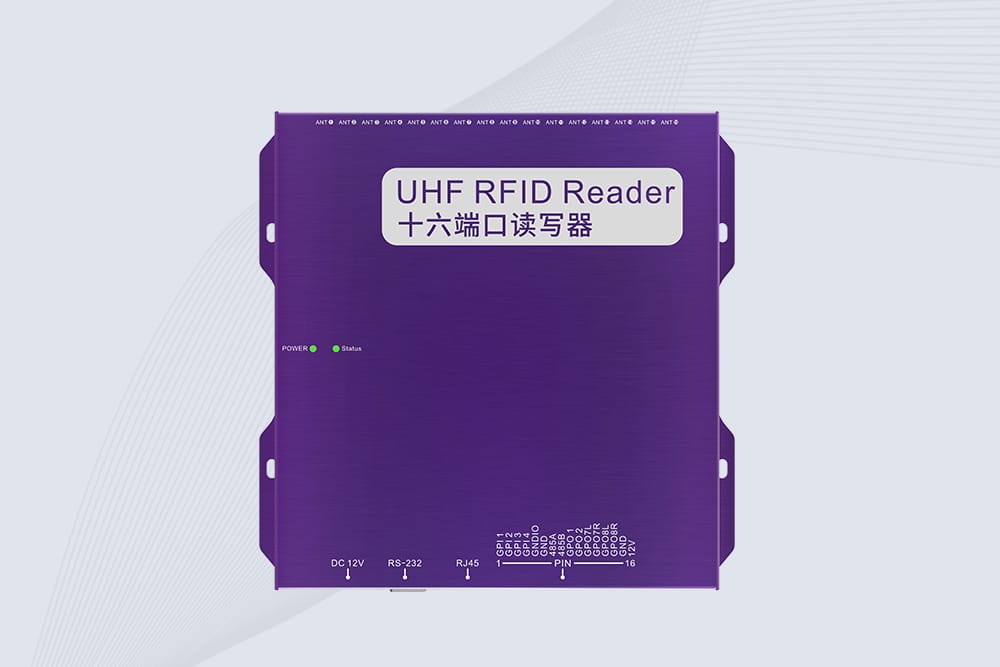
RFID Fixed Reader from CYKEO – the CYKEO-R16L 16-port UHF fixed reader for warehouses, smart cabinets, and production lines. Long-range, multi-tag reading, stable performance for 24/7 industrial use.

Wondering if you can use smartphones to read RFID? We explain the NFC capability, its severe limitations, and when you need professional RFID hardware.
More
Can a smartphone read RFID tags? Yes, but only NFC at 1cm. For UHF inventory or LF access cards? No. Here's exactly what works and what doesn't.
More
Explore fascinating RFID applications across industries like healthcare, retail, and sports. Discover how Cykeo’s RFID solutions drive efficiency and innovation.
More
Industry Overview With the rapid advancement of the information age, file management methods have undergone profound transformations. While traditional file cabinets meet basic storage and management needs, their efficiency and accuracy are increa...
More