All RFID Product

FHSS vs Fixed Frequency in RFID: What’s the Difference?

First—what do these terms mean?

Let’s keep it simple:

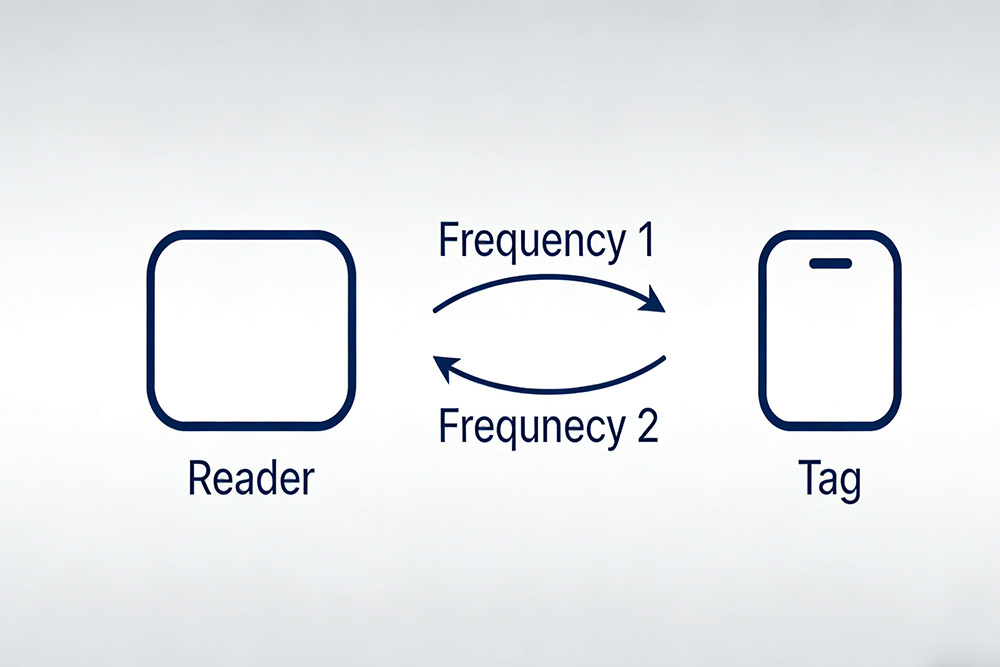
  • FHSS (Frequency Hopping Spread Spectrum) = the tag/reader keeps switching frequencies
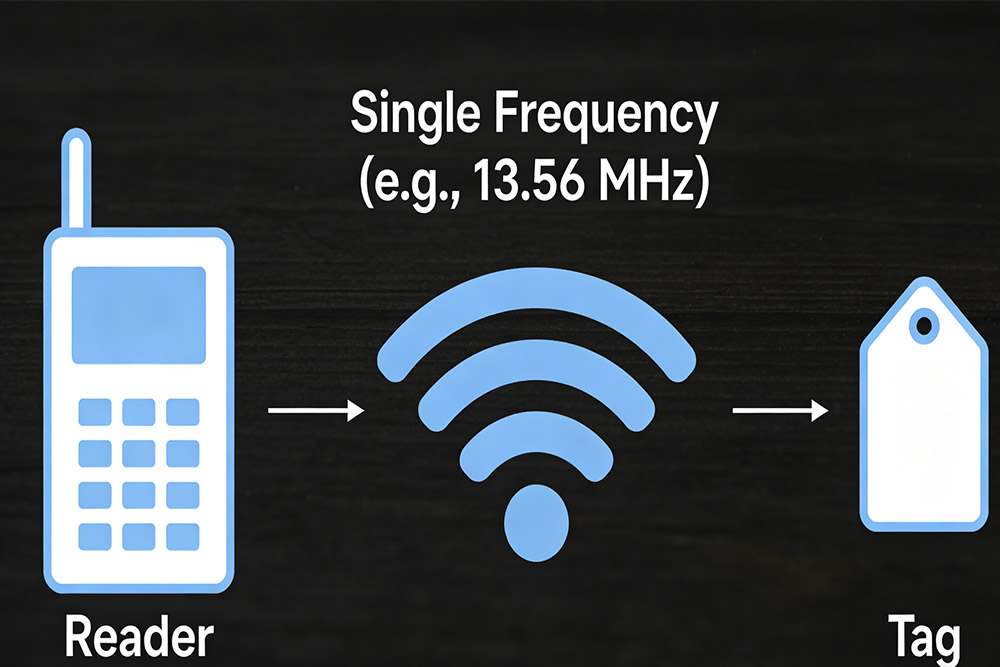
  • Fixed Frequency = the tag/reader stays on one frequency the whole time

That’s literally it.

No fancy math, no RF engineering degree needed to get the basic idea.

Why does it matter in RFID?

In the real world, wireless signals are messy.

  • Other RF devices (Wi-Fi, Bluetooth, other RFID)
  • Metal surfaces bouncing signals
  • Crowded warehouses

If your system just uses fixed frequency, it’s like yelling in a noisy room:

Some people might hear you… some might not.

With FHSS, you’re constantly changing channels, so even if one frequency is blocked:

You just hop to another and keep talking.

It’s a simple trick, but super effective.

rfid reader and rfid tag using single frequency

How each method works

Fixed Frequency

  • Pick a frequency
  • Stay there
  • Hope nothing interferes

Pros:

  • Simple
  • Easy to design
  • Works fine in clean environments

Cons:

  • Easy to jam or interfere with
  • Doesn’t work well in crowded RF environments

FHSS

  • Pick a frequency
  • Use it for a tiny bit
  • Switch to the next frequency in a pre-agreed sequence
  • Keep repeating

Pros:

  • Avoids interference automatically
  • More reliable in busy RF environments
  • Required by regulations in many countries for UHF RFID

Cons:

  • Slightly more complex
  • Needs both reader and tag to “know” the hopping pattern
reader and tag switching frequencies

Real-world example

Imagine a warehouse:

  • Lots of UHF RFID readers
  • Hundreds of tags
  • Wi-Fi and Bluetooth everywhere

Fixed frequency: some readers fight over the same channel → missed reads, slow inventory

FHSS: readers hop frequencies → less interference, smoother reads

Quick comparison table

FeatureFixed FrequencyFHSS
Interference handlingPoorExcellent
Reliability in crowded RFLowHigh
ComplexitySimpleSlightly more complex
Legal compliance (UHF)Often not allowedUsually required

When to use which

  • Small, clean environment (few tags, no metal, minimal other devices): Fixed Frequency is fine
  • Warehouse, retail, logistics, crowded RF: FHSS all the way
  • UHF RFID: almost always FHSS anyway

Common misconceptions

  1. FHSS = complicated / slow → Not really. Modern readers handle hopping in milliseconds.
  2. More hopping = better → Not always. The hopping pattern matters more than the number of frequencies.
  3. Fixed frequency is useless → It works in the right environment. Don’t throw it out automatically.

One simple takeaway

Fixed Frequency = stay put, simple but fragile
FHSS = keep hopping, tougher in real-world environments

Think of it like walking through a crowded room:

  • Fixed frequency = trying to walk straight through a crowd → bumping into people
  • FHSS = zigzagging intelligently → fewer collisions, smoother path

Final thought

If you’re designing an RFID system, you don’t need to memorize all RF theory. Just remember:

  • If the environment is messy, FHSS is your friend
  • If it’s simple and quiet, fixed frequency works fine
PgUp:

Relevance

View more