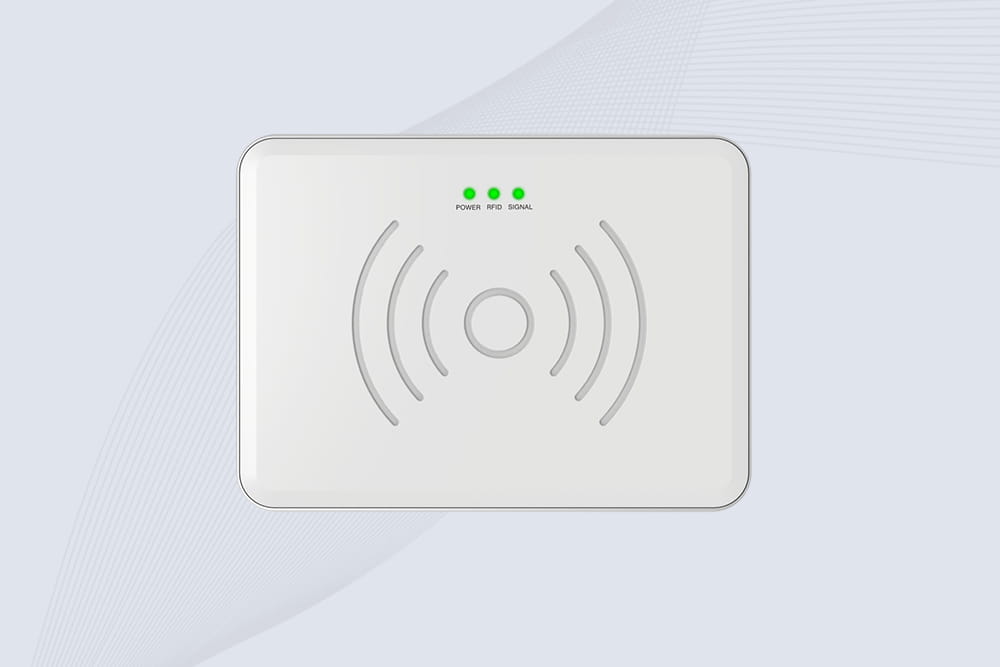
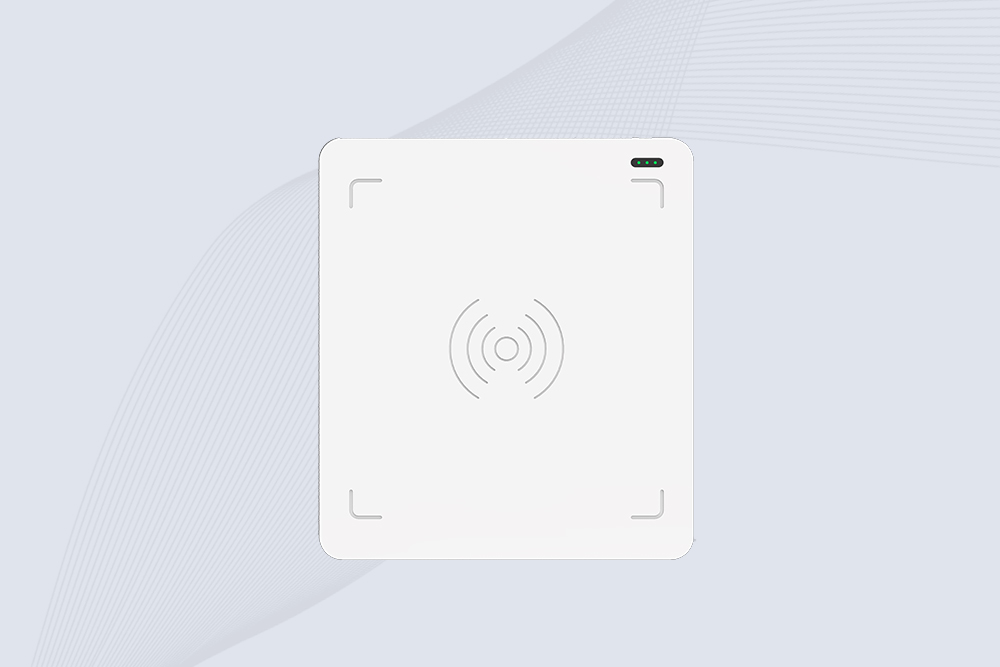
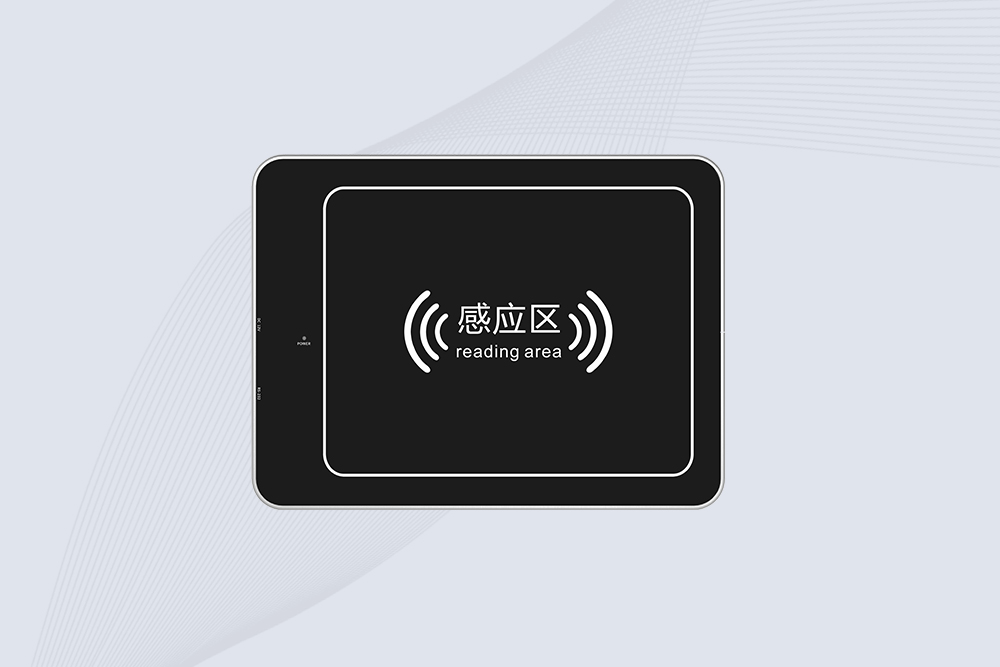
Yes, RFID can be used to locate items, but the level of location accuracy depends on the RFID technology, reader layout, antenna coverage, tag placement, and software architecture. RFID is particularly effective for determining whether an item is inside a defined read zone, doorway, storage area, shelf area, or workstation rather than automatically providing GPS-style coordinates.
That distinction matters.
In a real deployment, I would not describe an RFID system as simply “finding a tag.” The useful question is usually: Which reader last detected this item, at what location, and at what time?
GS1 describes EPCIS as a framework for capturing and sharing event information about the status, location, movement, and chain of custody of products and assets.
How RFID Locates an Item
A typical UHF RFID location system has four working layers:
With passive UHF RFID, the reader sends RF energy toward the tag. The tag responds by backscattering information to the reader. GS1 notes that typical UHF RFID read range can reach around 10 meters, although materials and installation conditions can substantially reduce or extend that distance.
This is why a warehouse may use one reader at a doorway, several antennas around a workstation, or multiple controlled zones rather than simply installing one reader in the middle of the building.
RFID Item Tracking Is Usually Zone-Based
This is where many RFID specifications become misleading.
Suppose a hospital has 300 infusion pumps.
The requirement may not be “show the exact coordinates of Pump 027.” Instead:
Pump 027 entered the equipment room at 09:42.
It was detected at the operating-room entrance at 10:17.
It left the department at 14:06.
It has not returned to the storage area.
That information can already eliminate a large amount of manual searching.
A systematic review of hospital RFID studies examined 17 relevant studies and found that all six studies evaluating time savings reported RFID as time-effective. However, the authors also cautioned that evidence was insufficient to prove accurate localization in crowded environments.
That is a useful engineering warning: RFID detection and precise positioning are not the same problem.
What Determines Location Accuracy?
During deployment, these factors deserve more attention than the advertised maximum read distance:
Reader placement — determines the physical detection zone.
Antenna direction — controls where RF energy is concentrated.
Tag orientation — affects coupling and polarization.
Metal and liquid — can absorb, detune, reflect, or shield RF signals.
Reader power — higher power does not automatically mean better location accuracy.
Software filtering — prevents one transient read from becoming a false movement event.
Zone overlap — excessive overlap can make an item appear to be in two locations.
GS1 specifically warns that metal-rich environments can create unwanted RF reflections and make RFID reading more difficult or cause the wrong object to be read. Its guidance recommends testing the complete RFID solution in the actual environment rather than relying only on laboratory specifications.
Where RFID Can Locate Items Effectively
RFID works particularly well when the physical environment can be divided into recognizable detection zones.
Warehouse and Inventory Rooms
Fixed UHF readers can identify tagged cartons, tools, components, or finished goods as they pass through designated areas.
Instead of scanning every barcode individually, the system can record multiple tag IDs during one reading event.
Retail Stores
RFID can associate products with zones such as:
Receiving area
Stockroom
Sales floor
Fitting-room return area
Checkout
Exit
Research from the University of Arkansas RFID Lab, reported by RFID Journal, found retail inventory accuracy of roughly 95% with RFID compared with about 63% in the cited non-RFID studies, alongside an approximately 50% reduction in out-of-stock rates in the reported research.
Those numbers are not a universal guarantee. They illustrate what becomes possible when tagging, reader placement, operating procedures, and inventory software are designed as one system.
RFID Does Not Work Like GPS
This is the most important distinction for anyone comparing RFID with GPS tracking.
Technology
Typical location concept
Battery required?
Best suited for
Passive UHF RFID
Reader-defined zone
No
Inventory, assets, tools, retail
Active RFID
Wider-area location
Usually
Asset tracking and RTLS
GPS
Geographic coordinates
Usually
Outdoor mobile assets
Barcode
Scan point
No
Identification at a deliberate scan
NFC
Very short-range interaction
No
Access, payment, close-range identification
A passive UHF tag generally does not continuously broadcast its position. It becomes visible when an RFID reader interrogates it.
GS1’s current EPC Gen2 UHF standard specifies operation in the 860–960 MHz range for this class of passive-backscatter RFID system.
Field Experience: The Reader Layout Usually Matters More Than the Tag
In practical projects, one of the first mistakes I see is choosing the tag and reader independently.
A tag that performs beautifully on a cardboard box may behave very differently when attached to a steel tool cabinet. A textile tag may be excellent for garments but unsuitable for a metal medical trolley.
For an RFID item-location project, I normally validate:
Item material
Tag attachment position
Expected movement path
Reader mounting height
Antenna polarization
Required detection zone
Potential interference
Read-event filtering
Software response time
For high-value assets, the objective should not be “maximum reading distance.” It should be controlled detection at the correct physical boundary.
That is a much more useful engineering target.
Where RFID Location Systems Need Caution
RFID can locate items effectively, but it should not be sold as magic indoor GPS.
A 2012 hospital RTLS evaluation reported only modest location accuracy in its clinical setting and concluded that more refinement was needed before recommending full-scale implementation for highly specific location accuracy.
Healthcare environments also require additional electromagnetic compatibility testing. A controlled study of 41 medical devices reported RFID-related electromagnetic interference during testing and recommended on-site EMI testing before deployment in critical-care environments.
For hospitals, the deployment process therefore needs both RF performance testing and medical-device compatibility assessment.
Practical Takeaway
Can RFID be used to locate items? Yes. For many commercial deployments, the most reliable approach is not centimeter-level positioning but controlled zone identification: a reader detects the tag, software records the event, and the system associates the item with a known location.
That model works particularly well for warehouses, retail stores, tool rooms, hospitals, libraries, production lines, and equipment storage.
And when the question changes from “Where is the tag?” to “Where was this asset last reliably detected?”, RFID becomes considerably more useful.
Cykeo RFID Technical Advantages for Item Location
For item-location projects, Cykeo’s UHF RFID approach is most useful when the objective is reliable detection at defined physical locations, rather than claiming GPS-like positioning from a passive tag.
A practical Cykeo RFID deployment can combine fixed readers, directional antennas, handheld readers, RFID tags, and application software according to the environment.
Key technical strengths include:
Multi-tag identification: multiple tagged items can be captured within a reader’s RF field rather than requiring individual barcode scans.
Longer-range UHF operation: suitable for warehouse aisles, storage rooms, receiving areas, production stations and controlled entrances.
Adjustable RF output: reader power can be configured according to the required detection zone instead of simply operating at maximum power.
Anti-collision processing: helps distinguish multiple tags responding within the same RF field.
Tag data filtering: repeated reads can be processed into meaningful movement events.
Network integration: fixed readers can connect location events to inventory, WMS, ERP or asset-management software.
Multiple deployment formats: fixed, desktop, handheld and integrated RFID equipment can address different operational points.
For example, Cykeo’s UHF RFID reader portfolio includes solutions supporting ISO 18000-6C / EPC C1G2, with reader output configurations reaching up to 33 dBm on applicable models. For an actual project, however, maximum output should never be treated as the target performance number. The useful number is the read zone that can be controlled consistently.
RFID System Architecture Deep Dive
A reliable RFID item-location system normally looks less like a single device and more like a chain of controlled events:
RFID Tag → Antenna → RFID Reader → Edge Filtering → Location Engine → Business Software → Database / Dashboard
1. RFID Tag Layer
Every tracked object receives a unique RFID identity.
Examples include:
Medical equipment
Tools
Garments
Cartons
Containers
Retail merchandise
Laboratory supplies
Production components
The tag itself does not normally calculate its geographic position. It provides an identity when interrogated by the reader.
2. Reader and Antenna Layer
The reader creates the RF interrogation field.
Antenna positioning then determines where that field exists.
This is why I treat antenna installation as part of the location system—not merely as an accessory to the reader.
A doorway may require two directional antennas. A shelf may need localized coverage. A large warehouse could require several readers divided into operational zones.
3. Location-Event Layer
Suppose tag EPC-004728 is detected by Reader A at 08:31.
The software can create:
EPC-004728 → Receiving Area → 08:31
Later, Reader B detects the same tag:
EPC-004728 → Storage Zone B → 09:04
The system now has a movement history.
GS1’s EPCIS framework explicitly supports event information related to the what, when, where and why of objects and business processes.
4. Application Layer
The RFID middleware should not simply dump thousands of raw reads into a database.
It should distinguish between:
First detection
Repeated detection
Entry
Exit
Movement
Missing item
Unexpected item
Authorized transfer
That filtering layer is often where a technically good RFID installation becomes a useful business system.
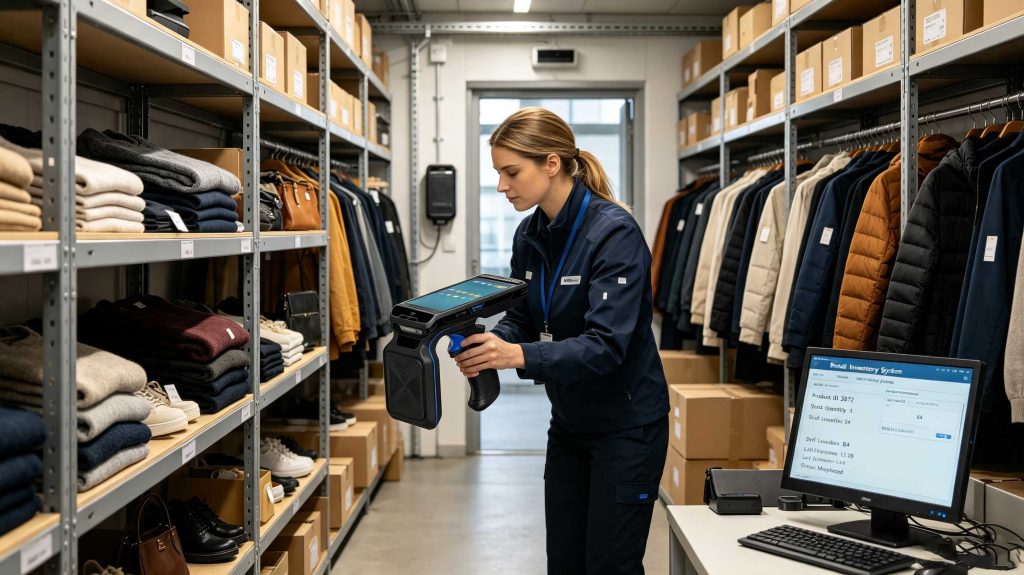
RFID readers identify tagged merchandise during stock checks, helping staff locate products without manually scanning each item.
RFID Location System: Where Each Component Fits
Component
Main responsibility
Location impact
RFID Tag
Unique item identity
Identifies what
Fixed Reader
RF interrogation
Determines detection point
Antenna
RF coverage
Defines detection zone
Handheld Reader
Mobile search
Helps locate nearby items
Middleware
Read filtering
Removes redundant events
Location Software
Event interpretation
Determines where/when
ERP/WMS/AMS
Business record
Connects location to operations
The distinction between identification and location is critical.
An RFID tag identifies the item. The infrastructure identifies the item’s observed location.
RFID vs Barcode: Which Is Better for Locating Items?
Barcode remains excellent when an operator deliberately scans one item at a known workstation.
RFID becomes more interesting when the system needs to detect many items without requiring each item to be presented individually.
A real-world retail comparison illustrates the difference. In a Bloomingdale’s RFID trial, inventory accuracy improved 27.2%, out-of-stocks fell 21%, and inventory cycle counting was reported as 96% faster than the legacy barcode process. The study also reported that counting 10,489 pairs of jeans took 53 hours manually versus two hours using handheld RFID.
Feature
RFID
Barcode
Line of sight
Usually not required
Usually required
Multiple-item reading
Yes
Generally one-by-one
Automatic detection
Yes
Usually operator initiated
Item-level identity
Yes
Yes
Location events
Strong when readers are zoned
Limited without scanning points
Low-cost identification
Good at scale
Excellent
Metal/liquid sensitivity
Requires engineering
Generally less RF-sensitive
Best strength
Automated visibility
Simple identification
RFID is therefore not a universal replacement for barcode.
In many deployments, the strongest system actually uses both.
RFID vs NFC for Item Location
NFC and UHF RFID are often grouped together because both use radio technology, but their practical operating models differ.
Technology
Typical interaction
Item-location suitability
NFC
Very close interaction
Low for automatic area tracking
UHF RFID
Longer-range reader detection
Strong for inventory and zone tracking
Active RFID
Battery-powered communication
Stronger for real-time location
GPS
Satellite-based positioning
Strong outdoors
For a warehouse containing thousands of tagged items, NFC’s short interaction range would make automatic inventory visibility impractical. UHF RFID is much better suited to this kind of environment.
Industry Case Studies
Hospital Pharmacy
A recent Texas Children’s Hospital case illustrates the value of RFID-assisted item visibility. According to RFID Journal’s April 2026 report, the hospital had previously identified $40 million in medications that could not be properly tracked, representing approximately 8–10% of its drug budget.
After implementing an RFID-supported solution, medication tagging time fell from two minutes to approximately 7 seconds per item, while cabinet inventory accuracy reached 99.99%. The hospital also reported $14 million in savings on clotting-factor medications over one year.
This is a good example of RFID being used for more than “finding things.” The useful output was inventory visibility, expiration control and faster search.
Hospital Procedure Supplies
At Loma Linda University Health’s International Heart Institute, a UHF RFID solution was implemented to improve visibility of medical products.
The reported results included more than 60% reduction in unused inventory and inventory above recommended par levels, with billing accuracy exceeding 90%.
Retail Inventory
Bloomingdale’s RFID pilot demonstrated the operational difference between manual barcode counting and RFID-assisted inventory counting. The reported cycle-counting time fell from 53 hours to two hours for the cited 10,489-pair inventory sample.
The important point is not the exact number alone. It is the change in workflow: inventory becomes something the system can repeatedly observe rather than something employees must repeatedly reconstruct.
RFID Item Location Deployment Strategy
Step 1: Define the Required Location Resolution
Do not begin with the reader.
First decide whether the requirement is:
Building-level
Room-level
Zone-level
Doorway-level
Shelf-level
Workstation-level
Near-real-time positioning
A passive UHF RFID system is particularly strong when the requirement is zone or transition detection.
Step 2: Map the Physical Environment
Document:
Metal structures
Glass
Liquids
Doors
Shelving
Conveyor paths
Human traffic
Equipment movement
Reader mounting positions
RF performance should be tested using the actual tagged objects, not only an empty-room test tag.
Step 3: Choose the Tag Around the Object
This is where field experience matters.
A tag for a cardboard carton is not automatically suitable for:
Steel tools
Medical equipment
Plastic containers containing liquids
Garments
High-temperature components
The tag, mounting surface and antenna geometry must be treated as one RF system.
Each transition can generate a timestamped RFID event.
Step 5: Tune Reader Power
More power is not always better.
Excessive RF coverage can cause a tag in Zone B to be detected by the reader assigned to Zone A. For location systems, controlled coverage is often more valuable than maximum coverage.
Step 6: Validate With Real Movement
Test:
Empty cart
Full cart
Fast movement
Slow movement
Different tag orientations
Multiple tags
Metal-loaded equipment
Human interference
Door opening/closing
Then measure missed reads and unwanted reads separately.
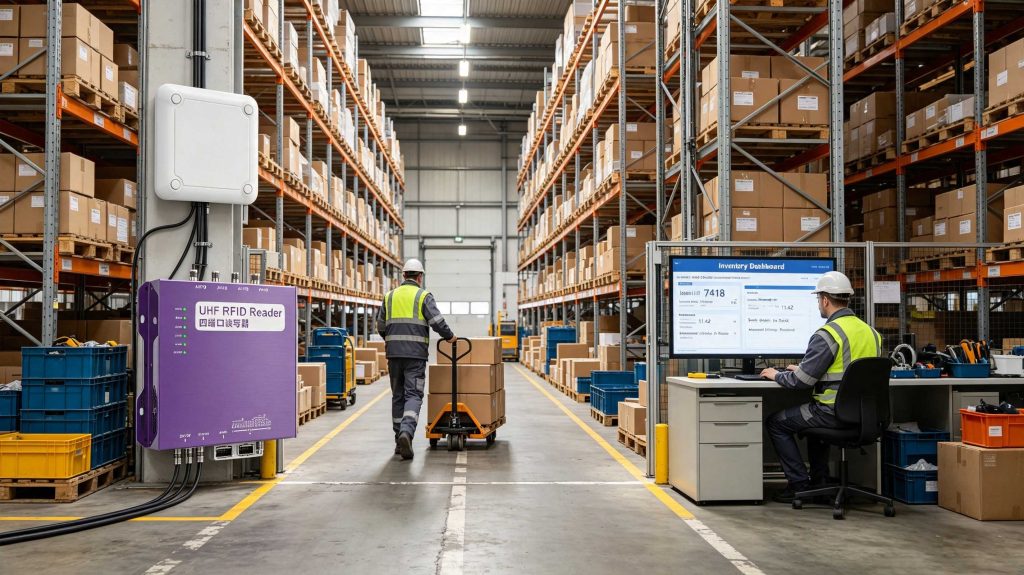
Fixed UHF RFID readers automatically detect tagged items as they move through receiving, storage, picking, and dispatch areas.
FAQ: Can RFID Be Used to Locate Items?
Can RFID locate an item in real time?
Yes, but the answer depends on the RFID architecture. Passive UHF RFID commonly provides location-by-zone or location-by-event, while active RFID and specialized RTLS architectures can provide more continuous positioning.
How accurate is RFID item location?
There is no single accuracy figure. Accuracy depends on reader density, antenna configuration, tag orientation, RF environment and software algorithms. A carefully designed zone system can provide highly useful location information without centimeter-level positioning.
Can RFID locate items without line of sight?
Yes. UHF RFID does not normally require direct visual contact between the reader and tag. However, metal, liquids, tag orientation and surrounding materials can strongly affect performance.
Can RFID track multiple items simultaneously?
Yes. UHF RFID is specifically designed for multi-tag identification through anti-collision protocols. This makes it useful for inventory counting, warehouse movement and retail stock visibility.
Is RFID better than barcode for item tracking?
For automated, multi-item tracking, RFID generally has a major operational advantage because tags can be detected without individually presenting each item to a scanner. Barcode remains highly effective for low-cost, deliberate point-of-use identification.
Can RFID track hospital equipment?
Yes. Hospitals can use RFID to monitor equipment, supplies, medications and other tagged assets. However, medical environments require careful RF planning and appropriate compatibility testing.
What is the biggest mistake in RFID location deployment?
Treating the reader’s maximum read distance as the system’s location accuracy. A successful installation is built around controlled RF zones, reliable tag placement and useful software events, not the longest possible read range.
SEO Ending
Can RFID be used to locate items? Absolutely—but the strongest RFID deployments do not try to make passive tags behave like GPS transmitters.
They use readers, antennas, tags and software to create reliable location events around the physical workflow.
For retail stockrooms, hospital pharmacies, tool rooms, warehouses and production facilities, that distinction changes the design conversation. Instead of asking only whether an RFID tag can be detected, engineers can ask whether the system can reliably tell where an item was last observed, when it moved, and whether that movement matched the expected workflow.
That is the practical value of RFID item location—and it is where Cykeo RFID solutions can be engineered into a broader asset visibility and inventory management architecture.
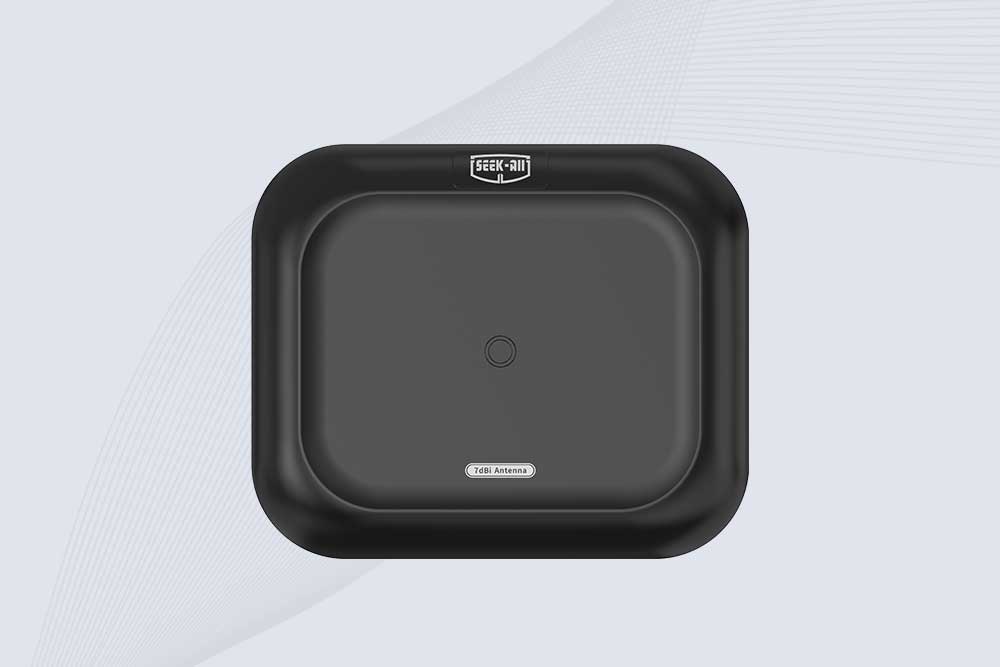
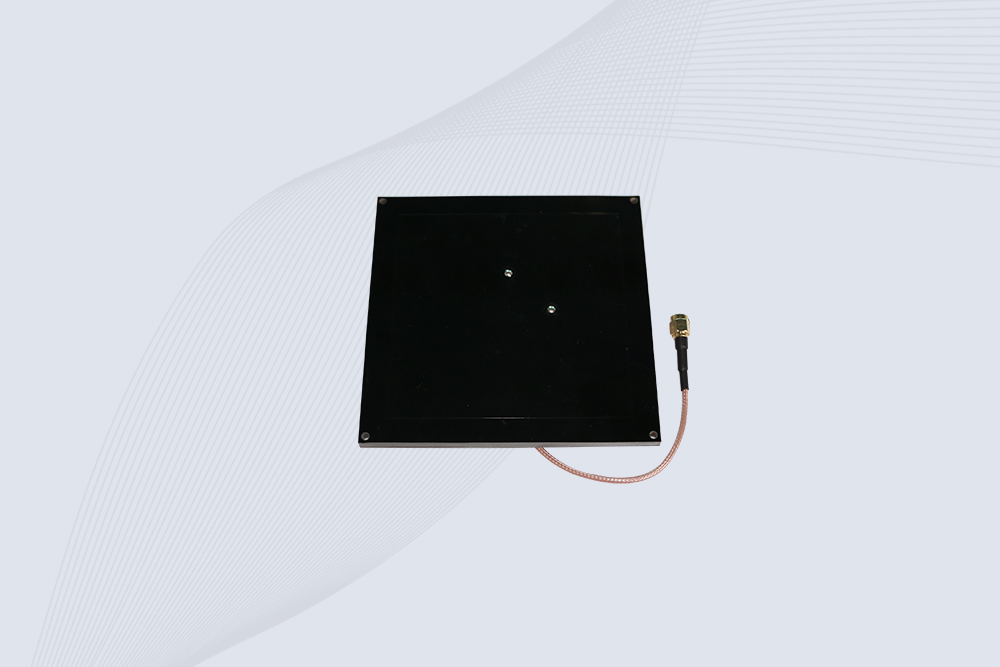
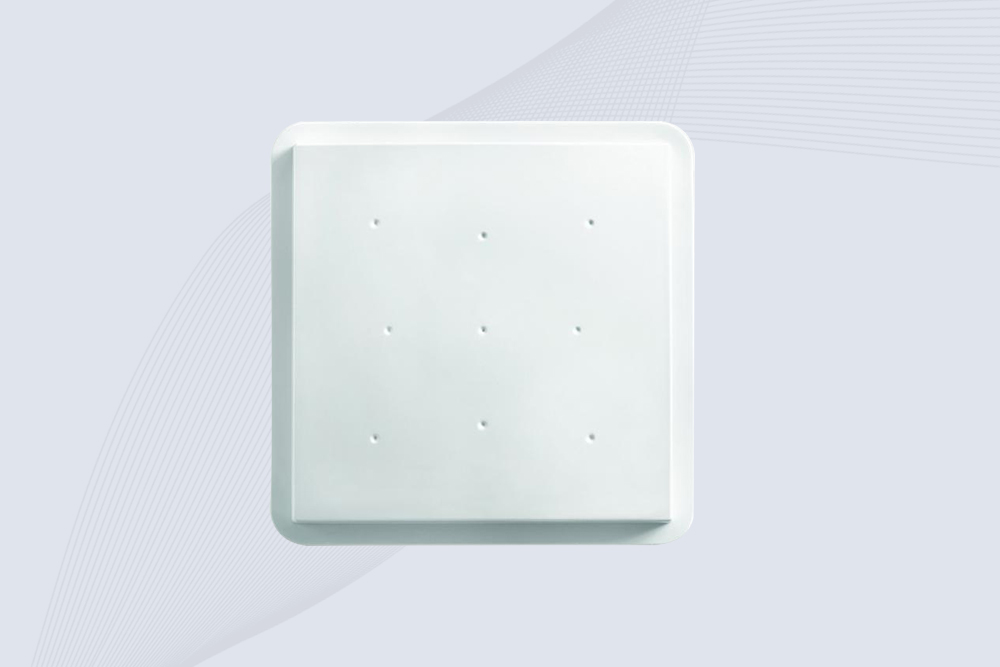
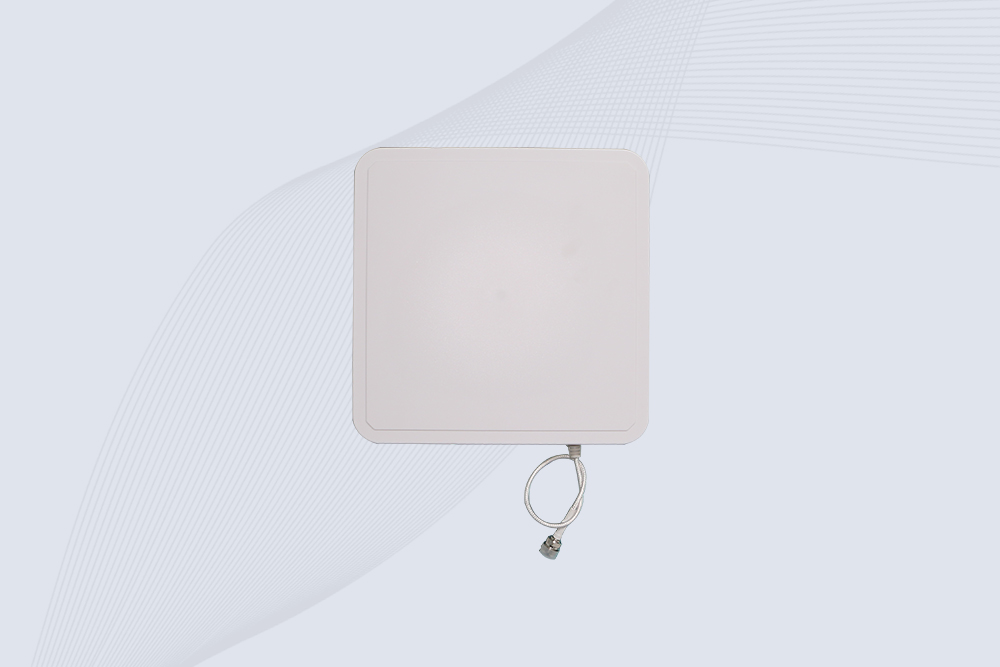
Explore the SSD-A07 UHF RFID antenna with 7 dBi gain, circular polarization, adjustable 840–960 MHz frequency, and 60°/75° beamwidth for stable RFID read/write performance.
SSD-A06 UHF RFID antenna with circular polarization, adjustable 840–960 MHz frequency, ≥4.5 dBi gain, and a compact directional design for RFID systems.
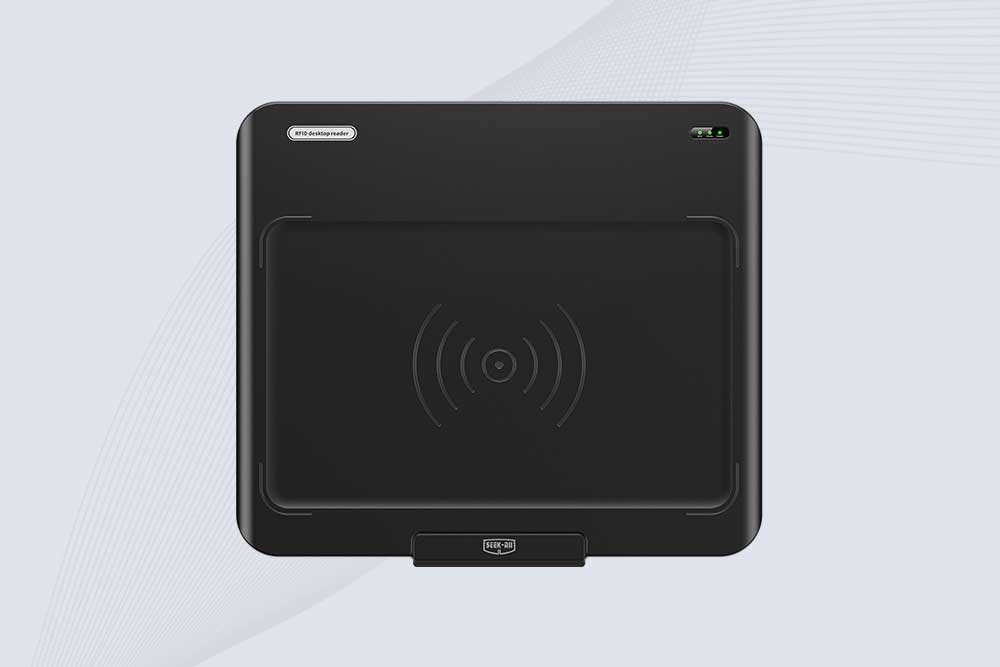
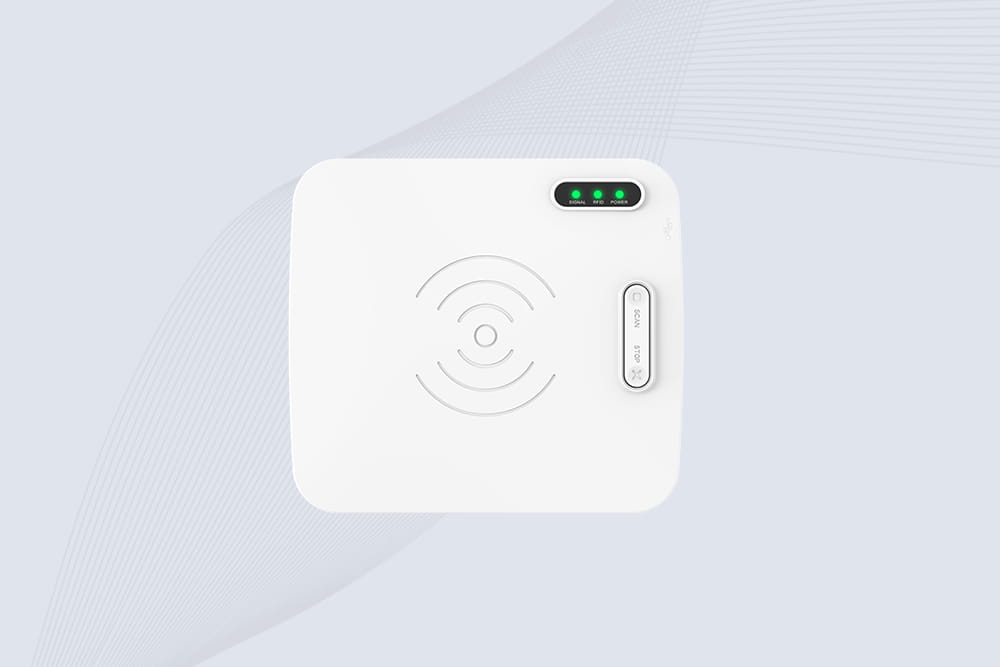
SSD-D3AL is a USB-HID UHF RFID reader with 0–30 cm reading, 0–15 cm writing, over 600 tags/s recognition, USB plug-and-play operation and OEM Logo customization.
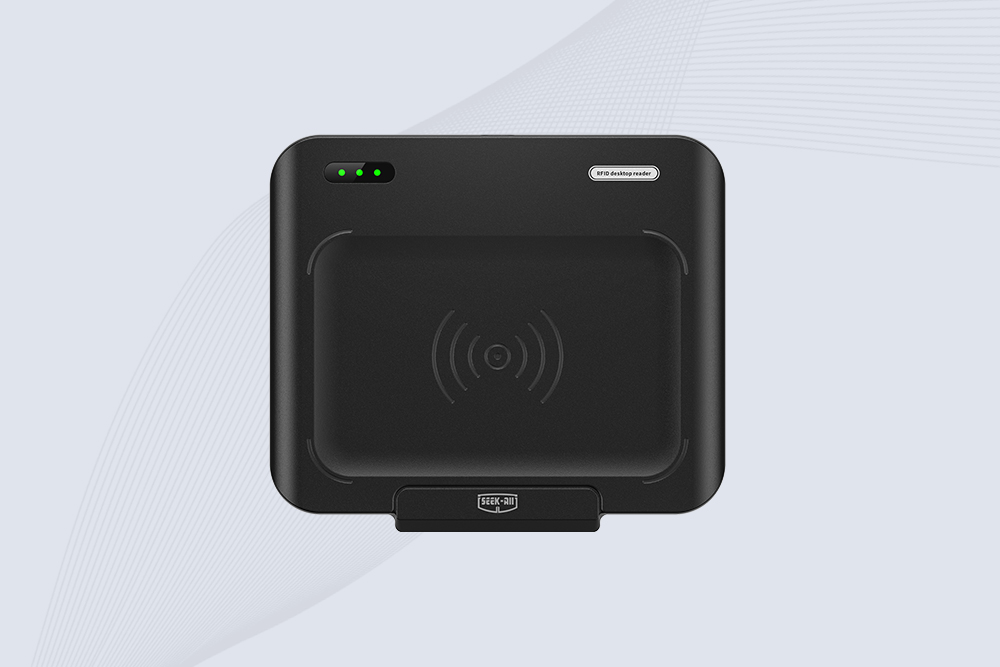
SSD-D1AL is a compact USB UHF RFID reader with Impinj E710/X3M1 chipset, USB-HID, 600+ tags/s recognition, 4/8/16 antenna support and plug-and-play USB power.
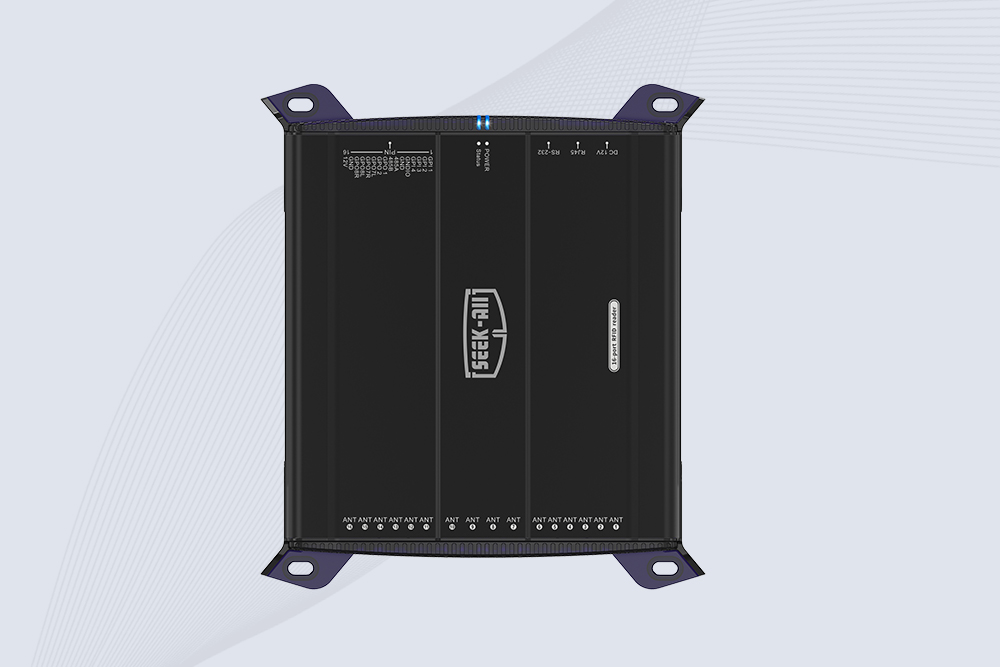
SSD-R16L Multi-Channel RFID Infrastructure for Automated Inventory Management ✔️ 16-Port High-Density RFID Reading Equipped with 16 SMA antenna ports, SSD-R16L supports multi-antenna deployment for warehouses, retail stores, logistics, production lines, and large-area RFID identification. ✔️ High-Speed & Long-Range Performance With up to 33…
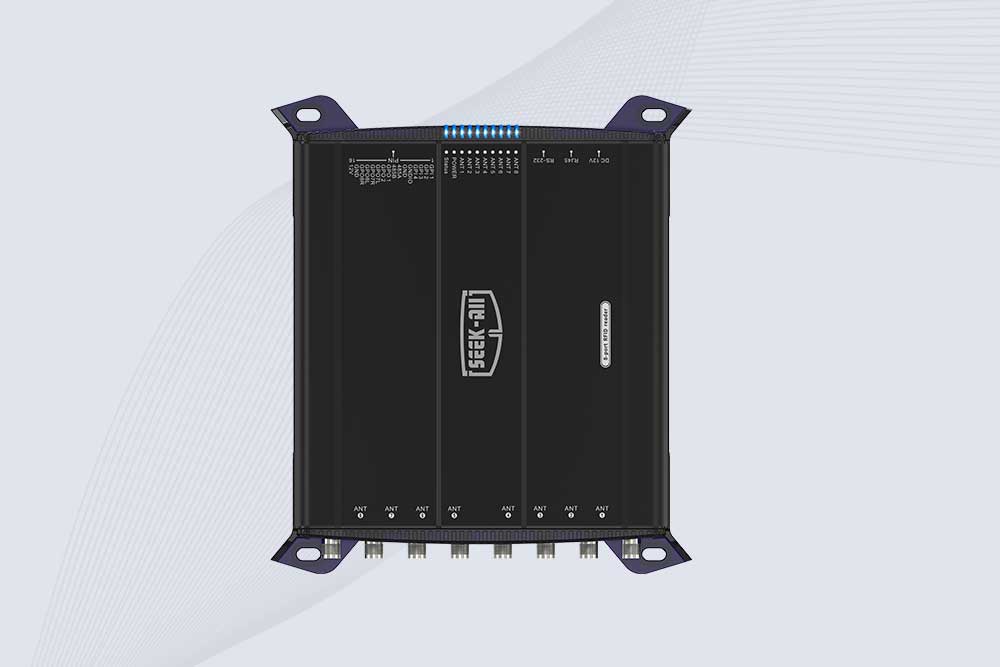
SSD-R8L 8-port UHF RFID reader with 33dBm output, up to 20m reading range and 600+ tags/s recognition. Ideal for warehouse, logistics, retail and asset tracking.
CYKEO CYKEO-D1LA USB RFID Reader is a compact desktop solution with near-field control for precise tag reading and encoding. Powered by USB, supporting ISO 18000-6C, and built for stable batch writing, this usb rfid tag reader fits retail, libraries, offices, and controlled RFID encoding tasks.
CYKEO CYKEO-D1L RFID scanner USB is a compact desktop UHF RFID scanner designed for short-range tag writing and verification. This usb rfid scanner supports batch encoding, stable 0–26 dBm output, and works across Windows, Linux, and Android systems.
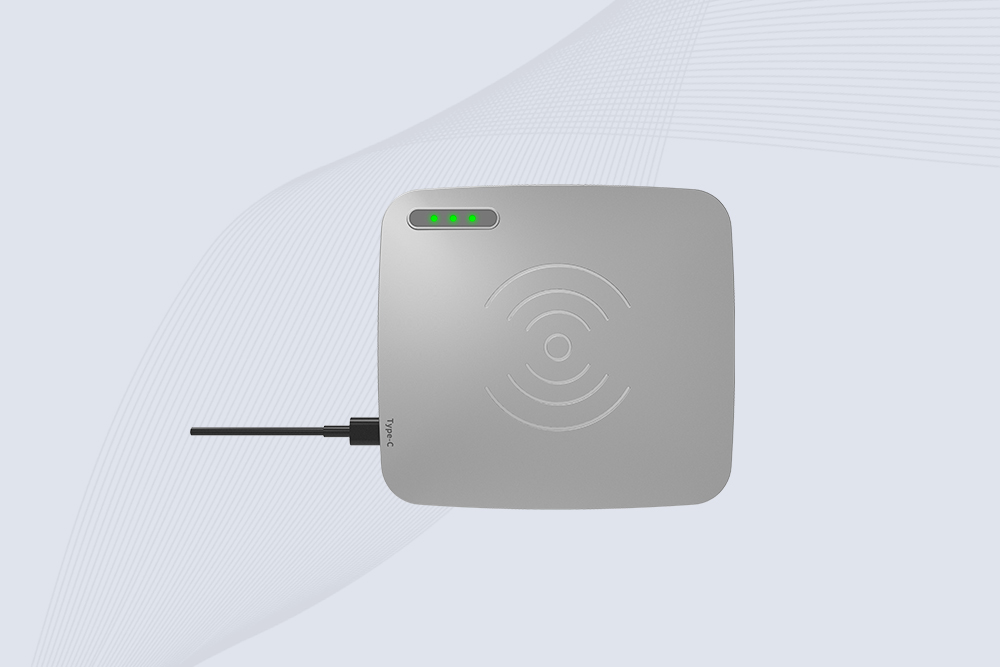
CYKEO CYKEO-D1C USB RFID Card Reader is a near-field UHF desktop writer designed for secure, short-range tag encoding. With USB-C connectivity and stable 26 dBm output, this rfid reader usb c is ideal for badge issuance, label encoding, and controlled desktop RFID workflows.
CYKEO CYKEO-D2L RFID Reader USB is a compact desktop encoder built on the Impinj R500 chip. With near-field control and stable USB power, this usb rfid card reader delivers precise tag writing for offices, retail counters, and small-scale logistics encoding tasks.
CYKEO CYKEO-D3L USB RFID Tag Reader delivers stable UHF tag reading and writing for daily desktop and light industrial tasks. Designed for controlled short-range operation, this USB RFID Tag Reader works reliably with rfid tag and reader systems in libraries, tool tracking, and inventory registration.
The CYKEO CYKEO-D4L UHF RFID Tag Reader is a stable Desktop RFID Reader designed for accurate tag registration, borrowing, and return workflows. Built with the Impinj R2000 chip, this UHF RFID Tag Reader delivers controlled short-range reads for libraries, asset tracking, and inventory management environments.
The CYKEO CYKEO-D5L Desktop RFID Card Reader is a stable UHF RFID Card Reader designed for controlled short-range reading and writing. Built for libraries, tool rooms, and asset desks, this UHF RFID Card Reader supports dense tag handling, secure data processing, and easy USB integration.
The CYKEO CYKEO-D6L RFID Reader Writer is a heavy-duty Desktop RFID Reader designed for short-range, high-accuracy tag programming. Built for libraries, labs, and asset desks, this RFID Reader Writer supports batch processing, stable 33dBm output, and seamless integration with existing management systems.
Cykeo CYKEO-D8A embedded RFID badge reader offers 30+ tags/sec scanning, 20cm anti-crosstalk precision, and DC 12V power for unmanned stores, warehouses, and smart inventory systems.
Cykeo’s CYKEO-D8C UHF RFID gate reader achieves 200-tag/batch scanning with adjustable power control, ideal for retail inventory and smart warehouse management.
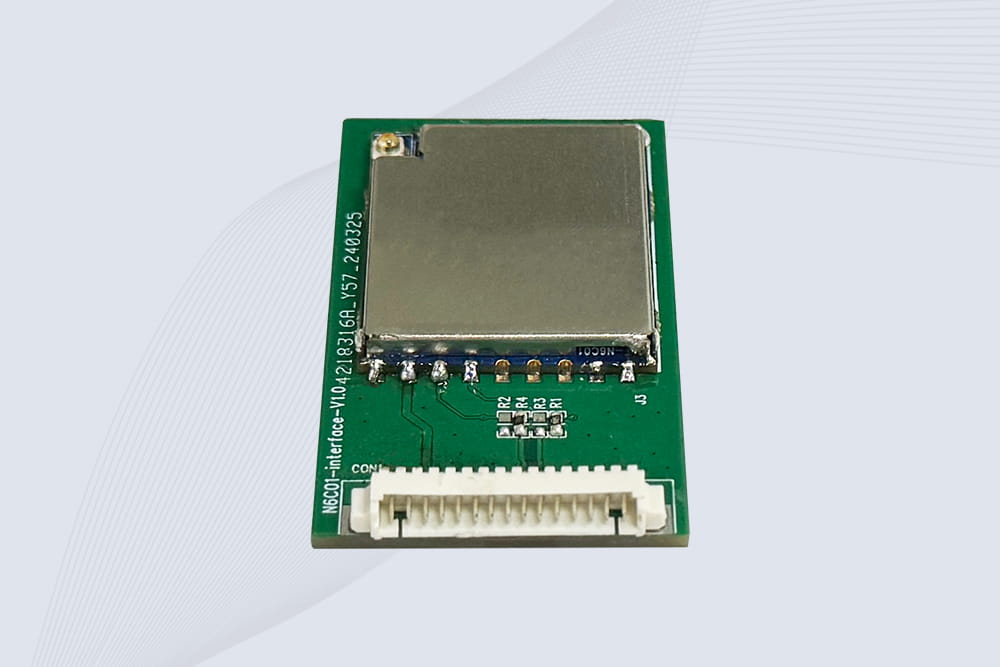
CYKEO Embedded RFID Modules are designed for compact industrial and IoT devices that require stable UHF performance. These UHF RFID Modules support global protocols, flexible power control, and reliable multi-tag reading for smart cabinets, production lines, and asset tracking systems.
CYKEO Embedded RFID Module is built for compact IoT and industrial devices that need stable UHF performance. This UHF module supports global protocols, low power operation, and reliable multi-tag reading for smart lockers, production lines, and always-on RFID systems.
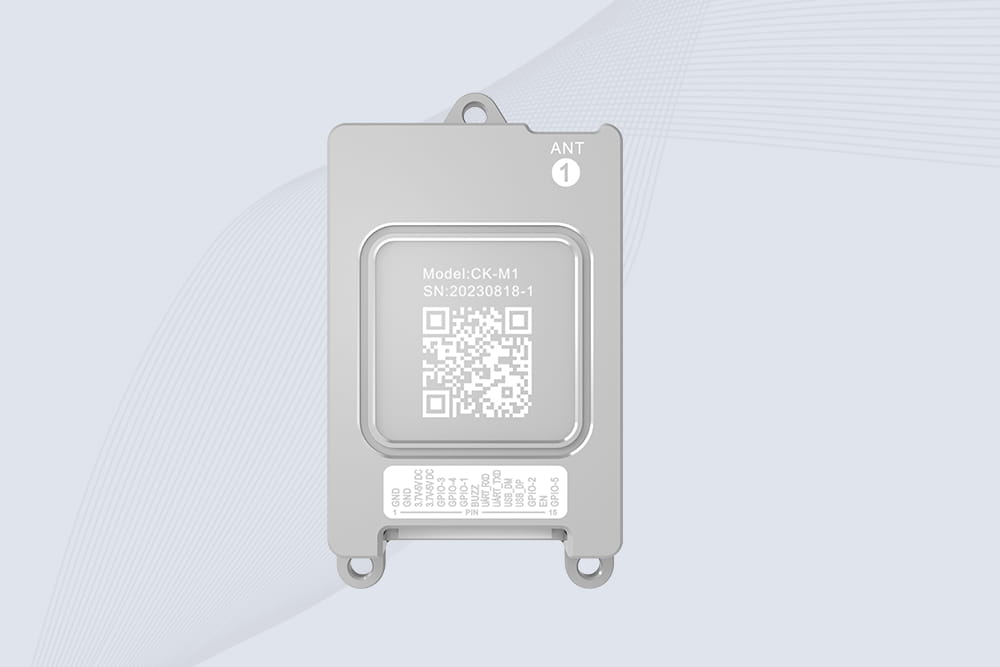
CYKEO CYKEO-M1 drone rfid module is a compact UHF RFID reader module designed for drones and UAV platforms. It supports long-range aerial scanning, fast multi-tag reading, and stable performance in wind, vibration, and outdoor environments.
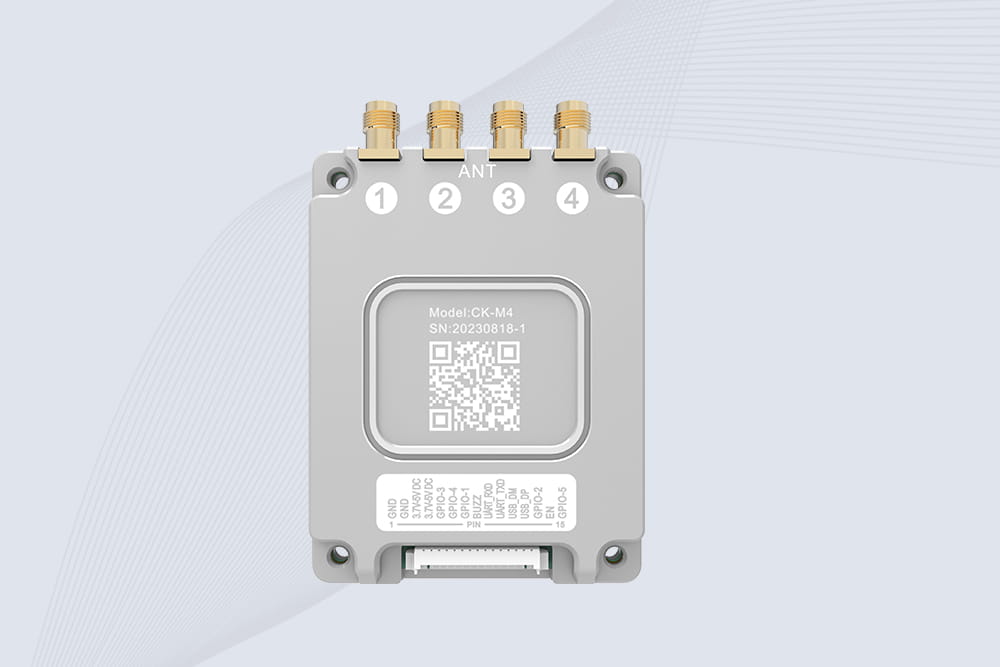
CYKEO CYKEO-M4 RC522 RFID Module is an industrial-grade UHF RFID reader with 4 ports, supporting ISO, EPC, and GB protocols. High-speed, accurate reading for IoT, automation, and warehouse applications.
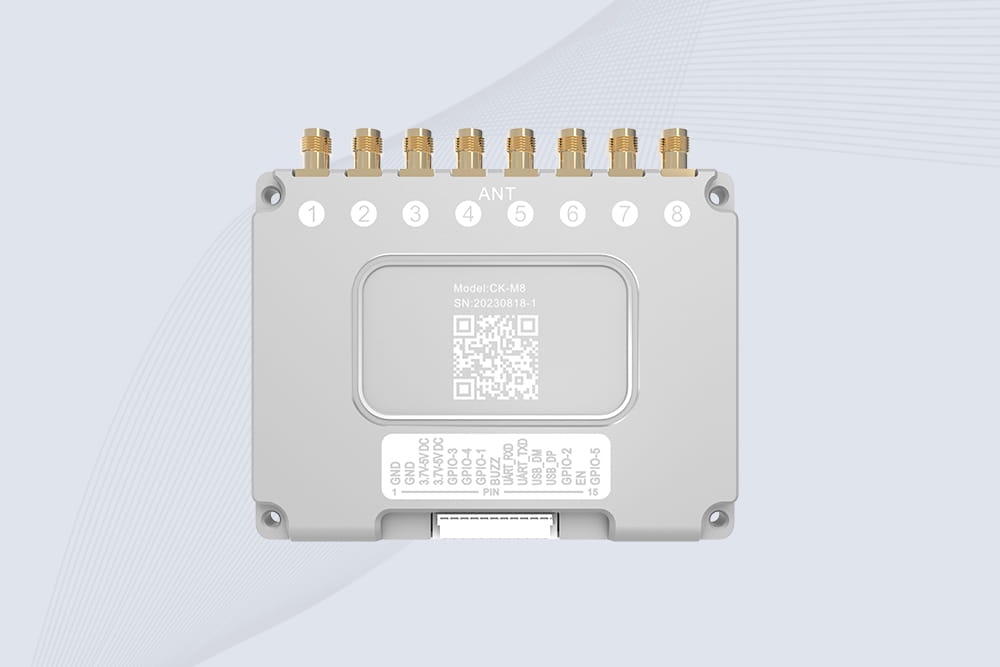
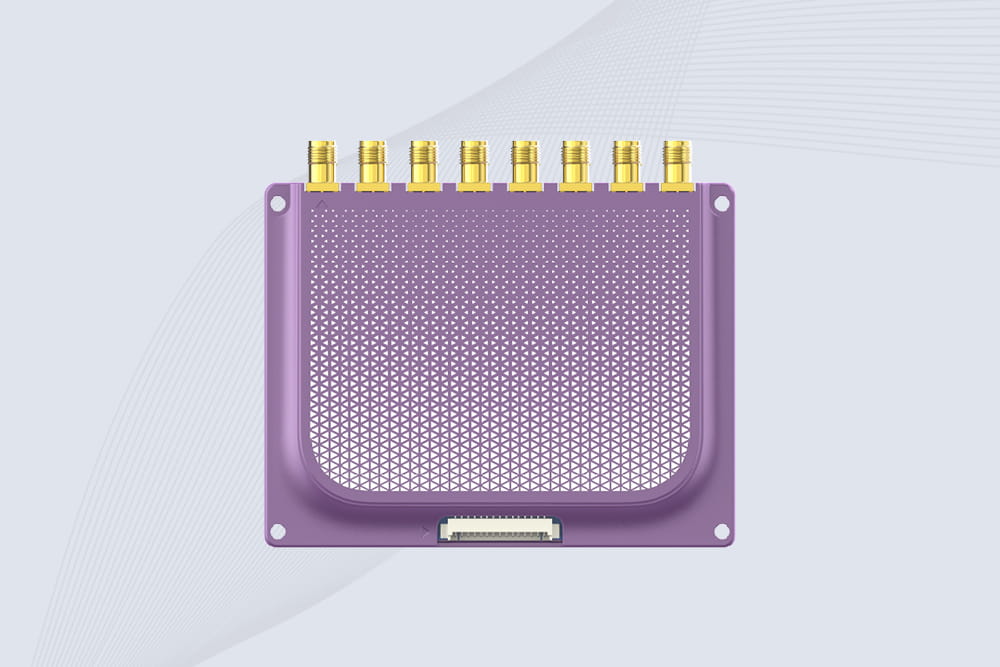
CYKEO CYKEO-M8 Module RFID is an 8-port UHF R2000 RFID Module designed for high-density, multi-tag environments. Stable 33dBm output, ISO & GB protocol support, ideal for warehouses, factories, and automated systems.
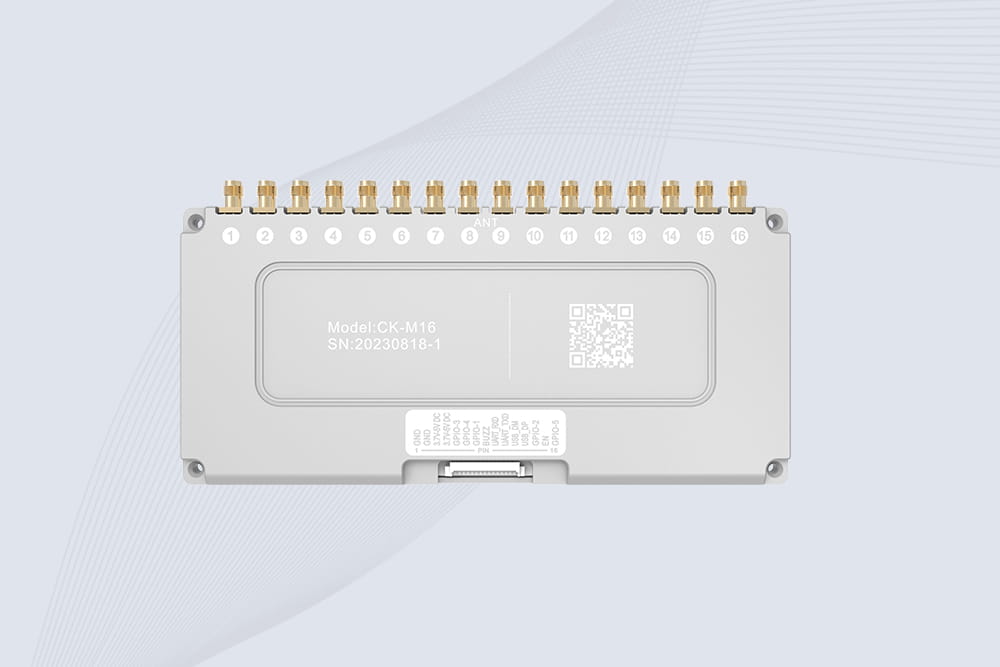
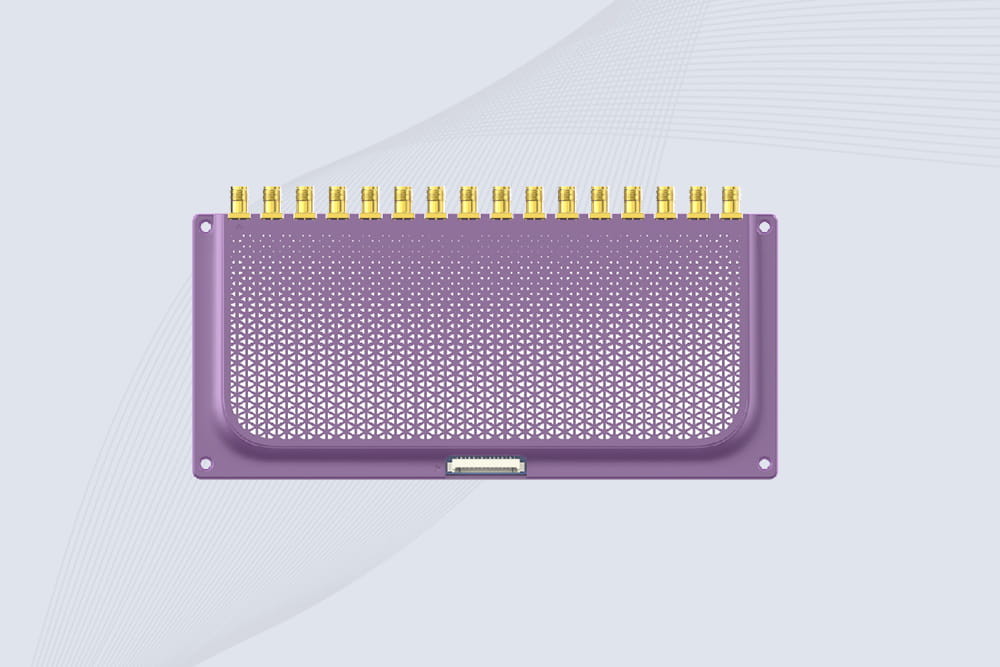
CYKEO CYKEO-M16 RFID Module is a 16-port UHF RFID reader module based on the R2000 chipset. Designed for dense tag environments, it supports ISO and GB standards and delivers stable multi-antenna control for industrial automation.
The CYKEO CYKEO-M16L RFID Reader Module is a 16-channel UHF RFID core designed for dense tag environments. With adjustable 33dBm output, multi-protocol support, and stable multi-antenna control, this RFID Tag Reader Module fits industrial automation, warehouse systems, and large-scale IoT deployments.
CYKEO CYKEO-M8L module RFID is a compact industrial UHF module built for dense tag and multi-antenna environments. With 8 RF ports, adjustable 33 dBm output, and ISO & GB protocol support, it is widely used in factories, warehouses, and automated tracking systems.
CYKEOCYKEO-M4L UHF RFID Module is a compact 4-channel RFID tag reader module designed for dense tag environments. Supporting ISO and GB protocols, it delivers stable reads up to 10 meters for industrial and IoT systems.
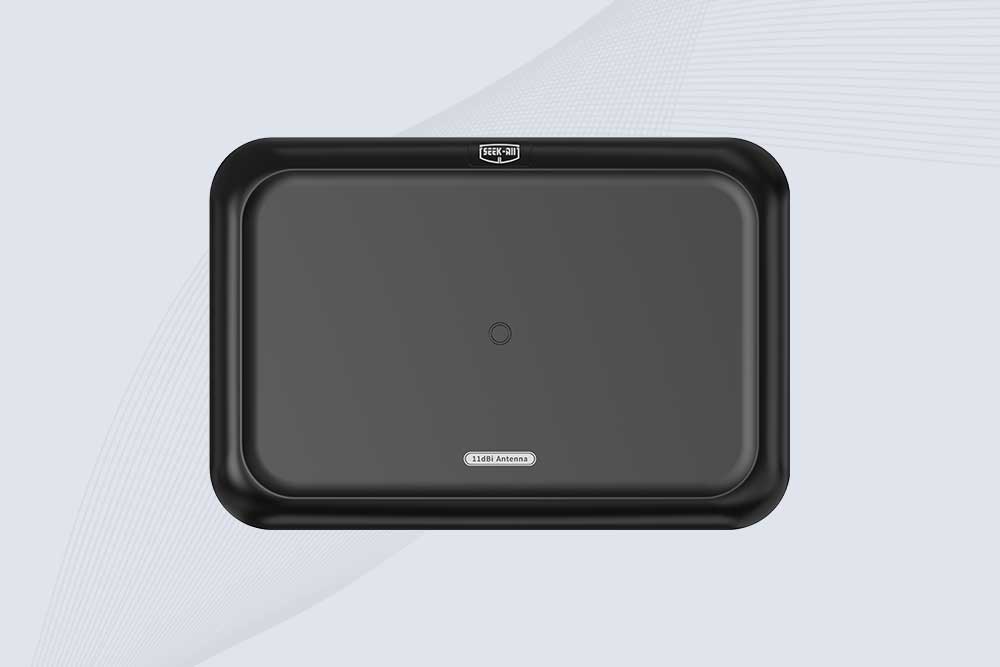
Cykeo CYKEO-A11 UHF RFID reader antenna delivers 11dBi gain, 840-960MHz frequency range, and IP65 ruggedness for retail, logistics, and industrial RFID systems. Features low VSWR and easy installation.
CYKEO Antenna RFID Reader delivers stable long-range UHF performance with a 10.5dBi directional design, built for warehouses, conveyor portals, and industrial RFID systems. This rfid reader antenna provides 20m+ read distance and rugged IP67 protection.
Cykeo CYKEO-A5B industrial Linear RFID Antenna delivers 5dBi gain, ≤1.5:1 VSWR, and IP65 rugged design for warehouse, production line, and logistics UHF systems.
Cykeo’s CYKEO-B12 Long Range RFID Antenna delivers 15m+ read range with 12dBi gain, IP65 rugged design, and global 840-960MHz UHF support. Ideal for warehouse/logistics asset tracking.
Cykeo CYKEO-B10 Long Distance RFID Antenna offers 10dBi gain, 840-960MHz frequency range, IP65 rating, and 20m+ coverage for logistics/warehousing/ETC systems. Low VSWR ensures stable signal transmission.
Cykeo CYKEO-A6 UHF RFID panel antenna features 6dBi gain, 840-960MHz broadband, IP65 metal-ready housing for logistics/smart retail. 18mm ultra-thin design with tool-free mounting.
Cykeo CK-A3 industrial antenna RFID UHF offers 5m+ tag detection, ≤1.3:1 VSWR, IP65 rugged design, and global UHF spectrum compatibility (840-960MHz) for warehouses, factories, and retail.
Cykeo CYKEO-B5 directional RFID antenna provides 5dBi gain with 60° narrow beamwidth for precise inventory tracking. IP65-rated, global UHF frequency support, and low VSWR.
Create your own high-performance DIY RFID antenna! 5dBi gain, 840-960MHz tunable, step-by-step guides. Compatible with Arduino, Raspberry Pi, and commercial UHF readers.
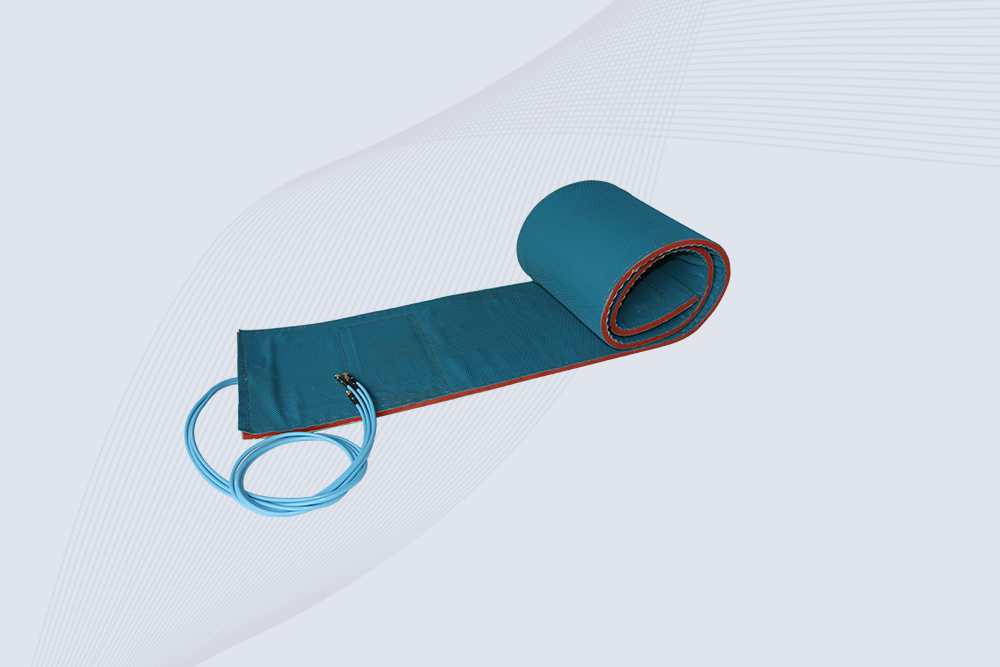
Cykeo CYKEO-A7 Flexible RFID Antenna features 840-960MHz wideband tuning, 7dBi gain, and IP68 rating for medical/retail/industrial curved surface deployments. 98% read accuracy with peel-and-stick installation.
Cykeo CYKEO-B5A industrial Passive RFID Antenna delivers 5dBi gain, 70° beamwidth, and -40°C~55°C operation for warehouses/smart cabinets. Compatible with Zebra/Impinj readers.
Cykeo’s CYKEO-A9B High Gain RFID Antenna delivers 15m+ read range with 9dBi amplification. Features IP54 rugged design, 840-960MHz bandwidth, and 80° beamwidth for warehouse/manufacturing RFID systems.
Cykeo’s enterprise-grade 8dbi Impinj RFID Antenna 10m+ read range with 840-960MHz tuning. Features IP65 housing, 1.4 VSWR, 35° beamwidth for retail/warehouse RFID systems.
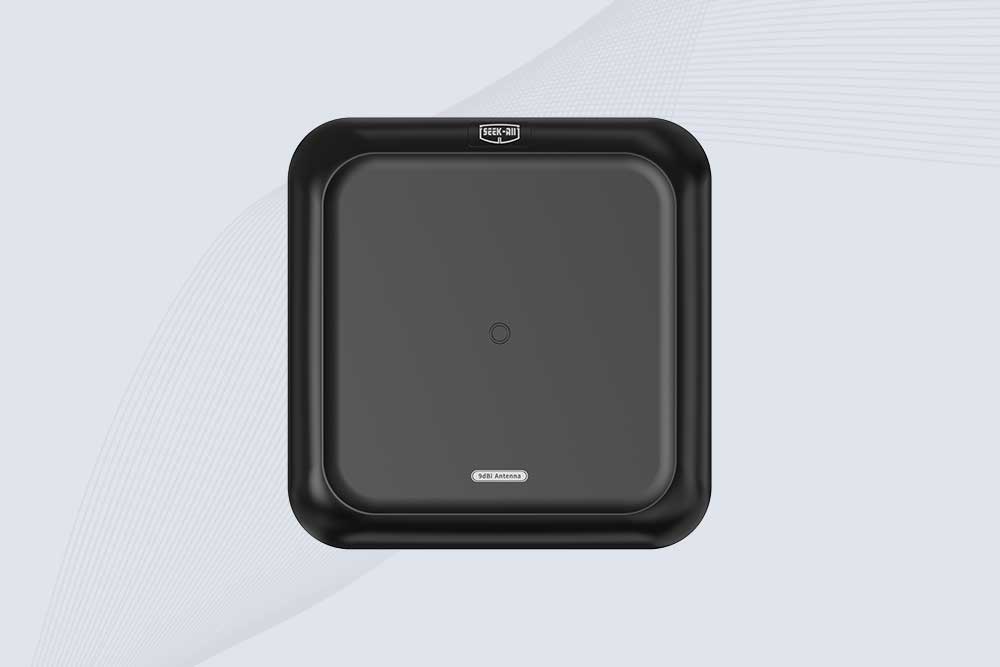
Cykeo CYKEO-A9 industrial UHF RFID antenna delivers 9dBi gain, 840-960MHz frequency range, and IP65 protection for warehouse/logistics/retail RFID systems. Features N-type connector and ≤1.3:1 VSWR.
CYKEO UHF RFID Antenna built for long-distance and industrial applications. This antenna rfid uhf delivers strong gain, outdoor durability, and reliable tag performance in warehouses, yards, and vehicle ID systems.
CYKEO Antenna RFID delivers reliable long-range UHF performance in warehouses, retail shelves, and cold-chain environments. This compact uhf rfid antenna provides stable reads with circular polarization and ultra-wide 840–960 MHz support, ideal for industrial tracking, smart shelves, and asset monitoring.
Cykeo’s CYKEO-C8 UHF RFID antennas delivers 8dBi gain, 840-960MHz full-band coverage, and IP65 ruggedness for manufacturing/warehouse RFID systems. Industrial RFID Antennas Features
Cykeo’s 8dBi UHF RFID antenna and reader kit delivers 10m+ range, 840-960MHz broadband, and IP65 ruggedness for factories, warehouses, and logistics. ISO 18000-6C & EPC Gen2 certified.
A practical guide to RFID medical equipment tracking in hospitals. Learn how it actually works, where it helps, and how smart cabinets improve inventory control.
Boost RFID tag read range with handheld readers using antenna adjustments, tag placement, and power settings. Learn actionable strategies for warehouses and outdoor use.
efficient and precise laboratory management becomes a key factor in enhancing competitiveness,RFID technology has emerged as a game-changing solution, gradually becoming a must-have technology for research and testing institutions.
RFID Tool Tracking uses RFID tags, readers, antennas, and software to automatically identify tools and record their movement. It helps companies improve tool...
 Cykeo RFID IoT Solution Products R&D Manufacturer