Which Type of Antenna is Used in RFID Tag?
You’re probably looking at an RFID project and hit this fundamental question: which type of antenna is used in RFID tag? If you expect a single answer, here’s the truth—it’s a “it depends” situation. The antenna is the tag’s engine, and picking the wrong one is like using a sports car to haul gravel. At CYKEO, we help clients navigate this choice daily.
In simple terms, most RFID tag antennas fall into two main camps, based on how they couple with the RFID reader:
1. The Long-Range Performer: Dipole Antennas (and Variants)
This is what you’ll typically find inside a standard UHF RFID tag. The antenna looks like a set of elongated, thin metal traces (often aluminum or copper) printed or etched onto a substrate. It’s designed for radiative coupling, which allows for those impressive read ranges of several meters. That’s why it’s often the best antenna for UHF RFID tags in supply chain logistics—scanning boxes on a pallet from a distance.
But there’s a catch. Its performance is brilliant in open air but famously fussy near materials like metal and water. Which leads us to the critical question of RFID tag antenna for metal surfaces. A standard dipole will often fail when placed directly on metal. The solution? Specialized tags with a modified antenna design that incorporates a protective insulating layer (like foam or plastic) to create a “standoff” from the metal surface, allowing it to function properly.
2. The Short-Range, Tough Workhorse: Loop (Coil) Antennas
Look inside an access card, a passport, or a laundry tag. The antenna is a coiled loop of wire, often dozens of turns. This design uses magnetic (inductive) coupling. Its read range is short—centimeters, not meters—but it’s incredibly reliable and less disrupted by challenging materials. This is a classic HF (13.56 MHz) antenna design.
So, how do you choose? It boils down to your specific enemy.
Understanding how RFID tag antenna design affects range and material compatibility is key. Here’s a quick decision framework we use with our clients:
- Goal: Long-range tracking of dry, non-metallic items (boxes, apparel, pallets)? → A UHF dipole-type antenna is your default, cost-effective workhorse.
- Goal: Tracking tools, IT servers, or medical equipment made of metal? → You immediately need a custom antenna solution for RFID designed for on-metal use. Don’t try to force a standard label to work.
- Goal: Secure proximity reading, payment, or tagging liquids? → An HF loop antenna is the proven, stable choice.
Ultimately, the question which type of antenna is used in RFID tag is just the start. The real answer comes from testing the specific tag (antenna and chip combined) on your actual items in your real-world environment. That’s where performance is proven, not just on a spec sheet.
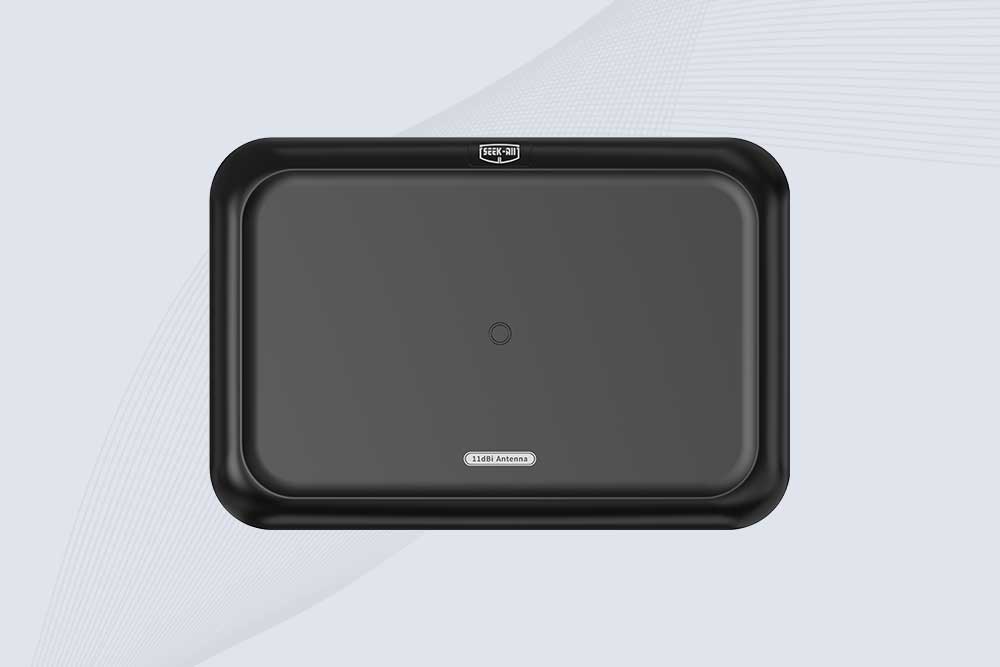
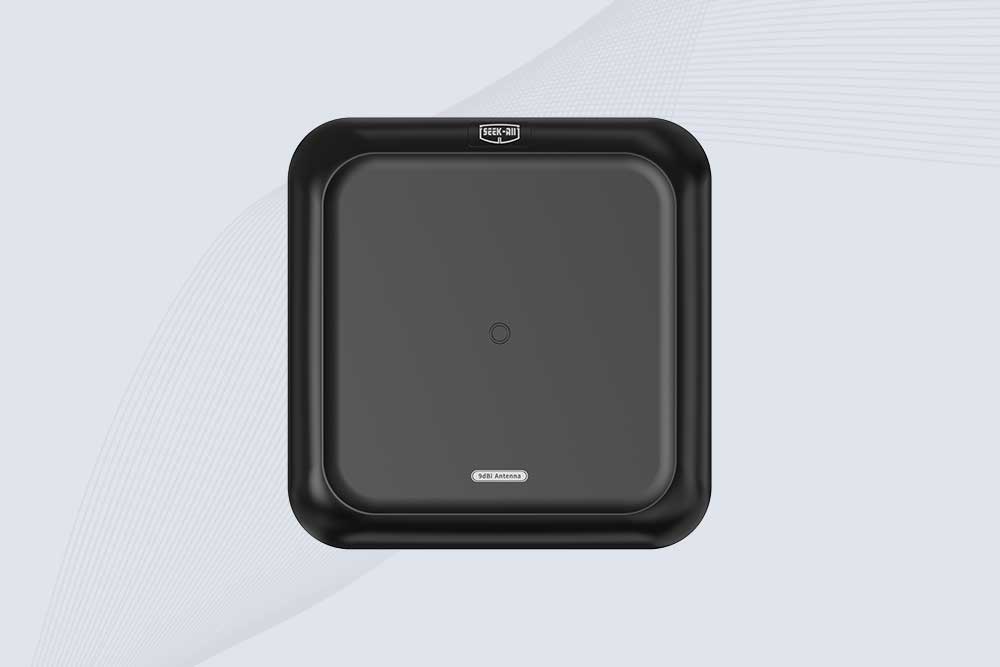
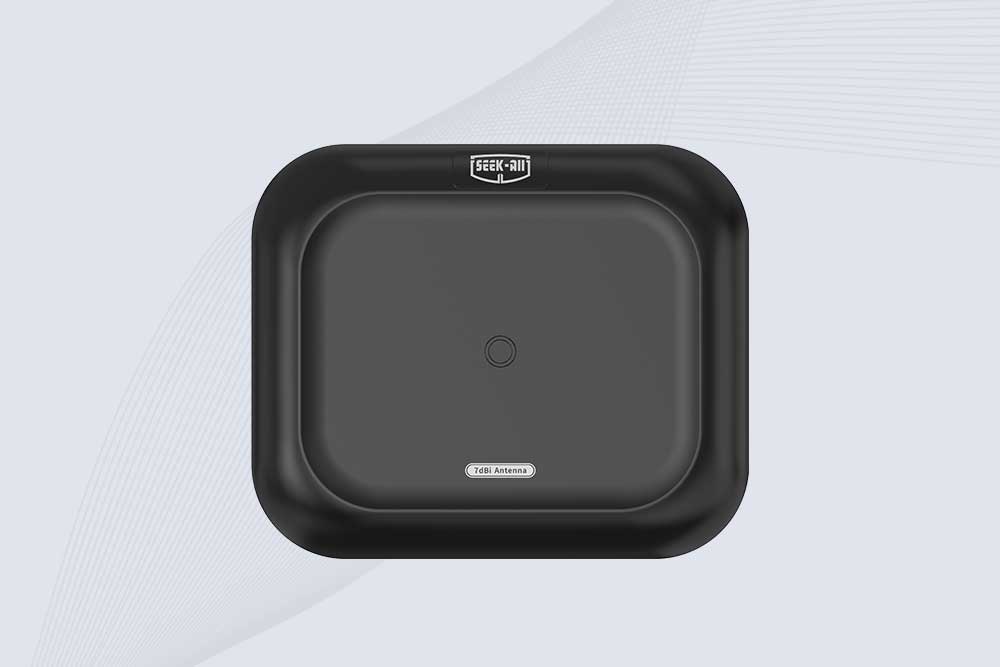
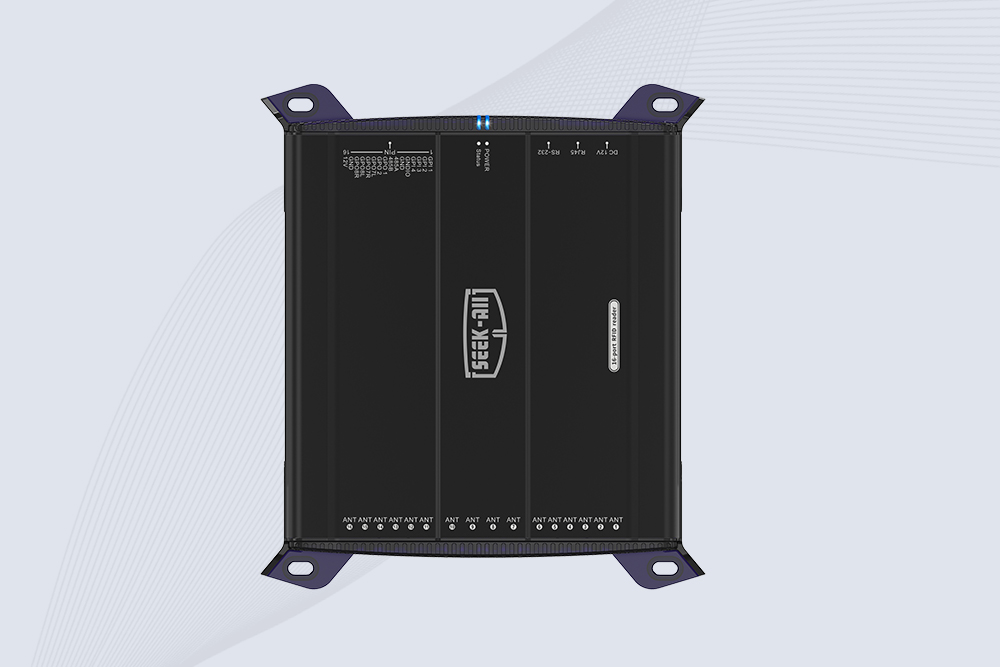
RFID Antennas Recommendation
 Cykeo RFID IoT Solution Products R&D Manufacturer