tracking device for power tools is an RFID-based industrial monitoring system that provides real-time visibility, location tracking, and usage accountability for powered tools across job sites. It reduces tool loss, improves operational efficiency, and strengthens safety control in construction and industrial maintenance environments.
In real-world field operations, the core challenge is not detecting tools—but maintaining continuous awareness across shifting teams, locations, and workflows.
What Tracking Device for Power Tools Means in Industrial Environments
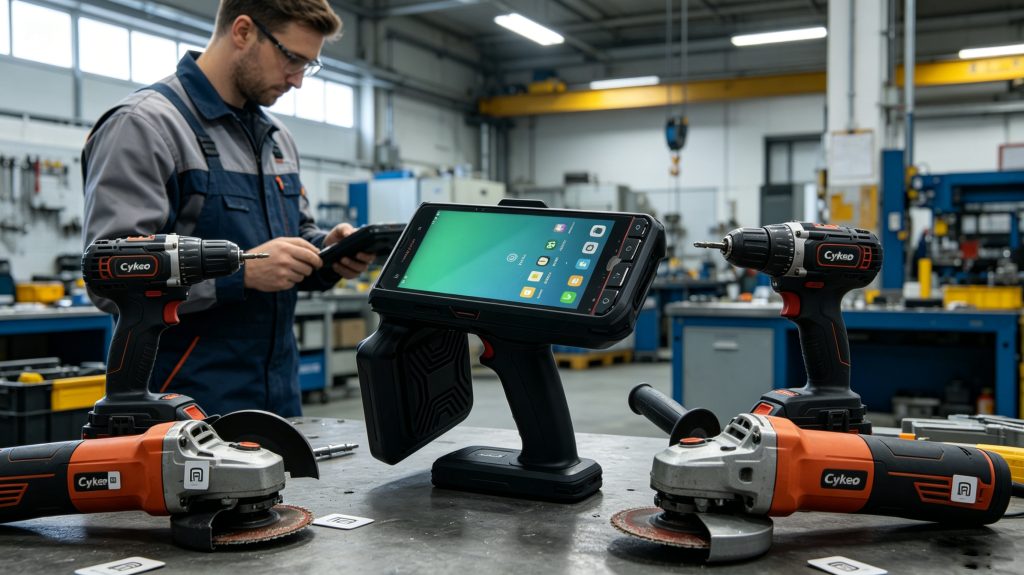
A tracking device for power tools refers to RFID-enabled or digital monitoring systems that record movement, usage, and return cycles of tools such as drills, grinders, cutters, and calibration equipment.
Tracked assets typically include:
Cordless drills and impact drivers
Electric cutting and grinding tools
Maintenance and calibration instruments
Shared industrial toolkits
Portable construction equipment
Based on occupational safety frameworks referenced by OSHA (osha.gov), asset accountability directly supports workplace safety and reduces operational risk caused by missing or misplaced equipment.
Field Reality: Why Power Tool Tracking Is Operationally Critical
From real deployment experience in maintenance workshops and construction sites, power tools present unique tracking challenges:
High-frequency tool handover between operators
Temporary tool usage across multiple job zones
Inconsistent manual logging under workload pressure
Tools left in hidden or elevated work areas
According to industry insights from Plant Engineering (plantengineering.com), maintenance teams can lose up to 5–10% of productive working time due to tool searching and reconciliation processes.
This is not a storage issue—it is a visibility gap across operations.
This structure creates a continuous data loop: issue → usage → return → verification → audit trail
Automated power tool visibility and accountability system
How Tracking Device for Power Tools Works in Daily Workflow
A typical operational process:
Technician selects power tool from RFID-enabled storage
System automatically detects tool removal
User identity and timestamp are recorded instantly
Tool usage is tracked during operation cycle
Return event updates inventory automatically
Unlike barcode systems, no manual scanning is required for each transaction, reducing workflow friction significantly.
Performance Factors in Real Deployment Environments
From field integration experience, system reliability depends on three core factors:
1. Tag durability under vibration and impact
Power tools operate under constant mechanical stress, requiring industrial-grade RFID tags.
2. RF interference in metal-dense environments
Workshops and construction sites contain metal surfaces that affect signal consistency.
3. Operational discipline across teams
System accuracy depends on consistent return behavior and proper tool handling procedures.
Industrial Applications of Power Tool Tracking Systems
This tracking device is widely used in:
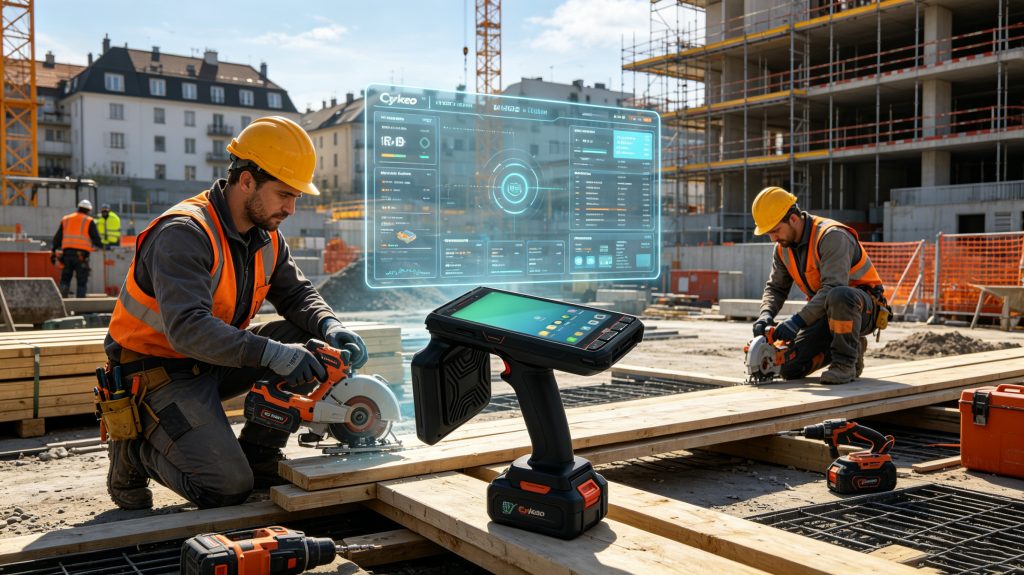
Construction site tool management systems
Industrial maintenance workshops
Energy sector repair operations
Manufacturing equipment service rooms
Rail infrastructure maintenance teams
Each scenario requires real-time visibility and traceable tool responsibility across teams and shifts.
Real-time monitoring of power tool usage in field operations
Data Insight: Why Tool Tracking Improves Operational Efficiency
According to OSHA safety guidance (osha.gov) and industrial maintenance studies:
Tool mismanagement contributes to measurable downtime in maintenance operations
Manual tool search can account for up to 10% of technician working hours
Digital tracking systems significantly improve asset visibility and audit accuracy
The real value is not speed—it is elimination of uncertainty in operational workflows.
Engineering Insight from Field Deployment
In real environments, operational behavior changes in a visible way:
Before RFID:
Tools are shared informally
Loss is detected late during audits
Responsibility is unclear
After RFID:
Every tool movement is recorded automatically
Ownership is traceable in real time
Missing tools trigger immediate alerts
This transforms tool management from reactive to proactive control.
FAQ: tracking device for power tools
Q1: Can RFID track all types of power tools? Yes, with industrial-grade RFID tags designed for vibration and metal environments.
Q2: Does it require manual scanning? No, RFID automatically detects tool movement within the tracking zone.
Q3: What is the main benefit? It provides real-time visibility and reduces tool loss across dynamic job sites.
At the operational level, the tracking device for power tools is not just a monitoring tool—it is the invisible control layer that turns scattered tool usage into a fully traceable, safety-aligned industrial system.
A long range RFID scanner helps smart factories track materials, work-in-process products, tools, equipment, pallets, and reusable containers. By connecting ...
Learn how to program RFID cards for access control, inventory, and smart identification systems. Understand RFID encoding methods, equipment selection, and wholesale considerations for RFID projects.
What is the best RFID solution for supply chain management? Explore smart RFID systems with real-time tracking, inventory visibility, and automation solutions from Cykeo.
 Cykeo RFID IoT Solution Products R&D Manufacturer