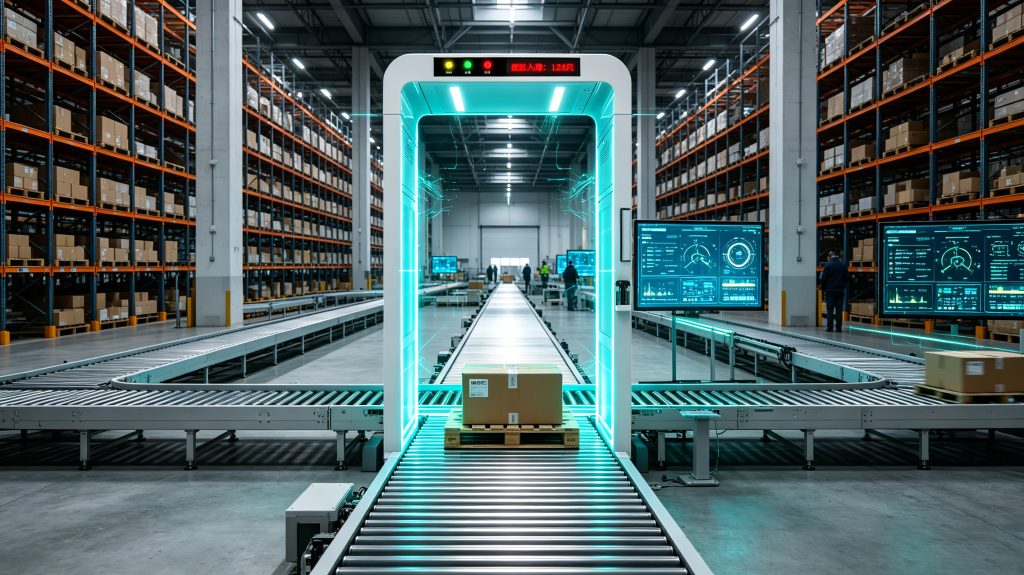
tracking RFID is a technology that uses UHF radio frequency identification to monitor and record asset movement in real time. It improves accuracy, reduces manual scanning, and enables continuous visibility of goods, tools, or textiles across industrial environments such as warehouses, healthcare, and manufacturing systems.
How tracking rfid Works in Real Industrial Environments
In actual logistics and industrial operations, tracking RFID is not just about identifying tags—it is about maintaining uninterrupted visibility across movement cycles.
When assets pass through RFID coverage zones, readers automatically capture tag data without line-of-sight scanning. This removes dependency on manual barcode checks and reduces human entry errors.
According to GS1 global supply chain standards (gs1.org), RFID-based tracking systems can significantly reduce manual inventory effort and improve data consistency across large-scale operations, especially in multi-point logistics environments.
Why tracking rfid Matters for Industrial Operations
In field deployments, the biggest challenge is not tagging items—it is ensuring continuous, accurate tracking under real-world conditions.
Key operational challenges solved by tracking RFID:
Missing or misplaced assets in warehouses
Slow manual inventory cycles
Errors in handwritten or barcode-based logs
Lack of real-time visibility in motion workflows
With industrial RFID systems like those used in Cykeo deployments, asset movement becomes a continuous data stream rather than isolated checkpoints.
System Architecture Behind tracking rfid Solutions
A complete tracking RFID system typically includes:
The reader acts as the core sensing layer, continuously collecting tag data as items move through defined zones.
Automated asset visibility in industrial logistics flow
Industrial Accuracy and Data Reliability in tracking rfid
One of the most critical performance metrics in RFID tracking systems is read accuracy under motion.
In optimized industrial setups, effective capture rates can exceed high operational thresholds when:
Tag placement is standardized
Reader zones are properly tuned
Interference is minimized
Industry analysis from RFID Journal (rfidjournal.com) shows that properly deployed UHF RFID systems outperform manual scanning workflows in both speed and consistency in high-volume environments.
tracking rfid in Logistics, Healthcare, and Manufacturing
The application scope is broad because the problem is universal: visibility loss during movement.
Common use cases:
Warehouse pallet tracking
Hospital asset and linen tracking
Manufacturing work-in-progress monitoring
Tool and equipment management
In healthcare environments, RFID tracking reduces manual inventory workload, especially for high-turnover consumables and surgical textiles.
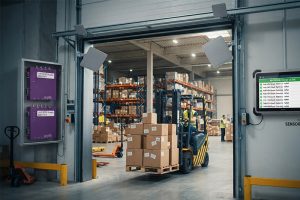
Real-time visibility for medical asset management
Operational Insight from Field Deployments
In real deployments, a consistent pattern appears:
Once tracking RFID coverage becomes stable across key zones (entry points, storage racks, and transfer corridors), manual reconciliation work drops sharply.
Instead of periodic inventory checks, organizations shift toward continuous verification—where system records become the primary source of truth rather than manual logs.
Integration and System Connectivity
Modern tracking RFID systems are not standalone devices—they are part of a data ecosystem.
They typically integrate with:
Warehouse Management Systems (WMS)
ERP platforms
Hospital information systems
Industrial IoT dashboards
This allows real-time synchronization between physical movement and digital records.
FAQ – tracking rfid Systems
Q1: What is tracking RFID used for? It is used to monitor asset movement in real time across warehouses, hospitals, and industrial environments.
Q2: Does it require line-of-sight scanning? No, RFID uses radio frequency, allowing automatic detection without direct visual alignment.
Q3: Can it track multiple items at once? Yes, UHF RFID systems support simultaneous multi-tag identification in real-time.
Final Insight
tracking RFID is not just an identification tool—it is a visibility infrastructure. Once deployed correctly, it replaces fragmented manual logs with continuous, system-driven intelligence across the entire operation lifecycle.
The customer raised the problems and requirements for RFID Gate Reader products. We listen to the customer's answers about the environment in which the product is used. Give each other all opinions to each other about the project situation and ex...
Discover how RFID solutions medical are revolutionizing healthcare, improving asset tracking, medication management, patient safety, and hospital efficiency with smart technology.
A realistic RFID tool cabinet price guide covering hardware, antennas, RFID modules, and system integration. Learn how to budget and avoid costly mistakes.
Explore how long range RFID scanners improve warehouse tracking, industrial automation, and asset management. Learn key selection factors for RFID distributors and system integrators.
 Cykeo RFID IoT Solution Products R&D Manufacturer