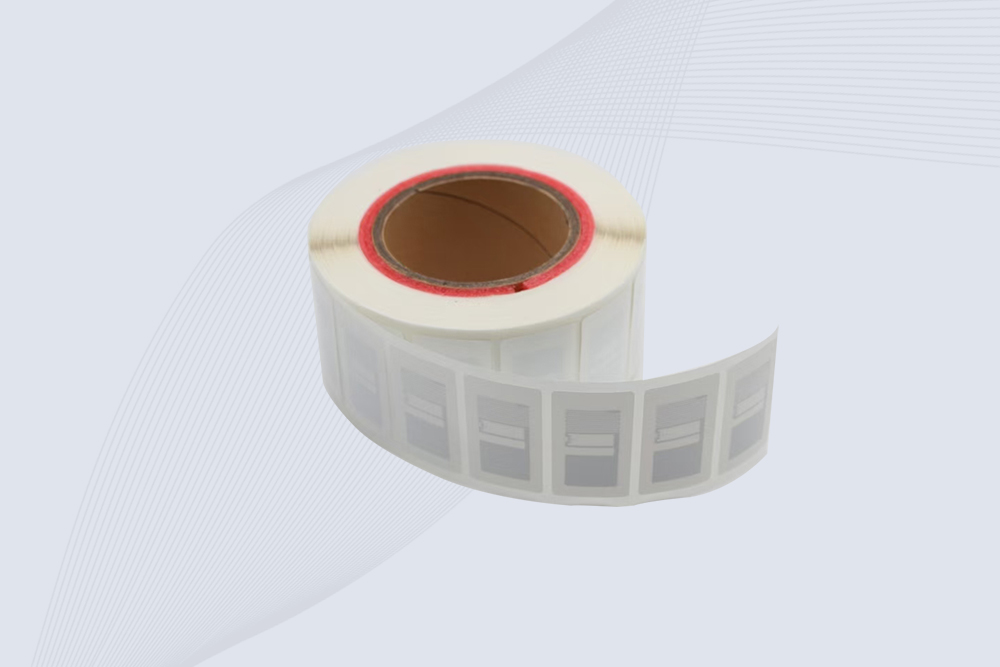
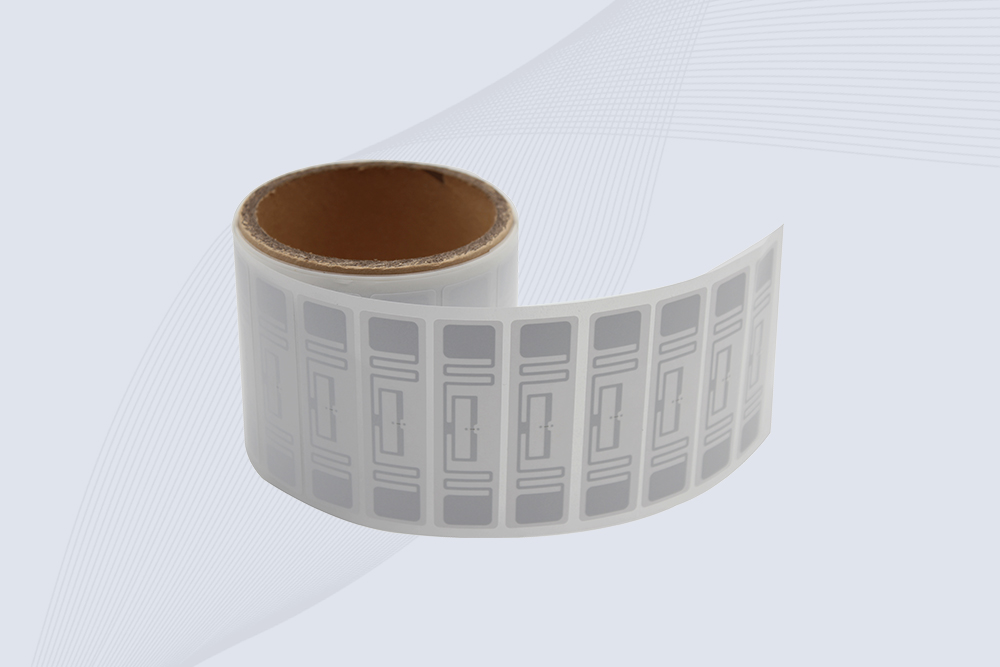
Where rfid is used depends on what an organization needs to identify, track, or manage. RFID technology is widely applied in warehouses, retail stores, manufacturing plants, healthcare facilities, libraries, transportation, and access-control systems to capture tag data and support inventory visibility, asset identification, and automated workflows.
What Does RFID Do in Real Working Environments?
Radio Frequency Identification (RFID) uses radio waves to exchange identifying data between a tag and a reader. A tag may be attached to a product, carton, tool, library book, reusable container, or access credential. The reader captures the tag’s information, and connected software determines how that information should be used.
The U.S. Food and Drug Administration describes RFID systems as comprising tags and readers. Tags may be passive, receiving power from the reader’s field, or active, using an internal battery. Readers can be handheld, mounted on a post or overhead, or integrated into equipment and building infrastructure.
That flexibility explains why RFID appears in such different settings. A retail store may use it to count individual garments. A factory may read a tagged component at a production checkpoint. A library may use it to register books or support self-service circulation. The underlying technology is related, but the tag type, reader configuration, and software workflow can be very different.
One distinction matters: reading a tag is not the same as tracking an item’s live location. A reader records an identification event within its effective reading area. To infer where an item is, when it moved, or whether a transaction should be completed, the wider system needs appropriate reader coverage, event rules, and reliable data integration.
Where RFID Is Used Across Major Industries
1. Warehousing and Logistics
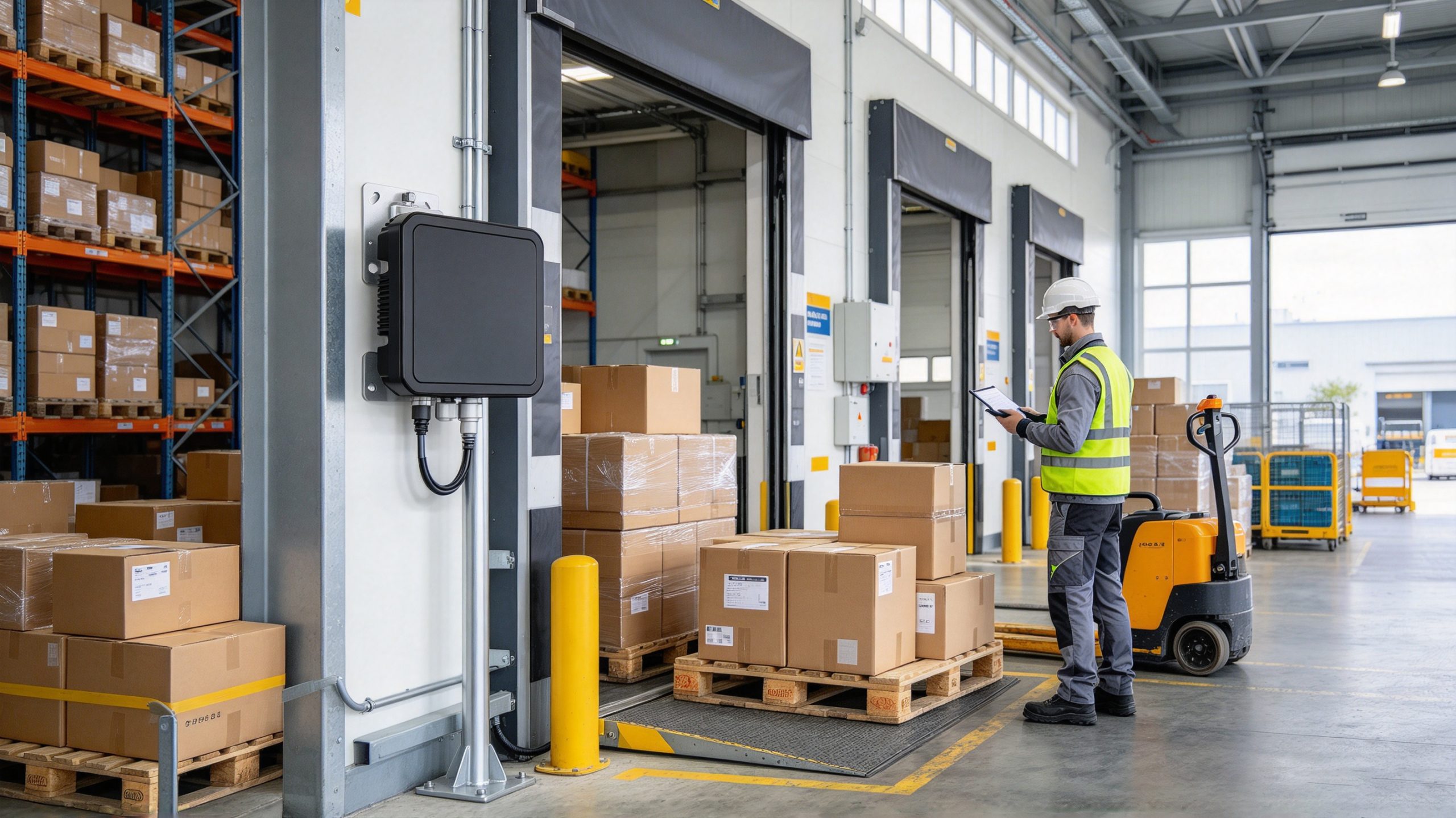
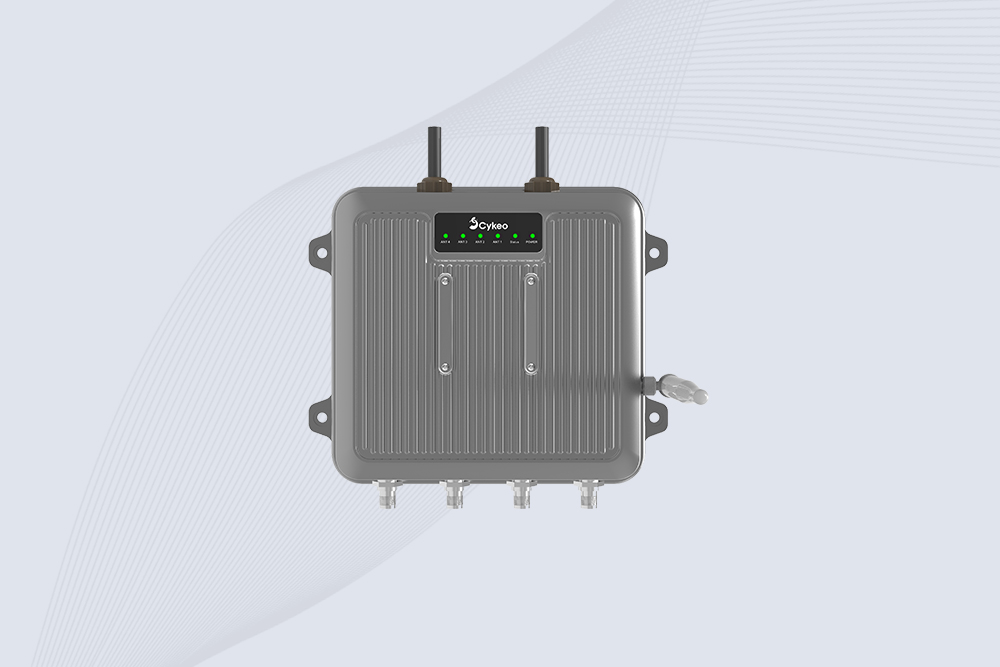
Warehouses are one of the clearest examples of where RFID is used to improve the capture of inventory movement. Tags can be applied to cartons, pallets, reusable transport containers, and individual products. Readers may be installed at receiving docks, dispatch lanes, conveyor points, or selected inventory locations.
RFID can capture item identifiers as tagged goods pass through configured receiving and dispatch zones.
In a typical receiving workflow, the system can compare captured tag identifiers with expected shipment records. At dispatch, a read event may help confirm which tagged goods passed a designated checkpoint. During stocktaking, handheld RFID equipment can help staff identify tagged items without having to scan each label visually, provided the tags and reading conditions are suitable.
GS1 US explains that RFID can capture product data without requiring line of sight and can support identification of products, cartons, and cases across manufacturing, distribution, and retail.
The difficult part is often not getting a reader to detect tags. It is controlling which tags should count as part of a particular movement. A pallet waiting beside a loading lane should not be mistaken for the shipment that has just crossed the dock. Antenna positioning, read power, tag orientation, and software filtering all deserve attention during testing.
2. Retail Stores and Apparel
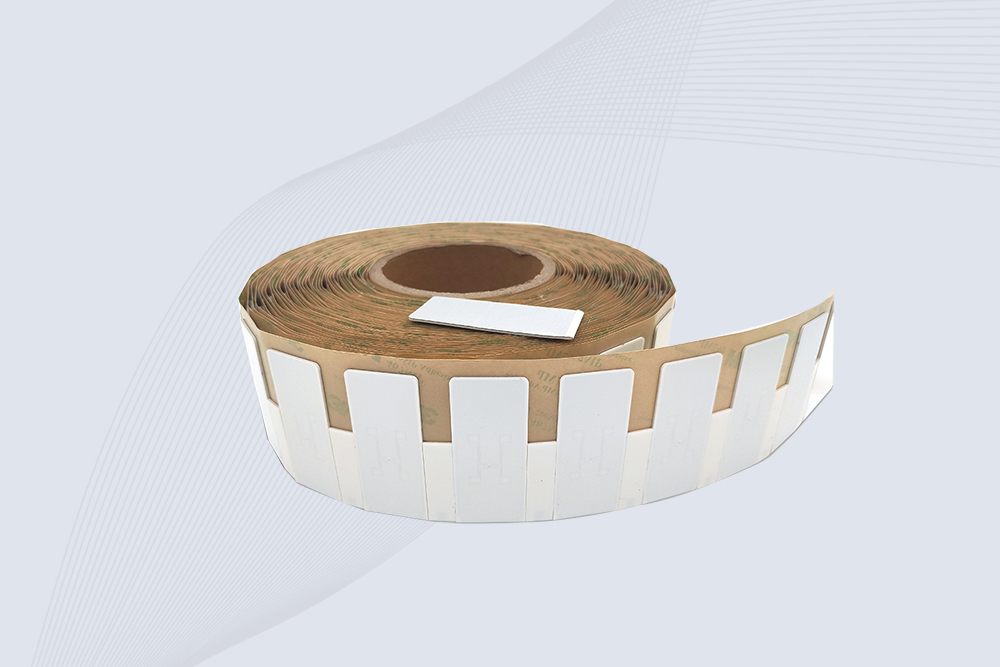
Retailers use RFID to improve visibility into item-level inventory, especially when products are distributed across stockrooms, shelves, and sales floors. Garments, footwear, accessories, and general merchandise can carry RFID tags linked to product records.
Common applications include:
Counting tagged merchandise during inventory checks.
Comparing stockroom quantities with shop-floor availability.
Supporting replenishment decisions.
Recording product movement through receiving, returns, and checkout processes.
Helping staff locate the correct product variant, such as a particular size or color.
GS1’s system architecture document describes retail scenarios in which item-level RFID identifiers can be captured at goods receiving, used to update inventory records, and read on the shop floor to help trigger replenishment. It also describes potential use at point of sale and for electronic article surveillance.
The practical value is clearest when staff need to answer a specific question: Is the size shown as available in the system actually in the store? RFID may make that check faster, but only when item records are accurate and the read process captures the relevant merchandise reliably.
3. Manufacturing and Industrial Operations
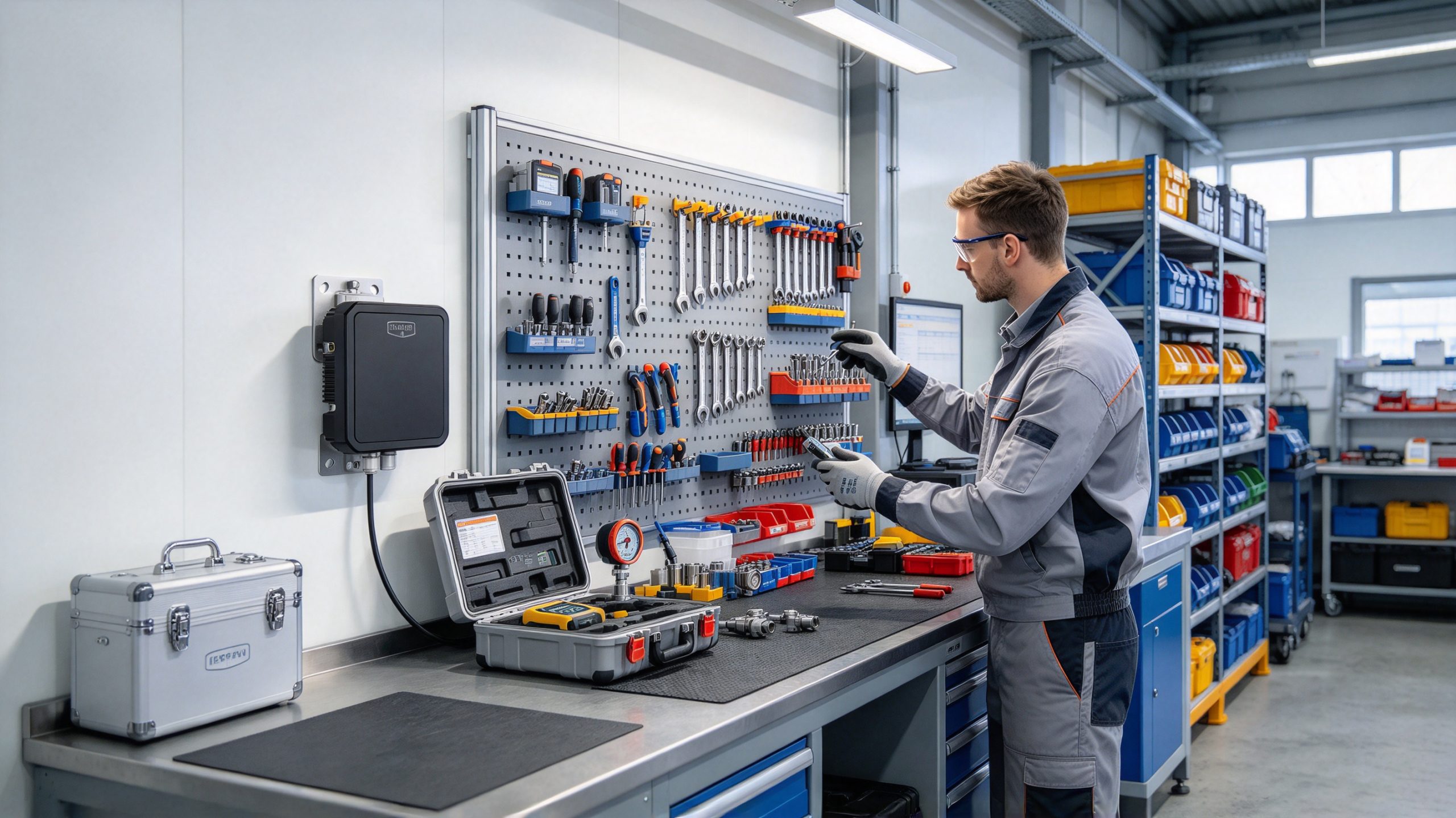
In manufacturing, RFID can identify components, work-in-process items, tools, fixtures, reusable containers, and finished goods. Readers can be placed at defined process points so the software can associate a tag read with a particular stage of production or movement.
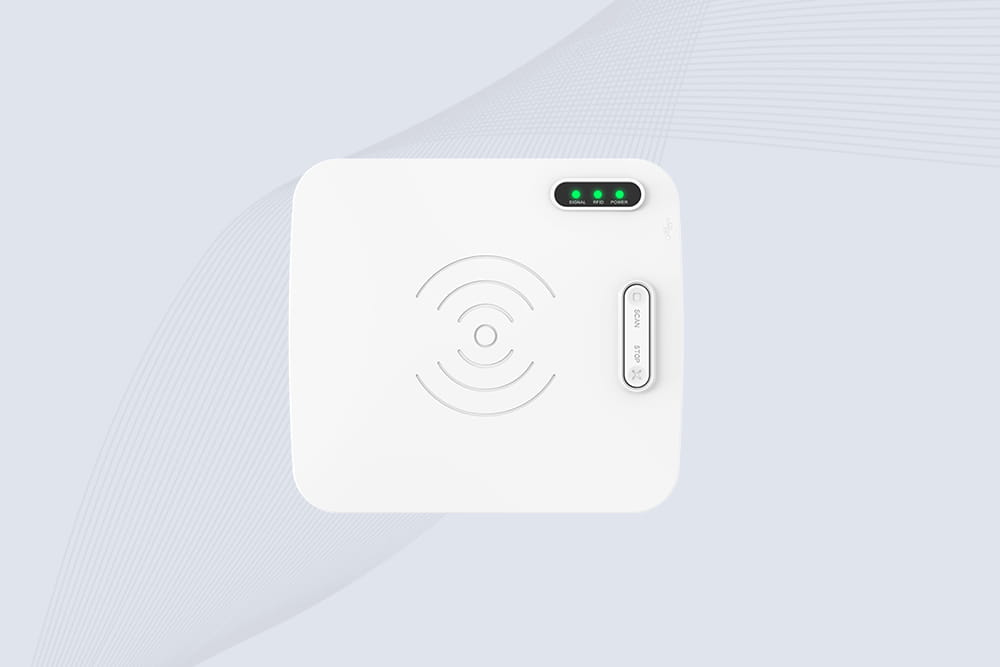
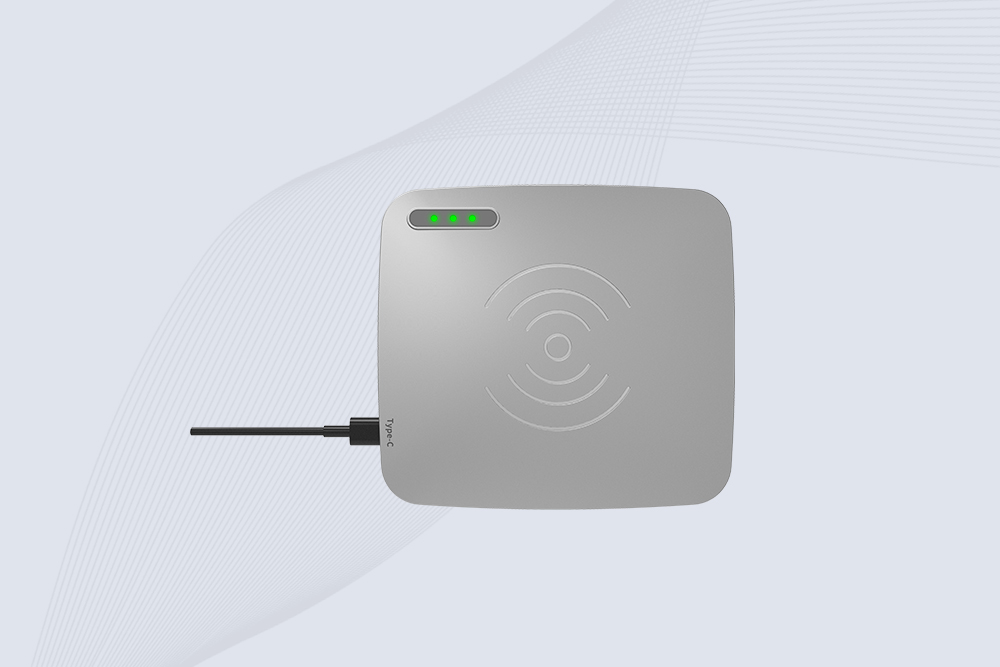
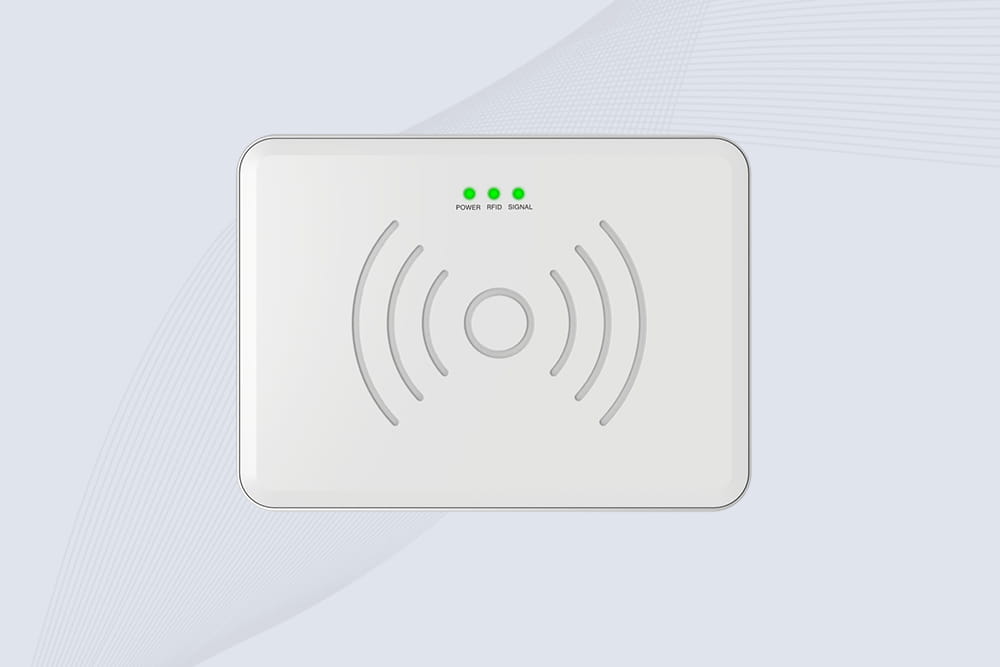
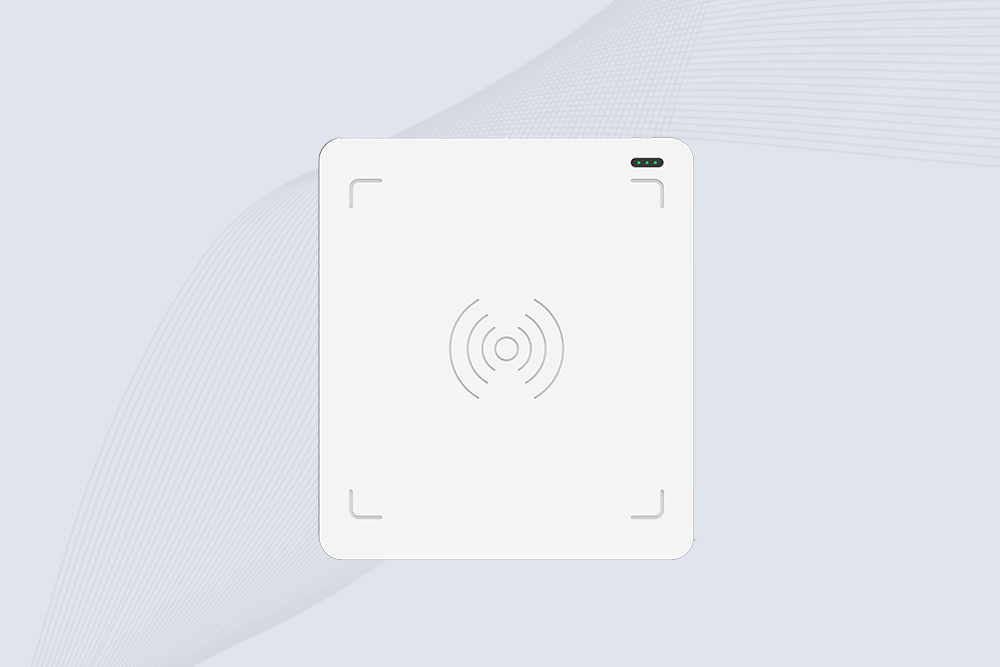
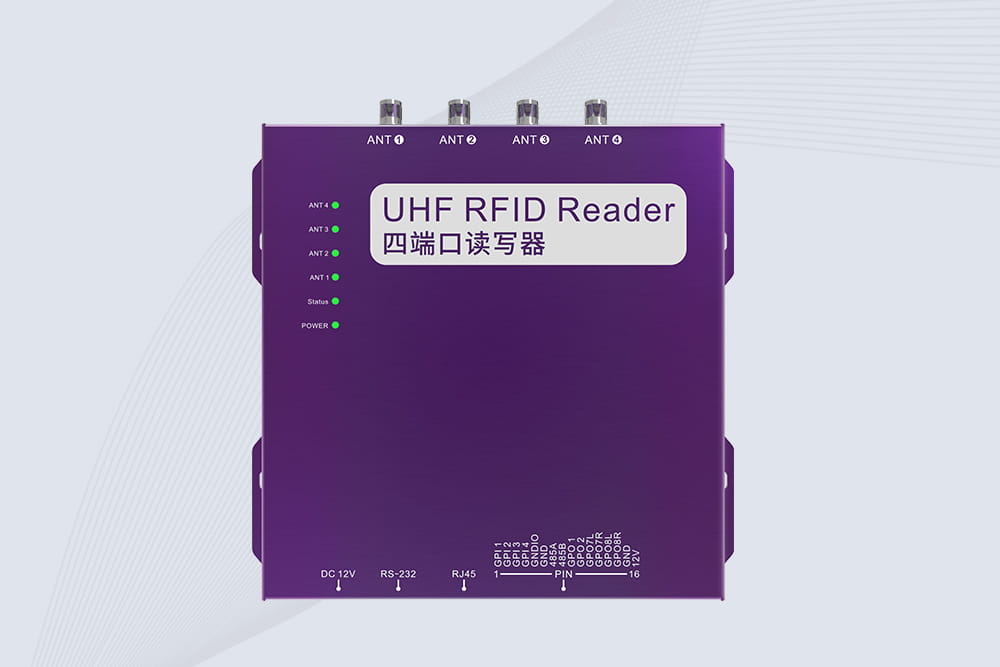
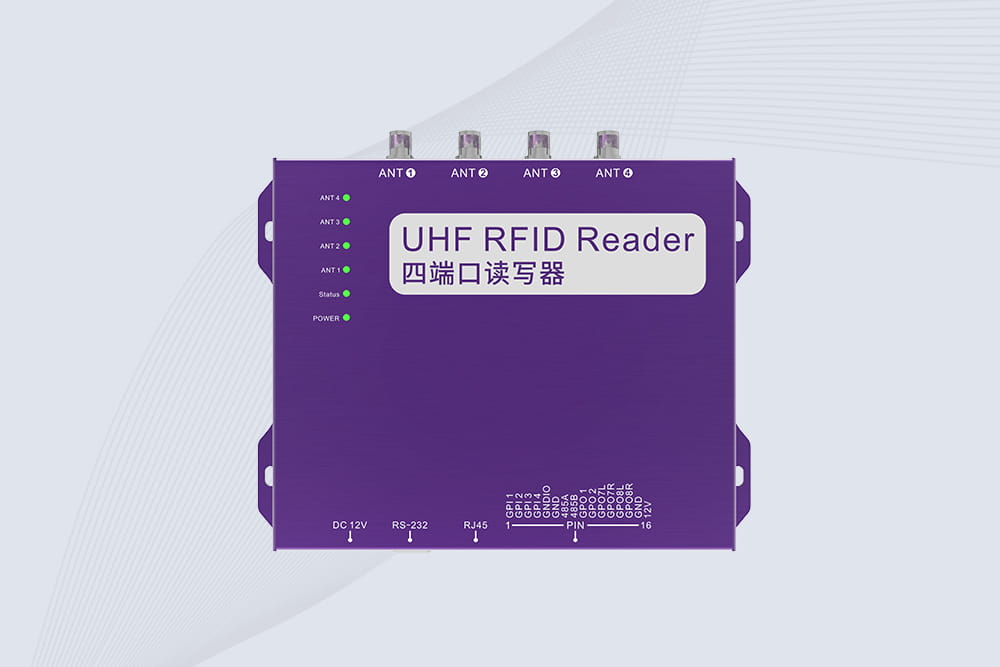
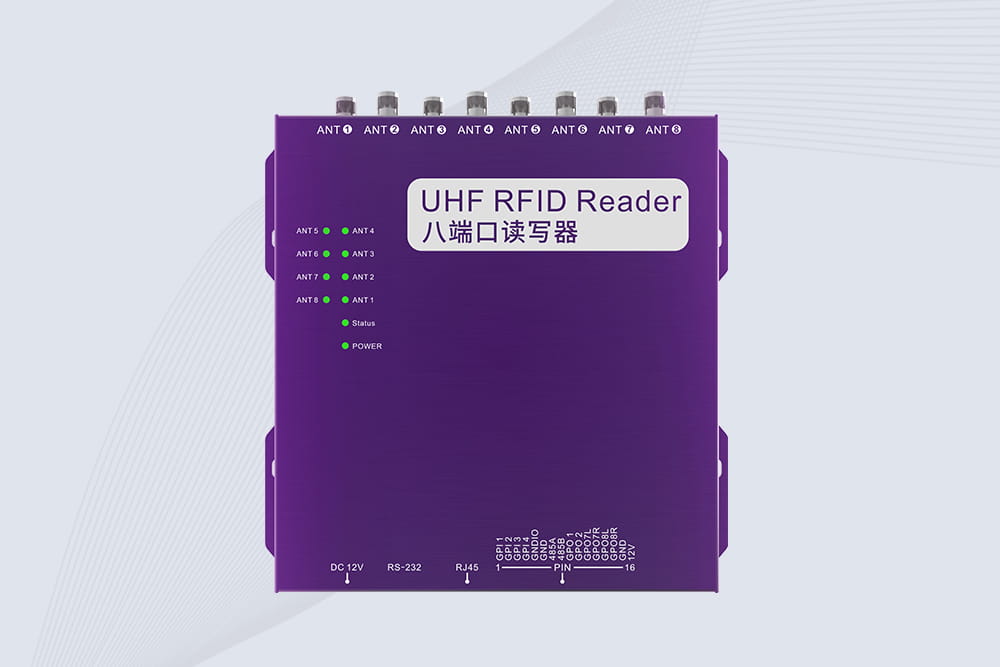
For example, a manufacturer may use RFID to record a tagged component entering an assembly area or a tool being checked into a maintenance workflow. A fixed reader can support repeated identification at a known checkpoint, while a desktop reader may be more appropriate for registering or updating tags during preparation.
RFID can help identify tools and reusable equipment when compatible tags, readers, and asset records are connected.
RFID can contribute to traceability, but a tag read alone does not prove that an assembly operation passed inspection, that a tool is safe to use, or that a product meets quality requirements. Those conclusions require the relevant production records, inspection results, and business rules.
For industrial environments, tag selection also deserves more than a quick glance at a product sheet. Metal surfaces, nearby machinery, vibration, and the way an item is stored can influence the choice of tag and its placement. Testing should use the actual components and operating conditions wherever possible.
4. Healthcare and Medical Supply Management
Healthcare organizations may use RFID to identify medical equipment, manage supplies, support medication and medical-device identification, and assist with selected patient-related workflows. The FDA lists inventory control, equipment tracking, personnel tracking, medication and device identification, counterfeit prevention, and data provision for electronic medical records among potential healthcare applications.
Consider a hospital equipment room. Staff may need to identify a tagged infusion pump, check an equipment record, or reconcile supplies in a storage area. RFID can support the identification step, but the result is only useful if the tag is associated with the correct asset and the application has current information.
Healthcare installations also require safety assessment. The FDA notes potential electromagnetic interference between RFID transmitters and certain electronic medical devices, including pacemakers and implantable cardioverter defibrillators. Facilities should evaluate the specific equipment, operating environment, and applicable guidance rather than assuming every RFID installation is suitable for every clinical area.
5. Libraries and Document Circulation
Libraries use RFID to identify books and other circulating materials. A tag can be associated with a bibliographic or item record, allowing compatible systems to support registration, borrowing, returns, inventory checks, and self-service workflows.
Different reading devices serve different jobs:
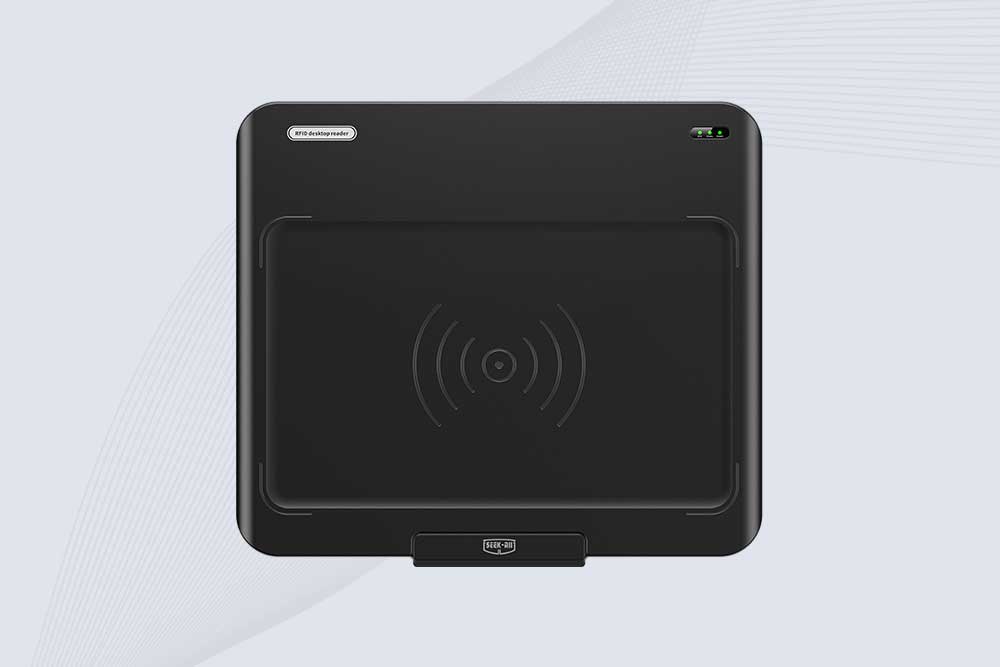
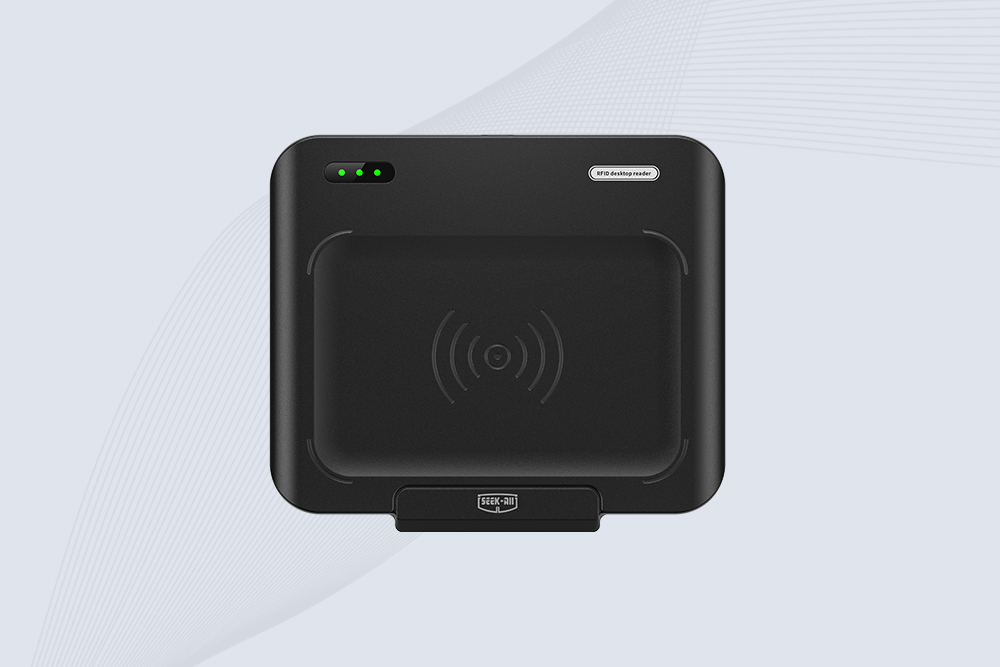
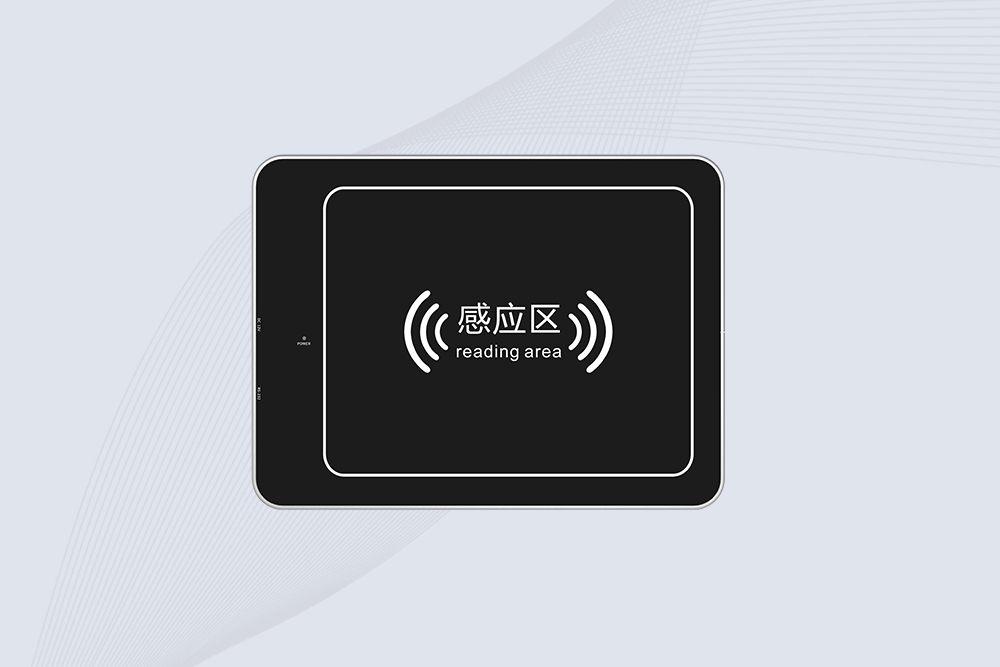
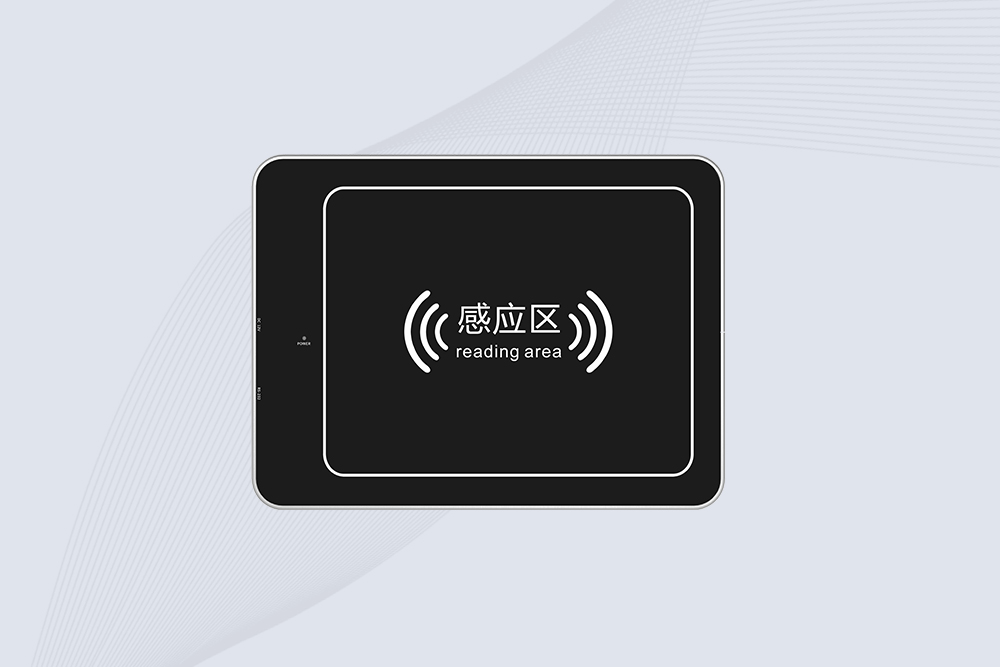
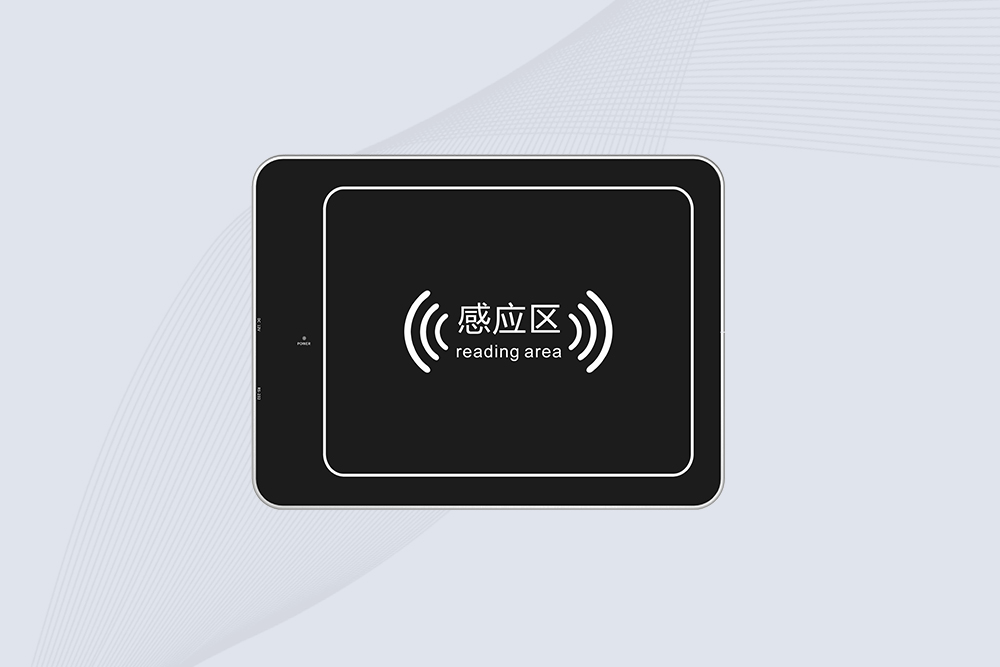
Desktop RFID readers can support tag registration, item-data entry, and administrative work.
Self-service stations connect tag reading with borrowing or return transactions.
Inventory readers help staff identify tagged materials during shelf checks.
Security systems may use compatible tags and detection equipment as part of a library’s broader item-control process.
A reader cannot decide on its own whether a person is entitled to borrow a book. That decision belongs to the library management system and its circulation rules. The RFID read supplies identification data; the software checks the record and processes the transaction.
For a library considering RFID, the important questions include whether existing records can be linked correctly to tag identifiers, whether several books can be read reliably in the intended setup, and how the system handles damaged or unregistered tags.
6. Transportation, Toll Collection, and Access Control
RFID is also used in transportation and access-related applications. GS1 describes RFID-enabled electronic toll collection as one established use, including systems such as E-ZPass in the United States and Liber-T in France.
In toll collection, a compatible tag or transponder is associated with an account or vehicle record. A reader detects the transponder as the vehicle passes through the configured reading area, and the wider system applies the relevant account and payment rules.
Related applications include:
Identifying vehicles or transport assets at selected checkpoints.
Recording movement of tagged containers or equipment.
Reading RFID credentials at controlled entrances.
Associating a credential with an access decision in a connected security system.
The same principle applies to access control: detecting a credential does not automatically mean that access should be granted. The system must validate the credential, permissions, and relevant conditions.
What Industry Data Tells Us About RFID Adoption
RFID is not a niche technology limited to one type of business. GS1 maintains standards and implementation guidance for RFID identification, including electronic product codes, air-interface protocols, software interfaces, and applications spanning inventory and supply chains.
The RAIN Alliance also reported that its four participating tag-chip manufacturers shipped 42.7 billion RAIN RFID tag chips in 2025. This is a reported shipment figure for those manufacturers, not a count of active RFID installations or proof that every industry is adopting the technology at the same rate.
The more useful question for an individual business is what the technology will improve in its own workflow. A high-volume retailer may focus on inventory visibility. A maintenance team may care about tool accountability. A library may prioritize faster circulation and stock checks. Those are different requirements, even when all three use RFID.
For Cykeo’s RFID applications, equipment selection should start with the operating environment and intended transaction—not simply the maximum advertised reading distance. Tag material, antenna placement, reader interfaces, data processing, and software compatibility all affect the result.
How to Choose the Right RFID System for Your Application
Understanding where RFID is used is useful, but choosing the right equipment requires a closer look at the task. A retail store counting garments, a warehouse recording pallet movements, and a maintenance department registering metal tools may all use RFID, yet their requirements differ considerably.
The selection process should begin with the item being identified and the business event that needs to be recorded—not simply the reader’s advertised range.
1. Choose the RFID Reader for the Workflow
GS1 identifies several reader form factors, including handheld, fixed, embedded, and integrated readers. Each supports different installation and operating requirements.
Reader type
Common applications
What to consider
Handheld RFID reader
Stocktaking, warehouse inspections, asset checks
Portability, battery life, ergonomics, and integration with mobile software
Fixed RFID reader
Receiving docks, conveyor lines, production checkpoints
Antenna coverage, read-zone control, network connectivity, and throughput
Integrated RFID reader
Compact installations where reader electronics and antenna share a housing
Mounting space, environmental conditions, and required interfaces
Development resources, API or SDK support, host interface, and antenna design
Desktop RFID reader
Tag registration, library administration, tool entry, and item-level workflows
Read/write distance, USB or other host connection, and application compatibility
For example, a fixed UHF reader can suit a warehouse checkpoint where tagged cartons pass through a controlled lane. A desktop reader may be more practical for registering tags at a workstation. Buying a high-power fixed reader for a close-range registration task can add complexity without solving a real problem.
2. Select Tags for the Actual Item
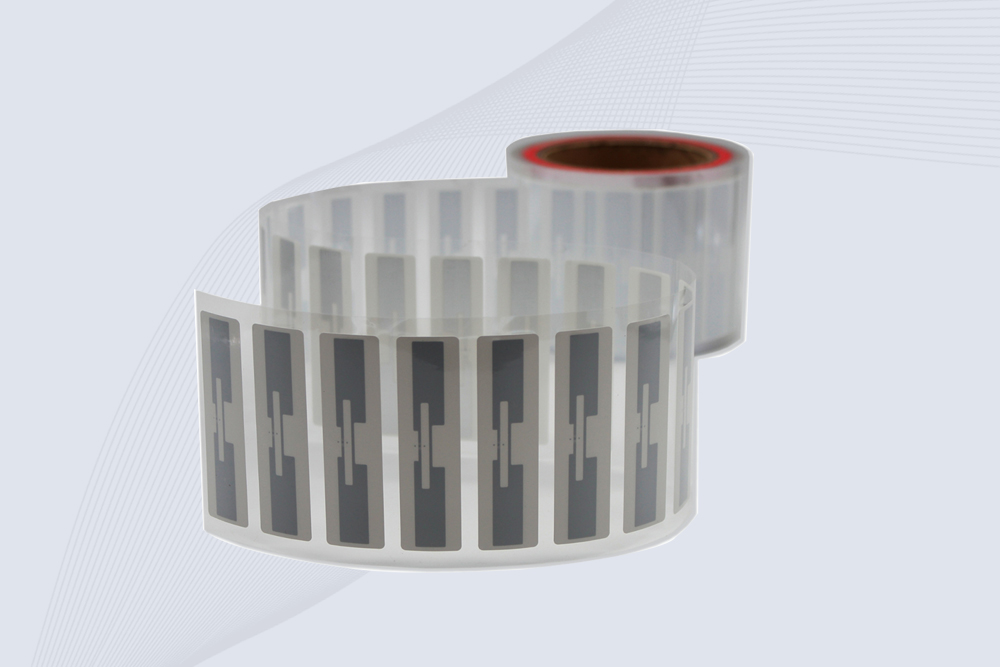
RFID tags are not interchangeable. Their operating frequency, physical construction, mounting method, and compatibility with the reader all affect performance.
Before ordering tags in volume, test them on representative items:
Cardboard cartons: Check tag placement and orientation on the packaging.
Metal tools and equipment: Use tags designed for the intended metal-mounting conditions and validate them on the actual surface.
Liquid containers: Test the proposed tag and position with the container filled as it will be in operation.
Books and documents: Confirm that the tag fits the item and works with the intended circulation or registration system.
Reusable containers: Check durability and readability across repeated handling and the actual cleaning or storage process.
GS1 notes that UHF passive RFID read range depends on factors such as reader power, interference, antenna characteristics, and tag orientation. It also emphasizes that the shape of the readable area can be more important than the maximum distance.
3. Make the Read Zone Match the Business Process
Imagine a warehouse dispatch lane with tagged cartons stacked close to goods awaiting collection. A reader might detect tags from both groups if its effective reading area is not properly controlled. The hardware could be operating as designed while the inventory transaction is still wrong.
To avoid this problem, test the system under real conditions:
Place tagged items in their normal positions.
Test different tag orientations and item densities.
Check for reads from adjacent shelves or lanes.
Measure missed reads and unintended reads.
Adjust antenna placement, reader settings, and application filtering.
Repeat the test during normal operating traffic.
The goal is not to maximize the number of tags detected in every situation. It is to capture the correct tags for the intended event.
4. Check Software and Data Integration
An RFID reader produces identification data; business software determines what that data means. For example, the same tag read could be relevant to a receiving transaction, an asset check, or a library return depending on the reader location and workflow.
Before implementation, confirm that the solution can:
Associate each tag identifier with the correct product, asset, or document record.
Communicate with the existing inventory or management application.
Filter repeated reads where appropriate.
Handle unexpected, missing, or unregistered tags.
Maintain appropriate logs and permissions.
Exchange data using supported interfaces and formats.
GS1’s RFID standards cover not only identification but also tag data formats and reader-software interfaces, illustrating why successful deployment requires more than compatible radio hardware.
RFID vs. Barcodes: Which Should You Use?
RFID and barcodes can identify the same types of items, but the best choice depends on how those items need to be processed.
Consideration
RFID
Barcodes
Reading method
Radio communication between a compatible tag and reader
Optical scanning of a printed symbol
Line of sight
Often unnecessary, depending on the environment and system
The symbol generally needs to be visible to the scanner
Multiple items
Can read multiple compatible tags within a configured read zone
Usually requires scanning each barcode individually
Tag or label cost
Requires compatible RFID tags and reader infrastructure
Printed barcode labels are often less expensive
Environmental factors
Performance may be affected by metal, liquids, tag orientation, and radio conditions
Readability may be affected by damaged labels, dirt, print quality, and visibility
Common applications
Automated inventory, item movement, asset identification, and bulk reading
Checkout, shipping labels, item lookup, and many standard identification tasks
GS1 explains that RFID and barcodes can complement one another. Information represented in a carton barcode can also be associated with an RFID identifier, supporting different data-capture processes across a supply chain.
For a small storeroom where an employee scans a few visible items, a barcode may be entirely adequate. For repeated stocktaking across many tagged products, RFID may reduce the need to locate and scan each label individually.
There is no universal winner. The decision should account for labor, inventory accuracy requirements, item volume, reader installation, tag costs, integration work, and the consequences of incorrect reads. A mixed system may be the most sensible option.
Common RFID Implementation Mistakes
Even when an organization understands where RFID is used, a deployment can fall short if practical conditions are overlooked.
Choosing tags without testing them on real items. A tag that performs well on a cardboard sample may behave differently when attached to a metal tool or placed near liquid. Test the intended mounting position and material before purchasing tags in bulk.
Treating every read as a completed transaction. A reader detecting a tag does not automatically prove that an item has been received, shipped, borrowed, or returned. Application logic should determine when an event qualifies as a business transaction.
Ignoring nearby tags. Adjacent inventory can enter a reader’s effective zone. Antenna placement, reader configuration, and event filtering should be tested against the actual movement pattern.
Leaving software integration until the end. If tag identifiers cannot be matched reliably with inventory records, the organization may collect large volumes of data without improving operational decisions.
Measuring only maximum read distance. A useful system must capture the right tags reliably at the required point. A shorter, controlled reading zone can be more valuable than a long range that introduces unwanted reads.
A pilot project helps expose these issues before a full rollout. Define measurable acceptance criteria—for example, successful identification of representative items, acceptable unwanted-read rates, transaction accuracy, and compatibility with existing software.
Frequently Asked Questions About Where RFID Is Used
1. Where rfid is used most often?
RFID is used across warehousing, retail, manufacturing, healthcare, libraries, transportation, and access control. Common applications include inventory identification, asset management, product movement records, library circulation, and credential reading. The appropriate system depends on the tag, reader, environment, and software workflow.
2. Where is RFID used in everyday life?
People may encounter RFID in contactless credentials, electronic toll collection, retail merchandise tags, and library self-service systems. Some applications operate in the background, so users may not notice the radio-frequency identification process taking place.
3. Where is RFID used in warehouses and supply chains?
Warehouses and supply chains use RFID to identify tagged products, cartons, pallets, and reusable transport items. Fixed readers can capture tag data at selected checkpoints, while handheld readers support inventory inspections. Software can then associate those events with receiving, dispatch, or inventory records.
4. Where is RFID used in healthcare?
Healthcare applications include medical equipment identification, inventory control, medication and medical-device identification, and certain patient-related workflows. The FDA also highlights potential electromagnetic interference with some electronic medical devices, so deployment requires appropriate assessment of the equipment and environment.
5. Where is RFID used in manufacturing?
Manufacturers can use RFID to identify components, work-in-process items, tools, fixtures, and finished products. Readers at defined production checkpoints can record identification events for traceability. However, RFID identification alone does not confirm product quality or prove that a manufacturing operation has passed inspection.
6. Can RFID track an item’s exact location?
Not necessarily. A conventional RFID reader identifies compatible tags within its effective reading area. A system can infer movement between known checkpoints, but exact or continuous location tracking requires an appropriate infrastructure and positioning method. Actual performance depends on the technology and environment.
7. Is RFID better than a barcode for inventory management?
RFID can be advantageous when many tagged items need to be identified without individually scanning visible labels. Barcodes can be more economical for simple, item-by-item scanning. GS1 recognizes that both methods can complement each other, so the best option depends on operating requirements and total implementation cost.
Conclusion
Where rfid is used depends on the work an organization needs to improve. Warehouses use it to capture inventory events, retailers use it to support stock visibility, manufacturers use it for component and asset identification, healthcare organizations use it in selected equipment and supply workflows, and libraries use it for circulation and inventory management.
Successful implementation depends on more than installing a reader. Tag suitability, read-zone design, data quality, software integration, and real-world testing all influence the result.
For businesses evaluating RFID, start with a specific operational problem, test the technology with representative items, and measure whether it captures the right information reliably. That approach provides a more useful basis for choosing equipment than relying on advertised range alone.
SSD-D3AL is a USB-HID UHF RFID reader with 0–30 cm reading, 0–15 cm writing, over 600 tags/s recognition, USB plug-and-play operation and OEM Logo customization.
SSD-D1AL is a compact USB UHF RFID reader with Impinj E710/X3M1 chipset, USB-HID, 600+ tags/s recognition, 4/8/16 antenna support and plug-and-play USB power.
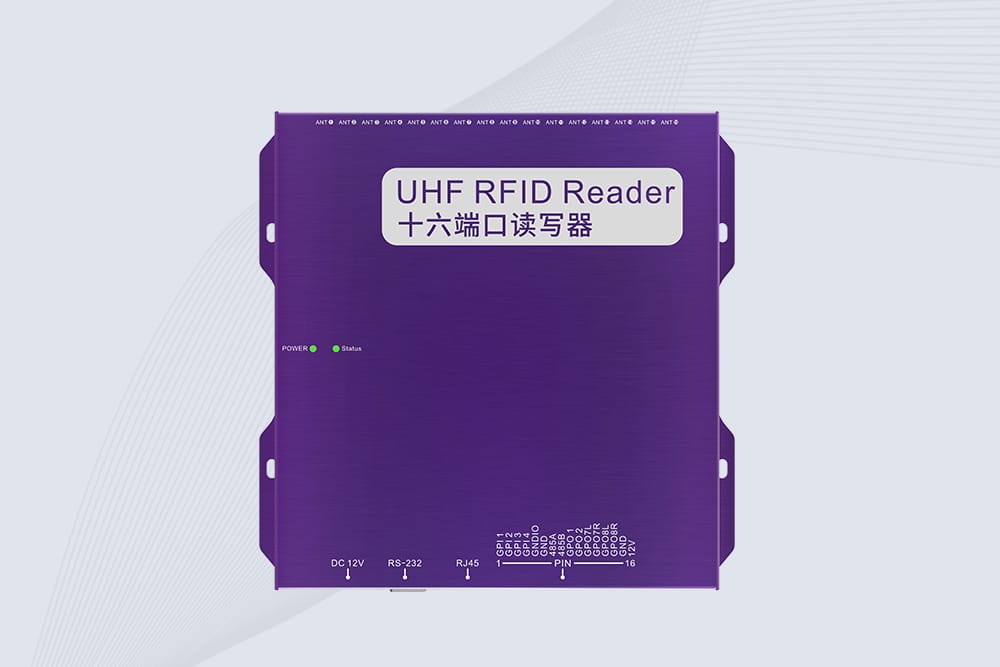
SSD-R16L Multi-Channel RFID Infrastructure for Automated Inventory Management ✔️ 16-Port High-Density RFID Reading Equipped with 16 SMA antenna ports, SSD-R16L supports multi-antenna deployment for warehouses, retail stores, logistics, production lines, and large-area RFID identification. ✔️ High-Speed & Long-Range Performance With up to 33…
SSD-R8L 8-port UHF RFID reader with 33dBm output, up to 20m reading range and 600+ tags/s recognition. Ideal for warehouse, logistics, retail and asset tracking.
CYKEO CYKEO-D1LA USB RFID Reader is a compact desktop solution with near-field control for precise tag reading and encoding. Powered by USB, supporting ISO 18000-6C, and built for stable batch writing, this usb rfid tag reader fits retail, libraries, offices, and controlled RFID encoding tasks.
CYKEO CYKEO-D1L RFID scanner USB is a compact desktop UHF RFID scanner designed for short-range tag writing and verification. This usb rfid scanner supports batch encoding, stable 0–26 dBm output, and works across Windows, Linux, and Android systems.
CYKEO CYKEO-D1C USB RFID Card Reader is a near-field UHF desktop writer designed for secure, short-range tag encoding. With USB-C connectivity and stable 26 dBm output, this rfid reader usb c is ideal for badge issuance, label encoding, and controlled desktop RFID workflows.
CYKEO CYKEO-D2L RFID Reader USB is a compact desktop encoder built on the Impinj R500 chip. With near-field control and stable USB power, this usb rfid card reader delivers precise tag writing for offices, retail counters, and small-scale logistics encoding tasks.
CYKEO CYKEO-D3L USB RFID Tag Reader delivers stable UHF tag reading and writing for daily desktop and light industrial tasks. Designed for controlled short-range operation, this USB RFID Tag Reader works reliably with rfid tag and reader systems in libraries, tool tracking, and inventory registration.
The CYKEO CYKEO-D4L UHF RFID Tag Reader is a stable Desktop RFID Reader designed for accurate tag registration, borrowing, and return workflows. Built with the Impinj R2000 chip, this UHF RFID Tag Reader delivers controlled short-range reads for libraries, asset tracking, and inventory management environments.
The CYKEO CYKEO-D5L Desktop RFID Card Reader is a stable UHF RFID Card Reader designed for controlled short-range reading and writing. Built for libraries, tool rooms, and asset desks, this UHF RFID Card Reader supports dense tag handling, secure data processing, and easy USB integration.
The CYKEO CYKEO-D6L RFID Reader Writer is a heavy-duty Desktop RFID Reader designed for short-range, high-accuracy tag programming. Built for libraries, labs, and asset desks, this RFID Reader Writer supports batch processing, stable 33dBm output, and seamless integration with existing management systems.
Cykeo CYKEO-D8A embedded RFID badge reader offers 30+ tags/sec scanning, 20cm anti-crosstalk precision, and DC 12V power for unmanned stores, warehouses, and smart inventory systems.
Cykeo’s CYKEO-D8C UHF RFID gate reader achieves 200-tag/batch scanning with adjustable power control, ideal for retail inventory and smart warehouse management.
CYKEO Passive RFID Tags are made for wet and high-humidity environments where standard labels do not last. This rfid passive tag is often used around liquids, chemicals and temperature changes, providing stable reading distance and long data life for industrial tracking.
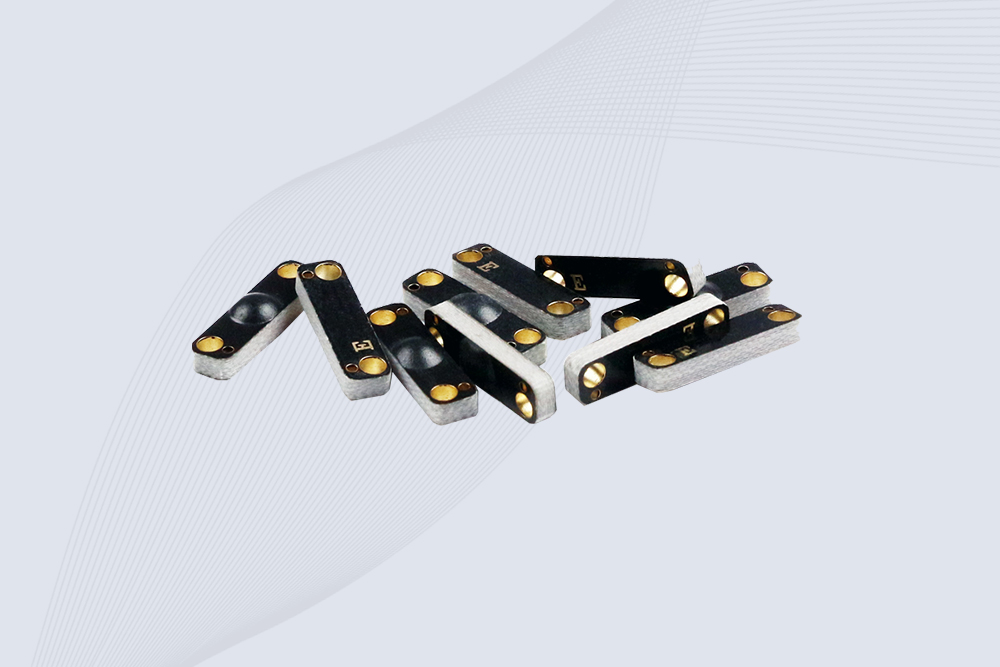
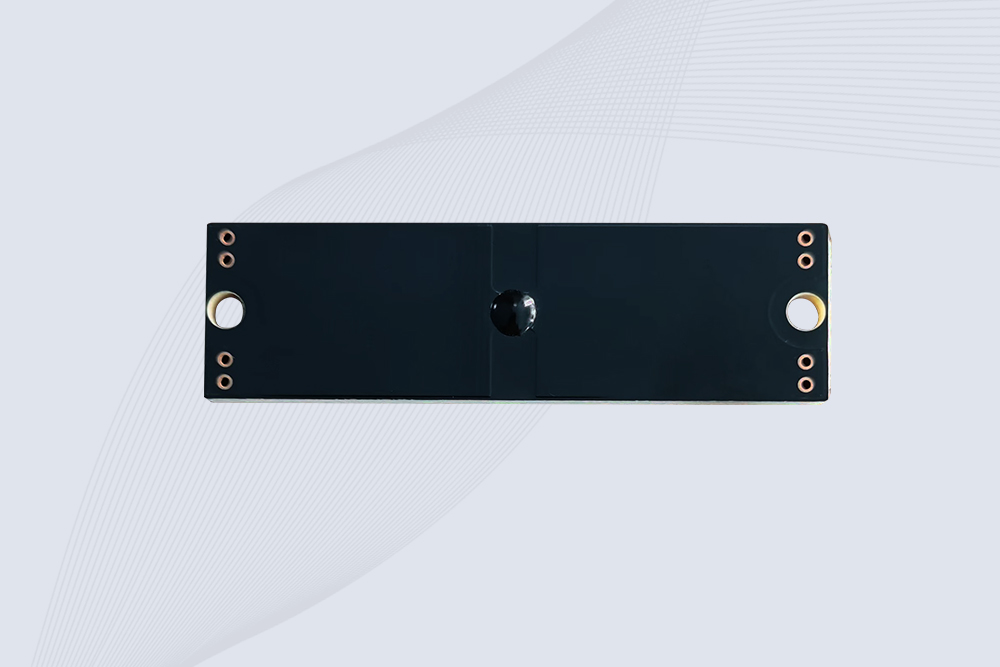
CYKEO CYKEO-PCB1504 Metal RFID Tags is a compact anti-metal UHF RFID solution built for direct mounting on metal surfaces. With stable 8-meter read range, Ucode-8 chip, and long data retention, this rfid metal tag fits tools, containers, automotive parts, and industrial asset tracking.
CYKEO CYKEO-PCB7020 On-Metal RFID Tags are designed for reliable tracking on steel and metal surfaces. Built with an FR4 epoxy body and industrial-grade chips, these On-Metal RFID Tags deliver stable performance, long data life, and chemical resistance, making them a dependable RFID anti-metal tag for harsh environments.
The CYKEO CYKEO-60-25 Anti-Metal RFID Tag is built for metal surfaces where standard tags fail. Designed for long-range performance, harsh environments, and stable data retention, this Anti-Metal RFID Tag is ideal for industrial assets, containers, and equipment tracking using on metal RFID tags.
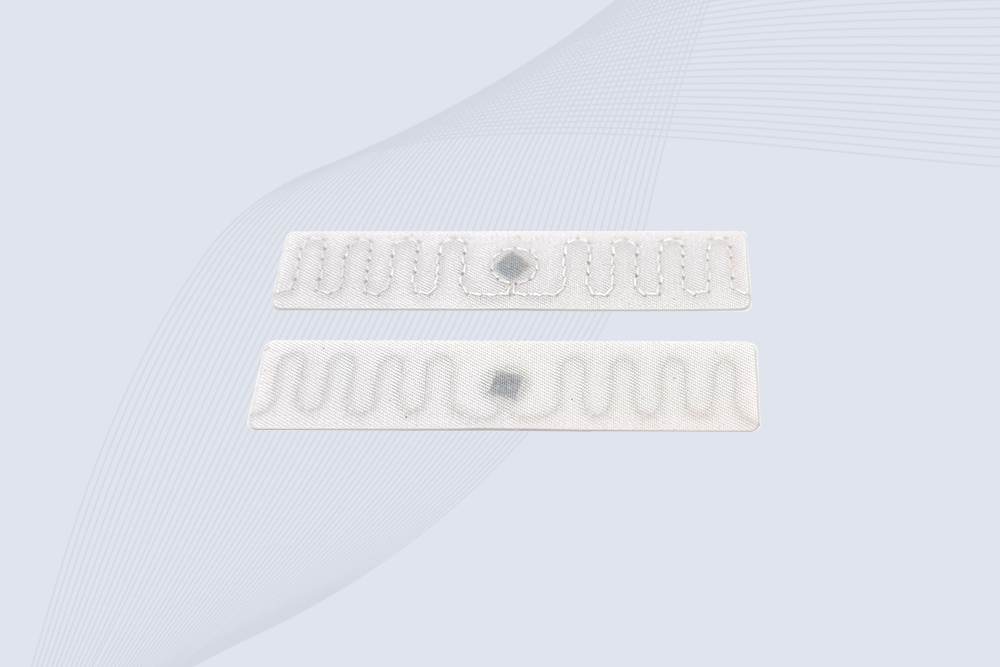
The CYKEO RFID Laundry Tag is designed for long-term textile identification in harsh laundry environments. Built to withstand high heat, chemicals, and repeated washing, this RFID Laundry Tag delivers stable performance for hotels, hospitals, and industrial laundry operations using laundry rfid tags at scale.
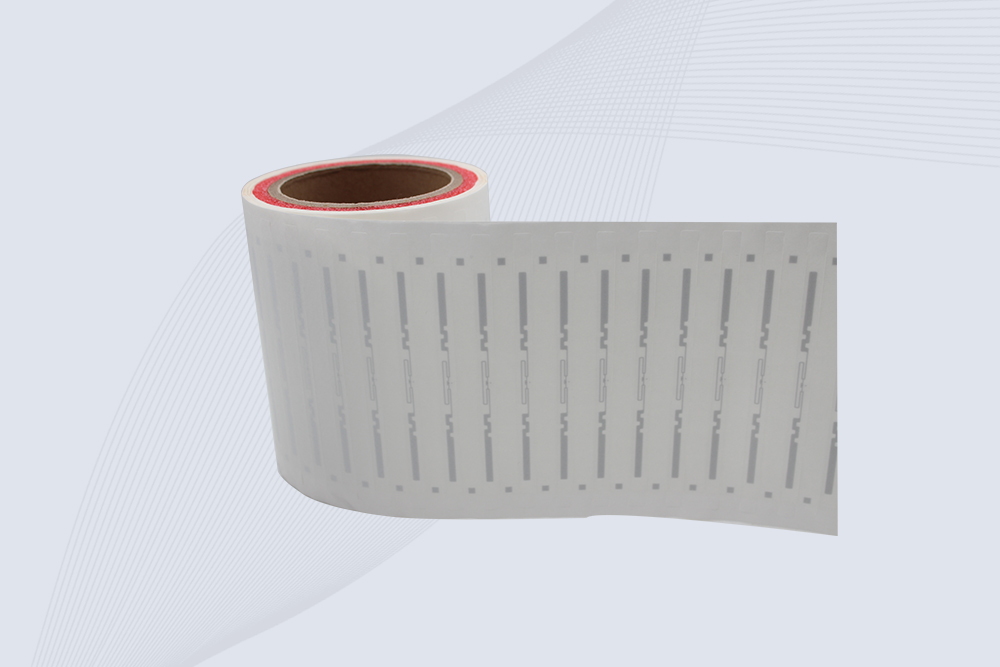
The CYKEO CYKEO-125-7 RFID Book Tag is designed for reliable book and document tracking in libraries and archives. This RFID Book Tag delivers long read range, dense placement support, and stable performance on shelves, making it a practical rfid tag on books for library automation, file management, and archival systems.
CYKEO RFID tags in hospitals are designed for sterile environments where accuracy matters. These autoclavable RFID tags support long-term tracking of surgical tools, implants, and medications, helping hospitals improve visibility, compliance, and patient safety.
CYKEO RFID Cable Tie Tag is built for reliable identification on metal surfaces. This UHF RFID Cable Tie Tag is widely used in rfid tags for inventory systems, industrial asset management and Hospital RFID Tags, offering stable read performance, long service life and global EPC Gen2 compatibility.
CYKEO RFID Asset Tag is designed for stable identification of metal assets in industrial environments. This UHF RFID Asset Tag is commonly used for rfid tag asset tracking on equipment, tools and containers, providing reliable reads, long service life and ISO/IEC 18000-6C support.
CYKEO UHF RFID Card is designed for fast identification and long-term use in industrial and commercial systems. Supporting ISO 18000-6C, this UHF RFID Card works at 860–960 MHz and is suitable for custom RFID cards used in asset tracking, access control and inventory management.
CYKEO HF RFID Cards are designed for secure and stable access control systems. These 13.56 MHz RFID key cards support ISO 14443-A, reliable rewriting and long service life, making HF RFID Cards suitable for offices, campuses, events and membership management.
CYKEO UHF RFID Tag is designed for reliable tracking of metal jewelry and high-value items. This Jewelry RFID Tag supports long-range reading up to 8 meters, anti-counterfeit protection and stable performance on metal, making it suitable for retail, inventory control and asset management.
Cykeo CYKEO-C1 industrial Forklift RFID Reader features 20m read range, 600 tags/sec scanning, Impinj R2000 chipset, and IP67 rugged design. Ideal for warehouse logistics and manufacturing. Supports ISO 18000-6C/6B protocols.
Cykeo CYKEO-R4 industrial UHF RFID Fixed Reader features 4 TNC ports, 400+ tags/sec speed, IP67 housing, and global frequency compliance for vehicle inspection, smart warehouse, and asset management systems.
CYKEO CYKEO-R8L Fixed RFID Reader with 8-port UHF design, Impinj-based RF core and up to 20m read range. An industrial Fixed RFID Reader for vehicle inspection, warehouse portals, smart manufacturing lines and secure access checkpoints.
RFID Fixed Reader from CYKEO – the CYKEO-R16L 16-port UHF fixed reader for warehouses, smart cabinets, and production lines. Long-range, multi-tag reading, stable performance for 24/7 industrial use.
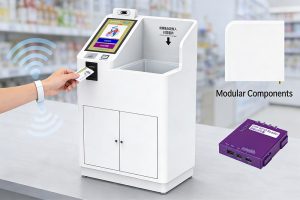
RFID Kiosk solutions for self-service payments, access control, and loyalty programs. Modular Cykeo RFID readers and antennas allow flexible integration for POS and system developers.
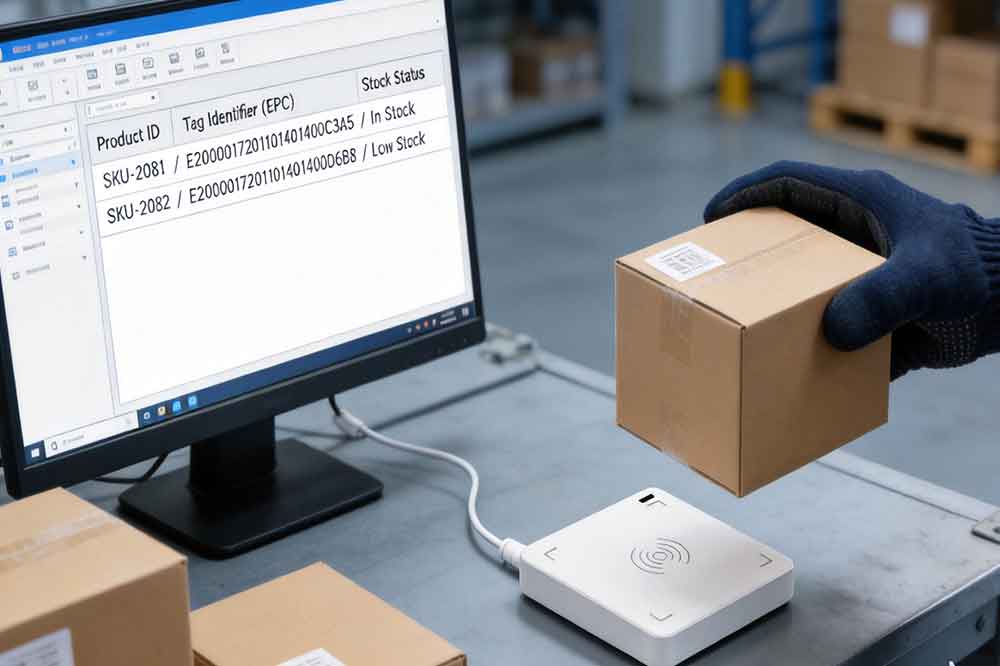
USB RFID reader can help warehouse teams identify tagged products, check inventory records, and manage stock information from a desktop workstation. This gui...
Looking for a custom RFID antenna manufacturer in China? Learn what OEM buyers, system integrators, and distributors should evaluate before choosing a wholesale UHF RFID antenna supplier, from engineering support to production consistency.
Optimize operations with job RFID solutions from Cykeo. Improve workforce tracking, tool management, job assignment, and asset visibility using industrial RFID technology.
 Cykeo RFID IoT Solution Products R&D Manufacturer