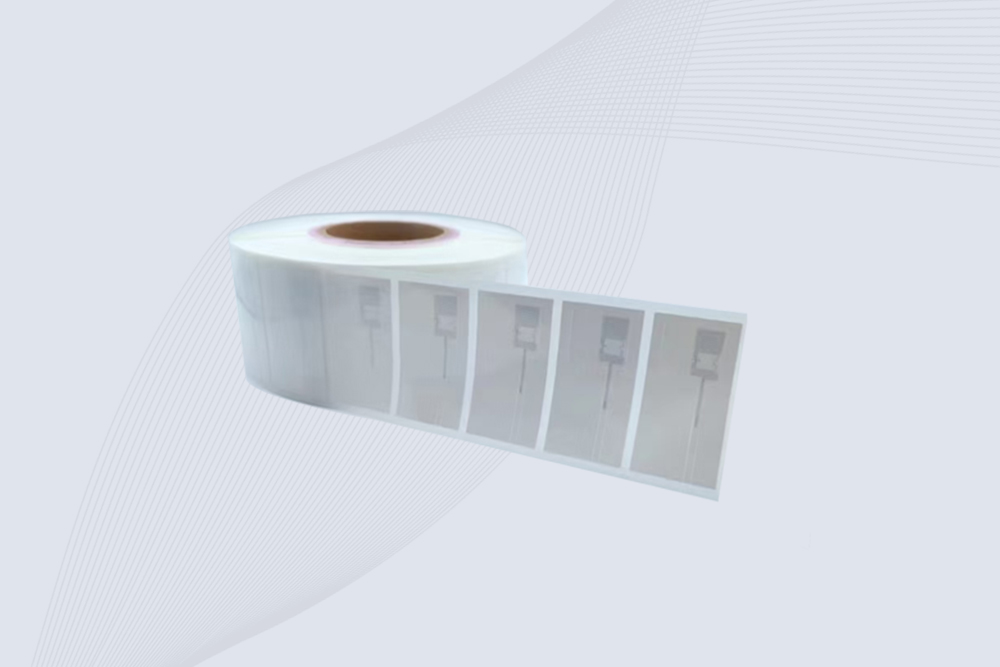
Clothes have RFID tags because retailers and clothing brands use them to identify individual garments, improve inventory accuracy, locate sizes and colors, and manage stock from distribution centers to store shelves. The tags help capture product information without requiring staff to scan each garment’s barcode individually.
What Are RFID Tags on Clothes?
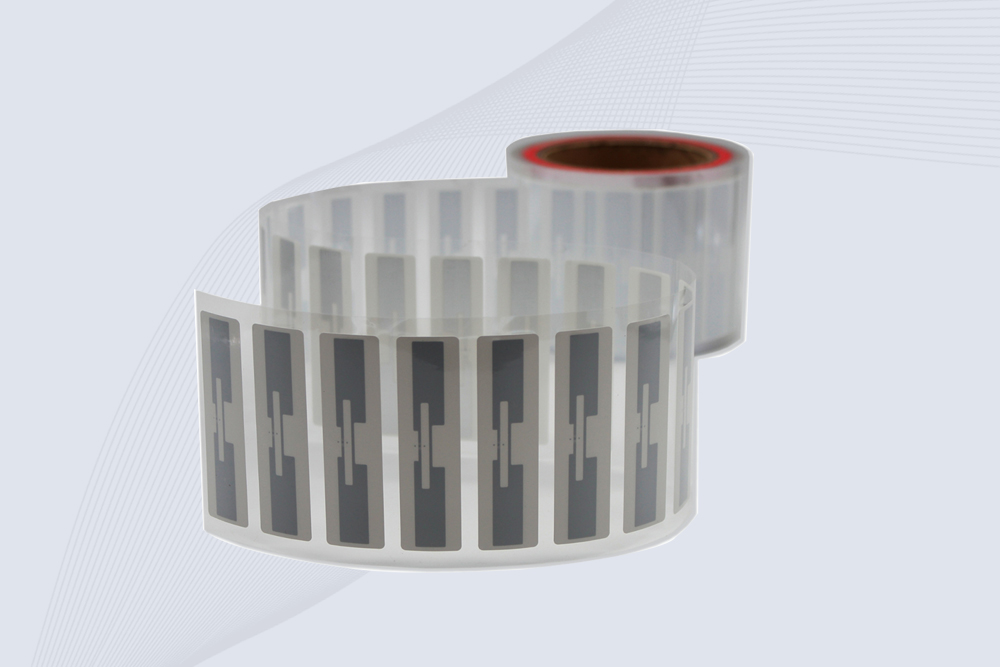
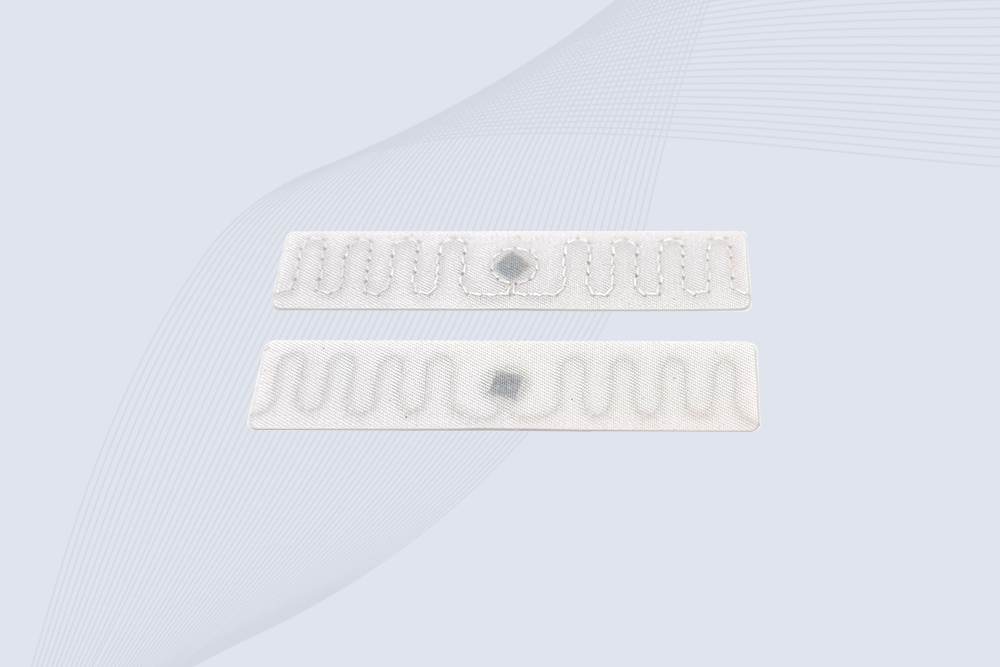
RFID stands for Radio Frequency Identification. A clothing RFID tag contains a small electronic chip and an antenna that communicate with a compatible RFID reader using radio waves. The tag carries an identifier that software can associate with a particular garment, such as a T-shirt in a specific size, color, and style.
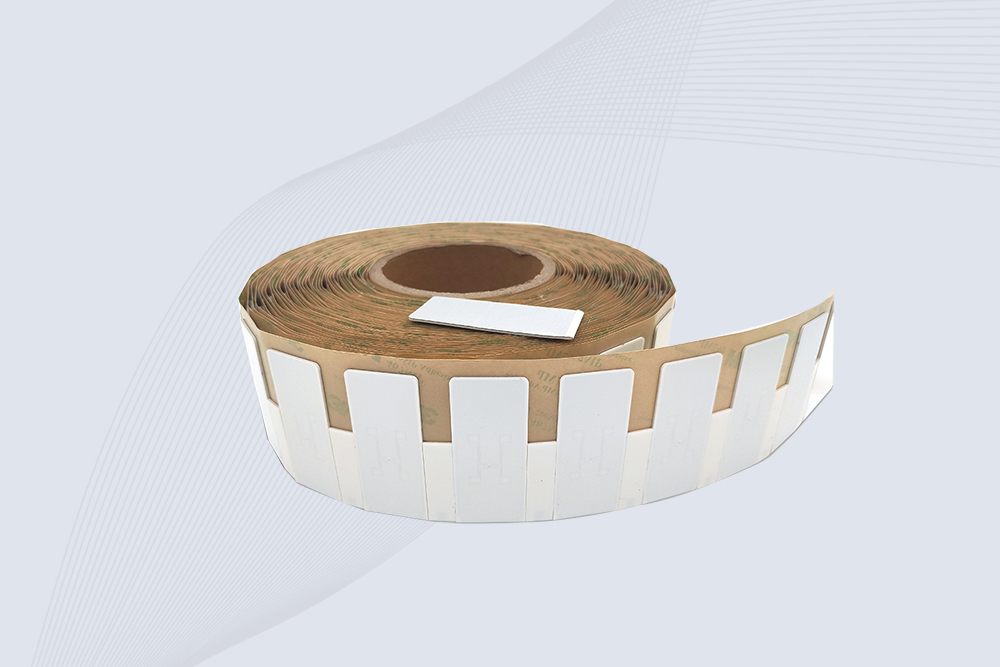
The tag might be hidden inside a care label, attached to a paper hangtag, or incorporated into a label applied during manufacturing or distribution. To a shopper, it may look like an ordinary product label. Its function, however, extends beyond displaying a price or washing instructions.
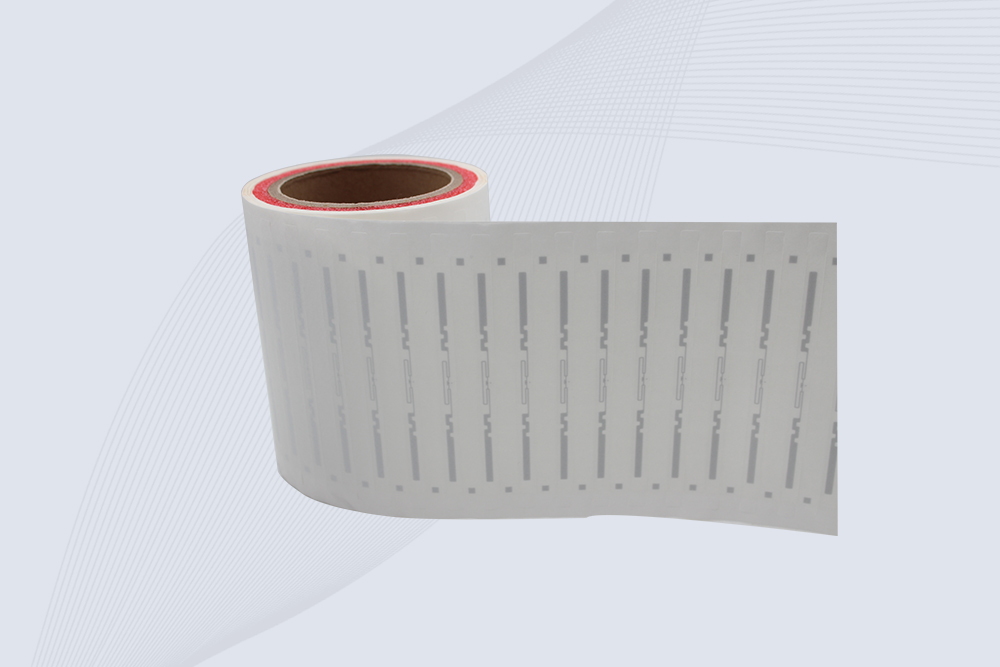
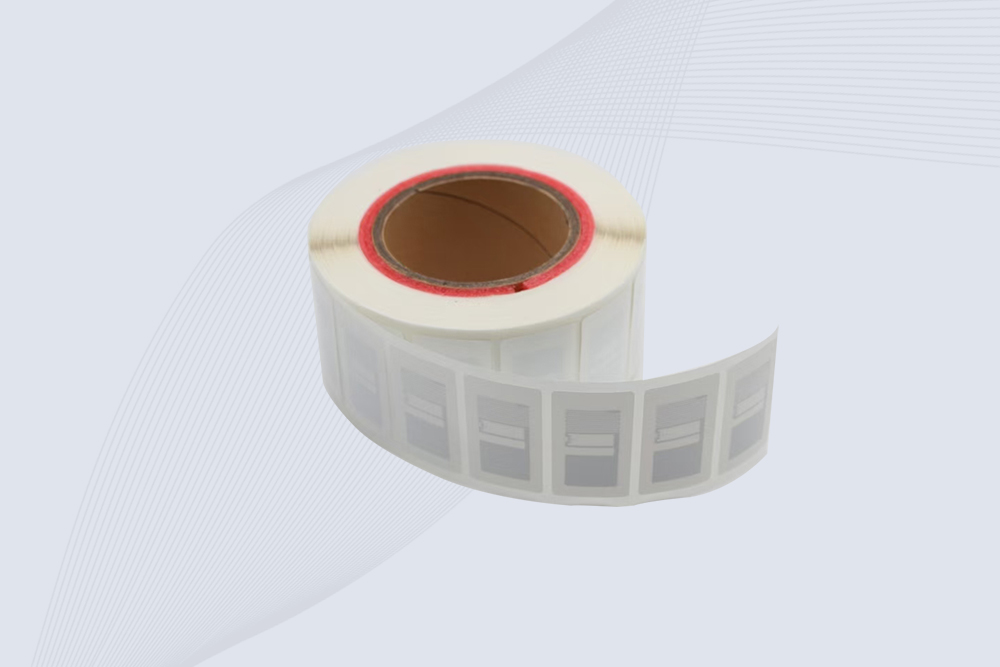
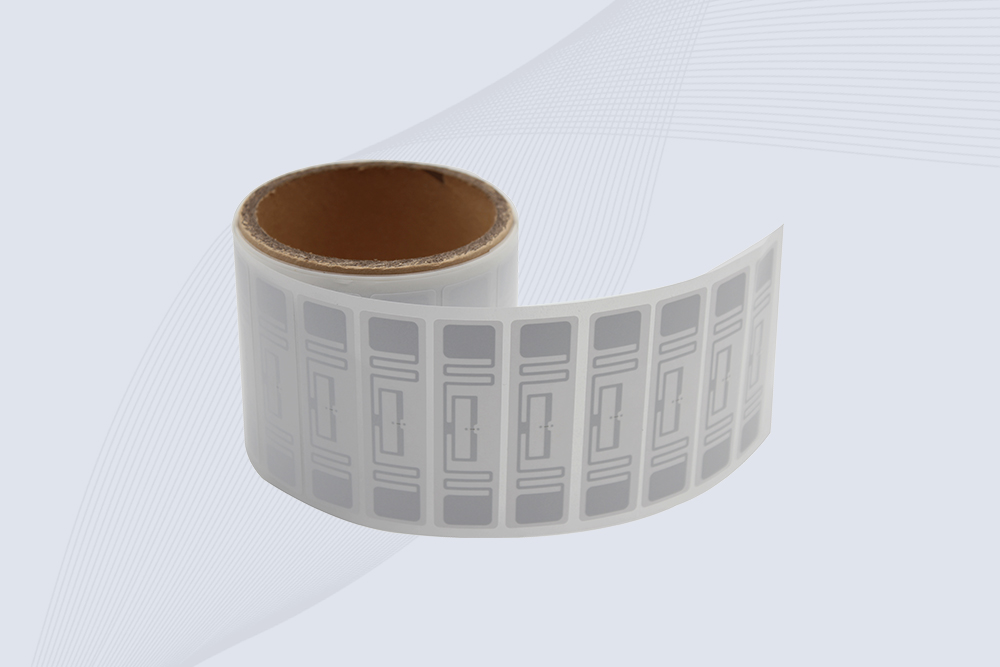
In many apparel retail systems, the RFID tag uses passive UHF technology. A passive tag has no battery of its own; it receives energy from the reader’s radio field and responds with identifying information. The reader then passes that information to a connected application.
GS1’s apparel resources describe how Electronic Product Code (EPC)-enabled RFID can support item-level identification and inventory visibility across retail operations. The identifier can be linked to product data so that the system distinguishes one item from another, rather than treating every garment of the same model as a single undifferentiated quantity.
That distinction matters in fashion retail. A store may carry one jacket in five sizes and three colors. A general product code can identify the model, but the retailer still needs to know which specific variant is available and where it is supposed to be.
Why Do Clothes Have RFID Tags? The Main Reasons
1. To Improve Clothing Inventory Accuracy
The primary reason clothes have RFID tags is to help retailers maintain a more reliable record of the garments they actually have. Apparel inventory changes constantly: new deliveries arrive, shoppers take items into fitting rooms, purchases leave the store, and returned items re-enter stock.
A barcode-based count usually requires staff to find and scan individual labels. RFID can read multiple compatible tags within a configured reading area, so inventory checks can be completed without scanning every garment one by one.
This is particularly useful for products that look almost identical. A black medium-size shirt and a black large-size shirt may hang next to each other, but they represent different inventory records. Item-level RFID identification can help distinguish them during a stock check.
A retailer still needs correct product records, suitable tags, and reliable reading conditions. RFID does not automatically fix incorrect receiving records or garments that were never tagged. It improves the ability to capture identifiers; the inventory system must use those identifiers correctly.
2. To Find the Right Size and Color
A shopper asks for a pair of jeans in size 30. The website says the store has one pair, but the shelf is empty. The item could be in the stockroom, on a different rack, in a fitting room, or already sold without the inventory record being updated.
RFID can help staff investigate these situations by improving item-level stock visibility. A handheld reader may help locate a tagged garment in a defined area, while inventory records can show whether the item is expected at that store or another location.
Item-level RFID can help staff check whether a particular garment is available in the store or stockroom.
There is an important limitation: a handheld reader does not necessarily provide the garment’s exact coordinates. It identifies tags that can be read in its effective area. More precise location information depends on the reader infrastructure, the way the system is deployed, and the software used to interpret read events.
3. To Reduce Time Spent on Stocktaking
Clothing retailers may have thousands of garments distributed across sales floors, stockrooms, and warehouses. Manually checking each item can take substantial staff time, especially when products are arranged by style, size, and color.
RFID enables a different approach. Instead of locating every barcode and scanning it individually, staff can use a compatible reader to capture identifiers from multiple tagged items in a suitable reading area. The system compares those identifiers with the expected inventory records and helps highlight discrepancies.
A GS1 apparel case-study resource reports that leading retailers in an apparel-sector study achieved inventory accuracy approaching 100%, reduced stocktaking time by 93%, and recorded sales increases of up to 15%. These figures are reported outcomes from the cited study, not guaranteed results for every retailer or RFID installation.
The operational benefit is not simply faster counting. A more frequent inventory check may help a retailer identify discrepancies sooner, investigate missing sizes, and correct stock records before those errors affect online availability or replenishment decisions.
4. To Support Replenishment and Online Order Fulfillment
Clothing inventory is spread across several places: the sales floor, the stockroom, a distribution center, and sometimes another branch. Retailers also need to fulfill orders placed online for home delivery or store pickup.
When item-level RFID records are kept current, retailers can make better-informed decisions about which garments are available and where stock may be found. That can support shelf replenishment, store-to-store transfers, and the selection of items for online orders.
GS1’s retail system architecture describes RFID applications in which item identifiers captured at goods receiving are added to inventory records, while shop-floor readers can help identify low stock and trigger replenishment. The document also discusses potential links with point-of-sale events, returns, and inventory updates.
For a fashion retailer, this matters because availability is specific. Knowing that a store has 40 jackets is less useful than knowing that the required style and size are available for the customer’s order.
How Clothing RFID Tags Work From Factory to Store
RFID tags can be introduced at different points in the apparel supply chain. Some manufacturers apply and encode tags during production; other programs add tags at a distribution center or another point before goods reach the store. The choice depends on retailer requirements, supplier capabilities, and the existing labeling process.
A typical workflow looks like this:
1. Tagging and encoding
A compatible RFID label is attached to the garment and assigned an identifier associated with its product record.
2. Distribution and receiving
RFID readers capture tag identifiers as tagged goods move through configured receiving or dispatch areas.
3. Store inventory management
Inventory software uses captured identifiers to update records, check stock, and support replenishment.
4. Sale and inventory update
Where integrated with the point-of-sale system, a completed sale can update the item’s inventory status.
GS1’s case study of a global apparel manufacturer describes garment-level EPC/RFID tagging using a Serialized Global Trade Item Number (SGTIN). The identifier is linked to the garment’s barcode, helping the manufacturer and retailer maintain visibility across supply-chain processes.
The detail worth noticing is the link between the tag and the product record. A tag is not useful simply because it contains a chip. Its identifier must be associated with the correct garment and recognized by the systems that process receiving, inventory, and sales events.
What Do the Numbers Say About RFID in Clothing Retail?
RFID adoption in apparel is supported by documented industry examples rather than just equipment manufacturers’ claims.
42.7 billion RAIN RFID tag chips shipped in 2025: The RAIN Alliance reported this figure from four participating chip manufacturers. It covers RAIN RFID tag-chip shipments across applications, not clothing tags alone. The Alliance also reported that the market had grown by 50% over the previous four years.
100% of Decathlon products tagged: In its GS1 US case study, Decathlon reported that all its products carried EPC/RFID-enabled tags by 2019. The case study describes RFID use spanning production, warehouses, retail inventory, and checkout.
Inventory accuracy and stocktaking improvements: GS1 apparel resources cite research reporting inventory accuracy approaching 100% and stocktaking-time reductions of 93% among leading retailers in the studied implementations. Actual results depend on deployment design and operating conditions.
These figures describe different measurements: market shipments, one retailer’s deployment, and reported operational outcomes. They should not be treated as interchangeable evidence or a promise that every clothing store will achieve the same results.
Do RFID Tags on Clothes Track Shoppers?
A clothing RFID tag used for inventory management generally identifies the tagged product; it does not automatically reveal a shopper’s name, identity, or precise location. In a typical passive apparel setup, the tag responds when a compatible reader energizes it within the reader’s effective range.
However, what happens to the data depends on the system. Retailers may associate product identifiers with sales or inventory records, and other technologies or operational practices may collect separate customer information. Consumers who have privacy concerns can check the retailer’s privacy notice and ask how product-tag data is used.
RFID tags are also not all identical. Some are designed for stock management, while other tags or systems may serve security or specialized tracking purposes. It is therefore better to assess the specific tag and application than assume every RFID label on clothing performs the same function.
Conclusion
Why do clothes have RFID tags? The main reason is to help clothing brands and retailers identify individual garments and maintain more accurate inventory records. RFID can support faster stocktaking, size and color availability checks, replenishment, distribution-center operations, and connected retail workflows.
The tag itself is only one part of the system. Its value depends on accurate product identification, suitable readers, reliable software integration, and a reading setup designed for the actual garments and store environment.
For apparel businesses considering RFID, the practical starting point is to identify where inventory errors or manual scanning consume the most time, then test whether item-level RFID can improve that process.
Frequently Asked Questions
1. Why do clothes have RFID tags instead of just barcodes?
Clothes have RFID tags because compatible readers can identify multiple tagged garments without requiring staff to locate and scan each barcode individually. This can make inventory checks more efficient in busy retail stores and distribution centers. Barcodes remain useful for checkout and individual product identification, and many retailers use both technologies.
2. Do RFID tags on clothes contain personal information?
Typical apparel inventory tags carry an identifier associated with a product record, such as a particular garment or item variant. They do not inherently contain a shopper’s name or personal details. Whether an identifier is linked to customer information depends on the retailer’s systems and data practices.
3. Can clothing RFID tags track a garment after it leaves the store?
A passive RFID tag does not independently transmit its location continuously. It responds to a compatible reader within suitable operating conditions. If the garment leaves the store and no compatible reader detects it, the tag alone cannot provide continuous location information.
4. Are RFID tags on clothes the same as anti-theft tags?
Not necessarily. RFID can support inventory management and may also be incorporated into retail loss-prevention systems. Some security tags use other technologies, and not every RFID inventory tag is configured to trigger an alarm. The function depends on the tag, reader infrastructure, and security system.
5. Can RFID tags be washed with clothing?
Some RFID laundry tags are specifically designed to withstand repeated washing and industrial laundry processes. However, an ordinary paper RFID hangtag or retail label should not be assumed to be washable. Durability depends on the tag construction, attachment method, and conditions specified by its manufacturer.
6. Can RFID tags on clothing be removed?
Many RFID-enabled paper hangtags can be detached after purchase. Other tags may be incorporated into sewn labels or garment components and are not intended to be removed by the shopper. The construction and intended purpose of the specific tag determine whether removal is practical.
7. Does every clothing brand use RFID tags?
No. RFID adoption varies by retailer, brand, product category, supply chain, and business requirements. Some companies tag most or all products, while others use RFID for selected product lines or inventory processes. The technology requires compatible tags, readers, and supporting systems, so adoption is a business decision rather than a universal apparel requirement.
CYKEO Passive RFID Tags are made for wet and high-humidity environments where standard labels do not last. This rfid passive tag is often used around liquids, chemicals and temperature changes, providing stable reading distance and long data life for industrial tracking.
CYKEO CYKEO-PCB1504 Metal RFID Tags is a compact anti-metal UHF RFID solution built for direct mounting on metal surfaces. With stable 8-meter read range, Ucode-8 chip, and long data retention, this rfid metal tag fits tools, containers, automotive parts, and industrial asset tracking.
CYKEO CYKEO-PCB7020 On-Metal RFID Tags are designed for reliable tracking on steel and metal surfaces. Built with an FR4 epoxy body and industrial-grade chips, these On-Metal RFID Tags deliver stable performance, long data life, and chemical resistance, making them a dependable RFID anti-metal tag for harsh environments.
The CYKEO CYKEO-60-25 Anti-Metal RFID Tag is built for metal surfaces where standard tags fail. Designed for long-range performance, harsh environments, and stable data retention, this Anti-Metal RFID Tag is ideal for industrial assets, containers, and equipment tracking using on metal RFID tags.
The CYKEO RFID Laundry Tag is designed for long-term textile identification in harsh laundry environments. Built to withstand high heat, chemicals, and repeated washing, this RFID Laundry Tag delivers stable performance for hotels, hospitals, and industrial laundry operations using laundry rfid tags at scale.
The CYKEO CYKEO-125-7 RFID Book Tag is designed for reliable book and document tracking in libraries and archives. This RFID Book Tag delivers long read range, dense placement support, and stable performance on shelves, making it a practical rfid tag on books for library automation, file management, and archival systems.
CYKEO RFID tags in hospitals are designed for sterile environments where accuracy matters. These autoclavable RFID tags support long-term tracking of surgical tools, implants, and medications, helping hospitals improve visibility, compliance, and patient safety.
CYKEO RFID Cable Tie Tag is built for reliable identification on metal surfaces. This UHF RFID Cable Tie Tag is widely used in rfid tags for inventory systems, industrial asset management and Hospital RFID Tags, offering stable read performance, long service life and global EPC Gen2 compatibility.
CYKEO RFID Asset Tag is designed for stable identification of metal assets in industrial environments. This UHF RFID Asset Tag is commonly used for rfid tag asset tracking on equipment, tools and containers, providing reliable reads, long service life and ISO/IEC 18000-6C support.
CYKEO UHF RFID Card is designed for fast identification and long-term use in industrial and commercial systems. Supporting ISO 18000-6C, this UHF RFID Card works at 860–960 MHz and is suitable for custom RFID cards used in asset tracking, access control and inventory management.
CYKEO HF RFID Cards are designed for secure and stable access control systems. These 13.56 MHz RFID key cards support ISO 14443-A, reliable rewriting and long service life, making HF RFID Cards suitable for offices, campuses, events and membership management.
CYKEO UHF RFID Tag is designed for reliable tracking of metal jewelry and high-value items. This Jewelry RFID Tag supports long-range reading up to 8 meters, anti-counterfeit protection and stable performance on metal, making it suitable for retail, inventory control and asset management.
A practical breakdown of RFID hardware layer design in industrial tool tracking systems, including UHF RFID tags, rugged labeling methods, handheld readers, smart tool cabinets, and gate systems used in real factory environments. OEM and B2B inqui...
Discover how RFID inventory management helps businesses track assets and stock in real time. Learn from real-world cases in retail, warehouses, and hospitals, and see how RFID improves accuracy, efficiency, and visibility.
Wondering what an RFID card for EV charging is? Learn how these keycards work, why drivers rely on them, and how they simplify electric vehicle charging.
Learn how RFID door locks use radio-frequency identification for secure, keyless access. Discover encryption methods, integration, and Cykeo’s smart lock solutions.
 Cykeo RFID IoT Solution Products R&D Manufacturer