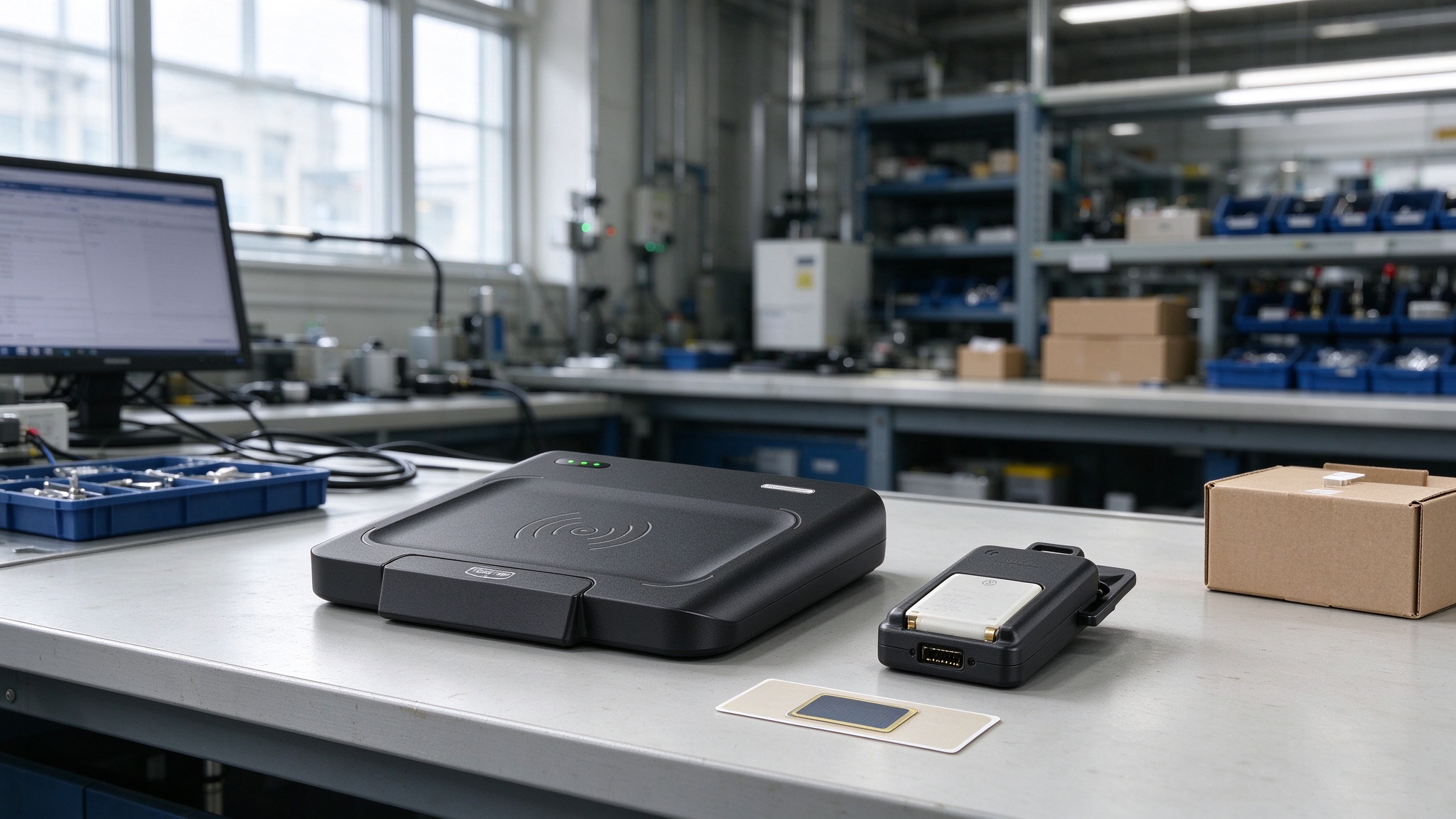
What is the difference between active and passive RFID tags? Active RFID tags use an onboard power source, usually a battery, to transmit signals. Passive RFID tags have no internal battery and draw energy from a reader’s radio field to communicate. This difference affects read range, tag size, maintenance, cost, and the applications each technology supports.
Both types identify objects using radio-frequency communication, but they are not interchangeable in every project. Passive RFID is commonly used for item-level identification in retail, apparel, and warehouse inventory. Active RFID is often selected for tracking valuable assets across larger areas.
According to GS1’s explanation of active and passive RFID tags, active tags have a radio transmitter and usually their own power source, while passive tags communicate by backscattering a signal from a reader. This distinction is the starting point for choosing the right system.
What Is an Active RFID Tag?
An active RFID tag contains an internal power source, typically a battery, and a radio transmitter. Depending on its design, it can broadcast its identifier at set intervals or communicate with a reader without depending entirely on the reader’s field for operating energy.
Active tags are useful when a project requires longer-distance detection or frequent asset updates. Potential applications include industrial equipment tracking, returnable transport containers, and monitoring valuable mobile assets across a facility.
There is a trade-off. Batteries need to be monitored and eventually replaced, and the tag’s enclosure must accommodate its electronics and power source. This generally makes active tags larger and more expensive than simple passive labels.
What Is a Passive RFID Tag?
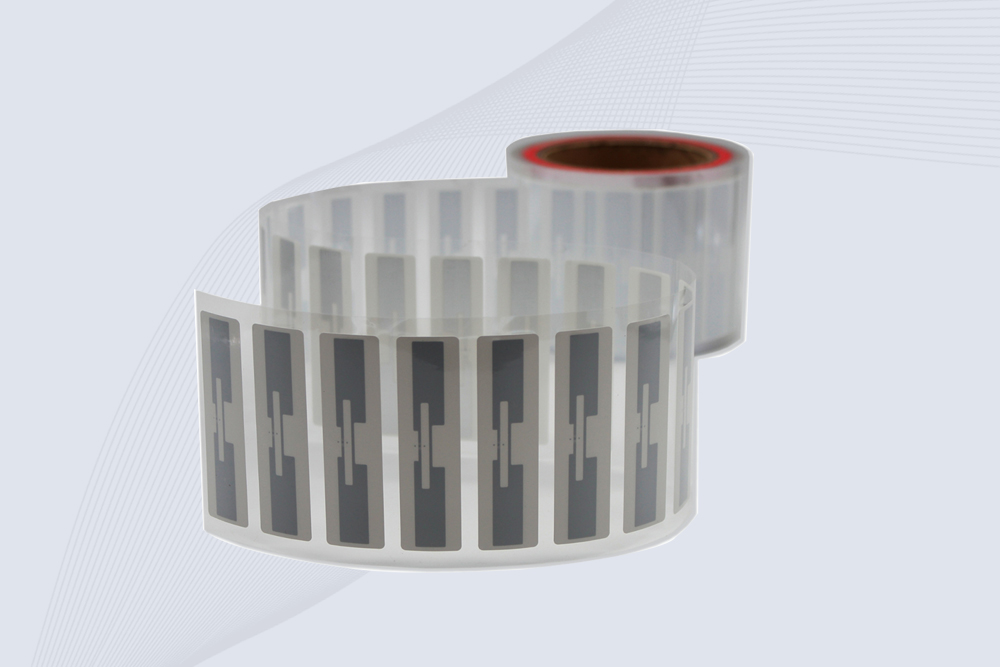
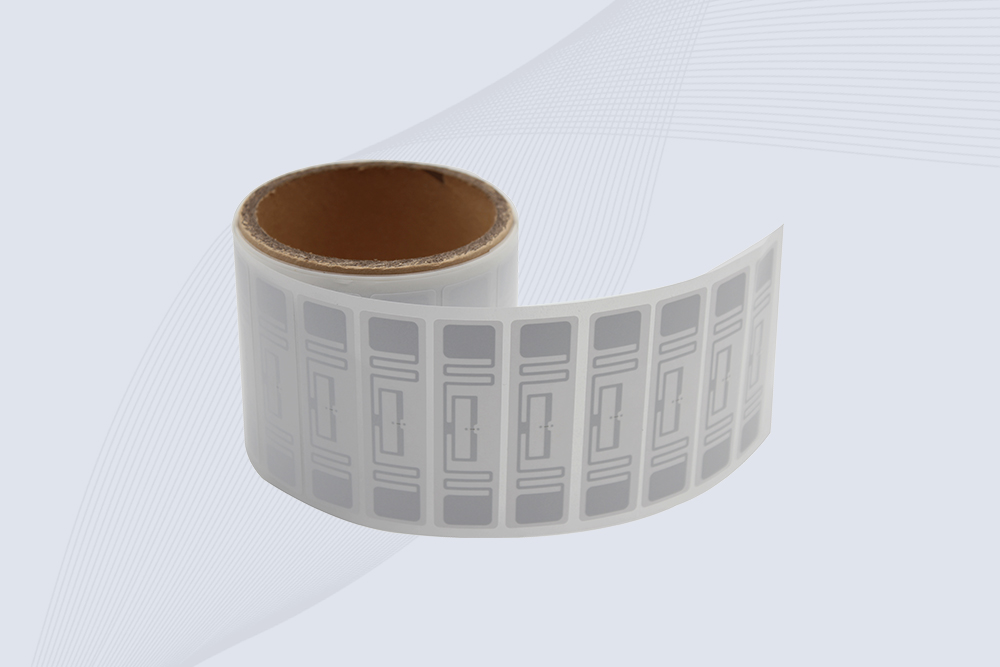
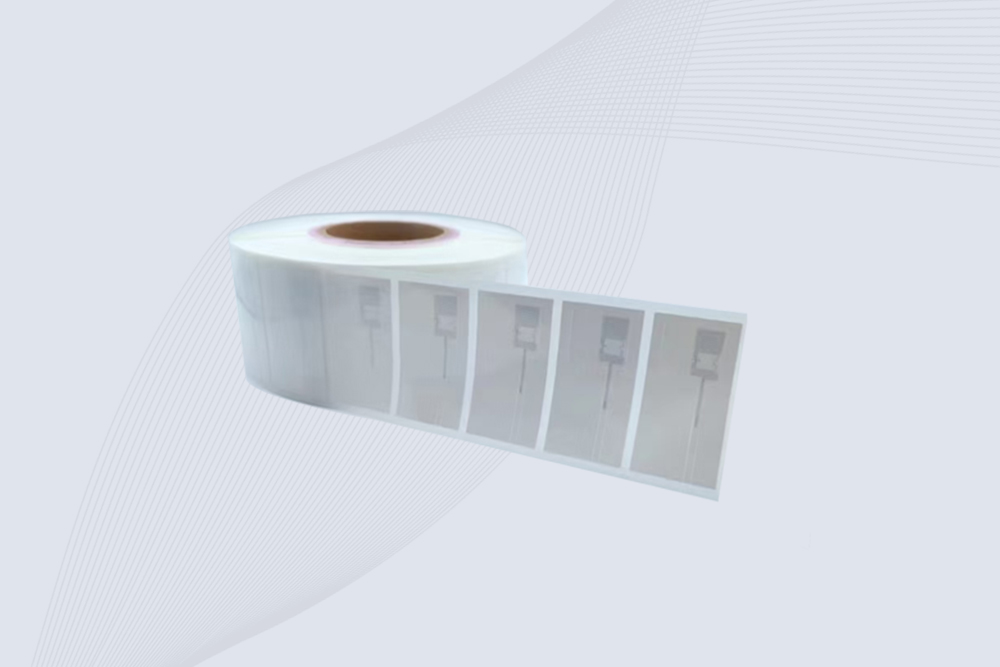
A passive RFID tag normally has no battery or independent radio transmitter. The reader sends out an electromagnetic field, which supplies energy to the tag’s chip. The tag then returns its information by modulating the reflection of the incoming signal, a process known as backscatter.
This design makes passive RFID attractive for applications involving thousands or millions of tagged items. Labels can be attached to clothing, cartons, products, library materials, and reusable containers without adding a battery to every item.
GS1 identifies UHF passive RFID, also known as RAIN RFID, as one of the most widely implemented RFID technologies in industry. Its RFID standards overview explains how unique Electronic Product Codes (EPCs) can identify individual objects and support supply chain visibility.
Why the Power Source Matters in Real Operations
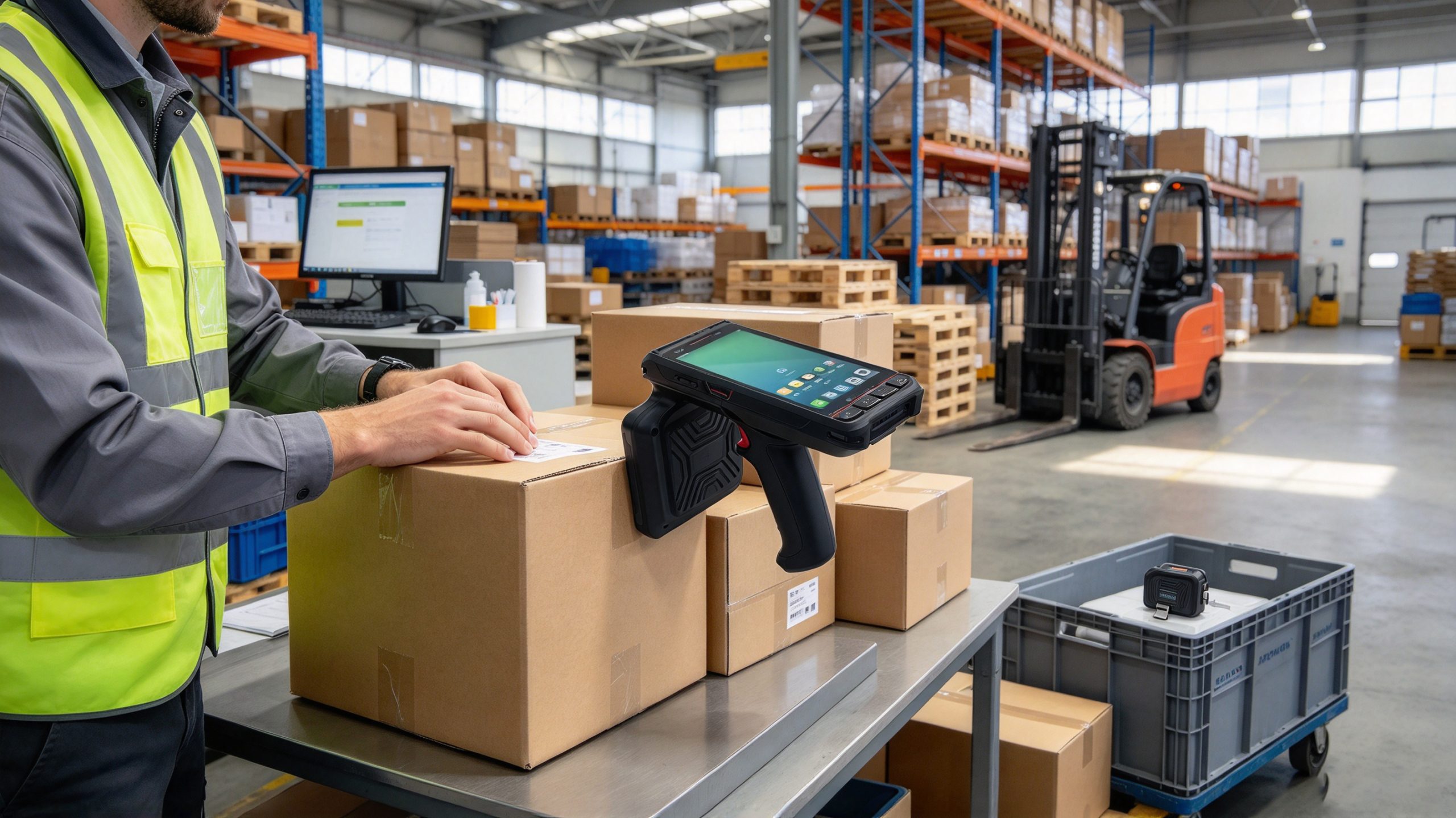
Consider a warehouse receiving cartons of clothing. Passive UHF tags can be read at a receiving checkpoint as cartons pass through a defined reading zone. The tags do not need individual battery maintenance, and multiple identifiers can be captured during a reading session.
Now consider a facility monitoring high-value equipment across a large site. An active tag that periodically broadcasts its identifier may be more appropriate, provided the reader network and software support the required coverage.
Neither technology guarantees perfect detection. Tag orientation, antenna placement, nearby metal, radio interference, and the software processing reader events can all affect performance.
Active RFID tags transmit using onboard power, while passive RFID tags draw operating energy from a reader’s radio field.
Active vs Passive RFID Tags: Key Differences
The right choice depends on what needs to be identified, how far away it must be detected, and how often the system needs to capture information.
Comparison
Active RFID Tags
Passive RFID Tags
Power source
Usually an internal battery
Powered by the reader’s RF field
Communication
Can transmit their own radio signal
Typically responds through backscatter
Typical read range
Can reach 100 metres or more in suitable systems
LF/HF often shorter range; UHF commonly reaches several metres
Tag cost
Generally higher
Generally lower
Maintenance
Battery monitoring or replacement may be required
No tag battery to replace
Tag size
Often larger due to battery and electronics
Can be extremely thin and compact
Common uses
Long-range asset monitoring and selected location systems
Apparel, retail inventory, cartons, and item identification
Infrastructure
Depends on tag design and receiver network
Requires compatible readers and suitable read zones
These comparisons describe common designs, not universal specifications. Some active systems provide periodic location updates, while others simply report that a tag is present. Passive systems also vary considerably by frequency and tag design.
How Far Can Active and Passive RFID Tags Be Read?
GS1’s guidance provides useful reference points:
Active RFID: Read distances can reach 100 metres or more.
Passive UHF RFID: Typically several metres, with up to 15 metres possible in special cases.
Passive LF and HF RFID: Often much shorter, sometimes around 1 metre or less depending on the application.
A longer range does not automatically mean a better system. In a warehouse, a reader that captures a carton entering the correct dock lane may be more valuable than one that also reads inventory on the other side of the aisle. Unwanted reads can create incorrect receiving records or associate products with the wrong process.
For passive UHF installations, antenna direction, transmit power, tag placement, and the physical layout of the reading zone should be tested together. The objective is controlled, repeatable identification—not simply the greatest distance printed on a datasheet.
What About Battery-Assisted Passive RFID?
Battery-assisted passive (BAP) RFID sits between conventional passive and active designs, but it is important not to treat it as exactly the same as either one.
A BAP tag contains a battery that can power its chip circuitry or sensors. However, it still communicates by backscattering a reader’s signal rather than transmitting an independent radio signal in the same way as a typical active tag.
BAP tags may be useful when a project needs battery-supported sensing or improved tag operation without requiring a conventional active transmitter. Their suitability depends on the reader infrastructure, tag design, sensing requirements, and operating environment.
How to Choose the Right RFID Tag for Your Application
Before purchasing tags, define the operating requirement. A project that needs to count thousands of products at a packing station has different priorities from one that monitors expensive equipment across a large industrial site.
Choose Passive RFID When:
You need to identify large quantities of relatively low-cost items.
Tags should be thin, lightweight, and easy to attach to products or cartons.
Battery replacement across a large tag population would be impractical.
Readers can be installed at defined checkpoints or used for inventory scans.
You need to connect item identifiers to retail, warehouse, or inventory software.
For apparel and warehouse inventory, passive UHF RFID is often a practical starting point. A pilot should test real products, packaging, and reader positions before the system is expanded.
Choose Active RFID When:
Assets need to be detected across larger areas.
Periodic tag broadcasts or location-monitoring functions are required.
The value of the tracked asset justifies a higher tag cost.
Battery monitoring and replacement can be included in the maintenance plan.
The project can support the required receiving infrastructure and tracking software.
Active RFID is not automatically a complete real-time location system. The accuracy and frequency of location updates depend on the tag, receiver layout, positioning method, and software.
A Practical Evaluation Checklist
Before finalizing a system, confirm the following:
Read-zone requirements: Where should the tag be detected, and where should it not be detected?
Tag environment: Will tags be attached to fabric, cardboard, plastic, metal equipment, or liquid-containing products?
Detection speed: How quickly must the system identify tags moving through the process?
Maintenance: Can the organization manage batteries if active or BAP tags are selected?
Software integration: Can the reader data be mapped to the correct item, asset, or transaction record?
Regional compliance: Does the selected equipment operate within the permitted RFID frequency band and power limits for the installation location?
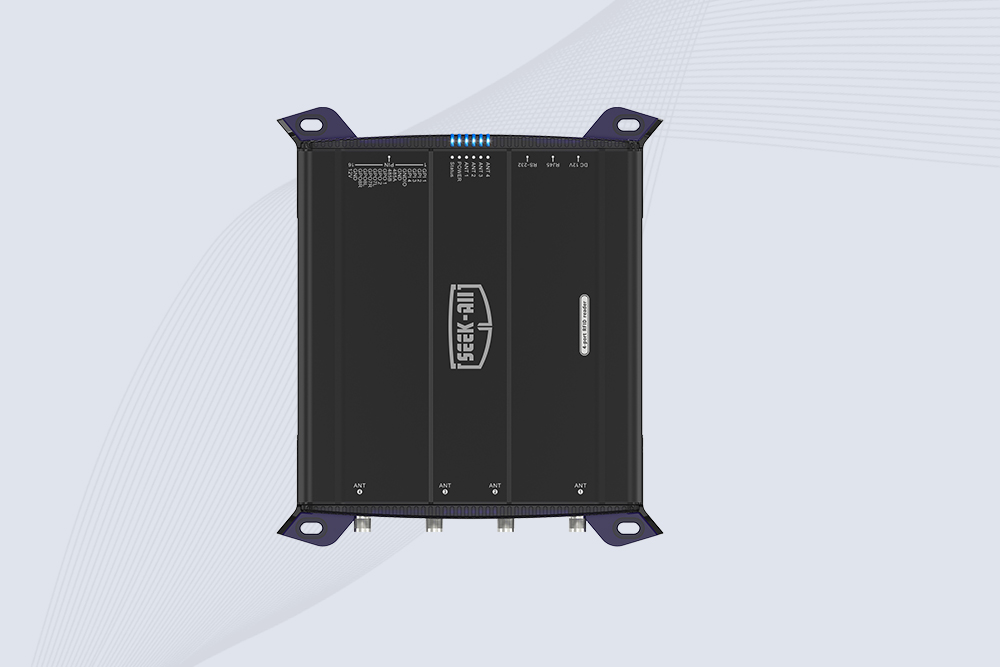
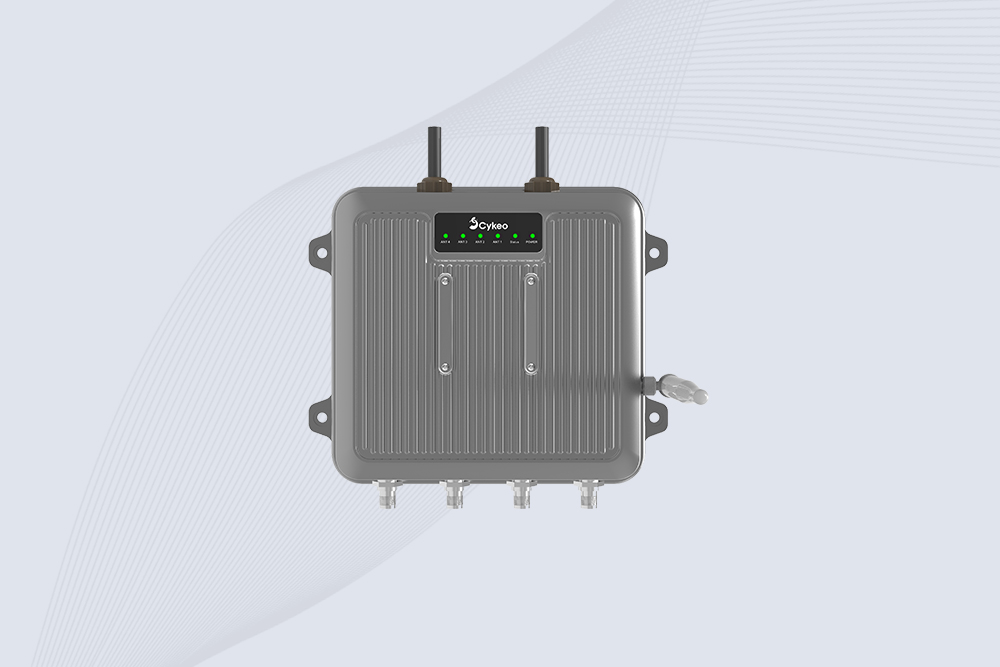
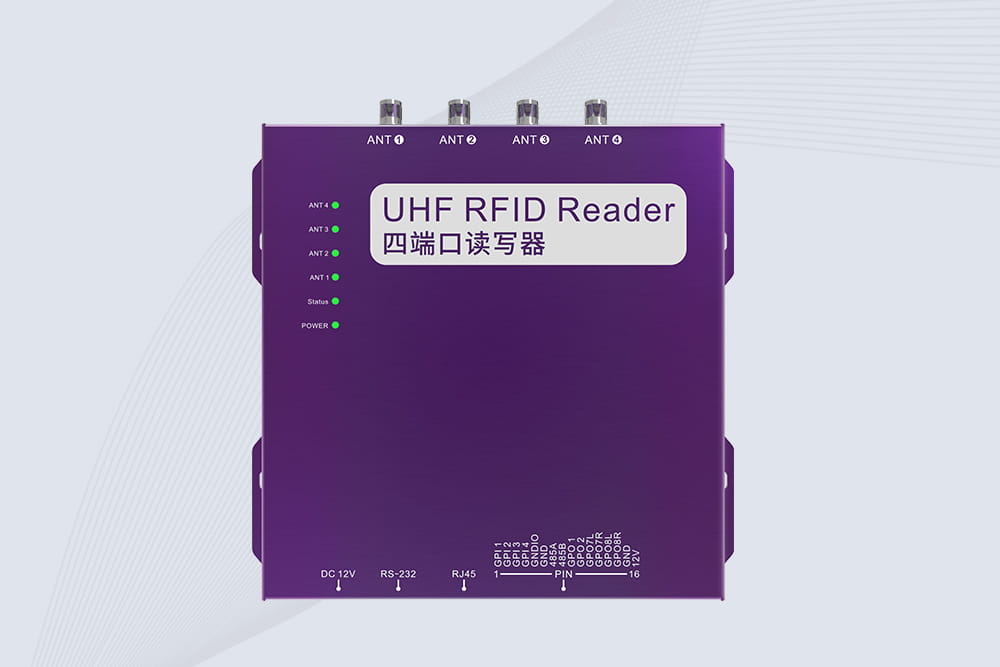
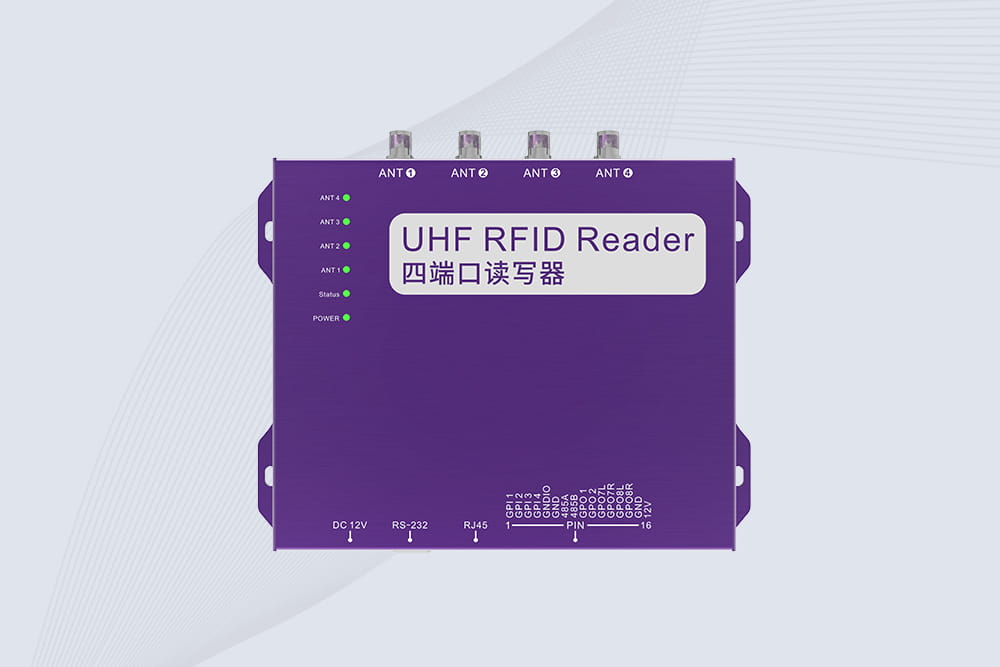
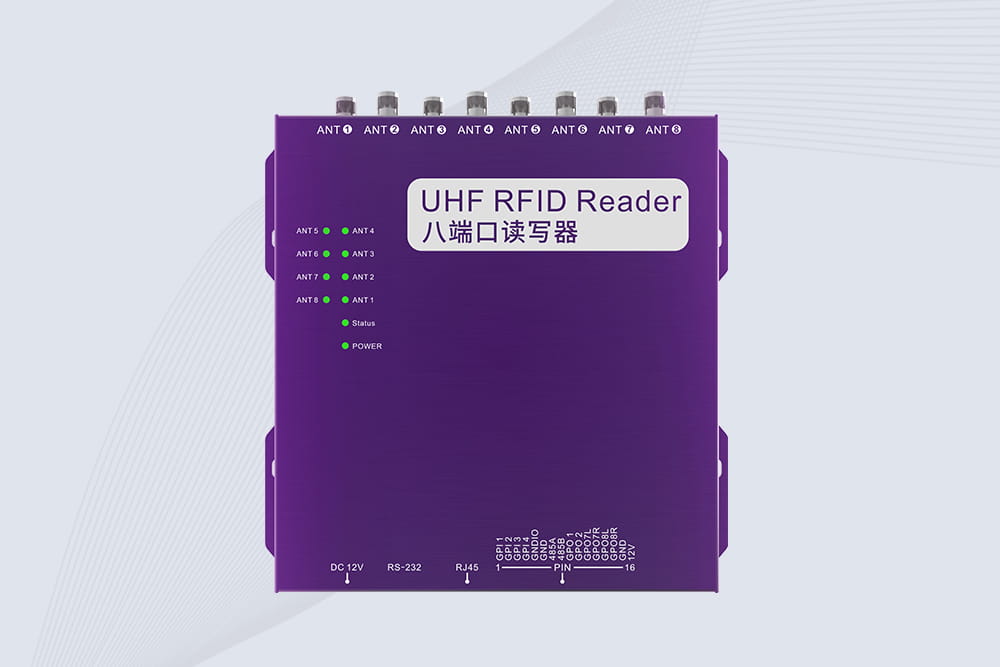
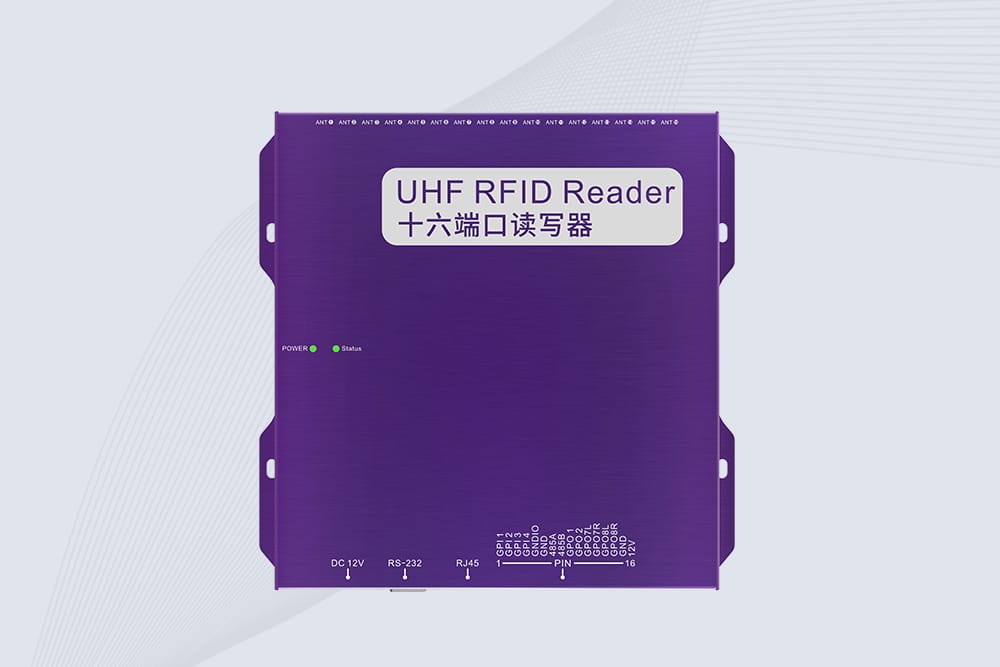
For UHF passive RFID projects, equipment such as Cykeo fixed rfid readers and RFID reader modules can be evaluated according to supported protocols, adjustable output power, communication interfaces, and integration requirements. Confirm the specifications of the chosen model and test the complete system with representative tagged items.
Passive RFID supports item-level inventory checks, while active RFID can support longer-range monitoring of selected assets.
Frequently Asked Questions
1. What is the main difference between active and passive RFID tags?
The main difference is the power source and communication method. Active RFID tags usually have an internal battery and transmit their own radio signal. Passive RFID tags normally have no battery and use energy from a reader’s field to respond through backscatter.
2. Are passive RFID tags cheaper than active RFID tags?
Generally, yes. Passive tags are commonly used for high-volume item identification because they do not require an onboard battery. Active tags contain additional electronics and a power source, so they usually cost more. Actual prices vary by design, quantity, and application.
3. Can passive RFID tags be read from a distance?
Yes. Passive UHF tags can typically be read over several metres under suitable conditions, and longer distances are possible in specialized installations. LF and HF tags generally have shorter read ranges. Actual performance depends on the tag, reader, antenna, environment, and applicable regulations.
4. Do active RFID tags require maintenance?
Usually, some battery management is necessary. Depending on the design, organizations may need to monitor battery condition and replace batteries or complete tag replacement when the power source reaches the end of its service life. The maintenance interval varies by device and operating conditions.
5. Which is better for warehouse inventory: active or passive RFID?
Passive UHF RFID is often a suitable choice for identifying large quantities of products and cartons at receiving points, packing stations, and inventory locations. Active RFID may be more appropriate for selected high-value assets that require longer-range detection. The decision depends on the operational goal.
6. Is battery-assisted passive RFID the same as active RFID?
No. A battery-assisted passive tag uses a battery to support its circuitry or sensors but still communicates by backscatter. A typical active tag uses its own power source to transmit a radio signal. The communication method is the key distinction.
7. Can active and passive RFID be used in the same facility?
Yes. A facility can use passive tags for product-level inventory and active tags for selected mobile assets. However, the systems may require different readers, receiving infrastructure, and software integration. A combined deployment should be designed around the specific tracking requirements of each asset class.
Final Answer: What Is the Difference Between Active and Passive RFID Tags?
What is the difference between active and passive RFID tags? Active RFID tags use an onboard power source to transmit signals and can support longer-range monitoring. Passive RFID tags rely on energy from a reader and communicate by backscatter, making them suitable for cost-conscious, high-volume item identification.
For Cykeo customers, the practical decision should start with the tracking task, required read zone, tag environment, maintenance capacity, and software requirements. Choosing the right technology means achieving reliable identification in the actual operating environment—not simply selecting the tag with the longest advertised range.
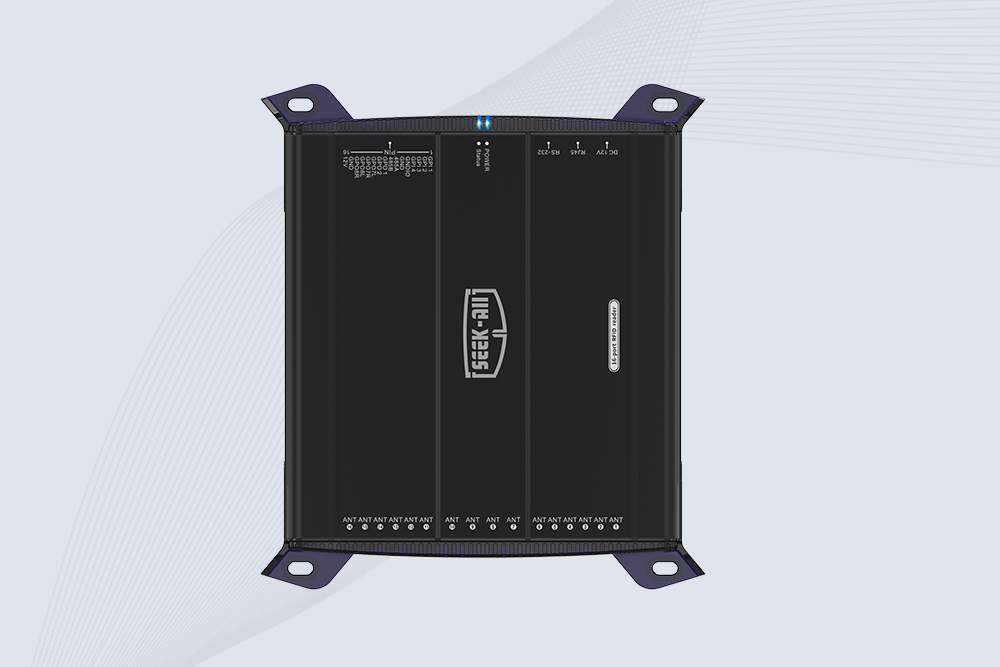
SSD-R16L Multi-Channel RFID Infrastructure for Automated Inventory Management ✔️ 16-Port High-Density RFID Reading Equipped with 16 SMA antenna ports, SSD-R16L supports multi-antenna deployment for warehouses, retail stores, logistics, production lines, and large-area RFID identification. ✔️ High-Speed & Long-Range Performance With up to 33…
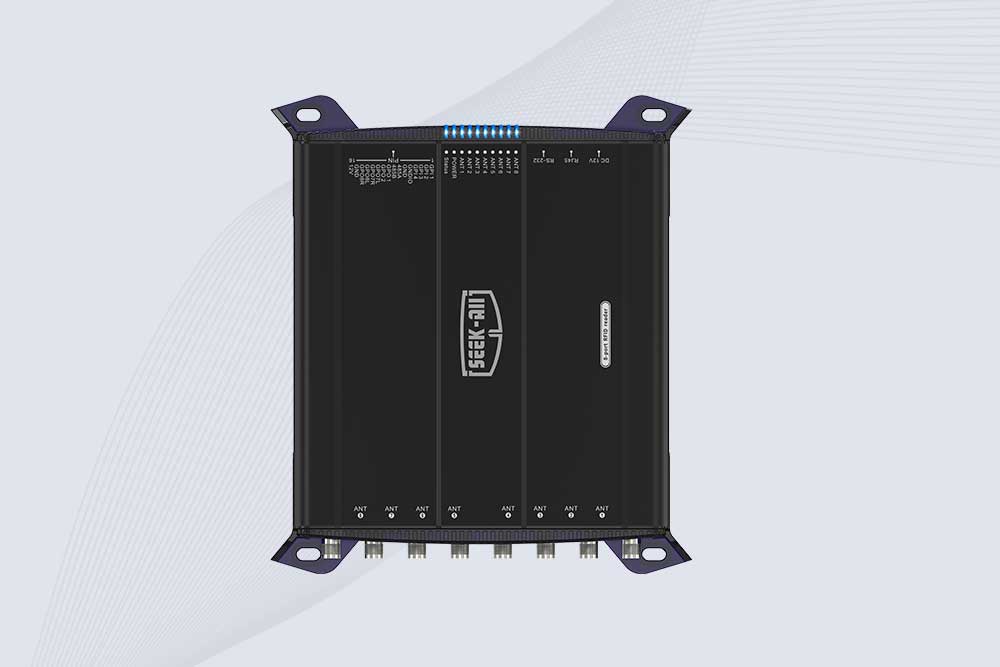
SSD-R8L 8-port UHF RFID reader with 33dBm output, up to 20m reading range and 600+ tags/s recognition. Ideal for warehouse, logistics, retail and asset tracking.
CYKEO Passive RFID Tags are made for wet and high-humidity environments where standard labels do not last. This rfid passive tag is often used around liquids, chemicals and temperature changes, providing stable reading distance and long data life for industrial tracking.
CYKEO CYKEO-PCB1504 Metal RFID Tags is a compact anti-metal UHF RFID solution built for direct mounting on metal surfaces. With stable 8-meter read range, Ucode-8 chip, and long data retention, this rfid metal tag fits tools, containers, automotive parts, and industrial asset tracking.
CYKEO CYKEO-PCB7020 On-Metal RFID Tags are designed for reliable tracking on steel and metal surfaces. Built with an FR4 epoxy body and industrial-grade chips, these On-Metal RFID Tags deliver stable performance, long data life, and chemical resistance, making them a dependable RFID anti-metal tag for harsh environments.
The CYKEO CYKEO-60-25 Anti-Metal RFID Tag is built for metal surfaces where standard tags fail. Designed for long-range performance, harsh environments, and stable data retention, this Anti-Metal RFID Tag is ideal for industrial assets, containers, and equipment tracking using on metal RFID tags.
The CYKEO RFID Laundry Tag is designed for long-term textile identification in harsh laundry environments. Built to withstand high heat, chemicals, and repeated washing, this RFID Laundry Tag delivers stable performance for hotels, hospitals, and industrial laundry operations using laundry rfid tags at scale.
The CYKEO CYKEO-125-7 RFID Book Tag is designed for reliable book and document tracking in libraries and archives. This RFID Book Tag delivers long read range, dense placement support, and stable performance on shelves, making it a practical rfid tag on books for library automation, file management, and archival systems.
CYKEO RFID tags in hospitals are designed for sterile environments where accuracy matters. These autoclavable RFID tags support long-term tracking of surgical tools, implants, and medications, helping hospitals improve visibility, compliance, and patient safety.
CYKEO RFID Cable Tie Tag is built for reliable identification on metal surfaces. This UHF RFID Cable Tie Tag is widely used in rfid tags for inventory systems, industrial asset management and Hospital RFID Tags, offering stable read performance, long service life and global EPC Gen2 compatibility.
CYKEO RFID Asset Tag is designed for stable identification of metal assets in industrial environments. This UHF RFID Asset Tag is commonly used for rfid tag asset tracking on equipment, tools and containers, providing reliable reads, long service life and ISO/IEC 18000-6C support.
CYKEO UHF RFID Card is designed for fast identification and long-term use in industrial and commercial systems. Supporting ISO 18000-6C, this UHF RFID Card works at 860–960 MHz and is suitable for custom RFID cards used in asset tracking, access control and inventory management.
CYKEO HF RFID Cards are designed for secure and stable access control systems. These 13.56 MHz RFID key cards support ISO 14443-A, reliable rewriting and long service life, making HF RFID Cards suitable for offices, campuses, events and membership management.
CYKEO UHF RFID Tag is designed for reliable tracking of metal jewelry and high-value items. This Jewelry RFID Tag supports long-range reading up to 8 meters, anti-counterfeit protection and stable performance on metal, making it suitable for retail, inventory control and asset management.
Cykeo CYKEO-C1 industrial Forklift RFID Reader features 20m read range, 600 tags/sec scanning, Impinj R2000 chipset, and IP67 rugged design. Ideal for warehouse logistics and manufacturing. Supports ISO 18000-6C/6B protocols.
Cykeo CYKEO-R4 industrial UHF RFID Fixed Reader features 4 TNC ports, 400+ tags/sec speed, IP67 housing, and global frequency compliance for vehicle inspection, smart warehouse, and asset management systems.
CYKEO CYKEO-R8L Fixed RFID Reader with 8-port UHF design, Impinj-based RF core and up to 20m read range. An industrial Fixed RFID Reader for vehicle inspection, warehouse portals, smart manufacturing lines and secure access checkpoints.
RFID Fixed Reader from CYKEO – the CYKEO-R16L 16-port UHF fixed reader for warehouses, smart cabinets, and production lines. Long-range, multi-tag reading, stable performance for 24/7 industrial use.
Improve warehouse efficiency with rfid for material handling. Discover how Cykeo RFID solutions automate material identification, reduce handling errors, and provide real-time inventory visibility across manufacturing and logistics.
can rfid tags be reused? Learn when RFID tags can be rewritten, how memory locking affects reuse, and how Cykeo RFID solutions support practical tag management.
Learn how RF scanning in warehouse operations improves inventory accuracy, speeds up order fulfillment, and enables real-time stock visibility. Discover how RFID tunnel scanning automates high-volume warehouse workflows.
 Cykeo RFID IoT Solution Products R&D Manufacturer