What is the maximum range of RFID? RFID read range depends on the tag type, operating frequency, reader power, antenna design, and surrounding environment. Active RFID can reach 100 metres or more, while passive UHF RFID typically works over several metres, with longer distances possible in specialized systems.
There is no single maximum distance that applies to every RFID system. A small access-control card, a UHF garment label, and a battery-powered asset tag operate differently. Before choosing equipment, it is more useful to identify the required reading distance and the area where tags must be detected reliably.
GS1, the global standards organization, explains that passive UHF RFID commonly operates over several metres, with distances up to 15 metres possible in special cases. Highly sensitive UHF readers using phased-array antennas may read tags at distances of up to 20 metres in suitable conditions. Active RFID tags can reach 100 metres or more. These figures are reference points, not guarantees for every installation.
What Is the Maximum Range of RFID by Tag Type?
The tag’s power source and operating frequency are two of the first things to check.
Typically several metres; up to 15 m in special cases
Warehouse inventory, apparel, logistics
Active RFID
100 m or more may be possible
Selected asset tracking and long-range monitoring
These ranges are general guidance from GS1, not guaranteed product specifications. Actual results depend on tag and reader design, installation conditions, and local radio regulations.
Why Passive UHF RFID Range Varies
Passive UHF RFID tags do not have their own battery. A reader transmits radio energy, the tag harvests enough energy to operate, and the tag returns data by backscattering the reader’s signal.
That exchange places limits on distance. The tag must receive enough energy to respond, and the reader must detect the returning signal. Increasing transmit power alone does not guarantee a reliable increase in range.
For warehouse applications, antenna direction, tag orientation, carton contents, and nearby metal can make a noticeable difference. A tag that reads easily in open air may behave differently when attached to a metal tool or placed close to liquid-filled products.
What Determines the Maximum RFID Reading Distance?
Four factors deserve particular attention during system selection.
1. Reader Power and Antenna Design
Reader output power, receiver sensitivity, antenna gain, polarization, and placement all affect the read zone. A high-gain directional antenna can extend coverage in a chosen direction, but it may also create blind spots if tags are presented at an unsuitable angle.
2. Tag Design and Mounting Surface
A tag’s antenna and chip determine how effectively it receives and returns a signal. Metal surfaces, liquids, and dense packaging can reduce performance or change the best tag placement. Use tags designed for the actual mounting surface and test them on representative products.
3. Interference and Installation Layout
Nearby readers and other radio-frequency devices can affect system performance. In a warehouse, the aim is not simply to read the farthest tag; it is to read the correct tags in the intended zone while minimizing unwanted reads from adjacent inventory.
4. Regional Regulations
Permitted UHF frequencies and transmission power differ between regions. A system designed for one market may need different settings or equipment for another. Check local requirements before treating a published range as achievable at a specific site.
Reliable RFID range is measured under real operating conditions, not just in an open-air demonstration.
How to Improve RFID Read Range in a Real Installation
A longer advertised read distance is useful only when the system detects the right tags consistently. In warehouse and industrial deployments, the practical goal is to build a controlled reading zone that matches the workflow.
1. Match the Antenna to the Reading Area
A directional antenna concentrates energy toward a defined area, while a wider antenna pattern can cover a broader zone. Antenna gain, polarization, mounting angle, and distance from the tagged items all affect performance.
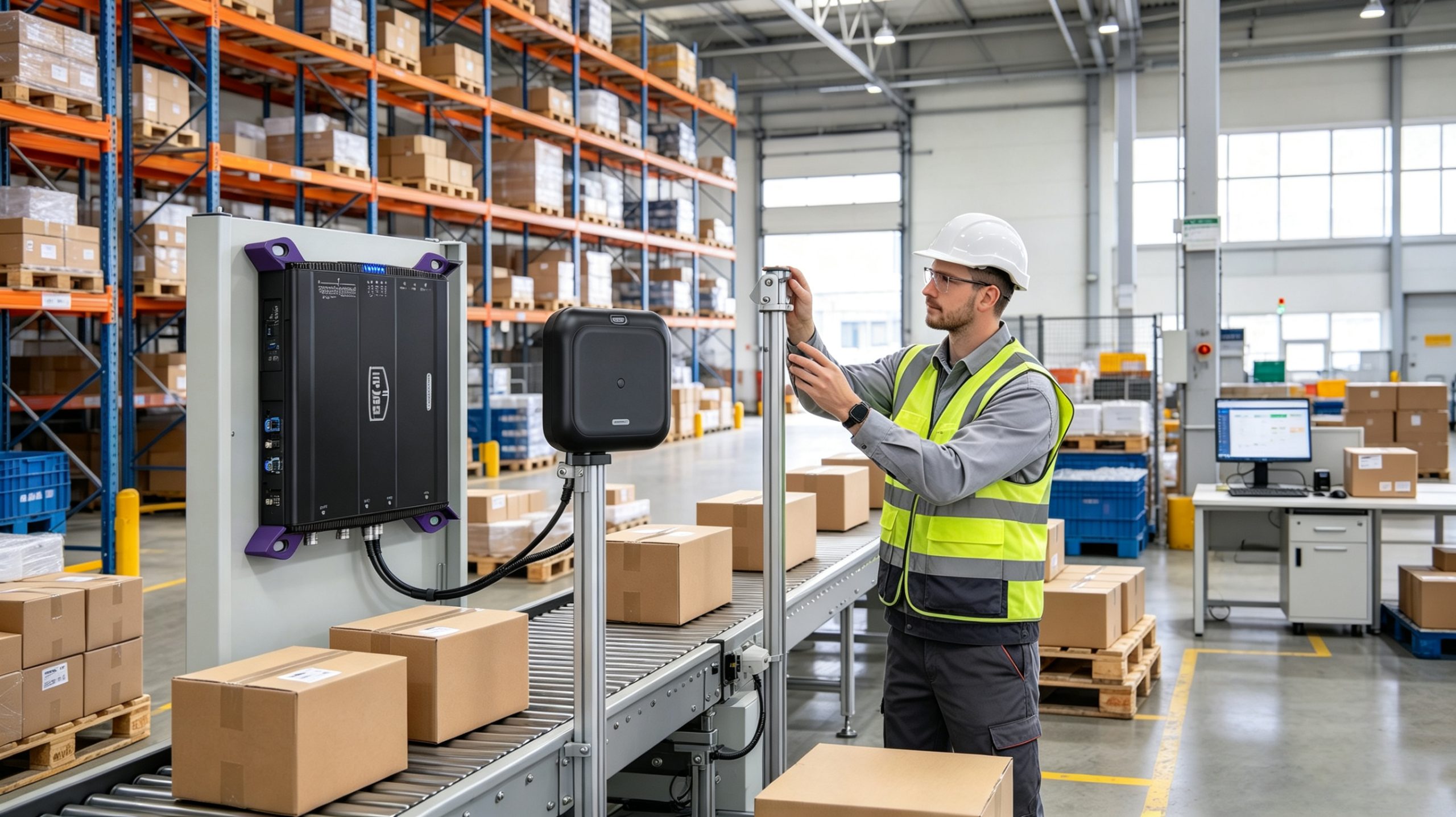
For example, a fixed reader installed above a conveyor may need to detect cartons moving underneath it. The antenna should be positioned so tags pass through a predictable read zone, rather than relying on maximum output power alone.
2. Test with Real Products, Not Just Sample Tags
A tag that reads well on a desk may perform differently once attached to a product. Metal, liquid, packaging density, and tag orientation can change the result.
For a warehouse pilot, test at least these scenarios:
A single tagged carton at different distances.
Several tagged cartons passing through the reading zone together.
Tags positioned at different angles.
Nearby inventory that should not be read.
Normal operating speed, including the fastest expected movement.
Record successful reads, missed reads, and unwanted reads. This gives the engineering team a practical baseline for tuning the system.
3. Adjust Reader Power Carefully
Increasing reader power can help when tags are not receiving enough energy, but it can also expand the reading area beyond the intended boundary. This may cause neighboring products to be detected unintentionally.
A better approach is to adjust power alongside antenna placement, tag selection, and filtering rules. In a fixed UHF RFID installation, the goal is stable detection at the required checkpoint—not the highest possible number on the reader’s power setting.
4. Consider the Entire System
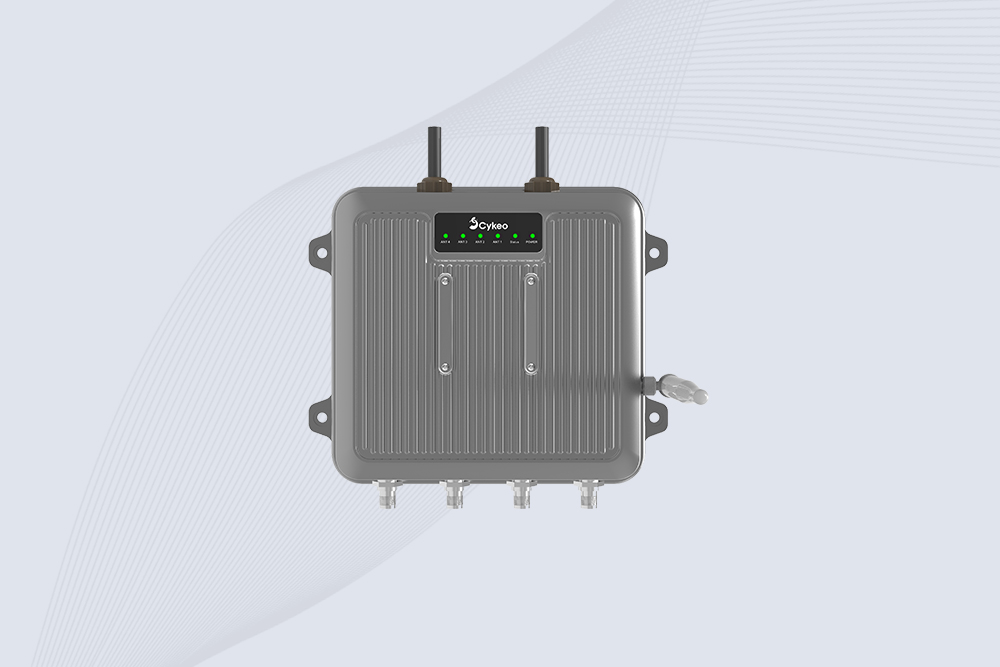
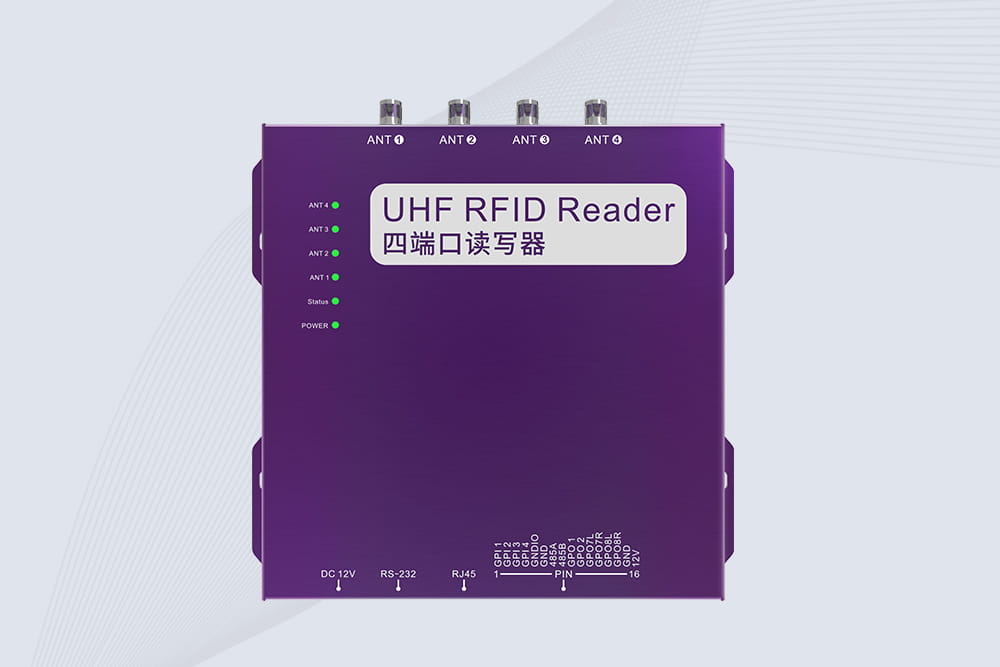
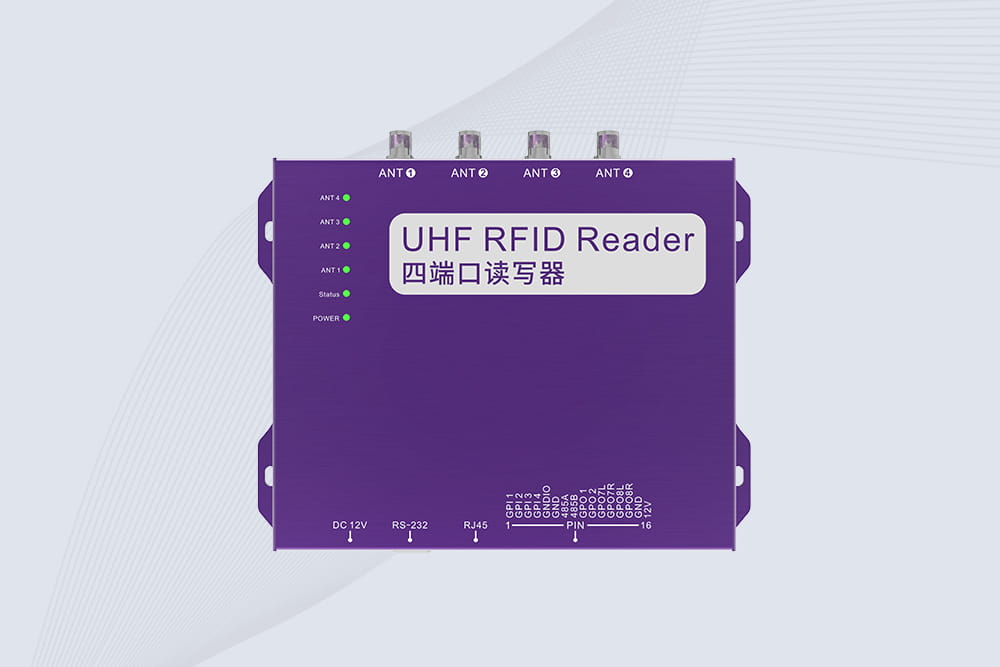
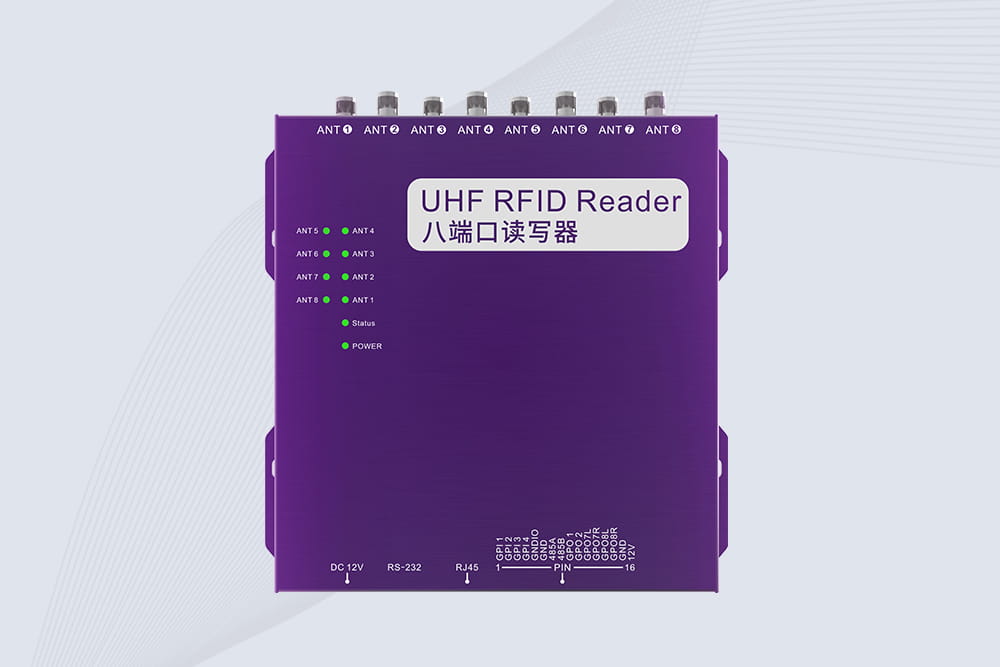
RFID performance depends on the combination of tag, antenna, reader, installation, and software. Cykeo UHF fixed rfid readers and RFID reader modules can be evaluated against project requirements such as supported protocols, adjustable output power, communication interfaces, and integration needs. Confirm the selected model’s specifications and conduct an on-site test before deployment.
Antenna placement and reader settings help create a reliable RFID reading zone while limiting unwanted reads.
Frequently Asked Questions About RFID Maximum Range
1. What is the maximum range of RFID?
There is no universal maximum. GS1 notes that active RFID can reach 100 metres or more. Passive UHF RFID typically operates over several metres, with up to 15 metres possible in special cases and up to 20 metres in certain high-sensitivity phased-array setups. Actual results depend on the complete system. <Cite refs={[“turn352155search0”]}/>
2. What is the maximum range of a passive UHF RFID tag?
Passive UHF RFID typically reads over several metres. GS1 cites up to 15 metres in very special cases and up to 20 metres with highly sensitive readers and phased-array antennas. These figures are not guarantees for ordinary installations. <Cite refs={[“turn352155search0”]}/>
3. Can RFID work through walls?
Radio waves may pass through some non-metallic materials, but results depend on the wall composition, tag frequency, reader power, antenna setup, and nearby interference. Metal barriers can block or strongly affect RFID signals. Always test the actual building materials and layout.
4. Does increasing RFID reader power always increase range?
No. More power may help a tag receive enough energy, but the result also depends on tag sensitivity, antenna gain, receiver sensitivity, and environmental conditions. Higher power may also cause unwanted reads or violate local radio regulations if the system is not configured correctly.
5. Which RFID frequency has the longest range?
For common passive RFID applications, UHF generally provides longer read distances than LF and HF. Active RFID can reach farther still because tags use their own power source to transmit signals. The best frequency depends on the application, not range alone. <Cite refs={[“turn352155search6″,”turn352155search5”]}/>
6. Can RFID read multiple tags at long distances?
Yes, compatible UHF RFID systems can identify multiple tags within a suitable reading zone. However, reliable bulk reading depends on tag density, antenna configuration, interference, tag orientation, and system tuning. A long-distance single-tag demonstration does not necessarily prove reliable bulk-reading performance.
7. How can I find the right RFID range for my business?
Start by defining the required read distance and the exact area where tags should be detected. Then select compatible tags, readers, and antennas, and test them using real products under normal operating conditions. Measure missed and unwanted reads before expanding the deployment.
Final Answer: What Is the Maximum Range of RFID?
What is the maximum range of RFID? Active RFID tags can reach 100 metres or more, while passive UHF RFID usually operates over several metres. Specialized passive systems may achieve greater distances, but real-world range depends on the tag, reader, antenna, environment, and local regulations.
For Cykeo customers, the most useful range is the distance at which the intended tags can be read reliably in the actual application. Testing the complete setup is more meaningful than choosing equipment based on a maximum-distance claim alone
SSD-R16L Multi-Channel RFID Infrastructure for Automated Inventory Management ✔️ 16-Port High-Density RFID Reading Equipped with 16 SMA antenna ports, SSD-R16L supports multi-antenna deployment for warehouses, retail stores, logistics, production lines, and large-area RFID identification. ✔️ High-Speed & Long-Range Performance With up to 33…
SSD-R8L 8-port UHF RFID reader with 33dBm output, up to 20m reading range and 600+ tags/s recognition. Ideal for warehouse, logistics, retail and asset tracking.
CYKEO Passive RFID Tags are made for wet and high-humidity environments where standard labels do not last. This rfid passive tag is often used around liquids, chemicals and temperature changes, providing stable reading distance and long data life for industrial tracking.
CYKEO CYKEO-PCB1504 Metal RFID Tags is a compact anti-metal UHF RFID solution built for direct mounting on metal surfaces. With stable 8-meter read range, Ucode-8 chip, and long data retention, this rfid metal tag fits tools, containers, automotive parts, and industrial asset tracking.
CYKEO CYKEO-PCB7020 On-Metal RFID Tags are designed for reliable tracking on steel and metal surfaces. Built with an FR4 epoxy body and industrial-grade chips, these On-Metal RFID Tags deliver stable performance, long data life, and chemical resistance, making them a dependable RFID anti-metal tag for harsh environments.
The CYKEO CYKEO-60-25 Anti-Metal RFID Tag is built for metal surfaces where standard tags fail. Designed for long-range performance, harsh environments, and stable data retention, this Anti-Metal RFID Tag is ideal for industrial assets, containers, and equipment tracking using on metal RFID tags.
The CYKEO RFID Laundry Tag is designed for long-term textile identification in harsh laundry environments. Built to withstand high heat, chemicals, and repeated washing, this RFID Laundry Tag delivers stable performance for hotels, hospitals, and industrial laundry operations using laundry rfid tags at scale.
The CYKEO CYKEO-125-7 RFID Book Tag is designed for reliable book and document tracking in libraries and archives. This RFID Book Tag delivers long read range, dense placement support, and stable performance on shelves, making it a practical rfid tag on books for library automation, file management, and archival systems.
CYKEO RFID tags in hospitals are designed for sterile environments where accuracy matters. These autoclavable RFID tags support long-term tracking of surgical tools, implants, and medications, helping hospitals improve visibility, compliance, and patient safety.
CYKEO RFID Cable Tie Tag is built for reliable identification on metal surfaces. This UHF RFID Cable Tie Tag is widely used in rfid tags for inventory systems, industrial asset management and Hospital RFID Tags, offering stable read performance, long service life and global EPC Gen2 compatibility.
CYKEO RFID Asset Tag is designed for stable identification of metal assets in industrial environments. This UHF RFID Asset Tag is commonly used for rfid tag asset tracking on equipment, tools and containers, providing reliable reads, long service life and ISO/IEC 18000-6C support.
CYKEO UHF RFID Card is designed for fast identification and long-term use in industrial and commercial systems. Supporting ISO 18000-6C, this UHF RFID Card works at 860–960 MHz and is suitable for custom RFID cards used in asset tracking, access control and inventory management.
CYKEO HF RFID Cards are designed for secure and stable access control systems. These 13.56 MHz RFID key cards support ISO 14443-A, reliable rewriting and long service life, making HF RFID Cards suitable for offices, campuses, events and membership management.
CYKEO UHF RFID Tag is designed for reliable tracking of metal jewelry and high-value items. This Jewelry RFID Tag supports long-range reading up to 8 meters, anti-counterfeit protection and stable performance on metal, making it suitable for retail, inventory control and asset management.
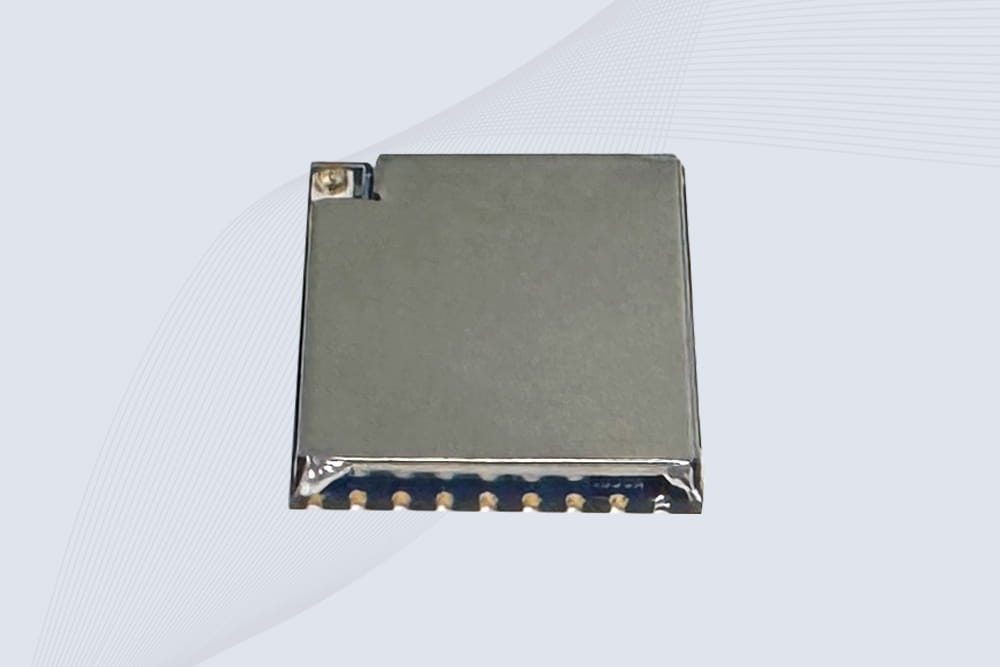
CYKEO Embedded RFID Modules are designed for compact industrial and IoT devices that require stable UHF performance. These UHF RFID Modules support global protocols, flexible power control, and reliable multi-tag reading for smart cabinets, production lines, and asset tracking systems.
CYKEO Embedded RFID Module is built for compact IoT and industrial devices that need stable UHF performance. This UHF module supports global protocols, low power operation, and reliable multi-tag reading for smart lockers, production lines, and always-on RFID systems.
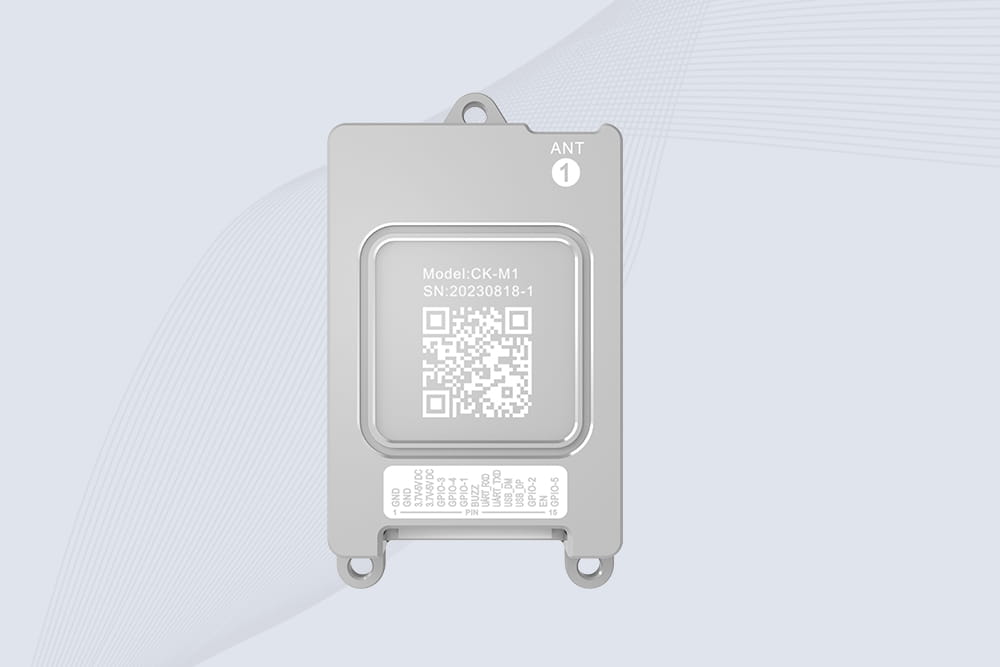
CYKEO CYKEO-M1 drone rfid module is a compact UHF RFID reader module designed for drones and UAV platforms. It supports long-range aerial scanning, fast multi-tag reading, and stable performance in wind, vibration, and outdoor environments.
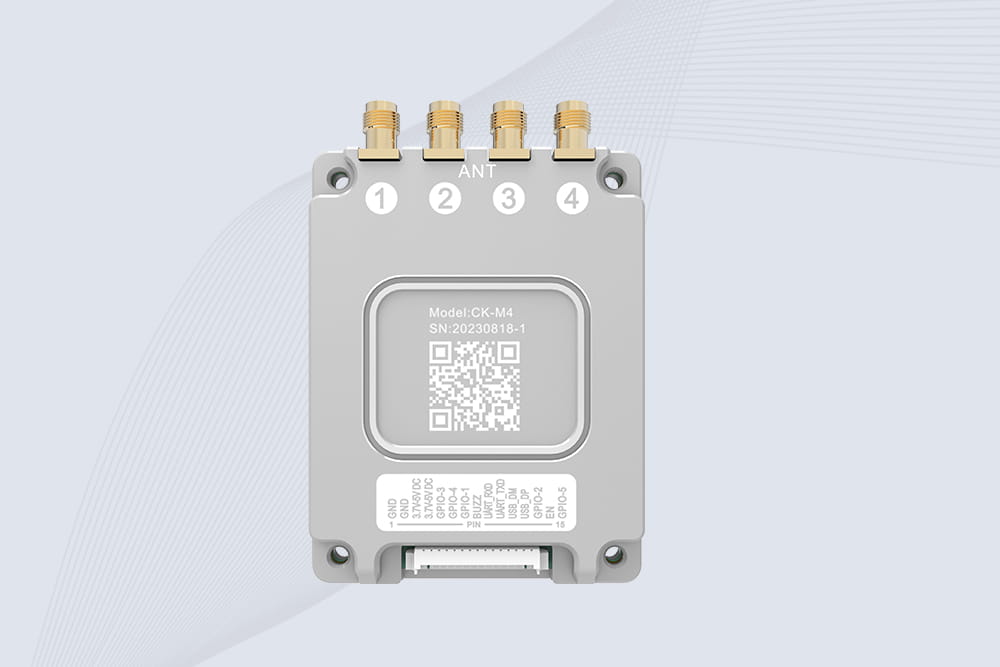
CYKEO CYKEO-M4 RC522 RFID Module is an industrial-grade UHF RFID reader with 4 ports, supporting ISO, EPC, and GB protocols. High-speed, accurate reading for IoT, automation, and warehouse applications.
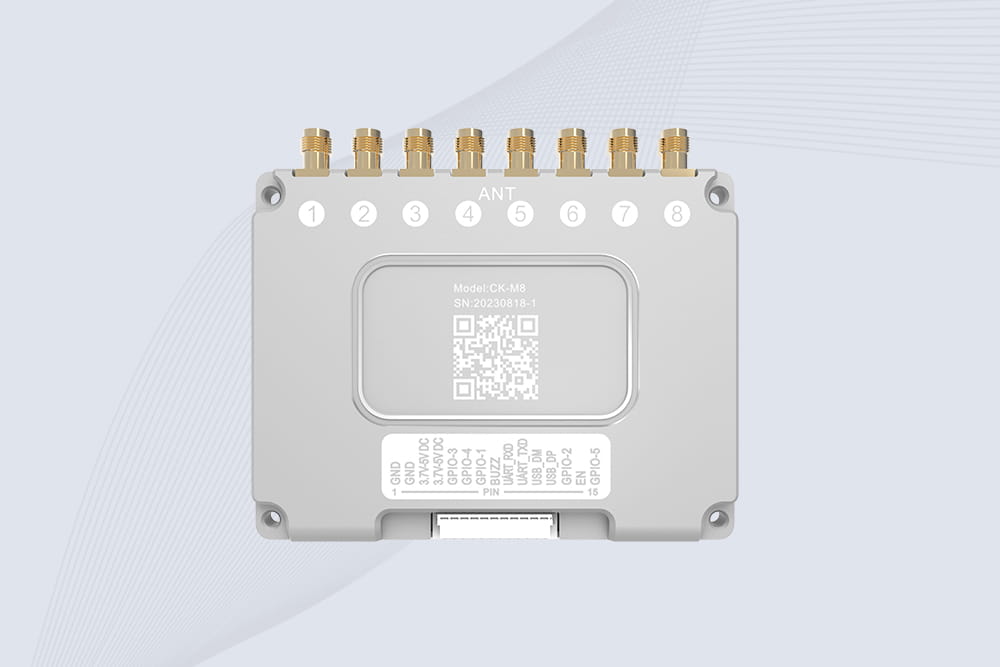
CYKEO CYKEO-M8 Module RFID is an 8-port UHF R2000 RFID Module designed for high-density, multi-tag environments. Stable 33dBm output, ISO & GB protocol support, ideal for warehouses, factories, and automated systems.
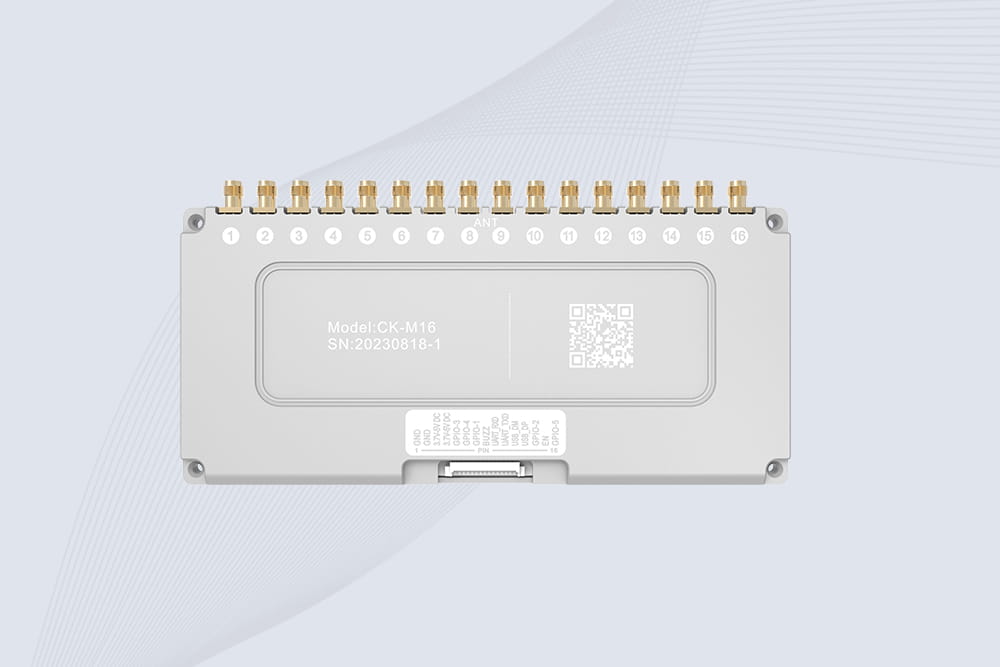
CYKEO CYKEO-M16 RFID Module is a 16-port UHF RFID reader module based on the R2000 chipset. Designed for dense tag environments, it supports ISO and GB standards and delivers stable multi-antenna control for industrial automation.
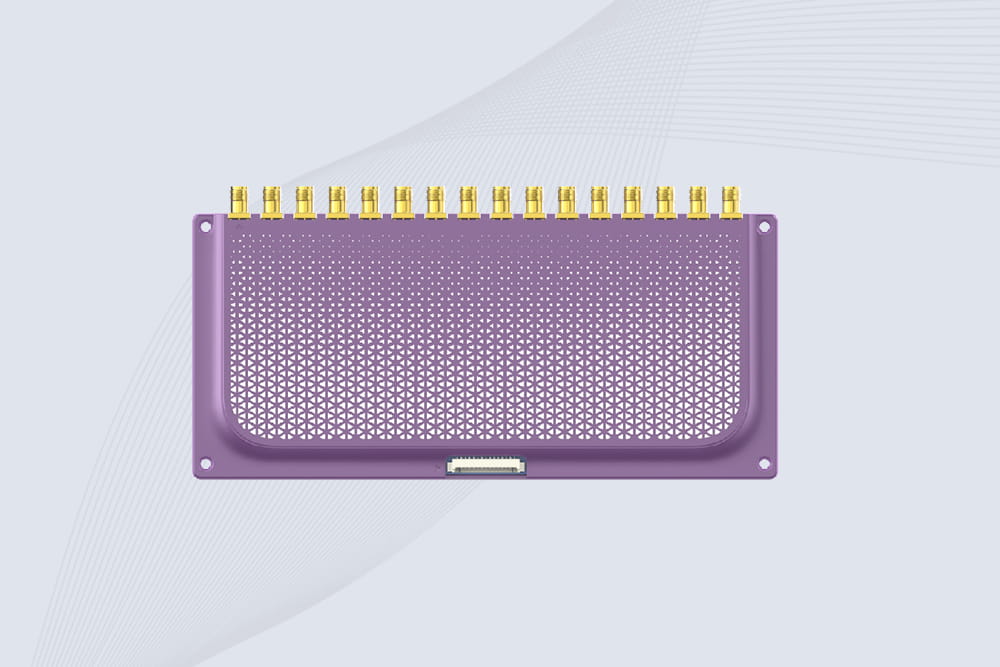
The CYKEO CYKEO-M16L RFID Reader Module is a 16-channel UHF RFID core designed for dense tag environments. With adjustable 33dBm output, multi-protocol support, and stable multi-antenna control, this RFID Tag Reader Module fits industrial automation, warehouse systems, and large-scale IoT deployments.
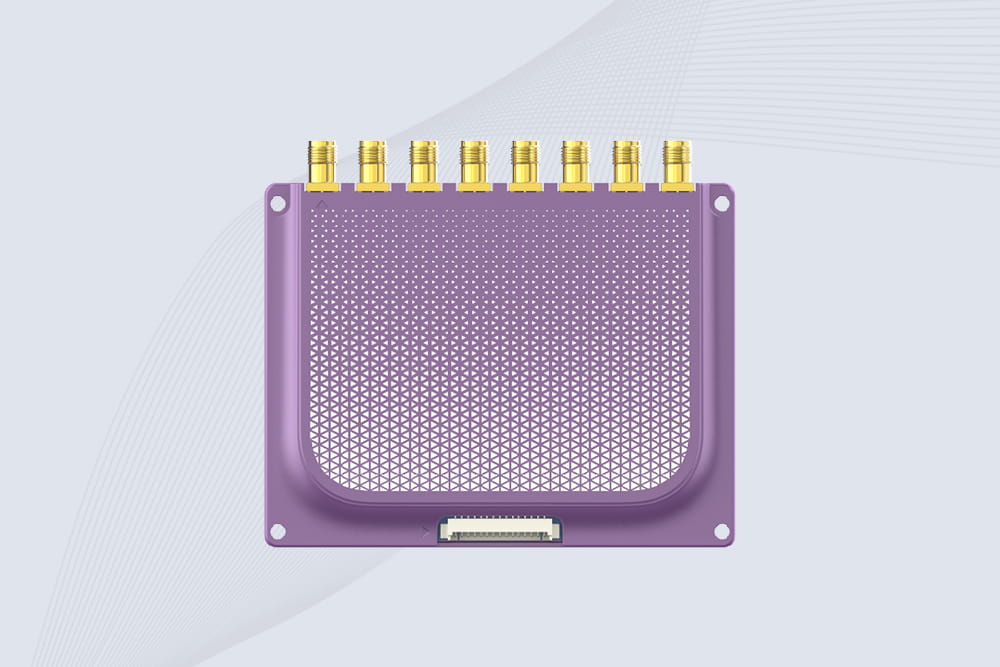
CYKEO CYKEO-M8L module RFID is a compact industrial UHF module built for dense tag and multi-antenna environments. With 8 RF ports, adjustable 33 dBm output, and ISO & GB protocol support, it is widely used in factories, warehouses, and automated tracking systems.
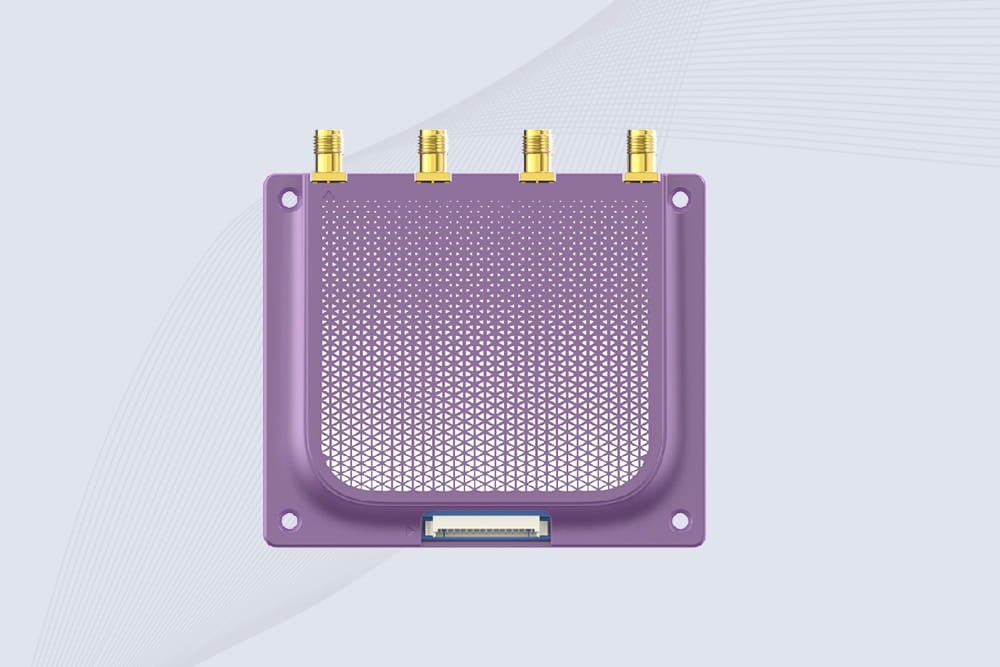
CYKEOCYKEO-M4L UHF RFID Module is a compact 4-channel RFID tag reader module designed for dense tag environments. Supporting ISO and GB protocols, it delivers stable reads up to 10 meters for industrial and IoT systems.
Cykeo CYKEO-C1 industrial Forklift RFID Reader features 20m read range, 600 tags/sec scanning, Impinj R2000 chipset, and IP67 rugged design. Ideal for warehouse logistics and manufacturing. Supports ISO 18000-6C/6B protocols.
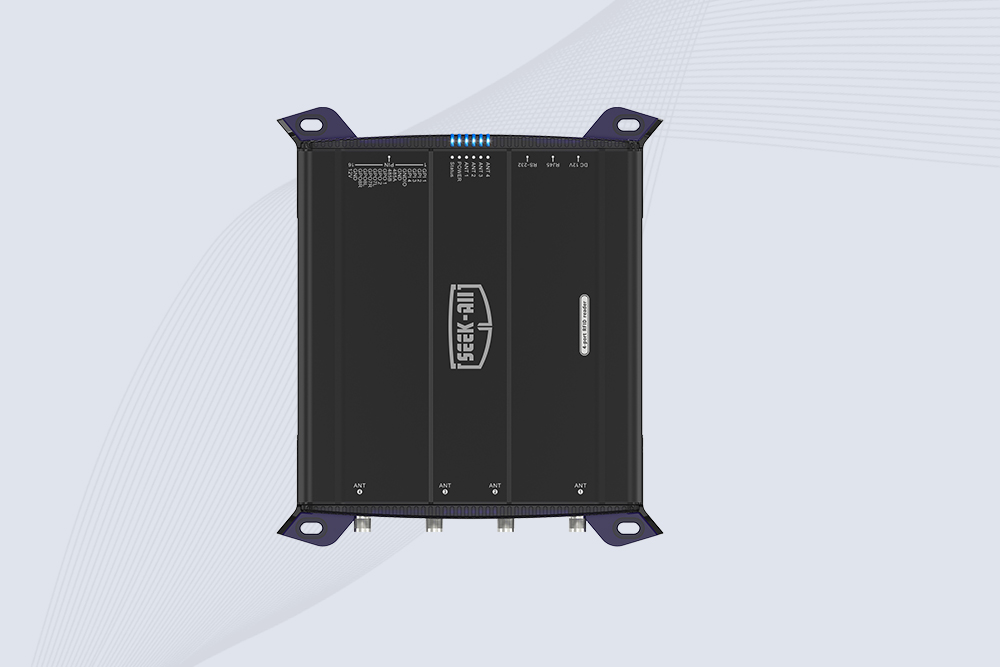
Cykeo CYKEO-R4 industrial UHF RFID Fixed Reader features 4 TNC ports, 400+ tags/sec speed, IP67 housing, and global frequency compliance for vehicle inspection, smart warehouse, and asset management systems.
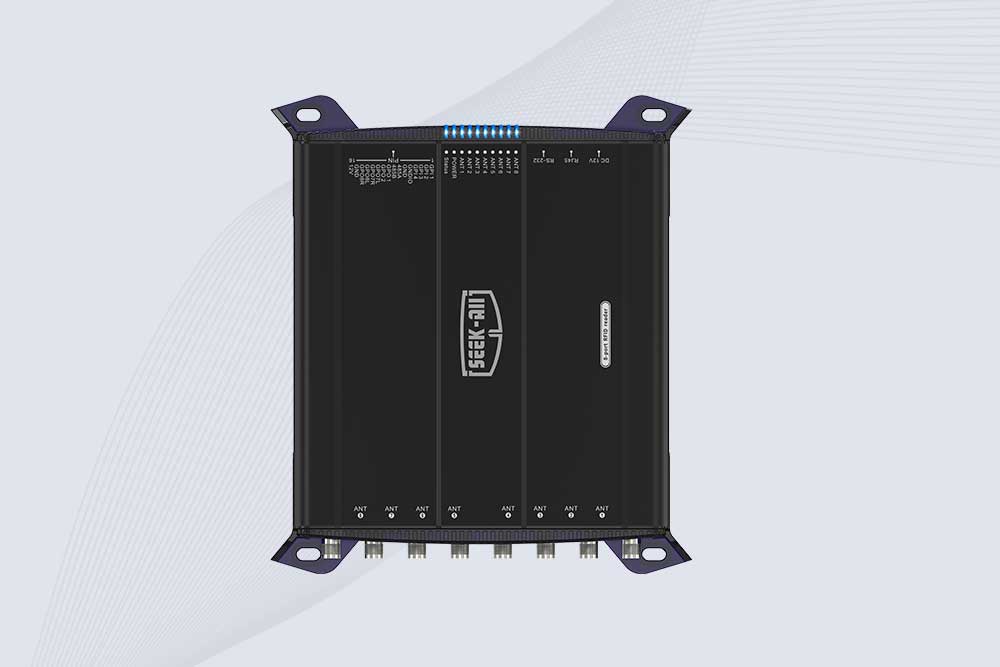
CYKEO CYKEO-R8L Fixed RFID Reader with 8-port UHF design, Impinj-based RF core and up to 20m read range. An industrial Fixed RFID Reader for vehicle inspection, warehouse portals, smart manufacturing lines and secure access checkpoints.
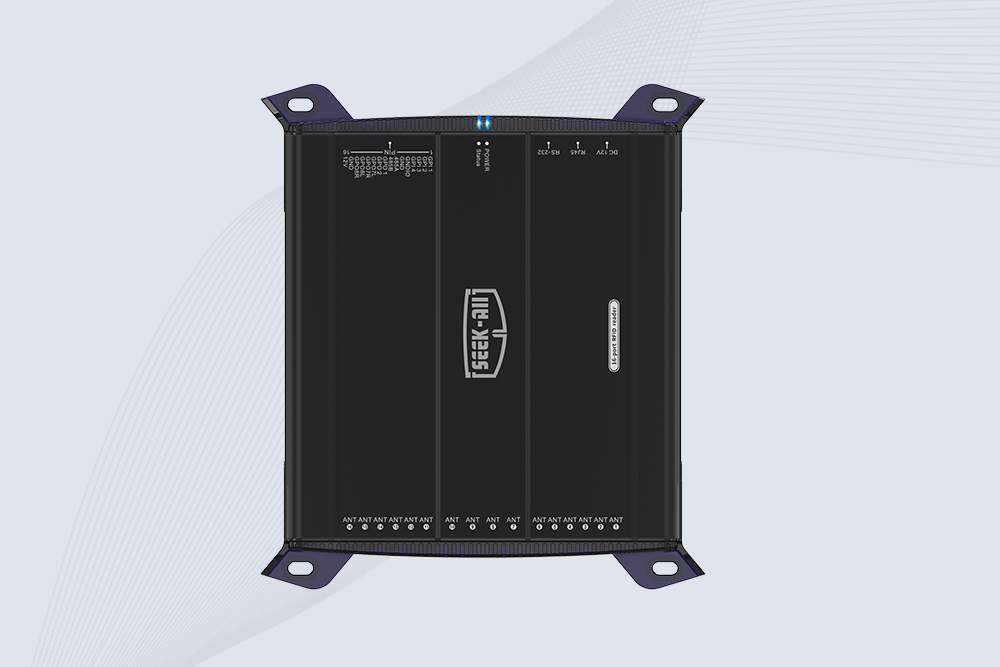
RFID Fixed Reader from CYKEO – the CYKEO-R16L 16-port UHF fixed reader for warehouses, smart cabinets, and production lines. Long-range, multi-tag reading, stable performance for 24/7 industrial use.
Learn how to design and tune RFID antenna matching for better read range and system stability. This hands-on guide explains impedance principles, matching steps, real examples, and common pitfalls — perfect for RFID engineers and solution provider...
Explore how a hospital parking system using RFID improves ambulance access, staff parking efficiency, and visitor traffic management with automated vehicle identification and long-range RFID technology.
Streamline your warehouse operations with the Cykeo CK-T1B Ceiling RFID reader. Supports EPC, ISO, GB/T protocols, RESTful APIs, SDK, and seamless WMS/ERP integration. Cold-chain ready and ultra-slim design.
 Cykeo RFID IoT Solution Products R&D Manufacturer