 Cykeo RFID IoT Solution Products R&D Manufacturer

Can RFID Reader Read Barcodes?
352Can RFID reader read barcodes? We clarify why they are different technologies and how CYKEO provides integrated data capture solutions for both.
MoreAll RFID Product
Search “what is RFID” and you’ll get the same sentence everywhere: RFID (Radio Frequency Identification) is a wireless technology that identifies objects using radio waves. Technically correct. Also completely forgettable.
Here’s a better way to understand it: you’ve almost certainly used RFID several times today without noticing. The toll gantry that scanned your car at speed, the parking barrier that lifted as you approached, the security pedestals at a store exit, the parcel that got sorted without anyone touching it — those were RFID systems working.
Once you’ve seen RFID in those places, the formal definition stops being abstract. So this article does something different: we start with the everyday encounters, extract what RFID actually is from them, and then explain the UHF version that businesses buy — what it costs, what it isn’t, and whether it fits your operation. No jargon-first paragraphs, no “revolutionary technology” filler.
RFID is a way of giving a physical object an identity that a machine can read without seeing it, touching it, or aiming anything at it.
Every RFID setup has the same three parts:
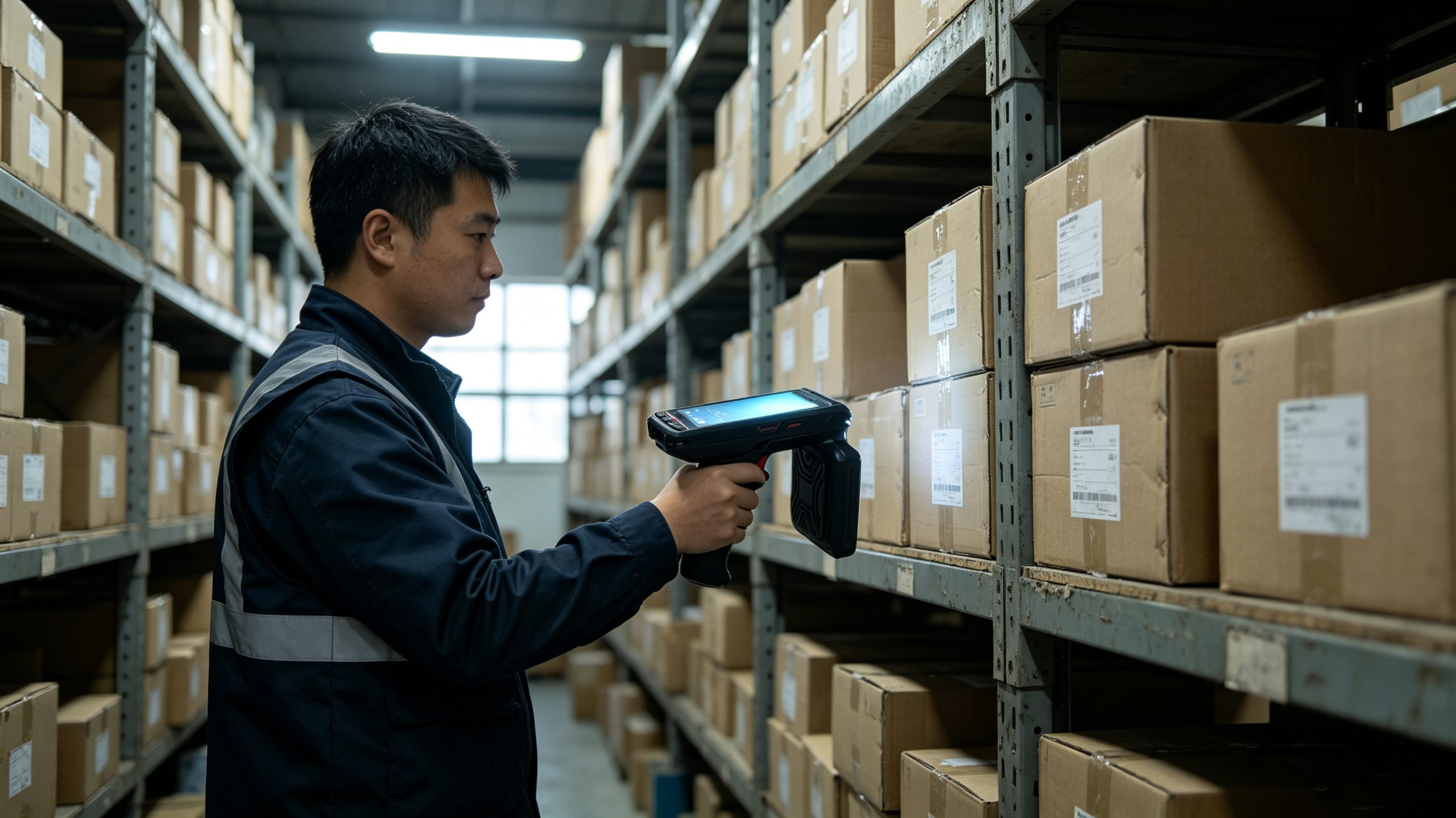
That’s the whole concept. A barcode tells a scanner “look at me and read what’s printed.” An RFID tag is different: the reader broadcasts energy, any tag within range wakes up and answers with its ID, and the reader can hear hundreds of tags in a few seconds — even tags inside sealed boxes, stacked in pallets, facing the wrong way.
Everything else — frequencies, protocols, antennas — is engineering detail hanging off that one idea. If you want the formal component-by-component explanation afterward, our guide on what is RFID technology and how does it work covers the full 5-step communication process.
This is where the definition becomes real. Each of these encounters happens millions of times a day, and every one of them is the same technology doing the same three-part trick: energy out, ID back, record written.
| Encounter | What you saw | What actually happened |
| Highway toll gantry | Car passes under a frame at 60+ km/h, no stopping | Overhead UHF reader reads the windshield tag in milliseconds — at vehicle speed |
| Parking lot barrier | Gate lifts as you approach, no card touched | Ground or gantry reader identifies the car tag and opens the barrier before you reach it |
| Store exit pedestals | Alarm gates by the door, cashier never scans each item | UHF portals read the tag inside every garment that walks through |
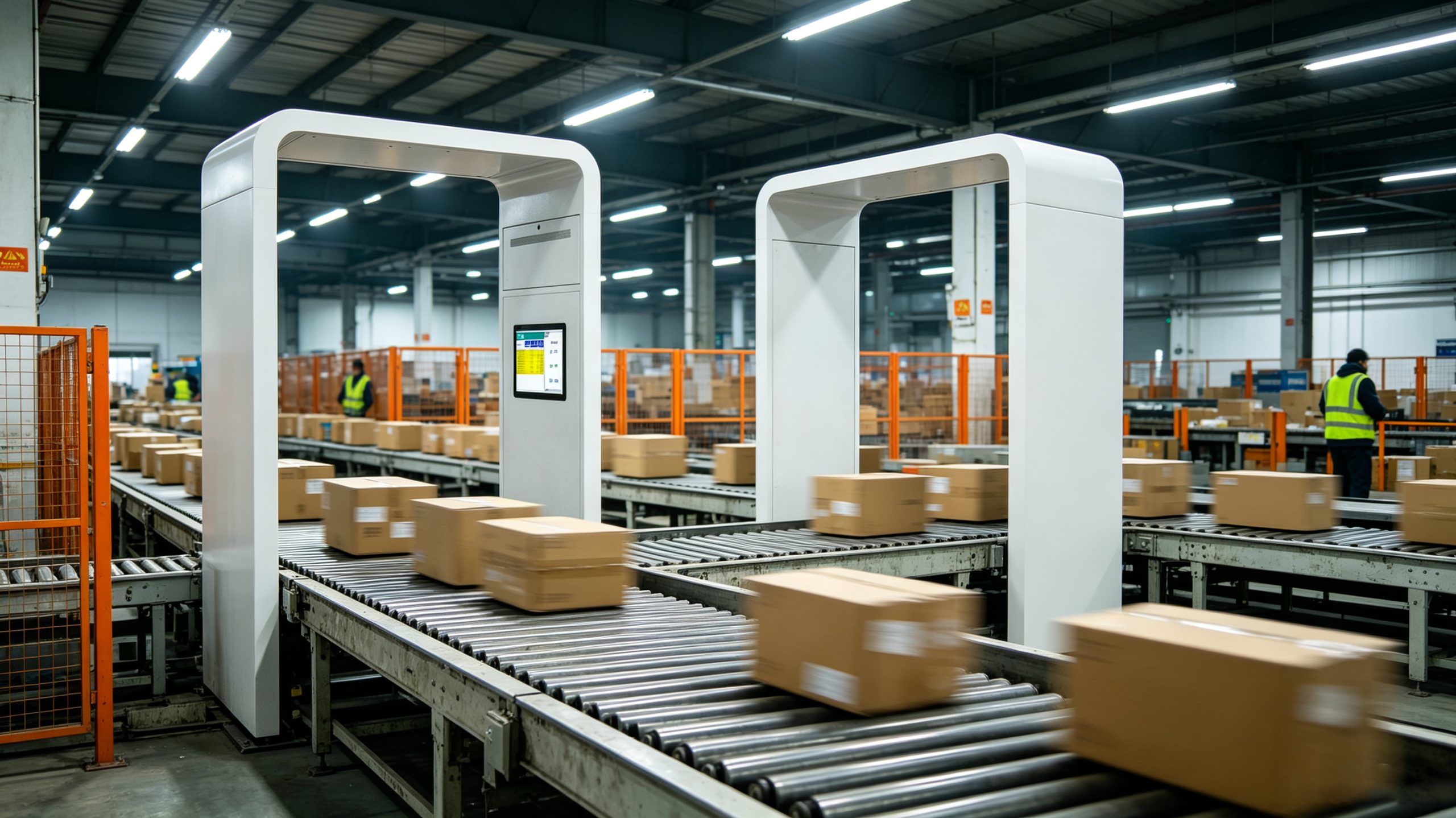
| Express parcel sorting | Parcels tumble down chutes onto different belts | Portal readers over each chute capture tag IDs at speed; software routes each parcel |
| Fleet or campus vehicle gate | The barrier opens for the right van, stays down for others | Long-range reader matches the vehicle tag against a permission list in real time |
Notice the pattern in all five: nobody aims anything. No line of sight. No one item at a time. The reader creates a zone, and everything tagged that passes through it gets identified automatically. That zone-based, hands-free identification is the essence of RFID — and it’s also why it feels like magic the first time you stand next to a working portal and watch a hundred IDs scroll past.
Now take those five encounters apart, and the formal definition writes itself:
RFID is a method of automatic identification where a reader energizes passive tags with radio waves and each tag answers with its unique ID — creating a record of what passed where, without line of sight, without batteries, and without anyone touching anything.
Three properties in that sentence do all the work:
1. No line of sight. A barcode scanner needs to see the code. An RFID reader needs the tag to be in the zone. Tags inside cartons, under clothing fabric, or on the far side of a pallet still answer. This is the single property that makes RFID commercially interesting — it’s why a warehouse can count a shelf of 200 boxes in the time a worker scans three barcodes.
2. No battery in the tag. The overwhelming majority of tags are passive. The reader’s signal carries enough energy to wake the tag’s chip, and the tag answers by reflecting that signal back with its ID encoded on it — a technique called backscatter. No battery means tags cost cents, not dollars, and last for years. (A minority of tags do carry batteries for very long ranges or sensor data — more on that below.)
3. It produces an event, not just a beep. In the toll gantry, the ID becomes a billing record. In the parcel chute, it becomes a routing decision. In the store, it becomes an inventory count. RFID is only valuable because the ID connects to a database — the tag is a license plate, and the software holds everything the plate points to.
If you remember nothing else: RFID = identity by radio, at zone speed, wired into your records.
Here’s the short version of the physics — four sentences, and then we’ll get back to business:
The reader’s antenna creates a radio field. A passive tag entering that field harvests just enough energy from it to power up its chip. The chip answers by modulating — subtly changing — how its antenna reflects the reader’s own signal back. The reader watches for that modulation in its own echo and decodes the ID.
That whole exchange takes milliseconds, and modern UHF readers can manage hundreds of such conversations per second, sorting the simultaneous answers with an anti-collision protocol so tags don’t drown each other out.
That’s the mechanism. If you want the full component-level walkthrough — tag structure, chip memory, the exact five-step sequence — the RFID technology guide on our site goes deeper than this article needs to.

RFID is a family of technologies, not one. They share the concept but differ completely in hardware, range and cost:
| Band | Frequency | Typical reach | Where you meet it |
| LF | ~125–134 kHz | A few centimeters | Animal ear tags, some legacy access keys |
| HF | 13.56 MHz | Up to ~1 m | Transit cards, contact cards, ticketing |
| UHF | 860–960 MHz | Up to 10–12 m (region and environment dependent) | All five examples above, warehouses, retail, logistics, asset tracking |
UHF — often called RAIN RFID and standardized under the EPC Gen2 / ISO 18000-63 protocol — is the band behind nearly every commercial deployment, and it’s the band this article (and our entire product range) focuses on. The reasons are practical, not academic:
One practical note before you fall in love with the “10 metres” number: that’s a laboratory figure with a good tag in free space. Real-world range is set by what the tag is attached to — metal and liquid detune antennas — and by the reader’s power settings, which regional regulations cap. A tag rated 10 m may deliver 1–3 m on a dense metal shelf. This gap between brochure range and floor range causes more project surprises than any other single factor, so test tags on your actual items before ordering in bulk. Our tag selection guide by surface material walks through exactly that matching process.
You’ll see “active RFID” mentioned in comparisons. Keep it simple:
| Passive (UHF) | Active | |
| Power | Harvested from the reader | Internal battery |
| Range | Up to ~10–12 m | Up to hundreds of metres |
| Tag cost | 0.05–15 | 15–50+ |
| Lifespan | Indefinite | Battery-limited (3–7 years) |
| Typical use | Item-level tracking, portals, handhelds | Container tracking, long-haul assets, sensor tags |
For the operations reading this article — counting inventory, tracking tools, monitoring pallets — passive UHF is almost certainly the right answer, and it’s where all the cost-benefit math below applies. Active tags earn their keep only when you need range or sensing that passive physics can’t deliver, and they cost two orders of magnitude more per unit.
Strip away the technology story and RFID does exactly four things for an operation:
What does getting those four cost? Realistic starting tiers, hardware only:
| Tier | What you get | Budget |
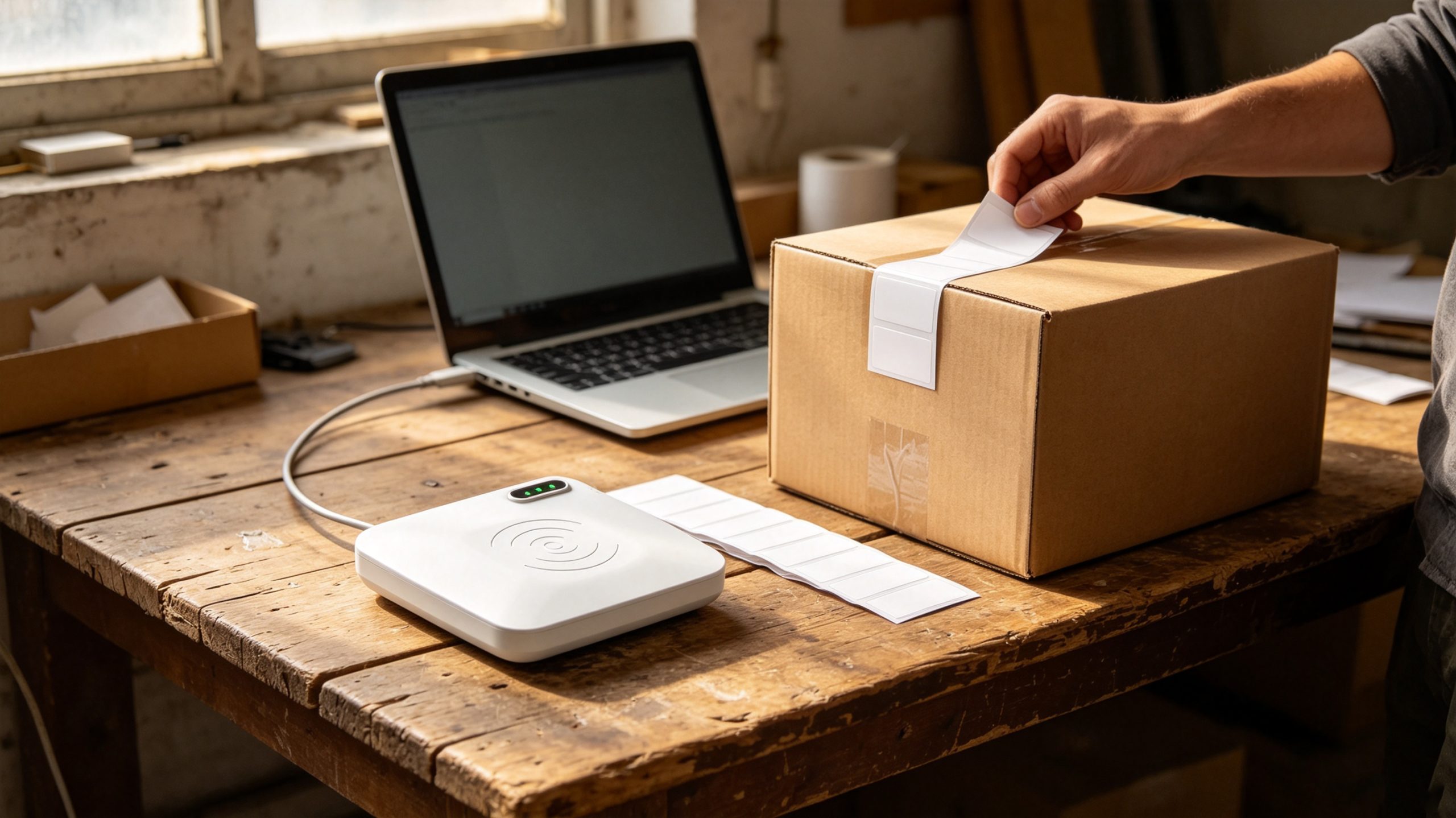
| Desk pilot | USB desktop reader + 100 labels + free software | 150–500 |
| Mobile inventory | Rugged UHF handheld + tags + basic app | 1,400–4,000 |
| One portal | Fixed reader, 2 antennas, installation | 3,500–8,000 |
| Several portals + software | Multi-point monitoring with events | 10,000–30,000 |
The consistent lesson from deployments: start with the smallest tier that touches your real workflow — usually a handheld — and expand toward portals only where traffic justifies a fixed read point. Our overview of where RFID is used across industries shows which setups pay back fastest for each business type.
Because “what is RFID” gets answered sloppishly all over the internet, let’s fix the five misunderstandings that actually cost buyers money:
1. It is not a GPS tracker. RFID has no location hardware. You know where an item is because a reader at a known place read it. The moment it leaves all read zones, you know nothing until it appears again. If you need continuous location, that’s a different (and much costlier) technology.
2. It does not read through everything. Radio passes through cardboard, fabric and plastic beautifully. Metal reflects it and liquid absorbs it — a plain label on a metal part may read centimetres at best. Specialized on-metal and liquid-rated tags exist and work well, but they cost more and must be chosen deliberately.
3. It is not one technology. “RFID” quietly covers at least three frequency bands with incompatible hardware. Buying “RFID equipment” without specifying UHF and your region’s frequency plan is how projects end up with mismatched kits.
4. It does not replace your software. The tag stores an ID, not a product database. All the value — descriptions, owners, history, alerts — lives in your system, linked by that ID. Budget for the integration, not just the hardware; it’s where projects actually succeed or stall.
5. It is not automatically more accurate than barcodes. A badly placed tag can read less reliably than a printed code, and overpowered readers can capture tags you didn’t intend to count. Accuracy comes from engineering — tag choice, placement, power tuning — not from the acronym. Our walkthrough of how RFID tags are read explains what those adjustments look like in practice.
Before ordering anything, answer these four — they predict success better than any technology comparison:
Four yes answers: start with a handheld pilot. Three: still worth a pilot, with the weak point fixed first. Two or fewer: barcode improvements or process changes may pay back faster — and that’s an honest answer too.
Ready to touch real hardware? Browse our UHF RFID reader range and RFID tag range — or contact us with your items and workflow, and we’ll recommend a starting pilot instead of selling you the biggest system.
A way for machines to identify objects by radio: a reader broadcasts energy, nearby tags wake up and answer with their unique ID, and software turns those IDs into records — no line of sight, no batteries in the tags, hundreds of items per second.
Anywhere items need identifying repeatedly: warehouse inventory, retail stock counts, tool and asset tracking, vehicle access, toll collection, parcel sorting, laundry and library management.
Passive tags harvest energy from the reader’s radio signal itself. The chip powers up, reflects the reader’s signal back with its ID encoded on it (backscatter), and the reader decodes the answer. No battery means tags cost cents and last for years.
Barcodes need line of sight and one-at-a-time scanning. RFID reads through packaging, reads hundreds of tags per second, and works from metres away — but costs more upfront and needs proper tag selection and tuning to be accurate.
The ultra-high-frequency band (860–960 MHz) used by nearly all commercial RFID: long read range up to ~10 metres, fast multi-tag reading, cents-per-tag pricing, and the global EPC Gen2 standard. It’s the technology behind toll gantries, retail portals and warehouse handhelds.
No. Tags and readers work entirely locally. The internet (or your local network) matters only for sending the captured IDs to your inventory software — and even that can run on an internal network.
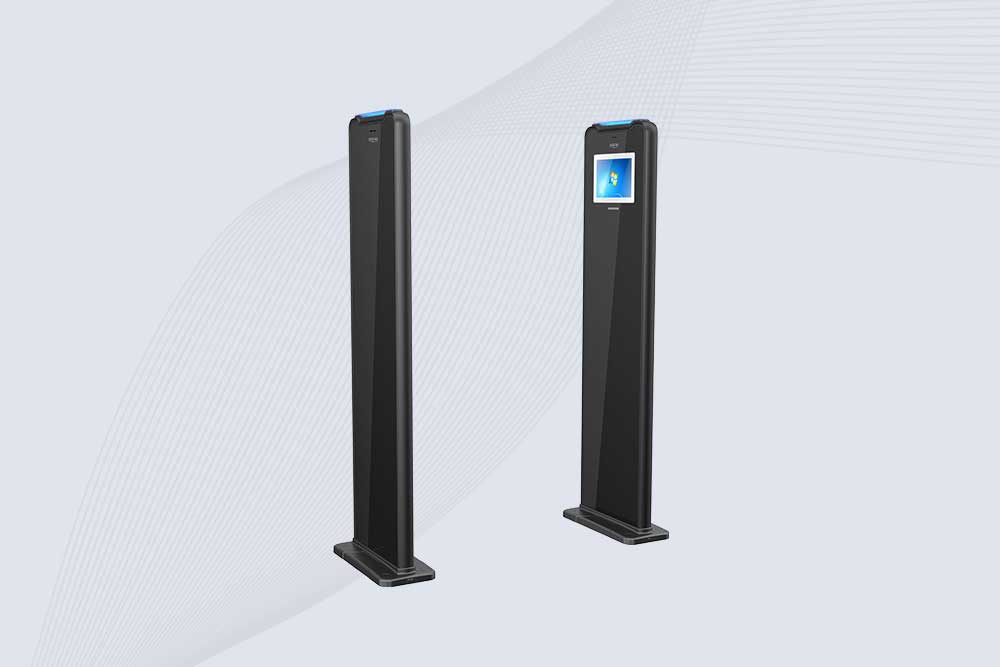
SSD-T4A-P Smart access control with real-time crowd tracking ✔️ AI Tag Filtering for Reduced Misreads SSD-T4A-P supports AI-based tag filtering and up to 6 EPC filtering sets, helping reduce unwanted reads and improve identification accuracy in busy entrances, exits, and retail environments. ✔️ Fast In & Out Detection with Visual & Audio…
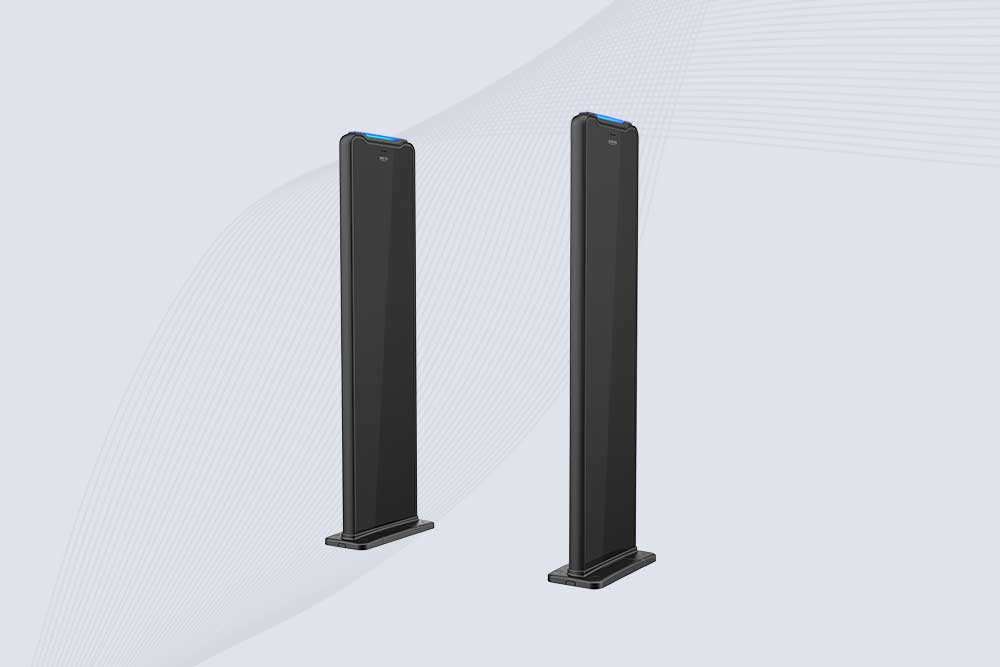
SSD-T4A UHF RFID Gate Reader with 11 dBi antenna, up to 10 m reading distance, AI tag filtering, in/out detection, 300,000 data storage, and TCP/HTTP/MQTT support.
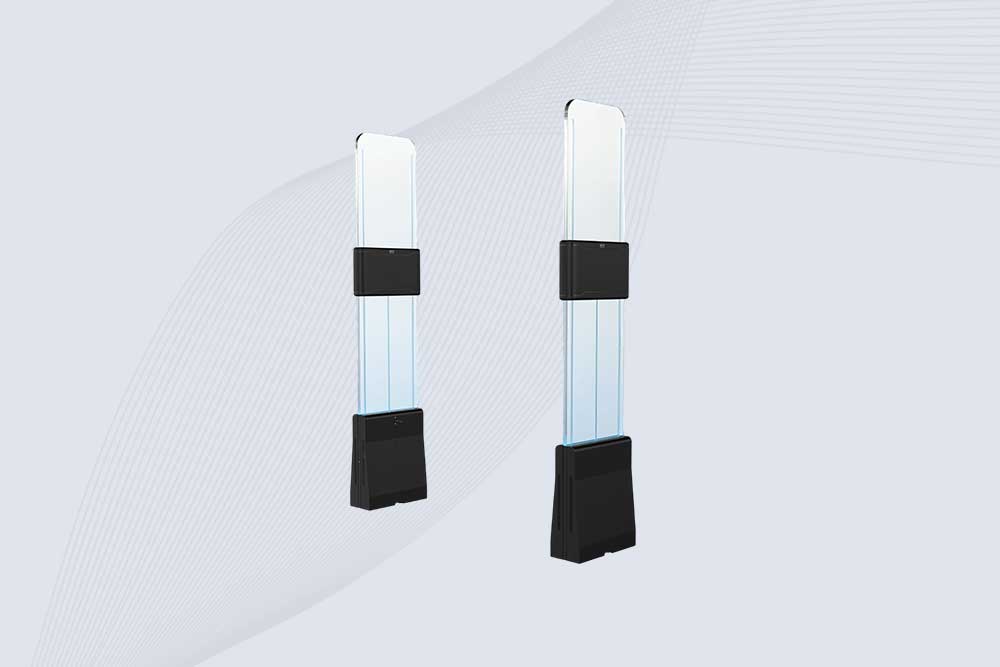
SSD-T2D UHF RFID Gate Reader with 11dBi circular antenna, Impinj E710/X3M1 chipset, up to 10m reading distance, AI tag filtering, in/out detection, and audio-visual alarms.
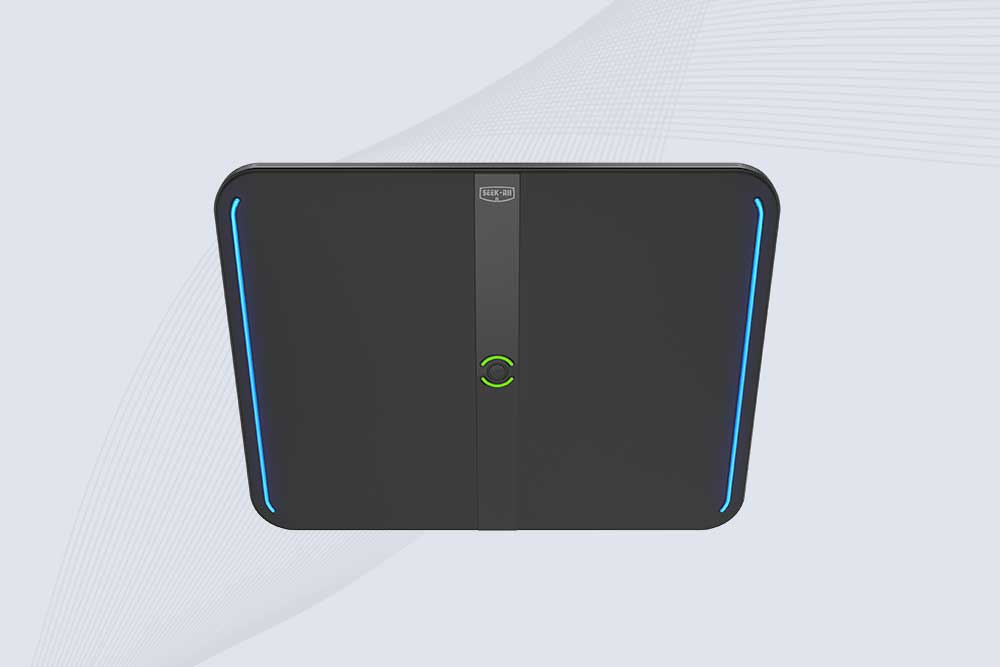
SSD-T1 ✔️ AI-Powered Tag Filtering SSD-T1 supports AI-based tag filtering with up to 6 EPC filtering sets, helping reduce unwanted tag reads and improve identification accuracy in busy retail and access-control environments. ✔️ Reliable In & Out Detection With a 7dBi antenna and a reading range of up to 2.5 meters, SSD-T1 can detect tagged i…
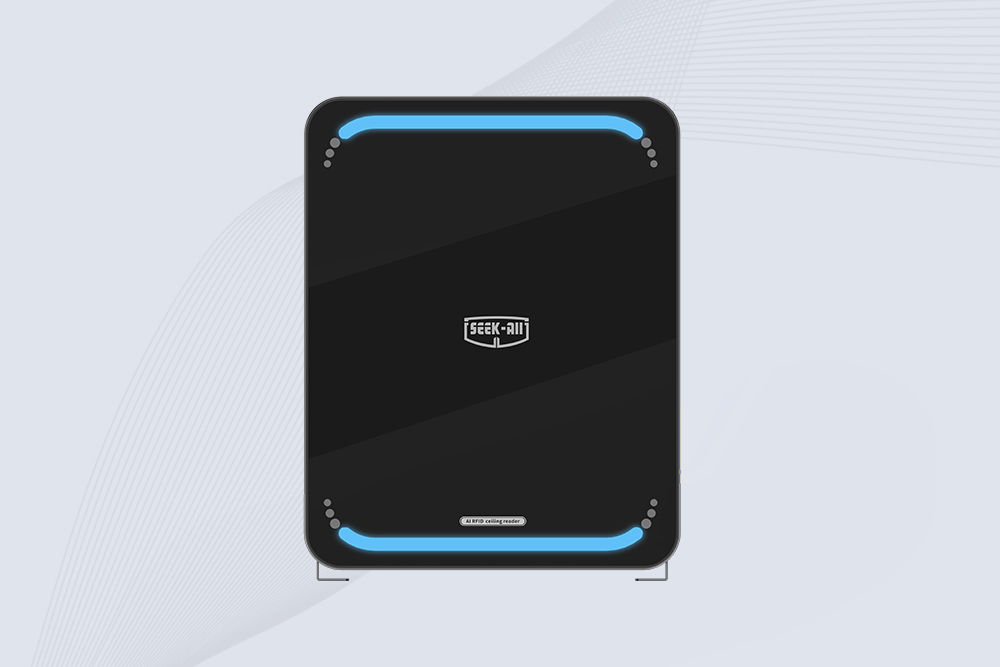
SSD-T1G is a 12 dBi AI RFID ceiling-mounted reader with 10m reading range, In/Out detection, AI tag filtering, 300,000-record storage, and TCP/HTTP/MQTT support.
SSD-T1H 9dBi AI ceiling-mounted UHF RFID reader with up to 10m reading range, AI tag filtering, 300,000 data storage, and TCP/HTTP/MQTT support.

Cykeo’s CYKEO-T1D industrial RFID ceiling reader features 500 tags/sec scanning, IP54 protection, and -20℃~60℃ operation for retail/warehouse security. Supports ISO18000-6C and GB/T29768 protocols.
Cykeo’s ceiling-mounted RFID reader enables hands-free 5m inventory tracking with 500 tags/min speed. Features dual alerts, ERP integration, and IP54 rating for warehouse security.
Cykeo CK-T1E RFID gate system features 120° coverage, AI motion filtering, and 5m detection for retail/warehouse security. IP67 rugged design with ERP integration.
Cykeo CYKEO-T1A industrial ceiling RFID system offers 10-20m read range, 500+ tags/sec speed, and IP65 protection for smart warehousing. Supports multi-protocol integration and real-time inventory alerts.
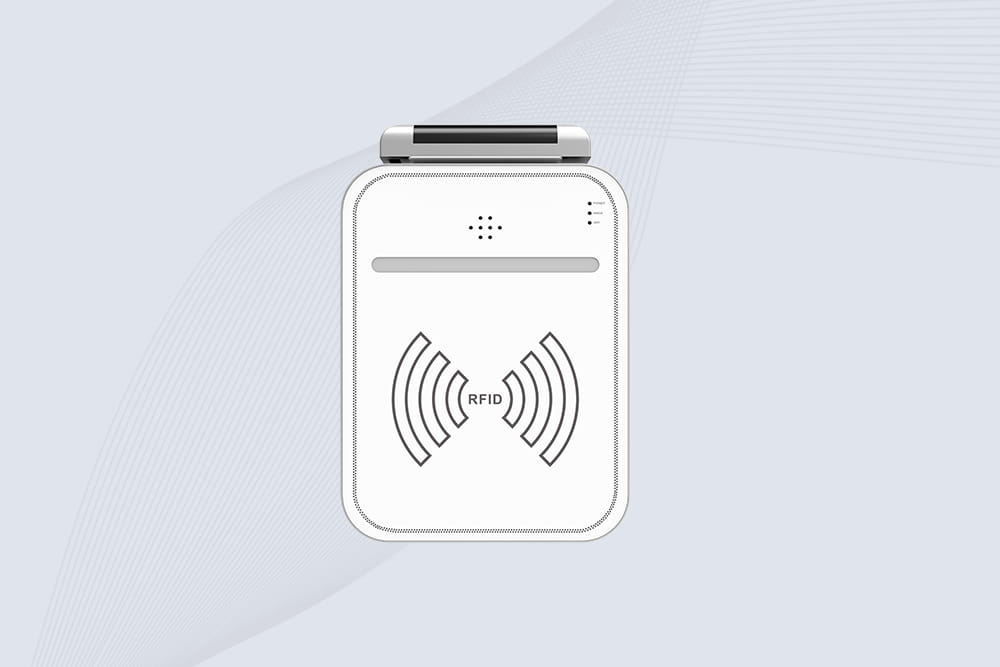
Cykeo’s CYKEO-T1 ceiling-mounted UHF RFID reader offers 500tags/sec scanning, ISO18000-6C compliance, and -20℃~60℃ operation for smart retail/warehouse management. Supports TCP/IP & Android integration.
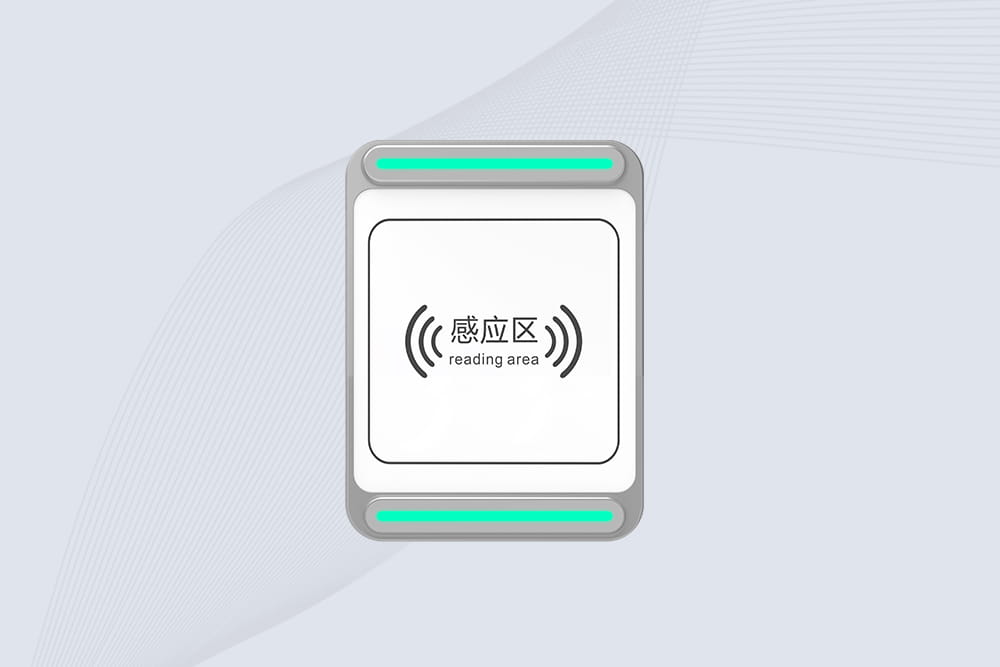
Cykeo CYKEO-T1B ceiling-mounted RFID system delivers 10-20m reading range, 500+ tags/sec processing, and integrated security alarms. Ideal for warehouse/logistics automation with Android-compatible SDK.

Cykeo’s industrial ceiling-mounted RFID reader offers 10m+ automated inventory tracking, ISO-18000 compliance, and anti-theft alarms. Designed for retail/warehouse/logistics facilities.
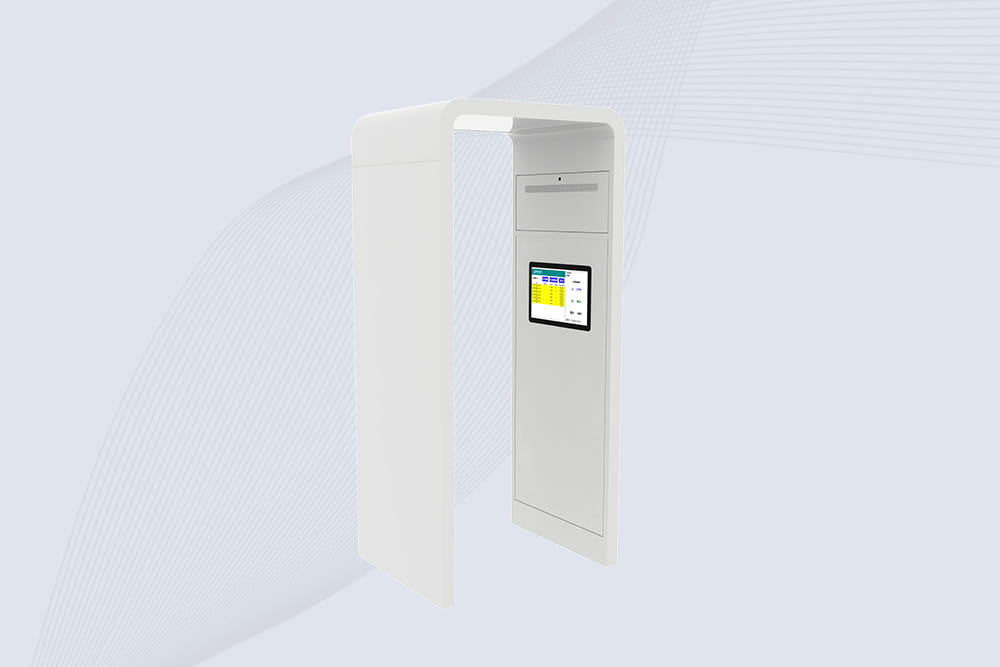
Cykeo CYKEO-T8 industrial arch gate RFID reader delivers 800+ tags/min scanning, 4m detection range, and Android touchscreen for libraries/retail stores. Supports SAP integration & dual EAS alarms.
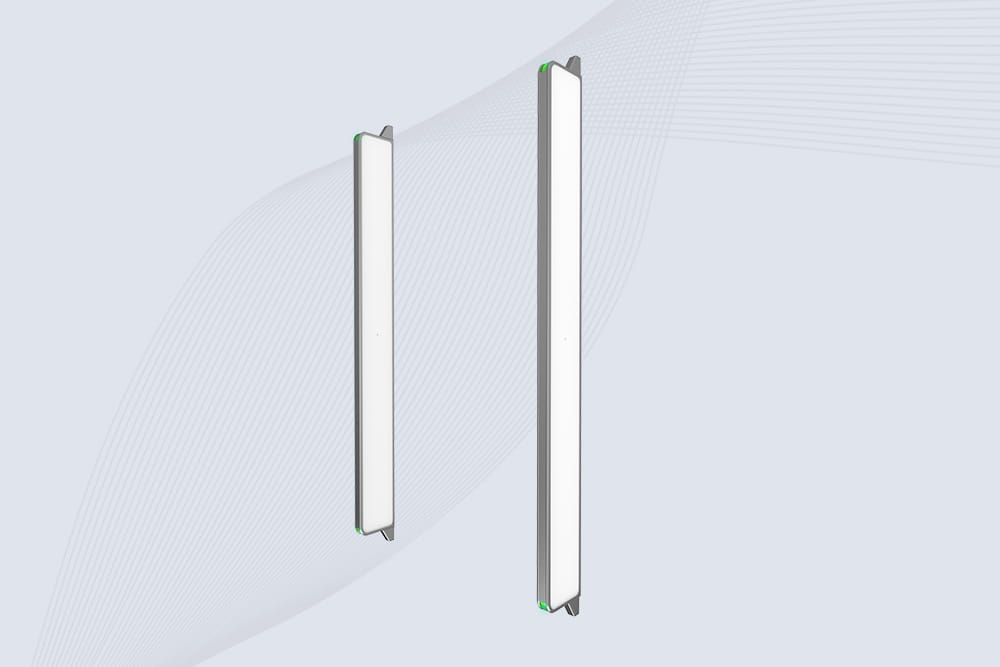
Cykeo CYKEO-T3 industrial RFID gate reader features 200cm detection, infrared triggering, and dual alarm modes for warehouses/libraries. Supports WiFi/4G and Java/C# SDK integration.
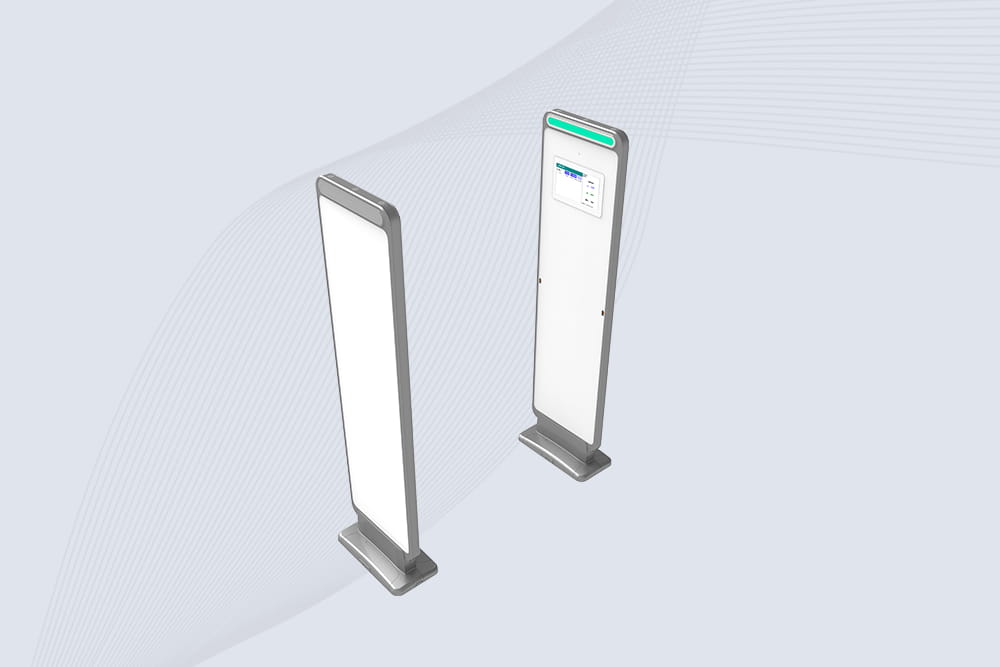
Cykeo CYKEO-T4 industrial RFID gate system features 4-antenna array, 99.9% detection accuracy, dual EAS alarms, and WiFi/4G connectivity for library/warehouse/retail security. ISO 18000-6C compliant.

Cykeo’s CYKEO-T5 UHF RFID gate reader features 600cm detection, infrared tracking, and dual-mode alarms for retail/library security. Supports crowd counting and multi-protocol integration.
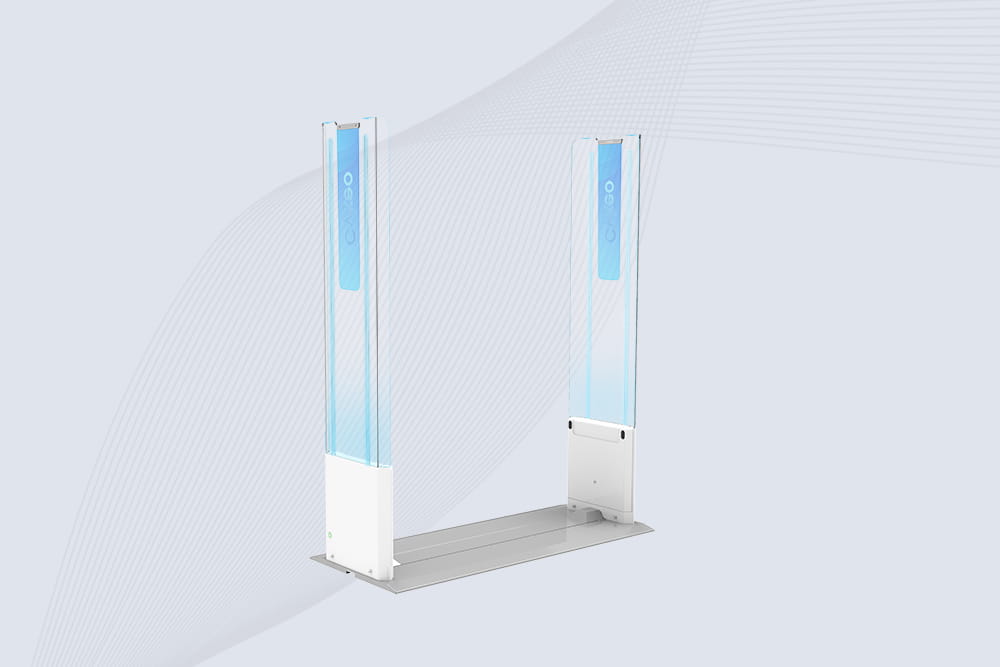
Cykeo CYKEO-T2A industrial Gate Barrier RFID Reader system features 6m detection, 200 tags/sec scanning, IP54 durability. Perfect for retail security, warehouse access control. Supports EPC C1G2, WiFi/4G, ERP integration.
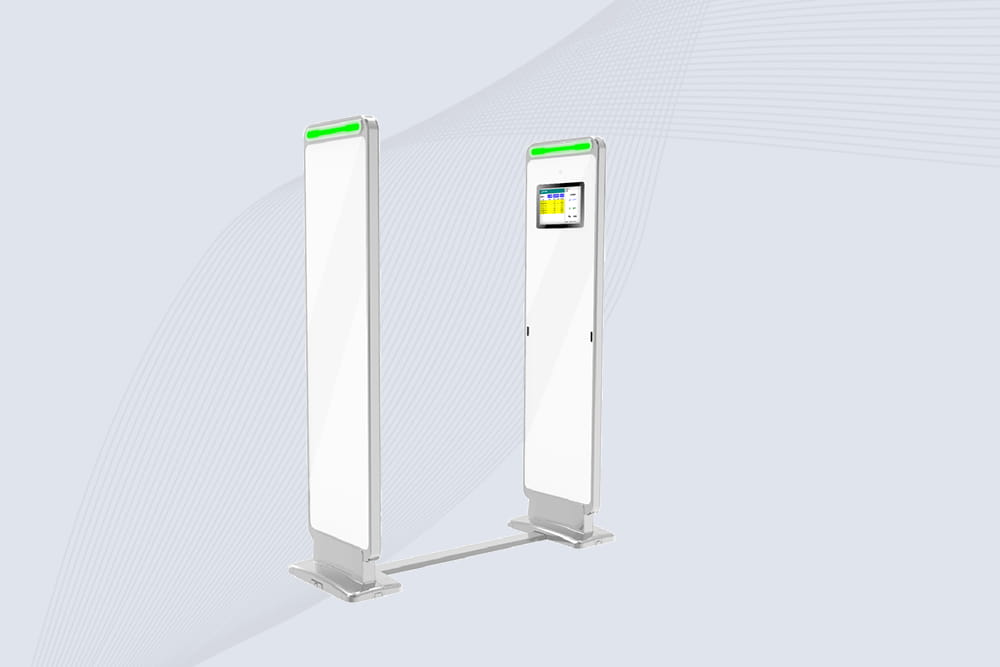
Cykeo’s CYKEO-T4 RFID Gate Reader system offers 200+ tags/sec scanning, EAS alarms, and rugged design for libraries/warehouses. Supports WiFi/4G and Windows/Android OS.

Cykeo HF RFID gate reader offers 90cm detection range, ISO15693/18000-6C compliance, and industrial-grade durability for libraries/retail. Features EAS alarms, infrared traffic analysis, and 3D omni-directional scanning.
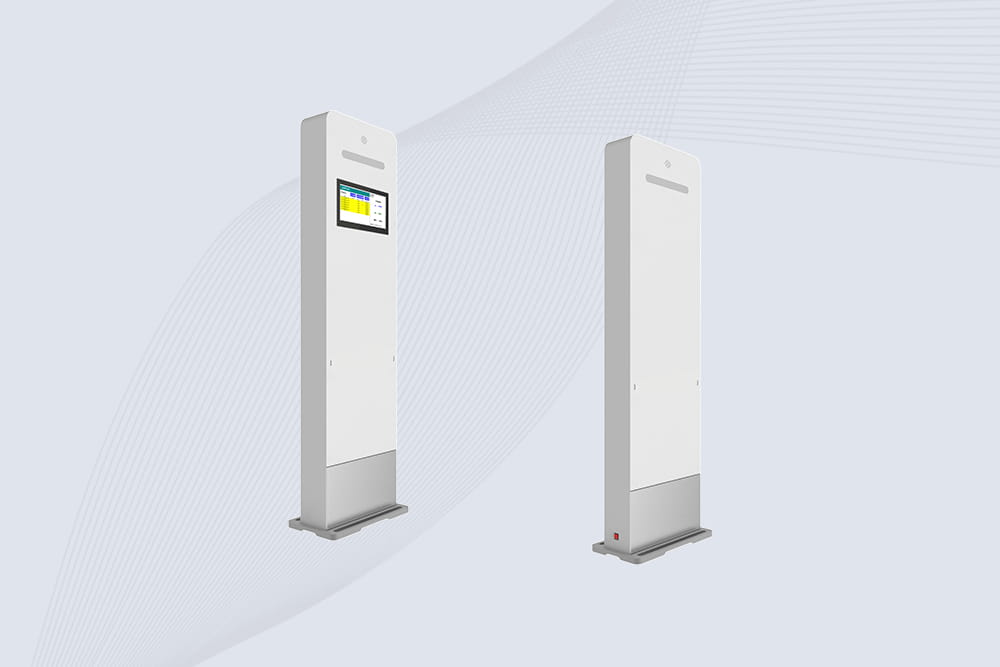
Cykeo CYKEO-T7 UHF RFID Gate Reader system delivers 600cm read range, 99.9% tag accuracy, real-time personnel counting, and SAP integration for logistics/warehouse/manufacturing. Supports dual OS & offline alarms.
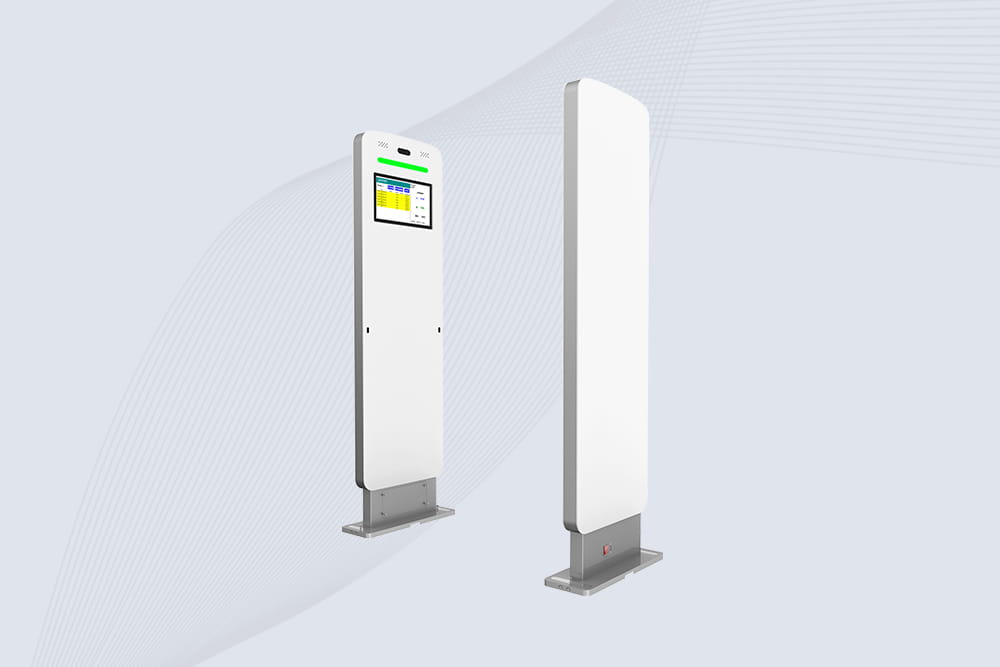
Cykeo CYKEO-T6 gate RFID reader features 1,200+ tags/min scanning, 6m detection range, and industrial-grade durability for libraries/stores/warehouses. Supports ISO 18000-6C and waterproof installations.

Cykeo CYKEO-T9HA industrial HF RFID gate reader offers 100cm range, 100+ tags/sec scanning, ISO 15693/14443A protocols, and IP66 durability for libraries, archives, and retail. Supports offline alarms and SAP integration.
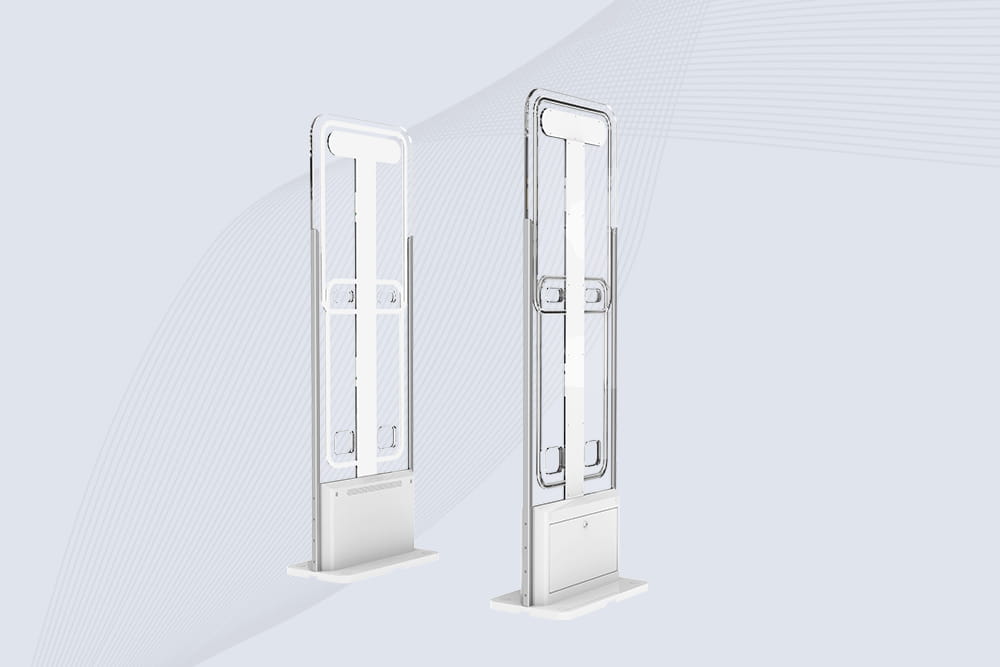
Cykeo CYKEO-T9UH UHF RFID gate reader offers 90cm detection width, EAS/AFI anti-theft alerts, IP54 rugged design, and multi-protocol support for libraries, retail, and logistics.
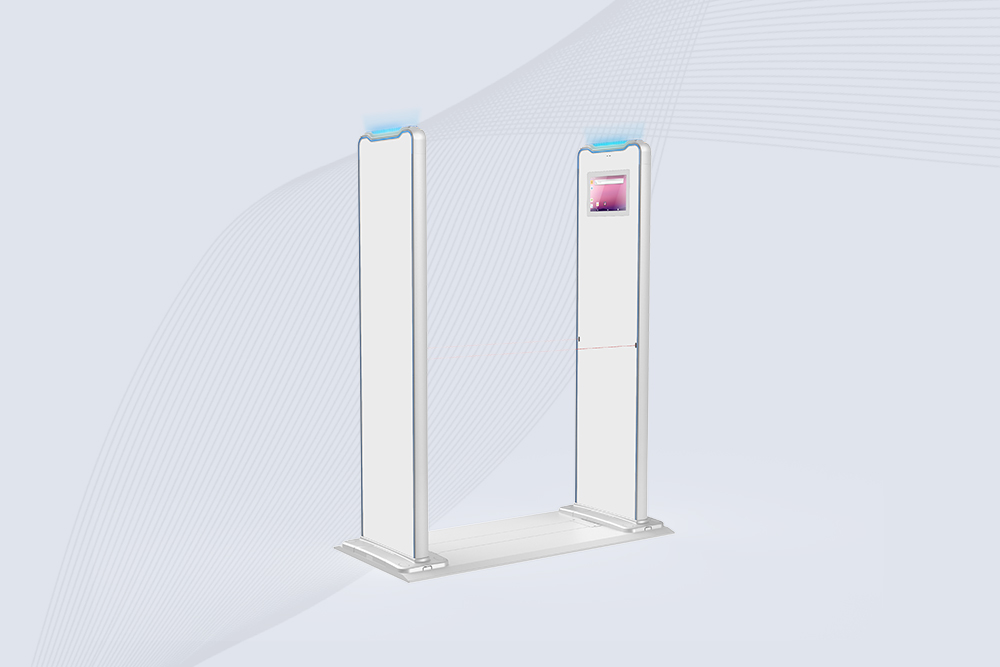
Cykeo’s Fixed RFID Gate Reader features 60 tags/sec scanning, IP54 rugged design, and dual-mode EAS alarm. Ideal for library/warehouse/event access control with real-time crowd analytics.
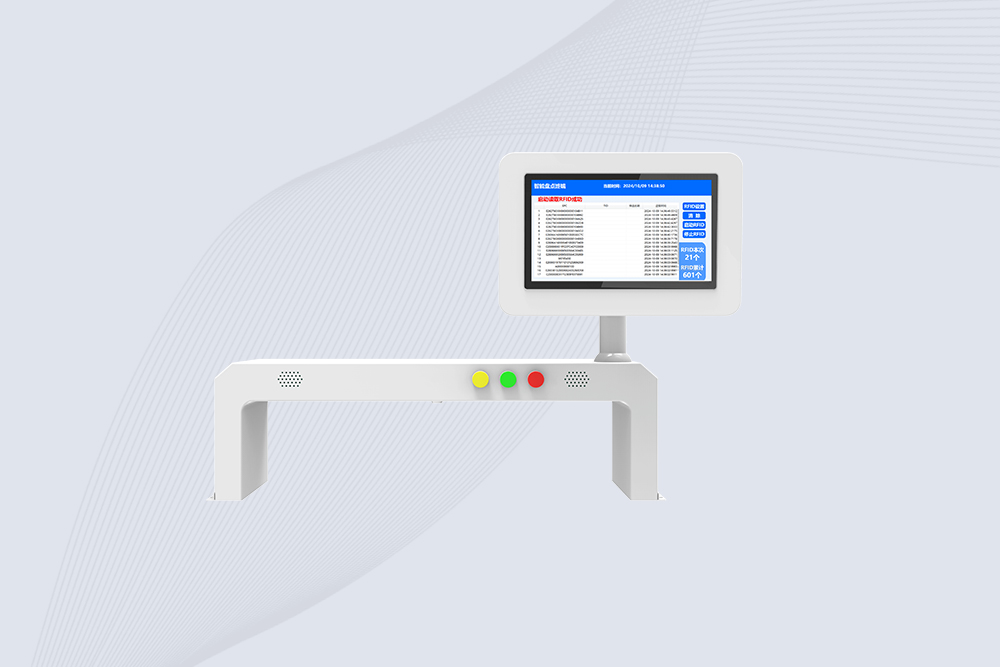
Cykeo CYKEO-T8A rfid gate access control system features IP68 enclosure, 400 tags/sec scanning, and 6-antenna array for warehouse/manufacturing security.
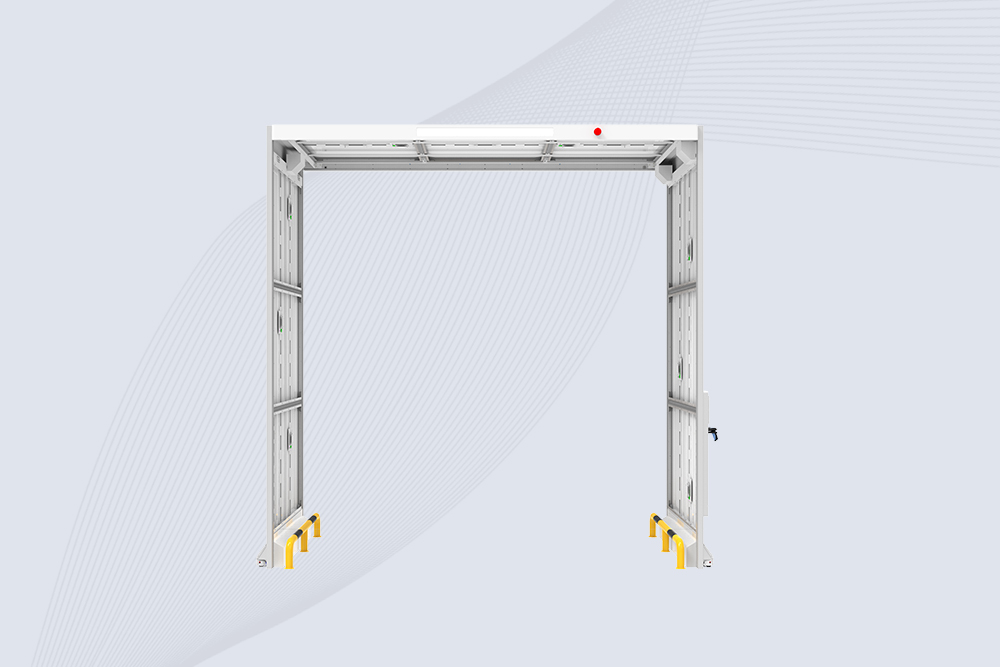
Cykeo CYKEO-T8F RFID gate entry systems deliver 200+ tags/sec scanning, EPC C1G2 compliance, and EAS alarms for warehouse/production gates. Supports Windows/Android OS.
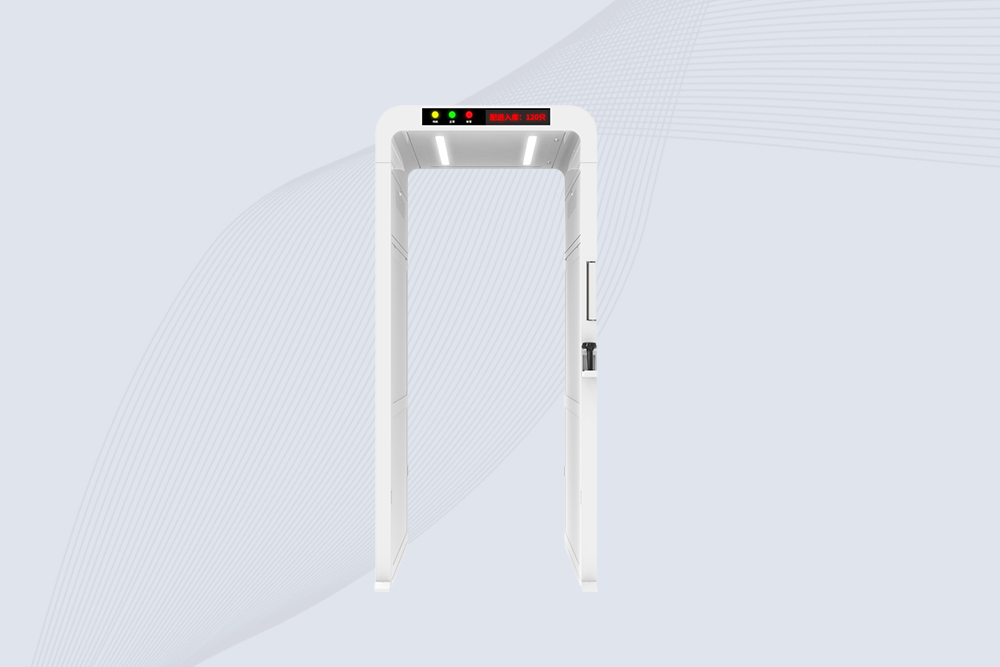
Cykeo CYKEO-T8C RFID gate opener delivers 200+ tags/sec scanning, ISO 18000-6C compliance, and facial recognition for logistics/secure facilities. Supports Windows/Android OS.
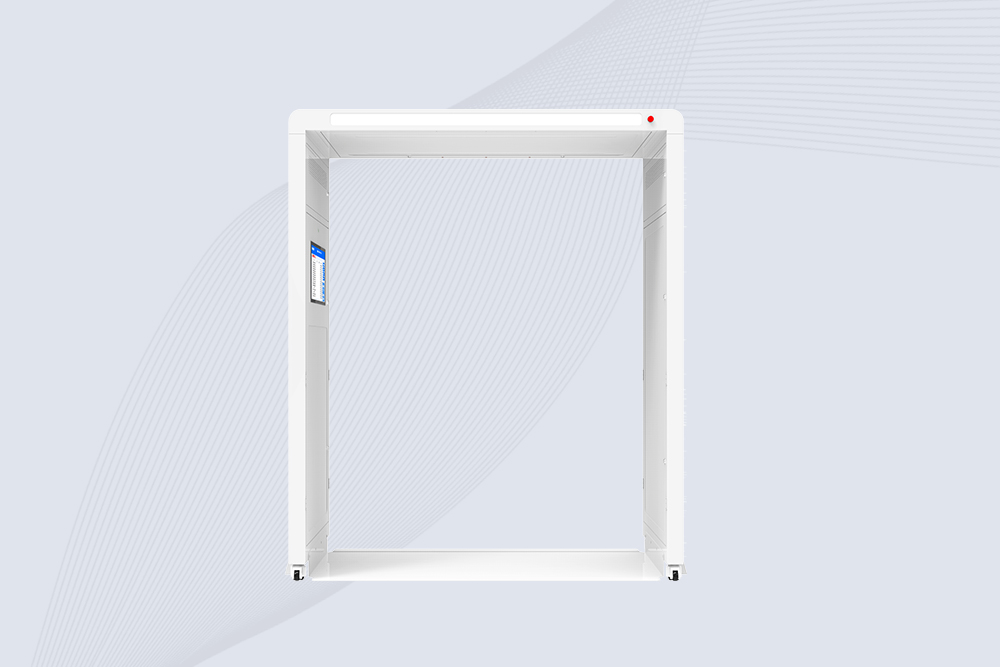
Cykeo CYKEO-T8D RFID gate access control system features 4-antenna 99.98% accuracy, ISO 18000-6C compliance, and real-time theft prevention for libraries/warehouses. Supports Windows/Android OS.
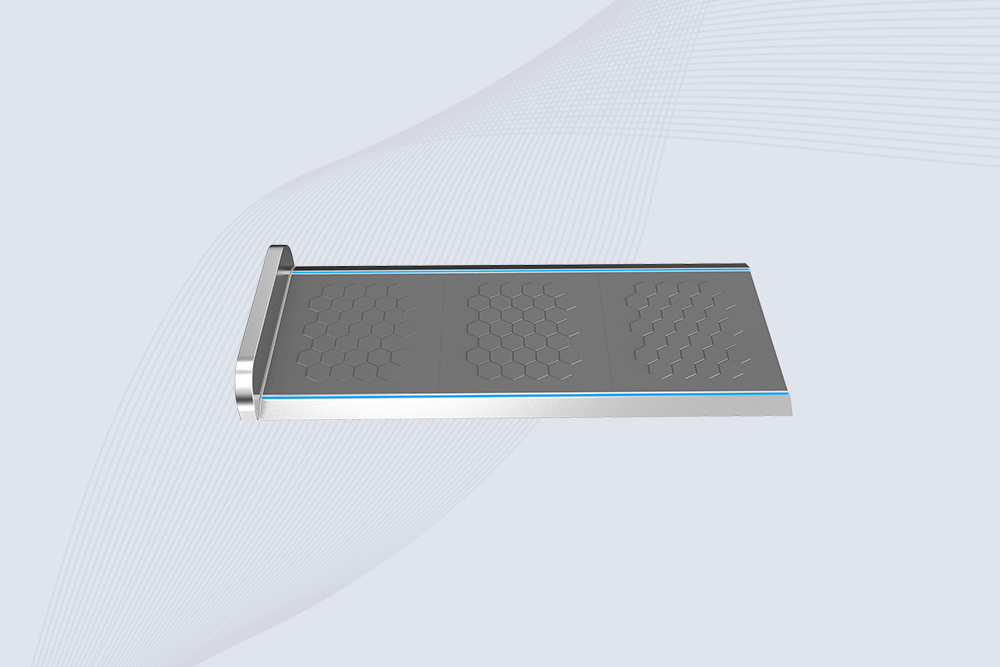
Cykeo CYKEO-T2 industrial RFID gate features 500+ tags/sec scanning, 0-3m vertical detection, and cloud management for warehouse automation and inventory control.
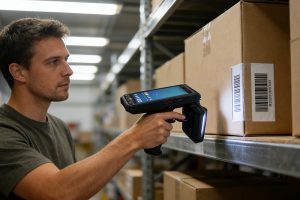
Can RFID reader read barcodes? We clarify why they are different technologies and how CYKEO provides integrated data capture solutions for both.
More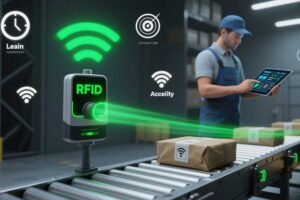
Can RFID readers track items in real-time? Discover the technology behind RFID accuracy, latency limits, and how Cykeo optimizes tracking for critical industries.
More
Learn how to seamlessly connect handheld RFID scanners to your inventory system for real-time tracking, reduced errors, and improved efficiency.
More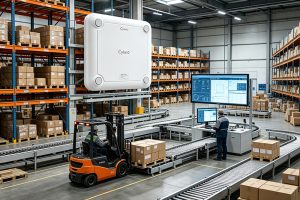
Learn how antenna RFID UHF technology improves RFID read accuracy, coverage, and inventory efficiency. Discover antenna types, deployment tips, expert insights, and industrial applications from Cykeo.
More