A door lock protects one door. A door entry system is everything above it: every entry point in the building, one set of credentials, one permission model, one record of who went where. Most buying mistakes happen at this level, not at the lock — teams buy twelve good locks and no system, or buy a building-wide platform and never tune the doors underneath it.
This guide is the building-level planning layer. In order: audit your door types, choose an architecture, plan credentials (including visitors — the part most systems forget), decide integrations, then phase the rollout and price the whole thing. It’s written for UHF (860–960 MHz) hardware, which covers tap credentials at the door as well as hands-free entry for goods and vehicles.
For the per-door engineering decisions — strike vs maglock, fail-safe vs fail-secure, wiring — our RFID door lock guide covers each door in depth. This article assumes you’ll make those decisions per door, and focuses on the decisions you make once, for the whole building.
First, Inventory Your Doors — They Are Not the Same
The single most useful planning exercise takes one hour: walk the building and list every controlled opening by type. Doors differ in purpose, and purpose decides treatment:
Door type
Example
Risk if uncontrolled
Typical treatment
Main entrance
Lobby, reception
Strangers in the building
Tap credentials + visitor flow
Staff side doors
Loading door, staff entrance
Tailgating, out-of-hours entry
Tap or hands-free, alarm on forced/held open
Fire exits
Stairwell doors
(Must always open from inside)
Free egress + door position alarm only
Goods entrance
Dock, delivery yard
Unlogged deliveries, theft
Hands-free UHF or gate reader
Restricted rooms
Server, cash, drugs, records
Targeted theft, compliance breach
Fail-secure + higher-assurance credential
Internal doors
Floor access, department doors
Low
Tap, or leave uncontrolled
Three doors on that list deserve special attention because they’re routinely mishandled:
Fire exits are not access-controlled doors. They must open from inside, always, with no credential — and their value to the system is an alarm when opened (or held open) from outside. Spending access money here is wasted; spending alarm money here is essential.
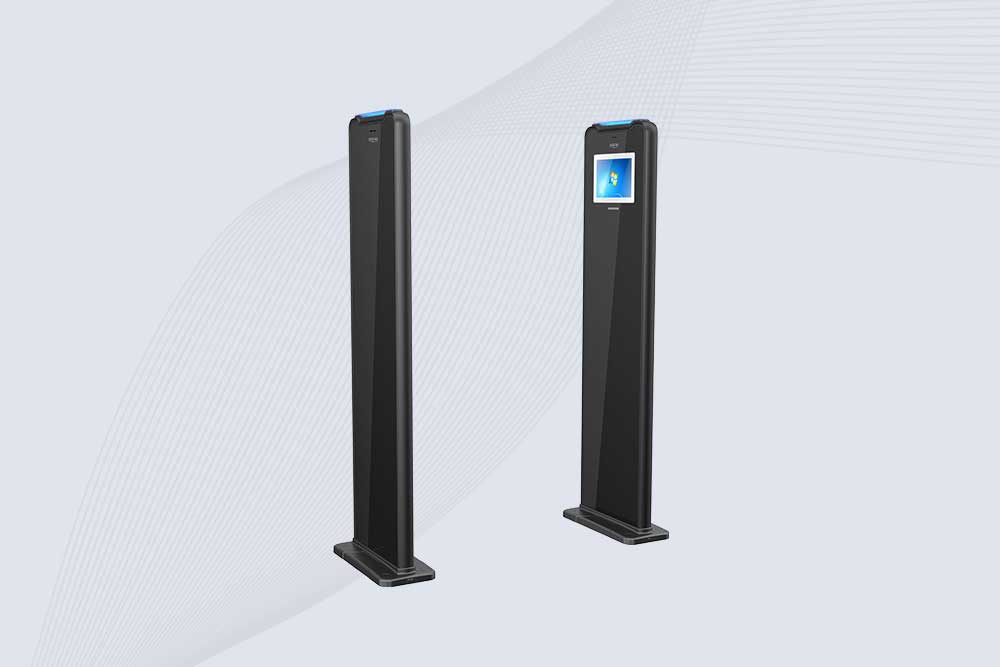
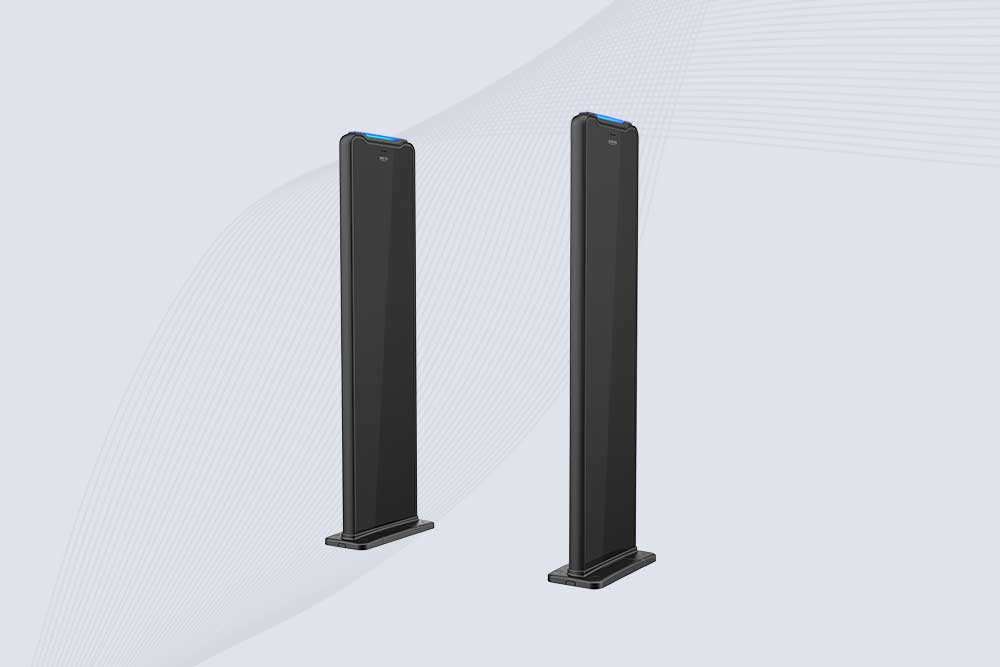
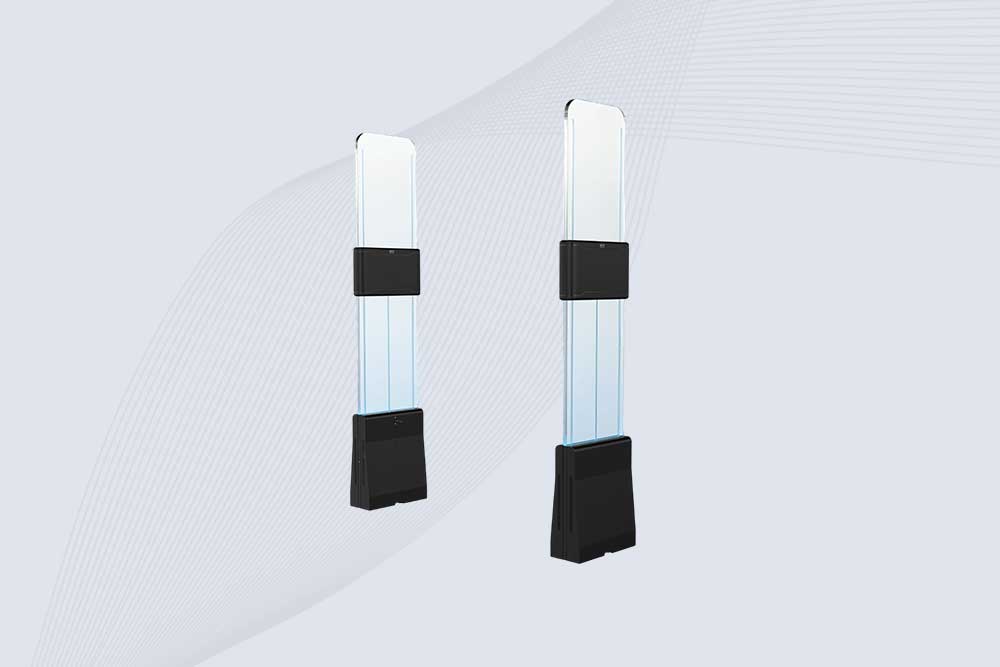
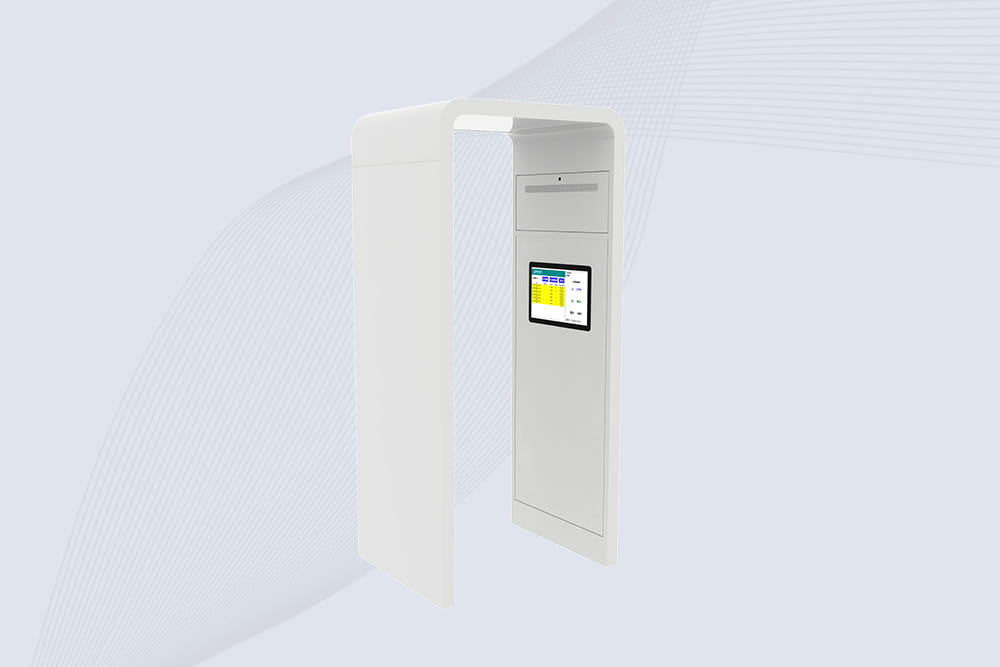
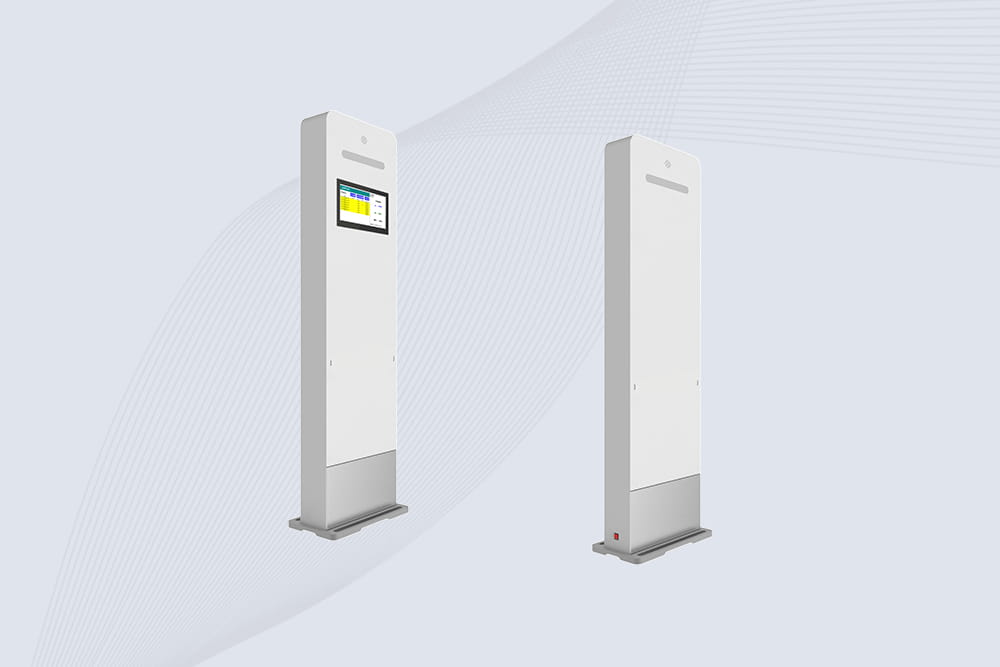
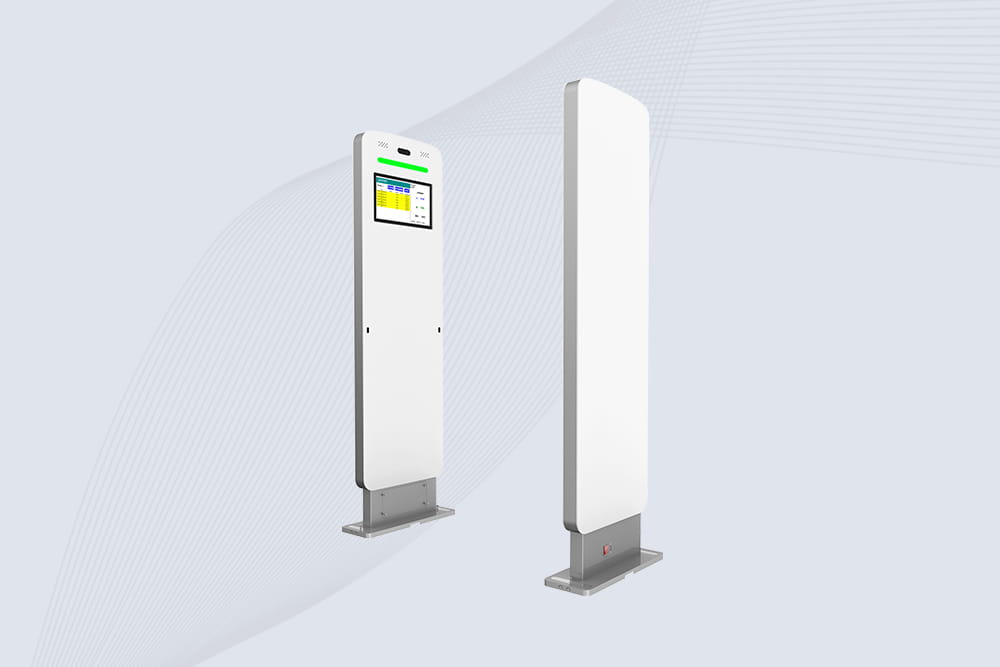
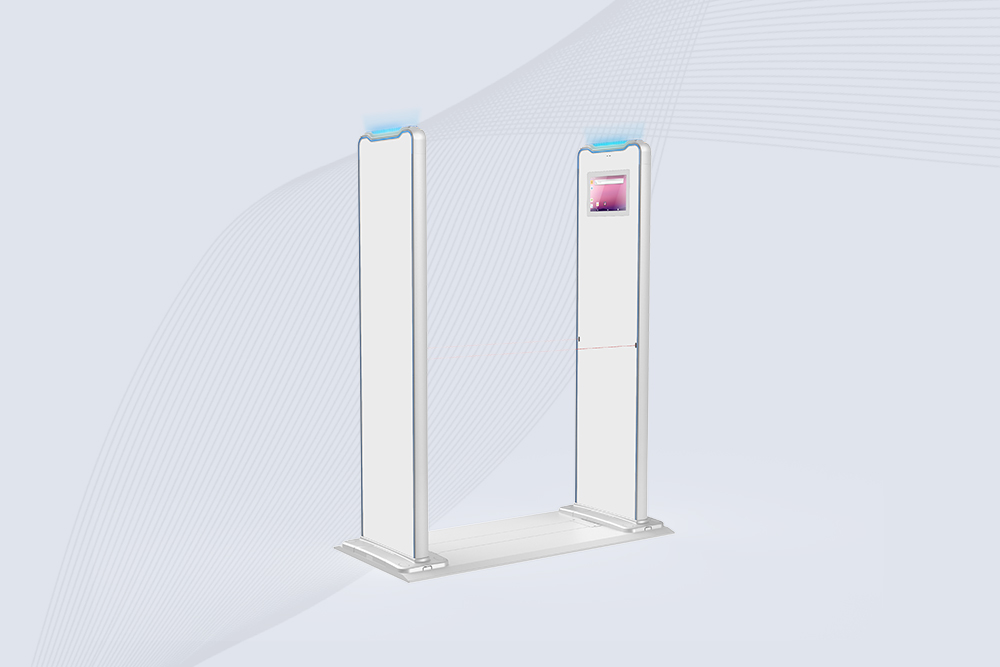
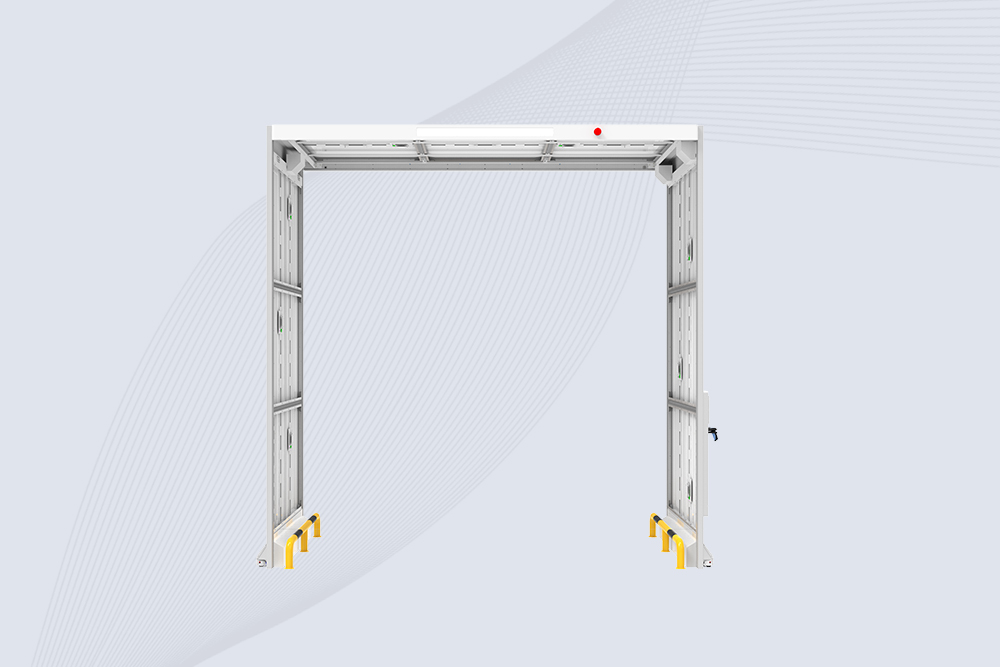
The goods entrance is a different problem from the lobby. People tap; pallets can’t. A hands-free UHF read point (or a gate reader) keeps deliveries moving and logged — this is the one entry point where UHF’s range changes the workflow rather than just the convenience.
Restricted rooms need assurance, not just locks. A credential that can be shared makes the log fiction. Higher-assurance options: TID-verified credentials, PIN-plus-card on the sensitive doors, or biometric where the risk justifies it.
Second, Choose the Architecture
Pallets can’t tap a reader — hands-free UHF keeps deliveries moving and logged.
Three architectures exist; picking correctly is a $10,000 decision:
Architecture
How it works
Best for
Limits
Standalone (offline)
Each lock holds its own credential list and log
1–10 doors, no integration
No central report; offboarding means walking door to door
Networked on-prem
Doors report to a local server/controller
10+ doors, IT department in place
Server and licence to maintain; capacity planning
Cloud-hosted
Doors connect to a hosted platform
Multi-site, no IT staff, remote management
Monthly fees; depends on site internet
The decision rule is blunt: under ten doors and no integrations → standalone. Otherwise networked or cloud. Cloud wins when you have multiple sites or nobody to mind a server; on-prem wins when IT policy, uptime requirements, or data-residency rules say the records must stay in the building.
One question to ask any vendor, in writing: what happens at the door when the network or internet goes down? A good answer: cached permissions keep working and events buffer for upload. A bad answer: nothing works. This single answer eliminates more access systems than any feature comparison.
Third, Plan Credentials for Everyone Who Enters
Staff are the easy case. The planning gaps are the other three groups:
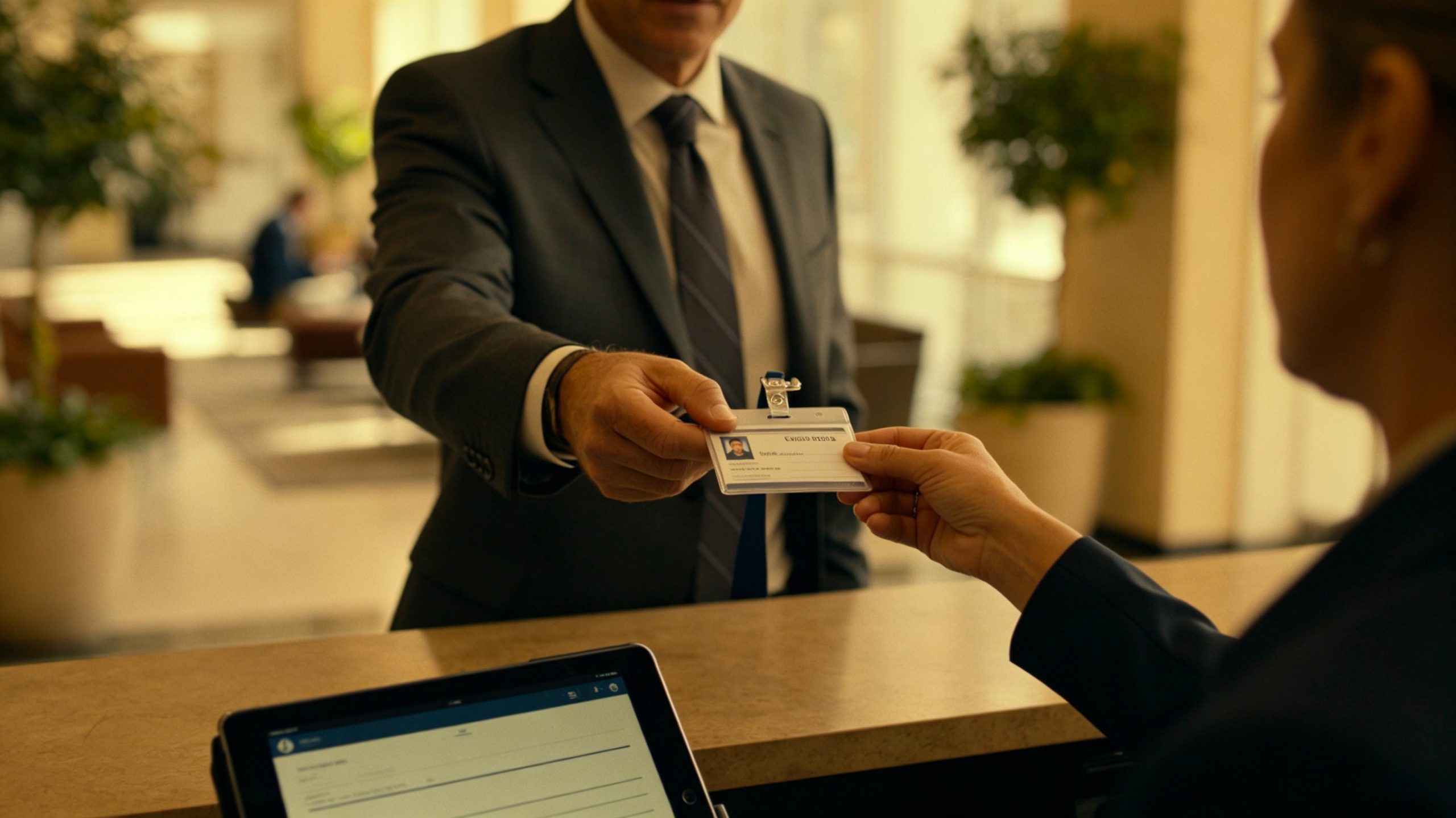
Visitors. Most buildings’ biggest daily credential churn. Plan a visitor flow: pre-registration by email, a badge printed or issued at reception, access limited to host-accompanied zones, automatic expiry same day. Without this, visitors get staff cards — the audit trail becomes fiction at exactly the doors where you need it most.
Contractors. Longer visits, recurring access, sometimes their own credentials. Give them a distinct credential type with expiry dates and limited door sets; review the list monthly.
Vehicles and deliveries. Drivers shouldn’t walk the building. A windshield tag with hands-free access to the yard and goods door only — nothing else — keeps logistics moving without widening anyone’s access.
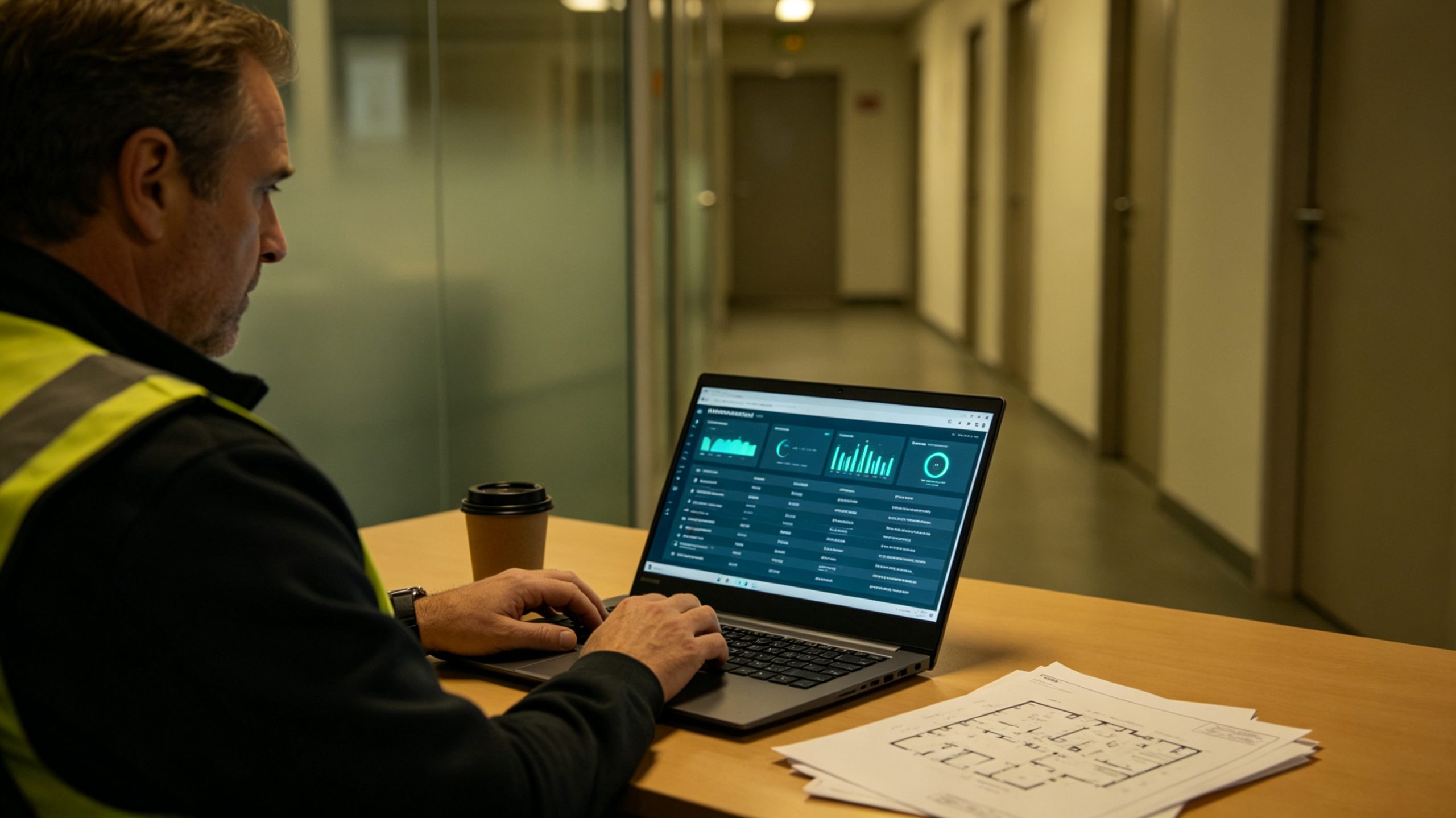
A useful budget rule: credentials are consumables. Plan on replacing 5–10% of the credential population per year (cracked cards, worn wristbands, lost fobs) and on retiring 10–20% of issued credentials per quarter via an unused-credential report. Buildings that skip this report accumulate “ghost access” — active cards belonging to people who left years ago.
Scoped, time-limited visitor credentials keep the audit trail honest at the doors that matter.
Fourth: Visitor Management Deserves Its Own Design
Because it’s the module most first-time buyers under-specify, here’s what “done properly” looks like at small scale:
Pre-registration — the host enters visitor name and visit time in the system; the system emails a QR or reference.
Arrival — reception verifies, issues a time-limited visitor credential (card or printed badge with a tag inside).
Scoped access — visitor credentials open the lobby and meeting floors only; server rooms and stock areas are outside their permission set by default.
Auto-expiry — the credential dies at end of day. No manual cleanup.
Log — every visitor entry is attributable to a host, which turns “who let them in?” from an investigation into a query.
At small scale this is a $500–1,500 module on top of the networked system; at visitor-heavy scale (shared buildings, factories with contractor days) it becomes one of the main reasons to choose networked over standalone.
Fifth: Integrations — Only the Three That Earn Their Keep
Entry systems can integrate with everything; most integrations are never used. Three earn their cost:
HR / onboarding. The highest-value integration in the whole system: a new hire gets credentials automatically on day one, a leaver’s access dies at their last working hour. This converts access control from a security chore into an HR by-product.
Time and attendance. Entrance taps double as clock-ins — free attendance data from hardware already installed. Worth it if you currently run paper or manual timesheets.
Intrusion alarm. Arming/disarming the alarm with the same credential used to open the door removes the “set the alarm then realize the badge” routine, and lets the system report forced entry on controlled doors.
Video integration (pop-up camera on event) sounds compelling and is used far less than purchased. Buy it only when you have a concrete incident-review workflow.
Sixth: Phase the Rollout — Three Phases, Not One
Buildings that install everything in one weekend inherit every mistake simultaneously. Phase instead:
Phase 1 — the perimeter (weeks 1–4). Main entrance, staff doors, goods entrance. Highest visibility, immediately useful, and it shakes out credential logistics with the whole staff population.
Phase 2 — restricted rooms (weeks 5–8). Server, cash, records, chemical stores. Fail-secure decisions per door, higher-assurance credentials, alarms.
Phase 3 — internal doors (month 3+). Department and floor doors — only where a real need showed up in Phase 1 and 2. Many buildings stop here permanently, and that’s a correct outcome: internal doors add cost and friction faster than they add security.
Each phase ends with a two-week review before the next starts. The review questions: which doors generated false alarms, which credentials were misused, which doors does nobody want anymore? Fix in the current phase; carry the lessons into the next.
What a Whole Building Costs
Three reference builds, installed (per-door costs from our door lock cost guide, plus building-level items):
Building-level line items that per-door quotes forget: the controller or server (300–1,500), software licence or cloud subscription (0–1,200/year on-prem; 10–30/door/month cloud), visitor module (500–1,500), credentials (45–150 units), and training (half a day, $300–600). For the small-office example, roughly 40% of the project is wiring and labour — invisible in any hardware comparison, decisive in any real quote.
Five Planning Mistakes at Building Level
1. Buying the platform before walking the doors. The door audit (an hour, free) frequently changes the architecture choice — six of twelve doors turn out to be fire exits that need alarms, not readers.
2. Forgetting visitors exist. The most common post-launch complaint is not security; it’s reception chaos. Design the visitor flow in the planning phase, not after the first incident.
3. One giant weekend install. See phasing. Simultaneous go-live means simultaneous failure modes, and no baseline to compare against.
4. Wi-Fi-only door hardware. Battery Wi-Fi locks are tempting for retrofits, but a building with 20 Wi-Fi doors is a building whose security depends on its guest network. Run cable where you can; use Wi-Fi only where you must, and never for the perimeter.
5. No named owner. A system without a person who owns credentials, reports and alarms degrades within a quarter. The owner needs half a day a month, a title in the org chart, and the unused-credential report on their desk.
If You Have More Than One Site
Multi-site changes three things, and it’s cheaper to plan for them than to retrofit.
One identity, many doors. The point of multi-site is that a person’s credential is issued once and works everywhere their permissions allow. That requires a central identity record — which pushes you toward networked or cloud architecture, because standalone locks make multi-site mean “walking every building.”
Standardize door types across sites. Give every site the same main-entrance hardware, the same restricted-room policy, the same visitor flow. Sites differ in layout, not in purpose; standardization is what makes a new site a configuration exercise instead of a project.
Expect roaming credentials to be tested immediately. The first week after linking sites, someone will use their card at the building they never visited. That’s not a bug — it’s the permission model working. What matters is that each site’s restricted rooms stay scoped to their own staff, which is a permissions audit, not a hardware question.
Multi-site deployments are also where cloud architecture stops being a convenience and becomes the product: central reporting across sites, credentials issued from HR, and a new site added as configuration rather than infrastructure. Budget the connectivity properly, though — every door depends on the site’s internet, so each location needs a backup path (a 4G failover router is typical) sized into the quote.
Six Reports Worth Running Monthly
The entry system’s value compounds only if someone reads what it produces. Six reports earn a monthly slot on the owner’s calendar:
Unused credentials (90+ days) — the ghost-access list; retire every one it names.
Denied attempts — a cluster at one door usually means a broken reader or a permission mistake, not an intruder; either way it’s actionable.
Held-open doors — the pallet-propping-the-fire-exit list. Persistent names on this report are facility problems wearing security costumes.
Forced-door events — rarer, but never ignorable. Every one gets a look, same day.
After-hours access — who is in the building at 11 p.m. and why. Often the answer is legitimate (shift work, cleaning crews); the point is that it should be known, not assumed.
Visitor volume by host — the quiet audit of the visitor flow. Hosts with unusual numbers of guests are either running great customer relationships or using reception as a personal gatekeeper; the report starts the conversation either way.
Together these six take the owner about an hour a month and are the difference between “we have an entry system” and “we know who is in our building.”
Half a day a month with the unused-credential report is what keeps a system honest in year two.
FAQ
What is a door entry system, as opposed to a door lock?
A lock is one component at one door. An entry system is every controlled opening in a building plus shared credentials, a permission model, visitor handling, event logging and reporting.
How much does an RFID door entry system cost for a building?
A small 12-door office lands at $13,000–18,000 installed. A warehouse with gates and a goods read point runs $18,000–30,000. Multi-site cloud deployments typically start around $40,000 plus monthly per-door fees.
Which architecture should I choose?
Under ten doors with no integrations: standalone. Ten or more doors, or any HR/attendance integration: networked or cloud. Multi-site without IT staff: cloud. Ask every vendor, in writing, what happens at the door when the network fails.
How are visitors handled in an RFID entry system?
Pre-registered by the host, issued a time-limited credential at reception, scoped to lobby and meeting areas, expired automatically the same day, and logged against the host’s name.
Do fire exit doors get RFID readers?
No — fire exits must open from inside without any credential. They get a door position switch and alarm instead, so opening (or propping) them from outside is detected.
Is UHF used for door entry, or only for vehicles?
Both. UHF tap credentials work like any card at 1–10 cm, and UHF’s longer range earns its place at goods entrances, gates and anywhere staff pass through with full hands — one technology, two entry behaviours.
SSD-T4A-P Smart access control with real-time crowd tracking ✔️ AI Tag Filtering for Reduced Misreads SSD-T4A-P supports AI-based tag filtering and up to 6 EPC filtering sets, helping reduce unwanted reads and improve identification accuracy in busy entrances, exits, and retail environments. ✔️ Fast In & Out Detection with Visual & Audio…
SSD-T4A UHF RFID Gate Reader with 11 dBi antenna, up to 10 m reading distance, AI tag filtering, in/out detection, 300,000 data storage, and TCP/HTTP/MQTT support.
SSD-T2D UHF RFID Gate Reader with 11dBi circular antenna, Impinj E710/X3M1 chipset, up to 10m reading distance, AI tag filtering, in/out detection, and audio-visual alarms.
SSD-T1 ✔️ AI-Powered Tag Filtering SSD-T1 supports AI-based tag filtering with up to 6 EPC filtering sets, helping reduce unwanted tag reads and improve identification accuracy in busy retail and access-control environments. ✔️ Reliable In & Out Detection With a 7dBi antenna and a reading range of up to 2.5 meters, SSD-T1 can detect tagged i…
SSD-T1G is a 12 dBi AI RFID ceiling-mounted reader with 10m reading range, In/Out detection, AI tag filtering, 300,000-record storage, and TCP/HTTP/MQTT support.
Cykeo’s CYKEO-T1D industrial RFID ceiling reader features 500 tags/sec scanning, IP54 protection, and -20℃~60℃ operation for retail/warehouse security. Supports ISO18000-6C and GB/T29768 protocols.
Cykeo’s ceiling-mounted RFID reader enables hands-free 5m inventory tracking with 500 tags/min speed. Features dual alerts, ERP integration, and IP54 rating for warehouse security.
Cykeo CK-T1E RFID gate system features 120° coverage, AI motion filtering, and 5m detection for retail/warehouse security. IP67 rugged design with ERP integration.
Cykeo CYKEO-T1B ceiling-mounted RFID system delivers 10-20m reading range, 500+ tags/sec processing, and integrated security alarms. Ideal for warehouse/logistics automation with Android-compatible SDK.
Cykeo’s industrial ceiling-mounted RFID reader offers 10m+ automated inventory tracking, ISO-18000 compliance, and anti-theft alarms. Designed for retail/warehouse/logistics facilities.
Cykeo CYKEO-T3 industrial RFID gate reader features 200cm detection, infrared triggering, and dual alarm modes for warehouses/libraries. Supports WiFi/4G and Java/C# SDK integration.
Cykeo CYKEO-T4 industrial RFID gate system features 4-antenna array, 99.9% detection accuracy, dual EAS alarms, and WiFi/4G connectivity for library/warehouse/retail security. ISO 18000-6C compliant.
Cykeo’s CYKEO-T5 UHF RFID gate reader features 600cm detection, infrared tracking, and dual-mode alarms for retail/library security. Supports crowd counting and multi-protocol integration.
Cykeo’s CYKEO-T4 RFID Gate Reader system offers 200+ tags/sec scanning, EAS alarms, and rugged design for libraries/warehouses. Supports WiFi/4G and Windows/Android OS.
Cykeo HF RFID gate reader offers 90cm detection range, ISO15693/18000-6C compliance, and industrial-grade durability for libraries/retail. Features EAS alarms, infrared traffic analysis, and 3D omni-directional scanning.
Cykeo CYKEO-T7 UHF RFID Gate Reader system delivers 600cm read range, 99.9% tag accuracy, real-time personnel counting, and SAP integration for logistics/warehouse/manufacturing. Supports dual OS & offline alarms.
Cykeo CYKEO-T6 gate RFID reader features 1,200+ tags/min scanning, 6m detection range, and industrial-grade durability for libraries/stores/warehouses. Supports ISO 18000-6C and waterproof installations.
Cykeo CYKEO-T9HA industrial HF RFID gate reader offers 100cm range, 100+ tags/sec scanning, ISO 15693/14443A protocols, and IP66 durability for libraries, archives, and retail. Supports offline alarms and SAP integration.
Cykeo CYKEO-T9UH UHF RFID gate reader offers 90cm detection width, EAS/AFI anti-theft alerts, IP54 rugged design, and multi-protocol support for libraries, retail, and logistics.
Cykeo’s Fixed RFID Gate Reader features 60 tags/sec scanning, IP54 rugged design, and dual-mode EAS alarm. Ideal for library/warehouse/event access control with real-time crowd analytics.
Cykeo CYKEO-T8A rfid gate access control system features IP68 enclosure, 400 tags/sec scanning, and 6-antenna array for warehouse/manufacturing security.
Cykeo CYKEO-T8F RFID gate entry systems deliver 200+ tags/sec scanning, EPC C1G2 compliance, and EAS alarms for warehouse/production gates. Supports Windows/Android OS.
Cykeo CYKEO-T8D RFID gate access control system features 4-antenna 99.98% accuracy, ISO 18000-6C compliance, and real-time theft prevention for libraries/warehouses. Supports Windows/Android OS.
Cykeo CYKEO-T2 industrial RFID gate features 500+ tags/sec scanning, 0-3m vertical detection, and cloud management for warehouse automation and inventory control.
As urbanization accelerates and living standards rise, waste management has become a growing concern. One of the key challenges is efficient waste sorting and recycling. RFID (Radio Frequency Identification) technology, as an advanced information ...
Discover how RFID asset tracking cuts losses, improves efficiency, and delivers ROI. Learn key strategies, tools, and best practices for seamless implementation.
RFID tool cabinet pilot project allows companies to test real tools, RFID tags, cabinet workflows, software integration, user access, and inventory performan...
 Cykeo RFID IoT Solution Products R&D Manufacturer