 Cykeo RFID IoT Solution Products R&D Manufacturer
how does rfid enable faster dock-to-stock processes
121Learn how how does rfid enable faster dock-to-stock processes with item-level identification, faster receiving, fewer manual scans, and cleaner WMS inventory updates.
MoreAll RFID Product
RFID on clothes means a small Radio Frequency Identification tag attached to garments for digital identification, inventory tracking, and management. These tags allow retailers, manufacturers, and textile companies to identify clothing items automatically through RFID readers without manual barcode scanning.
When people search what does rfid mean on clothes, they are usually asking why some garments contain small RFID labels and how these tags are used in clothing management.
RFID in clothing refers to embedding or attaching an RFID tag to apparel items. The tag contains a tiny chip and antenna that communicate with RFID readers through radio frequency signals.
The purpose is not to track a person wearing the clothes. In most business applications, RFID clothing tags are used to identify the garment itself.
An RFID clothing system usually includes:
| Component | Purpose |
|---|---|
| RFID Tag | Stores clothing identification information |
| RFID Reader | Reads tag data wirelessly |
| Software Platform | Manages inventory and records |
| Database | Stores product information |
In practical apparel projects, the RFID tag becomes a digital identity for each item.
A shirt, jacket, uniform, or textile product can have its own identification record. When the item moves through production, storage, retail, or laundry processes, RFID readers can capture information automatically.
From my experience evaluating RFID applications for asset and textile management environments, one detail is often overlooked: the tag itself is only a small part of the system. The real value comes from how accurately the entire workflow connects physical clothing with digital records.
A clothing tag without a management process is only an identifier. A complete RFID solution turns that identifier into operational information.
An RFID clothing tag typically contains:
When an RFID reader sends a signal, the tag responds by transmitting stored information.
The process happens quickly:
Unlike printed clothing labels, RFID tags can provide automated identification during business operations.
For example, a fashion retailer receiving a shipment of thousands of garments can use RFID readers to confirm inventory quantities faster than checking each barcode individually.
One of the most common uses of RFID clothing tags is inventory management.
Retailers and apparel companies use RFID to manage:
Traditional inventory processes often depend heavily on manual counting.
RFID changes the workflow by allowing multiple tagged items to be identified through RFID readers.
According to research from the Auburn University RFID Lab, item-level RFID applications have been studied extensively in retail environments for improving inventory accuracy and supply chain visibility.
The benefit is not simply reading more tags. It is creating more reliable information about where products are located and how they move.
Modern clothing businesses face complex inventory challenges.
A single apparel company may manage:
RFID clothing tags help connect these physical products with digital management systems.
Common applications include:
Employees can quickly identify products during stock checks.
Packages of garments can be registered and verified during receiving and shipping.
RFID identification can help connect products with digital records.
Manufacturers and retailers can monitor product movement through different stages.
RFID clothing tags are also widely used in textile management.
Examples include:
Laundry operations often involve thousands of reusable items moving between locations.
Without automated identification, organizations may rely on manual counting, which can be time-consuming.
RFID laundry tracking allows companies to record:
| Information | Example |
|---|---|
| Item Identity | Uniform number or linen ID |
| Movement History | Laundry circulation records |
| Usage Data | Number of cleaning cycles |
| Location | Storage or processing area |
For these applications, RFID tags need to be selected carefully because textiles experience repeated washing, heat, moisture, and mechanical stress.
| Feature | RFID Clothing Tag | Barcode Label |
|---|---|---|
| Reading Method | Radio frequency | Optical scanning |
| Line of Sight | Usually unnecessary | Required |
| Multiple Item Reading | Possible | Usually one at a time |
| Data Storage | Electronic memory | Printed information |
| Automation Level | Higher | More manual |
However, RFID does not automatically replace every barcode system.
The correct choice depends on:
In many apparel applications, companies combine existing barcode processes with RFID technology during gradual digital transformation.
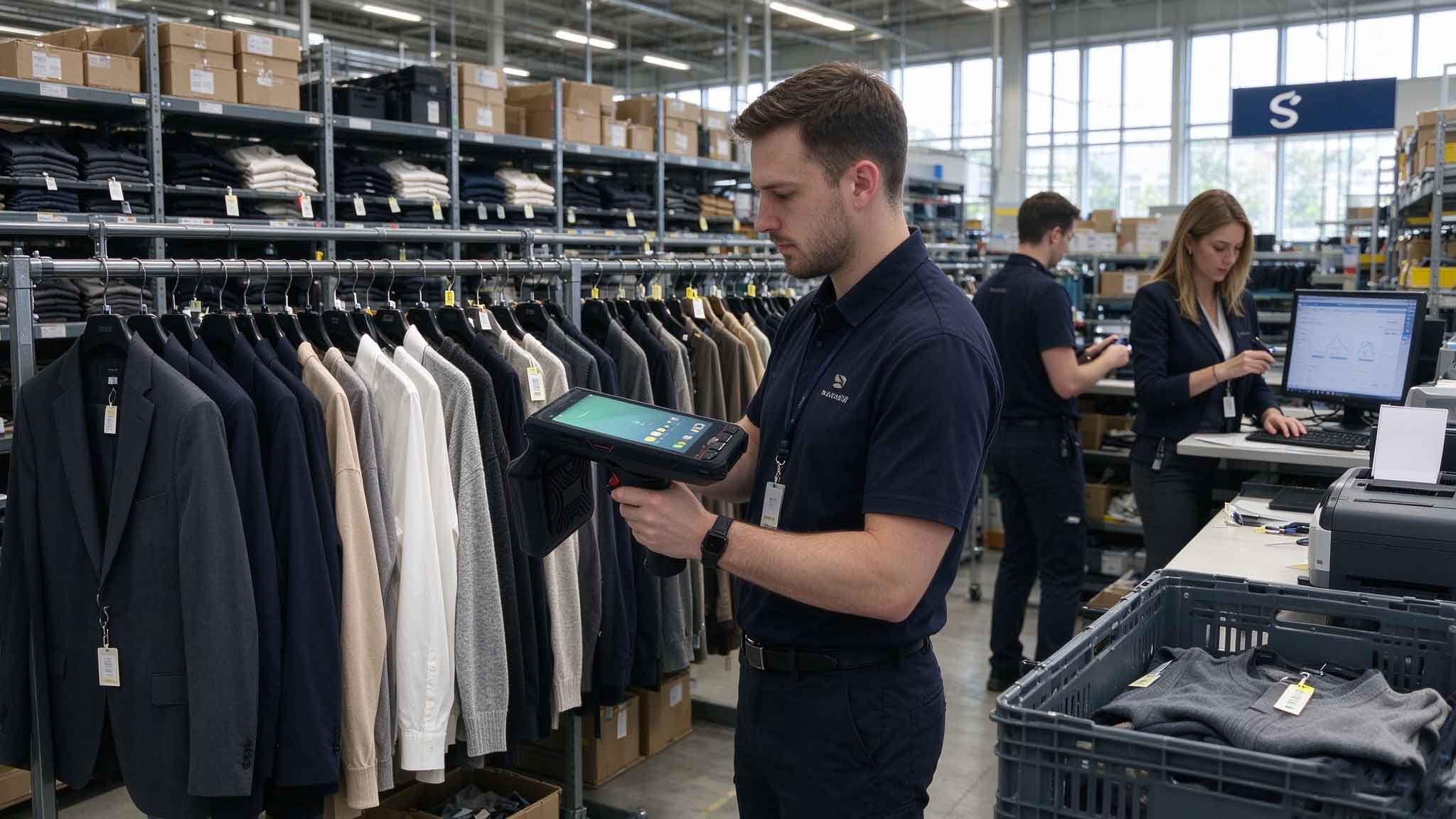
Not every RFID tag is suitable for every clothing application.
Important factors include:
| Factor | Consideration |
|---|---|
| Fabric Type | Different materials affect performance |
| Washing Conditions | Important for textile applications |
| Reading Distance | Depends on workflow requirements |
| Attachment Method | Sewing, adhesive, or label integration |
| RFID Frequency | Determines communication characteristics |
For example:
A retail clothing tag may focus on compact size and inventory speed.
A laundry RFID tag may require stronger protection against repeated washing cycles.
The application determines the correct RFID design.
The role of RFID in clothing continues to expand.
Today, RFID clothing tags support more than simple identification. They help businesses create connections between physical products and digital information.
A garment can become part of a connected management system:
This transformation changes the meaning of a clothing label.
It is no longer only a printed size or brand label.
It becomes a digital identity attached to a physical product.
Understanding what does rfid mean on clothes is only the beginning. In real apparel and textile projects, the key challenge is not attaching an RFID tag to fabric. The difficult part is creating a stable identification process that works throughout the entire lifecycle of clothing items.
Cykeo RFID solutions are designed for applications where organizations need reliable clothing identification, registration, reading, and management.
Typical RFID clothing workflows include:
This approach is commonly used in:
During RFID deployment discussions, one practical point often appears: companies do not usually struggle with reading a single tag. The challenge is managing thousands of items moving through different locations while keeping records accurate.
That is where a complete RFID system becomes valuable.
Laundry management is one of the most demanding RFID clothing applications.
Hotels, hospitals, factories, and rental service providers often manage large quantities of reusable textiles.
Examples include:
These items repeatedly move through:
Manual counting can become difficult when items are frequently exchanged.
RFID laundry systems provide digital identification for each textile item.
A typical workflow:
| Process Stage | RFID Function |
|---|---|
| Collection | Identify returned textiles |
| Washing | Maintain item records |
| Storage | Confirm inventory quantity |
| Distribution | Track item movement |
For textile applications, RFID tag durability is especially important. Tags must match the environment, including washing frequency, moisture exposure, and mechanical handling.
Fashion retailers often manage thousands of products across stores and warehouses.
Common challenges include:
RFID clothing tags provide each garment with a unique digital identity.
Retail teams can use RFID readers to support:
The biggest improvement is usually operational visibility.
Instead of asking:
“Do we have this product?”
Teams can access more accurate information about:
Before RFID clothing tags enter daily operations, many businesses need a registration process.
A desktop RFID reading and writing platform can help administrators complete tasks such as:
Cykeo desktop RFID reading platforms are designed for controlled tag management environments.
Key features include:
| Feature | Application Value |
|---|---|
| USB interface | Easy connection with computers |
| High recognition performance | Supports efficient tag processing |
| Stable writing | Improves tag registration reliability |
| Data filtering | Helps manage multiple tags |
| RSSI support | Provides signal strength awareness |
For clothing companies preparing large numbers of RFID garments, a controlled registration workstation can improve consistency before products enter warehouses or stores.

Clothing materials create different RFID challenges compared with standard warehouse products.
Factors that may influence RFID performance include:
For example, a jacket with metal buttons or accessories may behave differently from a simple cotton garment.
Professional RFID testing normally evaluates:
The goal is not achieving the longest reading distance.
The goal is creating a stable identification process that matches the actual workflow.
RFID clothing technology is applied in multiple sectors.
| Industry | RFID Clothing Application |
|---|---|
| Fashion Retail | Apparel inventory tracking |
| Hospitality | Linen management |
| Healthcare | Medical textile tracking |
| Manufacturing | Worker uniform management |
| Rental Services | Clothing circulation control |
Each industry has different requirements.
A retail store may prioritize fast inventory checking.
A hospital may prioritize textile circulation records.
An industrial company may focus on uniform accountability.
The RFID solution should follow the business process, not the other way around.
RFID on clothes means a Radio Frequency Identification tag attached to a garment or textile item. The tag provides digital identification that can be read by RFID readers for inventory and management purposes.
In most clothing applications, RFID tags identify garments or textile items rather than people. The tag usually stores product-related identification information.
RFID clothing tags are commonly used in fashion retail, textile rental, industrial uniforms, hospitals, hotels, and laundry management systems.
Some RFID textile tags are designed for laundry applications and can withstand repeated washing processes. The suitable tag depends on environmental requirements.
RFID tags usually work together with traditional labels. They add digital identification capabilities while normal labels continue providing visible product information.
Reading distance depends on RFID frequency, tag design, reader power, antenna configuration, and surrounding materials.
Yes. RFID tags can store identification data such as unique item numbers. Additional product information is usually managed in connected software systems.
When people ask what does rfid mean on clothes, they are asking about the role of RFID technology inside modern apparel and textile management.
An RFID clothing tag gives a garment a digital identity. It allows businesses to connect physical items with software systems for inventory control, tracking, and operational management.
From fashion warehouses to industrial laundry facilities, RFID technology helps organizations understand where clothing items are and how they move.
Cykeo provides RFID hardware solutions supporting clothing registration, textile identification, and professional management applications.
A small RFID tag hidden inside clothing can become an important connection between physical products and digital business systems.
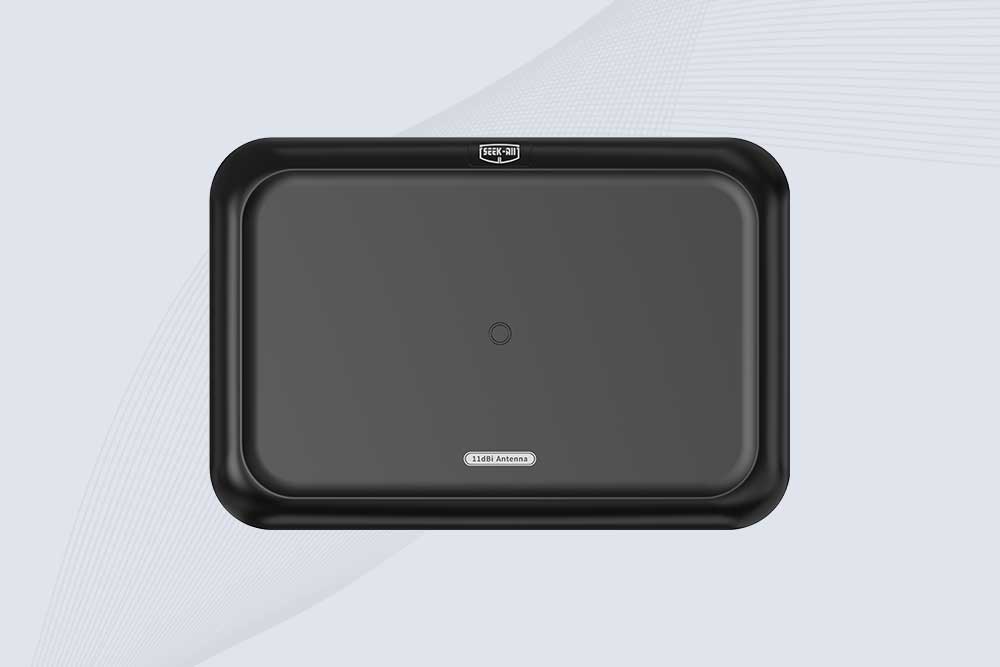
SSD-A11 UHF RFID antenna features 840–960 MHz adjustable frequency, ≥10.5 dBi gain, circular polarization and 50Ω impedance for fixed RFID systems.
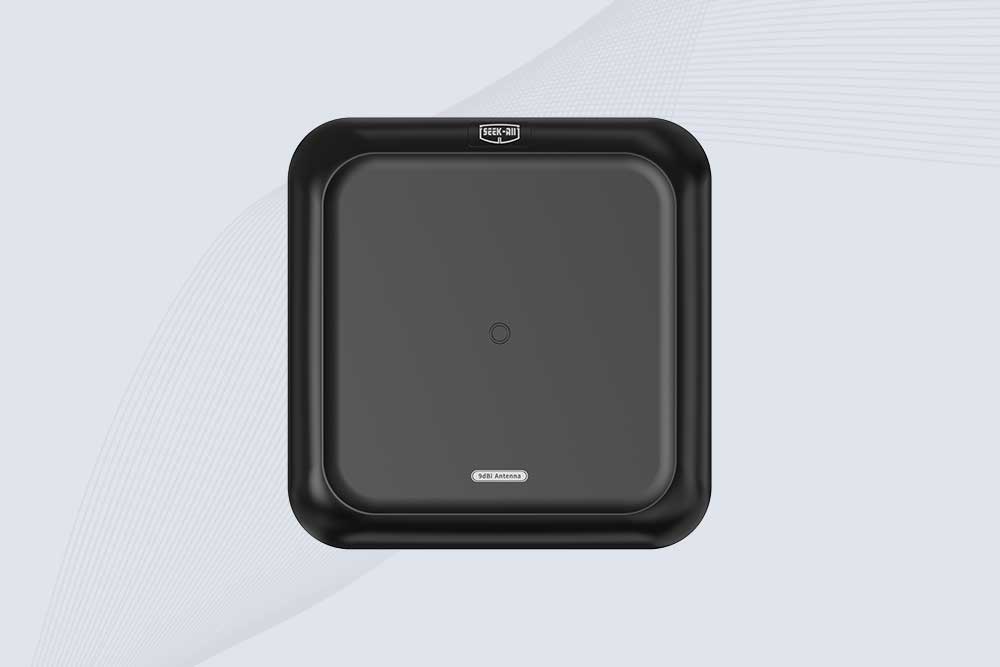
SSD-A09 is a 9 dBi UHF RFID antenna with 840–960 MHz adjustable frequency, circular polarization, 50Ω impedance and directional 60° × 60° coverage.
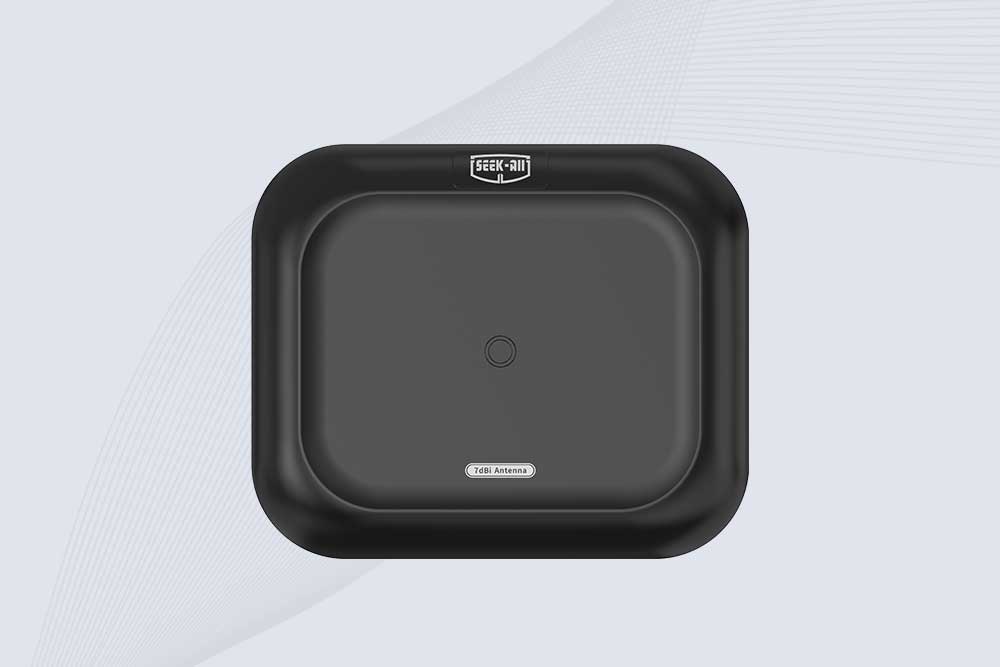
Explore the SSD-A07 UHF RFID antenna with 7 dBi gain, circular polarization, adjustable 840–960 MHz frequency, and 60°/75° beamwidth for stable RFID read/write performance.

SSD-A06 UHF RFID antenna with circular polarization, adjustable 840–960 MHz frequency, ≥4.5 dBi gain, and a compact directional design for RFID systems.
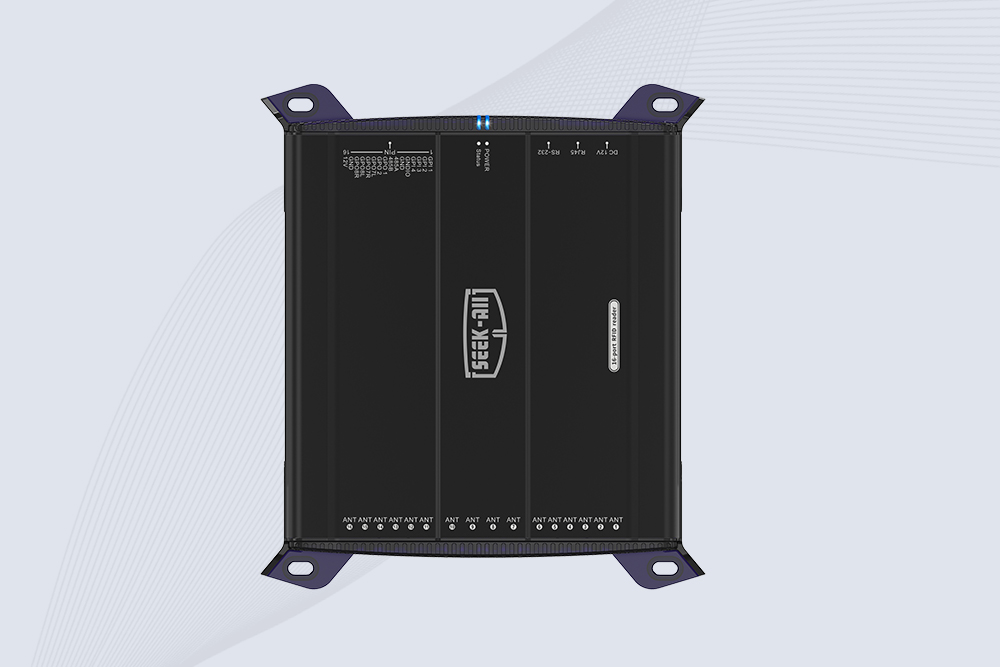
SSD-R16L Multi-Channel RFID Infrastructure for Automated Inventory Management ✔️ 16-Port High-Density RFID Reading Equipped with 16 SMA antenna ports, SSD-R16L supports multi-antenna deployment for warehouses, retail stores, logistics, production lines, and large-area RFID identification. ✔️ High-Speed & Long-Range Performance With up to 33…
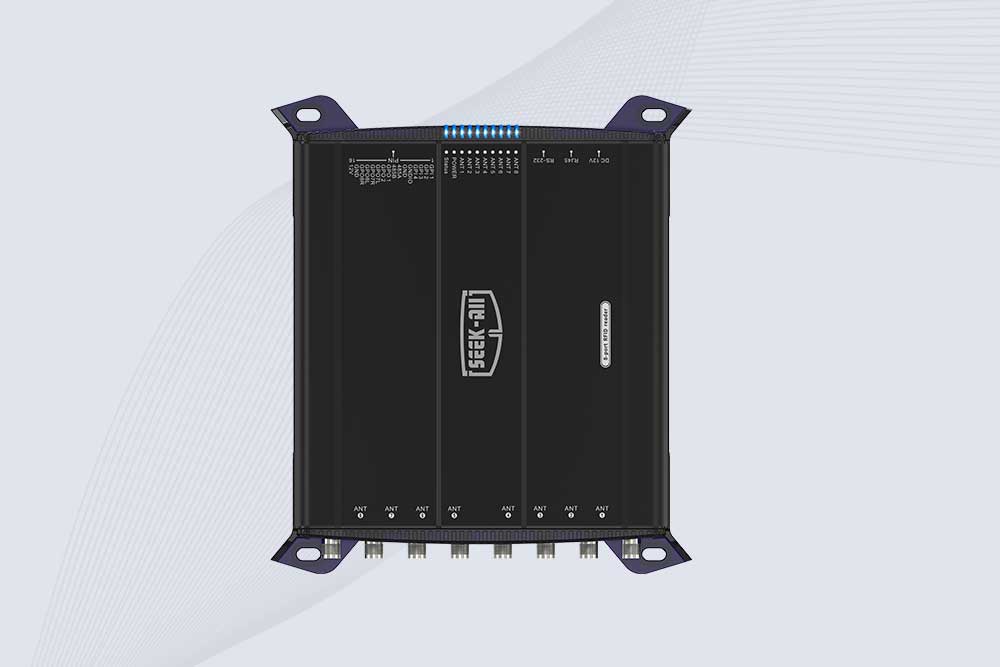
SSD-R8L 8-port UHF RFID reader with 33dBm output, up to 20m reading range and 600+ tags/s recognition. Ideal for warehouse, logistics, retail and asset tracking.
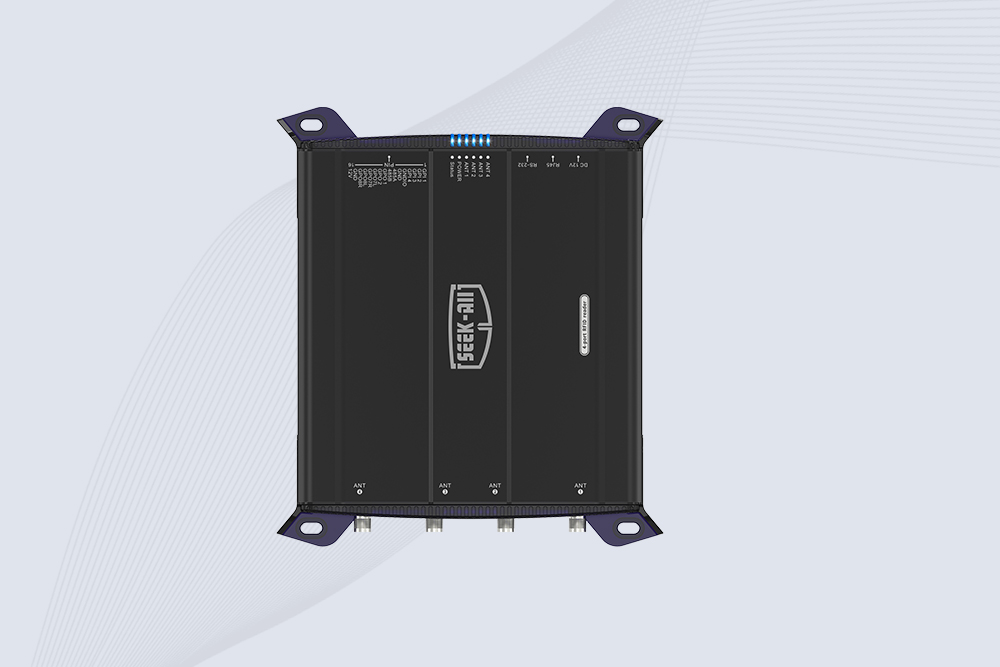
SSD-R4L is a 4-port UHF RFID fixed reader with 33dBm output power, up to 20m reading range, EPC C1G2 support and 600+ tags/s reading speed.
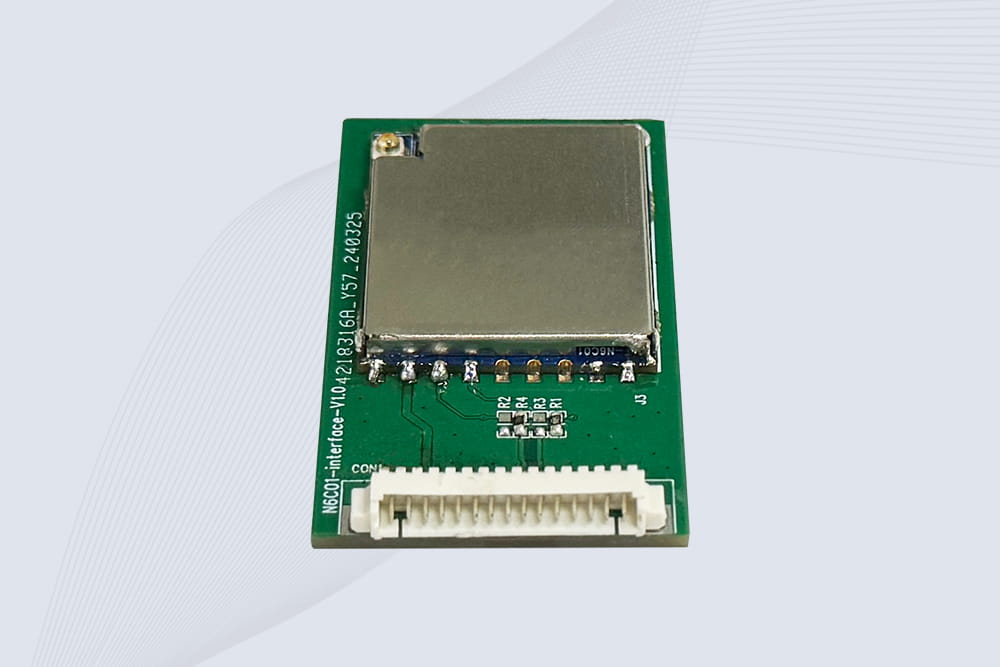
CYKEO Embedded RFID Modules are designed for compact industrial and IoT devices that require stable UHF performance. These UHF RFID Modules support global protocols, flexible power control, and reliable multi-tag reading for smart cabinets, production lines, and asset tracking systems.
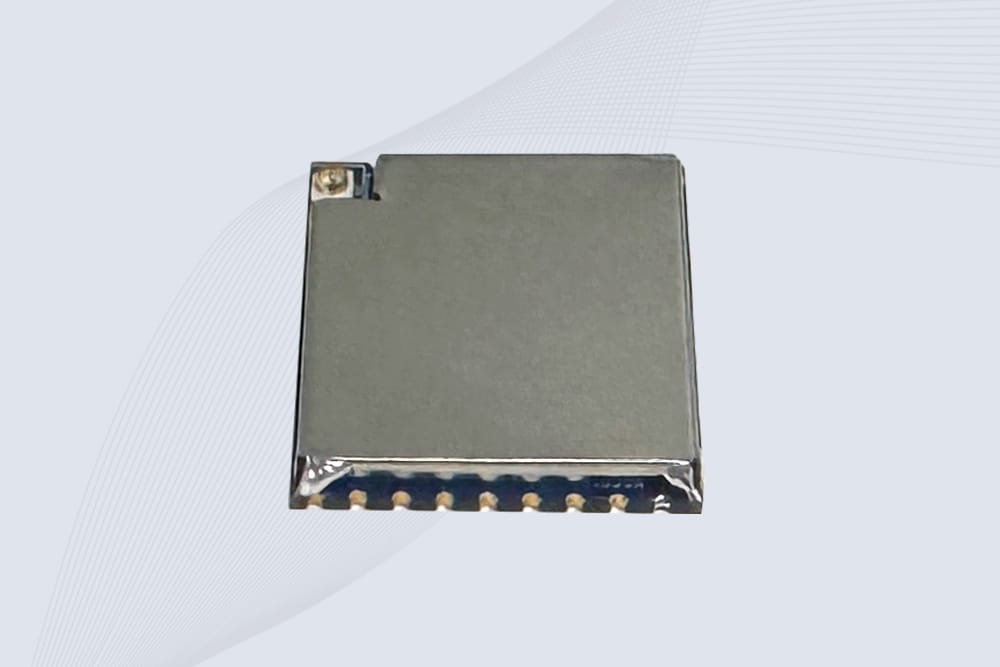
CYKEO Embedded RFID Module is built for compact IoT and industrial devices that need stable UHF performance. This UHF module supports global protocols, low power operation, and reliable multi-tag reading for smart lockers, production lines, and always-on RFID systems.
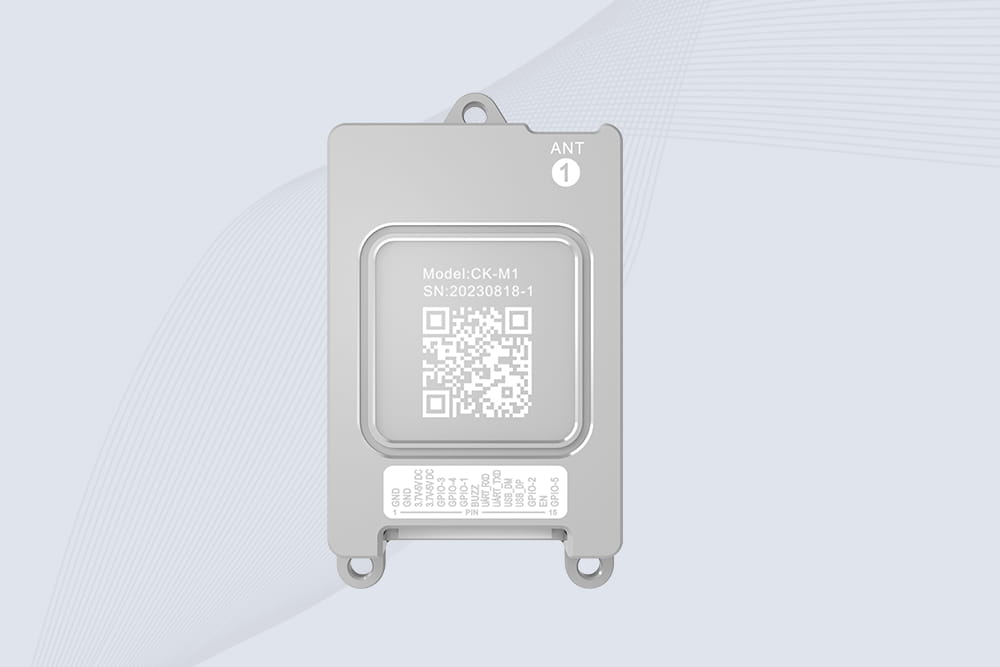
CYKEO CYKEO-M1 drone rfid module is a compact UHF RFID reader module designed for drones and UAV platforms. It supports long-range aerial scanning, fast multi-tag reading, and stable performance in wind, vibration, and outdoor environments.
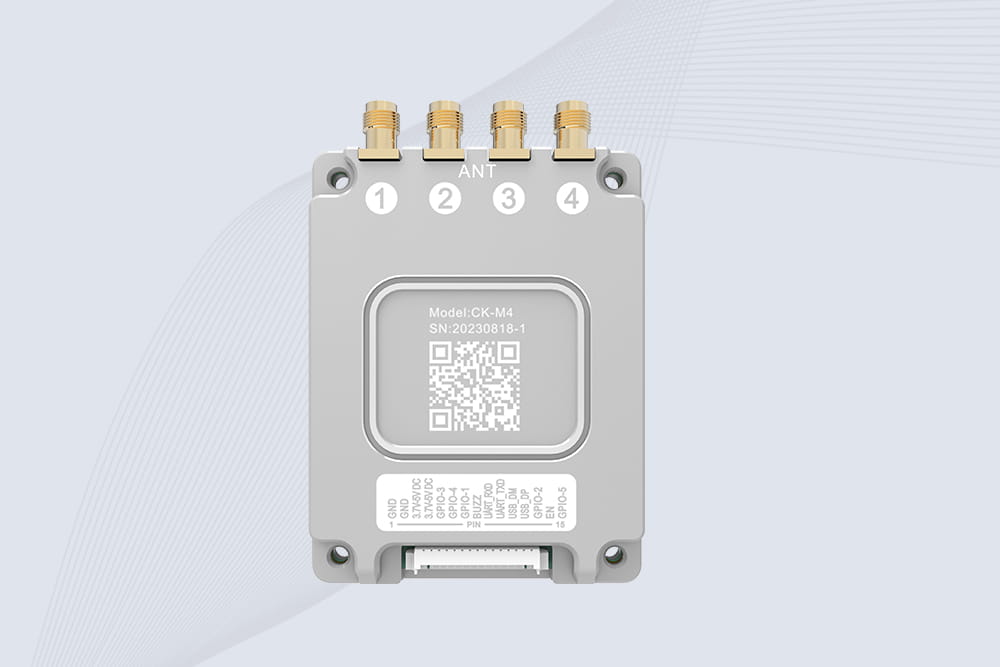
CYKEO CYKEO-M4 RC522 RFID Module is an industrial-grade UHF RFID reader with 4 ports, supporting ISO, EPC, and GB protocols. High-speed, accurate reading for IoT, automation, and warehouse applications.
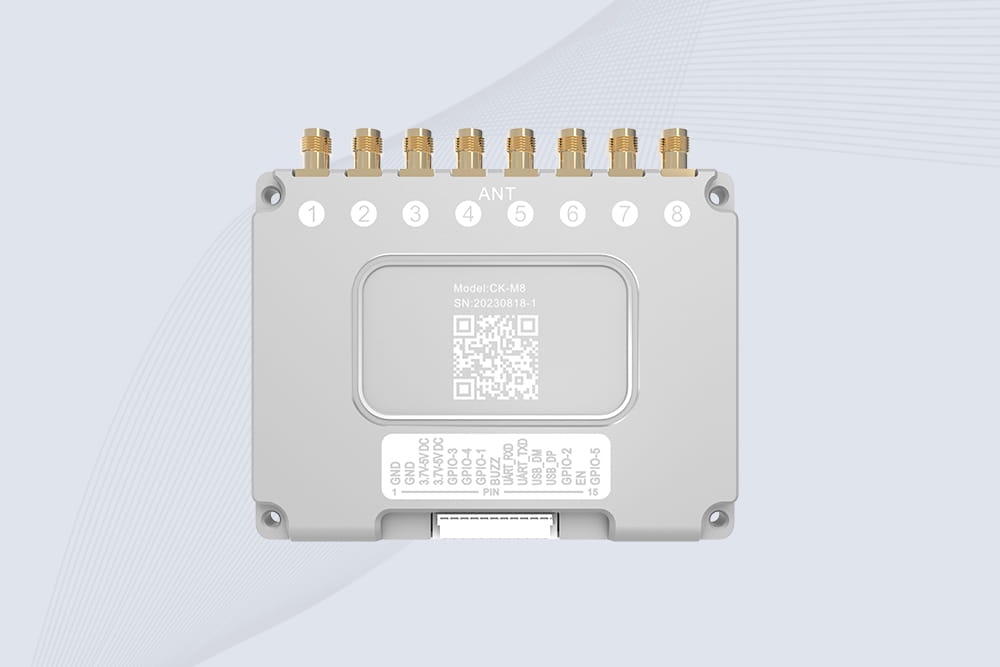
CYKEO CYKEO-M8 Module RFID is an 8-port UHF R2000 RFID Module designed for high-density, multi-tag environments. Stable 33dBm output, ISO & GB protocol support, ideal for warehouses, factories, and automated systems.
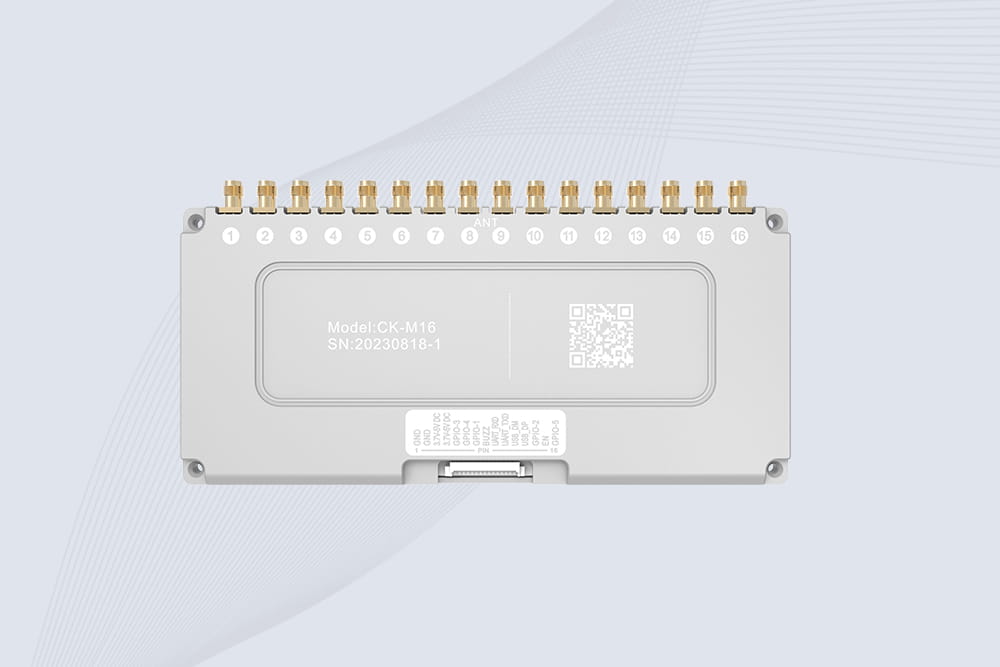
CYKEO CYKEO-M16 RFID Module is a 16-port UHF RFID reader module based on the R2000 chipset. Designed for dense tag environments, it supports ISO and GB standards and delivers stable multi-antenna control for industrial automation.
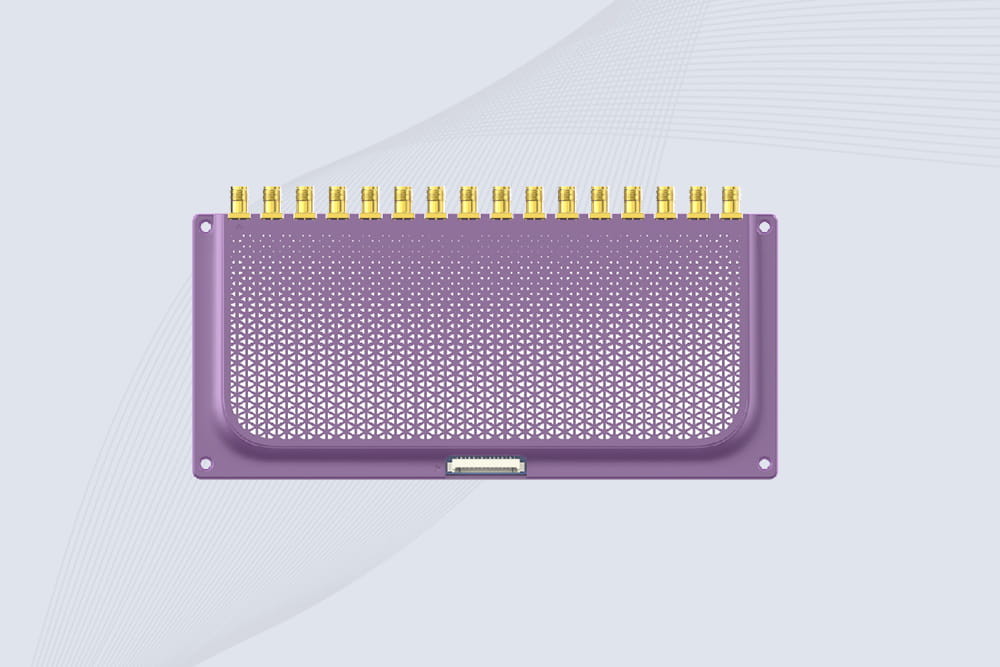
The CYKEO CYKEO-M16L RFID Reader Module is a 16-channel UHF RFID core designed for dense tag environments. With adjustable 33dBm output, multi-protocol support, and stable multi-antenna control, this RFID Tag Reader Module fits industrial automation, warehouse systems, and large-scale IoT deployments.
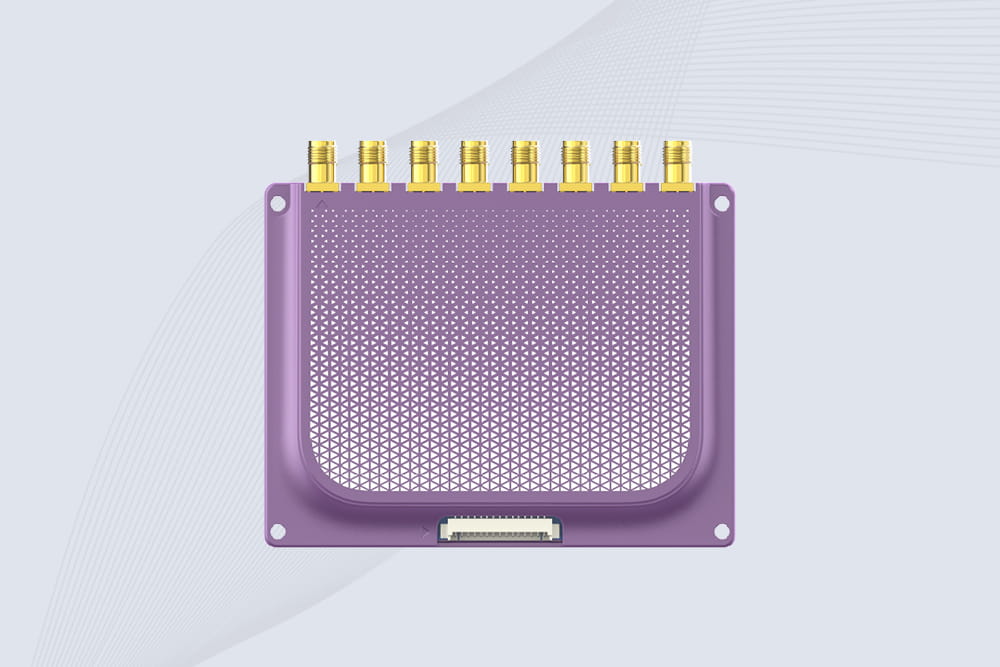
CYKEO CYKEO-M8L module RFID is a compact industrial UHF module built for dense tag and multi-antenna environments. With 8 RF ports, adjustable 33 dBm output, and ISO & GB protocol support, it is widely used in factories, warehouses, and automated tracking systems.
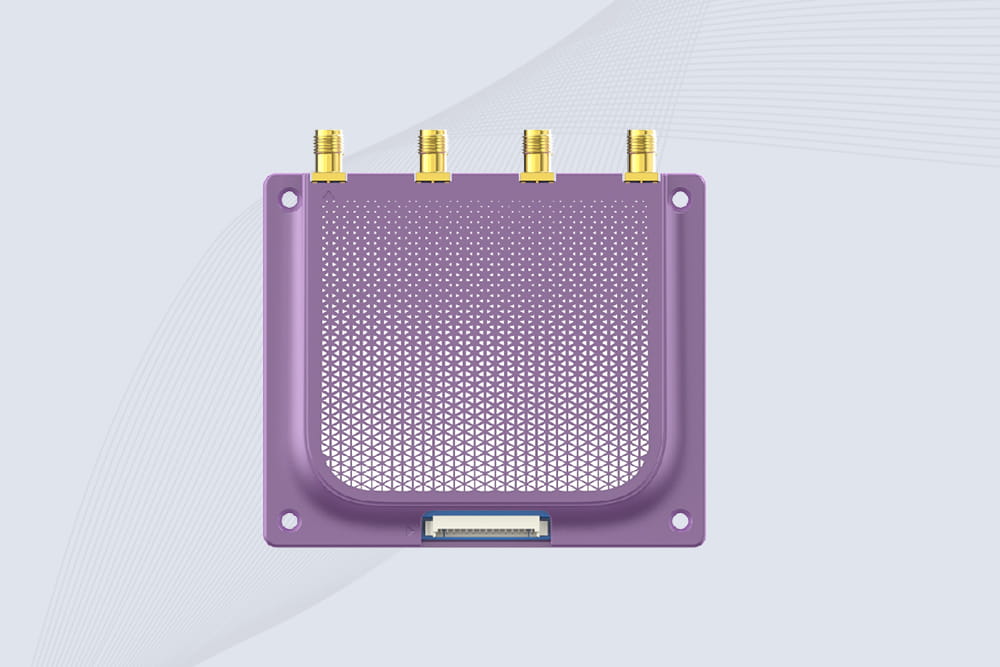
CYKEOCYKEO-M4L UHF RFID Module is a compact 4-channel RFID tag reader module designed for dense tag environments. Supporting ISO and GB protocols, it delivers stable reads up to 10 meters for industrial and IoT systems.
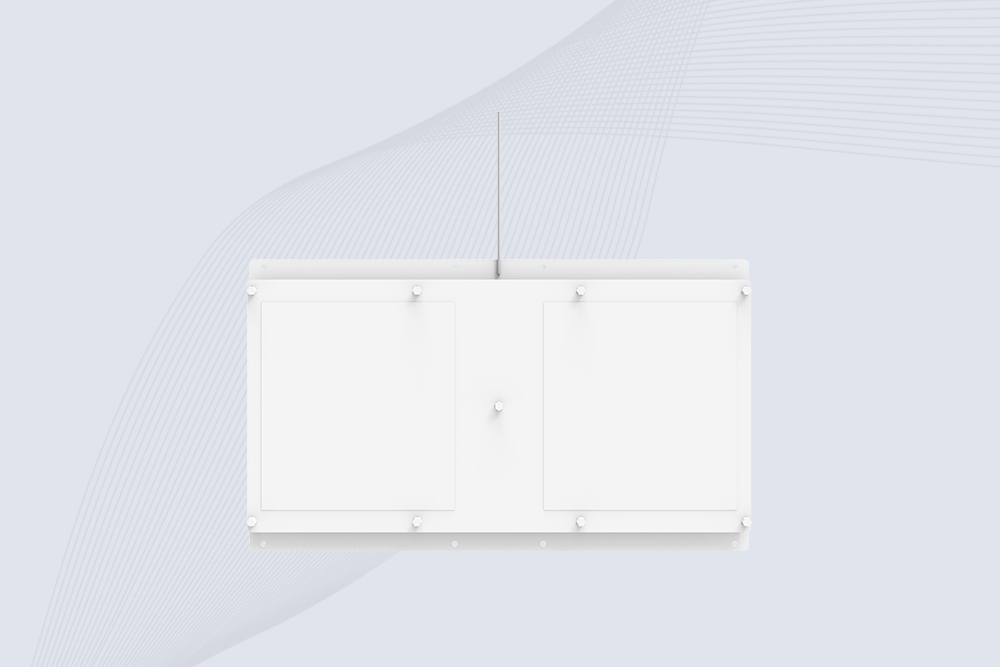
Cykeo CYKEO-A11 UHF RFID reader antenna delivers 11dBi gain, 840-960MHz frequency range, and IP65 ruggedness for retail, logistics, and industrial RFID systems. Features low VSWR and easy installation.

CYKEO Antenna RFID Reader delivers stable long-range UHF performance with a 10.5dBi directional design, built for warehouses, conveyor portals, and industrial RFID systems. This rfid reader antenna provides 20m+ read distance and rugged IP67 protection.

Cykeo CYKEO-PHF3 industrial HF RFID Antenna offers 24-point dynamic tracking, ISO 14443A/15693 protocols, metal-environment stability for archives/libraries/manufacturing.

Cykeo CYKEO-A5B industrial Linear RFID Antenna delivers 5dBi gain, ≤1.5:1 VSWR, and IP65 rugged design for warehouse, production line, and logistics UHF systems.

Cykeo’s CYKEO-B12 Long Range RFID Antenna delivers 15m+ read range with 12dBi gain, IP65 rugged design, and global 840-960MHz UHF support. Ideal for warehouse/logistics asset tracking.
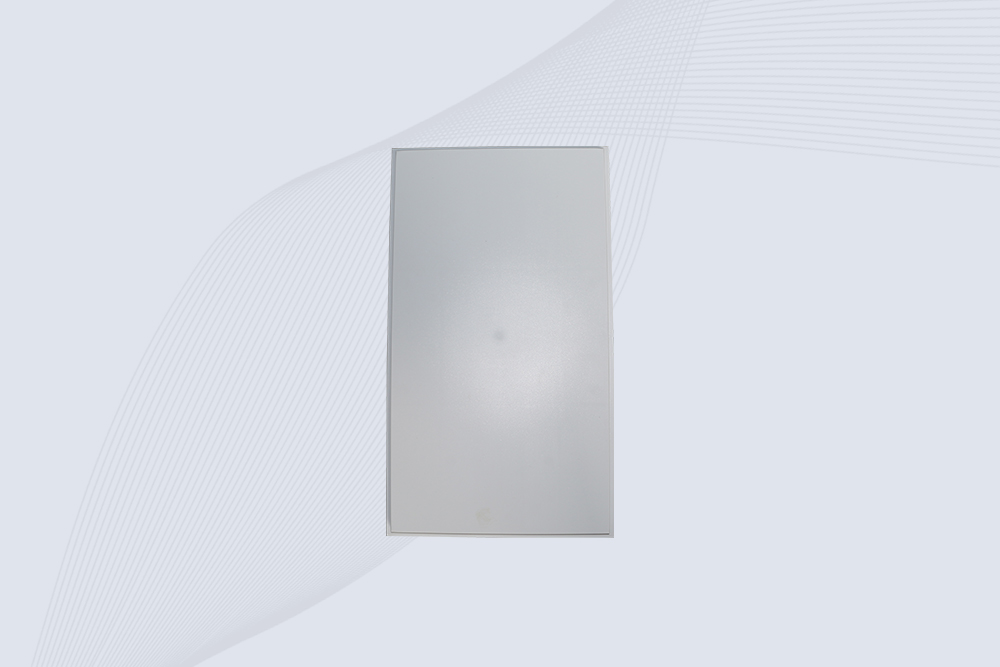
Cykeo CYKEO-B10 Long Distance RFID Antenna offers 10dBi gain, 840-960MHz frequency range, IP65 rating, and 20m+ coverage for logistics/warehousing/ETC systems. Low VSWR ensures stable signal transmission.
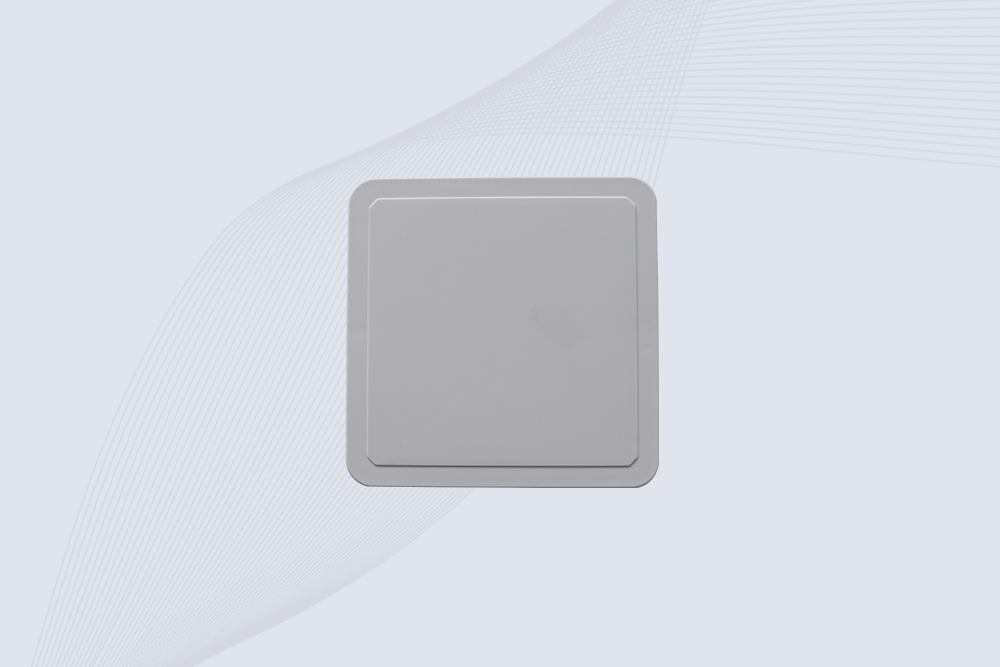
Cykeo CYKEO-A6 UHF RFID panel antenna features 6dBi gain, 840-960MHz broadband, IP65 metal-ready housing for logistics/smart retail. 18mm ultra-thin design with tool-free mounting.

Cykeo CK-A3 industrial antenna RFID UHF offers 5m+ tag detection, ≤1.3:1 VSWR, IP65 rugged design, and global UHF spectrum compatibility (840-960MHz) for warehouses, factories, and retail.
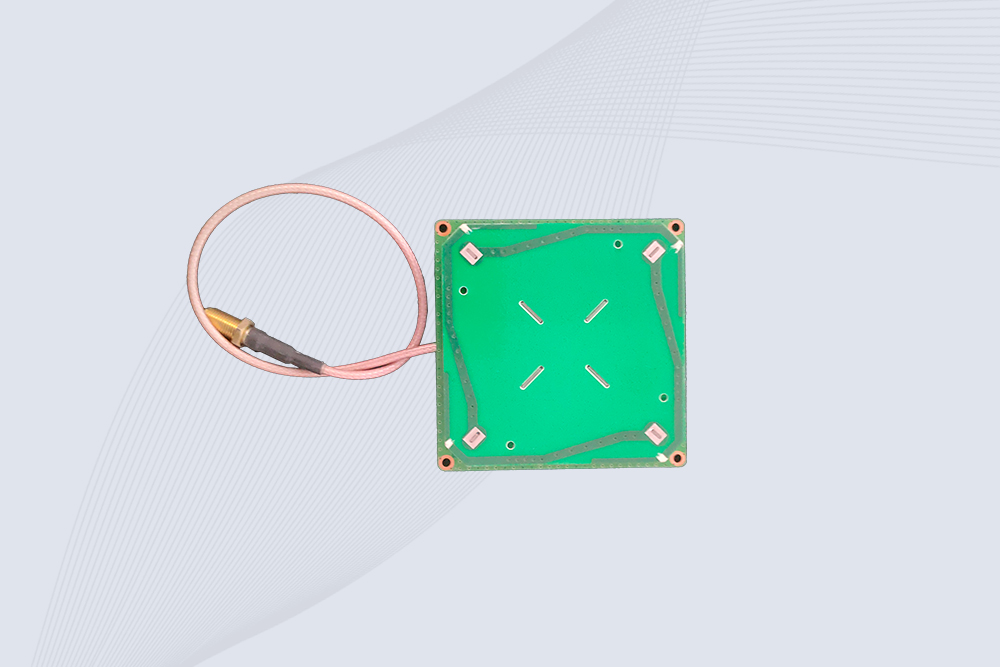
Cykeo CYKEO-B5 directional RFID antenna provides 5dBi gain with 60° narrow beamwidth for precise inventory tracking. IP65-rated, global UHF frequency support, and low VSWR.
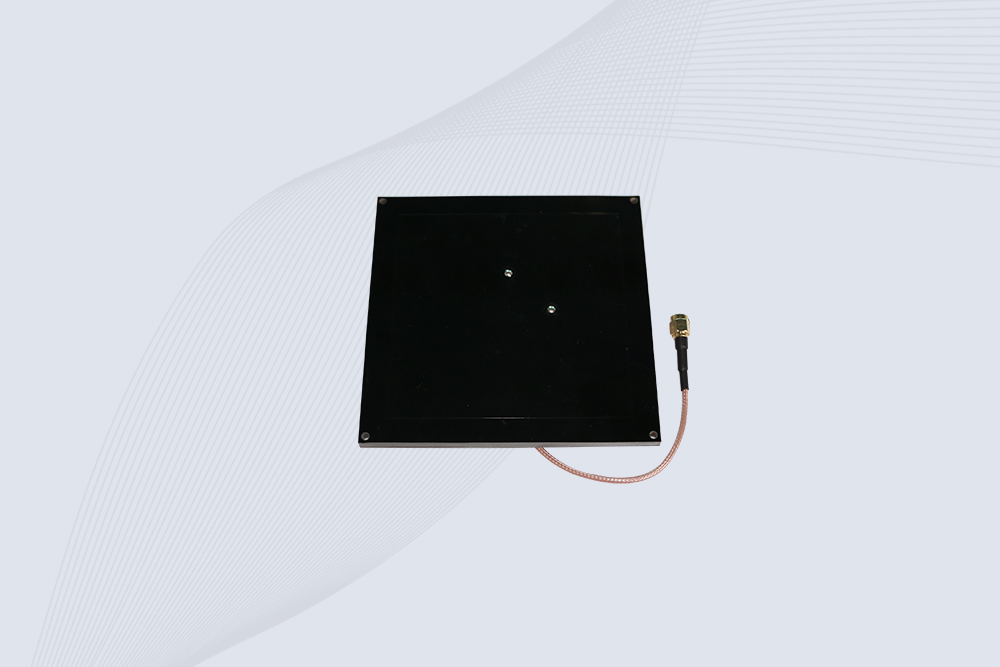
Create your own high-performance DIY RFID antenna! 5dBi gain, 840-960MHz tunable, step-by-step guides. Compatible with Arduino, Raspberry Pi, and commercial UHF readers.
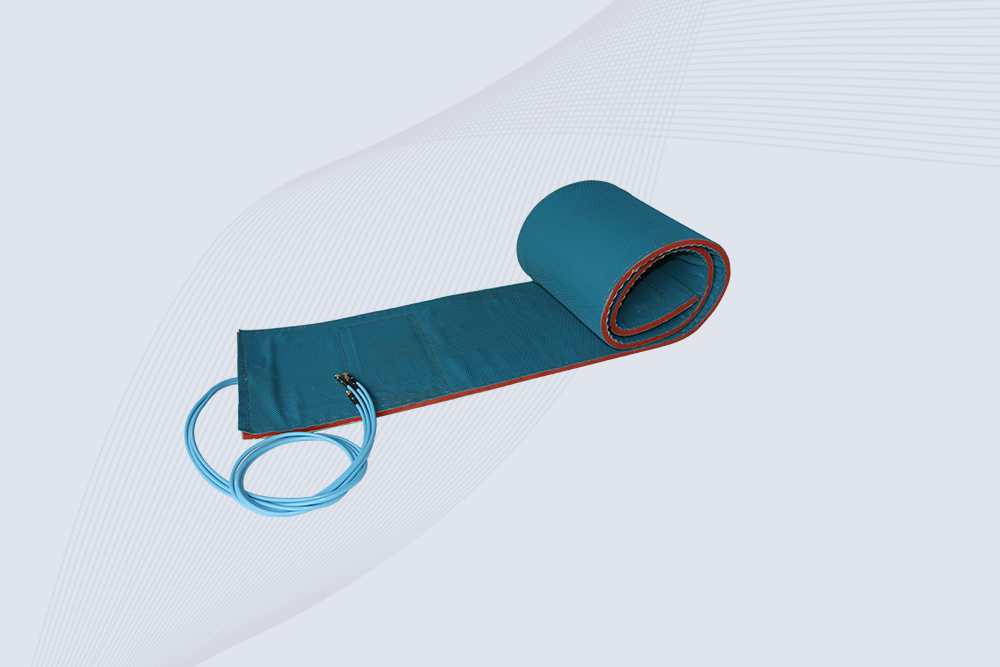
Cykeo CYKEO-A7 Flexible RFID Antenna features 840-960MHz wideband tuning, 7dBi gain, and IP68 rating for medical/retail/industrial curved surface deployments. 98% read accuracy with peel-and-stick installation.

Cykeo CYKEO-B5A industrial Passive RFID Antenna delivers 5dBi gain, 70° beamwidth, and -40°C~55°C operation for warehouses/smart cabinets. Compatible with Zebra/Impinj readers.
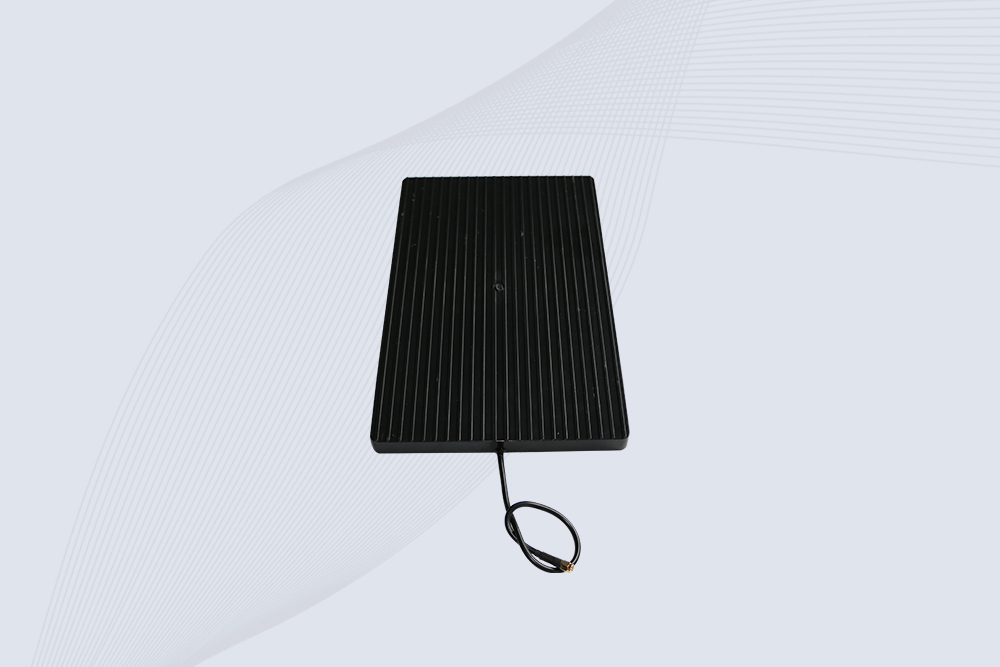
Cykeo’s CYKEO-A9B High Gain RFID Antenna delivers 15m+ read range with 9dBi amplification. Features IP54 rugged design, 840-960MHz bandwidth, and 80° beamwidth for warehouse/manufacturing RFID systems.

Cykeo’s enterprise-grade 8dbi Impinj RFID Antenna 10m+ read range with 840-960MHz tuning. Features IP65 housing, 1.4 VSWR, 35° beamwidth for retail/warehouse RFID systems.
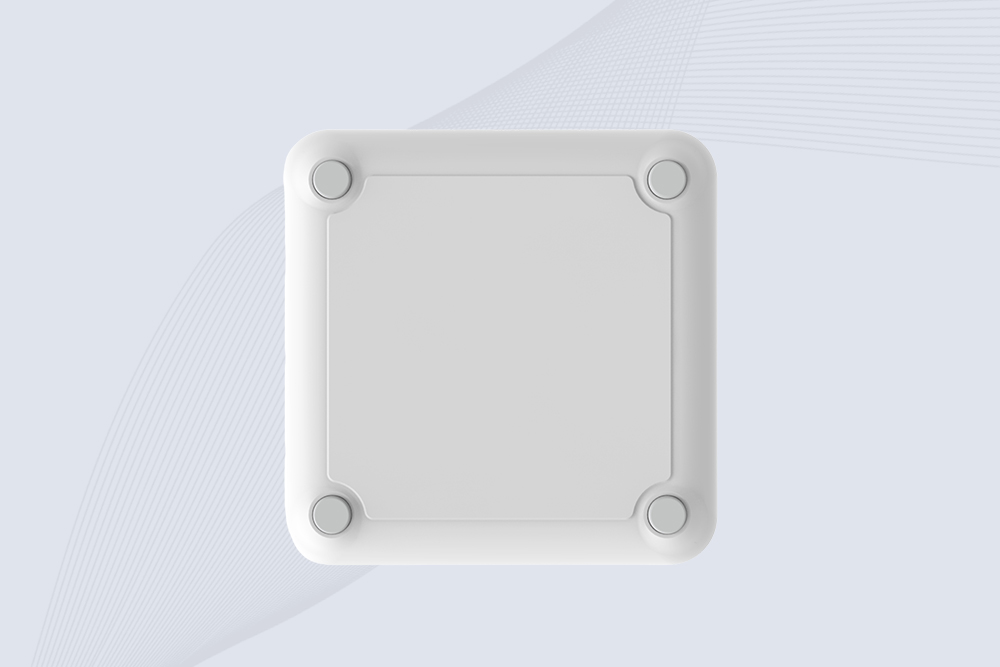
Cykeo CYKEO-A9 industrial UHF RFID antenna delivers 9dBi gain, 840-960MHz frequency range, and IP65 protection for warehouse/logistics/retail RFID systems. Features N-type connector and ≤1.3:1 VSWR.
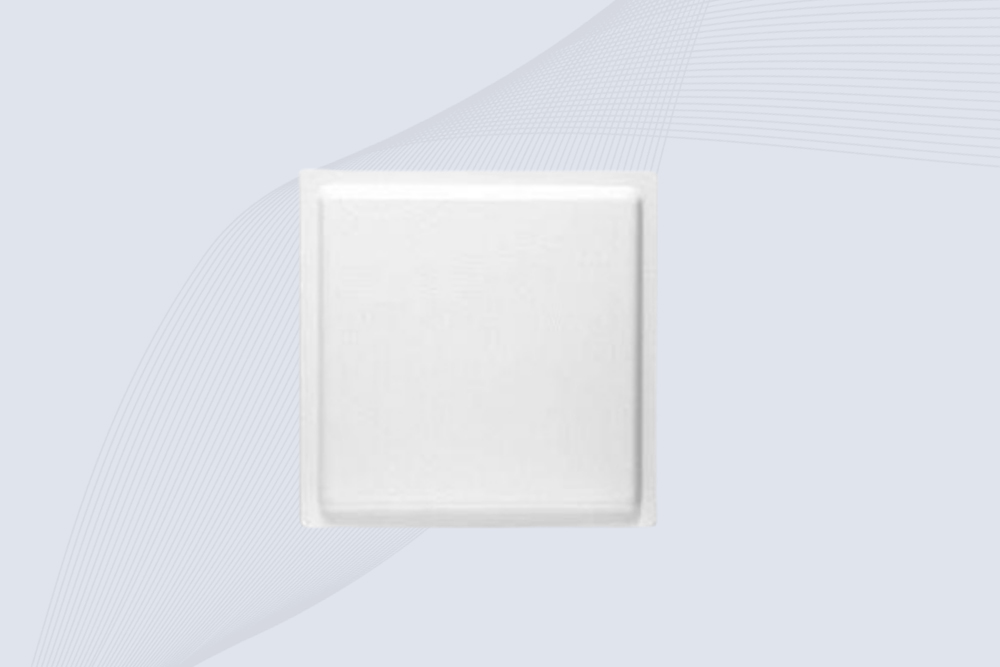
CYKEO UHF RFID Antenna built for long-distance and industrial applications. This antenna rfid uhf delivers strong gain, outdoor durability, and reliable tag performance in warehouses, yards, and vehicle ID systems.
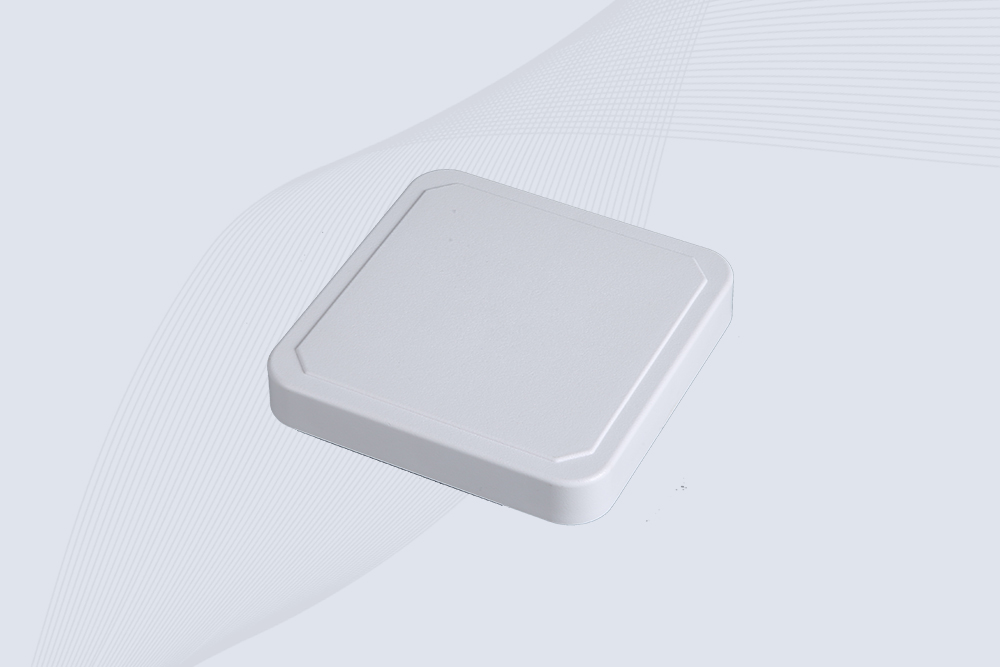
CYKEO Antenna RFID delivers reliable long-range UHF performance in warehouses, retail shelves, and cold-chain environments. This compact uhf rfid antenna provides stable reads with circular polarization and ultra-wide 840–960 MHz support, ideal for industrial tracking, smart shelves, and asset monitoring.
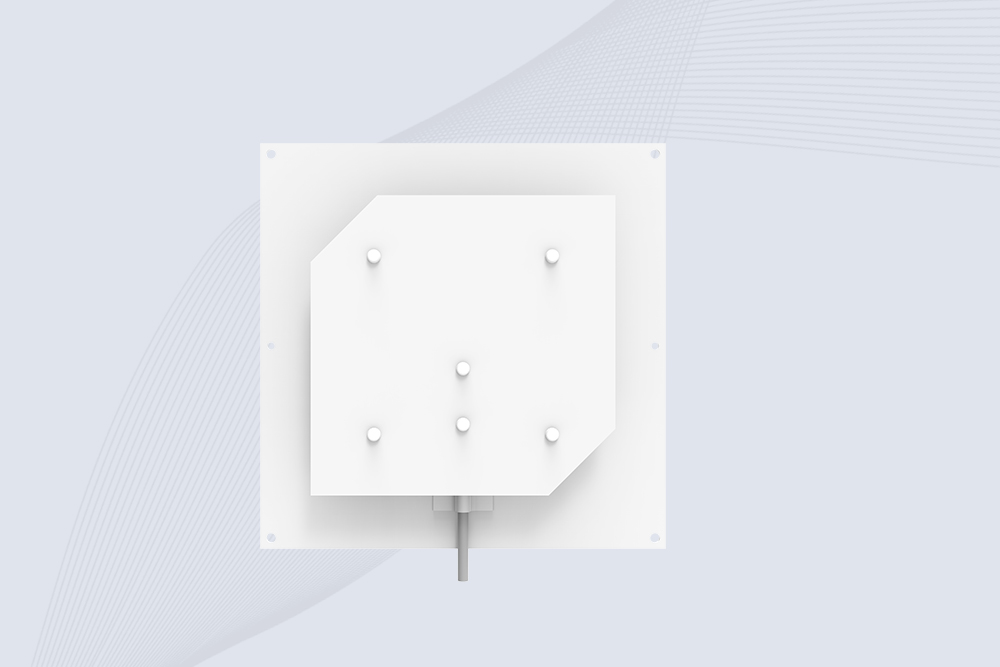
Cykeo’s CYKEO-C8 UHF RFID antennas delivers 8dBi gain, 840-960MHz full-band coverage, and IP65 ruggedness for manufacturing/warehouse RFID systems. Industrial RFID Antennas Features
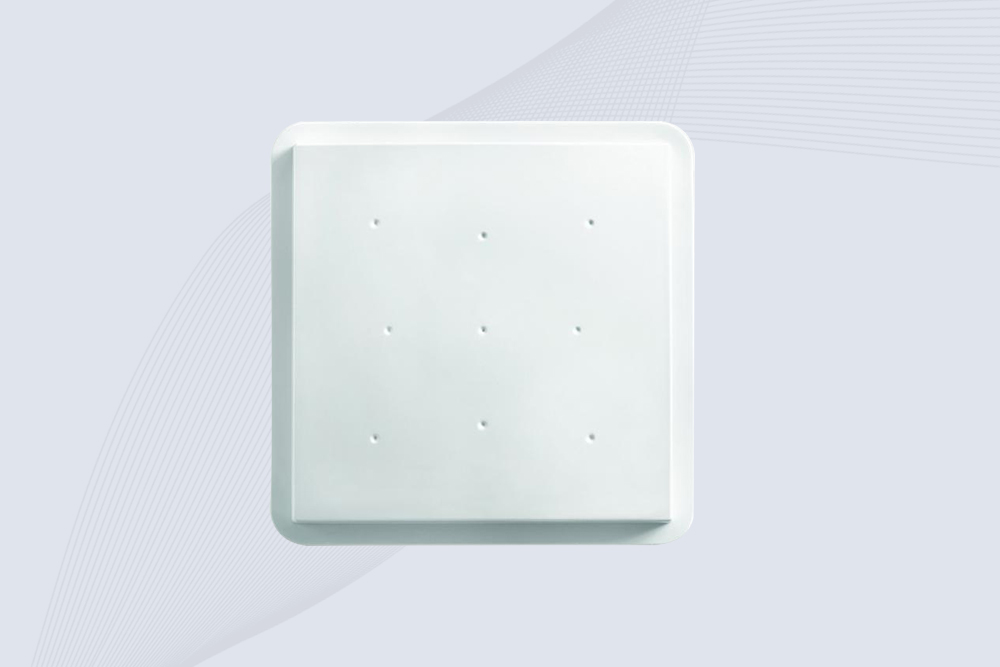
Cykeo’s 8dBi UHF RFID antenna and reader kit delivers 10m+ range, 840-960MHz broadband, and IP65 ruggedness for factories, warehouses, and logistics. ISO 18000-6C & EPC Gen2 certified.
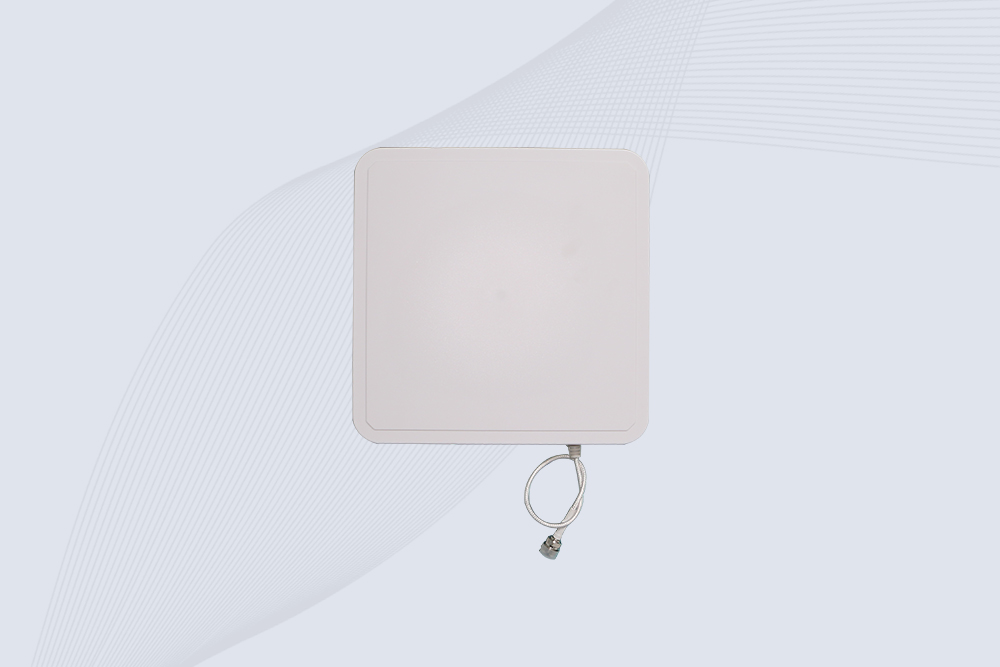
Cykeo CYKEO-A9A industrial UHF RFID reader and antenna kit delivers 10m range, 500 tags/sec, IP65 ruggedness for manufacturing/logistics. Supports EPC Gen2, ISO18000-6C.
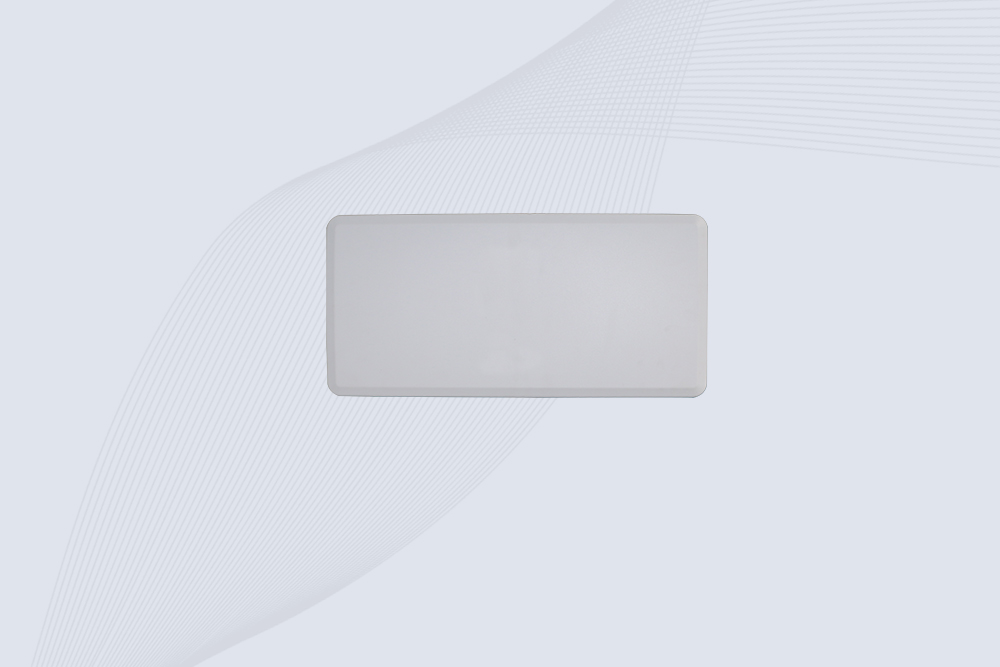
Cykeo’s CYKEO-A12C UHF Large RFID Antenna delivers 12dBi gain, 840-960MHz global frequency, IP65 ruggedness for logistics/warehousing/automotive. 40° beamwidth ensures stable 15m+ tag reads.

CYKEO Near Field RFID Antenna provides precise 5–30 cm reading for shelves, cabinets, and workstations. This compact rfid shelf antenna delivers stable short-range performance around metal and clutter, ideal for pharmacies, libraries, and electronics sorting.
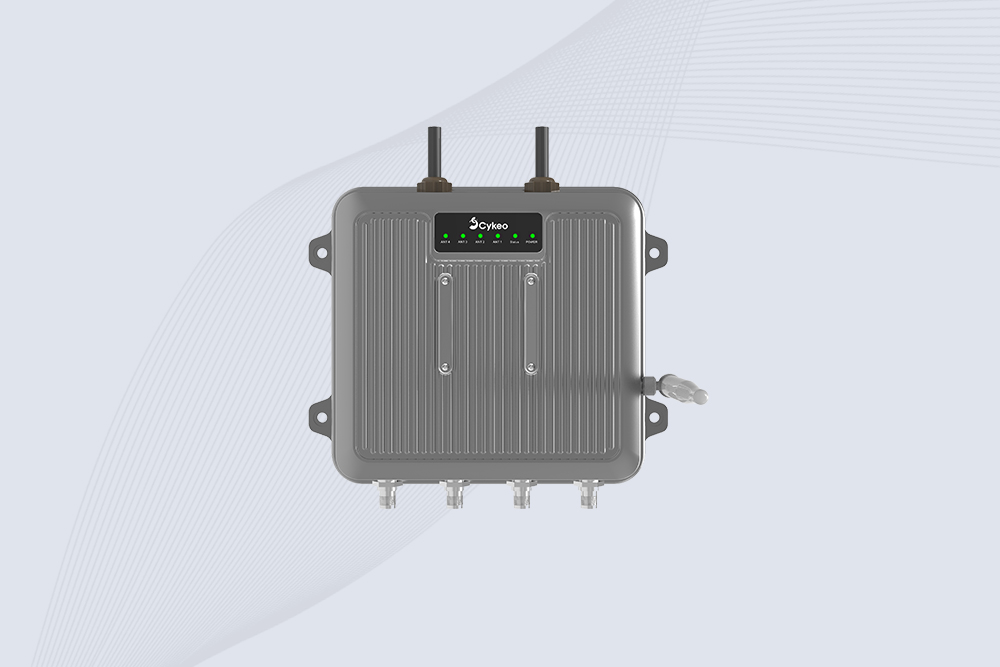
Cykeo CYKEO-C1 industrial Forklift RFID Reader features 20m read range, 600 tags/sec scanning, Impinj R2000 chipset, and IP67 rugged design. Ideal for warehouse logistics and manufacturing. Supports ISO 18000-6C/6B protocols.
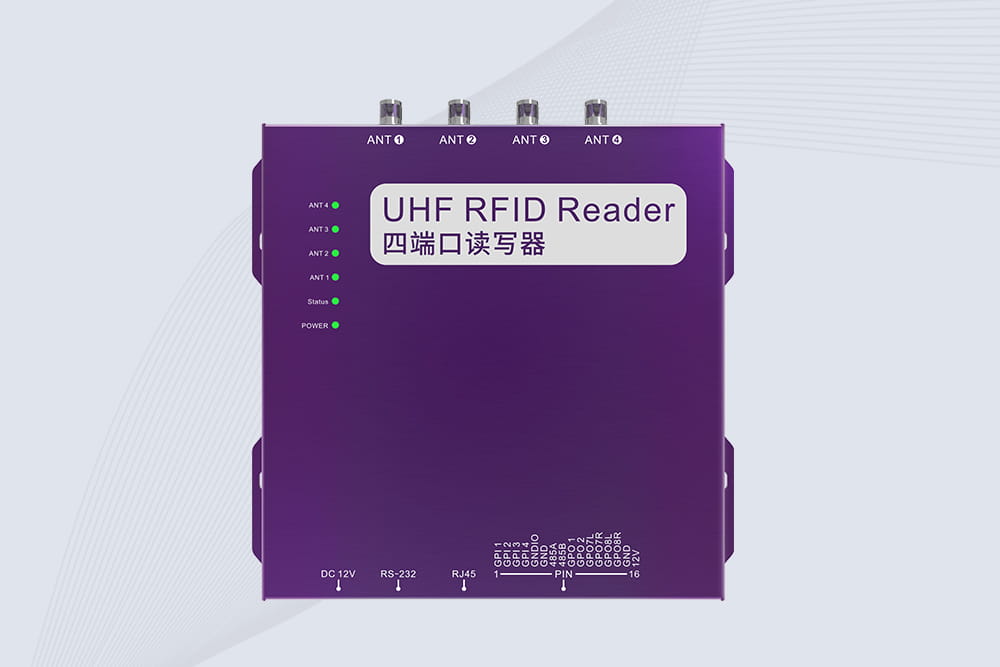
Cykeo CYKEO-R4 industrial UHF RFID Fixed Reader features 4 TNC ports, 400+ tags/sec speed, IP67 housing, and global frequency compliance for vehicle inspection, smart warehouse, and asset management systems.
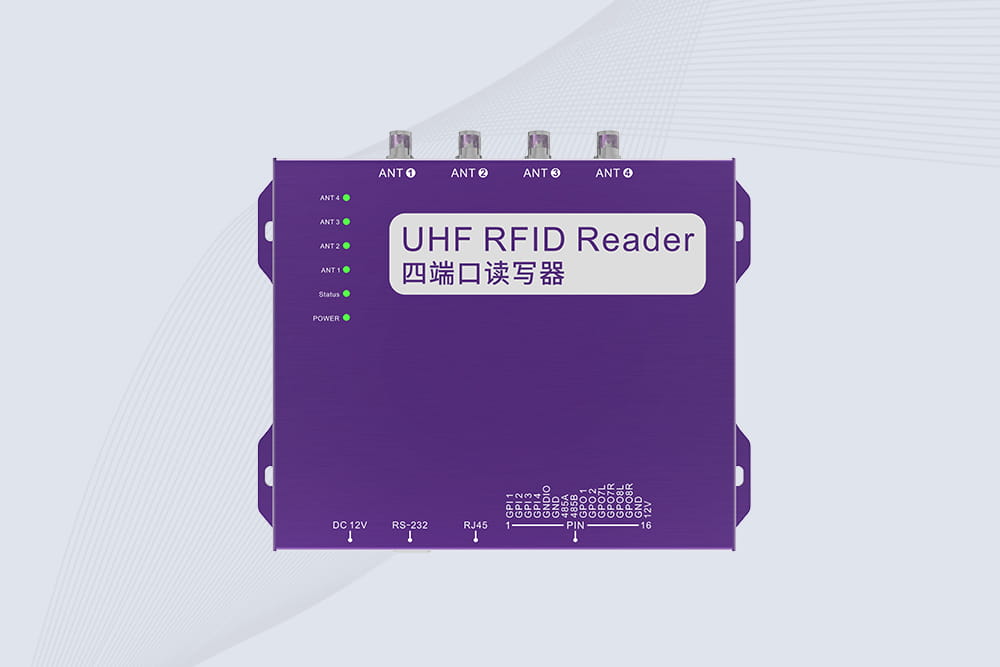
Cykeo’s CYKEO-R4L 4-port Fixed UHF RFID Reader delivers 400 tags/sec scanning, ISO 18000-6C compliance, and IP65 protection. Ideal for warehouse automation, manufacturing WIP tracking, and logistics management.
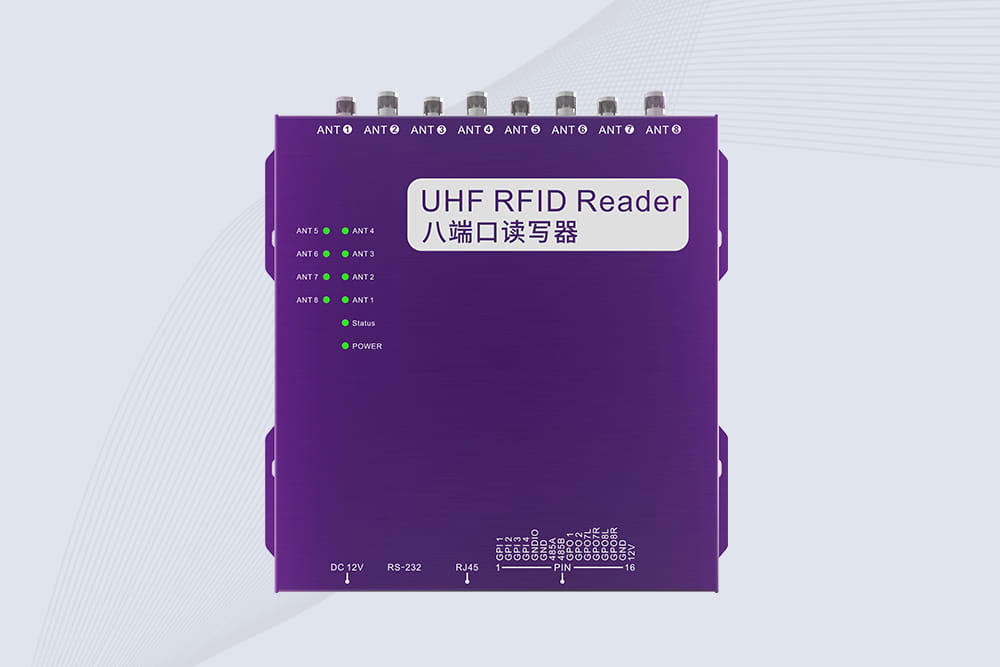
CYKEO CYKEO-R8L Fixed RFID Reader with 8-port UHF design, Impinj-based RF core and up to 20m read range. An industrial Fixed RFID Reader for vehicle inspection, warehouse portals, smart manufacturing lines and secure access checkpoints.
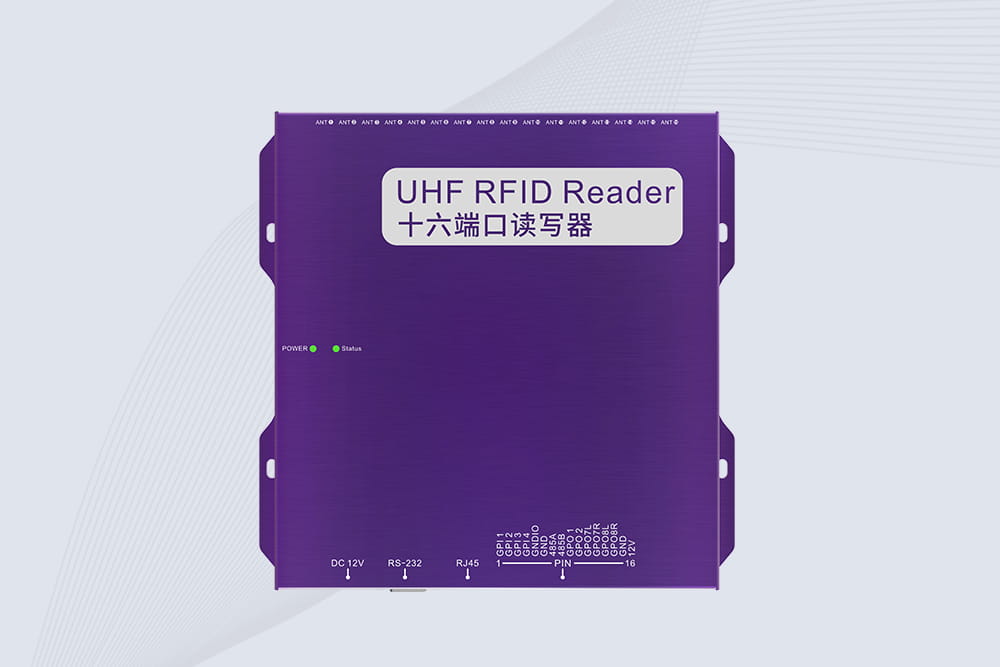
RFID Fixed Reader from CYKEO – the CYKEO-R16L 16-port UHF fixed reader for warehouses, smart cabinets, and production lines. Long-range, multi-tag reading, stable performance for 24/7 industrial use.

Learn how how does rfid enable faster dock-to-stock processes with item-level identification, faster receiving, fewer manual scans, and cleaner WMS inventory updates.
More
Discover how RFID has evolved from early hype to a critical tool in industries like retail, healthcare, and IoT. Learn how Cykeo’s solutions keep RFID relevant today.
More
Learn how a long range RFID reader for parking system helps reduce congestion, automate vehicle access, and improve parking security for residential, commercial, and industrial facilities.
More
Asset tagging and tracking system solutions use RFID technology to automate asset identification, inventory visibility, and equipment management. Learn how Cykeo improves operational efficiency.
More