An RFID chip stands for a Radio Frequency Identification chip. It is the electronic component inside an RFID tag that stores identification data and communicates wirelessly with RFID readers for tracking, authentication, and asset management.
Understanding What Does RFID Chip Stand For in RFID Technology
When people search what does rfid chip stand for, they are usually asking about the meaning behind the abbreviation and the role of the small electronic component inside an RFID tag.
RFID chip stands for Radio Frequency Identification chip. It is a semiconductor component designed to store information and exchange data through radio frequency communication.
An RFID chip is not a complete tracking system by itself. It normally works together with:
Component
Main Function
RFID Chip
Stores identification data and manages communication
Communicates with the chip and collects information
Software System
Processes and manages collected data
In practical RFID projects, the chip is the digital identity carrier of a physical object.
From my experience working with RFID hardware evaluation and application testing, one common misunderstanding is that an RFID chip continuously sends location information like GPS. Most commercial RFID chips, especially passive RFID chips, remain inactive until an RFID reader provides the required radio frequency energy.
This difference affects system design.
A warehouse tracking system, for example, may require UHF RFID chips optimized for fast identification of many products. A library management system may use HF RFID chips because the reading distance and workflow are different.
The abbreviation explains the technology name, but the engineering decisions determine whether the RFID system performs successfully.
What Does Radio Frequency Identification Mean?
Breaking Down the RFID Chip Abbreviation
To understand what an RFID chip stands for, it helps to separate the three main letters:
Letter
Meaning
Explanation
R
Radio
Uses electromagnetic radio waves for communication
F
Frequency
Operates at specific frequency ranges
ID
Identification
Provides unique identity information
Together, RFID means Radio Frequency Identification.
The chip inside the RFID tag stores information that allows an RFID reader to recognize an object without physical contact.
Compared with traditional identification methods, RFID provides several advantages:
Wireless communication
Fast data collection
Multi-tag reading capability
Automatic identification
Digital connection between objects and software
According to GS1, EPC-based RFID technology provides standardized identification methods that support supply chain visibility and product tracking.
How an RFID Chip Works Inside an RFID Tag
The Communication Process Between Chip and Reader
An RFID chip operates through communication with an RFID reader.
The process usually follows these steps:
The RFID reader sends a radio frequency signal.
The RFID antenna receives the energy.
The RFID chip activates and processes the request.
The chip sends stored identification information back.
The reader transfers data to the software system.
For passive RFID chips, there is no internal battery.
Instead, the chip receives energy from the reader signal.
This design provides several benefits:
Small physical size
Long service life
Low maintenance requirements
Easy integration into labels and products
During RFID application testing, I have seen that the quality of the communication depends on more than the chip itself. Antenna design, installation position, surrounding materials, and reader configuration all influence the final result.
A high-quality RFID chip placed in the wrong environment may not deliver expected performance.
Different Types of RFID Chips and Their Applications
Passive RFID Chips
Passive RFID chips are the most widely used type in commercial RFID applications.
They:
Do not contain batteries
Receive energy from RFID readers
Support long-term operation
Are suitable for large-scale deployment
Common applications include:
Product tracking
Warehouse inventory
Library management
Asset identification
Because they are small and cost-effective, passive RFID chips are frequently integrated into RFID labels.
Active RFID Chips
Active RFID chips include a power source, usually a battery.
They are designed for applications requiring:
Longer communication distances
More frequent transmissions
Additional sensing functions
Typical applications include:
Vehicle tracking
Industrial monitoring
Real-time location systems
UHF RFID Chips, HF RFID Chips, and LF RFID Chips
RFID chips operate at different frequency ranges.
RFID Type
Frequency Range
Typical Usage
LF RFID
125–134 kHz
Access systems, animal identification
HF RFID
13.56 MHz
Cards, libraries, NFC applications
UHF RFID
860–960 MHz
Logistics, inventory, asset tracking
UHF RFID chips are commonly selected for supply chain applications because they support faster reading of multiple tagged items.
What Information Does an RFID Chip Store?
RFID Chip Memory and Identification Data
An RFID chip does not usually store a complete business database. Instead, it stores identification information that connects an object with a digital system.
Stored information may include:
Unique identification numbers
Electronic Product Codes (EPC)
Product information
Asset numbers
Application-specific records
For example, an industrial tool with an RFID chip may store a unique identifier.
The management software can then associate this identifier with:
Tool owner
Usage history
Maintenance records
Storage location
This structure allows companies to manage thousands of physical objects efficiently.
Why RFID Chip Design Matters in Real Applications
The Chip Is Only One Part of an RFID System
A common mistake during RFID planning is focusing only on the RFID chip specification.
In reality, system performance depends on several elements:
Factor
Effect
RFID Chip Design
Determines memory and communication capability
Antenna Structure
Influences signal transmission
RFID Reader Performance
Controls reading stability
Environment
Affects RF behavior
Software Integration
Determines data usability
For example, RFID chips attached to metal tools may require different solutions from chips attached to cardboard packaging.
During field testing, small details often become important:
Tag placement angle
Distance from metal surfaces
Number of nearby tags
Reader antenna position
These practical conditions often determine the success of an RFID deployment.
The RFID chip is the electronic core that stores identification information and communicates with RFID readers.
RFID Chip Applications in Modern Industries
Supply Chain and Logistics
RFID chips help companies improve visibility throughout supply chains.
Common uses include:
Inventory management
Shipment tracking
Warehouse automation
Product identification
A tagged product can automatically communicate its identity when it passes through an RFID reading area.
Industrial Asset Management
Manufacturing companies use RFID chips to manage valuable equipment.
Examples:
Tools
Machinery components
Production materials
Maintenance assets
The RFID chip creates a connection between the physical item and its digital record.
How Cykeo Applies RFID Chip Technology in Real Business Operations
Understanding what does rfid chip stand for explains the basic technology concept, but businesses usually care more about how RFID chips improve daily operations.
In real projects, RFID chips act as the connection point between physical objects and digital management systems. Cykeo focuses on RFID solutions that combine RFID chips, readers, software platforms, and application workflows to help organizations manage assets more efficiently.
A practical RFID chip application normally follows this process:
Attach an RFID tag containing the chip to an object.
Register the RFID chip information through an RFID reader.
Connect the identification data with management software.
Track, update, and manage the object during daily operations.
For example, a company managing thousands of tools may attach RFID tags to each item. When employees borrow or return equipment, the RFID system can record the movement history automatically.
The RFID chip provides the identity. The RFID reader provides communication. The software provides management value.
This relationship is what makes RFID technology useful in professional environments.
RFID Chip Applications With Cykeo RFID Platforms
RFID Chip Registration and Tag Management
One important application of RFID chips is tag registration.
Before an RFID system begins operation, each tagged item needs to be connected with digital information.
A registration process may include:
Reading the RFID chip identification number
Writing required information to the tag
Linking the tag with an item record
Verifying stored information
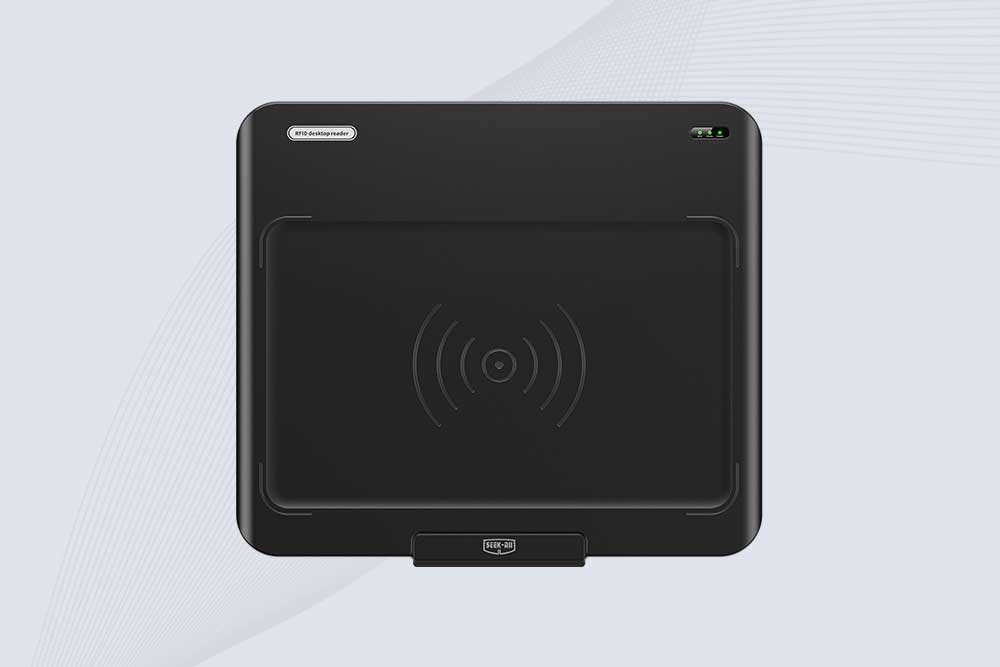
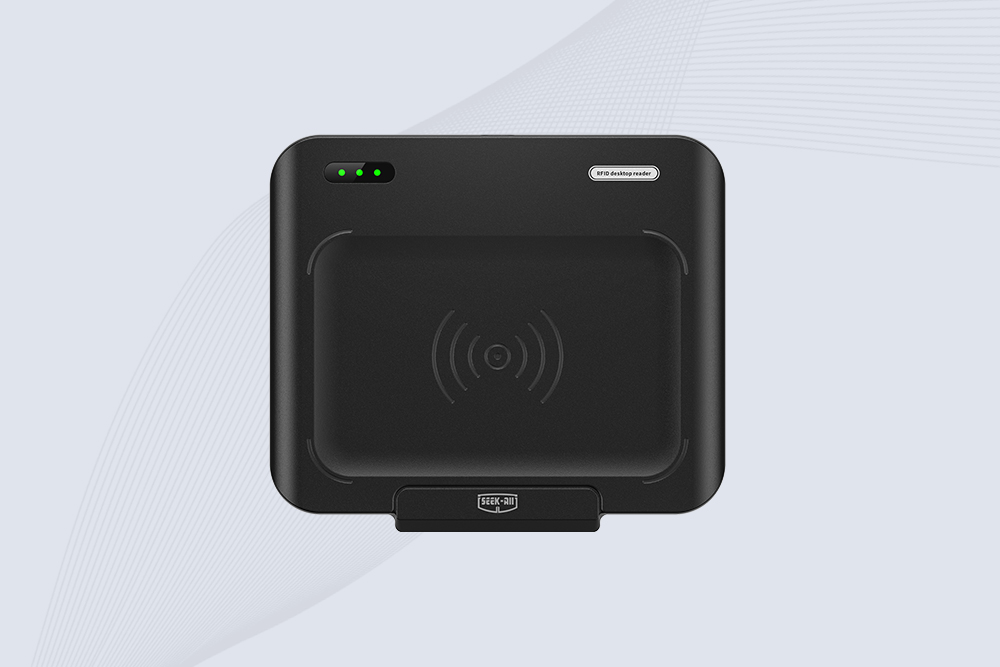
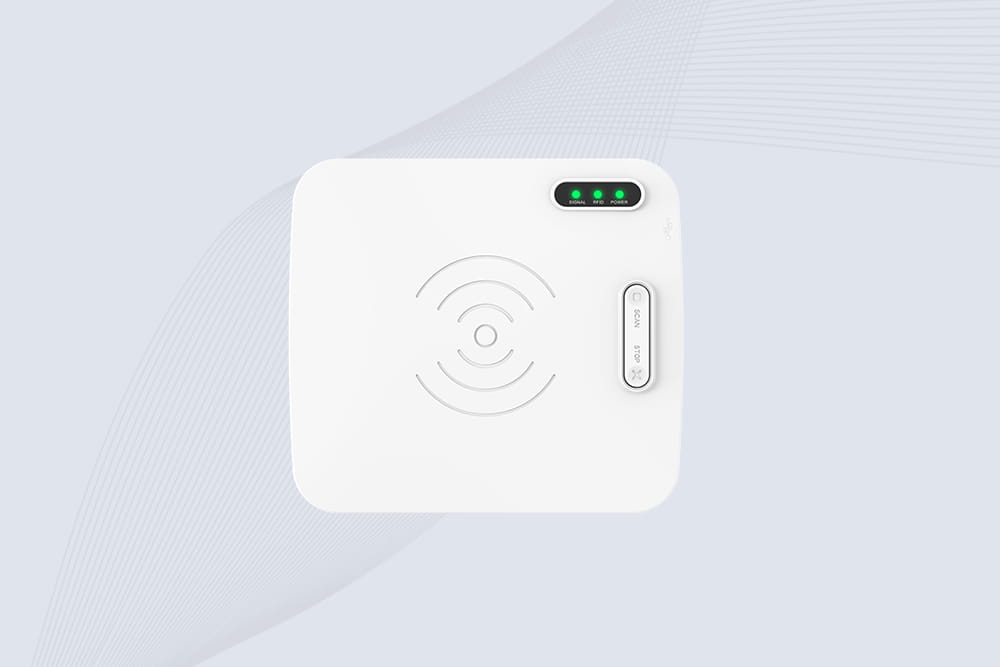
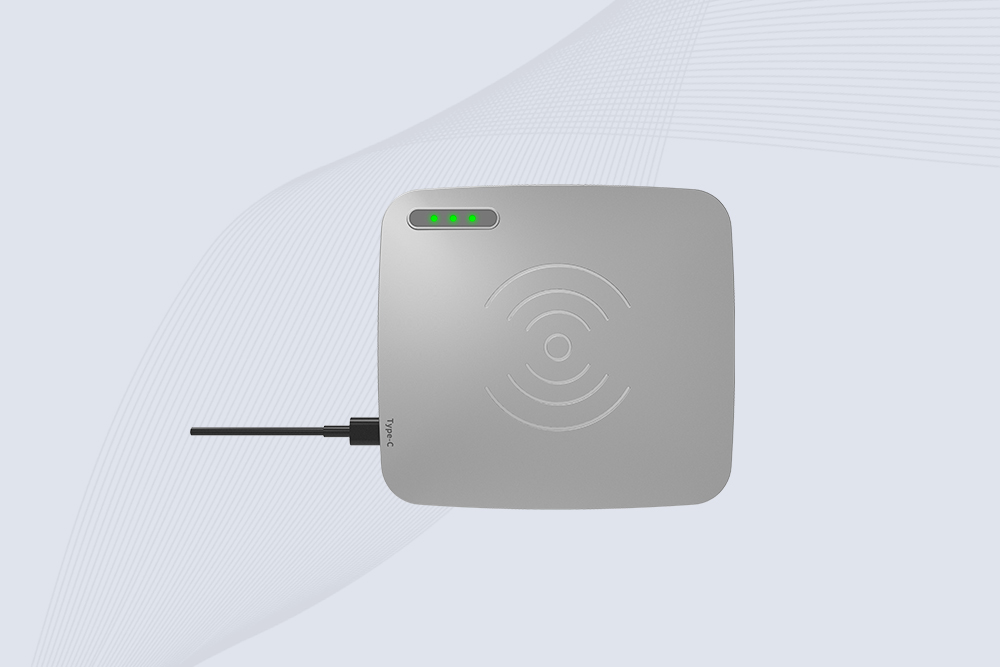
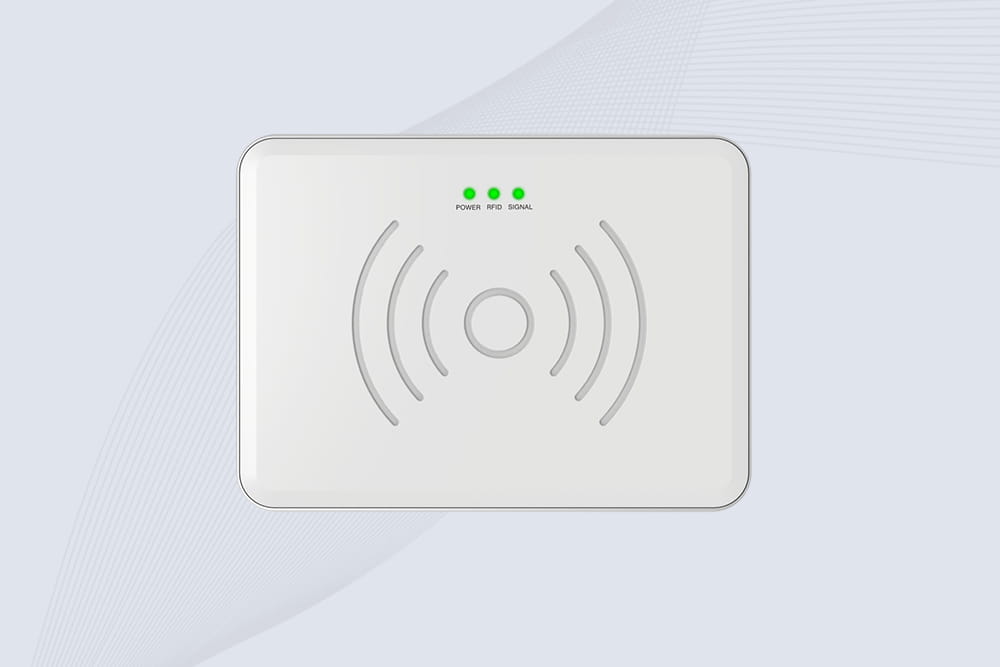
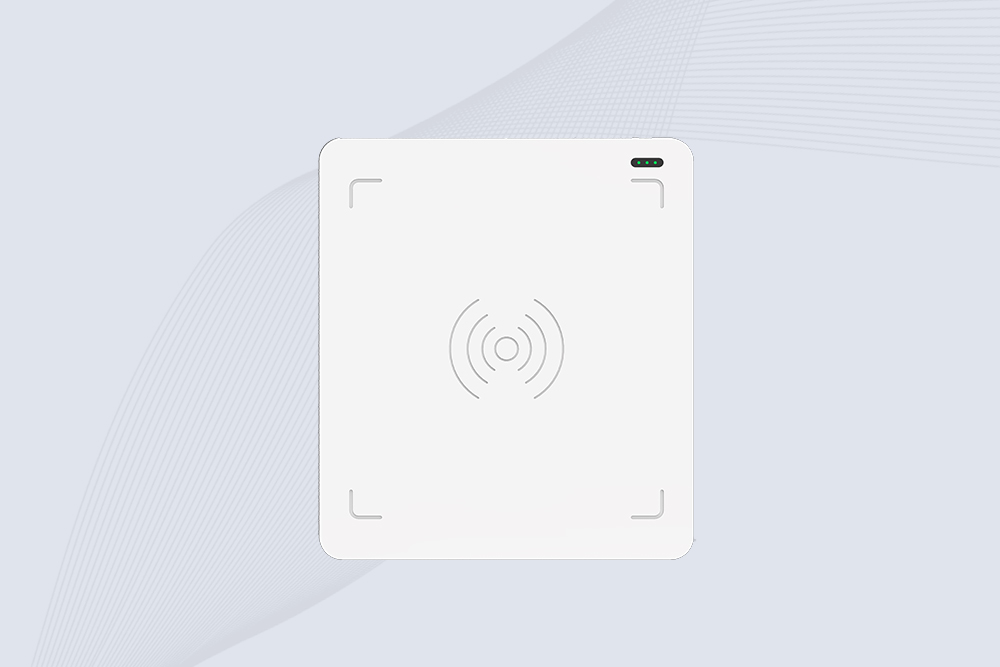
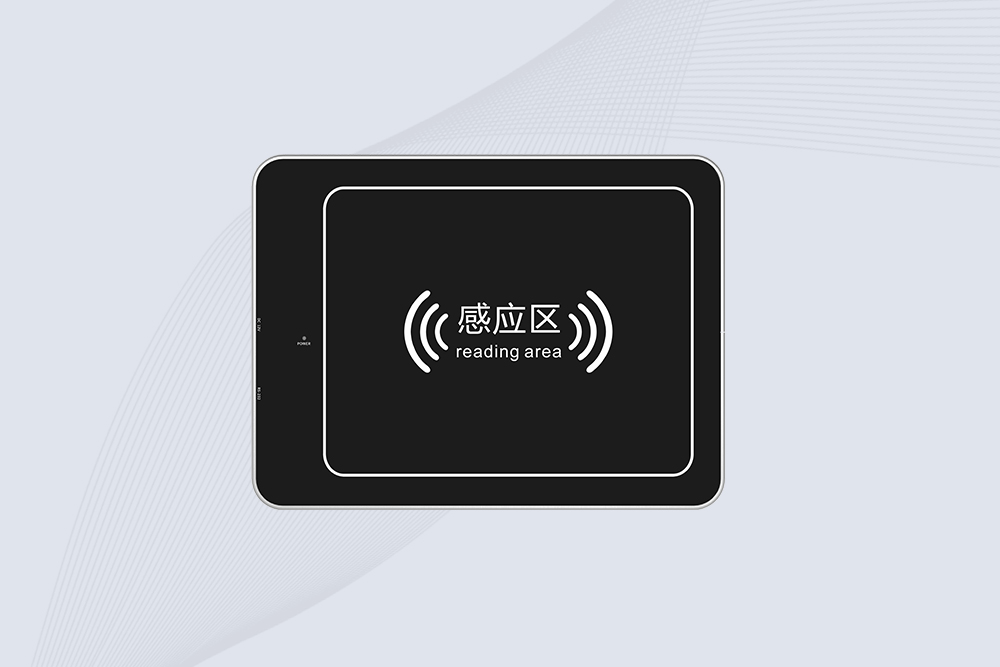
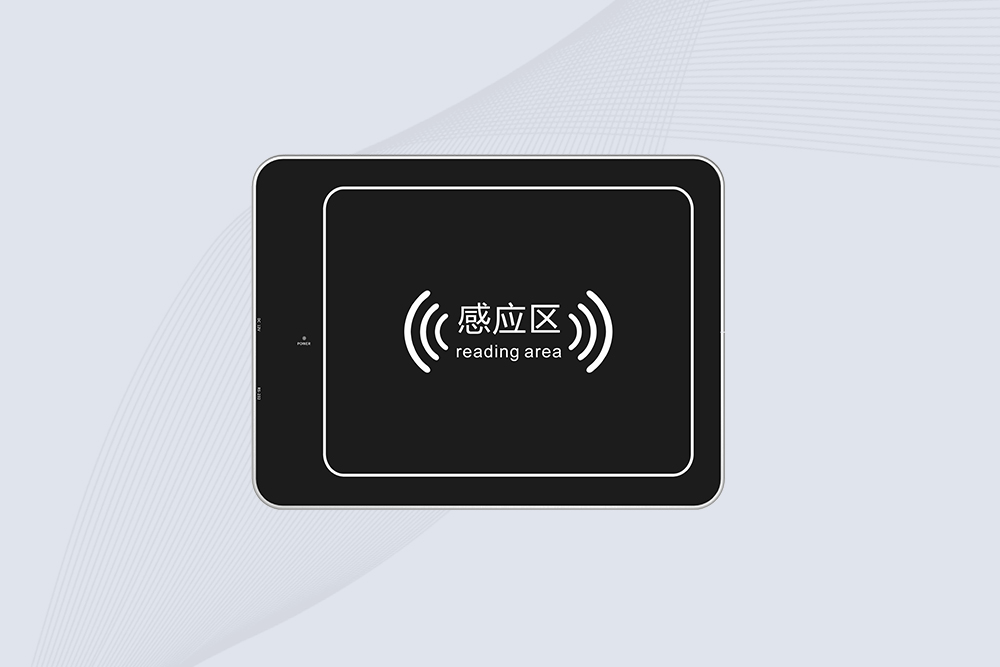
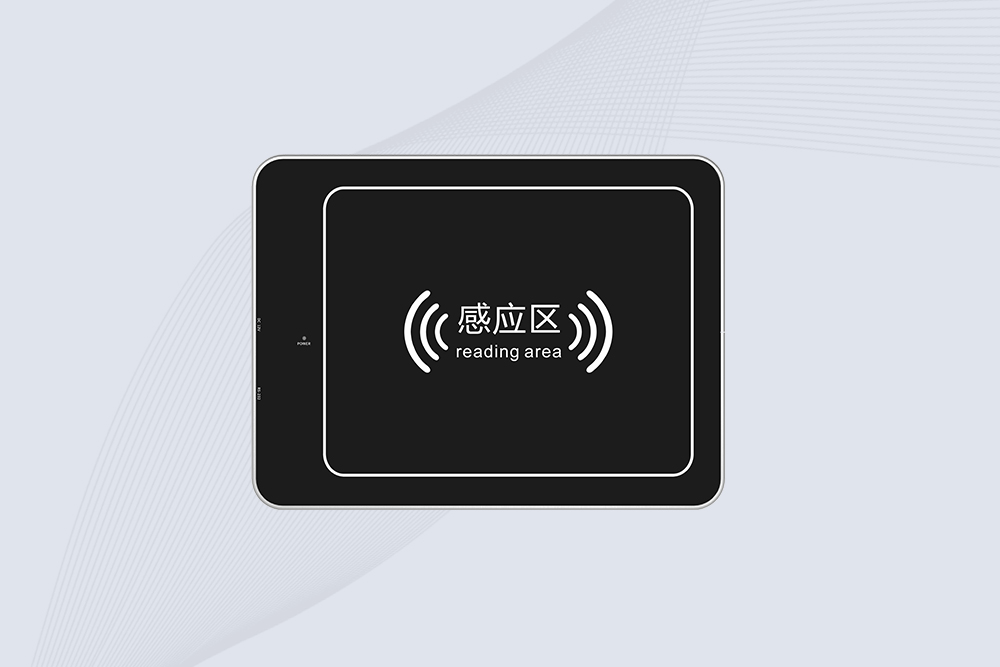
Cykeo desktop RFID reading platforms are designed for controlled tag management environments where operators need reliable reading and writing performance.
Typical applications include:
Application
RFID Chip Usage
Library registration
Connect books with digital records
Tool management
Identify equipment ownership and status
Textile management
Track reusable items
Document management
Manage files and archives
The focus is not simply reading a tag. The goal is creating a reliable information connection between the physical item and the management system.
RFID Chip and Desktop RFID Reader Integration
Controlled Reading and Writing Environments
Some RFID applications require precise reading areas instead of long-distance detection.
For example, a desktop RFID platform used by a tag administrator may need to:
Register new RFID tags
Rewrite tag information
Search item records
Process borrowing and return operations
Cykeo desktop RFID platforms use near-field antenna designs to create a controlled reading environment.
Typical technical characteristics include:
Feature
Description
Connection Interface
USB communication
Signal Processing
Proprietary high-efficiency algorithms
Output Power
Up to 33dBm
Reading Capability
Multi-tag recognition
Data Processing
Filtering and RSSI support
Development
C# and Java resources available
This type of design is suitable for locations where operators need accurate tag management rather than wide-area scanning.
Real-World RFID Chip Management Examples
RFID Chips in Library Systems
Libraries are one of the classic examples of RFID chip applications.
A book with an RFID chip can support:
Book registration
Borrowing records
Return processing
Inventory checking
Instead of manually scanning every barcode, librarians can use RFID readers to identify tagged books efficiently.
A desktop RFID reader provides a practical workstation solution because staff can place books directly on the reading area during registration or processing.
RFID Chips in Industrial Tool Tracking
Factories often manage thousands of tools and production assets.
Without digital identification, companies may rely on:
Manual records
Paper forms
Employee memory
RFID chips create a digital identity for each tool.
The system can help manage:
Tool registration
Borrowing history
Return confirmation
Maintenance records
During industrial RFID evaluations, one detail appears repeatedly: the technology works best when it follows the existing workflow instead of forcing employees to change their process completely.
RFID Chips in Textile and Laundry Management
Textile industries handle large volumes of reusable items.
RFID chips can be integrated into textile labels to support:
Uniform tracking
Laundry circulation
Storage management
Distribution records
Because these items move frequently between locations, automatic identification reduces manual counting pressure.
RFID chips connect physical assets with digital tracking and management platforms.
How to Select the Right RFID Chip Solution
Consider the Application Environment
Selecting an RFID chip requires understanding where and how the tag will be used.
Important questions include:
What material is the object made from?
How far should the reader communicate?
How many tags need to be processed?
Does the information need to be rewritten?
Different environments create different challenges.
Examples:
Environment
Consideration
Metal equipment
RF reflection and interference
Liquid containers
Signal absorption
Dense inventory
Multi-tag processing
Office documents
Controlled short-range reading
Match RFID Chip Frequency With Requirements
Frequency selection affects RFID system behavior.
Frequency
Typical Characteristics
LF RFID
Short-distance stable identification
HF RFID
Common for cards and close-range applications
UHF RFID
Suitable for logistics and inventory
The correct frequency depends on the workflow rather than simply choosing the longest reading distance.
RFID Chip Technology Development Trends
From Identification Component to Digital Asset Connection
The role of RFID chips continues to expand.
Originally, RFID was mainly used for identification. Today, businesses use RFID chips as part of broader digital management systems.
Modern RFID applications include:
Smart inventory
Automated supply chains
Manufacturing visibility
Asset lifecycle management
According to research from the Auburn University RFID Lab, RFID adoption in retail and supply chain environments has demonstrated improvements in inventory accuracy through item-level identification approaches.
The future direction of RFID chip technology is not only storing information. It is helping organizations understand physical assets throughout their lifecycle.
Frequently Asked Questions About RFID Chips
1. What does RFID chip stand for?
RFID chip stands for Radio Frequency Identification chip. It is the electronic component inside an RFID tag that stores identification information and communicates with RFID readers.
2. Is an RFID chip the same as an RFID tag?
No. An RFID chip is the internal electronic component, while an RFID tag usually includes the chip, antenna, and protective material.
3. Does an RFID chip need a battery?
Most RFID chips used in commercial applications are passive and do not require batteries. They receive energy from RFID readers during communication.
4. What information can an RFID chip store?
An RFID chip can store identification numbers, product information, asset codes, and other application-specific data depending on its memory capacity.
5. How does an RFID chip communicate?
An RFID chip communicates by receiving radio frequency signals from an RFID reader and sending stored information back to the reader.
6. Where are RFID chips commonly used?
RFID chips are used in logistics, manufacturing, libraries, retail, healthcare, textile management, and industrial asset tracking.
7. Can RFID chips be rewritten?
Some RFID chips support rewriting. Compatible RFID readers can update stored information according to the chip type and security settings.
Final Thoughts: Understanding What Does RFID Chip Stand For
When asking what does rfid chip stand for, the answer is Radio Frequency Identification chip. It is the small but essential electronic component that allows objects to communicate with RFID systems.
However, the real value of an RFID chip comes from the complete system around it. The chip, antenna, RFID reader, and software must work together to create reliable identification and management.
From libraries and warehouses to manufacturing facilities and asset tracking environments, RFID chips help organizations transform physical objects into connected digital resources.
Cykeo develops RFID solutions focused on practical application needs, helping businesses build stable identification systems through reliable hardware design and flexible integration.
A small RFID chip can become the foundation of a much larger digital management process.
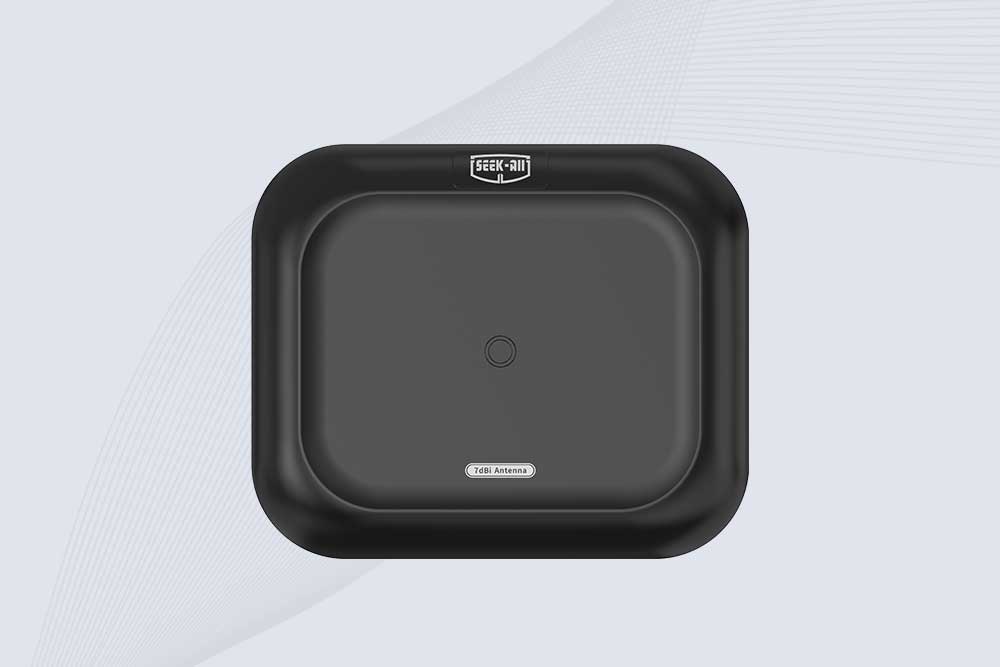
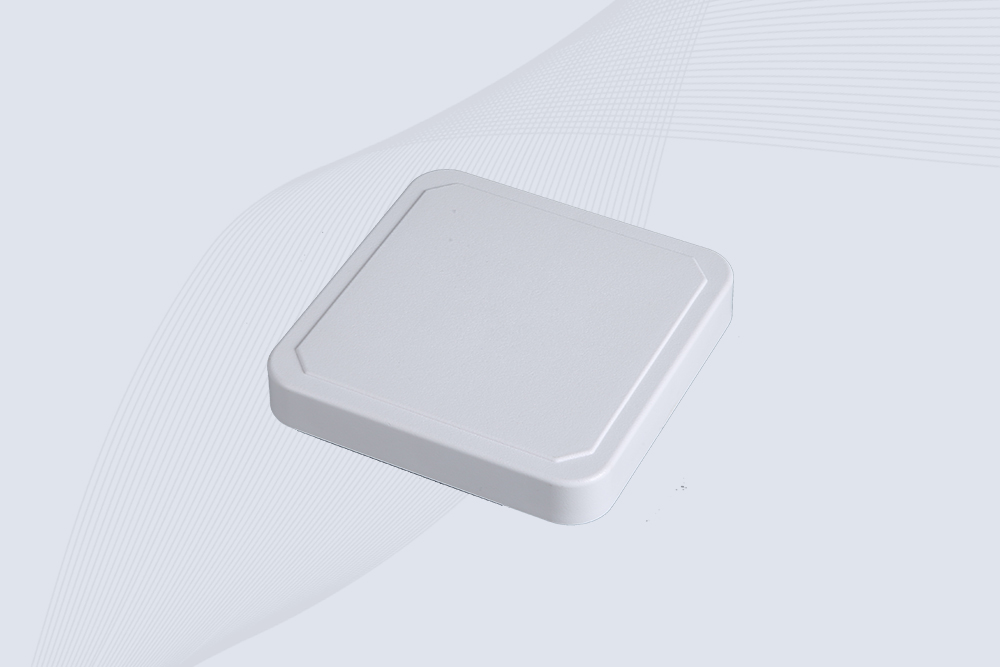
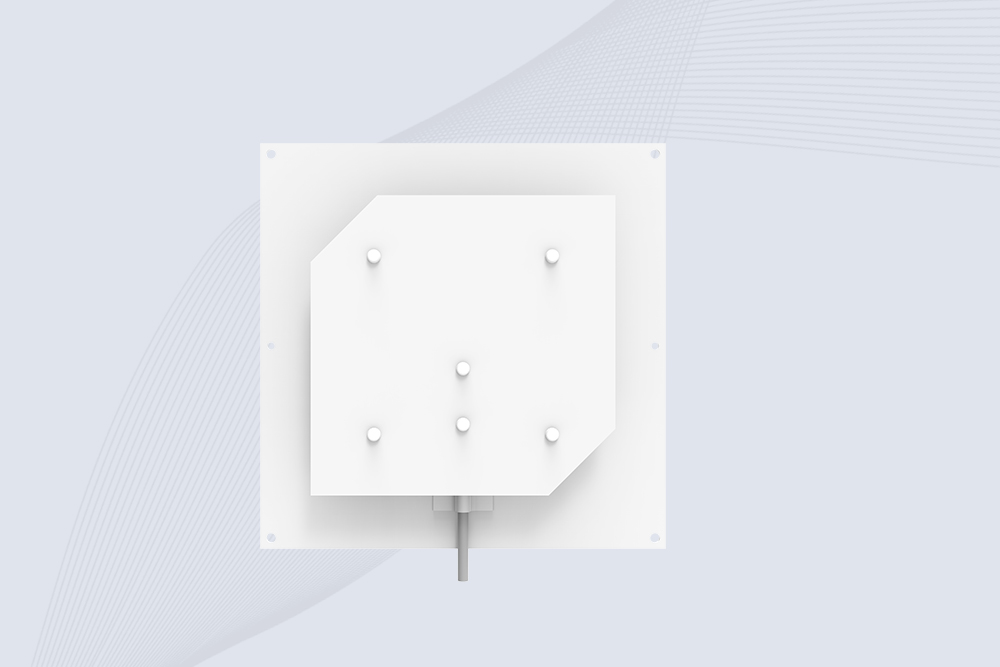
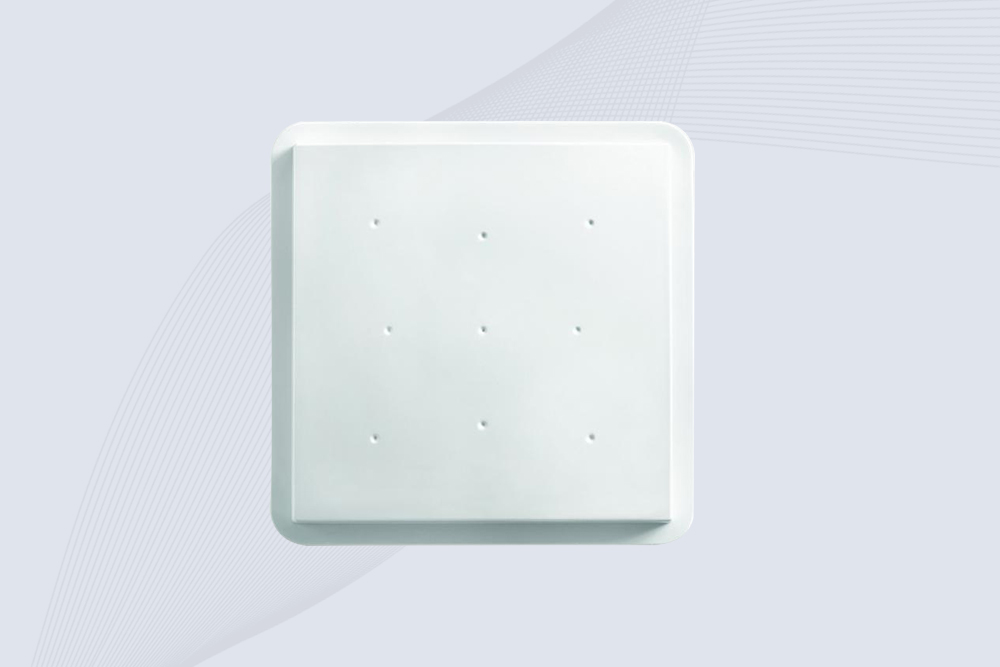
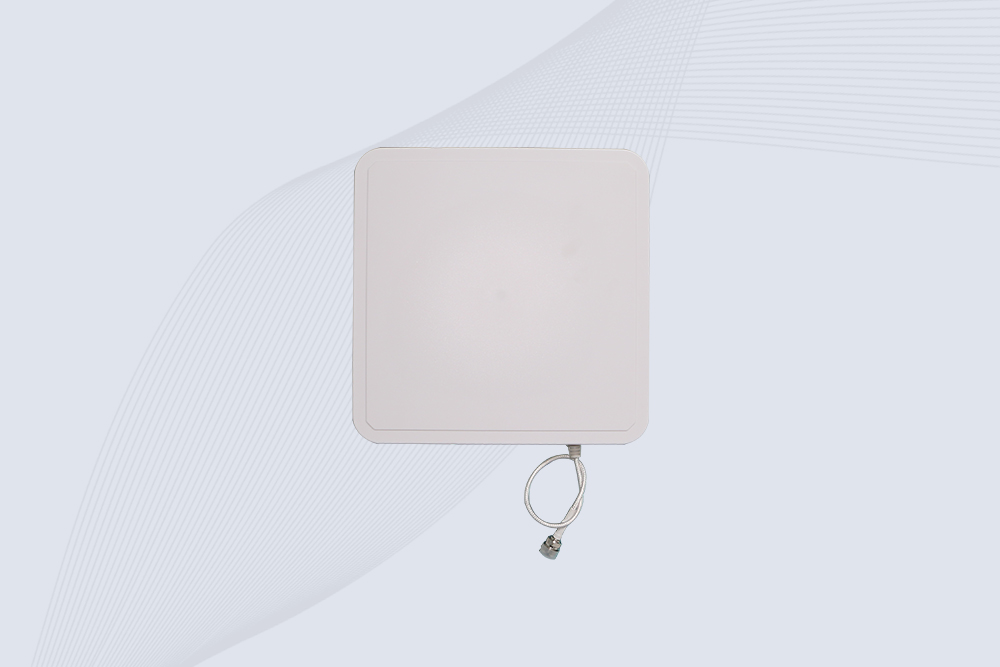
Explore the SSD-A07 UHF RFID antenna with 7 dBi gain, circular polarization, adjustable 840–960 MHz frequency, and 60°/75° beamwidth for stable RFID read/write performance.
SSD-A06 UHF RFID antenna with circular polarization, adjustable 840–960 MHz frequency, ≥4.5 dBi gain, and a compact directional design for RFID systems.
SSD-D3AL is a USB-HID UHF RFID reader with 0–30 cm reading, 0–15 cm writing, over 600 tags/s recognition, USB plug-and-play operation and OEM Logo customization.
SSD-D1AL is a compact USB UHF RFID reader with Impinj E710/X3M1 chipset, USB-HID, 600+ tags/s recognition, 4/8/16 antenna support and plug-and-play USB power.
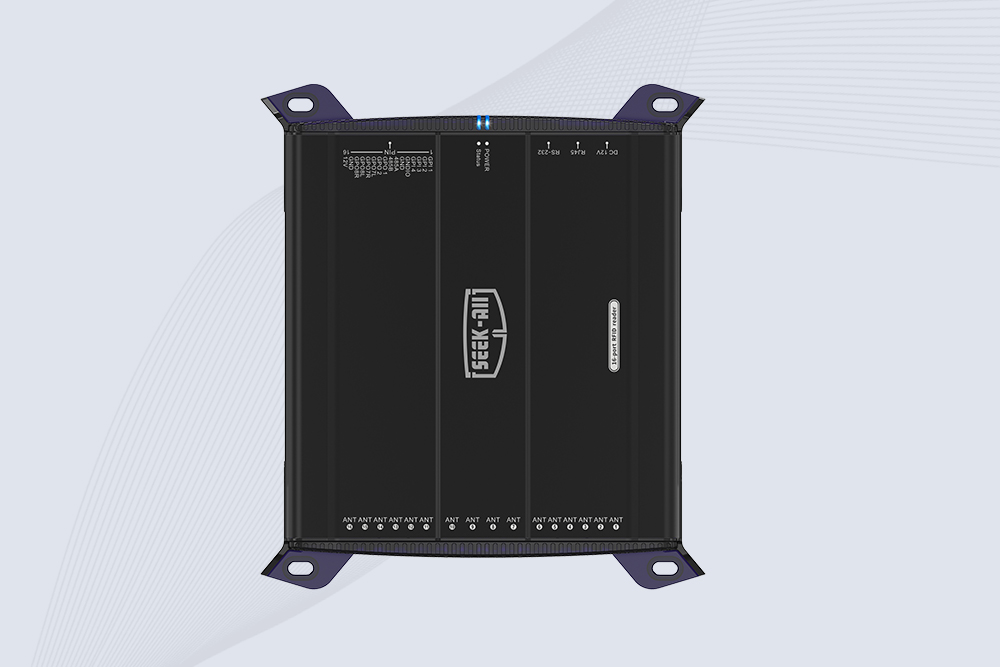
SSD-R16L Multi-Channel RFID Infrastructure for Automated Inventory Management ✔️ 16-Port High-Density RFID Reading Equipped with 16 SMA antenna ports, SSD-R16L supports multi-antenna deployment for warehouses, retail stores, logistics, production lines, and large-area RFID identification. ✔️ High-Speed & Long-Range Performance With up to 33…
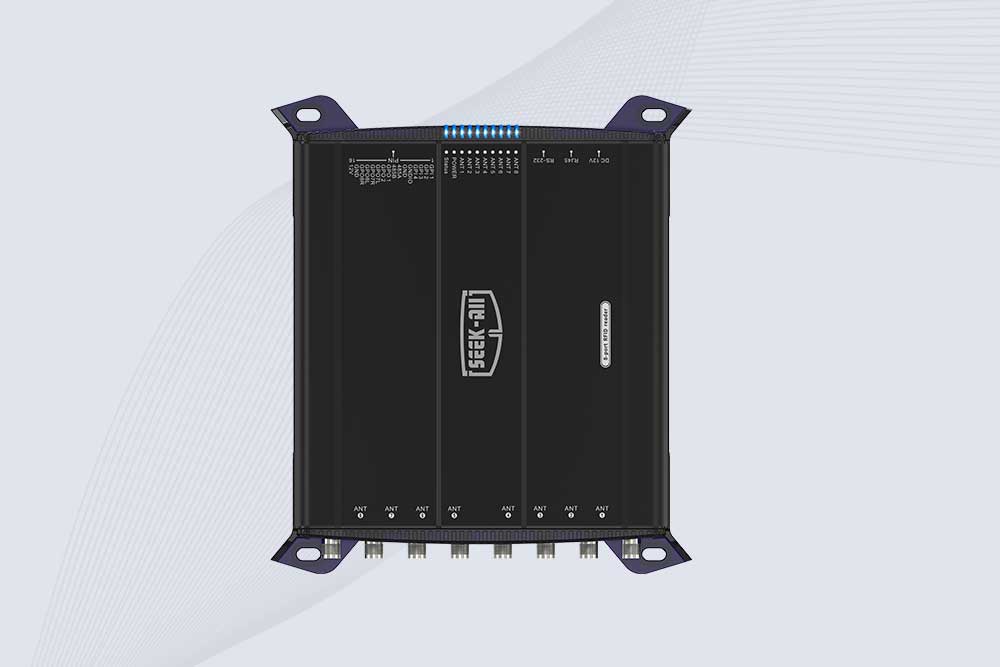
SSD-R8L 8-port UHF RFID reader with 33dBm output, up to 20m reading range and 600+ tags/s recognition. Ideal for warehouse, logistics, retail and asset tracking.
CYKEO CYKEO-D1LA USB RFID Reader is a compact desktop solution with near-field control for precise tag reading and encoding. Powered by USB, supporting ISO 18000-6C, and built for stable batch writing, this usb rfid tag reader fits retail, libraries, offices, and controlled RFID encoding tasks.
CYKEO CYKEO-D1L RFID scanner USB is a compact desktop UHF RFID scanner designed for short-range tag writing and verification. This usb rfid scanner supports batch encoding, stable 0–26 dBm output, and works across Windows, Linux, and Android systems.
CYKEO CYKEO-D1C USB RFID Card Reader is a near-field UHF desktop writer designed for secure, short-range tag encoding. With USB-C connectivity and stable 26 dBm output, this rfid reader usb c is ideal for badge issuance, label encoding, and controlled desktop RFID workflows.
CYKEO CYKEO-D2L RFID Reader USB is a compact desktop encoder built on the Impinj R500 chip. With near-field control and stable USB power, this usb rfid card reader delivers precise tag writing for offices, retail counters, and small-scale logistics encoding tasks.
CYKEO CYKEO-D3L USB RFID Tag Reader delivers stable UHF tag reading and writing for daily desktop and light industrial tasks. Designed for controlled short-range operation, this USB RFID Tag Reader works reliably with rfid tag and reader systems in libraries, tool tracking, and inventory registration.
The CYKEO CYKEO-D4L UHF RFID Tag Reader is a stable Desktop RFID Reader designed for accurate tag registration, borrowing, and return workflows. Built with the Impinj R2000 chip, this UHF RFID Tag Reader delivers controlled short-range reads for libraries, asset tracking, and inventory management environments.
The CYKEO CYKEO-D5L Desktop RFID Card Reader is a stable UHF RFID Card Reader designed for controlled short-range reading and writing. Built for libraries, tool rooms, and asset desks, this UHF RFID Card Reader supports dense tag handling, secure data processing, and easy USB integration.
The CYKEO CYKEO-D6L RFID Reader Writer is a heavy-duty Desktop RFID Reader designed for short-range, high-accuracy tag programming. Built for libraries, labs, and asset desks, this RFID Reader Writer supports batch processing, stable 33dBm output, and seamless integration with existing management systems.
Cykeo CYKEO-D8A embedded RFID badge reader offers 30+ tags/sec scanning, 20cm anti-crosstalk precision, and DC 12V power for unmanned stores, warehouses, and smart inventory systems.
Cykeo’s CYKEO-D8C UHF RFID gate reader achieves 200-tag/batch scanning with adjustable power control, ideal for retail inventory and smart warehouse management.
CYKEO Embedded RFID Modules are designed for compact industrial and IoT devices that require stable UHF performance. These UHF RFID Modules support global protocols, flexible power control, and reliable multi-tag reading for smart cabinets, production lines, and asset tracking systems.
CYKEO Embedded RFID Module is built for compact IoT and industrial devices that need stable UHF performance. This UHF module supports global protocols, low power operation, and reliable multi-tag reading for smart lockers, production lines, and always-on RFID systems.
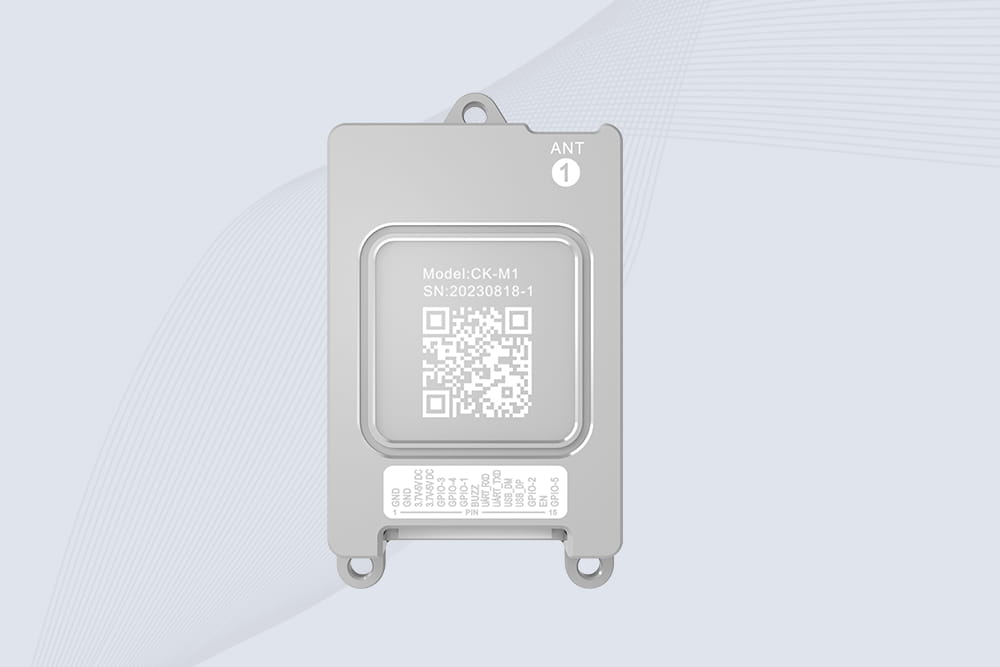
CYKEO CYKEO-M1 drone rfid module is a compact UHF RFID reader module designed for drones and UAV platforms. It supports long-range aerial scanning, fast multi-tag reading, and stable performance in wind, vibration, and outdoor environments.
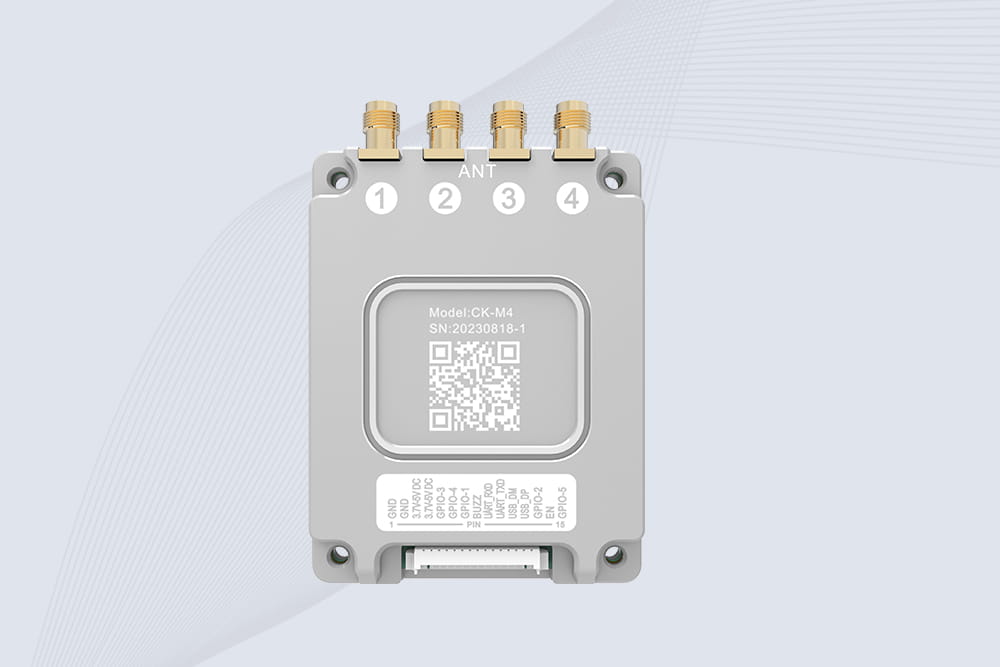
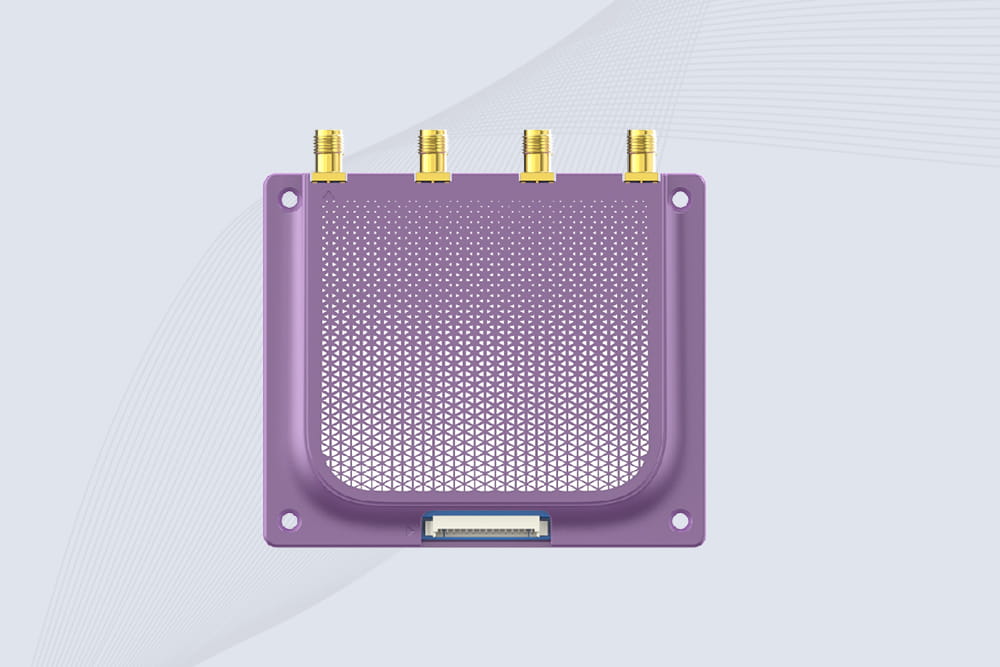
CYKEO CYKEO-M4 RC522 RFID Module is an industrial-grade UHF RFID reader with 4 ports, supporting ISO, EPC, and GB protocols. High-speed, accurate reading for IoT, automation, and warehouse applications.
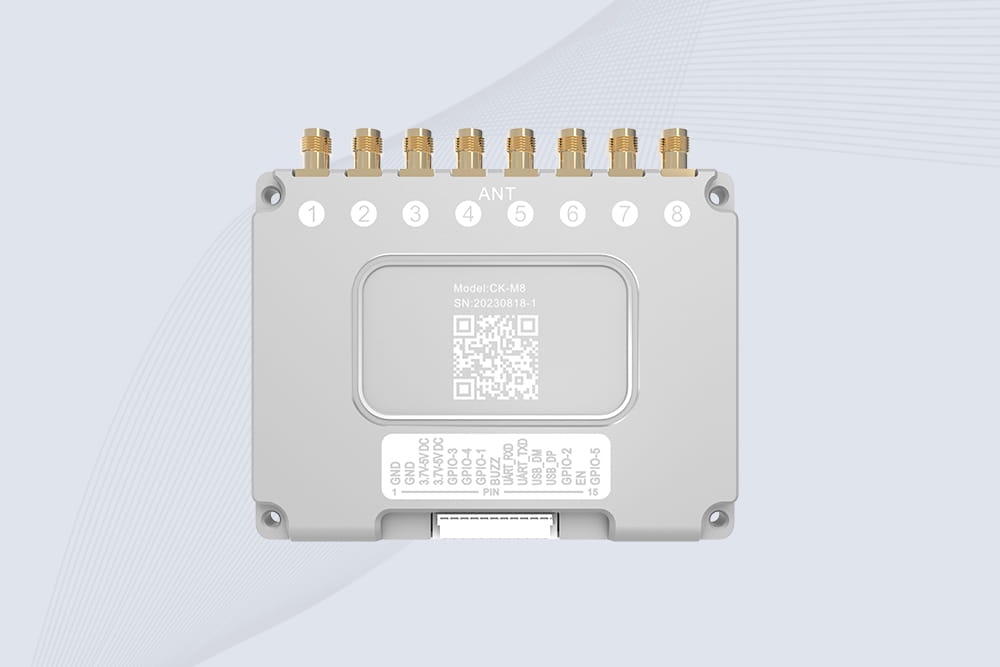
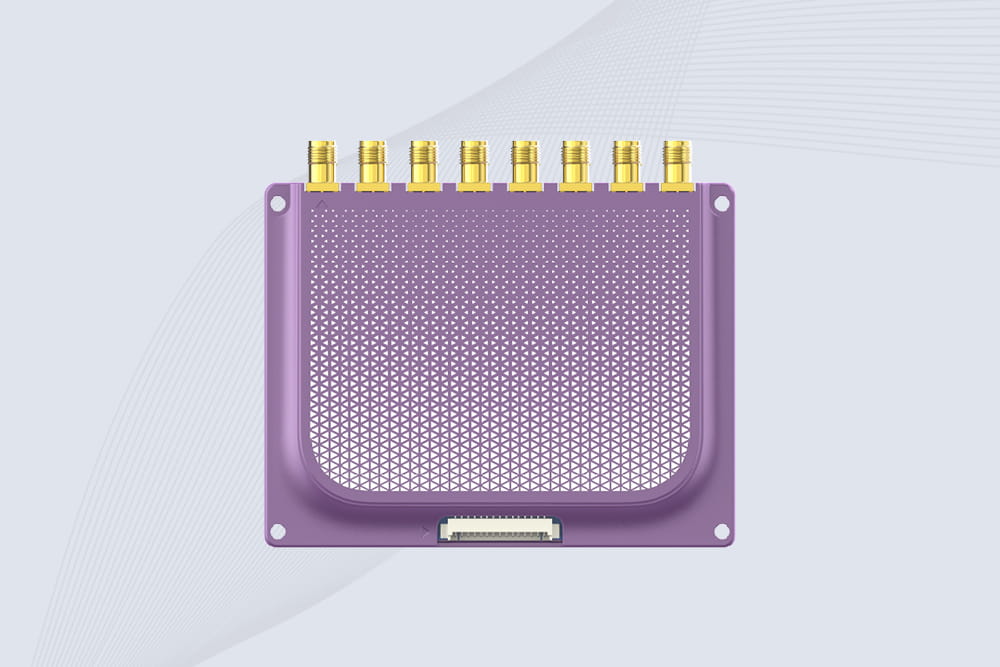
CYKEO CYKEO-M8 Module RFID is an 8-port UHF R2000 RFID Module designed for high-density, multi-tag environments. Stable 33dBm output, ISO & GB protocol support, ideal for warehouses, factories, and automated systems.
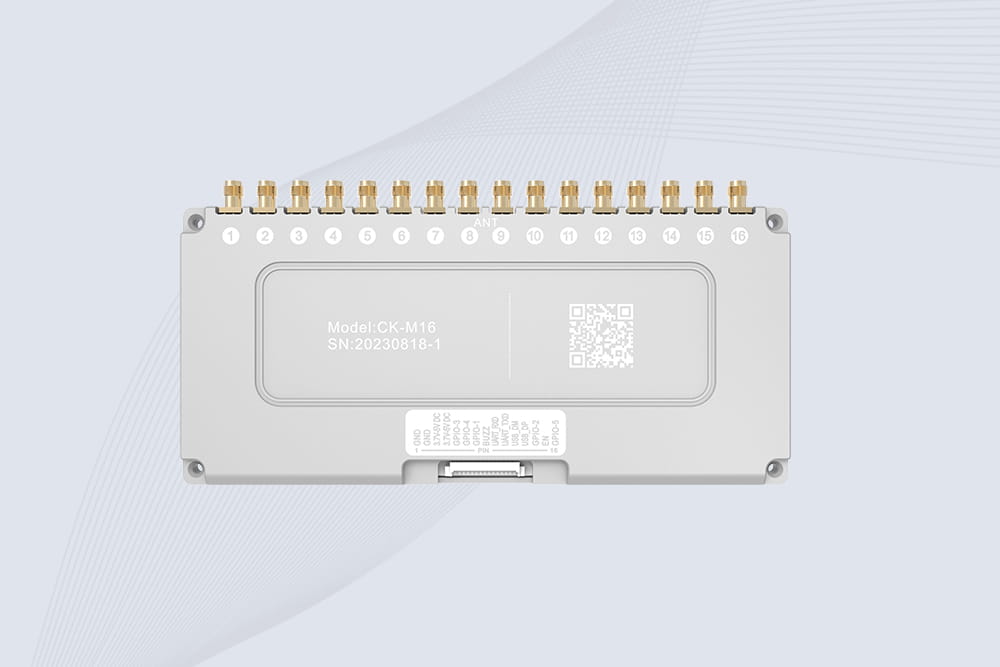
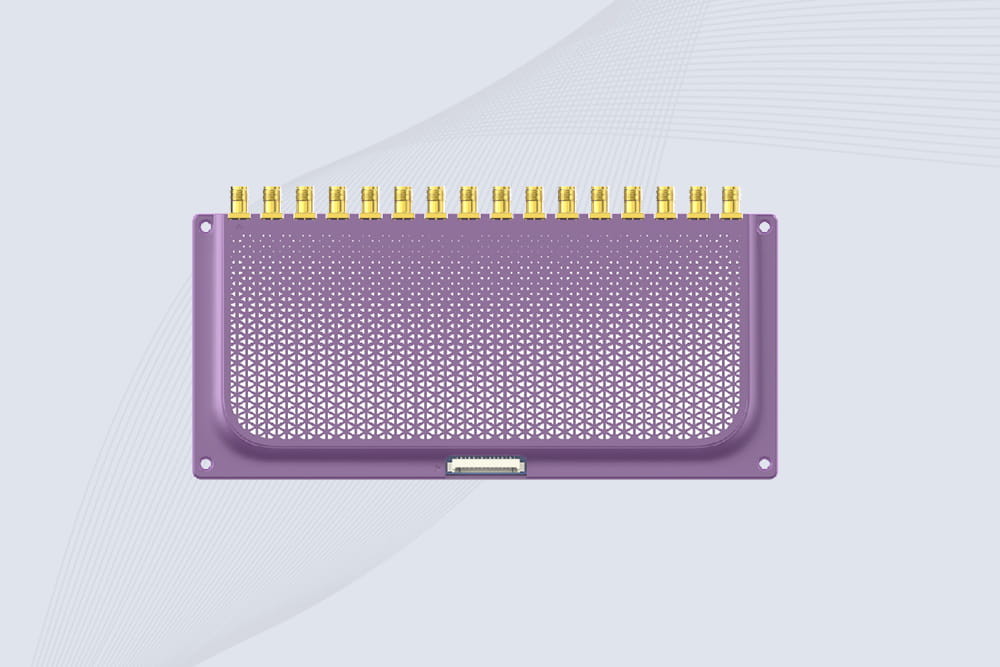
CYKEO CYKEO-M16 RFID Module is a 16-port UHF RFID reader module based on the R2000 chipset. Designed for dense tag environments, it supports ISO and GB standards and delivers stable multi-antenna control for industrial automation.
The CYKEO CYKEO-M16L RFID Reader Module is a 16-channel UHF RFID core designed for dense tag environments. With adjustable 33dBm output, multi-protocol support, and stable multi-antenna control, this RFID Tag Reader Module fits industrial automation, warehouse systems, and large-scale IoT deployments.
CYKEO CYKEO-M8L module RFID is a compact industrial UHF module built for dense tag and multi-antenna environments. With 8 RF ports, adjustable 33 dBm output, and ISO & GB protocol support, it is widely used in factories, warehouses, and automated tracking systems.
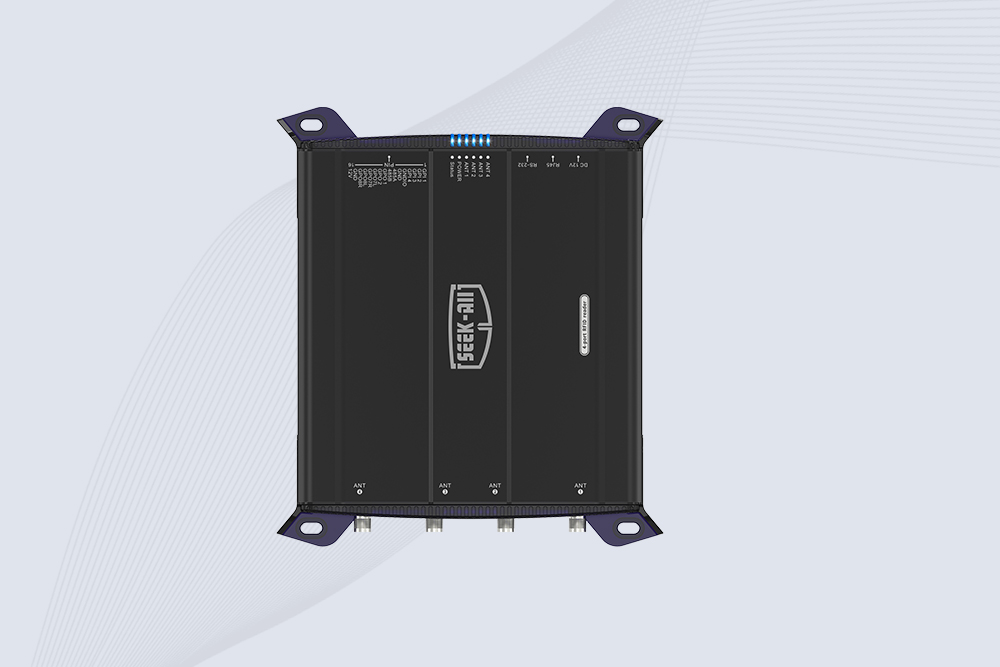
CYKEOCYKEO-M4L UHF RFID Module is a compact 4-channel RFID tag reader module designed for dense tag environments. Supporting ISO and GB protocols, it delivers stable reads up to 10 meters for industrial and IoT systems.
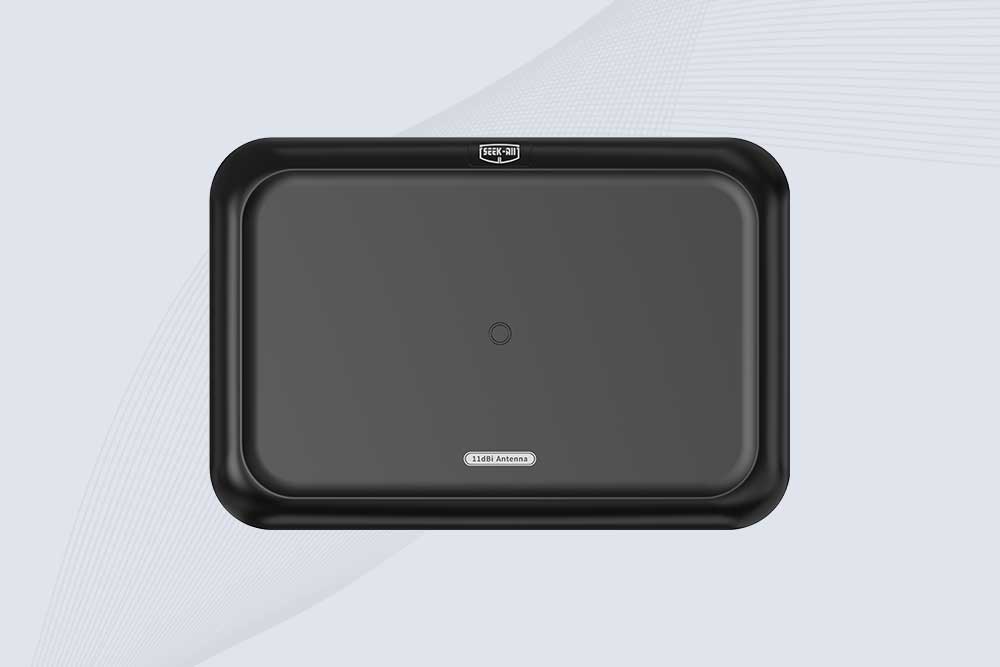
Cykeo CYKEO-A11 UHF RFID reader antenna delivers 11dBi gain, 840-960MHz frequency range, and IP65 ruggedness for retail, logistics, and industrial RFID systems. Features low VSWR and easy installation.
CYKEO Antenna RFID Reader delivers stable long-range UHF performance with a 10.5dBi directional design, built for warehouses, conveyor portals, and industrial RFID systems. This rfid reader antenna provides 20m+ read distance and rugged IP67 protection.
Cykeo CYKEO-A5B industrial Linear RFID Antenna delivers 5dBi gain, ≤1.5:1 VSWR, and IP65 rugged design for warehouse, production line, and logistics UHF systems.
Cykeo’s CYKEO-B12 Long Range RFID Antenna delivers 15m+ read range with 12dBi gain, IP65 rugged design, and global 840-960MHz UHF support. Ideal for warehouse/logistics asset tracking.
Cykeo CYKEO-B10 Long Distance RFID Antenna offers 10dBi gain, 840-960MHz frequency range, IP65 rating, and 20m+ coverage for logistics/warehousing/ETC systems. Low VSWR ensures stable signal transmission.
Cykeo CYKEO-A6 UHF RFID panel antenna features 6dBi gain, 840-960MHz broadband, IP65 metal-ready housing for logistics/smart retail. 18mm ultra-thin design with tool-free mounting.
Cykeo CK-A3 industrial antenna RFID UHF offers 5m+ tag detection, ≤1.3:1 VSWR, IP65 rugged design, and global UHF spectrum compatibility (840-960MHz) for warehouses, factories, and retail.
Cykeo CYKEO-B5 directional RFID antenna provides 5dBi gain with 60° narrow beamwidth for precise inventory tracking. IP65-rated, global UHF frequency support, and low VSWR.
Create your own high-performance DIY RFID antenna! 5dBi gain, 840-960MHz tunable, step-by-step guides. Compatible with Arduino, Raspberry Pi, and commercial UHF readers.
Cykeo CYKEO-A7 Flexible RFID Antenna features 840-960MHz wideband tuning, 7dBi gain, and IP68 rating for medical/retail/industrial curved surface deployments. 98% read accuracy with peel-and-stick installation.
Cykeo CYKEO-B5A industrial Passive RFID Antenna delivers 5dBi gain, 70° beamwidth, and -40°C~55°C operation for warehouses/smart cabinets. Compatible with Zebra/Impinj readers.
Cykeo’s CYKEO-A9B High Gain RFID Antenna delivers 15m+ read range with 9dBi amplification. Features IP54 rugged design, 840-960MHz bandwidth, and 80° beamwidth for warehouse/manufacturing RFID systems.
Cykeo’s enterprise-grade 8dbi Impinj RFID Antenna 10m+ read range with 840-960MHz tuning. Features IP65 housing, 1.4 VSWR, 35° beamwidth for retail/warehouse RFID systems.
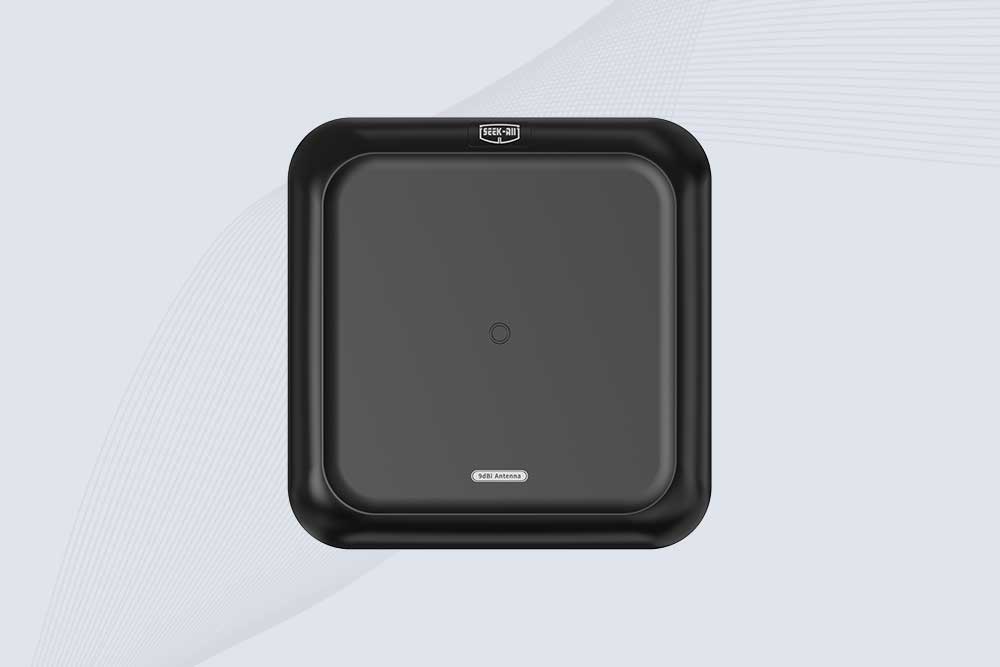
Cykeo CYKEO-A9 industrial UHF RFID antenna delivers 9dBi gain, 840-960MHz frequency range, and IP65 protection for warehouse/logistics/retail RFID systems. Features N-type connector and ≤1.3:1 VSWR.
CYKEO UHF RFID Antenna built for long-distance and industrial applications. This antenna rfid uhf delivers strong gain, outdoor durability, and reliable tag performance in warehouses, yards, and vehicle ID systems.
CYKEO Antenna RFID delivers reliable long-range UHF performance in warehouses, retail shelves, and cold-chain environments. This compact uhf rfid antenna provides stable reads with circular polarization and ultra-wide 840–960 MHz support, ideal for industrial tracking, smart shelves, and asset monitoring.
Cykeo’s CYKEO-C8 UHF RFID antennas delivers 8dBi gain, 840-960MHz full-band coverage, and IP65 ruggedness for manufacturing/warehouse RFID systems. Industrial RFID Antennas Features
Cykeo’s 8dBi UHF RFID antenna and reader kit delivers 10m+ range, 840-960MHz broadband, and IP65 ruggedness for factories, warehouses, and logistics. ISO 18000-6C & EPC Gen2 certified.
A long range RFID scanner can automatically identify products moving on a conveyor, helping warehouses and factories reduce manual scanning and improve produ...
Learn what frequency hopping is in simple terms. Understand how it works, why it’s used in UHF RFID, and how it improves stability in wireless systems.
Wondering if an RFID antenna and reader are two separate devices? We explain the difference between integrated readers and systems with external antennas. Real guidance from CYKEO engineers.
printable rfid labels improve inventory accuracy, automate asset tracking, and support fast UHF identification for logistics, retail, and warehouse operations.
 Cykeo RFID IoT Solution Products R&D Manufacturer