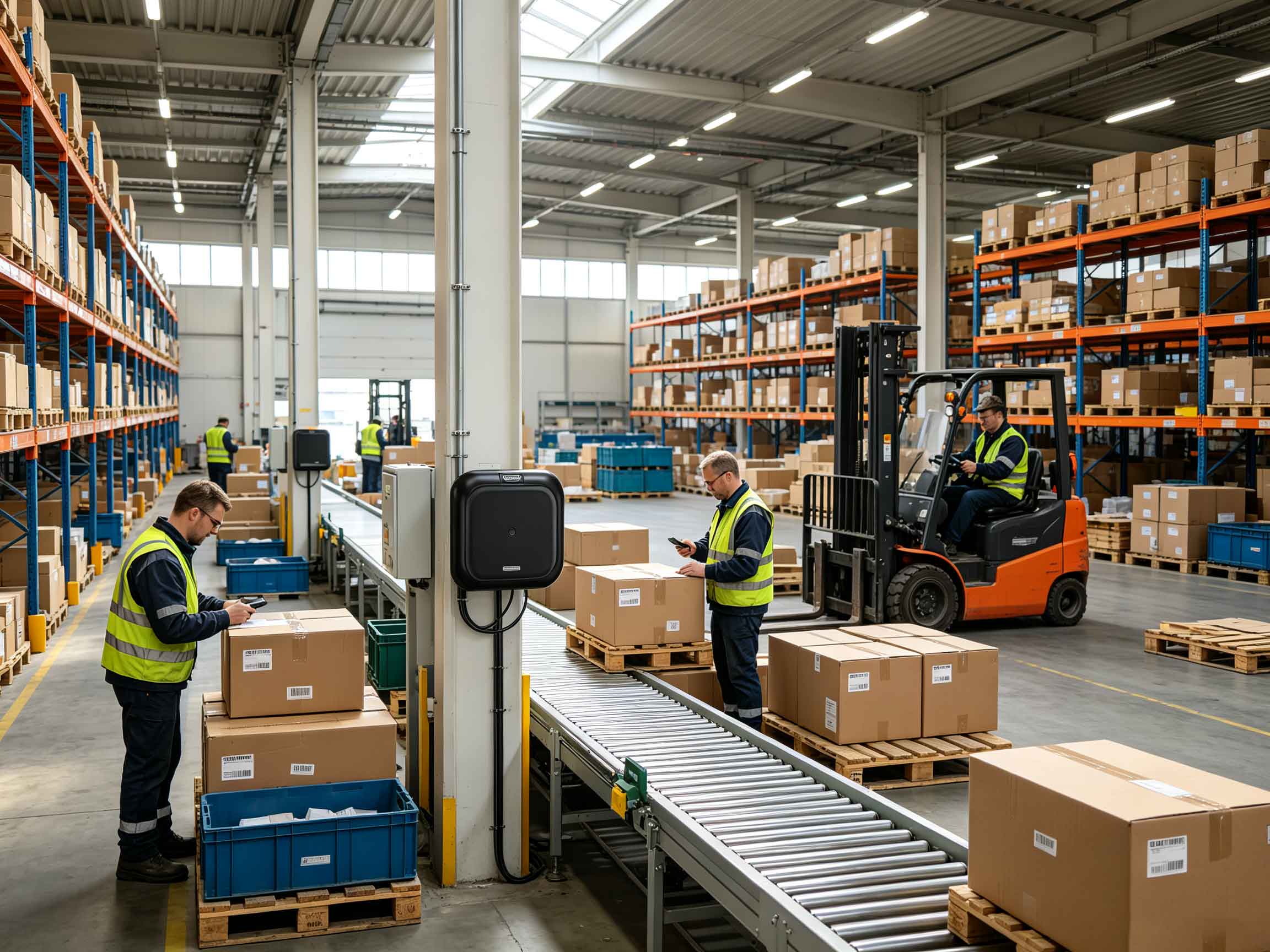
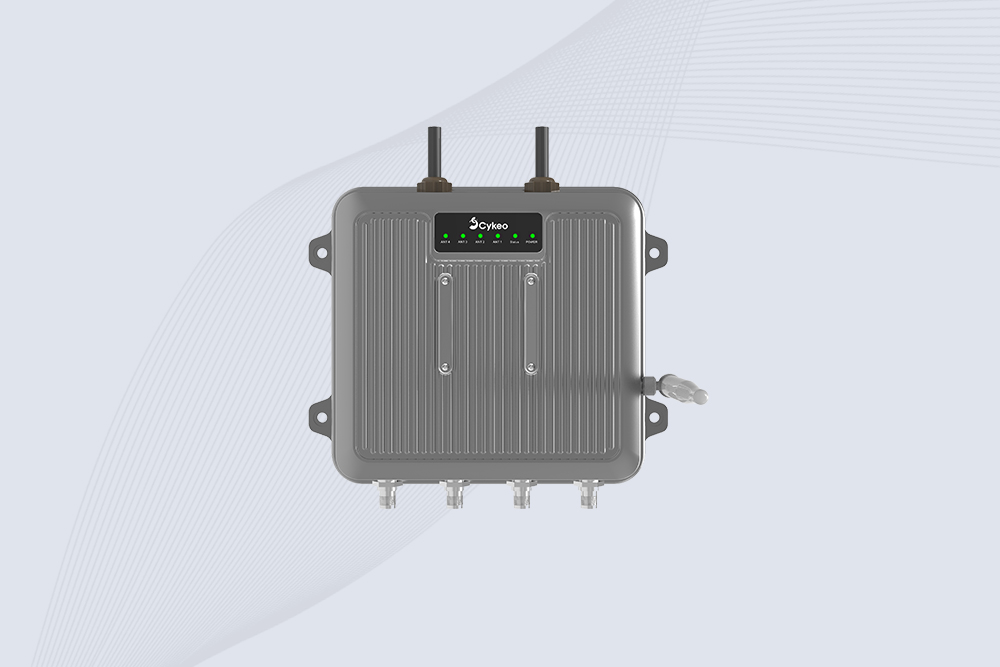
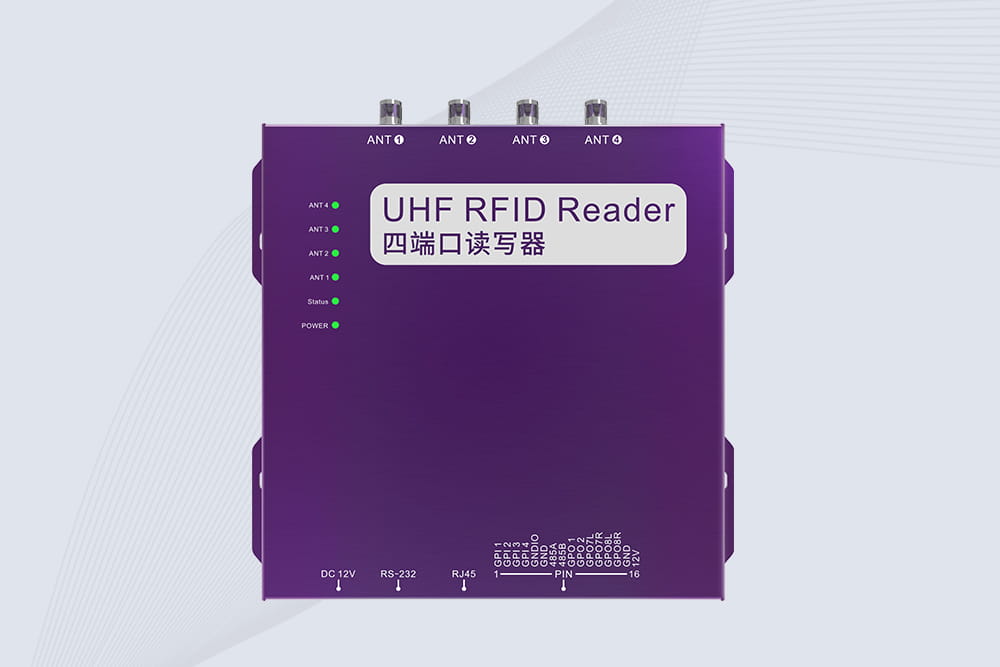
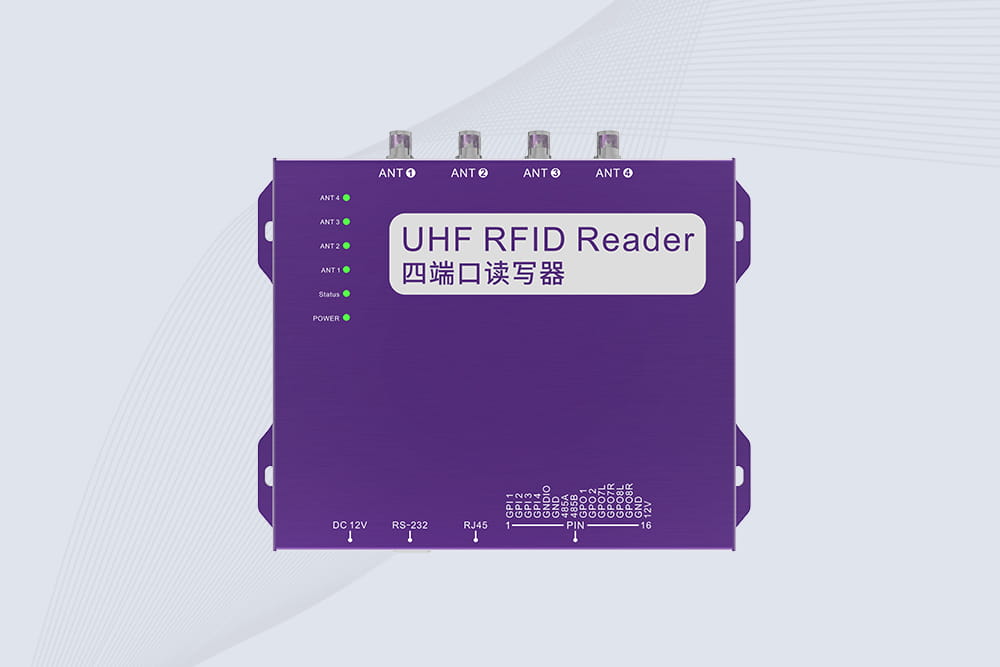
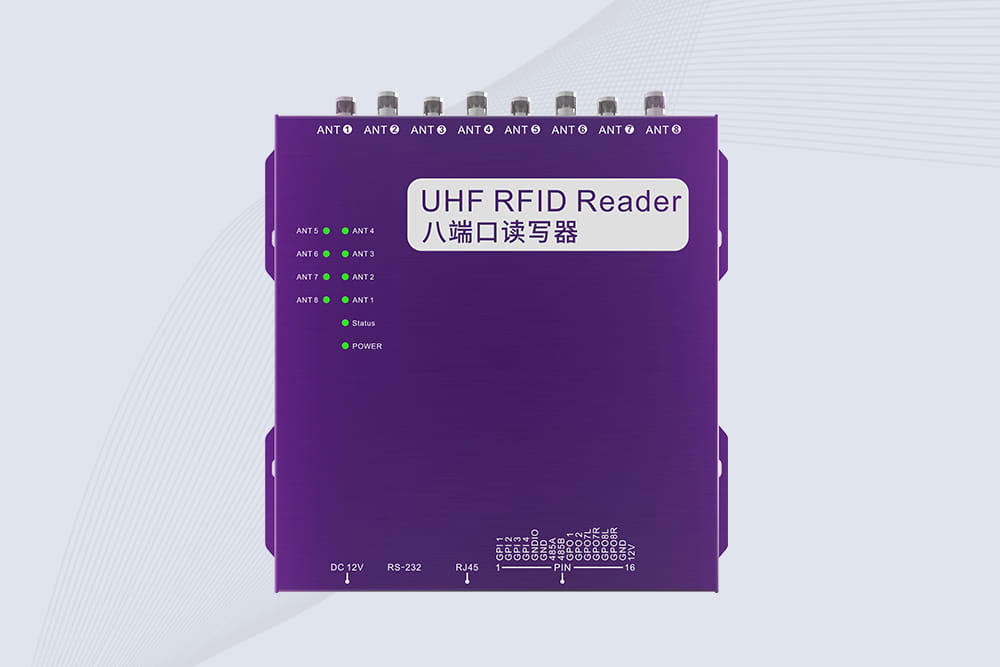
What are rfid used for? RFID is used for automatic identification, tracking, and data collection of physical objects. In UHF RFID applications, businesses use RFID tags and readers to manage inventory, monitor assets, improve logistics visibility, and automate industrial processes. RFID technology has moved far beyond simple identification cards. Today, UHF RFID systems are deployed in warehouses, factories, retail stores, healthcare environments, transportation networks, and supply chains where companies need faster and more reliable visibility of physical items. From my experience supporting RFID deployment projects, the most successful applications are not built by simply attaching tags to products. They begin by understanding how objects move through a real environment. A pallet entering a warehouse, a tool leaving a maintenance room, or a component arriving at a production station all represent different RFID use cases. The technology is simple in concept but detailed in execution: a tag stores information, a reader captures the signal, and software converts that data into operational decisions.
What Is RFID Technology Used For in Modern Businesses?
RFID stands for Radio Frequency Identification. It uses radio waves to identify objects automatically without requiring direct contact or optical scanning.
According to GS1, RAIN RFID technology uses passive UHF RFID systems operating in the 860–960 MHz frequency range for identifying and managing physical objects across industries.
Common RFID applications include:
Inventory management: Automatically identifying products, cartons, and stock items.
Asset tracking: Monitoring tools, equipment, and valuable company resources.
Supply chain management: Improving shipment visibility from production to delivery.
Manufacturing automation: Tracking components and work-in-progress materials.
Retail operations: Improving stock accuracy and product availability.
Healthcare management: Monitoring medical equipment and supplies.
The phrase “what are rfid used for” often leads people to think only about tags. In real projects, RFID is a complete system consisting of tags, readers, antennas, software platforms, and operational processes.
UHF RFID Applications in Inventory Tracking
Inventory management is one of the largest application areas for UHF RFID technology.
Traditional inventory counting often depends on employees scanning barcodes individually or manually recording information. This approach can become difficult when businesses manage thousands or millions of items.
UHF RFID allows multiple tagged items to be identified simultaneously when they pass through a properly designed reading area.
Application Area
How RFID Is Used
Warehouse receiving
Automatically records incoming cartons and pallets
Storage management
Improves item location visibility
Shipping operations
Confirms outgoing products
Cycle counting
Reduces manual inventory checking workload
A warehouse RFID deployment usually requires careful planning. Reader placement, antenna direction, tag orientation, and surrounding materials all influence performance.
During field testing, I have seen situations where a high-performance reader produced inconsistent results simply because tags were placed incorrectly on metal containers or liquids. The solution was not always stronger hardware; sometimes the answer was changing the tag position or reading zone design.
Industrial RFID Applications for Manufacturing and Asset Tracking
Manufacturing environments are one of the most demanding areas for RFID deployment.
Factories often contain metal structures, moving machinery, electromagnetic interference, and constantly changing workflows. RFID systems must be designed according to the physical conditions rather than installed as a standard package.
Typical industrial RFID applications include:
Production line tracking
Tool management
Equipment identification
Reusable container tracking
Quality traceability
Maintenance history recording
For example, a manufacturing company may attach durable UHF RFID tags to component carriers. When the carrier reaches different production stations, fixed readers capture movement events and connect them with manufacturing software.
The value is not only knowing where an item is. The system can help answer:
Which process stage has the component reached?
How long has the item stayed at a workstation?
Was the correct material used?
Where did a production delay occur?
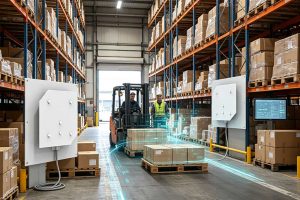
RFID systems help warehouses improve inventory visibility through automatic identification of tagged items.
RFID Tracking Solutions in Supply Chain Management
Supply chains involve thousands of movement points, making visibility a major challenge.
RFID tracking solutions allow companies to collect information when goods move between manufacturing plants, warehouses, distribution centers, and retail locations.
Common supply chain RFID uses include:
Industry
RFID Application
Automotive
Parts tracking and reusable container management
Retail
Product identification and inventory accuracy
Aerospace
Aircraft component management
Healthcare
Medical equipment tracking
Logistics
Pallet and shipment monitoring
Research from Auburn University’s RFID Lab has examined RFID-enabled inventory accuracy improvements in retail environments, including a study involving 13 stores over 23 weeks. The results demonstrate how RFID can improve inventory visibility in specific operational conditions.
However, RFID performance depends on many factors, including tag selection, reader configuration, software integration, and workflow design.
How RFID Is Used in Retail and Smart Operations
Retail companies use RFID to create better product visibility.
Typical retail applications include:
Clothing item tracking
Store inventory management
Automated stock checking
Loss prevention support
Omnichannel order fulfillment
Instead of relying only on manual stock checks, RFID enables retailers to understand product movement more accurately.
For example, a fashion retailer can attach UHF RFID labels to garments and identify items moving between warehouses, stores, and online fulfillment centers.
How Cykeo Applies RFID Technology in Real Projects
At Cykeo, RFID solutions are designed around actual application environments rather than only hardware specifications.
Different industries require different RFID approaches:
Warehouse: Fixed UHF RFID readers and portal systems for automatic identification.
Manufacturing: Industrial RFID tags and readers for production tracking.
Asset management: Durable tags for tools and equipment.
Retail: RFID solutions for inventory visibility.
Engineering teams usually evaluate reading distance, tag material compatibility, interference conditions, and workflow requirements before selecting a solution.
In practical RFID deployments, reliability comes from the relationship between hardware and environment.
A well-designed RFID system does not simply collect more data. It collects the right data at the right operational point.
How Do RFID Systems Work in Real-World Applications?
To understand what are rfid used for, it is important to look at how RFID technology operates as a complete identification system.
An RFID application normally includes four core components:
Component
Function in RFID System
RFID Tag
Stores identification data and communicates with readers
RFID Reader
Sends radio signals and receives tag information
Antenna
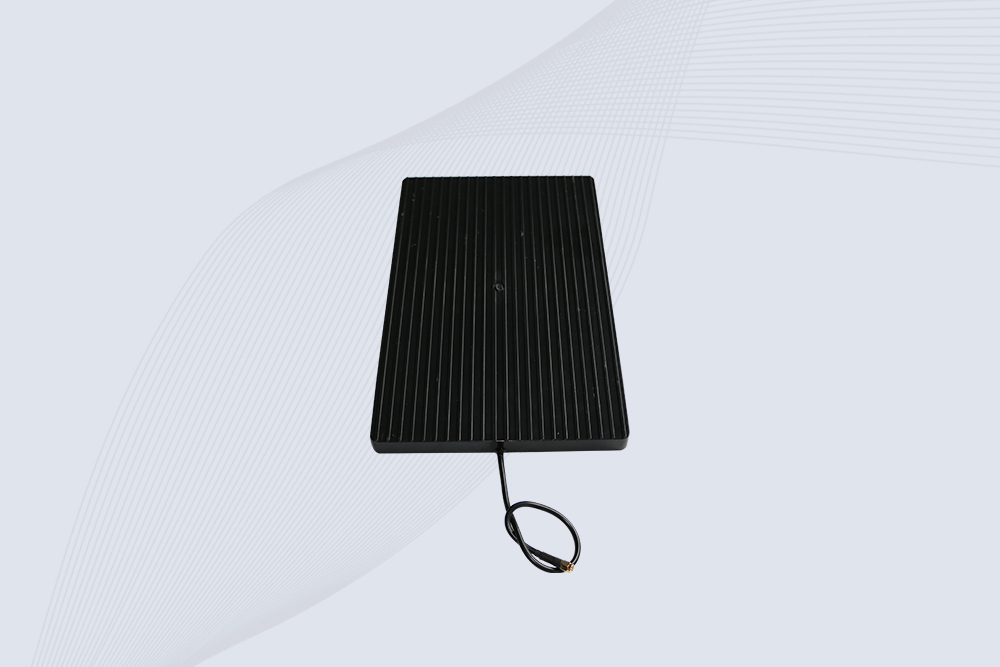
Controls RF coverage and reading direction
Software Platform
Processes data and connects with business systems
In a UHF RFID system, passive tags receive energy from the reader signal. The chip inside the tag responds by transmitting stored information, such as EPC identification data, back to the reader.
The process happens quickly, but successful deployment requires engineering consideration.
For example, installing RFID readers at a warehouse entrance is not simply about increasing reading distance. Engineers need to control the reading zone to avoid capturing nearby pallets or unwanted items.
This is one reason experienced RFID providers focus on application design rather than only hardware specifications.
RFID Applications Beyond Tracking: Automation and Data Visibility
Many companies initially ask, “Can RFID track my products?”
The more useful question is: “What operational decisions can RFID data improve?”
RFID creates value by connecting physical movement with digital records.
Examples include:
Automatically recording when goods enter or leave a warehouse.
Confirming whether tools return to the correct storage location.
Monitoring reusable containers between production areas.
Improving traceability of components during manufacturing.
Supporting faster inventory verification.
A common mistake during RFID implementation is installing readers first and defining processes later. In successful projects, companies usually map the physical workflow before selecting tags and reader locations.
A production line, for example, may only require RFID checkpoints at specific stations rather than continuous monitoring everywhere.
UHF RFID Applications in Logistics and Transportation
Logistics companies use RFID to improve shipment visibility and reduce manual identification work.
Typical transportation applications include:
Pallet identification
Container management
Parcel sorting
Cross-docking operations
Returnable transport item tracking
In a distribution center, RFID readers can be installed near loading areas to automatically capture tagged shipments during movement.
The benefit is not only speed. It is the ability to create a consistent digital record of physical events.
Logistics Event
RFID Data Created
Receiving
Item arrival confirmation
Storage
Location and inventory update
Picking
Order preparation verification
Shipping
Departure record
RFID Used for Healthcare and Medical Asset Management
Healthcare organizations use RFID technology for managing equipment, supplies, and operational resources.
Examples include:
Medical equipment location management
Hospital asset identification
Consumable supply tracking
Pharmaceutical logistics support
Laboratory sample identification
In hospitals, the challenge is often not the number of assets but knowing their availability at the right moment.
A tagged medical device can be identified when moved through controlled areas, helping staff understand equipment availability and movement history.
However, healthcare RFID applications require careful planning because environments may include metal equipment, liquids, and strict operational requirements.
RFID systems help healthcare organizations manage medical equipment visibility and asset movement
Why RFID Tag Selection Matters for Different Applications
Choosing the correct RFID tag is one of the most important decisions in an RFID project.
A tag designed for cardboard boxes may not perform well on metal equipment. A standard label tag may not survive outdoor or industrial environments.
Application
Recommended RFID Tag Consideration
Warehouse cartons
Standard UHF RFID label tags
Metal equipment
Anti-metal RFID tags
Outdoor assets
Durable weather-resistant RFID tags
Industrial tools
Hard-shell RFID tags
Retail products
Small UHF RFID labels
During RFID testing, engineers usually evaluate:
Read distance
Tag orientation
Material interference
Reading speed
Environmental conditions
Software integration
The strongest RFID solutions are usually not the ones with the highest theoretical specifications. They are the ones that continue working reliably in the customer’s actual environment.
Frequently Asked Questions About What Are RFID Used For
1. What are RFID used for in business?
RFID is used in business for automatic identification, inventory management, asset tracking, logistics monitoring, manufacturing automation, and supply chain visibility. Companies use RFID to connect physical objects with digital information.
2. What industries use RFID technology?
RFID technology is used across retail, manufacturing, logistics, healthcare, automotive, aerospace, transportation, and warehouse management industries.
3. Are UHF RFID systems mainly used for long-range tracking?
UHF RFID systems are commonly used for longer-distance identification and multi-tag reading. However, actual performance depends on tag type, reader power, antenna design, environment, and installation conditions.
4. Can RFID replace barcode systems completely?
RFID and barcode technologies are different identification methods. Some companies replace certain barcode processes with RFID, while others use both technologies together depending on operational requirements.
5. Can RFID track items in real time?
RFID can provide location-related information when readers are installed at specific points. It does not automatically provide GPS-style tracking without additional positioning systems.
6. What are passive RFID tags used for?
Passive RFID tags are commonly used for inventory, logistics, retail products, and asset identification because they operate without internal batteries and can support large-scale deployment.
Cykeo UHF RFID Solutions for Real-World Applications
Cykeo focuses on UHF RFID solutions designed for practical business environments.
Typical applications include:
Warehouse automation: Fixed RFID readers for inventory and logistics workflows.
Industrial tracking: RFID systems for tools, equipment, and production assets.
Retail visibility: RFID solutions supporting product management.
Smart facilities: RFID-based identification and automation systems.
Cykeo UHF RFID products support applications requiring reliable tag reading, multi-tag identification, adjustable performance settings, and system integration capabilities.
From project experience, the most important part of RFID implementation is not only selecting hardware. It is understanding the movement of objects and designing the identification points around real operations.
Conclusion: Understanding What Are RFID Used For
What are rfid used for? RFID is used to identify, manage, and monitor physical objects across industries. From warehouse inventory and manufacturing assets to healthcare equipment and logistics operations, RFID creates a connection between physical items and digital information.
The effectiveness of RFID depends on selecting the correct tags, readers, installation methods, and software workflows. A well-designed UHF RFID system helps companies improve visibility, reduce manual work, and build more efficient operational processes.
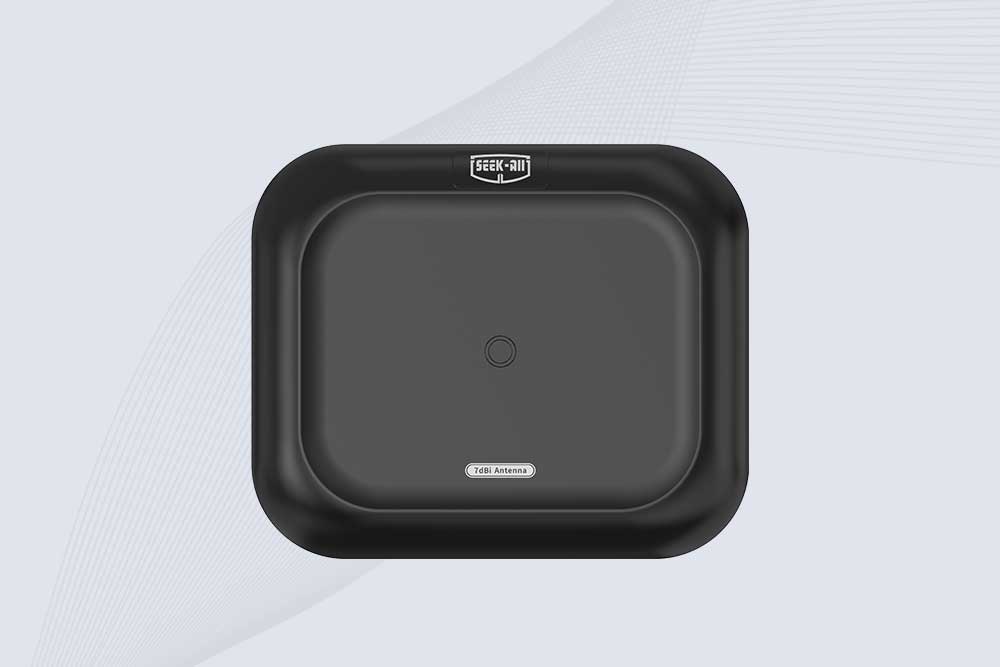
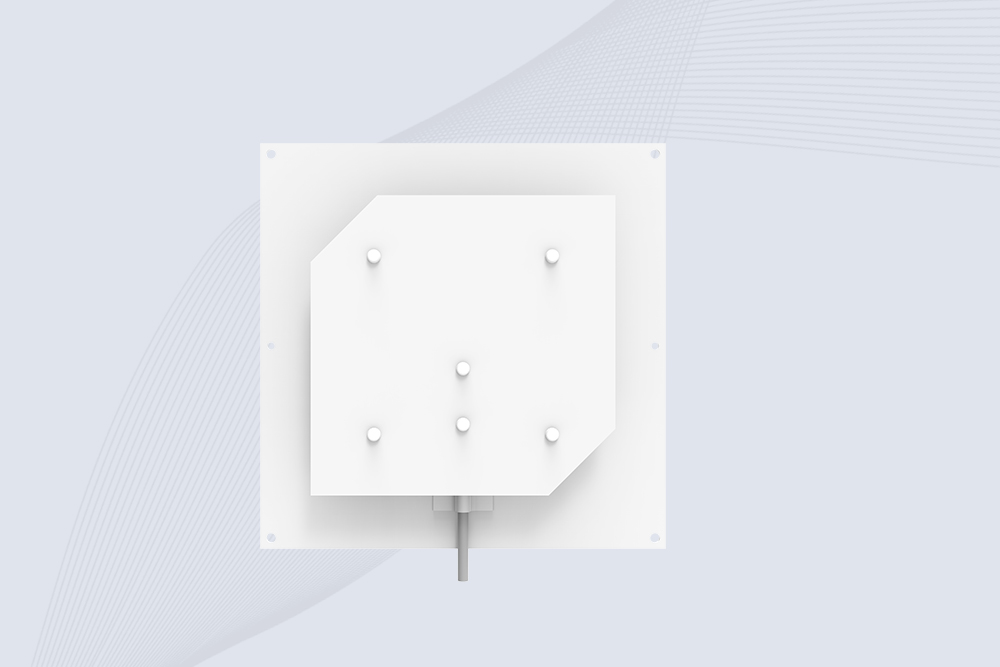
Explore the SSD-A07 UHF RFID antenna with 7 dBi gain, circular polarization, adjustable 840–960 MHz frequency, and 60°/75° beamwidth for stable RFID read/write performance.
SSD-A06 UHF RFID antenna with circular polarization, adjustable 840–960 MHz frequency, ≥4.5 dBi gain, and a compact directional design for RFID systems.
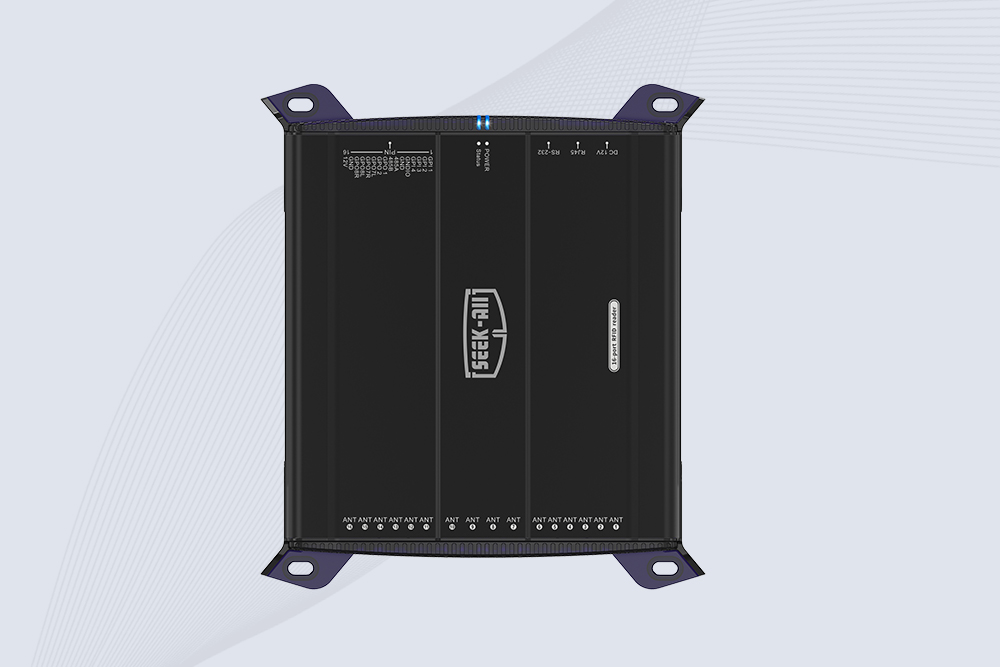
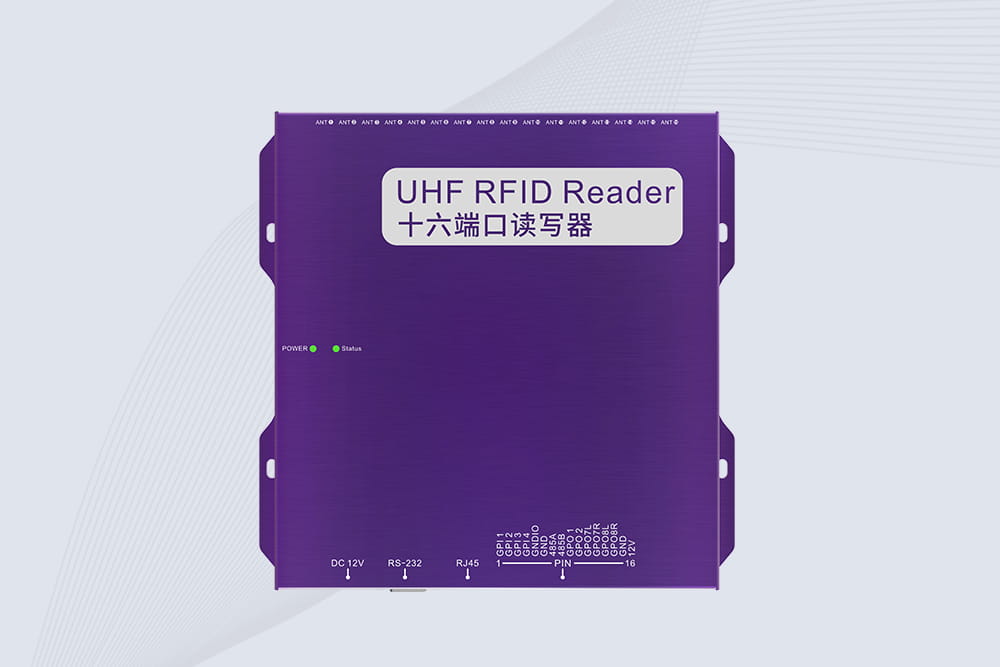
SSD-R16L Multi-Channel RFID Infrastructure for Automated Inventory Management ✔️ 16-Port High-Density RFID Reading Equipped with 16 SMA antenna ports, SSD-R16L supports multi-antenna deployment for warehouses, retail stores, logistics, production lines, and large-area RFID identification. ✔️ High-Speed & Long-Range Performance With up to 33…
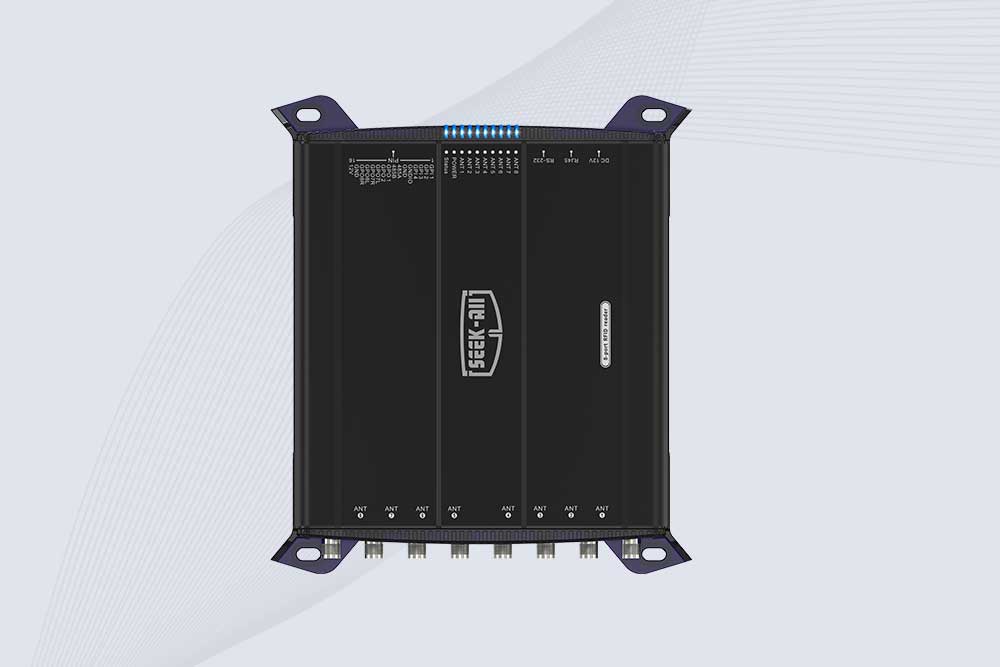
SSD-R8L 8-port UHF RFID reader with 33dBm output, up to 20m reading range and 600+ tags/s recognition. Ideal for warehouse, logistics, retail and asset tracking.
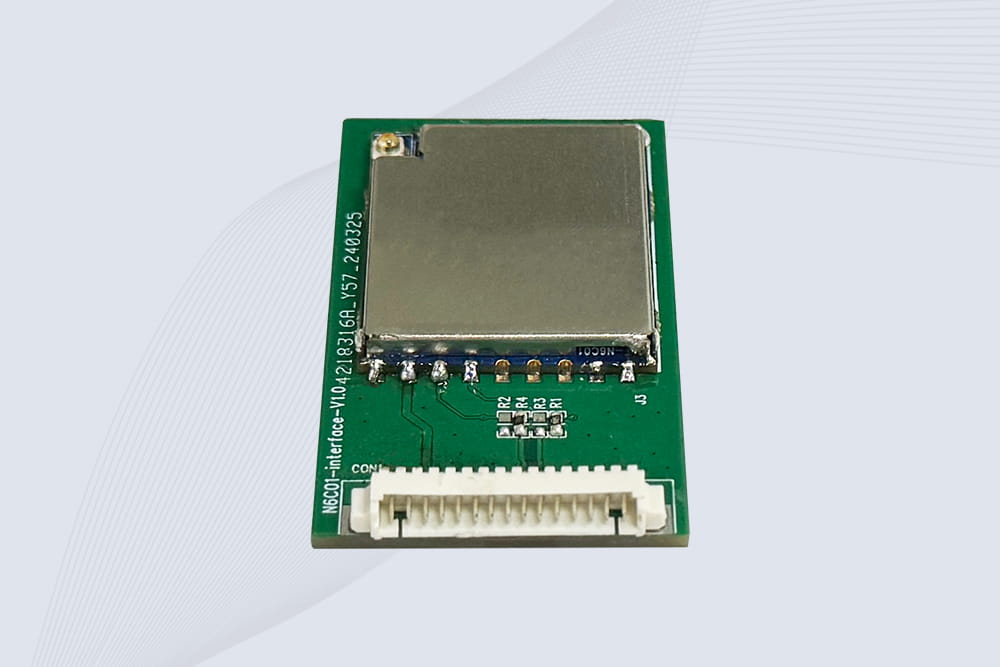
CYKEO Embedded RFID Modules are designed for compact industrial and IoT devices that require stable UHF performance. These UHF RFID Modules support global protocols, flexible power control, and reliable multi-tag reading for smart cabinets, production lines, and asset tracking systems.
CYKEO Embedded RFID Module is built for compact IoT and industrial devices that need stable UHF performance. This UHF module supports global protocols, low power operation, and reliable multi-tag reading for smart lockers, production lines, and always-on RFID systems.
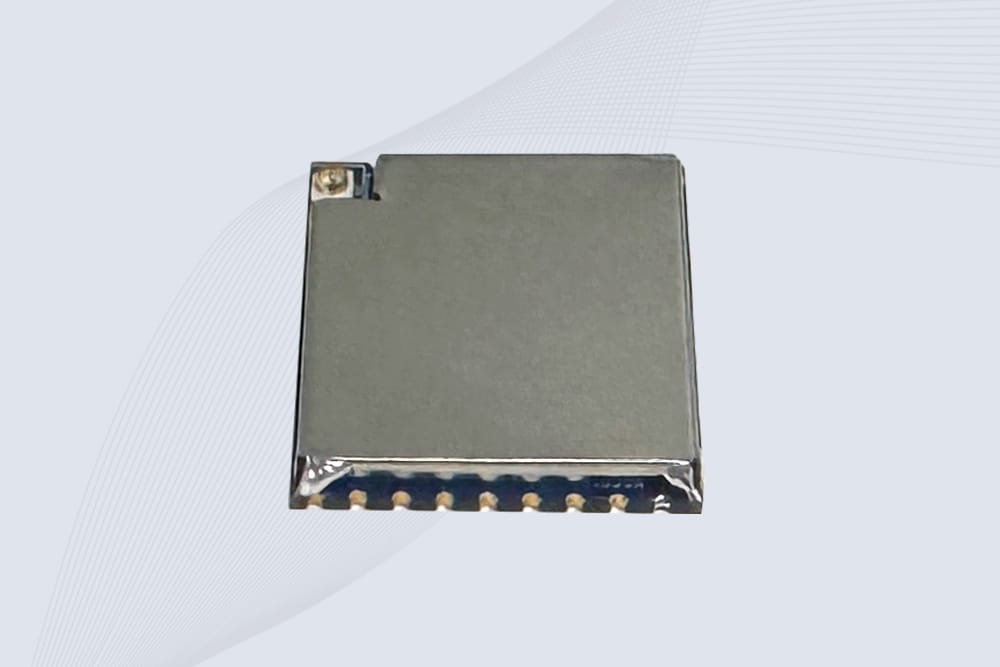
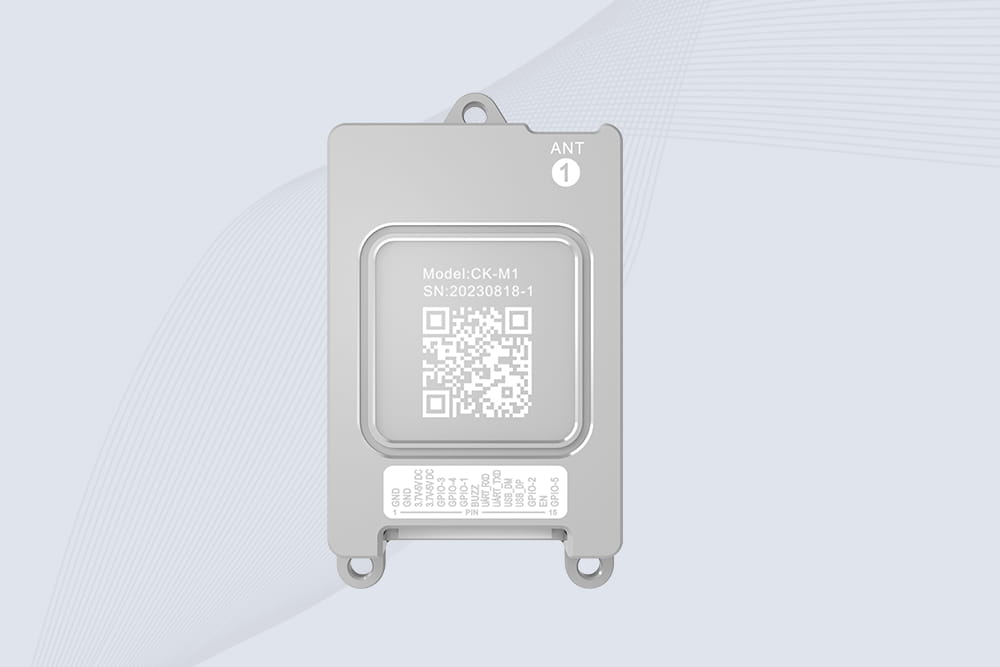
CYKEO CYKEO-M1 drone rfid module is a compact UHF RFID reader module designed for drones and UAV platforms. It supports long-range aerial scanning, fast multi-tag reading, and stable performance in wind, vibration, and outdoor environments.
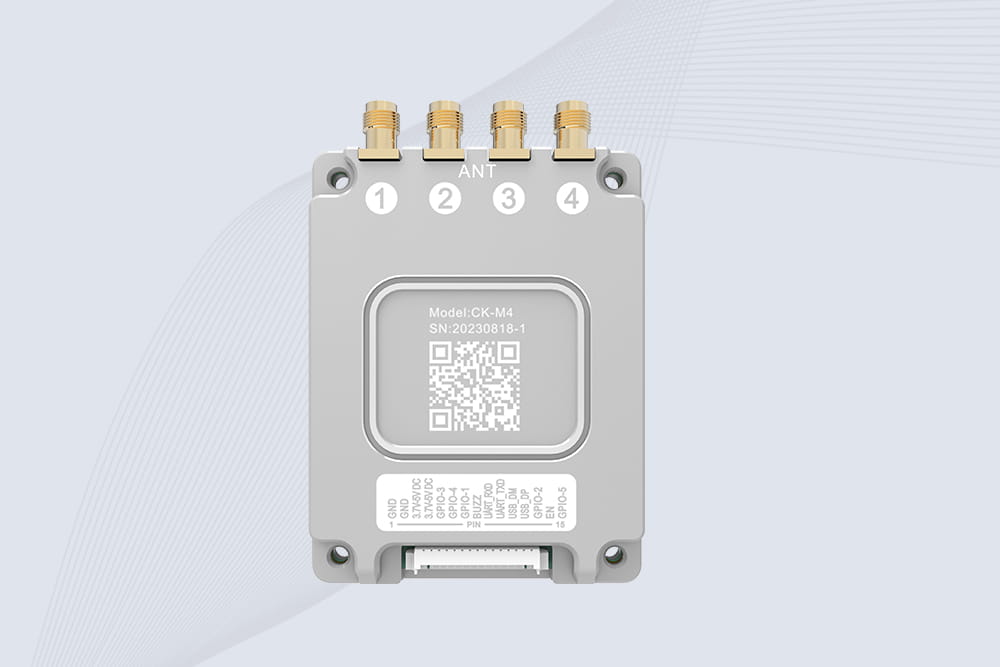
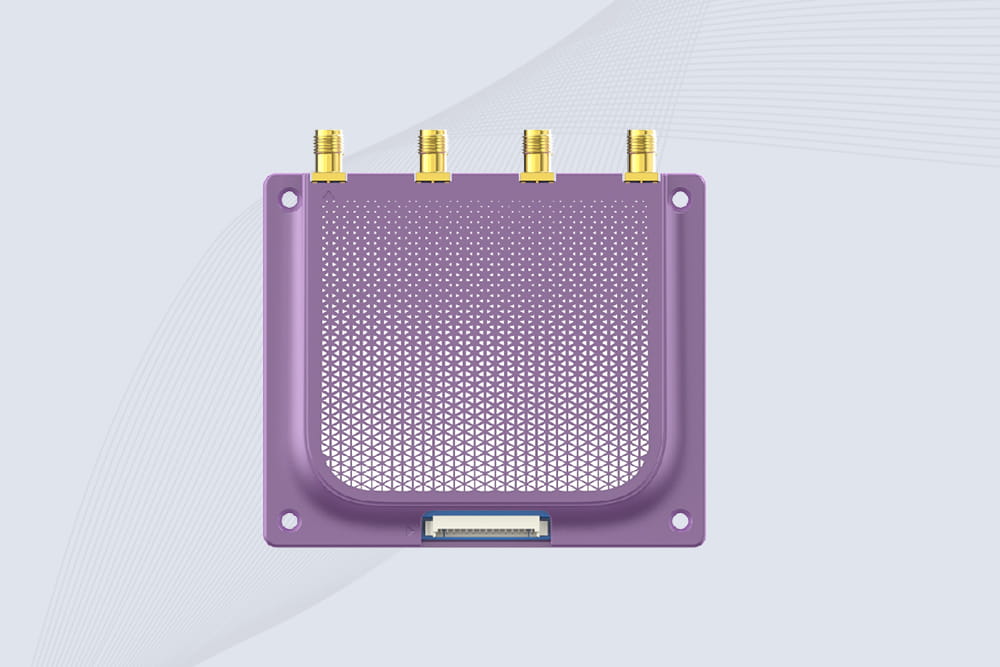
CYKEO CYKEO-M4 RC522 RFID Module is an industrial-grade UHF RFID reader with 4 ports, supporting ISO, EPC, and GB protocols. High-speed, accurate reading for IoT, automation, and warehouse applications.
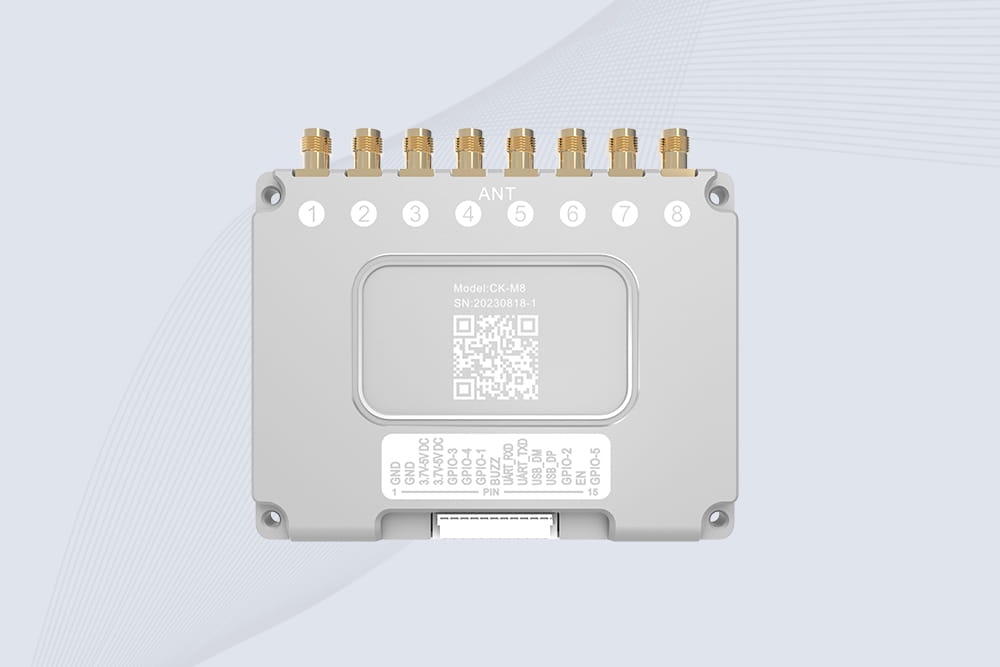
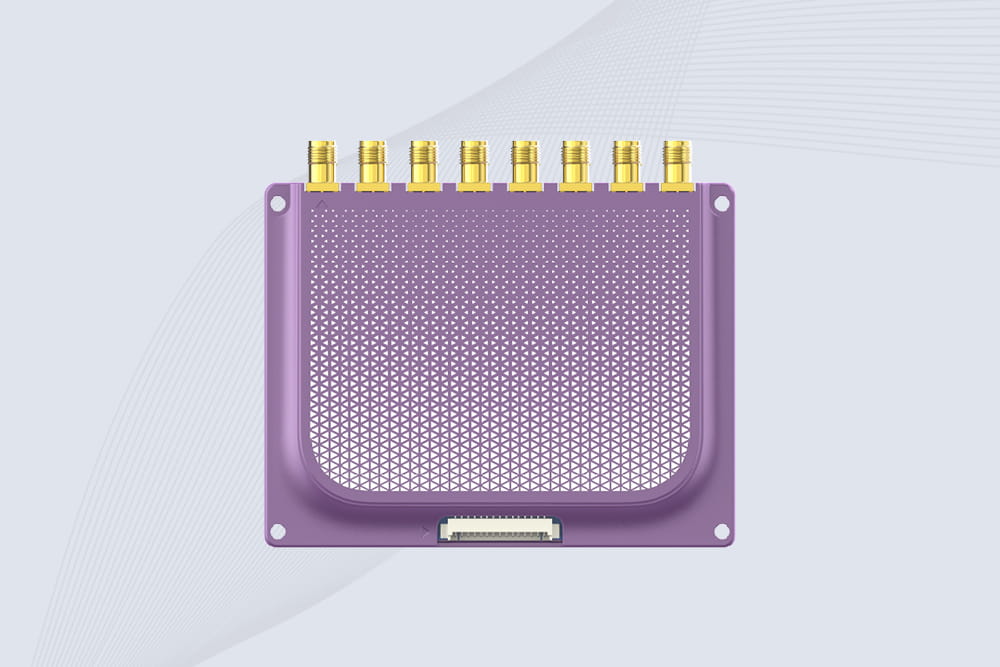
CYKEO CYKEO-M8 Module RFID is an 8-port UHF R2000 RFID Module designed for high-density, multi-tag environments. Stable 33dBm output, ISO & GB protocol support, ideal for warehouses, factories, and automated systems.
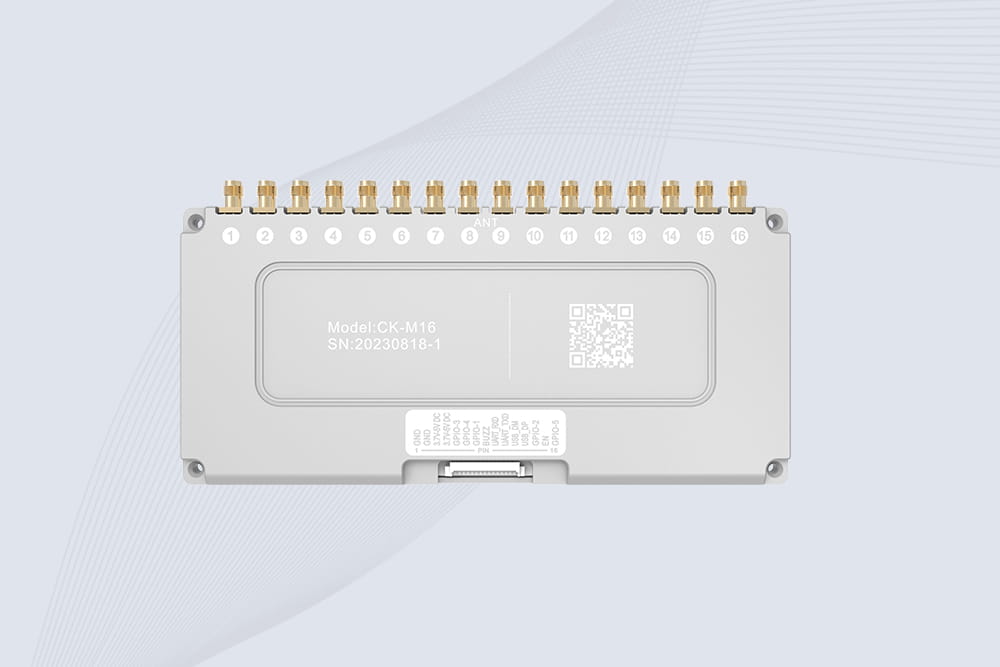
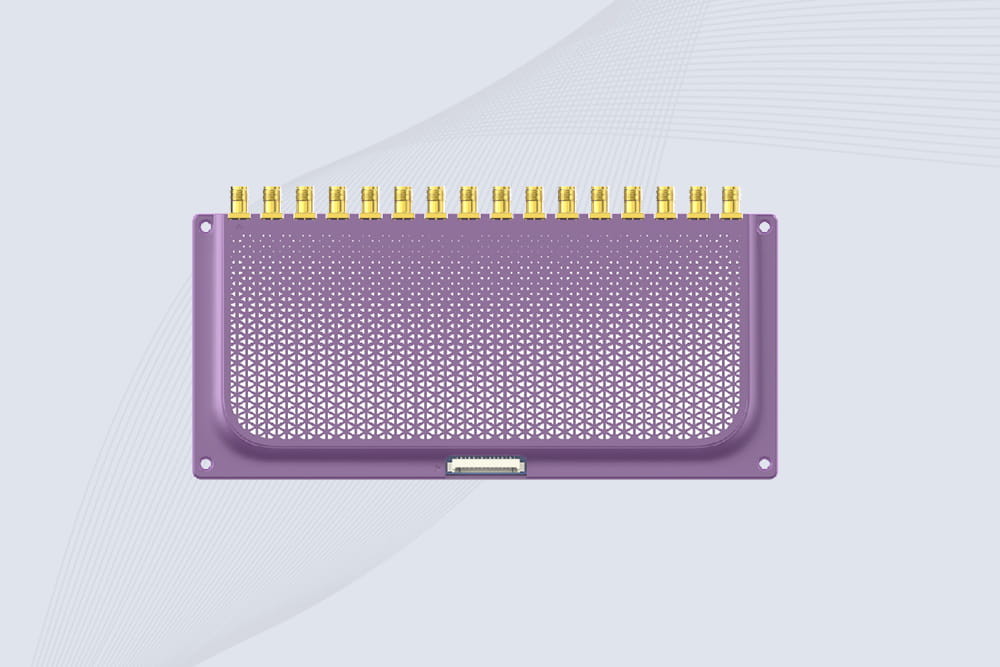
CYKEO CYKEO-M16 RFID Module is a 16-port UHF RFID reader module based on the R2000 chipset. Designed for dense tag environments, it supports ISO and GB standards and delivers stable multi-antenna control for industrial automation.
The CYKEO CYKEO-M16L RFID Reader Module is a 16-channel UHF RFID core designed for dense tag environments. With adjustable 33dBm output, multi-protocol support, and stable multi-antenna control, this RFID Tag Reader Module fits industrial automation, warehouse systems, and large-scale IoT deployments.
CYKEO CYKEO-M8L module RFID is a compact industrial UHF module built for dense tag and multi-antenna environments. With 8 RF ports, adjustable 33 dBm output, and ISO & GB protocol support, it is widely used in factories, warehouses, and automated tracking systems.
CYKEOCYKEO-M4L UHF RFID Module is a compact 4-channel RFID tag reader module designed for dense tag environments. Supporting ISO and GB protocols, it delivers stable reads up to 10 meters for industrial and IoT systems.
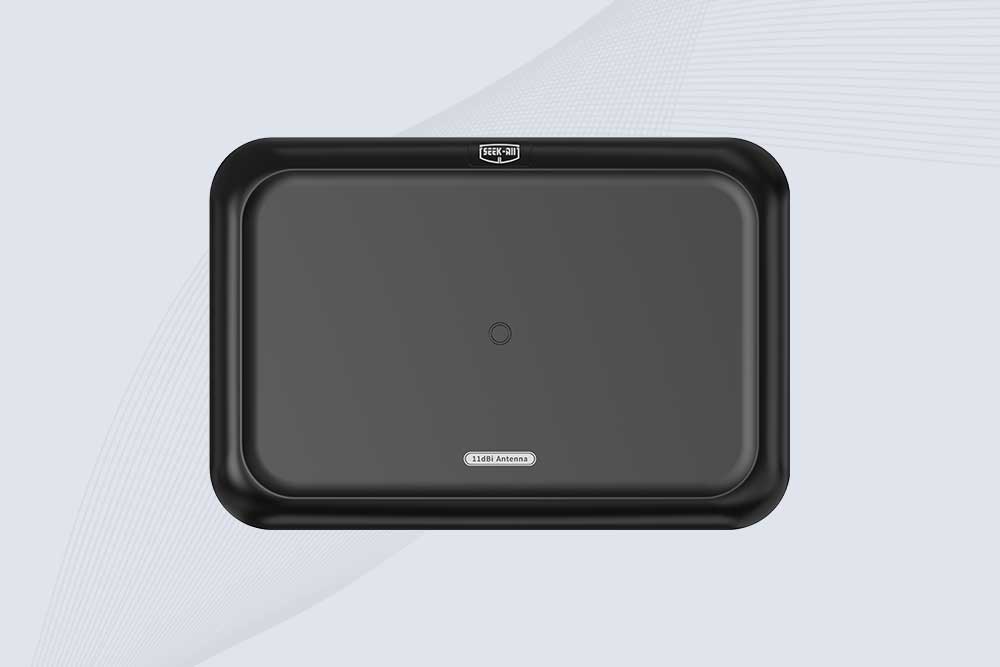
Cykeo CYKEO-A11 UHF RFID reader antenna delivers 11dBi gain, 840-960MHz frequency range, and IP65 ruggedness for retail, logistics, and industrial RFID systems. Features low VSWR and easy installation.
CYKEO Antenna RFID Reader delivers stable long-range UHF performance with a 10.5dBi directional design, built for warehouses, conveyor portals, and industrial RFID systems. This rfid reader antenna provides 20m+ read distance and rugged IP67 protection.
Cykeo CYKEO-A5B industrial Linear RFID Antenna delivers 5dBi gain, ≤1.5:1 VSWR, and IP65 rugged design for warehouse, production line, and logistics UHF systems.
Cykeo’s CYKEO-B12 Long Range RFID Antenna delivers 15m+ read range with 12dBi gain, IP65 rugged design, and global 840-960MHz UHF support. Ideal for warehouse/logistics asset tracking.
Cykeo CYKEO-B10 Long Distance RFID Antenna offers 10dBi gain, 840-960MHz frequency range, IP65 rating, and 20m+ coverage for logistics/warehousing/ETC systems. Low VSWR ensures stable signal transmission.
Cykeo CYKEO-A6 UHF RFID panel antenna features 6dBi gain, 840-960MHz broadband, IP65 metal-ready housing for logistics/smart retail. 18mm ultra-thin design with tool-free mounting.
Cykeo CK-A3 industrial antenna RFID UHF offers 5m+ tag detection, ≤1.3:1 VSWR, IP65 rugged design, and global UHF spectrum compatibility (840-960MHz) for warehouses, factories, and retail.
Cykeo CYKEO-B5 directional RFID antenna provides 5dBi gain with 60° narrow beamwidth for precise inventory tracking. IP65-rated, global UHF frequency support, and low VSWR.
Create your own high-performance DIY RFID antenna! 5dBi gain, 840-960MHz tunable, step-by-step guides. Compatible with Arduino, Raspberry Pi, and commercial UHF readers.
Cykeo CYKEO-A7 Flexible RFID Antenna features 840-960MHz wideband tuning, 7dBi gain, and IP68 rating for medical/retail/industrial curved surface deployments. 98% read accuracy with peel-and-stick installation.
Cykeo CYKEO-B5A industrial Passive RFID Antenna delivers 5dBi gain, 70° beamwidth, and -40°C~55°C operation for warehouses/smart cabinets. Compatible with Zebra/Impinj readers.
Cykeo’s CYKEO-A9B High Gain RFID Antenna delivers 15m+ read range with 9dBi amplification. Features IP54 rugged design, 840-960MHz bandwidth, and 80° beamwidth for warehouse/manufacturing RFID systems.
Cykeo’s enterprise-grade 8dbi Impinj RFID Antenna 10m+ read range with 840-960MHz tuning. Features IP65 housing, 1.4 VSWR, 35° beamwidth for retail/warehouse RFID systems.
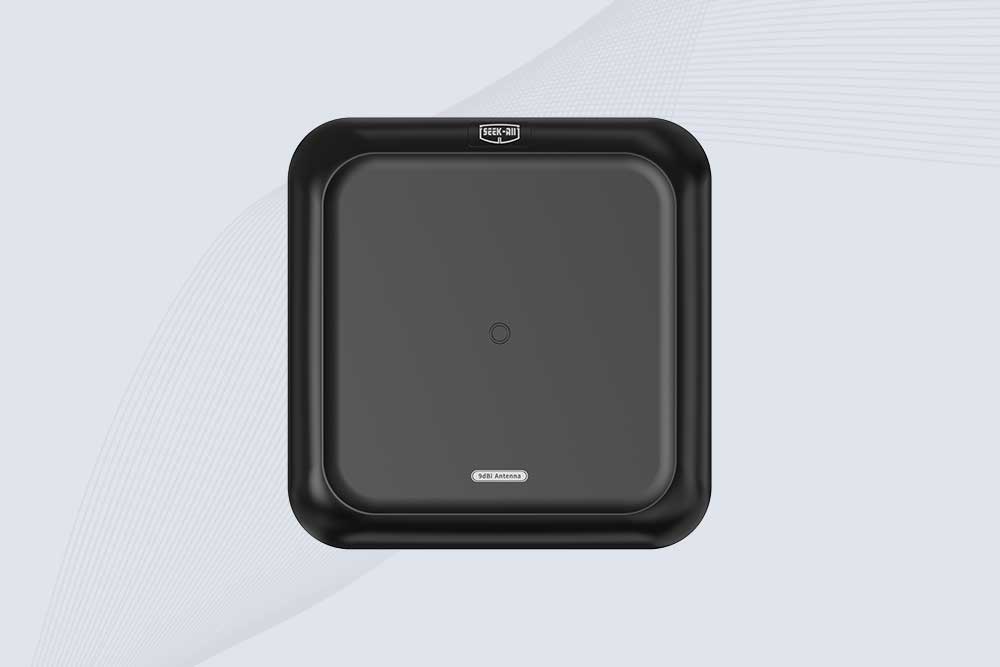
Cykeo CYKEO-A9 industrial UHF RFID antenna delivers 9dBi gain, 840-960MHz frequency range, and IP65 protection for warehouse/logistics/retail RFID systems. Features N-type connector and ≤1.3:1 VSWR.
CYKEO UHF RFID Antenna built for long-distance and industrial applications. This antenna rfid uhf delivers strong gain, outdoor durability, and reliable tag performance in warehouses, yards, and vehicle ID systems.
CYKEO Antenna RFID delivers reliable long-range UHF performance in warehouses, retail shelves, and cold-chain environments. This compact uhf rfid antenna provides stable reads with circular polarization and ultra-wide 840–960 MHz support, ideal for industrial tracking, smart shelves, and asset monitoring.
Cykeo’s CYKEO-C8 UHF RFID antennas delivers 8dBi gain, 840-960MHz full-band coverage, and IP65 ruggedness for manufacturing/warehouse RFID systems. Industrial RFID Antennas Features
Cykeo’s 8dBi UHF RFID antenna and reader kit delivers 10m+ range, 840-960MHz broadband, and IP65 ruggedness for factories, warehouses, and logistics. ISO 18000-6C & EPC Gen2 certified.
Cykeo’s CYKEO-A12C UHF Large RFID Antenna delivers 12dBi gain, 840-960MHz global frequency, IP65 ruggedness for logistics/warehousing/automotive. 40° beamwidth ensures stable 15m+ tag reads.
CYKEO Near Field RFID Antenna provides precise 5–30 cm reading for shelves, cabinets, and workstations. This compact rfid shelf antenna delivers stable short-range performance around metal and clutter, ideal for pharmacies, libraries, and electronics sorting.
Cykeo CYKEO-C1 industrial Forklift RFID Reader features 20m read range, 600 tags/sec scanning, Impinj R2000 chipset, and IP67 rugged design. Ideal for warehouse logistics and manufacturing. Supports ISO 18000-6C/6B protocols.
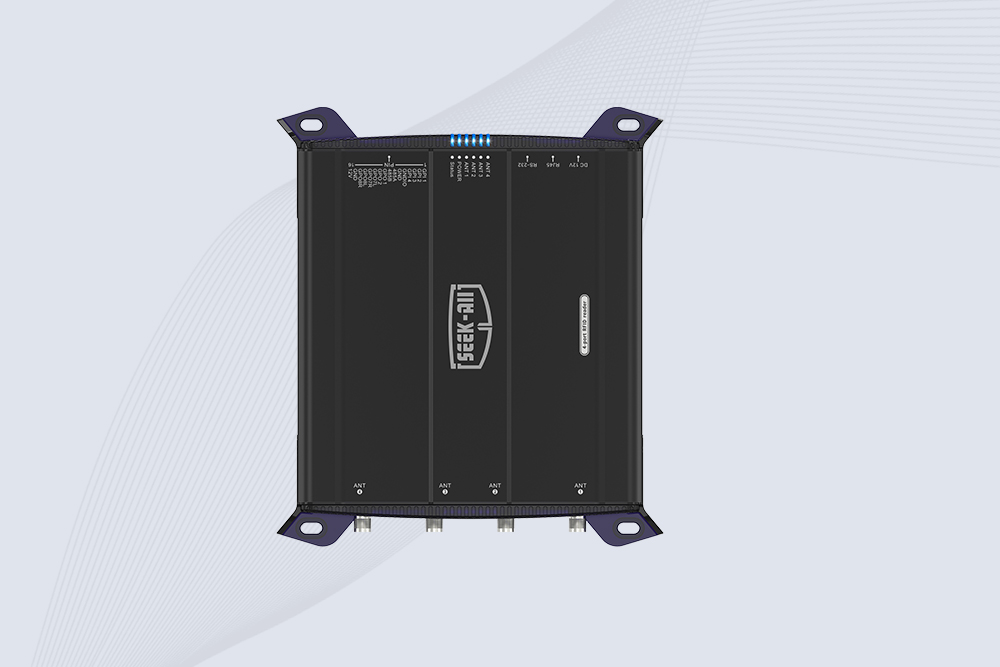
Cykeo CYKEO-R4 industrial UHF RFID Fixed Reader features 4 TNC ports, 400+ tags/sec speed, IP67 housing, and global frequency compliance for vehicle inspection, smart warehouse, and asset management systems.
CYKEO CYKEO-R8L Fixed RFID Reader with 8-port UHF design, Impinj-based RF core and up to 20m read range. An industrial Fixed RFID Reader for vehicle inspection, warehouse portals, smart manufacturing lines and secure access checkpoints.
RFID Fixed Reader from CYKEO – the CYKEO-R16L 16-port UHF fixed reader for warehouses, smart cabinets, and production lines. Long-range, multi-tag reading, stable performance for 24/7 industrial use.
Learn how far a long range RFID scanner can read tags, what factors affect UHF RFID reading distance, and how to choose the right RFID reader for warehouse, logistics, and industrial applications.
Discover how RFID cards work: components, security features, and applications in access control, payments, and identity management. Powered by radio wave technology.
how far can rfid be tracked? Compare passive and active RFID ranges, reader coverage, tag performance, and real-world factors that determine reliable tracking distance.
A long range RFID scanner helps food and beverage manufacturers track ingredient containers, raw materials, reusable bins, production equipment, pallets, and...
 Cykeo RFID IoT Solution Products R&D Manufacturer