What are rfid tags typically used for? RFID tags are typically used for automatic identification, inventory visibility, asset tracking, logistics management, and industrial automation. In UHF RFID applications, tags allow businesses to identify products, equipment, tools, and materials quickly without manual scanning.
Unlike a barcode that requires optical alignment, a passive UHF RFID tag communicates with a reader through radio frequency signals. This makes RFID tags useful in environments where thousands of items must be identified efficiently, including warehouses, factories, retail operations, healthcare facilities, and supply chains.
After years working with RFID deployment projects, I have found that customers often focus first on the tag itself. In practice, the tag is only one part of the system. The real value comes from matching the tag design, reader installation, antenna position, and software workflow to the physical movement of the item.
What Are RFID Tags Used For in UHF RFID Systems?
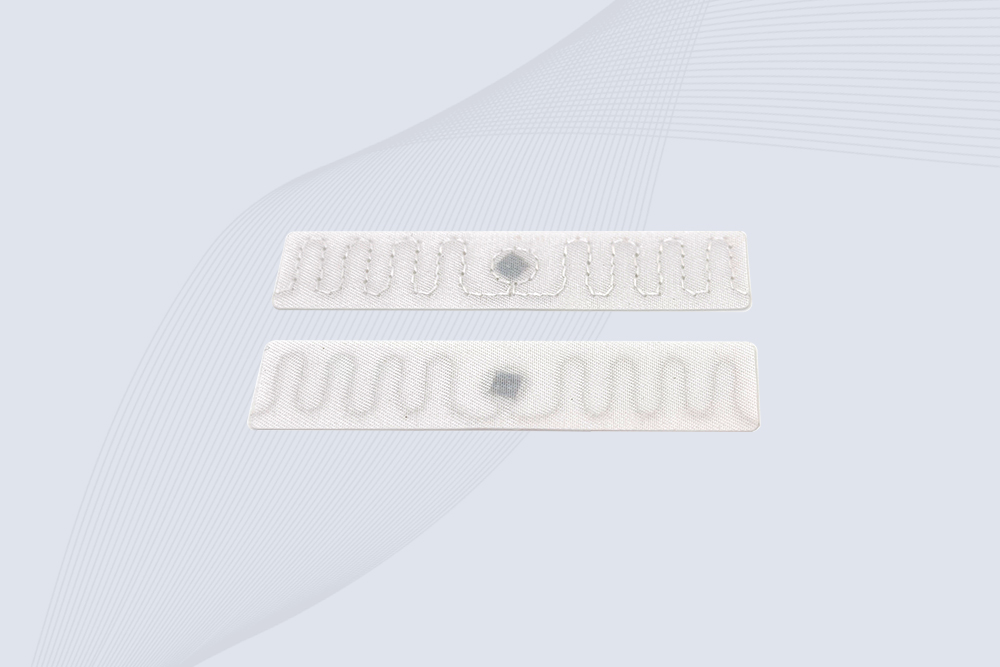
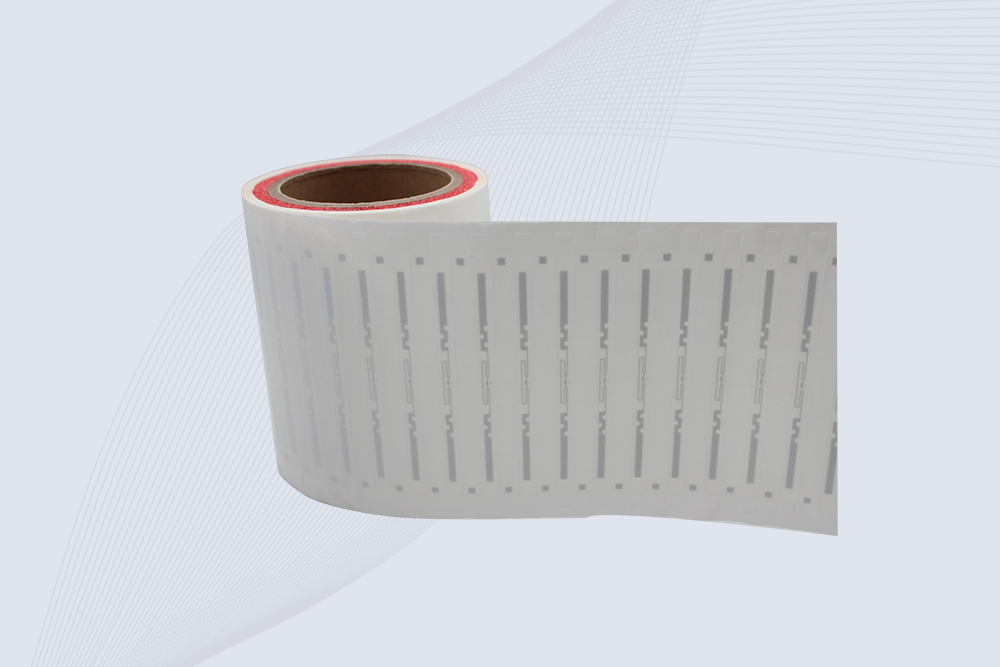
UHF RFID tags are widely used because they can support long-range identification and fast multi-tag reading. A typical UHF RFID tag contains a microchip and antenna, while passive tags receive energy from the reader signal instead of using an internal battery.
According to GS1, RAIN RFID technology uses passive UHF RFID tags operating in the 860–930 MHz frequency range. These systems are commonly applied for identifying and managing physical objects throughout supply chains.
Common UHF RFID tag applications include:
Inventory management: Tracking products, cartons, and stock movement.
Asset tracking: Managing tools, equipment, and valuable company assets.
Warehouse automation: Recording receiving, shipping, and storage events.
Manufacturing: Following components and work-in-progress materials.
Retail: Improving product visibility and stock accuracy.
Healthcare: Managing medical equipment and supplies.
Logistics: Monitoring pallets, containers, and shipments.
RFID Tags for Inventory Tracking and Warehouse Management
One of the most common answers to what are rfid tags typically used for is inventory tracking.
In traditional inventory processes, workers often rely on manual counting or barcode scanning. RFID changes this workflow by allowing tagged items to be identified automatically when they pass through a reader’s detection area.
A warehouse receiving process may look like this:
Step
RFID Event
Shipment arrival
Tagged cartons enter the RFID reading zone
Reader detection
Multiple tags are captured automatically
Software processing
Tag data is matched with inventory records
System update
Stock status changes automatically
The important engineering point is not simply reading more tags. It is creating accurate business events.
A warehouse does not need to know that a carton was detected randomly. It needs to know that the carton entered receiving, moved to storage, or left for shipping.
Industrial RFID Tag Applications in Manufacturing
Manufacturing environments create different challenges from warehouses.
Tags may be exposed to metal surfaces, vibration, temperature changes, chemicals, or repeated handling. Standard paper labels may not be suitable for these situations, so industrial RFID tags often use specialized materials and protective housings.
Typical manufacturing applications include:
Work-in-process tracking
Component identification
Production line monitoring
Tool management
Quality inspection records
Reusable container tracking
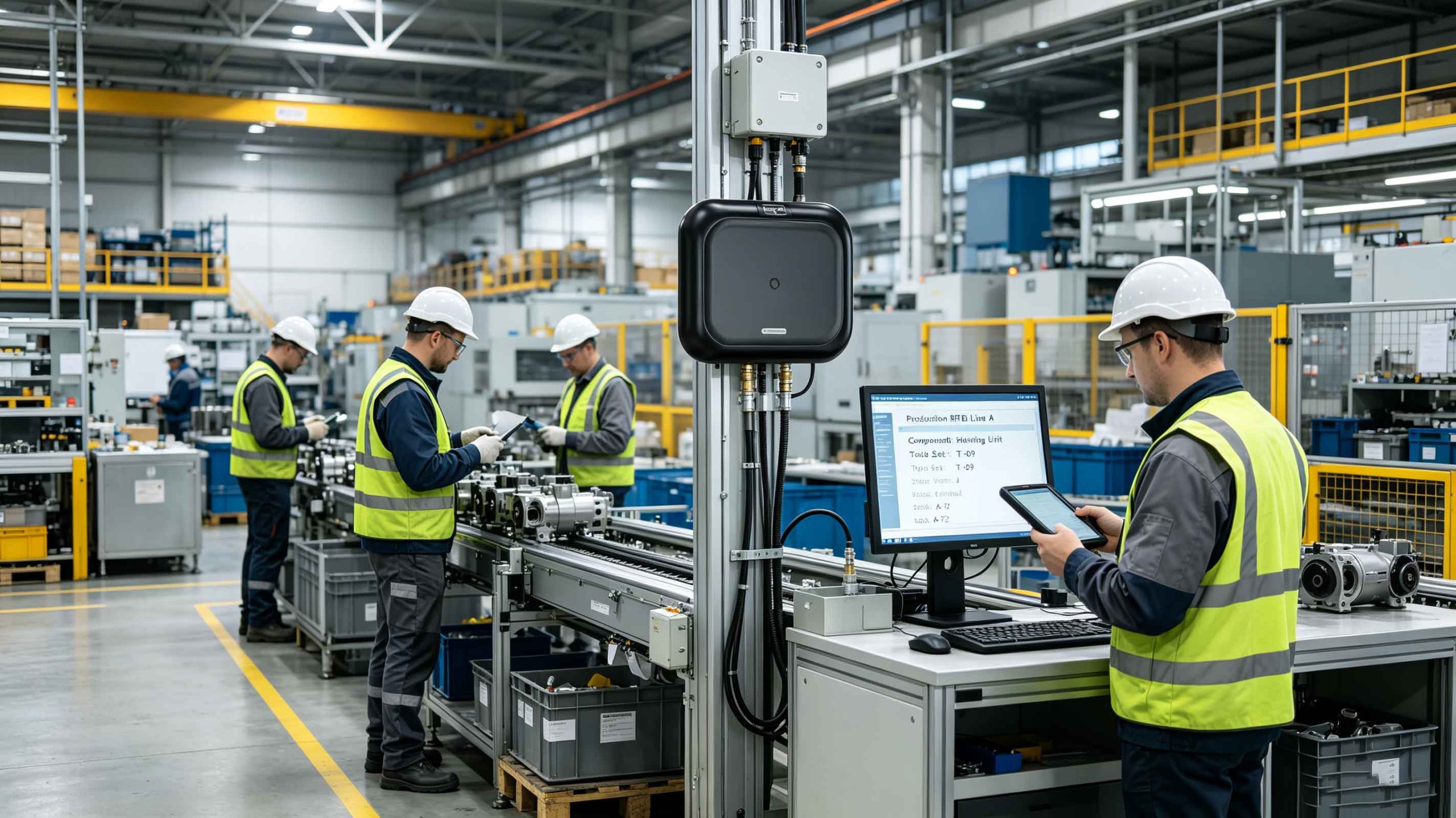
For example, an automotive production line may attach RFID tags to reusable trays carrying components. The system can record when the tray arrives at a workstation, moves to another process stage, or returns for reuse.
The RFID tag is not “tracking” by itself. The reader location creates the identification event. This difference is often misunderstood when companies first evaluate RFID technology.
RFID Tags Used for Asset Tracking
Asset tracking is another major application area for UHF RFID tags.
Companies use RFID tags to manage:
Tools
Maintenance equipment
IT devices
Laboratory instruments
Rental equipment
Industrial containers
During real deployments, asset tracking problems are usually not caused by the RFID tag. They are caused by unclear processes.
For example, a company may tag thousands of tools but fail to define:
Where tools should be registered
Who can remove them
Which reader locations matter
How missing assets should be handled
RFID works best when the technology supports an existing operational process rather than replacing process design.
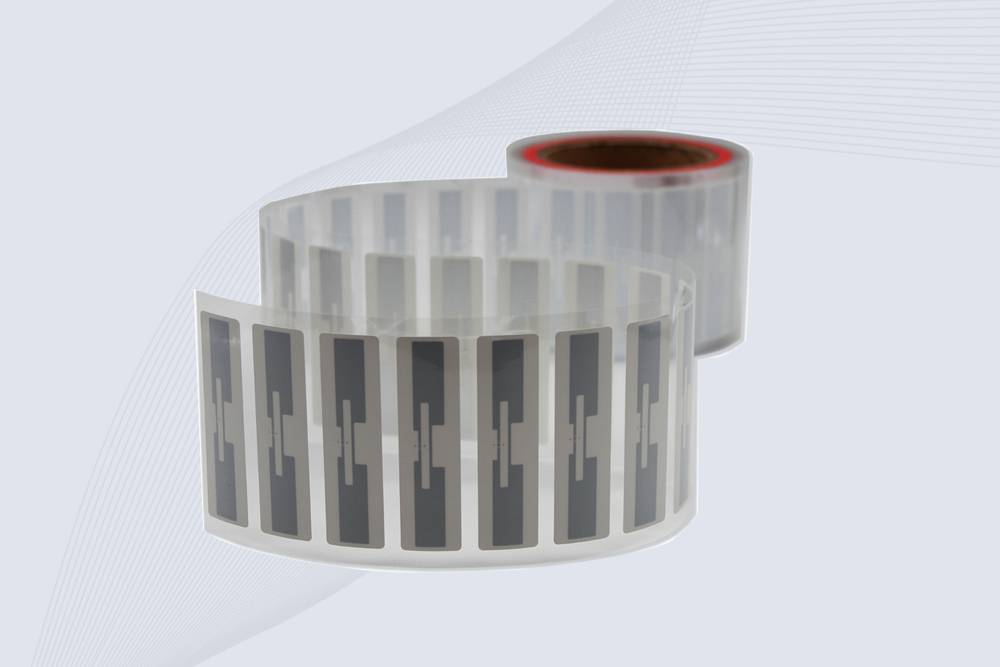
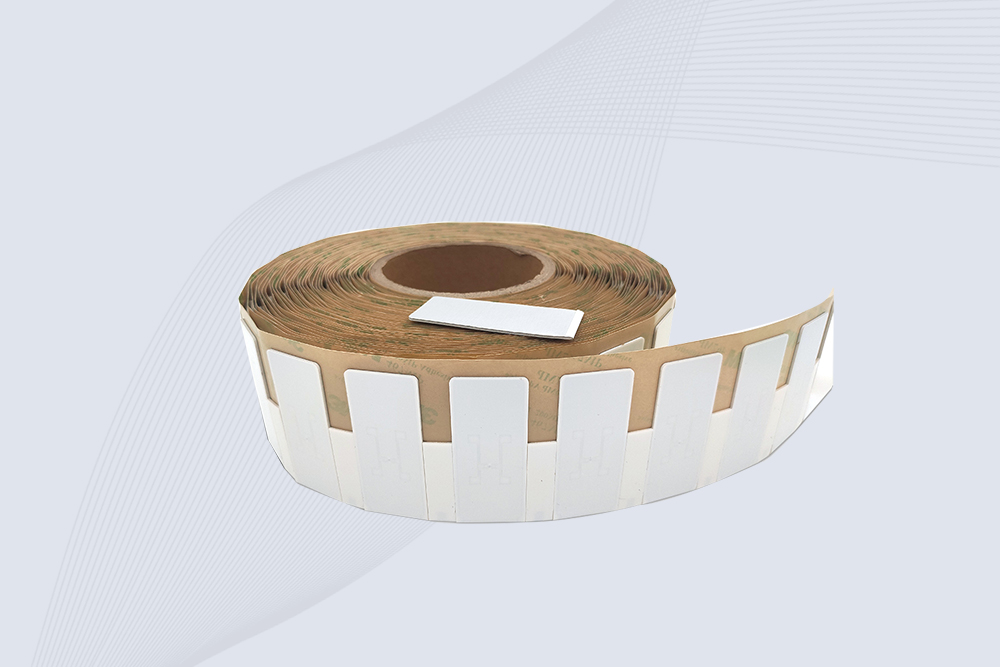
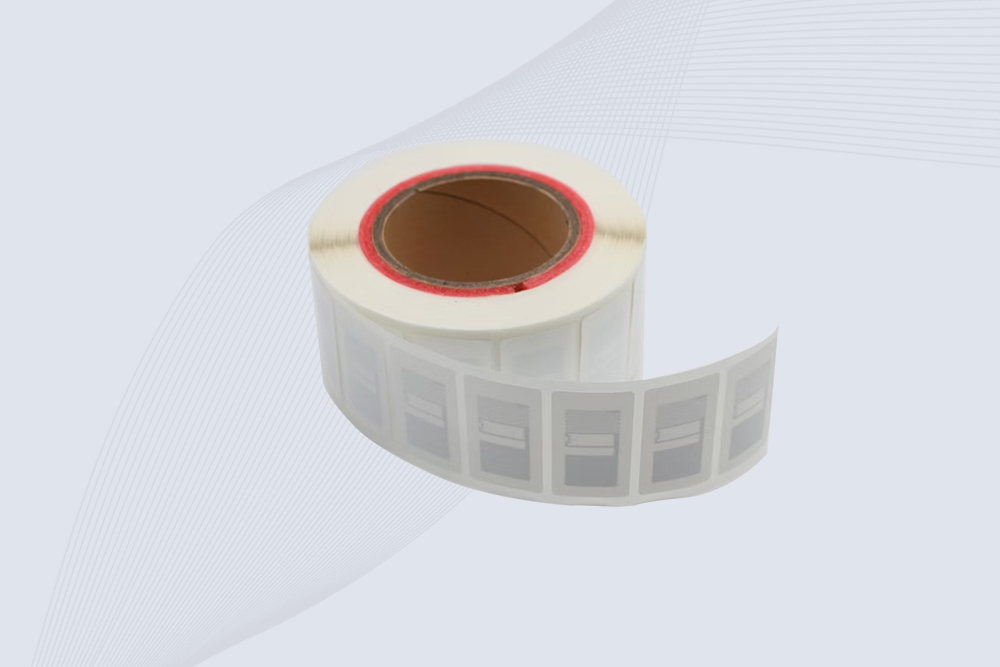
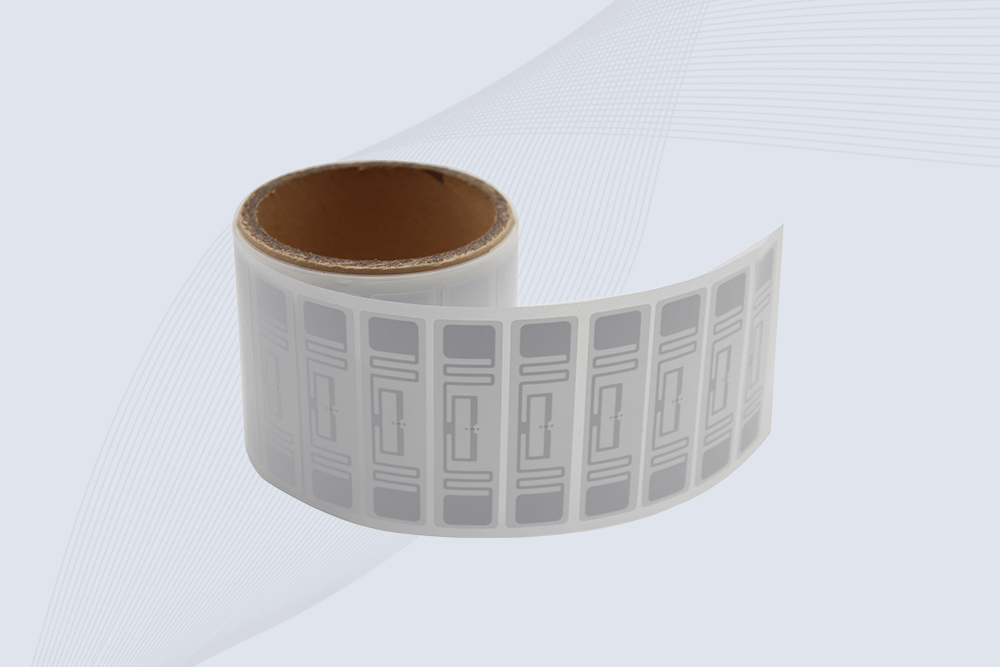
Passive UHF RFID tags help warehouses identify cartons and products automatically during inventory operations.
RFID Tags in Retail and Supply Chain Applications
Retail is one of the most recognized fields for RFID adoption.
Retailers use RFID tags to improve product visibility, support inventory checks, and understand item movement between stores, warehouses, and customers.
Common examples include:
Industry
RFID Tag Usage
Fashion retail
Garment identification and stock management
Automotive
Parts and reusable container tracking
Aerospace
Component and maintenance asset identification
Healthcare
Equipment and supply management
Logistics
Pallet and shipment visibility
Auburn University’s RFID Lab has published field research showing RFID-enabled inventory processes can improve inventory record accuracy in retail environments. One study involving 13 stores over 23 weeks examined RFID-enabled inventory visibility and inventory record inaccuracy.
These results should be viewed as application-specific research rather than a guaranteed result for every company. Tag selection, reader installation, software integration, and operational processes all influence final performance.
Choosing the Right RFID Tag for the Application
Not every RFID tag is designed for the same environment.
RFID Tag Type
Typical Application
UHF RFID label tag
Cartons, retail products, general inventory
Hard RFID tag
Industrial assets and reusable equipment
Anti-metal RFID tag
Metal tools, machinery, containers
RFID card
Access control and identification
Specialized RFID tag
High-temperature or demanding environments
The correct question is not “Which RFID tag has the longest range?”
The better question is: “Which RFID tag will provide reliable identification in this specific environment?”
How Do UHF RFID Tags Work in Real Applications?
Understanding what are rfid tags typically used for requires looking beyond the physical tag. In a UHF RFID system, the tag, reader, antenna, and software work together to create an identification process.
A passive UHF RFID tag does not actively transmit information by itself. When the tag enters the electromagnetic field generated by an RFID reader, the chip receives energy, processes the command, and sends stored identification data back through radio frequency communication.
A typical UHF RFID workflow includes:
RFID tag: Stores EPC, TID, or user memory information.
RFID reader: Sends commands and receives tag responses.
Antenna system: Controls the reading zone and signal direction.
Middleware/software: Filters tag reads and connects data with business systems.
In my experience working with RFID system integration, the biggest deployment mistake is treating RFID as a simple replacement for barcodes. RFID creates continuous identification opportunities, but only when the reading environment is carefully designed.
A warehouse door, for example, is not just a doorway. It is a controlled RFID zone. Reader power, antenna angle, tag placement, pallet materials, and movement speed all affect the final read performance.
Why Businesses Use UHF RFID Tags Instead of Traditional Identification Methods
Many companies choose UHF RFID tags because they solve operational problems that manual processes cannot handle efficiently.
Technology
Identification Method
Typical Limitation
Barcode
Optical scanning
Requires direct line of sight
QR code
Camera scanning
Usually requires individual scanning
UHF RFID
Radio frequency identification
Requires proper RF environment planning
For large-scale operations, the ability to identify multiple items simultaneously is often the key advantage.
For example, during warehouse receiving, a pallet containing hundreds of tagged products can pass through a fixed RFID reader zone. Instead of opening cartons and scanning each item, the system can capture tag information automatically when conditions are properly designed.
This does not mean every RFID project achieves perfect performance immediately. Real facilities contain metal structures, liquids, human movement, interference sources, and changing workflows. Experienced deployment teams usually spend significant time testing tag placement and reader coverage before full implementation.
RFID Tags in Smart Manufacturing and Industry 4.0
Manufacturers increasingly use RFID tags as part of digital production environments.
Unlike traditional tracking methods that record information manually at specific checkpoints, RFID enables automated data collection during production movement.
Examples include:
Tracking workpieces between production stations
Monitoring reusable transport containers
Managing maintenance tools
Recording production history
Supporting quality traceability
One practical example is a tool management area in an industrial facility. Each tool receives an RFID tag, and a fixed rfid reader or RFID cabinet records removal and return events. This creates a digital record without requiring employees to manually update spreadsheets.
The important operational insight is that RFID tags create value when they answer business questions:
Where is this asset now?
When did this item move?
Which process used this component?
Was this item returned correctly?
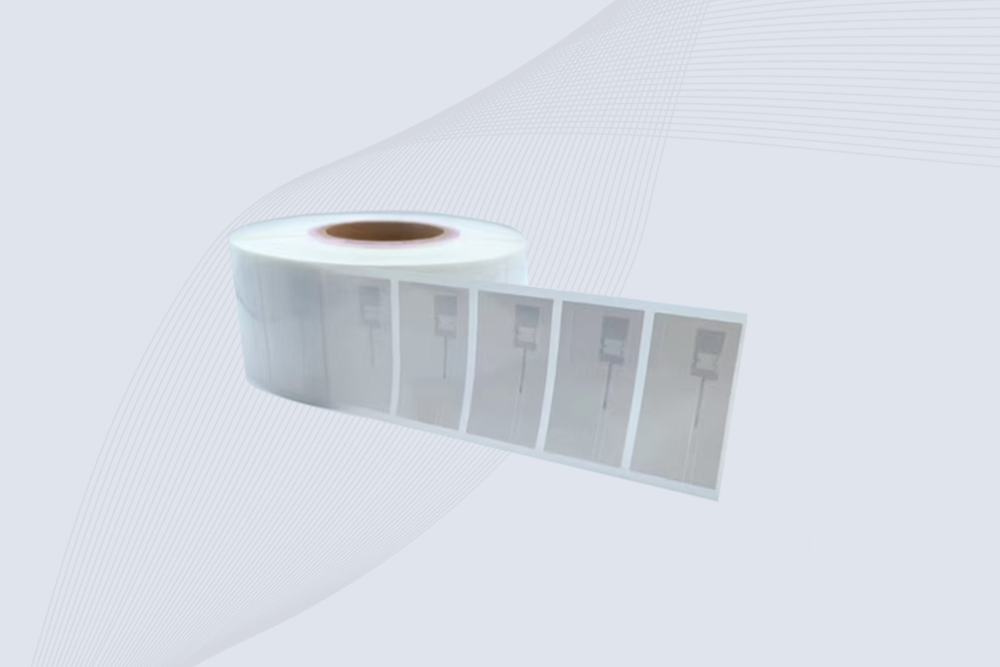
UHF RFID tags help manufacturers monitor tools, components, and production assets throughout industrial workflows.
Frequently Asked Questions About RFID Tag Applications
1. What are RFID tags typically used for?
RFID tags are typically used for automatic identification, inventory management, asset tracking, logistics monitoring, manufacturing processes, and supply chain visibility. UHF RFID tags are especially common in applications requiring fast identification of many items.
2. Are RFID tags mainly used for inventory tracking?
No. Inventory tracking is one major application, but RFID tags are also used for industrial equipment management, retail products, medical assets, reusable containers, transportation systems, and production traceability.
3. What is the difference between UHF RFID tags and other RFID tags?
UHF RFID tags usually operate between 860–960 MHz and are designed for longer reading distances and multi-tag identification. LF and HF RFID technologies operate at different frequencies and are used for applications such as access cards and short-range identification.
4. Can RFID tags track the exact location of objects?
RFID tags identify objects when they are detected by readers. They do not provide GPS-style location independently. Accurate location tracking requires strategically installed RFID readers, antennas, or additional positioning technologies.
5. Do RFID tags need batteries?
Many UHF RFID tags are passive, meaning they receive power from the RFID reader signal. Active RFID tags contain batteries and are used when longer ranges or continuous transmission are required.
6. How long do RFID tags last?
The lifespan depends on tag type and environment. Passive RFID tags without batteries can operate for many years when properly selected and installed. Industrial RFID tags may use protective materials for harsh environments.
Cykeo Experience in UHF RFID Tag Deployment
At Cykeo, RFID projects are approached from the complete system perspective rather than only the tag level.
Different applications require different combinations:
Warehouse applications: UHF RFID tags combined with fixed readers and portal antennas.
Industrial assets: Durable RFID tags designed for metal surfaces and repeated handling.
Tool management: RFID cabinets and tracking systems for controlled equipment movement.
Retail applications: RFID labels supporting inventory visibility.
For UHF RFID projects, Cykeo focuses on practical factors such as reading zones, tag performance, interference conditions, and software integration.
During field testing, engineers usually evaluate more than just reading distance. They check missed reads, false reads, tag orientation, material impact, and actual operator workflows.
This approach helps ensure RFID technology supports measurable operational improvements instead of becoming another isolated hardware installation.
Conclusion: Understanding What Are RFID Tags Typically Used For
What are rfid tags typically used for? They are used to identify, track, and manage physical objects automatically across warehouses, factories, retail environments, healthcare facilities, and supply chains.
The strongest RFID deployments are not built around the tag alone. They combine the right UHF RFID tag, reader placement, antenna design, and software process to create reliable visibility of physical assets.
For companies evaluating RFID technology, the most important step is understanding the movement of products and assets first, then selecting the RFID solution that matches the real operating environment.
CYKEO Passive RFID Tags are made for wet and high-humidity environments where standard labels do not last. This rfid passive tag is often used around liquids, chemicals and temperature changes, providing stable reading distance and long data life for industrial tracking.
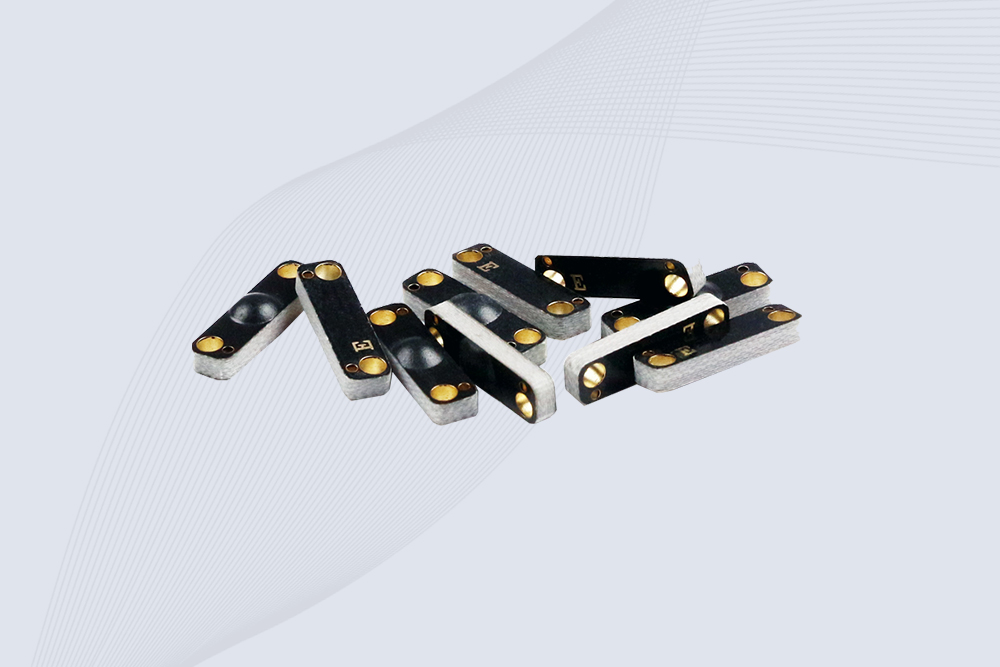
CYKEO CYKEO-PCB1504 Metal RFID Tags is a compact anti-metal UHF RFID solution built for direct mounting on metal surfaces. With stable 8-meter read range, Ucode-8 chip, and long data retention, this rfid metal tag fits tools, containers, automotive parts, and industrial asset tracking.
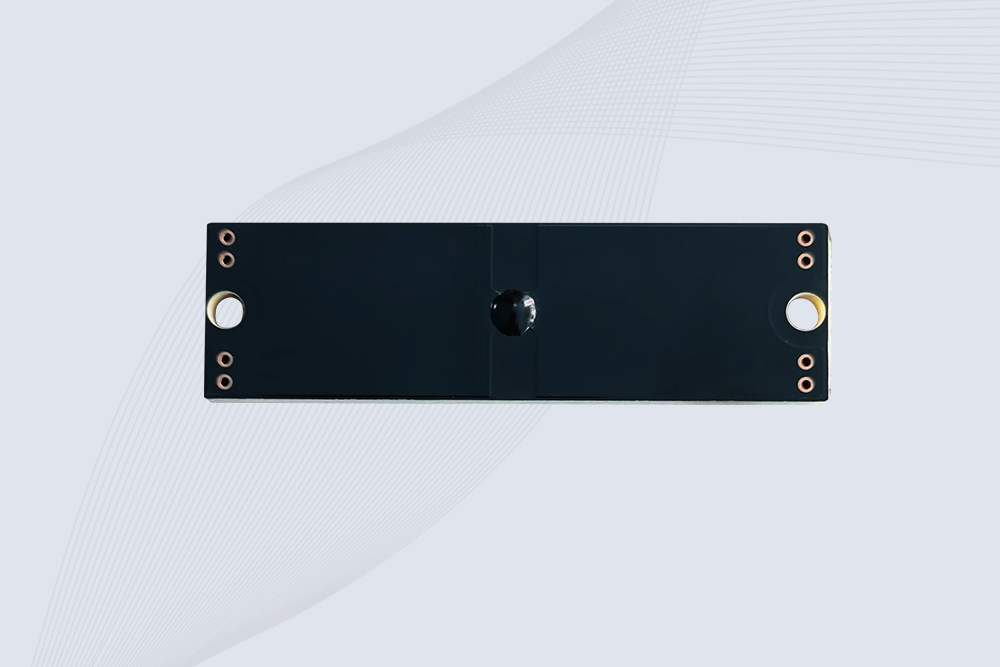
CYKEO CYKEO-PCB7020 On-Metal RFID Tags are designed for reliable tracking on steel and metal surfaces. Built with an FR4 epoxy body and industrial-grade chips, these On-Metal RFID Tags deliver stable performance, long data life, and chemical resistance, making them a dependable RFID anti-metal tag for harsh environments.
The CYKEO CYKEO-60-25 Anti-Metal RFID Tag is built for metal surfaces where standard tags fail. Designed for long-range performance, harsh environments, and stable data retention, this Anti-Metal RFID Tag is ideal for industrial assets, containers, and equipment tracking using on metal RFID tags.
The CYKEO RFID Laundry Tag is designed for long-term textile identification in harsh laundry environments. Built to withstand high heat, chemicals, and repeated washing, this RFID Laundry Tag delivers stable performance for hotels, hospitals, and industrial laundry operations using laundry rfid tags at scale.
The CYKEO CYKEO-125-7 RFID Book Tag is designed for reliable book and document tracking in libraries and archives. This RFID Book Tag delivers long read range, dense placement support, and stable performance on shelves, making it a practical rfid tag on books for library automation, file management, and archival systems.
CYKEO RFID tags in hospitals are designed for sterile environments where accuracy matters. These autoclavable RFID tags support long-term tracking of surgical tools, implants, and medications, helping hospitals improve visibility, compliance, and patient safety.
CYKEO RFID Cable Tie Tag is built for reliable identification on metal surfaces. This UHF RFID Cable Tie Tag is widely used in rfid tags for inventory systems, industrial asset management and Hospital RFID Tags, offering stable read performance, long service life and global EPC Gen2 compatibility.
CYKEO RFID Asset Tag is designed for stable identification of metal assets in industrial environments. This UHF RFID Asset Tag is commonly used for rfid tag asset tracking on equipment, tools and containers, providing reliable reads, long service life and ISO/IEC 18000-6C support.
CYKEO UHF RFID Card is designed for fast identification and long-term use in industrial and commercial systems. Supporting ISO 18000-6C, this UHF RFID Card works at 860–960 MHz and is suitable for custom RFID cards used in asset tracking, access control and inventory management.
CYKEO HF RFID Cards are designed for secure and stable access control systems. These 13.56 MHz RFID key cards support ISO 14443-A, reliable rewriting and long service life, making HF RFID Cards suitable for offices, campuses, events and membership management.
CYKEO UHF RFID Tag is designed for reliable tracking of metal jewelry and high-value items. This Jewelry RFID Tag supports long-range reading up to 8 meters, anti-counterfeit protection and stable performance on metal, making it suitable for retail, inventory control and asset management.
Learn how RFID for tools helps factories track, manage, and secure tools in real time. Discover how RFID tool cabinets improve efficiency, reduce loss, and support industrial operations.
Compare handheld and fixed RFID readers for retail stores. Learn the pros, cons, and best use cases for each to optimize inventory accuracy and customer experience.
Discover the essential features of industrial RFID handheld readers for optimal performance. Learn about durability, read range, battery life, and Cykeo’s rugged solutions.
Looking for a reliable long range RFID scanner supplier in China? Explore OEM UHF RFID readers, custom RFID solutions, bulk pricing, and factory support for warehouses, logistics, retail, and industrial applications.
 Cykeo RFID IoT Solution Products R&D Manufacturer