 Cykeo RFID IoT Solution Products R&D Manufacturer

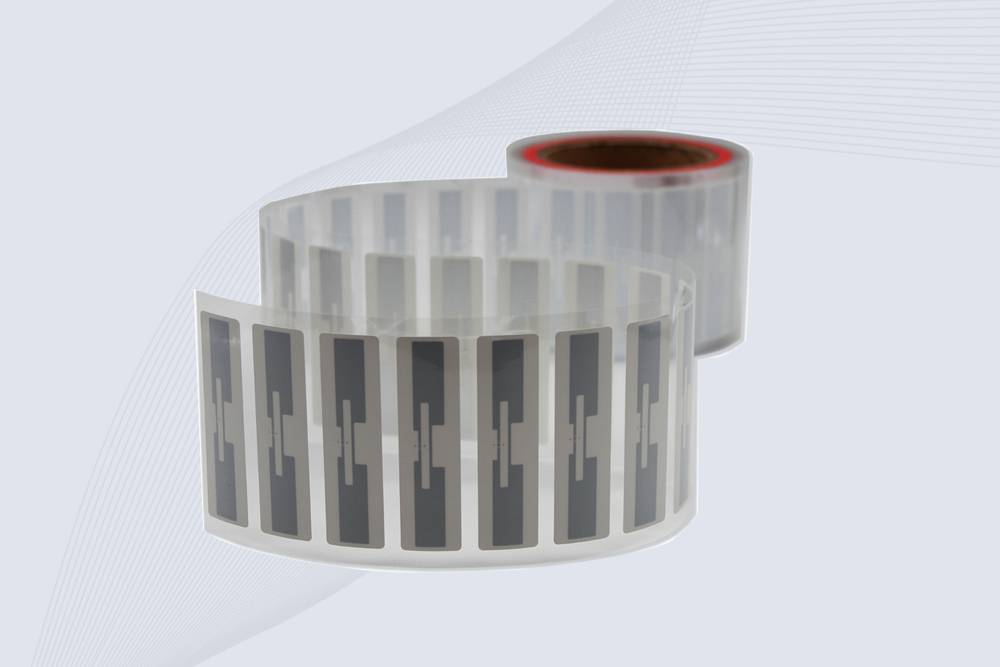






How to Code RFID Tags: Complete RFID Tag Programming Guide
213Learn how to code rfid tags with professional RFID writers, software tools, and practical methods. Cykeo explains RFID programming for reliable tag management.
MoreAll RFID Product
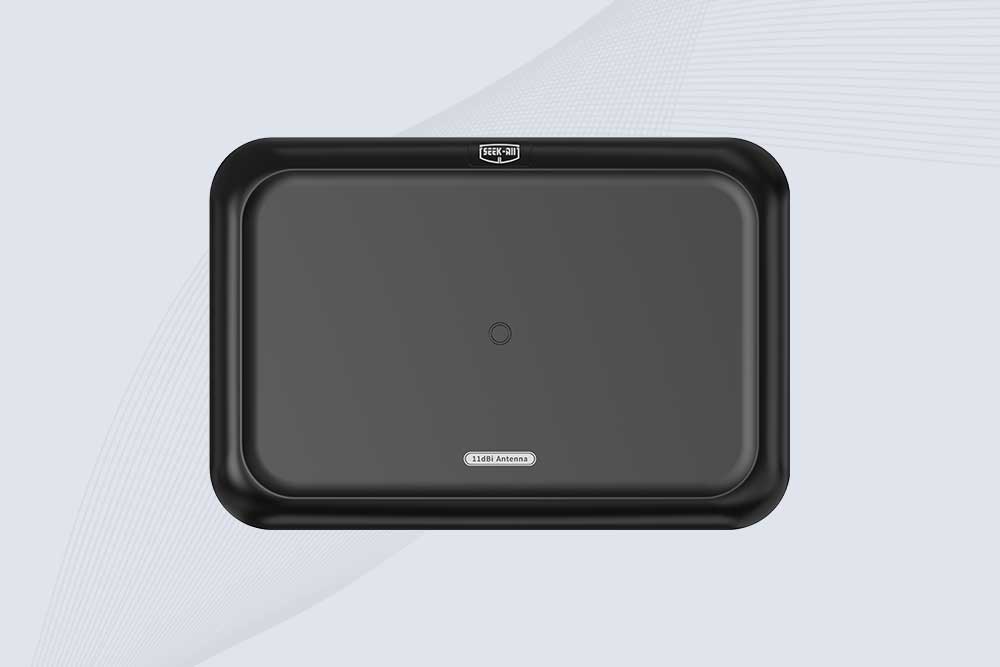
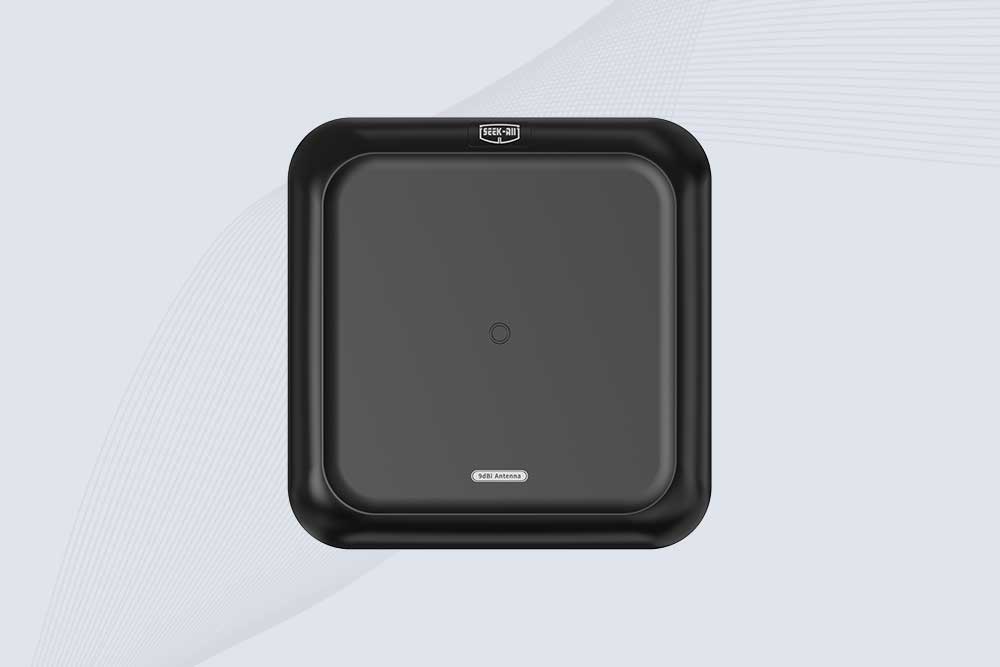
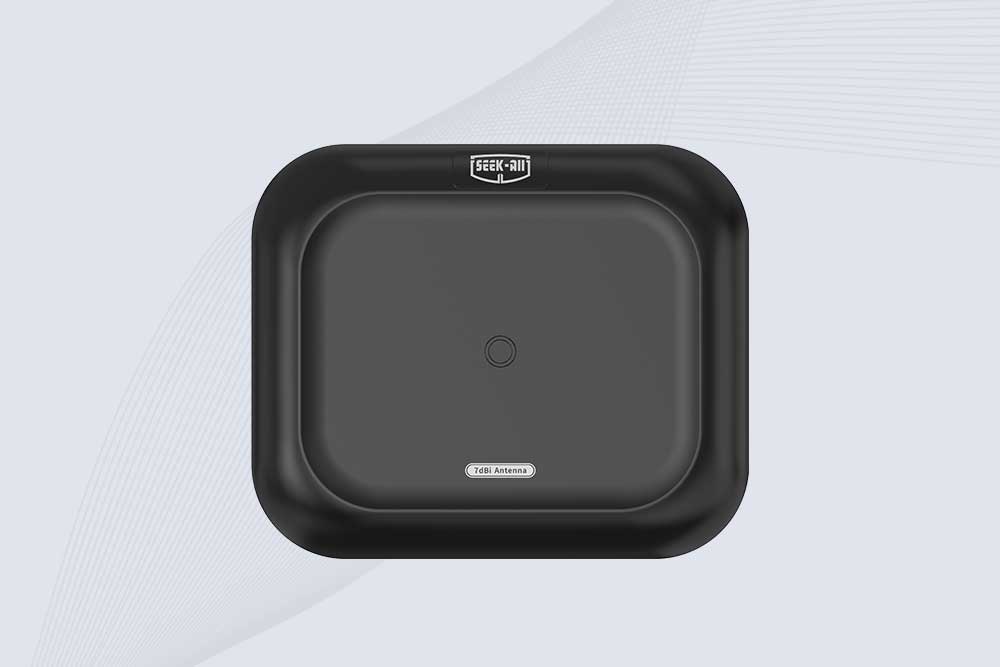
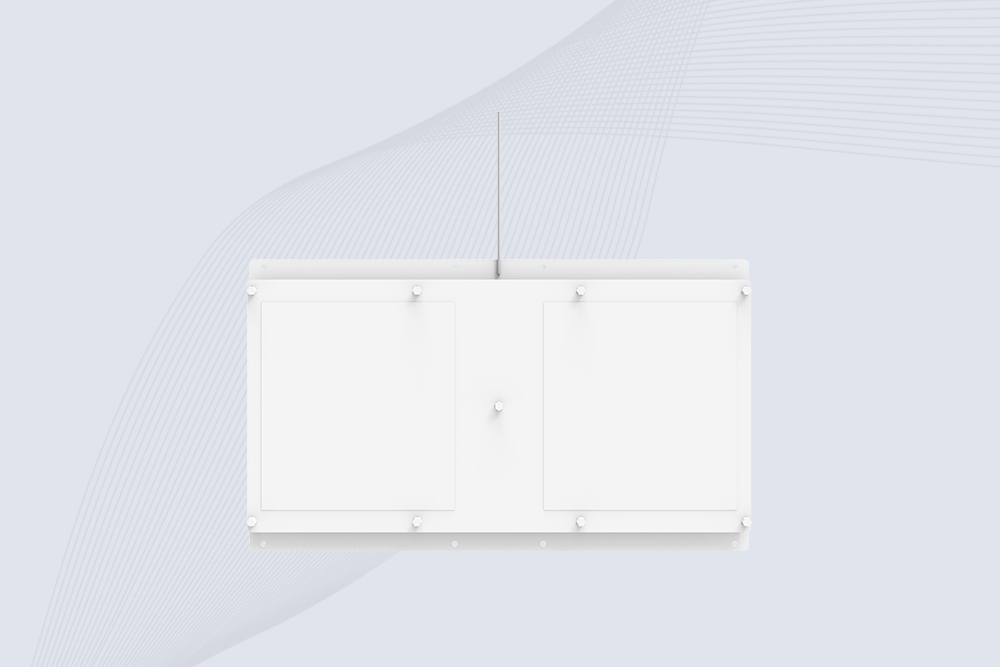
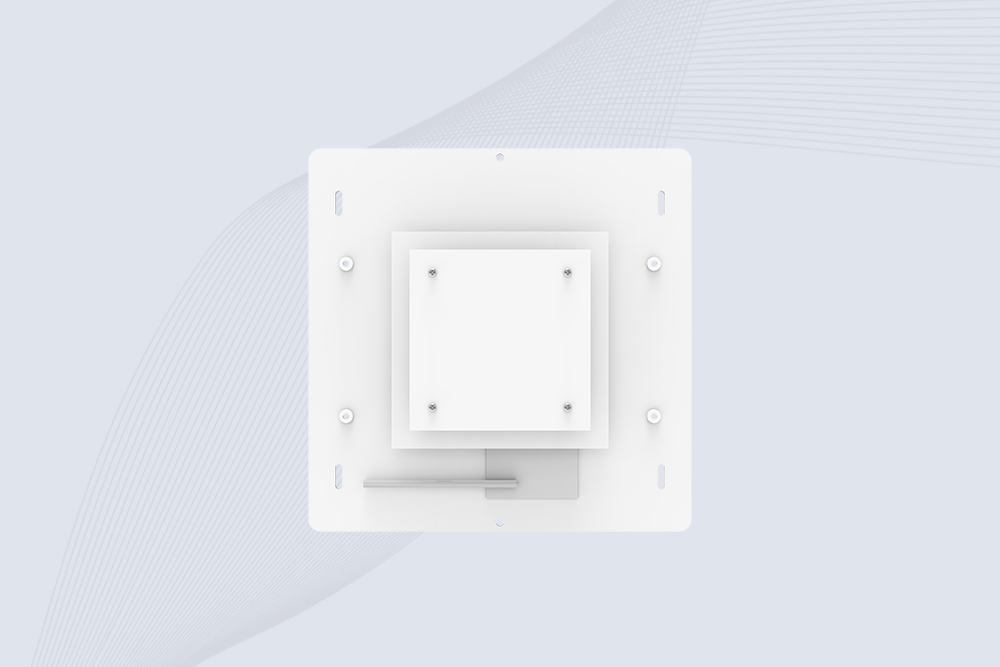
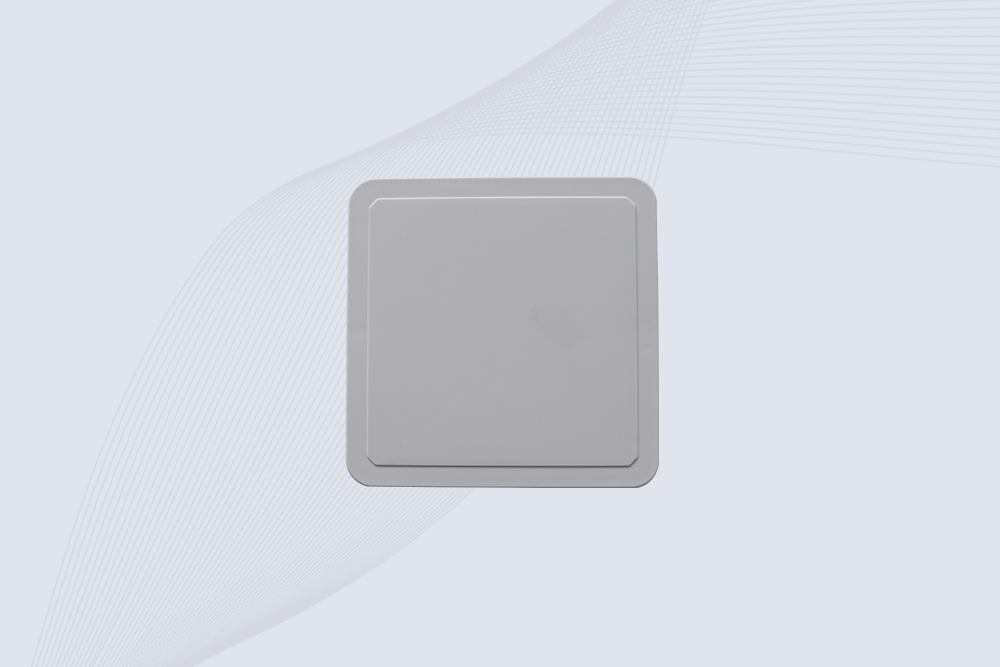
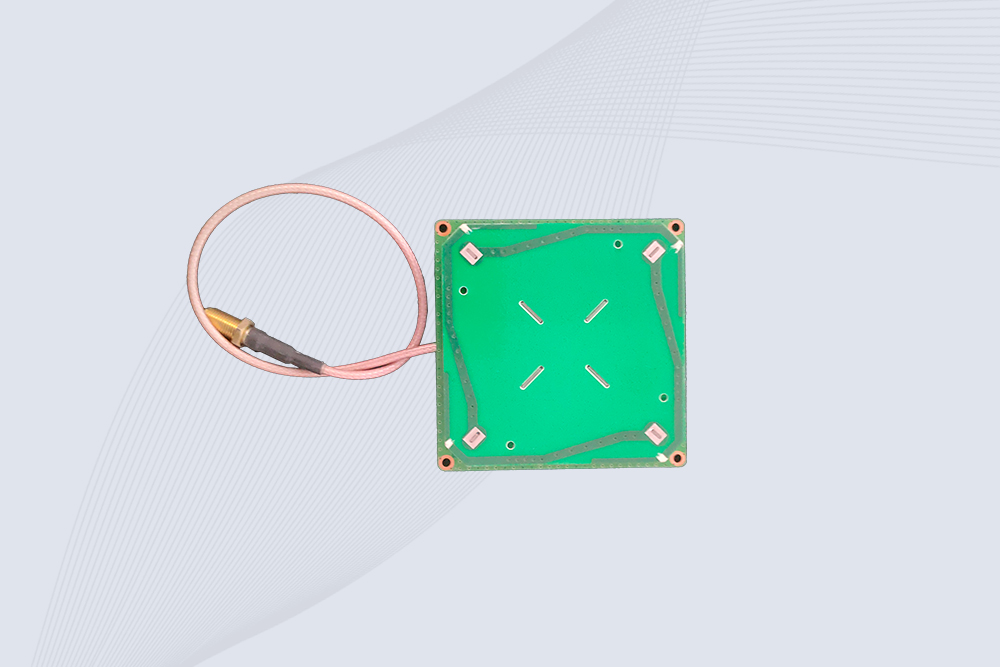
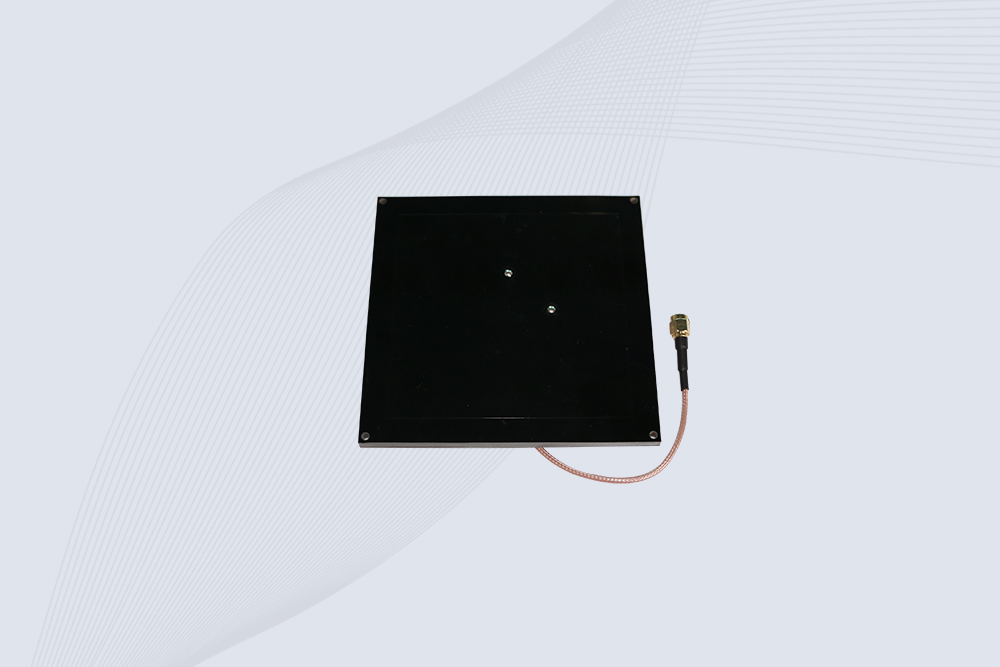
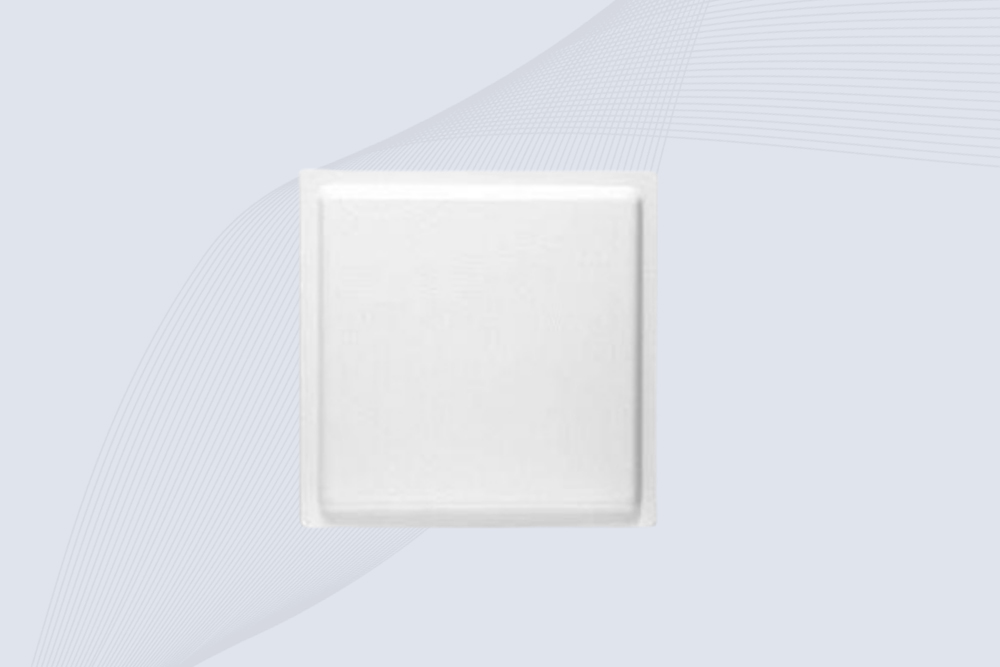
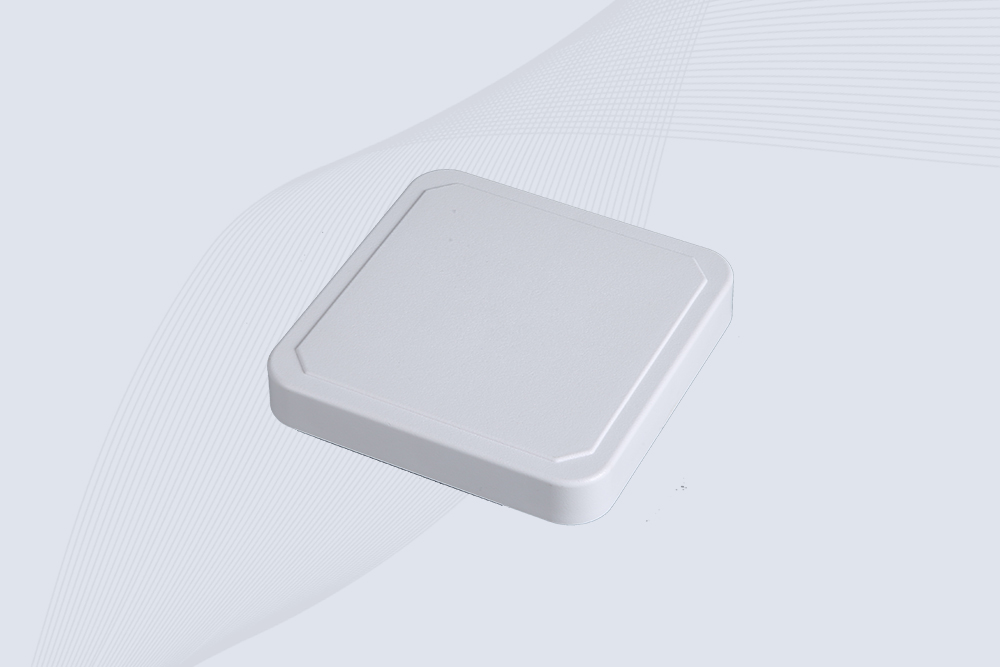
Picture this: Black Friday chaos. Your cashier scans a rack of jeans, but the RFID reader misses half the tags. Why? Your antenna’s polarization is fighting your store layout—not working with it. Let’s break down linear vs. circular antennas without the engineering jargon.
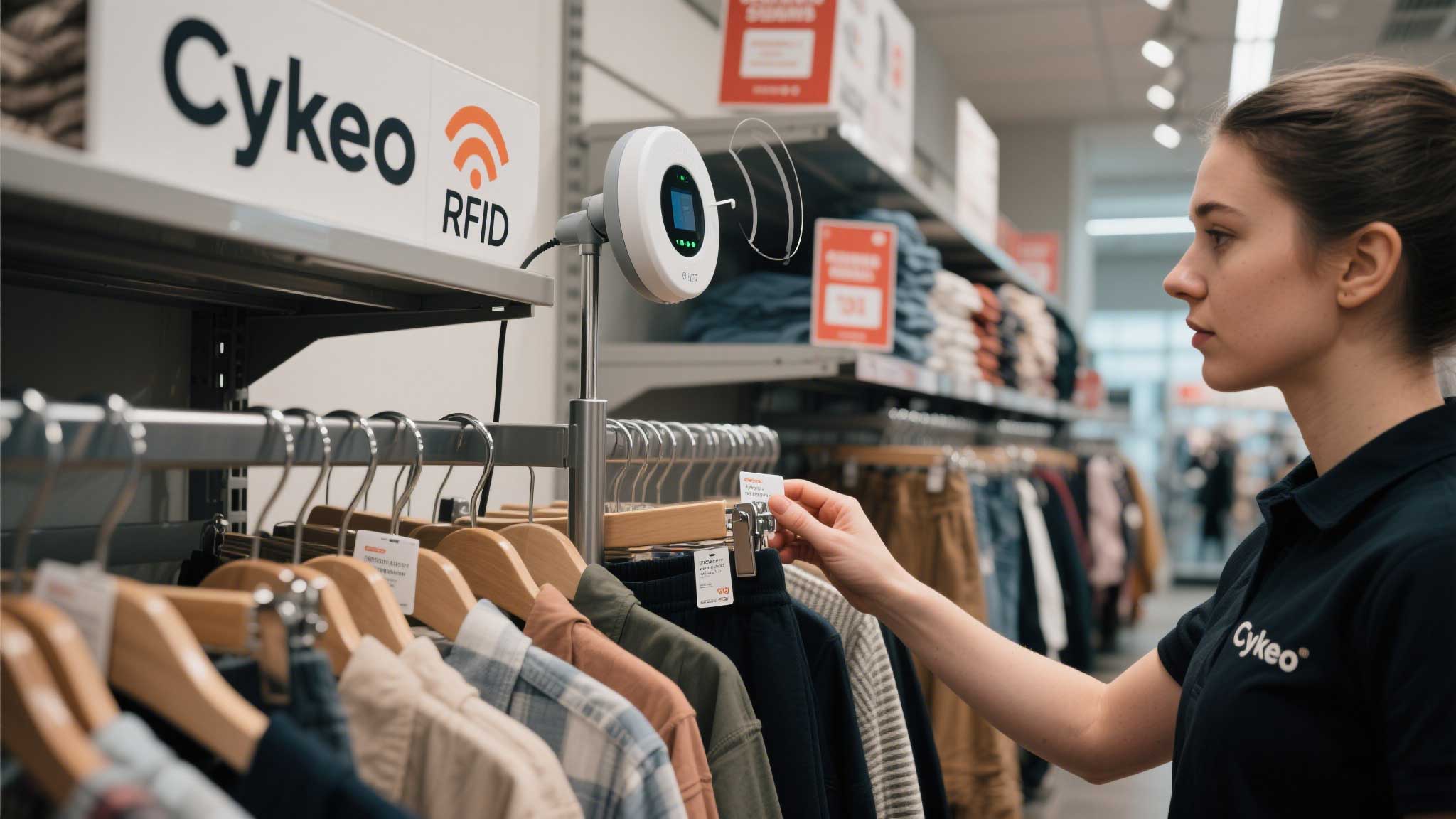
Pro Tip: Test with a mixed cart of items. If your reader misses tags in messy piles, switch to circular.
Problem 1: Metal Racks & Mirrors
Problem 2: Crowded Stores = Tag Chaos
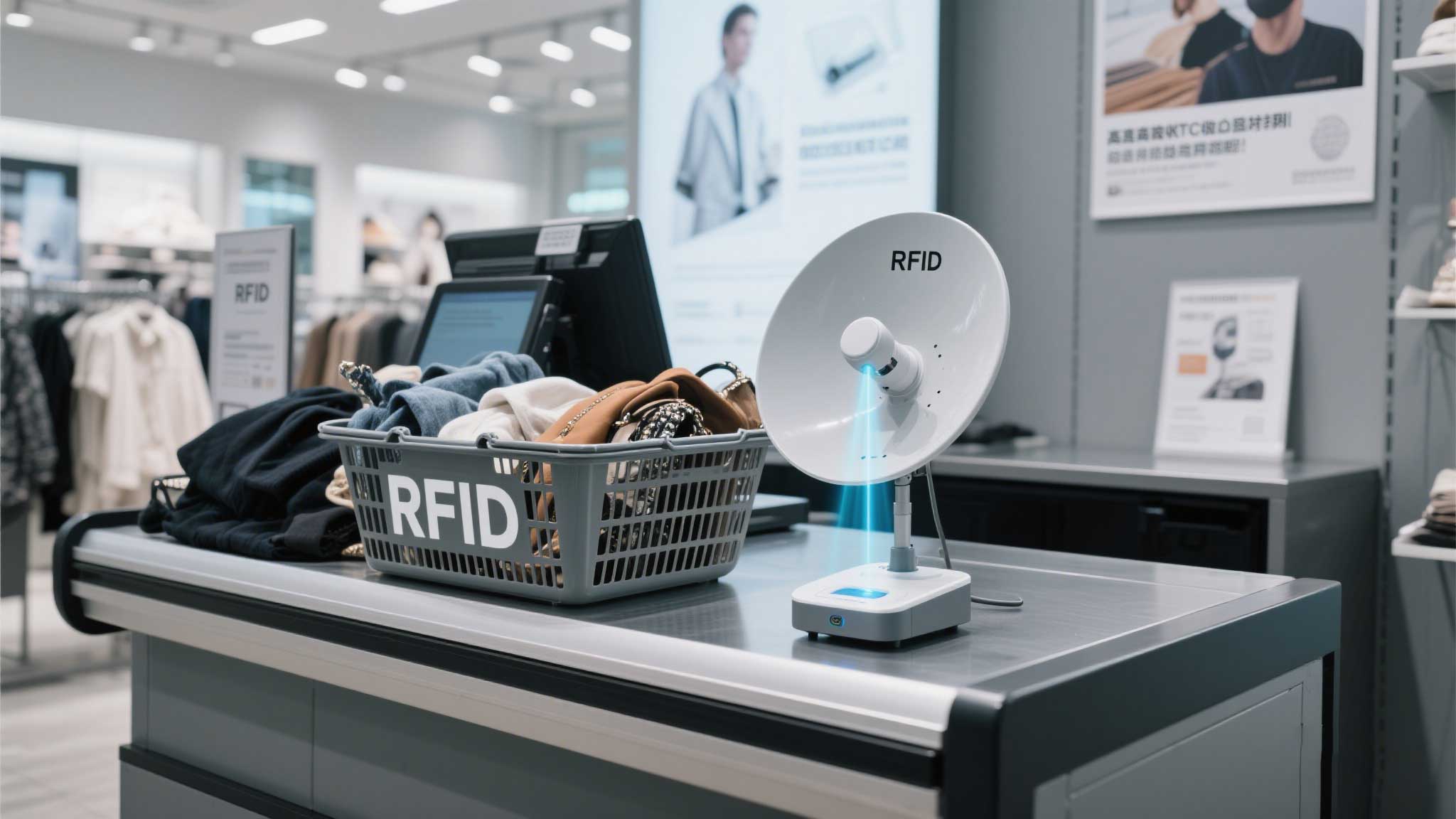
Problem 3: Checkout Speed
Cykeo Fix: Their readers auto-switch polarization modes. Set it to “retail mode” and forget it.
Test 1: The “Tilted Tag” Challenge
Test 2: Metal Interference
Test 3: Peak Hour Simulation
Hybrid Setup:
Cost: 200–500 per antenna. Worth it if lost sales > $1K/month.
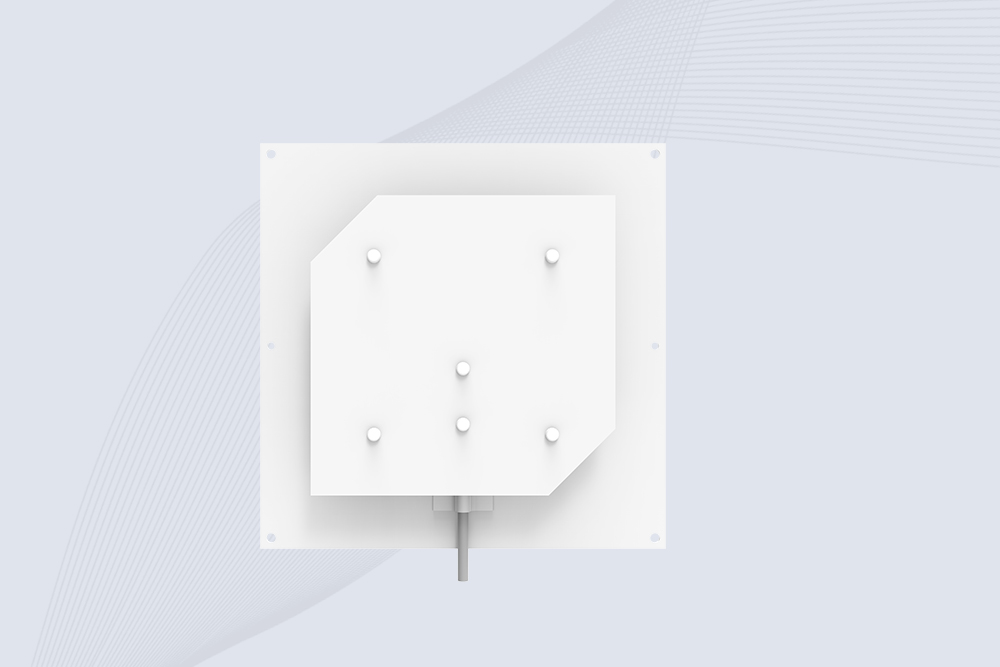
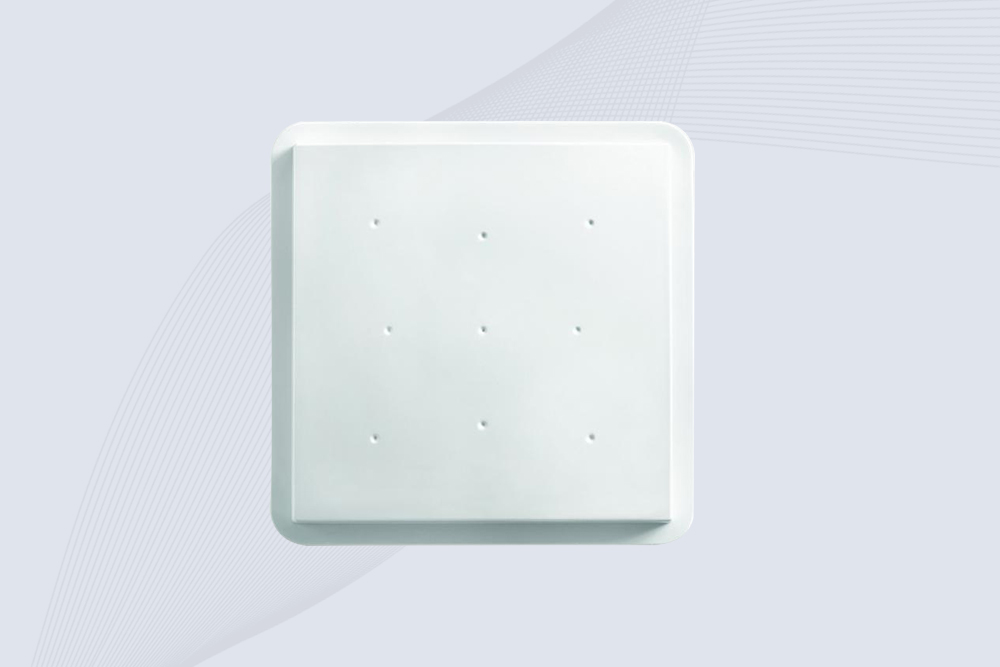
Cykeo Hack: Use their dual-polarization antenna. One device handles both modes.
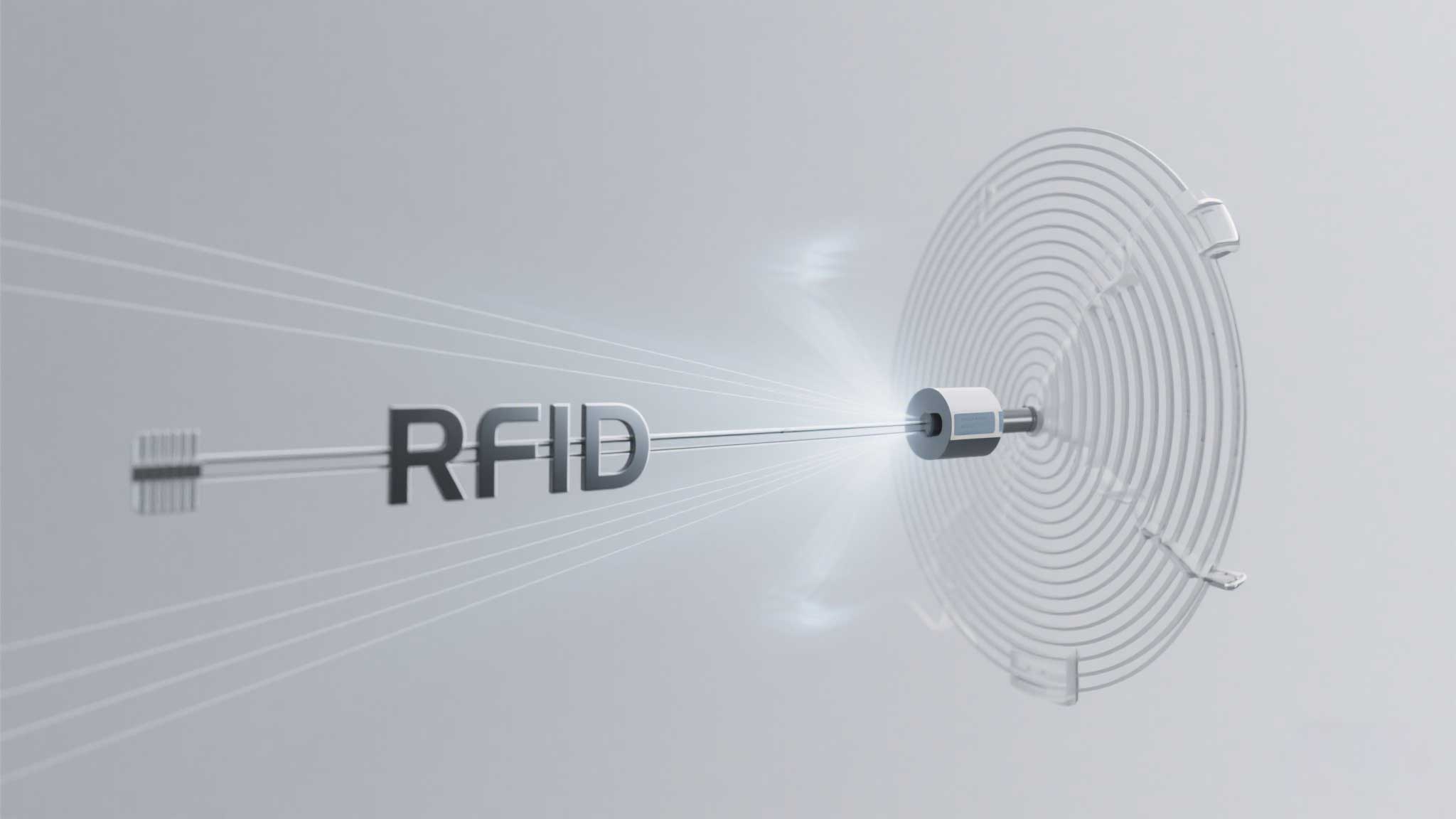
Mistake 1: Using linear antennas near metal fixtures.
Mistake 2: Mounting antennas too high.
Mistake 3: Ignoring tag rotation during placement.
Retail RFID isn’t about “best” antennas—it’s about matching polarization to your store’s chaos. Use circular for messy checkouts, linear for tidy displays, and if you’re done babysitting antennas, grab a Cykeo dual-mode rig. Because paying cashiers to rescan stuff is basically burning money.

Learn how to code rfid tags with professional RFID writers, software tools, and practical methods. Cykeo explains RFID programming for reliable tag management.
More
Explore the technical advantages of CYKEO UHF RFID Fixed Reader. Learn how its integration-friendly design and secondary development support empower solution providers across logistics, manufacturing, and access control industries.
More
RFID identifies items wirelessly, while barcodes require optical scanning of a visible symbol. RFID can read multiple tagged items without direct line of sight, whereas barcode scanning normally requires the symbol to face the scanner. The better ...
More
Can mobile phones read RFID tags? We explain the technical limits of phone NFC vs. professional UHF RFID needs, and the CYKEO solution for mobile work.
More