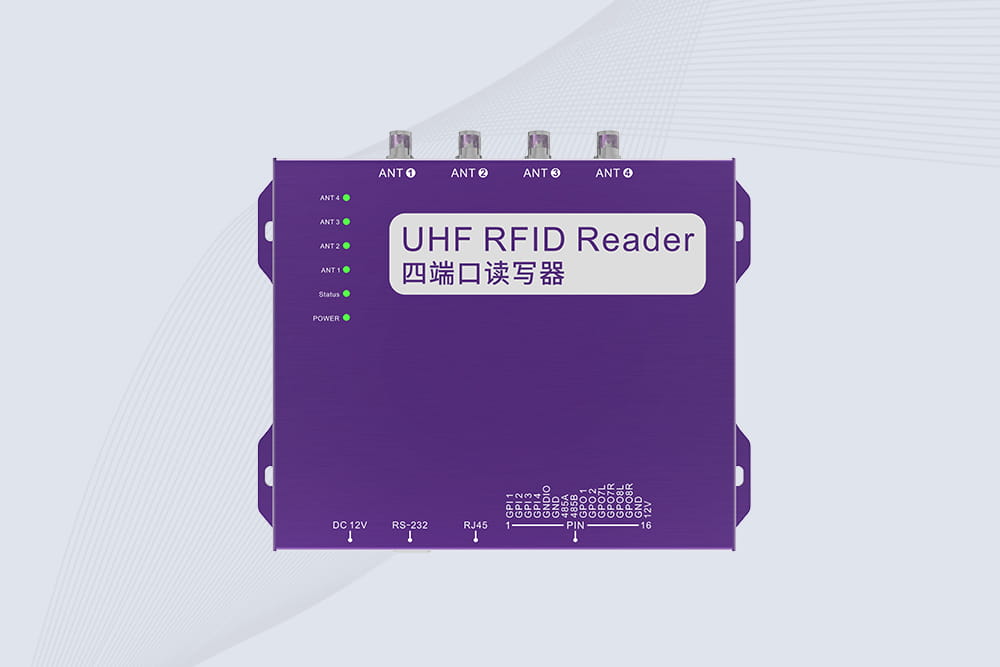
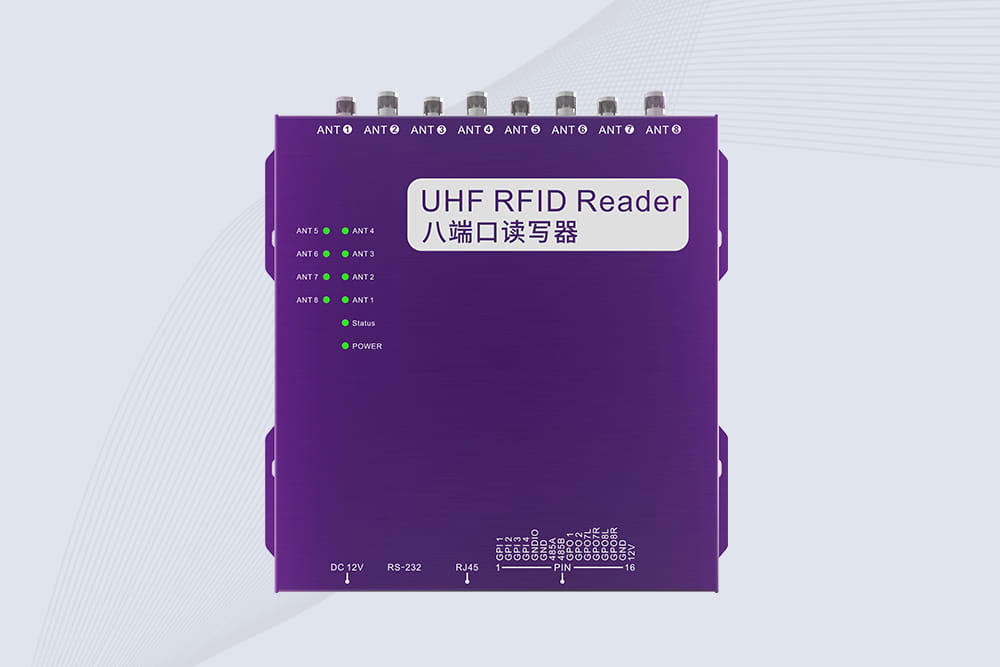
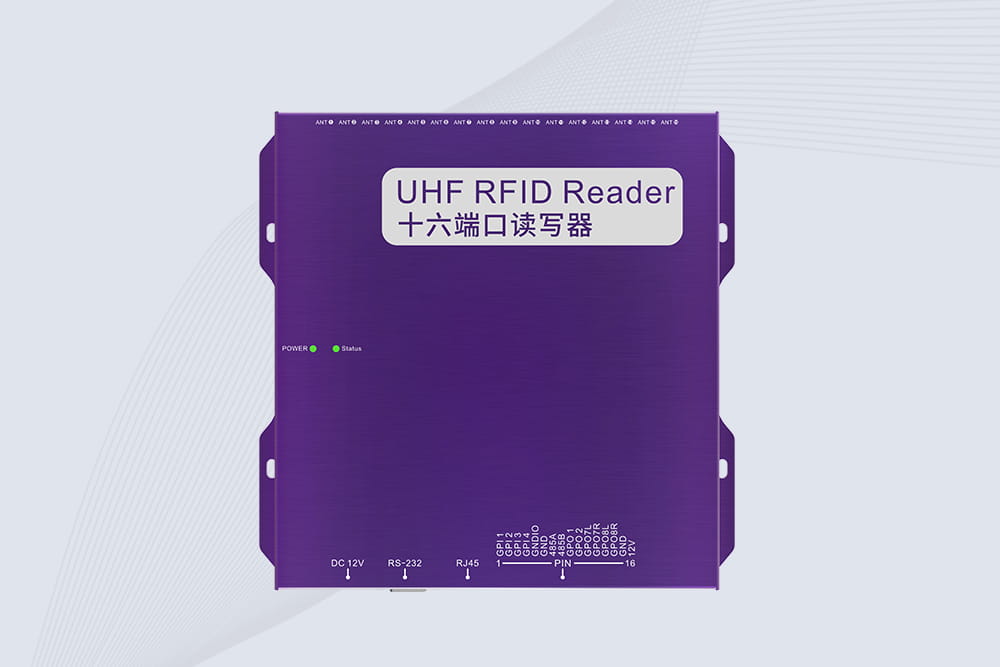
How to track RFID: attach a unique UHF RFID tag to each item or asset, install RFID readers at defined tracking points, and connect reader events to tracking software. The system records each tag’s identity, read point and time, allowing businesses to monitor movement without manually scanning every item.
That distinction matters in real deployments. RFID does not behave like a GPS tracker attached to a pallet. A passive UHF RFID tag normally becomes visible when it enters a reader’s interrogation zone. The tracking system then turns individual read events into a movement history.
How Does RFID Tracking Work?
In a warehouse project, I would not start by asking how far an RFID reader can read. I first map the physical points where an item changes status: receiving, inspection, storage, picking, packing, dispatch, or return. Those points become the backbone of the tracking design.
Each tagged object carries a unique EPC or another appropriate identifier. A fixed or handheld UHF reader captures that identifier when the tag enters its coverage area. The software then associates the read with a known location and business event.
GS1 describes EPCIS as a visibility-data standard for recording events involving products, assets and other objects. An EPCIS event can capture <strong>what happened, when it happened, where it happened and the business context behind it</strong>. GS1 specifically notes that EPCIS can support tracking and tracing across multiple physical locations and organizations.
RFID Tracking Is Based on Read Points, Not Just Tag Location
This is one of the most important practical points when learning how to track RFID. A reader does not automatically know the exact physical coordinates of a passive tag. It knows that a tag was successfully observed within a particular RF coverage area.
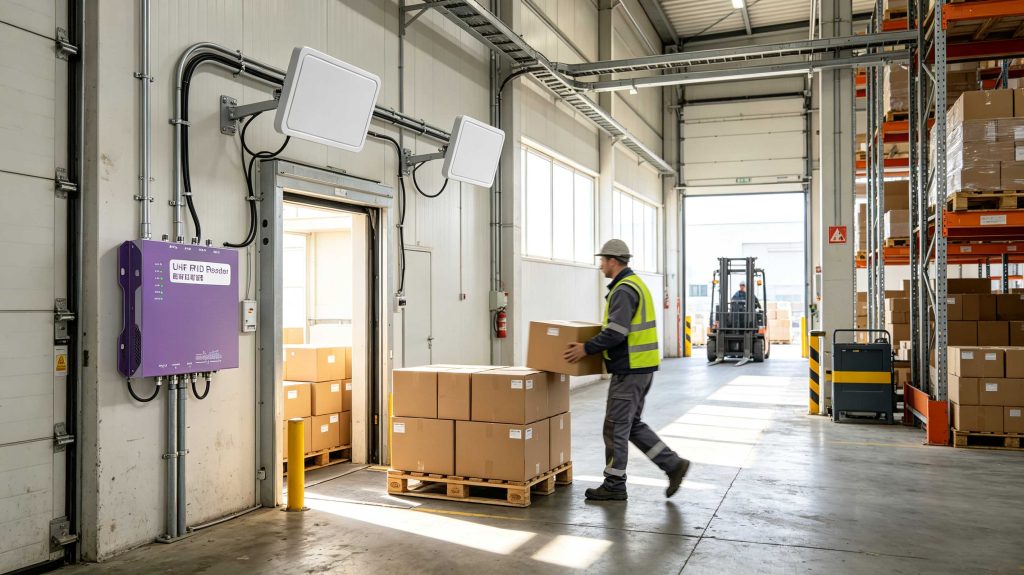
For example, placing a fixed reader at a warehouse dock door creates a meaningful tracking point. If EPC A is detected there at 14:32, the software can associate that event with the dock. A second reader at the packing station can create another event later. The sequence becomes useful because the reader locations have been deliberately defined.
GS1 documentation distinguishes the Read Point from the broader Business Location. A read point identifies where the event physically occurred, while the business location represents where the object is understood to be until a later event changes that state.
What You Need to Track RFID Movement
UHF RFID tags: one tag identity for each item, asset, case, pallet, or other tracked object. RFID readers: fixed readers for controlled portals and zones, or handheld readers for mobile inventory work. Antennas: positioned to create intentional interrogation zones rather than uncontrolled coverage. Reader identification: each reader and read point should correspond to a known physical location. Tracking software: converts raw RFID observations into inventory, movement, status, or traceability events. Business rules: determine whether a read means receiving, movement, storage, picking, shipping, or another operational event.
RFID Tracking Example in a Warehouse
Consider a receiving dock rather than a laboratory test bench. A pallet arrives with multiple tagged cartons. The portal reader captures the EPCs as they pass through the defined zone. The warehouse system compares those EPCs with the expected shipment, records the receiving event, and associates the observation with that dock.
The next useful event may occur at storage. Later, a picking station or outbound portal observes the same EPCs. Instead of relying on a worker to scan each carton individually, the organization has a sequence of machine-captured observations.
GS1 also notes that EPC/RFID can carry identification keys and that EPCIS can share real-time information about physical events in supply chains.
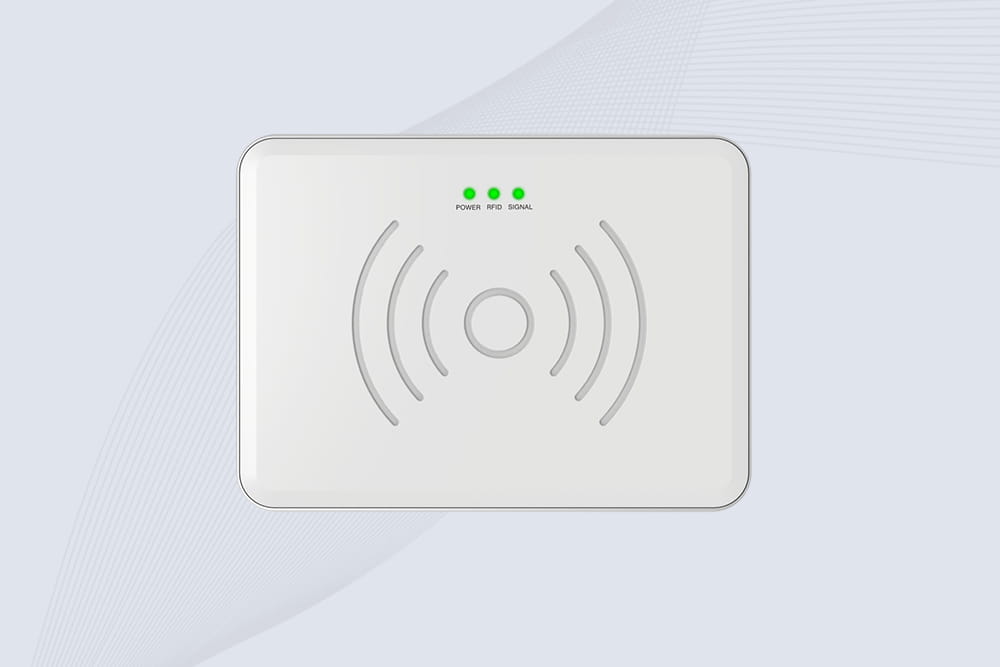
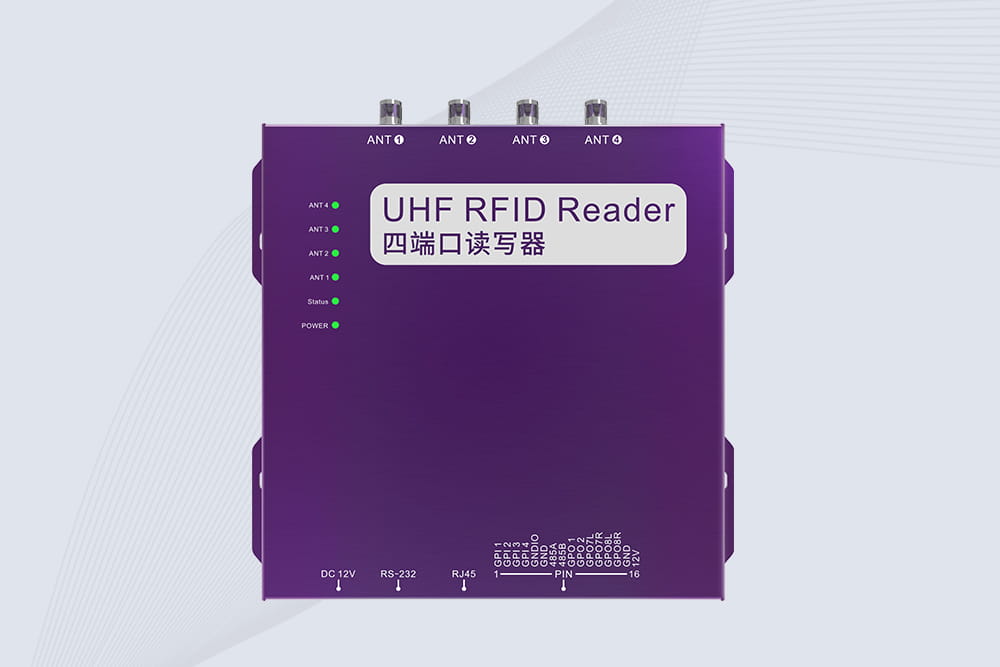
A fixed UHF RFID reader captures tagged cartons as they pass through a controlled warehouse receiving point.
Why Reader Placement Matters
In field testing, the hardest problem is often not getting a tag to respond. It is deciding whether a read actually represents a movement event. A reader covering half a warehouse may generate plenty of tag observations but poor location certainty.
For tracking applications, controlled read zones are usually more valuable than simply maximizing RF range. Reader placement, antenna orientation, tag orientation, nearby metal, liquids, vehicle movement and the physical shape of the passage all affect what the system observes.
GS1’s EPCIS model reinforces this approach: visibility data is built from physical events and their business context rather than from an isolated tag number.
RFID Tracking Points Commonly Used in Operations
Tracking point
Typical RFID purpose
Receiving dock
Record inbound arrival
Warehouse entrance
Detect movement into storage
Picking area
Confirm item movement
Packing station
Associate tagged goods with outbound processing
Shipping portal
Record dispatch movement
Return area
Identify returned assets or products
How to Track RFID Accurately in the Field
RFID tracking accuracy depends on controlling the read environment. A tag being detected does not automatically mean the system knows its exact location. For reliable tracking, define where a read should count as a business event, control antenna coverage, and validate the setup with the actual tagged products.
This is where warehouse projects often become more complicated than the initial demonstration. A tag may read perfectly on an empty workbench and behave differently when attached to a liquid container, placed inside a carton, stacked tightly with other tagged goods, or moved beside a metal rack.
RAIN Alliance testing guidance uses a reference reader and specifies testing tags on a product or reference material, across UHF frequencies and power levels, with different product positions. That approach is useful because it tests the tag as it will actually be deployed rather than treating the loose tag as the complete application.
What Can Affect RFID Tracking?
Tag orientation: changing the tag angle can alter coupling and polarization performance. Mounting material: metal and liquid-rich products can significantly change UHF performance. Reader position: antenna placement determines where tags can be observed. Read-zone overlap: excessive overlap can make adjacent locations difficult to distinguish. Tag density: many tags arriving together require effective anti-collision handling. Movement speed: a fast-moving object provides less time for successful observations. RF interference: the surrounding RF environment can affect repeatability.
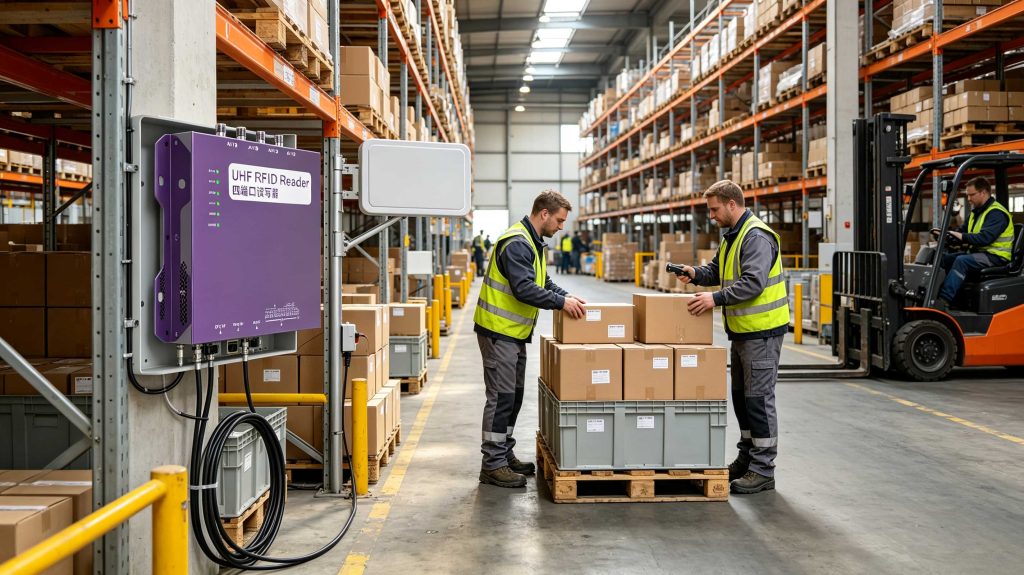
Both approaches can track RFID-tagged assets, but they answer different operational questions. A fixed reader is appropriate when the business needs continuous observation at a known location, such as a dock door, conveyor, gate, or workstation. A handheld reader is more useful when personnel need to search for, verify, or count tagged items in an area.
Tracking requirement
Recommended approach
Reason
Dock-door movement
Fixed UHF reader
Creates a repeatable read point
Conveyor tracking
Fixed UHF reader
Captures passing tags automatically
Warehouse inventory search
Handheld reader
Operator can move toward the target
Asset verification
Handheld reader
Useful for locating and confirming items
Controlled entry/exit
Fixed reader
Supports automated event capture
A practical deployment can use both. Fixed readers create the permanent event history, while handheld equipment handles exceptions, cycle counts and items that do not appear where expected.
How to Track RFID Tags with Multiple Items
RFID becomes especially useful when several tagged objects move through a read zone together. The reader must distinguish individual tag responses rather than treating the group as a single detection. Modern UHF RFID systems use anti-collision mechanisms so multiple tags can be inventoried within the same RF field.
GS1’s EPC Gen2 standard defines the air-interface behavior used by passive UHF RFID systems, including tag identification and inventory operations. The current GS1 EPC Gen2 specification is version 3.0.1, published in February 2026.
For a real warehouse test, I recommend recording the expected tag count before starting the trial. Then repeat the same movement several times. A single successful pass tells very little; repeated passes expose missed reads, unexpected reads and unstable read zones much faster.
Tracking Data Worth Recording
Data
Why it matters
EPC
Identifies the tagged object
TID
Provides tag/chip identity information where required
Reader ID
Identifies the observation point
Timestamp
Establishes event sequence
Antenna
Helps diagnose coverage and direction
RSSI
Provides useful RF-level diagnostic information
Business status
Connects the RFID observation to an operational event
GS1 identifies TID as tag/chip information and describes the EPC and other tag memory areas as separate parts of the Gen2 memory structure. This distinction is important when troubleshooting whether a problem concerns tag identity, application data or the reader transaction itself.
How to Improve RFID Tracking Reliability
Do not begin by turning reader power to maximum. First establish the smallest reliable read zone that captures the intended movement. Excessive coverage can allow tags outside the target area to appear in the event stream, which is particularly troublesome when two adjacent doors or workstations are close together.
RAIN Alliance test procedures emphasize controlled conditions, reference equipment, product attachment and testing across frequencies and power levels. This is a better engineering mindset than judging a deployment from one impressive maximum-range reading.
Practical RFID Tracking Checklist
Assign a unique identity to every tracked object. Select tags according to the actual mounting surface. Define each RFID reader as a known physical read point. Adjust antenna orientation before increasing output power. Test the complete product, not only a loose RFID tag. Run repeated passes with the expected number of tags. Check for reads outside the intended tracking zone. Record EPC, reader, antenna, timestamp and relevant diagnostic data. Connect RFID observations to the warehouse or asset-management system. Test normal operation as well as exception cases.
Using Cykeo UHF RFID for Tracking Applications
Cykeo’s UHF RFID solutions are designed around the same practical principle: RFID tracking is a combination of tags, RF hardware, read zones and software rather than a reader operating in isolation.
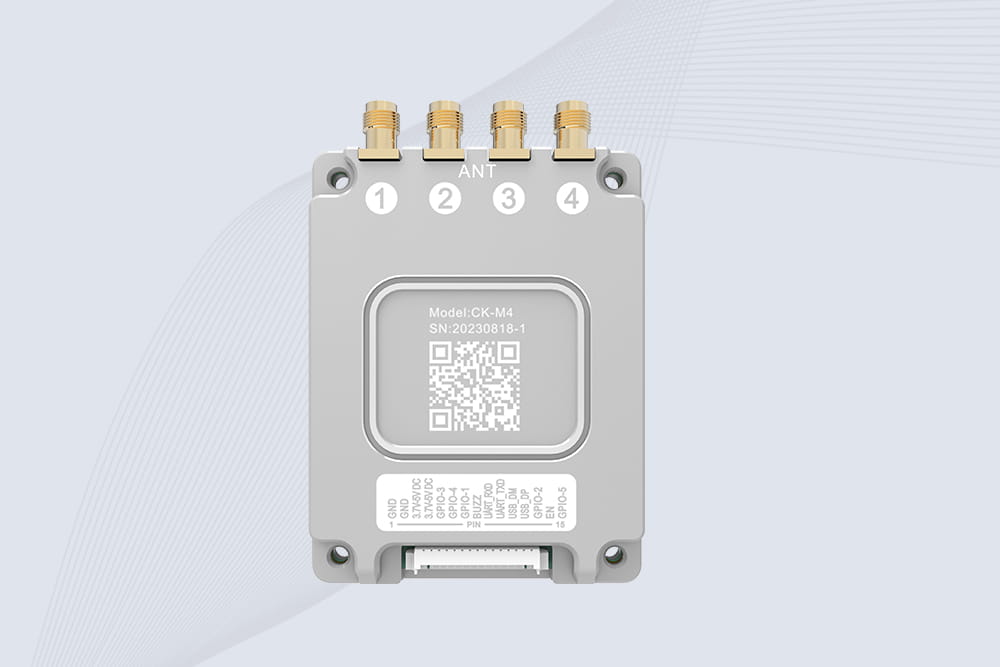
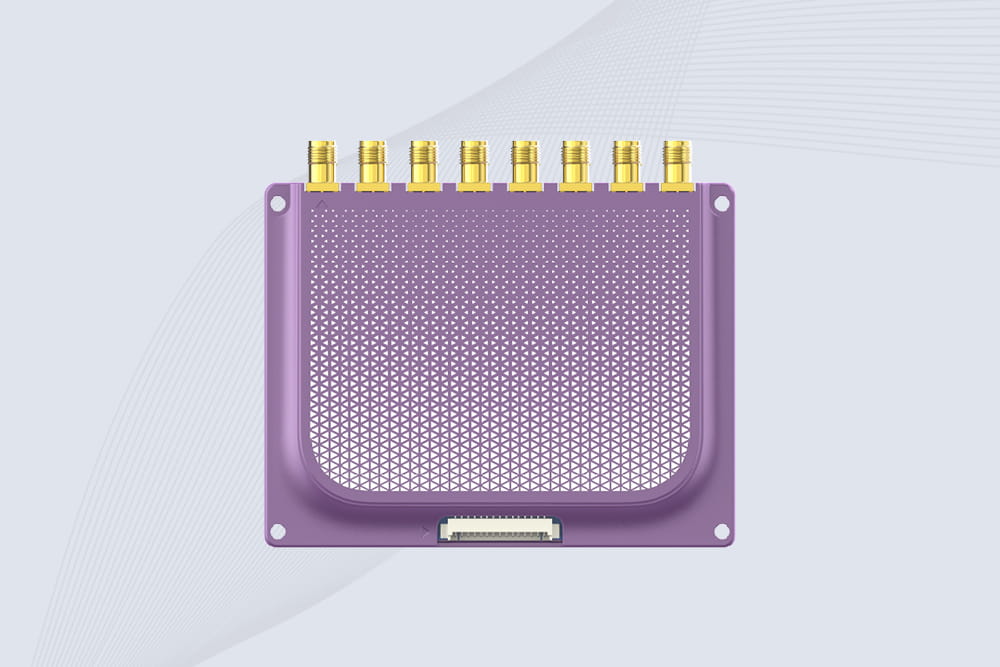
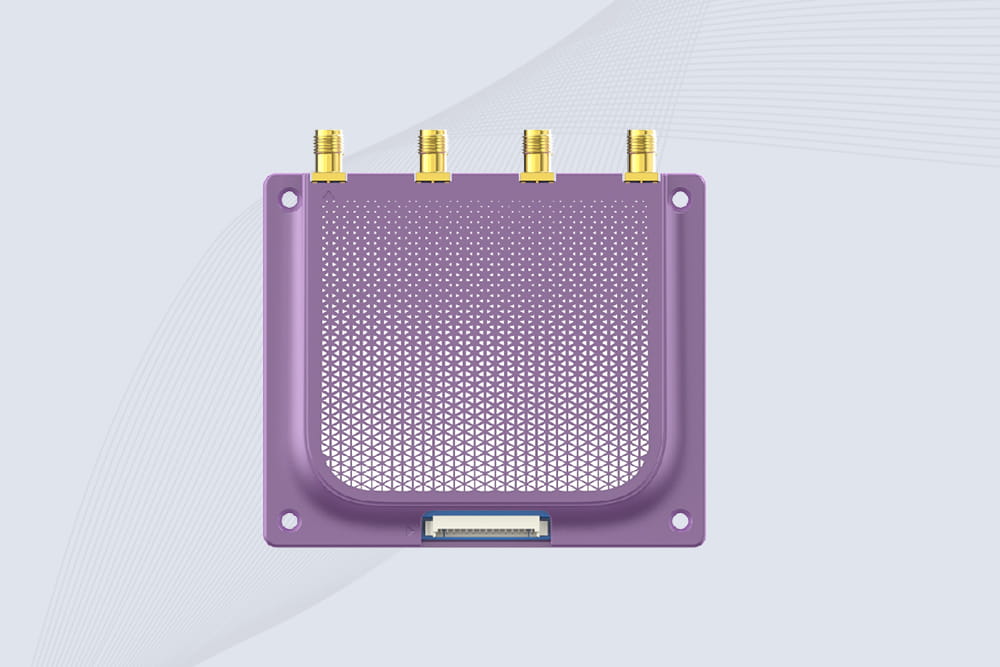
For fixed installations, Cykeo UHF readers can be used with Ethernet or RS-232 connectivity, while SDK/API resources allow RFID data to be integrated into application software. The CYKEO-M4L module supports ISO18000-6C/EPC C1G2 and provides configurable RF output, filtering and anti-collision capabilities for embedded RFID applications.
That flexibility is useful when a project moves beyond a demonstration. The reader can become part of a gate, workstation, cabinet, conveyor or other equipment where the tracking event needs to be tied directly to an existing operational workflow.
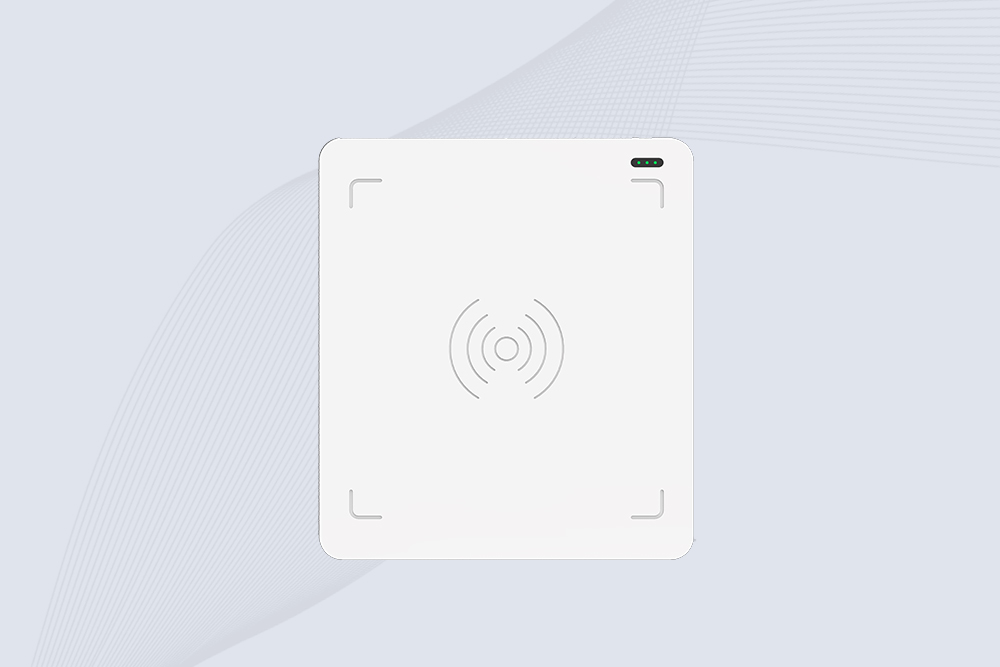
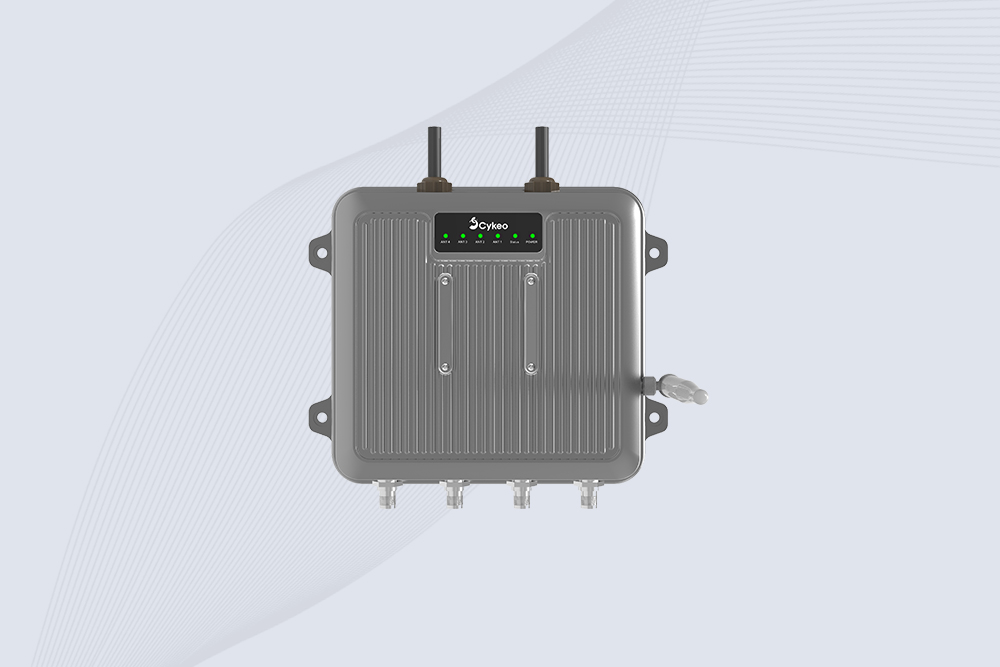
Fixed UHF RFID infrastructure records tagged asset movements at defined warehouse tracking points.
FAQ: How to Track RFID
1. Can RFID track the exact location of an item?
Passive UHF RFID normally identifies an item when it enters a reader’s coverage area rather than continuously reporting GPS-style coordinates. By installing readers at known locations and associating each observation with a timestamp, businesses can build a useful movement history.
2. How far can RFID track an item?
There is no single tracking distance for every RFID application. UHF RFID performance depends on the tag, reader, antenna, output power, orientation, mounting surface and environment. GS1 describes UHF RFID as operating in the 860–930 MHz range, with read distances depending on conditions and system design.
3. Can RFID track multiple items at once?
Yes. Passive UHF RFID is designed for multi-tag inventory operations. A reader can identify multiple tags in the same read zone, while anti-collision procedures manage simultaneous tag responses. Actual performance should be validated using the expected tag quantity and product configuration.
4. Can RFID track assets in a warehouse?
Yes. Fixed readers can create tracking points at receiving docks, storage entrances, picking areas, packing stations and shipping portals. Handheld readers can complement those fixed points by helping workers locate or verify assets during inventory and exception handling.
5. Does RFID tracking require software?
For basic tag identification, a reader can report RFID reads directly. For meaningful tracking, however, software is normally needed to associate EPCs with reader locations, timestamps and business events. This is what turns isolated RFID observations into an operational movement record.
6. What RFID frequency is best for tracking assets?
For applications requiring longer-range identification and simultaneous reading of multiple tagged objects, passive UHF RFID is commonly used. GS1 identifies EPC Gen2 and ISO/IEC 18000-63 as standards associated with passive UHF RFID systems.
7. Why does an RFID tag sometimes appear at the wrong location?
The usual cause is an uncontrolled read zone rather than the tag itself “moving incorrectly.” Antenna orientation, excessive RF coverage, reflections, nearby materials and overlapping readers can allow a tag to be detected outside the intended point. Tracking accuracy improves when read zones are deliberately engineered and validated.
Final Takeaway:how to track rfid is ultimately a read-point and event-design problem. A reliable UHF RFID deployment combines correctly selected tags, controlled reader coverage, repeatable testing and software that turns EPC observations into meaningful movement records. For Cykeo projects, that same approach provides a practical foundation for warehouse, asset and logistics tracking.
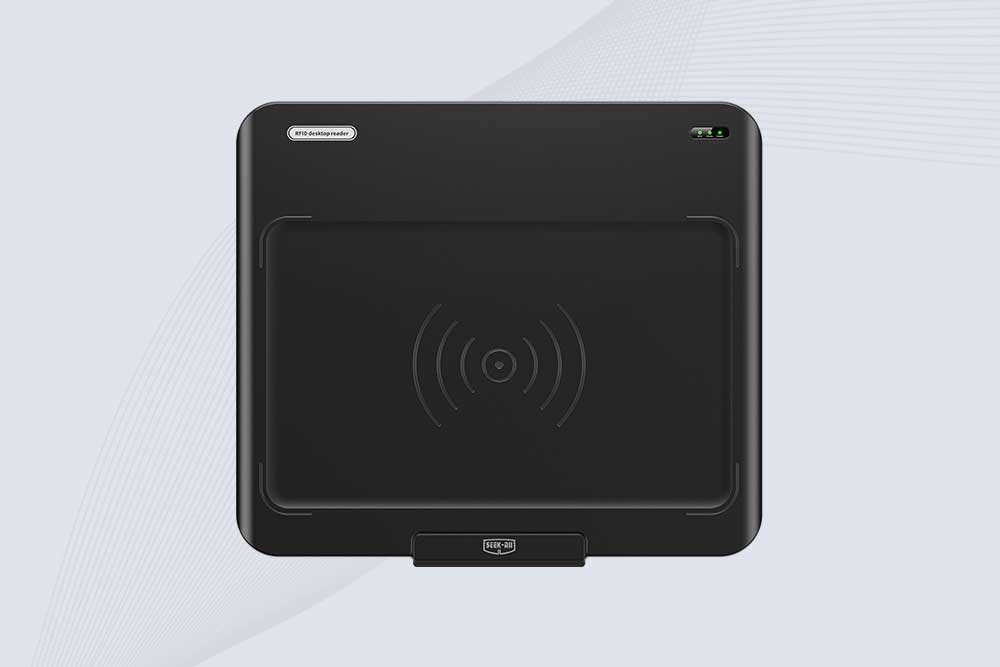
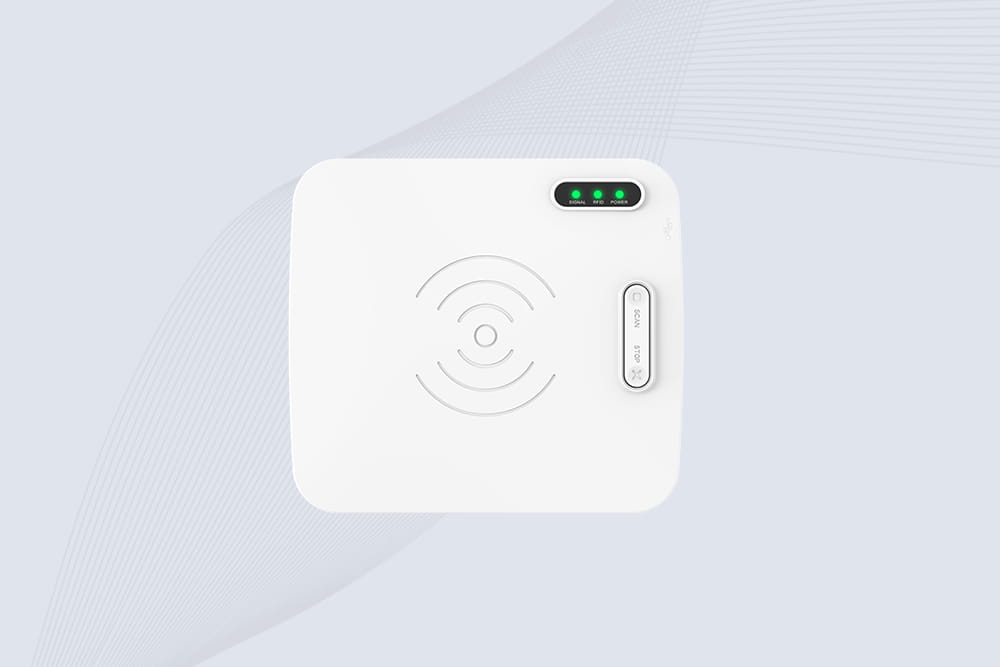
SSD-D3AL is a USB-HID UHF RFID reader with 0–30 cm reading, 0–15 cm writing, over 600 tags/s recognition, USB plug-and-play operation and OEM Logo customization.
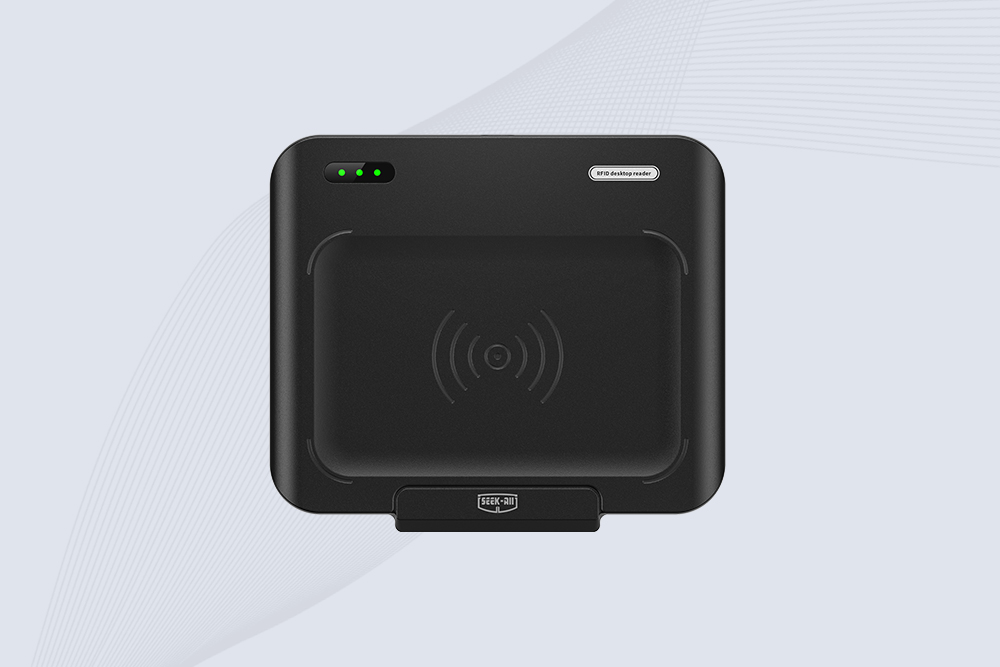
SSD-D1AL is a compact USB UHF RFID reader with Impinj E710/X3M1 chipset, USB-HID, 600+ tags/s recognition, 4/8/16 antenna support and plug-and-play USB power.
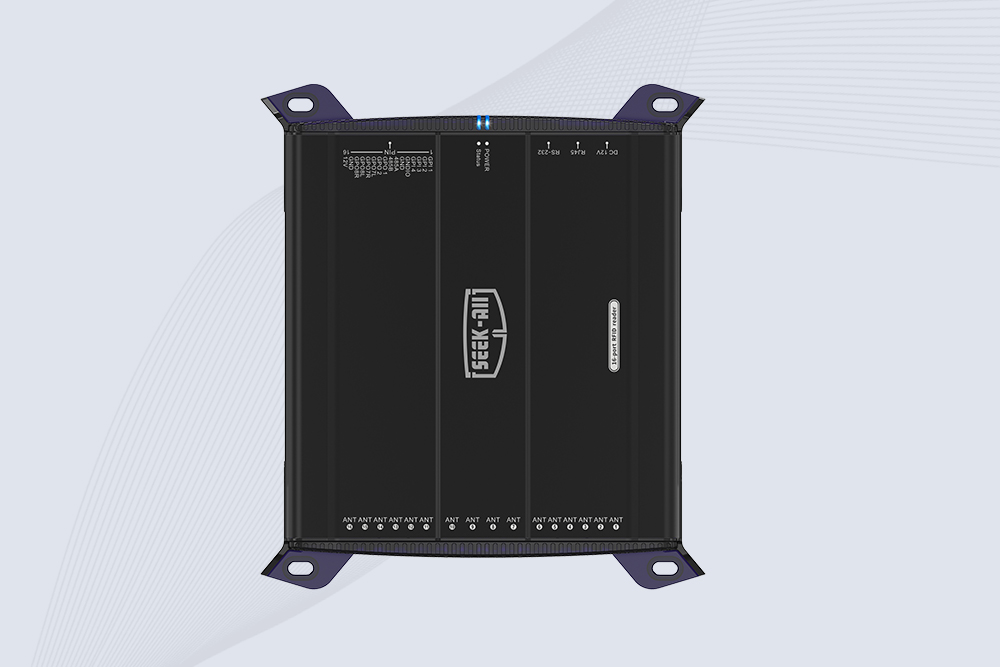
SSD-R16L Multi-Channel RFID Infrastructure for Automated Inventory Management ✔️ 16-Port High-Density RFID Reading Equipped with 16 SMA antenna ports, SSD-R16L supports multi-antenna deployment for warehouses, retail stores, logistics, production lines, and large-area RFID identification. ✔️ High-Speed & Long-Range Performance With up to 33…
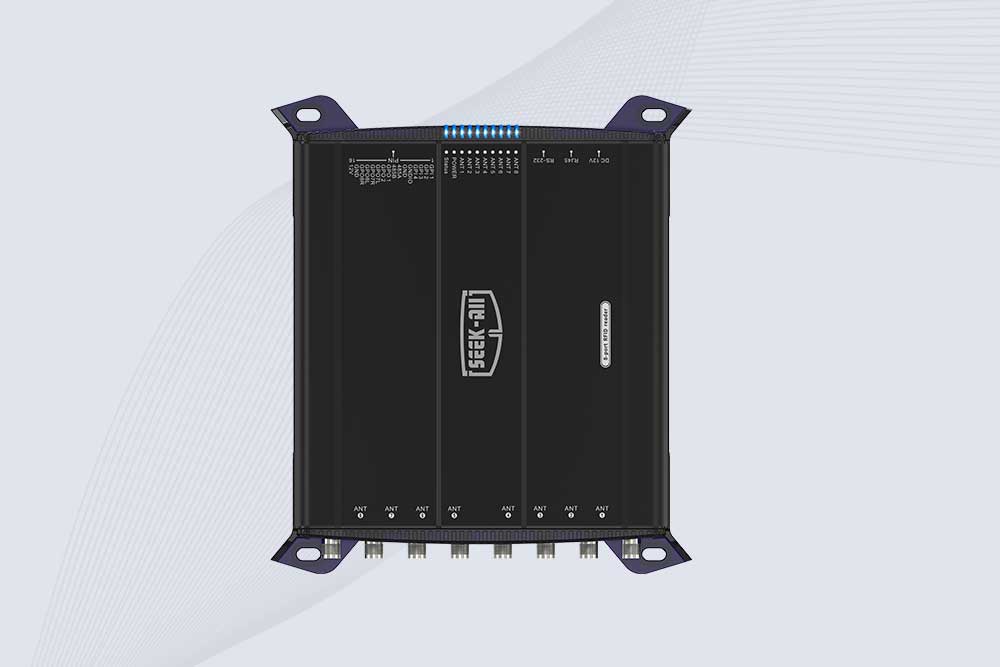
SSD-R8L 8-port UHF RFID reader with 33dBm output, up to 20m reading range and 600+ tags/s recognition. Ideal for warehouse, logistics, retail and asset tracking.
CYKEO CYKEO-D1LA USB RFID Reader is a compact desktop solution with near-field control for precise tag reading and encoding. Powered by USB, supporting ISO 18000-6C, and built for stable batch writing, this usb rfid tag reader fits retail, libraries, offices, and controlled RFID encoding tasks.
CYKEO CYKEO-D1L RFID scanner USB is a compact desktop UHF RFID scanner designed for short-range tag writing and verification. This usb rfid scanner supports batch encoding, stable 0–26 dBm output, and works across Windows, Linux, and Android systems.
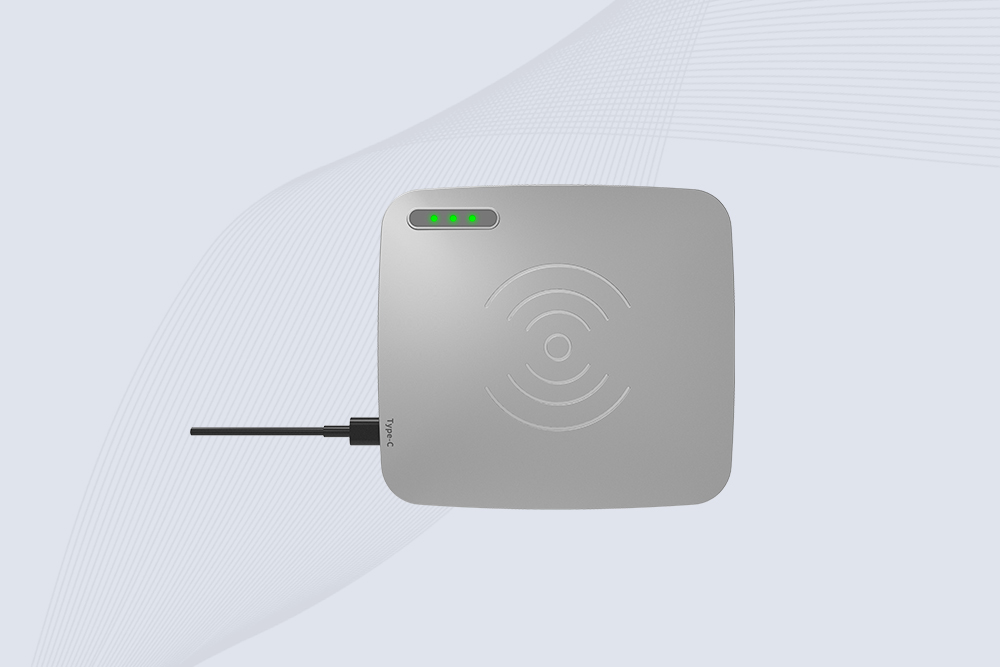
CYKEO CYKEO-D1C USB RFID Card Reader is a near-field UHF desktop writer designed for secure, short-range tag encoding. With USB-C connectivity and stable 26 dBm output, this rfid reader usb c is ideal for badge issuance, label encoding, and controlled desktop RFID workflows.
CYKEO CYKEO-D2L RFID Reader USB is a compact desktop encoder built on the Impinj R500 chip. With near-field control and stable USB power, this usb rfid card reader delivers precise tag writing for offices, retail counters, and small-scale logistics encoding tasks.
CYKEO CYKEO-D3L USB RFID Tag Reader delivers stable UHF tag reading and writing for daily desktop and light industrial tasks. Designed for controlled short-range operation, this USB RFID Tag Reader works reliably with rfid tag and reader systems in libraries, tool tracking, and inventory registration.
The CYKEO CYKEO-D4L UHF RFID Tag Reader is a stable Desktop RFID Reader designed for accurate tag registration, borrowing, and return workflows. Built with the Impinj R2000 chip, this UHF RFID Tag Reader delivers controlled short-range reads for libraries, asset tracking, and inventory management environments.
The CYKEO CYKEO-D5L Desktop RFID Card Reader is a stable UHF RFID Card Reader designed for controlled short-range reading and writing. Built for libraries, tool rooms, and asset desks, this UHF RFID Card Reader supports dense tag handling, secure data processing, and easy USB integration.
The CYKEO CYKEO-D6L RFID Reader Writer is a heavy-duty Desktop RFID Reader designed for short-range, high-accuracy tag programming. Built for libraries, labs, and asset desks, this RFID Reader Writer supports batch processing, stable 33dBm output, and seamless integration with existing management systems.
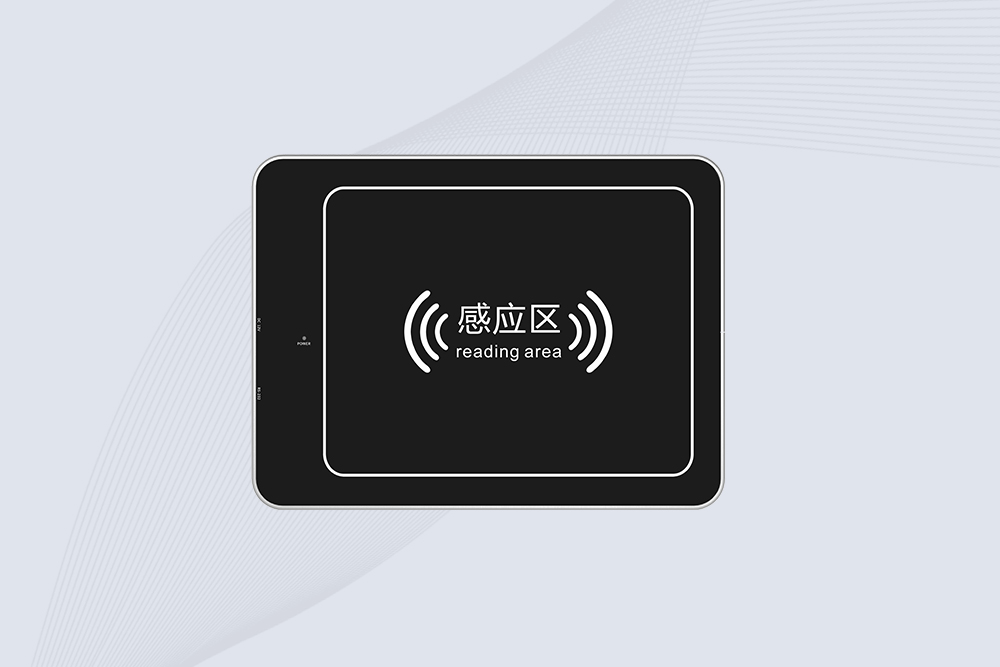
Cykeo CYKEO-D8A embedded RFID badge reader offers 30+ tags/sec scanning, 20cm anti-crosstalk precision, and DC 12V power for unmanned stores, warehouses, and smart inventory systems.
Cykeo’s CYKEO-D8C UHF RFID gate reader achieves 200-tag/batch scanning with adjustable power control, ideal for retail inventory and smart warehouse management.
CYKEO Embedded RFID Modules are designed for compact industrial and IoT devices that require stable UHF performance. These UHF RFID Modules support global protocols, flexible power control, and reliable multi-tag reading for smart cabinets, production lines, and asset tracking systems.
CYKEO Embedded RFID Module is built for compact IoT and industrial devices that need stable UHF performance. This UHF module supports global protocols, low power operation, and reliable multi-tag reading for smart lockers, production lines, and always-on RFID systems.
CYKEO CYKEO-M1 drone rfid module is a compact UHF RFID reader module designed for drones and UAV platforms. It supports long-range aerial scanning, fast multi-tag reading, and stable performance in wind, vibration, and outdoor environments.
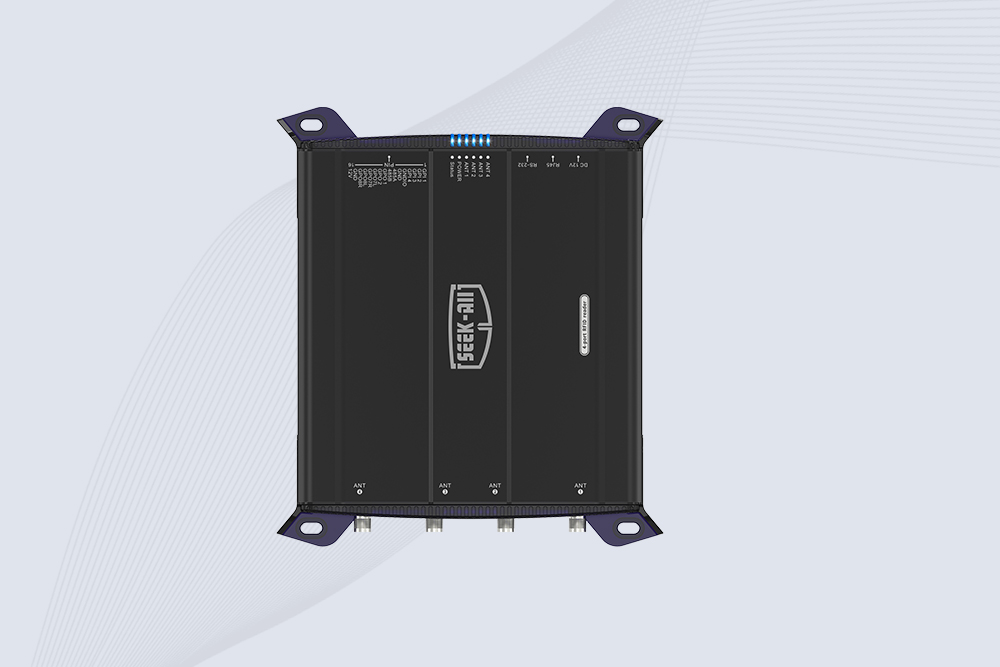
CYKEO CYKEO-M4 RC522 RFID Module is an industrial-grade UHF RFID reader with 4 ports, supporting ISO, EPC, and GB protocols. High-speed, accurate reading for IoT, automation, and warehouse applications.
CYKEO CYKEO-M8 Module RFID is an 8-port UHF R2000 RFID Module designed for high-density, multi-tag environments. Stable 33dBm output, ISO & GB protocol support, ideal for warehouses, factories, and automated systems.
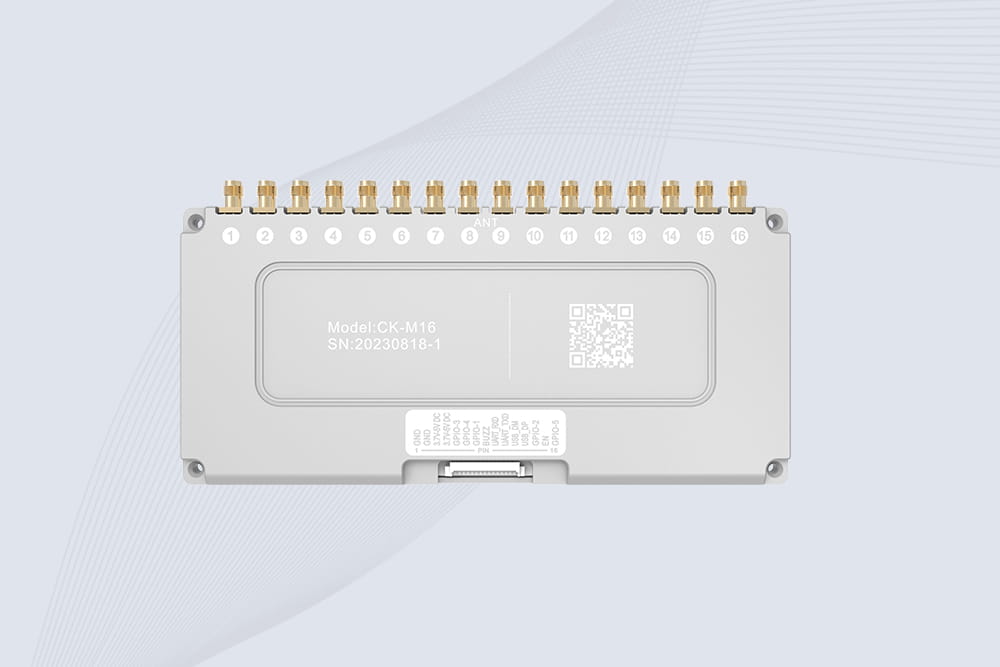
CYKEO CYKEO-M16 RFID Module is a 16-port UHF RFID reader module based on the R2000 chipset. Designed for dense tag environments, it supports ISO and GB standards and delivers stable multi-antenna control for industrial automation.
The CYKEO CYKEO-M16L RFID Reader Module is a 16-channel UHF RFID core designed for dense tag environments. With adjustable 33dBm output, multi-protocol support, and stable multi-antenna control, this RFID Tag Reader Module fits industrial automation, warehouse systems, and large-scale IoT deployments.
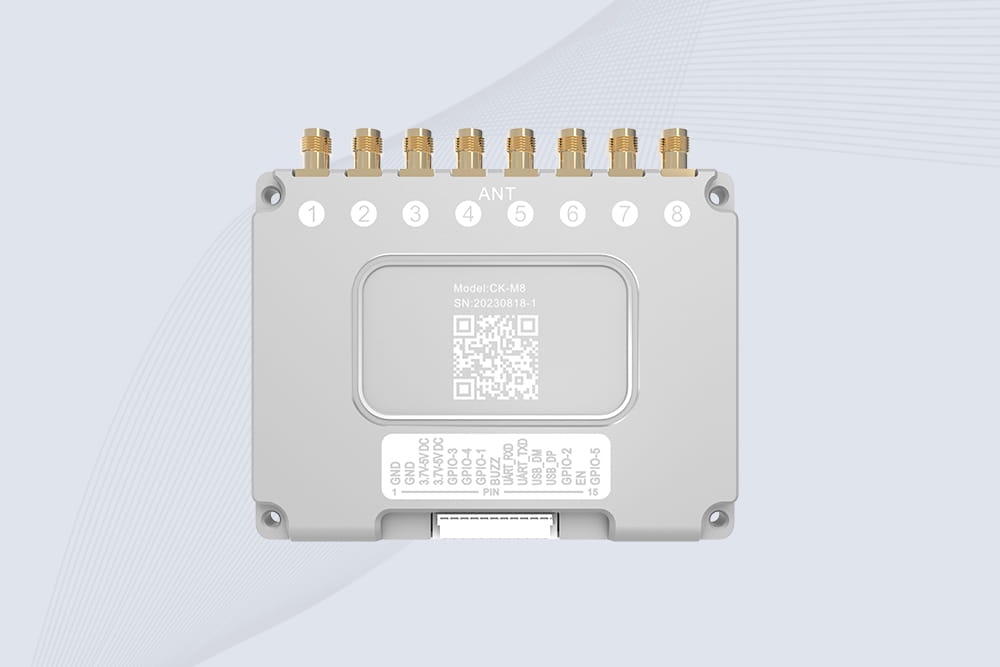
CYKEO CYKEO-M8L module RFID is a compact industrial UHF module built for dense tag and multi-antenna environments. With 8 RF ports, adjustable 33 dBm output, and ISO & GB protocol support, it is widely used in factories, warehouses, and automated tracking systems.
CYKEOCYKEO-M4L UHF RFID Module is a compact 4-channel RFID tag reader module designed for dense tag environments. Supporting ISO and GB protocols, it delivers stable reads up to 10 meters for industrial and IoT systems.
Cykeo CYKEO-C1 industrial Forklift RFID Reader features 20m read range, 600 tags/sec scanning, Impinj R2000 chipset, and IP67 rugged design. Ideal for warehouse logistics and manufacturing. Supports ISO 18000-6C/6B protocols.
Cykeo CYKEO-R4 industrial UHF RFID Fixed Reader features 4 TNC ports, 400+ tags/sec speed, IP67 housing, and global frequency compliance for vehicle inspection, smart warehouse, and asset management systems.
CYKEO CYKEO-R8L Fixed RFID Reader with 8-port UHF design, Impinj-based RF core and up to 20m read range. An industrial Fixed RFID Reader for vehicle inspection, warehouse portals, smart manufacturing lines and secure access checkpoints.
RFID Fixed Reader from CYKEO – the CYKEO-R16L 16-port UHF fixed reader for warehouses, smart cabinets, and production lines. Long-range, multi-tag reading, stable performance for 24/7 industrial use.
CYKEO CK-B4L is a compact RFID Card Reader Android, designed for developers building Android systems and apps. RFID Reader for Android App Connect via Type-C to enable fast, stable RFID tag reading for anti-counterfeiting, inspection, picking, an...
Discover how the auto sweep rfid system simplifies road travel through a single account, faster toll access, and seamless cashless payment integration.
Wondering will aluminum foil stop a RFID card reader? We tested it. Learn how the Faraday cage principle works, real-world effectiveness, and better alternatives for protecting your cards. Real guidance from CYKEO engineers.
 Cykeo RFID IoT Solution Products R&D Manufacturer