 Cykeo RFID IoT Solution Products R&D Manufacturer
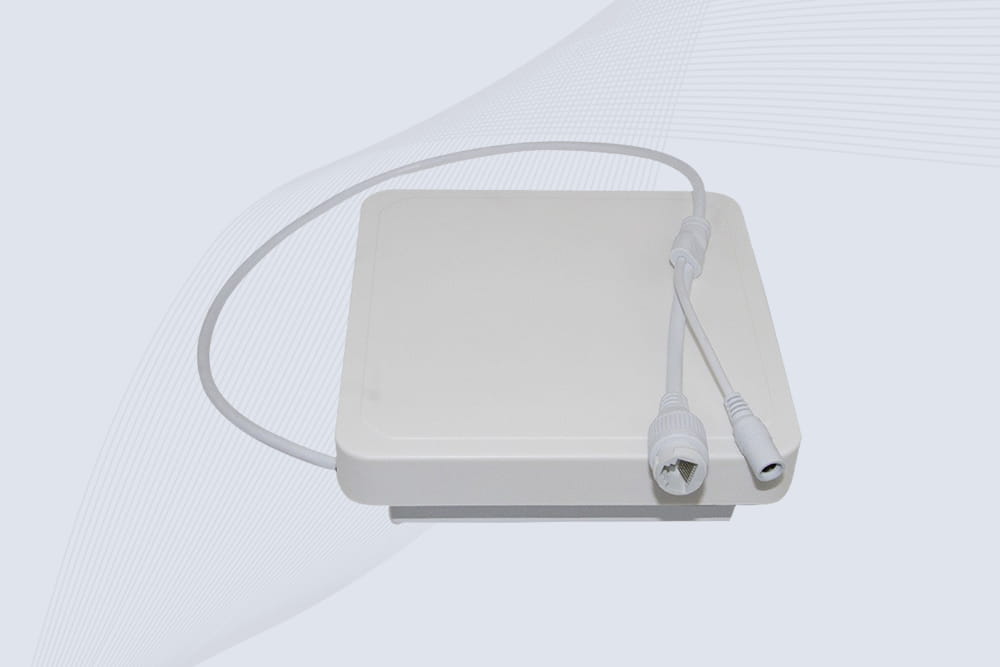
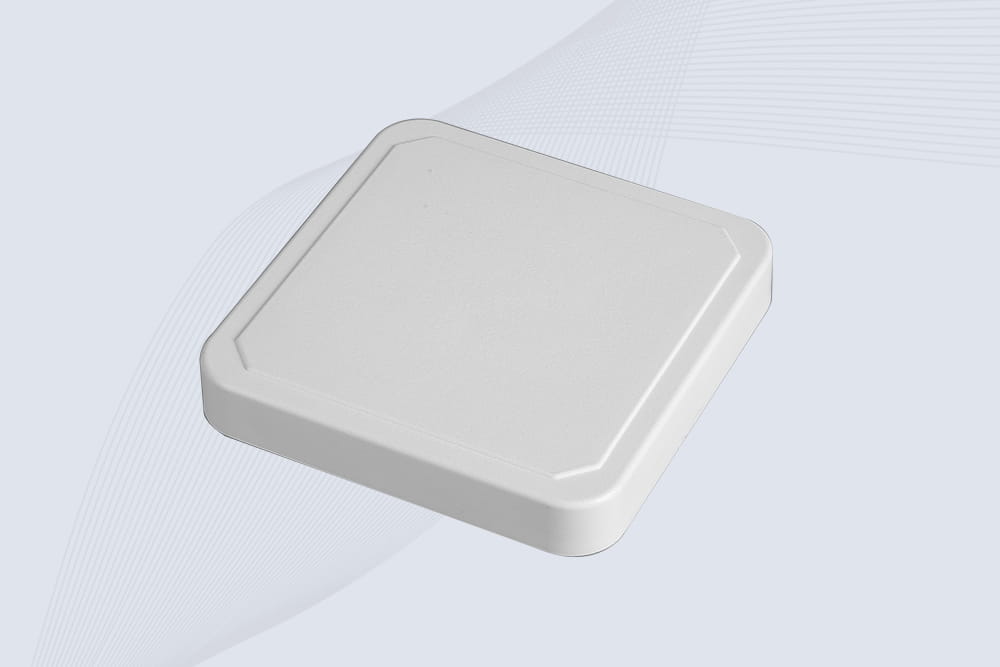
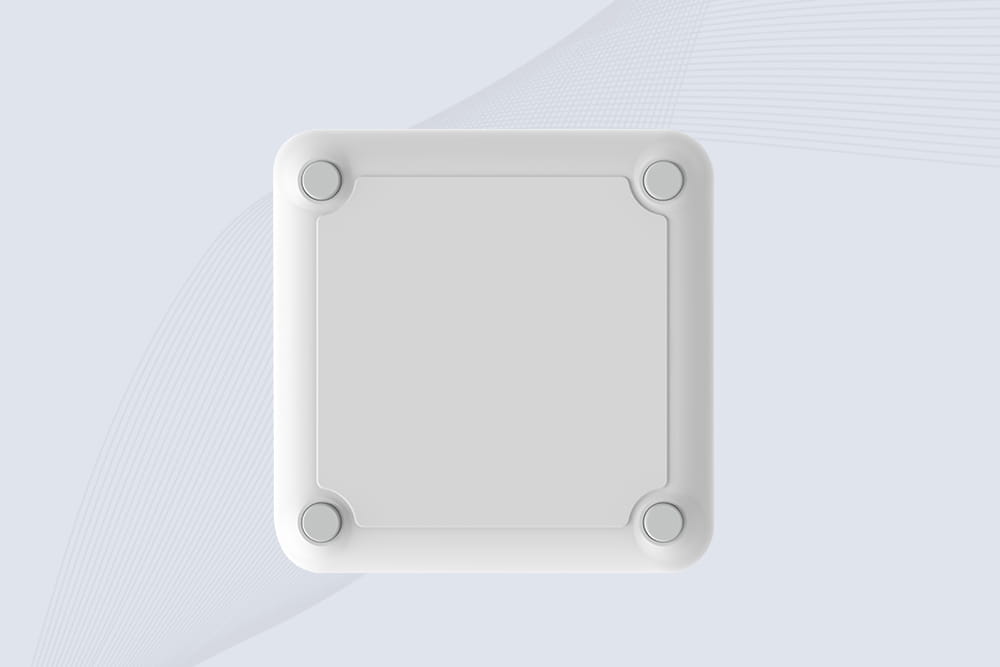
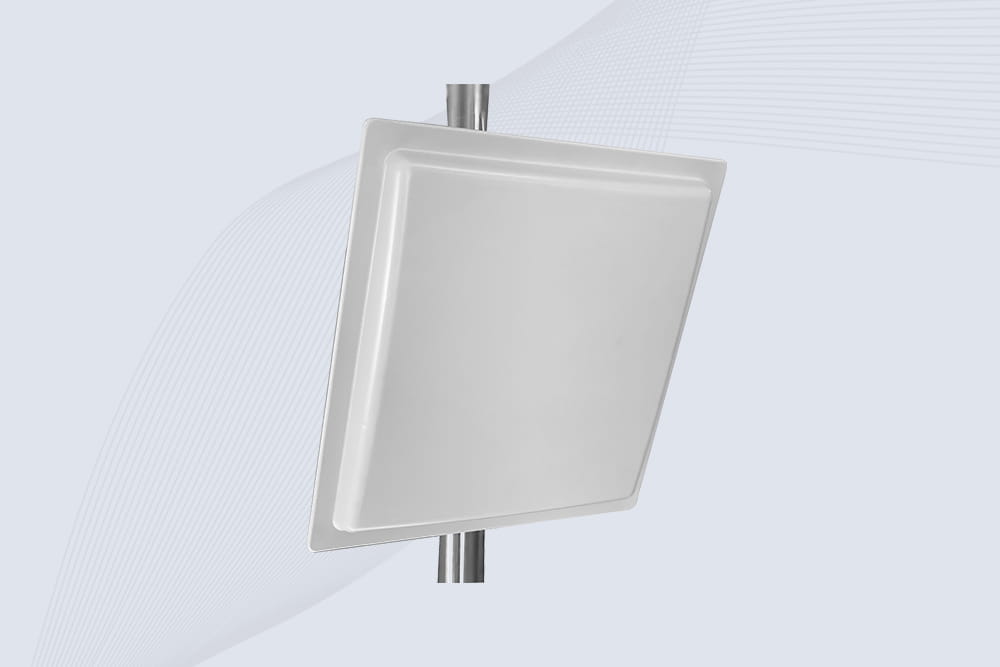
What is RFID card reader and writer applications in real operations
56Discover how Cykeo card reader and writer devices improve UHF RFID encoding accuracy, batch card issuance, and asset tracking efficiency in real workflows.
MoreAll RFID Product
Selecting between active and passive RFID systems hinges on factors like read range, cost, maintenance, and use-case requirements. Active readers excel in extreme distances and real-time tracking, while passive systems offer affordability and simplicity. Below, we break down their differences and provide actionable advice to help you decide.
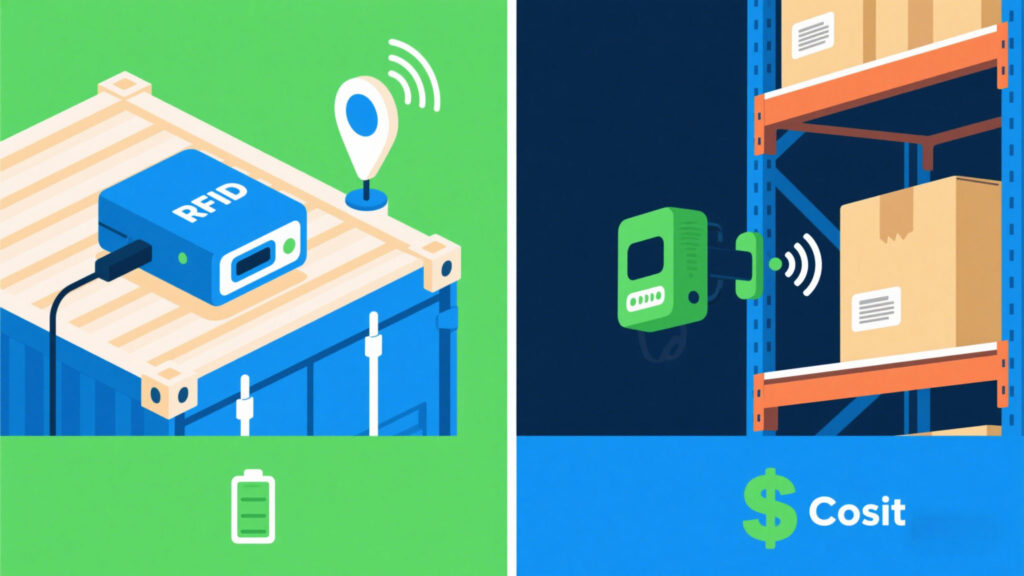
Cykeo’s active systems, for instance, integrate GPS and cellular connectivity, ideal for cross-border freight tracking.
A healthcare network using Cykeo’s passive readers cut inventory costs by 40% tracking medical supplies, while a port adopted active tags to monitor refrigerated containers in real time.
Combine both technologies for cost-efficiency:
Cykeo’s hybrid readers support dual modes, letting users switch between active and passive tracking via software.

Discover how Cykeo card reader and writer devices improve UHF RFID encoding accuracy, batch card issuance, and asset tracking efficiency in real workflows.
More
rfid hospital solutions improve medical inventory visibility, reduce manual errors, and support real-time UHF RFID tracking for hospital consumables and surgical supplies.
More
Learn about different types of RFID tags including passive, active, and UHF tags. Discover industrial RFID tag examples for metal, laundry, jewelry, and asset tracking.
More
how HF RFID antennas improve read performance and system integration. Practical tips, real-world applications, and flexible antenna solutions for RFID solution providers and system integrators.
More