Buying USB RFID readers in bulk for a retail project is not simply a matter of finding a supplier with a low unit price. A reader that works well at one checkout counter may behave differently at another workstation, especially when the project involves different tag types, product materials, software platforms, or store layouts.
For retailers, system integrators, and retail technology distributors, the goal is to find a reader that performs consistently across the entire deployment. Before placing a large order, buyers should confirm technical compatibility, test representative samples, review the supplier’s production capabilities, and agree on specifications that will remain consistent from the first shipment to the last.
Define Your Retail Project Requirements Before Requesting a Quote
The first step is to identify what the USB RFID readers will actually do in the store. Different retail workflows can require different reading distances, interfaces, and operating methods.
For example, a jewelry store may need to identify individual tagged items at a sales counter. A clothing retailer may use RFID readers at stock-checking stations, while a POS system integrator may need readers that can be incorporated into an existing checkout application.
Before contacting suppliers, prepare a short technical brief covering the following points:
Application: Checkout, inventory counting, item registration, returns, or product verification.
RFID technology: LF, HF, or UHF, depending on the tags and system design.
Tag compatibility: Frequency, protocol, tag IC, and required read or write functions.
Connection method: USB-A, USB-C, USB HID keyboard emulation, or a supported software interface.
These details help suppliers recommend a suitable model instead of quoting a reader that looks similar but cannot meet the project’s requirements.
Choose the Right USB RFID Reader for Retail Operations
Not every USB RFID reader is suitable for every retail application. Buyers should evaluate the complete workflow rather than selecting a device based on its appearance or advertised reading distance.
Match the Reader to the RFID Tags
The reader must support the frequency and protocol used by the project’s RFID tags. An HF reader designed for 13.56 MHz tags, for example, cannot automatically read UHF retail tags.
For item-level retail inventory, UHF readers may be appropriate when the system uses compatible UHF tags and requires identification over a wider reading area. HF readers can be suitable for applications involving compatible HF cards, labels, or tags at a workstation.
The important point is to verify the exact tag specifications before ordering. A supplier should be able to identify supported frequencies, protocols, and relevant tag types.
Check the Reading Area and Accuracy
A high advertised read range does not always mean better retail performance. At a checkout counter, reading an adjacent item by mistake can be more troublesome than having a shorter, controlled reading area.
Ask the supplier how the reader behaves when several tags are close together. If the application requires one-item-at-a-time identification, test the reading area with actual products and tags. For inventory tasks, check how the reader performs when multiple compatible tags are presented together.
Also consider product packaging, metal surfaces, liquids, and the placement of tags. These factors can influence RFID performance and should be included in the sample evaluation.
Confirm the Physical Design
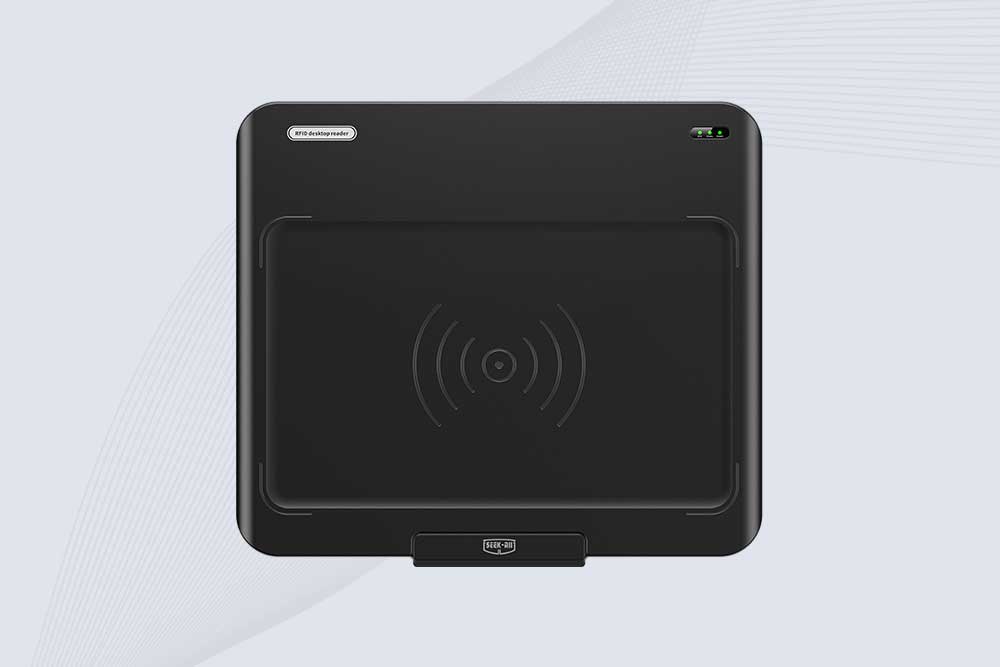
The reader should fit the intended workstation without creating unnecessary cable clutter or obstructing other equipment. Check the housing dimensions, USB cable length, mounting options, indicator lights, and available buttons.
If the reader will be installed across many stores, even small design differences can affect installation time and user training. Standardizing the hardware before rollout makes deployment easier to manage.
Confirm Software Compatibility Before Bulk Purchasing
Hardware compatibility is only part of the decision. The reader must also work with the software used by the retailer or system integrator.
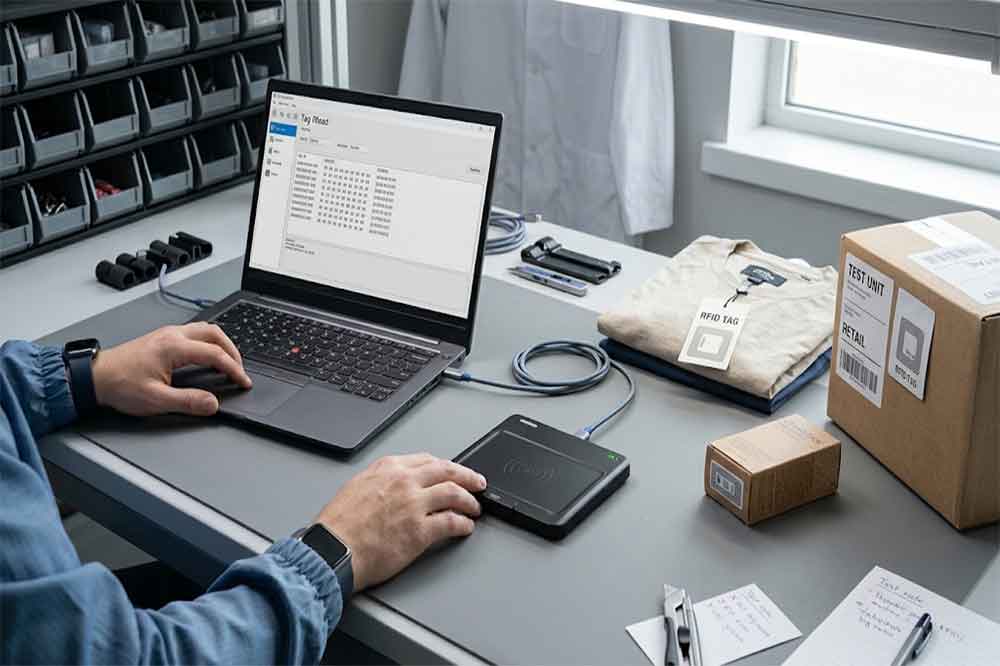
Some USB RFID readers support HID keyboard emulation, allowing tag data to appear as keyboard input in a compatible application. This can simplify deployment when the application accepts the reader’s output format.
Other projects require an SDK, API, or communication protocol to control reading operations, process tag data, or connect the reader to a custom inventory or POS application.
Before approving a model, ask the supplier:
Which operating systems are supported?
Does the reader work without a dedicated driver?
Is the output format configurable?
Is an SDK or API available for the required platform?
Can the application control read, write, or inventory functions?
Are technical documentation and integration examples available?
Do not assume that every USB reader supports every interface. Request the relevant documentation and connect a sample to the actual application wherever possible.
For multi-store projects, test the reader on the same type of computer and software environment that will be used during deployment. A device that works on a developer’s laptop may still require configuration changes on a managed POS terminal.
Calculate the Total Cost of Buying USB RFID Readers in Bulk
Bulk orders can reduce purchasing costs, but the lowest quoted unit price does not necessarily produce the lowest project cost.
A more useful comparison includes the following:
Cost factor
What to check
Unit price
Price at each order quantity
Sample cost
Sample device and shipping charges
Customization
Housing, cable, logo, firmware, or interface changes
Integration
SDK access, documentation, and engineering support
Shipping
Freight, packaging, and delivery terms
Quality control
Inspection procedures and acceptance criteria
Replacement support
Warranty terms and handling of defective units
Request quotations for realistic quantity levels, such as the pilot batch, first commercial order, and expected repeat order. This helps purchasing teams understand whether the supplier’s pricing structure fits the rollout plan.
Customization also deserves careful attention. A logo printed on the housing may be straightforward, while a change to firmware, communication behavior, or mechanical design may require engineering work and additional validation.
Ask suppliers to separate one-time development costs from recurring hardware costs. That makes quotations easier to compare and helps prevent unexpected expenses after the initial order.
Evaluate the USB RFID Reader Supplier
A reliable supplier should do more than provide a product catalog and a price list. For a retail deployment involving dozens or hundreds of workstations, the ability to maintain consistent specifications and provide technical support can be just as important as the initial quotation.
Check Manufacturing and Quality Control
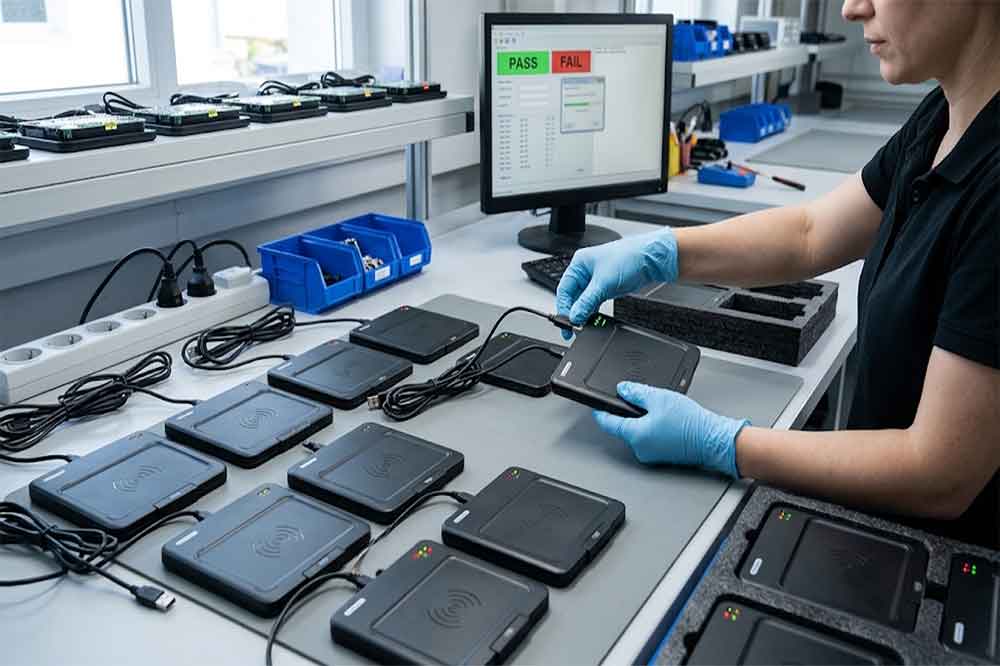
Ask how the supplier checks reader functionality before shipment. Depending on the product, relevant procedures may include connection tests, tag-reading tests, interface verification, firmware checks, and inspection of the housing and cable.
If the order covers multiple batches, ask whether the supplier can maintain the same hardware revision, firmware version, and key performance specifications. Any planned component changes should be communicated before production.
Review Documentation and Technical Support
Retail projects often require documentation for installation, troubleshooting, and future maintenance. Confirm that the supplier can provide the manuals, interface descriptions, SDK files, and other technical materials required by your engineering team.
Clarify who will handle technical questions during deployment and how firmware or compatibility issues will be addressed. If the project involves a custom application, agree on the scope of engineering support before placing the order.
Confirm Customization Capabilities
Retail solution providers may need a customized housing, cable arrangement, logo, label, or communication interface. Explain which changes are mandatory and which are optional.
A supplier should confirm whether the requested changes are already supported, require configuration, or need new development. This distinction affects cost, lead time, sample approval, and production risk.
Test Samples Before Placing a Large Order
A sample evaluation is one of the most useful steps in bulk procurement. It allows the project team to find practical problems before they affect an entire store network.
Instead of testing only whether a reader can detect a tag, evaluate it using the real workflow.
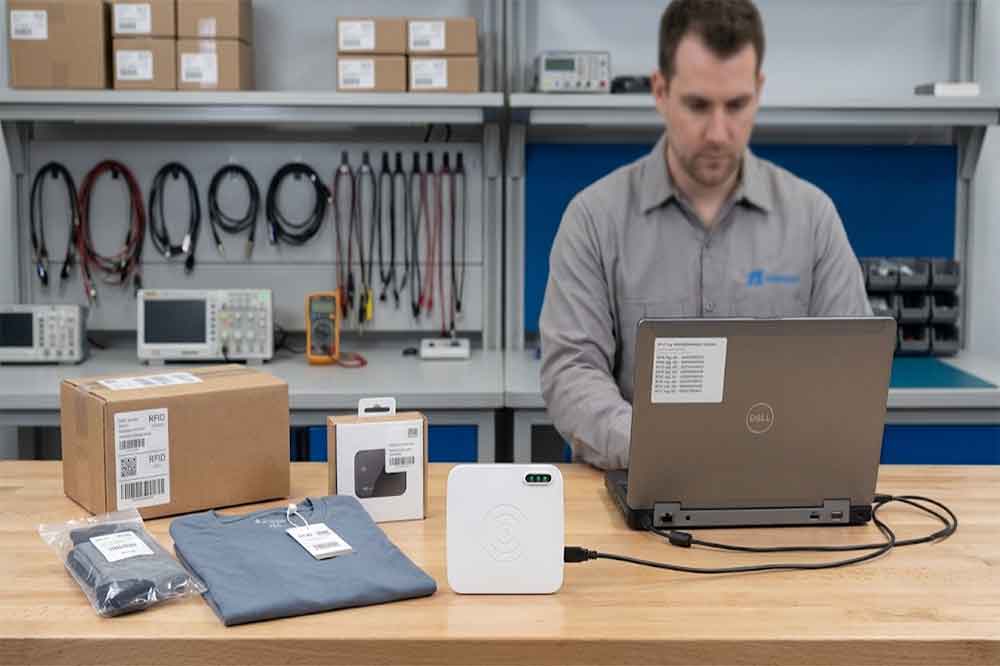
For a retail inventory station, test representative tags on products with different packaging and materials. For a checkout application, check whether the reader captures the intended tag data and whether the software handles repeated scans correctly.
A practical sample checklist includes:
Verify frequency and tag compatibility.
Connect the reader to the intended computer.
Test the required reading and writing functions.
Check the output format and software integration.
Repeat tests under normal operating conditions.
Confirm physical fit, cable routing, and user operation.
Record the approved model and configuration.
If the project covers several store formats, test more than one representative workstation. The purpose is to identify problems caused by different computers, software settings, tag placement, or surrounding equipment.
Once the sample passes, document the approved specifications. Keep a record of the model, firmware, interface settings, cable configuration, and any agreed customization. These details provide a reference for subsequent orders.
Confirm MOQ, Lead Time, and Delivery Arrangements
Before issuing a purchase order, confirm the minimum order quantity, production lead time, sample approval process, payment terms, packaging requirements, and shipping arrangements.
Lead time should be discussed in relation to the actual deployment schedule. A standard reader may have a different production timeline from a customized model that requires tooling, firmware changes, or additional testing.
For a phased rollout, consider whether the supplier can deliver an initial batch for a pilot store and then provide the remaining units after acceptance. This approach can reduce the risk of discovering a compatibility issue after the full order has been manufactured.
Also agree on the acceptance criteria for delivered goods. These may include the correct model, approved firmware, interface behavior, physical specifications, packaging, and a defined inspection procedure.
For repeat orders, retain the approved sample or a complete specification record. This helps both parties identify differences between shipments and resolve quality concerns more efficiently.
Prepare for Long-Term Retail Deployment
A bulk purchase is only one stage of a retail RFID project. The readers may need to remain in service through software updates, new product lines, store expansion, and future replenishment orders.
Before final approval, consider whether the supplier can support repeat production, provide replacement units, maintain technical documentation, and communicate product changes in advance.
For distributors and system integrators, consistency across installations is particularly important. A reader that requires different settings at every location can increase commissioning time and support costs.
It is also worth confirming how the supplier handles discontinued models or component substitutions. If the reader becomes part of a long-term retail platform, a documented product lifecycle plan can help protect future maintenance and purchasing decisions.
Conclusion
Buying USB RFID readers in bulk for retail projects requires a clear specification, practical testing, and careful supplier evaluation. The right purchasing decision balances tag compatibility, reading performance, software integration, unit cost, production consistency, and technical support.
For retailers and solution providers planning a multi-store rollout, start with a defined use case, approve samples against real operating conditions, and document the configuration before committing to the full quantity. This makes the procurement process easier to manage and reduces the risk of costly changes after deployment.
Planning a bulk USB RFID reader order for a retail project? Share your application, RFID tag type, interface requirements, and estimated quantity with the supplier to identify suitable models and arrange a sample evaluation.
Frequently Asked Questions
1. What should I check before buying USB RFID readers in bulk?
Confirm the RFID frequency, tag protocol, required reading functions, USB interface, software compatibility, physical dimensions, sample performance, production lead time, and supplier support. Test representative samples before approving the bulk order.
2. How many USB RFID readers should I order for a retail project?
Start with the number of workstations required for the pilot and rollout, plus a reasonable allowance for spares. The final quantity depends on the number of stores, checkout counters, inventory stations, and deployment schedule.
3. Can USB RFID readers work with existing retail POS software?
Yes, if the reader’s interface and output format are compatible with the application. HID keyboard emulation may suit simpler workflows, while SDK or API integration may be necessary for more advanced functions. Verify compatibility with a sample.
4. Should I choose the cheapest USB RFID reader for a bulk order?
Not necessarily. Compare the total project cost, including integration, customization, shipping, quality control, and replacement support. A lower unit price may not be economical if the reader causes installation or compatibility problems.
5. Can USB RFID readers be customized for retail projects?
Depending on the model and supplier, customization may include housing design, logos, cables, labels, firmware, or communication interfaces. Confirm feasibility, development costs, sample approval requirements, and lead time before placing the order.
“Retail equipment suppliers and companies handling recurring RFID orders may benefit from a [USB RFID reader distributor program] that offers stable product supply, flexible purchasing arrangements, and technical assistance.”
“Bulk purchasing is easier when the hardware has already been evaluated for the intended application. RFID integrators can also review our guide to USB RFID reader solutions for RFID solution providers for additional guidance on compatibility and system integration.”
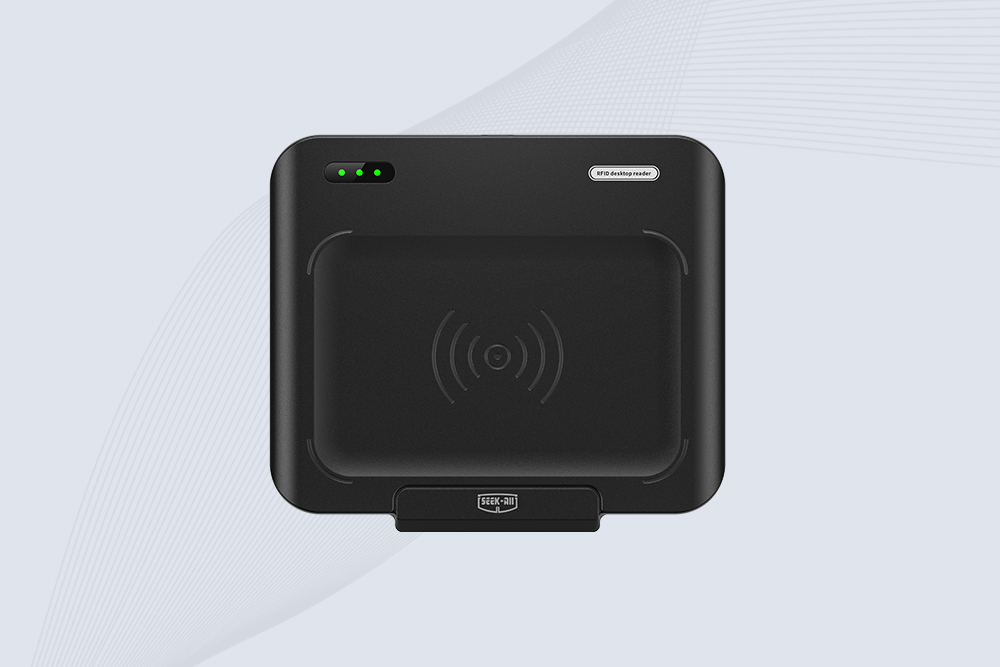
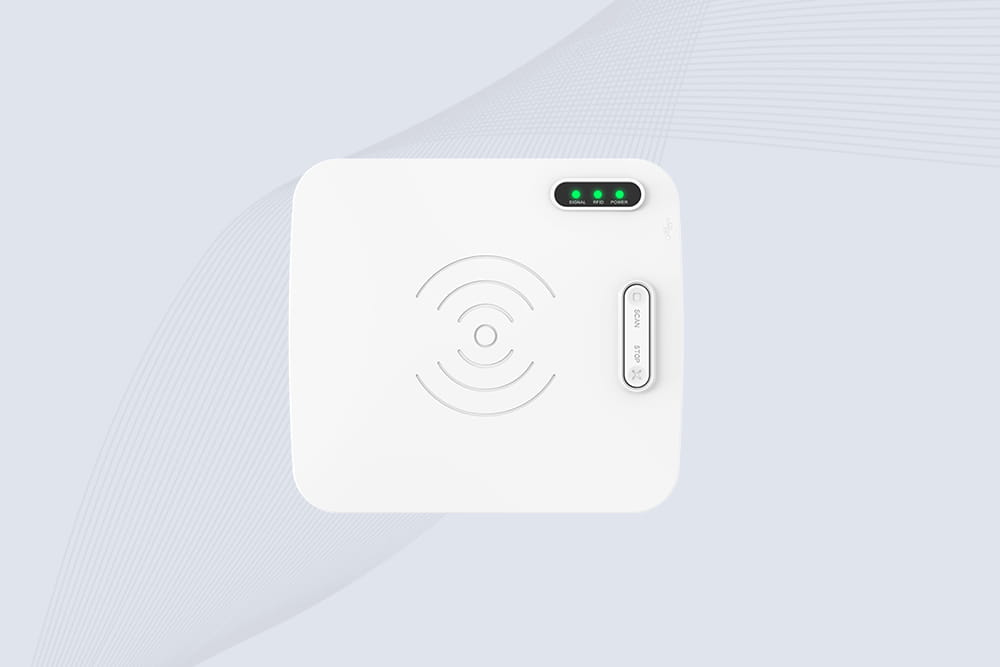
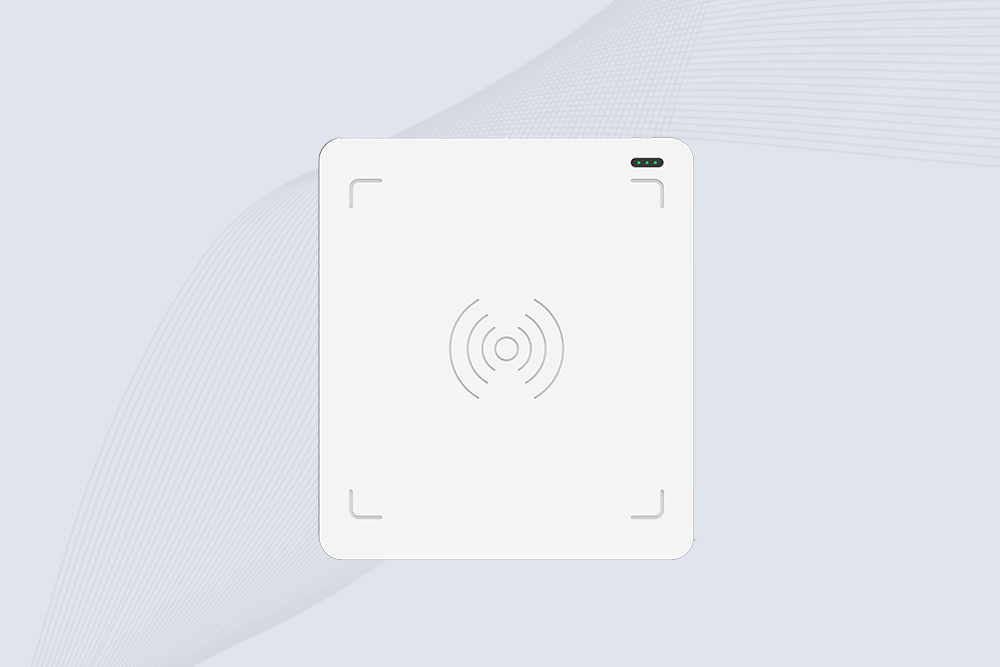
SSD-D3AL is a USB-HID UHF RFID reader with 0–30 cm reading, 0–15 cm writing, over 600 tags/s recognition, USB plug-and-play operation and OEM Logo customization.
SSD-D1AL is a compact USB UHF RFID reader with Impinj E710/X3M1 chipset, USB-HID, 600+ tags/s recognition, 4/8/16 antenna support and plug-and-play USB power.
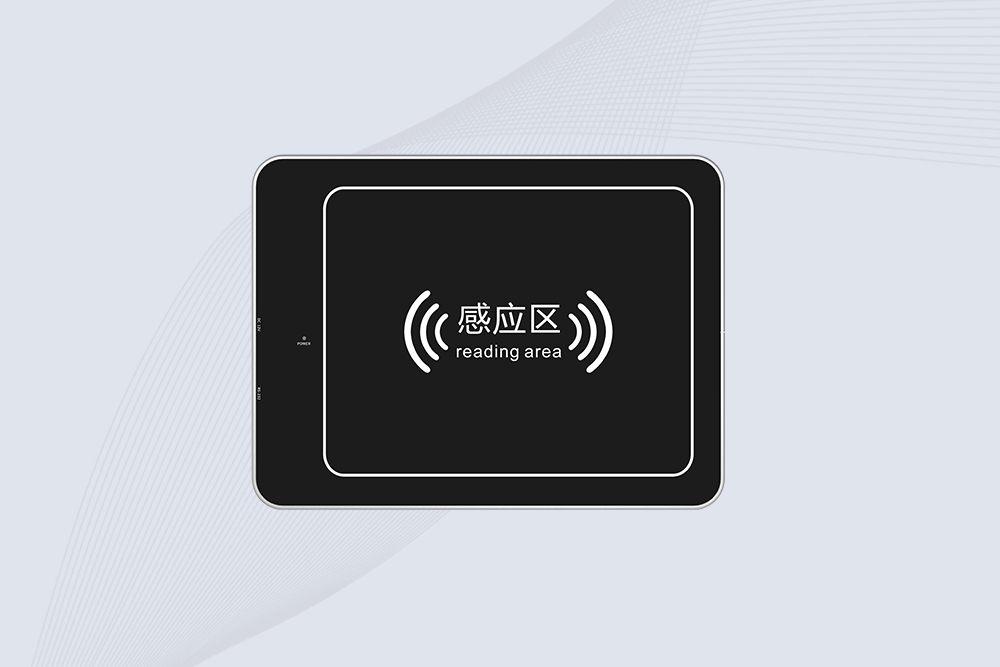
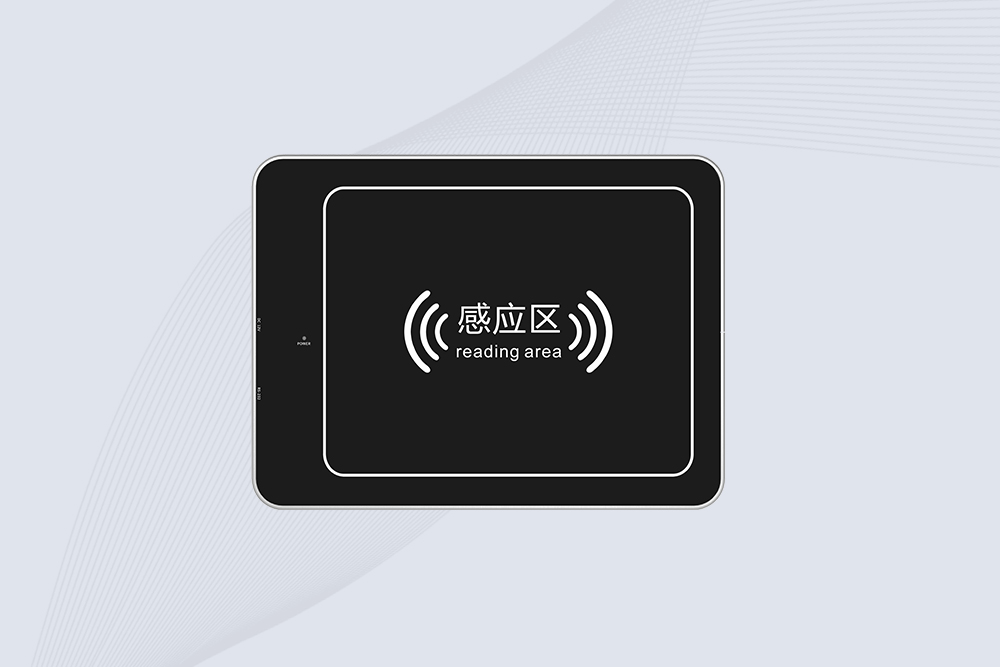
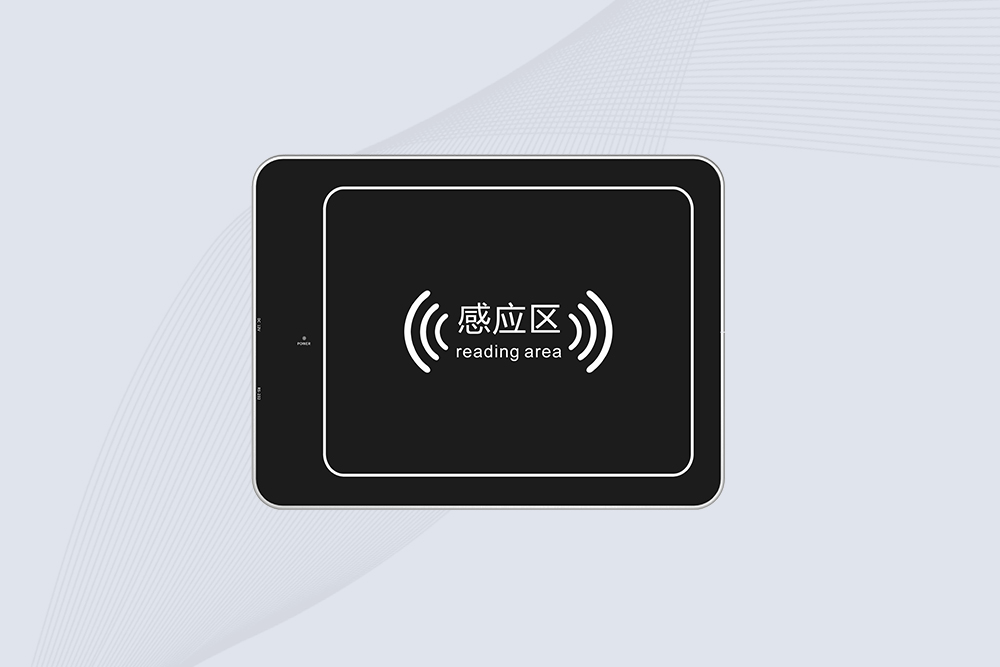
CYKEO CYKEO-D1LA USB RFID Reader is a compact desktop solution with near-field control for precise tag reading and encoding. Powered by USB, supporting ISO 18000-6C, and built for stable batch writing, this usb rfid tag reader fits retail, libraries, offices, and controlled RFID encoding tasks.
CYKEO CYKEO-D1L RFID scanner USB is a compact desktop UHF RFID scanner designed for short-range tag writing and verification. This usb rfid scanner supports batch encoding, stable 0–26 dBm output, and works across Windows, Linux, and Android systems.
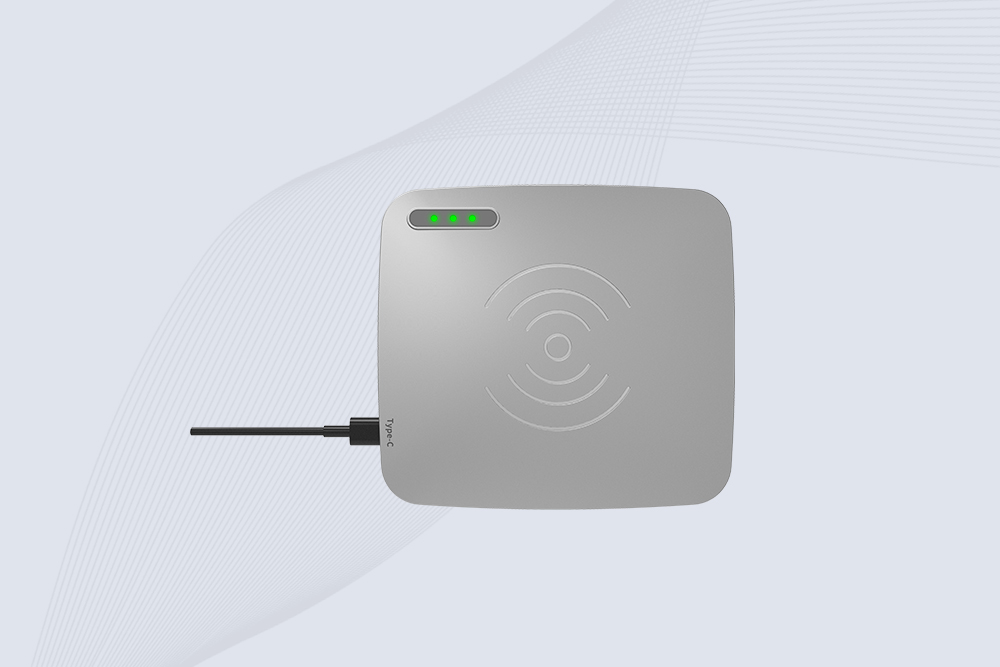
CYKEO CYKEO-D1C USB RFID Card Reader is a near-field UHF desktop writer designed for secure, short-range tag encoding. With USB-C connectivity and stable 26 dBm output, this rfid reader usb c is ideal for badge issuance, label encoding, and controlled desktop RFID workflows.
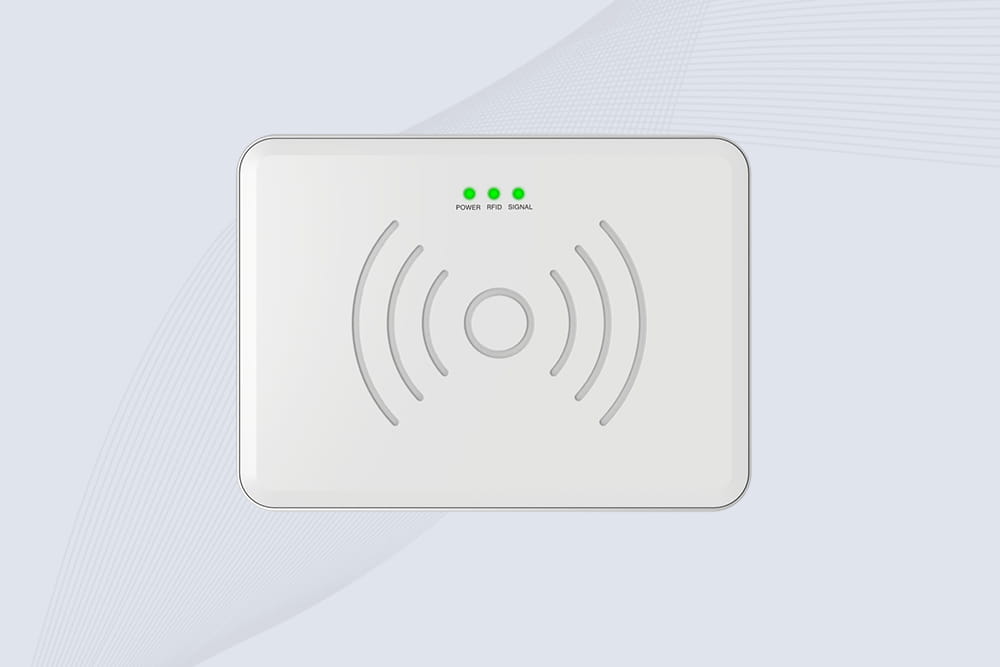
CYKEO CYKEO-D2L RFID Reader USB is a compact desktop encoder built on the Impinj R500 chip. With near-field control and stable USB power, this usb rfid card reader delivers precise tag writing for offices, retail counters, and small-scale logistics encoding tasks.
CYKEO CYKEO-D3L USB RFID Tag Reader delivers stable UHF tag reading and writing for daily desktop and light industrial tasks. Designed for controlled short-range operation, this USB RFID Tag Reader works reliably with rfid tag and reader systems in libraries, tool tracking, and inventory registration.
The CYKEO CYKEO-D4L UHF RFID Tag Reader is a stable Desktop RFID Reader designed for accurate tag registration, borrowing, and return workflows. Built with the Impinj R2000 chip, this UHF RFID Tag Reader delivers controlled short-range reads for libraries, asset tracking, and inventory management environments.
The CYKEO CYKEO-D5L Desktop RFID Card Reader is a stable UHF RFID Card Reader designed for controlled short-range reading and writing. Built for libraries, tool rooms, and asset desks, this UHF RFID Card Reader supports dense tag handling, secure data processing, and easy USB integration.
The CYKEO CYKEO-D6L RFID Reader Writer is a heavy-duty Desktop RFID Reader designed for short-range, high-accuracy tag programming. Built for libraries, labs, and asset desks, this RFID Reader Writer supports batch processing, stable 33dBm output, and seamless integration with existing management systems.
Cykeo CYKEO-D8A embedded RFID badge reader offers 30+ tags/sec scanning, 20cm anti-crosstalk precision, and DC 12V power for unmanned stores, warehouses, and smart inventory systems.
Cykeo’s CYKEO-D8C UHF RFID gate reader achieves 200-tag/batch scanning with adjustable power control, ideal for retail inventory and smart warehouse management.
RFID Industry Writer | IoT & Asset Tracking Analyst
James writes about RFID technology, asset tracking, and the practical challenges of digital transformation across warehousing, retail, manufacturing, and logistics.
His work focuses on how RFID is applied in real-world operations—improving inventory visibility, automating workflows, and helping businesses manage assets with greater accuracy and efficiency.
He regularly covers topics including UHF RFID, smart cabinets, RFID portals, tool tracking, warehouse automation, and industrial IoT trends..
A practical procurement perspective on hospital parking systems using RFID, focusing on hardware selection, modular reader integration, long-term cost control, and system compatibility.
Learn the critical maintenance requirements for industrial RFID systems to ensure longevity and accuracy. Discover Cykeo’s strategies for minimizing downtime in harsh environments.
can rfid reader read multiple tags at once? Learn how UHF RFID readers identify multiple tags simultaneously and improve inventory, checkout, and tag-writing efficiency.
RFID technology in libraries connects books, readers, and management systems through RFID tags and readers, enabling automated borrowing, returning, inventor...
 Cykeo RFID IoT Solution Products R&D Manufacturer