 Cykeo RFID IoT Solution Products R&D Manufacturer
Are There Waterproof Handheld RFID Scanners for Outdoor Use?
1152Discover waterproof handheld RFID scanners built for rugged outdoor environments. Learn how Cykeo’s durable devices enhance accuracy in harsh weather and dust.
MoreAll RFID Product
If you’ve ever been on a warehouse floor, you know that counting inventory can feel like running a marathon in slow motion. Rows of pallets, stacks of boxes, and the constant buzz of forklifts make even a simple stock check a headache. I’ve been in warehouses where a single cycle count could take half a day — and still, the numbers didn’t match up.
Enter handheld RF scanners. I remember the first time I watched a colleague walk an aisle with one: he scanned dozens of tagged items without even touching them. A process that used to take hours was done in minutes. That moment made me realize how mobile RFID is not just “nice to have”—it’s a game-changer.
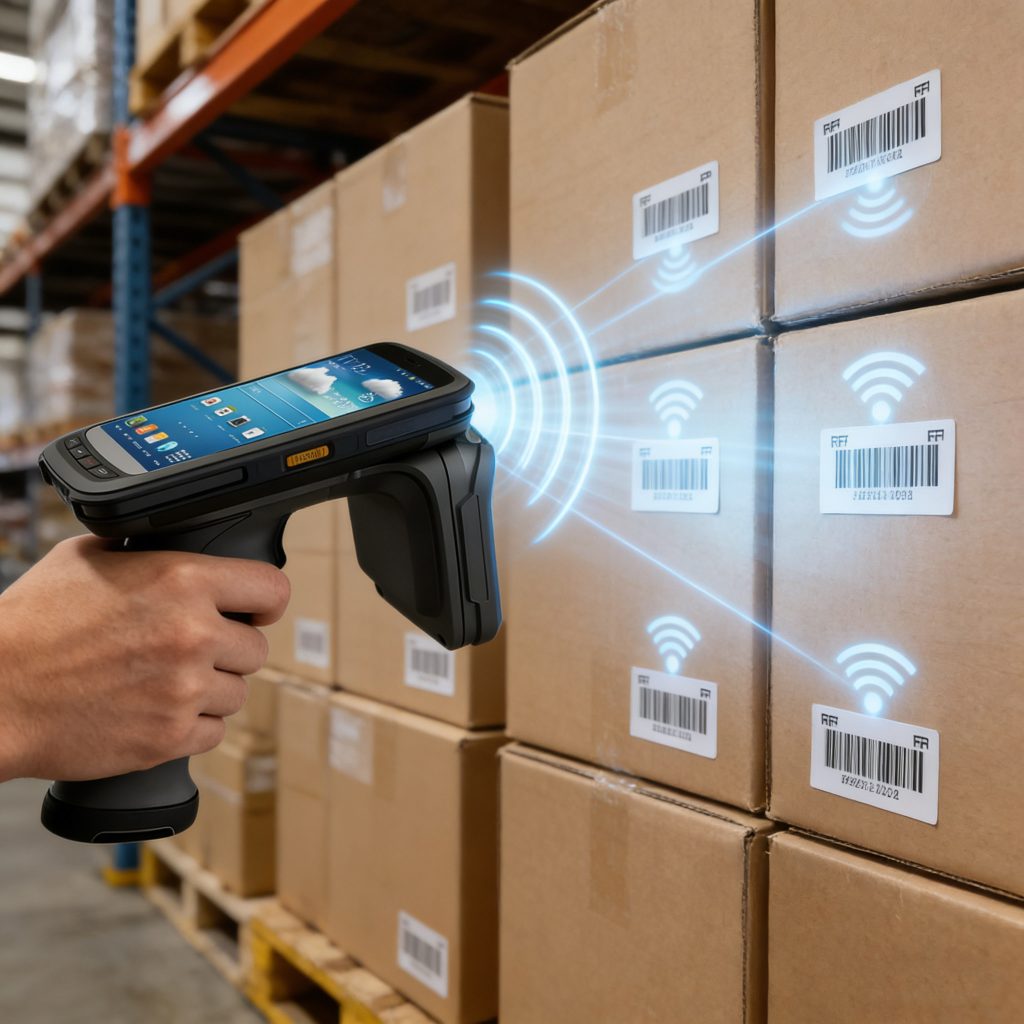
Here’s the deal: barcode scanners are great, but only if every item is perfectly visible and lined up. Spoiler alert—warehouse shelves rarely look perfect.
Handheld RFID scanners don’t need line-of-sight. They read multiple tags simultaneously, even if items are hidden behind other boxes or stacked on top of each other. That alone cuts down errors and saves a ton of time.
From my experience, the real magic is how these scanners let staff move naturally through the space. You’re not tied to a fixed station or conveyor belt; you can audit an entire section without breaking stride.
You might think deploying RFID sounds complicated. Honestly? It’s simpler than it looks if you start with handheld devices. Here’s how a typical setup goes:
1. RFID Tags: Every pallet, bin, or product gets a tag. Passive UHF tags work great for most warehouse applications—they’re inexpensive and have a decent read range.
2. Handheld Scanners: The real heroes. Operators carry them around and scan aisles or zones. When choosing one, look for read range, battery life, durability, and software integration. In my experience, cheap devices with weak antennas are frustrating—you’ll waste more time than you save.
3. Software Connection: The scanner talks to your WMS or ERP. Data flows in real-time, which is great for managers who hate surprises at the end of the day. You can see stock levels, track movement, and spot missing items instantly.
4. Dashboard & Reports: With a simple dashboard, your inventory isn’t just numbers on paper—it’s a living system. Analytics help you catch slow-moving stock, misplaced items, and potential shortages before they become headaches.
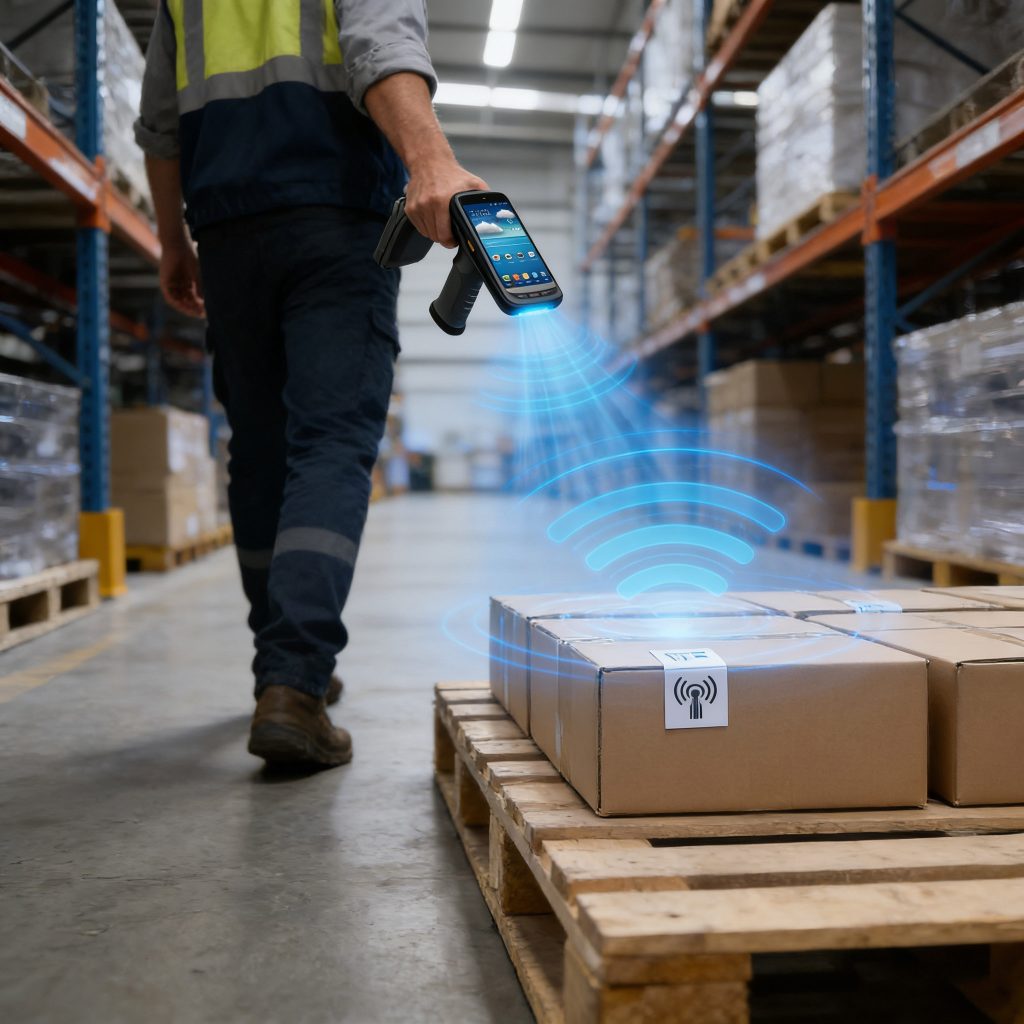
I’ve seen handheld RFID scanners applied in some creative ways:
Not all scanners are created equal. I’ve tried a few in the field—some are solid, others a pain. A few lessons:
Devices like handheld RFID scanners, tend to balance all these factors pretty well—they’re fast, durable, and integrate smoothly.
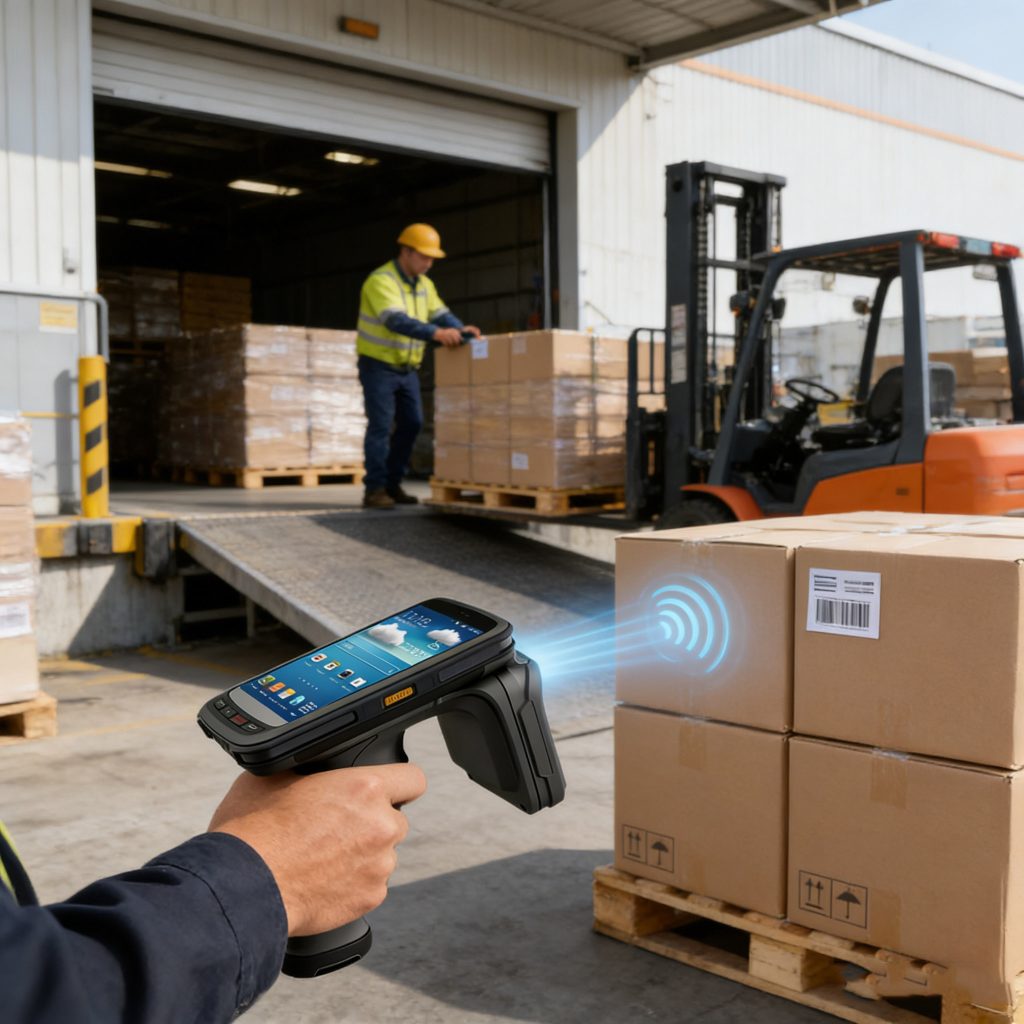
From my perspective, the shift to handheld RFID is about three things: speed, accuracy, and sanity.
It’s easy to underestimate the frustration saved until you’ve been on the floor with one of these devices. Once you do, it’s hard to imagine going back to the old way.
Technology keeps improving. Modern handheld RFID scanners often run Android, connect to cloud systems, and offer advanced signal processing. Some even provide AI-assisted scanning to detect anomalies automatically.
For warehouses, these devices are no longer just a nice tool—they’re the first step toward a fully smart inventory system. And honestly, starting with handheld scanners is the most practical way to get there. Small teams, fast deployment, immediate results—it’s a rare combination.
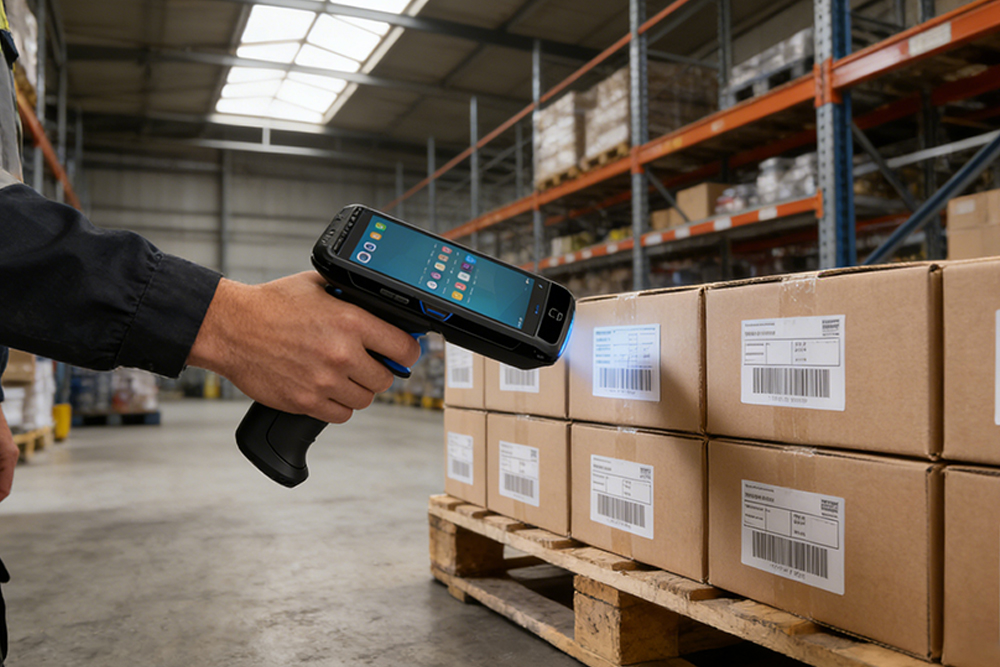
Wondering “how do you read RFID”? Discover the complete process from energizing tags to decoding data. Step-by-step instructions for reading any RFID tag with CYKEO.
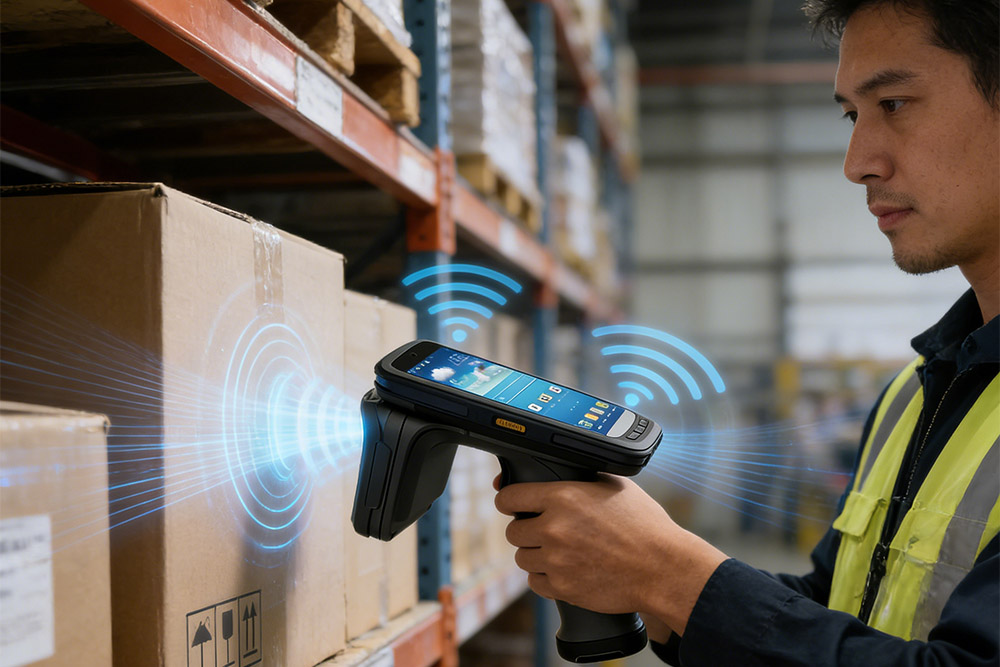
Learn how handheld RF scanners improve RFID inventory management and asset tracking. Discover how mobile RFID scanners help warehouses, retail stores, and hospitals manage assets faster and more accurately.
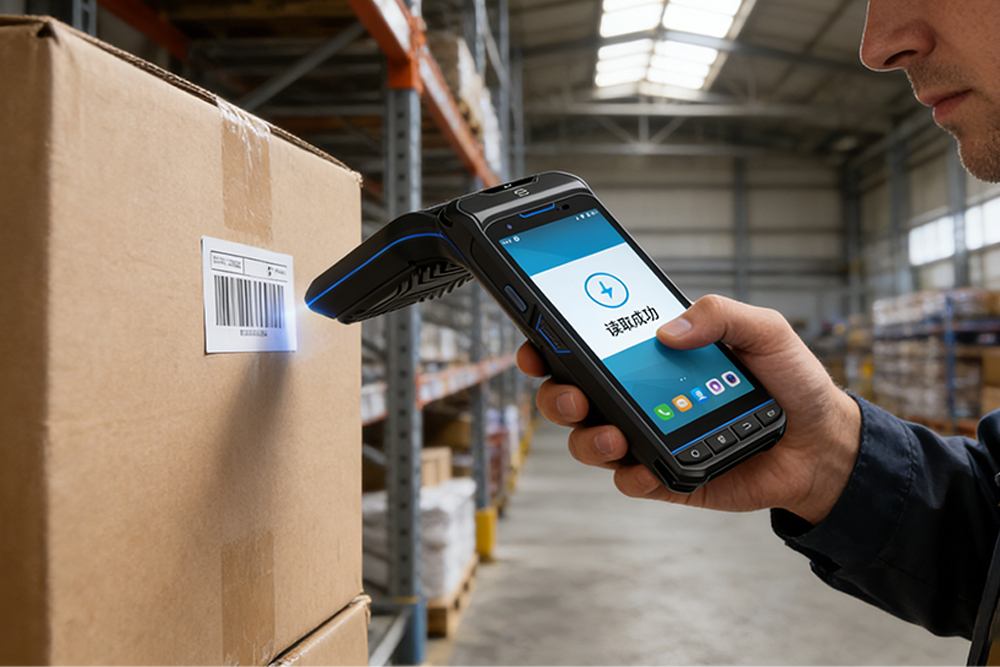
Wondering “how do you read a RFID sticker”? Discover simple methods using smartphones, handheld readers, and fixed scanners. Step-by-step instructions for reading any RFID label with CYKEO.
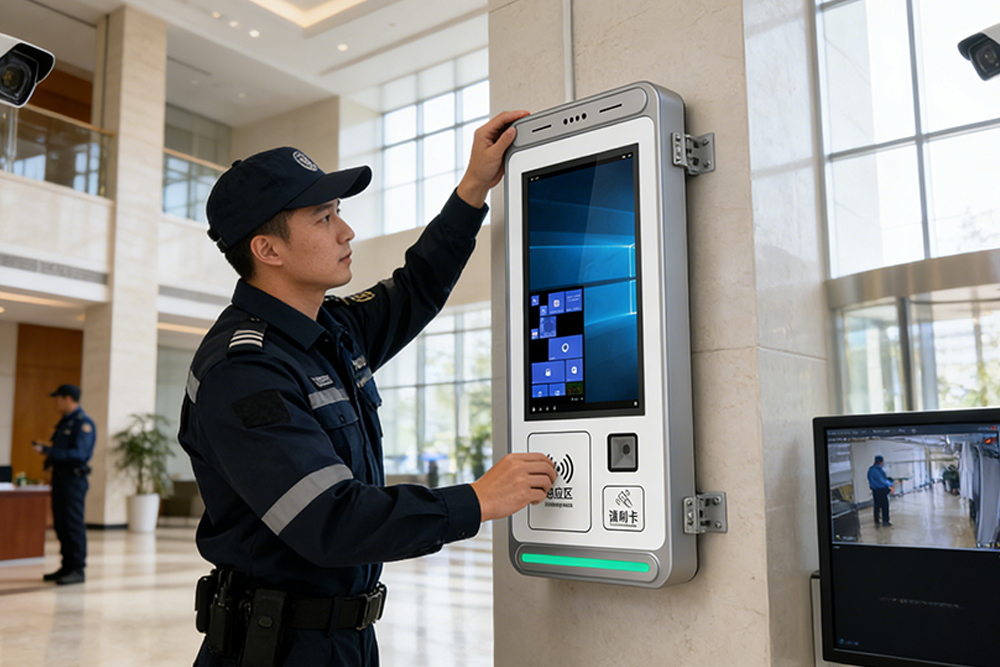
Wondering “how do you prevent a RFID card reader theft”? Discover physical security measures, tamper alarms, anti-cloning protection, and configuration safeguards with CYKEO.
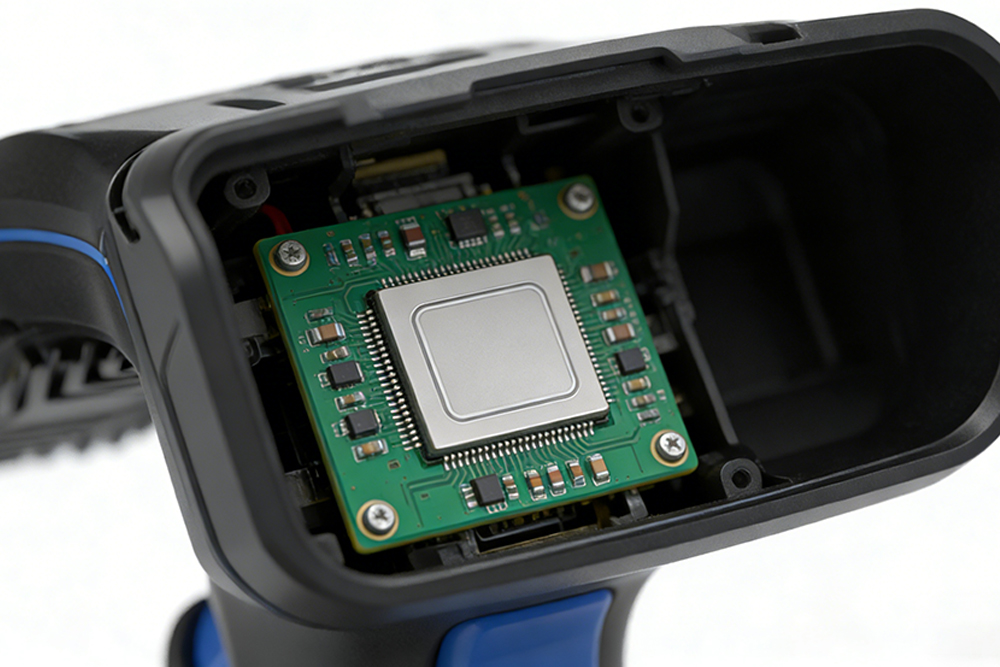
Need a low-cost low-power UHF RFID reader transceiver for mobile applications? Discover key specs, trade-offs, and integration tips for handhelds, drones, and IoT devices.
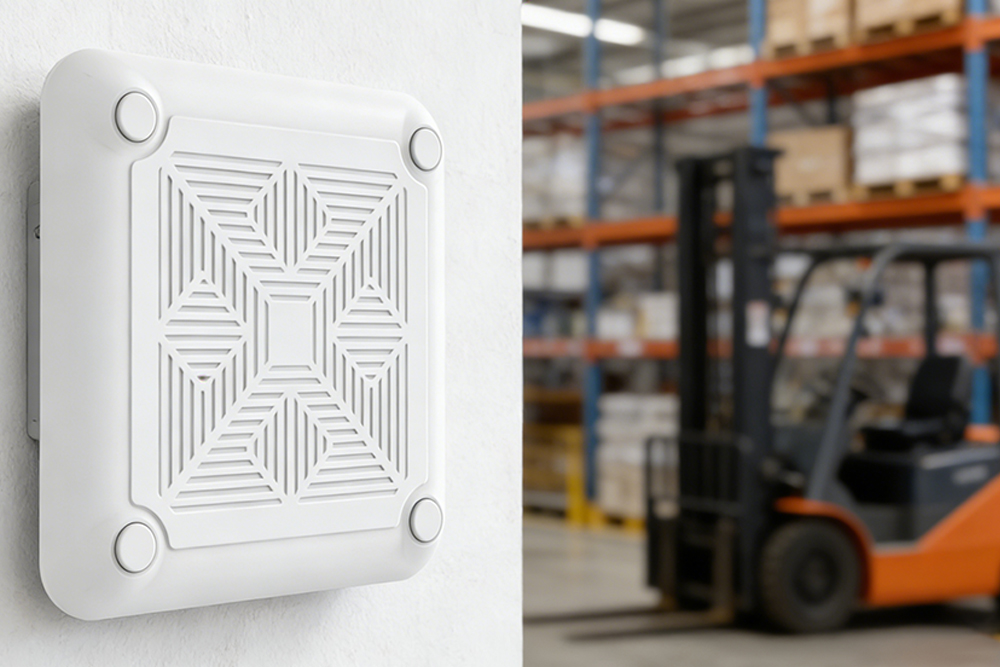
Exploring a fractal-based circularly polarized UHF RFID reader antenna: its design advantages for robust read performance in challenging RF environments.
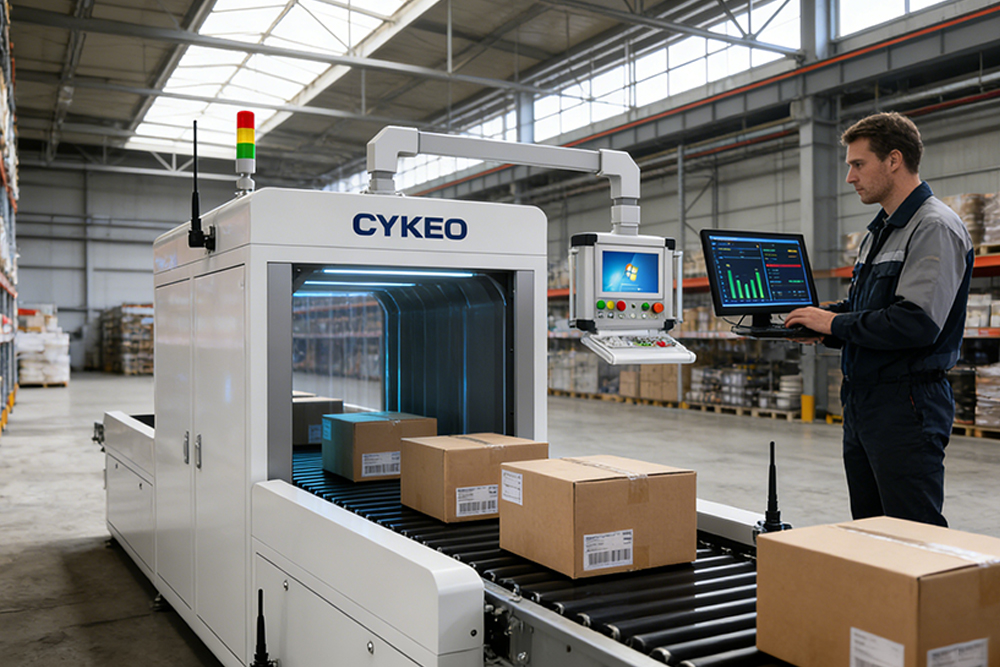
Wondering “how can I read 1000 RFID tags”? Discover tunnel systems, anti-collision optimization, hardware selection, and real-world strategies for bulk RFID reading with CYKEO.
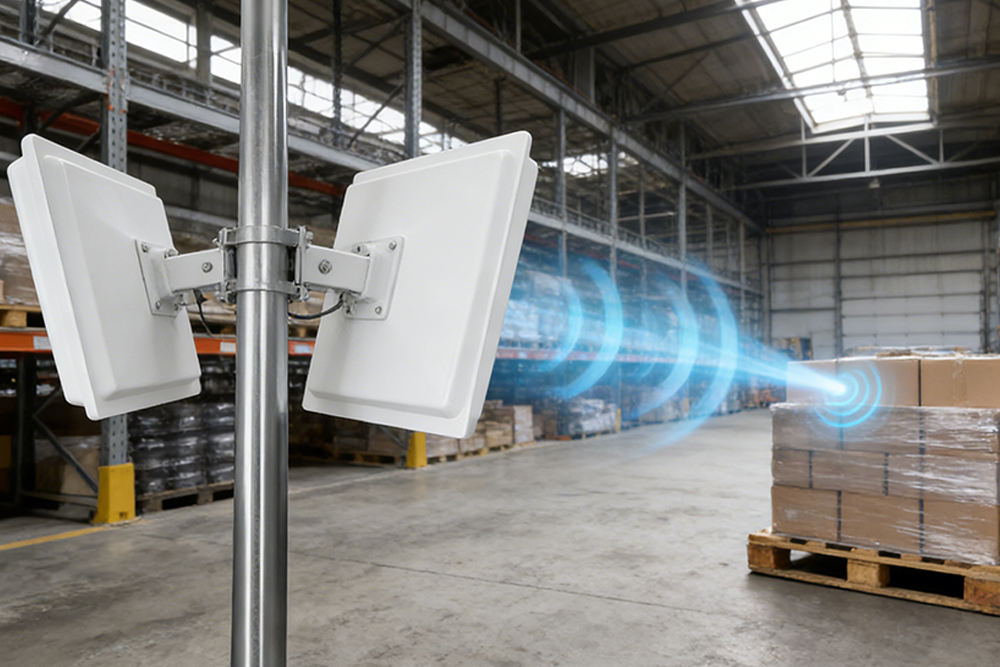
Wondering “how can I make a RFID reader read backwards”? Discover physical antenna aiming, polarization switching, data inversion techniques, and electronic beam steering with CYKEO.
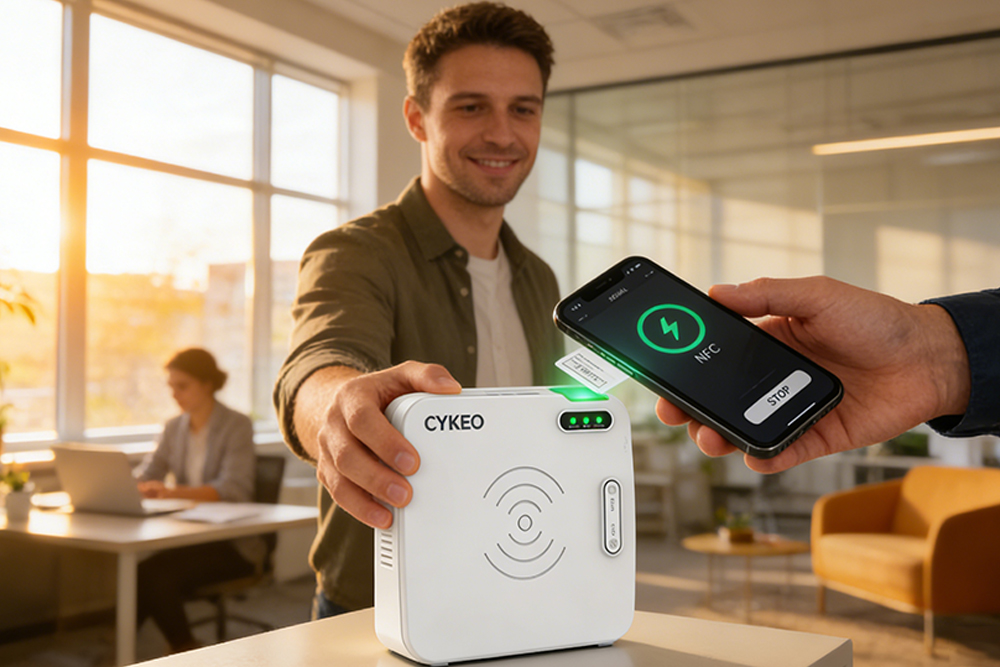
Wondering “can you read NFC with RFID”? Discover how HF RFID readers work with NFC tags, real-world testing results, protocol requirements, and solutions from CYKEO.
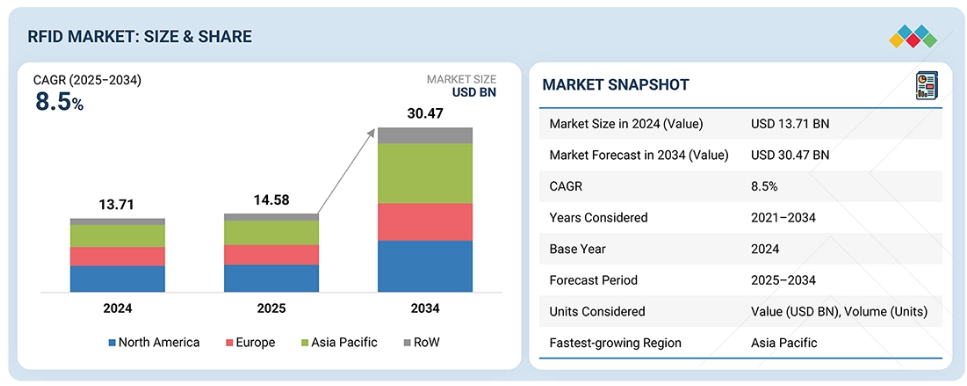
Walk into almost any modern warehouse today and you’ll notice something different compared to five years ago. Fewer clipboards.Fewer manual barcode scans.More antennas mounted above dock doors and conveyor belts. That shift is largely driven by one technology: RFID. According to data from MarketsandMarkets, the global RFID market was valu…
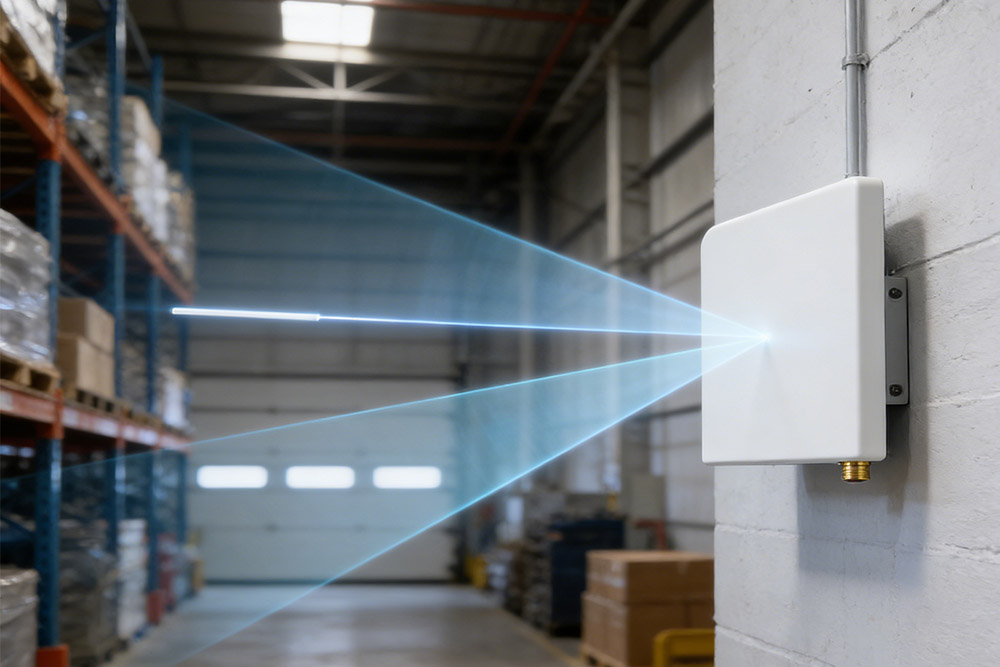
Does higher RFID antenna gain improve read distance? Learn how UHF RFID antenna gain affects coverage, beam width, and real-world system performance in warehouse and industrial environments.
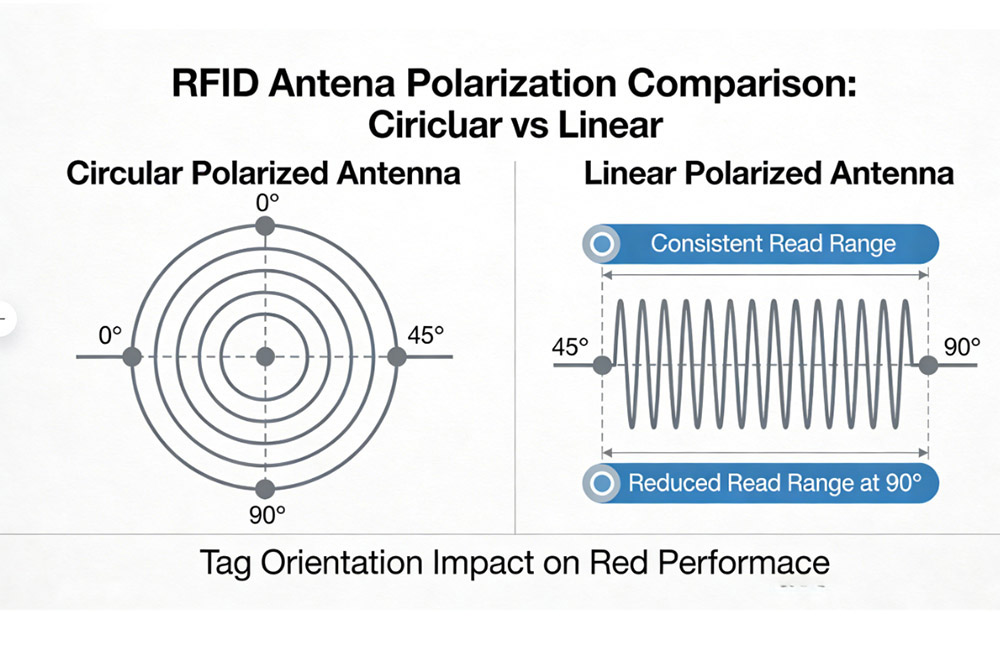
Choosing the right UHF RFID antenna is critical for system performance. Learn how polarization, gain, and beam width affect RFID deployments for warehouses and industrial environments.
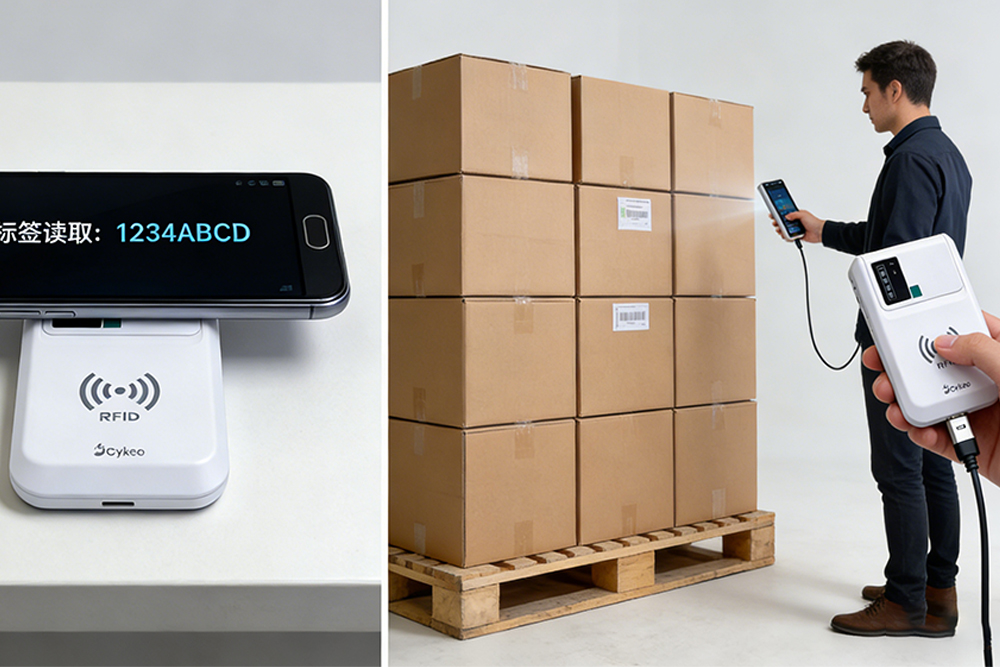
Can an Android phone read an RFID tag? Yes—but only 13.56 MHz HF/NFC tags within 1-4 cm. For UHF warehouse tags? Absolutely not. Here’s exactly what works.
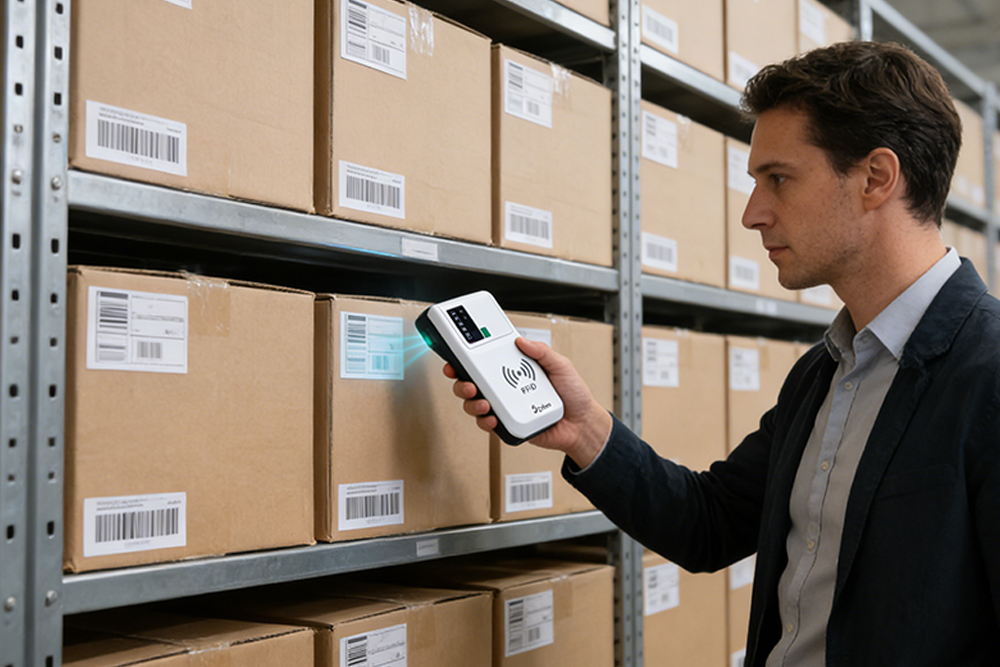
Discover why when conducting a records inventory a portable RFID reader is transformative. Learn best practices for faster, more accurate audits.
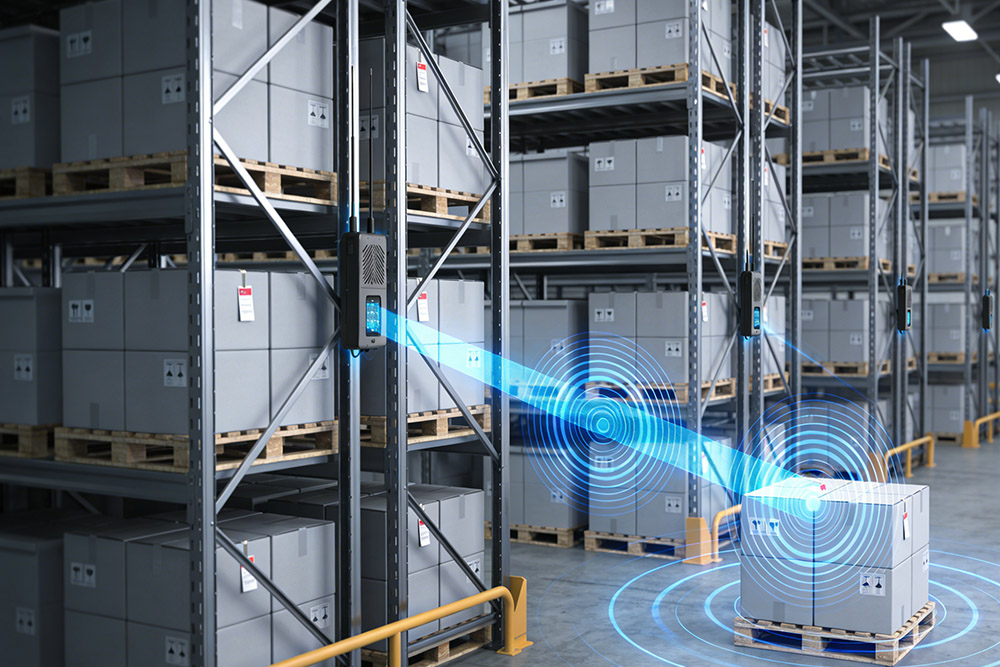
Warehouse RFID systems often suffer from dead zones caused by poor antenna placement and RF reflections. Learn practical tips for optimizing UHF RFID antenna deployment in logistics environments.
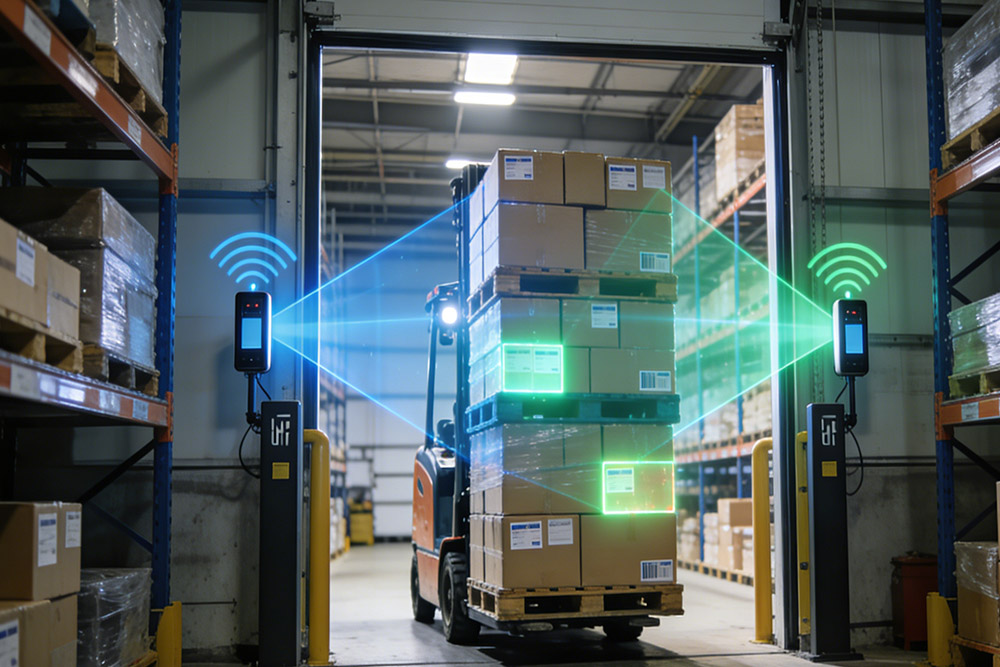
Learn how UHF RFID antenna design improves pallet and carton scanning in warehouse environments. Practical insights on dock door layouts, antenna placement, and reliable RFID gate systems.
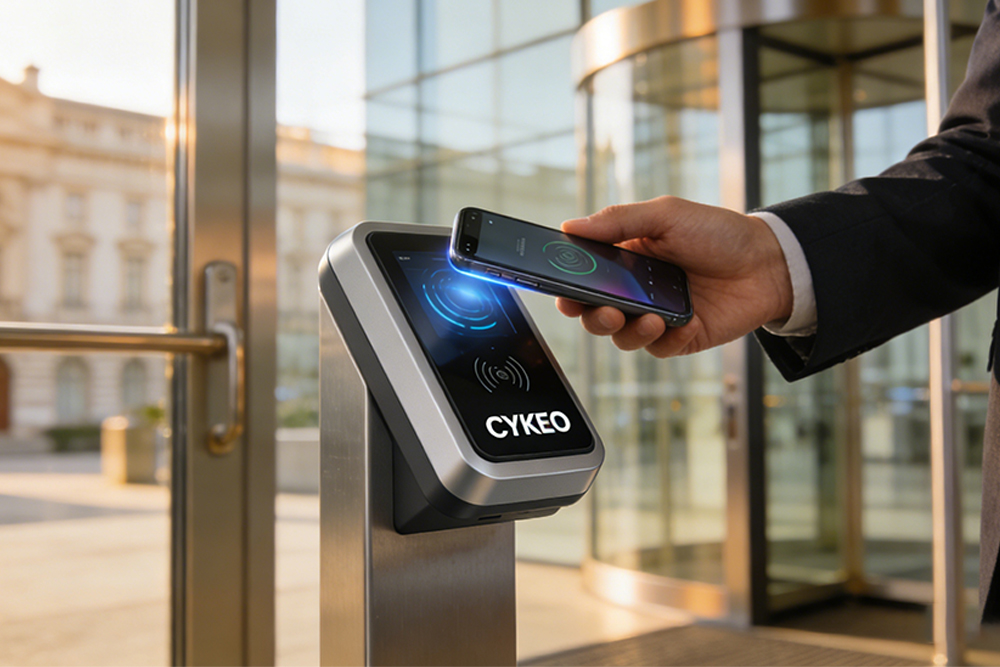
Wondering “can RFID reader read NFC tag”? Discover the technical relationship between RFID and NFC, compatibility factors, and how CYKEO solutions bridge both technologies for seamless access control.
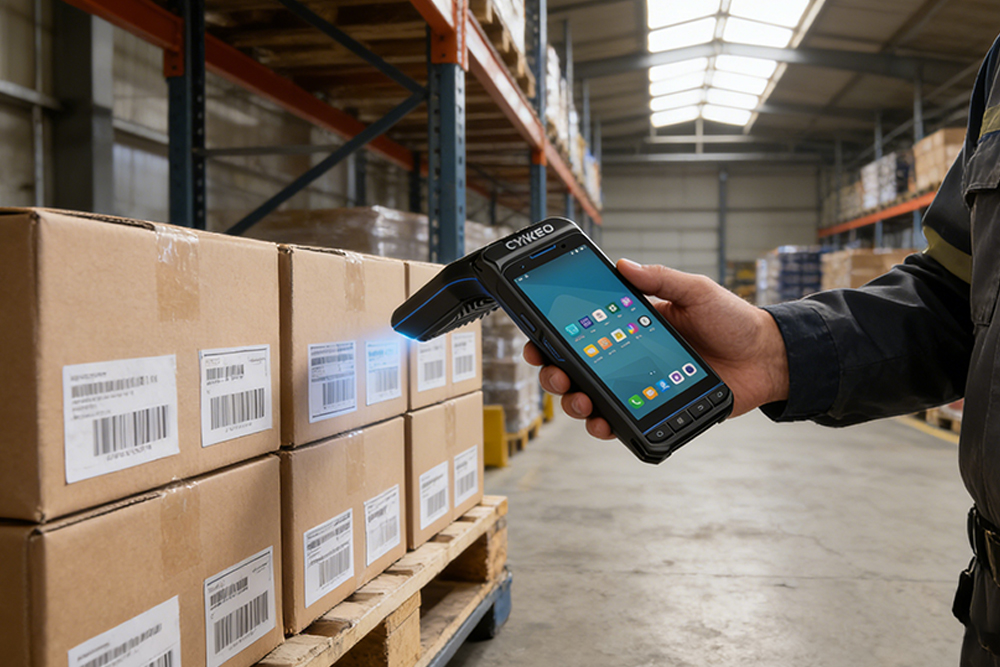
Wondering “can you read multiple RFID tags at once”? Discover how anti-collision algorithms enable batch reading, read rates by frequency, and real-world performance limits with CYKEO.
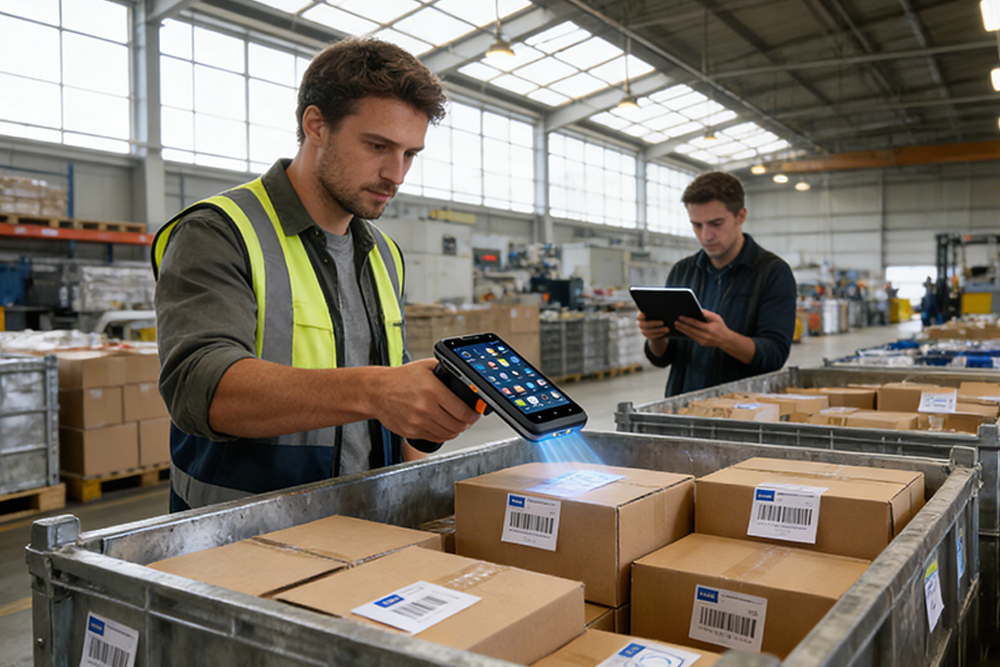
What makes one handheld RFID reader work flawlessly while another misses tags? It’s often the antenna. See how a purpose-built design solves real scanning problems.
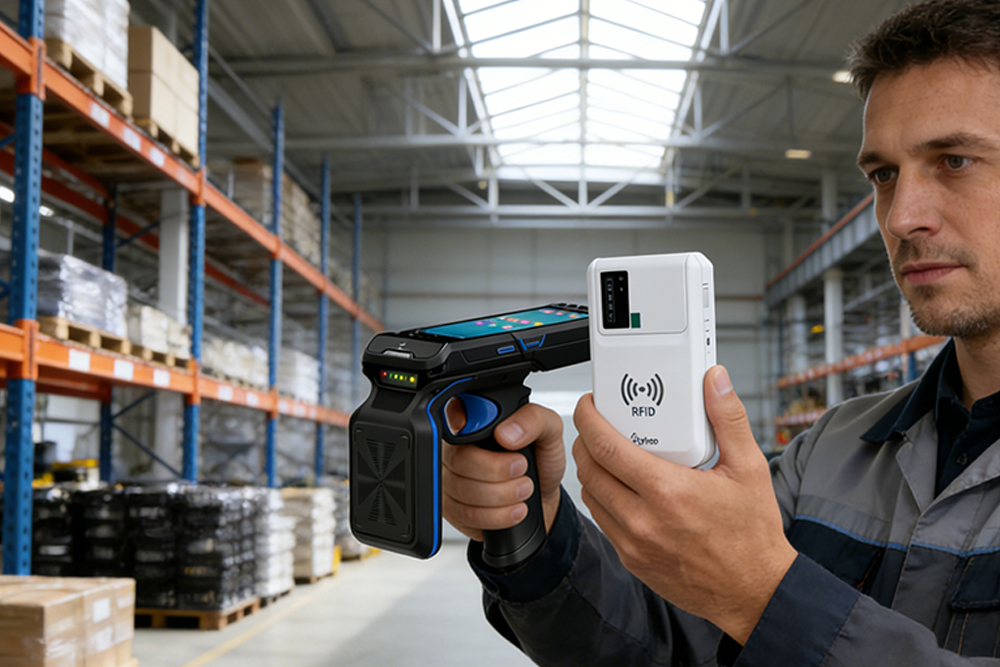
Wondering “does frequency matter on RFID reader”? Discover how LF, HF, and UHF frequencies impact read range, material penetration, and application performance with CYKEO solutions.
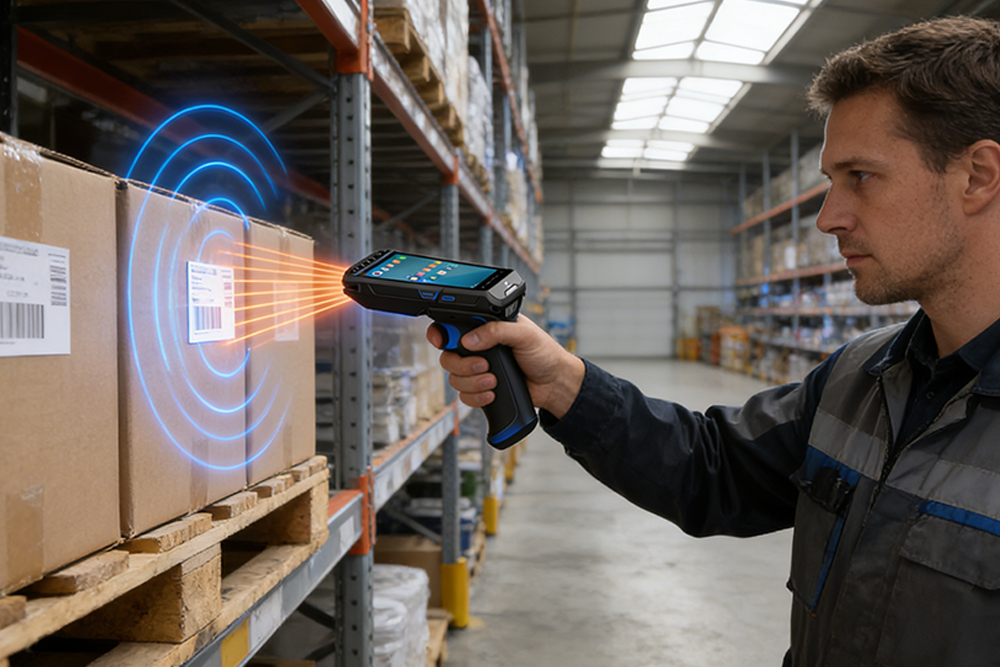
Wondering “how are RFID tags read”? Discover the step-by-step physics of RFID reading, from electromagnetic activation to data decoding, with real-world examples from CYKEO.
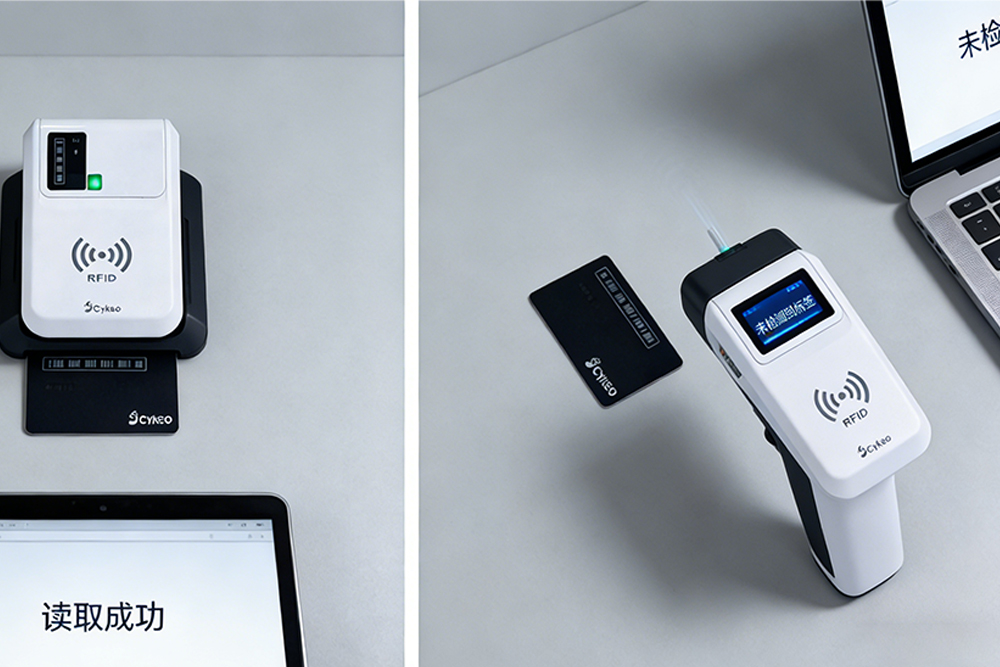
Can an RFID reader read NFC? Only if it’s an HF 13.56 MHz reader. UHF readers can’t. LF 125 kHz readers can’t. Learn exactly what works and what doesn’t.
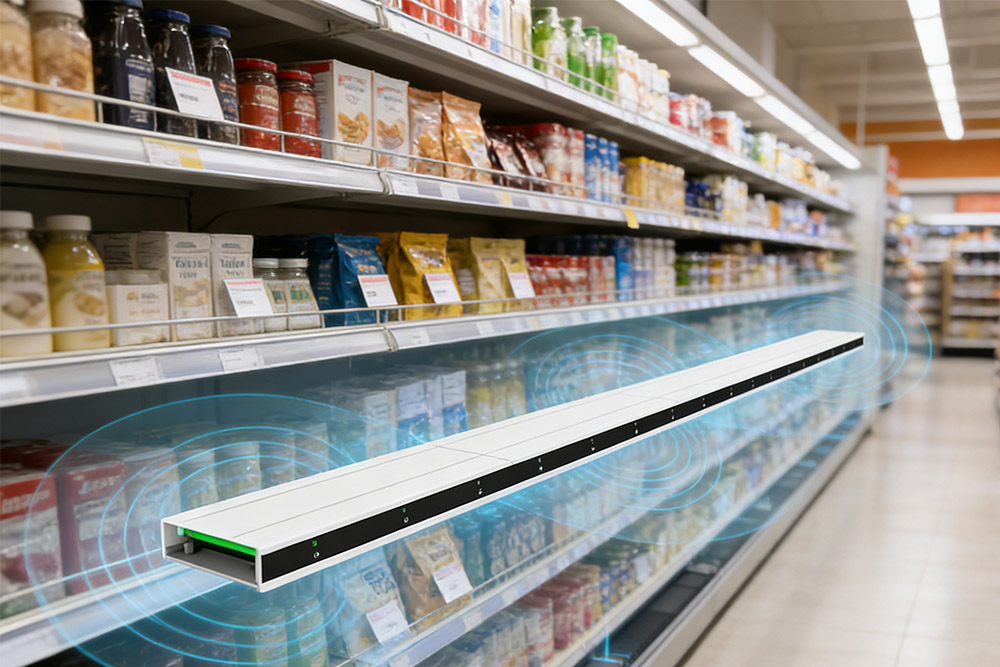
Discover how to choose and deploy UHF RFID antennas for retail smart shelves. Real-world insights on polarization, near-field control, metal interference, and system optimization for integrators.
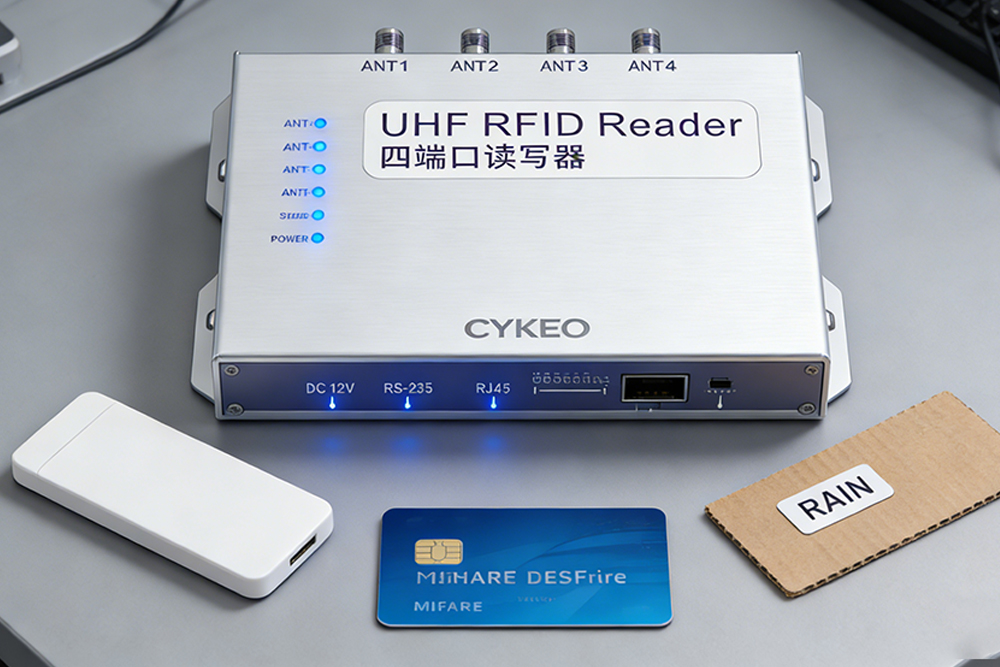
Can an RFID reader read multiple tags models? Short answer: yes, with multi-protocol or hybrid readers. Long answer: frequency, protocol, and power matter. Here’s what works.
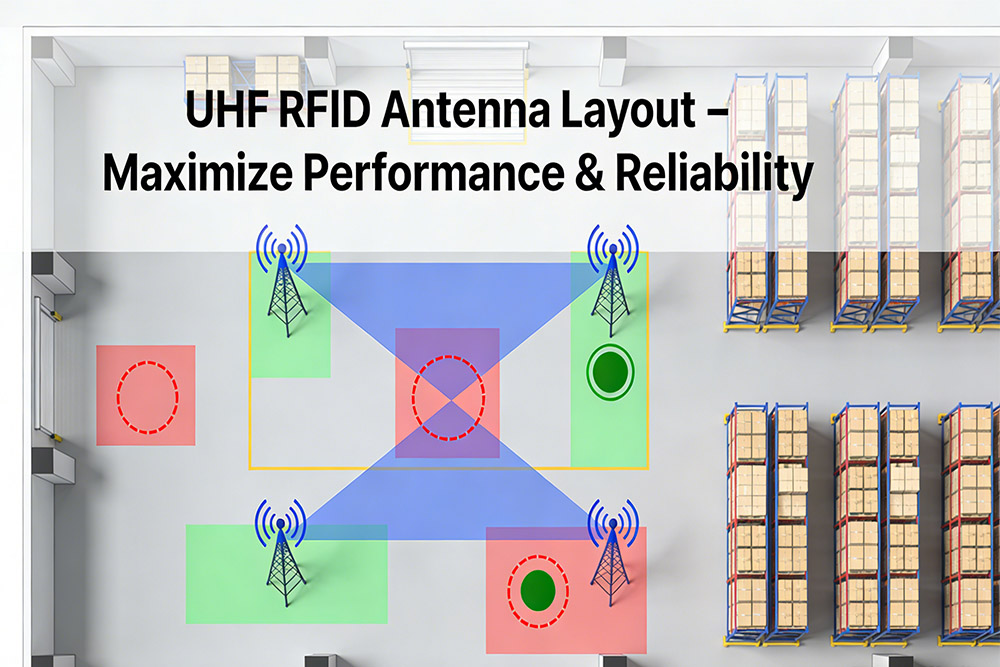
Learn how proper UHF RFID antenna layout can improve read rates and system reliability. Practical tips for solution providers and integrators using Cykeo RFID antennas.
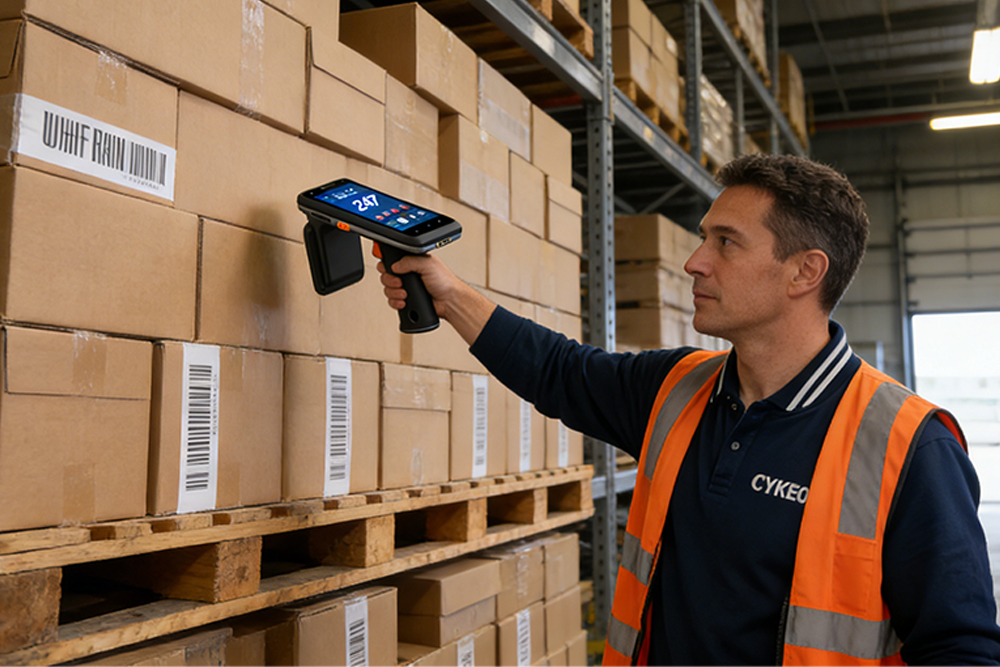
Can an RFID reader read multiple tags at once? Absolutely—UHF readers handle 500–750+ tags per second. But there’s a catch. Learn about anti-collision, real-world limits, and what kills read rates.
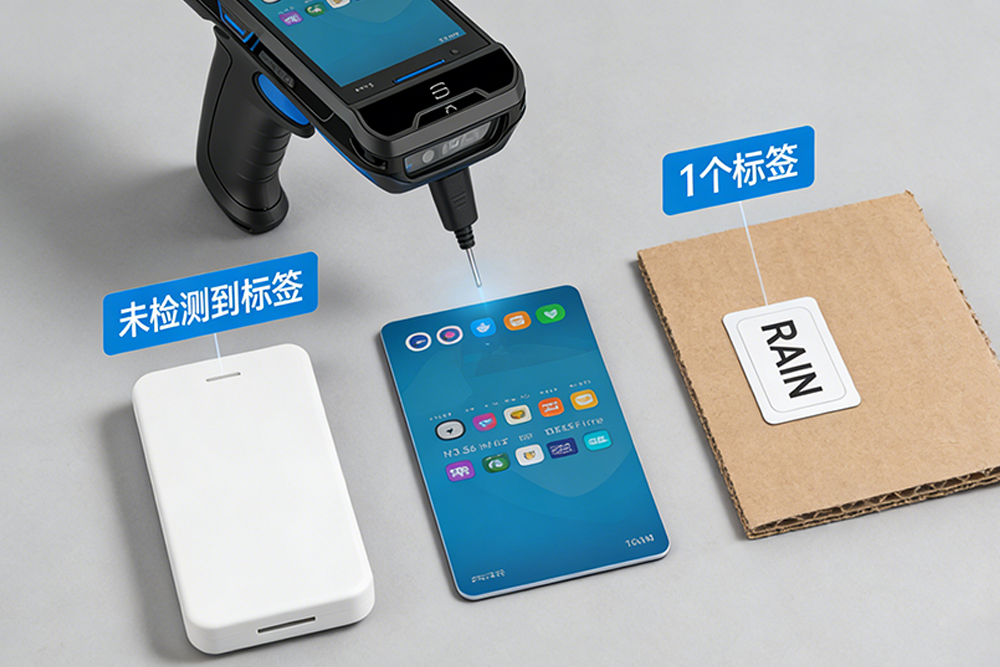
Can any RFID reader read any tag? Absolutely not. Frequency, protocol, and regional standards kill “universal” compatibility. Here’s what actually works and why.
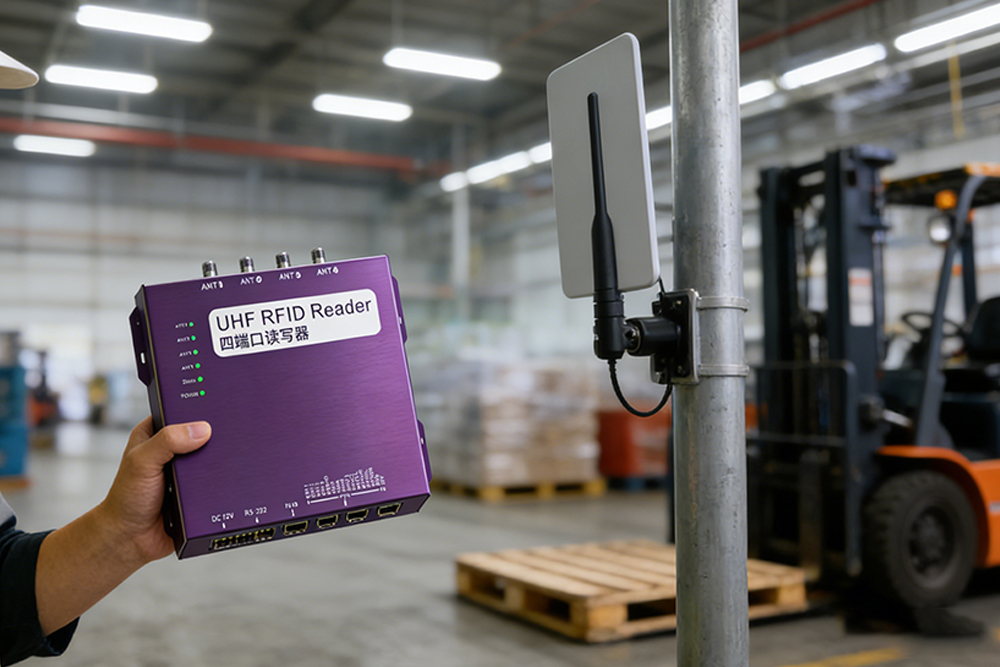
Unsure what is the RFID reader? This crucial device powers your entire RFID system. Learn how it works, the different types, and key selection factors.
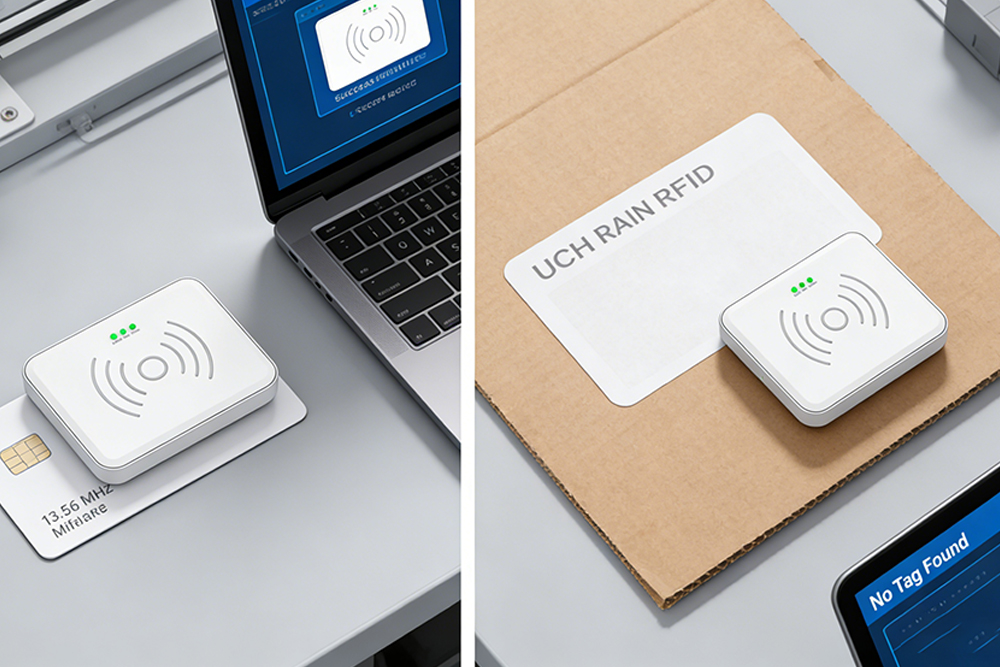
Can NFC be used to read RFID tags? Yes, but only 13.56 MHz HF RFID. NFC won’t read LF or UHF tags. Here’s exactly what works and what doesn’t.
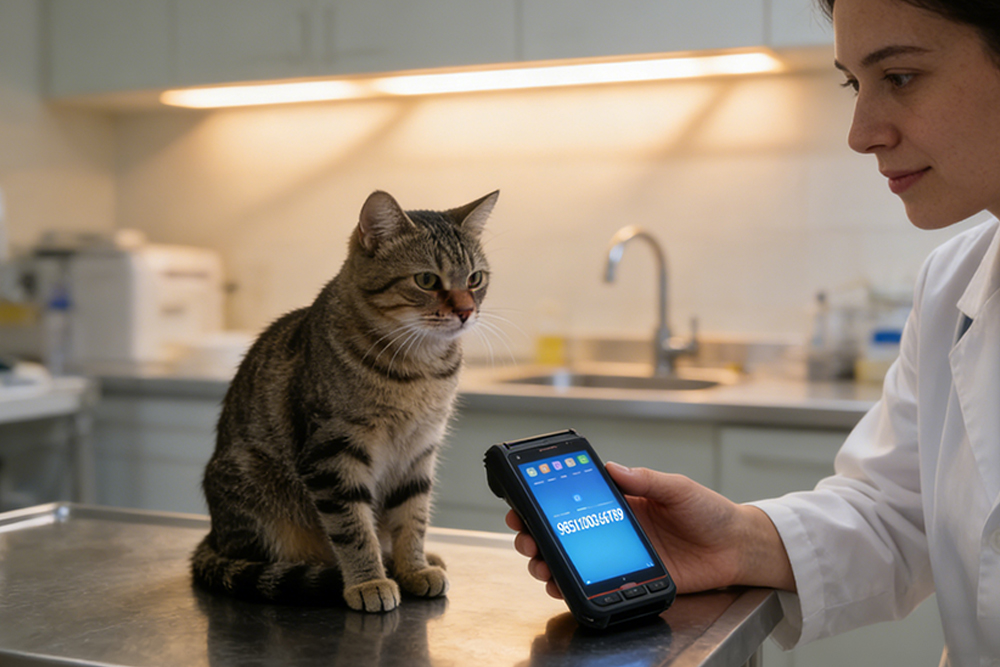
Can I use an RFID reader on a pet chip? Yes, with a 134.2 kHz LF reader. Standard UHF or HF readers won’t work. Here’s what you need to know about pet microchip compatibility.
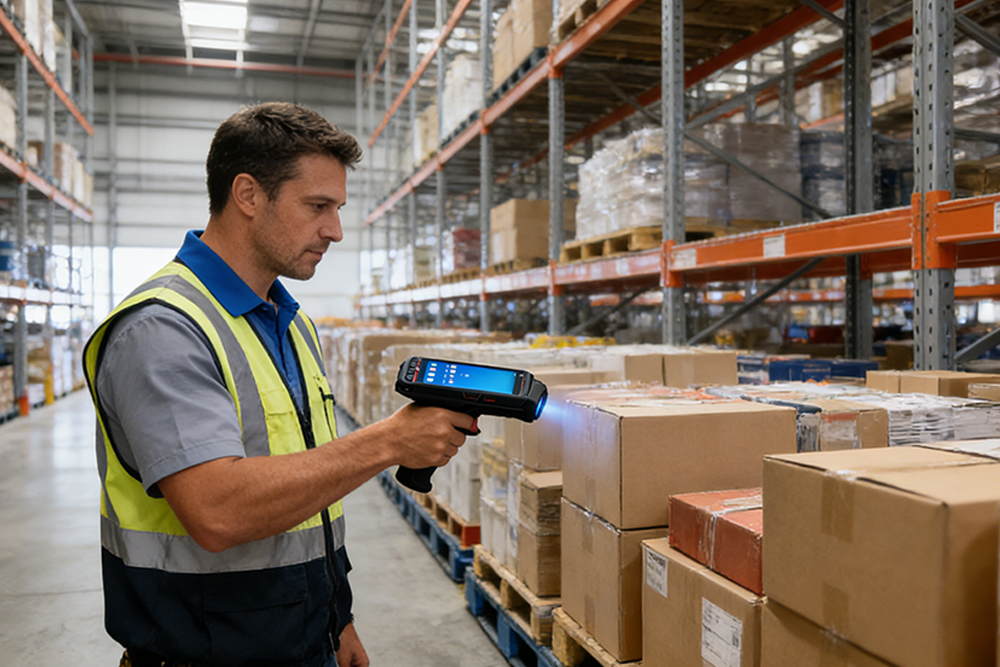
Wondering, “Can I read RFID chips with an RF gun?” CYKEO explains how UHF RFID pistol-grip scanners work for inventory, their read range, and what tags they work with.
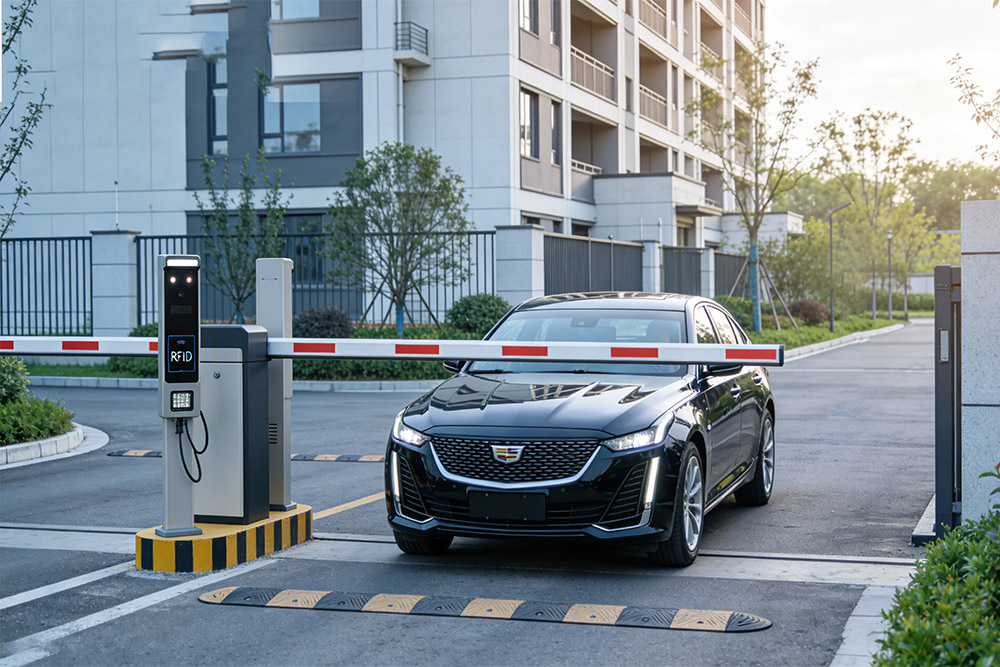
Discover how RFID gate access control systems are transforming property management. Explore trends in smart entry, data-driven access control, and the integration of RFID with license plate recognition, mobile credentials, and industrial-grade readers.
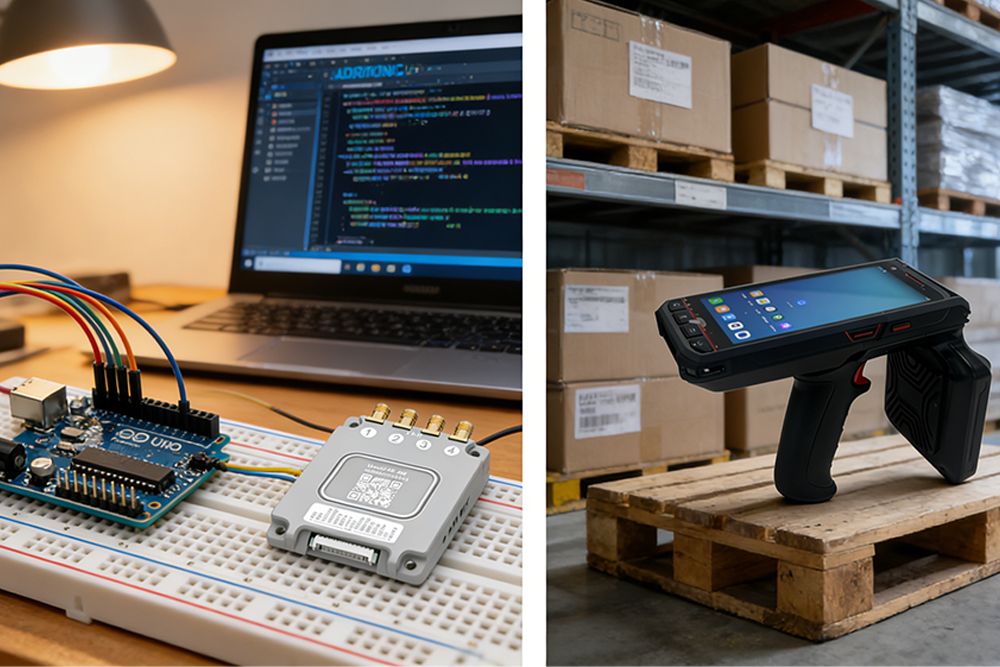
Can I make my own RFID reader? Yes, with Arduino or Raspberry Pi for HF tags. But UHF is harder, and commercial deployment is a different game. Here’s what to expect.
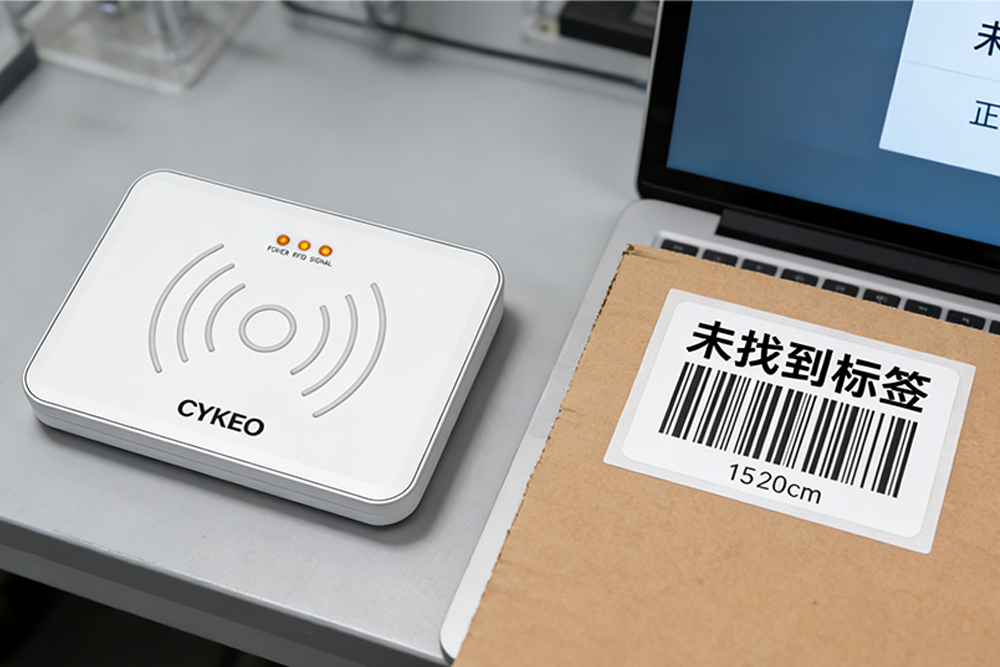
Can a high frequency RFID scanner read UHF tags? No—and here’s why. Learn the real differences between 13.56 MHz HF and 860–960 MHz UHF RFID systems, including physics, protocols, read range, and dual-frequency reader options.
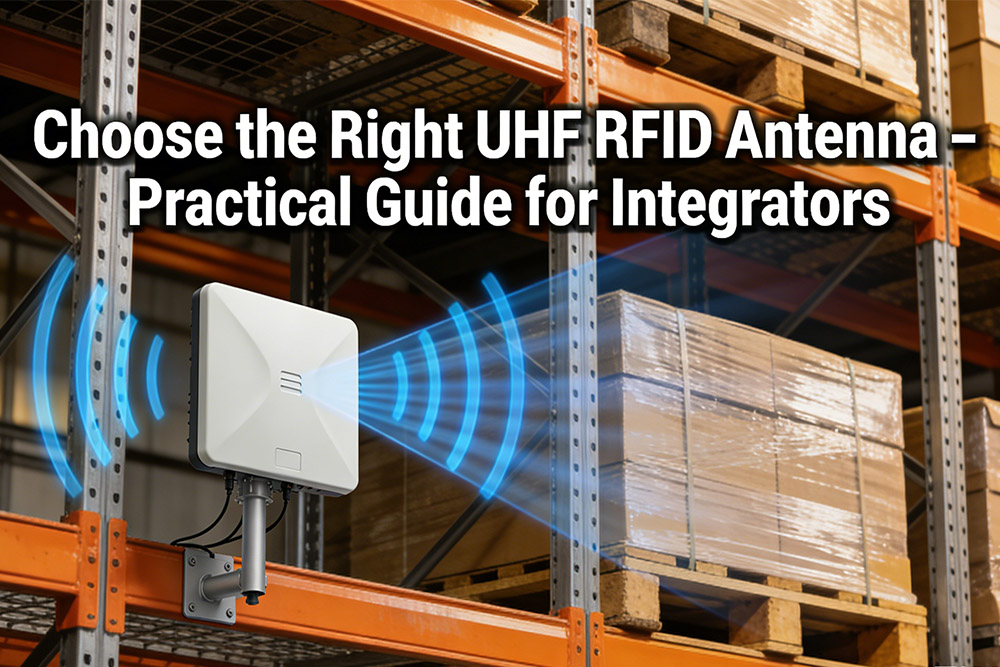
Discover practical tips for selecting the right UHF RFID antenna for warehouses, retail, and industrial applications. Learn from real-world insights and see Cykeo RFID antenna solutions.
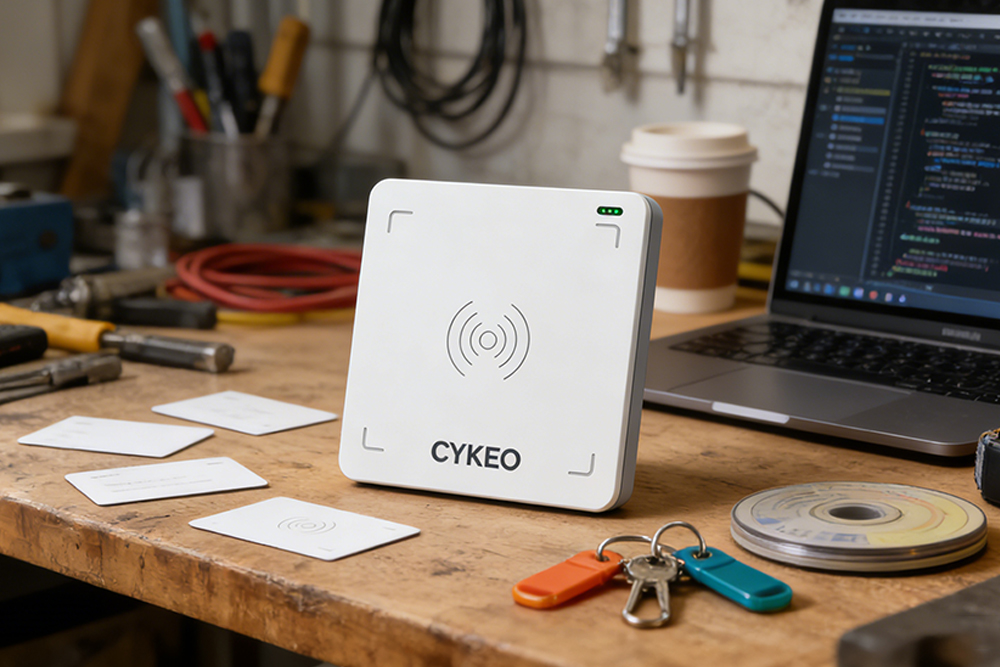
Someone asked me can rfid reader read different tags after buying the wrong gear. Here’s what I learned about protocols, frequencies, and which CYKEO readers actually handle mixed tags.
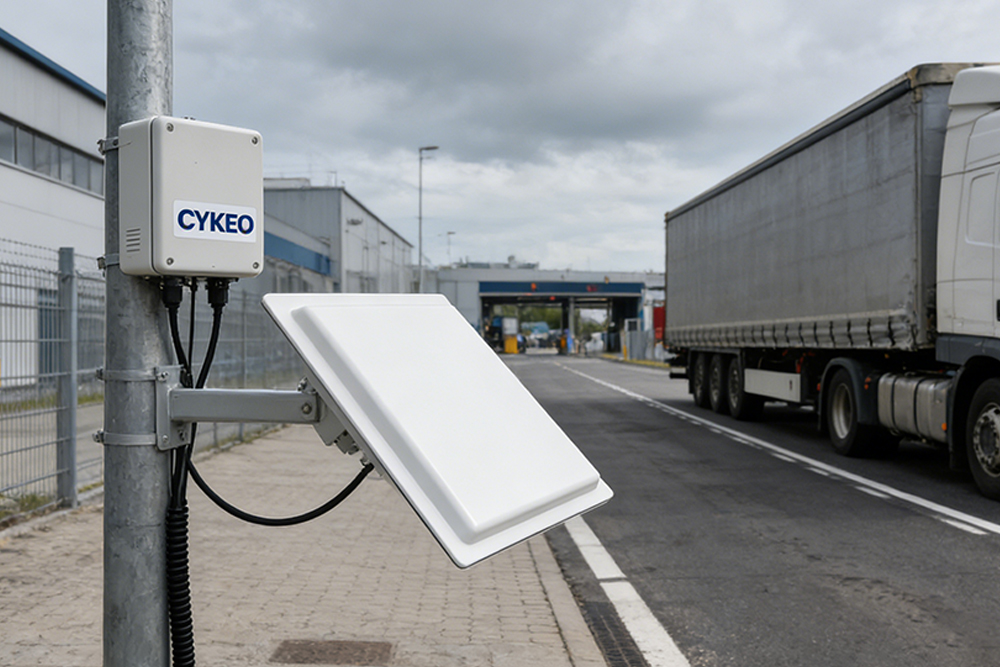
Someone just asked me can rfid reader be directional after their gate installation failed. Here’s the real story on antennas, beam patterns, and what CYKEO gear actually does.
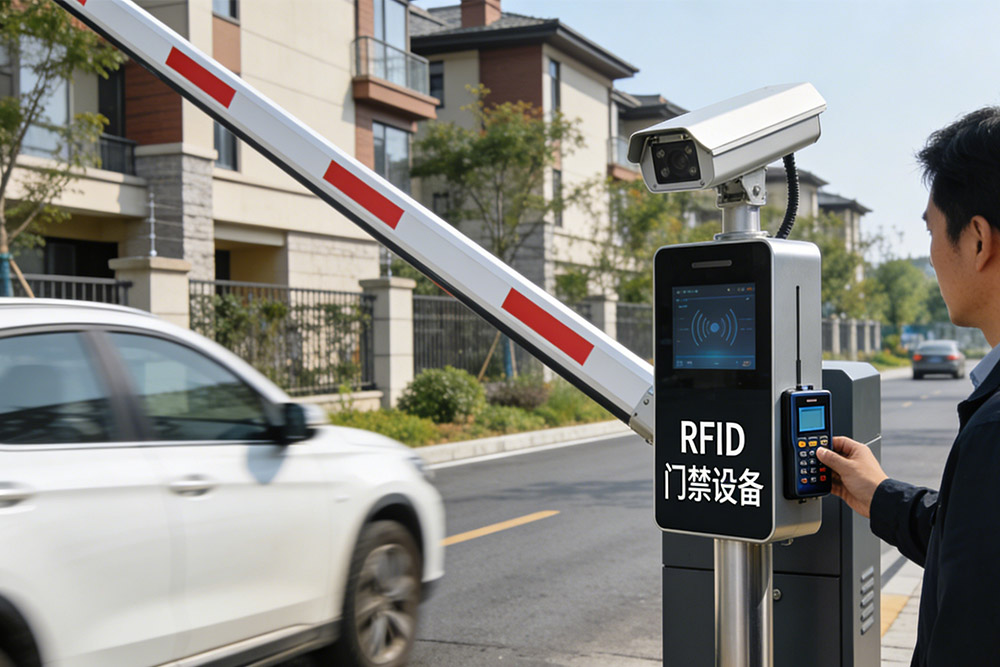
If your RFID gate access control system is slowing down vehicles, it’s usually a configuration, reader, or logic issue — not the technology itself. Learn practical tips to optimize reader placement, access rules, and detection range for smooth, reliable entry management.
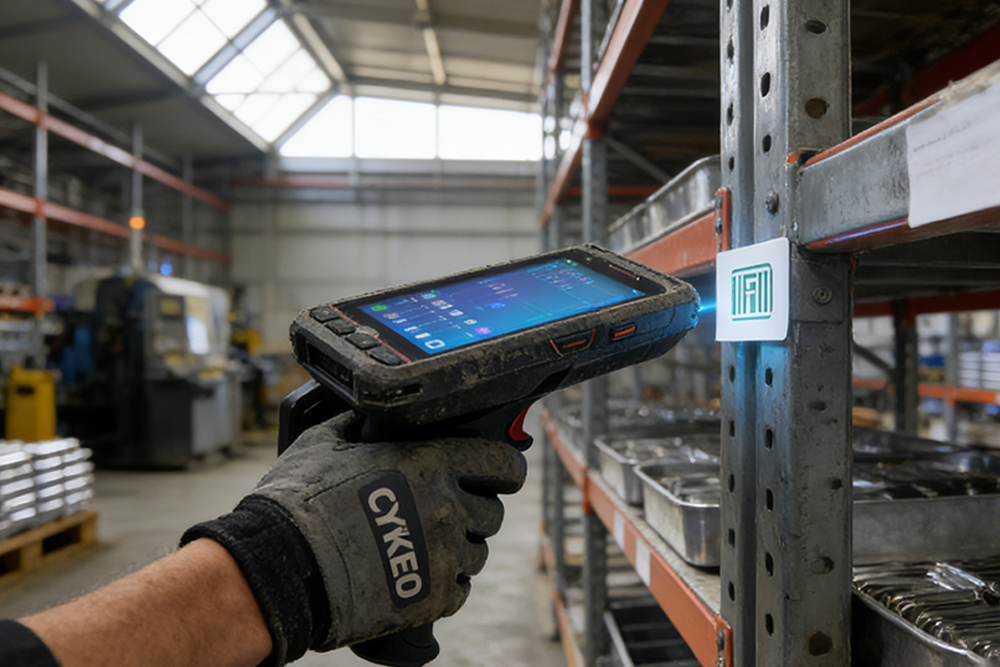
Someone asked me can rfid be read through metal after their warehouse rollout failed. Here’s what I learned testing CYKEO gear on steel racks and oil drums.
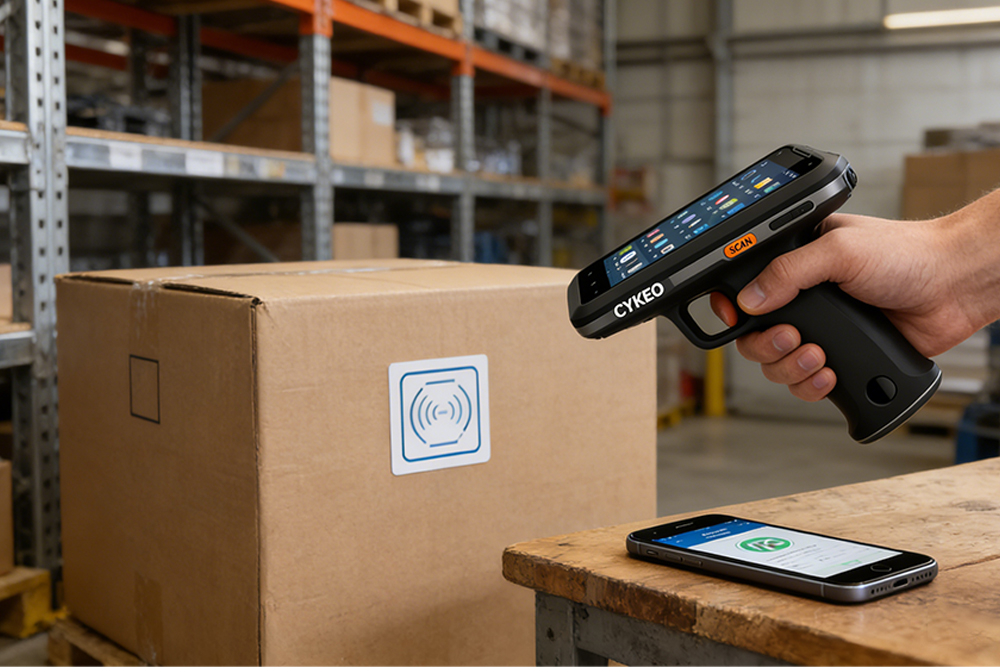
Wondering can nfc reader read uhf rfid tags? I tested this myself. Here’s why your phone won’t read warehouse tags and what actually works with CYKEO hardware.
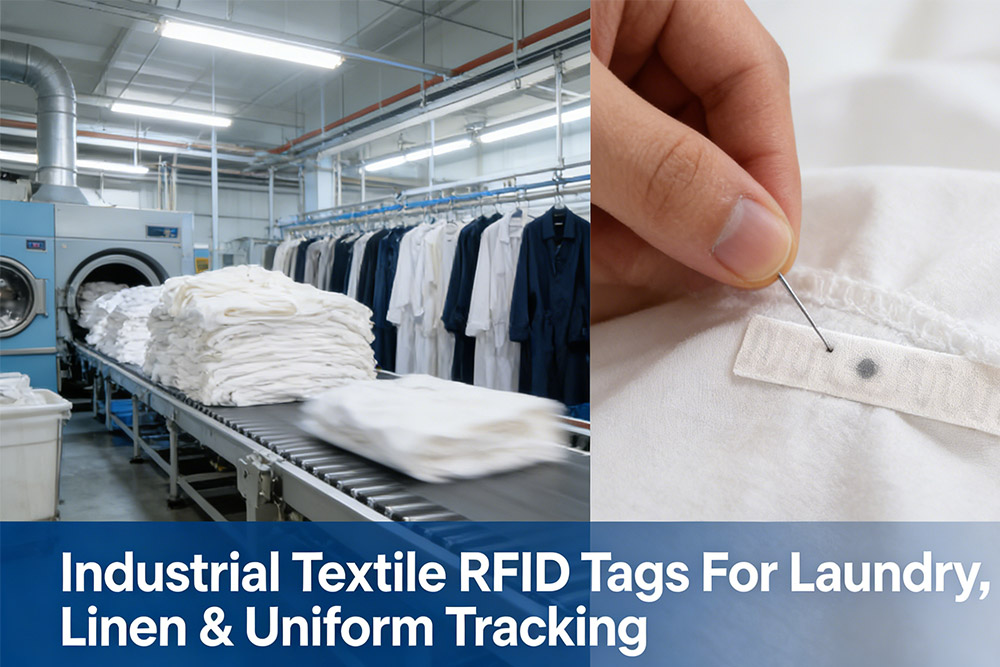
Discover durable textile RFID tags designed for industrial laundry, uniform, and linen tracking. Improve inventory accuracy, reduce loss, and manage textiles efficiently with long-lasting RFID laundry tags.
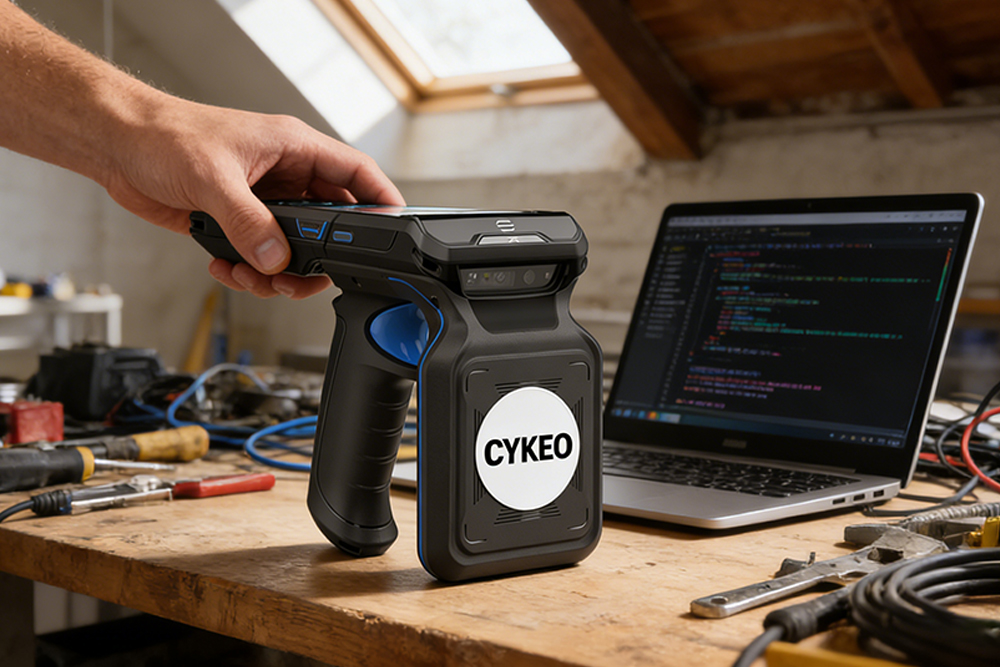
People ask me all the time, can NFC read and write to RFID? I break down the frequency battle, real-world hacks, and which CYKEO gear gets the job done without the jargon.
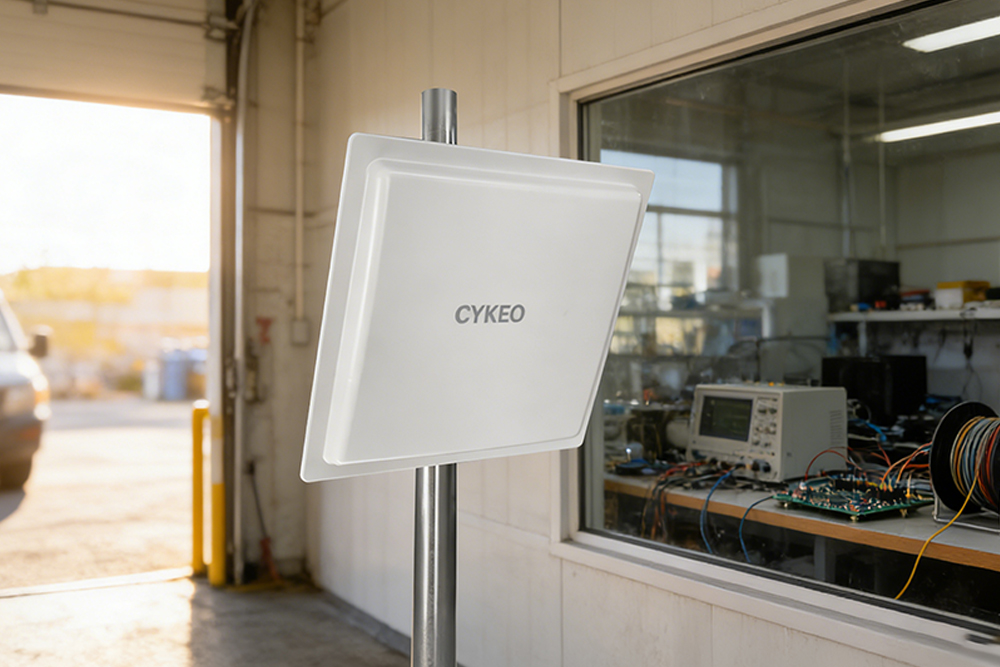
Want to know how to make a long range RFID reader? We explore the real engineering hurdles—RF design, certification, costs—and why a professional system is often the smarter path.
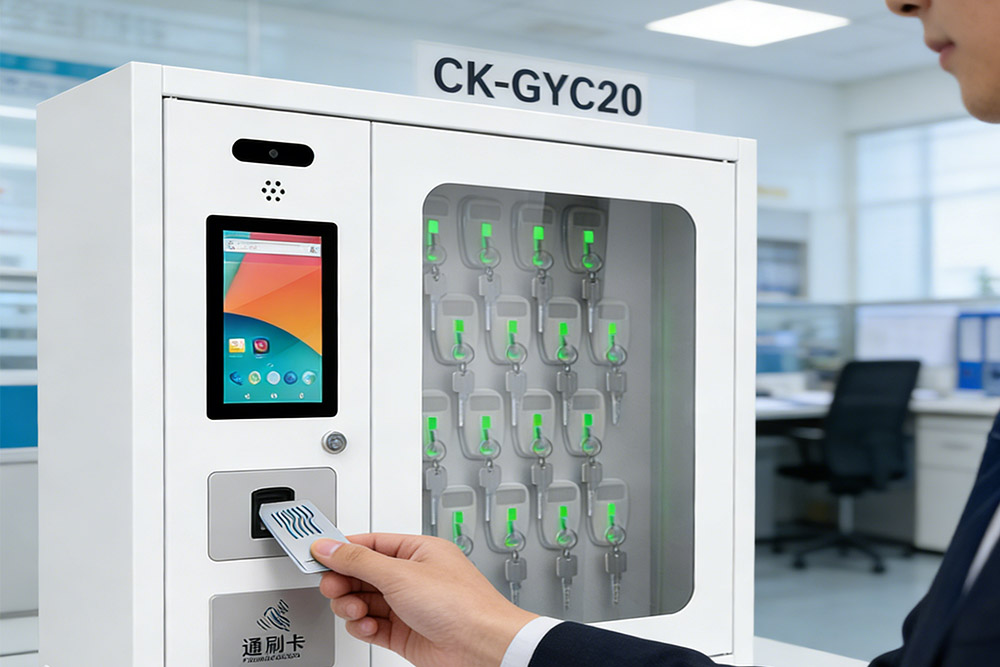
A real-world perspective on deploying biometric and high-security RFID key cabinets, including integration, network setup, and lessons from sensitive-site installations.
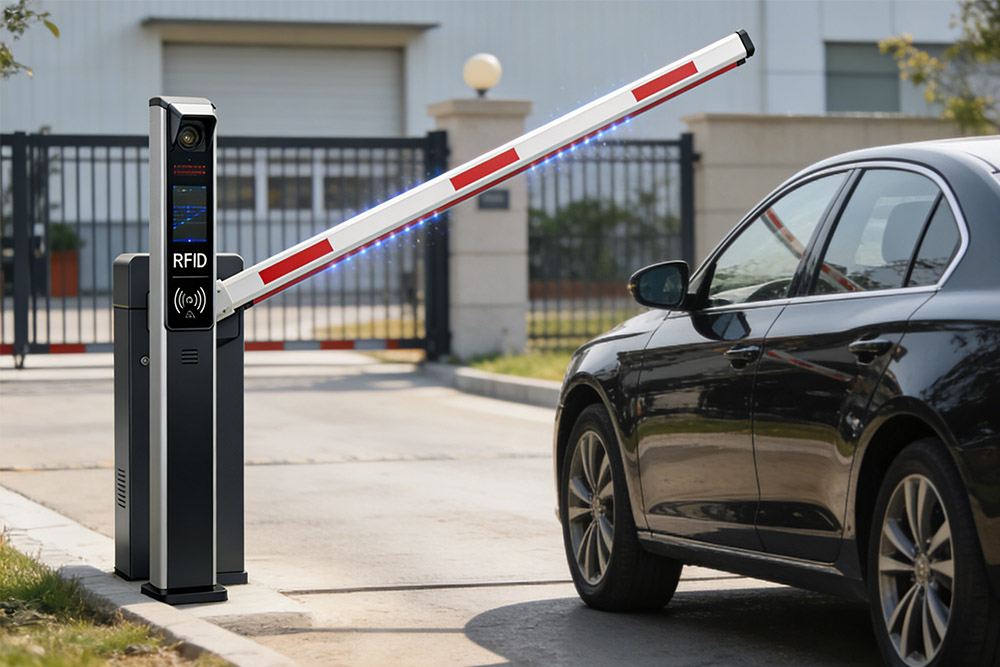
Modern RFID gate access control systems improve vehicle flow, enhance security, and enable intelligent entry management for residential communities, commercial properties, and industrial sites. Learn how RFID readers and structured access logic create reliable, frictionless gate automation.

RFID tags for tools help track equipment, prevent loss, and improve accountability. Learn how they work, when to use them, and what to avoid.

What is an embedded RFID and why is it built into products? Learn how embedded RFID works, where it’s used, and when it actually makes sense.

Where to buy RFID tags without wasting budget? Learn where professionals source reliable RFID tags and what to avoid before ordering.
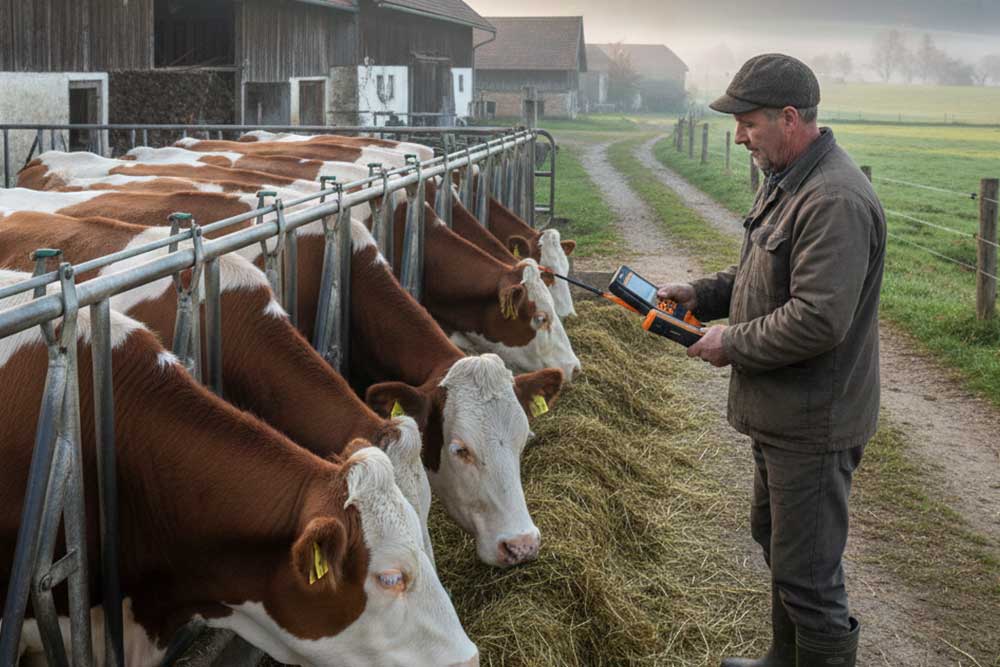
Cattle RFID tags help track livestock health, movement, and ownership. Learn how they work in real farms and how to choose the right tags.

Learn how to install RFID reader correctly. Our guide covers mounting, cabling, network setup, and testing for reliable UHF RFID system performance.
Discover waterproof handheld RFID scanners built for rugged outdoor environments. Learn how Cykeo’s durable devices enhance accuracy in harsh weather and dust.
More
In industries like logistics, warehousing, and retail, traditional identification processes often face challenges, such as inefficiency, high error rates, and complex operations. As businesses scale, these limitations become increasingly...
More
Discover how RFID chips operate: energy harvesting, signal transmission, and real-world applications. Learn about passive, active, and semi-passive chip designs.
More
Discover the key features that make handheld RFID scanners durable for outdoor use—weatherproofing, drop resistance, battery life, and more.
More