 Cykeo RFID IoT Solution Products R&D Manufacturer
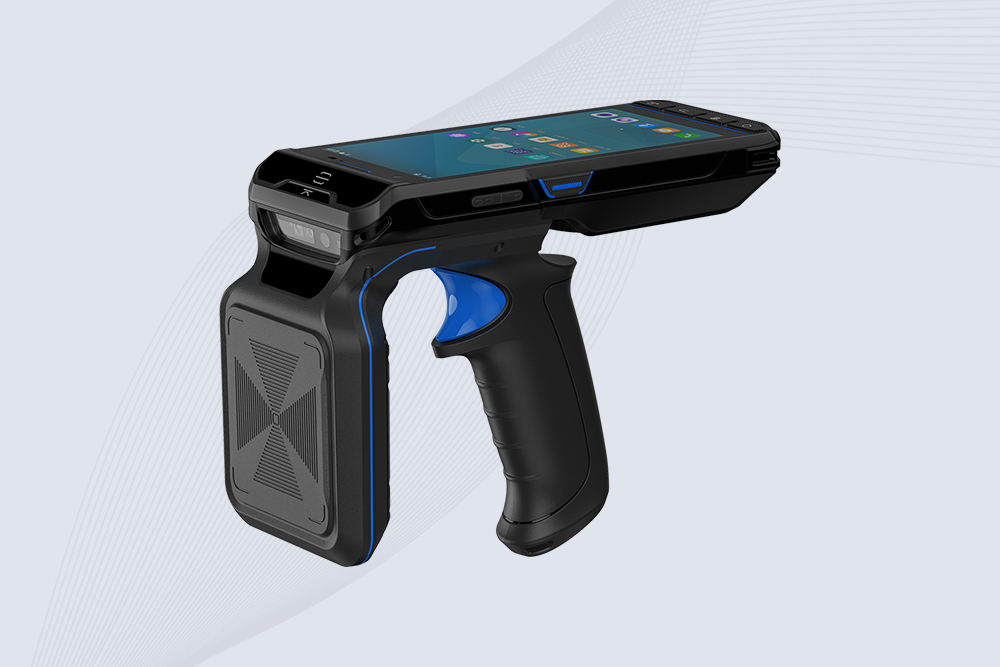
RFID Chip Writer: How Are RFID Tags Actually Written and Programmed?
313RFID chip writer explained: how tags are encoded, where errors happen, and what actually matters in real deployments. Practical, not theoretical.
MoreAll RFID Product
Outdoor environments are brutal on tech tools—rain, dust, heat, and accidental drops can turn a pricey handheld RFID scanner into a paperweight in months. But some scanners thrive in these conditions. What sets them apart? Let’s explore the must-have features that keep RFID scanners working through storms, heatwaves, and rough handling.
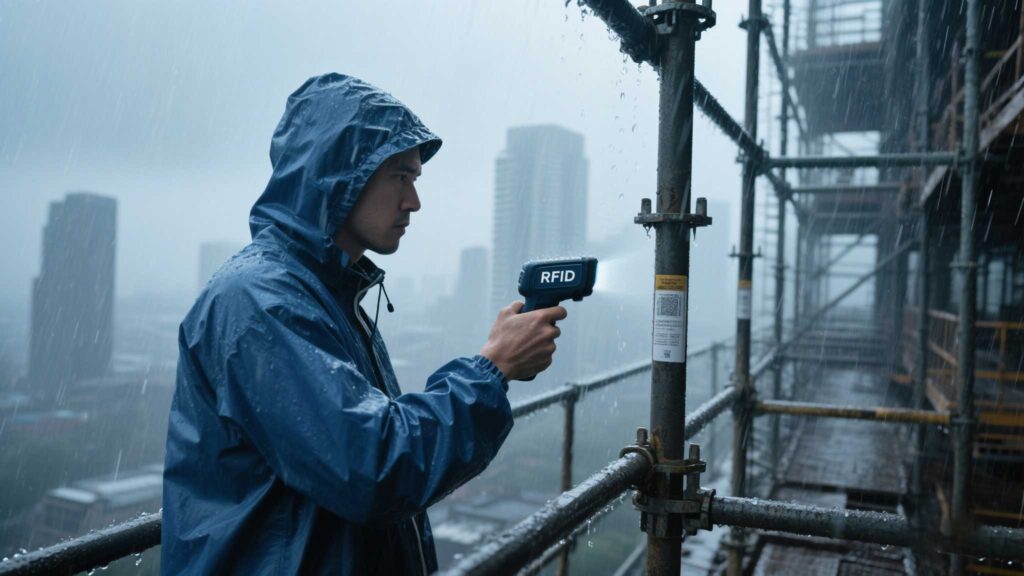
What It Means:
IP (Ingress Protection) ratings indicate resistance to solids (dust) and liquids (water). For outdoor use, aim for:
Why It Matters:
A scanner rated IP67 can survive sudden downpours on a construction site or being dropped in a puddle. Cykeo’s industrial-grade models, for instance, are built to IP67 standards, making them reliable for forestry or utility fieldwork.
Key Components:
Pro Tip: Check MIL-STD-810G certification—a military standard for durability against vibrations, shocks, and extreme temps.
Outdoor scanners must handle:
Battery Note: Lithium-ion batteries perform better than NiMH in extreme temps.
Problem: Glare makes screens unreadable in direct sunlight.
Solution:
Use Case: Farmers inspecting livestock in open fields need screens visible at noon.
Outdoor Demands:
Example: Cykeo’s scanners include a “battery saver” mode that extends runtime by 25% during intermittent use.
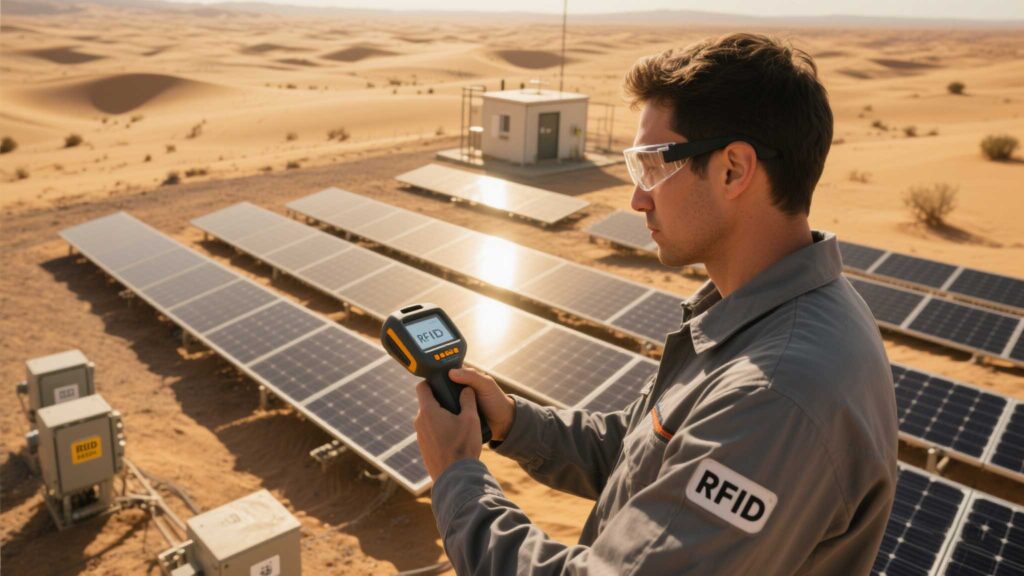
Challenges: Spotty Wi-Fi and Bluetooth in forests, mountains, or rural sites.
Solutions:
Dirt and Debris:
Cleaning Tip: Rinse scanners under a tap (if IP67-rated) to remove mud or salt.
Outdoor Risks: Equipment left unattended on job sites.
Protection:
Takeaway: A durable handheld RFID scanner isn’t just about surviving the elements—it’s about maintaining accuracy and speed when the weather turns ugly or the job site gets chaotic. Brands like Cykeo design their outdoor-ready models to balance toughness with usability, but always prioritize features that match your environment. Whether you’re tracking equipment in a hurricane-prone warehouse or managing livestock in the desert, the right scanner keeps working when others fail.

RFID chip writer explained: how tags are encoded, where errors happen, and what actually matters in real deployments. Practical, not theoretical.
More
Discover Cykeo rf security tags for retail theft prevention, inventory protection, and smarter store operations. Improve security while enhancing customer experience.
More
Learn how to integrate handheld RFID readers with ERP systems like SAP or Oracle. Follow expert steps for data sync, API setup, and real-time inventory updates.
More
Cykeo RFID Medical Equipment Management System enables hospitals to achieve automatic device identification, real-time location tracking, fast inventory checks, and full-process intelligent management—an ideal solution for secure and efficient med...
More