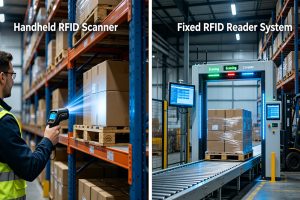
If you’re looking at RFID for inventory, asset tracking, or any kind of batch processing, this is the big question: can you read multiple RFID tags at once? You’ve probably seen videos where someone waves a reader over a box and all the tags magically appear on screen. The short answer is yes, but not technically at the exact same instant. The longer answer involves anti-collision algorithms, frequency choices, and real-world limits that actually matter when you’re trying to get work done.
The Short Answer: Yes, But One at a Time Really Fast
Can you read multiple RFID tags at once? Every RFID reader can only talk to one tag at any single moment. If two tags try to respond simultaneously, their signals collide and the reader gets nothing but noise . The magic happens because readers use special anti-collision algorithms that let them switch between tags incredibly fast—fast enough that it feels like they’re reading everything at once .
Think of it like a very fast conversation. The reader asks a question, one tag answers, the reader acknowledges it, then immediately moves to the next tag. This happens hundreds of times per second. So while technically it’s sequential, practically speaking you’re getting batch reads .
The RFID Journal puts it this way: “there are special anti-collision algorithms that enable interrogators to ‘singulate’ on specific tags—that is, a reader can talk to one tag at a time, but in very rapid succession. This happens so quickly that it appears the reader is interrogating many tags at once” .
How Anti-Collision Actually Works
To really understand can you read multiple RFID tags at once, you need to know what happens when tags pile up. When multiple tags are in the reader’s field, they all get activated and try to respond. Without some kind of referee, their signals would overlap and the reader couldn’t distinguish anything .
Modern RFID systems use two main families of anti-collision algorithms :
ALOHA-based algorithms work on random timing. Tags transmit at random times. If two collide, they wait random amounts and try again. Pure ALOHA tops out at about 18.4% channel utilization—meaning most of the time is wasted on collisions. Slotted ALOHA improves this by having tags transmit in synchronized time slots, reaching up to 36.8% throughput . These work well when you don’t have too many tags.
Binary tree algorithms take a more systematic approach. The reader splits colliding tags into two groups, queries one group, and keeps splitting until only one tag responds. Then it moves to the next group . This can achieve up to 36.4% throughput and is very stable. The reader basically plays a game of “20 questions” with the tags, narrowing down until each one gets identified.
Some systems use Manchester encoding to detect exactly where bits collide, which helps the reader figure out how many tags are present and where the conflicts are happening .
Frequency Matters for Batch Reading
Can you read multiple RFID tags at once depends heavily on what frequency you’re using. Different frequencies have different data rates and different anti-collision capabilities .
Low Frequency (125-134 kHz) systems generally struggle with multiple tags. Most LF readers expect one tag at a time. The data rate is slow, so even if they had anti-collision, reading many tags would take a long time. LF is great for animal tracking and some access control, but not for batch reading .
High Frequency (13.56 MHz) systems like those using ISO 14443 (NFC and Mifare) have built-in anti-collision. They can handle multiple tags, but reading speed is moderate. In practice, HF readers can handle dozens of tags in a few seconds, depending on tag density and data size . The HF band offers faster data transfer than LF, so sequential reading moves quicker.
Ultra High Frequency (860-960 MHz) systems are the champions of batch reading. Modern UHF readers can plow through hundreds of tags per second using sophisticated anti-collision protocols . The EPC Gen2 standard, which most UHF systems follow, was designed specifically for dense tag environments. UHF’s higher data rate means each tag communication takes less time, so you can cycle through more tags per second .
How Many Tags Can You Actually Read?
The theoretical numbers sound great, but practical limits matter more. Can you read multiple RFID tags at once in a real warehouse? Yes, but with constraints.
Read rate varies by hardware and conditions. Some UHF readers claim 200-400 tags per second, but that’s in ideal lab conditions. Real warehouses with multipath interference, tag orientation issues, and varying materials typically see lower rates.
Time in field is critical. RFID Journal notes: “You will not be able to read 1,000 tags moving through a dock door, but if you put the same 1,000 tags in a tunnel reader, in which there are antennas on all four sides, you might be able to read all 1,000 tags with no problem for a few seconds” . Tags need enough time in the read zone for the anti-collision cycle to grab them all.
Tag density affects reliability. More tags mean more collisions, which means more time sorting them out. Research shows that in very dense populations, some tags may get missed if they move through too fast . The anti-collision algorithm has to balance thoroughness against speed.
Environmental factors matter enormously. Metal reflects signals, water absorbs them, and other RF sources create interference. All of these affect how many tags you can read reliably.
Real-World Testing Results
I’ve seen some interesting data on this. One academic paper notes that “with the proliferation of RFID-enabled applications, multiple RFID readers must be used to provide full coverage beyond the communication range of a single reader. However, reader collision together with tag-to-tag collision seriously degrades system performance or even blocks out some tags from being read” . They developed protocols that reduced identification time by more than 50% compared to previous methods .
That’s an important point—when you scale up to multiple readers, you get additional collision problems. Readers can interfere with each other, creating dead zones where tags can’t be read by any reader . Advanced scheduling algorithms help manage this.
A chipless RFID project at the University of Glasgow successfully read six tags through time-multiplexing, demonstrating that even experimental systems can handle multiple tags with proper design .
Different Frequencies, Different Batch Capabilities
Let’s break down what each frequency actually delivers for batch reading:
LF (125 kHz): Basically one tag at a time. If you need batch reading, this is the wrong choice.
HF (13.56 MHz): Good for moderate batch reading. Library systems often use HF to check out stacks of books. You might get 20-30 tags in a few seconds. The ISO 14443 and 15693 standards both include anti-collision, so compatible readers handle multiple tags well . Some industrial HF readers can push this further with optimized antennas.
UHF (860-960 MHz): Excellent for high-volume batch reading. Warehouse dock doors, conveyor systems, and inventory wands routinely handle hundreds of tags. The EPC Gen2 air interface protocol was built for dense reader environments and includes sophisticated anti-collision .
When “At Once” Means Something Different
Sometimes people asking can you read multiple RFID tags at once really mean “can I have multiple readers working simultaneously?” That’s a different challenge.
Reader-to-reader interference happens when coverage areas overlap. One reader’s signal can interfere with another reader’s ability to hear tags. Solutions include frequency hopping, time division multiple access (TDMA) scheduling, and power control algorithms . Some systems coordinate readers so they take turns transmitting, avoiding collisions.
Spatial division multiple access (SDMA) uses antenna arrays or directional antennas to separate readers by physical location. This gets expensive but works well .
Practical Tips for Batch Reading
If you need to read many tags together, here’s what helps:
Choose the right frequency. UHF for high volume, HF for moderate volume, LF only if you don’t need batch reading.
Give tags enough time in the field. Moving too fast through a read zone guarantees missed tags. RFID Journal’s rule of thumb: 1,000 tags need a few seconds in a well-designed tunnel reader .
Consider orientation. Tags facing away from the reader get weaker signals and may not respond consistently. Circularly polarized antennas help by reading tags in any orientation.
Test your specific environment. Every warehouse, library, or factory has unique RF characteristics. Run tests with your actual tags and readers before committing to a design.
Watch out for metals and liquids. These materials mess with RF signals and reduce read rates. Specialized on-metal tags help, but they’re not magic.
Common Questions About Batch Reading
Can you read multiple RFID tags at once with a smartphone? Generally no for UHF. Some Android phones with NFC can read multiple HF tags, but it’s slow and range is tiny. Phones aren’t designed for batch reading.
What’s the maximum number of tags I can read? No hard limit, but practical limits come from time in field, read rate, and environmental conditions. Well-designed systems handle thousands.
Do all readers support multi-tag reading? No. Older and simpler readers often expect one tag at a time. Check your reader’s specifications. The PhidgetRFID documentation, for example, explicitly states that for most readers, “in order to read a tag, any other tags must first be removed from the reader’s field of effect.”
Can I write to multiple tags at once? Generally no. Writing requires a dedicated connection to one tag at a time. Anti-collision is primarily for reading.
Does tag memory size affect batch reading speed? Yes. Tags with more data take longer to read, reducing the number of tags you can process per second.
The CYKEO Approach
At CYKEO, we deal with this question constantly. Customers want to know can you read multiple RFID tags at once in warehouses, retail stores, libraries, and manufacturing lines.
Our readers incorporate robust anti-collision protocols that handle dense tag environments. We help customers choose between HF and UHF based on their volume requirements, and we provide guidance on antenna placement, tag selection, and system design that actually works in the real world.
For high-volume applications, our UHF systems routinely handle hundreds of tags per second. For moderate batch reading, our HF readers deliver reliable performance. And we always emphasize testing—because every environment is different.
The Bottom Line
Can you read multiple RFID tags at once? Yes, absolutely—but technically it’s “one after another very quickly.” Modern anti-collision algorithms make batch reading practical and reliable.
The key is matching your expectations to your hardware and environment. UHF handles hundreds of tags per second. HF handles dozens. LF struggles with more than one. Tags need time in the read field. Interference matters. Test your setup before deploying at scale.
With the right equipment and understanding, batch RFID reading transforms inventory, asset tracking, and countless other applications from slow manual processes into fast automated workflows.
Long-Tail Keywords (Integrated Naturally)
- rfid batch reading multiple tags – covered throughout the anti-collision discussion above
- how many rfid tags read simultaneously – addressed in the real-world limits section
- rfid anti-collision tag reading – explained in the algorithm and frequency sections
- uhf rfid multi tag reading speed – featured in the UHF performance discussion

2026-09-22
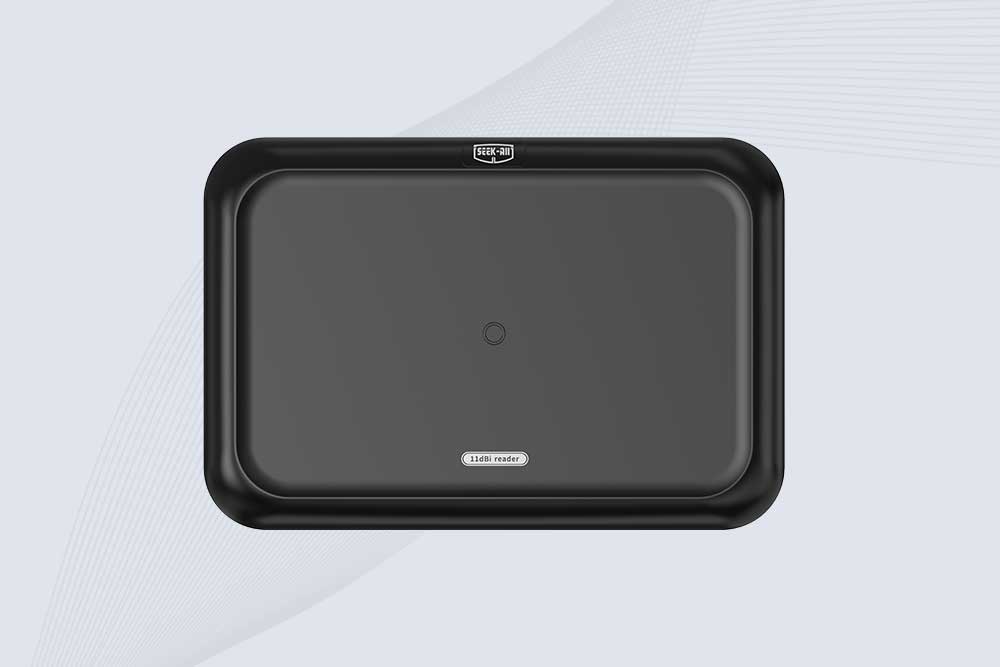
SSD-RA11L is an 11 dBi UHF RFID reader with up to 15m reading distance, 600+ tags/s speed, integrated antenna and flexible connectivity.
2026-09-22
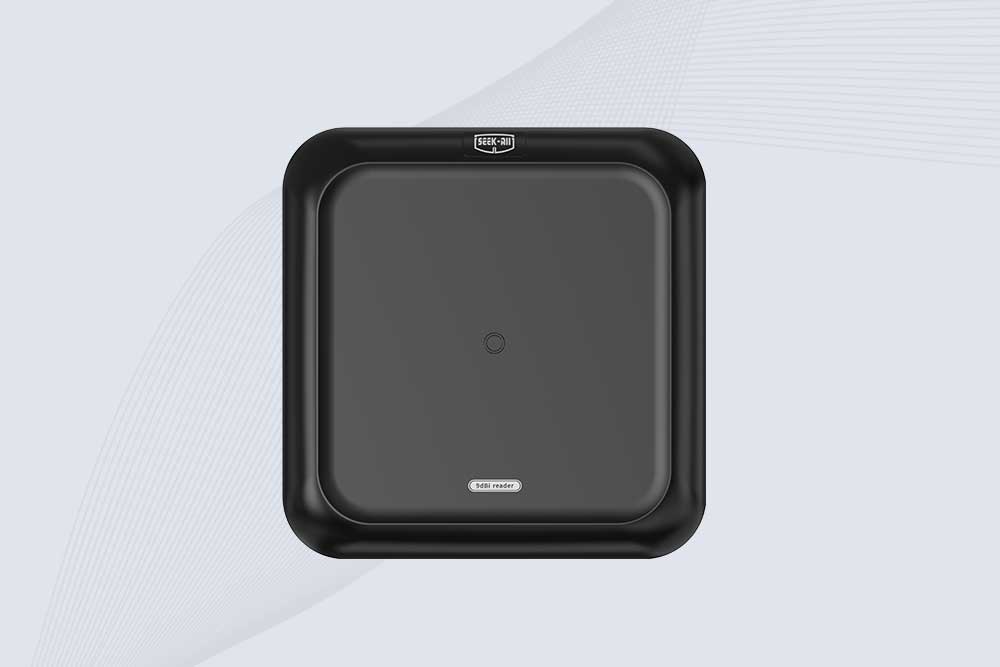
SSD-RA09L is a long range UHF RFID reader with a built-in 9 dBi antenna, 10m reading range, 600+ tags/s speed and flexible interfaces.
2026-09-21
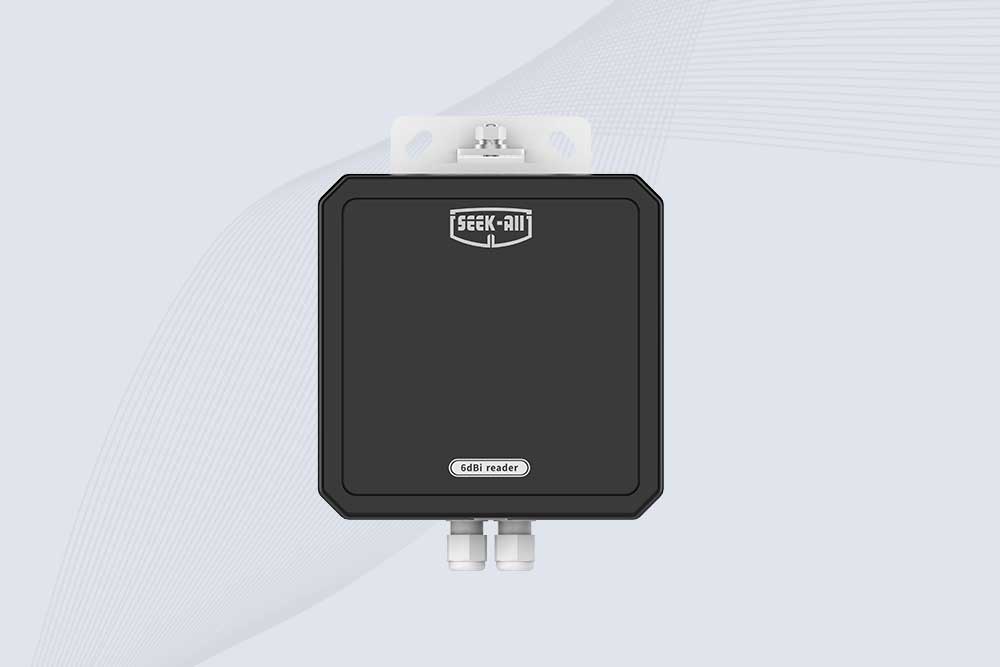
SSD-RA06L is an industrial UHF RFID reader with a built-in 6 dBi antenna, 3 m read range, 600+ tags/s, Ethernet, RS232, and optional Wi-Fi, 4G, and PoE.
2026-09-21
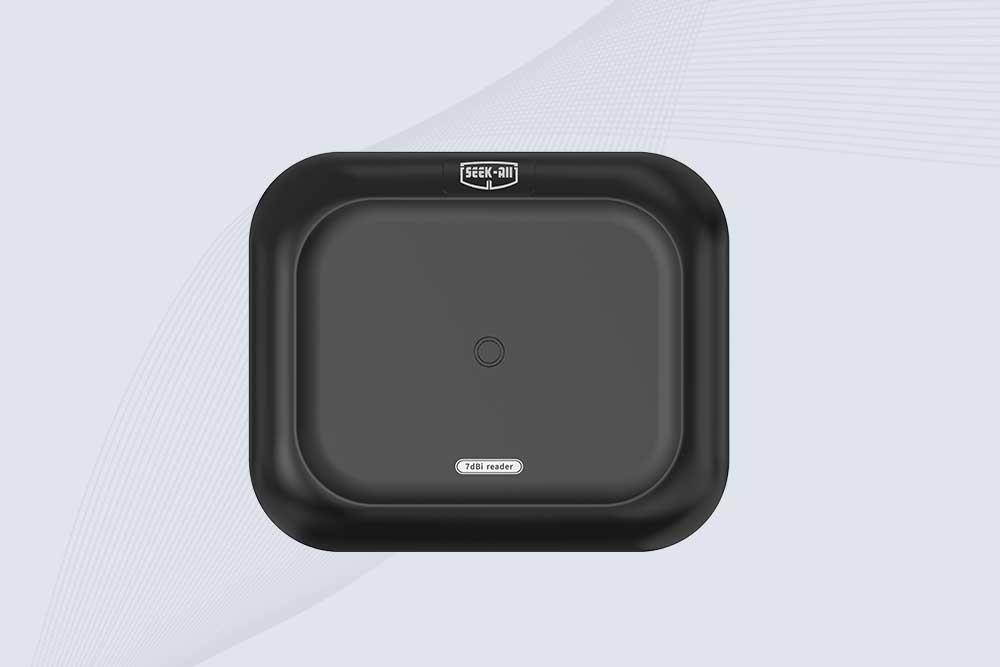
SSD-RA07L industrial UHF RFID reader with integrated 7 dBi antenna, up to 6 m reading distance, over 600 tags/s, Ethernet, RS232, and optional Wi-Fi, 4G, and PoE.
2026-09-18
SSD-A11 UHF RFID antenna features 840–960 MHz adjustable frequency, ≥10.5 dBi gain, circular polarization and 50Ω impedance for fixed RFID systems.
2026-09-18
SSD-A09 is a 9 dBi UHF RFID antenna with 840–960 MHz adjustable frequency, circular polarization, 50Ω impedance and directional 60° × 60° coverage.
2026-09-17
Explore the SSD-A07 UHF RFID antenna with 7 dBi gain, circular polarization, adjustable 840–960 MHz frequency, and 60°/75° beamwidth for stable RFID read/write performance.
2026-09-12
SSD-A06 UHF RFID antenna with circular polarization, adjustable 840–960 MHz frequency, ≥4.5 dBi gain, and a compact directional design for RFID systems.
2026-08-27
SSD-R16L Multi-Channel RFID Infrastructure for Automated Inventory Management ✔️ 16-Port High-Density RFID Reading Equipped with 16 SMA antenna ports, SSD-R16L supports multi-antenna deployment for warehouses, retail stores, logistics, production lines, and large-area RFID identification. ✔️ High-Speed & Long-Range Performance With up to 33…
2026-08-26
SSD-R8L 8-port UHF RFID reader with 33dBm output, up to 20m reading range and 600+ tags/s recognition. Ideal for warehouse, logistics, retail and asset tracking.
2026-08-26
SSD-R4L is a 4-port UHF RFID fixed reader with 33dBm output power, up to 20m reading range, EPC C1G2 support and 600+ tags/s reading speed.
2025-12-17
CYKEO Passive RFID Tags are made for wet and high-humidity environments where standard labels do not last. This rfid passive tag is often used around liquids, chemicals and temperature changes, providing stable reading distance and long data life for industrial tracking.
2025-12-17
CYKEO CYKEO-PCB1504 Metal RFID Tags is a compact anti-metal UHF RFID solution built for direct mounting on metal surfaces. With stable 8-meter read range, Ucode-8 chip, and long data retention, this rfid metal tag fits tools, containers, automotive parts, and industrial asset tracking.
2025-12-17
CYKEO CYKEO-PCB7020 On-Metal RFID Tags are designed for reliable tracking on steel and metal surfaces. Built with an FR4 epoxy body and industrial-grade chips, these On-Metal RFID Tags deliver stable performance, long data life, and chemical resistance, making them a dependable RFID anti-metal tag for harsh environments.
2025-12-17
The CYKEO CYKEO-60-25 Anti-Metal RFID Tag is built for metal surfaces where standard tags fail. Designed for long-range performance, harsh environments, and stable data retention, this Anti-Metal RFID Tag is ideal for industrial assets, containers, and equipment tracking using on metal RFID tags.
2025-12-17
The CYKEO RFID Laundry Tag is designed for long-term textile identification in harsh laundry environments. Built to withstand high heat, chemicals, and repeated washing, this RFID Laundry Tag delivers stable performance for hotels, hospitals, and industrial laundry operations using laundry rfid tags at scale.
2025-12-17
The CYKEO CYKEO-125-7 RFID Book Tag is designed for reliable book and document tracking in libraries and archives. This RFID Book Tag delivers long read range, dense placement support, and stable performance on shelves, making it a practical rfid tag on books for library automation, file management, and archival systems.
2025-12-16
CYKEO RFID tags in hospitals are designed for sterile environments where accuracy matters. These autoclavable RFID tags support long-term tracking of surgical tools, implants, and medications, helping hospitals improve visibility, compliance, and patient safety.
2025-12-16
CYKEO RFID Cable Tie Tag is built for reliable identification on metal surfaces. This UHF RFID Cable Tie Tag is widely used in rfid tags for inventory systems, industrial asset management and Hospital RFID Tags, offering stable read performance, long service life and global EPC Gen2 compatibility.
2025-12-16
CYKEO RFID Asset Tag is designed for stable identification of metal assets in industrial environments. This UHF RFID Asset Tag is commonly used for rfid tag asset tracking on equipment, tools and containers, providing reliable reads, long service life and ISO/IEC 18000-6C support.
2025-12-16
CYKEO UHF RFID Card is designed for fast identification and long-term use in industrial and commercial systems. Supporting ISO 18000-6C, this UHF RFID Card works at 860–960 MHz and is suitable for custom RFID cards used in asset tracking, access control and inventory management.
2025-12-16
CYKEO HF RFID Cards are designed for secure and stable access control systems. These 13.56 MHz RFID key cards support ISO 14443-A, reliable rewriting and long service life, making HF RFID Cards suitable for offices, campuses, events and membership management.
2025-12-16
CYKEO UHF RFID Tag is designed for reliable tracking of metal jewelry and high-value items. This Jewelry RFID Tag supports long-range reading up to 8 meters, anti-counterfeit protection and stable performance on metal, making it suitable for retail, inventory control and asset management.
2025-12-15
CYKEO Embedded RFID Modules are designed for compact industrial and IoT devices that require stable UHF performance. These UHF RFID Modules support global protocols, flexible power control, and reliable multi-tag reading for smart cabinets, production lines, and asset tracking systems.
2025-12-15
CYKEO Embedded RFID Module is built for compact IoT and industrial devices that need stable UHF performance. This UHF module supports global protocols, low power operation, and reliable multi-tag reading for smart lockers, production lines, and always-on RFID systems.
2025-12-15
CYKEO CYKEO-M1 drone rfid module is a compact UHF RFID reader module designed for drones and UAV platforms. It supports long-range aerial scanning, fast multi-tag reading, and stable performance in wind, vibration, and outdoor environments.
2025-12-15
CYKEO CYKEO-M4 RC522 RFID Module is an industrial-grade UHF RFID reader with 4 ports, supporting ISO, EPC, and GB protocols. High-speed, accurate reading for IoT, automation, and warehouse applications.
2025-12-15
CYKEO CYKEO-M8 Module RFID is an 8-port UHF R2000 RFID Module designed for high-density, multi-tag environments. Stable 33dBm output, ISO & GB protocol support, ideal for warehouses, factories, and automated systems.
2025-12-15
CYKEO CYKEO-M16 RFID Module is a 16-port UHF RFID reader module based on the R2000 chipset. Designed for dense tag environments, it supports ISO and GB standards and delivers stable multi-antenna control for industrial automation.
2025-12-15
The CYKEO CYKEO-M16L RFID Reader Module is a 16-channel UHF RFID core designed for dense tag environments. With adjustable 33dBm output, multi-protocol support, and stable multi-antenna control, this RFID Tag Reader Module fits industrial automation, warehouse systems, and large-scale IoT deployments.
2025-12-15
CYKEO CYKEO-M8L module RFID is a compact industrial UHF module built for dense tag and multi-antenna environments. With 8 RF ports, adjustable 33 dBm output, and ISO & GB protocol support, it is widely used in factories, warehouses, and automated tracking systems.
2025-12-15
CYKEOCYKEO-M4L UHF RFID Module is a compact 4-channel RFID tag reader module designed for dense tag environments. Supporting ISO and GB protocols, it delivers stable reads up to 10 meters for industrial and IoT systems.
2025-12-04
Cykeo CYKEO-A11 UHF RFID reader antenna delivers 11dBi gain, 840-960MHz frequency range, and IP65 ruggedness for retail, logistics, and industrial RFID systems. Features low VSWR and easy installation.
2025-12-04
CYKEO Antenna RFID Reader delivers stable long-range UHF performance with a 10.5dBi directional design, built for warehouses, conveyor portals, and industrial RFID systems. This rfid reader antenna provides 20m+ read distance and rugged IP67 protection.
2025-12-04
Cykeo CYKEO-PHF3 industrial HF RFID Antenna offers 24-point dynamic tracking, ISO 14443A/15693 protocols, metal-environment stability for archives/libraries/manufacturing.
2025-12-04
Cykeo CYKEO-A5B industrial Linear RFID Antenna delivers 5dBi gain, ≤1.5:1 VSWR, and IP65 rugged design for warehouse, production line, and logistics UHF systems.
2025-12-04
Cykeo’s CYKEO-B12 Long Range RFID Antenna delivers 15m+ read range with 12dBi gain, IP65 rugged design, and global 840-960MHz UHF support. Ideal for warehouse/logistics asset tracking.
2025-12-04
Cykeo CYKEO-B10 Long Distance RFID Antenna offers 10dBi gain, 840-960MHz frequency range, IP65 rating, and 20m+ coverage for logistics/warehousing/ETC systems. Low VSWR ensures stable signal transmission.
2025-12-04
Cykeo CYKEO-A6 UHF RFID panel antenna features 6dBi gain, 840-960MHz broadband, IP65 metal-ready housing for logistics/smart retail. 18mm ultra-thin design with tool-free mounting.
2025-12-04
Cykeo CK-A3 industrial antenna RFID UHF offers 5m+ tag detection, ≤1.3:1 VSWR, IP65 rugged design, and global UHF spectrum compatibility (840-960MHz) for warehouses, factories, and retail.
2025-12-04
Cykeo CYKEO-B5 directional RFID antenna provides 5dBi gain with 60° narrow beamwidth for precise inventory tracking. IP65-rated, global UHF frequency support, and low VSWR.
2025-12-04
Create your own high-performance DIY RFID antenna! 5dBi gain, 840-960MHz tunable, step-by-step guides. Compatible with Arduino, Raspberry Pi, and commercial UHF readers.
2025-12-04
Cykeo CYKEO-A7 Flexible RFID Antenna features 840-960MHz wideband tuning, 7dBi gain, and IP68 rating for medical/retail/industrial curved surface deployments. 98% read accuracy with peel-and-stick installation.
2025-12-04
Cykeo CYKEO-B5A industrial Passive RFID Antenna delivers 5dBi gain, 70° beamwidth, and -40°C~55°C operation for warehouses/smart cabinets. Compatible with Zebra/Impinj readers.
2025-12-04
Cykeo’s CYKEO-A9B High Gain RFID Antenna delivers 15m+ read range with 9dBi amplification. Features IP54 rugged design, 840-960MHz bandwidth, and 80° beamwidth for warehouse/manufacturing RFID systems.
2025-12-03
Cykeo’s enterprise-grade 8dbi Impinj RFID Antenna 10m+ read range with 840-960MHz tuning. Features IP65 housing, 1.4 VSWR, 35° beamwidth for retail/warehouse RFID systems.
2025-12-03
Cykeo CYKEO-A9 industrial UHF RFID antenna delivers 9dBi gain, 840-960MHz frequency range, and IP65 protection for warehouse/logistics/retail RFID systems. Features N-type connector and ≤1.3:1 VSWR.
2025-12-03
CYKEO UHF RFID Antenna built for long-distance and industrial applications. This antenna rfid uhf delivers strong gain, outdoor durability, and reliable tag performance in warehouses, yards, and vehicle ID systems.
2025-12-03
CYKEO Antenna RFID delivers reliable long-range UHF performance in warehouses, retail shelves, and cold-chain environments. This compact uhf rfid antenna provides stable reads with circular polarization and ultra-wide 840–960 MHz support, ideal for industrial tracking, smart shelves, and asset monitoring.
2025-12-03
Cykeo’s CYKEO-C8 UHF RFID antennas delivers 8dBi gain, 840-960MHz full-band coverage, and IP65 ruggedness for manufacturing/warehouse RFID systems. Industrial RFID Antennas Features
 Cykeo RFID IoT Solution Products R&D Manufacturer