“Will RFID replace security guards?” It’s a question I hear a lot in property management circles. And honestly? The answer isn’t as simple as “yes” or “no.”
RFID gate access control systems are changing how we think about entry management — but they’re not about firing humans. They’re about redefining roles, reducing friction, and giving managers data they never had before.
Humans vs Machines: What Actually Changes
Here’s the reality:
Human Guard
RFID System
Can assess unusual behavior
Logs every entry automatically
Can get distracted
Works 24/7 without fatigue
Needs breaks, shifts, and salaries
Minimal maintenance after installation
Subjective enforcement
Rule-based, consistent
In my experience, the best deployments don’t remove humans entirely. They let RFID handle repetitive verification, while security personnel focus on real exceptions: lost tags, suspicious vehicles, or emergency events.
The system isn’t replacing people. It’s freeing them to do higher-value work.
Trend 1: Multi-Layered Smart Entry
The next step for RFID isn’t standalone operation. It’s integration.
Some properties are layering:
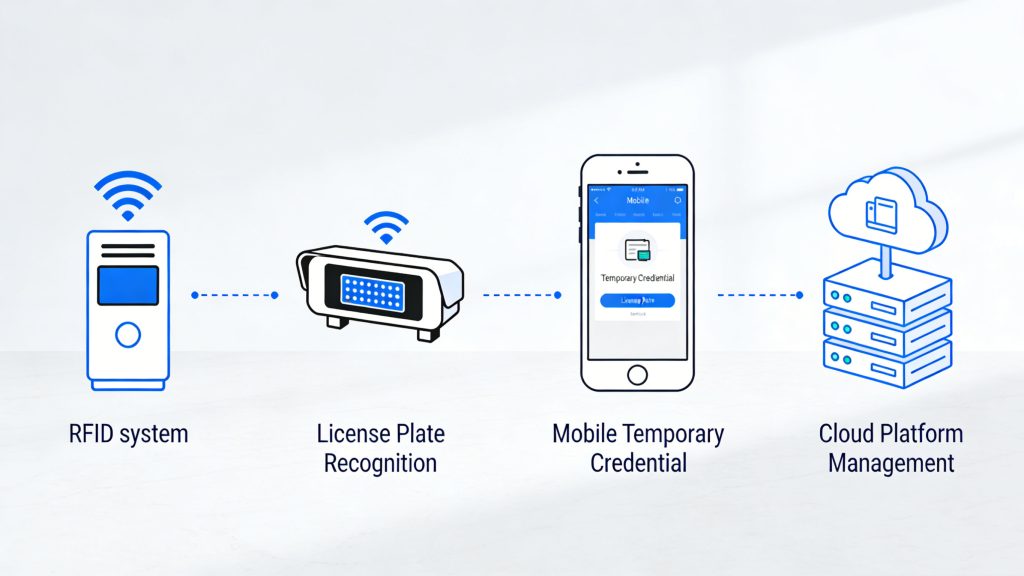
RFID + license plate recognition for automatic vehicle validation
RFID + facial recognition at pedestrian gates
Mobile credential integration for temporary guests
Cloud-based dashboards for remote management
When combined, RFID gate access control systems become the foundation of a broader smart property ecosystem, handling identity efficiently while other systems provide verification depth.
Trend 2: Data Is the Hidden Value
Most people think RFID is about opening gates. I’ve seen installations where the real value emerged later: analytics.
Vehicle flow patterns during peak hours
Visitor frequency and recurring access
Bottleneck identification
Audit-ready logs for management decisions
RFID systems generate data that can inform staffing, schedule adjustments, and even long-term infrastructure upgrades. If you ignore the analytics, you’re leaving the real advantage on the table.
Trend 3: Residential and Industrial Divergence
Residential properties and industrial sites are starting to use RFID differently:
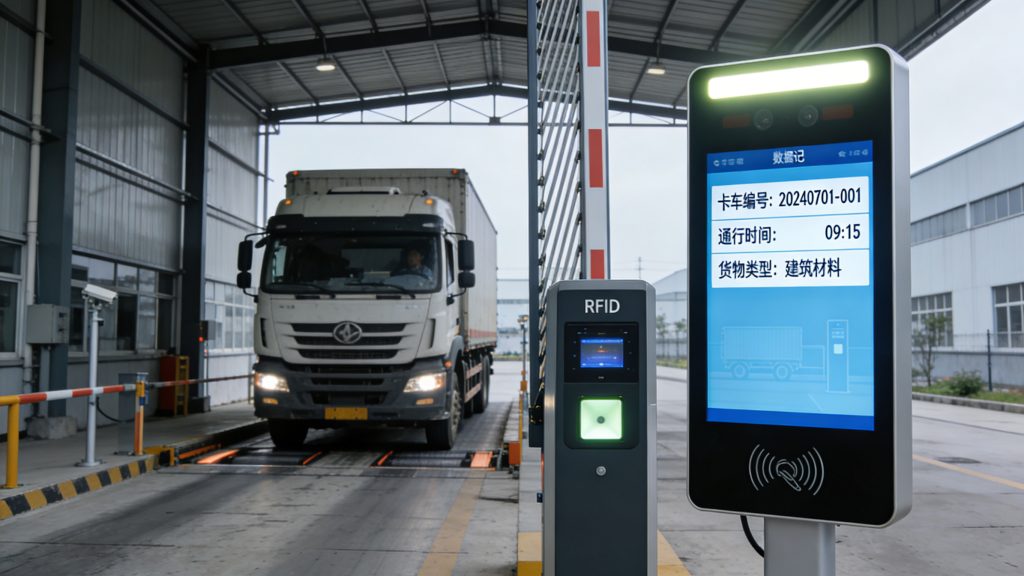
Industrial: Accountability, shift-based vehicle tracking, audit logs, and integration with high-security systems
The same core technology, but vastly different applications. It’s not one-size-fits-all — which is why proper design and RFID gate reader selection matter.
For example, a long-range RFID gate reader designed for industrial traffic won’t always make sense for a quiet residential lane, and vice versa.
Trend 4: Automation Should Be Invisible
Here’s something I always tell clients: the best system is the one nobody notices.
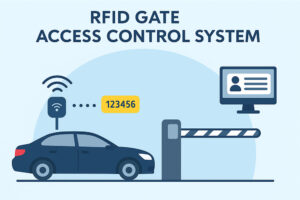
Cars approach, credentials are read, gate opens
Rules are enforced automatically
Logs are recorded quietly
If residents or employees constantly talk about the gate system, something is wrong. True automation should feel invisible — reliable, predictable, and seamless.
The Strategic Takeaway
RFID gate access control systems aren’t just technology upgrades. They’re strategic infrastructure.
They change staff roles
They provide actionable data
They improve safety and efficiency
They scale with your property or facility
The question isn’t “will RFID replace humans?” It’s “how will you design your system so that humans and machines complement each other?”
That’s the future of smart access control — a blend of automation, data intelligence, and thoughtful human oversight.
Embedded Internal Links / Product Mentions
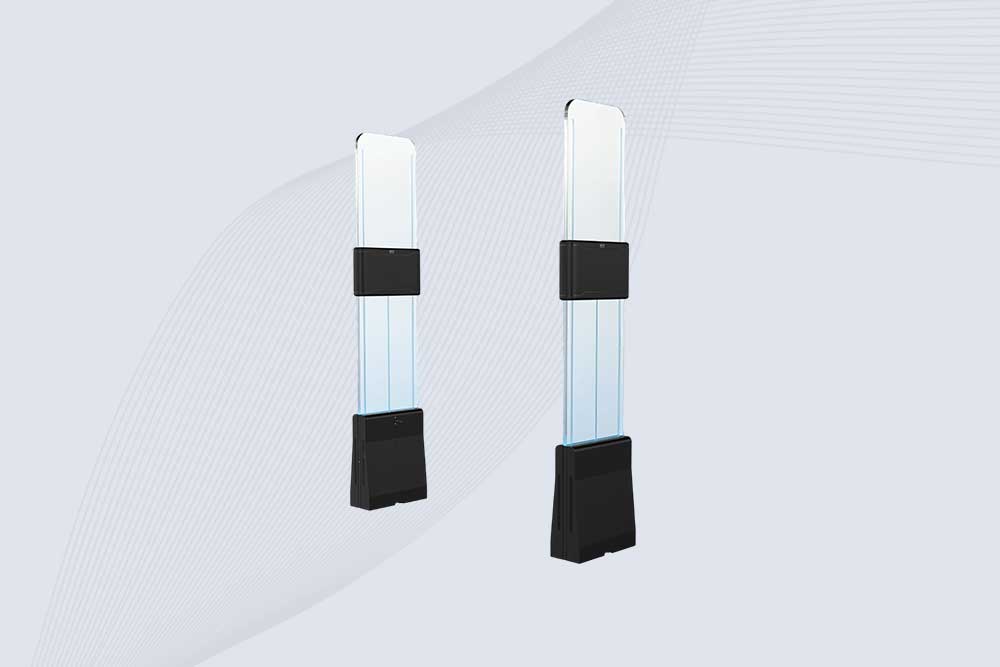
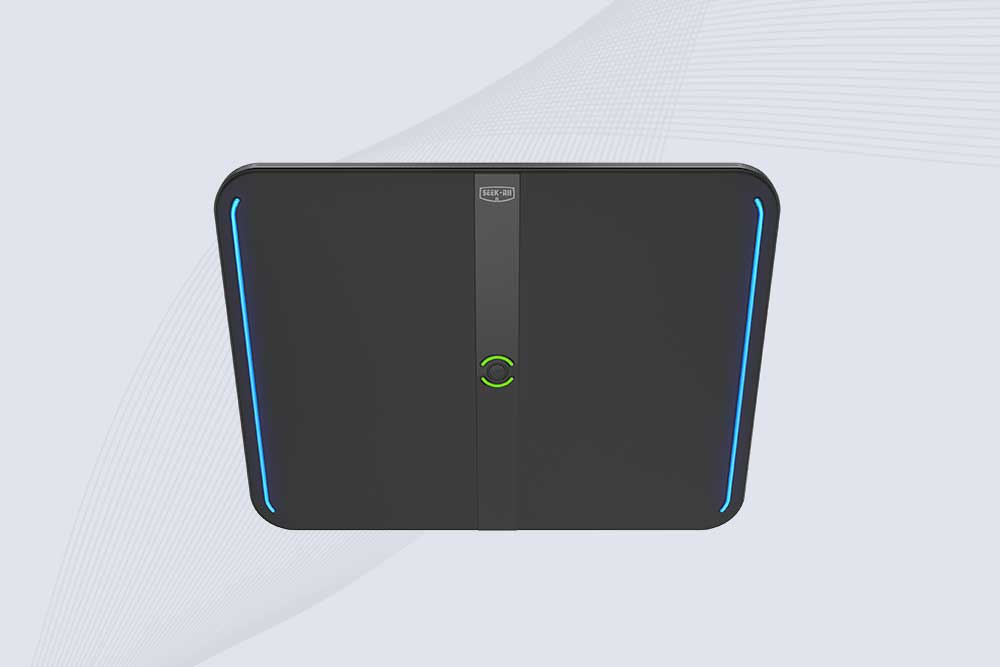
For reliable hardware selection, industrial-grade RFID gate readers are critical.
SSD-T4A-P Smart access control with real-time crowd tracking ✔️ AI Tag Filtering for Reduced Misreads SSD-T4A-P supports AI-based tag filtering and up to 6 EPC filtering sets, helping reduce unwanted reads and improve identification accuracy in busy entrances, exits, and retail environments. ✔️ Fast In & Out Detection with Visual & Audio…
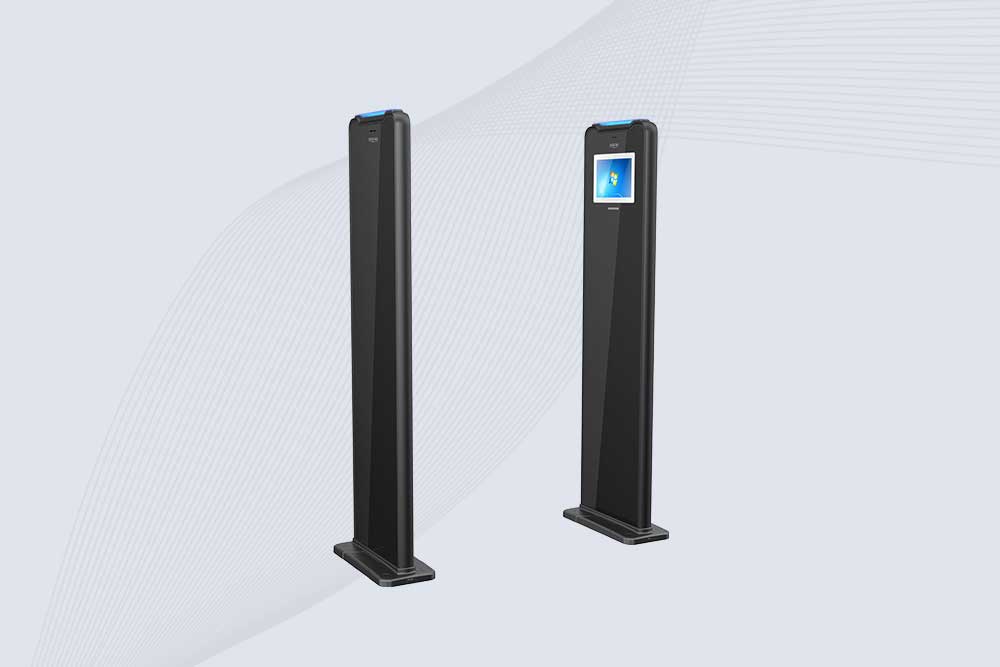
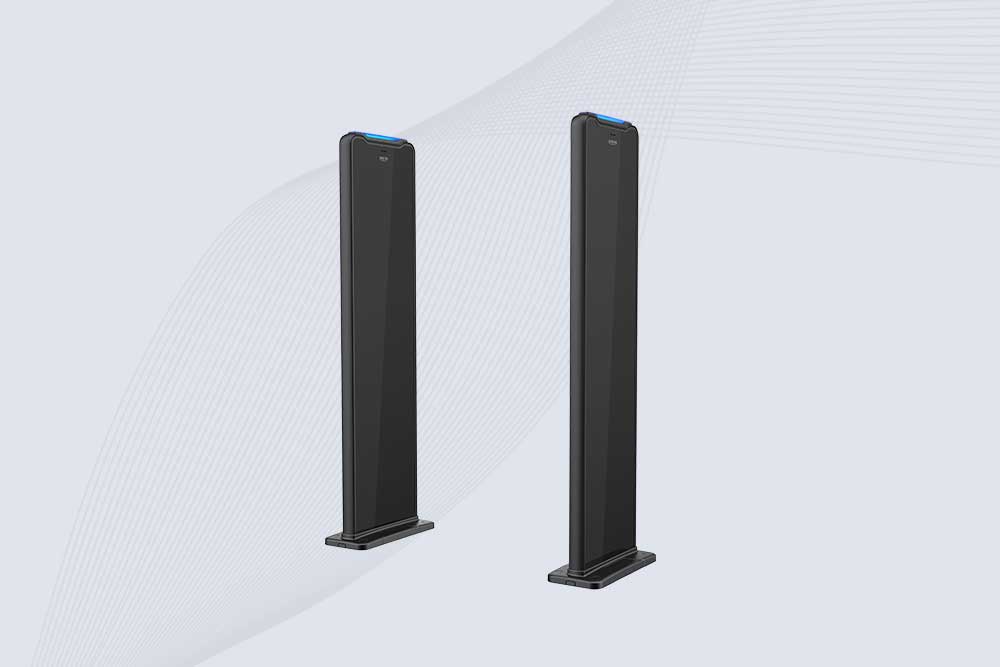
SSD-T4A UHF RFID Gate Reader with 11 dBi antenna, up to 10 m reading distance, AI tag filtering, in/out detection, 300,000 data storage, and TCP/HTTP/MQTT support.
SSD-T2D UHF RFID Gate Reader with 11dBi circular antenna, Impinj E710/X3M1 chipset, up to 10m reading distance, AI tag filtering, in/out detection, and audio-visual alarms.
SSD-T1 ✔️ AI-Powered Tag Filtering SSD-T1 supports AI-based tag filtering with up to 6 EPC filtering sets, helping reduce unwanted tag reads and improve identification accuracy in busy retail and access-control environments. ✔️ Reliable In & Out Detection With a 7dBi antenna and a reading range of up to 2.5 meters, SSD-T1 can detect tagged i…
Discover how RFID gate access control systems enhance security and streamline vehicle or personnel entry. Learn practical setup tips, real-world cases, and integration ideas.
Learn how does rfid antenna work, including RF transmission, polarization, antenna gain, read zones, tag orientation, frequency, and real-world UHF RFID deployment.
RFID tags are everywhere—from the clothes you try on to the packages moving through ports. Explore how RFID tags work, their hidden power in logistics, healthcare, retail, and beyond, with real-world reflections and human insight.
Choosing the right long range RFID scanner is not only about reading distance. Learn how frequency, antenna design, environment, integration, and application requirements affect RFID system performance.
 Cykeo RFID IoT Solution Products R&D Manufacturer