 Cykeo RFID IoT Solution Products R&D Manufacturer
how to read a rfid tag
166A RFID tag is read by a compatible RFID reader that sends radio signals, receives tag data, and transfers information to software for processing and tracking.
MoreAll RFID Product
If you’ve deployed a UHF RFID system in a warehouse, you’ve probably seen it.
One pallet reads perfectly.
The next pallet—same tags, same reader—suddenly disappears.
The reader is working.
The tags are fine.
But the system still misses reads.
Nine times out of ten, the real problem isn’t the reader or the tags.
It’s the RF environment around the RFID UHF antenna.
After walking through quite a few warehouse deployments, I’ve noticed that “dead zones” almost always come from a few predictable issues. And most of them can be fixed before the system even goes live.

Warehouses are full of metal.
Metal racks.
Metal cages.
Metal containers.
From an RF perspective, that environment behaves like a mirror maze.
UHF signals bounce off metal surfaces and create multipath reflections. That means the same signal arrives at a tag from several directions with slightly different timing.
Sometimes those signals reinforce each other.
Sometimes they cancel each other out.
When cancellation happens, you get what installers call a dead spot — a place where tags suddenly become unreadable.
The solution isn’t always “more antennas.”
Sometimes it’s simply changing the antenna angle or height by 10–20 centimeters.
That small adjustment can completely change how RF waves reflect across the rack structure.
Another common issue is polarization mismatch.
Many warehouse deployments use linear polarized antennas because they provide longer read distance.
But pallet tags are rarely aligned neatly.
Some tags face sideways.
Some tilt slightly.
Some get applied at odd angles during packaging.
When tag orientation doesn’t match antenna polarization, signal strength drops dramatically.
That’s why many integrators switch to circular polarized UHF RFID antennas in logistics environments. They sacrifice a little read range, but dramatically improve reliability.
If you’re designing a warehouse system, this is one of the first choices to think about.
You can see typical antenna options here:RFID antenna models designed for different deployment environments
A common assumption is that mounting antennas higher gives better coverage.
In practice, the opposite often happens.
When antennas are installed too high above aisles or dock doors, the signal spreads out too widely. The RF energy becomes weaker where tags actually pass through.
This leads to inconsistent reads, especially when pallets move quickly.
A better strategy is to mount antennas closer to the read path and focus coverage where tags are expected.
Think of it less like lighting a room, and more like creating a controlled RF tunnel.
This surprises a lot of new installers.
More power does not always mean better reading.
High transmit power increases reflections and interference inside dense warehouse environments.
That can actually make dead zones worse.
Experienced integrators often start testing at lower reader power levels and gradually increase until performance stabilizes.
Sometimes the best configuration runs at half the maximum output.
Adding antennas seems like the obvious fix when read rates drop.
But overlapping RF fields can interfere with each other.
When multiple antennas illuminate the same tags at the same time, readers may struggle to resolve tag responses.
This is especially common at:
• Conveyor intersections
• Dock doors
• Cross-aisle portals
Instead of adding antennas randomly, it’s better to design structured read zones where each antenna has a clearly defined coverage area.
Sometimes the antenna layout is perfectly fine.
The problem is simply tag placement.
For example:
Tags placed directly against metal surfaces often become unreadable.
Tags wrapped around curved plastic containers may distort antenna performance.
In one warehouse project, moving the tag just 3 cm away from a metal edge improved read reliability from 70% to nearly 99%.
Small details like this make a big difference.
When a warehouse RFID system struggles with read accuracy, people often blame the technology.
But in reality, UHF RFID is extremely reliable when the RF environment is designed properly.
Most dead zones come down to three things:
• Antenna placement
• Polarization choice
• Environmental reflections
Once those factors are addressed, read performance improves dramatically.
And that’s why choosing the right RFID UHF antenna type and deployment layout matters just as much as selecting the reader itself.

If you’ve deployed a UHF RFID system in a warehouse, you’ve probably seen it.
One pallet reads perfectly.
The next pallet—same tags, same reader—suddenly disappears.
The reader is working.
The tags are fine.
But the system still misses reads.
Nine times out of ten, the real problem isn’t the reader or the tags.
It’s the RF environment around the RFID UHF antenna.
After walking through quite a few warehouse deployments, I’ve noticed that “dead zones” almost always come from a few predictable issues. And most of them can be fixed before the system even goes live.
Warehouses are full of metal.
Metal racks.
Metal cages.
Metal containers.
From an RF perspective, that environment behaves like a mirror maze.
UHF signals bounce off metal surfaces and create multipath reflections. That means the same signal arrives at a tag from several directions with slightly different timing.
Sometimes those signals reinforce each other.
Sometimes they cancel each other out.
When cancellation happens, you get what installers call a dead spot — a place where tags suddenly become unreadable.
The solution isn’t always “more antennas.”
Sometimes it’s simply changing the antenna angle or height by 10–20 centimeters.
That small adjustment can completely change how RF waves reflect across the rack structure.
Another common issue is polarization mismatch.
Many warehouse deployments use linear polarized antennas because they provide longer read distance.
But pallet tags are rarely aligned neatly.
Some tags face sideways.
Some tilt slightly.
Some get applied at odd angles during packaging.
When tag orientation doesn’t match antenna polarization, signal strength drops dramatically.
That’s why many integrators switch to circular polarized UHF RFID antennas in logistics environments. They sacrifice a little read range, but dramatically improve reliability.
If you’re designing a warehouse system, this is one of the first choices to think about.
You can see typical antenna options here:RFID antenna models designed for different deployment environments
A common assumption is that mounting antennas higher gives better coverage.
In practice, the opposite often happens.
When antennas are installed too high above aisles or dock doors, the signal spreads out too widely. The RF energy becomes weaker where tags actually pass through.
This leads to inconsistent reads, especially when pallets move quickly.
A better strategy is to mount antennas closer to the read path and focus coverage where tags are expected.
Think of it less like lighting a room, and more like creating a controlled RF tunnel.
This surprises a lot of new installers.
More power does not always mean better reading.
High transmit power increases reflections and interference inside dense warehouse environments.
That can actually make dead zones worse.
Experienced integrators often start testing at lower reader power levels and gradually increase until performance stabilizes.
Sometimes the best configuration runs at half the maximum output.
Adding antennas seems like the obvious fix when read rates drop.
But overlapping RF fields can interfere with each other.
When multiple antennas illuminate the same tags at the same time, readers may struggle to resolve tag responses.
This is especially common at:
• Conveyor intersections
• Dock doors
• Cross-aisle portals
Instead of adding antennas randomly, it’s better to design structured read zones where each antenna has a clearly defined coverage area.
Sometimes the antenna layout is perfectly fine.
The problem is simply tag placement.
For example:
Tags placed directly against metal surfaces often become unreadable.
Tags wrapped around curved plastic containers may distort antenna performance.
In one warehouse project, moving the tag just 3 cm away from a metal edge improved read reliability from 70% to nearly 99%.
Small details like this make a big difference.
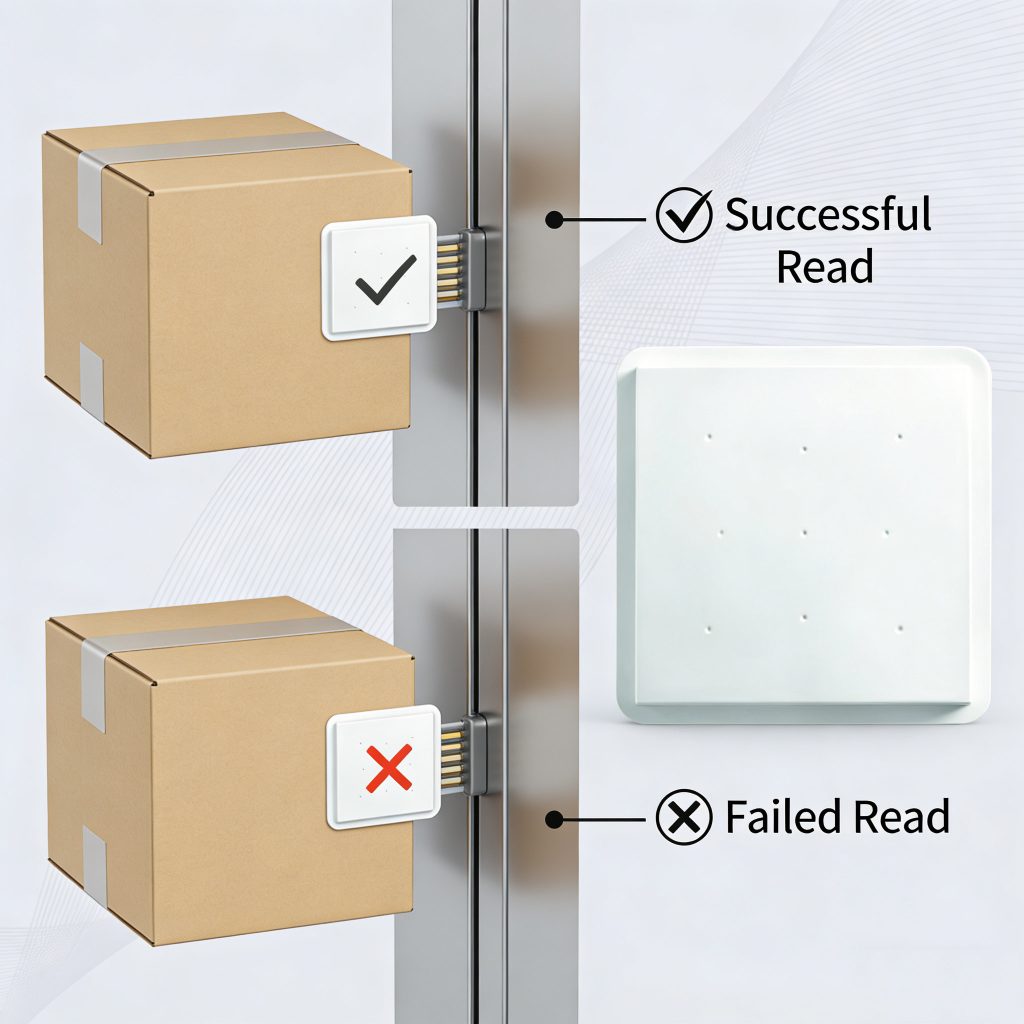
When a warehouse RFID system struggles with read accuracy, people often blame the technology.
But in reality, UHF RFID is extremely reliable when the RF environment is designed properly.
Most dead zones come down to three things:
• Antenna placement
• Polarization choice
• Environmental reflections
Once those factors are addressed, read performance improves dramatically.
And that’s why choosing the right RFID UHF antenna type and deployment layout matters just as much as selecting the reader itself.
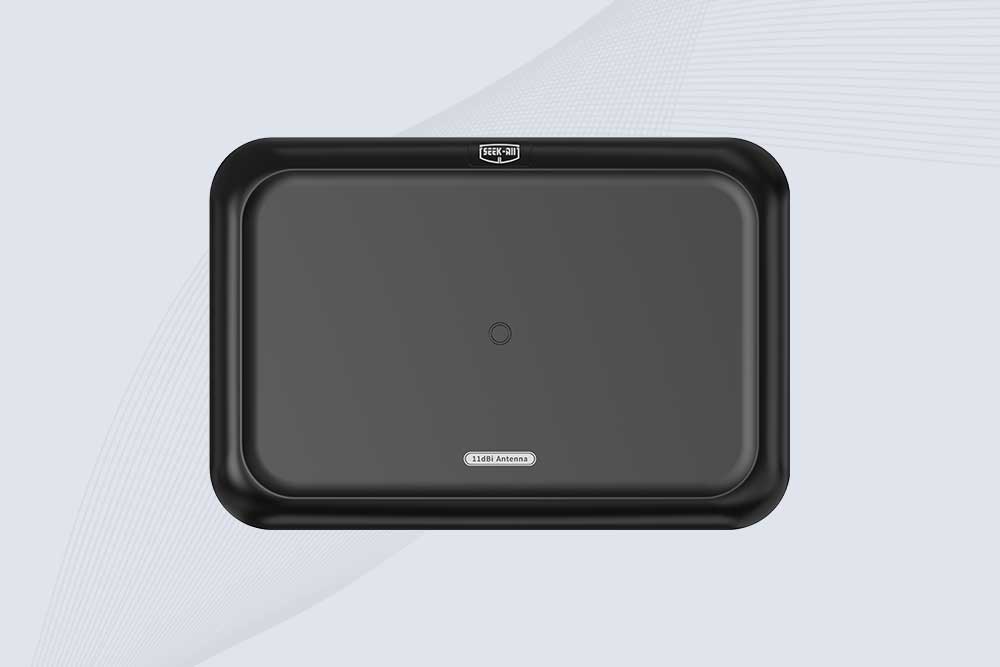
SSD-A11 UHF RFID antenna features 840–960 MHz adjustable frequency, ≥10.5 dBi gain, circular polarization and 50Ω impedance for fixed RFID systems.
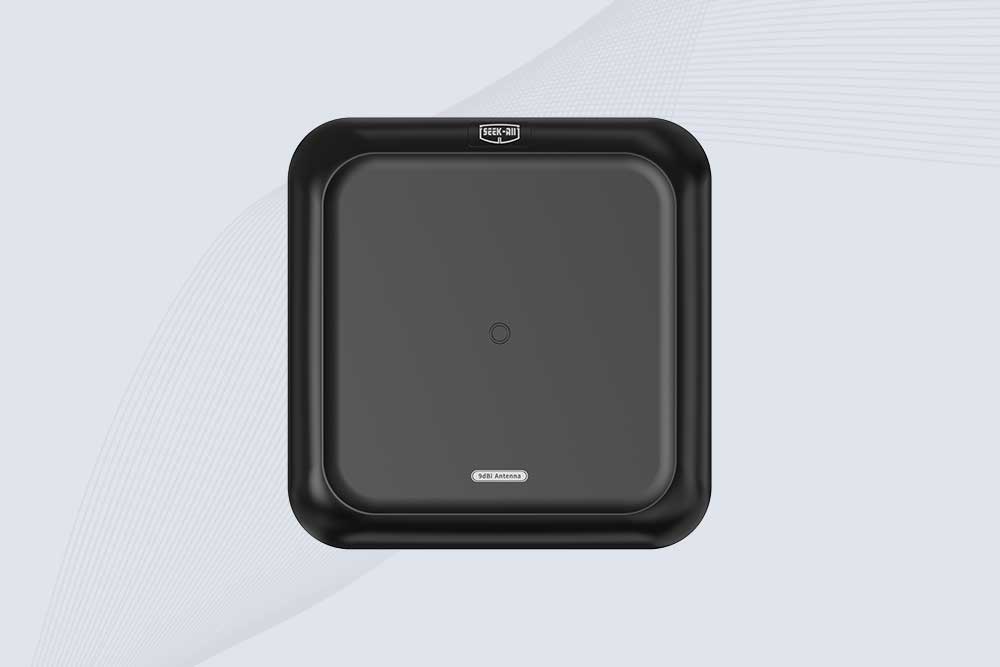
SSD-A09 is a 9 dBi UHF RFID antenna with 840–960 MHz adjustable frequency, circular polarization, 50Ω impedance and directional 60° × 60° coverage.
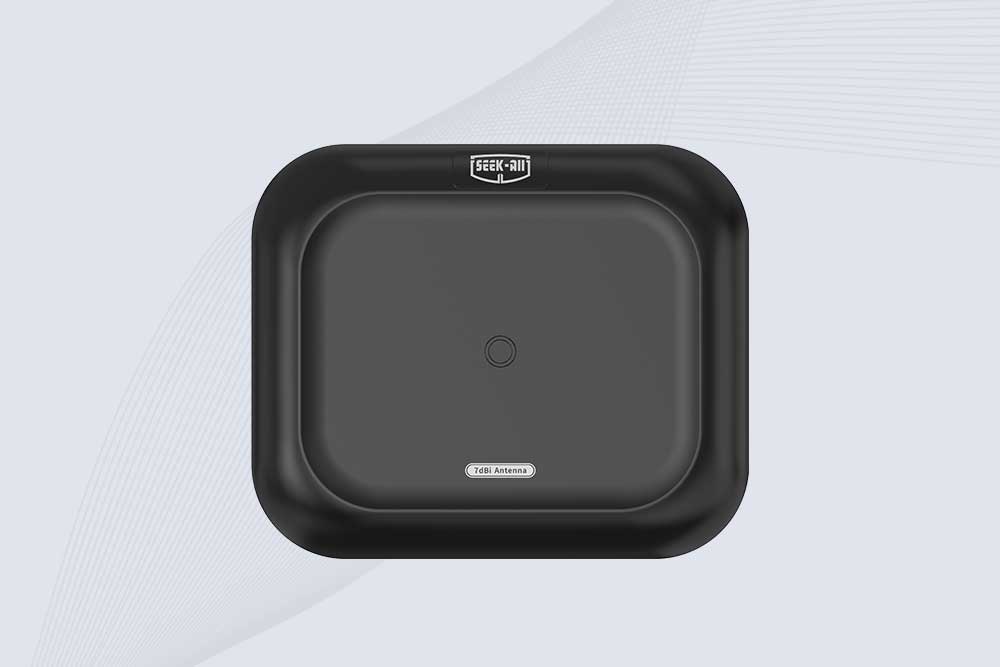
Explore the SSD-A07 UHF RFID antenna with 7 dBi gain, circular polarization, adjustable 840–960 MHz frequency, and 60°/75° beamwidth for stable RFID read/write performance.

SSD-A06 UHF RFID antenna with circular polarization, adjustable 840–960 MHz frequency, ≥4.5 dBi gain, and a compact directional design for RFID systems.
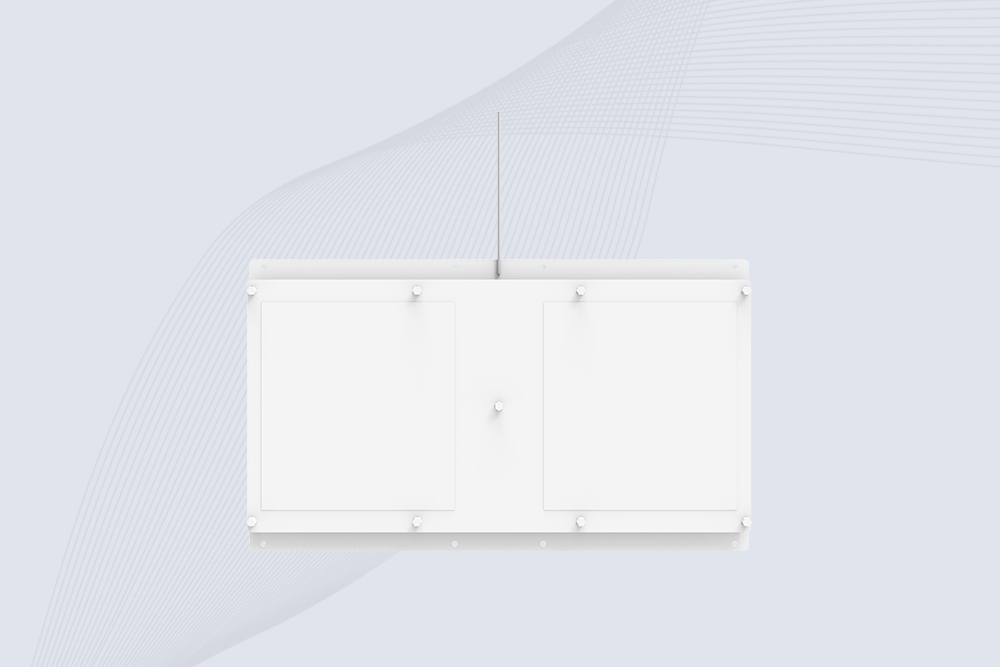
Cykeo CYKEO-A11 UHF RFID reader antenna delivers 11dBi gain, 840-960MHz frequency range, and IP65 ruggedness for retail, logistics, and industrial RFID systems. Features low VSWR and easy installation.

CYKEO Antenna RFID Reader delivers stable long-range UHF performance with a 10.5dBi directional design, built for warehouses, conveyor portals, and industrial RFID systems. This rfid reader antenna provides 20m+ read distance and rugged IP67 protection.

Cykeo CYKEO-PHF3 industrial HF RFID Antenna offers 24-point dynamic tracking, ISO 14443A/15693 protocols, metal-environment stability for archives/libraries/manufacturing.

Cykeo CYKEO-A5B industrial Linear RFID Antenna delivers 5dBi gain, ≤1.5:1 VSWR, and IP65 rugged design for warehouse, production line, and logistics UHF systems.

Cykeo’s CYKEO-B12 Long Range RFID Antenna delivers 15m+ read range with 12dBi gain, IP65 rugged design, and global 840-960MHz UHF support. Ideal for warehouse/logistics asset tracking.
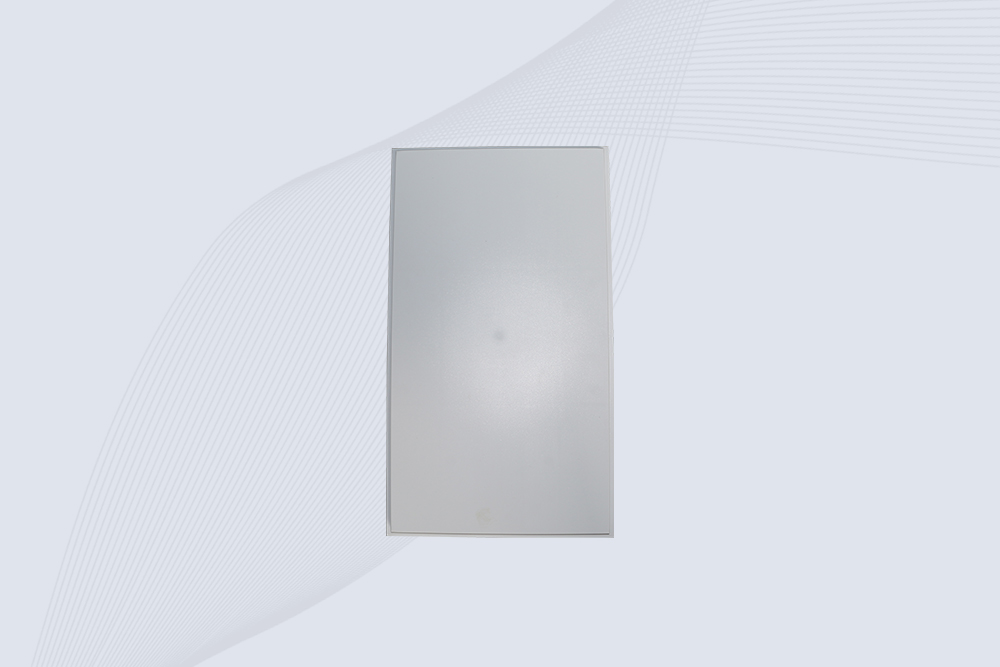
Cykeo CYKEO-B10 Long Distance RFID Antenna offers 10dBi gain, 840-960MHz frequency range, IP65 rating, and 20m+ coverage for logistics/warehousing/ETC systems. Low VSWR ensures stable signal transmission.
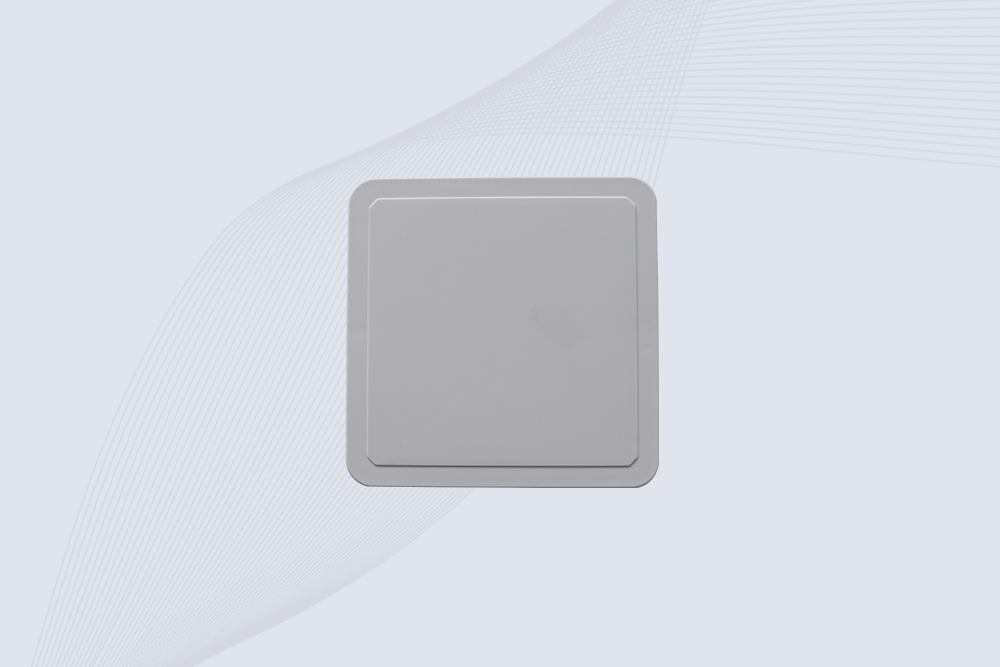
Cykeo CYKEO-A6 UHF RFID panel antenna features 6dBi gain, 840-960MHz broadband, IP65 metal-ready housing for logistics/smart retail. 18mm ultra-thin design with tool-free mounting.

Cykeo CK-A3 industrial antenna RFID UHF offers 5m+ tag detection, ≤1.3:1 VSWR, IP65 rugged design, and global UHF spectrum compatibility (840-960MHz) for warehouses, factories, and retail.
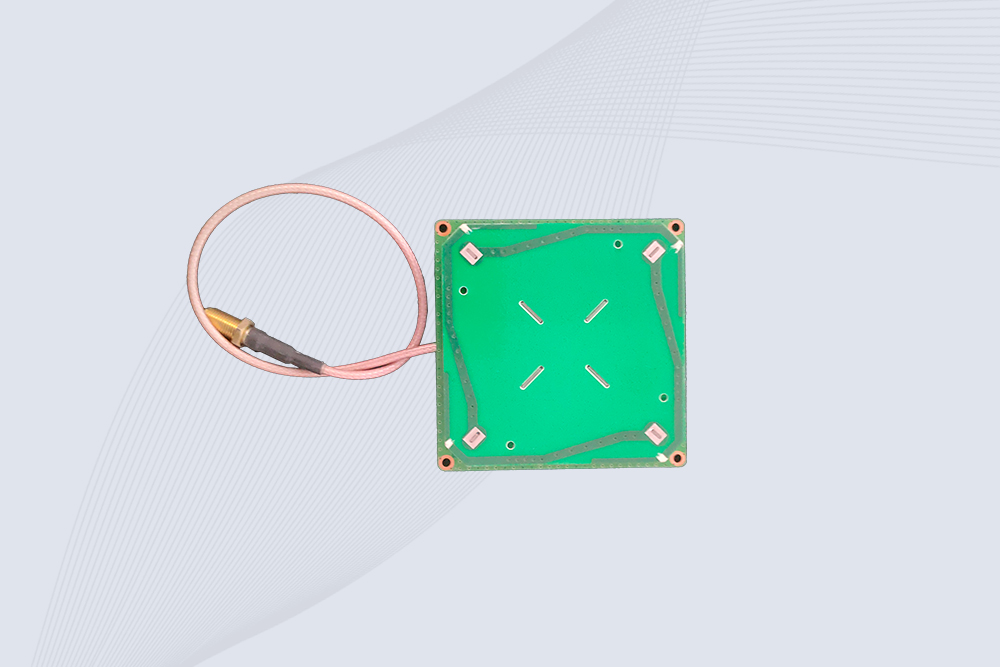
Cykeo CYKEO-B5 directional RFID antenna provides 5dBi gain with 60° narrow beamwidth for precise inventory tracking. IP65-rated, global UHF frequency support, and low VSWR.
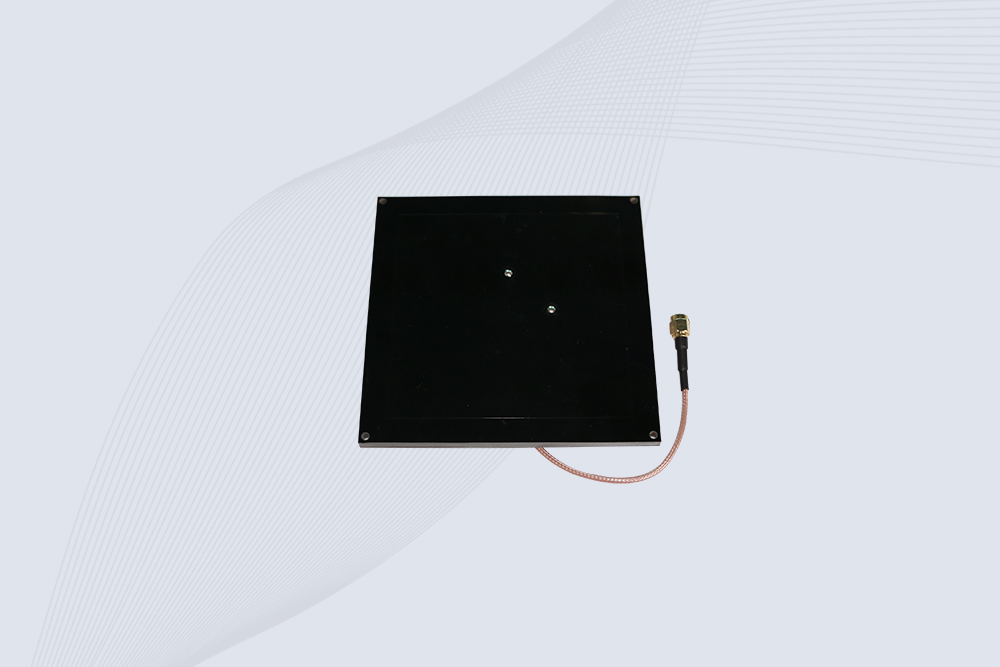
Create your own high-performance DIY RFID antenna! 5dBi gain, 840-960MHz tunable, step-by-step guides. Compatible with Arduino, Raspberry Pi, and commercial UHF readers.
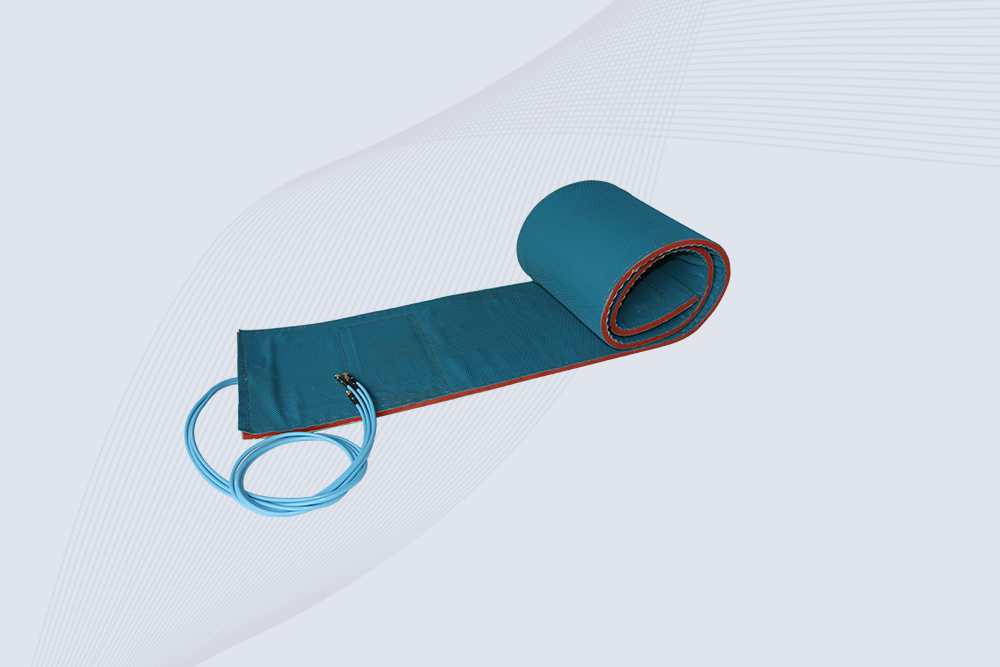
Cykeo CYKEO-A7 Flexible RFID Antenna features 840-960MHz wideband tuning, 7dBi gain, and IP68 rating for medical/retail/industrial curved surface deployments. 98% read accuracy with peel-and-stick installation.

Cykeo CYKEO-B5A industrial Passive RFID Antenna delivers 5dBi gain, 70° beamwidth, and -40°C~55°C operation for warehouses/smart cabinets. Compatible with Zebra/Impinj readers.
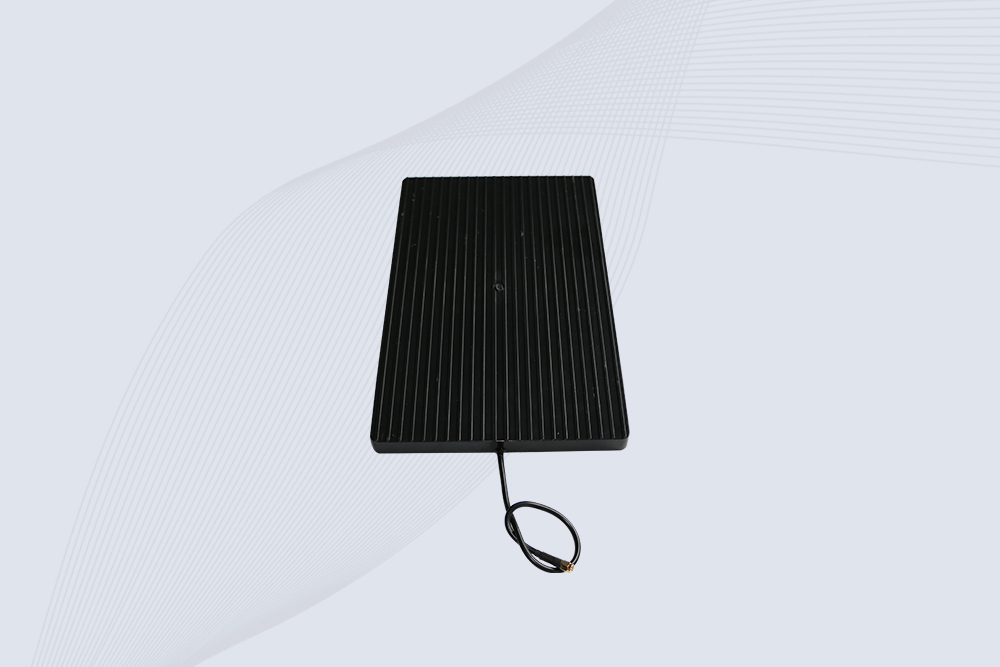
Cykeo’s CYKEO-A9B High Gain RFID Antenna delivers 15m+ read range with 9dBi amplification. Features IP54 rugged design, 840-960MHz bandwidth, and 80° beamwidth for warehouse/manufacturing RFID systems.

Cykeo’s enterprise-grade 8dbi Impinj RFID Antenna 10m+ read range with 840-960MHz tuning. Features IP65 housing, 1.4 VSWR, 35° beamwidth for retail/warehouse RFID systems.
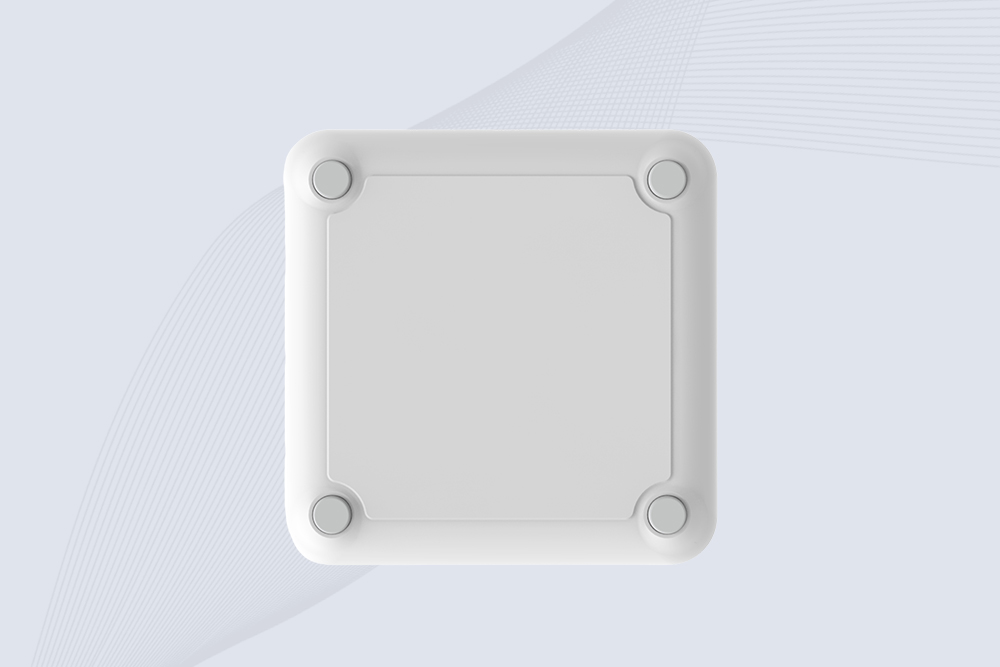
Cykeo CYKEO-A9 industrial UHF RFID antenna delivers 9dBi gain, 840-960MHz frequency range, and IP65 protection for warehouse/logistics/retail RFID systems. Features N-type connector and ≤1.3:1 VSWR.

CYKEO UHF RFID Antenna built for long-distance and industrial applications. This antenna rfid uhf delivers strong gain, outdoor durability, and reliable tag performance in warehouses, yards, and vehicle ID systems.
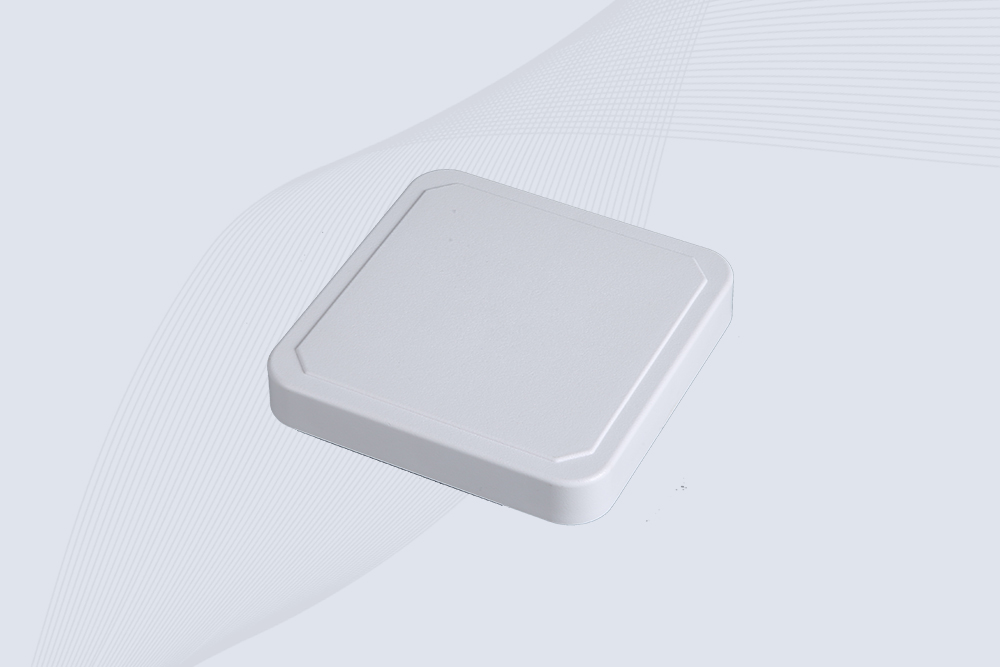
CYKEO Antenna RFID delivers reliable long-range UHF performance in warehouses, retail shelves, and cold-chain environments. This compact uhf rfid antenna provides stable reads with circular polarization and ultra-wide 840–960 MHz support, ideal for industrial tracking, smart shelves, and asset monitoring.
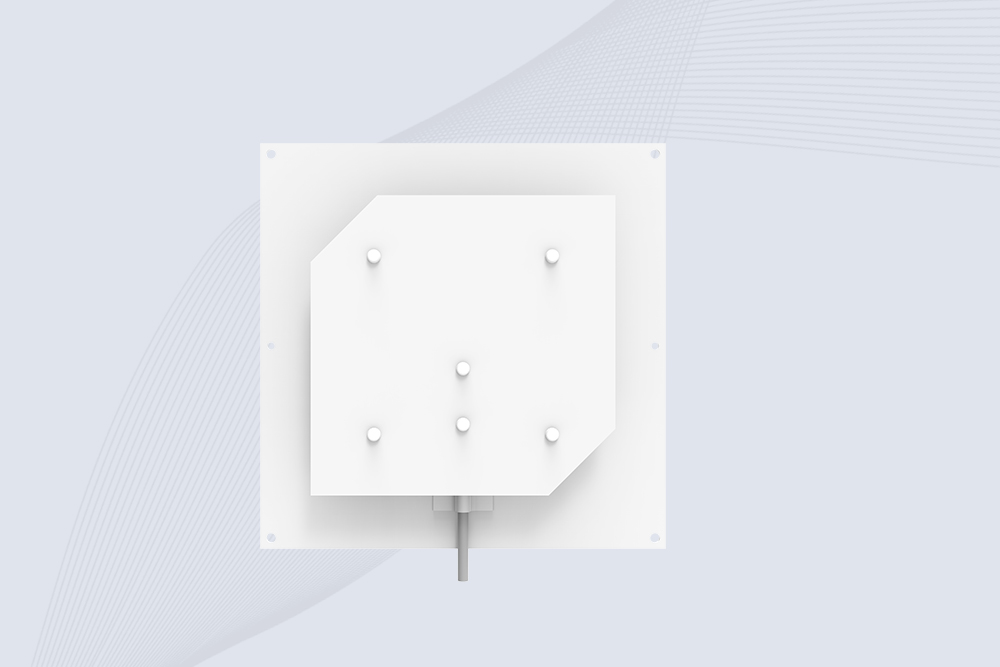
Cykeo’s CYKEO-C8 UHF RFID antennas delivers 8dBi gain, 840-960MHz full-band coverage, and IP65 ruggedness for manufacturing/warehouse RFID systems. Industrial RFID Antennas Features
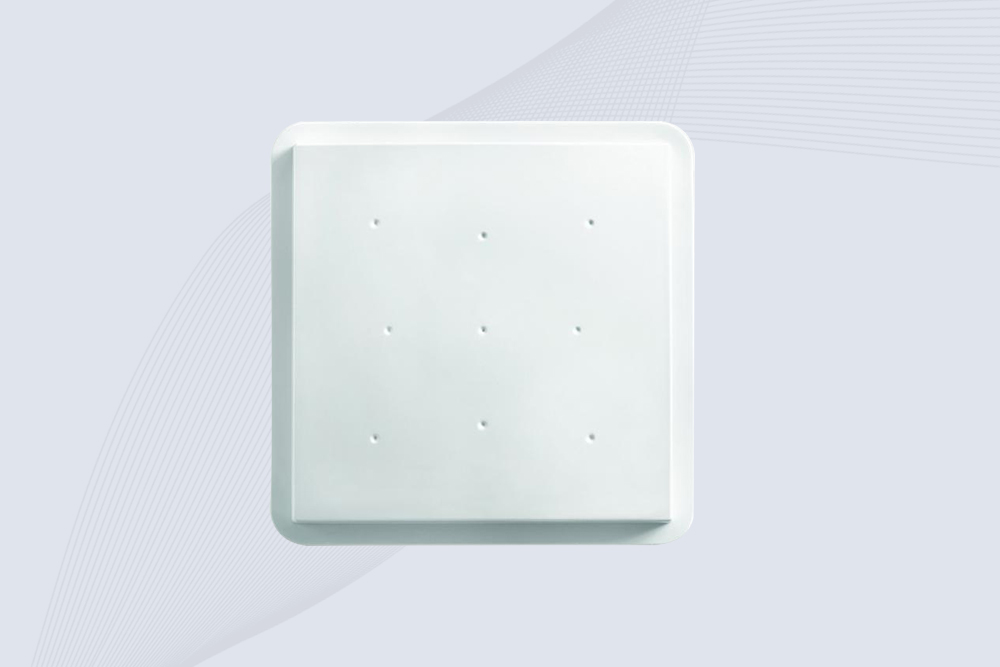
Cykeo’s 8dBi UHF RFID antenna and reader kit delivers 10m+ range, 840-960MHz broadband, and IP65 ruggedness for factories, warehouses, and logistics. ISO 18000-6C & EPC Gen2 certified.
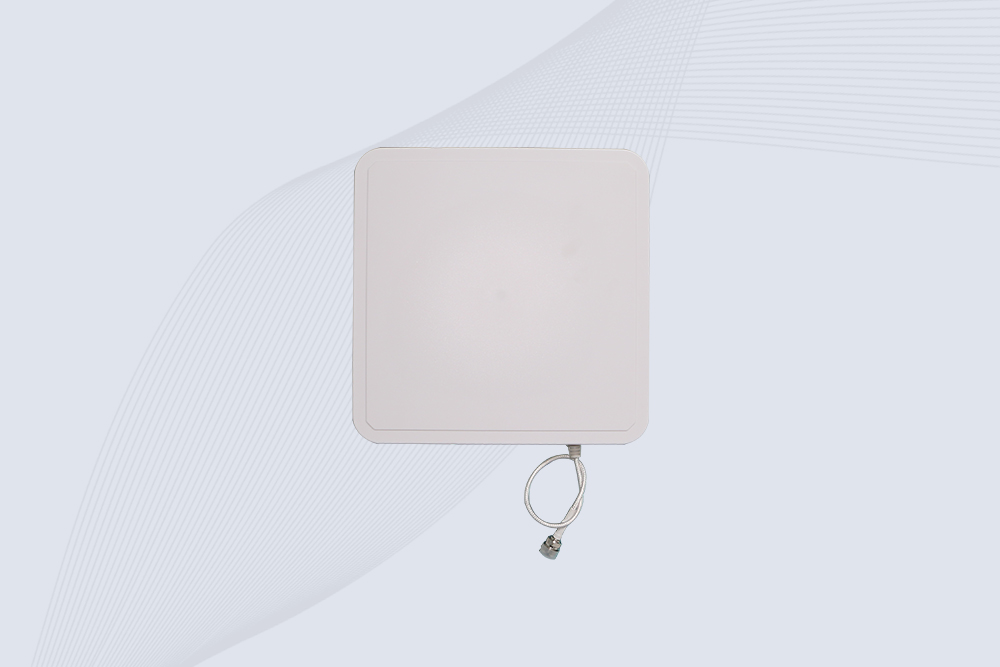
Cykeo CYKEO-A9A industrial UHF RFID reader and antenna kit delivers 10m range, 500 tags/sec, IP65 ruggedness for manufacturing/logistics. Supports EPC Gen2, ISO18000-6C.
Cykeo’s CYKEO-A12C UHF Large RFID Antenna delivers 12dBi gain, 840-960MHz global frequency, IP65 ruggedness for logistics/warehousing/automotive. 40° beamwidth ensures stable 15m+ tag reads.

CYKEO Near Field RFID Antenna provides precise 5–30 cm reading for shelves, cabinets, and workstations. This compact rfid shelf antenna delivers stable short-range performance around metal and clutter, ideal for pharmacies, libraries, and electronics sorting.

A RFID tag is read by a compatible RFID reader that sends radio signals, receives tag data, and transfers information to software for processing and tracking.
More
Protect your fixed RFID readers from cyber threats with Cykeo’s expert strategies. Learn encryption, network hardening, and compliance practices to safeguard sensitive data.
More
rfid chip types determine reading range, memory, and tracking performance. Explore UHF RFID chip categories for industrial inventory and asset management.
More
Discover top long-range RFID readers compliant with EPCglobal Gen2 standards. Ensure seamless global interoperability and accuracy with Cykeo’s certified solutions.
More