 Cykeo RFID IoT Solution Products R&D Manufacturer
What Is Rfid Tool Tracking Systems,How It Is Work?
140Tool tracking systems powered by RFID technology help organizations automate tool management, improve accountability, reduce losses, and complete inventory checks in seconds.
MoreAll RFID Product
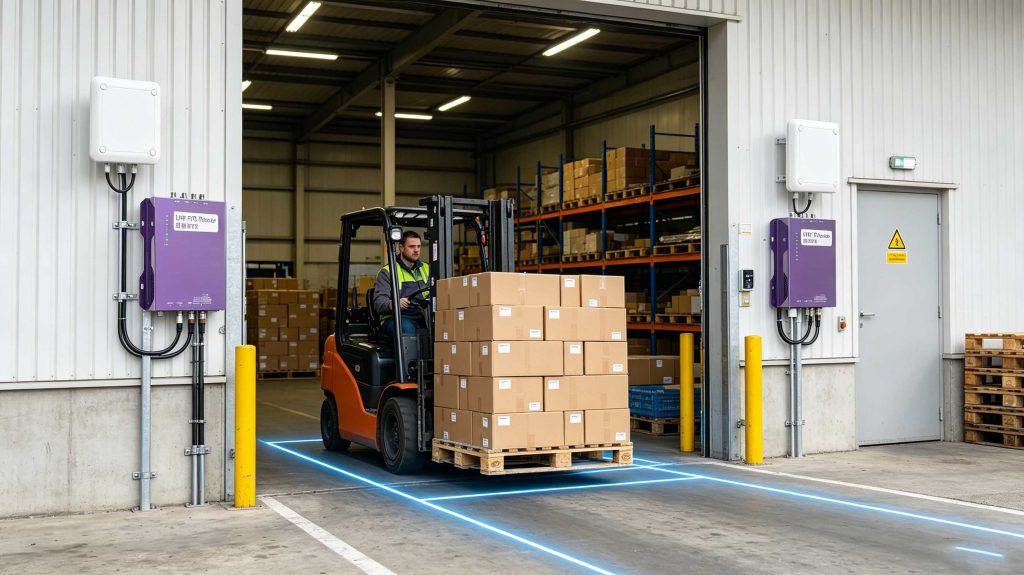
RFID uses electronic tags, UHF readers, antennas, and warehouse software to identify goods automatically as they move through receiving, storage, picking, and shipping. Multiple tagged items can be read without direct line-of-sight scanning, creating faster and more consistent inventory events.
At a busy receiving dock, the difference is practical.
A forklift brings in a pallet containing dozens of cartons. With barcode scanning, an operator normally has to locate labels and scan them individually. With an appropriately designed UHF RFID zone, the pallet can pass through an antenna field while multiple tags respond to the reader.
The warehouse system then turns those tag reads into something useful: received, moved, picked, verified, or shipped.
That is the real answer to how does rfid work in warehouse environments.
I have seen RFID installations where the reader specification was not the limiting factor. The problem was much more ordinary—a metal pallet cage, inconsistent tag placement, or an antenna aimed slightly too far into the neighboring staging area. Changing the RF layout solved what increasing reader power could not.
For that reason, warehouse RFID should be designed around the movement of goods rather than around the reader alone.
A warehouse RFID deployment normally combines four essential components:
| Component | Primary Function |
|---|---|
| RFID Tag | Provides a unique electronic identity for an item, carton, pallet, or asset |
| RFID Reader | Communicates with tags and captures their identification data |
| RFID Antenna | Creates and controls the physical reading zone |
| Warehouse Software | Converts tag detections into inventory and logistics events |
The tag travels with the goods.
The reader stays at the checkpoint.
The antenna determines where identification takes place.
The software determines what that identification means.
That final layer is easy to underestimate. A reader may detect the same pallet dozens of times while it waits beside a dock. The warehouse does not need dozens of receiving transactions. It needs one reliable receiving event.
GS1 describes RFID as an automatic data-capture technology that can connect physical products and logistics units with business information across supply-chain processes.
Receiving is often the first place where RFID produces a noticeable operational difference.
Consider a shipment arriving at a distribution center.
The expected shipment contains:
Each tagged object has an electronic identity.
When the shipment crosses the RFID reading zone:
The important point is that RFID does not simply “scan faster.”
It changes when identification happens.
Instead of making identification a separate manual task, the warehouse can capture it while the pallet is already moving.
GS1 identifies RFID’s ability to capture data without direct line-of-sight interaction as one of its important differences from conventional barcode processes.
Once a pallet has been received, RFID can continue recording its movement.
A simplified flow might look like:
Receiving → Staging → Put-away → Storage → Picking → Packing → Shipping
The same RFID identity can remain associated with the physical pallet or its contents.
That creates a useful distinction between:
“Inventory exists.”
and
“This specific inventory unit was physically detected at this location.”
For warehouse managers, the second statement is considerably more useful when investigating discrepancies.
RFID can support tracking of:
The technology is particularly valuable when the same object passes through multiple operational checkpoints.
UHF RFID is widely used for logistics and inventory applications because it supports relatively long-range identification and multi-tag reading.
A barcode generally requires an operator or scanner to visually interact with a printed symbol.
RFID can identify suitable tags without that direct visual alignment.
That does not mean every tag will always be detected.
The warehouse environment matters.
Metal, liquids, dense packaging, tag orientation, antenna polarization, RF reflections, reader power, and neighboring RFID systems can all influence performance.
This is why an RFID pilot should use the actual product and actual pallet configuration.
Testing an empty cardboard box is easy.
Testing the loaded pallet is what reveals the truth.
Cycle counting is another strong application.
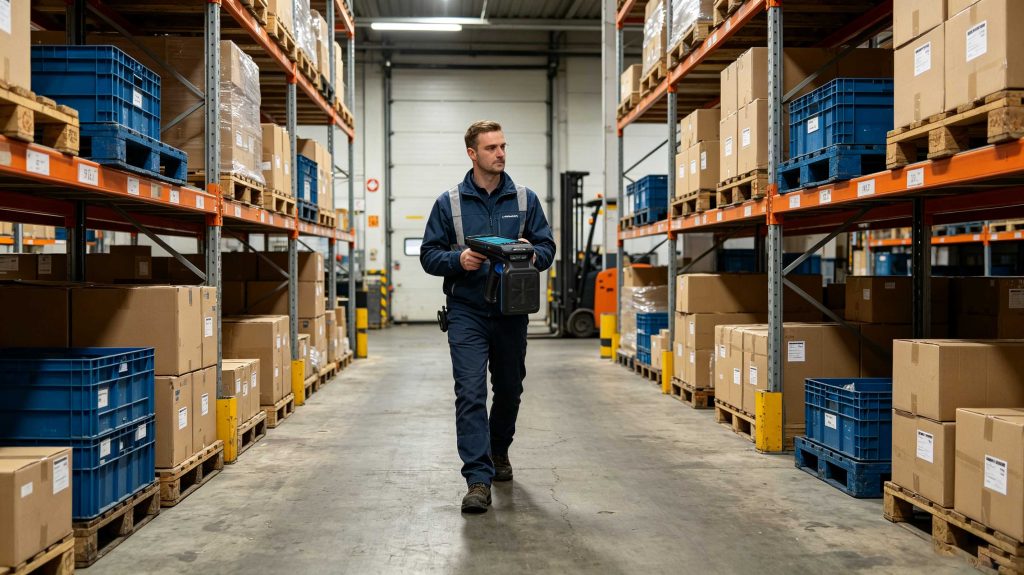
A worker walking through a warehouse aisle with an RFID handheld reader can identify multiple tagged assets without stopping at every location to scan an individual barcode.
GS1 documentation cites research in which RFID inventory counting reached more than 20,000 items per hour, compared with an average of approximately 250 items per hour using barcode methods in the referenced study.
That is a significant difference, but it should not be treated as a universal warehouse benchmark.
Actual performance depends on:
The useful lesson is not the headline number.
It is that RFID can change cycle counting from item-by-item scanning into area-based identification.
RFID becomes considerably more useful when readers are connected to the warehouse management system.
A raw tag read might contain only an identifier.
The WMS can add:
This transforms RFID from an identification technology into an operational information source.
For example, a tag detected at Dock 03 at 10:14 is not particularly meaningful by itself.
A WMS event saying:
“Pallet EPC 3008… received against ASN 72841 at Dock 03 at 10:14”
is actionable.
GS1’s supply-chain standards emphasize the importance of linking identification data with business processes and events rather than treating identification as an isolated activity.
RFID can provide another verification point before goods leave the warehouse.
At a packing station, the reader may identify the tagged products associated with an order.
At the shipping dock, a fixed reader can detect the pallet as it moves toward the truck.
The system can compare:
Expected shipment ↔ Detected RFID tags
If a pallet is missing, the operator can investigate before the truck leaves.
If an unexpected tagged pallet appears, the system can flag it.
This is where RFID contributes to operational accuracy rather than simply replacing a handheld scanner.
| Warehouse Requirement | RFID | Barcode |
|---|---|---|
| Multiple-item identification | Strong | Usually sequential |
| Direct line of sight | Usually unnecessary | Generally required |
| Automated dock reading | Strong fit | More operator-dependent |
| Pallet tracking | Strong fit | Possible |
| Hands-free identification | Strong fit | Limited |
| Item-level identification | Yes | Yes |
| Low-cost simple scanning | Less economical | Strong |
| RF engineering required | Yes | Minimal |
RFID is not automatically the right choice for every warehouse.
For a small operation with a few daily transactions, barcode scanning may remain perfectly practical.
For high-volume warehouses where workers repeatedly stop, locate, scan, and confirm goods, RFID becomes much more compelling.
Published industry evidence supports the potential of RFID, but the figures need to be read in context.
GS1 reports documented RFID applications where inventory accuracy improved from roughly 63% to 95%, while cited inventory counting rates increased from about 250 items per hour to 20,000 items per hour.
Another GS1 retail case study reported RFID-enabled inventory accuracy of 99%, alongside an 11% sales increase and a 40% reduction in lost sales associated with improved product availability.
These are documented case results—not guaranteed outcomes for every warehouse.
The field conditions matter too much for that.
A well-engineered RFID installation can perform exceptionally well. A poorly positioned antenna can turn an expensive reader into an expensive source of uncertainty.
That is why Cykeo approaches warehouse RFID as a combination of reader performance, antenna engineering, tag selection, installation, and software integration rather than as a single hardware purchase.
A practical warehouse RFID system is not built around one reader. It is built around controlled reading zones.
A typical Cykeo deployment can combine:
Cykeo’s fixed-reader range includes 4-port, 8-port, and 16-port configurations. The CYKEO-R16L, for example, provides 16 SMA antenna ports, supports EPC C1G2 and ISO 18000-6B/6C, and lists Ethernet, RS-232, USB, and other interfaces for system integration.
The advantage of multiple antenna ports is not simply “more antennas.”
It allows an integrator to divide a warehouse into practical RFID zones—receiving, staging, picking, packing, and shipping—while controlling each area more precisely.
At receiving, fixed readers can identify tagged pallets as they enter the warehouse.
The WMS can compare the detected EPCs against the expected shipment.
Once the pallet moves toward storage, another RFID checkpoint can associate the same identifier with a new operational event.
This creates a chain:
Inbound → Received → Put-Away → Stored
The physical movement does not have to wait for an employee to manually scan every label.
RFID can also be used closer to the picking area.
At a workstation, tagged items can be identified while an order is being assembled. At packing, the system can check whether the expected tagged products are present.
This is particularly useful where:
The final checkpoint can be the shipping door.
A fixed reader detects the pallet or cartons as they approach the truck. Software compares the detected RFID identities with the shipment record.
The reader is doing identification.
The WMS is doing verification.
That distinction matters.
The CYKEO-R16L is specified for high-density RFID environments, with published bulk-reading performance above 600 tags/second and a 16-antenna architecture.
Its published specifications also list:
| Parameter | CYKEO-R16L |
|---|---|
| Antenna Ports | 16 SMA |
| Frequency | 840–960 MHz |
| RF Output | Up to 33 dBm |
| Bulk Read Speed | >600 tags/s |
| EPC Reading Distance | 0–15 m |
| Writing Distance | 0–8 m |
| Protocols | EPC C1G2, ISO 18000-6B/6C, GB/T29768-2013 |
| Operating Temperature | -20°C to +60°C |
| Interfaces | Ethernet, RS-232, USB, HDMI |
These are published product specifications, not universal field-performance guarantees. Actual reading distance and tag throughput depend heavily on tag design, antenna placement, product material, reader settings, and the surrounding RF environment.
RF power should be tuned to the physical reading zone.
The CYKEO-R16L supports up to 33 dBm RF output with 1 dB adjustment steps.
That matters at a warehouse dock.
A reader operating at unnecessarily high power may detect tags outside the intended zone. Lowering power, changing antenna orientation, or introducing physical shielding can sometimes produce a cleaner result than simply increasing output.
Warehouse RFID hardware has to survive the warehouse rather than the laboratory.
The CYKEO-R16L is specified for operation from -20°C to +60°C, with an IP54 enclosure.
Cykeo also offers the CYKEO-R4L for applications requiring an IP65-rated fixed UHF reader.
For cold storage, loading bays, dusty production areas, and forklift-heavy environments, enclosure protection should be evaluated alongside RF performance.
A technically correct RFID installation can still perform poorly if the physical deployment is wrong.
The same tag may perform differently when attached to:
For metal-heavy inventory, specialized on-metal RFID tags may be necessary.
Antenna height and angle influence the reading zone.
At a dock door, the objective is usually not maximum distance.
It is controlled identification at the correct moment.
Two neighboring RFID portals can interfere with the logic of the application even when the RF hardware itself is operating normally.
The software must know which antenna or zone produced the read.
A pallet standing inside an antenna field for 30 seconds may generate many observations.
Those observations should normally become one business event.
This is where middleware and filtering matter.
Cykeo’s newer fixed-reader specifications include RSSI and tag-data filtering functions intended to help manage RFID data in dense environments
Forklift-mounted RFID is another useful warehouse pattern.
A forklift can become a mobile identification point.
For example:
Forklift ID → Pallet EPC → Time → Warehouse Zone
When that relationship is captured consistently, the warehouse can build a more useful movement history.
Possible applications include:
Cykeo lists industrial forklift RFID readers alongside its fixed-reader portfolio for warehouse and industrial applications.
The engineering challenge is controlling the read field.
If a forklift-mounted reader identifies inventory several racks away, the system may know that the pallet exists but not which pallet was actually being moved.
That is a much harder problem.
Conveyors provide one of the cleanest RFID environments because the movement path is predictable.
A reader and antenna arrangement can be installed around a defined tunnel or transfer point.
As cartons pass through:
Tag detected → EPC decoded → Duplicate reads filtered → Order matched → Event recorded
For high-speed operations, antenna placement and tag orientation deserve testing before the system goes live.
Cykeo’s fixed readers support multi-antenna deployment and high-speed multi-tag identification, making them suitable for conveyor, warehouse portal, and automated inventory applications.
| Warehouse Process | RFID Application | Main Benefit |
|---|---|---|
| Receiving | Automatic pallet identification | Faster inbound confirmation |
| Put-Away | Location event capture | Better inventory visibility |
| Storage | Zone identification | Movement traceability |
| Cycle Counting | Multi-tag reading | Less manual scanning |
| Picking | Item/order verification | Fewer selection errors |
| Packing | Order validation | Shipment control |
| Shipping | Pallet/carton verification | Outbound accuracy |
| Returns | Asset identification | Faster processing |
| Reusable Totes | Automatic tracking | Better asset utilization |
Cykeo positions its fixed RFID readers for warehouse logistics, inventory management, production lines, and other automated identification environments.
No. RFID and barcode technology can operate together. RFID is particularly useful for automatic, multi-item identification, while barcodes remain practical for simple and low-cost manual scanning.
Yes. UHF RFID systems are designed for anti-collision multi-tag identification. Cykeo’s CYKEO-R16L publishes bulk-reading performance above 600 tags/second under specified conditions.
Yes. Pallets can carry RFID tags, while cartons or individual products may also be tagged. The appropriate tag type depends on the material, packaging, and required reading distance.
Yes. RFID readers can transmit EPC, timestamp, antenna, and other data to middleware or enterprise software. Cykeo’s fixed readers provide API and communication interfaces intended for ERP/WMS integration.
There is no single universal distance. Reader output, antenna gain, tag construction, product material, installation geometry, and local regulations all affect the result. The CYKEO-R16L publishes a 0–15 m EPC reading range under specified conditions.
Yes. Metal can reflect or alter RF energy and can significantly affect ordinary RFID tags. On-metal tags and appropriate antenna positioning are often required for metal containers, racks, tools, and equipment.
It can be, but the business case should be evaluated. If transaction volume is low and barcode scanning is already efficient, RFID may offer limited additional value. Its strongest economic case usually appears where repeated manual identification creates measurable labor or accuracy problems.
The technical specifications in this article are based primarily on Cykeo’s published product documentation, including the CYKEO-R16L fixed UHF RFID reader specifications.
For broader RFID standards and supply-chain identification principles, GS1 remains an important reference for EPC/RFID implementation and supply-chain interoperability.
The performance figures quoted for Cykeo equipment—such as 33 dBm maximum RF output, 16 antenna ports, and 600+ tags/second published bulk-reading performance—are manufacturer specifications. They should not be presented as guaranteed results for every warehouse.
In a real deployment, the acceptance test should use the customer’s actual tags, actual products, loaded pallets, actual antenna positions, normal forklift traffic, and representative RF conditions.
That is where how does rfid work in warehouse stops being a theoretical question and becomes an engineering one.
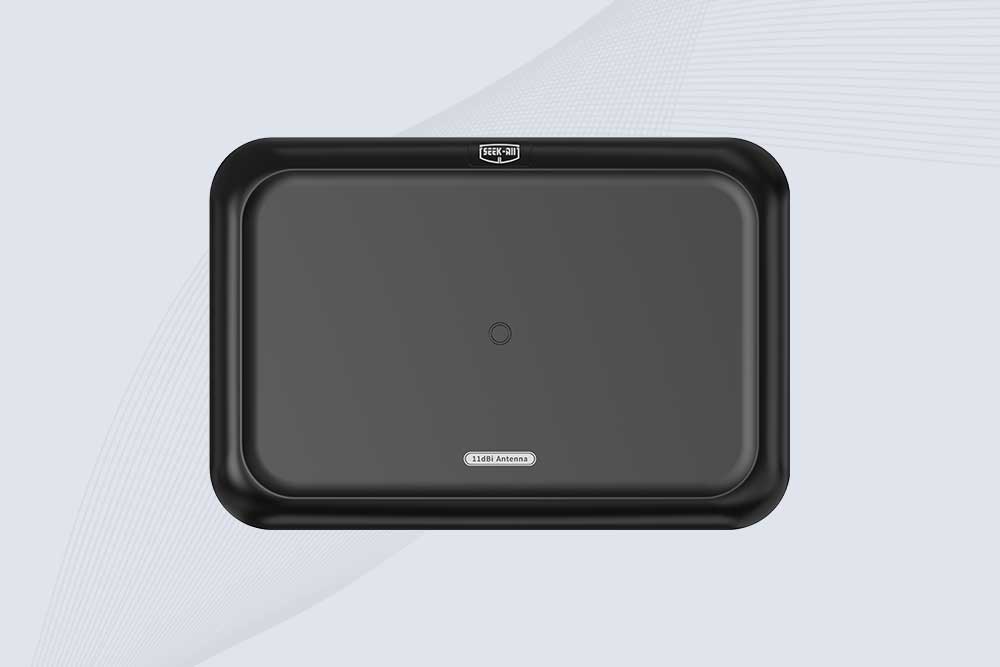
SSD-A11 UHF RFID antenna features 840–960 MHz adjustable frequency, ≥10.5 dBi gain, circular polarization and 50Ω impedance for fixed RFID systems.
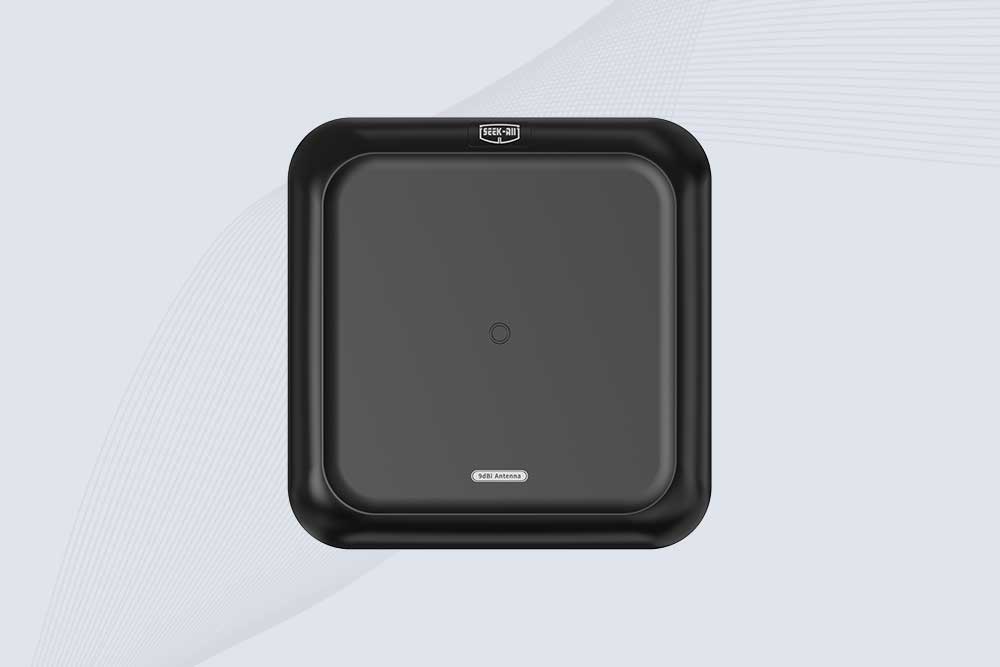
SSD-A09 is a 9 dBi UHF RFID antenna with 840–960 MHz adjustable frequency, circular polarization, 50Ω impedance and directional 60° × 60° coverage.
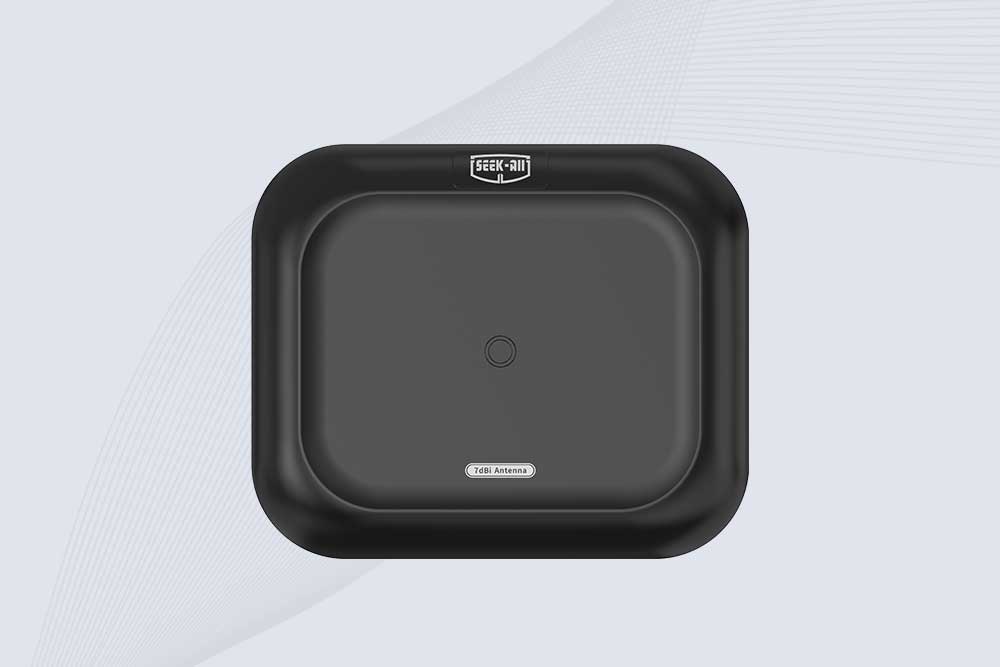
Explore the SSD-A07 UHF RFID antenna with 7 dBi gain, circular polarization, adjustable 840–960 MHz frequency, and 60°/75° beamwidth for stable RFID read/write performance.

SSD-A06 UHF RFID antenna with circular polarization, adjustable 840–960 MHz frequency, ≥4.5 dBi gain, and a compact directional design for RFID systems.

Discover SSD-D4AL, a USB-HID UHF RFID reader with 4/8/16 antenna options, Impinj E710/X3M1 chipset, plug-and-play USB power, and OEM customization.
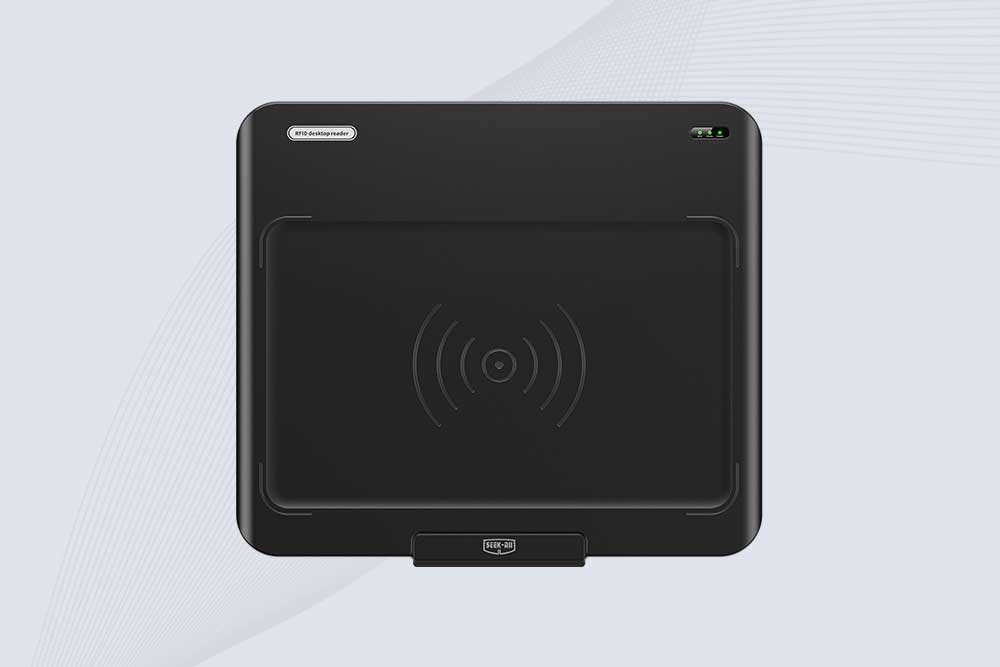
SSD-D3AL is a USB-HID UHF RFID reader with 0–30 cm reading, 0–15 cm writing, over 600 tags/s recognition, USB plug-and-play operation and OEM Logo customization.
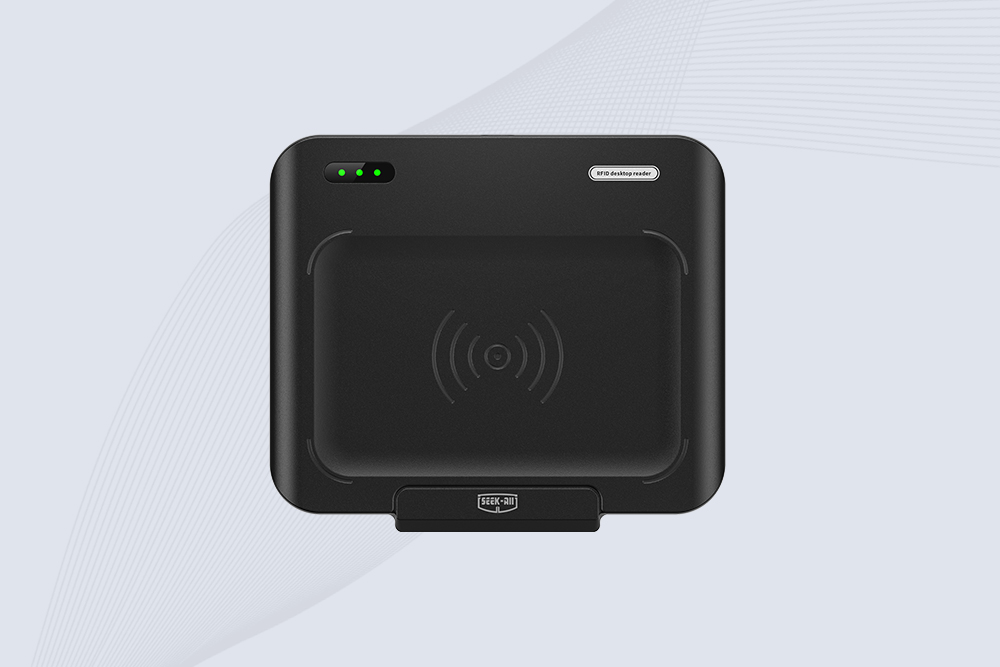
SSD-D1AL is a compact USB UHF RFID reader with Impinj E710/X3M1 chipset, USB-HID, 600+ tags/s recognition, 4/8/16 antenna support and plug-and-play USB power.
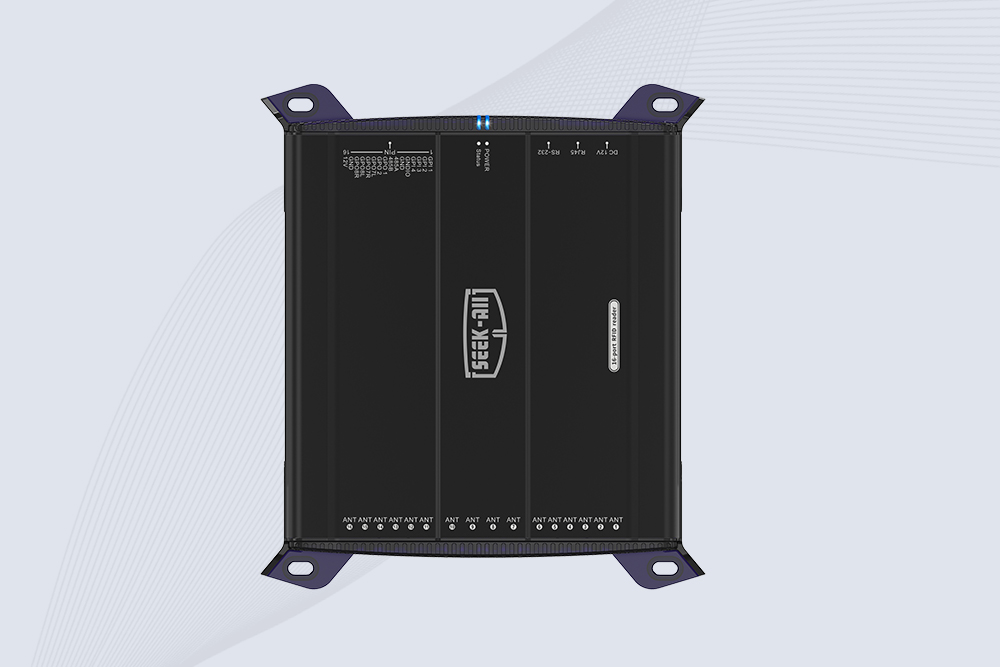
SSD-R16L Multi-Channel RFID Infrastructure for Automated Inventory Management ✔️ 16-Port High-Density RFID Reading Equipped with 16 SMA antenna ports, SSD-R16L supports multi-antenna deployment for warehouses, retail stores, logistics, production lines, and large-area RFID identification. ✔️ High-Speed & Long-Range Performance With up to 33…
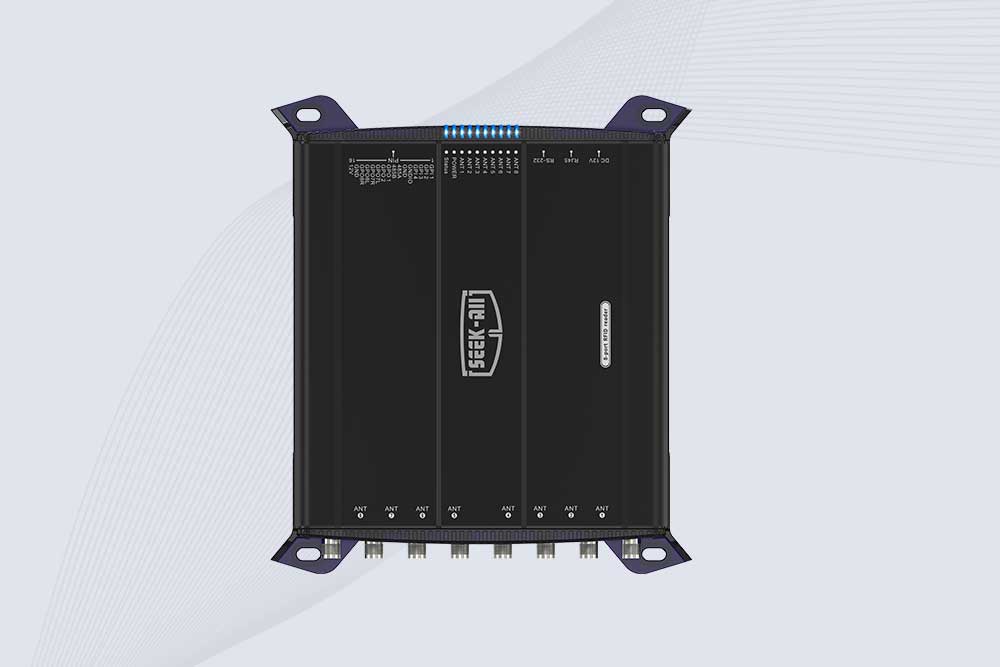
SSD-R8L 8-port UHF RFID reader with 33dBm output, up to 20m reading range and 600+ tags/s recognition. Ideal for warehouse, logistics, retail and asset tracking.
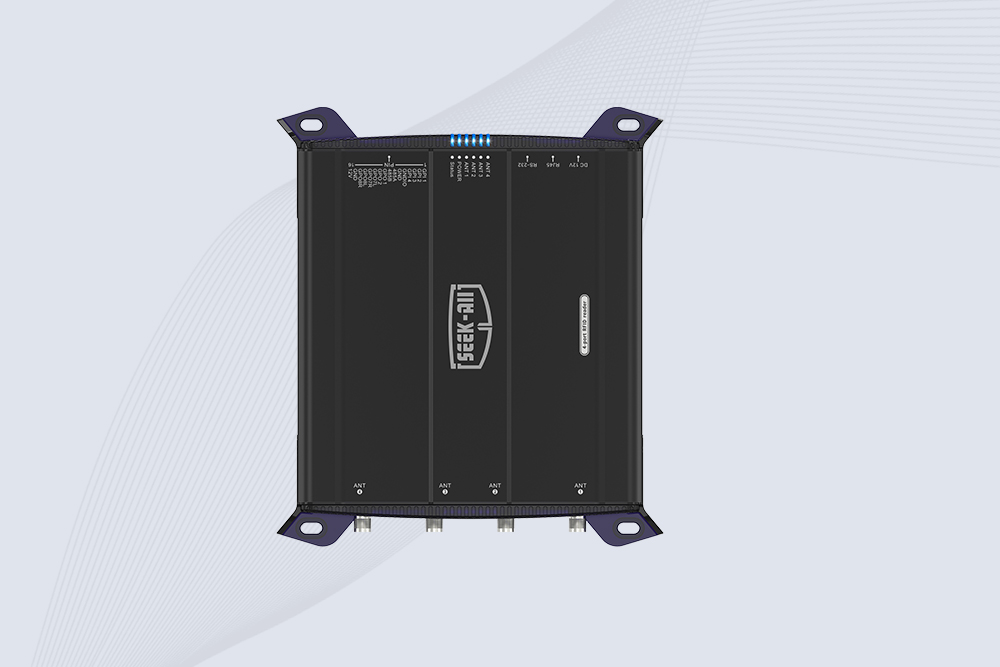
SSD-R4L is a 4-port UHF RFID fixed reader with 33dBm output power, up to 20m reading range, EPC C1G2 support and 600+ tags/s reading speed.

CYKEO CYKEO-D1LA USB RFID Reader is a compact desktop solution with near-field control for precise tag reading and encoding. Powered by USB, supporting ISO 18000-6C, and built for stable batch writing, this usb rfid tag reader fits retail, libraries, offices, and controlled RFID encoding tasks.
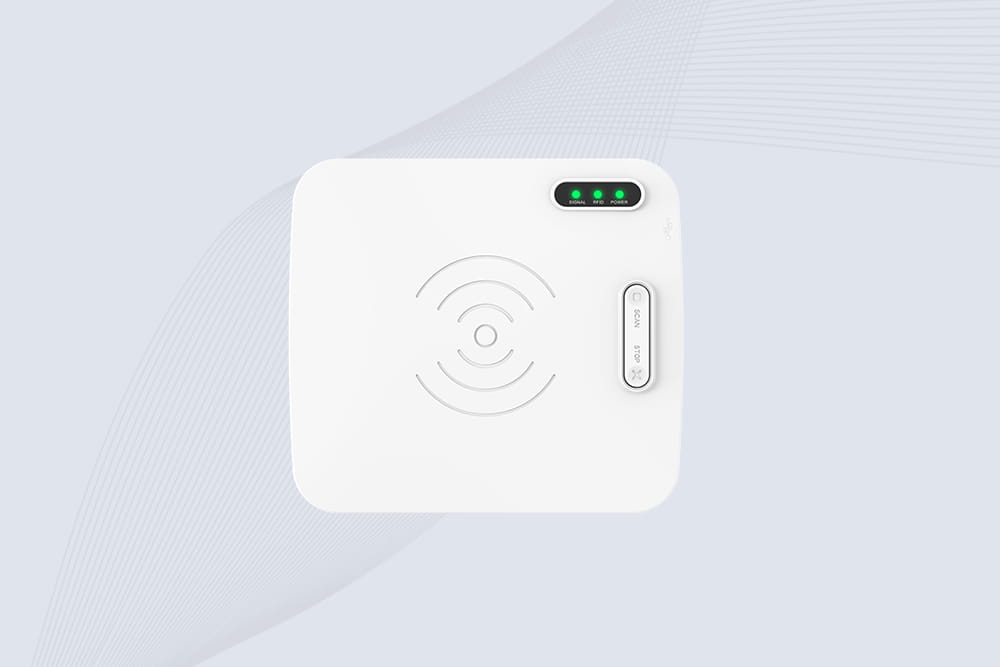
CYKEO CYKEO-D1L RFID scanner USB is a compact desktop UHF RFID scanner designed for short-range tag writing and verification. This usb rfid scanner supports batch encoding, stable 0–26 dBm output, and works across Windows, Linux, and Android systems.
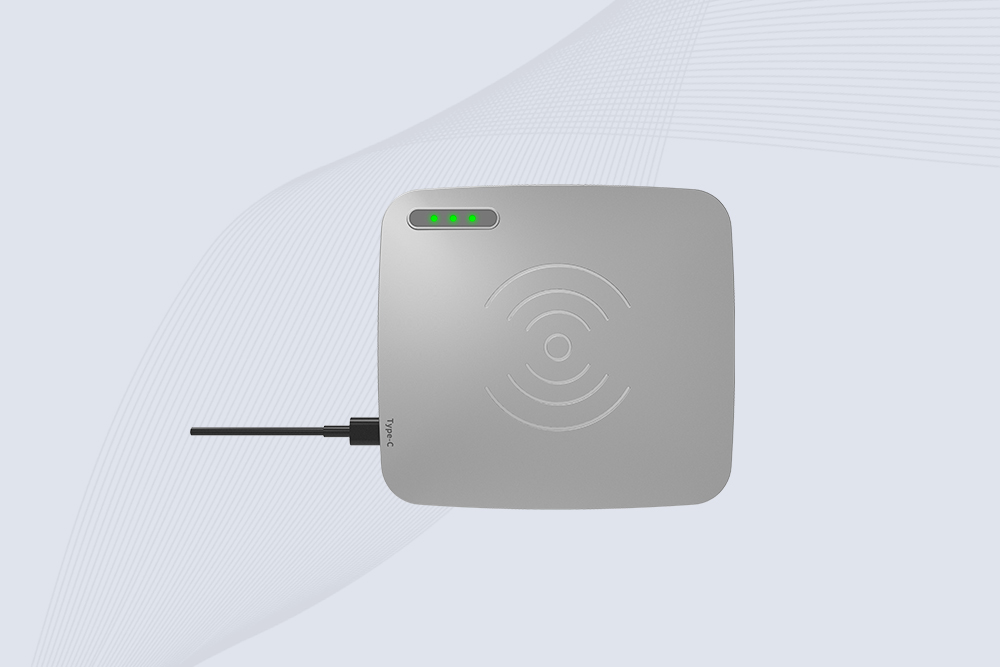
CYKEO CYKEO-D1C USB RFID Card Reader is a near-field UHF desktop writer designed for secure, short-range tag encoding. With USB-C connectivity and stable 26 dBm output, this rfid reader usb c is ideal for badge issuance, label encoding, and controlled desktop RFID workflows.
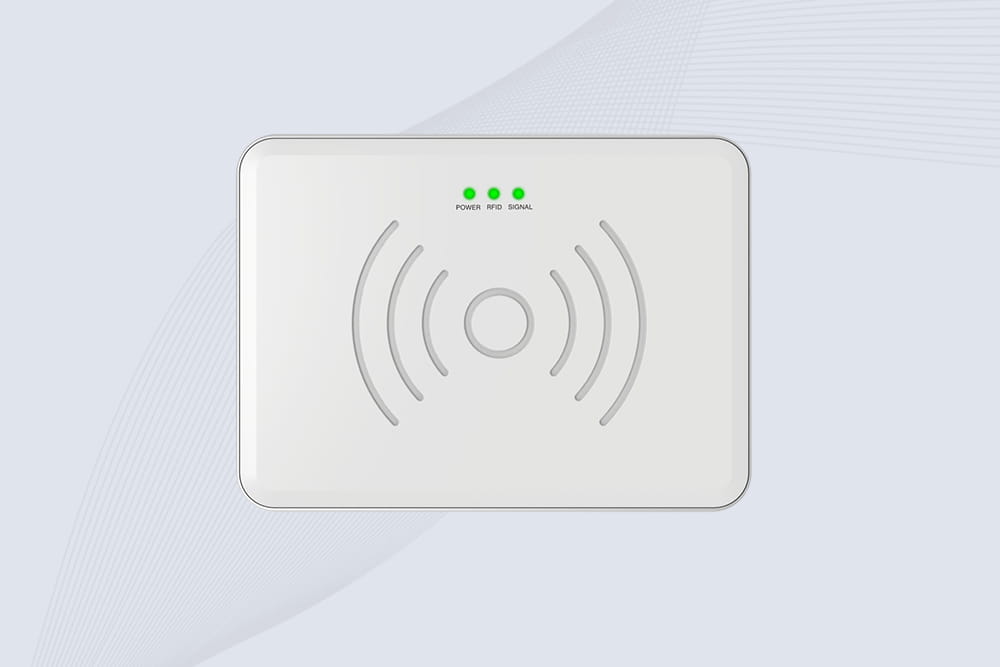
CYKEO CYKEO-D2L RFID Reader USB is a compact desktop encoder built on the Impinj R500 chip. With near-field control and stable USB power, this usb rfid card reader delivers precise tag writing for offices, retail counters, and small-scale logistics encoding tasks.
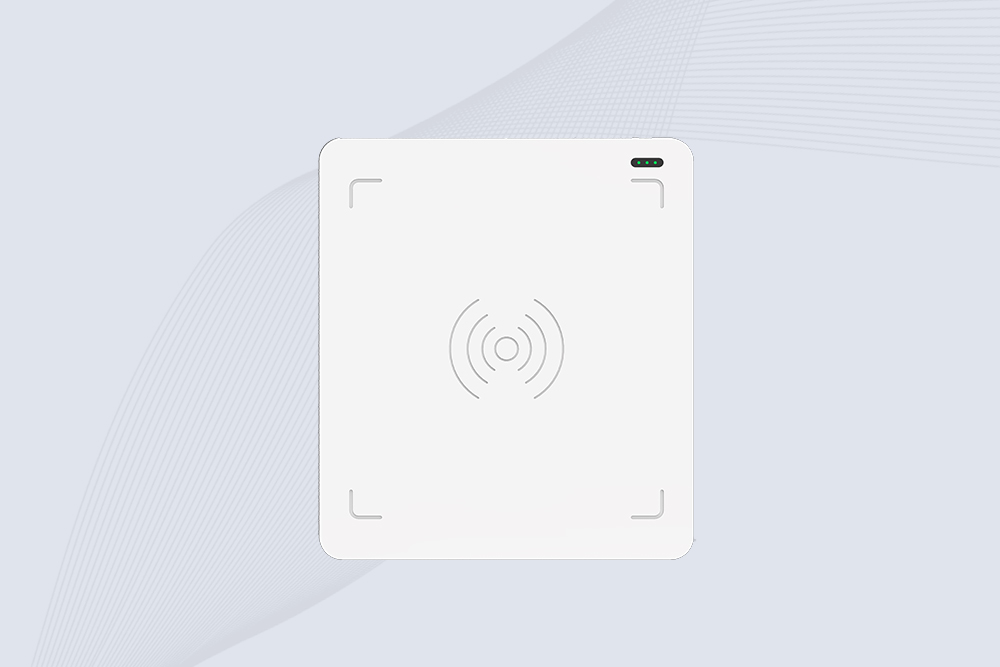
CYKEO CYKEO-D3L USB RFID Tag Reader delivers stable UHF tag reading and writing for daily desktop and light industrial tasks. Designed for controlled short-range operation, this USB RFID Tag Reader works reliably with rfid tag and reader systems in libraries, tool tracking, and inventory registration.
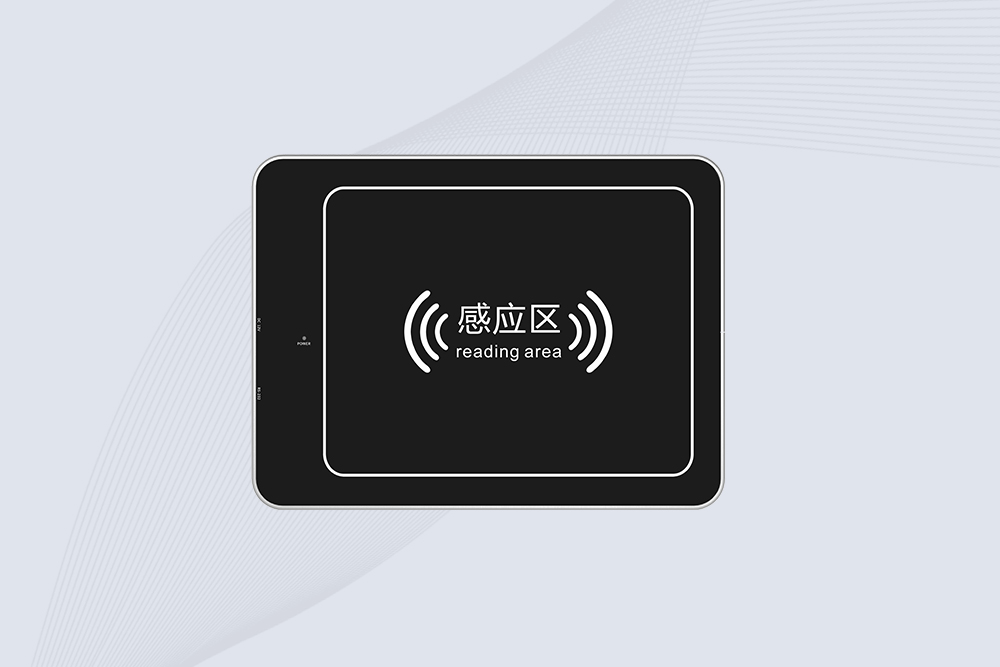
The CYKEO CYKEO-D4L UHF RFID Tag Reader is a stable Desktop RFID Reader designed for accurate tag registration, borrowing, and return workflows. Built with the Impinj R2000 chip, this UHF RFID Tag Reader delivers controlled short-range reads for libraries, asset tracking, and inventory management environments.
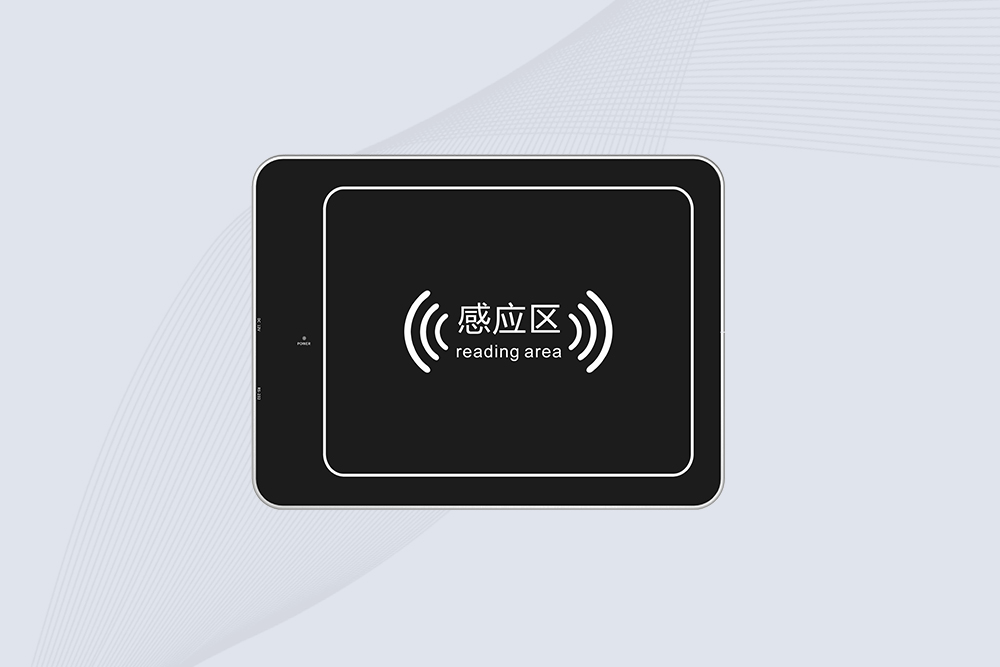
The CYKEO CYKEO-D5L Desktop RFID Card Reader is a stable UHF RFID Card Reader designed for controlled short-range reading and writing. Built for libraries, tool rooms, and asset desks, this UHF RFID Card Reader supports dense tag handling, secure data processing, and easy USB integration.
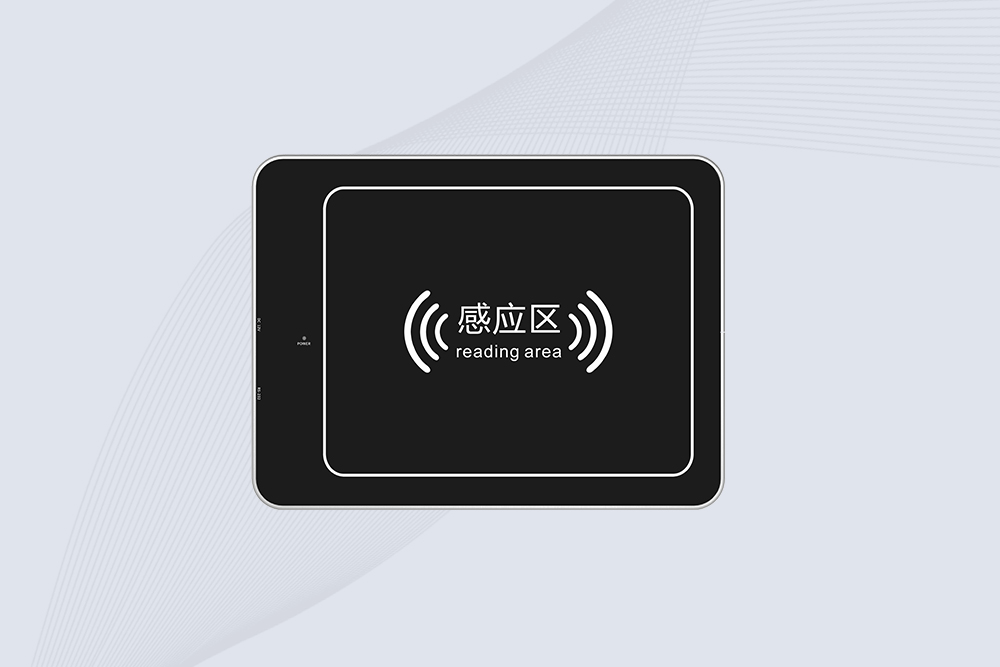
The CYKEO CYKEO-D6L RFID Reader Writer is a heavy-duty Desktop RFID Reader designed for short-range, high-accuracy tag programming. Built for libraries, labs, and asset desks, this RFID Reader Writer supports batch processing, stable 33dBm output, and seamless integration with existing management systems.
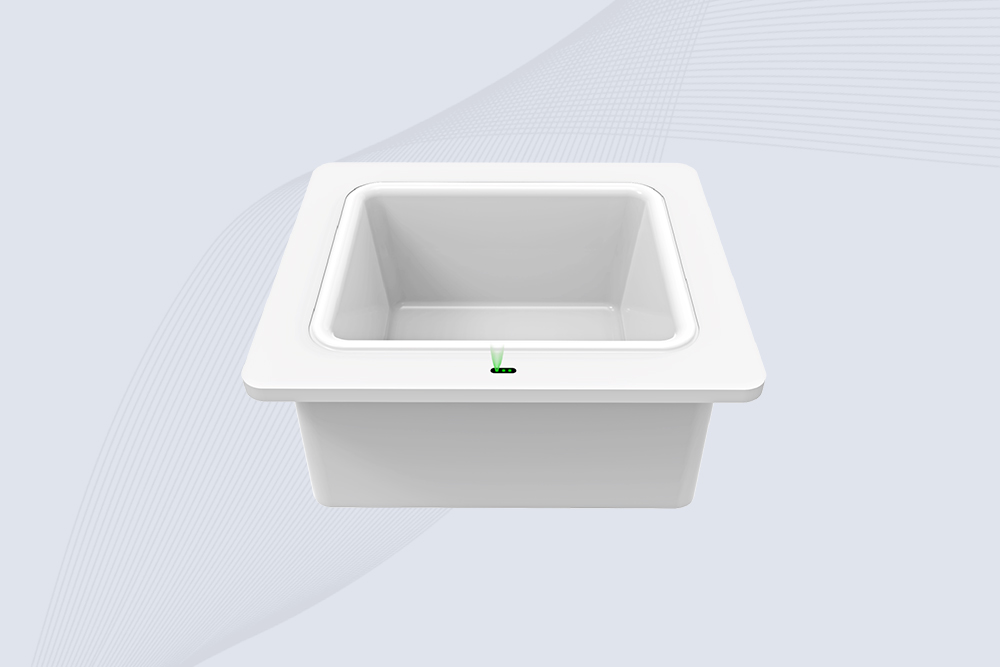
Cykeo CYKEO-D8B UHF RFID tunnel and RFID Desktop Reader features 30+ items batch reading,
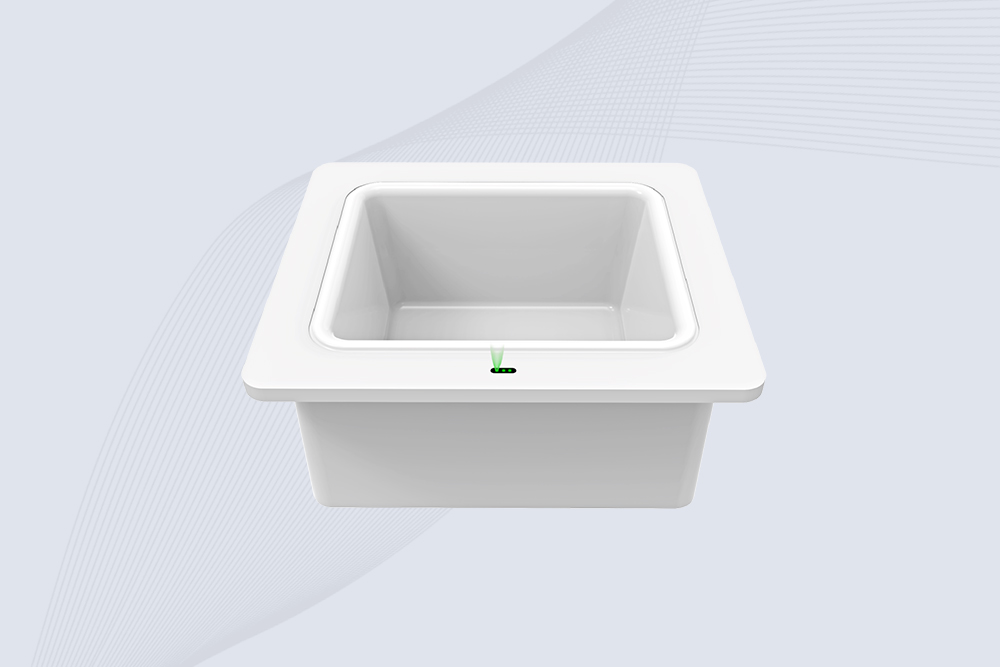
Cykeo CYKEO-D8A embedded RFID badge reader offers 30+ tags/sec scanning, 20cm anti-crosstalk precision, and DC 12V power for unmanned stores, warehouses, and smart inventory systems.
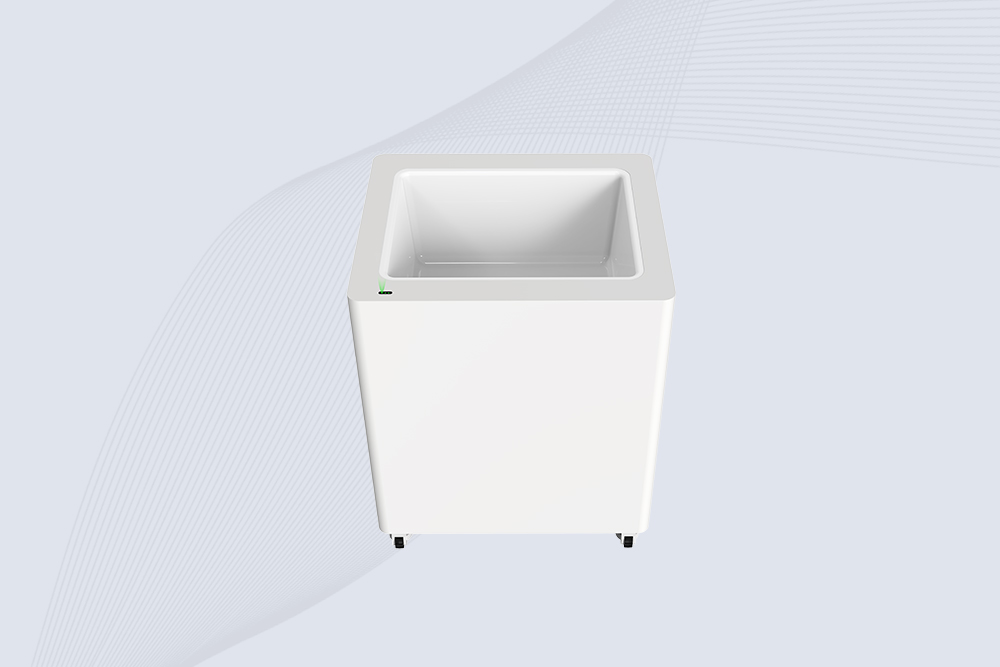
Cykeo’s CYKEO-D8C UHF RFID gate reader achieves 200-tag/batch scanning with adjustable power control, ideal for retail inventory and smart warehouse management.
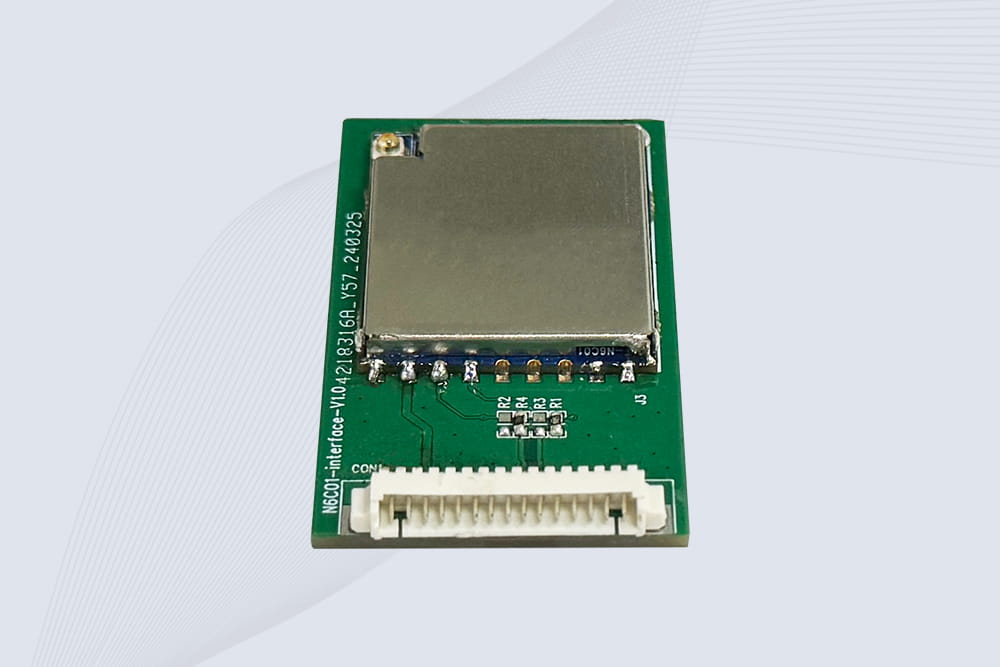
CYKEO Embedded RFID Modules are designed for compact industrial and IoT devices that require stable UHF performance. These UHF RFID Modules support global protocols, flexible power control, and reliable multi-tag reading for smart cabinets, production lines, and asset tracking systems.
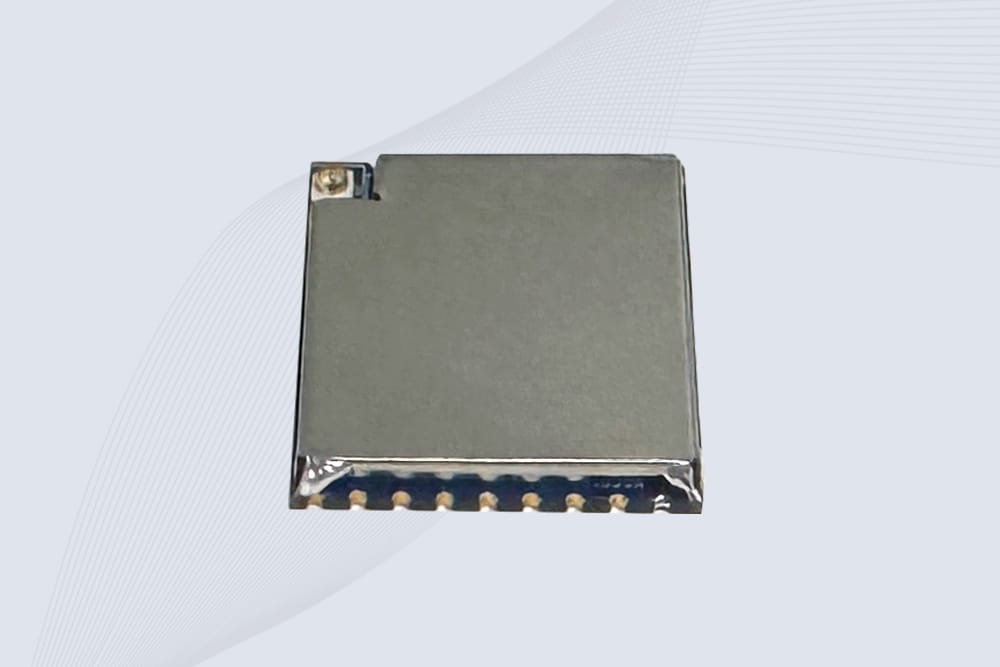
CYKEO Embedded RFID Module is built for compact IoT and industrial devices that need stable UHF performance. This UHF module supports global protocols, low power operation, and reliable multi-tag reading for smart lockers, production lines, and always-on RFID systems.
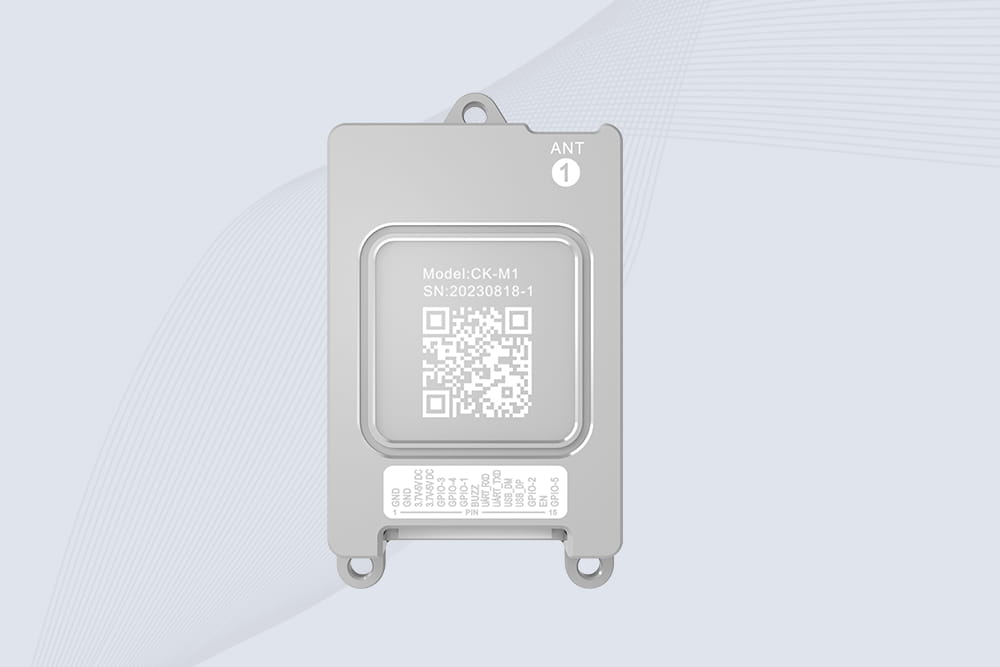
CYKEO CYKEO-M1 drone rfid module is a compact UHF RFID reader module designed for drones and UAV platforms. It supports long-range aerial scanning, fast multi-tag reading, and stable performance in wind, vibration, and outdoor environments.
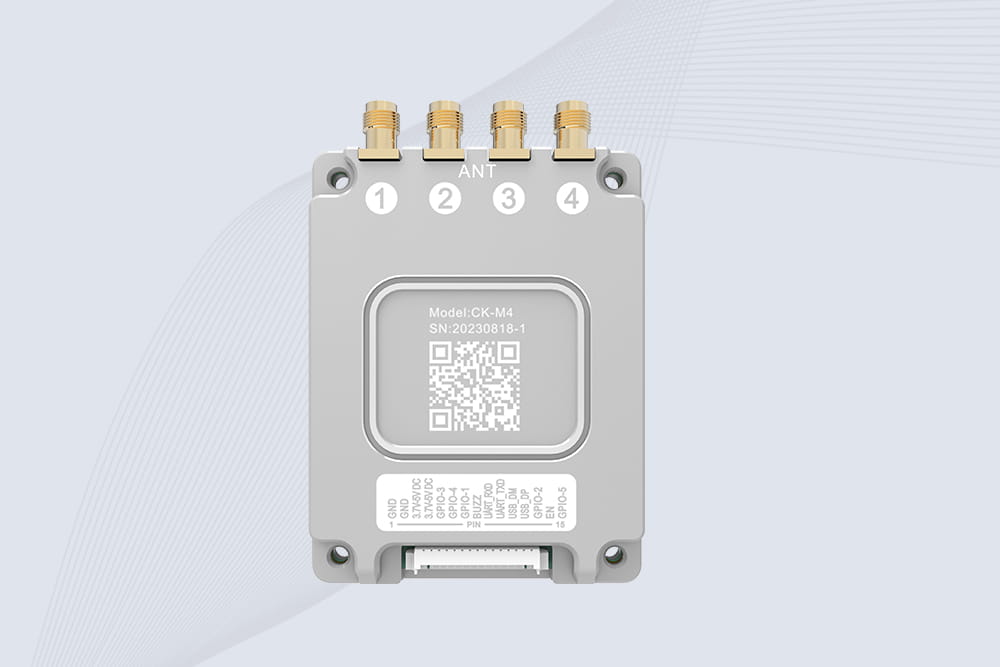
CYKEO CYKEO-M4 RC522 RFID Module is an industrial-grade UHF RFID reader with 4 ports, supporting ISO, EPC, and GB protocols. High-speed, accurate reading for IoT, automation, and warehouse applications.
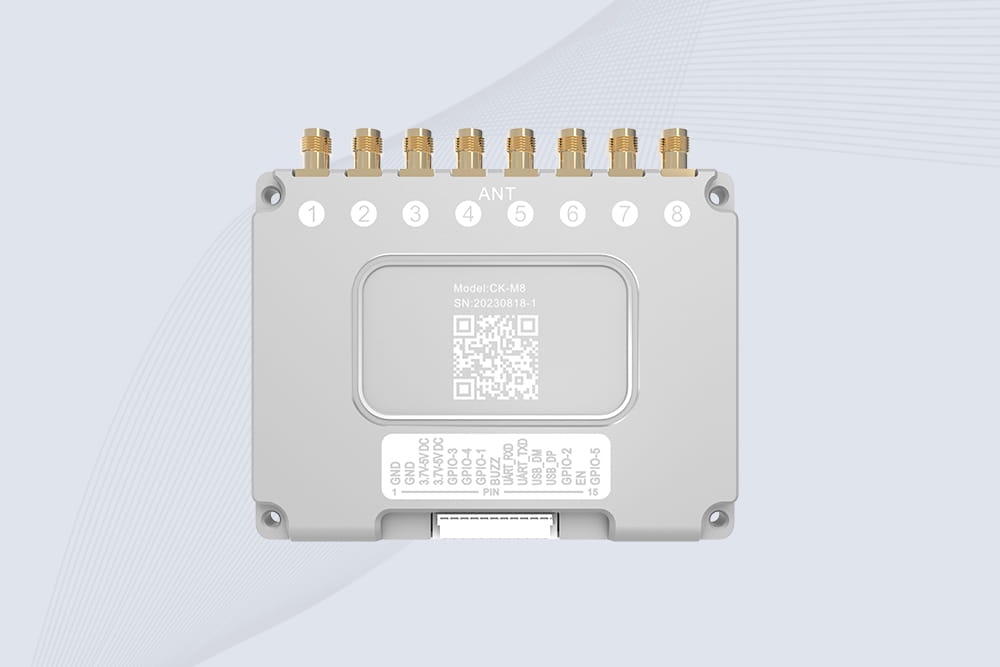
CYKEO CYKEO-M8 Module RFID is an 8-port UHF R2000 RFID Module designed for high-density, multi-tag environments. Stable 33dBm output, ISO & GB protocol support, ideal for warehouses, factories, and automated systems.
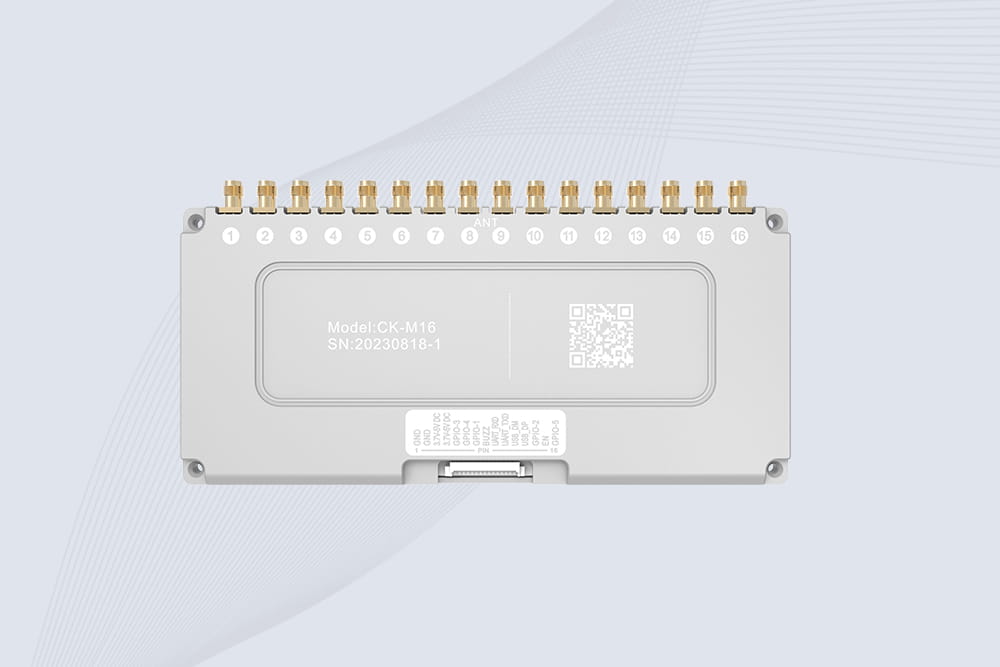
CYKEO CYKEO-M16 RFID Module is a 16-port UHF RFID reader module based on the R2000 chipset. Designed for dense tag environments, it supports ISO and GB standards and delivers stable multi-antenna control for industrial automation.
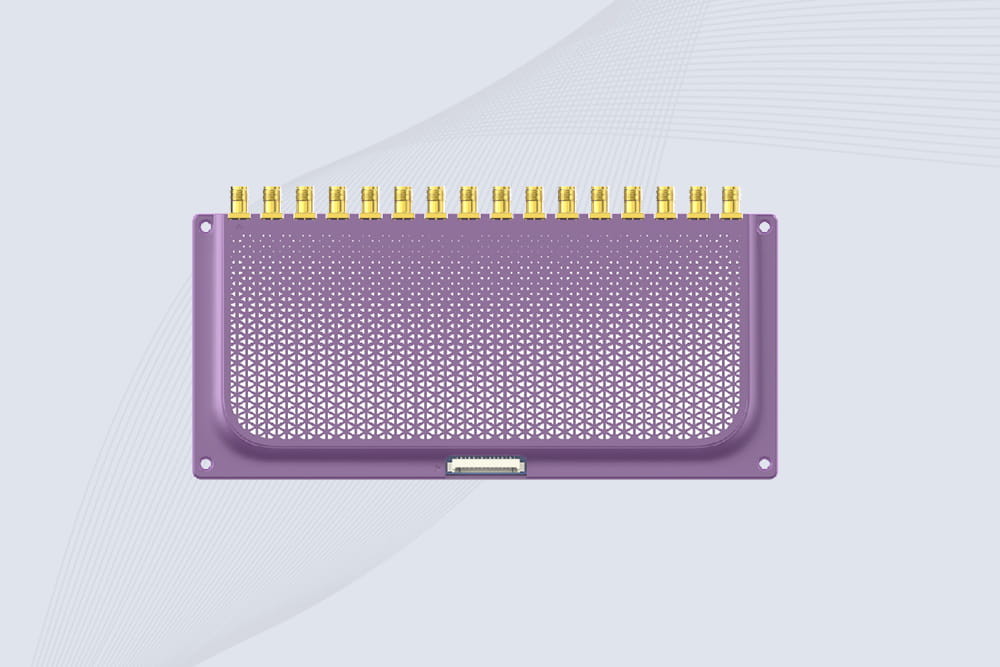
The CYKEO CYKEO-M16L RFID Reader Module is a 16-channel UHF RFID core designed for dense tag environments. With adjustable 33dBm output, multi-protocol support, and stable multi-antenna control, this RFID Tag Reader Module fits industrial automation, warehouse systems, and large-scale IoT deployments.
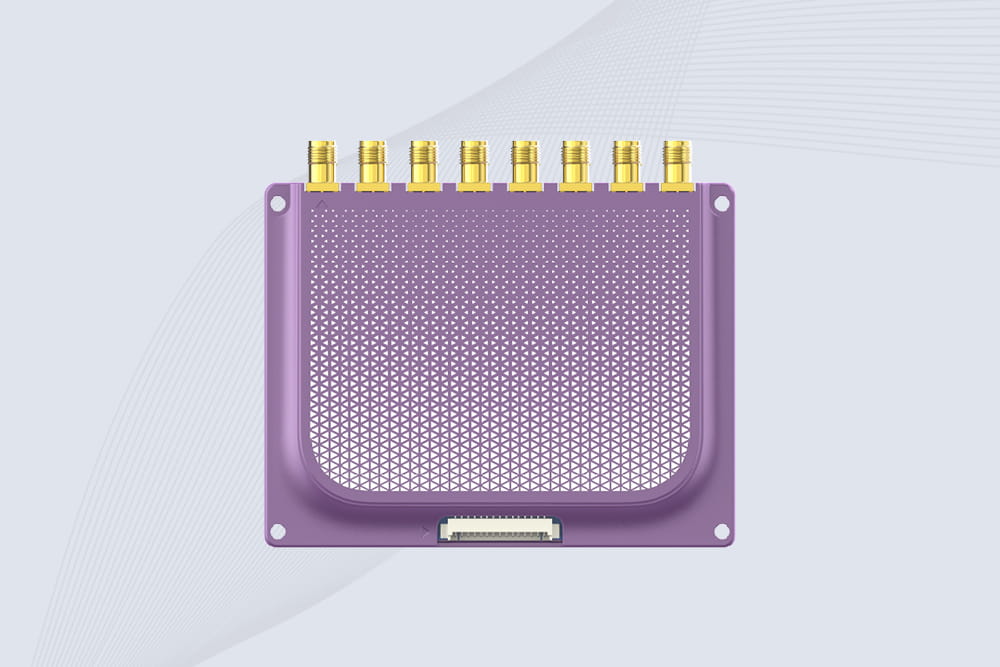
CYKEO CYKEO-M8L module RFID is a compact industrial UHF module built for dense tag and multi-antenna environments. With 8 RF ports, adjustable 33 dBm output, and ISO & GB protocol support, it is widely used in factories, warehouses, and automated tracking systems.
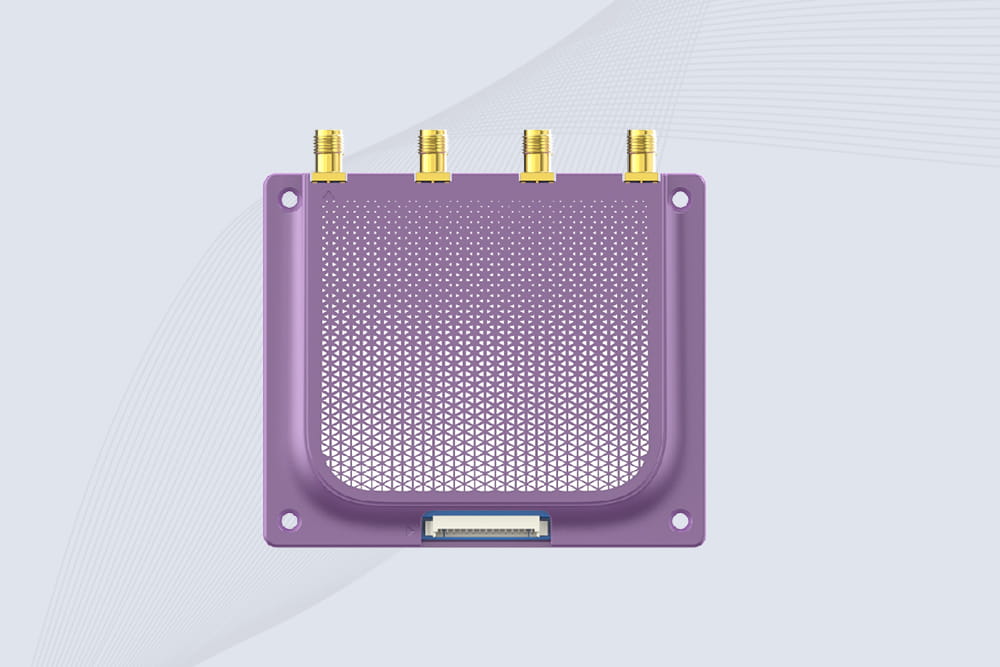
CYKEOCYKEO-M4L UHF RFID Module is a compact 4-channel RFID tag reader module designed for dense tag environments. Supporting ISO and GB protocols, it delivers stable reads up to 10 meters for industrial and IoT systems.
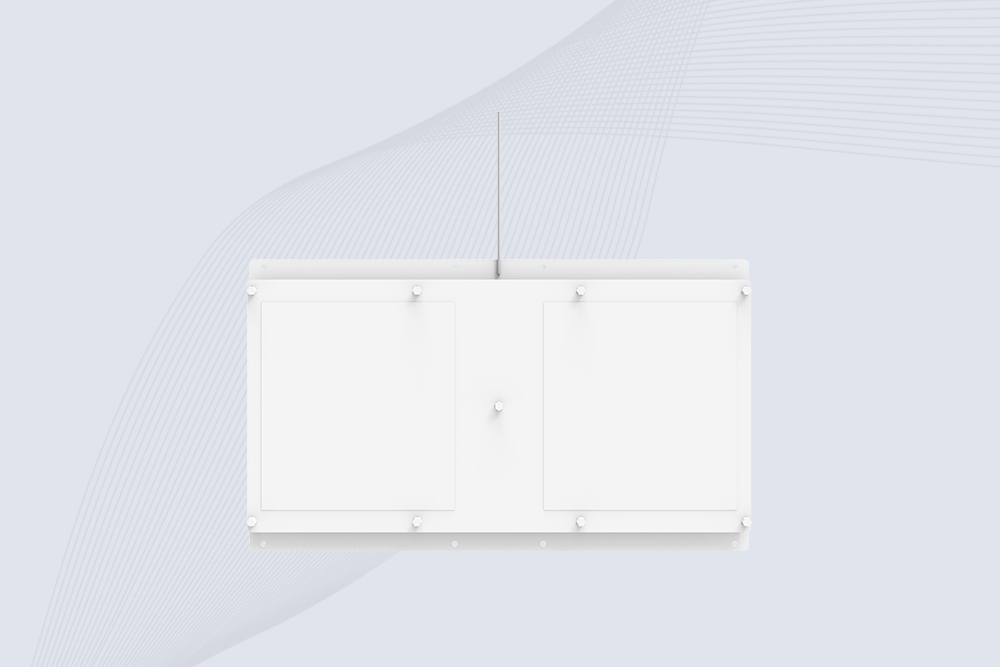
Cykeo CYKEO-A11 UHF RFID reader antenna delivers 11dBi gain, 840-960MHz frequency range, and IP65 ruggedness for retail, logistics, and industrial RFID systems. Features low VSWR and easy installation.

CYKEO Antenna RFID Reader delivers stable long-range UHF performance with a 10.5dBi directional design, built for warehouses, conveyor portals, and industrial RFID systems. This rfid reader antenna provides 20m+ read distance and rugged IP67 protection.

Cykeo CYKEO-PHF3 industrial HF RFID Antenna offers 24-point dynamic tracking, ISO 14443A/15693 protocols, metal-environment stability for archives/libraries/manufacturing.

Cykeo CYKEO-A5B industrial Linear RFID Antenna delivers 5dBi gain, ≤1.5:1 VSWR, and IP65 rugged design for warehouse, production line, and logistics UHF systems.

Cykeo’s CYKEO-B12 Long Range RFID Antenna delivers 15m+ read range with 12dBi gain, IP65 rugged design, and global 840-960MHz UHF support. Ideal for warehouse/logistics asset tracking.
Cykeo CYKEO-B10 Long Distance RFID Antenna offers 10dBi gain, 840-960MHz frequency range, IP65 rating, and 20m+ coverage for logistics/warehousing/ETC systems. Low VSWR ensures stable signal transmission.
Cykeo CYKEO-A6 UHF RFID panel antenna features 6dBi gain, 840-960MHz broadband, IP65 metal-ready housing for logistics/smart retail. 18mm ultra-thin design with tool-free mounting.

Cykeo CK-A3 industrial antenna RFID UHF offers 5m+ tag detection, ≤1.3:1 VSWR, IP65 rugged design, and global UHF spectrum compatibility (840-960MHz) for warehouses, factories, and retail.
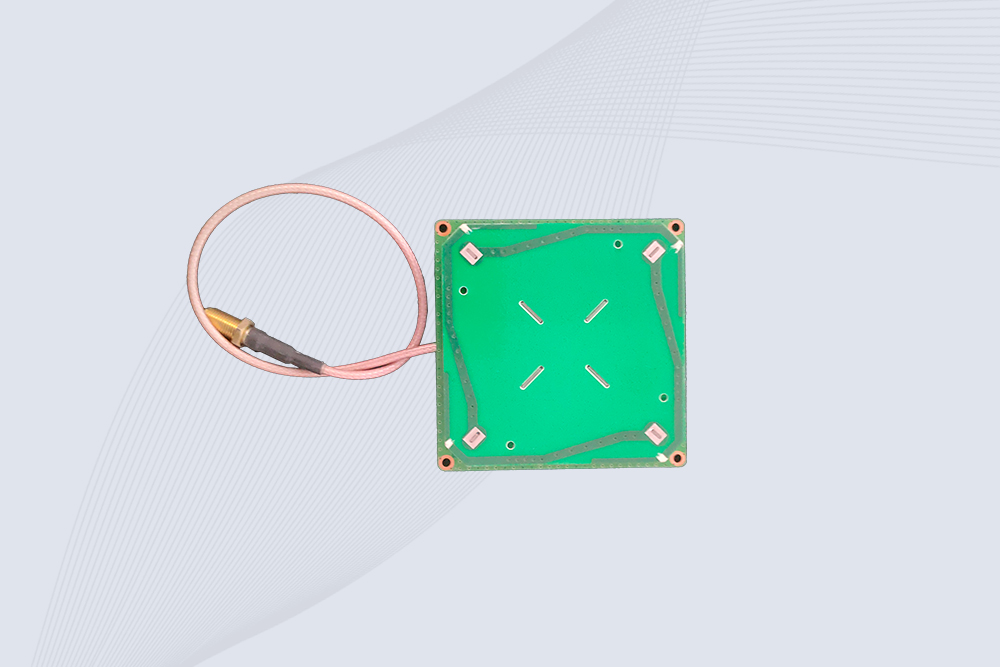
Cykeo CYKEO-B5 directional RFID antenna provides 5dBi gain with 60° narrow beamwidth for precise inventory tracking. IP65-rated, global UHF frequency support, and low VSWR.
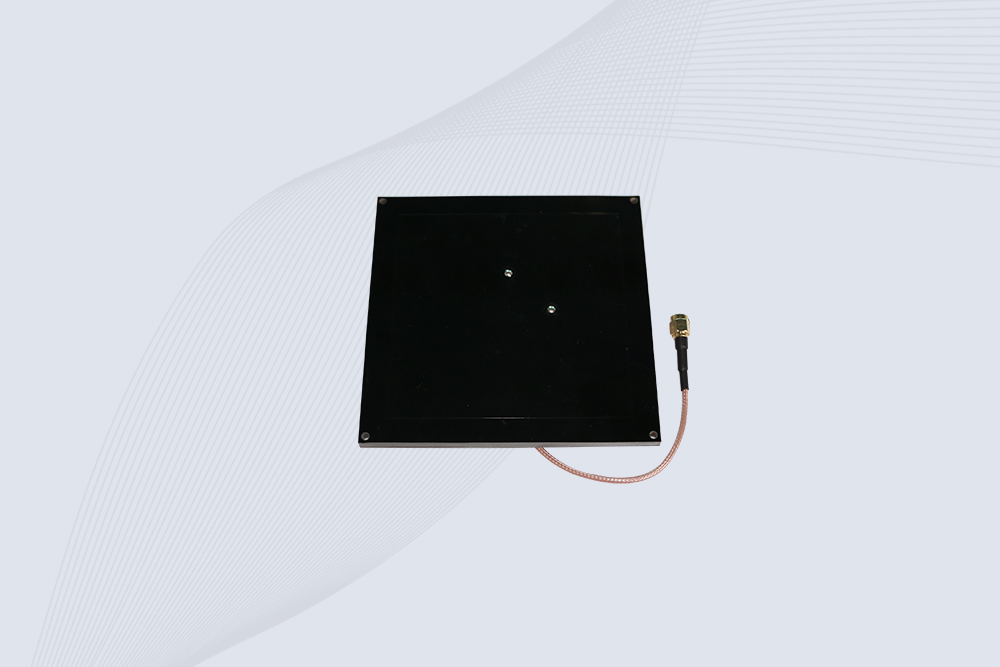
Create your own high-performance DIY RFID antenna! 5dBi gain, 840-960MHz tunable, step-by-step guides. Compatible with Arduino, Raspberry Pi, and commercial UHF readers.
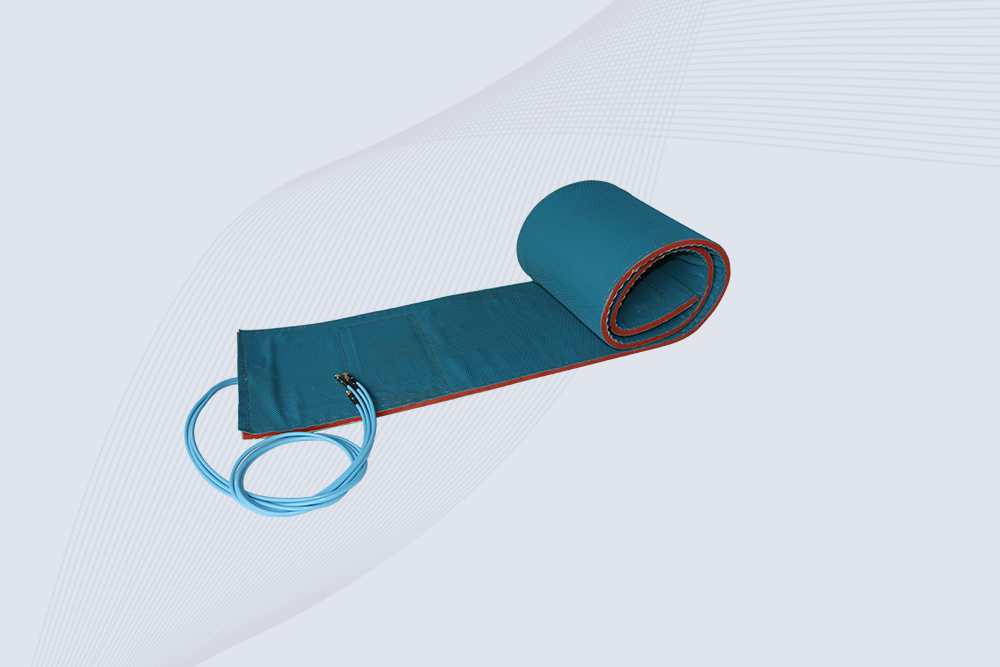
Cykeo CYKEO-A7 Flexible RFID Antenna features 840-960MHz wideband tuning, 7dBi gain, and IP68 rating for medical/retail/industrial curved surface deployments. 98% read accuracy with peel-and-stick installation.

Cykeo CYKEO-B5A industrial Passive RFID Antenna delivers 5dBi gain, 70° beamwidth, and -40°C~55°C operation for warehouses/smart cabinets. Compatible with Zebra/Impinj readers.
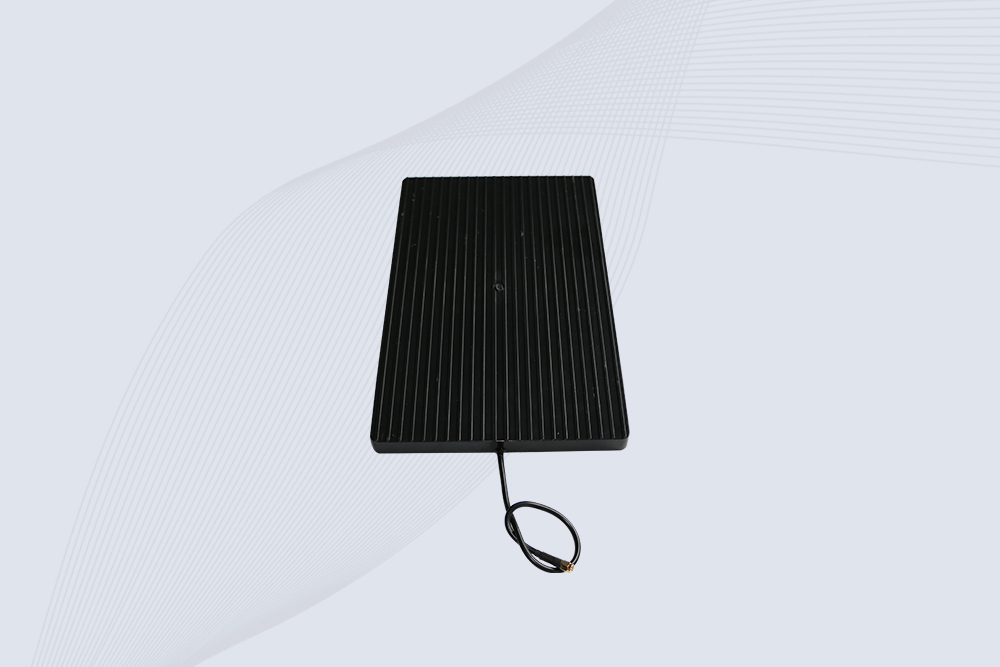
Cykeo’s CYKEO-A9B High Gain RFID Antenna delivers 15m+ read range with 9dBi amplification. Features IP54 rugged design, 840-960MHz bandwidth, and 80° beamwidth for warehouse/manufacturing RFID systems.

Cykeo’s enterprise-grade 8dbi Impinj RFID Antenna 10m+ read range with 840-960MHz tuning. Features IP65 housing, 1.4 VSWR, 35° beamwidth for retail/warehouse RFID systems.
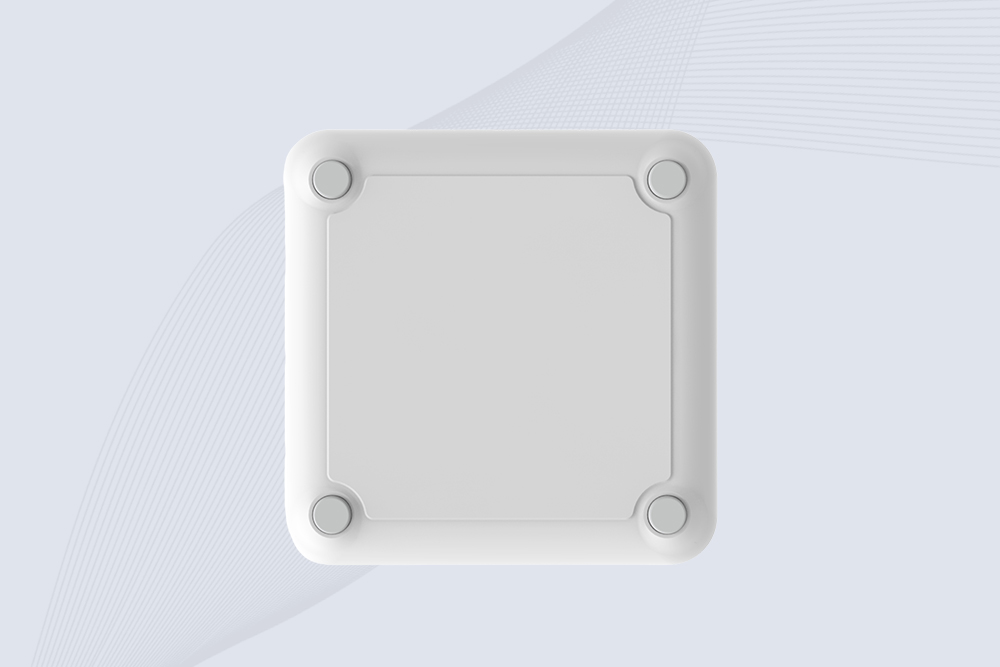
Cykeo CYKEO-A9 industrial UHF RFID antenna delivers 9dBi gain, 840-960MHz frequency range, and IP65 protection for warehouse/logistics/retail RFID systems. Features N-type connector and ≤1.3:1 VSWR.
CYKEO UHF RFID Antenna built for long-distance and industrial applications. This antenna rfid uhf delivers strong gain, outdoor durability, and reliable tag performance in warehouses, yards, and vehicle ID systems.
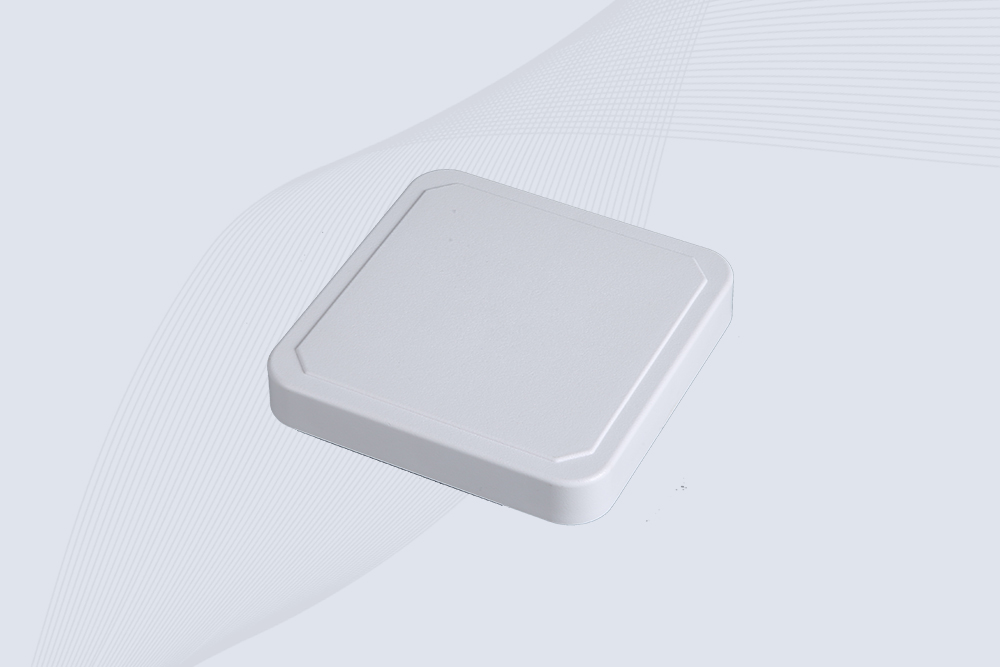
CYKEO Antenna RFID delivers reliable long-range UHF performance in warehouses, retail shelves, and cold-chain environments. This compact uhf rfid antenna provides stable reads with circular polarization and ultra-wide 840–960 MHz support, ideal for industrial tracking, smart shelves, and asset monitoring.
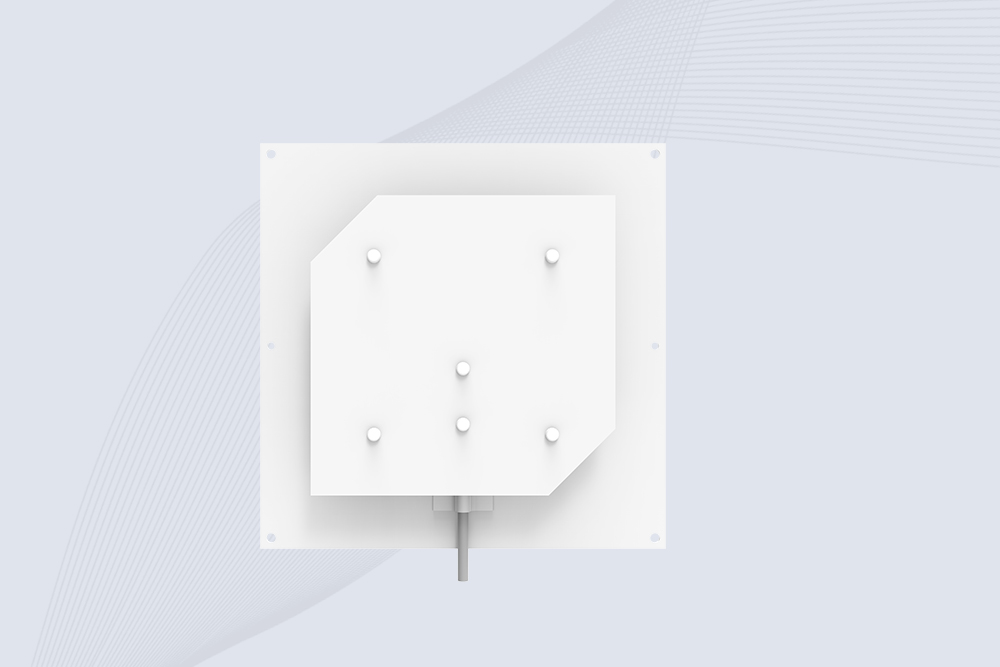
Cykeo’s CYKEO-C8 UHF RFID antennas delivers 8dBi gain, 840-960MHz full-band coverage, and IP65 ruggedness for manufacturing/warehouse RFID systems. Industrial RFID Antennas Features
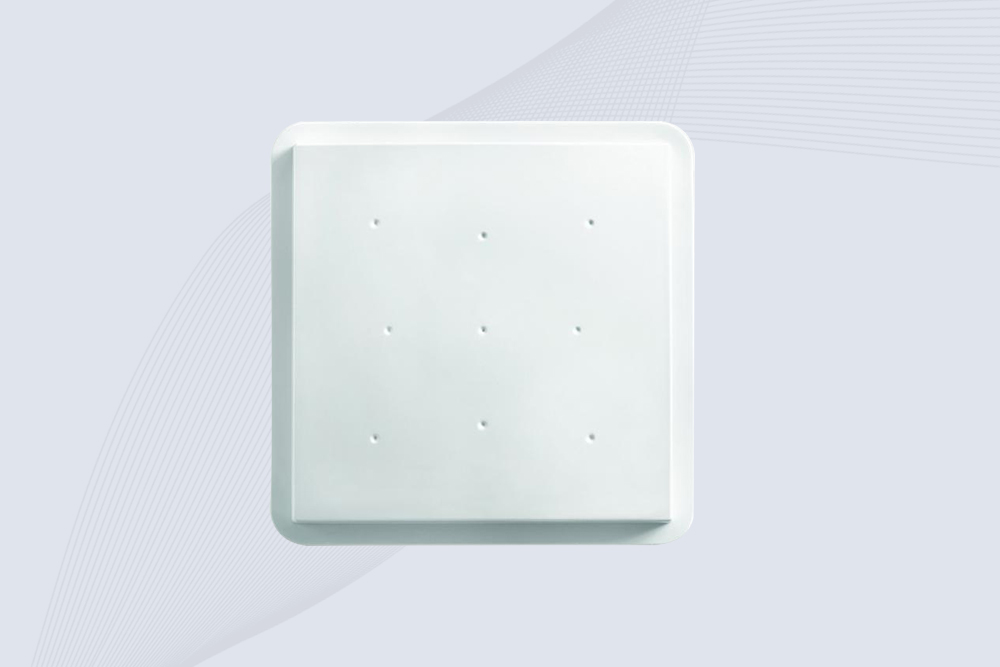
Cykeo’s 8dBi UHF RFID antenna and reader kit delivers 10m+ range, 840-960MHz broadband, and IP65 ruggedness for factories, warehouses, and logistics. ISO 18000-6C & EPC Gen2 certified.
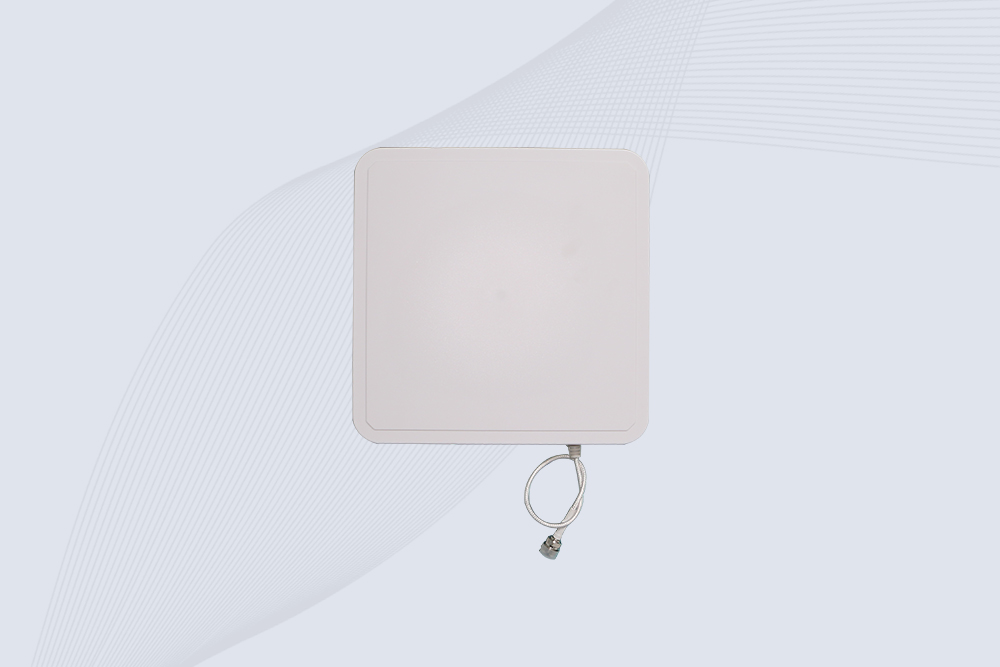
Cykeo CYKEO-A9A industrial UHF RFID reader and antenna kit delivers 10m range, 500 tags/sec, IP65 ruggedness for manufacturing/logistics. Supports EPC Gen2, ISO18000-6C.

Tool tracking systems powered by RFID technology help organizations automate tool management, improve accountability, reduce losses, and complete inventory checks in seconds.
More
Learn the key differences between RFID passive and active tags, how they work, and where each type is used. Find out which RFID tag suits your project best.
More
Discover the maximum read range of industrial long-range RFID readers, factors affecting performance, and best practices for optimizing UHF RFID systems.
More
Wondering "does frequency matter on RFID reader"? Discover how LF, HF, and UHF frequencies impact read range, material penetration, and application performance with CYKEO solutions.
More