 Cykeo RFID IoT Solution Products R&D Manufacturer
How to Add RFID Module in Proteus
1339Struggling with how to add RFID module in Proteus? Follow our practical guide to find, install, and simulate common RFID readers like EM-18 in your schematic design.
MoreAll RFID Product
RFID uses tagged goods, fixed or handheld readers, antennas, and warehouse software to identify items automatically as they move through receiving, storage, picking, and shipping. Unlike barcodes, RFID can read multiple tagged items without direct line of sight.
In an operating warehouse, the difference becomes obvious at the dock.
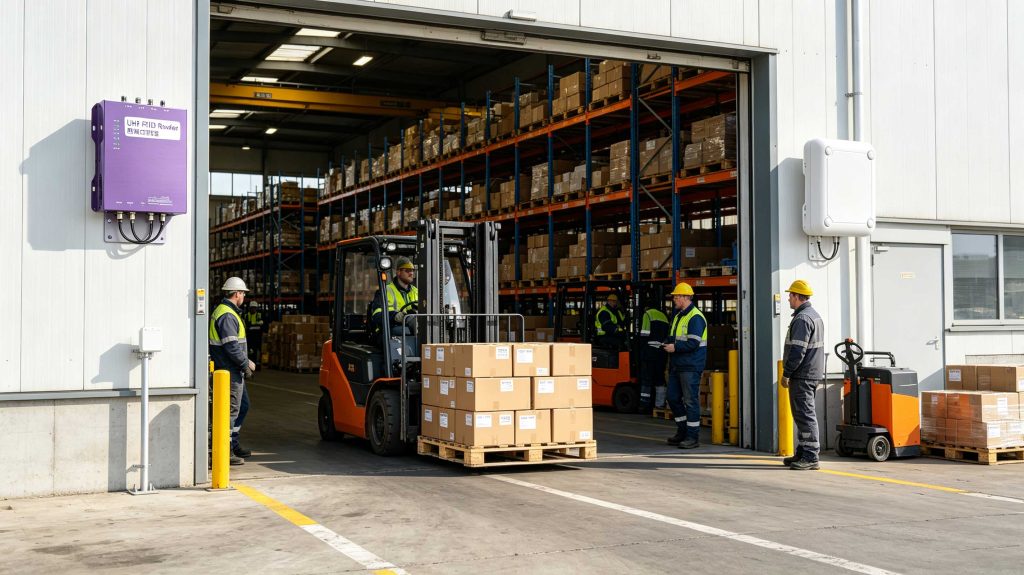
A pallet arrives. The forklift does not need to stop so someone can find a barcode and point a scanner at every carton. As the load passes the RFID reading zone, the reader captures the tags within its field and sends the identification data to the warehouse system.
That is the practical answer to how does rfid work in a warehouse.
The technology itself is relatively compact. The difficult part is getting the radio environment, tag placement, reader position, and warehouse workflow to agree with one another.
I have worked with RFID equipment in industrial identification scenarios where the specification sheet looked excellent but the first field test exposed a very ordinary problem: the tag was mounted on the wrong side of a metal container. Moving the tag a few centimeters changed the result more than increasing reader power ever would.
That is why warehouse RFID should be treated as an engineered system, not simply a scanner replacement.
A typical warehouse RFID system contains four primary layers:
| Component | Warehouse Function |
|---|---|
| RFID Tag | Gives each carton, pallet, product, or asset a digital identity |
| RFID Reader | Sends RF energy and receives tag responses |
| RFID Antenna | Creates the physical reading zone |
| Warehouse Software | Converts RFID events into inventory transactions |
The tag carries identification information.
The reader creates the communication field.
The antenna determines where that field exists.
The software decides what the detection means.
That final part is easy to overlook.
A reader detecting a pallet is only an RF event. The warehouse system needs to turn that event into something operational: received, moved, picked, packed, shipped, or placed in a particular zone.
GS1 describes EPC/RFID as a way to provide automatic identification and visibility of products, cases, and pallets throughout inventory operations.
Receiving is one of the strongest use cases for RFID.
Imagine a supplier shipment arriving at 8:42 a.m.
The pallet contains dozens of cartons, each carrying an RFID tag.
With a conventional barcode process, an operator generally needs to expose and scan individual labels.
With UHF RFID, a fixed reader can interrogate multiple tags within its coverage area.
The sequence is straightforward:
The operator is still important.
RFID does not remove warehouse processes. It removes a large amount of repetitive identification work.
A warehouse rarely moves one item at a time.
A single handling event may involve:
RFID’s anti-collision technology allows a reader to communicate with multiple tags in the same reading area.
This is one reason UHF RFID is particularly useful for warehouse operations.
GS1 has documented warehouse and supply-chain applications where EPC/RFID provides visibility at the item, case, and pallet levels.
Once items enter the warehouse, RFID can support repeated inventory events.
A tagged pallet may be detected:
This creates a chain of identification events.
The warehouse database can then associate those events with the item’s expected location and status.
The useful information is no longer simply:
“We received 500 cartons.”
It becomes:
“These specific tagged units entered at this time, were assigned to this inventory record, and were subsequently detected at these operational points.”
That distinction matters when inventory discrepancies appear three days later.
Cycle counting is another area where RFID changes the rhythm of warehouse work.
Manual counting requires workers to locate products, inspect labels, scan or record them, and reconcile the result.
RFID can capture many tagged items during a single reading operation.
GS1 cites research showing inventory accuracy can improve from approximately 63% to 95% with RFID, while inventory count rates in documented applications increased from 250 to 20,000 items per hour. These figures come from GS1’s published RFID case and research summaries rather than a universal performance guarantee.
That qualification is important.
A warehouse will not automatically reach 95% accuracy simply by installing readers.
Tag quality, placement, RF interference, reader configuration, software integration, and operator procedures still determine the field result.
GS1 also reports a retail study in which RFID-enabled inventory accuracy reached 93–99%, with inventory accuracy improving by more than 50% among participating retailers.
Picking errors are expensive because they are discovered late.
An RFID system can provide another identification checkpoint.
For example:
Pick → Verify → Pack → Ship
At the packing station, the reader can identify the tags associated with the order.
If the wrong item appears, the system can flag the discrepancy before shipment.
At the dock, another RFID reading zone can confirm the pallet or carton leaving the facility.
GS1 research has specifically identified increased accuracy in receiving, pick/pack operations, and shipping as core RFID benefits for manufacturers.
| Warehouse Requirement | RFID | Barcode |
|---|---|---|
| Multiple-item identification | Strong | Usually individual |
| Direct line of sight | Not normally required | Generally required |
| Automated dock reading | Excellent fit | More labor-intensive |
| Item-level identification | Yes | Yes |
| Pallet-level identification | Yes | Yes |
| Reading through suitable packaging | Possible | No |
| Data collection speed | High | Operator-dependent |
| Environmental sensitivity | Depends on RF conditions | Depends on label/print quality |
RFID does not make barcodes obsolete.
Many warehouses use both.
Barcode technology remains inexpensive and effective for many point-of-use operations. RFID becomes attractive when the volume of identification events makes manual scanning the bottleneck.
The strongest warehouse RFID deployments are built around controlled reading points, not simply maximum reading distance.
A practical architecture may include:
The reader may detect the same tag several times while a pallet remains inside its RF field. Software therefore needs to turn raw reads into a meaningful event such as “pallet received” rather than generating ten separate receiving transactions.
That distinction is where many warehouse projects either become useful—or become noisy.
A dock door is an excellent RFID checkpoint because the movement path is predictable.
A typical configuration places antennas around the doorway so that the pallet passes through a defined reading zone.
The system can capture:
Supplier shipment → Receiving → Staging → Put-away → Picking → Shipping
At shipping, the same principle works in reverse.
The system checks whether the expected tagged goods are actually leaving the facility.
This creates a digital handoff at the physical dock.
For large-scale deployments, antenna count and reader channel capacity become important. Cykeo’s CYKEO-R4, for example, provides four independent antenna ports and supports ISO 18000-6B/6C and EPC C1G2, with a published bulk-reading rate above 400 tags/second under specified conditions.
The published figure is a device capability, not a guaranteed warehouse result. Actual performance depends on tag density, antenna configuration, object material, movement speed, and RF conditions.
Some warehouses do not have one pallet at a time moving through a doorway.
They have dense tag populations.
A staging area may contain dozens of tagged pallets. A picking zone may have hundreds of tagged cartons nearby.
This is where anti-collision processing becomes important.
Cykeo’s CYKEO-R16L provides 16 antenna ports for multi-antenna installations and lists support for EPC C1G2, ISO 18000-6B/C and more than 400 tags per second.
The practical advantage of multiple antenna ports is not simply “more antennas.”
It allows the engineer to divide a warehouse into controlled RF zones.
For example:
| Warehouse Area | RFID Configuration |
|---|---|
| Receiving Dock | Fixed reader + directional antennas |
| Conveyor | Reader + overhead/side antennas |
| Storage Aisle | Handheld or zone reader |
| Packing Station | Short-range controlled reader |
| Shipping Dock | Fixed reader + exit verification |
| Tool Room | Controlled near-field RFID reader |
Cykeo UHF RFID readers are designed for environments where many tags need to be processed quickly.
The CYKEO-R4 specification lists 33 dBm maximum adjustable RF output and a published bulk reading rate above 400 tags/second.
The CYKEO-R16L likewise specifies more than 400 tags/second, with up to 16 antenna connections for dense installations.
For a warehouse, however, I would not select a reader solely because its headline speed looks impressive.
A slower but stable reading zone can be more valuable than a very fast reader that captures tags from the wrong aisle.
Cykeo readers support adjustable output power.
This matters because warehouse zones have different requirements.
A shipping gate may need broad coverage.
A packing station may require a much tighter field.
The ability to adjust RF power helps engineers control unwanted reads rather than simply maximizing range.
The CYKEO-R4 supports output adjustment in 1 dBm steps, with a published maximum of 33 dBm.
Cykeo industrial readers support common UHF RFID standards including:
This is useful when a warehouse already has RFID infrastructure from different stages of deployment.
A system should not become locked to one tag format simply because a reader was selected without checking protocol compatibility.
RFID tags can identify reusable pallets and logistics units as they move between:
This provides better visibility of returnable assets.
RFID can be integrated with forklift workflows to identify pallets or containers handled by a particular vehicle.
For example, the system may associate:
Forklift ID + Pallet ID + Location + Timestamp
That creates a much richer operational record than simply counting pallets.
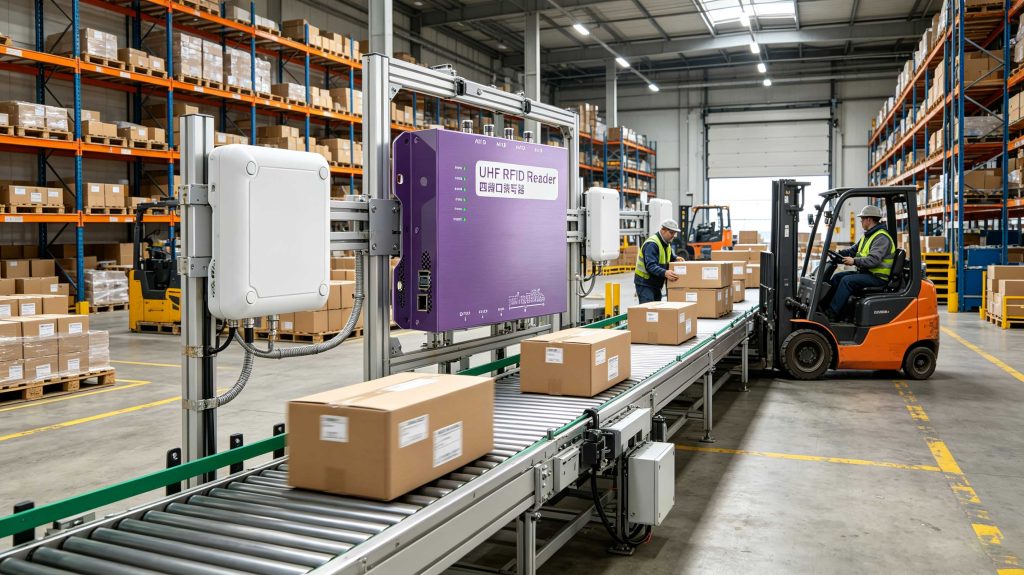
A fixed reader can be installed alongside a conveyor.
As tagged cartons pass through:
This works particularly well when conveyor speed and product orientation are predictable.
Handheld RFID readers can supplement fixed infrastructure.
An operator can walk an aisle and capture numerous tagged assets without individually scanning each barcode.
GS1 has reported RFID inventory-counting rates exceeding 20,000 items per hour, compared with an average of approximately 250 items per hour using barcode methods in cited industry research.
That number should be treated as a documented benchmark, not a universal warehouse guarantee.
The actual result depends heavily on layout and tag density.
This is where field experience matters.
A tag may work perfectly on a cardboard carton and perform poorly after the carton is placed next to metal.
Liquid-filled products can also change RF behavior.
Typical troubleshooting areas include:
I generally prefer to test the actual loaded pallet rather than an empty sample box.
The warehouse environment seen by the RFID system is the environment that matters.
Not the laboratory.
Before installing fixed readers, verify:
The software side deserves the same attention as RF installation.
A warehouse does not need a database full of “tag seen” messages.
It needs reliable business events.
Yes. UHF RFID readers use anti-collision protocols to communicate with multiple tags within the reading zone. This makes RFID suitable for cartons, pallets, totes, and item-level inventory.
No. Unlike conventional barcode scanning, RFID does not normally require direct visual alignment between scanner and tag. The RF signal can interact with appropriately positioned tags even when the tag is not visually exposed.
There is no single accuracy figure that applies to every warehouse. GS1 case studies report substantial improvements, including inventory accuracy rising from approximately 70% to 95% or higher in one apparel application.
Actual performance depends on the tag, object, antenna configuration, RF environment, and software.
Yes. Fixed UHF RFID readers and antennas can be installed around dock doors to create automated pallet identification points.
Yes, but tag selection becomes important. Standard labels may perform poorly directly against metal, while specialized on-metal RFID tags are designed for metallic assets.
Yes. RFID readers can send tag events to middleware or software platforms that integrate with WMS, ERP, or custom applications. Cykeo’s industrial readers provide API/SDK options for software integration.
No.
RFID is particularly valuable when a warehouse needs high-volume automatic identification, rapid inventory counting, or hands-free movement verification.
For simple low-volume operations, barcodes can remain more economical.
The better question is not “RFID or barcode?”
It is where does manual identification create the largest operational bottleneck?
Cykeo provides RFID hardware for different points within a warehouse environment, including fixed readers, RFID modules, desktop readers, and automated inventory systems.
For example, the CYKEO-R4 supports four antenna ports, ISO 18000-6B/6C and EPC C1G2, adjustable RF power up to 33 dBm, and more than 400 tags/second under specified test conditions.
For larger multi-antenna deployments, the CYKEO-R16L provides 16 antenna ports and supports more than 400 tags/second according to its published specifications.
Cykeo also offers automated RFID inventory tunnel equipment for high-density item processing. The CYKEO-TP2 specification lists ISO 18000-6C/EPC C1G2, 33 dBm output, a stated capacity of at least 800 tags, and a 3–5 second reading cycle under its specified operating conditions.
The right equipment depends on the warehouse’s physical workflow.
A dock door needs a different RF design from a conveyor tunnel.
A handheld cycle-counting process needs a different device from an automated shipping gate.
That distinction should be made before hardware selection.
How does rfid work in a warehouse is ultimately a question about automatic identification.
RFID tags give physical goods a machine-readable identity. Readers and antennas capture those identities as products move. Software filters the raw RF events and connects them to receiving, storage, picking, inventory, and shipping transactions.
The technology becomes valuable when the warehouse stops asking workers to repeatedly prove what an item is—and lets the infrastructure capture that information while the item is already moving.
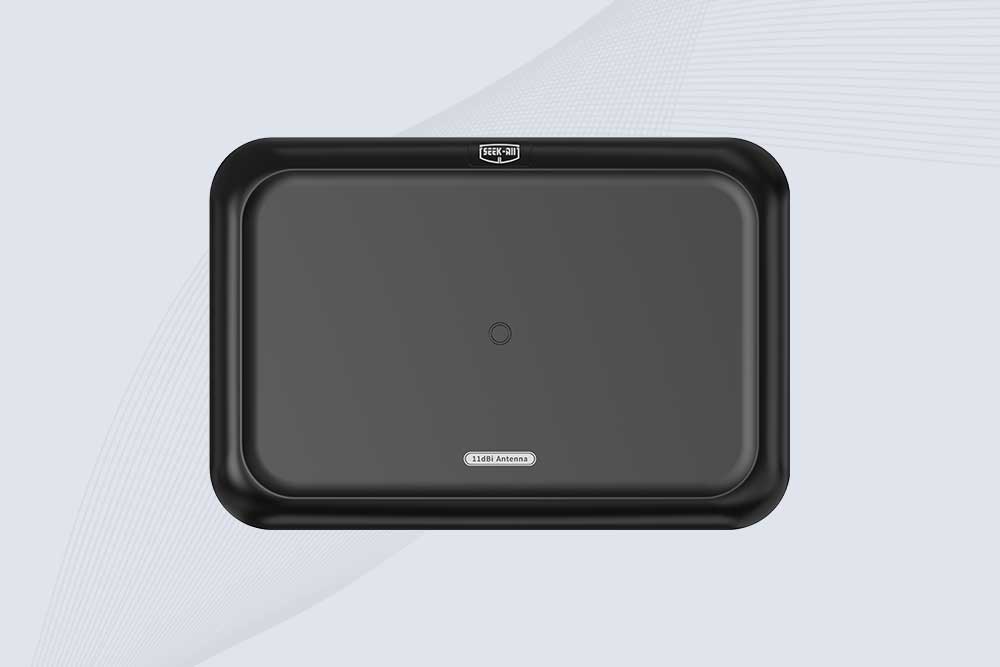
SSD-A11 UHF RFID antenna features 840–960 MHz adjustable frequency, ≥10.5 dBi gain, circular polarization and 50Ω impedance for fixed RFID systems.
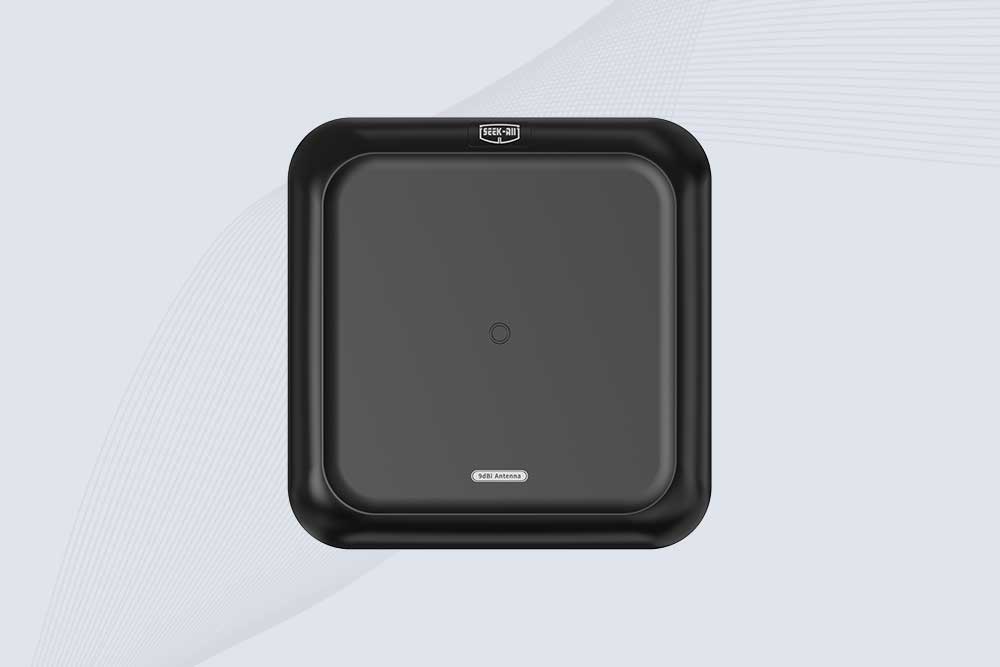
SSD-A09 is a 9 dBi UHF RFID antenna with 840–960 MHz adjustable frequency, circular polarization, 50Ω impedance and directional 60° × 60° coverage.
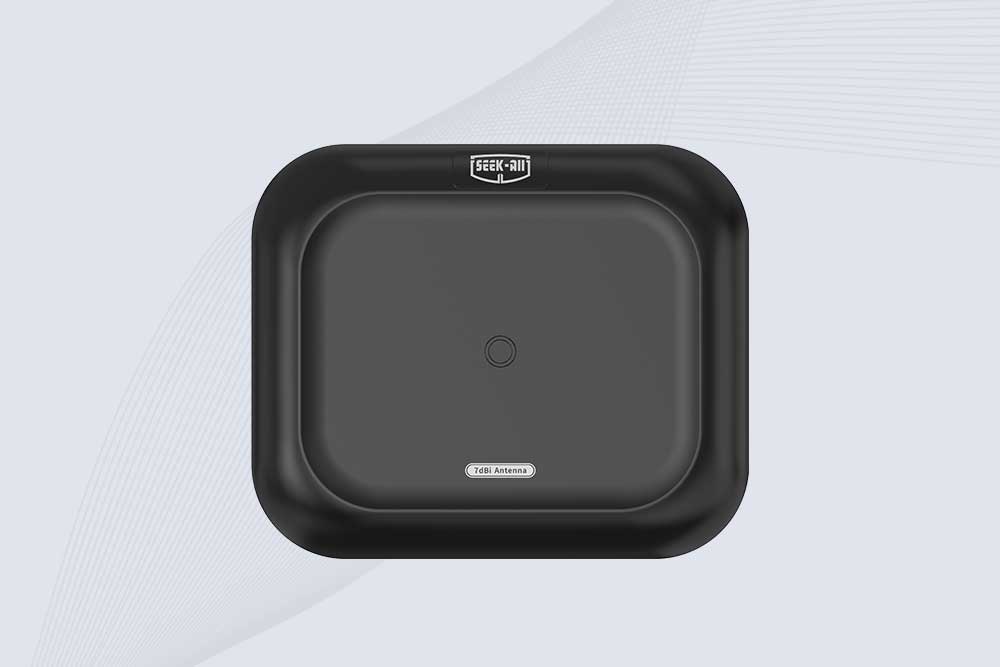
Explore the SSD-A07 UHF RFID antenna with 7 dBi gain, circular polarization, adjustable 840–960 MHz frequency, and 60°/75° beamwidth for stable RFID read/write performance.

SSD-A06 UHF RFID antenna with circular polarization, adjustable 840–960 MHz frequency, ≥4.5 dBi gain, and a compact directional design for RFID systems.
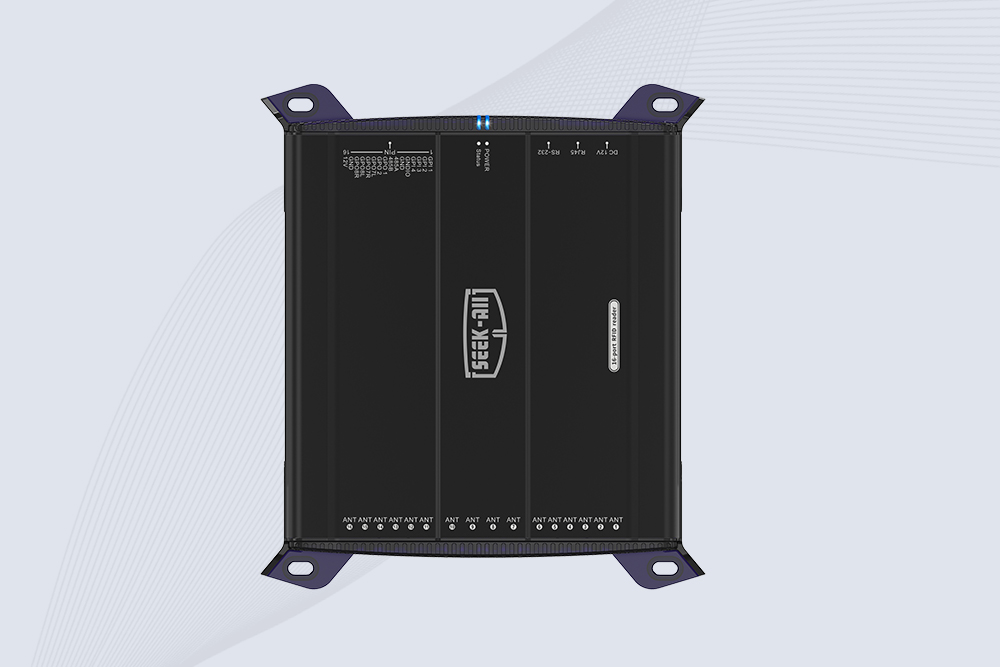
SSD-R16L Multi-Channel RFID Infrastructure for Automated Inventory Management ✔️ 16-Port High-Density RFID Reading Equipped with 16 SMA antenna ports, SSD-R16L supports multi-antenna deployment for warehouses, retail stores, logistics, production lines, and large-area RFID identification. ✔️ High-Speed & Long-Range Performance With up to 33…
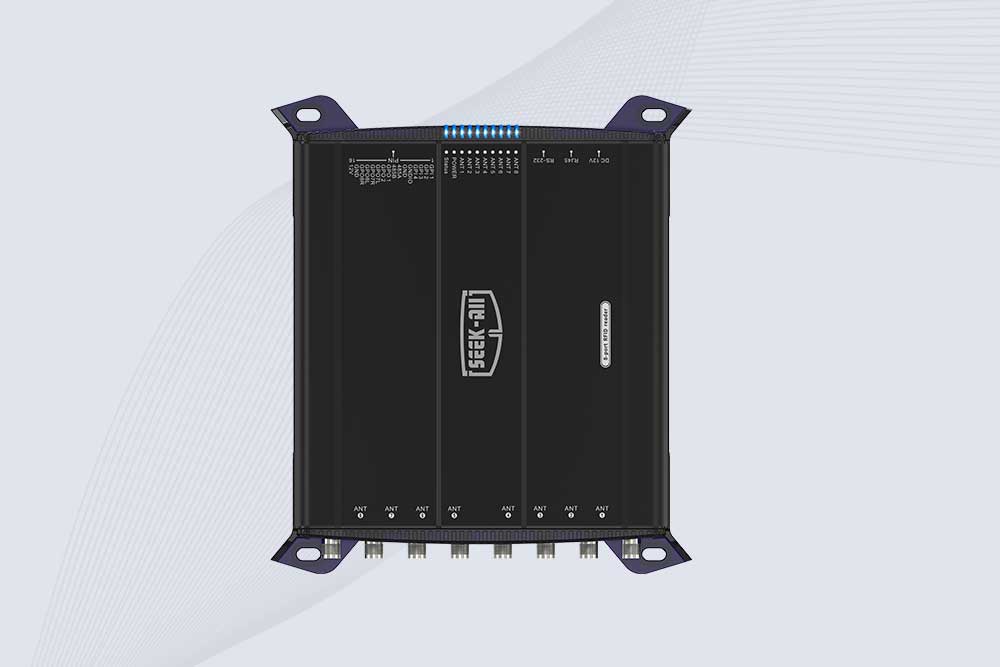
SSD-R8L 8-port UHF RFID reader with 33dBm output, up to 20m reading range and 600+ tags/s recognition. Ideal for warehouse, logistics, retail and asset tracking.
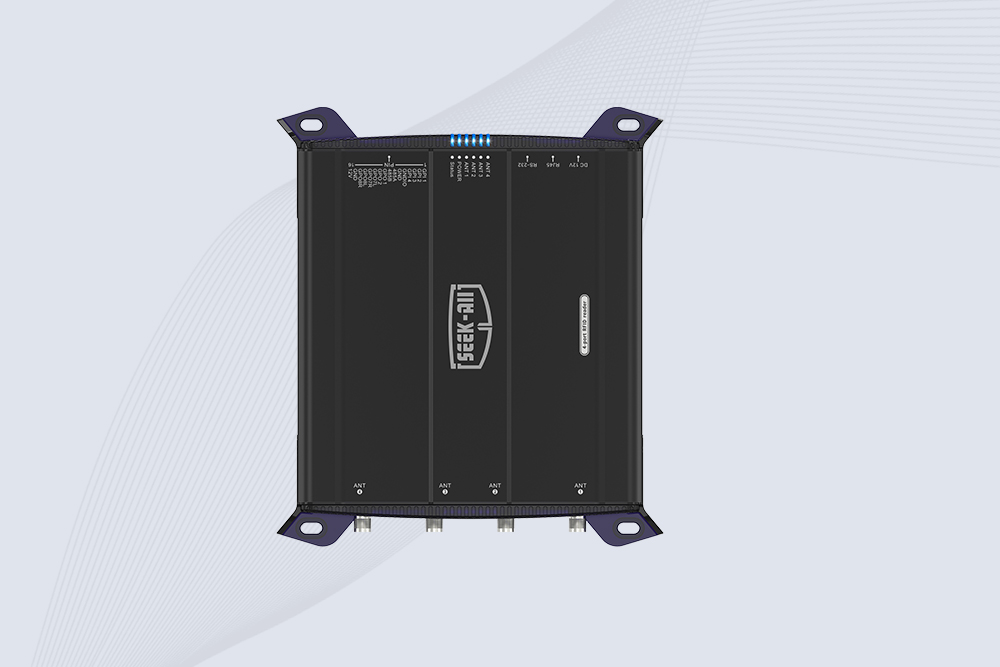
SSD-R4L is a 4-port UHF RFID fixed reader with 33dBm output power, up to 20m reading range, EPC C1G2 support and 600+ tags/s reading speed.
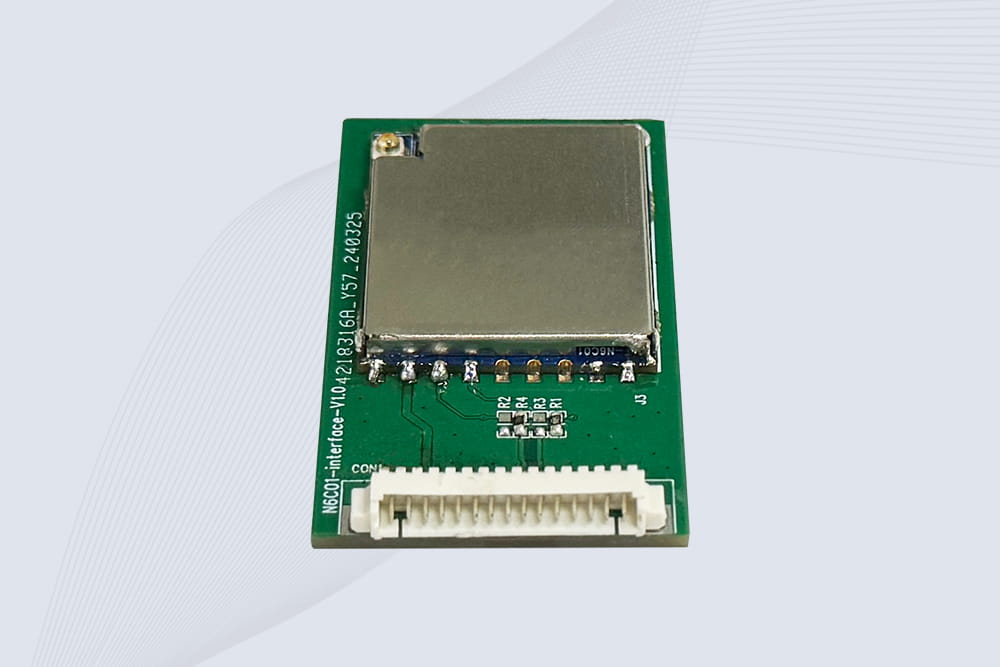
CYKEO Embedded RFID Modules are designed for compact industrial and IoT devices that require stable UHF performance. These UHF RFID Modules support global protocols, flexible power control, and reliable multi-tag reading for smart cabinets, production lines, and asset tracking systems.
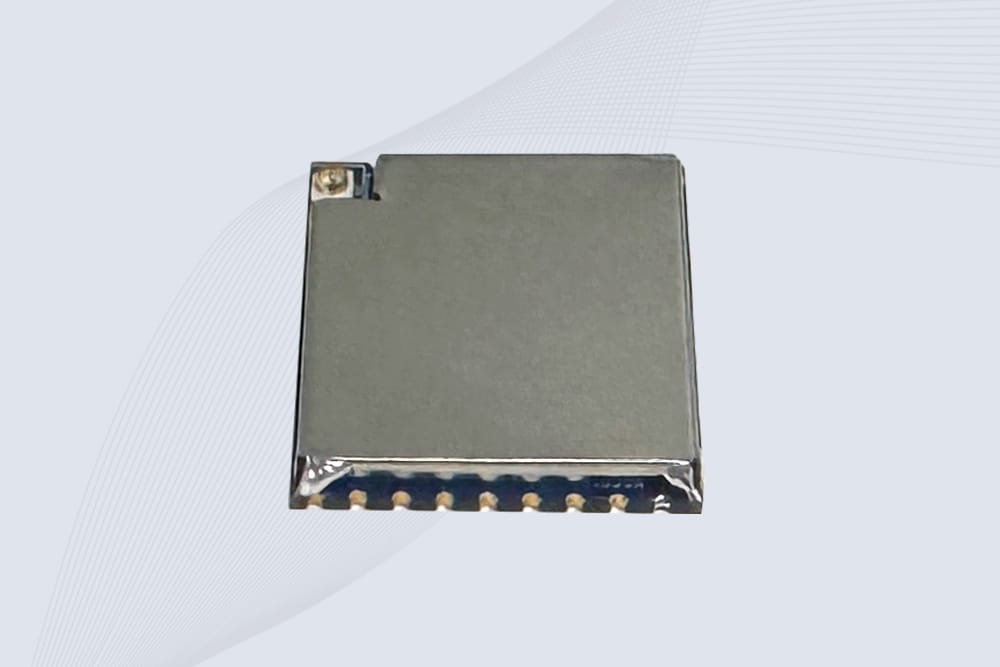
CYKEO Embedded RFID Module is built for compact IoT and industrial devices that need stable UHF performance. This UHF module supports global protocols, low power operation, and reliable multi-tag reading for smart lockers, production lines, and always-on RFID systems.
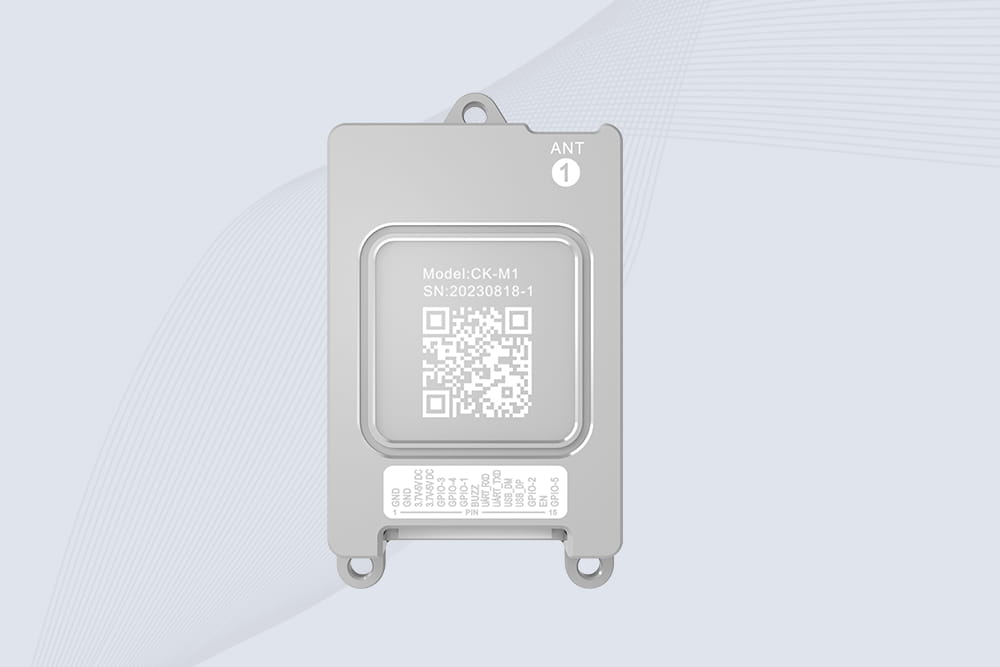
CYKEO CYKEO-M1 drone rfid module is a compact UHF RFID reader module designed for drones and UAV platforms. It supports long-range aerial scanning, fast multi-tag reading, and stable performance in wind, vibration, and outdoor environments.
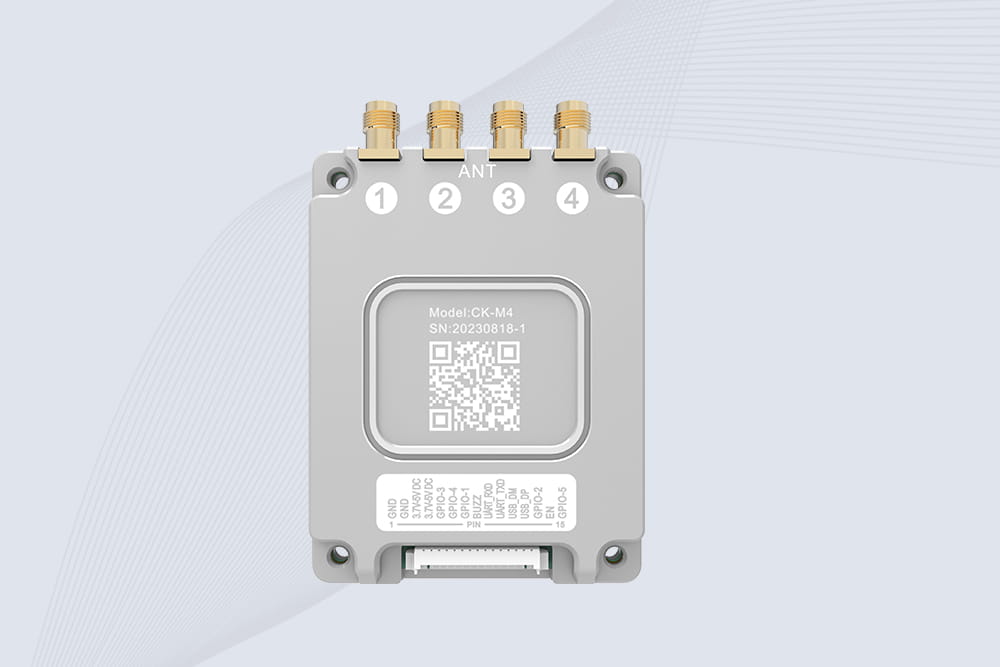
CYKEO CYKEO-M4 RC522 RFID Module is an industrial-grade UHF RFID reader with 4 ports, supporting ISO, EPC, and GB protocols. High-speed, accurate reading for IoT, automation, and warehouse applications.
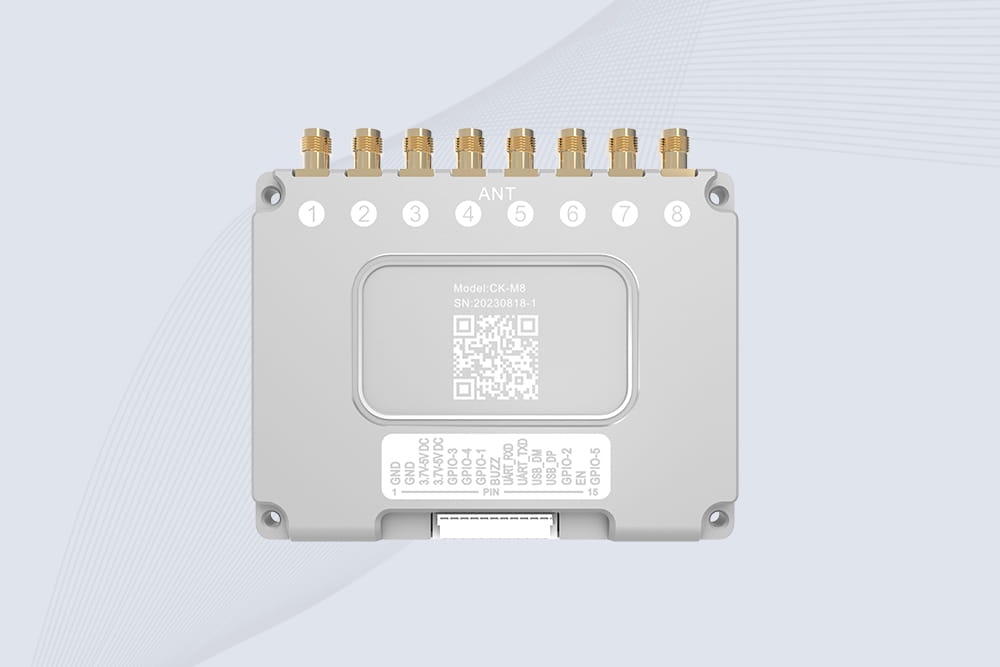
CYKEO CYKEO-M8 Module RFID is an 8-port UHF R2000 RFID Module designed for high-density, multi-tag environments. Stable 33dBm output, ISO & GB protocol support, ideal for warehouses, factories, and automated systems.
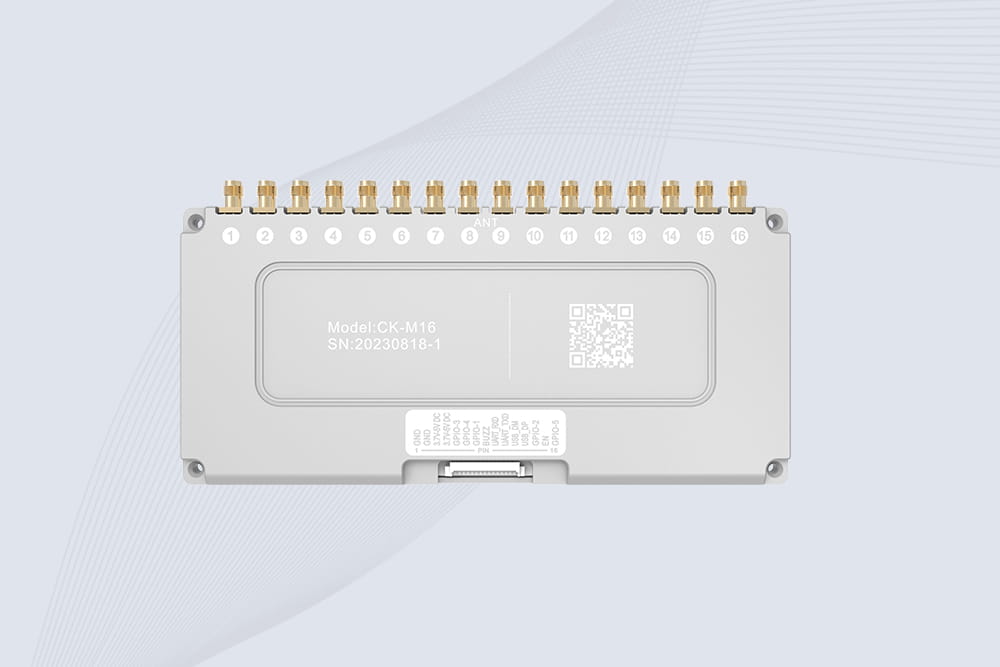
CYKEO CYKEO-M16 RFID Module is a 16-port UHF RFID reader module based on the R2000 chipset. Designed for dense tag environments, it supports ISO and GB standards and delivers stable multi-antenna control for industrial automation.
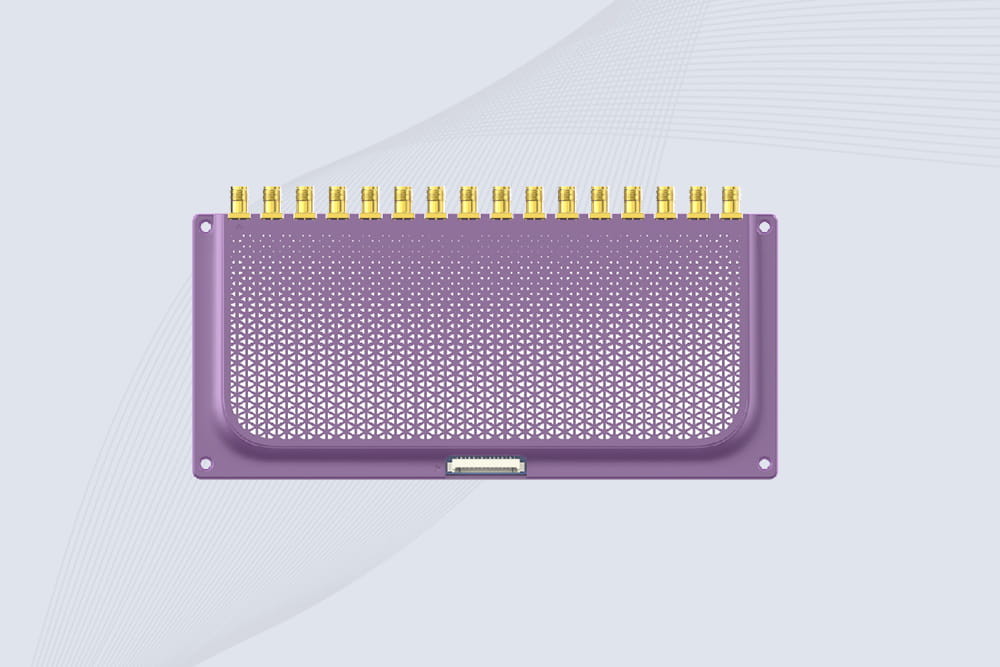
The CYKEO CYKEO-M16L RFID Reader Module is a 16-channel UHF RFID core designed for dense tag environments. With adjustable 33dBm output, multi-protocol support, and stable multi-antenna control, this RFID Tag Reader Module fits industrial automation, warehouse systems, and large-scale IoT deployments.
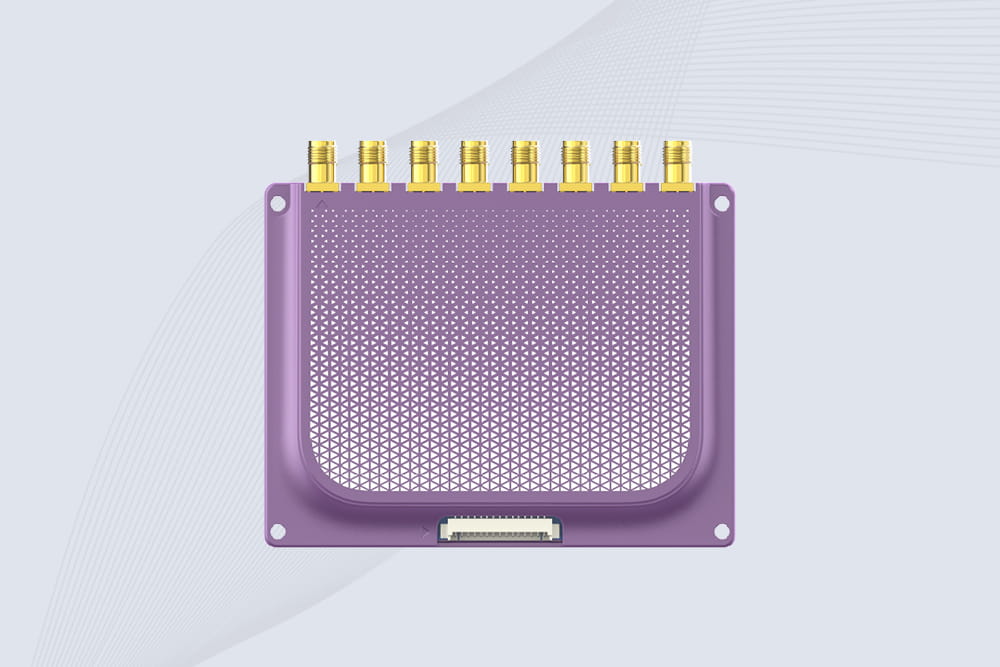
CYKEO CYKEO-M8L module RFID is a compact industrial UHF module built for dense tag and multi-antenna environments. With 8 RF ports, adjustable 33 dBm output, and ISO & GB protocol support, it is widely used in factories, warehouses, and automated tracking systems.
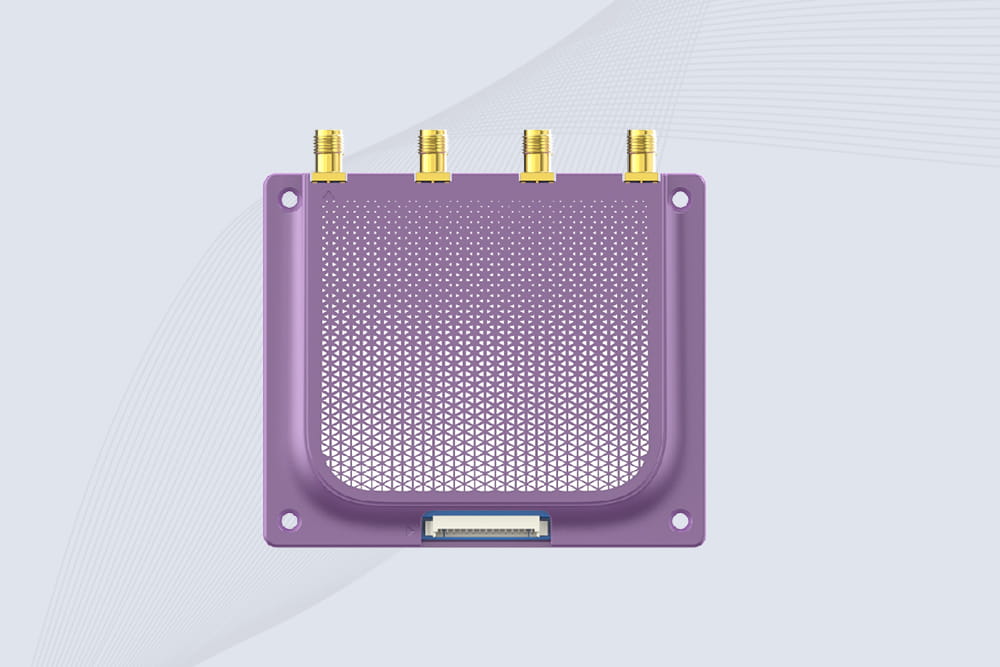
CYKEOCYKEO-M4L UHF RFID Module is a compact 4-channel RFID tag reader module designed for dense tag environments. Supporting ISO and GB protocols, it delivers stable reads up to 10 meters for industrial and IoT systems.
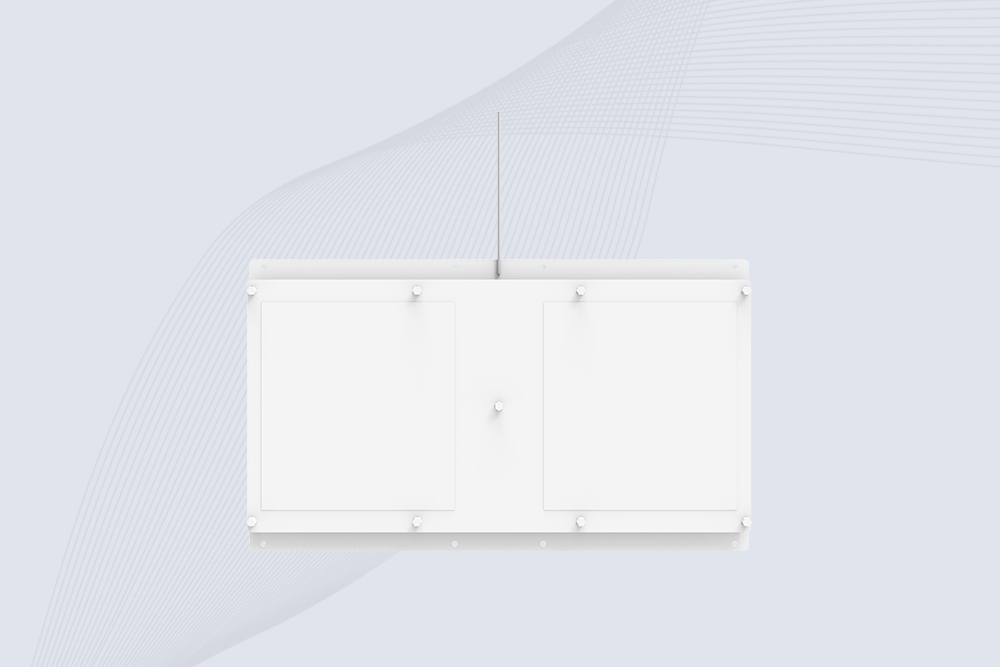
Cykeo CYKEO-A11 UHF RFID reader antenna delivers 11dBi gain, 840-960MHz frequency range, and IP65 ruggedness for retail, logistics, and industrial RFID systems. Features low VSWR and easy installation.

CYKEO Antenna RFID Reader delivers stable long-range UHF performance with a 10.5dBi directional design, built for warehouses, conveyor portals, and industrial RFID systems. This rfid reader antenna provides 20m+ read distance and rugged IP67 protection.

Cykeo CYKEO-PHF3 industrial HF RFID Antenna offers 24-point dynamic tracking, ISO 14443A/15693 protocols, metal-environment stability for archives/libraries/manufacturing.

Cykeo CYKEO-A5B industrial Linear RFID Antenna delivers 5dBi gain, ≤1.5:1 VSWR, and IP65 rugged design for warehouse, production line, and logistics UHF systems.

Cykeo’s CYKEO-B12 Long Range RFID Antenna delivers 15m+ read range with 12dBi gain, IP65 rugged design, and global 840-960MHz UHF support. Ideal for warehouse/logistics asset tracking.
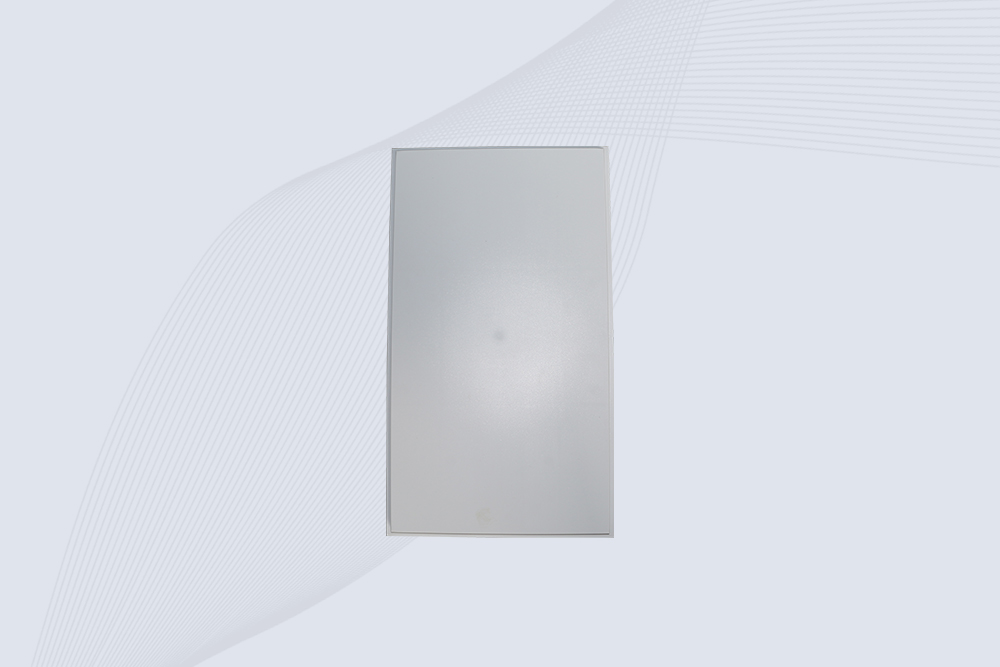
Cykeo CYKEO-B10 Long Distance RFID Antenna offers 10dBi gain, 840-960MHz frequency range, IP65 rating, and 20m+ coverage for logistics/warehousing/ETC systems. Low VSWR ensures stable signal transmission.
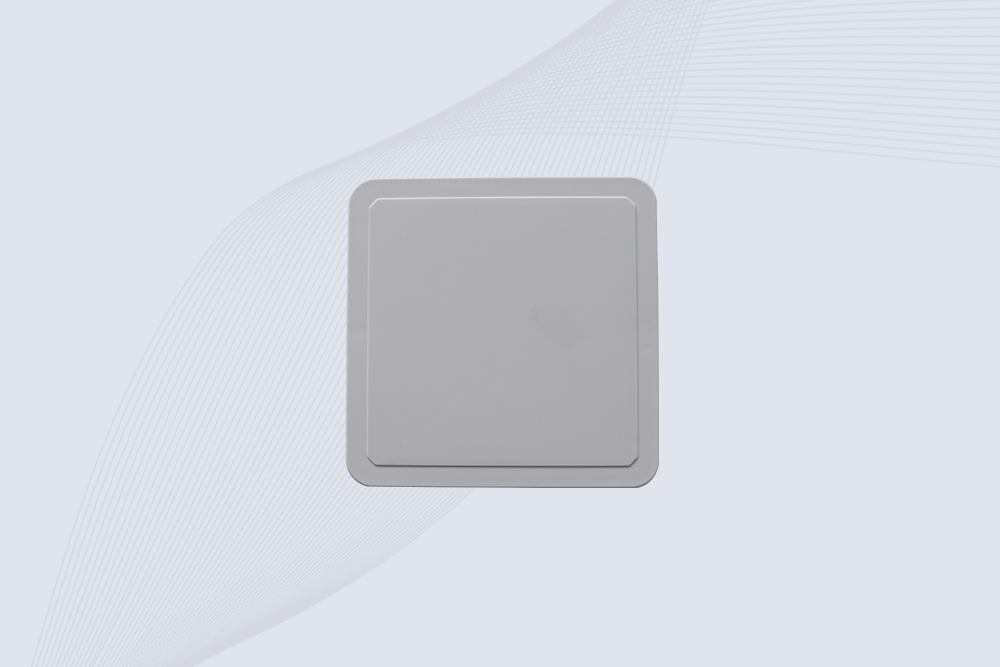
Cykeo CYKEO-A6 UHF RFID panel antenna features 6dBi gain, 840-960MHz broadband, IP65 metal-ready housing for logistics/smart retail. 18mm ultra-thin design with tool-free mounting.

Cykeo CK-A3 industrial antenna RFID UHF offers 5m+ tag detection, ≤1.3:1 VSWR, IP65 rugged design, and global UHF spectrum compatibility (840-960MHz) for warehouses, factories, and retail.
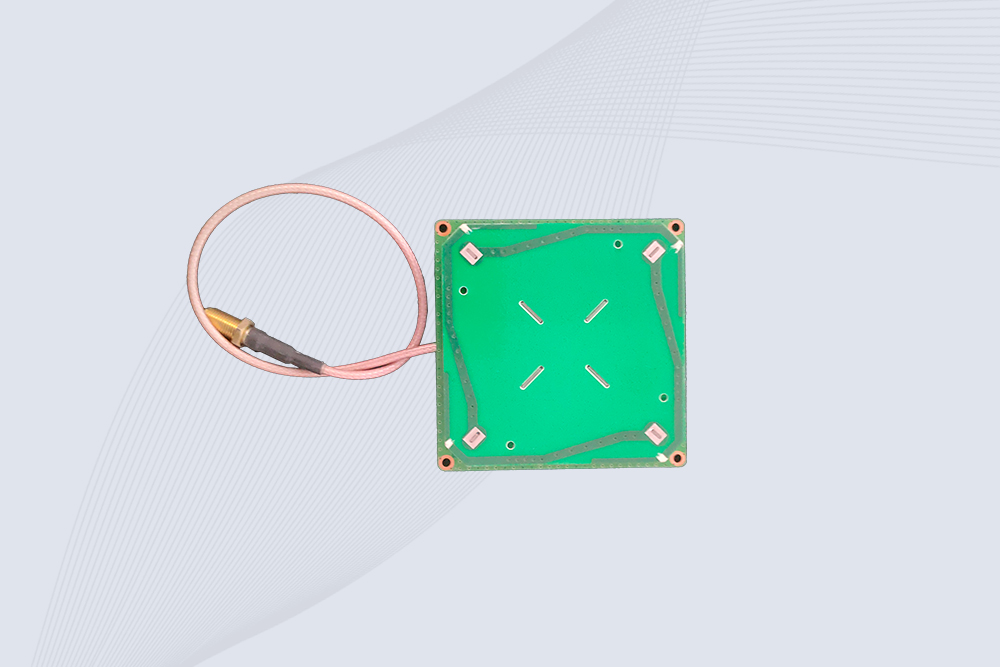
Cykeo CYKEO-B5 directional RFID antenna provides 5dBi gain with 60° narrow beamwidth for precise inventory tracking. IP65-rated, global UHF frequency support, and low VSWR.
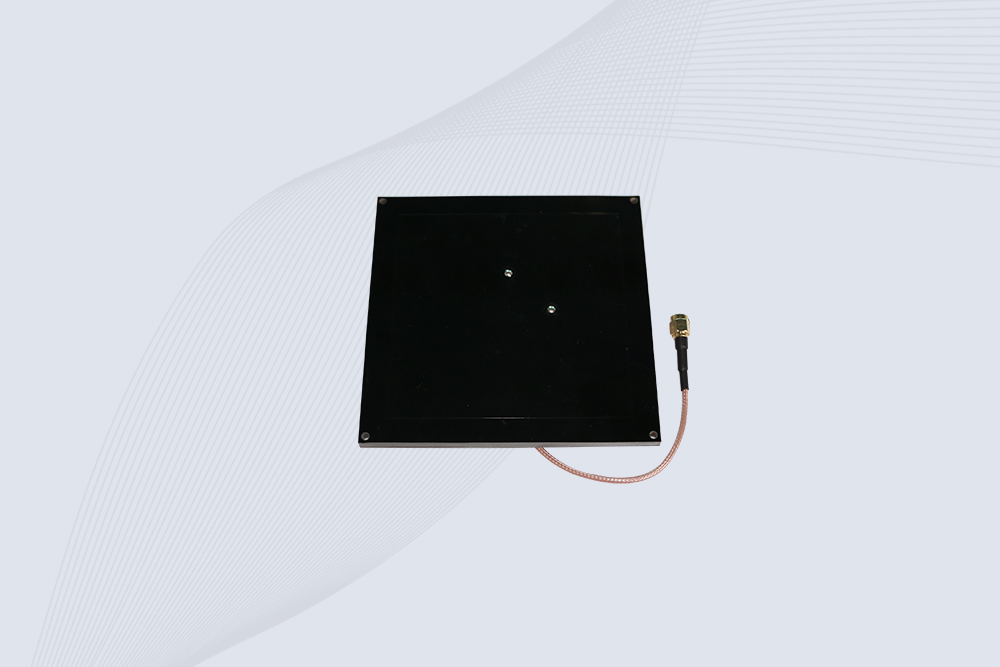
Create your own high-performance DIY RFID antenna! 5dBi gain, 840-960MHz tunable, step-by-step guides. Compatible with Arduino, Raspberry Pi, and commercial UHF readers.
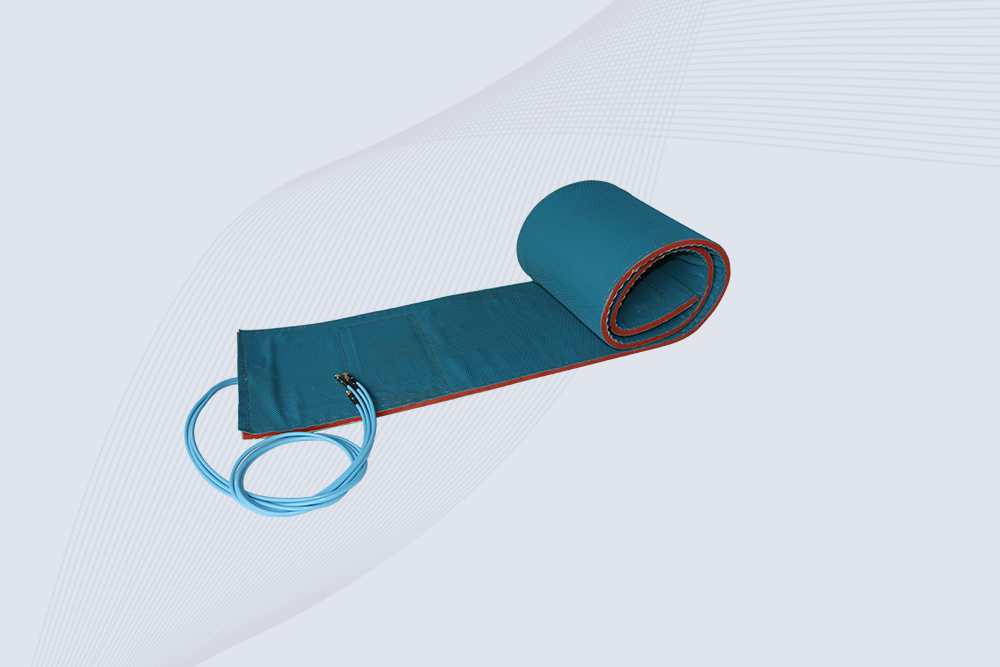
Cykeo CYKEO-A7 Flexible RFID Antenna features 840-960MHz wideband tuning, 7dBi gain, and IP68 rating for medical/retail/industrial curved surface deployments. 98% read accuracy with peel-and-stick installation.

Cykeo CYKEO-B5A industrial Passive RFID Antenna delivers 5dBi gain, 70° beamwidth, and -40°C~55°C operation for warehouses/smart cabinets. Compatible with Zebra/Impinj readers.
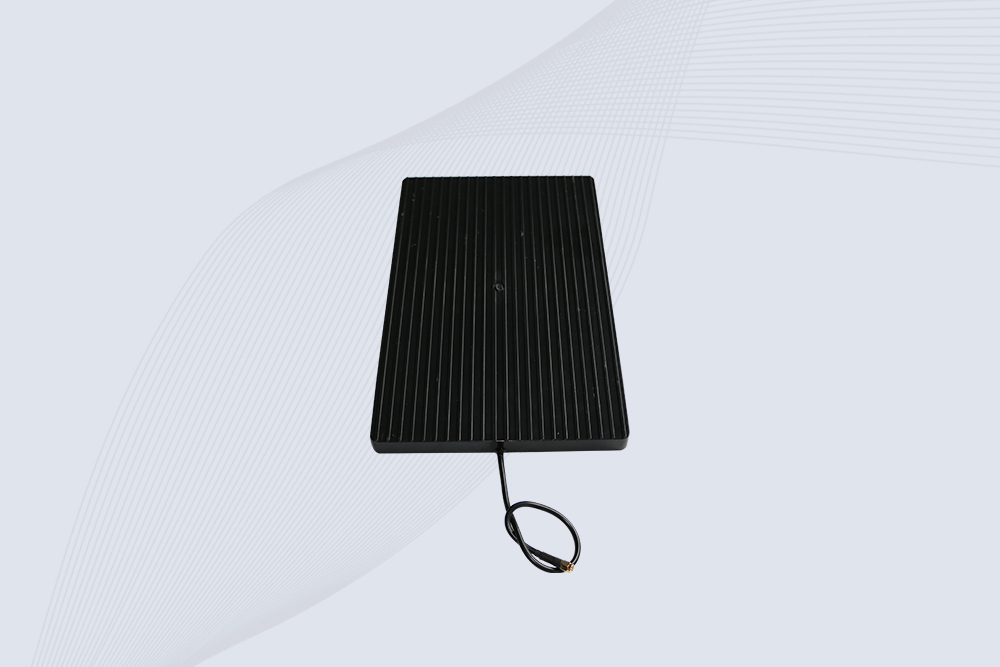
Cykeo’s CYKEO-A9B High Gain RFID Antenna delivers 15m+ read range with 9dBi amplification. Features IP54 rugged design, 840-960MHz bandwidth, and 80° beamwidth for warehouse/manufacturing RFID systems.

Cykeo’s enterprise-grade 8dbi Impinj RFID Antenna 10m+ read range with 840-960MHz tuning. Features IP65 housing, 1.4 VSWR, 35° beamwidth for retail/warehouse RFID systems.
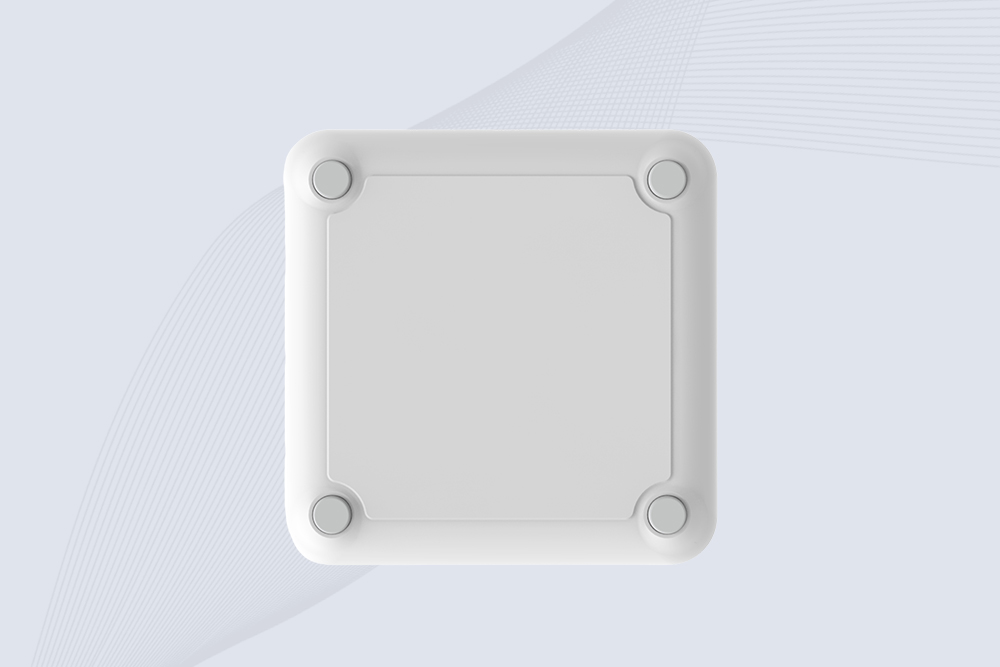
Cykeo CYKEO-A9 industrial UHF RFID antenna delivers 9dBi gain, 840-960MHz frequency range, and IP65 protection for warehouse/logistics/retail RFID systems. Features N-type connector and ≤1.3:1 VSWR.
CYKEO UHF RFID Antenna built for long-distance and industrial applications. This antenna rfid uhf delivers strong gain, outdoor durability, and reliable tag performance in warehouses, yards, and vehicle ID systems.
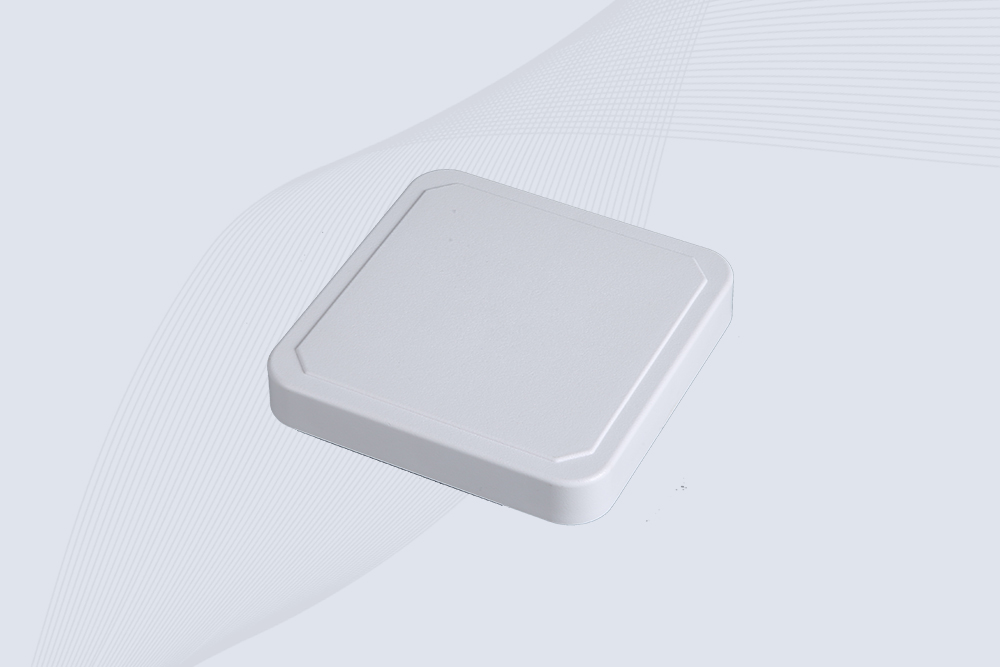
CYKEO Antenna RFID delivers reliable long-range UHF performance in warehouses, retail shelves, and cold-chain environments. This compact uhf rfid antenna provides stable reads with circular polarization and ultra-wide 840–960 MHz support, ideal for industrial tracking, smart shelves, and asset monitoring.
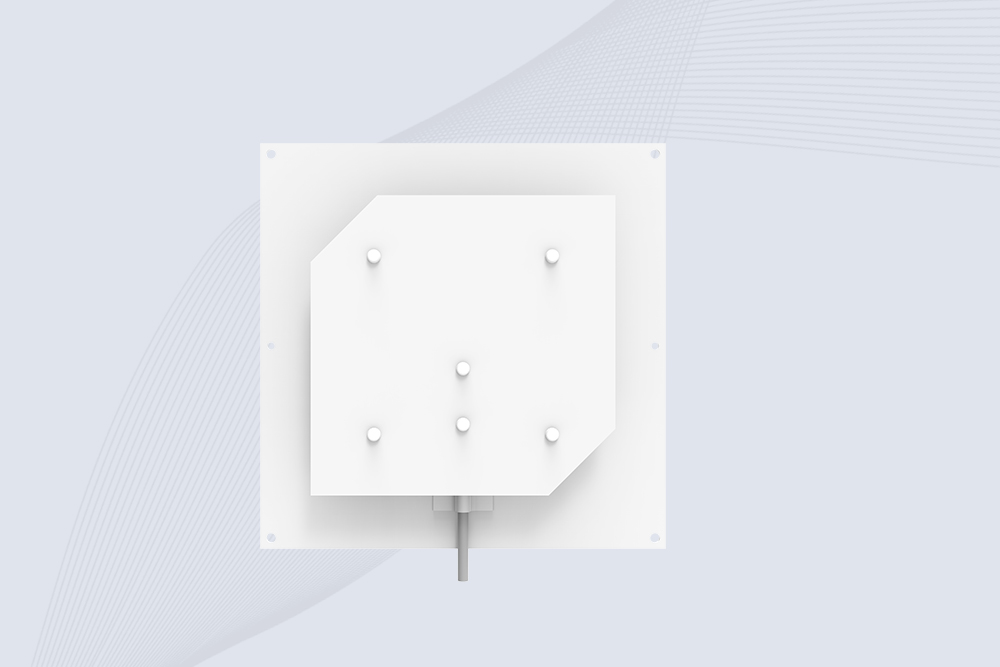
Cykeo’s CYKEO-C8 UHF RFID antennas delivers 8dBi gain, 840-960MHz full-band coverage, and IP65 ruggedness for manufacturing/warehouse RFID systems. Industrial RFID Antennas Features
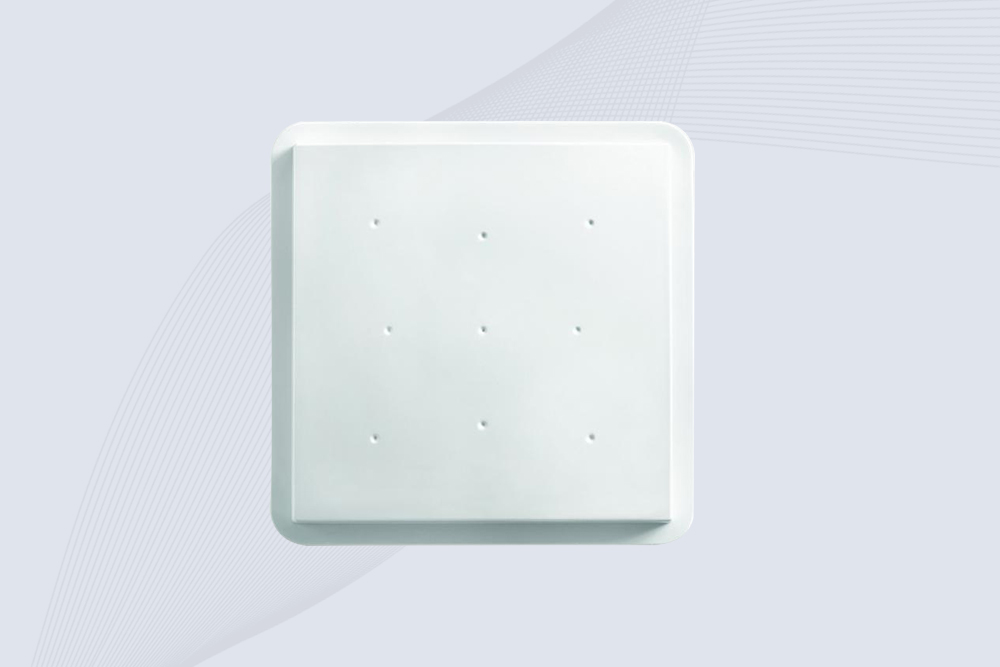
Cykeo’s 8dBi UHF RFID antenna and reader kit delivers 10m+ range, 840-960MHz broadband, and IP65 ruggedness for factories, warehouses, and logistics. ISO 18000-6C & EPC Gen2 certified.
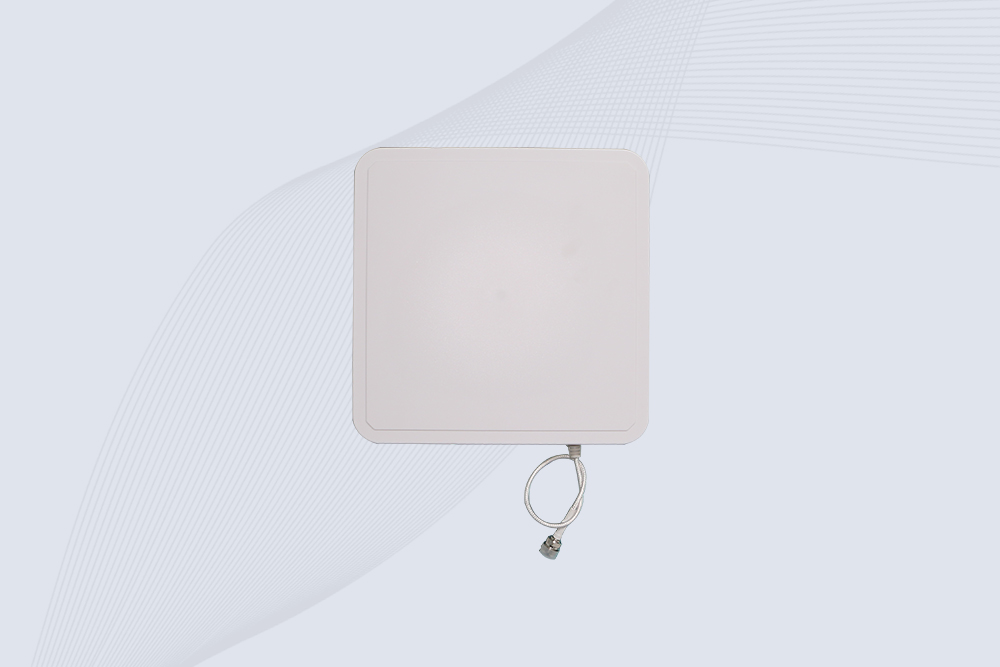
Cykeo CYKEO-A9A industrial UHF RFID reader and antenna kit delivers 10m range, 500 tags/sec, IP65 ruggedness for manufacturing/logistics. Supports EPC Gen2, ISO18000-6C.
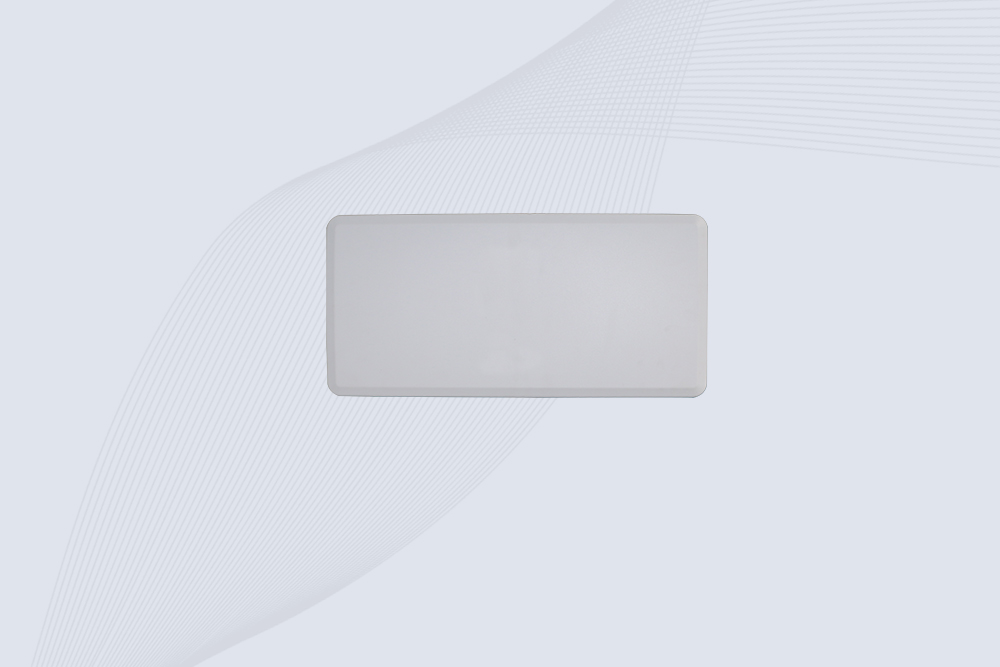
Cykeo’s CYKEO-A12C UHF Large RFID Antenna delivers 12dBi gain, 840-960MHz global frequency, IP65 ruggedness for logistics/warehousing/automotive. 40° beamwidth ensures stable 15m+ tag reads.

CYKEO Near Field RFID Antenna provides precise 5–30 cm reading for shelves, cabinets, and workstations. This compact rfid shelf antenna delivers stable short-range performance around metal and clutter, ideal for pharmacies, libraries, and electronics sorting.
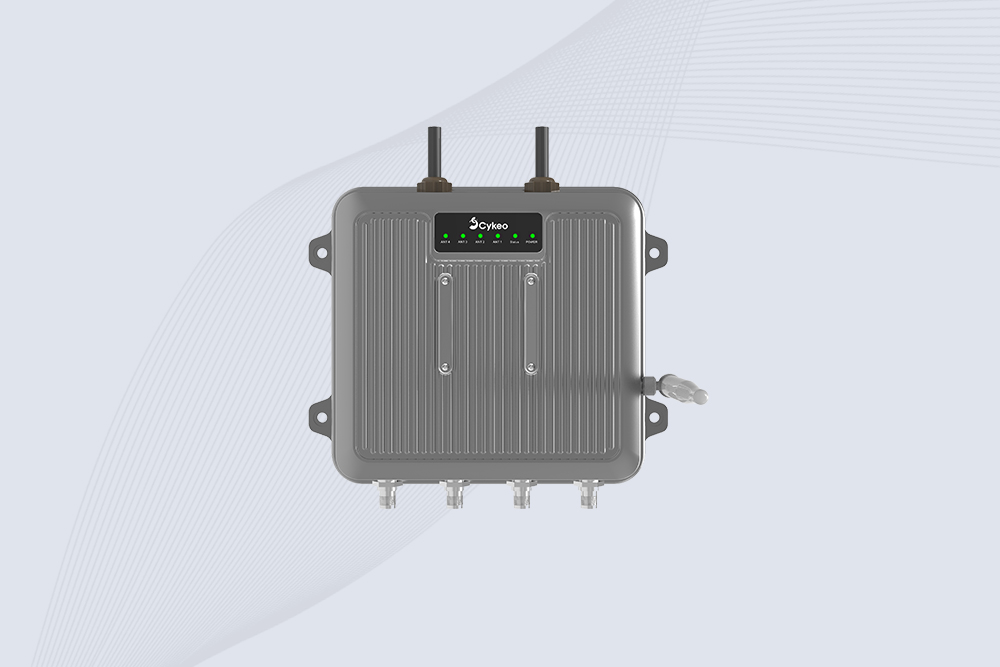
Cykeo CYKEO-C1 industrial Forklift RFID Reader features 20m read range, 600 tags/sec scanning, Impinj R2000 chipset, and IP67 rugged design. Ideal for warehouse logistics and manufacturing. Supports ISO 18000-6C/6B protocols.
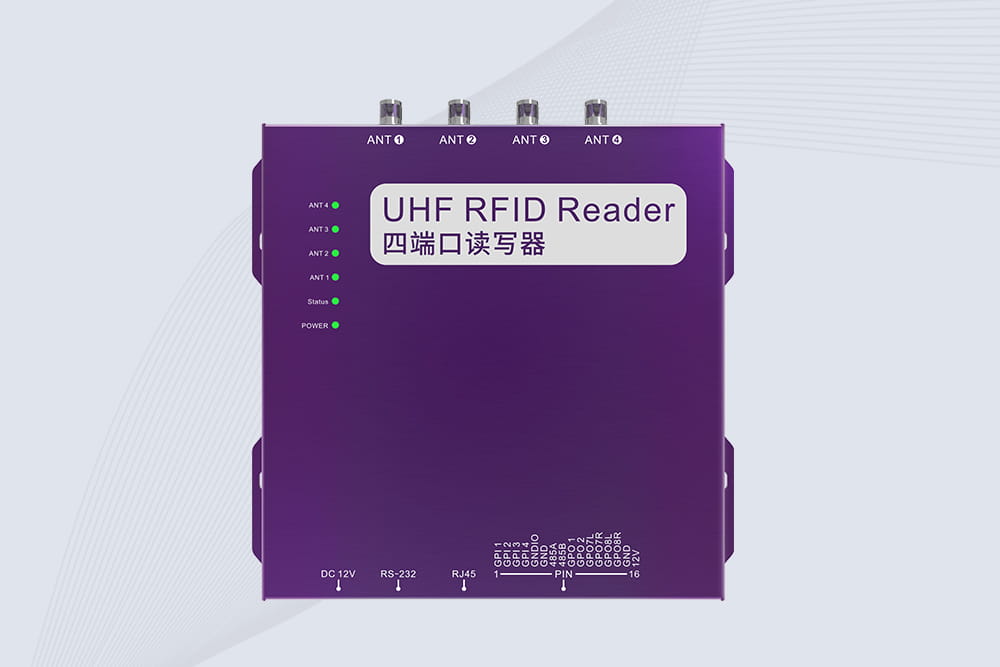
Cykeo CYKEO-R4 industrial UHF RFID Fixed Reader features 4 TNC ports, 400+ tags/sec speed, IP67 housing, and global frequency compliance for vehicle inspection, smart warehouse, and asset management systems.
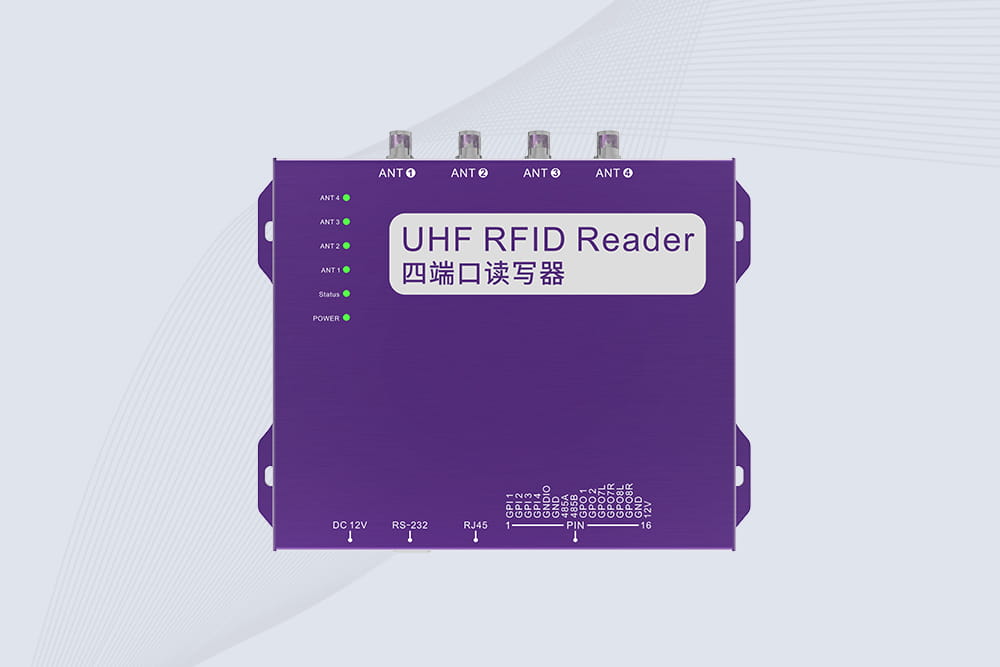
Cykeo’s CYKEO-R4L 4-port Fixed UHF RFID Reader delivers 400 tags/sec scanning, ISO 18000-6C compliance, and IP65 protection. Ideal for warehouse automation, manufacturing WIP tracking, and logistics management.
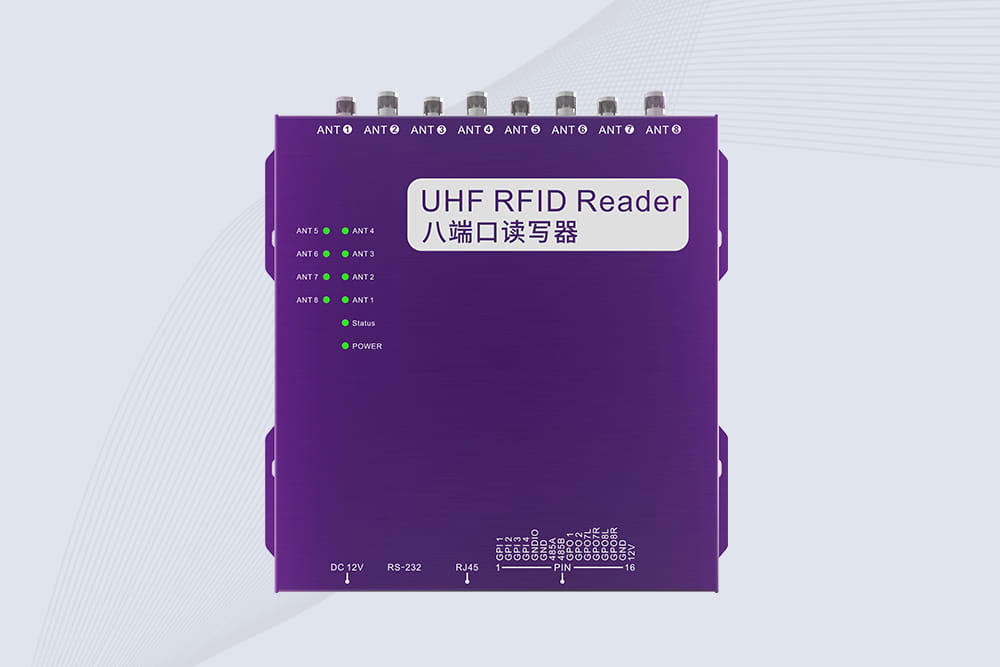
CYKEO CYKEO-R8L Fixed RFID Reader with 8-port UHF design, Impinj-based RF core and up to 20m read range. An industrial Fixed RFID Reader for vehicle inspection, warehouse portals, smart manufacturing lines and secure access checkpoints.
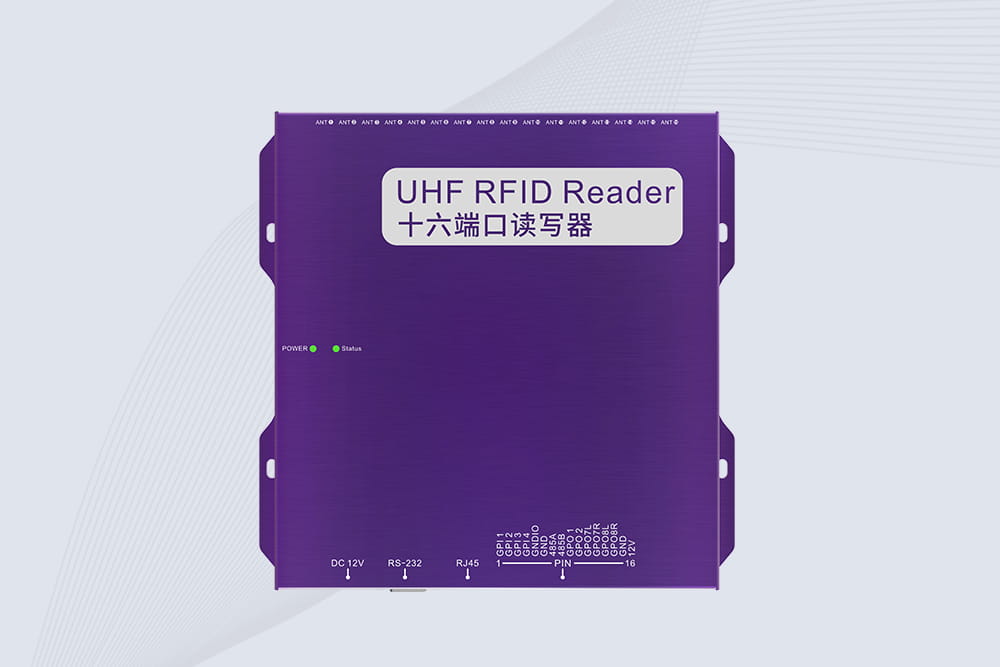
RFID Fixed Reader from CYKEO – the CYKEO-R16L 16-port UHF fixed reader for warehouses, smart cabinets, and production lines. Long-range, multi-tag reading, stable performance for 24/7 industrial use.
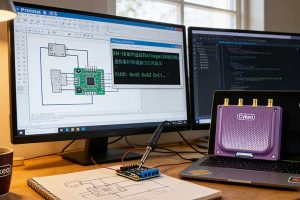
Struggling with how to add RFID module in Proteus? Follow our practical guide to find, install, and simulate common RFID readers like EM-18 in your schematic design.
More
Learn the 3 key things about UHF RFID tags: how far they can read, why most are passive, and how they scan multiple items at once for faster warehouse, retail, and logistics tracking.
More
As technology continues to advance, Radio Frequency Identification (RFID) technology has found applications across various fields. In identity verification, RFID offers unique advantages, providing innovative solutions for safeguarding privacy and...
More
Discover Cykeo’s handheld RFID reader costs for budget and premium models. Compare features, prices, and use cases for retail, logistics, and industrial automation.
More