 Cykeo RFID IoT Solution Products R&D Manufacturer
How to Integrate a UHF RFID Tag Reader into Your Existing System
119Learn how to integrate a UHF RFID tag reader into your existing system, including API, SDK, hardware connections, and real-world integration tips for industrial RFID projects.
MoreAll RFID Product
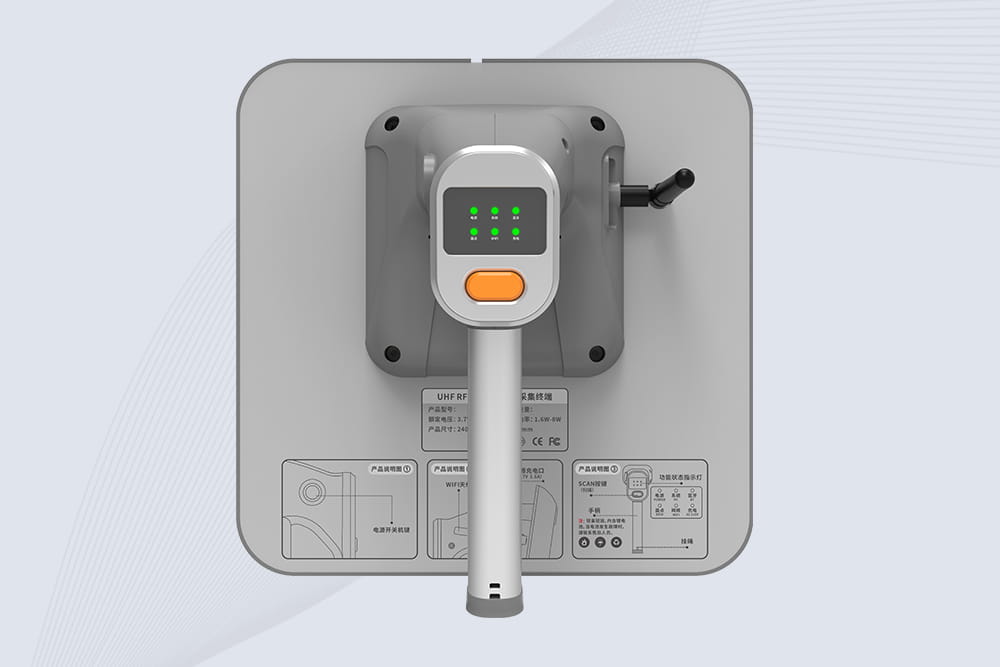
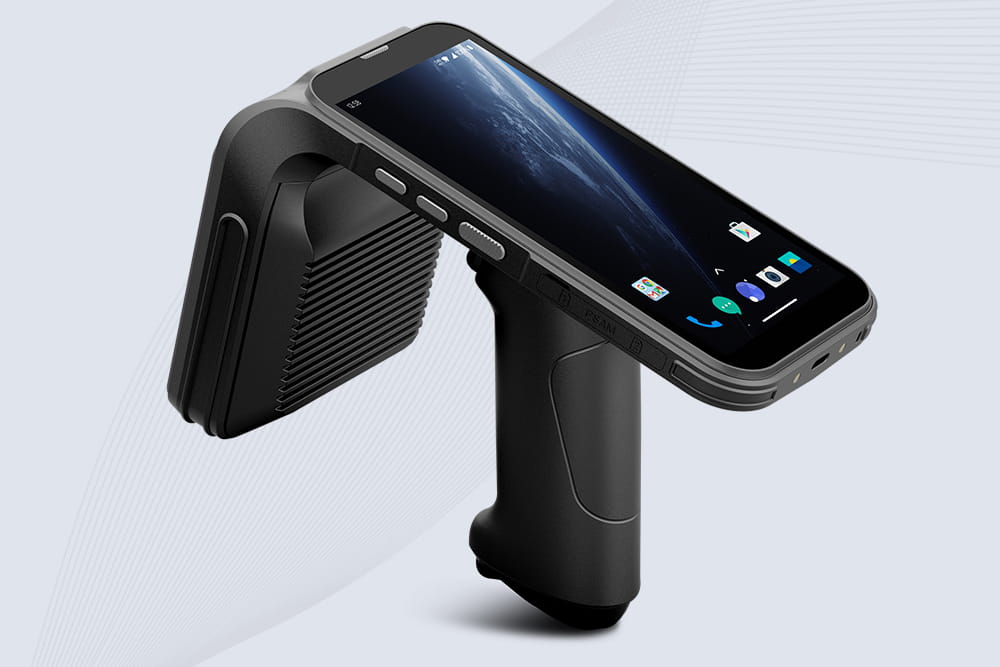
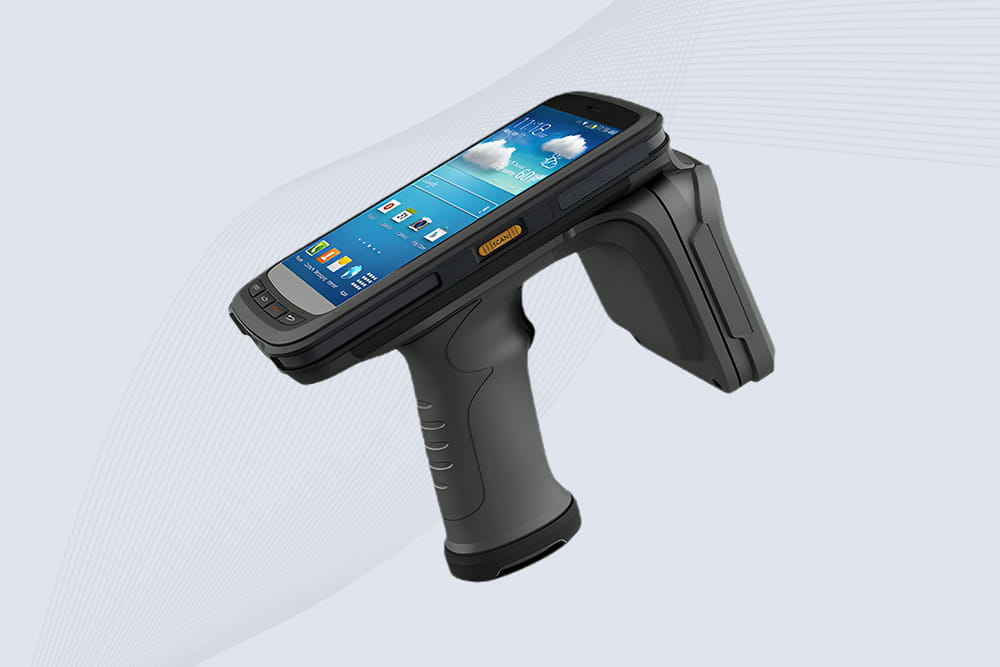
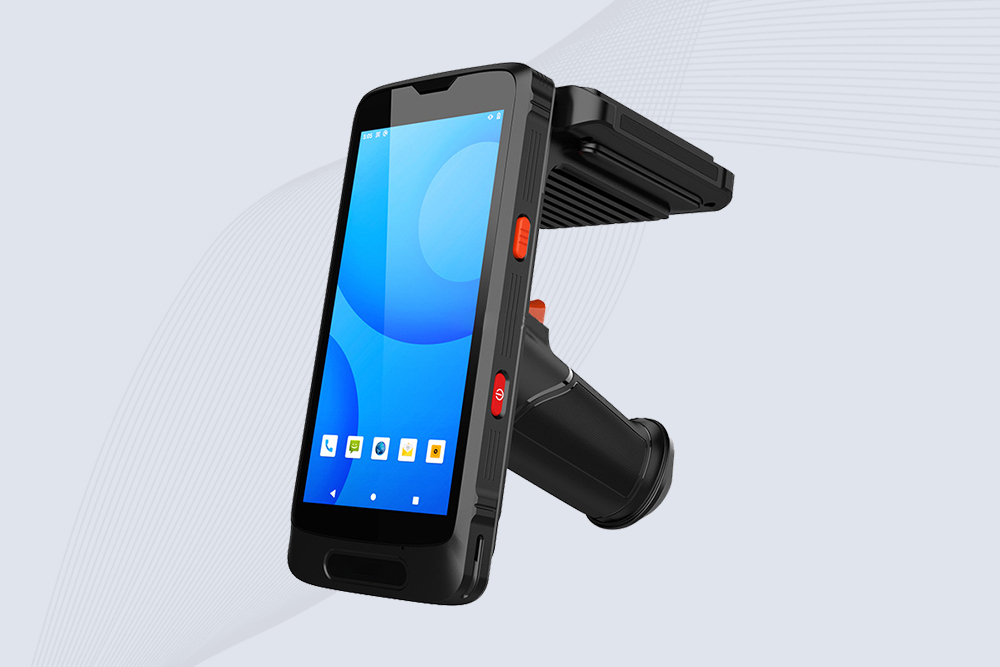
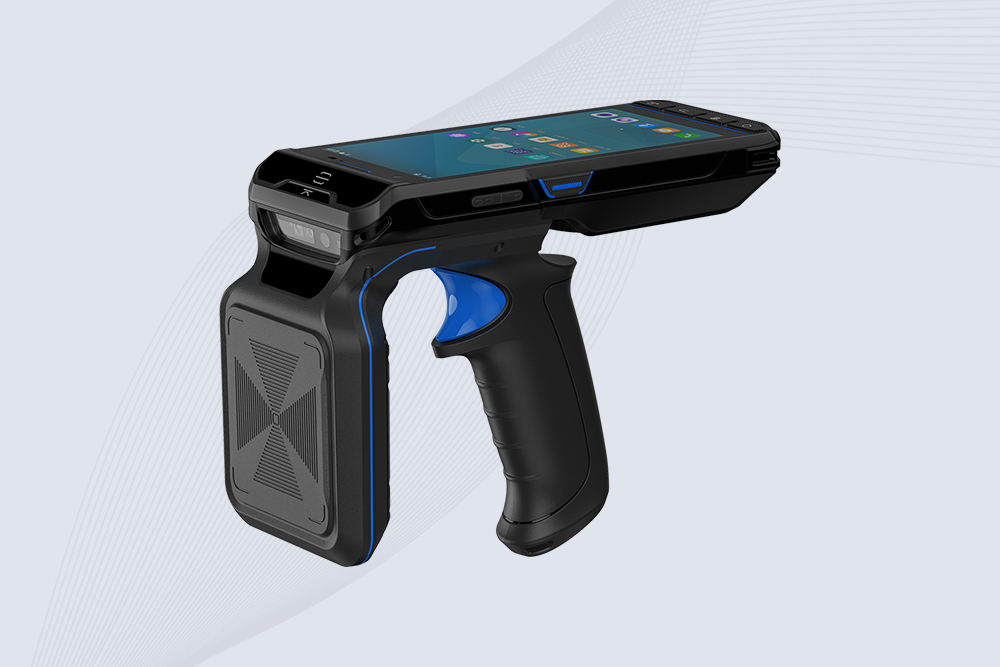
Handheld RFID scanners are designed for flexibility, but their scanning range varies widely based on technology, environment, and tag type. While most consumer-grade devices max out at 1–5 meters, industrial models can achieve 10–15 meters under optimal conditions. Here’s a breakdown of what determines range and how to maximize it for your operations.
Cykeo’s industrial handheld scanners use proprietary technologies to push range limits:
In open-field testing, Cykeo devices achieved 12-meter reads on passive UHF tags, outperforming industry averages.
Environmental factors drastically impact performance:
For tracking assets beyond 15 meters (e.g., yard management, vehicle tracking), pair handheld scanners with fixed readers or GPS-enabled tags.
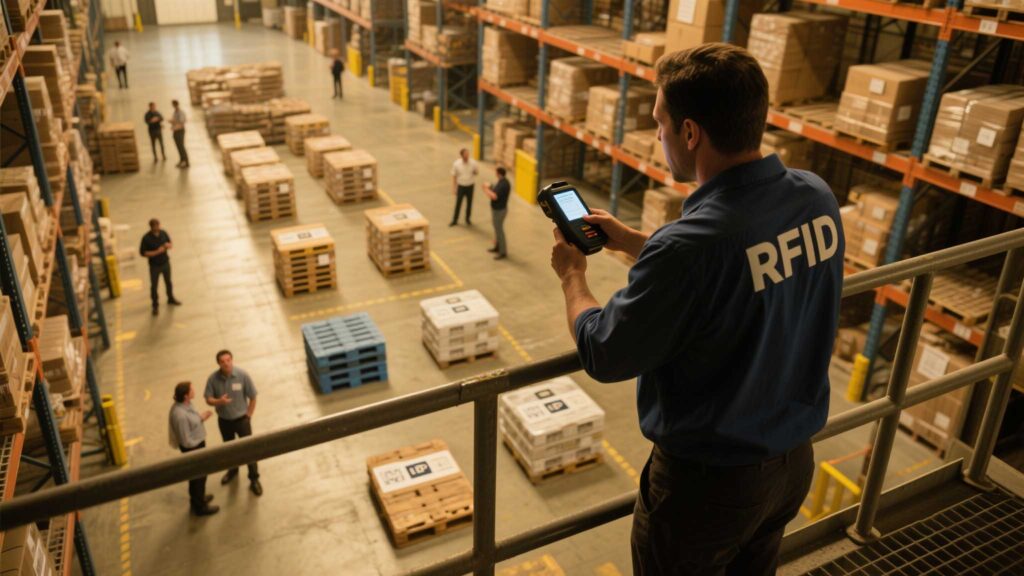
A shipping yard reduced manual searches by 80% using Cykeo’s handheld scanners to locate containers from 10 meters away. Workers now scan 200+ assets per hour without climbing stacks.
The typical RFID scanner distance for a handheld device depends on the RFID frequency and tag type. In most real-world deployments:
For logistics, warehouse inventory, and asset tracking, most companies use UHF handheld RFID scanners because they support much longer scanning distances
The RFID maximum range of a handheld scanner typically falls between 5 meters and 20 meters, depending on tag quality, antenna design, and transmit power.
Under ideal conditions—such as open warehouses and high-performance tags—some long distance RFID systems can reach up to about 20 meters.
However, real-world environments usually reduce that distance due to interference or obstacles.
Several factors determine the actual RFID reader distance you will get in practice:
For example, metal equipment or liquid containers can reduce scanning distance by 50–70% in some environments.
Portable RFID scanner in a warehouse typically reads tags from 5–10 meters away during normal operations.
In open spaces with high-gain antennas and optimized tag placement, some handheld RFID readers can reach 15 meters or more, which allows operators to scan shelves or pallets without touching each item
A long distance RFID system usually refers to setups capable of reading tags from more than 5 meters away.
Typical categories include:
Handheld devices are designed for mobility, so they usually trade a bit of range for flexibility.
Yes. Every RFID scanner range has practical limits due to:
Because passive RFID tags rely on energy from the reader signal, handheld scanners cannot realistically reach the extremely long distances sometimes seen with active RFID systems.
Yes. Most modern handheld RFID writers function as both reader and encoder.
However, writing data usually requires the tag to be closer than the maximum read range, because writing needs a stronger and more stable signal than reading.
A handheld RFID scanner gun is designed for mobility and manual scanning, while a fixed RFID reader is installed in a permanent location.
Key differences:
| Feature | Handheld RFID Scanner | Fixed RFID Reader |
|---|---|---|
| Mobility | Portable | Installed |
| Range | 3–15 m typical | 10–50 m possible |
| Use cases | Inventory checks, asset tracking | Gate portals, conveyor systems |
For operations like warehouse audits or retail inventory counts, handheld scanners are usually the most practical option.
To improve RFID scanner distance, companies typically:
Proper system design often improves read range more than simply increasing power.
Learn how to integrate a UHF RFID tag reader into your existing system, including API, SDK, hardware connections, and real-world integration tips for industrial RFID projects.
More
In the digital age, data has become a crucial asset for businesses and individuals alike. Whether it’s personal photos, work documents, or corporate secrets, the security and reliability of hard drives as storage media are more important than ever...
More
What is car tagging and why do cities, parking operators, and fleets rely on it? A clear, real-world explanation of how car tagging actually works.
More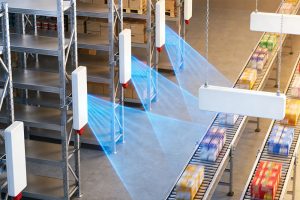
Custom 8dBi RFID panel antennas with Impinj chips for integration in retail shelves, factory lines, and automated warehouses.these antennas easy setup,and reliable performance for custom RFID antenna for retail shelves projects.
More