 Cykeo RFID IoT Solution Products R&D Manufacturer

Can RFID Reader Be Directional? Let Me Show You How We Aim Them
351Someone just asked me can rfid reader be directional after their gate installation failed. Here's the real story on antennas, beam patterns, and what CYKEO gear actually does.
MoreAll RFID Product
An RFID reader is an electronic device that communicates with radio-frequency identification (RFID) tags to retrieve identification data and, when supported, write information to compatible tags. It uses an antenna and radio-frequency circuitry to exchange signals with tags, then passes the captured data to software or a connected system for processing.
An RFID reader identifies tagged items without requiring a camera to see a printed code or an operator to scan each label manually. Depending on the system, it can read one tag at close range or identify multiple tags within a larger reading zone.
A typical RFID reading process involves four stages:
The tag data might be an identifier linked to a product record, asset number, library item, or access credential. The reader does not automatically know what that identifier means; application software typically associates it with the relevant business information.
This distinction becomes important when designing an RFID installation. A reader can successfully capture a tag identifier, but the inventory system may still need to validate the record, check permissions, or update the item’s status.
The right reader depends on the required reading distance, operating environment, tag frequency, and workflow.
| RFID reader type | Main characteristics | Typical applications |
|---|---|---|
| Fixed RFID reader | Installed at a defined location; may support external antennas | Warehouse portals, conveyor systems, production lines |
| Handheld RFID reader | Portable device for mobile scanning and inventory work | Stocktaking, asset audits, field operations |
| Desktop RFID reader | Compact device for controlled, close-range operations | Card encoding, tag registration, item management |
| Integrated RFID reader | Combines reader electronics and antenna in one unit | Compact industrial installations and equipment monitoring |
| RFID OEM module | Reader electronics designed for integration into another product | Embedded equipment, custom terminals, specialised devices |
Not every RFID reader supports every tag. Frequency and protocol compatibility must be checked before selecting equipment. A reader designed for 13.56 MHz HF tags, for example, cannot automatically read UHF tags simply because both use RFID technology.
A reader’s advertised read distance is only one part of its performance. In an actual installation, antenna design, tag orientation, nearby materials, and the required reading speed can be just as important.
Common RFID frequency categories include LF, HF, and UHF. GS1’s EPC UHF Gen2 standard defines air-interface communication for compatible UHF RFID systems used in applications such as supply-chain identification. Before purchasing a reader, confirm that its supported frequency band and protocol match the tags already in use.
A fixed reader may use an integrated antenna or connect to external antennas positioned around a conveyor, doorway, or storage area. Antenna placement determines which tags enter the reading zone.
For warehouse applications, testing should use actual cartons and realistic movement speeds. A reader that performs well with stationary tags on a workbench may behave differently when tags are mounted at different angles or surrounded by metal shelving.
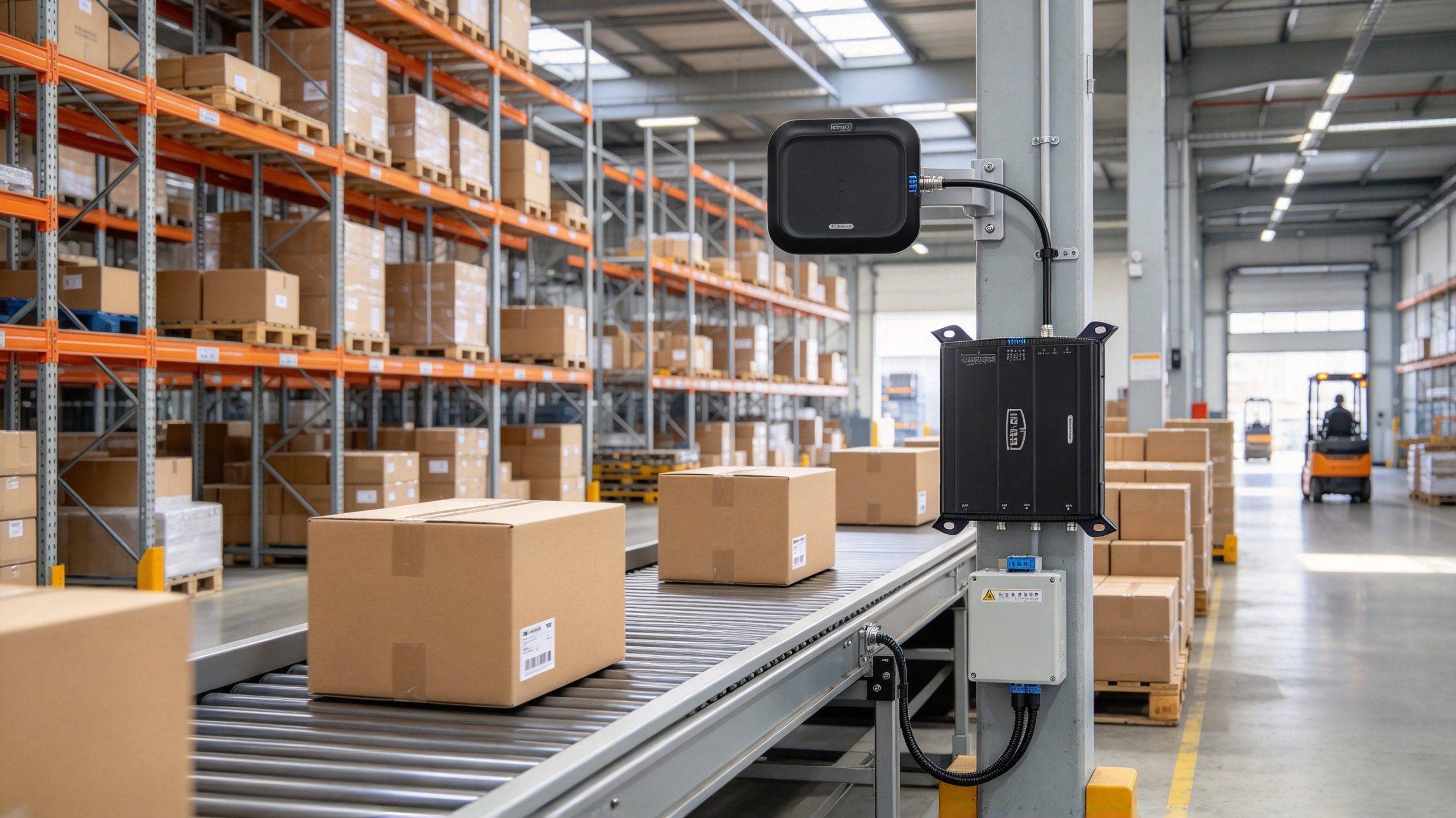
Industrial readers may provide interfaces such as Ethernet, RS-232, USB, or wireless connectivity, depending on the model. The right choice depends on the host computer, programmable controller, network design, and application software.
Also check the available software development kit (SDK), application programming interface (API), communication protocol, and diagnostic tools. These features affect how easily the reader can be integrated into an existing warehouse or manufacturing system.
Before choosing equipment from Cykeo, identify the task the reader must perform:

An RFID reader can power on and communicate with a computer yet still fail to deliver the expected results. Troubleshooting should separate radio-frequency performance from software and network issues.
| Problem | Possible cause | What to check |
|---|---|---|
| Reader cannot detect tags | Frequency or protocol mismatch | Confirm that the reader and tags are compatible |
| Reading distance is too short | Antenna positioning, tag orientation, or unsuitable tags | Test with a known-compatible tag and adjust the setup |
| Too many unwanted tags are detected | Reading zone is too broad or power is too high | Adjust antenna direction and permitted power settings |
| Reader detects tags but software shows no data | Communication or application configuration issue | Check interface settings, SDK/API configuration, and data format |
| Tags are missed on a moving conveyor | Insufficient read opportunity or poor antenna placement | Test at normal operating speed and reposition the antenna |
| Reader disconnects intermittently | Power supply, cabling, or network instability | Inspect connections, power requirements, and network status |
GS1’s RFID architecture documentation distinguishes communication between readers and tags from the software interfaces that manage captured data. Its Low Level Reader Protocol (LLRP) provides a standard interface for controlling compatible readers, helping integrators build more portable applications.
When a reader misses tags, start with a simple test rather than changing several settings at once.
Changing one variable at a time makes it easier to identify the cause. Increasing transmit power, for example, will not fix a protocol mismatch or an incorrectly configured software interface.
An RFID tag stores identification data or other supported information and communicates with a reader. The reader transmits radio signals, receives the tag’s response, and transfers captured data to a connected application. Both components must support compatible RFID technology.
The distance depends on the frequency, tag design, reader power, and antenna configuration. LF and HF systems often operate at short distances, while passive UHF RFID readers can typically identify tags several metres away. GS1 notes that UHF passive RFID can reach 15 metres in special cases, although actual performance varies
No. Readers are designed for particular frequency bands and communication protocols. A UHF reader cannot automatically read an HF card, for example. Confirm frequency, protocol, and tag compatibility before integrating a reader into an existing system.
Some RFID readers support writing data to compatible tags, provided the tag’s memory, access permissions, and protocol allow it. Other readers are designed primarily for identification and reading. Check the manufacturer’s specifications before selecting equipment for encoding or tag-management tasks.
Industrial RFID readers identify tagged products, tools, containers, and assets in environments such as warehouses, factories, and logistics facilities. Fixed readers can automate identification at conveyor points or entry portals, while handheld readers support mobile stocktaking and asset audits.
Start with the application, tag type, required reading distance, and installation environment. Then check supported protocols, antenna options, communication interfaces, software development tools, and regional radio regulations. Testing the complete setup with actual tags is the most reliable way to validate the choice.
An RFID reader is more than a device that detects tags. It is the link between tagged objects and the software that uses their identification data. A successful installation depends on matching the reader to the tag, antenna, operating environment, and business workflow.
When evaluating Cykeo RFID readers, compare fixed readers, desktop devices, handheld equipment, and OEM modules against the intended application. Verify compatibility and test real operating conditions before deployment.
Understanding what is the RFID reader means understanding both its radio-frequency function and its role in the wider identification system.

Discover SSD-D4AL, a USB-HID UHF RFID reader with 4/8/16 antenna options, Impinj E710/X3M1 chipset, plug-and-play USB power, and OEM customization.
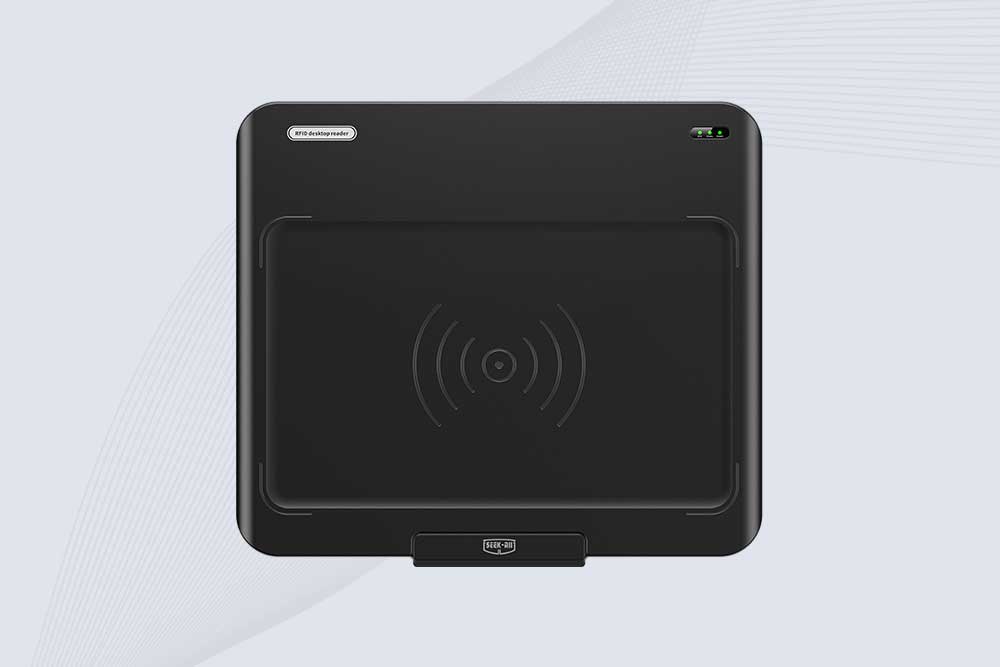
SSD-D3AL is a USB-HID UHF RFID reader with 0–30 cm reading, 0–15 cm writing, over 600 tags/s recognition, USB plug-and-play operation and OEM Logo customization.
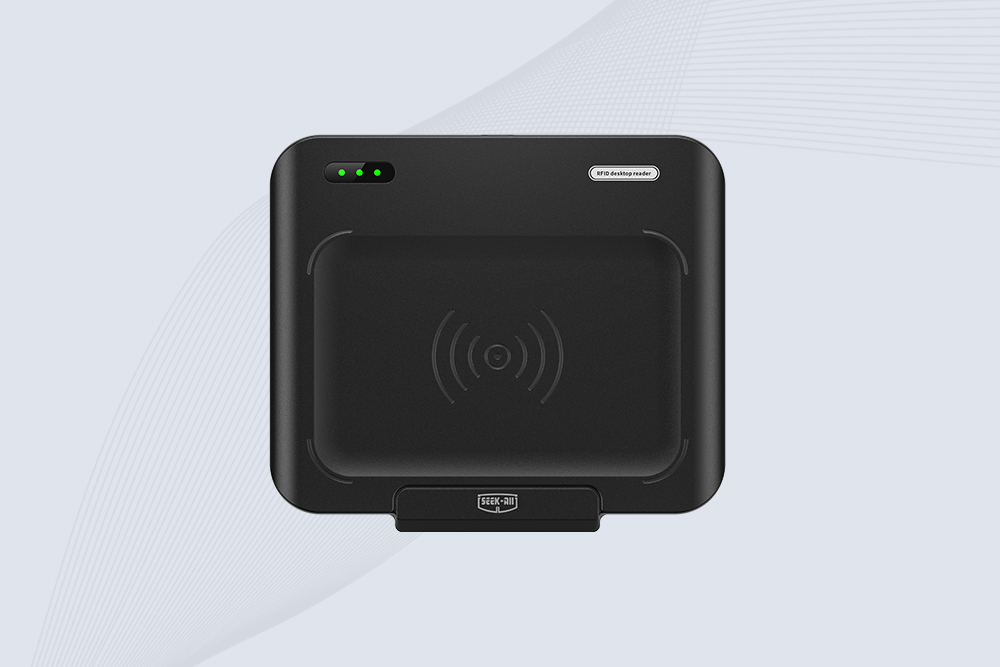
SSD-D1AL is a compact USB UHF RFID reader with Impinj E710/X3M1 chipset, USB-HID, 600+ tags/s recognition, 4/8/16 antenna support and plug-and-play USB power.

SSD-R16L Multi-Channel RFID Infrastructure for Automated Inventory Management ✔️ 16-Port High-Density RFID Reading Equipped with 16 SMA antenna ports, SSD-R16L supports multi-antenna deployment for warehouses, retail stores, logistics, production lines, and large-area RFID identification. ✔️ High-Speed & Long-Range Performance With up to 33…

SSD-R8L 8-port UHF RFID reader with 33dBm output, up to 20m reading range and 600+ tags/s recognition. Ideal for warehouse, logistics, retail and asset tracking.

SSD-R4L is a 4-port UHF RFID fixed reader with 33dBm output power, up to 20m reading range, EPC C1G2 support and 600+ tags/s reading speed.

CYKEO CYKEO-D1LA USB RFID Reader is a compact desktop solution with near-field control for precise tag reading and encoding. Powered by USB, supporting ISO 18000-6C, and built for stable batch writing, this usb rfid tag reader fits retail, libraries, offices, and controlled RFID encoding tasks.
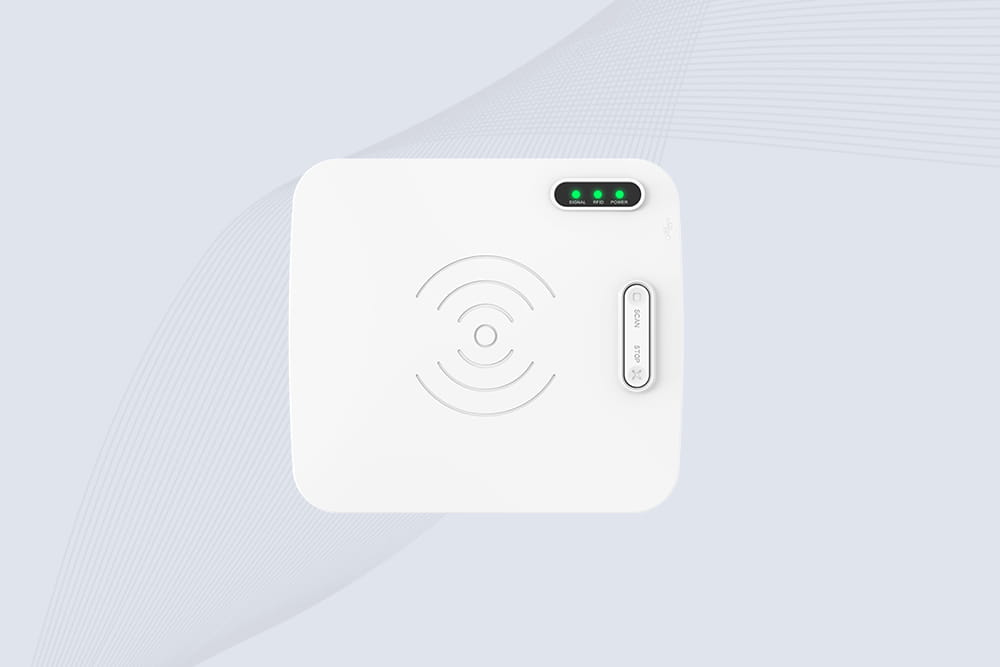
CYKEO CYKEO-D1L RFID scanner USB is a compact desktop UHF RFID scanner designed for short-range tag writing and verification. This usb rfid scanner supports batch encoding, stable 0–26 dBm output, and works across Windows, Linux, and Android systems.
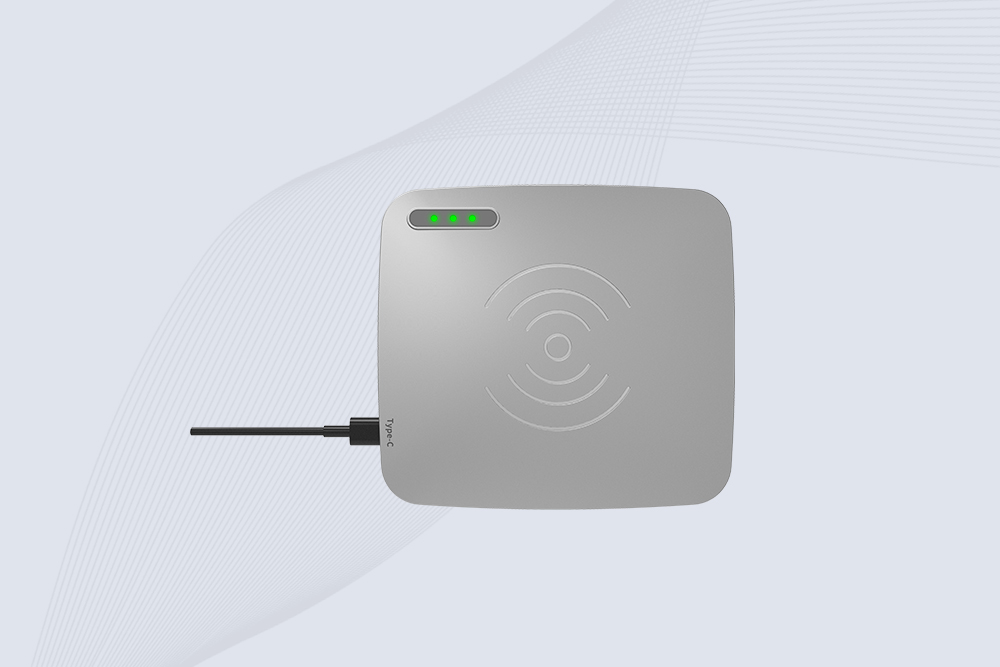
CYKEO CYKEO-D1C USB RFID Card Reader is a near-field UHF desktop writer designed for secure, short-range tag encoding. With USB-C connectivity and stable 26 dBm output, this rfid reader usb c is ideal for badge issuance, label encoding, and controlled desktop RFID workflows.
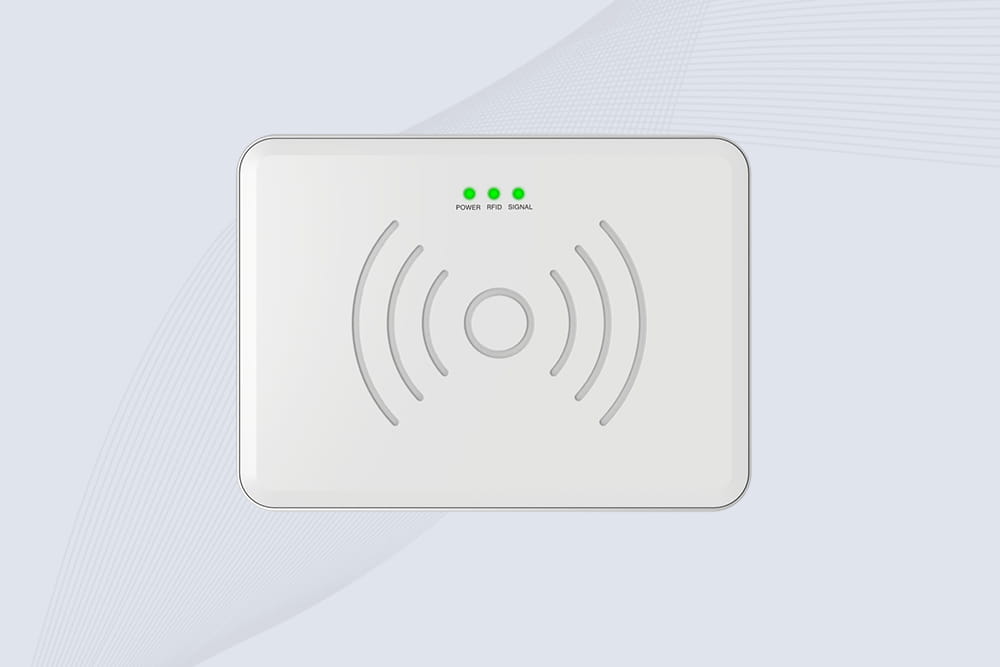
CYKEO CYKEO-D2L RFID Reader USB is a compact desktop encoder built on the Impinj R500 chip. With near-field control and stable USB power, this usb rfid card reader delivers precise tag writing for offices, retail counters, and small-scale logistics encoding tasks.
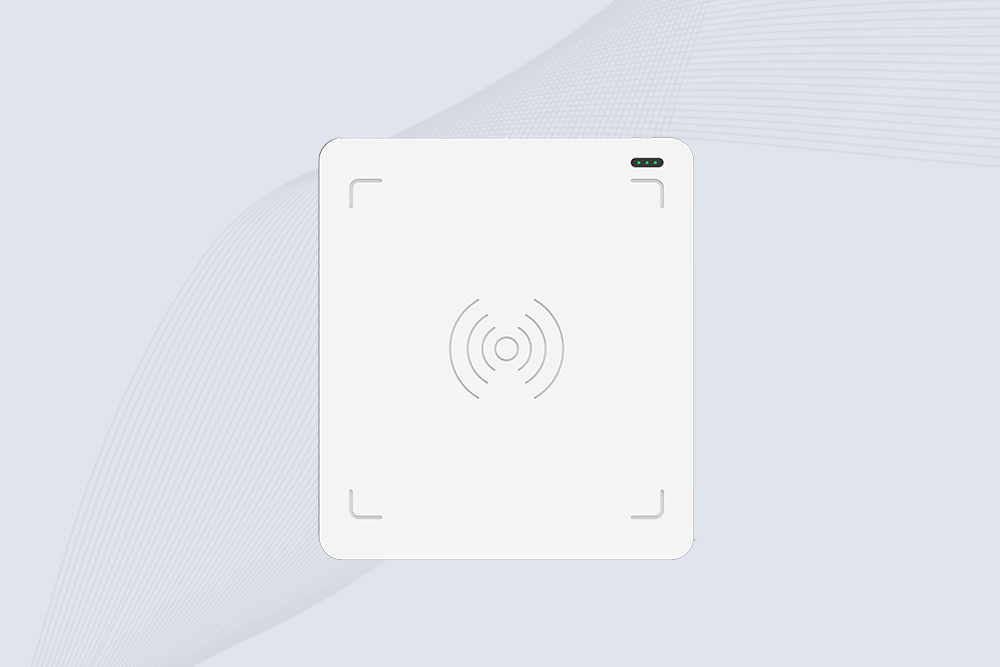
CYKEO CYKEO-D3L USB RFID Tag Reader delivers stable UHF tag reading and writing for daily desktop and light industrial tasks. Designed for controlled short-range operation, this USB RFID Tag Reader works reliably with rfid tag and reader systems in libraries, tool tracking, and inventory registration.
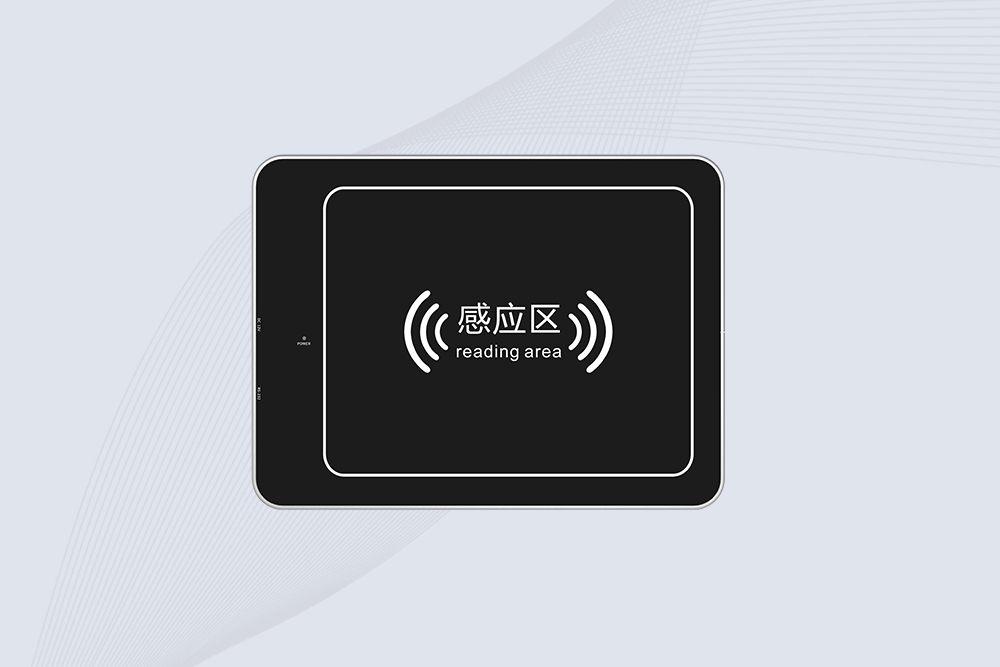
The CYKEO CYKEO-D4L UHF RFID Tag Reader is a stable Desktop RFID Reader designed for accurate tag registration, borrowing, and return workflows. Built with the Impinj R2000 chip, this UHF RFID Tag Reader delivers controlled short-range reads for libraries, asset tracking, and inventory management environments.
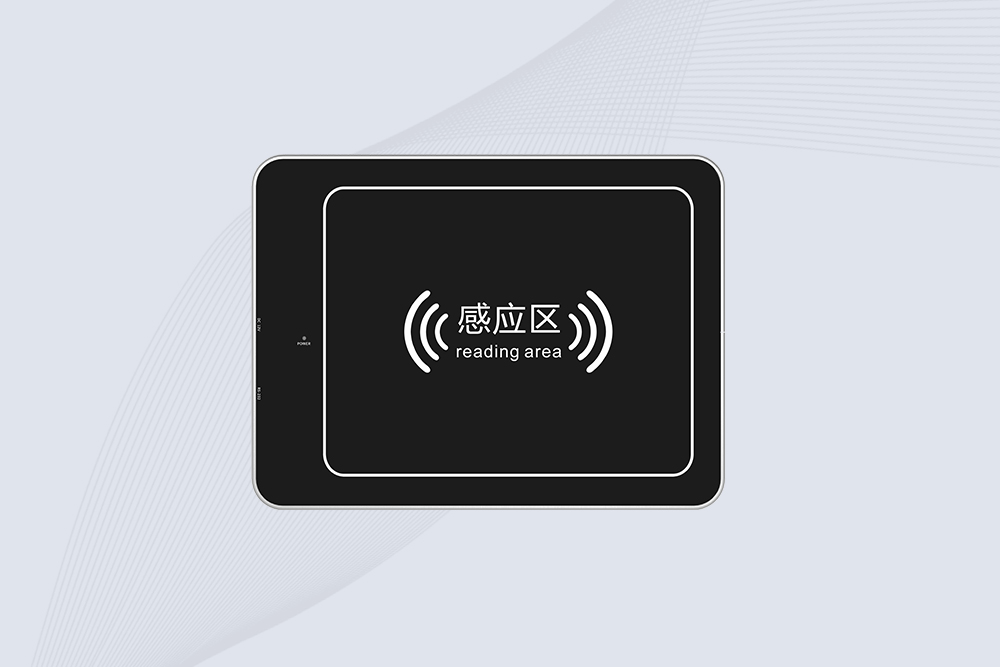
The CYKEO CYKEO-D5L Desktop RFID Card Reader is a stable UHF RFID Card Reader designed for controlled short-range reading and writing. Built for libraries, tool rooms, and asset desks, this UHF RFID Card Reader supports dense tag handling, secure data processing, and easy USB integration.
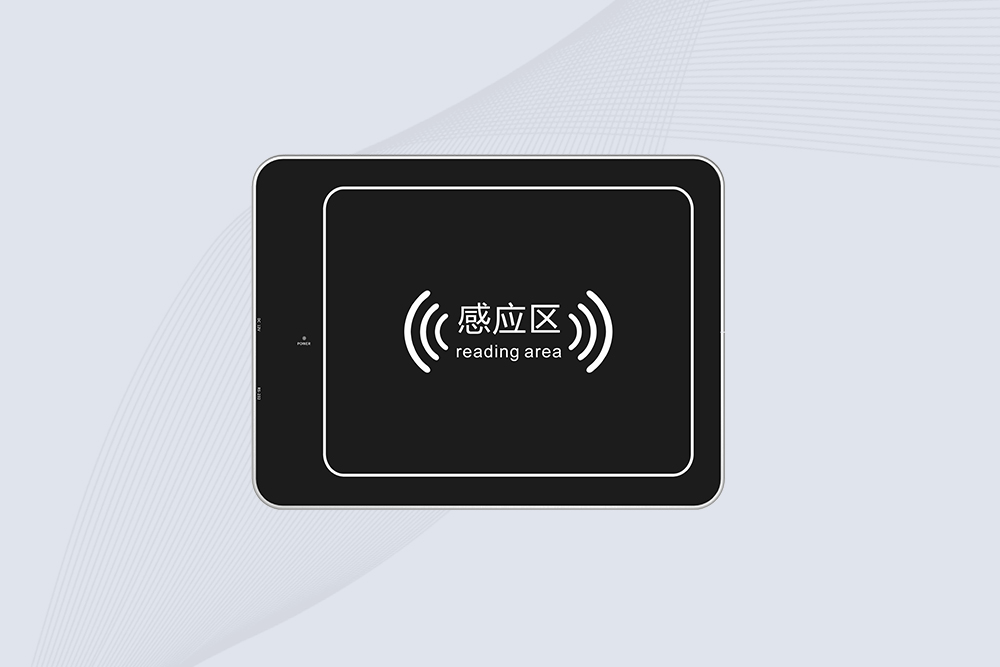
The CYKEO CYKEO-D6L RFID Reader Writer is a heavy-duty Desktop RFID Reader designed for short-range, high-accuracy tag programming. Built for libraries, labs, and asset desks, this RFID Reader Writer supports batch processing, stable 33dBm output, and seamless integration with existing management systems.
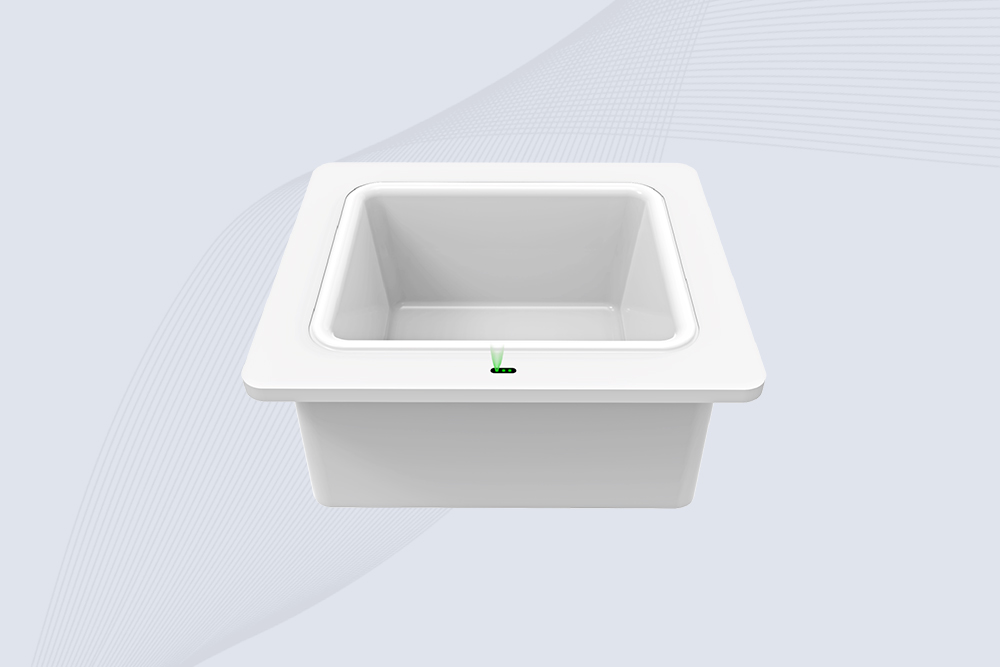
Cykeo CYKEO-D8B UHF RFID tunnel and RFID Desktop Reader features 30+ items batch reading,
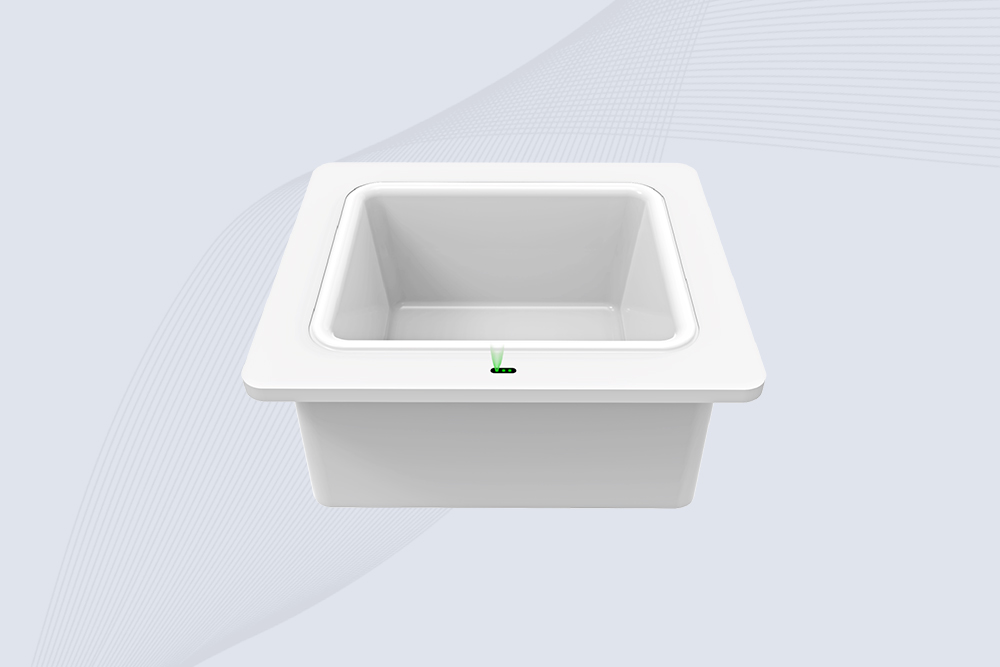
Cykeo CYKEO-D8A embedded RFID badge reader offers 30+ tags/sec scanning, 20cm anti-crosstalk precision, and DC 12V power for unmanned stores, warehouses, and smart inventory systems.
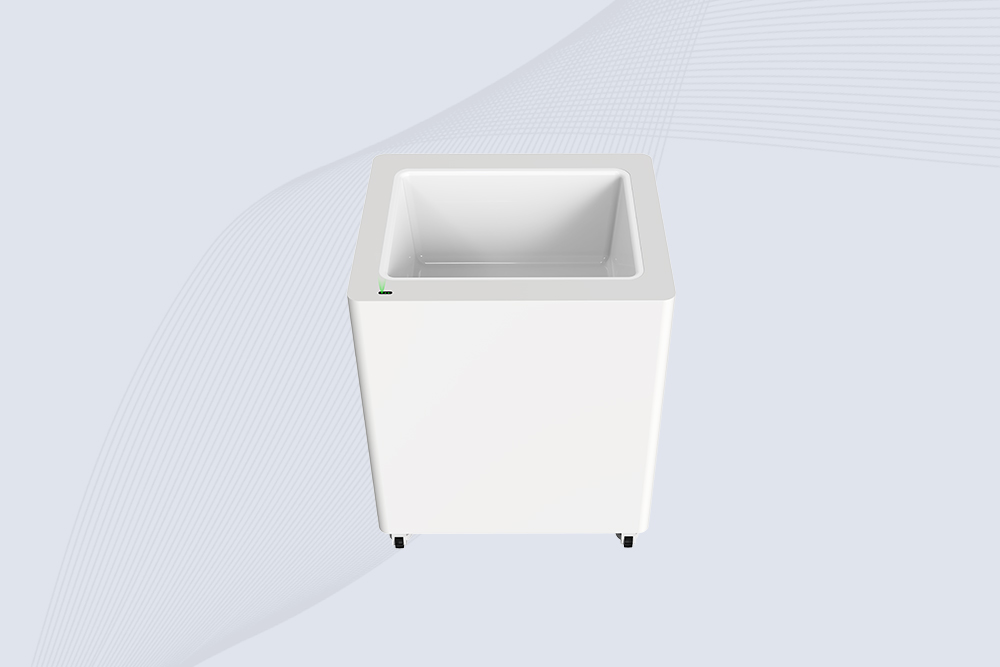
Cykeo’s CYKEO-D8C UHF RFID gate reader achieves 200-tag/batch scanning with adjustable power control, ideal for retail inventory and smart warehouse management.
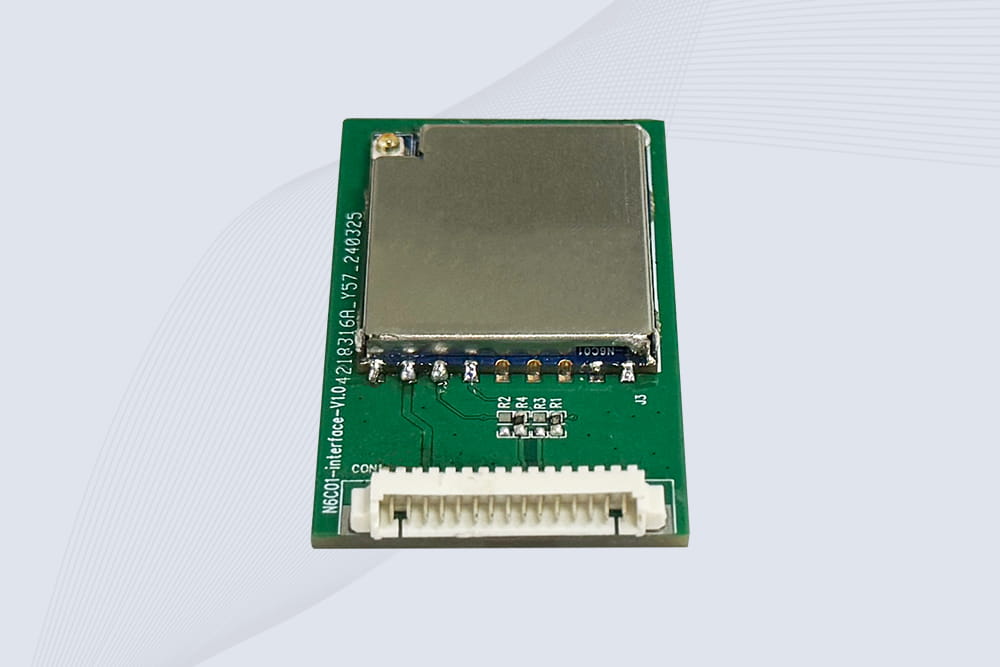
CYKEO Embedded RFID Modules are designed for compact industrial and IoT devices that require stable UHF performance. These UHF RFID Modules support global protocols, flexible power control, and reliable multi-tag reading for smart cabinets, production lines, and asset tracking systems.
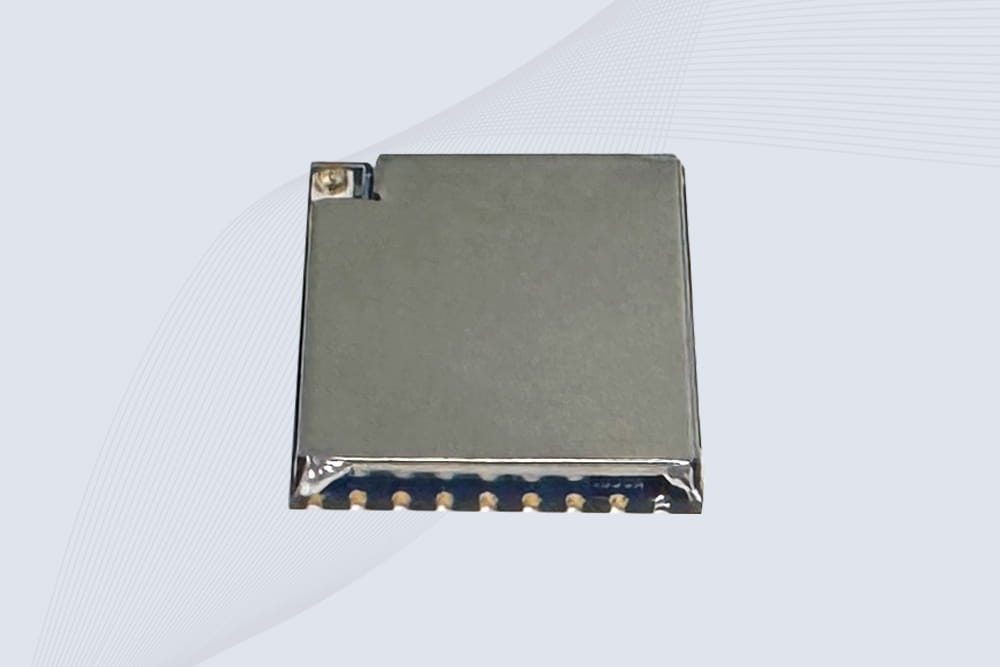
CYKEO Embedded RFID Module is built for compact IoT and industrial devices that need stable UHF performance. This UHF module supports global protocols, low power operation, and reliable multi-tag reading for smart lockers, production lines, and always-on RFID systems.
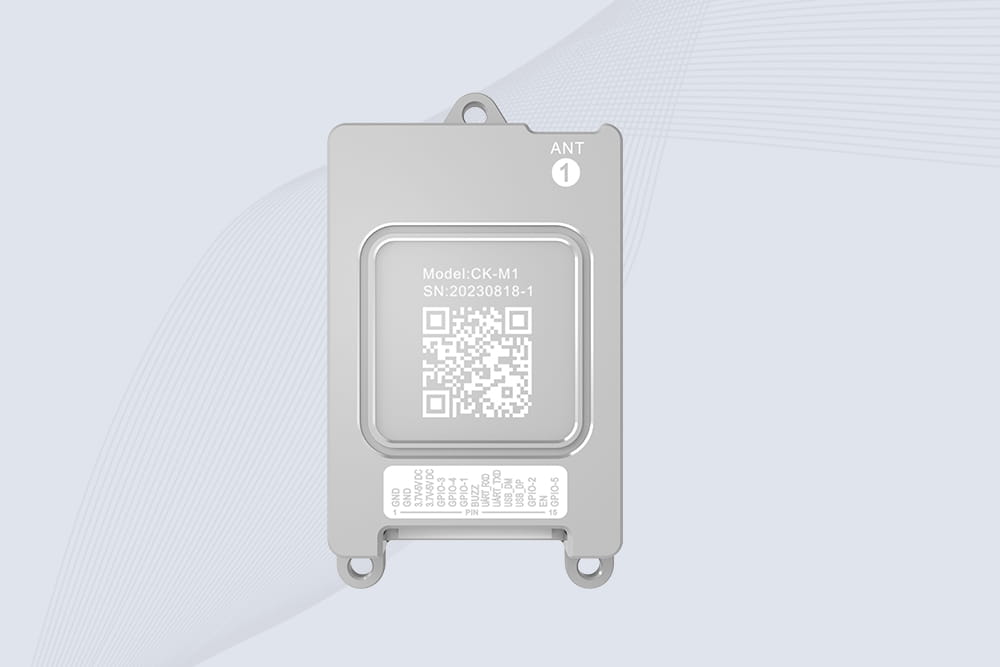
CYKEO CYKEO-M1 drone rfid module is a compact UHF RFID reader module designed for drones and UAV platforms. It supports long-range aerial scanning, fast multi-tag reading, and stable performance in wind, vibration, and outdoor environments.
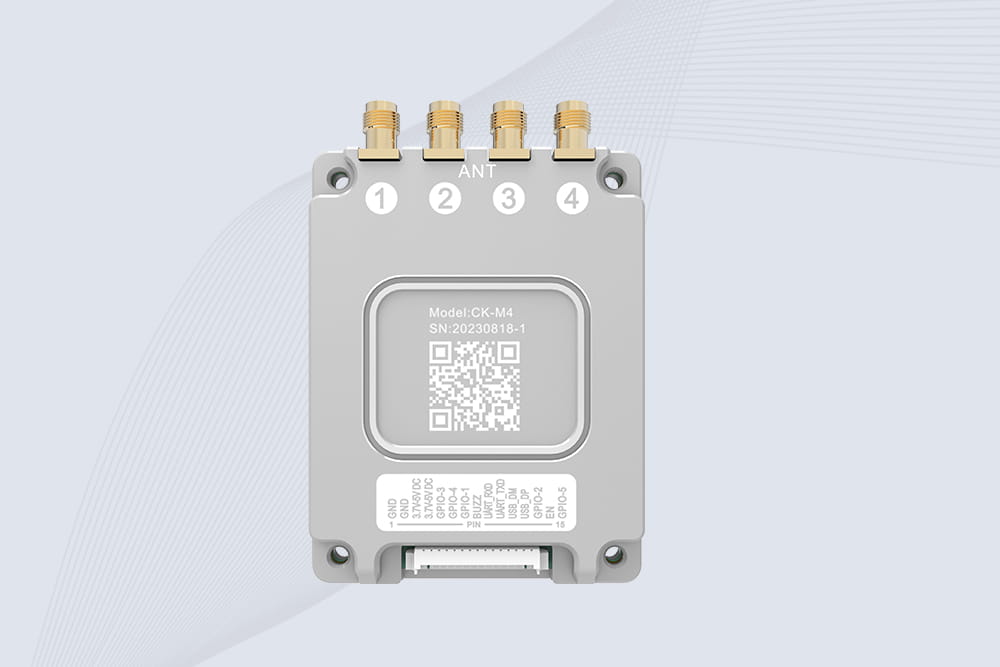
CYKEO CYKEO-M4 RC522 RFID Module is an industrial-grade UHF RFID reader with 4 ports, supporting ISO, EPC, and GB protocols. High-speed, accurate reading for IoT, automation, and warehouse applications.
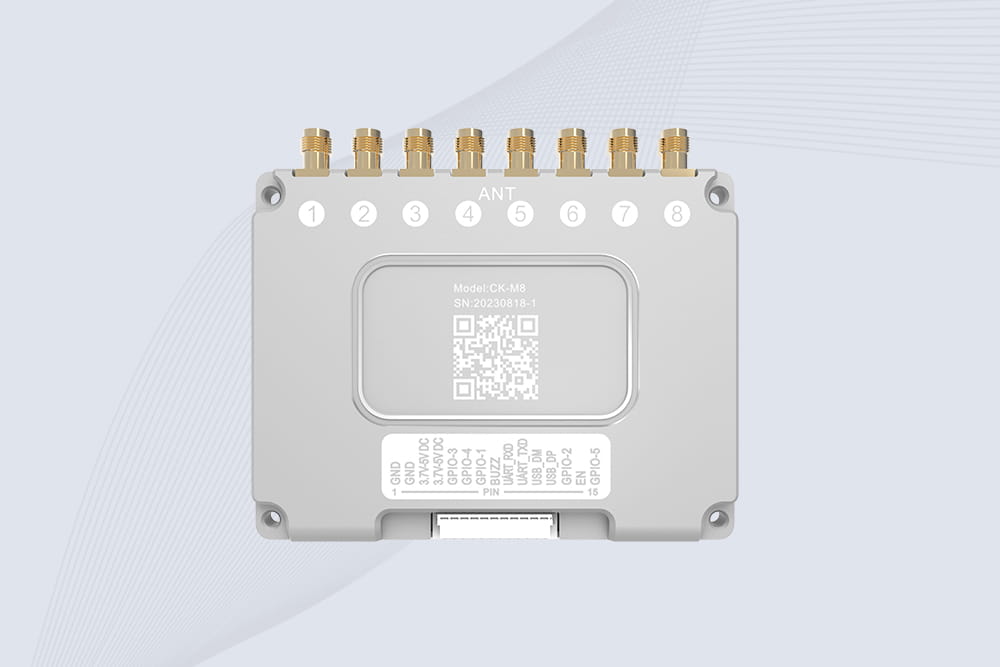
CYKEO CYKEO-M8 Module RFID is an 8-port UHF R2000 RFID Module designed for high-density, multi-tag environments. Stable 33dBm output, ISO & GB protocol support, ideal for warehouses, factories, and automated systems.
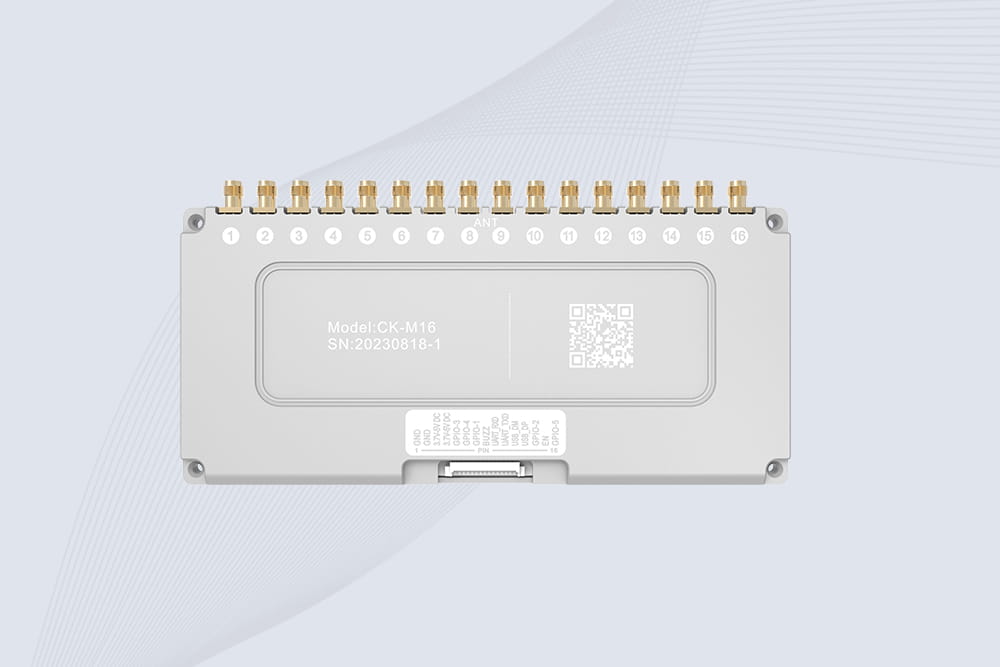
CYKEO CYKEO-M16 RFID Module is a 16-port UHF RFID reader module based on the R2000 chipset. Designed for dense tag environments, it supports ISO and GB standards and delivers stable multi-antenna control for industrial automation.
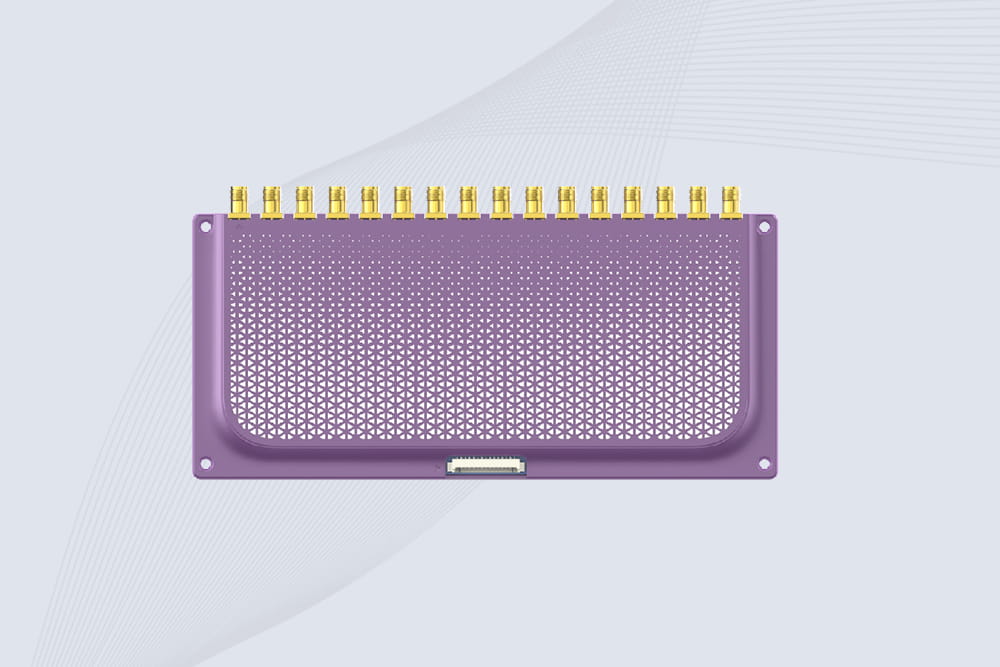
The CYKEO CYKEO-M16L RFID Reader Module is a 16-channel UHF RFID core designed for dense tag environments. With adjustable 33dBm output, multi-protocol support, and stable multi-antenna control, this RFID Tag Reader Module fits industrial automation, warehouse systems, and large-scale IoT deployments.
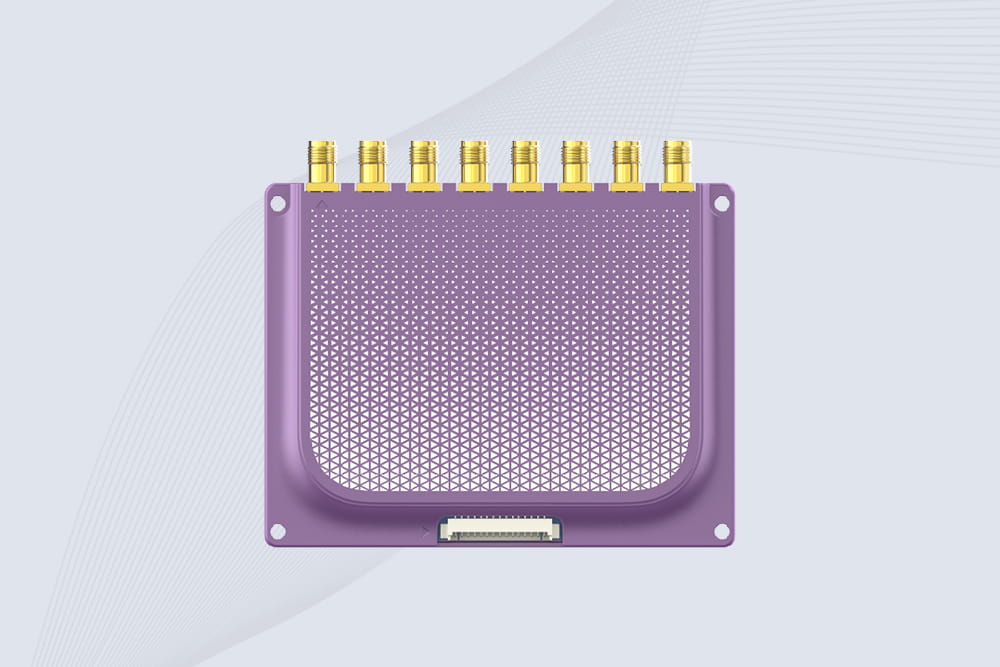
CYKEO CYKEO-M8L module RFID is a compact industrial UHF module built for dense tag and multi-antenna environments. With 8 RF ports, adjustable 33 dBm output, and ISO & GB protocol support, it is widely used in factories, warehouses, and automated tracking systems.
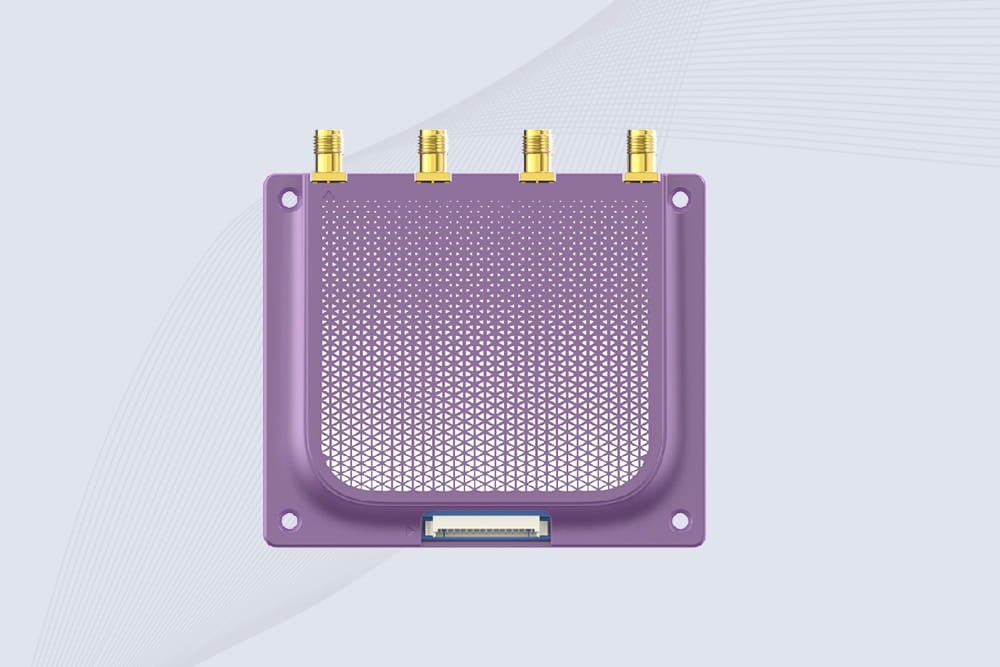
CYKEOCYKEO-M4L UHF RFID Module is a compact 4-channel RFID tag reader module designed for dense tag environments. Supporting ISO and GB protocols, it delivers stable reads up to 10 meters for industrial and IoT systems.
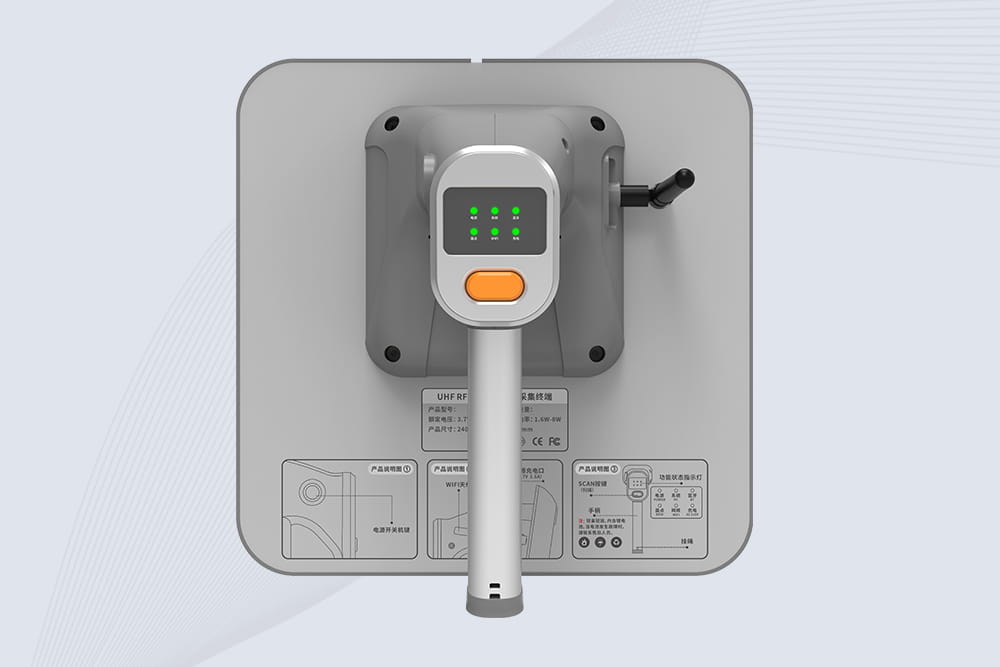
Cykeo CYKEO-B9 UHF Bluetooth handheld RFID scanner features 12m UHF range, 200+ tags/sec scanning, IP67 rugged design for retail/warehouse/pharma. Supports Android SDK & real-time Bluetooth 5.0 transmission.
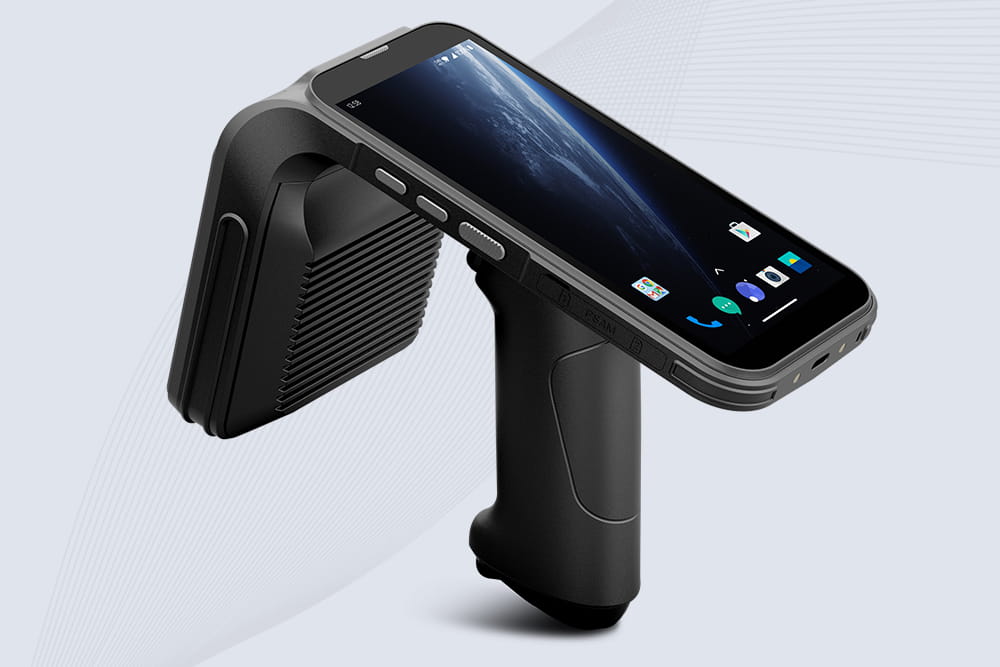
Cykeo CYKEO-B4 UHF Handheld RFID Reader scanner delivers 1300 tags/sec reading, 30m UHF range, and 12-hour battery life. IP65 rugged design with barcode/NFC/ID scanning for retail/manufacturing/logistics.
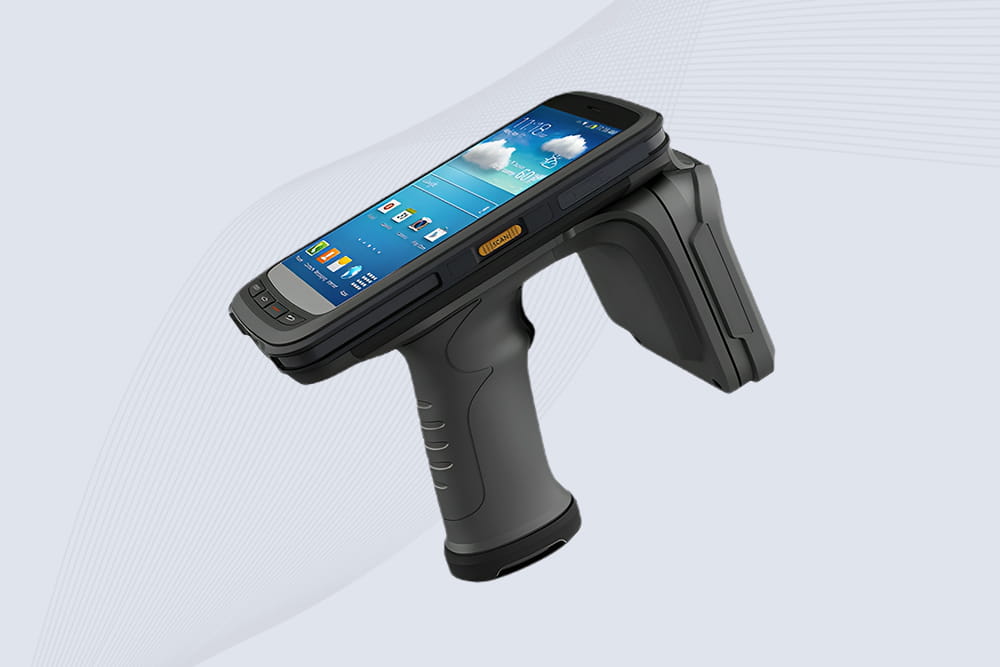
Cykeo CYKEO-B2 industrial UHF RFID handheld Scanner offers 10m range, 500 tags/sec scanning, Android 11 OS, and IP65 rugged design for retail/warehouse/manufacturing.
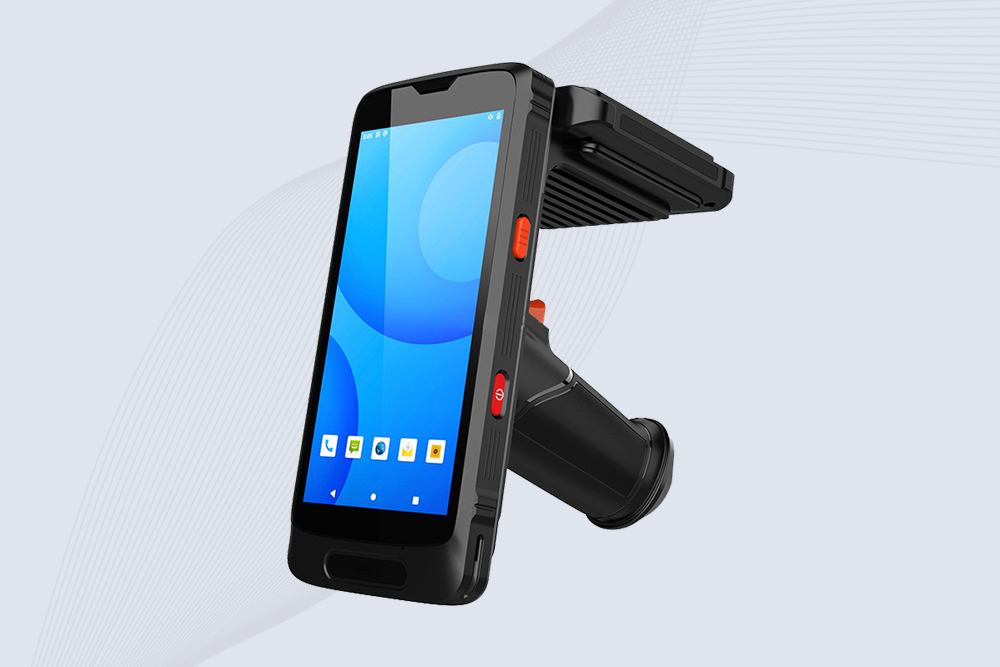
Cykeo CYKEO-B3 industrial RFID Reader Handheld, terminal offers 2m read range, multi-protocol scanning (NFC/barcode/ID), Android 10 OS, and IP65 ruggedness for logistics/retail/manufacturing.
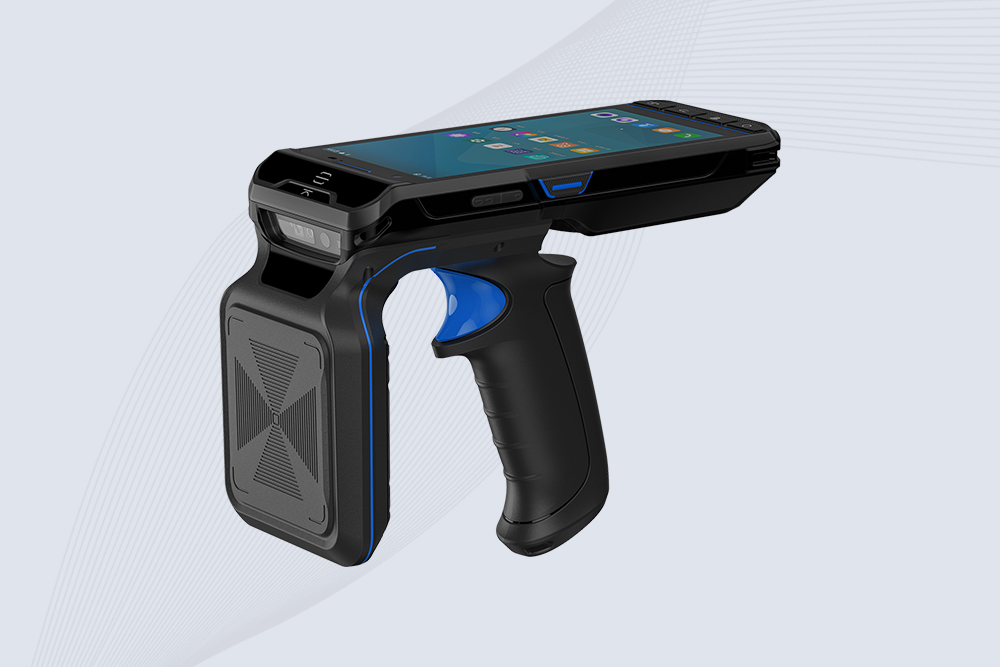
Cykeo CYKEO-B3L industrial handheld UHF RFID Reader terminal features 20m read range, 500 tags/sec scanning, Android 13 OS, 12-hour battery for logistics/retail/manufacturing. Supports barcode/NFC/ID reading.
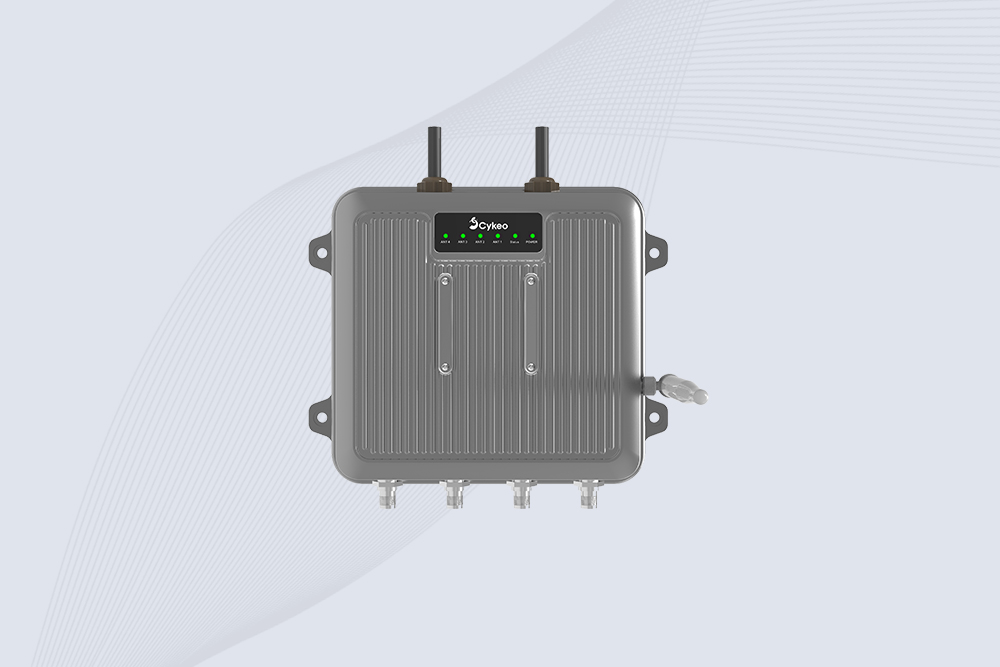
Cykeo CYKEO-C1 industrial Forklift RFID Reader features 20m read range, 600 tags/sec scanning, Impinj R2000 chipset, and IP67 rugged design. Ideal for warehouse logistics and manufacturing. Supports ISO 18000-6C/6B protocols.
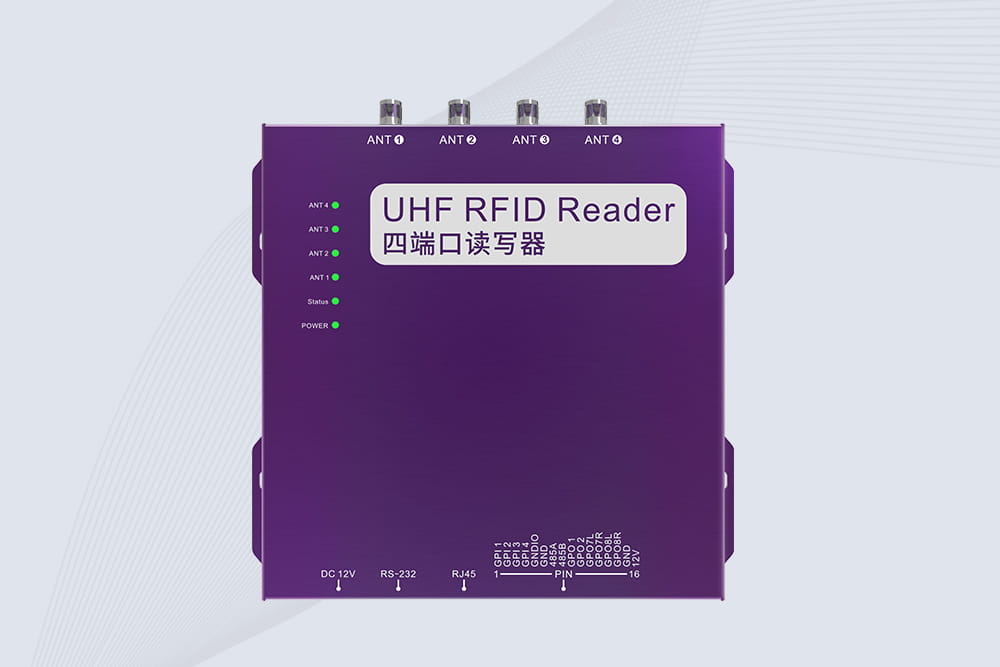
Cykeo CYKEO-R4 industrial UHF RFID Fixed Reader features 4 TNC ports, 400+ tags/sec speed, IP67 housing, and global frequency compliance for vehicle inspection, smart warehouse, and asset management systems.
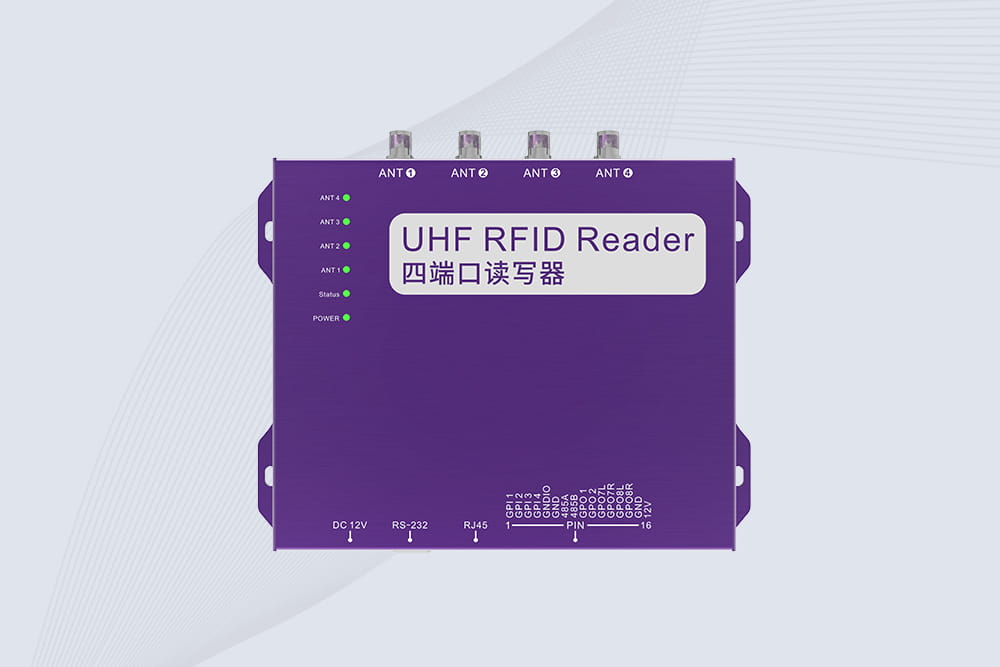
Cykeo’s CYKEO-R4L 4-port Fixed UHF RFID Reader delivers 400 tags/sec scanning, ISO 18000-6C compliance, and IP65 protection. Ideal for warehouse automation, manufacturing WIP tracking, and logistics management.
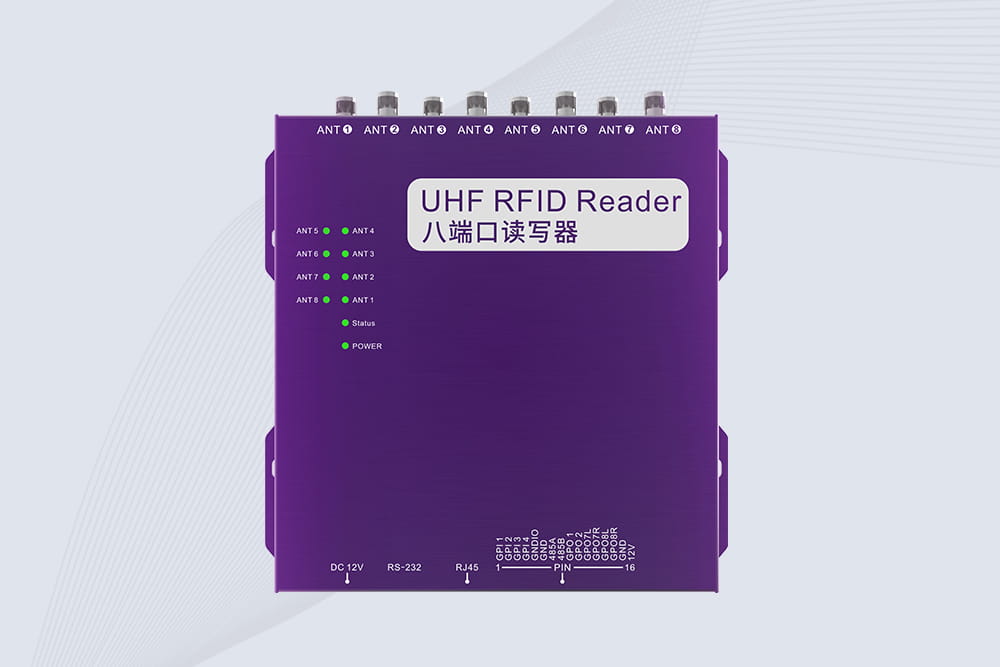
CYKEO CYKEO-R8L Fixed RFID Reader with 8-port UHF design, Impinj-based RF core and up to 20m read range. An industrial Fixed RFID Reader for vehicle inspection, warehouse portals, smart manufacturing lines and secure access checkpoints.
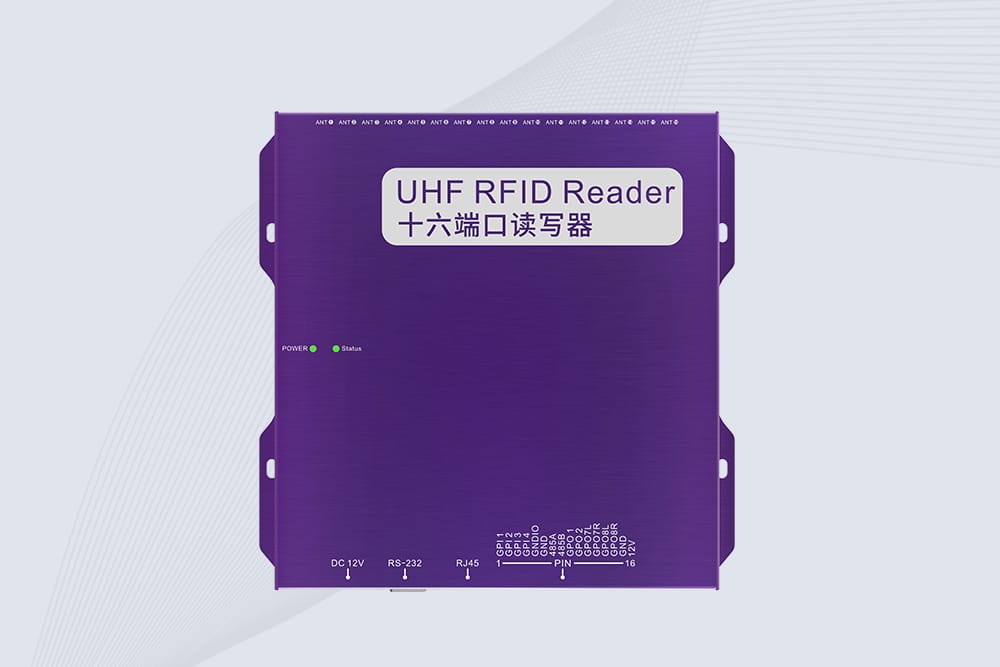
RFID Fixed Reader from CYKEO – the CYKEO-R16L 16-port UHF fixed reader for warehouses, smart cabinets, and production lines. Long-range, multi-tag reading, stable performance for 24/7 industrial use.
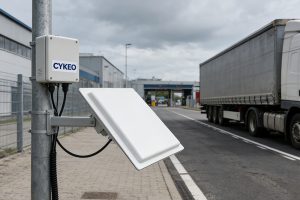
Someone just asked me can rfid reader be directional after their gate installation failed. Here's the real story on antennas, beam patterns, and what CYKEO gear actually does.
More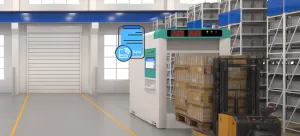
RFID tunnel machine, a cutting-edge technology in modern logistics, is transforming the way warehouses are managed. It is more than just a simple tool; it’s a vital solution to improving warehouse efficiency. By leveraging RFID (Radio Frequency Id...
More
RFID tracks products, pallets, containers, and assets through supply-chain checkpoints, creating automated inventory, shipping, receiving, and traceability e...
More
RFID Tool Tracking uses RFID tags, readers, antennas, and software to automatically identify tools and record their movement. It helps companies improve tool...
More